
UNESCO Global Geoparks — Latin America & the Caribbean

- 1
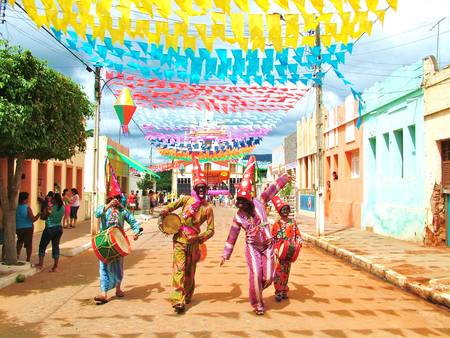
UNESCO Global Geopark, inscribed 2015, in Brazil. The Padre Cícero Museum, located at the Colina do Horto Geosite, explores contemporary and historical faith and popular culture. The Memorial do Homem Kariri focuses on archaeological and anthropological themes, including Indigenous heritage, cave paintings, and lithic artefacts discovered in the territory.
- 2
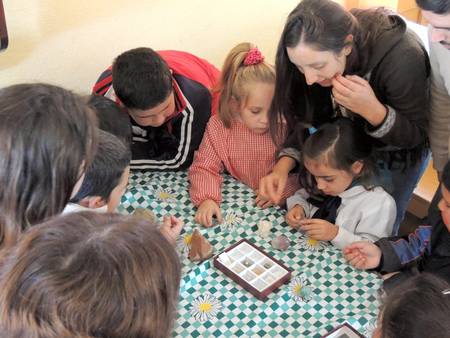
UNESCO Global Geopark, inscribed 2015, in Uruguay. Experience the Creole Stew Festival, a traditional April event held in Centenary Park that showcases ancestral cooking methods using clay and iron pots. Join over 40,000 attendees at the Andresito Sings to the Country Festival, a three-day celebration each January featuring local and international folk musicians by the shores of Andresito Lake. Visit the Fernando Gutiérrez Museum, a national heritage monument with permanent and temporary exhibitions on rocks, fossils, minerals, and a dedicated geopark room.
- 3
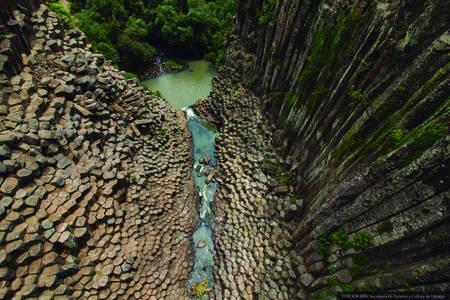
UNESCO Global Geopark, inscribed 2017, in Mexico. The Pachuca’s 40m monumental clock tower in Plaza Independencia of Pachuca, built between 1904 and 1910, has machinery identical to Big Ben in London. El Chico National Park, founded in 1898, is one of the oldest protected areas in Mexico. Visit the columnar basalts in Santa María Regla, a breathtaking natural formation discovered by Alexander von Humboldt. These towering basaltic prisms are among the tallest columnar basalts in the world.
- 4
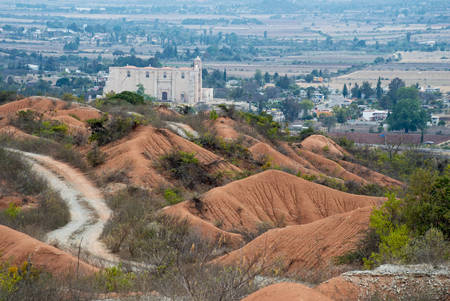
UNESCO Global Geopark, inscribed 2017, in Mexico. The cultural and natural heritage is evident in the landscape; archaeological sites, 16th-century colonial churches and convents, as well as extensive areas of natural vegetation, blend with the geology and landforms that create unique landscapes. Explore the Ñu-Un Yucu interpretative trail in Santa María Tiltepec to witness the region’s incredible biodiversity, featuring dense oak and pine forests, vibrant orchids and diverse bird species. Experience the world-famous flavours of Oaxacan cuisine, rooted in Indigenous traditions, featuring unique dishes made with insects, worms and other natural ingredients.
- 5
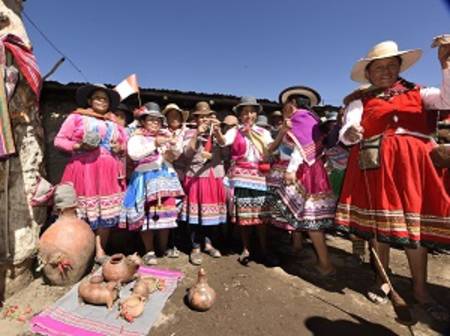
UNESCO Global Geopark, inscribed 2019, in Peru. The region’s gastronomy with its traditional jallpa is a journey in time to the way Indigenous populations survived the harshness of the region. Throughout the geopark there are traditional and mystical festivities such as: payments to the Pachamama, planting and harvesting water and Catholic masses that are accompanied by dances and bullfights.
- 6
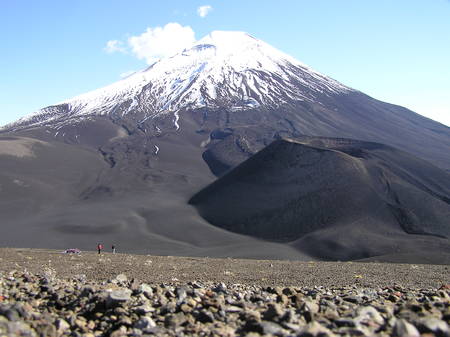
UNESCO Global Geopark, inscribed 2019, in Chile. Visit the Mapuche Indigenous Religious and Ceremonial Complex in Icalma, including the Eltuwe cemetery and Nguillantuwe ceremonial site. Explore the house of Poeta Tellier, a renowned poet from the commune of Lautaro. Take one of the spectacular trails that wind through the slopes of glacial valleys, including the Lagunillas Trail, where relatively recent (4–2 million years ago) volcanic-sedimentary records can be observed.
- 7
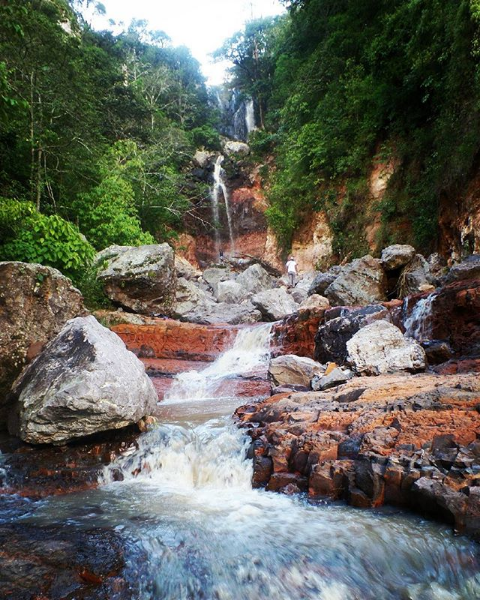
UNESCO Global Geopark, inscribed 2020, in Nicaragua. Home to the Reserva Natural Tepesomoto–La Pataste where hundreds of protected species inhabit, there are three emblematic trees: the almond tree of ‘Tere Armijo,’ the Branded Guapino tree, and the 500-year-old Golden Ceiba, sacred for the Mayan people. The area has a rich history, marked by Taguzgalpa heritage, with numerous pre-Hispanic settlements and a few examples of cave art. Spanish conquistadors established the Cuje gold mines in Rio Coco and built the parish church of Santa Maria de Magdalena in Totogalpa (18th and 19th centuries).
- 8
UNESCO Global Geopark, inscribed 2022, in Brazil. Seridó’s cultural heritage is diverse, and the geopark preserves the memory of ancient prehistoric peoples in more than 120 archaeological sites. The most outstanding are in the Carnaúba dos Dantas municipality, where 90 sites—particularly Xiquexique—show hunting and ritual scenes. Other cultural expressions of the region include cordel literature, mamulengos theatre, puppet performances like those of the guignol in France or the Italian pupazzi, and a strong religious heritage of Sephardi Judaism, Catholicism, Protestantism and Afro-Brazilian syncretism.
- 9
UNESCO Global Geopark, inscribed 2022, in Brazil. Canyons can be visited from the high ground or through the valleys. The best known are the trails of the Itaimbezinho Canyon, Fortaleza Canyon, Malacara Canyon, Rio do Boi Trail, and Tigre Preto Trail. When touring the towns, visitors will find options such as traditional gaúcho barbecue prepared in a fire pit, seafood dishes, restaurants specialising in meat and pasta, as well as tasty homemade food.
- 10
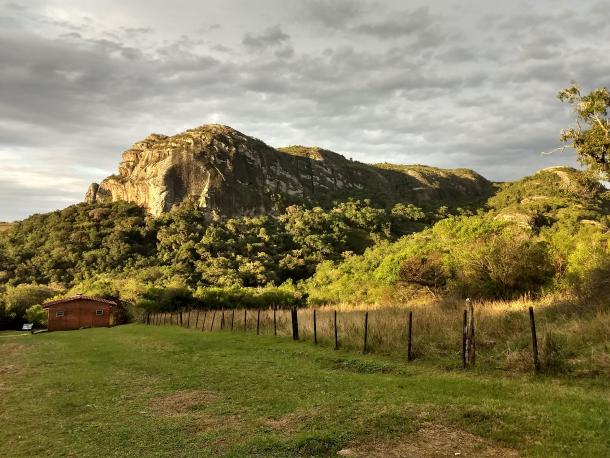
UNESCO Global Geopark, inscribed 2023, in Brazil. Explore the Guaritas geosite, where sandstone formations and traditional sheep farms create a unique blend of natural and cultural heritage. Discover the Serra do Segredo Municipal Park, offering geo-trails and conservation initiatives for climbers, hikers, and students. Visit Fazenda Santa Marta, a rural experience-tourism destination showcasing natural wool dyeing and sustainable farming practices.
- 11
UNESCO Global Geopark, inscribed 2023, in Brazil. Explore the Sculpture Trail starting in Nova Palma, a 10 km route featuring stunning sandstone sculptures every kilometre, ending at the Sculpture Garden with over 500 carvings and forest trails. Visit Caminhos de Ivorá for an authentic eco-tourism experience, combining scenic trails, local crafts, and opportunities to connect with the natural beauty of the region. Discover Serra do Segredo Municipal Park, where geo-trails and conservation initiatives offer climbers, hikers, and students a chance to engage with the region's geological heritage.
- 12
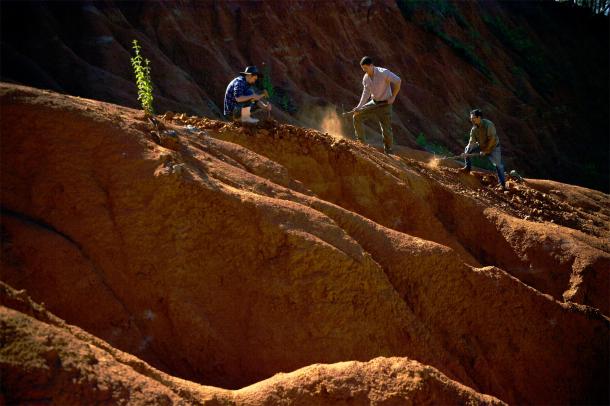
UNESCO Global Geopark, inscribed 2024, in Brazil. Explore Peirópolis Geosite, home to Brazil's highest concentration of dinosaur eggs and vertebrate fossils, featuring attractions like the Dinosaur Museum and the L.I. Price Paleontology Research Center. Visit Serra da Galga Geosite, an internationally significant excavation site with new infrastructure planned for tourists and school visits. Celebrate Dinosaur Week in September with hands-on excavation activities, workshops, and guided geosite tours.
- 13
UNESCO Global Geopark, inscribed 2025, in Ecuador. Explore the impressive crater of the Sumaco volcano at Laguna Guagua Sumaco, where weathered pyroclastic deposits and calm, crystalline waters offer rich geological insight and a haven for birdwatchers. Visit the AMUKISHMI women's association in Puerto Misahuallí, where Kichwa cultural traditions are shared through workshops, crafts, and the welcoming drink of yucca chicha. Follow the Cacao and Chocolate Route in Napo, linking birdwatching, ecotourism and cultural events with the region’s fine aroma cacao and Amazonian chocolate-making traditions.
- 14
UNESCO Global Geopark, inscribed 2025, in Ecuador. Learn about geothermal processes, volcanic gases, and thermo-medicinal waters at Puela Hot Springs, a geosite combining therapeutic benefits with geological education and scenic surroundings. Visit the GeoAmigo Cafeteria “Casa del Volcán,” owned by local resident, where local identity is celebrated through ancestral dishes and volcanic-themed cuisine using ingredients from nearby farmers. Explore Las Caras Tourist Complex, where petrified roots and ancestral carvings revealed after 2006 volcanic activity are now part of community-led tours, horseback rides, and volcanic mud treatments.