MICHELIN Guide Bib Gourmand 2025
 by MICHELIN Guide @michelin_guide 3637 places · 1 saves
Places 1,501–2,000 of 3,637
- 1501
Bib Gourmand • Country cooking, Traditional Cuisine. Situated in the green heart of the Mirano countryside, this restaurant serves simple yet substantial cuisine. Authentic traditional cuisine is to the fore here, with a focus on top-quality ingredients and reasonable prices. The ambience is warm and welcoming, evoking the feel of a country house, while the serving staff – always available with a smile – add a friendly touch that makes every meal a special occasion. The perfect address for anyone looking for authenticity, flavour and a family-style welcome.

- 1502
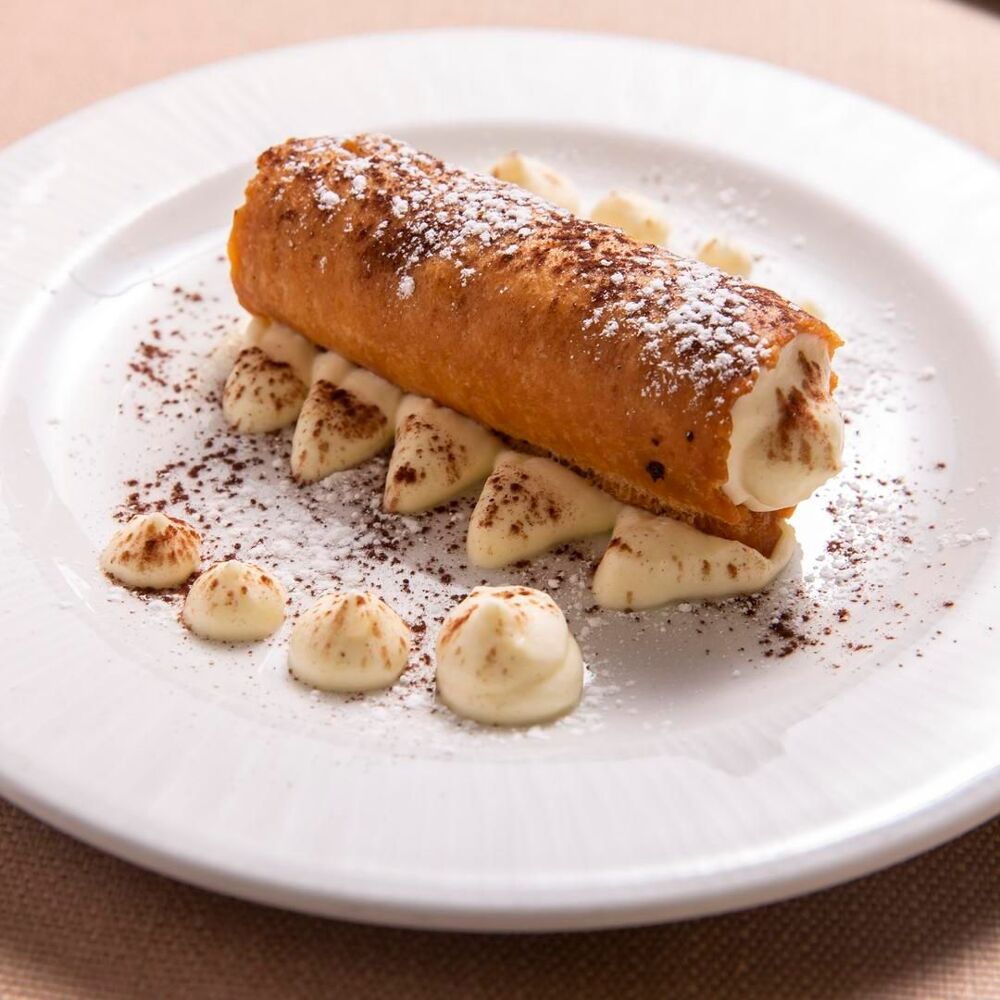
Bib Gourmand • Seafood, Mediterranean Cuisine. A lively restaurant on the seafront, featuring a pleasant terrace with panoramic views, which is highly sought after during the season – so it's best to book it as early as possible. For over twenty years, the solid family management has focused on excellent seafood cuisine, mostly classic, with some personal touches, especially in the desserts. Be sure to try the dark chocolate and crunchy cannoli, served vertically and filled with gianduja semifreddo, topped and plated with a cold Moscato d’Asti zabaglione.
- 1503
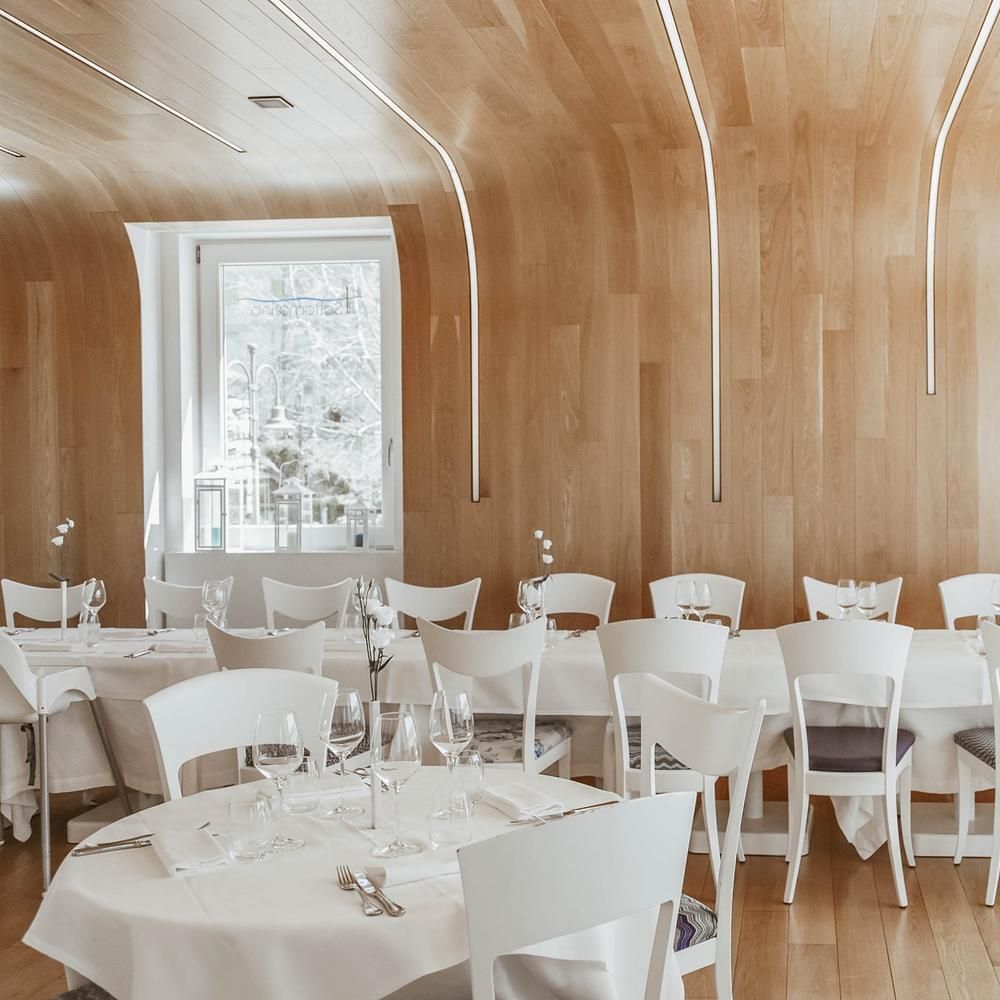
Bib Gourmand • Tuscan, Contemporary. This restaurant in the heart of the old town is a must for anyone keen to try the cuisine of the Casentino region. The friendly chef is more than happy to provide information on his ingredients and to offer recommendations – the strong flavours in evidence and his delicious cuisine are sure to leave a lasting memory.
- 1504
Bib Gourmand • Apulian, Modern Cuisine. A characteristic and pleasant atmosphere reminiscent of an enoteca wine bar introduces one of the most intriguing culinary offerings in the area. If seeking the most typical Apulian products, this is your address!
- 1505
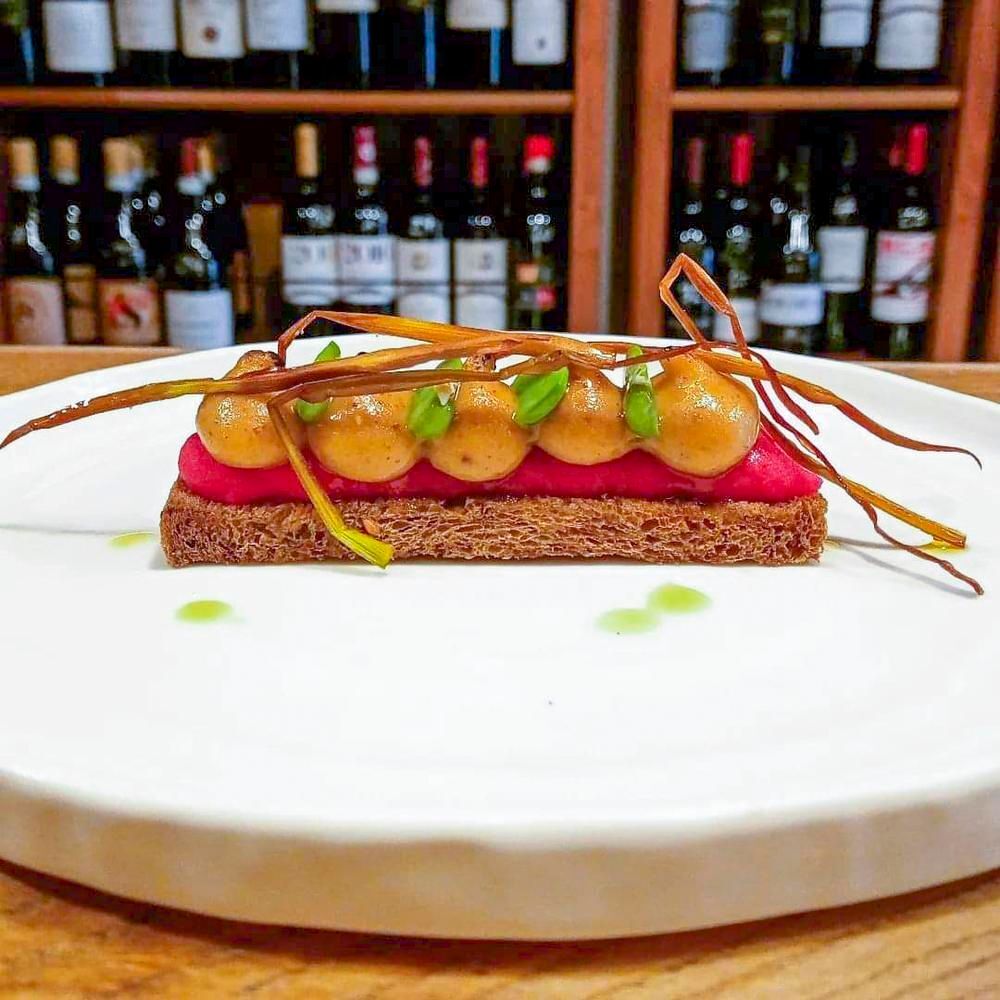
Bib Gourmand • Piedmontese, Regional Cuisine. A culinary landmark in the Novara province, this restaurant has been run for decades by the enthusiastic Naggi sisters, whose family have owned the premises since 1934. The secret to their success lies in the warm welcome and the delicious traditional cuisine, which includes fresh homemade pasta, an extraordinary paniscia (a type of risotto), and stuffed boiled chicken served with various sauces and chutneys displayed on a trolley. All the dishes are full of flavour and made from seasonal ingredients. You’ll have no problem finding a good wine to accompany your meal from the impressive wine list that includes plenty of local labels.

- 1506
Bib Gourmand • Meats and Grills, Sicilian. The Pennisi family business started in this butcher’s shop, which over time has expanded to include a restaurant serving excellent cuisine to guests who sit at small tables facing a counter where a fine selection of meat, salumi and cheeses is displayed. The menu features grilled meat options alongside filled rolls and hamburgers, as well as delicious cooked dishes that are both generous and substantial. We suggest asking staff for recommendations, as we did – we were not disappointed!
- 1507
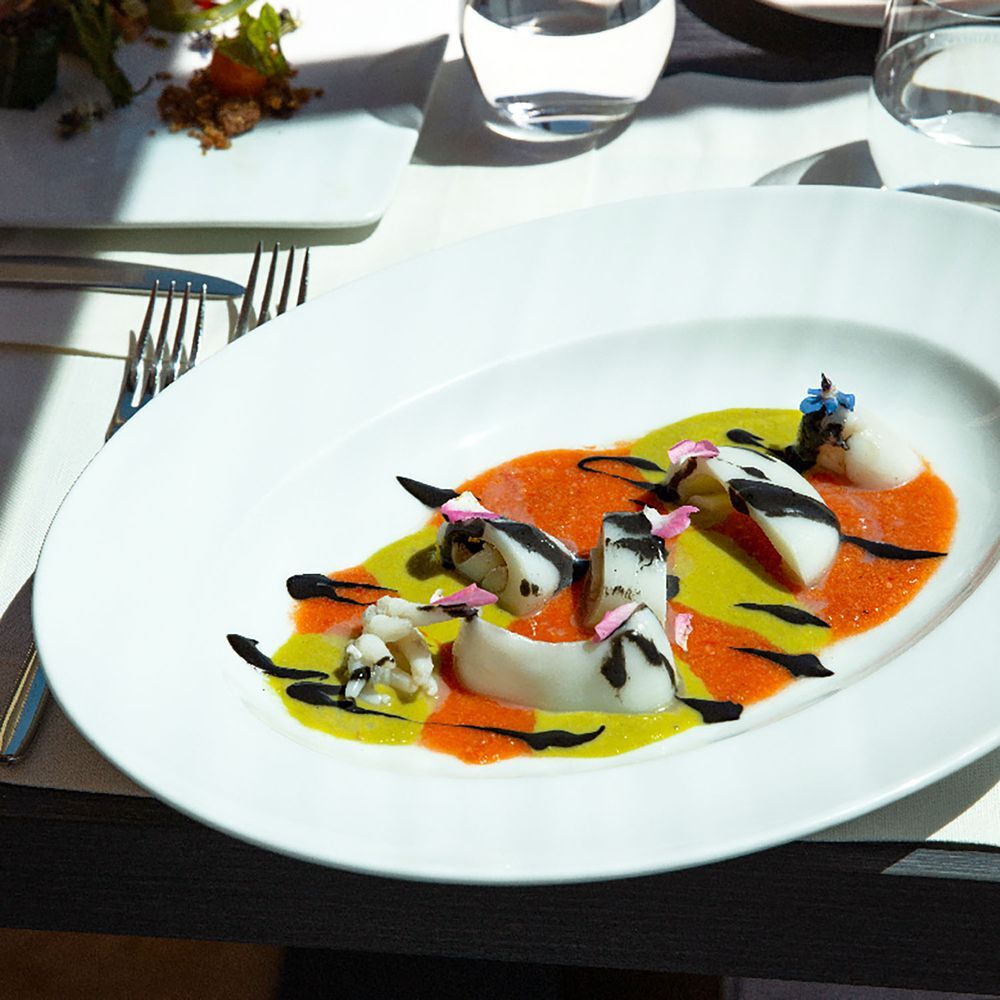
Bib Gourmand • Piedmontese, Contemporary. Operating since 1971 and still under the same family management, they are a reliable address, a great classic if you are in the area. The ambience is well cared for, while the cuisine is solid. Alongside some local cues (battuta di fassona with fresh cheese or agnolotti with butter and sage), there are also seafood dishes (tuna tataki with coconut and soy sauce) and, in general, some contemporary touches, very evident in the pleasing presentations.
- 1508
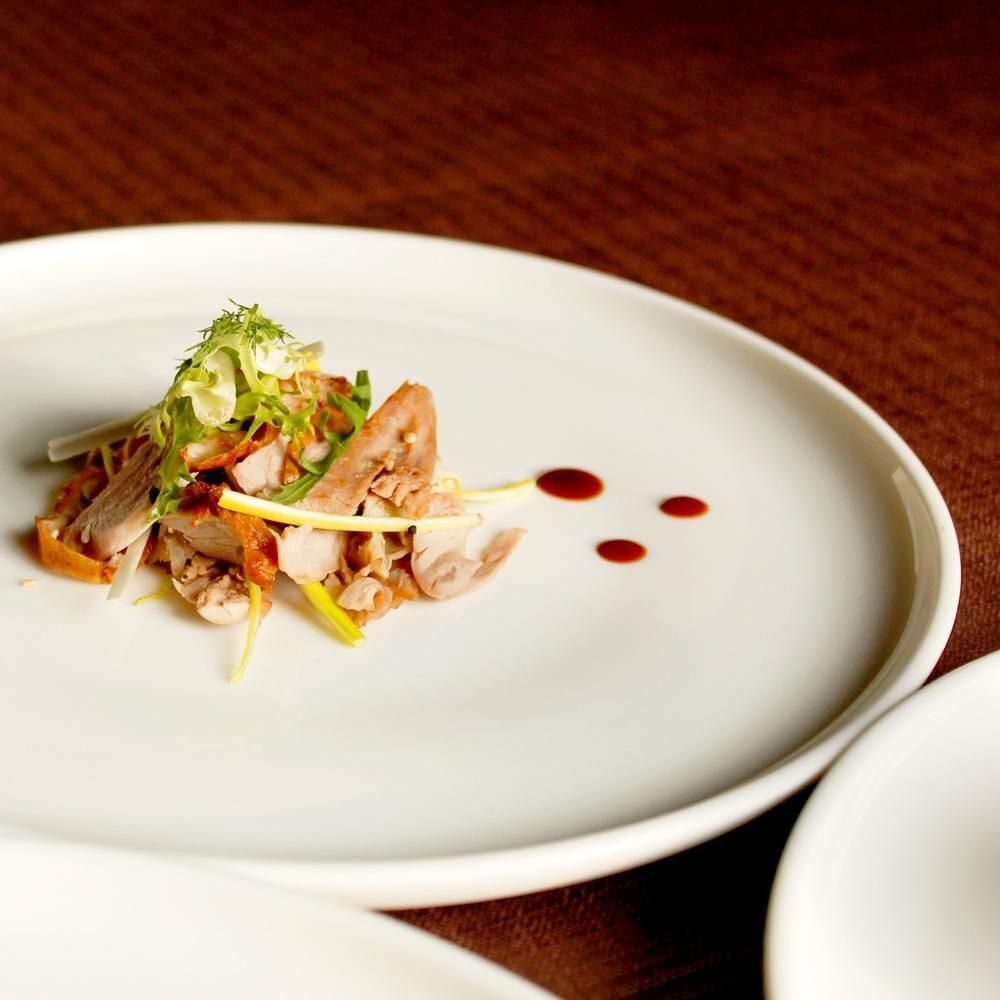
Bib Gourmand • Chinese, Modern Cuisine. Capriate is home to one of the best Chinese restaurants in the region and beyond. Although Cantonese specialities take centre stage here, the menu also features dishes from elsewhere in China, including a remarkable selection of cooked and stuffed dumplings. If you want an all-round Chinese experience, there’s also a good choice of teas. The desserts tend to be more European in style.
- 1509
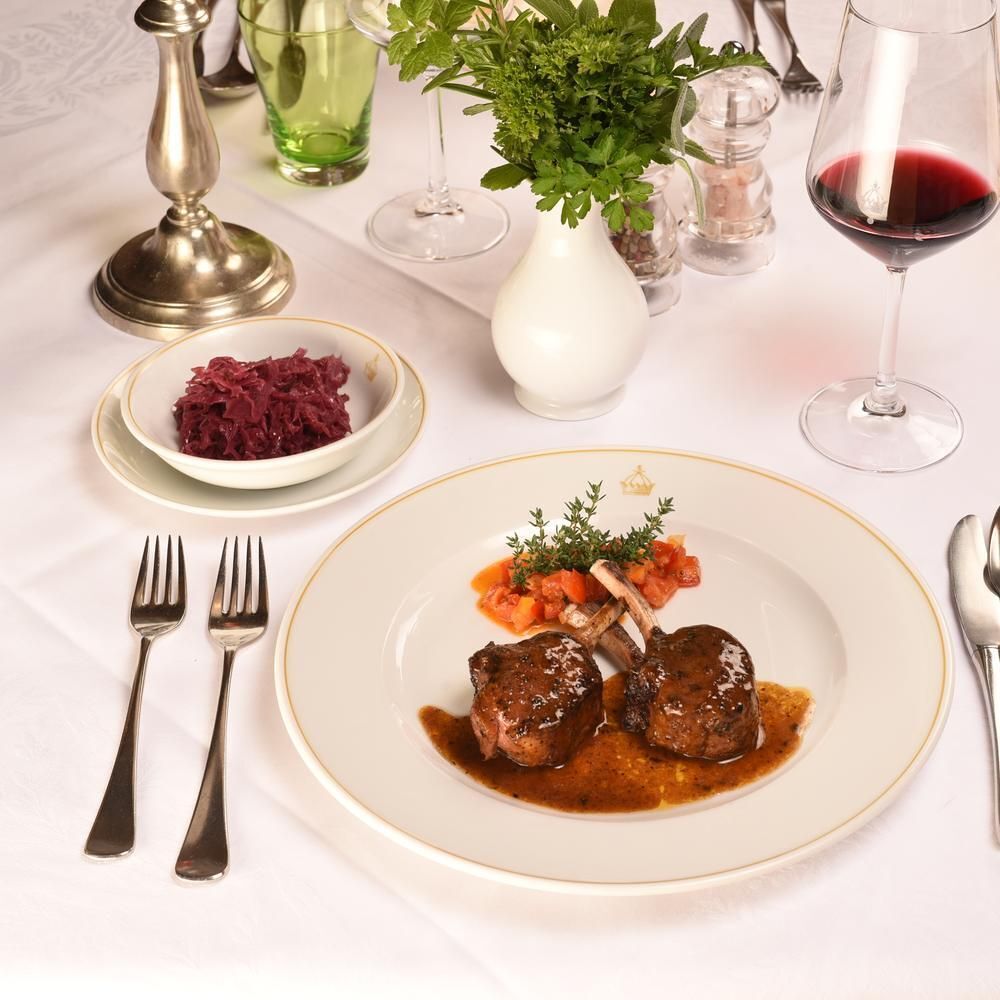
Bib Gourmand • Regional Cuisine, Traditional Cuisine. The past retains its fascinating appeal in this traditional restaurant situated in a small mountain village, where modern trends are ignored in favour of authentic dishes from the South Tyrol. Originally opened as an inn, the restaurant still offers a few simple and discreet rooms furnished in traditional style, as well as a new and modern sauna.
- 1510
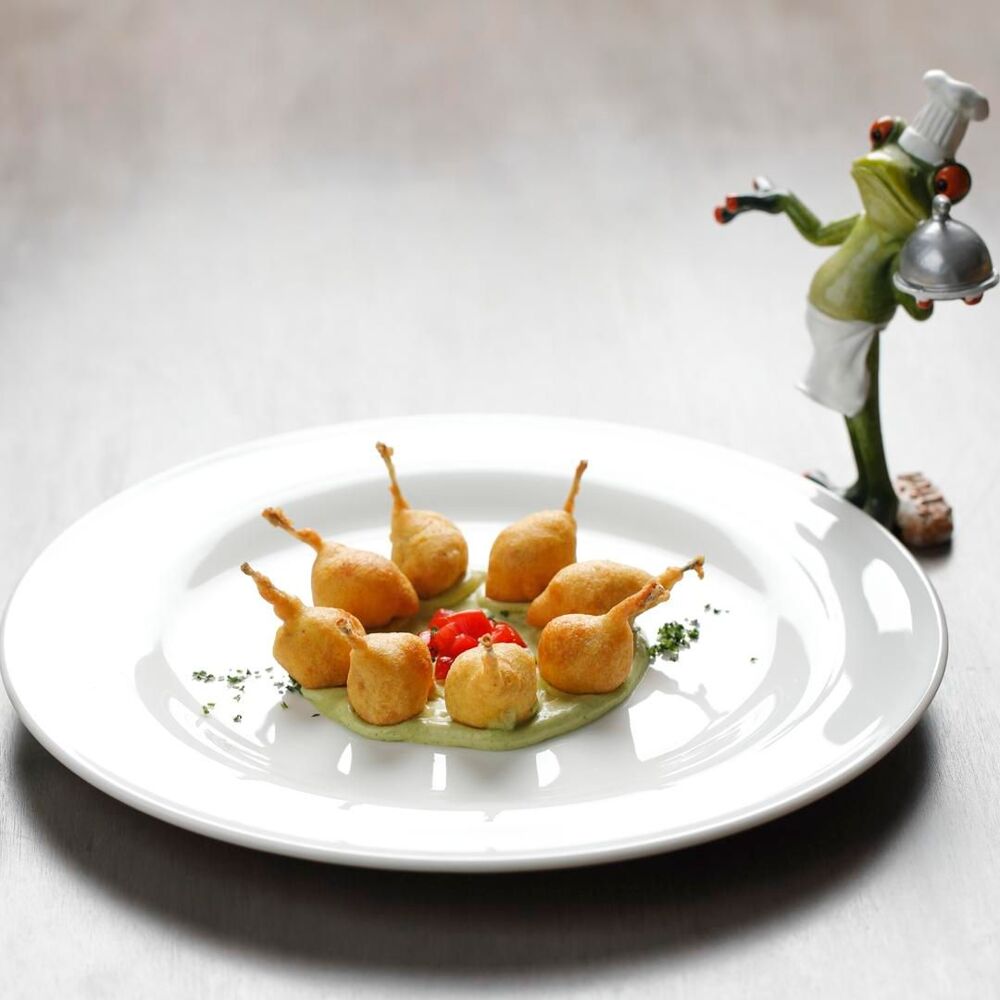
Bib Gourmand • Emilian, Traditional Cuisine. Period furniture, regional cuisine and a cheerful ambience are some of the characteristics of this old farmhouse which is named after the 1800s when it was built. Some of the ingredients used, such as snails and frogs’ legs, may come as a surprise: the restaurant specialises in these unusual delicacies, even offering a tasting menu totally dedicated to snails.
- 1511
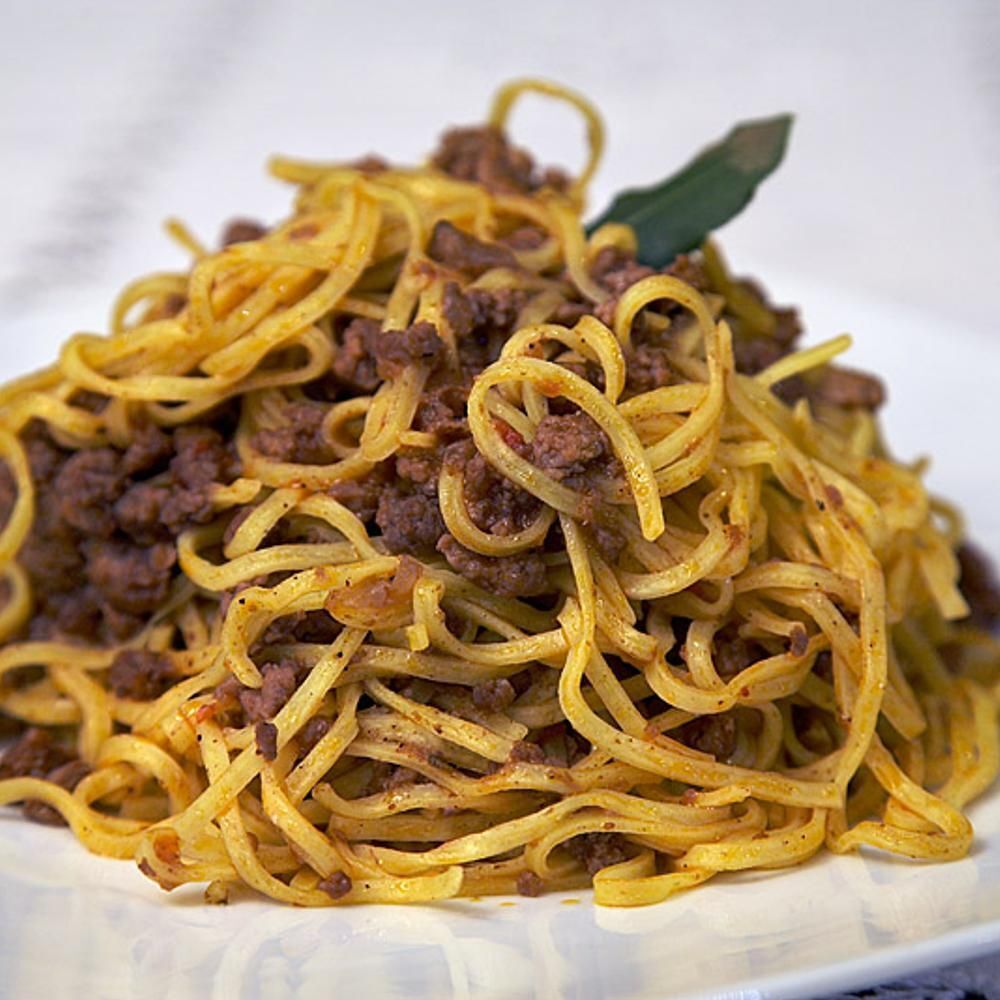
Bib Gourmand • Piedmontese, Traditional Cuisine. In the heart of the Roman quadrilateral, in this characteristic and friendly restaurant the traditional Piedmontese cuisine is honored. The specialties include: stuffed onion, vitel tonnè, agnolotti and tajarin, tripe and stracotto. Among the desserts, the bonet and hazelnut cake with zabajone are not to be missed. They have few tables, so we advise booking.
- 1512
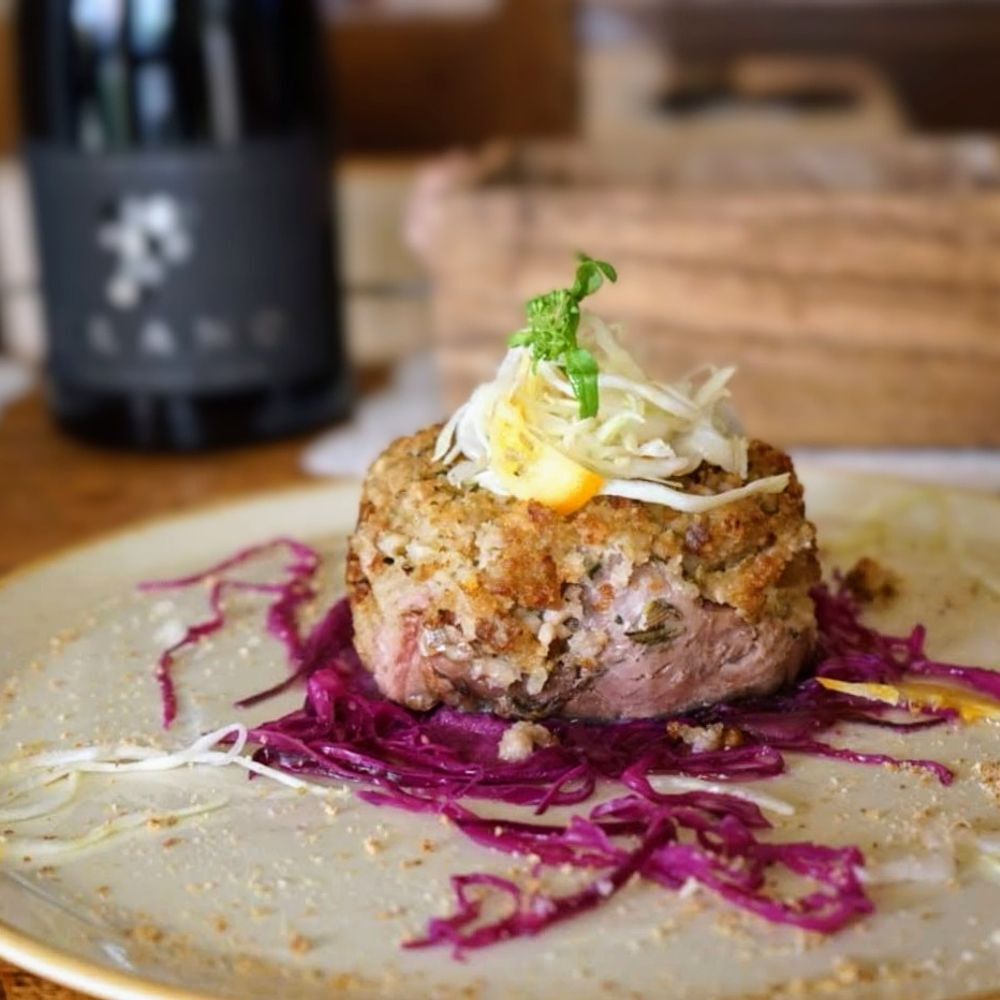
Bib Gourmand • Umbrian, Traditional Cuisine. In the historic center of this charming village above the lake, this spot is a great place to explore Umbrian cuisine, particularly traditional dishes featuring freshwater fish. For example? The oven-roasted medallion of porchetta-style carp, which offers a rich and succulent flavor!
- 1513
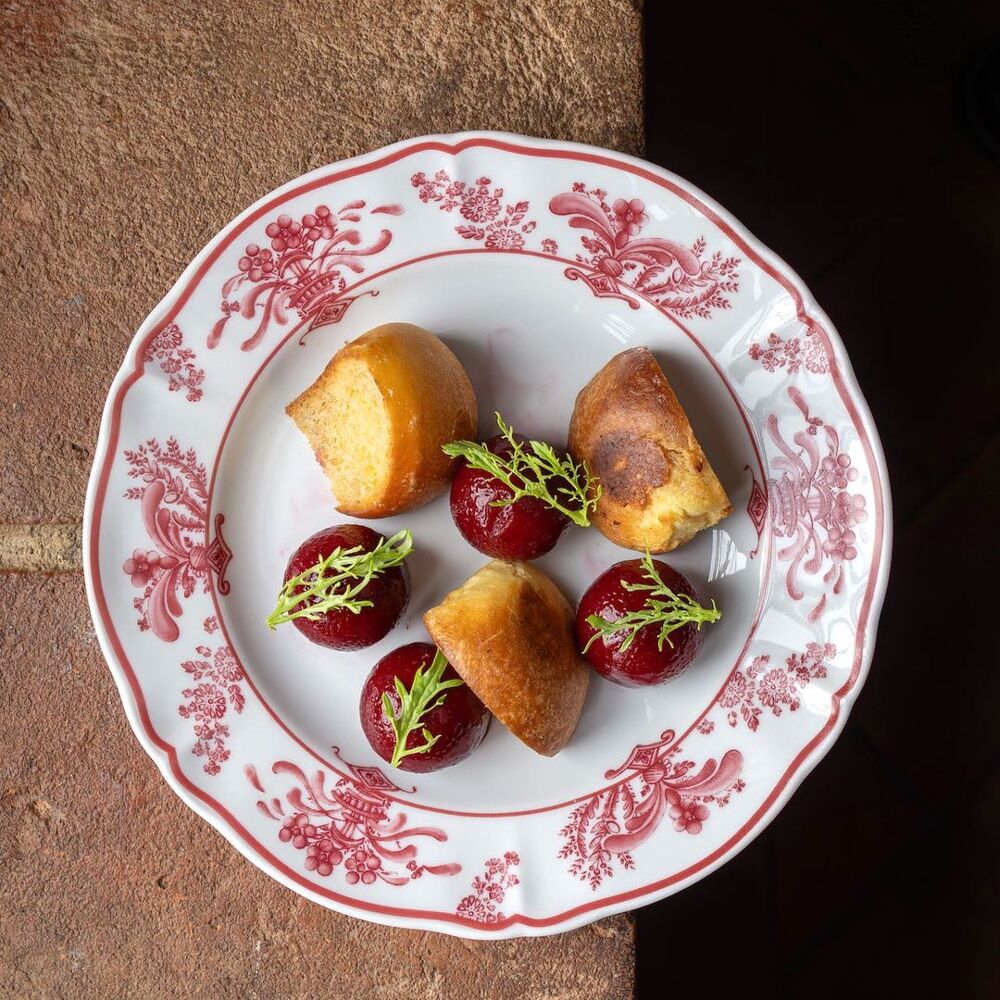
Bib Gourmand • Italian, Seasonal Cuisine. A bistro with a Tuscan soul overlooking the Sant’Ambrogio market: pared-back in décor and equally forthright in its culinary approach, alongside tributes to the territory, the cuisine focuses on imaginative preparations inspired by the great themes of Italian cuisine. Emblematic is the work with squab, interpreted according to the season, as in the agnolotti, a dish that speaks to technique and contemporary sensitivity. The wine list offers a focused selection of regional bottles at every price point, while a small terrace provides a handful of pleasant tables on milder days.
- 1514
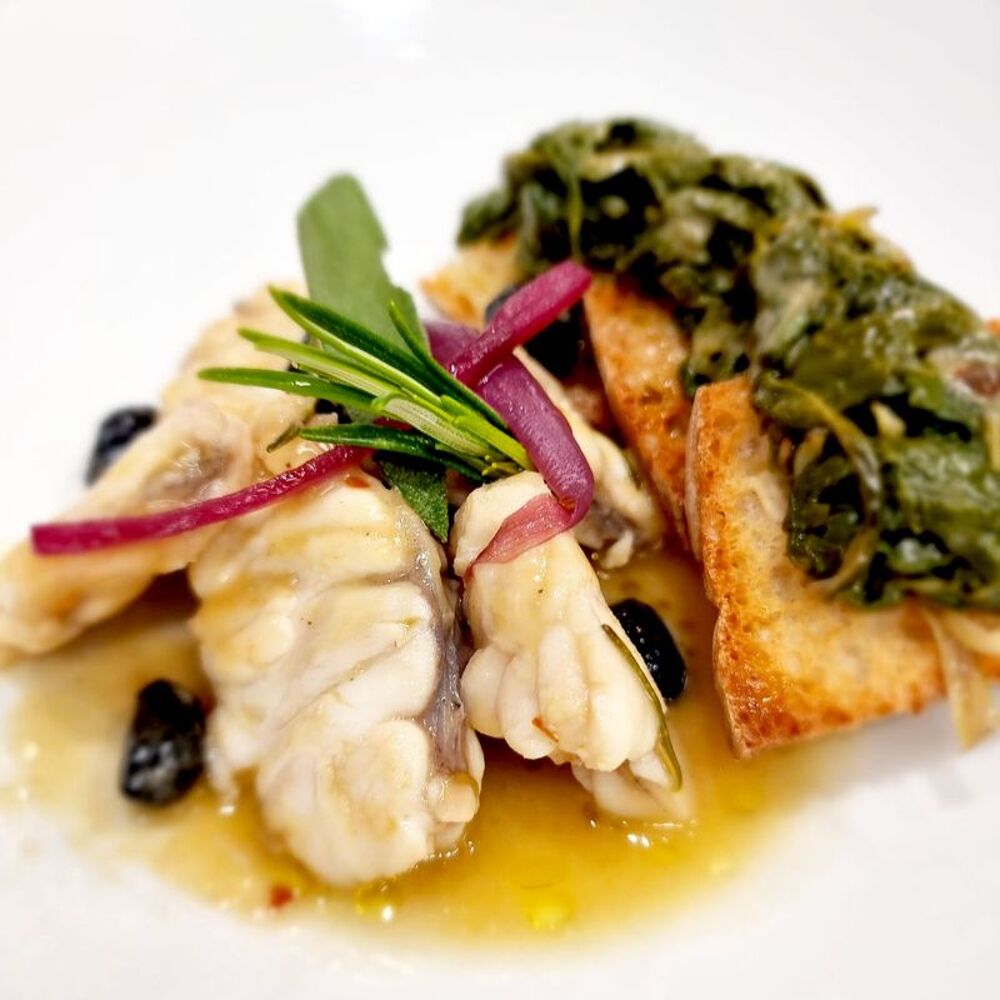
Bib Gourmand • Farm to table, Organic. Along one of the two strips of land that join the mainland to the Argentario is this contemporary osteria, minimal but comfortable and equipped with a pleasant veranda that opens in summer, always projecting toward a splendid view of the sea (don't miss the sunset if you can). The cuisine is based on local products, especially sustainably caught fish: not surprisingly, in keeping with this, the wine list features several organic labels. Highly recommended tasting menus that can range from 35 to 45 Euro. Better make reservations because they are extremely popular!
- 1515
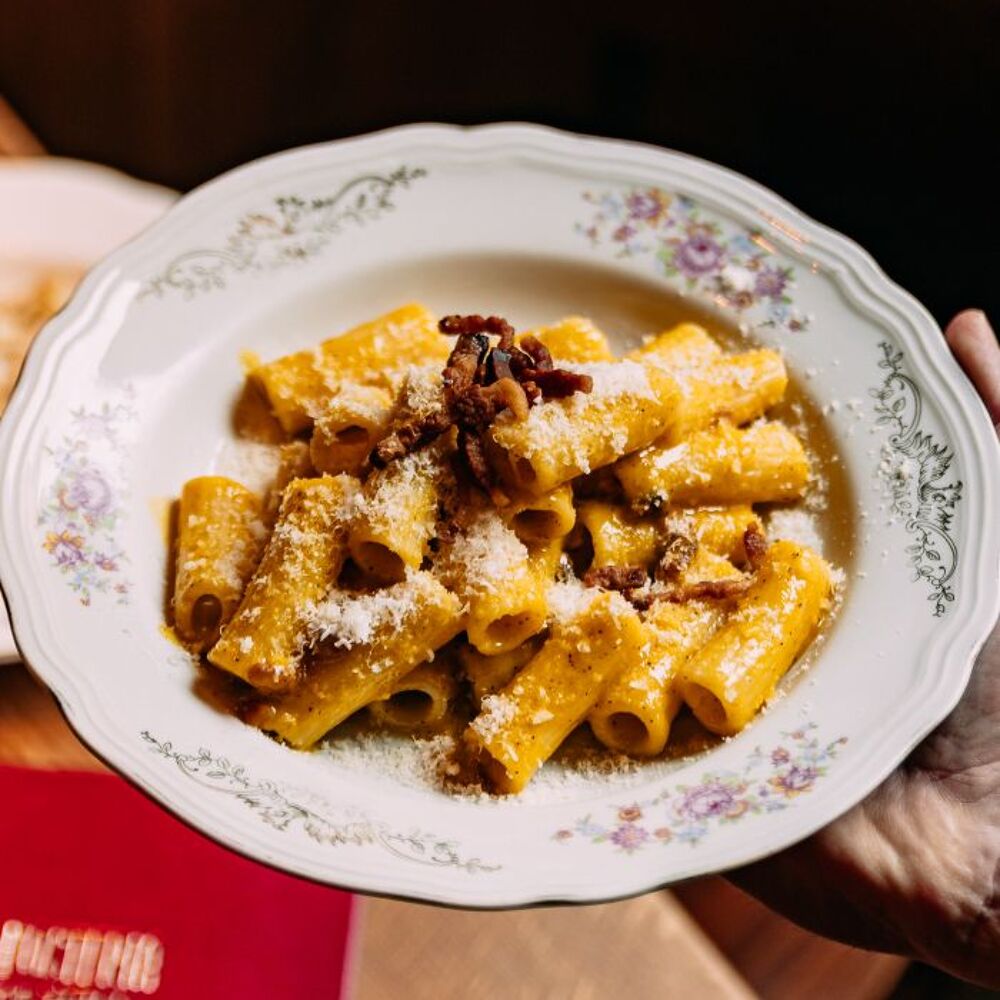
Bib Gourmand • Cuisine from Lazio, Traditional Cuisine. One of the best places in Rome in which to sample the cuisine of Lazio, this restaurant is renowned across the globe for its generous portions of carefully prepared, regional specialities. In addition to the tripe referenced in the restaurant’s name, you’ll also find dishes such as artichokes alla giudia, coratella (lamb offal) and pastas served with the most famous local sauces (amatriciana, carbonara and cacio e pepe) on the menu. Truly delicious!
- 1516
Bib Gourmand • Country cooking, Modern Cuisine. The menu is a journey through flavours that weave the traditions of Piacenza together with influences from other Italian regions. One of the highlights is their take on a Ligurian dish: Cappon magro di fiume, which combines sturgeon and trout with seasonal vegetables and salsa verde, creating fresh and lively contrasts. But the dish that won us over today is the charcoal-grilled pigeon: juicy meat, velvety liver pâté, a rich gravy and vegetables from the garden, in a perfect balance between technique and taste. The experience doesn't stop here: the wine list offers a wealth of rare and intriguing labels, ready to complete the delightful dining experience.

- 1517
Bib Gourmand • Emilian, Seasonal Cuisine. Situated in the historic centre, this trattoria-cum-delicatessen focuses on top-quality traditional cuisine. Take a seat in the simple, informal dining room and choose from a vast selection of cheeses and salumi, as well as home-made pasta and meat dishes.

- 1518
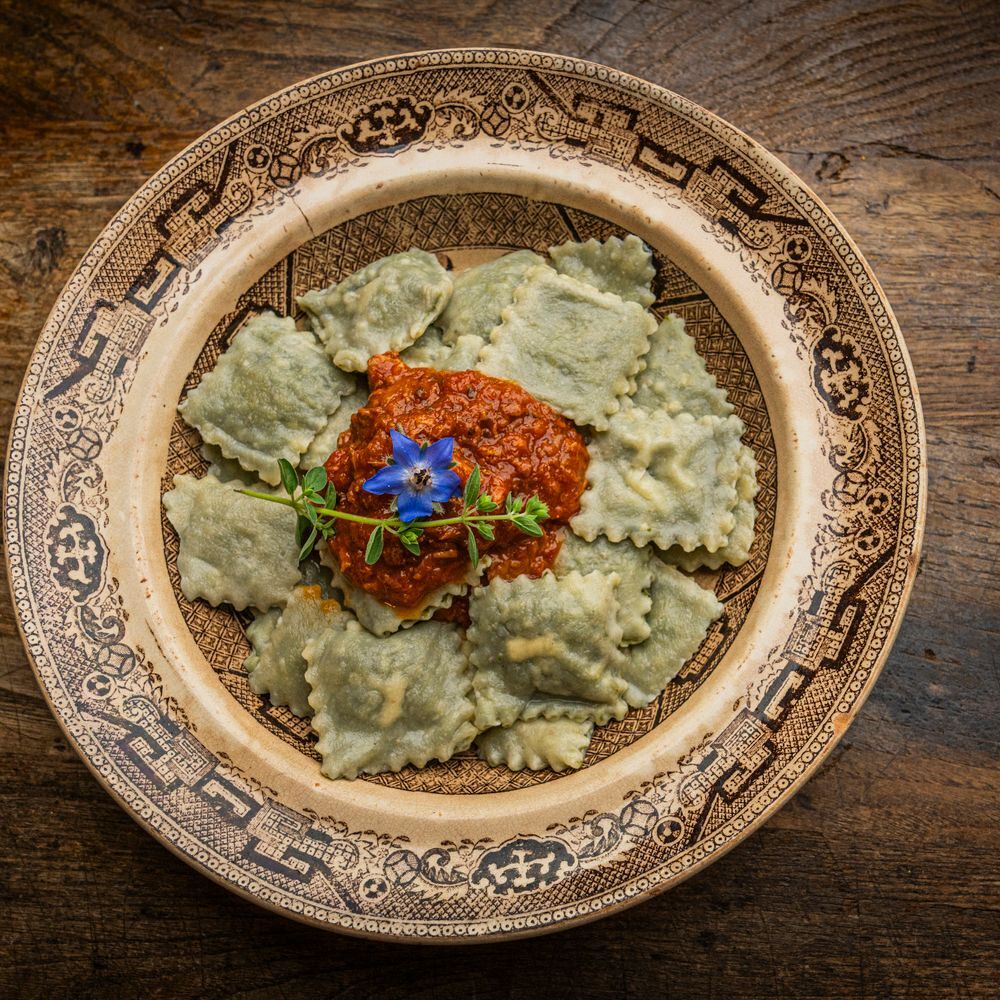
Bib Gourmand • Ligurian, Traditional Cuisine. Since 1987, this trattoria, regarded as one of the finest in Italy, has been the domain of the Circella family. Guests come here to savour local cuisine and authentic hospitality. The menu is a journey through local flavours and recipes, with generous and fragrant dishes, enriched by the “dishes of the year” introduced from 2010 onwards. Dishes not to be missed include the ravioli with herbs and Sarazzu with aged cow's milk ricotta from Val d'Aveto, enveloped in a sauce made from local hazelnuts, and the slow-cooked suckling pig with bay leaves and chestnuts. Downstairs, an excellent wine cellar is home to over 1,000 labels, absolute treasures that earned sommelier Matteo the wine service award in 2021.
- 1519
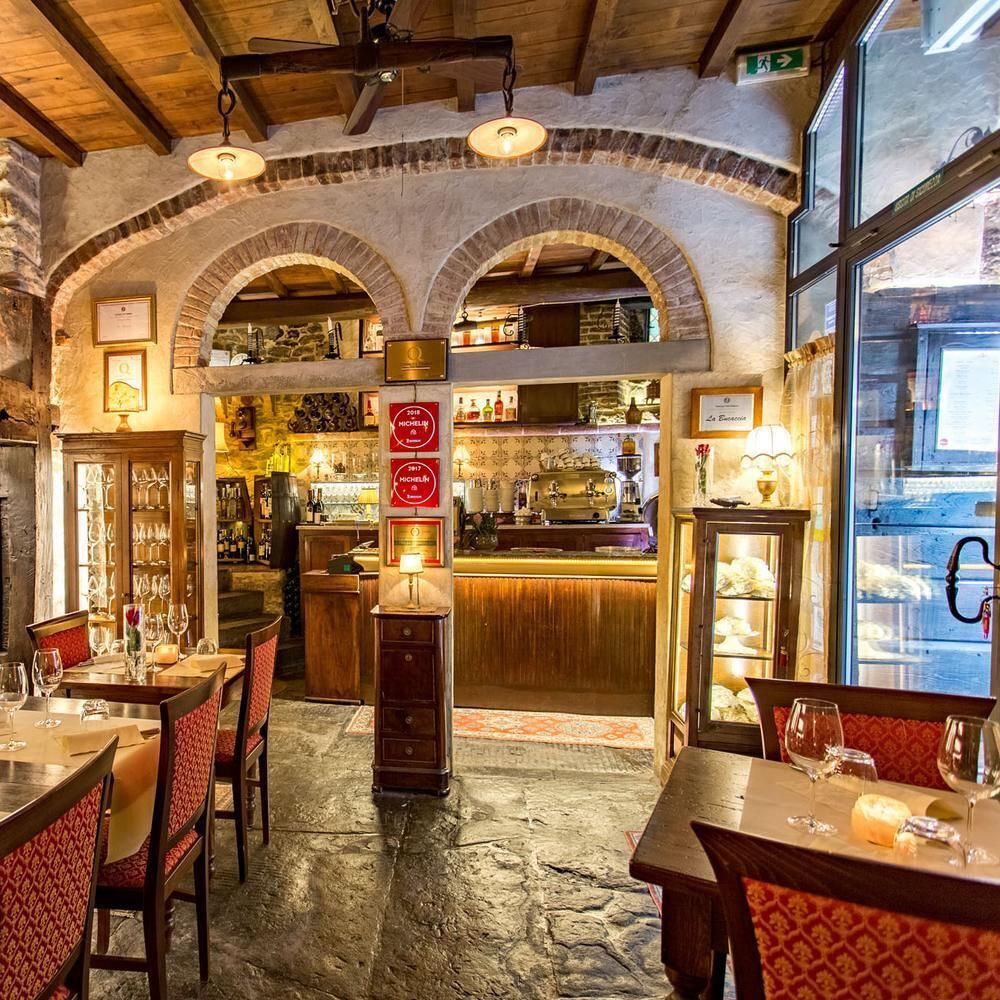
Bib Gourmand • Tuscan. One of the best places to discover Tuscan cuisine, and that of Arezzo in particular, this restaurant serves exquisite dishes full of flavour. Just a few tables are laid out along the main street in the historic centre, while the two interior dining rooms are rustic and romantic in feel. Friendly and exuberant owner Romano merits a particular mention, providing guaranteed entertainment in between courses.
- 1520
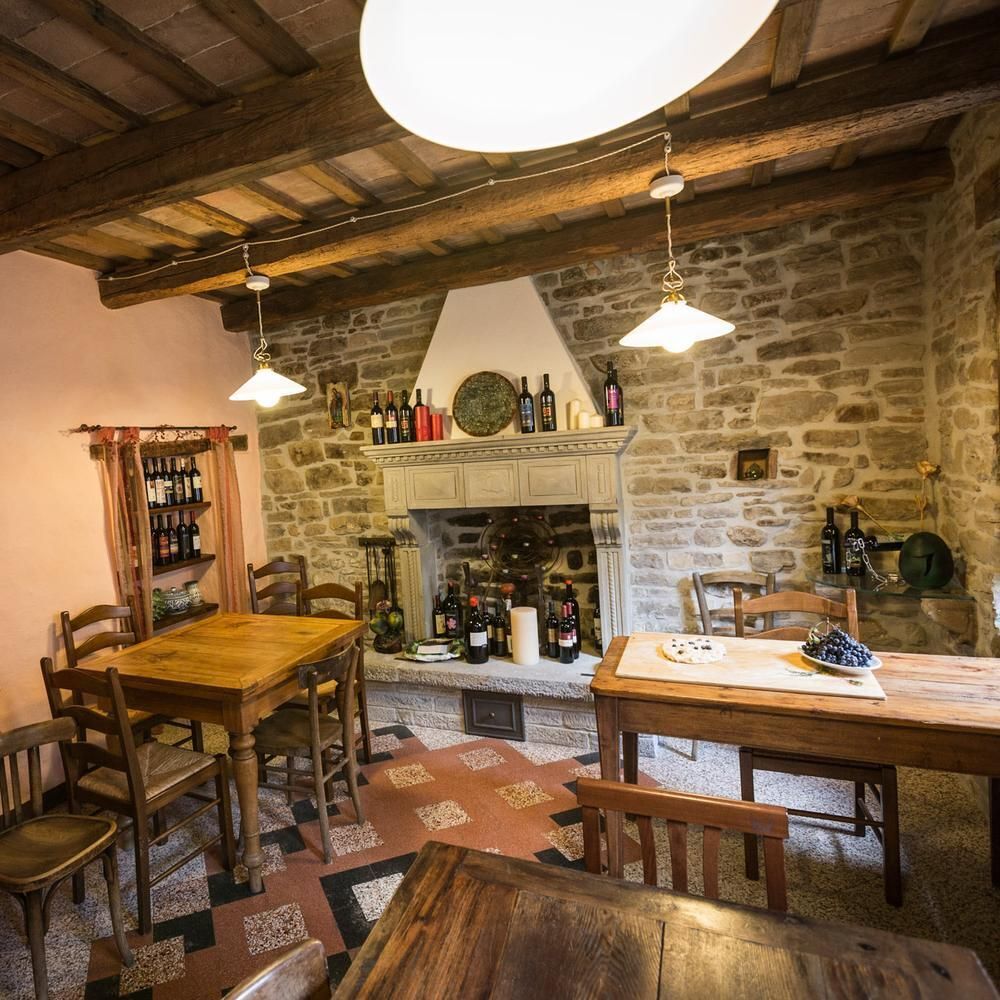
Bib Gourmand • Regional Cuisine. In a charming hamlet just outside Galeata, the entrance opens onto a small, pretty courtyard that in summer leads to outdoor tables beside the church, shaded by trees and facing the hills: a truly idyllic setting. The cuisine is rooted in the local territory, which here means not only Romagna but also echoes of the neighboring Marche and, above all, Tuscany – as in a memorable lampredotto with porcini mushrooms, tasted on our most recent late‑summer visit. In the adjoining shop, guests can purchase products prepared in the restaurant’s own workshop, while a few guest rooms are also available.
- 1521
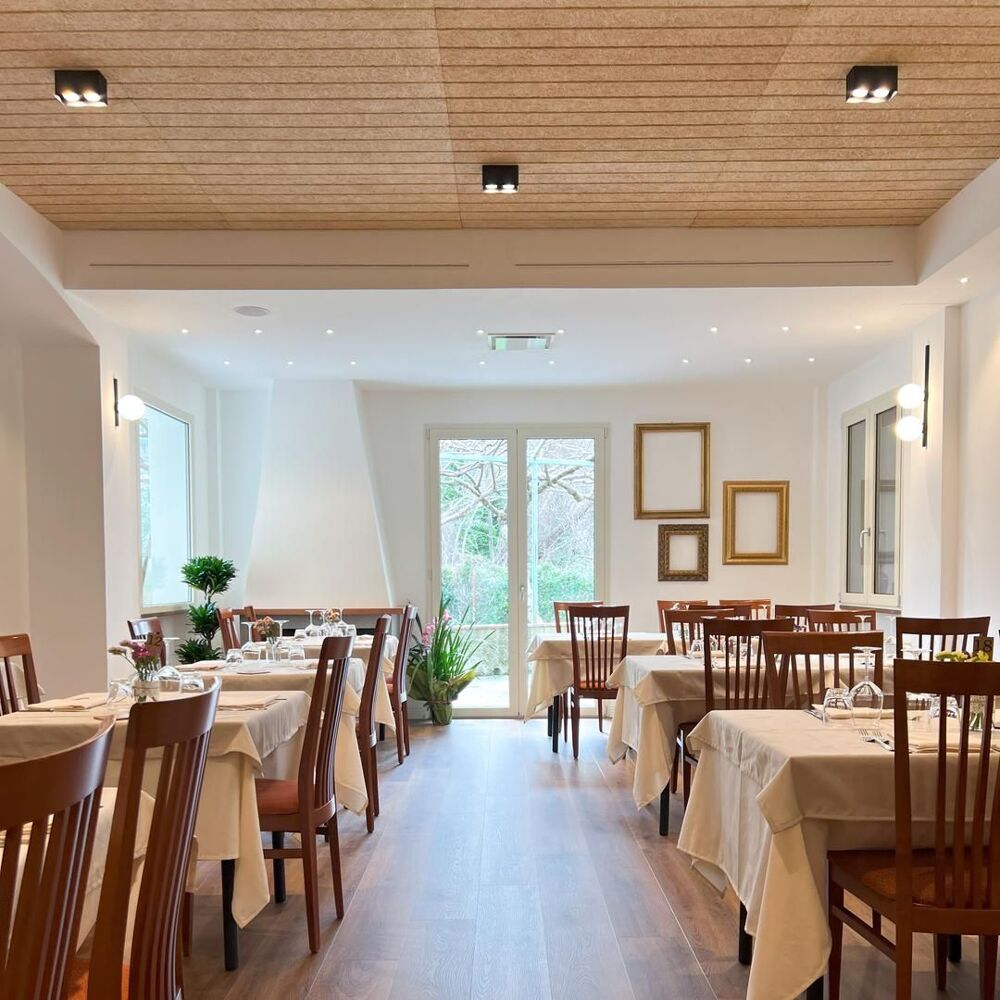
Bib Gourmand • Country cooking, Campanian. For over 40 years, La Chioccia d'Oro has been renowned for its delicious, bountiful cuisine inspired by the Cilento region, including excellent pasta dishes (fresh and dried pasta served with tasty sauces) and equally delicious meat-based main courses. The ambience is decidedly unpretentious and the prices are some of the most reasonable you’ll find in Italy!
- 1522
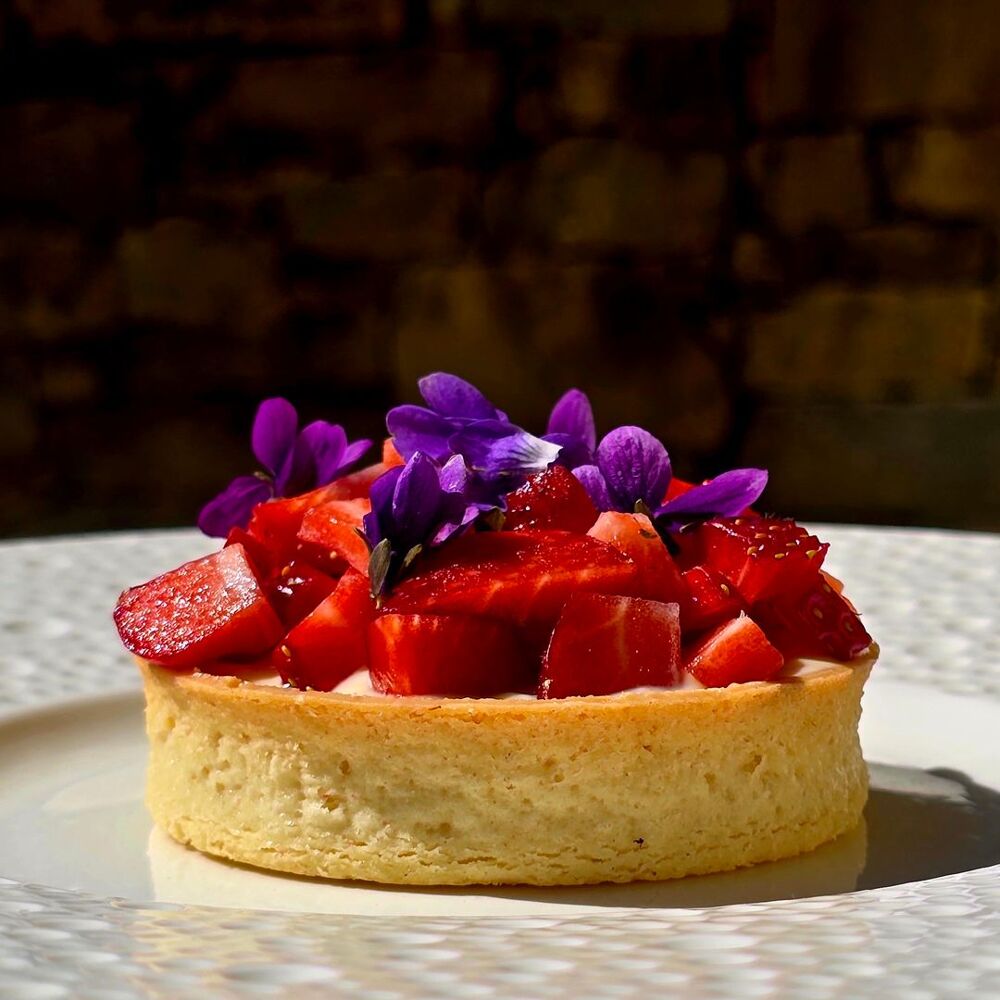
Bib Gourmand • Ligurian, Traditional Cuisine. Deep in the Apennines, at the heart of a tiny village, you’ll find a cozy osteria run with passion by a young couple. The cuisine draws on Ligurian and Piedmontese traditions, honoring seasonality with both land and sea dishes: from fragrant fried anchovies with basil-lime mayonnaise to house-made ravioli filled with sea bream alla ligure. Lunch features a simple daily menu, but on request, an à la carte service is available by reservation.
- 1523
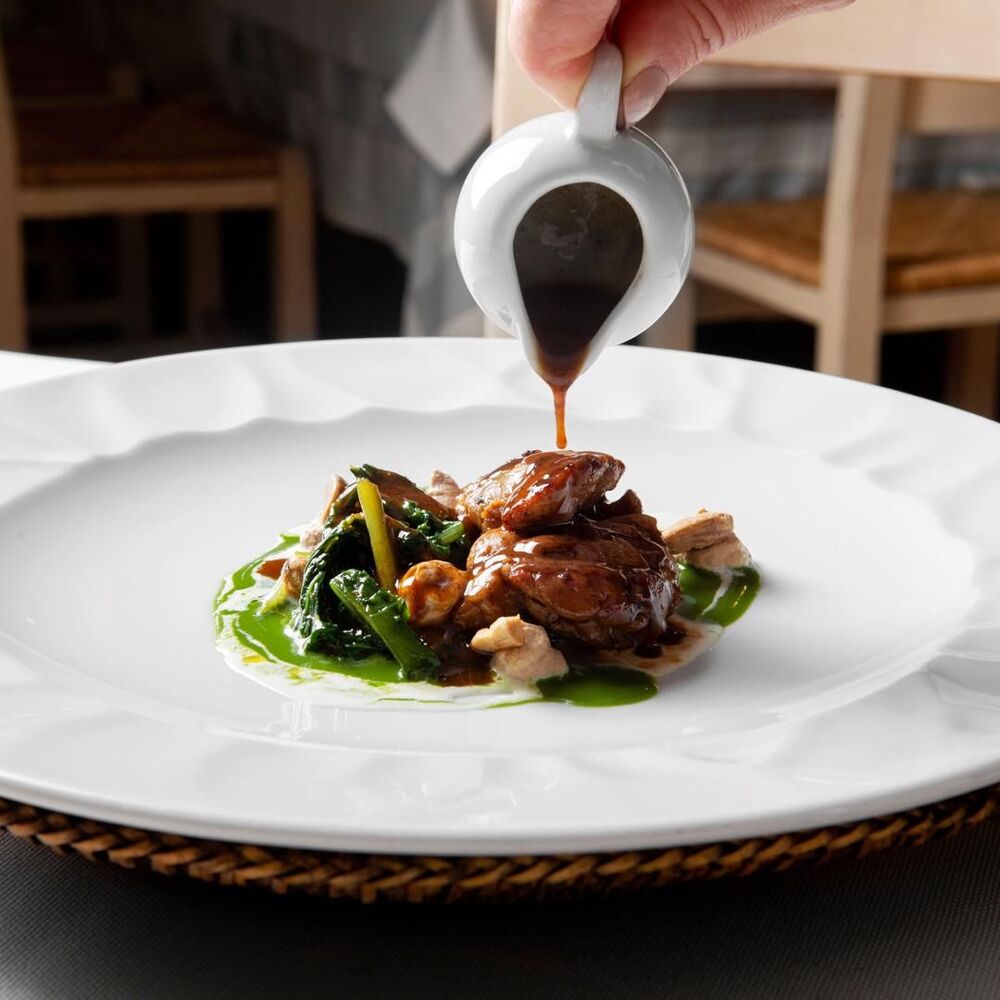
Bib Gourmand • Apulian, Seasonal Cuisine. There are many reasons to visit this excellent family - run restaurant in the village centre, the most important of which is the food – fresh vegetables, delicious first courses (the fresh troccoli pasta with wild chicory, cherry tomatoes and broad beans is excellent) and carefully selected meat dishes (the father was once a butcher! ). Close attention is also paid to the wine, with more than 500 labels just waiting to be opened in the beautiful wine cellar.
- 1524
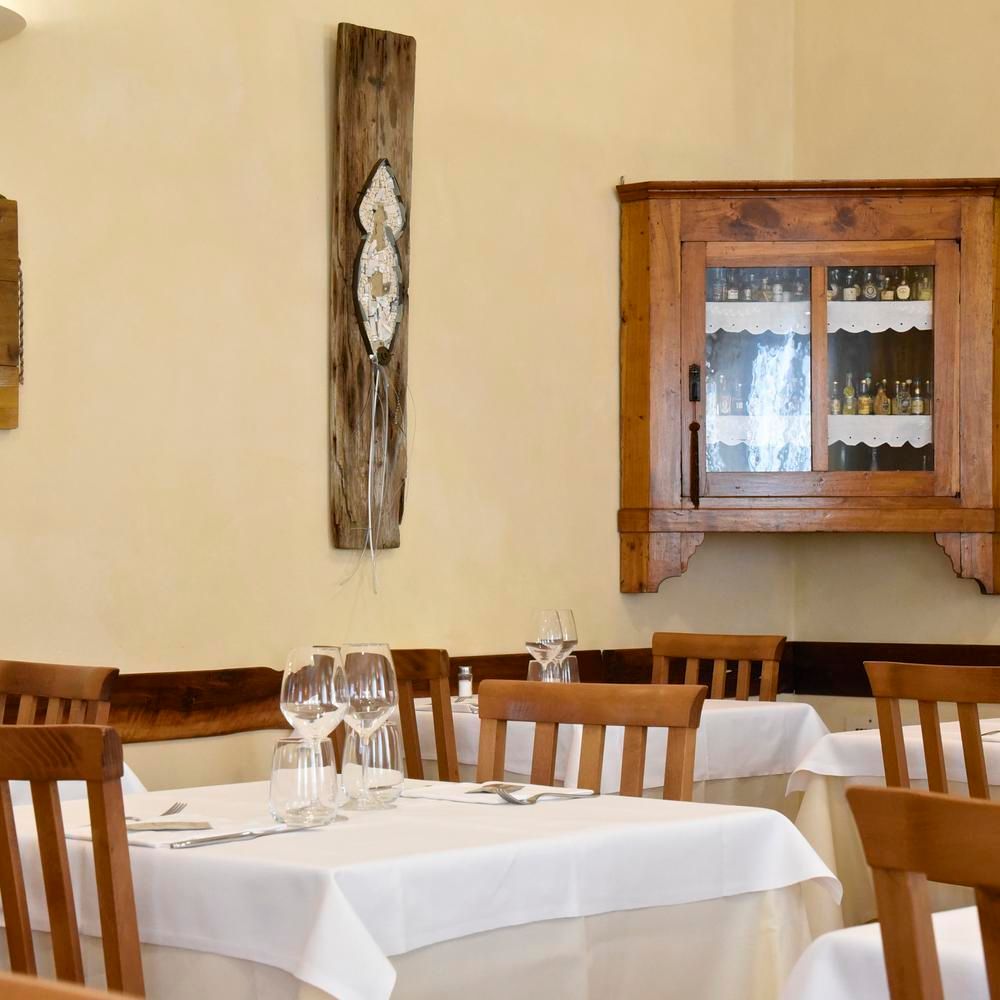
Bib Gourmand • Seafood, Seasonal Cuisine. Situated in a village inland, this restaurant serves some of the best fish dishes in Romagna. The focus here is on classic recipes from the Adriatic with no unnecessary frills or innovations, all prepared using the freshest fish and including raw fish dishes, fried options, spaghetti with clams and fish barbecued over a wood fire.
- 1525
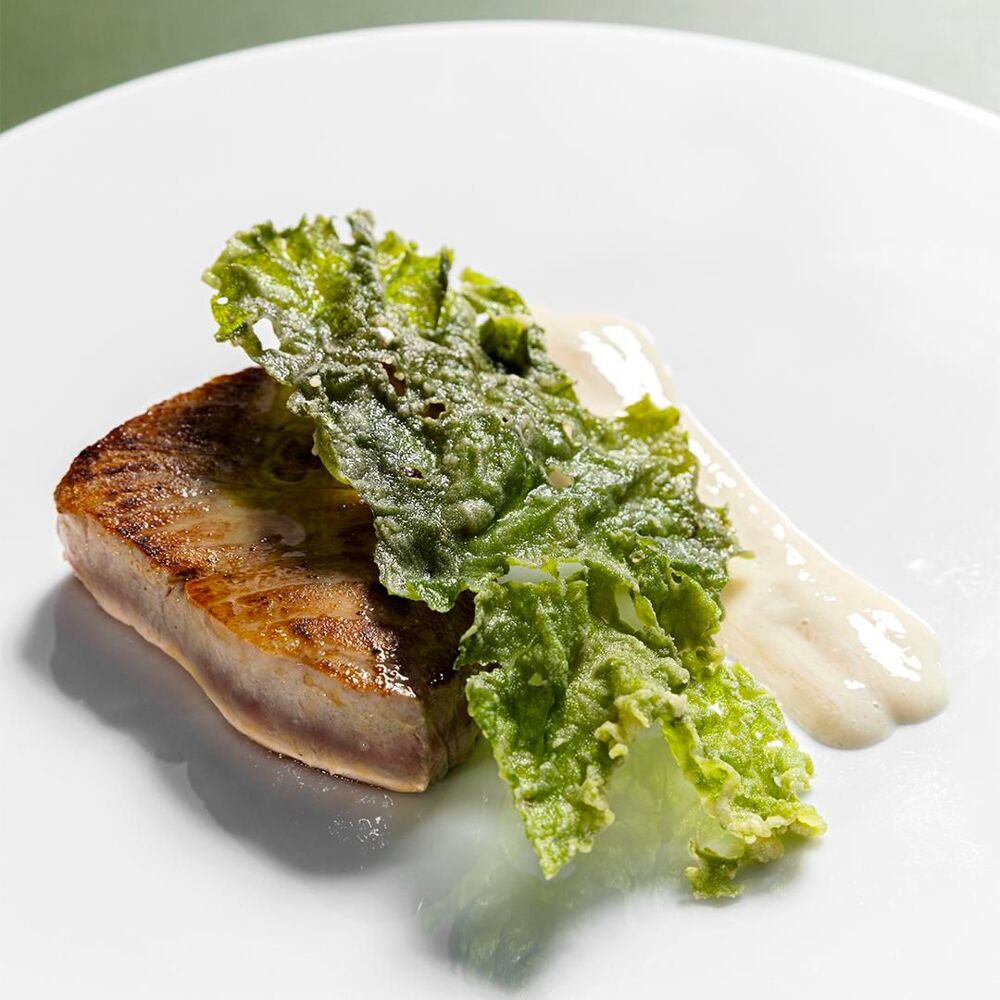
Bib Gourmand • Seafood, Campanian. A very small, atypical restaurant, almost a bistro with only tables outside, at the counter with stools overlooking the sea or in the more classic dehors. The menu lists several fish recipes! You will find bluefin tuna, anchovies, squid... after all, the owners have been involved in fishing for four generations. Those with a sweet tooth should know that there is only one dessert on offer, the spumone, made for them by a nearby artisan ice-cream parlour. The dish that won the inspector over: octopus tentacles with chickpea hummus and anchovy colatura, simple but very tasty!
- 1526
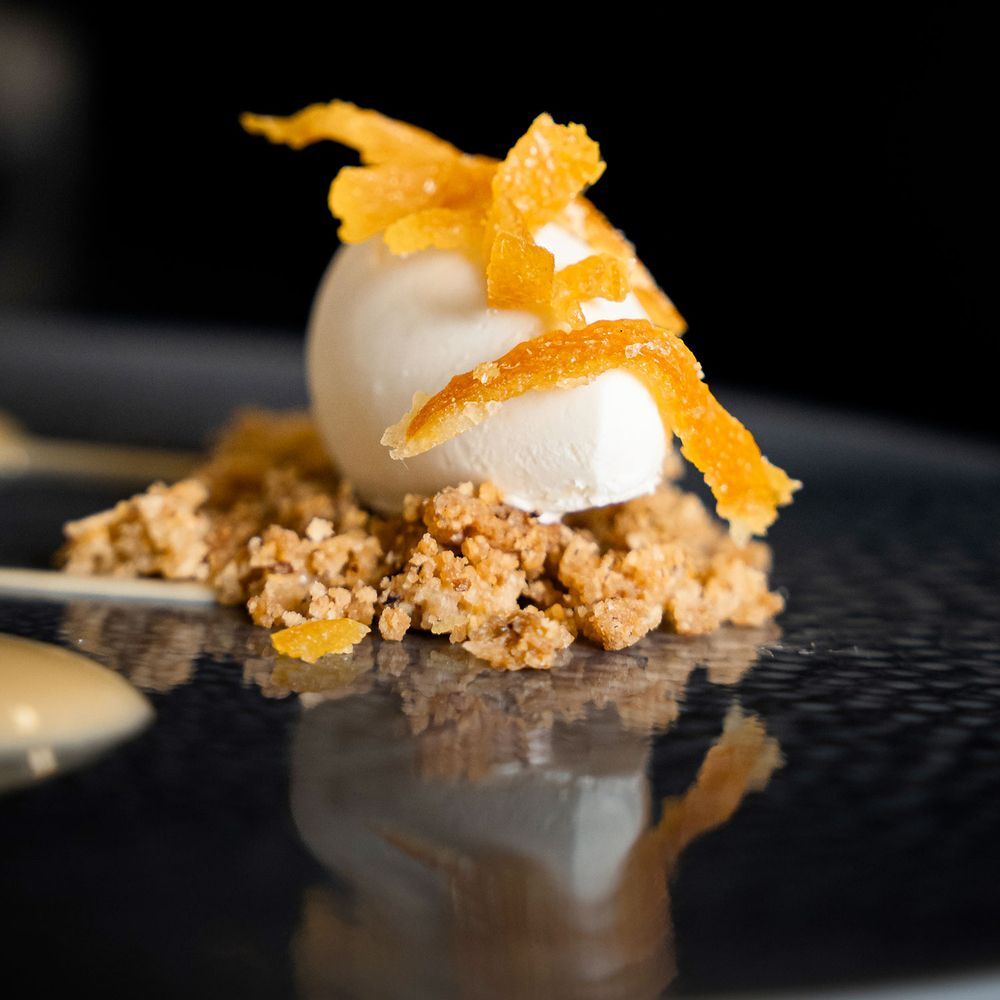
Bib Gourmand • Campanian, Traditional Cuisine. Follow your satnav and you’ll easily find this private residence situated just outside the village. The restaurant is family run and furnished in classic style, with an attractive veranda room overlooking the garden. The friendly owner serves regional cuisine, all carefully prepared using top-quality local ingredients, some of which (such as the delicious lemons and excellent San Marzano tomatoes that appear in a number of dishes) are grown in the restaurant’s own orchard and kitchen garden. Our inspector particularly enjoyed the ravioli di genovese served with onions and pecorino cheese.
- 1527
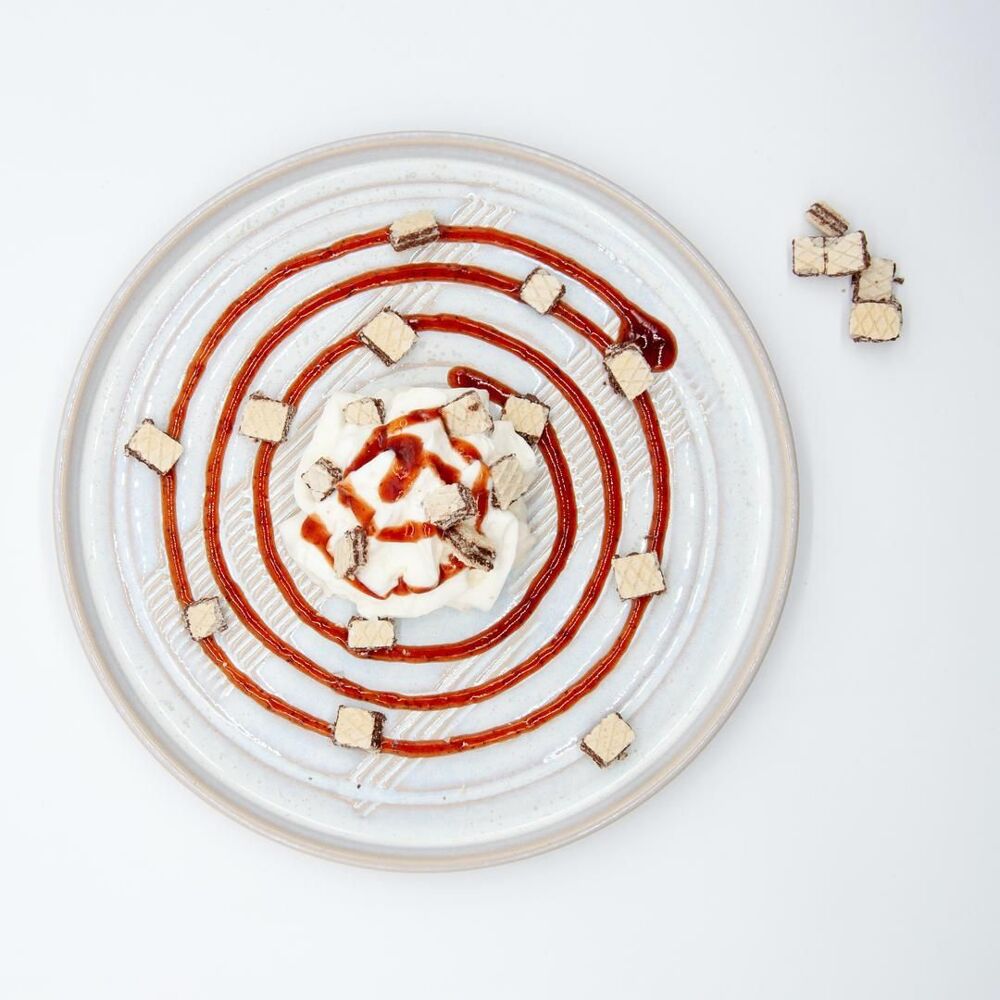
Bib Gourmand • Country cooking, Modern Cuisine. Situated in the heart of the historic centre, this restaurant pays tribute to the Cagli region and the Marche hinterland. Dishes feature the best local ingredients, such as truffles in season (both black and white), as well as a dessert in memory of local sculptor Eliseo Mattiacci (the “fabbrica del cosmo” made with yoghurt, wafers and strawberries). The wine list shows a strong preference for the Marche, but also features wines from further afield.
- 1528
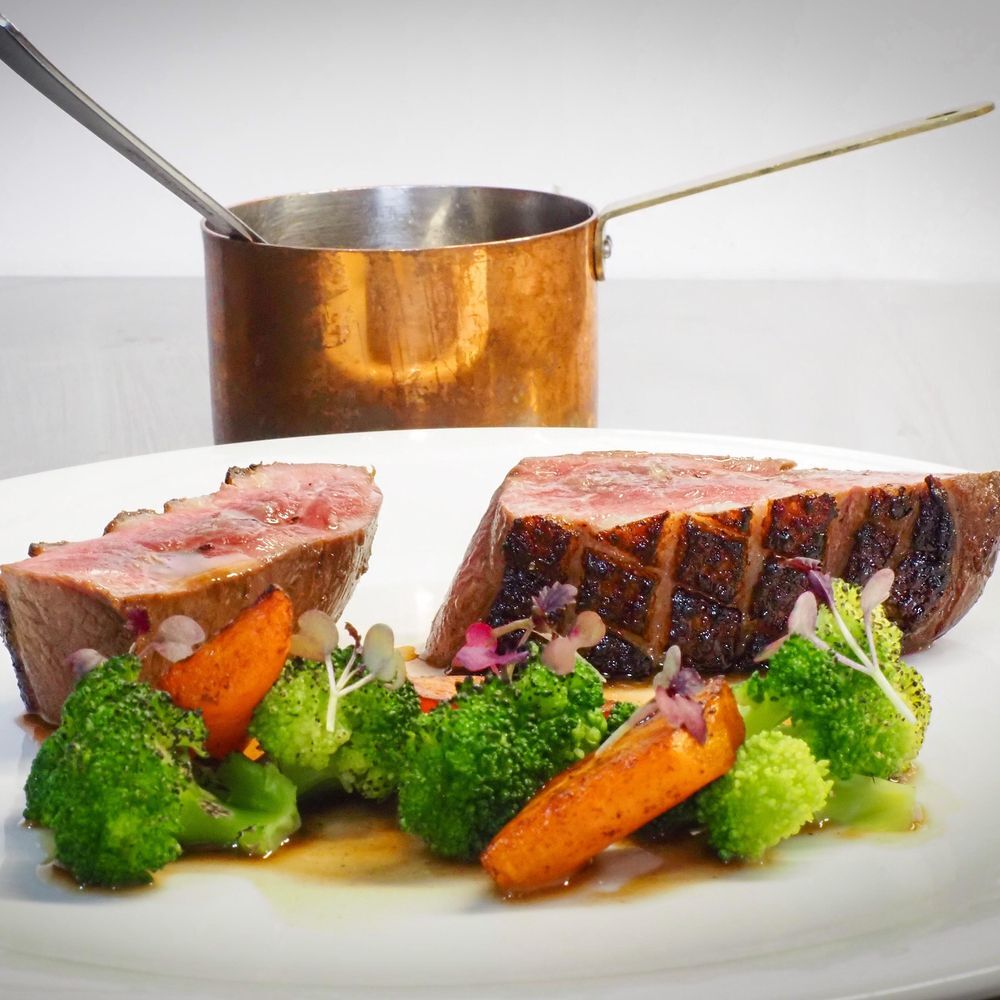
Bib Gourmand • Piedmontese, Traditional Cuisine. This is the sort of small family-run restaurant that everyone would like to have as their local, where courteous and friendly service go hand-in-hand with good traditional cuisine. Dishes such as ravioli del plin, vitello tonnato, beef tartare and veal tongue are some of the daily specials marked up on the blackboard here. The wine list comes as a pleasant surprise, with its excellent selection of labels from Piedmont and further afield.
- 1529
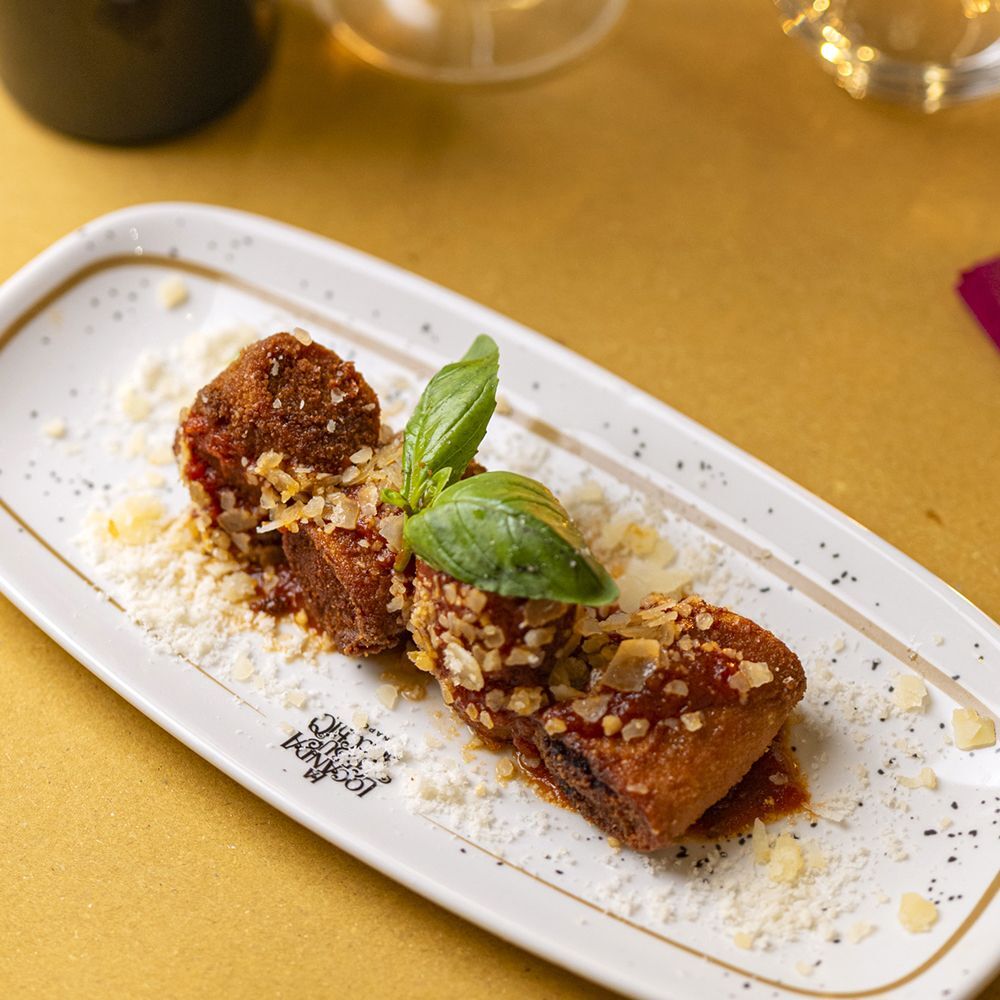
Bib Gourmand • Campanian, Traditional Cuisine. In the picturesque alleyways of Spaccanapoli, an authentic trattoria unfolds across two spaces – at different street numbers (the other at number 4) – yet sharing the same soul: closely set tables in simple rooms, a lively and informal atmosphere, and young, smiling service. The cuisine is a hymn to Neapolitan tradition, with dishes that evoke the aromas of home: pasta mista with potatoes and smoked provola, crispy fried salt cod on escarole cream, and the lemon caprese, fresh and fragrant, perhaps enjoyed with a small glass of artisanal limoncello. Reservations and punctuality are essential, even at lunch, to secure this genuine experience.
- 1530
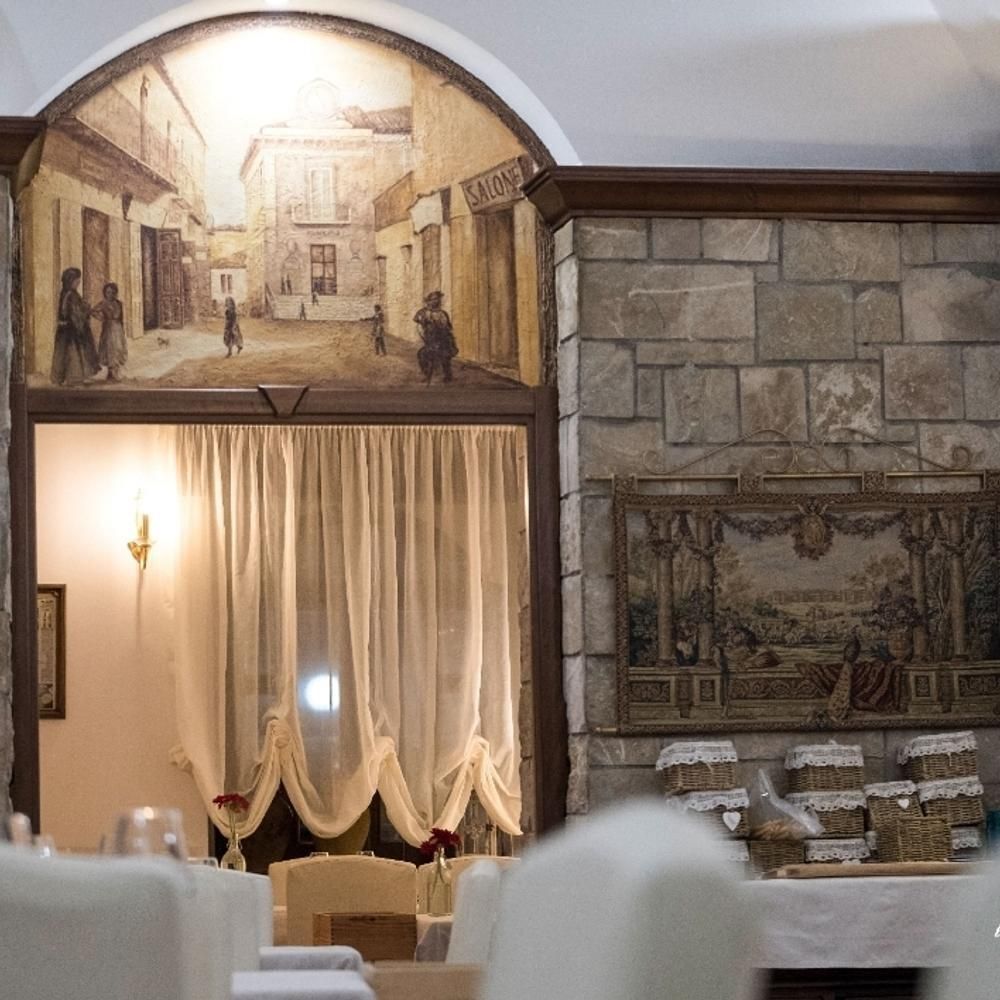
Bib Gourmand • Campanian, Traditional Cuisine. For over 40 years the Ventre family have been championing the flavours of Irpinia, seeking out the region’s best seasonal ingredients. These are then used in traditional dishes such as soups, as well as in more personal reinterpretations of local specialities (their “post-modern” arancino is now renowned in the region) that nonetheless retain all their original flavour with influences from both Campania and Puglia. The pizza here is excellent and there’s also a good selection of wine.
- 1531
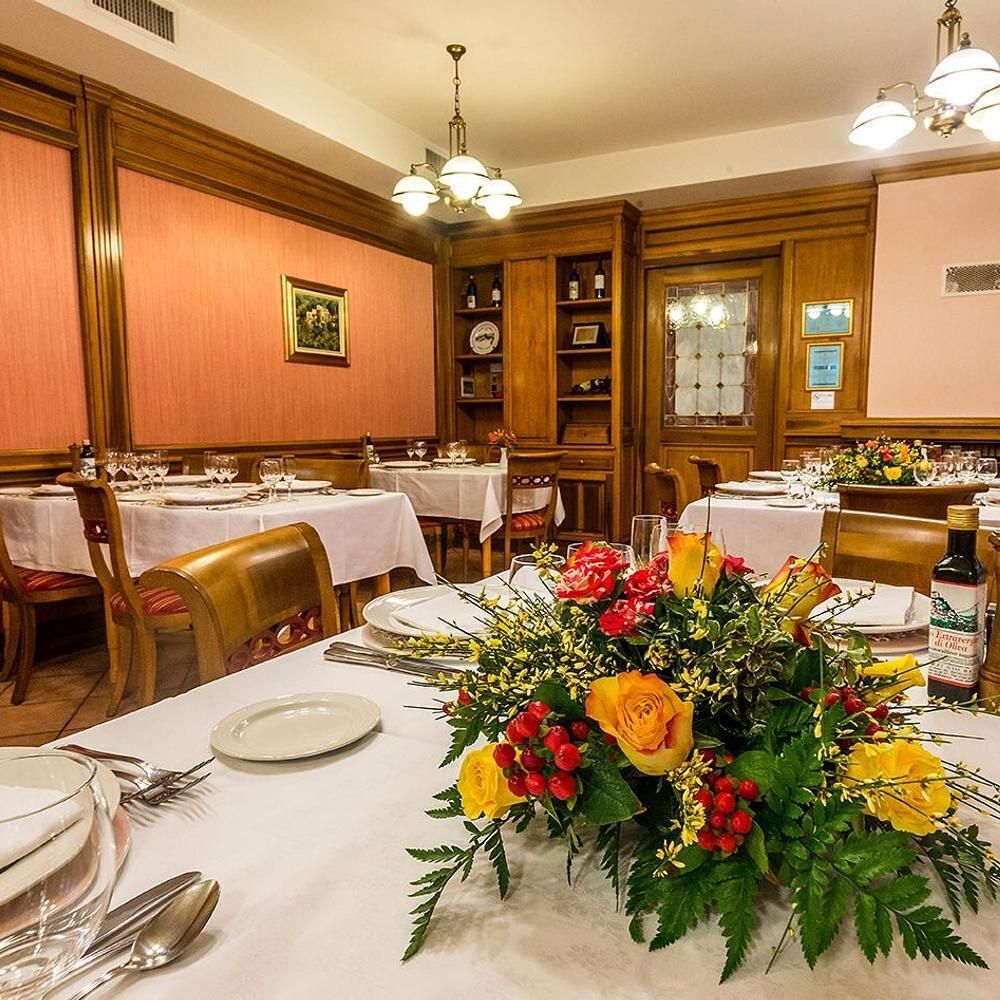
Bib Gourmand • Piedmontese, Traditional Cuisine. Patience and perseverance are required to navigate the winding mountain roads through forests and hills to reach La Pineta, but the cuisine makes the journey worthwhile. The menu focuses on a tasting format that can be customized with fewer courses, and has always featured the restaurant’s iconic dish: fritto misto alla piemontese – a Piedmontese mixed fry. The appetizers are equally impressive, offering generous portions with an array of delightful small tastings.
- 1532
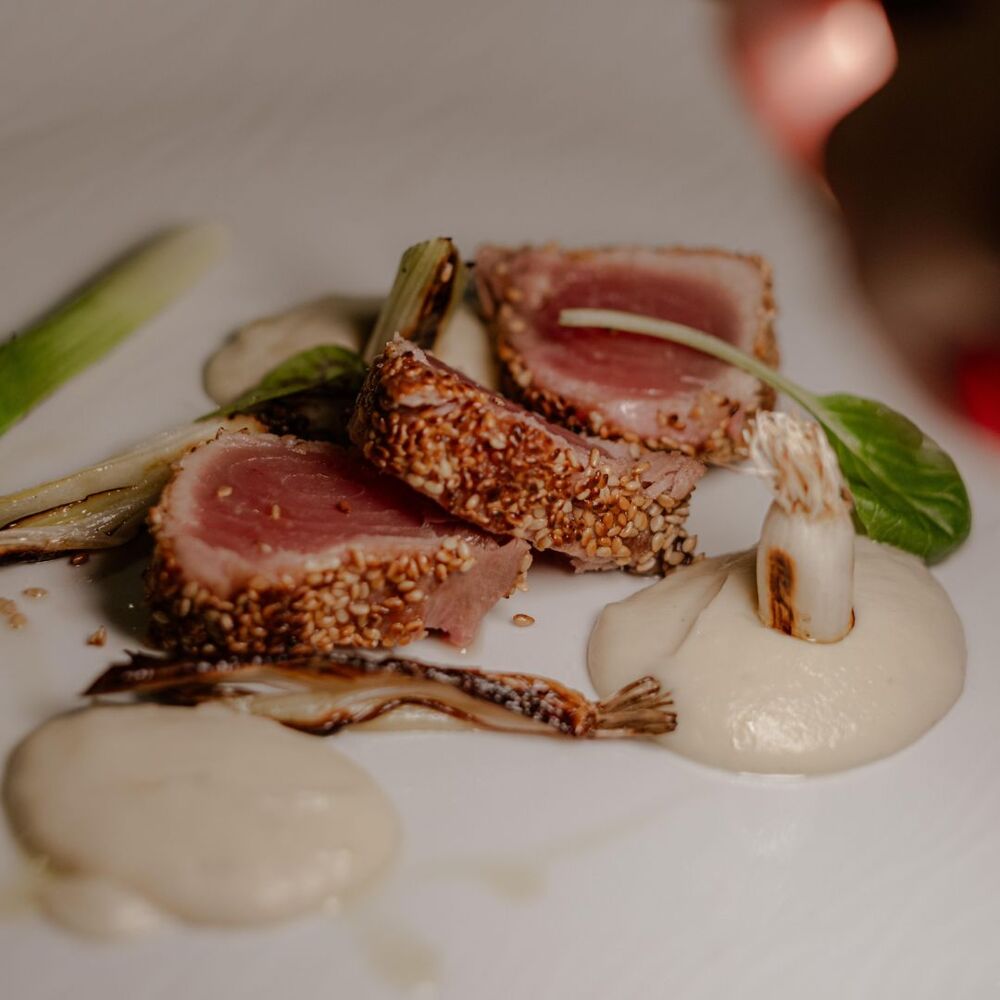
Bib Gourmand • Seafood, Classic Cuisine. This restaurant with a discreet sign is situated in a small village overlooked by a splendid Norman castle. Meals are served either in the simple yet comfortable dining room or in the charming outdoor space in fine weather. The reasonably priced cuisine celebrates the sea in its many varied fish and seafood dishes, which range from pasta with shellfish or seafood to fish guazzetto (a tomato-based stew) with green vegetables and even raw fish options. Among the desserts, we particularly recommend the babà.
- 1533
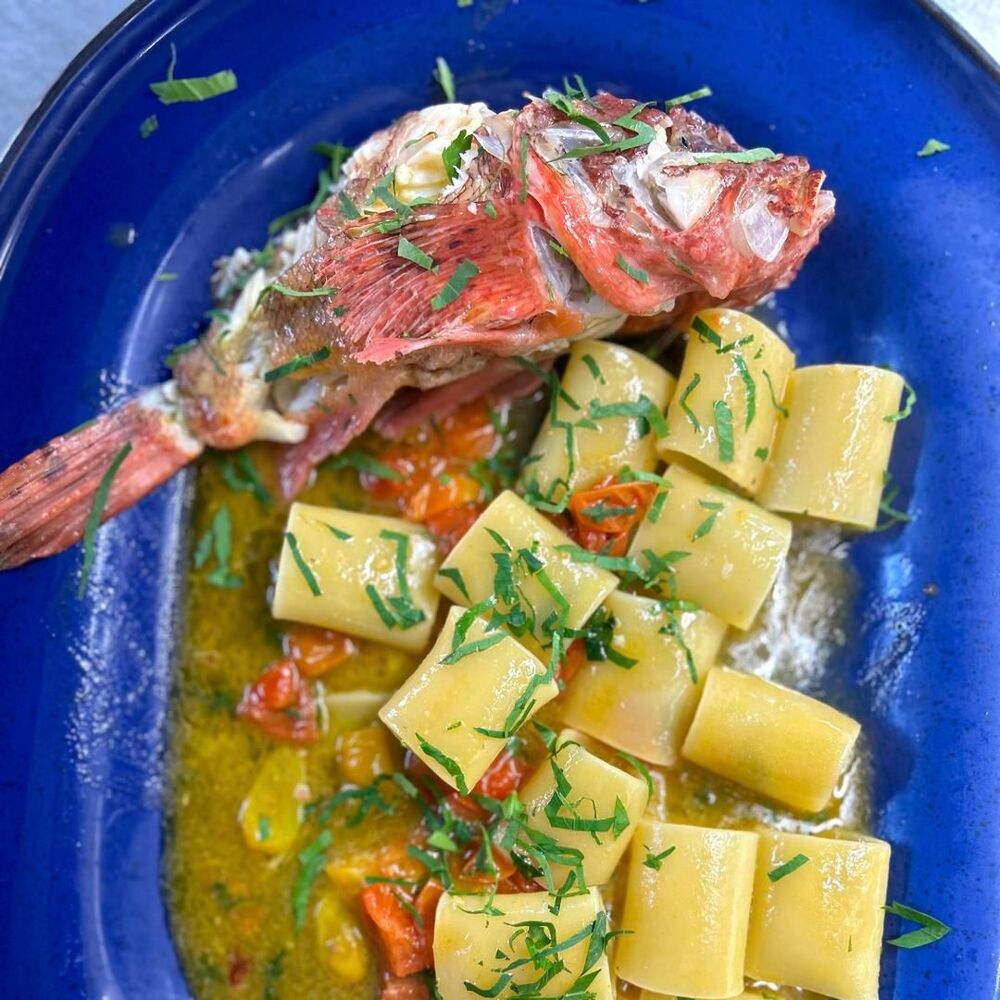
Bib Gourmand • Campanian, Home Cooking. Before sitting down at this restaurant, why not take a short stroll to the nearby viewpoint looking out towards Capri – a perfect prelude to the excellent home-cooked and authentic Campanian cuisine that awaits here. In fact, Capri-style ravioli is one of the most popular dishes at the restaurant, which also serves aubergine parmigiana (highly recommended), potato “gâteau”, and various fish options among the main courses.
- 1535
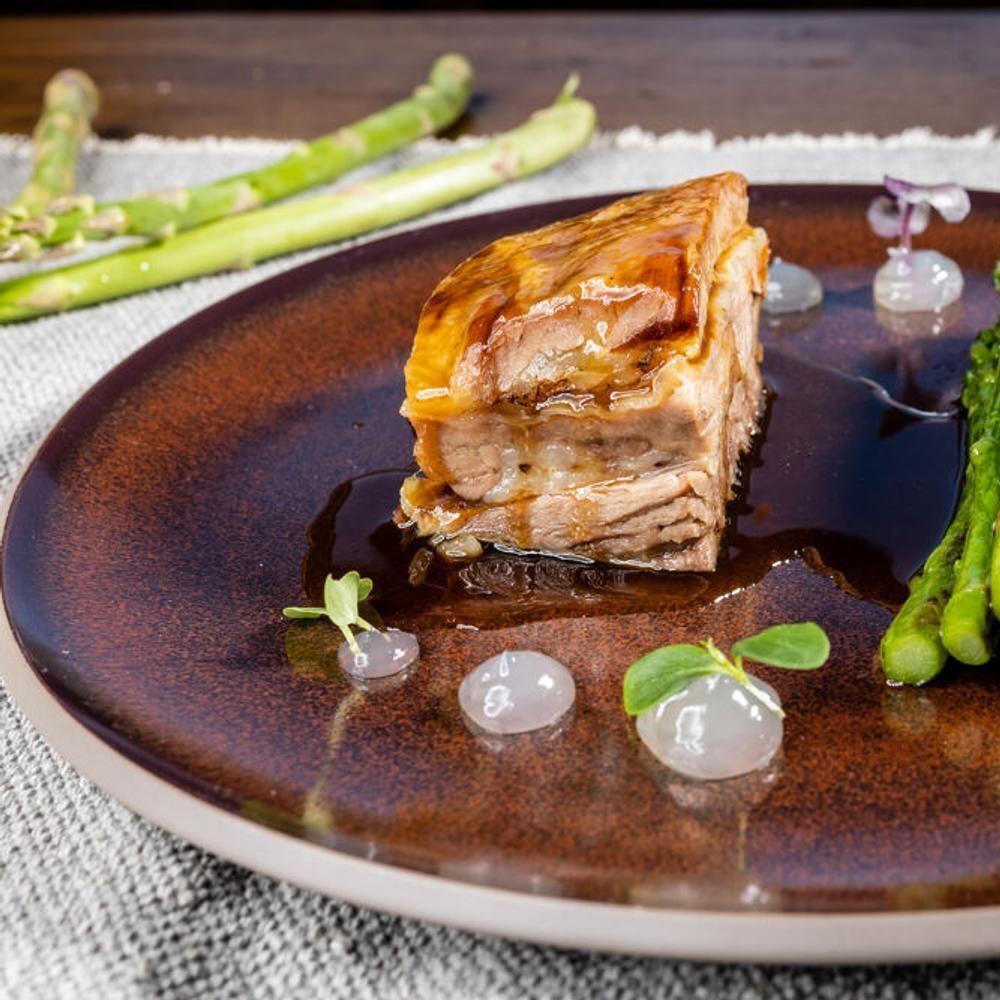
Bib Gourmand • Cuisine from the Aosta Valley, Italian. Situated in the delightful village of Brusson at an altitude of 1 300m in the verdant Val d'Ayas, this restaurant is part of the hotel of the same. In a dining room decorated in typical mountain style, enjoy well-prepared dishes made from regional ingredients. The delicious specialities include light Aosta Valley pancakes (made from rice flour), local cheeses, cured meats, plenty of meat options and fish such as trout and char.
- 1536
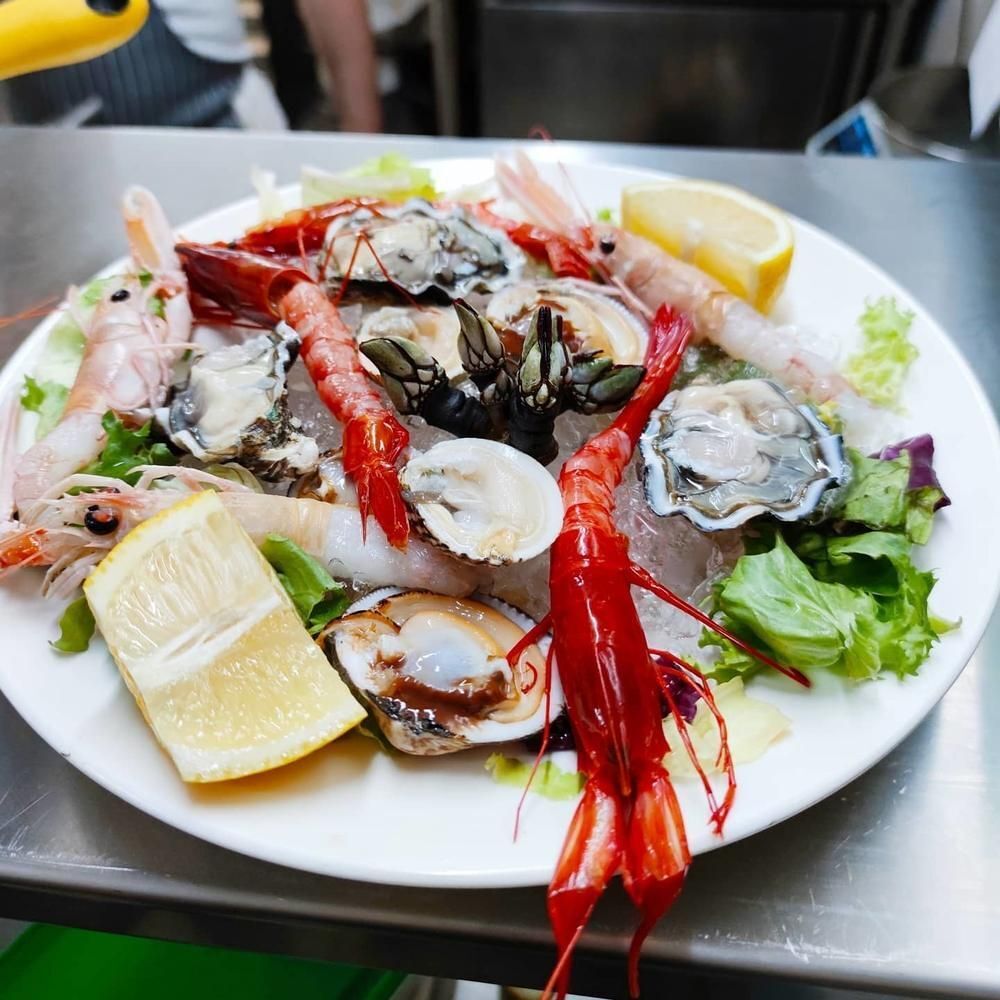
Bib Gourmand • Apulian, Seafood. A small restaurant overlooking the lake in Lesina, where everything revolves around the professionalism and experience of the owner - chef, who selects the best produce from the lake region, including fish and aromatic herbs, and even produces his own mullet roe. Regional flavours are to the fore here, with the occasional modern twist.
- 1537
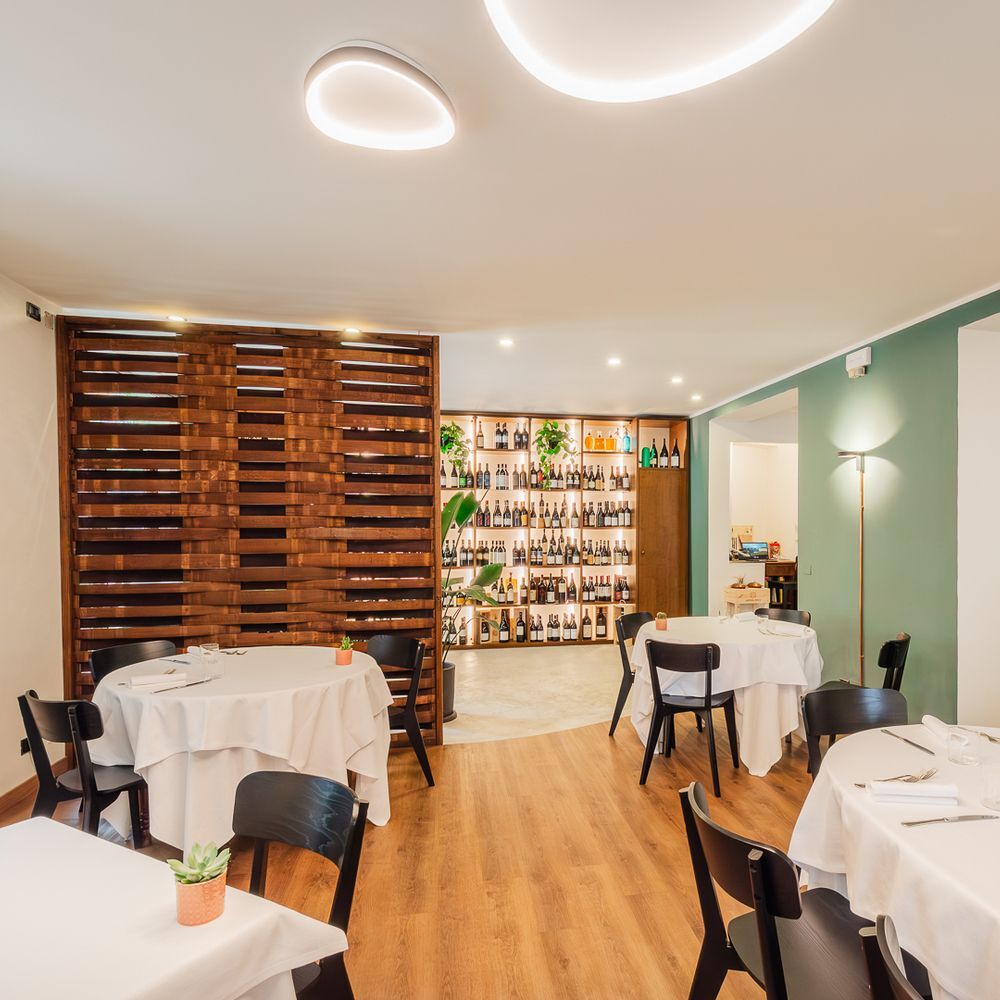
Bib Gourmand • Piedmontese, Traditional Cuisine. A young, dynamic couple of professionals has revitalized this historic restaurant in the heart of town, facing the lively main square and beloved by neighborhood regulars. The menu celebrates Piedmontese tradition – think carne battuta, plin, braised Fassona beef, and bonet – elevated with the chef’s creative touches, such as onion stuffed with sausage and Castelmagno cream – a dish that alone is worth the visit! The hospitality is spontaneous and kind. Reservations? Highly recommended: the venue’s reputation is once again at its peak.
- 1538
Bib Gourmand • Piedmontese, Traditional Cuisine. Situated on the main square of a charming village, this hotel-restaurant dates back to the late 19C and is run by the friendly Arsini family. The setting here is truly picturesque, thanks to the village’s location on a green and sunny ridge in the Val Chiusella, surrounded by cyclamen bushes and majestic birch and chestnut trees. Meanwhile, the Piedmontese dishes offer excellent value for money, with a focus on local ingredients and produce from the wider region. If you’re a fan of traditional cuisine, don’t miss the tripe alla campagnola with polenta taragna whipped with butter, while in season the roast cardo gobbo served with a delicious bagna cauda and truffle is a must. A stroll around the small village offers the perfect conclusion to your meal.

- 1539
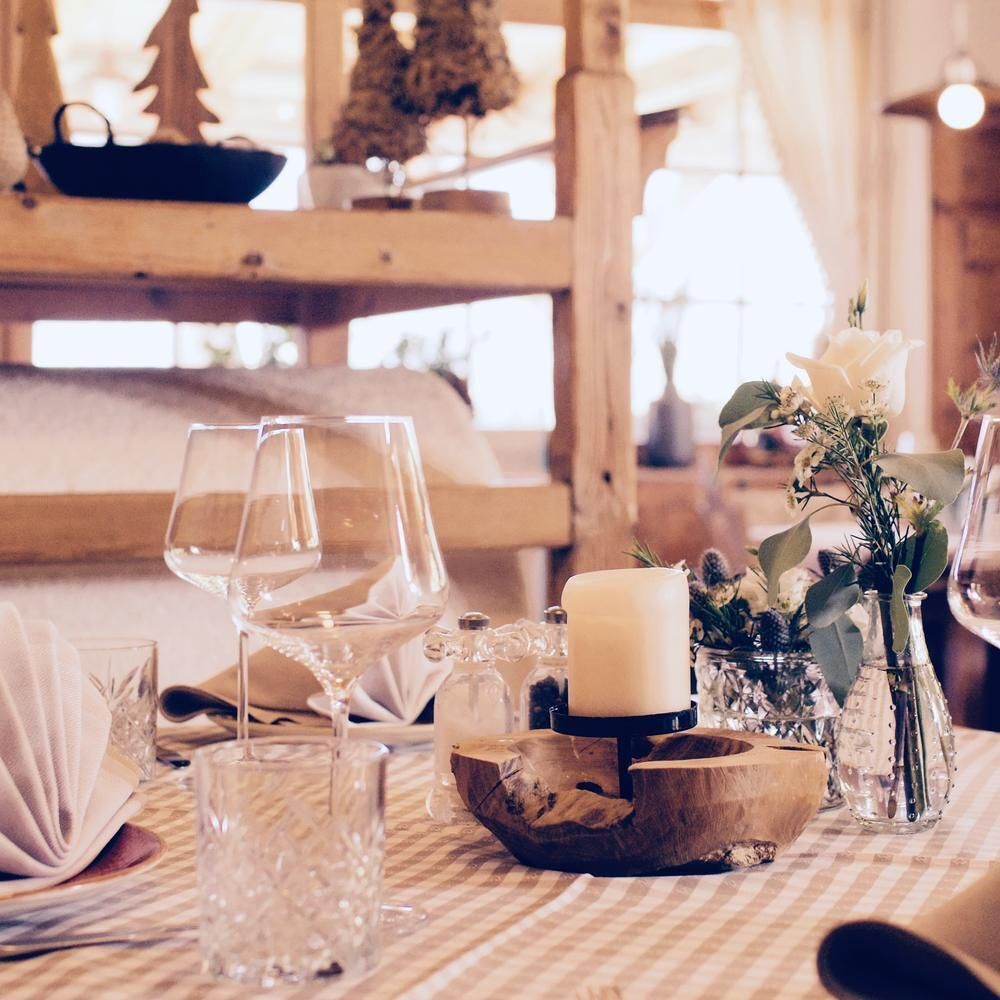
Bib Gourmand (Green Star) • South Tyrolean, Seasonal Cuisine. This establishment is dedicated to traditional South Tyrolean cuisine, alongside its own farm with beef cattle. Great attention is paid to both the details and the ambiance, and the dishes – always generous, with many available as small tastings called “Tyrolean tapas” – celebrate the finest ingredients and most delightful regional recipes. The specialties follow the seasons: Gröstl (a roast of beef and pork with potatoes, onion, and speck), Tirtlan (rye fritters), and the essential apple strudel, along with homemade bread and breadsticks, are also available for takeaway. The wine list fully embraces the essence of South Tyrol.
- 1540
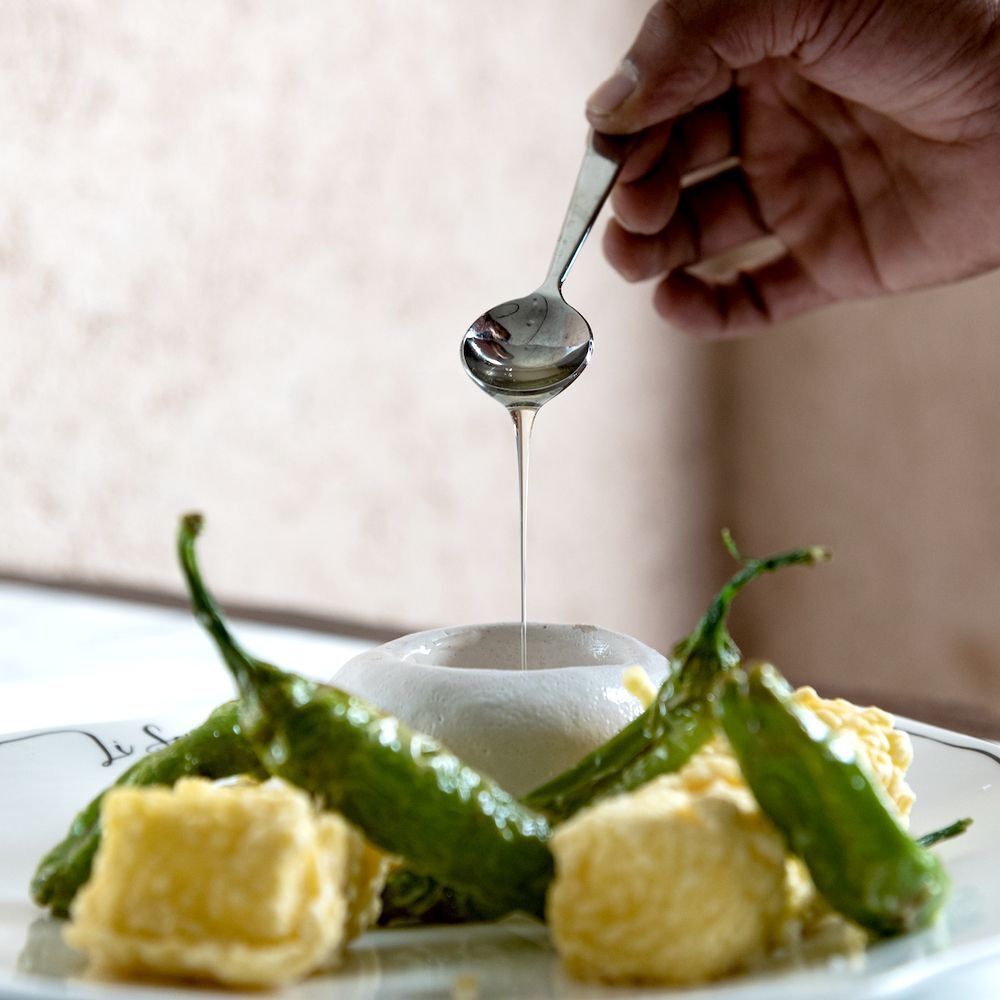
Bib Gourmand • Cuisine from Lazio, Traditional Cuisine. At the entrance to the historic center, this is a must for those seeking the most traditional and authentic flavors of Lazio’s tasty and genuine meat-based cuisine, with occasional forays into neighboring regional traditions and a few fish dishes as well. Among the many offerings from the talented Adriano Baldassarre, special mention goes to offal: enthusiasts of these cuts will find some of their most complete and succulent expressions here, such as the classic pan of chicken giblets, or grilled marrow paired with beef tartare and truffled potatoes.
- 1541
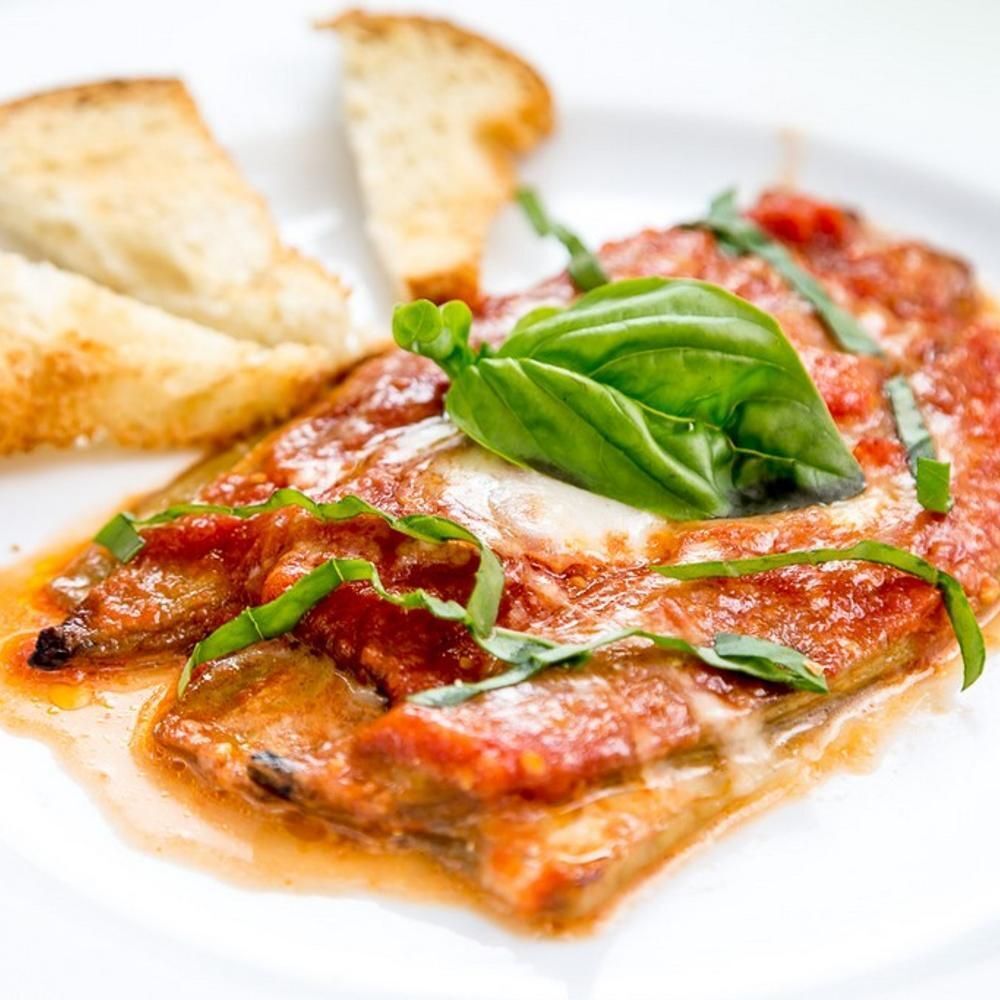
Bib Gourmand • Campanian, Traditional Cuisine. Situated in the centre of Sant'Agata, this welcoming, informal restaurant boasts traditional ceramics and an open-view kitchen. When ordering your meal, make sure you ask the charismatic owner, who is a real connoisseur of Campanian cuisine, for his recommendations. The regional dishes are full of memorable flavours, with a focus on vegetables, many of which are grown in the restaurant’s own kitchen garden nearby. This is somewhere you’d happily come to eat every day!
- 1542
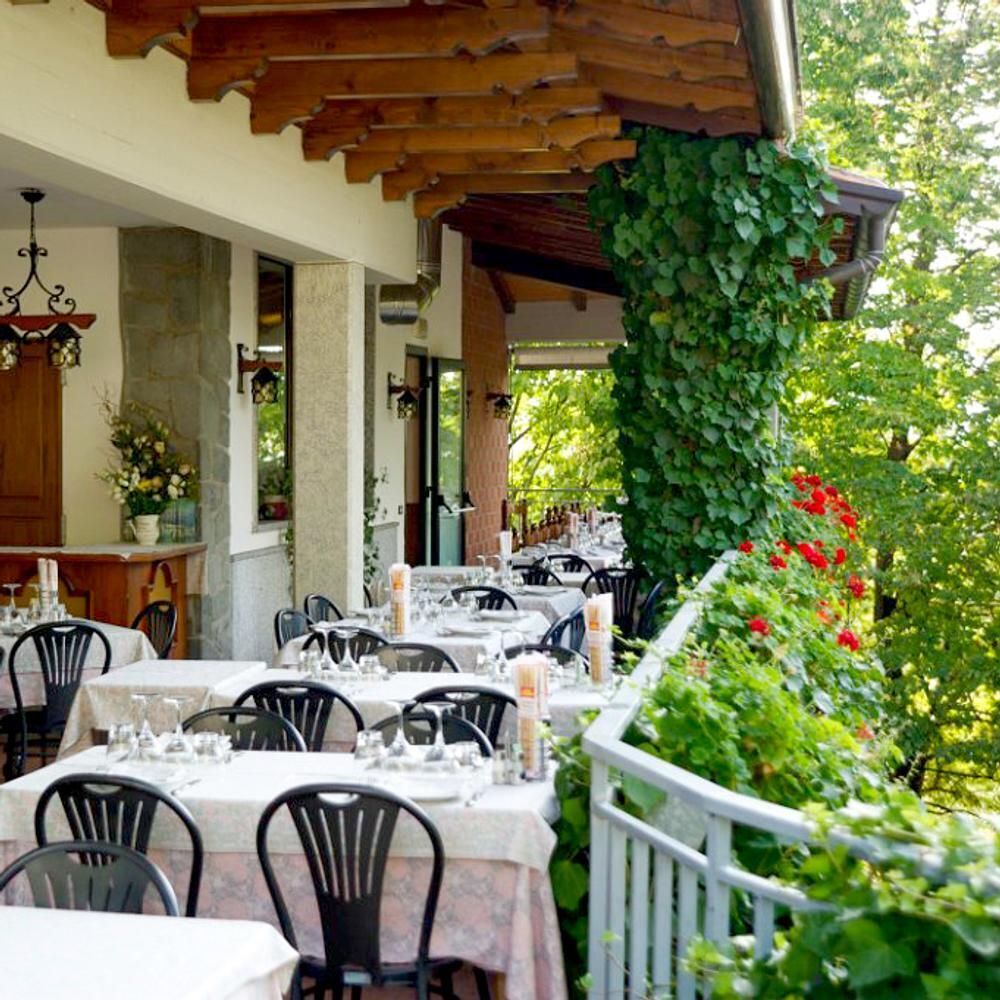
Bib Gourmand • Emilian, Home Cooking. Locanda Cacciatori, housed in a former carpenter’s workshop, lies in the quiet heart of Val Nure, amid the scent of wood and country air. The restaurant celebrates Piacenza cuisine with dishes that revive the authentic flavors of times past, elevated by skilled hands. In winter, the warmth of broth envelops handmade meat anolini, small parcels of flavor steeped in tradition. In fine weather, an inviting terrace beckons guests outdoors, amid rustling leaves and gentle sunshine, for an experience that speaks of home and memory.
- 1543
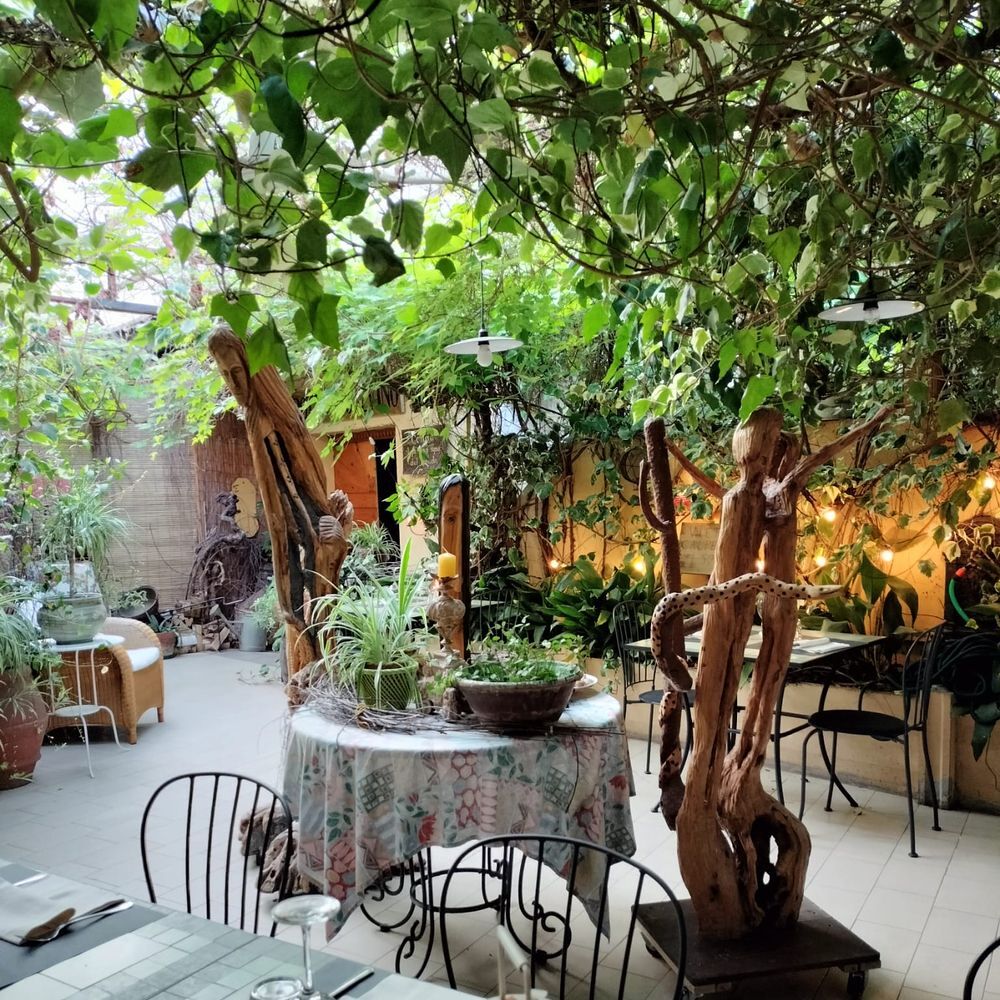
Bib Gourmand • Venetian, Traditional Cuisine. Situated in the delightful Prosecco wine-growing region, Condo is a well-established trattoria which has been in the same family for generations, and which remains faithful to the gastronomic traditions of the Veneto. The dining rooms are welcoming and full of character, while the elegant veranda adorned with climbing plants is an attractive option in summer. The cuisine is both excellent and good value for money, making this restaurant an excellent all-round choice.
- 1544
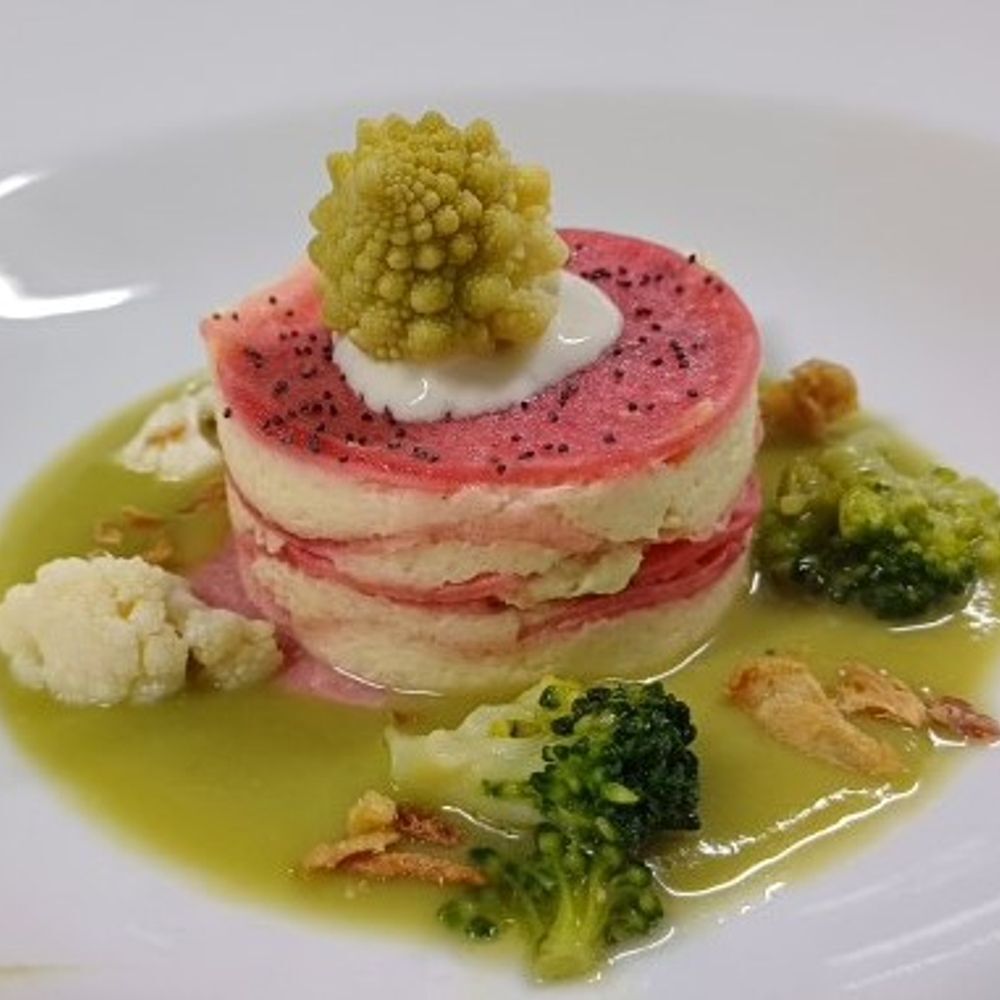
Bib Gourmand • Cuisine from Abruzzo. Situated in a district of Caramanico, this typical stone house is home to an attractive restaurant that is the perfect choice for anyone keen on typical Abruzzo specialities. Prepared from regional ingredients, the dishes are delicious and substantial.
- 1545
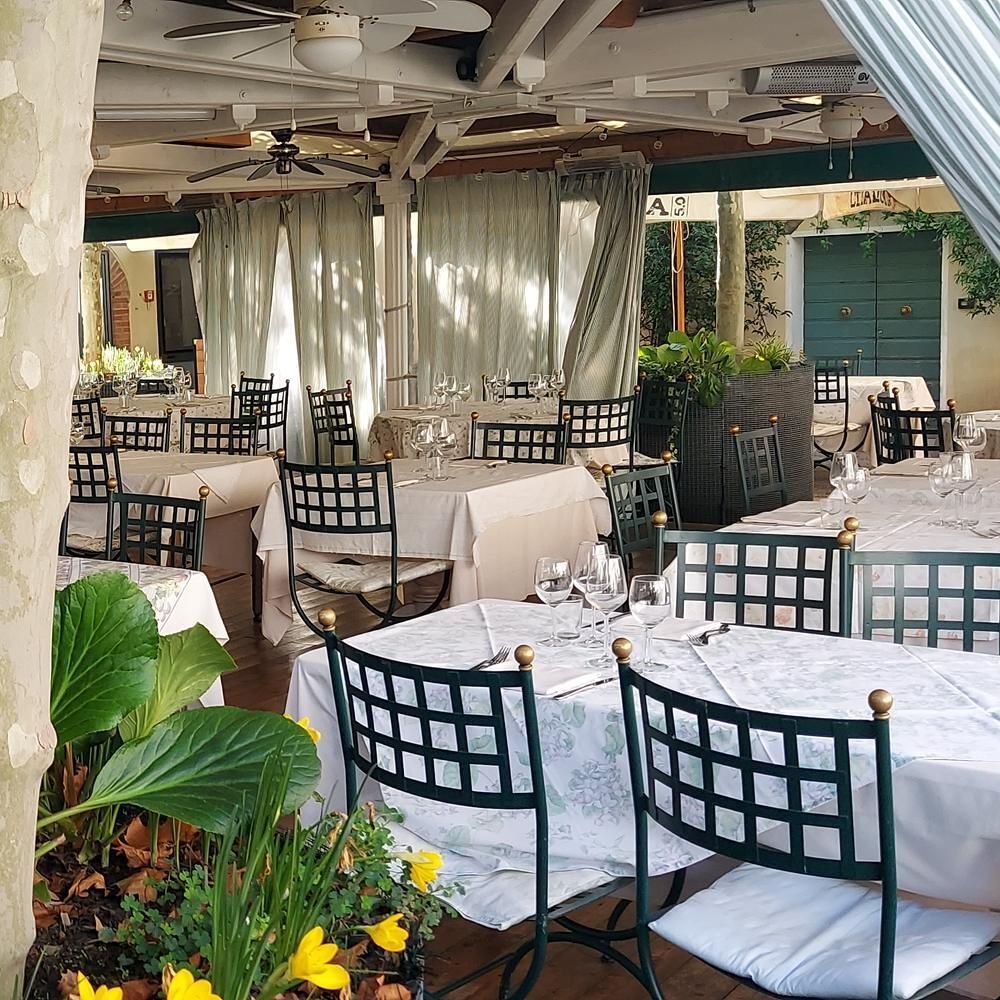
Bib Gourmand • Mantuan, Seasonal Cuisine. Situated in the centre of the charming village of Curtatone which overlooks the river Mincio, this restaurant has been a beacon for fans of Mantuan cuisine for many years. A few Italian favourites feature alongside the local specialities, which include pumpkin tortelli, cured meats, pike with salsa verde and slow-cooked meats, as well as sbrisolona and zabaglione desserts. Simple, yet delicious cuisine, with a focus on home-style cooking and generous portions, all at reasonable prices.
- 1546
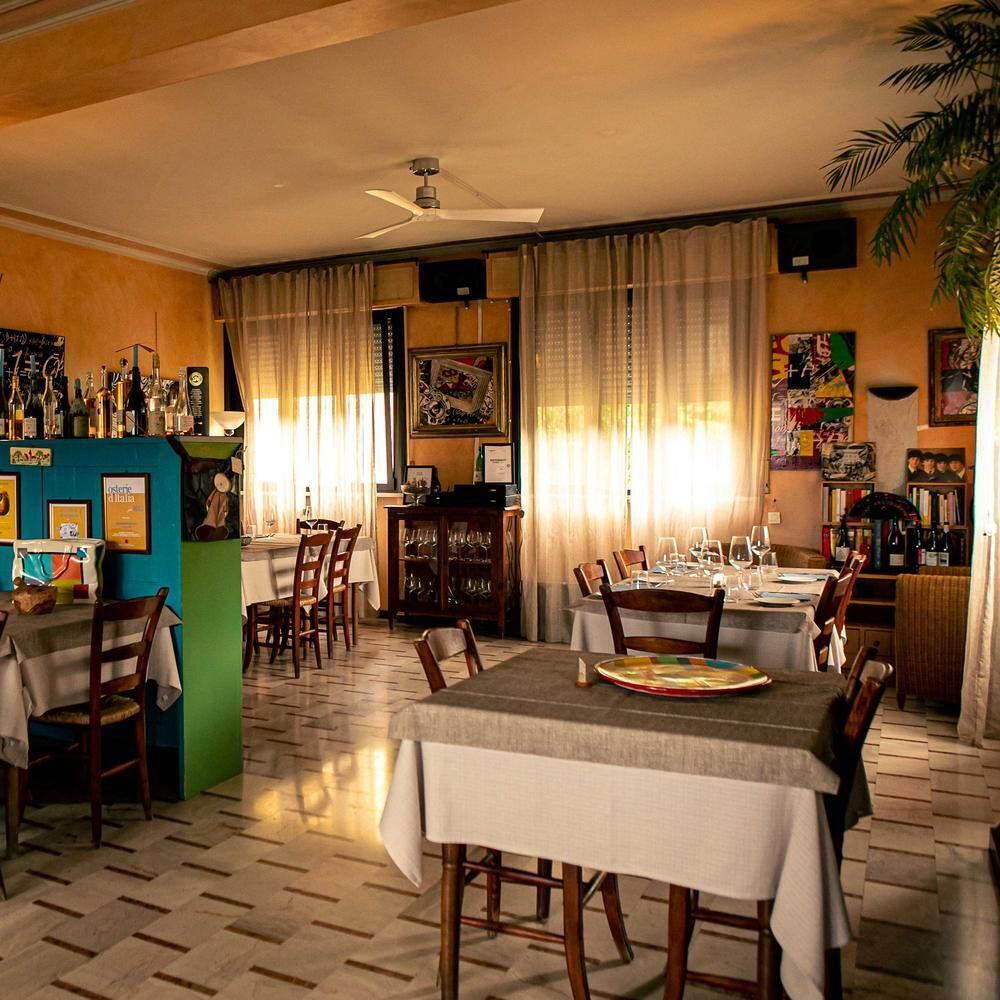
Bib Gourmand • Emilian, Modern Cuisine. Reservations must be made at least 24 hours in advance by email, choosing from three menus: tradition, land, or fish. The rest is history, if not legend, for what has been one of the best trattorias in the province (we’d venture to say the region) since the 1960s. In a corner of the Parmesan Apennines, Mariella continues to delight guests with the same family management, enhanced by a Japanese cook who adds a slightly more modern touch to select recipes. Recently, a comfortable lounge area with good background music has been added.
- 1547
Bib Gourmand • Creative, Emilian. Named after the village’s former postman, an important and charismatic character in this small community, this former workers’ club is housed in a rustic restaurant with a beautiful porch where you sit in summer beneath cooling fans. The cuisine steps away from local tradition to offer creative yet never overly fanciful dishes which are always generous and beautifully presented. We particularly enjoyed the mezze maniche pasta with stewed white onion, sour butter and burnt lemon, as well as the leg of guinea fowl browned with paprika, its own juices and horseradish mayonnaise. When choosing your wine, you might like to ask owner Danilo for his recommendations from a list which is not extensive but is certainly interesting and carefully chosen.

- 1548
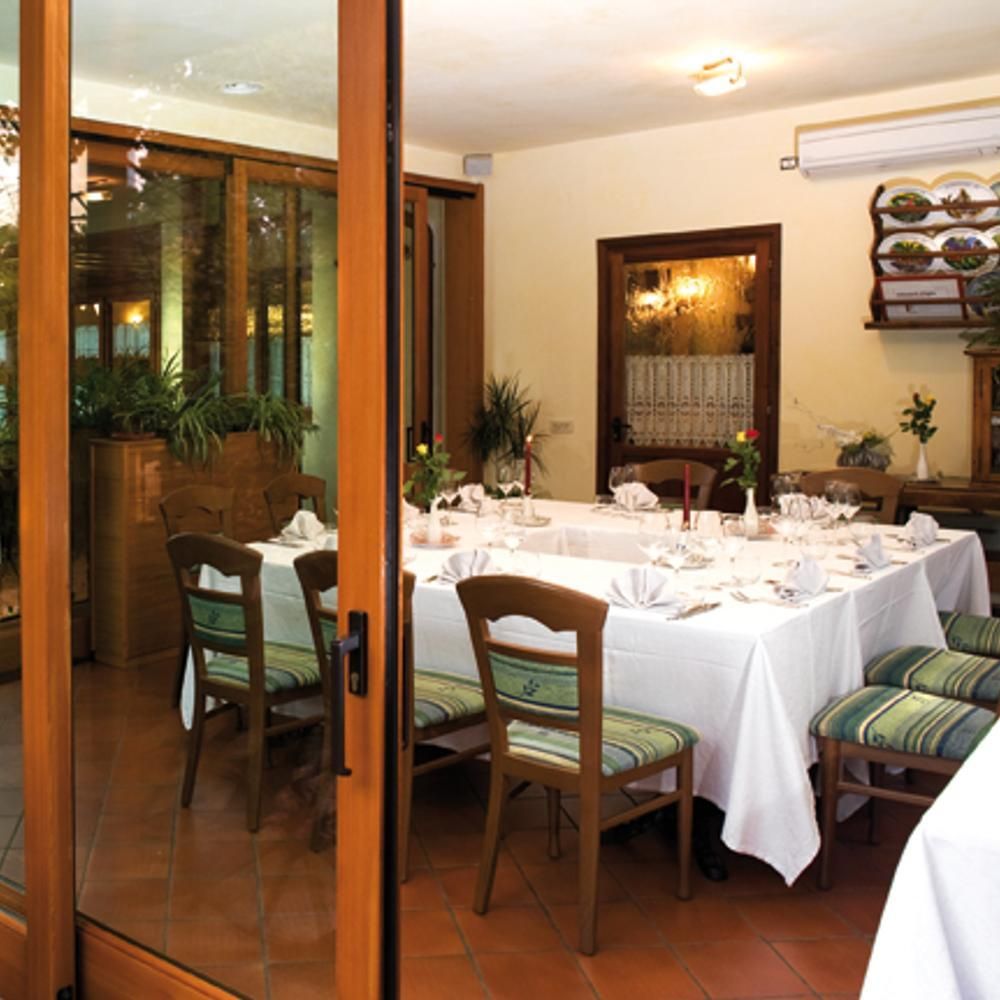
Bib Gourmand (Green Star) • Regional Cuisine, Traditional Cuisine. A historic and rightly famous restaurant. The same family – now in its sixth generation – has been celebrating the flavours of the region since 1870, just a stone's throw from the Slovenian border, where traditions and aromas blend seamlessly together. Authentic emotions are brought to the table: Palatschinke lasagne with mushrooms and pumpkin béchamel sauce, veal tripe à la Carsolina flavoured with bay leaves and pecorino cheese, and the traditional “Kraško pecivo”, a soft cake with raisins and walnuts, accompanied by cinnamon ice cream. The wine cellar, lovingly curated by the owner, boasts 1,000 labels and a rich selection of wines by the glass, with local wines taking centre stage.
- 1549
Bib Gourmand • Cuisine from Basilicata. This rustic, convivial restaurant in the village centre boasts a panoramic terrace overlooking the valley. A constant search for recipes from Italy’s peasant tradition combines with the passion and talent of the chef to create specialities such as raviolo della memoria.

- 1550
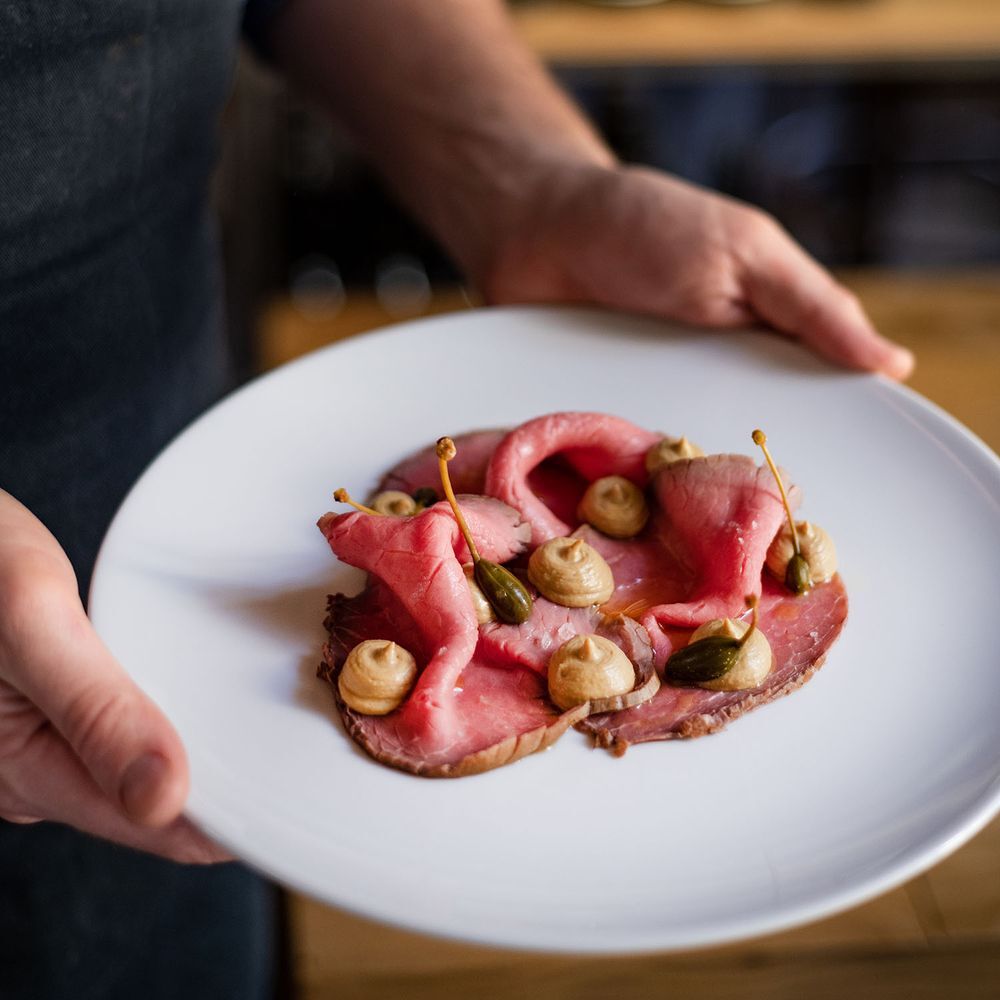
Bib Gourmand • Italian Contemporary, Seasonal Cuisine. The dining room, defined by characteristic brick ceilings, retains the memory of its warehouse origins, while the numerous labels displayed on shelves – available for retail purchase at a modest discount – attest to a broad and carefully curated selection, justifying the establishment’s self-description as “wine and dishes.” The kitchen presents a concise yet thoughtfully composed menu built on the quality of its ingredients: nods to Piedmontese tradition, select seafood offerings, and creative touches in the accompaniments, all designed to showcase the principal components. Dishes may be ordered individually or as part of generous and flexible mini-tastings, customizable to the guest’s preference. An excellent address in one of the city’s most elegant neighborhoods.
- 1551
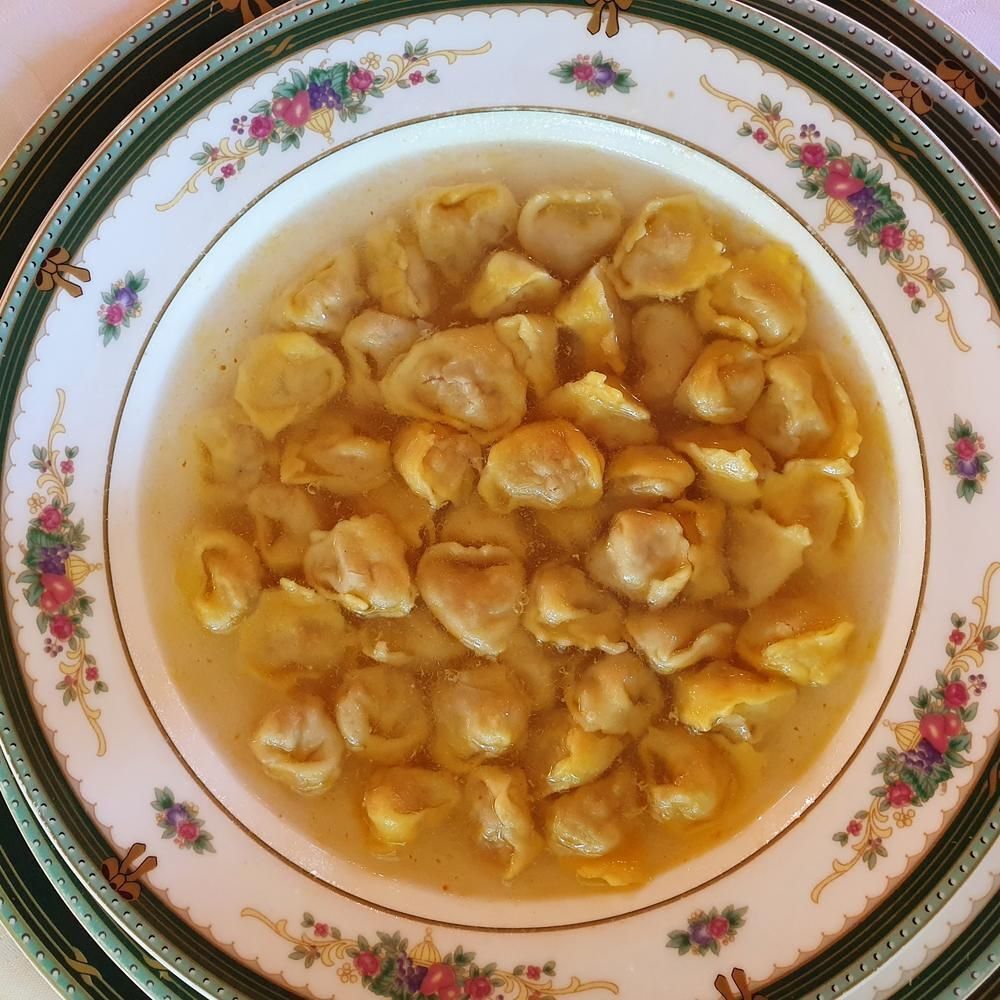
Bib Gourmand • Emilian, Classic Cuisine. Just a minute’s drive from the Campogalliano motorway exit, this ultra-classic restaurant has made a name for itself over the years thanks to its excellent price-quality ratio, which has remained surprisingly stable even at times when inflation has been high. The menu features numerous traditional Emilian dishes — gnocco fritto, tortellini, and Emilian-style “fritto misto” — alongside some of the great classics of Italian cuisine. The finale is left to the cake counter, situated right at the entrance to the restaurant: a riot of homemade desserts that invites you to choose whatever takes your fancy, following the inspiration of the moment and ending your meal on a truly indulgent note.
- 1552
Bib Gourmand • Regional Cuisine, Alpine. An annexe to the family farm with its organic apple orchards, this rustic, welcoming restaurant situated on the road leading up towards Monte Baldo has been in business since 1984. Despite its years of experience, the management team here does not rest on its laurels but continues to serve cuisine rooted in regional traditions with just a touch of imagination and modern influence in some dishes. Open every day in summer, but only Friday to Sunday at other times of year.
- 1553
Bib Gourmand • Sicilian. With its old chandeliers, chairs and tables, this original and attractive restaurant offers its guests a feel of traditional Sicily. The cuisine focuses on typical Sicilian specialities, as well as offering a simpler, less expensive bistro menu. There’s also a shop selling food produce and a cocktail bar, which is open non-stop from 11. 30am until the early hours of the morning.
- 1554
Bib Gourmand • Cuisine from Abruzzo, Traditional Cuisine. In the heart of Rho old town, among the quiet lanes of the restricted traffic zone, lies a corner of Abruzzo that exudes authenticity. A tempting, family-run refuge where a simple atmosphere meets refined, welcoming details. Tradition takes shape in dishes that tell stories of genuine flavours: such as the famous “chitarra alla teramana”, fresh pasta covered in a rich and enveloping sauce, with little meatballs and the bold touch of pecorino cheese. An invitation to sit down, indulge and feel right at home.
- 1555
Bib Gourmand • Cuisine from Lazio, Seafood. In addition to the usual dishes from Lazio, this restaurant which has been renowned for its local cuisine for over a century also serves a few seafood and freshwater fish specialities, as well as its famous meat and fish dishes cooked over the barbecue grill. The many rooms include a classic-style dining room decorated with frescoes, while the wine list includes some rare labels and interesting vertical options.

- 1556
Bib Gourmand • Venetian, Seasonal Cuisine. In the idyllic setting of a 16C mill with a garden and small lake, this restaurant boasts an equally magical dining room with a warm, friendly and traditional feel. Top-quality dishes from the Veneto include a delicious sopressa(the region’s cured ham), Vicenza-style baccalà (cod) with Marano polenta and a soft guancetta served with a superb pendolòn (potato polenta).
- 1557
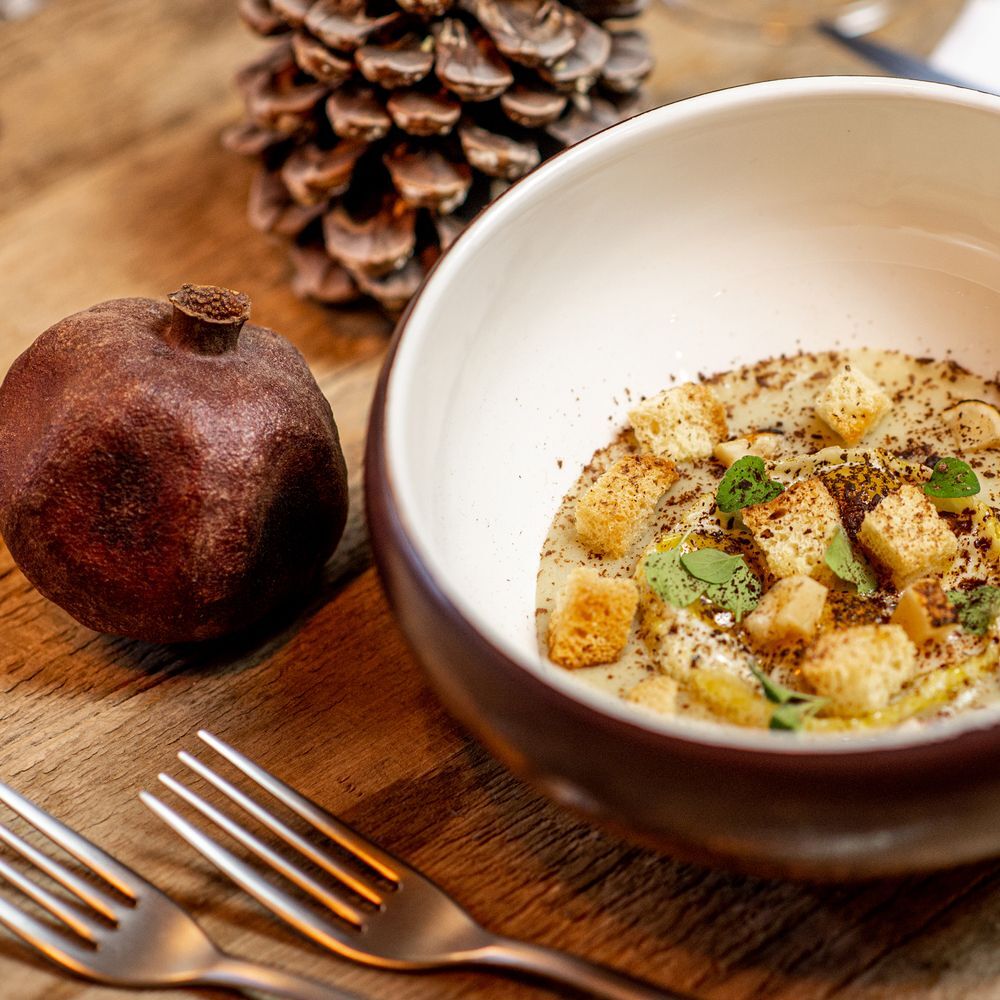
Bib Gourmand • Seasonal Cuisine, Farm to table. Namo is renowned for the excellent cuisine conjured up by its chef Tiziana Favi, who creates unmissable dishes such as paccheri pasta with tomato and stracciatella cheese served with a bread crumble – you’ll want to mop up every crumb! Make sure you also ask the enthusiastic owner for her food and wine recommendations. Seasonal ingredients from the Viterbo region take centre stage here, while the chef’s green philosophy is clearly explained on the first page of the menu. Book in advance if you want to enjoy the views from the beautiful outdoor space, as there are only a few tables here.
- 1558
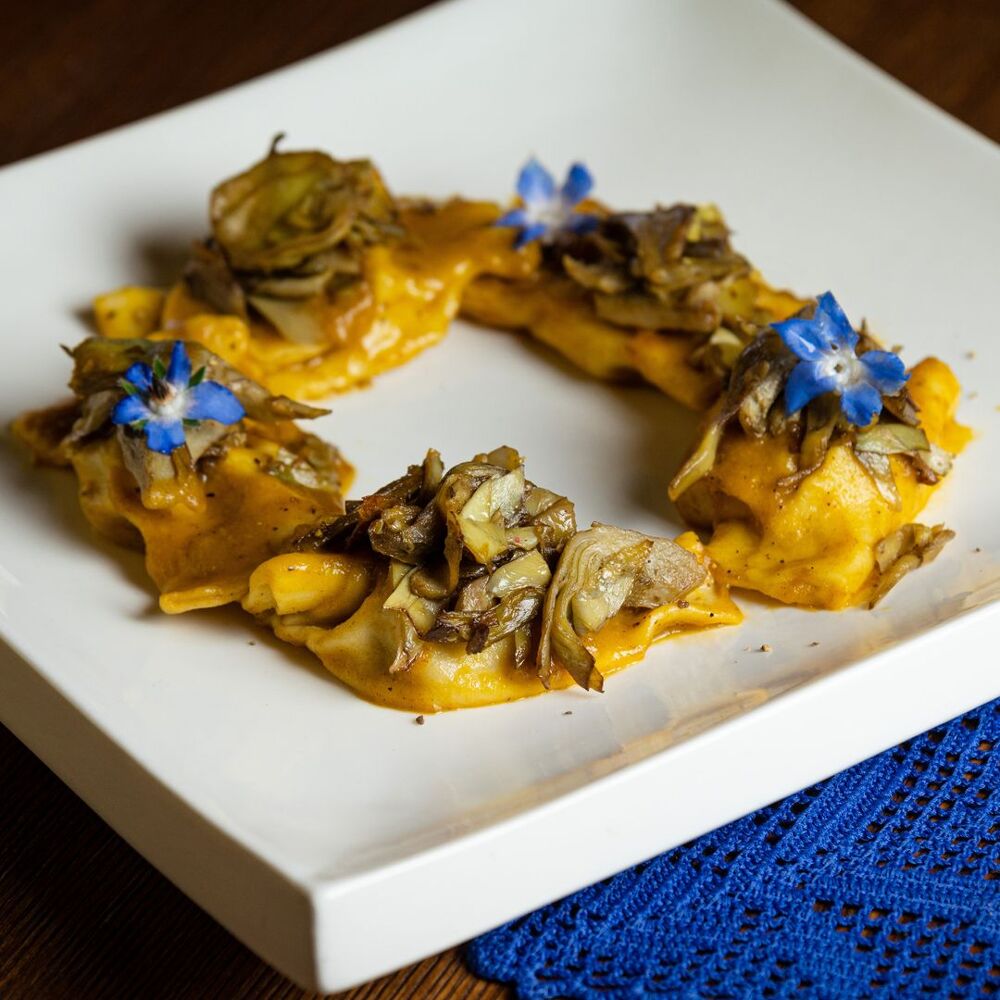
Bib Gourmand • Sicilian, Regional Cuisine. This restaurant, named after the ancient Sicilian musical mouth instrument similar to a small flute and used in folk music, is located in the heart of the historic center. It features a spacious outdoor area for the summertime and interior spaces that predominantly use materials such as wood and stone. The cuisine pays homage to traditional local dishes, expertly crafted and "revitalized," using ingredients that mostly come from the Madonie Park where the location is situated. The mushroom specialties are not to be missed, and the wine selection is also excellent.
- 1559
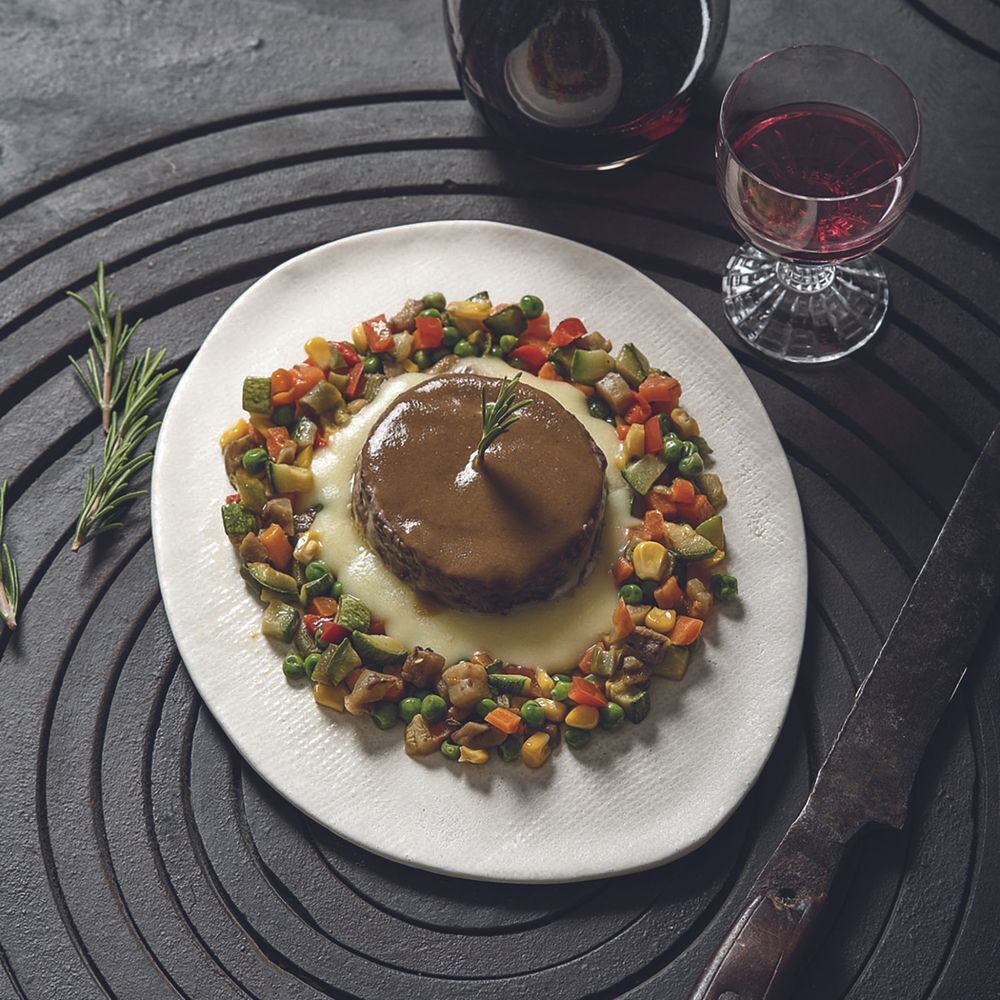
Bib Gourmand • Regional Cuisine, Seasonal Cuisine. Simplicity, hospitality and informality are the keywords to describe this restaurant in the verdant Val di Non, which has been run by the Di Nuzzo family for more than 50 years. Guests come to Nerina time and time again to enjoy excellent Trentino produce, such as the casolèt cheese, Valsugana maize and mortandela salami, as well as its authentic house specialities, often made with ingredients from the restaurant’s own vegetable garden and occasionally with influences from elsewhere in Italy.
- 1560
Bib Gourmand • Japanese, Fusion. Just a short walk from the old town, enjoy a stroll along the ancient walls: a delightful itinerary that sets the scene for the experience ahead. The cosy and welcoming restaurant boasts a vibrant interior where you can choose to sit at the counter, facing the chef, or at tables with comfortable sofas. The menu is a journey through Japanese tradition, interwoven with the chef's childhood memories: fresh sashimi, impeccable nigiri, the famous gyoza and ramen with rich broth, just like in Southern Japan. At lunchtime, don't miss the teishoku: choose your main course and the chef will complete the dish with a refined selection of Japanese appetisers.

- 1561
Bib Gourmand • Italian Contemporary, Italian. Situated near the seafront in one of Pescara’s iconic streets, Nole offers guests two different dining options: the bar-bistro section serves excellent breakfasts, light lunches and snacks (closed in the evening), while the minimalist, contemporary-style dining room is home to the main restaurant. The two sections are separated by the open-view kitchen, where the chefs prepare classic, modern meat and fish dishes, with a focus on whatever ingredients are available in the market that day.
- 1562
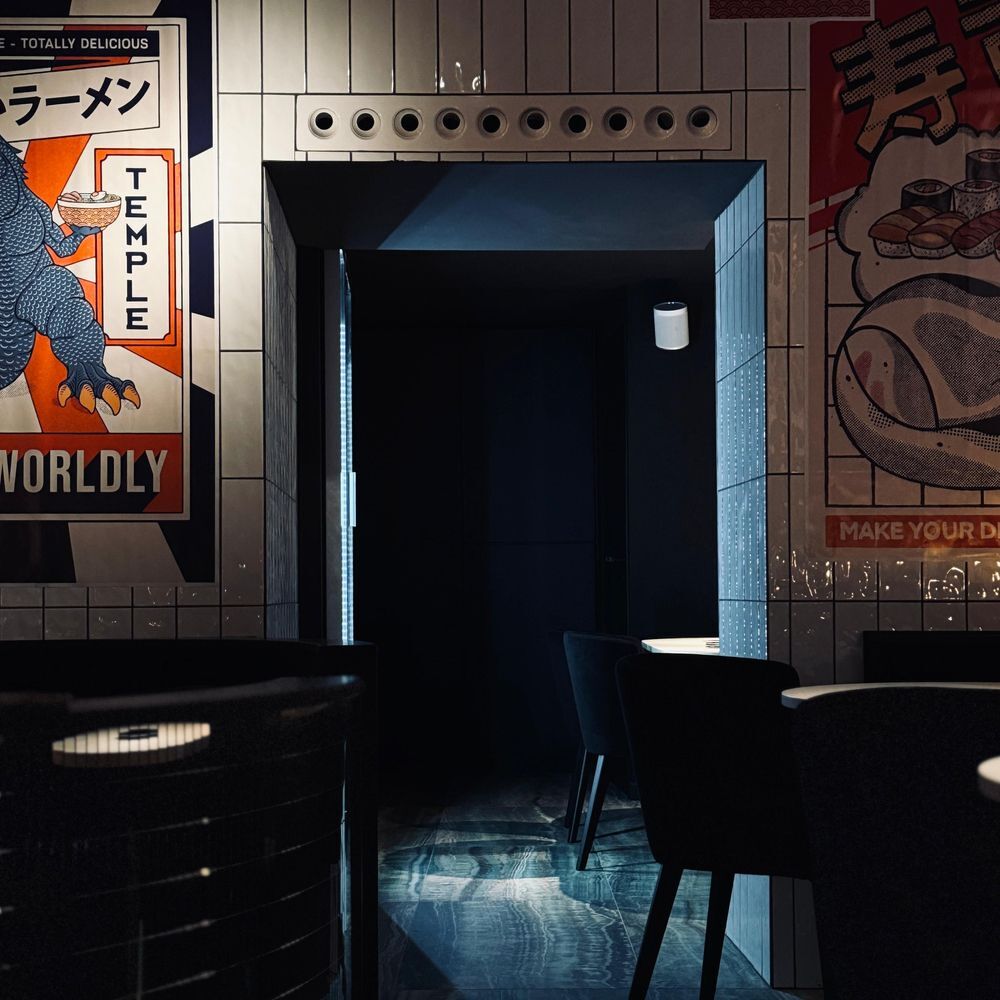
Bib Gourmand • Japanese, Fusion. Located in the heart of the city center, Oishi offers a comprehensive tribute to Japan in an intimate, minimalist yet colorful dining room that has been recently renovated. This homage to Japan is evident both in the interior design and – above all – in the numerous and ongoing classic Japanese references throughout the menu. Sometimes reimagined with local ingredients and flavors, the dishes range from crudo and marinated preparations to sashimi and nigiri, rolls, some tempura, and more. The wine selection is respectable, featuring Italian craft beers with flavors consistently oriented toward the East.
- 1563
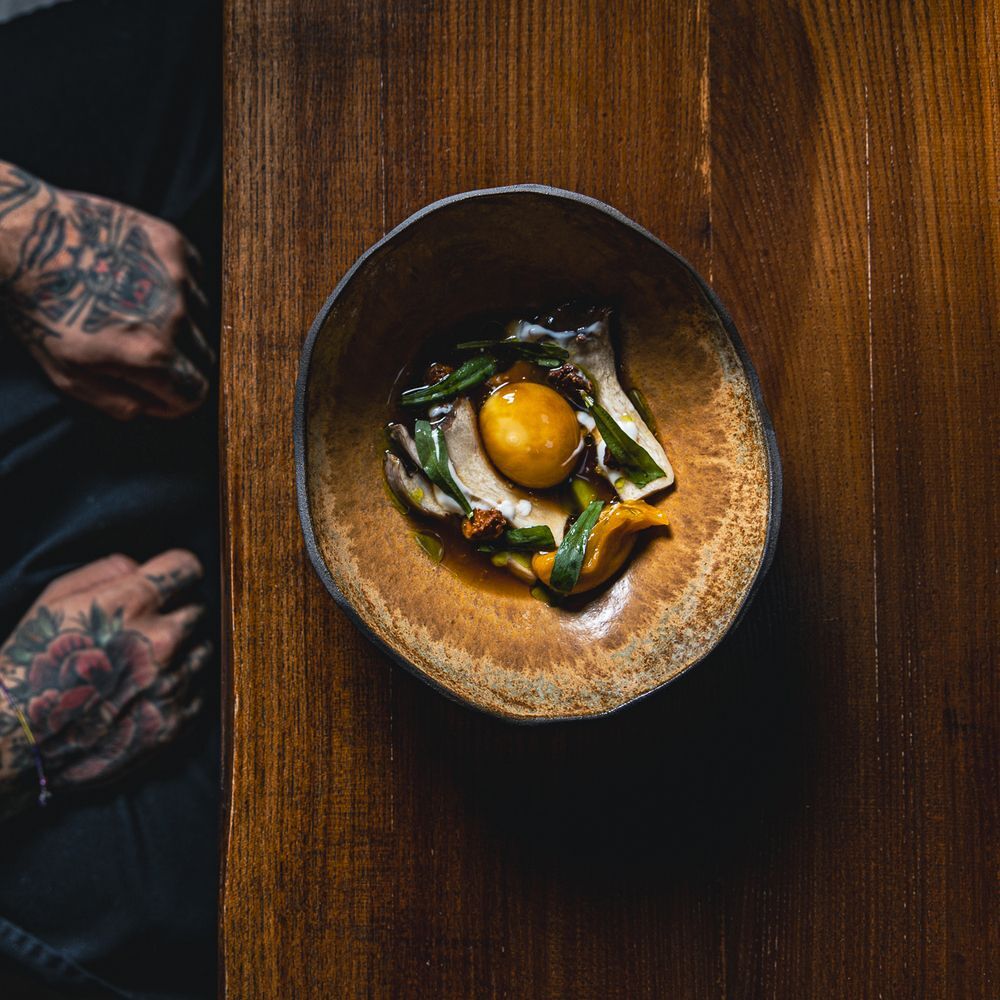
Bib Gourmand • Farm to table, Seasonal Cuisine. Somewhat off the beaten path from the shopping streets, the restaurant has a fresh and trendy allure, with background music and cordial, competent service in the dining room. While the dishes follow the seasons – with meat, fish, and vegetarian dishes alternating – taste and quality remain essential constants. You’re certainly presented with the menu, but if desired, three different tasting menus are also offered.
- 1564
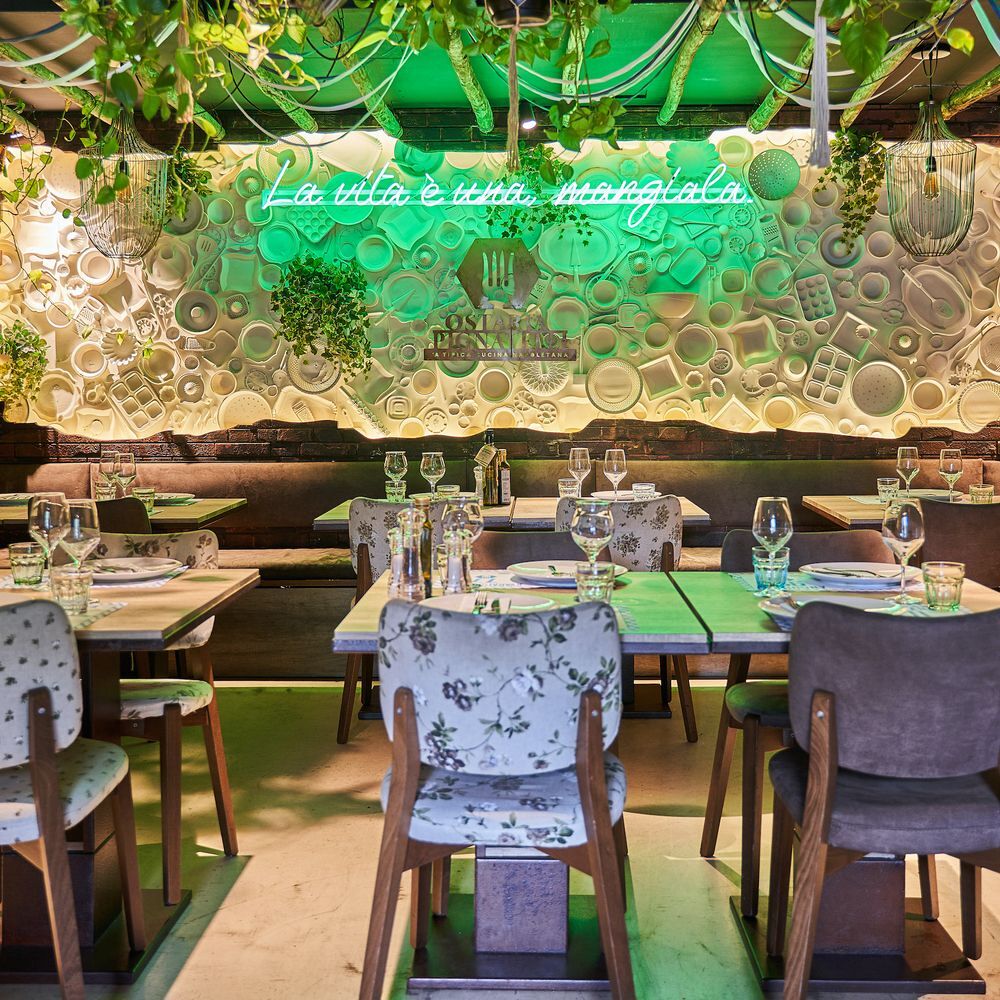
Bib Gourmand • Campanian, Mediterranean Cuisine. A stone's throw from the neoclassical Villa Pignatelli, with the municipal gardens in front and the sea just beyond, lies a haven of authentic charm: you can sit outside or inside, where the décor is reminiscent of an elegant tavern. “You only live once, so eat well” is the motto here, and when you see the dishes arriving at your table, you can't help but agree. Neapolitan classics executed to perfection and served in generous portions: from “mozzarella in carrozza” (fried mozzarella sandwiches) to cuoppo of fried anchovies, from mixed pasta with potatoes and provola cheese to “candele alla Genovese” (pasta with beef ragout), Neapolitan-style cod and “Pastiera”, all of which are truly unmissable. Reservations? Absolutely! Even for lunch.
- 1565
Bib Gourmand • Country cooking, Traditional Cuisine. Regional dishes including home-made pastries and desserts, as well as meat and salumi from the family’s own farm, are to the fore in this typical restaurant with beautiful wooden furnishings created by a local artist. Part of the Post Hotel situated in the centre of the village (in the traffic-limited zone), the restaurant is open non-stop from 11am-10pm and doesn’t take bookings.

- 1566
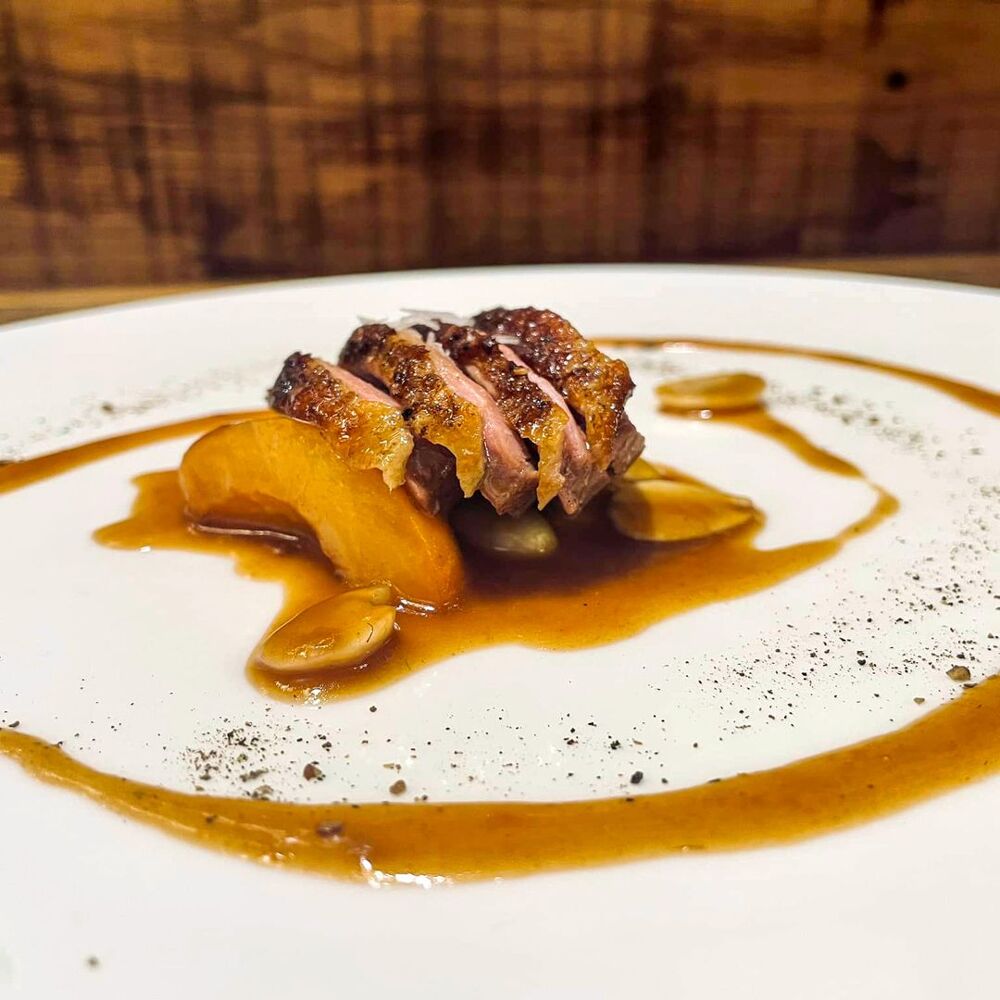
Bib Gourmand • Traditional Cuisine, Piedmontese. In what was once a typical sports bar, the friendly owner-chef serves home-style cuisine featuring traditional dishes from Monferrato and further afield. Don’t miss his plin pasta served with a roast meat sauce and a delicate cream of leeks, cotechino sausage and raw Mazara prawns. The atmosphere here is pleasantly informal and relaxed.
- 1567
Bib Gourmand • Seafood, Seasonal Cuisine. Fish and seafood take centre stage at this restaurant facing the beach and its moored boats, with a menu that showcases classic specialities from the Adriatic, including fried options and daily specials in line with what’s available at Cesenatico fish market. The restaurant does not take reservations.

- 1568
Bib Gourmand • Seafood. The sister restaurant of the Bologna and Milano Marittima restaurants of the same name, this osteria serves fresh fish with an excellent choice of delicious and generously portioned dishes. As the restaurant doesn’t take bookings, make sure you get here early in high season or during busy periods.

- 1569
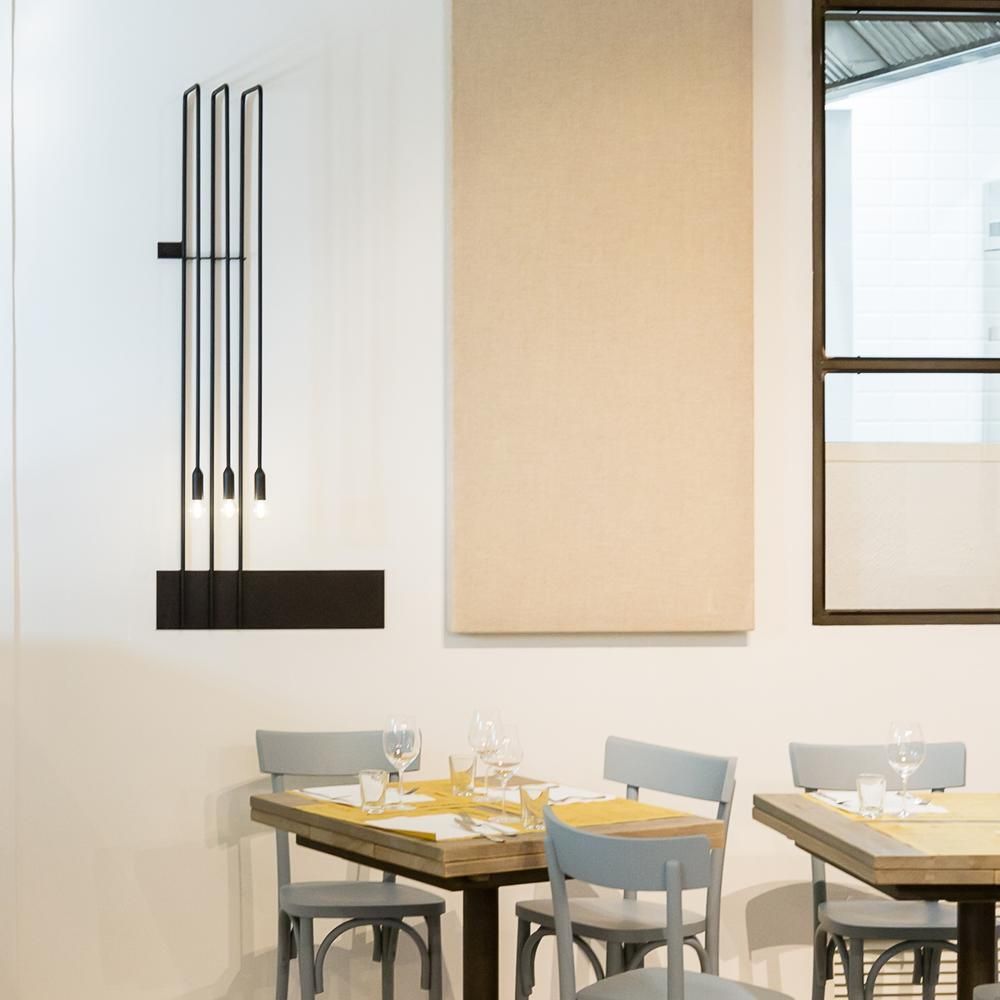
Bib Gourmand • Seafood, Mediterranean Cuisine. Under the majestic vaulted ceiling of Palazzo Dondini Ghiselli and in the shade of an old plane tree, this restaurant combines a simple ambience with an innovative concept. Here, guests can enjoy typical seafood dishes from Romagna – don’t miss the delicious sardines sautéed in oil and lemon, which are a real treat!
- 1570
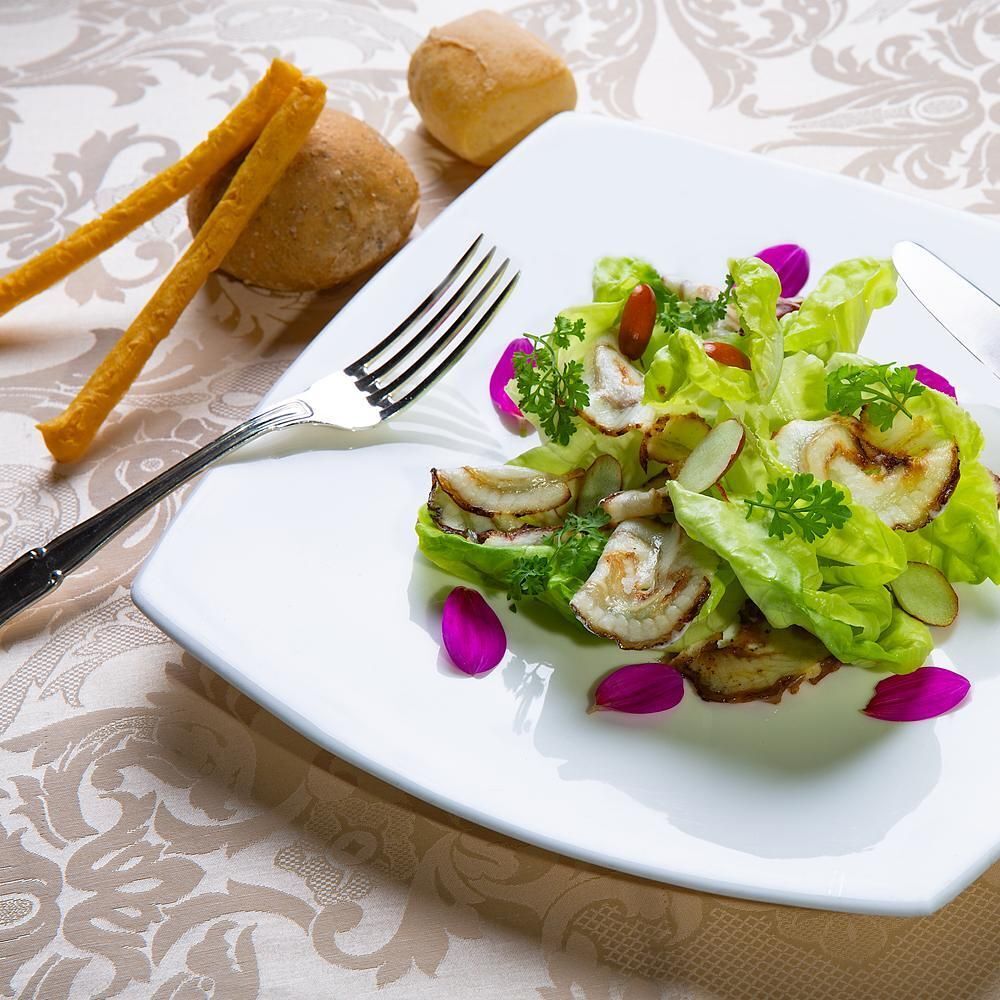
Bib Gourmand (Green Star) • Venetian, Seasonal Cuisine. "Casual and relaxed, the atmosphere is just like that of a typically traditional tavern, consisting of a series of pleasant little dining rooms, while the menu combines local specialities with fresh seafood dishes. "
- 1571
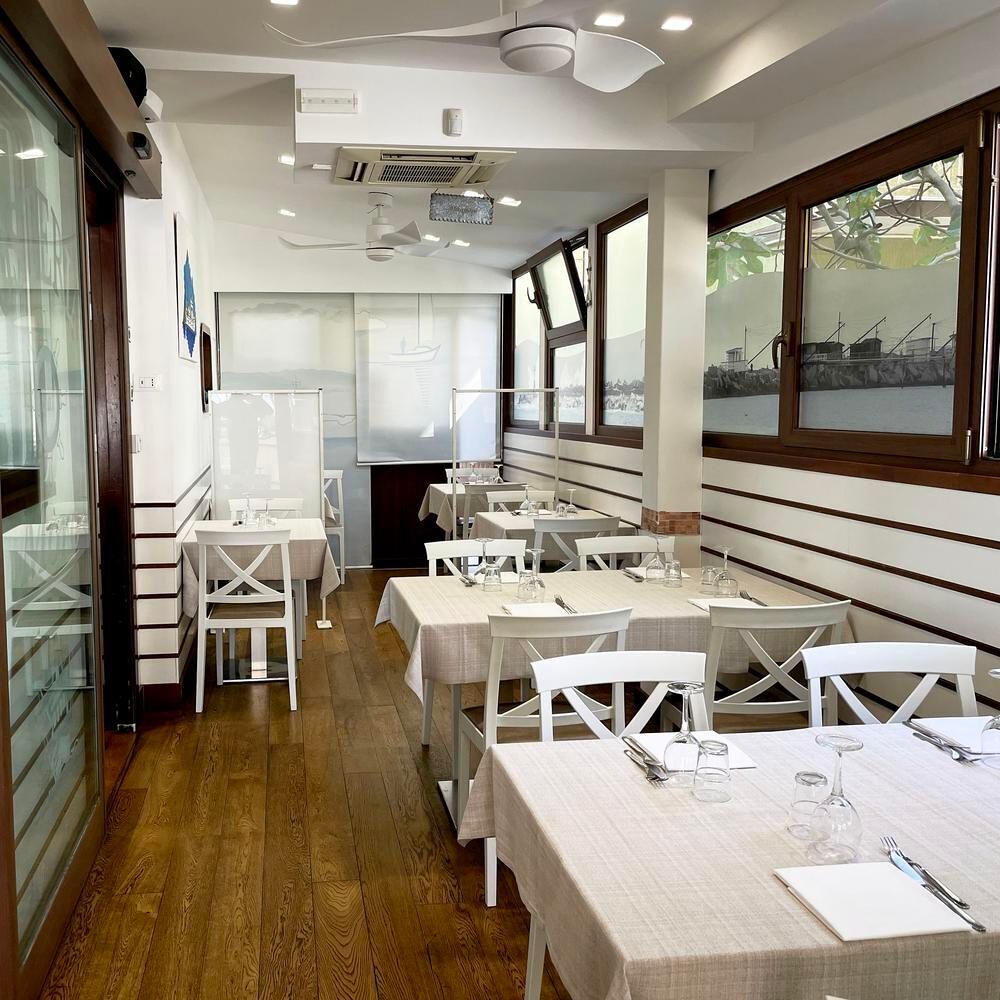
Bib Gourmand • Cuisine from Abruzzo, Seafood. A lively fish and seafood restaurant on the seafront, which is always busy thanks to its excellent value for money – booking ahead is highly recommended! Fish-based dishes only, all of which are announced at your table and which change regularly depending on market availability. The dishes are simple, rustic but full of flavour, which is why it’s easy to forgive the rather restricted choice of wine.
- 1572
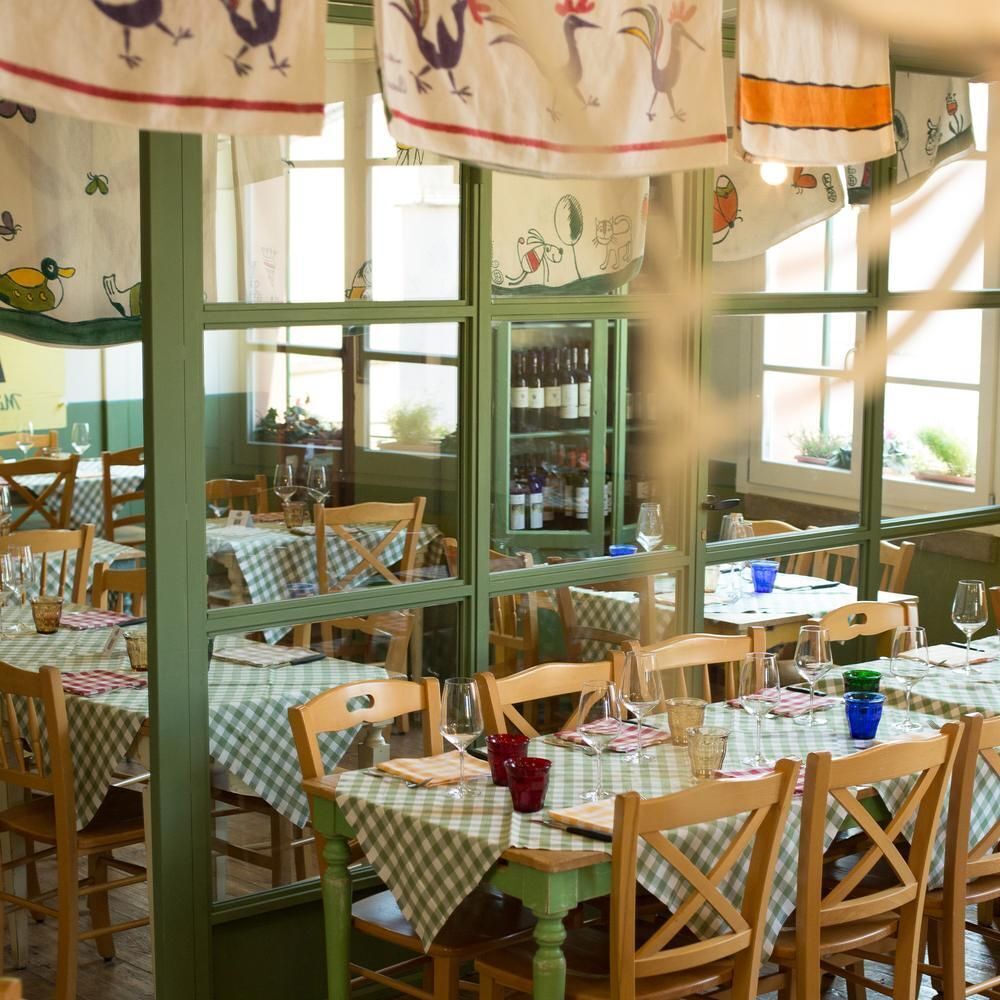
Bib Gourmand • Cuisine from Romagna, Traditional Cuisine. In the characteristic Borgo San Giuliano so dear to Federico Fellini, with its narrow streets and colourful houses that were once home to the local fishermen, this excellent osteria celebrates the most typical Romagna cuisine, including the finest charcuterie, fresh homemade pasta (the traditional cappelletti in chicken broth are excellent) and meats, including Mora Romagnola pork, which is used in a variety of dishes. Inside, you'll find a setting that you would traditionally associate with a trattoria, complete with check cotton tablecloths and bottles on display.
- 1573
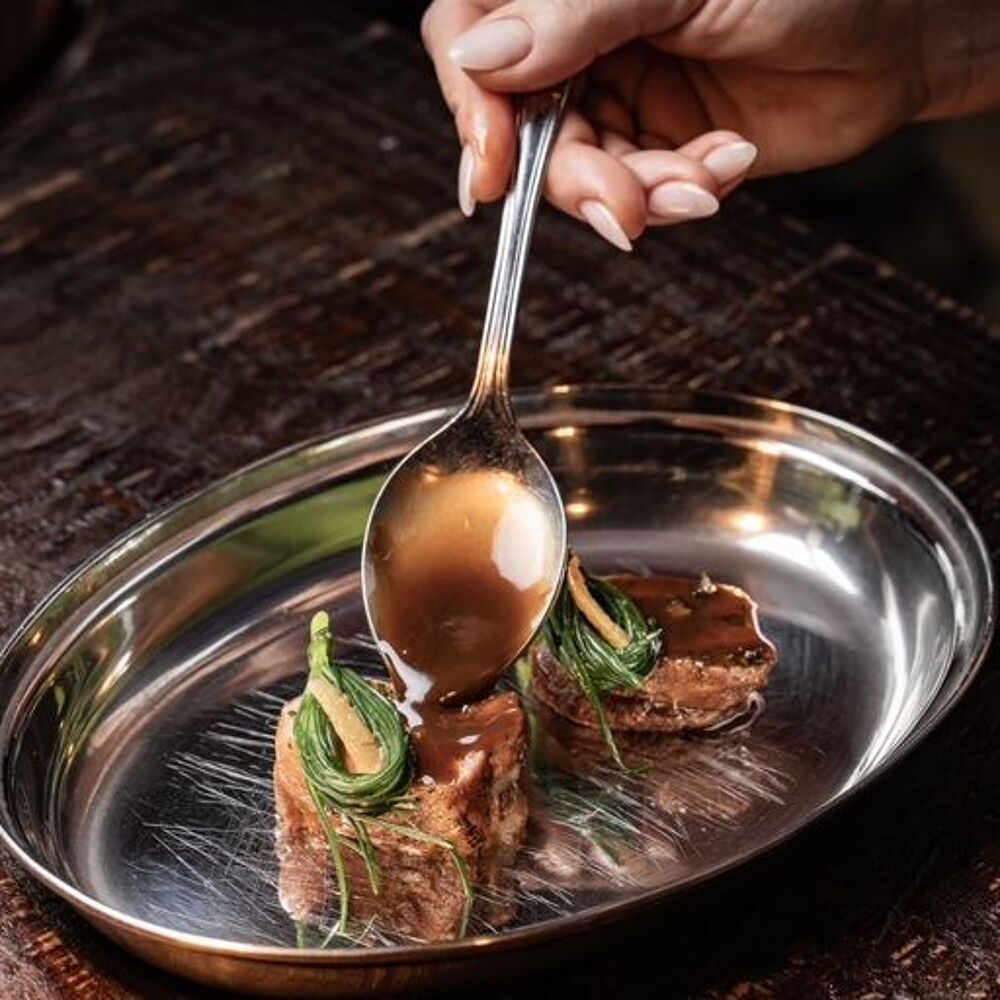
Bib Gourmand • Farm to table, Regional Cuisine. With a very young team led by Maicol and Federica, this rustic restaurant with an exposed-brick decor only opened a few months ago and has already made a name for itself thanks to its fine cuisine. In the dining room, the wood-fired oven and barbecue grill (the latter uses the embers from the former) take centre stage in many of the dishes, so that old, culinary techniques result in delicious cuisine that demonstrates a fine balance of traditional flavours and personalised modern twists. The lamb chops, served with freshly blanched saltwort flavoured with preserved lemon and a light garlic sauce, were truly delicious!
- 1574
Bib Gourmand • Cuisine from the Marches, Meats and Grills. Situated amid hills in a secluded and panoramic location, this farmhouse offers guestrooms, a spa and a restaurant, where meat (often cooked over the grill) takes pride of place on the menu, alongside various local specialities such as stuffed pigeon, roast goose and “coniglio in porchetta” (stuffed rabbit).
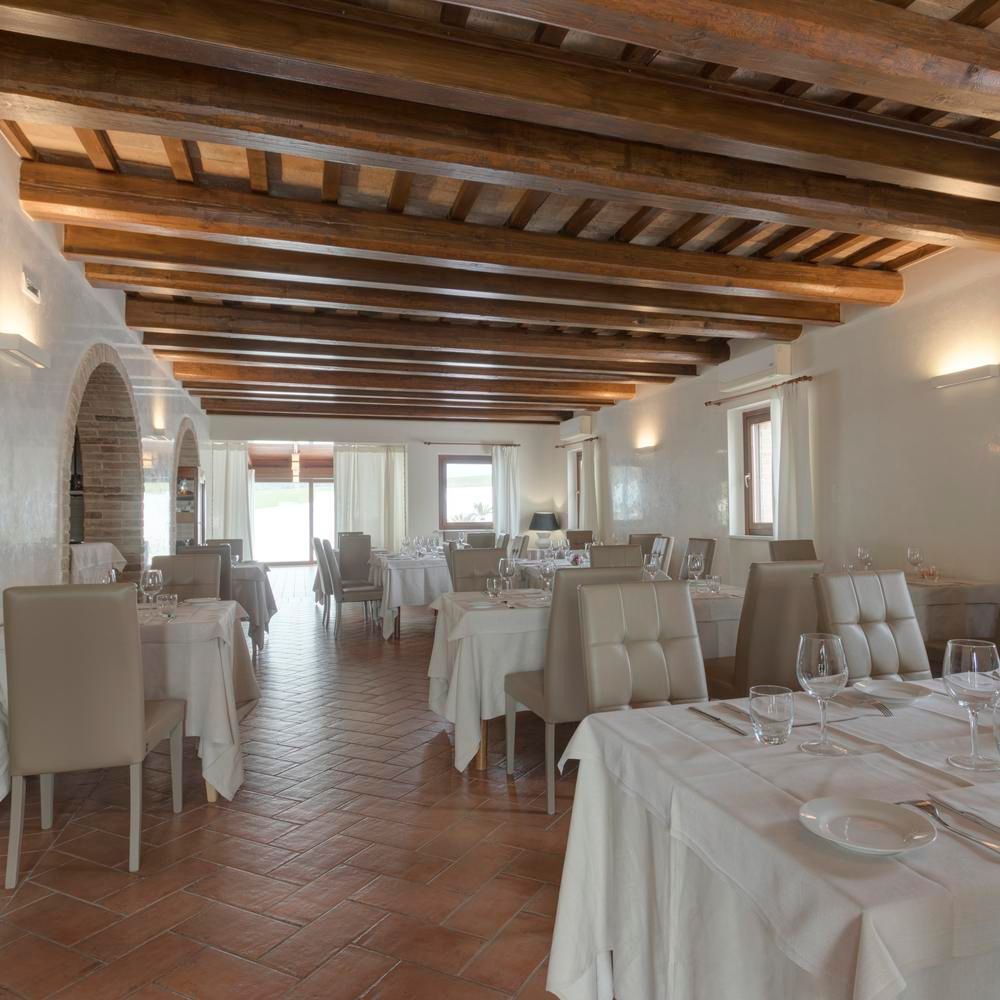
- 1575
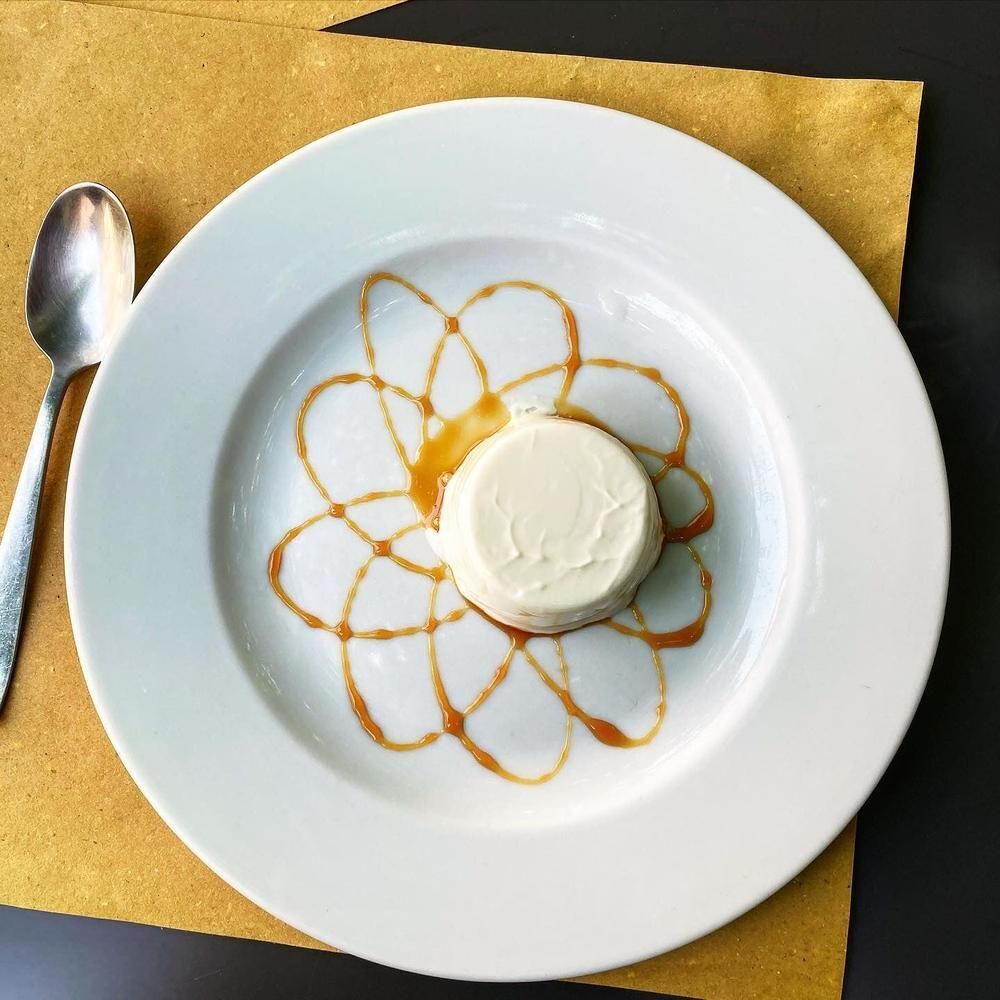
Bib Gourmand • Piedmontese, Traditional Cuisine. Access is via the inner courtyard of an elegant period building, where, on sunny days, the outdoor tables buzz with conversation and delicious smells. Upstairs, there is a large, bright dining room flanked by two cosy side rooms that are perfect for conversing. In the main room, a climate-controlled wooden display case catches the eye: inside are precious bottles, from the intense reds of Langa and Roero to wines that tell stories from every corner of the world. The menu is a journey through the flavours of Piedmont: dishes that exude tradition, such as “Gobbi di Nizza Monferrato” (cardoons drenched in velvety bagna cauda), or persimmon mousse paired with sweet chestnut cream. Every mouthful is a memorable encounter of textures and aromas. We recommend booking ahead, even for lunch!
- 1576
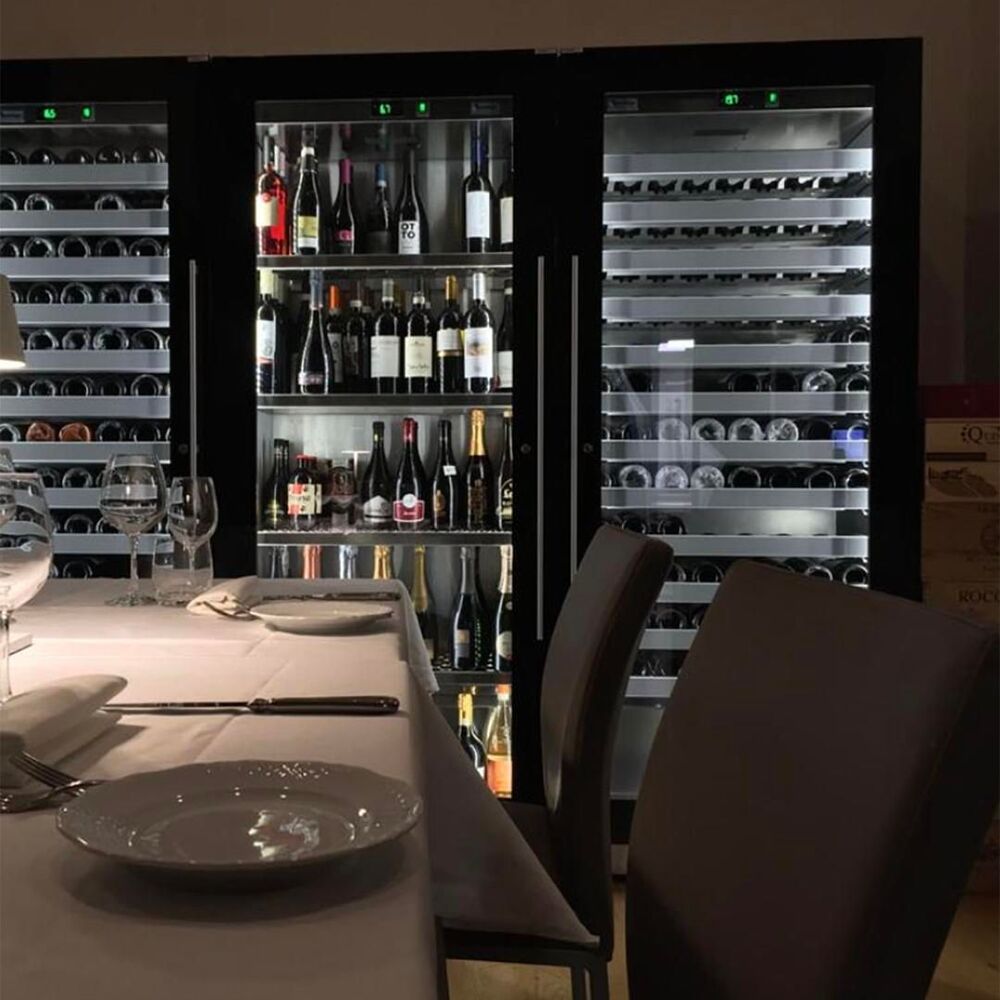
Bib Gourmand • Campanian, Modern Cuisine. This restaurant in the centre of this small town is run by the Silvestro family (father and son). In summer, book one of the tables in the charming outdoor space overlooking the square. The menu focuses on local traditional cuisine with the occasional personalised twist, such as the pork-belly kebab with a papacelle reduction (short, pulpy peppers with a sweet flavour) and stracciata sauce, while the wine list features labels from the Irpinia region (and elsewhere) with a good choice of vertical wines and top-quality names such as Aglianico and Taurasi.
- 1577
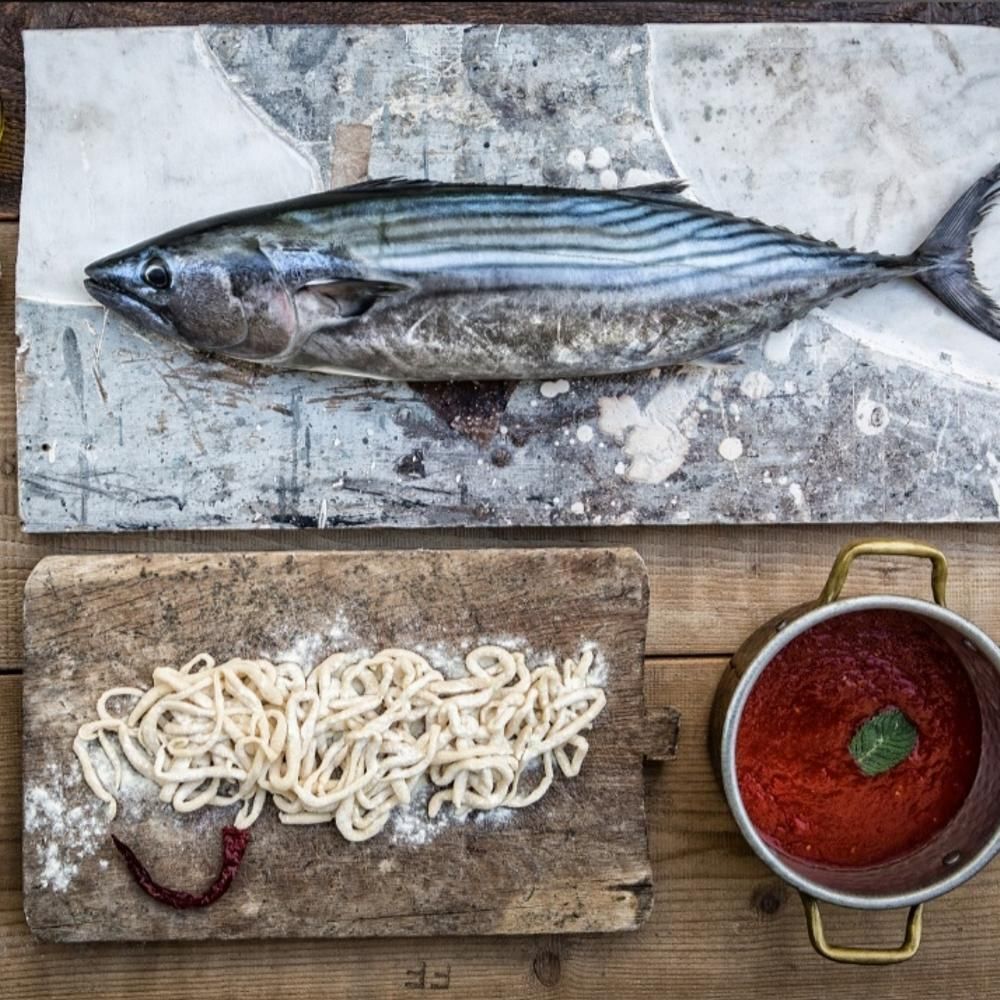
Bib Gourmand • Seafood, Mediterranean Cuisine. In the city center, there's a small but lively restaurant with cheerful colors and a charming outdoor area on the pedestrian street. The atmosphere is always relaxed, even in summer when dining is only in the evening and tables are in high demand (reservations are essential). The menu is a journey through the sea: always featuring raw seafood, tuna amatriciana, cacciucco, and other classic dishes with imaginative touches.
- 1578
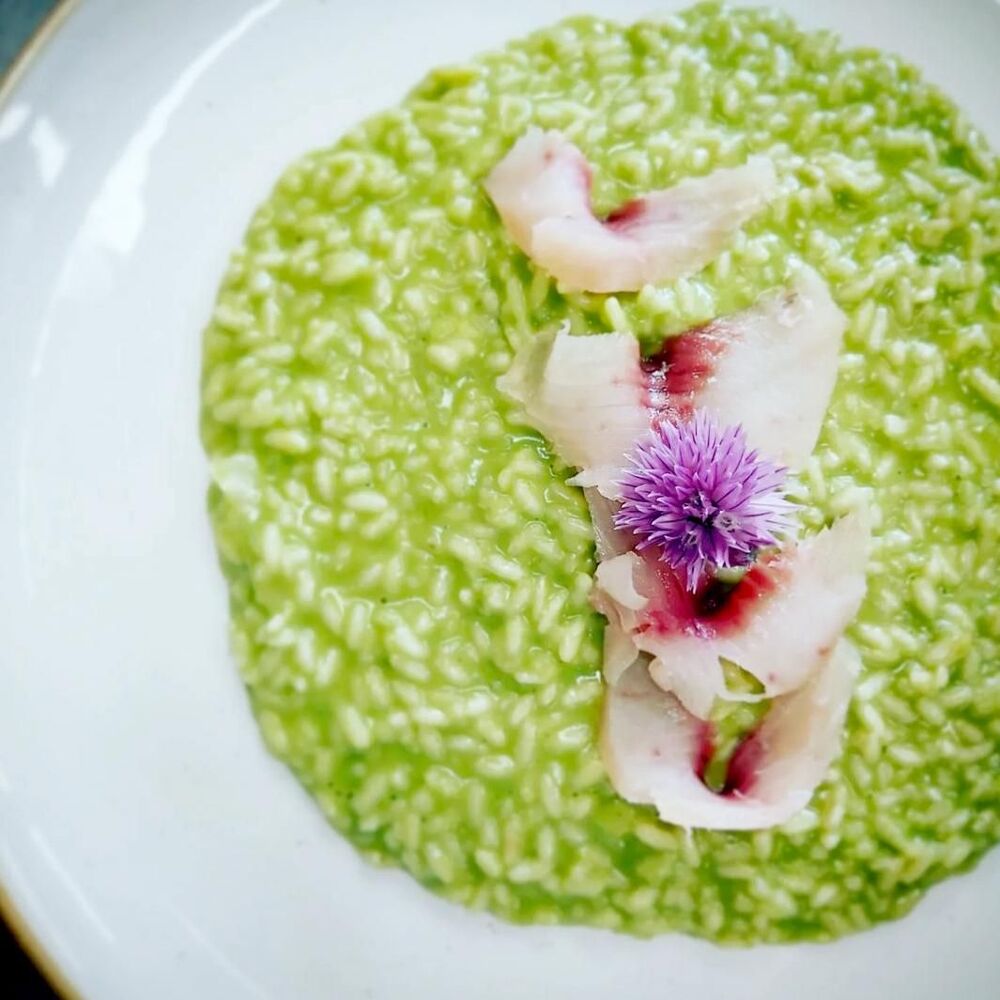
Bib Gourmand • Lombardian, Traditional Cuisine. A pleasant (and excellent) provincial restaurant with a modern feel and a traditional brick-vaulted ceiling, where owner-chef Samuele Miglioli pays tribute to local traditions in his cuisine (don’t miss the marubini pasta in three broths and the famous pumpkin tortelli). The dishes here focus on seasonal ingredients which are carefully transformed into generous dishes full of flavour, as demonstrated by the rice timbale served on a delicious beef ragù and topped with beef carpaccio. There’s also an excellent selection of wines, with a particular focus on sparkling wines.
- 1579
Bib Gourmand • Regional Cuisine. Located in a charming medieval hamlet dating back to the 13C, this authentic osteria serves home-style traditional, regional dishes – the chard and ricotta ravioli served with cheese and oil are particularly delicious. For an even more enjoyable experience, book one of the tables on the delightful summer terrace with fine views of the surrounding hills.

- 1580
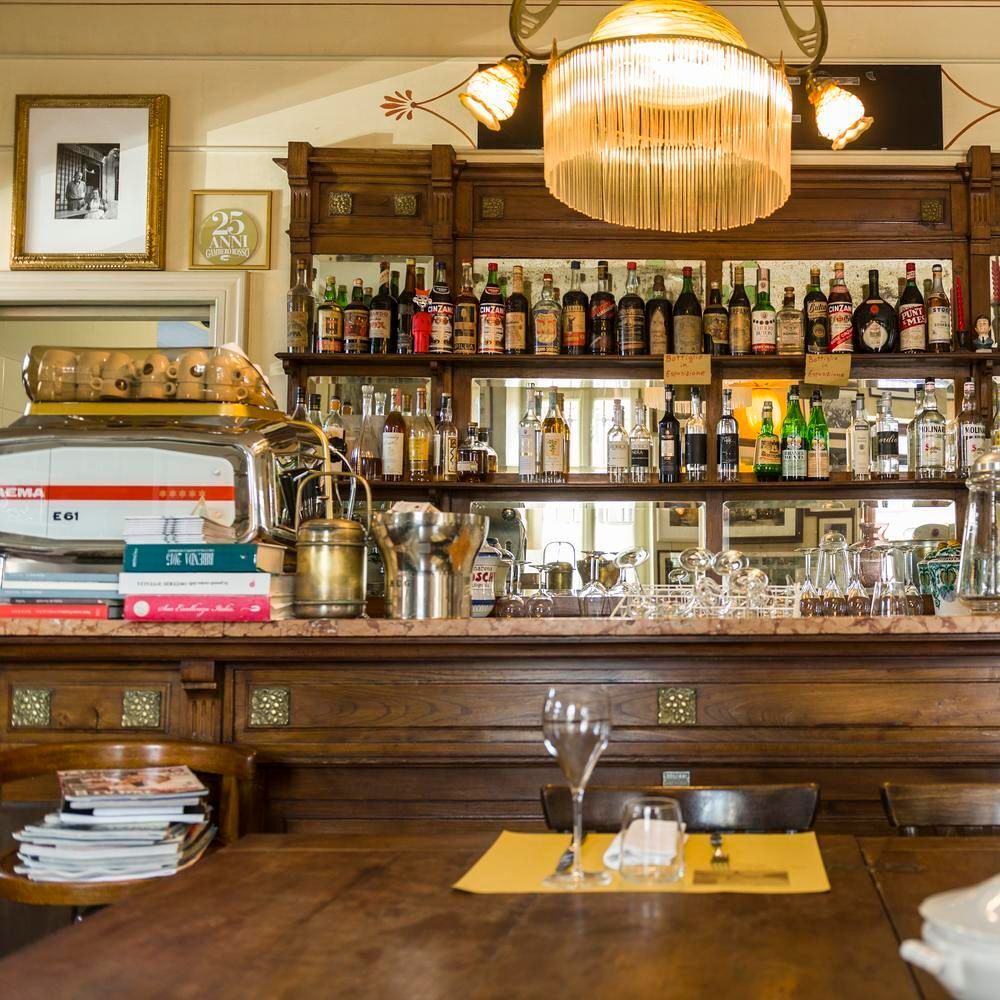
Bib Gourmand • Lombardian, Traditional Cuisine. A bastion of tradition for over a hundred years, Art Nouveau furnishings and a retro atmosphere are the accompaniment to Brescian classics and familiar recipes: always based on seasonal ingredients, as in the case of the many vegetables from their own garden, from which the Evo oil also comes. The wine list offers a wide selection of labels from Franciacorta, Barolo and Barbaresco: true passion of the owner Massimo!
- 1581
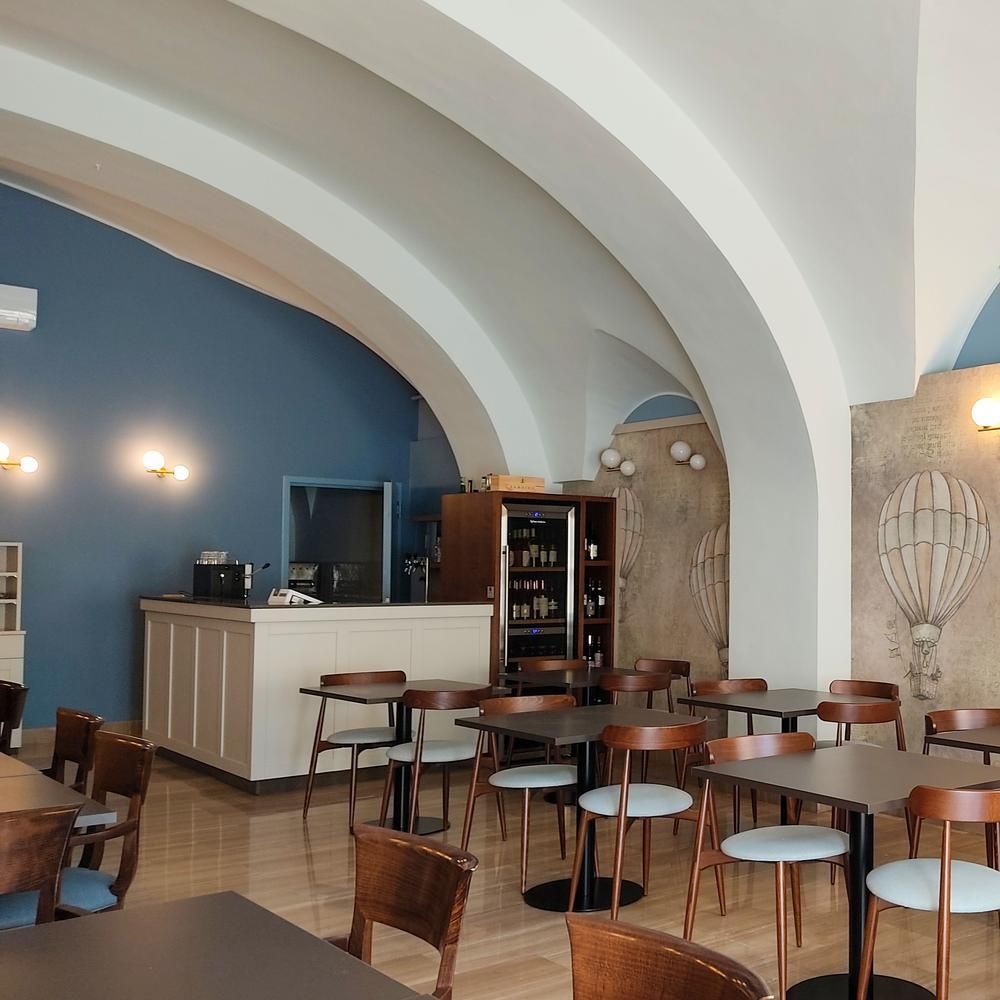
Bib Gourmand • Seafood, Ligurian. Situated on an attractive pedestrian street lined with the historic palazzi of Porto San Maurizio, this simple yet pleasant restaurant offers an excellent choice of Ligurian specialities. Highlights include stuffed mussels and Genoese-style borage ravioli.
- 1582
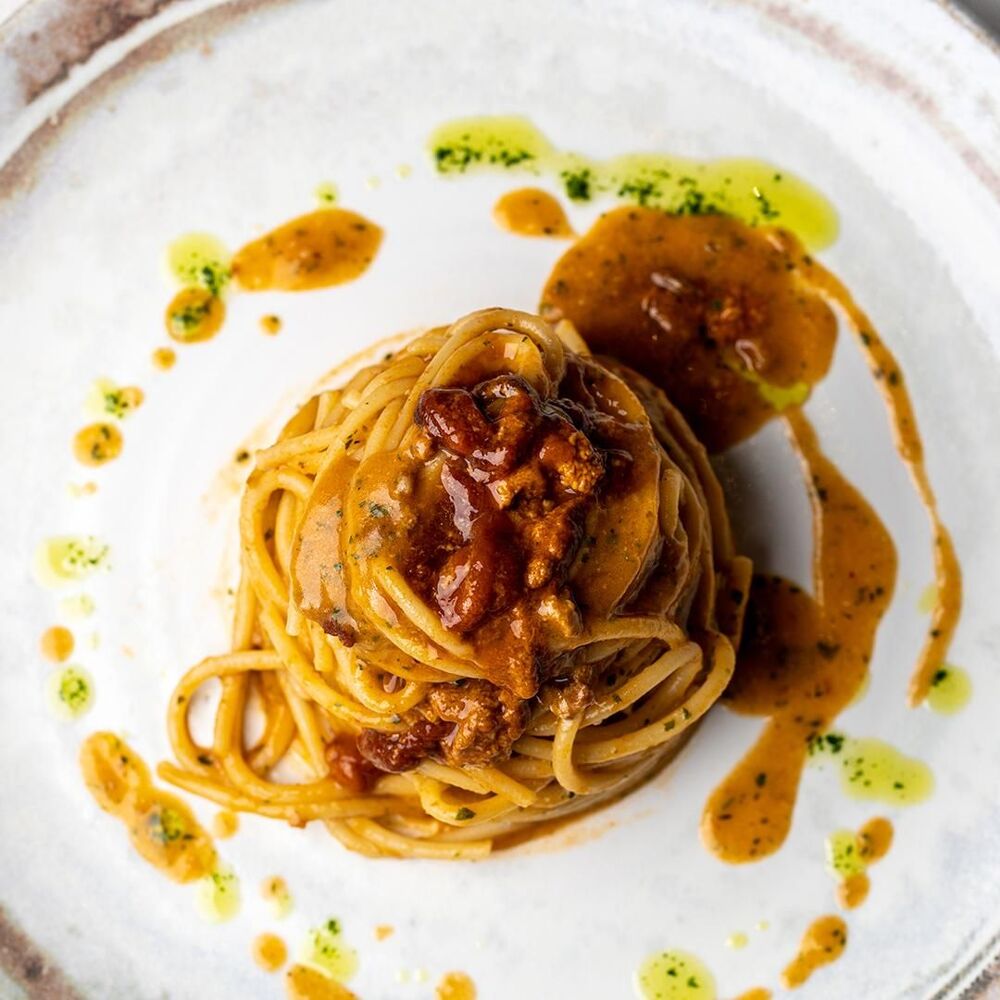
Bib Gourmand • Sicilian, Traditional Cuisine. Situated in the historic centre between the Pirandello theatre and the belvedere, this former bakery has been transformed into a modern, welcoming restaurant that has recently been expanded to include an evening cocktail bar (the Buvette del Panificio). The menu features a superb selection of some of the island’s most famous dishes, including stuffed sardines, Robiola goat’s cheese, Palermo-style sword fish and ricotta cassata.
- 1583
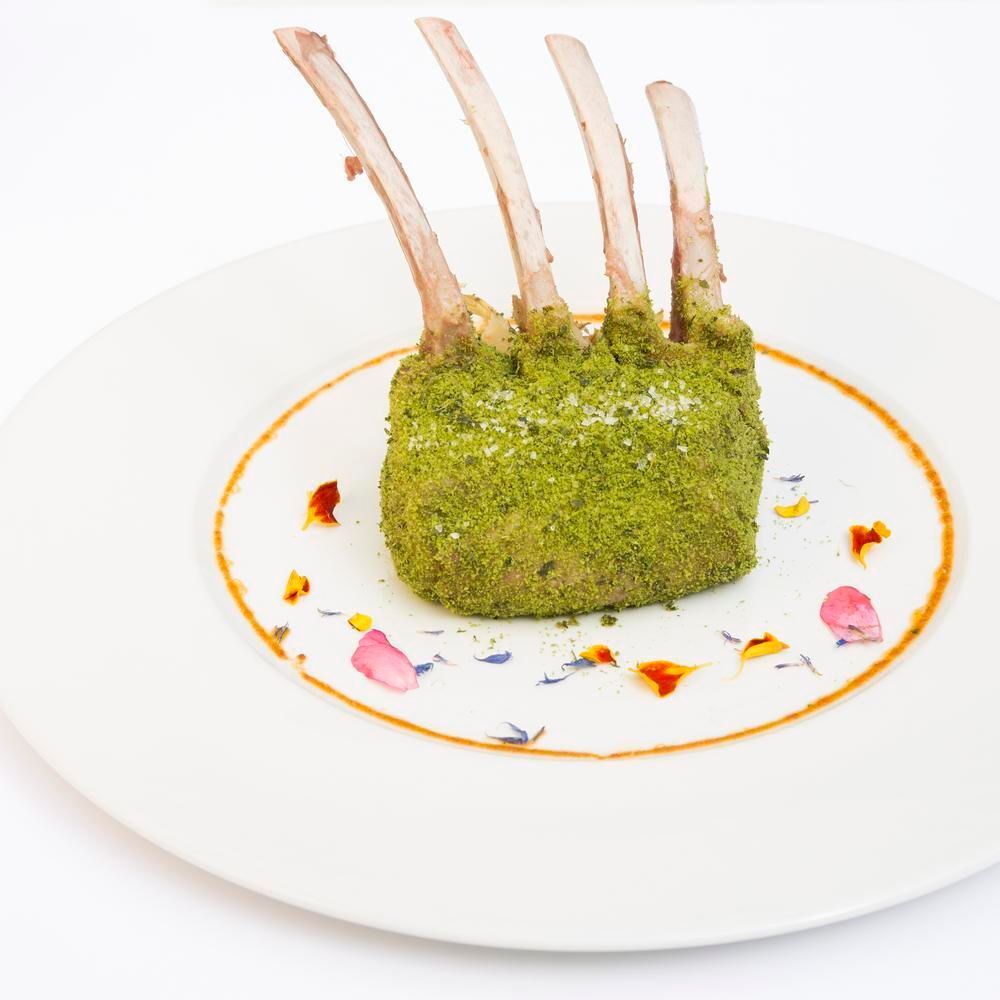
Bib Gourmand • Emilian, Traditional Cuisine. A beautiful farmhouse not far from the town, with a friendly, welcoming and colourful feel, where the menu features Italian dishes alongside a few local specialities, such as an excellent "bagna caoda". Special mention goes to the superb selection of beers chosen by owner Moreno, which ranges from local craft beers to labels from across the globe. There’s even a beer-themed dessert, the Birramisù. Offering excellent value for money, it is extremely popular, so booking ahead is recommended.
- 1584
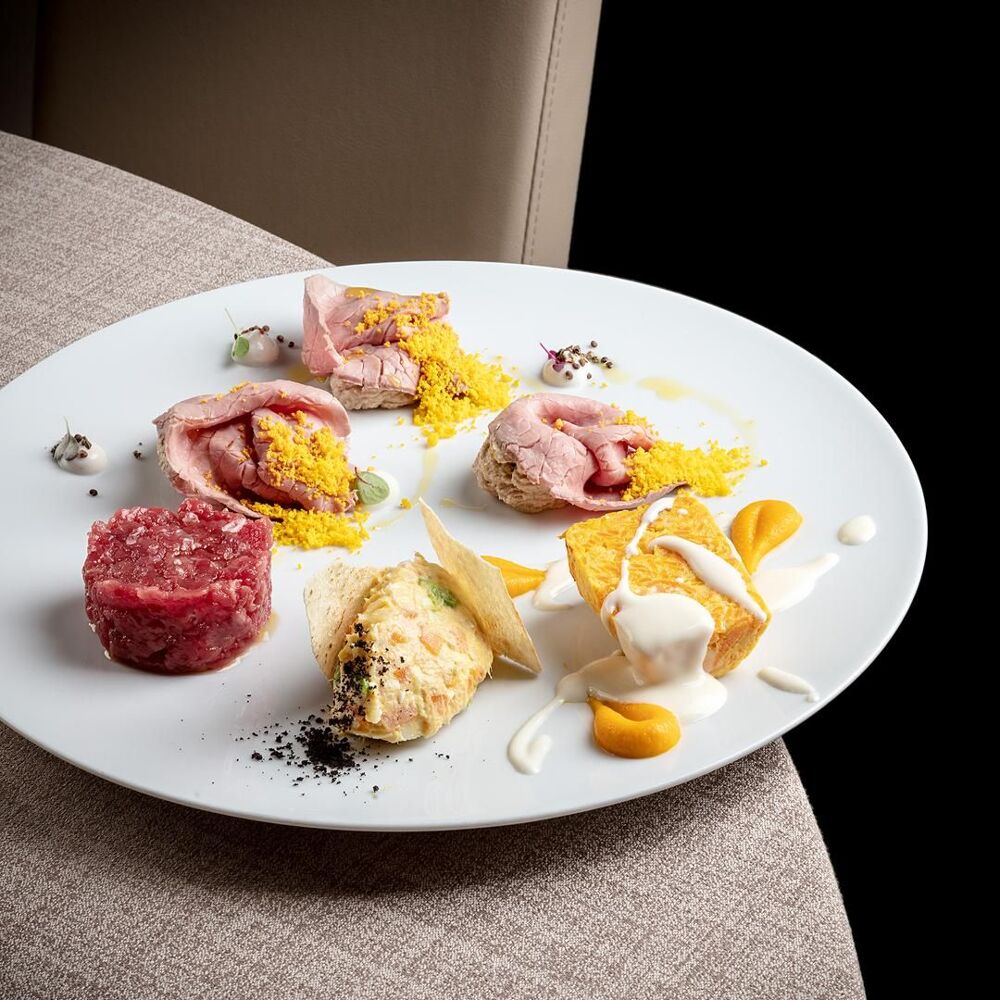
Bib Gourmand • Contemporary, Regional Cuisine. Situated in the historic centre but near a square with a car park, this modern inn serves Piedmontese cuisine which is contemporary in style yet still firmly anchored in local traditions. The generously portioned, well-presented dishes on the menu include vitello tonnato (excellent – we tried it!), tajarin pasta, Bra sausage and casseroles (the soft suckling pig cheek was delicious), all of which are as much a feast for the eyes as for the palate. The restaurant is run by an enthusiastic couple, aided by proficient and courteous staff with a feminine touch.
- 1585
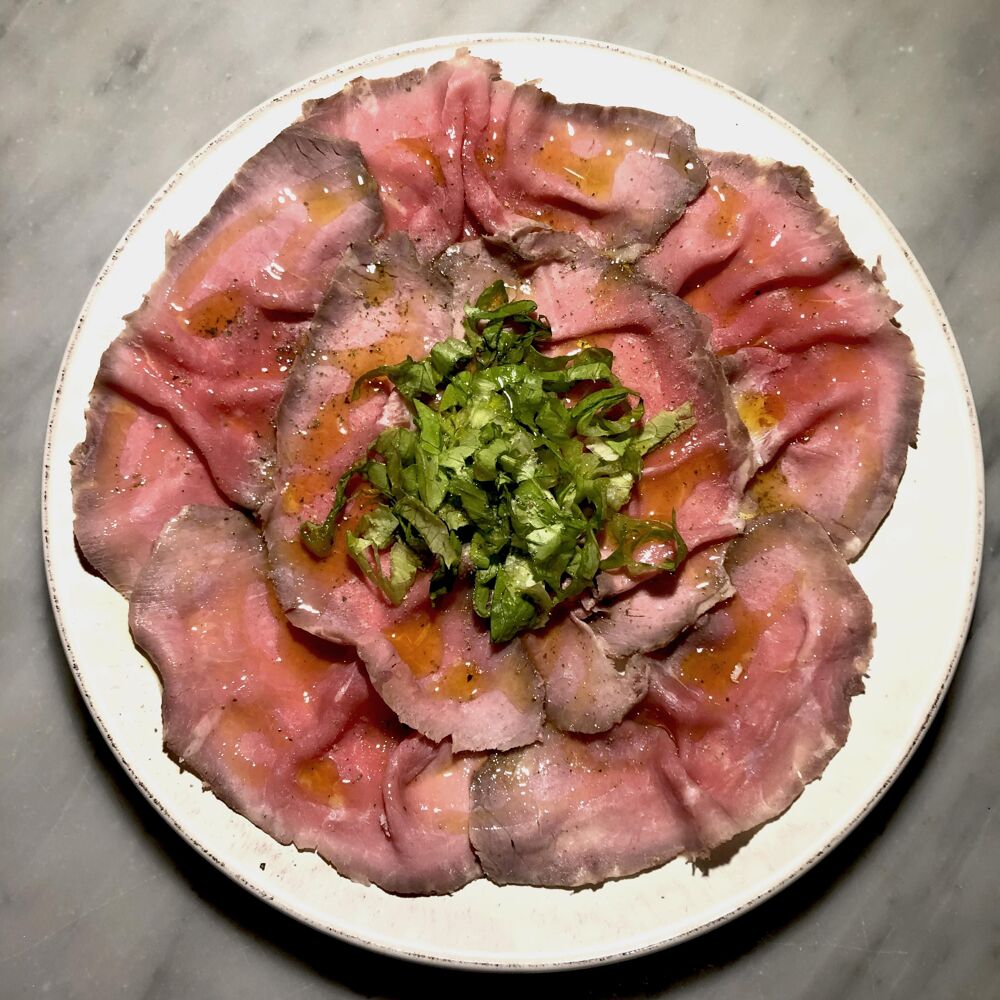
Bib Gourmand • Tuscan, Traditional Cuisine. Situated in Chiusi’s historic centre, this restaurant has the feel of a typical Tuscan trattoria with its traditional vaulted ceiling. The chef’s love for regional cuisine is demonstrated by the revival of traditional recipes (including the use of a wood-fired oven), resulting in the full flavours that are so characteristic of this region.
- 1586
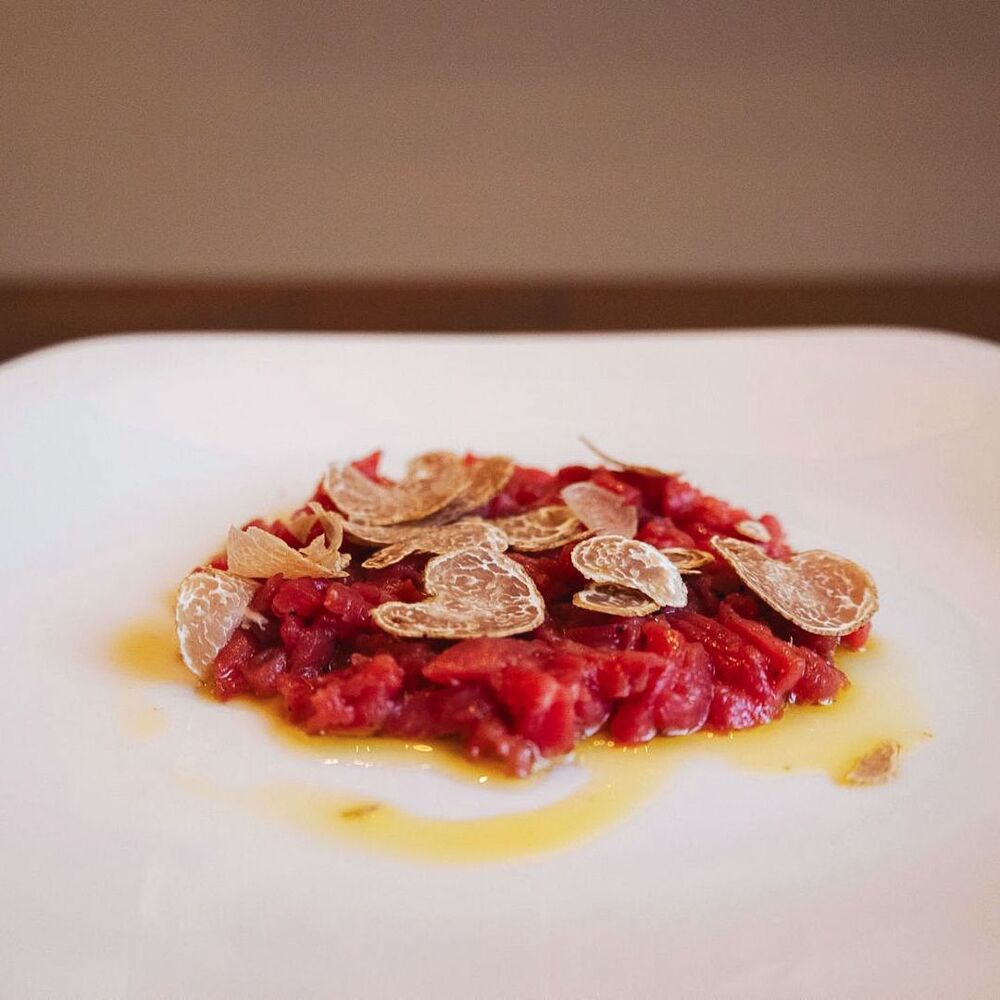
Bib Gourmand • Piedmontese, Traditional Cuisine. To get to this welcoming restaurant, it’s best to leave the car in one of the convenient car parks just outside the town walls a short walk from Cherasco’s quiet, picturesque historic centre with its two perpendicular streets. At Osteria La Torre, the friendly female staff will happily guide you through the menu, which features traditional dishes prepared in contemporary style – we particularly enjoyed the egg, cardoon and fondue dish, followed by breaded veal rump as our main course. If you’re a fan of snails, you really must try them here as Cherasco is renowned for this speciality. The extensive wine list demonstrates the same high quality as the cuisine.
- 1587
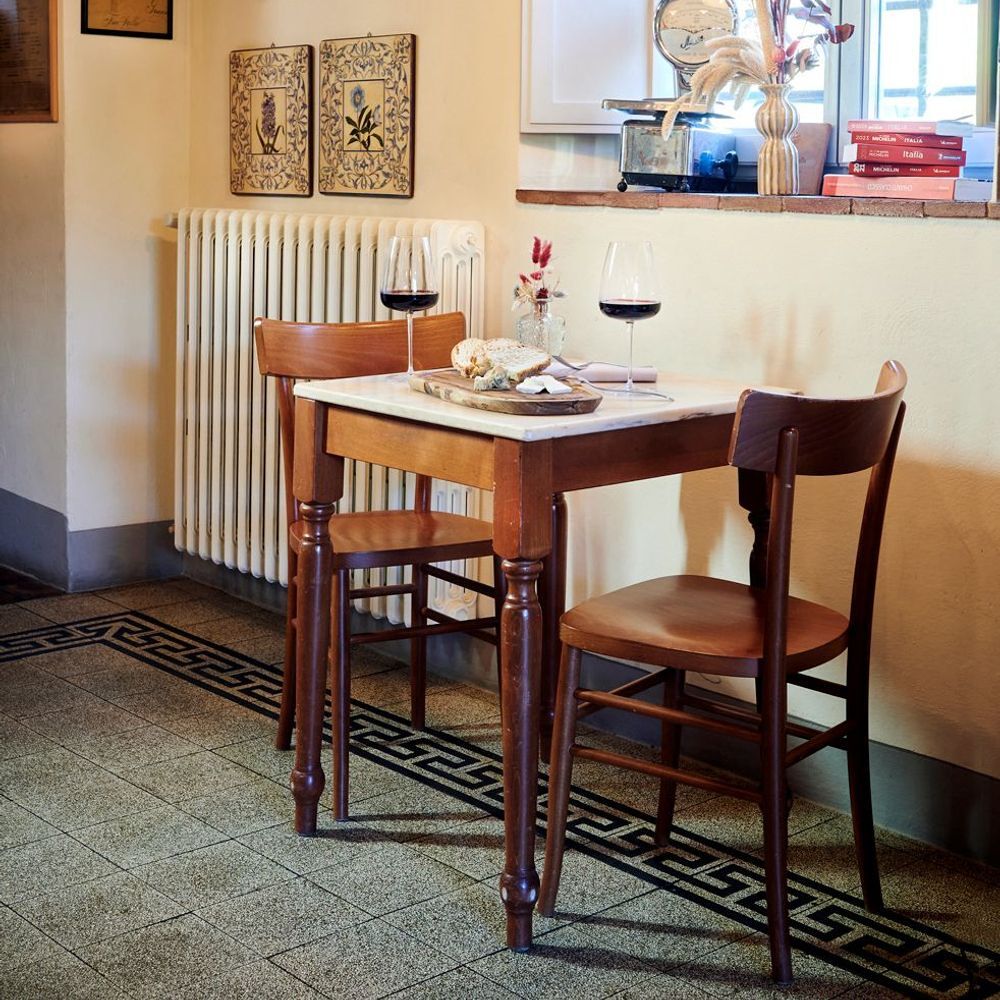
Bib Gourmand • Tuscan. This pleasant rural trattoria has a simple, informal ambience, plus an attractive outdoor space in the shady garden. Wherever you sit, you’ll savour generous portions of delicious regional cuisine, including home-made pasta and excellent meat – we particularly enjoyed the pici pasta with garlic and the rabbit stuffed with spinach. Fresh fish from the island of Elba is served on Fridays, while the wine list focuses on Tuscan labels. It’s always a good idea to book ahead!
- 1588
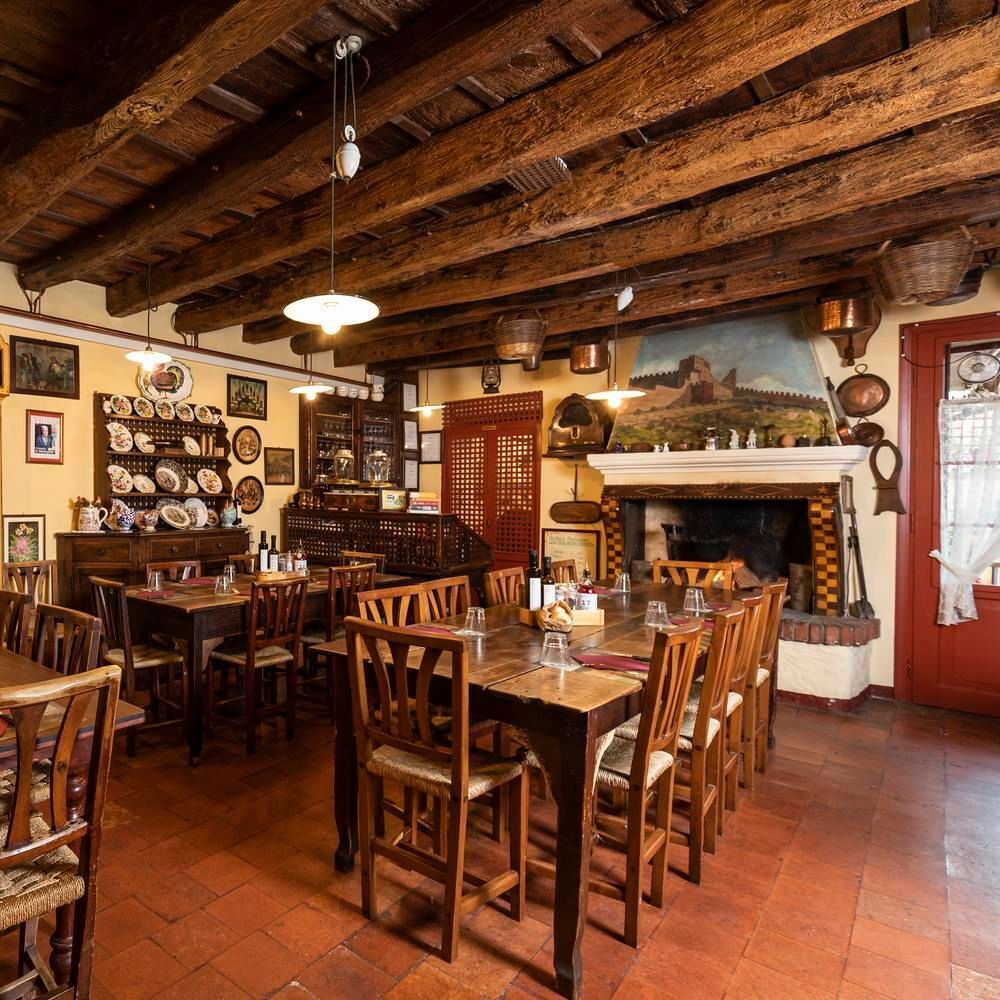
Bib Gourmand • Traditional Cuisine. Situated just a stone’s throw from the square with its famous chessboard, this authentic trattoria boasts a warm, inviting dining room and an outdoor space shaded by wisteria. Run by the same family for 120 years, the restaurant serves regional specialities such as tripe soup, bigoli pasta with various sauces, Vicenzo-style bacalà (salted cod), Venetian liver and desserts such as zaeti biscuits and macafame bread pudding. As there are just a few tables and the restaurant is very popular, booking ahead is recommended.
- 1589
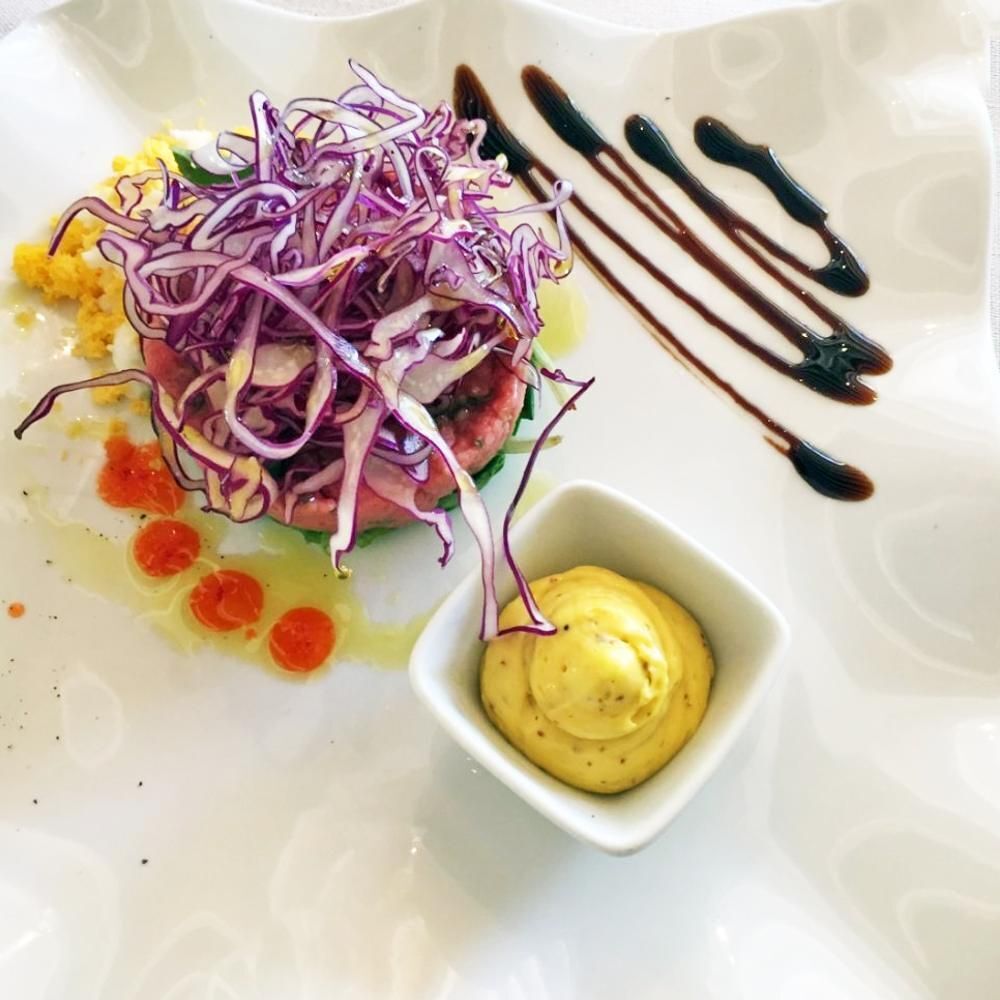
Bib Gourmand • Tuscan, Meats and Grills. Amidst vineyards and the renowned cypress avenue, Osteria Magona is a must-visit for meat enthusiasts and Tuscan regional cuisine aficionados. Impeccable are the famous soups, from ribollita to pappa al pomodoro, alongside gnudi and fresh pastas. The wine list offers ample room to various Bolgheri labels.
- 1590
Bib Gourmand • Italian, Seasonal Cuisine. The osteria as envisioned by celebrated three-Michelin-starred chef Giancarlo Perbellini: a place, indeed, a “world,” where guests can savor fragrant Italian classics and vegetarian options in a relaxed atmosphere at remarkably honest prices, complemented by an excellent selection of wines by the glass. The inspector enjoyed: pasta reale in capon broth, Amarone-braised beef cheek with potato purée and fried leek. Right in the city center, tucked along a side street off Via Mazzini, diners may choose between the intimate indoor dining room and the alfresco terrace (weather permitting!).

- 1591
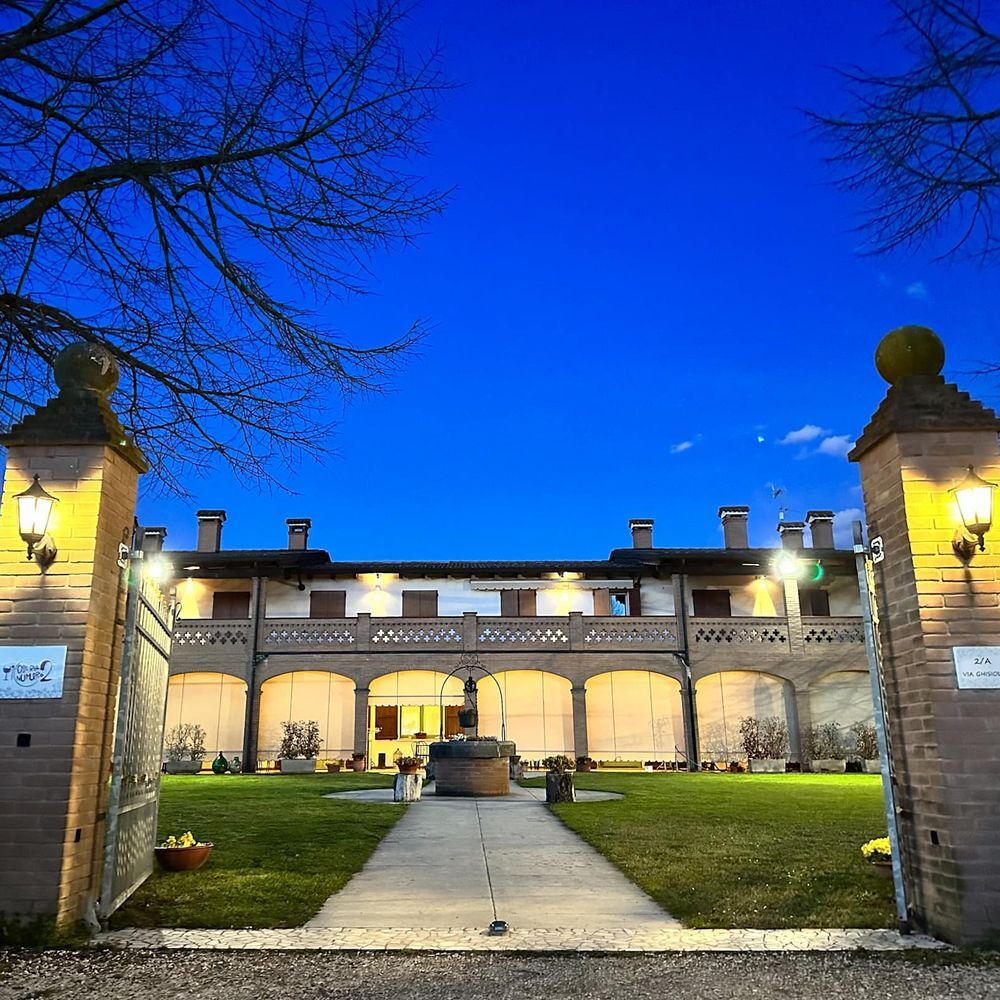
Bib Gourmand • Italian, Classic Cuisine. La Fefa is the perfect place for lovers of authentic flavours from the Emilia region. The Inspector sums it up like this: “Flicking through the menu you want to try everything!” - and this really is the case. Start your meal off with a selection of the finest charcuterie, in which an outstanding Culatello di Zibello, accompanied by a “Gnocco Fritto” not to be missed reigns supreme. Continue with excellent homemade, fresh-egg pasta followed by main courses made up exclusively of meat, in keeping with local tradition. The dessert page is deliciously tempting, offering an extensive selection of sweet treats: trifle, biscuits served with warm zabaione, “taccolenta degli Estensi” cake and lots of other specialities that evoke memories of the region’s cuisine. Fragrant and generous flavours, served in a simple but charming dining room featuring a splendid wooden ceiling recovered from an old country haybarn.Great attention is also paid to the winelist, which boasts impressive vintages and a meticulously curated selection, skilfully put together by talented sommelier Edoardo, that completes a rich, sincere and profoundly Emilian gastronomic experience.
- 1592
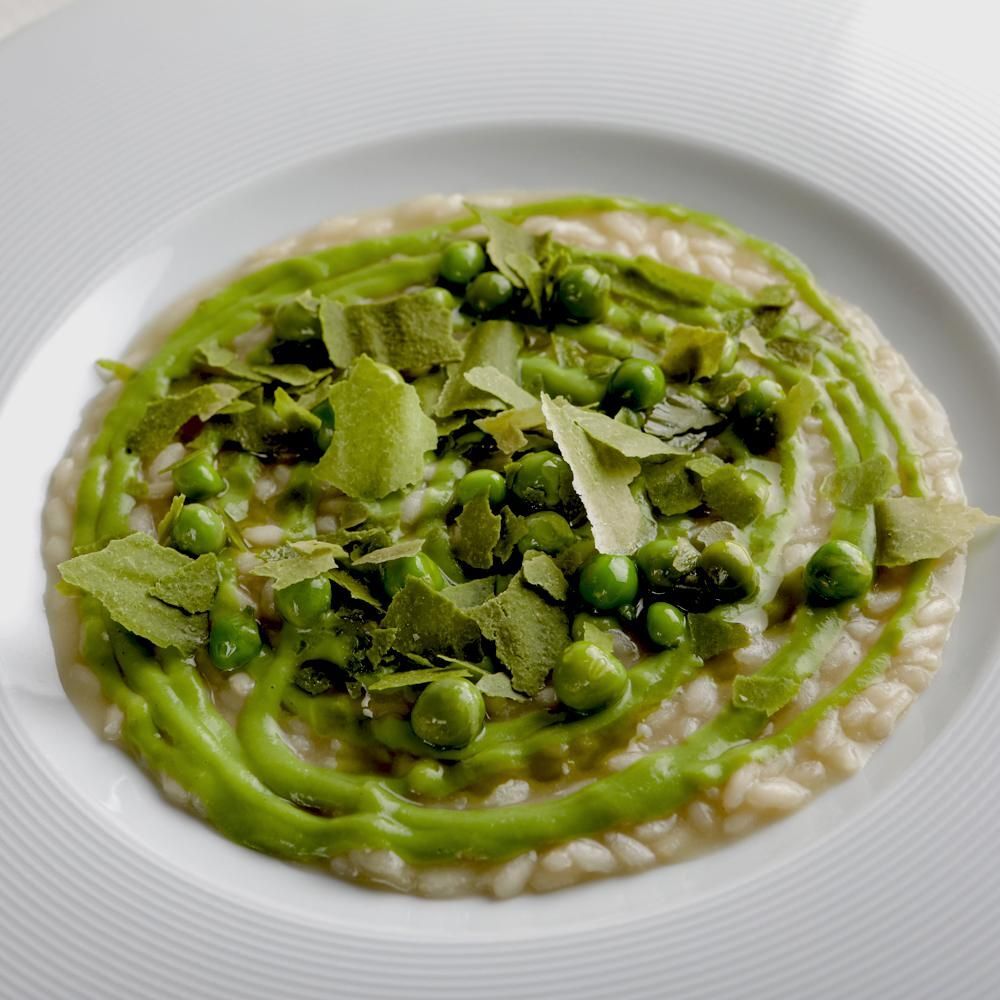
Bib Gourmand • Cuisine from the Marches, Modern Cuisine. Situated in the beautiful historic pedestrianised centre of Offida, this restaurant with a brick-vaulted ceiling is housed in the former stables of an old palazzo with a modern, inviting and intimate feel. Here, owner-chef Daniele Citeroni Maurizi skilfully reinterprets regional cuisine to create precise, imaginative dishes that are full of flavour. The stuffed cannelloni cooked on the barbecue grill are delicious, as is the veal tartare served with a warm meat, herb and vegetable jus on the side. We should also highlight the “low cost” tasting menu available for guests aged under 25.
- 1593
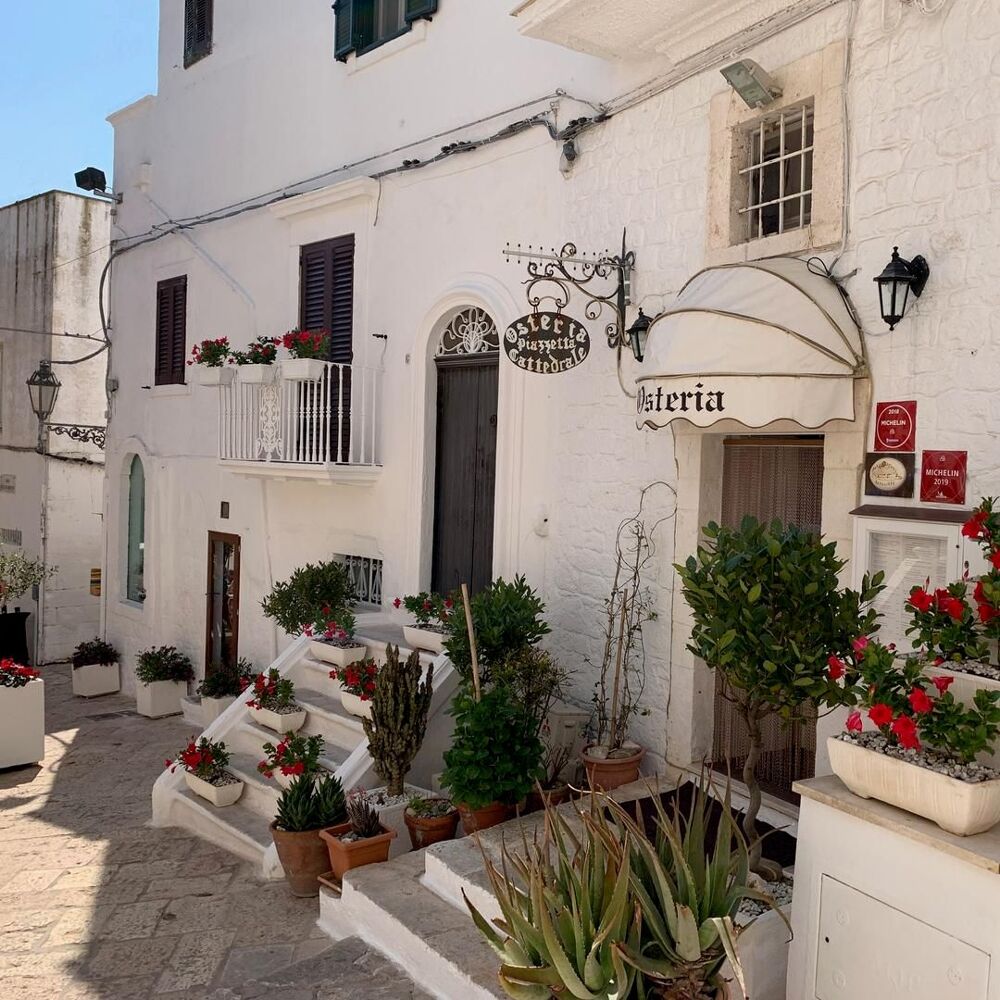
Bib Gourmand • Apulian, Modern Cuisine. Run by a married couple with the wife in the kitchen and the husband front of house, this gem of a restaurant just a few metres from the cathedral stands out for its top - quality produce (mainly from Puglia), in dishes such as broad bean purée with seasonal vegetables. Other specialities include sformatino (a type of soufflé) with courgette flowers, spring onions and date purée; suckling pig with baked potato and wild greens; and warm sfogliatina pastry with vanilla cream.
- 1594
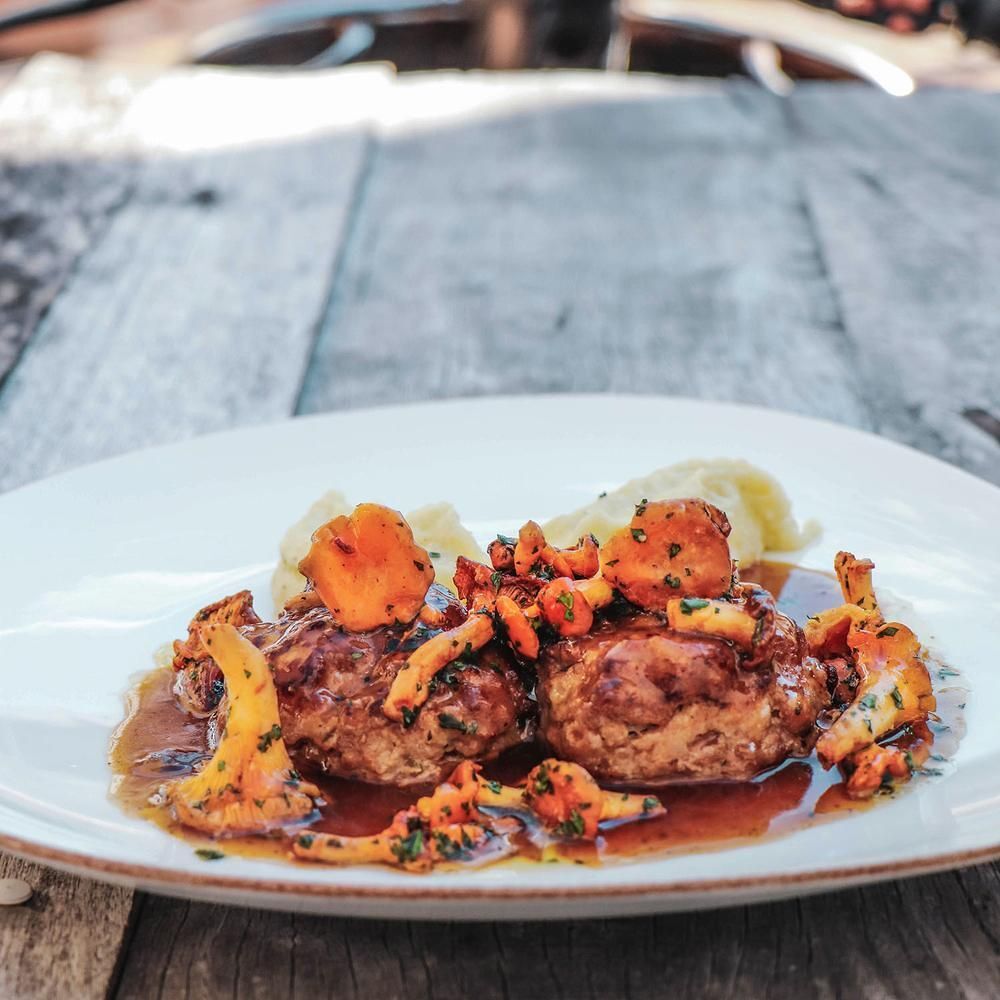
Bib Gourmand • Regional Cuisine, Classic Cuisine. This comfortable and informal “Gasthaus” with a simple yet welcoming and contemporary feel is run by talented chef Herbert Hintner, the undisputed master of Alto Adige cuisine. Housed within a historic building in the town’s pedestrianised centre, the restaurant serves simple cuisine with a focus on regional recipes and ingredients (such as potato ravioli filled with speck ham and spleen crostini in broth) alongside a few Mediterranean-influenced dishes such as arancini in a gorgonzola sauce. The wine list, on the other hand, focuses uniquely on the Alto Adige.
- 1595
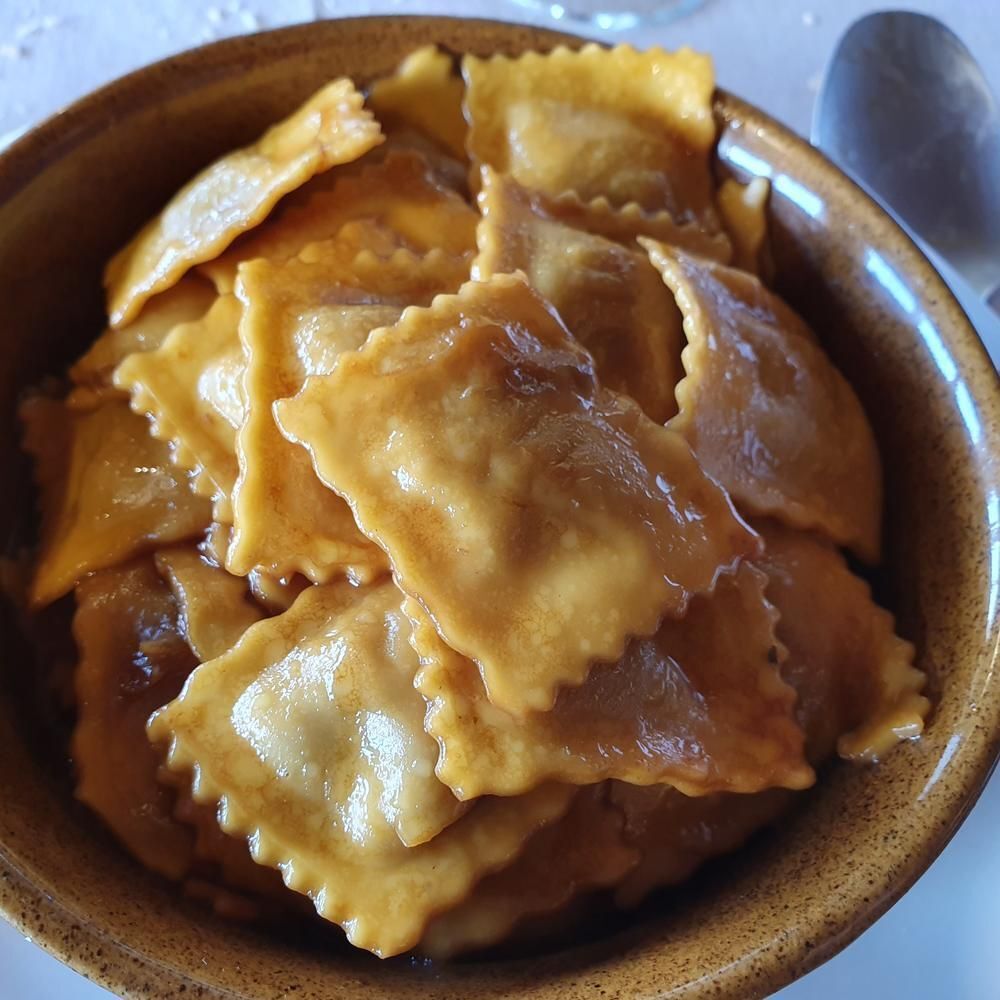
Bib Gourmand • Piedmontese, Country cooking. A timeless atmosphere lingers in this hamlet, a former rural abbey that speaks to the region’s deep ties with agriculture and its enduring traditions. Those same roots are reflected in the menu of this humble, almost austere osteria: agnolotti with roast meat sauce, local cured meats and cheeses, panissa, and bunet. Prices are very fair, especially with the Menù dell’Oste (under €40).
- 1596
Bib Gourmand • Piedmontese. With a convenient reserved parking space and an expansive terrace overlooking the Langhe panorama, the 1920s-built house greets guests with stylistic minimalism but gastronomic enthusiasm in its sincere regional cuisine proposal. The minimum selection à la carte comprises two courses excluding desserts.
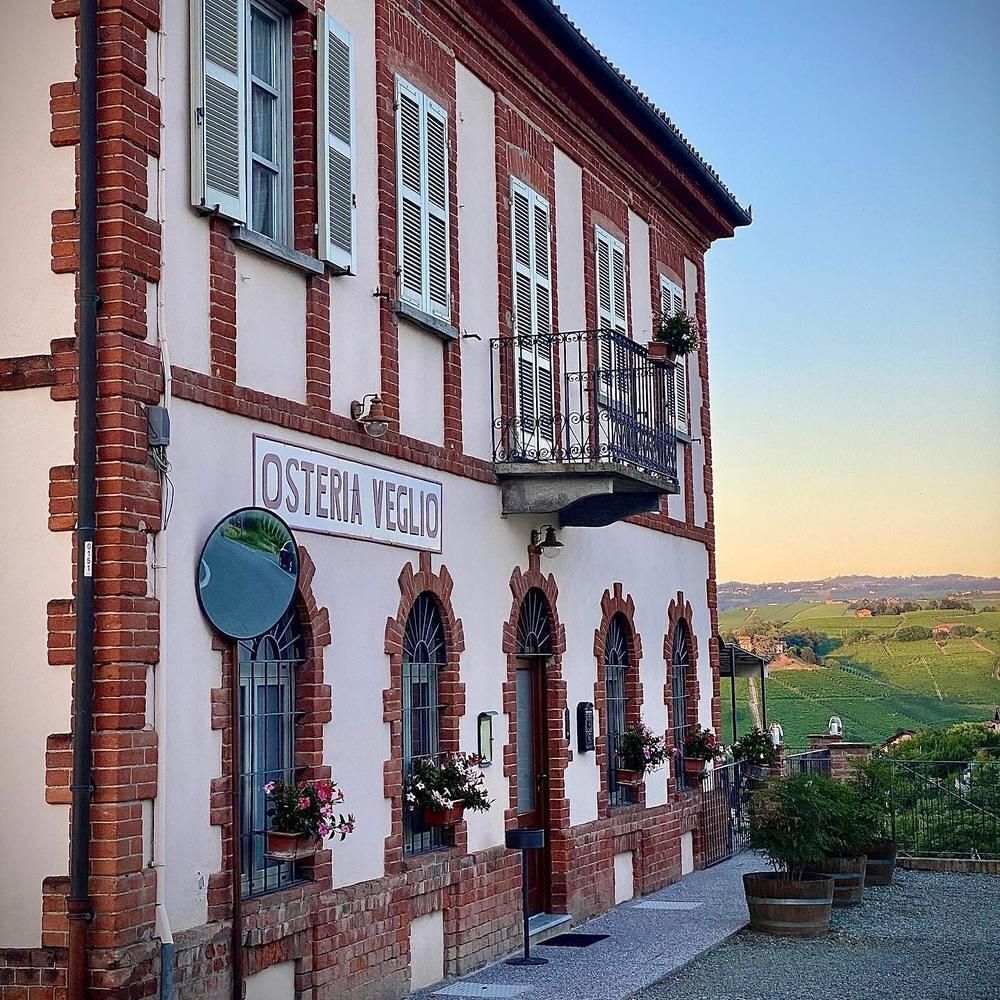
- 1597
Bib Gourmand • Country cooking, Seasonal Cuisine. Situated at the top of a steep slope in Fossombrone’s beautiful historic centre, this osteria takes guests back to the 1920s thanks to its romantic decor. Here, having risen through the culinary ranks, the owner-chef makes full use of his expert techniques to create dishes that hover between tradition and a sense of fantasy using the best seasonal ingredients that the region has to offer. The concise wine list favours micro-producers and natural wines.
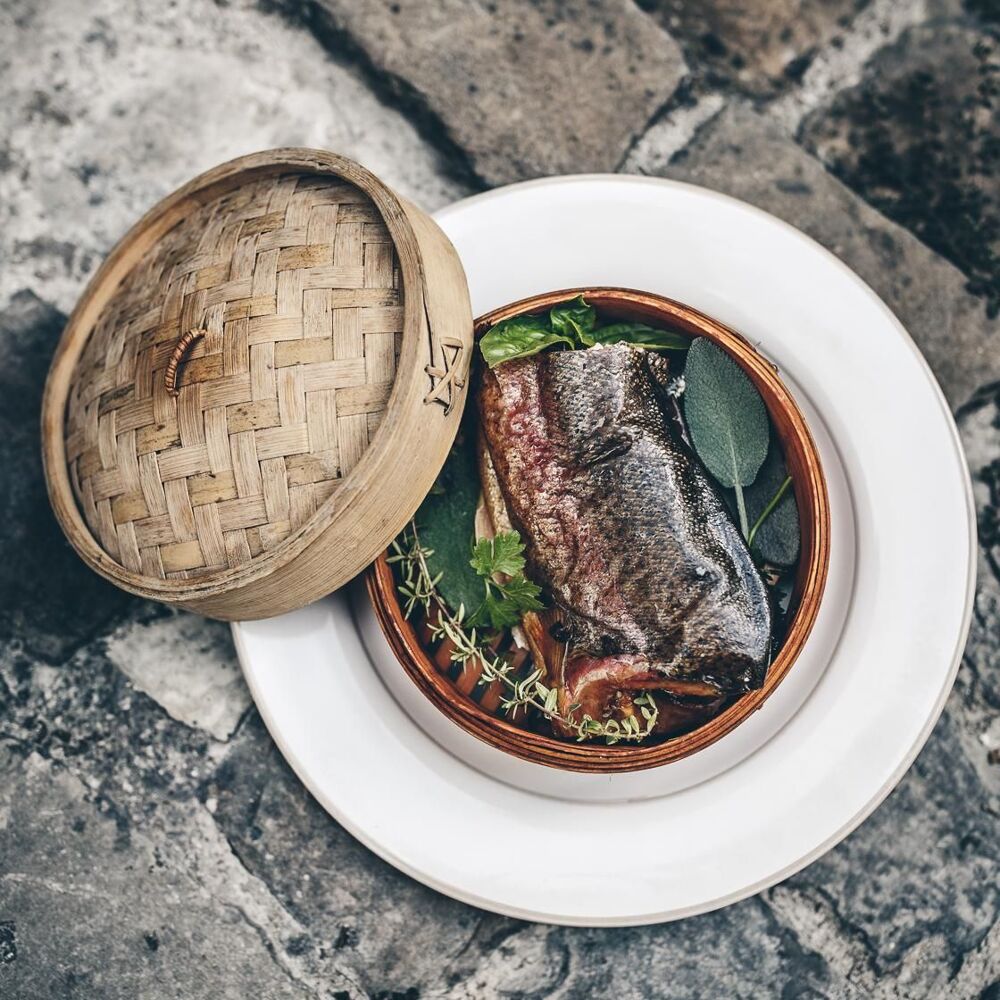
- 1598
Bib Gourmand • Sicilian, Country cooking. A simple, almost rustic restaurant in the pedestrianised historic centre of one of the medieval villages that add to the special attraction of the Parco delle Madonie. Here, the owner prepares seasonal cuisine which is firmly anchored in the region, made from ingredients from the surrounding area. The antipasto is always good, and is served as a selection of five or six small bites made from vegetables, cheese and meat, as well as mushrooms. The home-made bread is excellent – the natural leavening process takes almost four days. A good wine selection completes the picture.
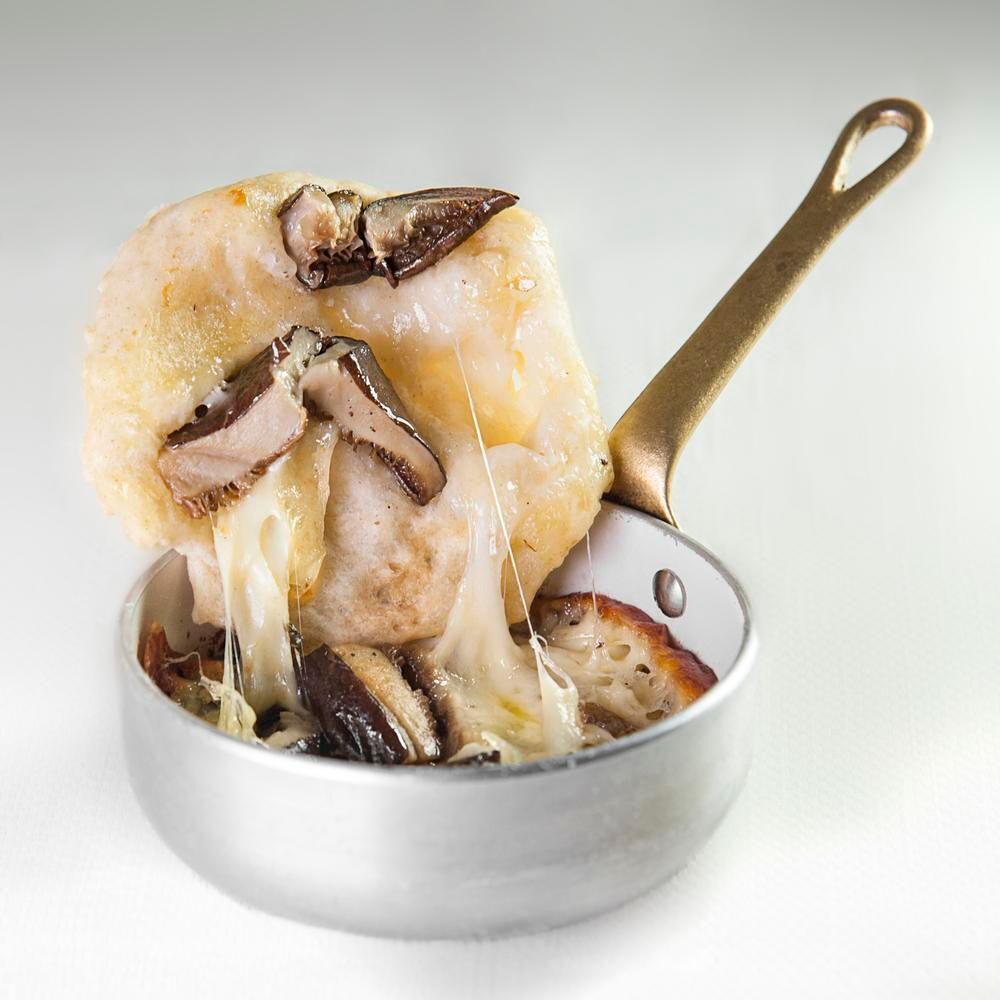
- 1599
Bib Gourmand • Venetian, Seafood. If you like cod, you’ll be in your element in this restaurant which serves this versatile fish in many different ways, from plain to salted (baccalà) and dried ((stoccafisso). The house speciality is the most famous dish of nearby Vicenza, namely bacalà alla vicentina (written with just one ‘l’ in this region and featuring dried rather than salted cod, despite the name). In addition to cod, the menu also includes other classic fish and seafood options as well as a few meat dishes.
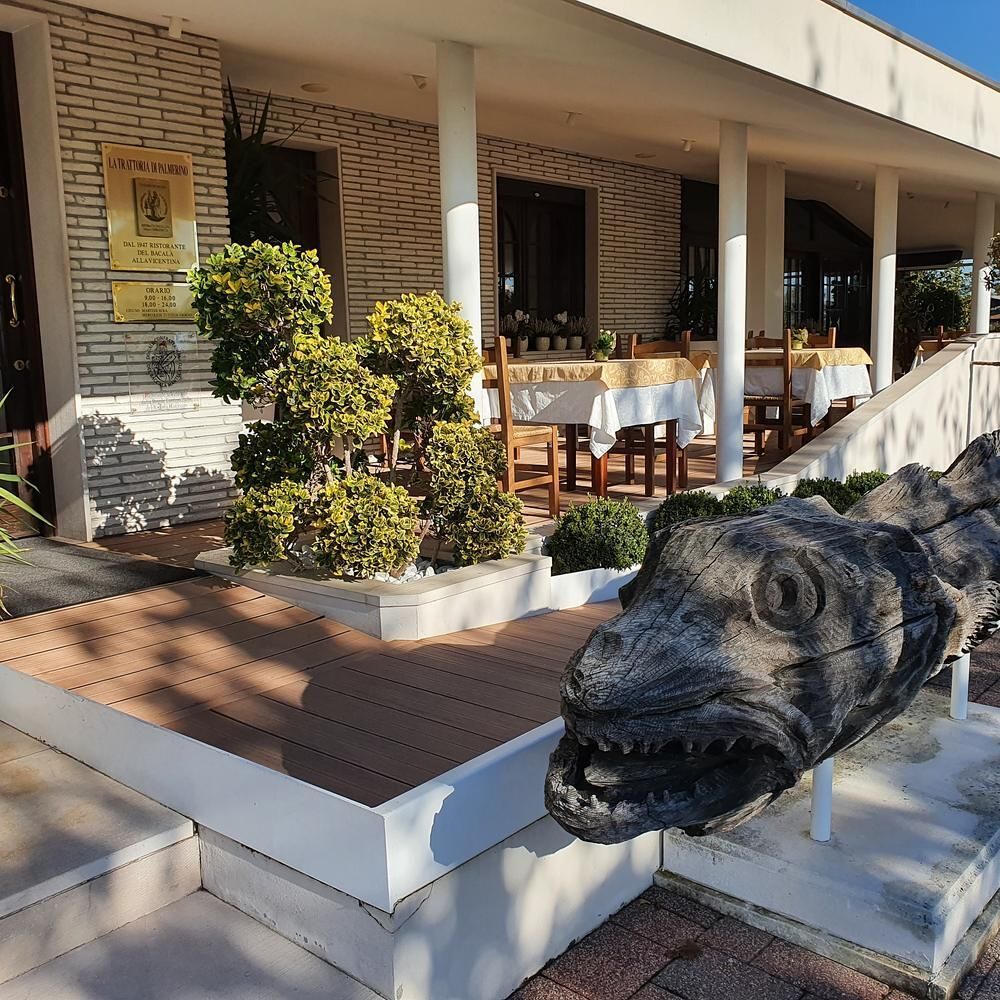
- 1600
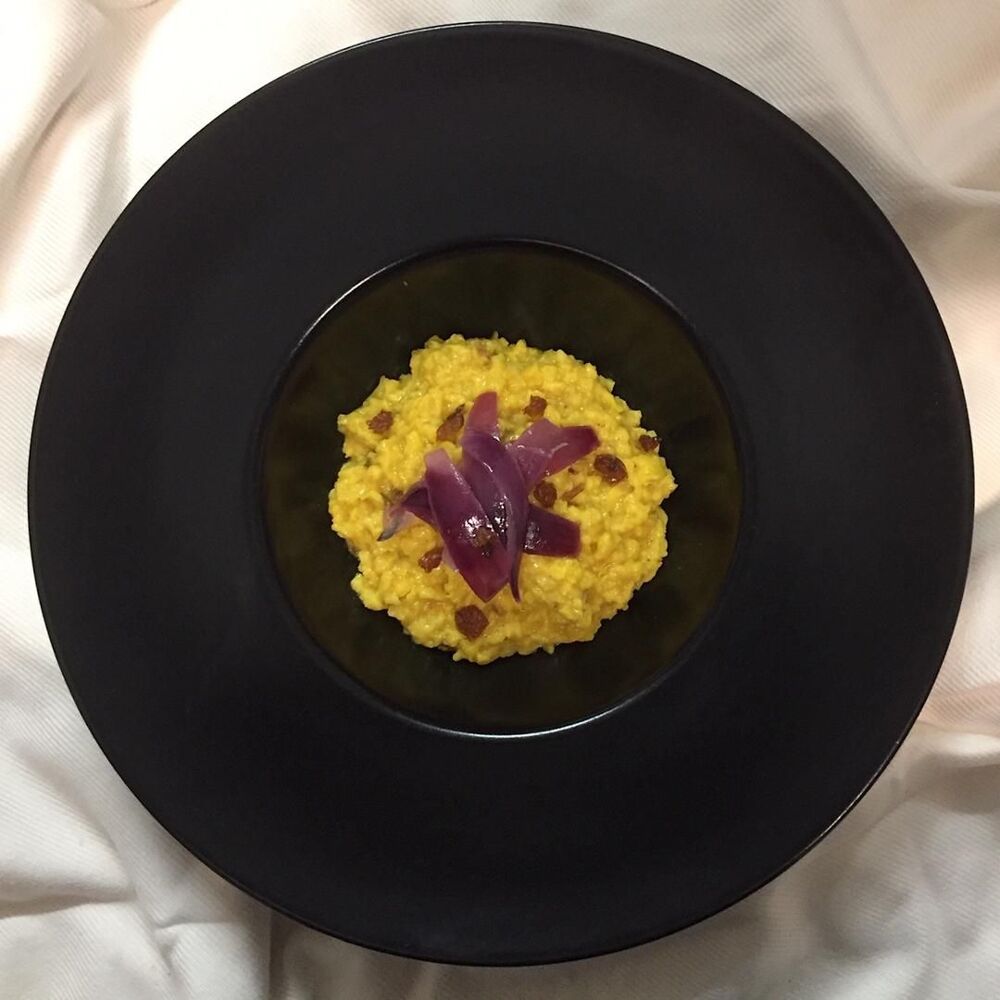
Bib Gourmand • Umbrian, Traditional Cuisine. This quiet and elegant restaurant in a small street in the village of Cannara has a stylish yet friendly ambience and serves traditional, local cuisine where onion is a star ingredient in many of the dishes – don’t miss the delicious onion soup with gruyère cheese. If you’re choosing a wine to accompany your meal, we suggest asking enthusiastic owner Ernesto for his astute recommendations.
- 1601
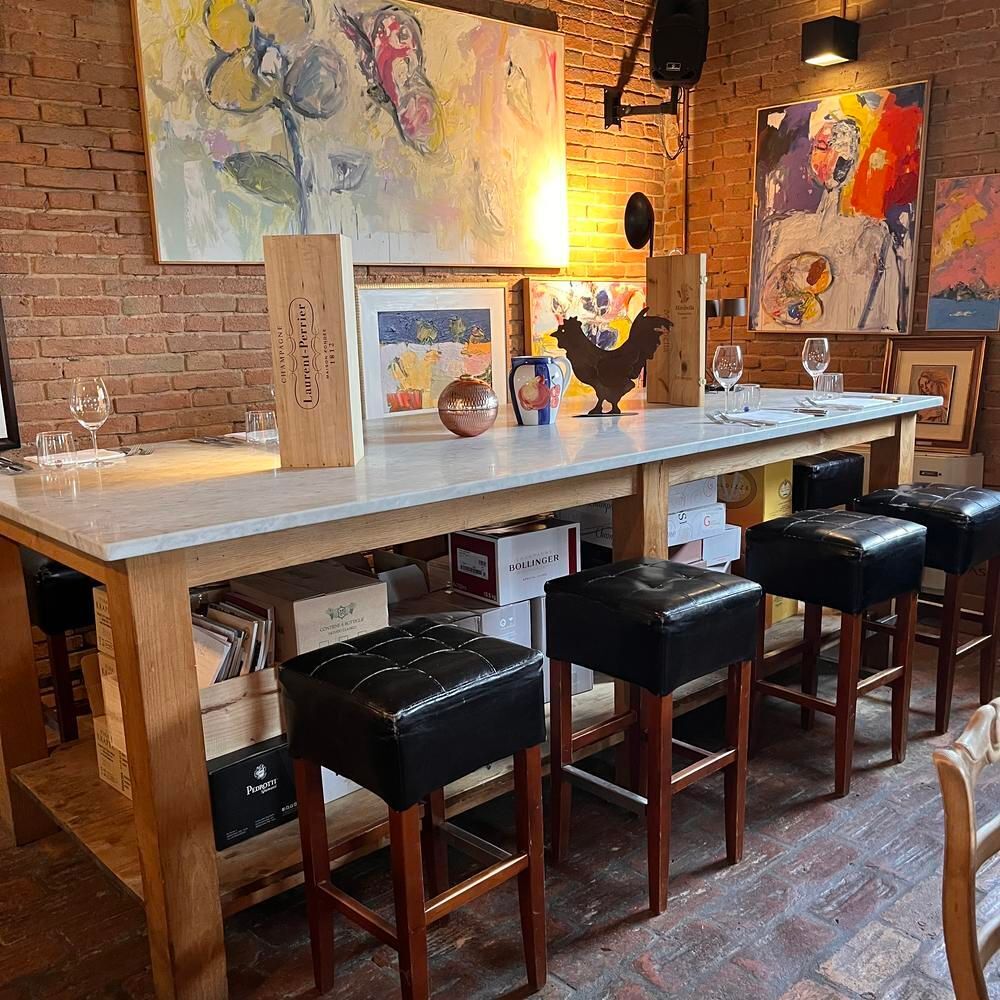
Bib Gourmand • Emilian, Traditional Cuisine. Situated in the beautiful countryside outside Cerreto Guidi, Villa Petriolo is a magnificent Medici residence offering luxurious rooms in a setting of outstanding charm. In addition to the beauty of the villa and its garden, overlooked by the restaurant’s terrace, the location benefits from the property’s delicious home-produced ingredients, such as extra-virgin olive oil, wine, Cinta Senese pork, meat and chicken, produce from the kitchen garden and ancient grains. The kitchen reinterprets these rich ingredients with a modern twist, offering two tasting menus — one of which for vegetarians — with dishes also available à la carte. Alternatively, Osteria di Golpaja offers authentic and intense flavours, those that have made Tuscany a renowned destination for lovers of fine dining.
- 1602
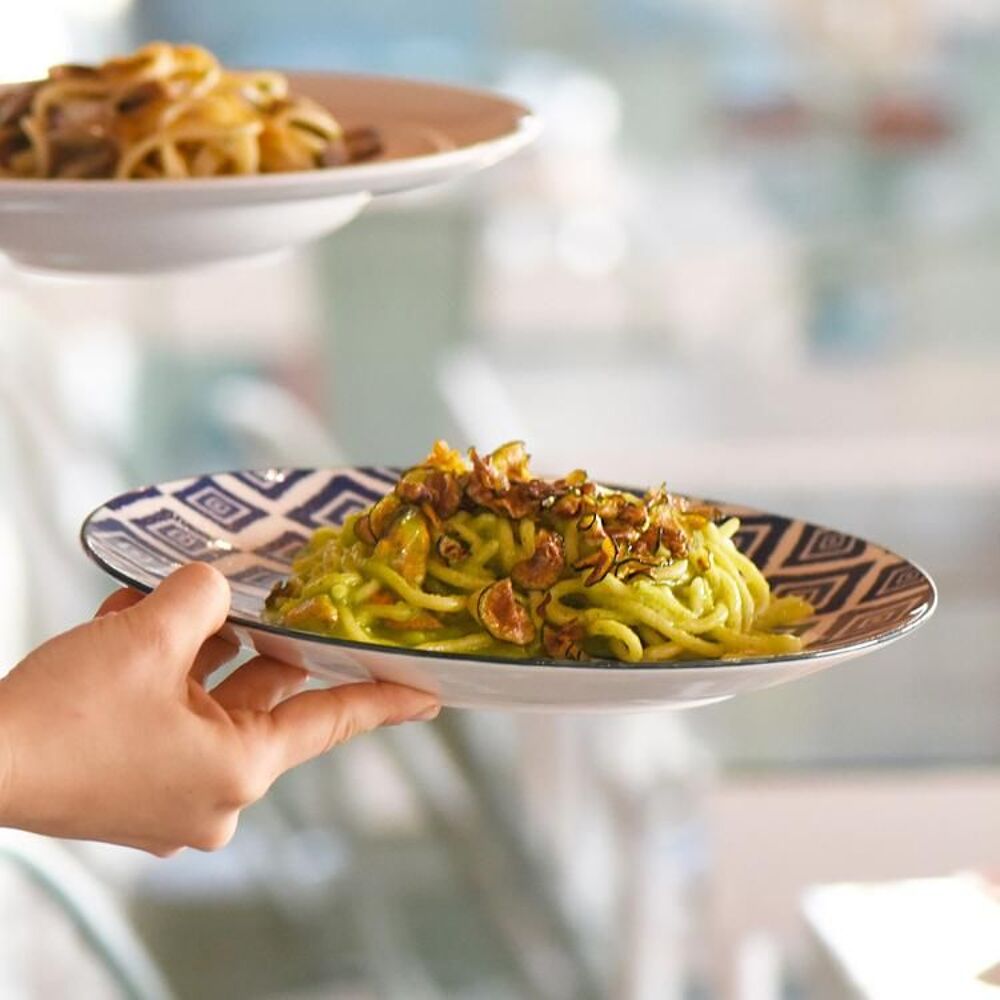
Bib Gourmand • Seafood, Mediterranean Cuisine. Situated on the banks of the river, this seaside osteria run by chef Lele Usai (the Michelin-starred Tino is on the first floor of the building) is the perfect setting for a business lunch or an enjoyable dinner thanks to its excellent fish-based cuisine which is firmly rooted in traditional recipes. As well as the à la carte, the “Diario di Bordo” lists the daily specials, which showcase the freshest fish on offer here.
- 1603
Bib Gourmand • Seafood, Ligurian. After over 60 years in business, this trattoria, which started out in a warehouse that was once used to store fishing nets, is still a reliable choice in terms of quality and price. Located in the centre of the little village, simple and old-fashioned, with outdoor seating overlooking the characteristic narrow street, it still serves the same deliciously tasty and generous Ligurian seafood cuisine it did when it first opened. The fish soup is a great classic, but is rivalled by some delicious versions of fish tartare.
- 1604
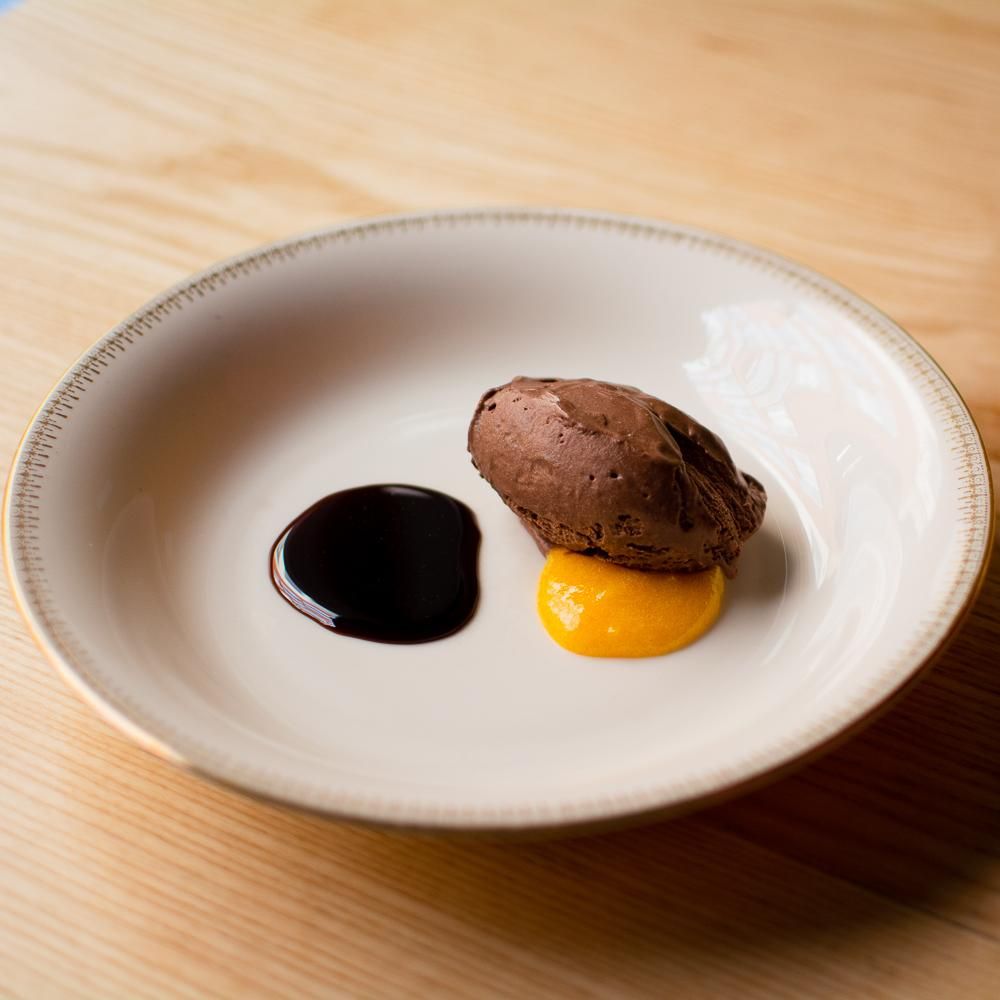
Bib Gourmand • Innovative, Lombardian. This small restaurant in the historic centre of Voghera boasts a minimalist and contemporary-style decor in a quiet dining room from where you can observe the chef at work in the kitchen. The cuisine is local with personalised twists added by the chef, which make his dishes interesting and exciting. We particularly enjoyed the tagliolini with a heart ragù and Parmesan cheese cream, which is full of strong yet delicious flavours. The dining experience is enhanced by the warm welcome offered by the female owner, who is happy to recommend wines from the excellent selection from the Oltrepò Pavese and Alessandrino regions. Dishes are also available in half portions for guests with a smaller appetite.
- 1605
Bib Gourmand • Ligurian, Seasonal Cuisine. Over a century of history and several generations of the family make this restaurant a solid institution in inland Liguria. Generous seasonal cuisine linked to the local area and the produce of the family's vegetable garden and orchards is served in the airy, classically styled dining room. Homemade pesto, mushrooms and truffles, excellent meat tartare and steak, not to mention a section dedicated to fish. Highlights include chestnut lasagnette on a fondue made with local cheese, and the quintessential Ligurian vegetable soup. In addition to the menu, tempting specials arrive daily from the market. But the secret to this restaurant's enduring success is also its warm, family-style welcome, making it an essential stop when travelling through the Apennines.

- 1606
Bib Gourmand • Emilian. Traditional in atmosphere, starting from the rooms covered with decorations, to the cuisine, obviously from the area: this is the restaurant for those who do not like revisitations and exotic searches, but prefer to be reconfirmed in the classic Parmesan flavours: cured meats, fresh pastas, roasts and grilled meats, in a typical country farmhouse with a large garden and a store selling typical local food products.

- 1607
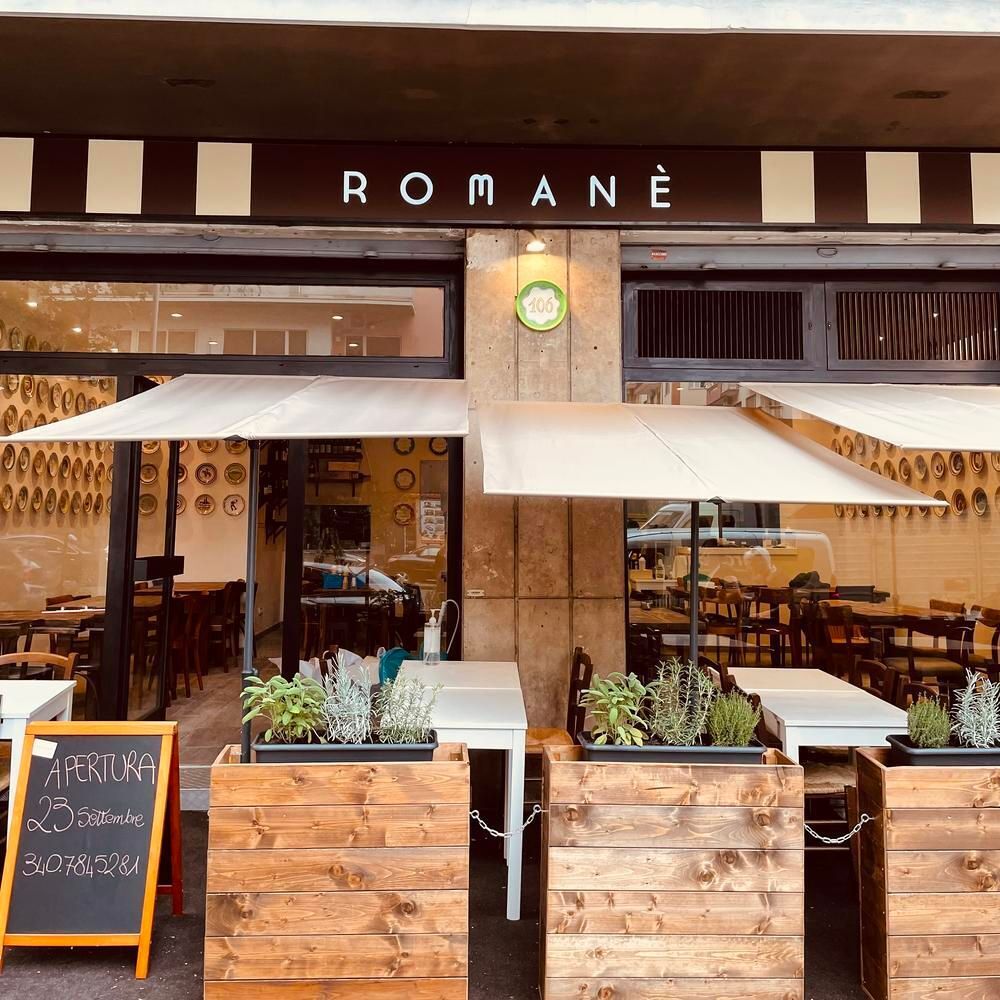
Bib Gourmand • Roman, Cuisine from Lazio. Situated close to the Vatican, this is one of the best trattorias in Rome, with simple decor and just one, usually very busy, dining room (booking ahead is recommended), as well as delicious cuisine from Lazio. Dishes include artichokes (both Roman- and Jewish-style), pasta with rich local sauces, offal specialities (“quinto quarto”), and delicious roast meats among the main courses. For dessert, we recommend the chocolate “tenerina” cake or the ricotta with sour cherries.
- 1608
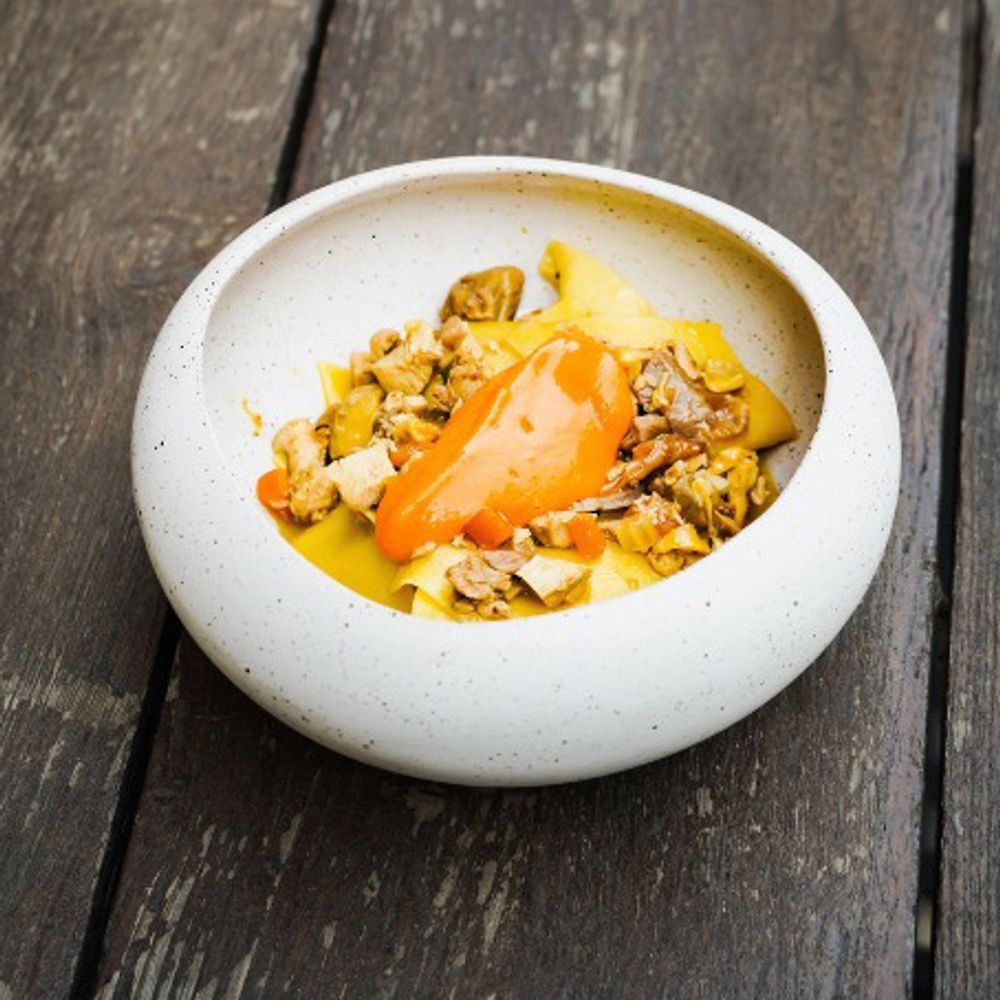
Bib Gourmand (Green Star) • Regional Cuisine, Country cooking. Ronchi Rò is an estate-cum-agriturismo surrounded by the verdant rolling hills and lush woodland of the Collio, a fascinating and enchanting border region famous for its superb wines. Chef Fares Issa’s cuisine is authentic, full of flavour and resolutely seasonal. Although his dishes are influenced by the culinary traditions of the Friuli region, including hams and salamis, goose speck and “frico” (a cheese and potato dish), he also includes the occasional contemporary twist. This is a small and intimate restaurant with just six tables in its attractive, modern dining room, so booking ahead is advisable!
- 1609
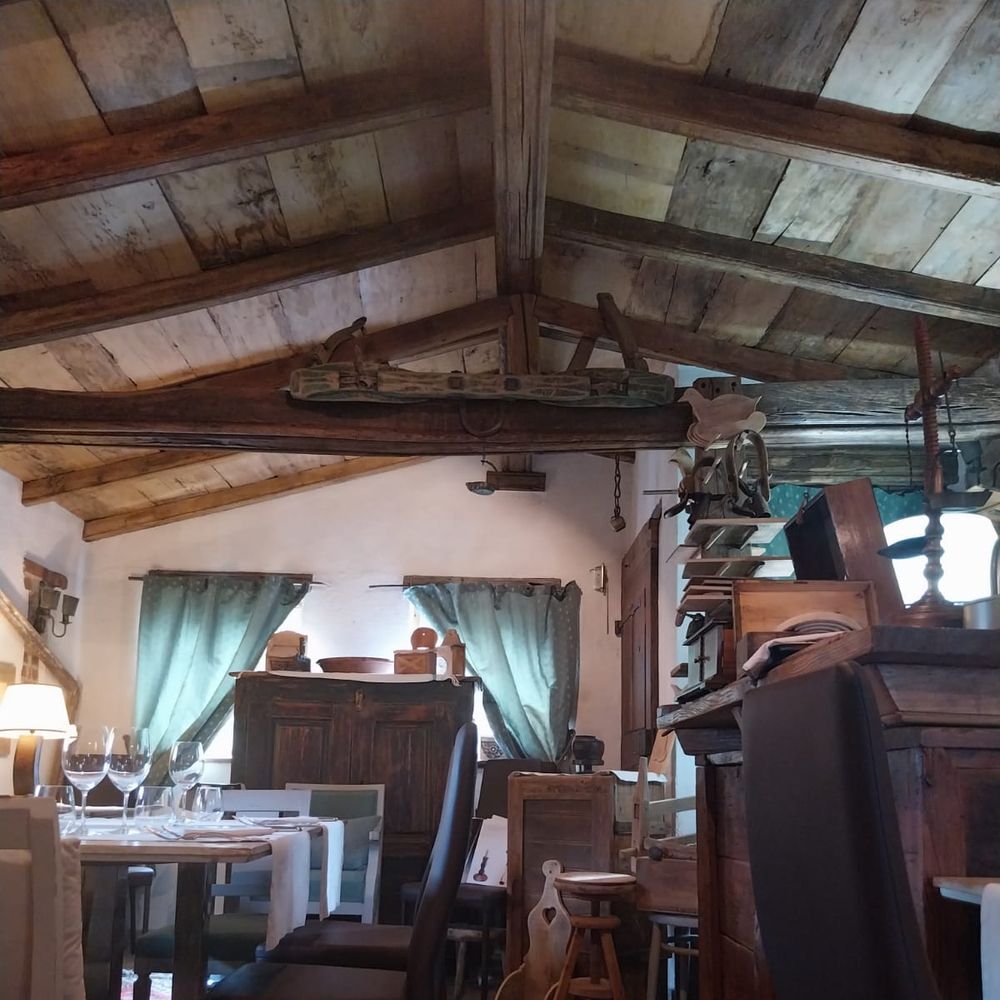
Bib Gourmand • Piedmontese, Traditional Cuisine. A series of rooms teeming with warmth and atmosphere provide the backdrop for this simple and homely restaurant on the edge of town, where the chef announces dishes at your table. Although the menu can vary, pride of place is given to Piedmontese ingredients and culinary traditions, such as the cream of roasted chestnuts and mushrooms and the delicious snails.
- 1610
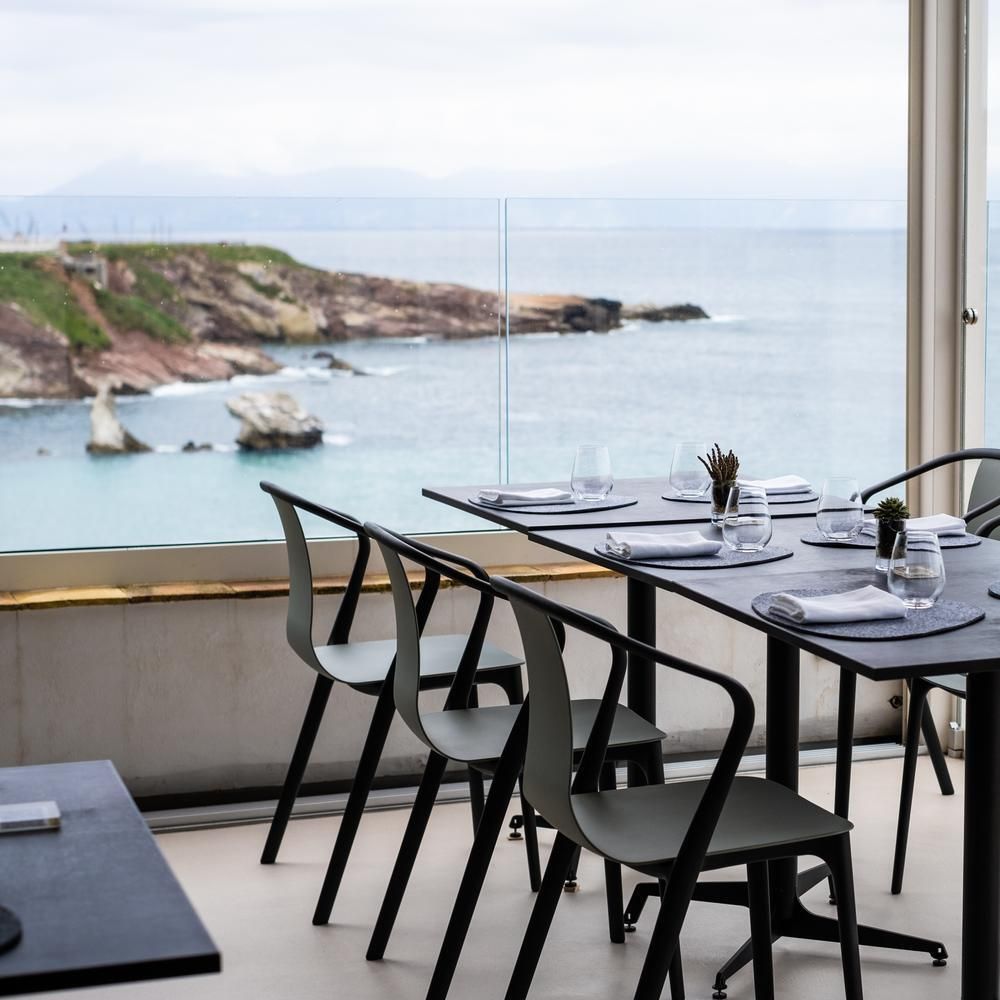
Bib Gourmand • Sicilian, Traditional Cuisine. Steep steps lead up to the first floor of this building, which is home to owner-chef Giuseppe Costa’s main restaurant, Il Bavaglino. Here, the veranda-style dining room boasts spectacular views with the azure sea extending in all directions. The good, honest cuisine is full of flavour and simply prepared from top-quality ingredients, all showcased on an à la carte and three tasting-style menus that are perfect for sharing. In addition to an interesting wine selection, there’s also a choice of cocktails which offer a perfect alternative, even at lunchtime.
- 1611
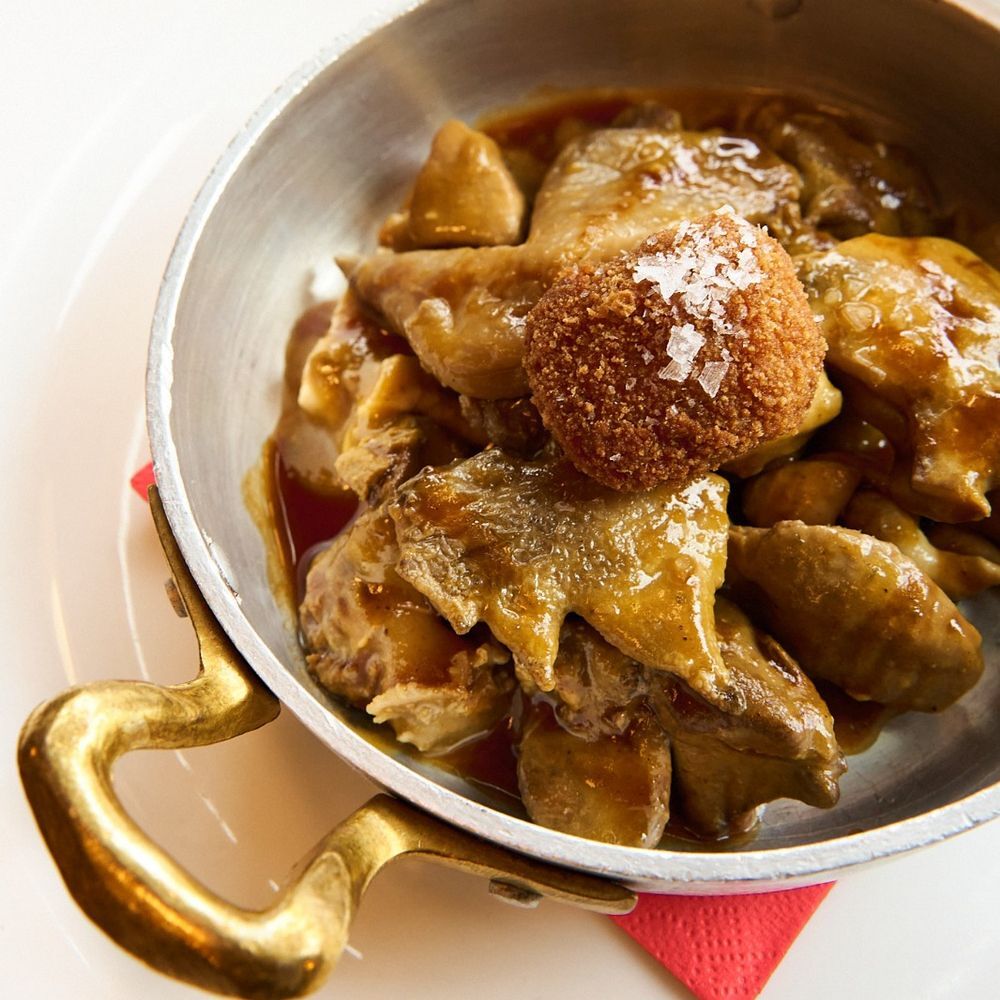
Bib Gourmand • Country cooking. This local restaurant is decorated in vintage style with books, furnishings and decor all evoking the early 20C. The cuisine is regional in flavour and includes some surprising technical touches – the “vasocottura” rabbit tuna (cooked in a jar) is superb, while the beef cheek with mashed potato is served with an intensely flavoured gravy. Top-quality, authentic cuisine.
- 1612
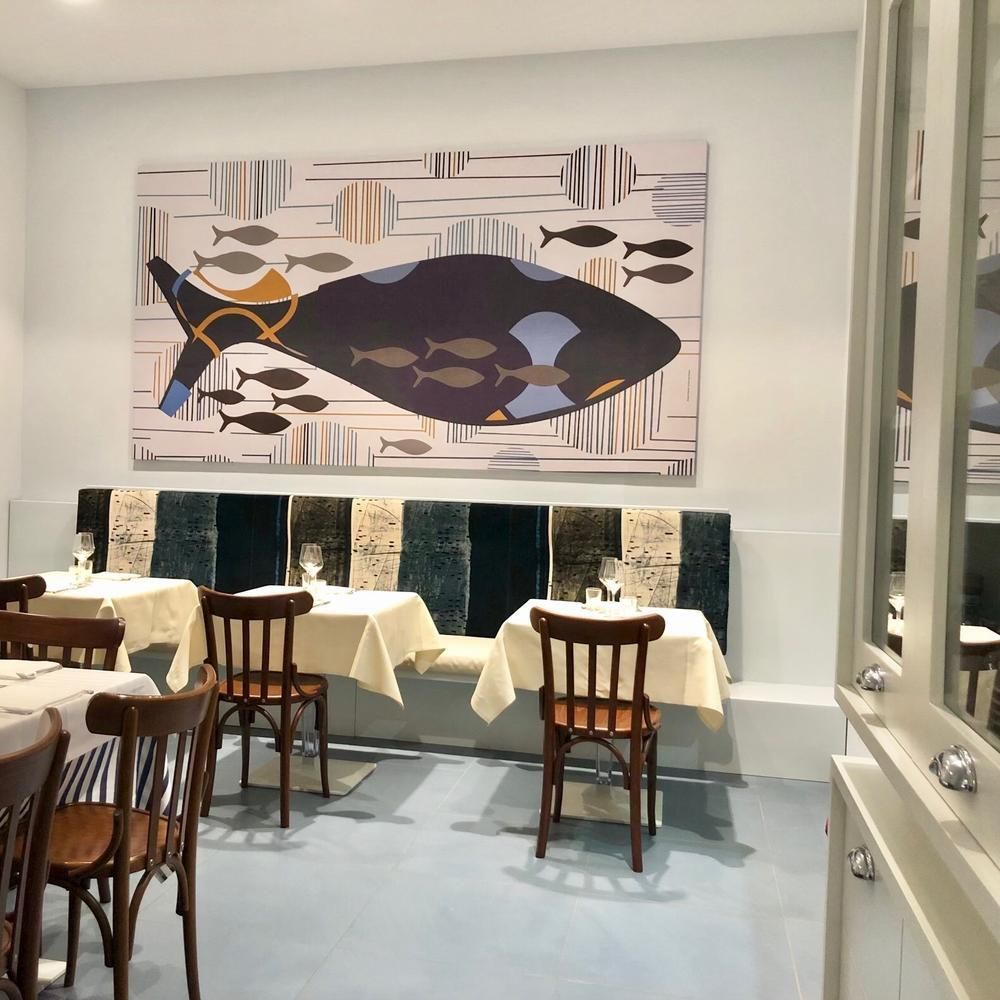
Bib Gourmand • Seafood, Cuisine from the Marches. An informal atmosphere in a small trattoria where you can really feel at ease, perhaps in company, eating tasty seafood dishes, based on the daily fish catch.
- 1613
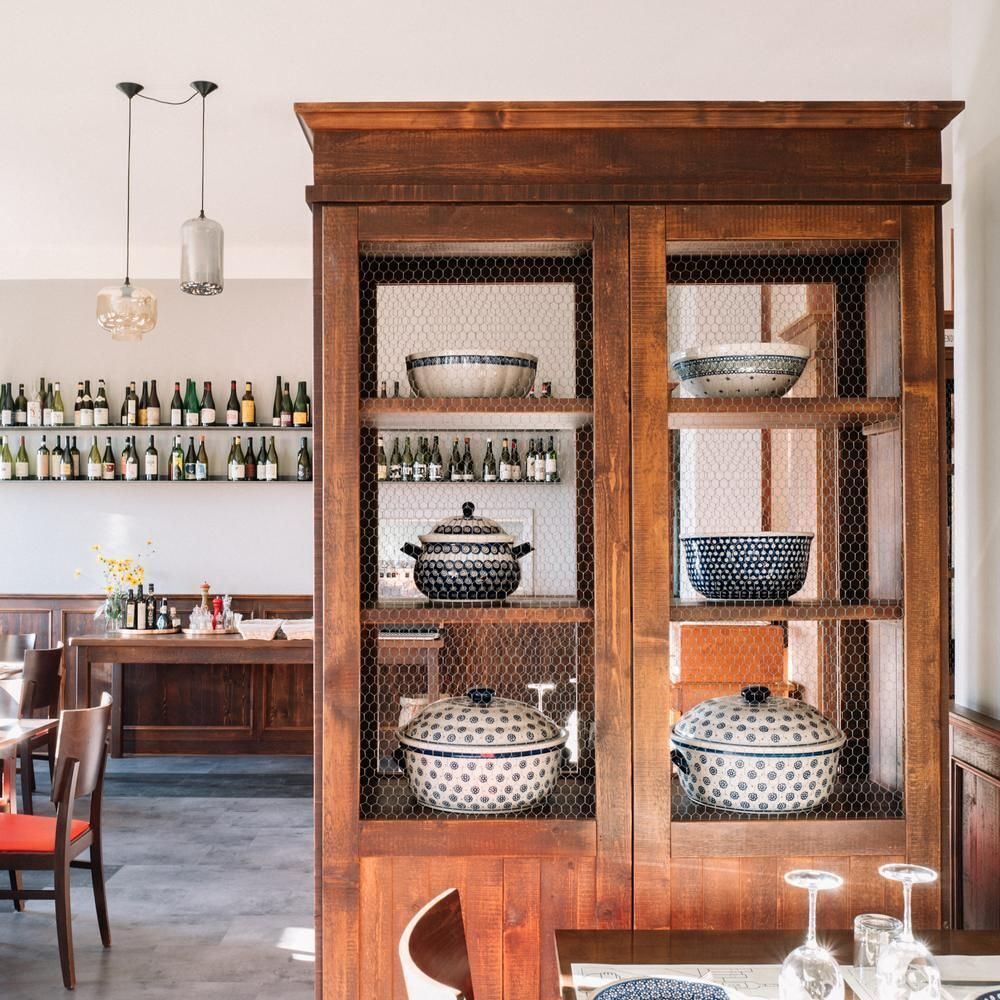
Bib Gourmand • Country cooking, Traditional Cuisine. Dining options at this restaurant include an attractive outdoor terrace with views of the surrounding area (in summer) and a friendly bistro-style dining room. We particularly enjoyed the linguine with carp roe, as well as the stuffed pigeon.
- 1614
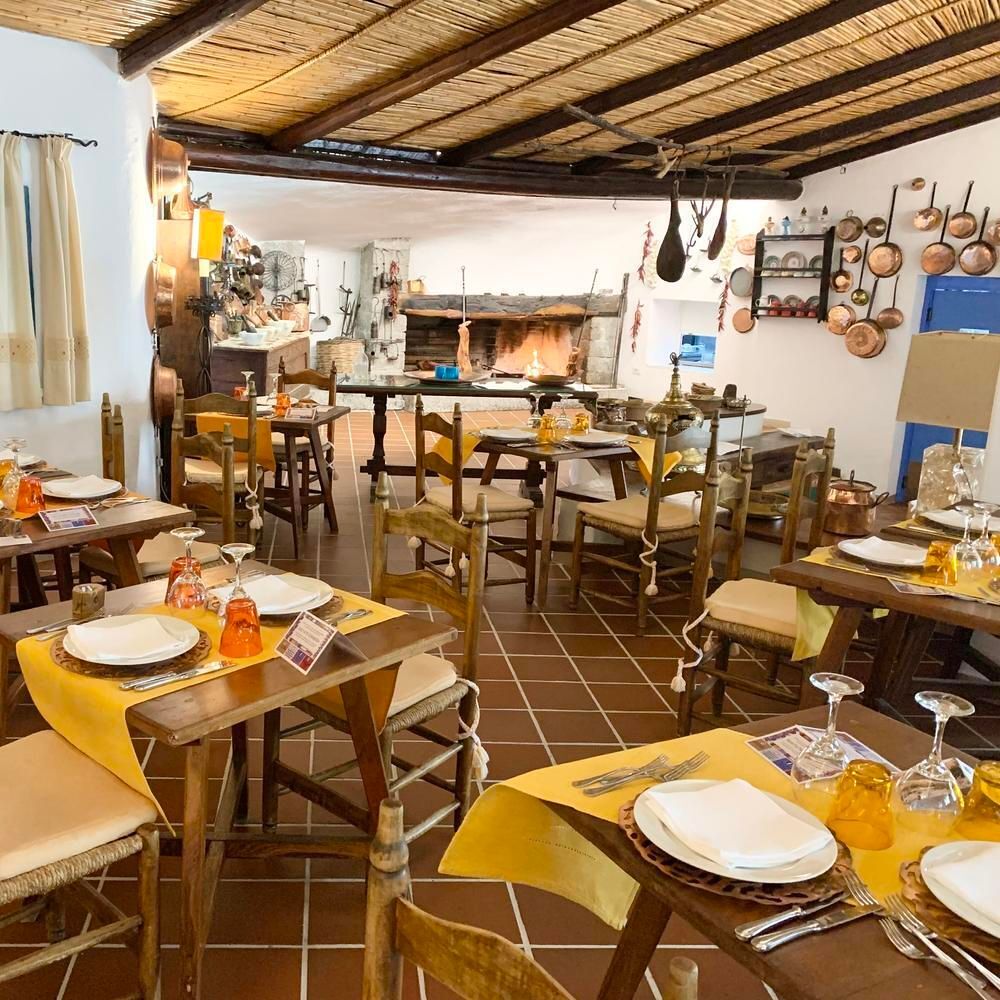
Bib Gourmand • Sardinian, Traditional Cuisine. For many decades, the restaurant and hotel of the same name have represented one of the most beautiful photographs of the Sardinian hinterland. You can sit on the terrace with a breathtaking view of vineyards and olive groves or in one of the beautiful, rustic dining rooms decorated with Sardinian handicrafts, including one with a huge fireplace where you can watch the cooking of the famous porceddu. In fact, only traditional inland Sardinian cuisine is served, of which the suckling pig on the spit is certainly the most famous dish. Not to be outdone, however, are the dishes taken from the menu: the antipasto misto with cured meats and cheeses, and curious samplings of offal, pane frattau, kid with fennel, and various ice creams.
- 1615
Bib Gourmand • Cuisine from Abruzzo, Traditional Cuisine. A good trattoria located in the historic neighborhood that gave birth to literary giants Ennio Flaiano and Gabriele D’Annunzio, two of the city’s most celebrated figures. Operating for over 40 years, it has “survived” both a move (originally at number 58) and a change in management (in 2020) without losing an ounce of its soul. The cuisine is rustic and unpretentious, flavorful, generous, and deeply rooted in Abruzzese tradition. Expect arrosticini (grilled meat skewers), the sublime frittatina del poeta-vate (a poet’s frittata enriched with vegetables and goat cheese), as well as a robust selection of meat mains (lamb, of course, but also pork, rabbit, wild boar, veal, and beef), and for dessert: the white Abruzzese nougat, affectionately renamed “Oh pe’ la Maiella”. A single seafood alternative: salted cod (baccalà), served either raw (cured) or en papillote with onion marmalade. We recommend visiting the cellars, with their well-preserved medieval and Roman ruins.

- 1616
Bib Gourmand • Cuisine from Abruzzo, Meats and Grills. Situated amid the maze of narrow streets in the old town of Pacentro and occupying the wine cellars of an imposing 16C palazzo, this restaurant celebrates regional cuisine in all its glory in specialities such as spaghetti with saffron and truffles.
- 1617
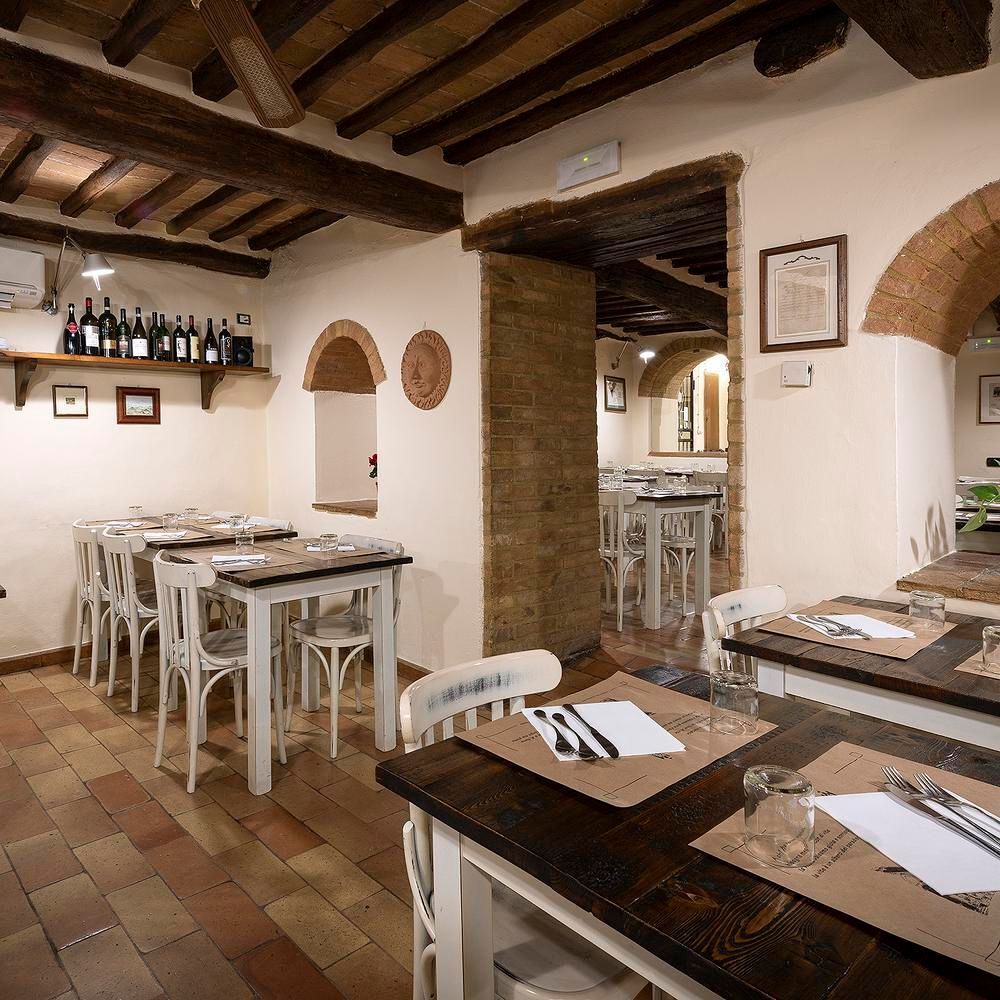
Bib Gourmand • Tuscan. In the heart of Montalcino, this rustic and welcoming tavern offers authentic cuisine, built on tradition, simplicity and ingredients selected and prepared with passion. The most impressive dishes include homemade pici with meat sauce: an authentic, unpretentious version that captures the true flavour of the local cuisine. The wine list also deserves a mention, featuring a wealth of old vintages and characterised by a wide selection of local wines, to create the perfect pairing for every course.
- 1618
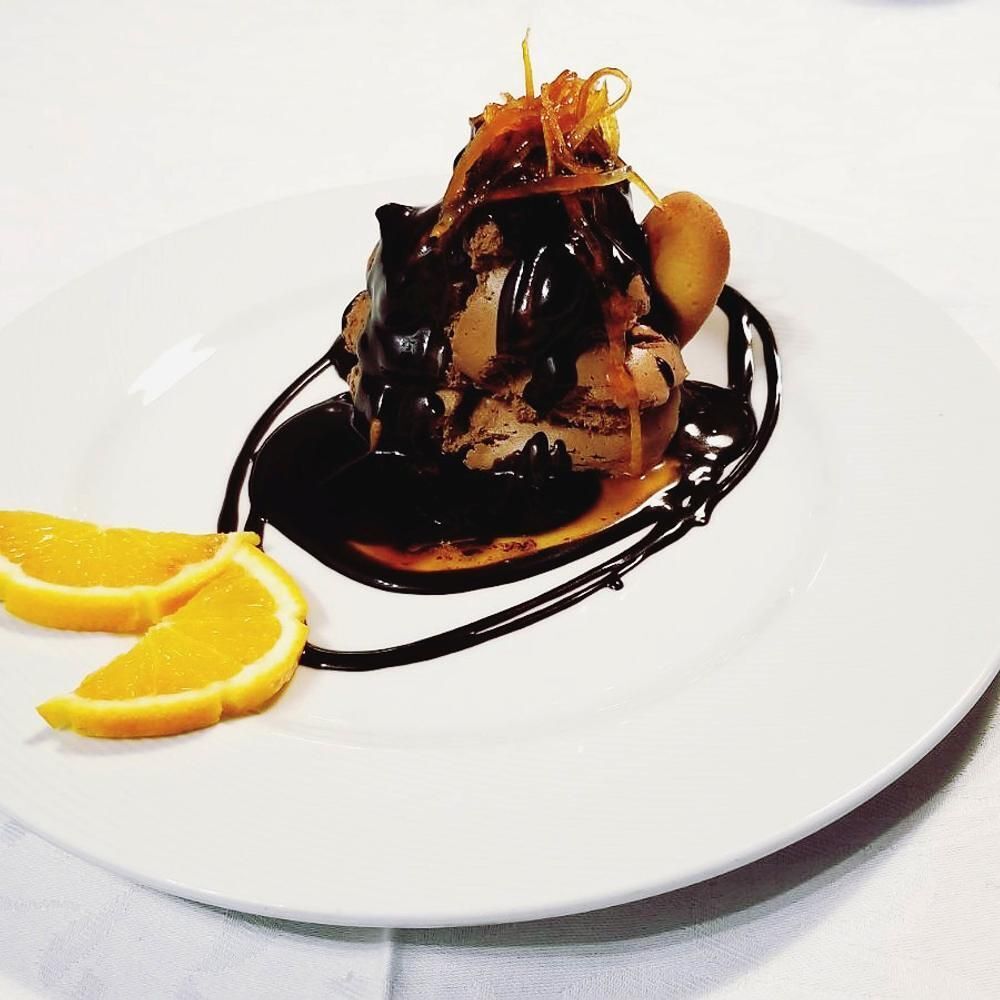
Bib Gourmand • Seafood, Mediterranean Cuisine. This simple restaurant with a friendly atmosphere has been in business for 40 years, and is now one of the most popular eateries in this seaside town where singer Mia Martini was born. Situated near the centre and the sea, Taverna Kerkira serves Calabrian and Mediterranean dishes with influences from Greek cuisine (part of the family comes from Greece and the restaurant takes its name from the Greek word for Corfu), including excellent moussaka and farfalle pasta with Greek yoghurt.
- 1620
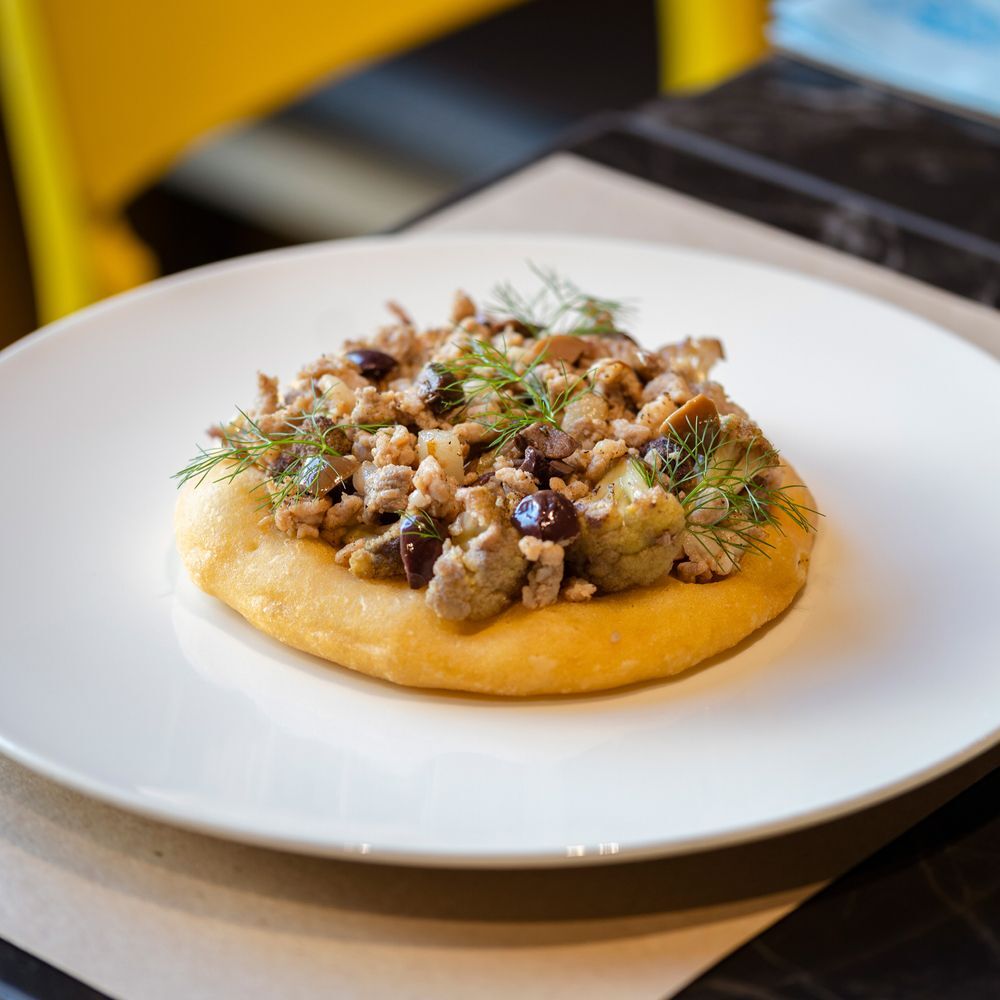
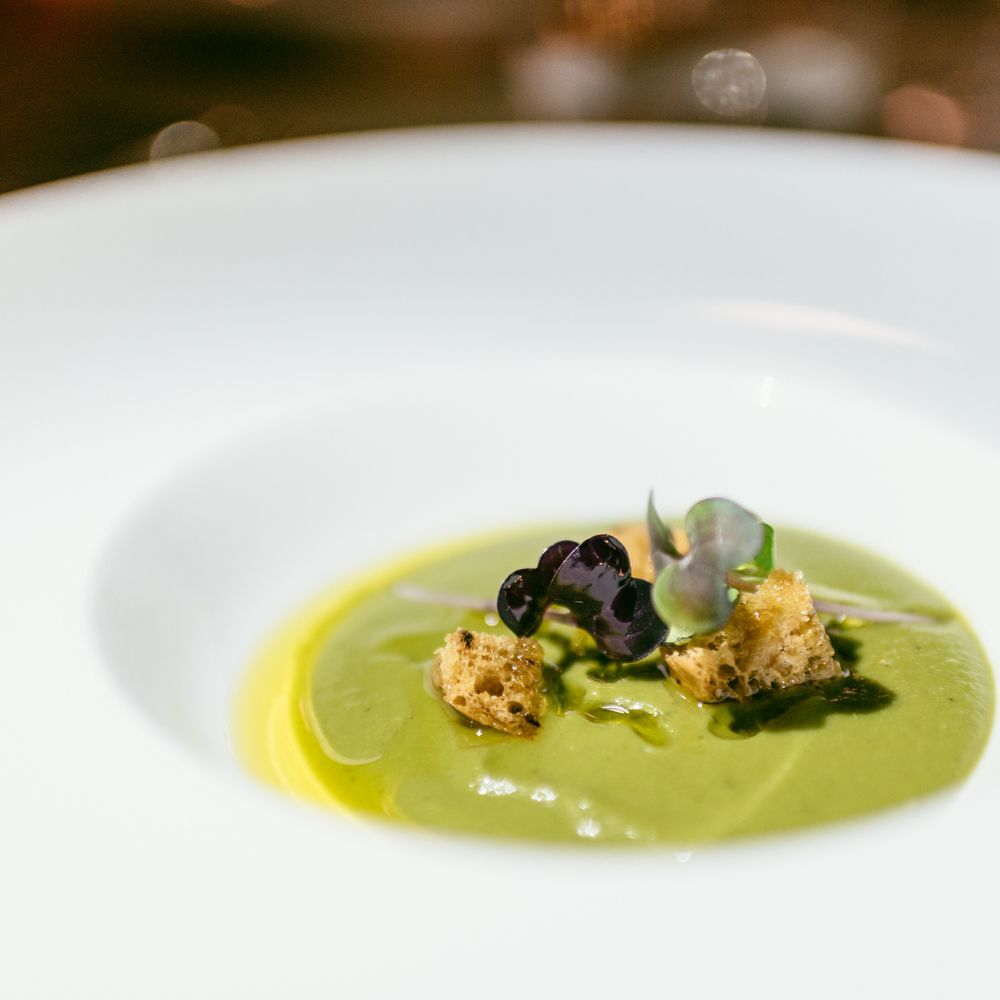
Bib Gourmand • Umbrian, Traditional Cuisine. The Locanda del Capitano and the Tipico offer menus showcasing traditional Umbrian dishes (the former serves gourmet cuisine, while the latter offers a simpler menu). The wine list boasts over 400 labels, while the olive oil selection includes the best oils from the region. Our inspector particularly enjoyed the “maritozzo di mazzafegato” (a type of sausage bun) with escarole, caramelised onions and olives.
- 1621
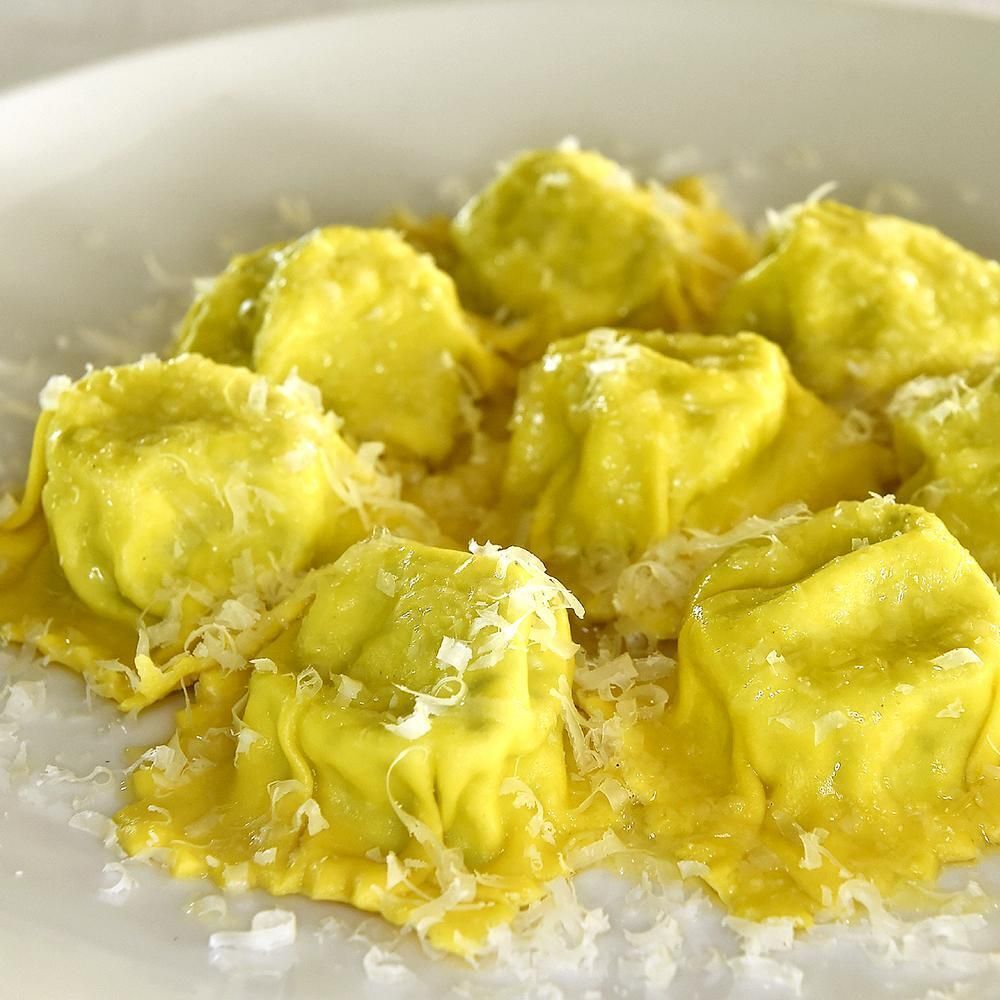
Bib Gourmand • Emilian, Traditional Cuisine. One of the most celebrated venues in the province, this restaurant set in a tranquil country hamlet just outside the city requires reservations well in advance. The cuisine is firmly rooted in the land, yet never shies from a creative impulse, which emerges in both flavor and contemporary plating. Among the more contemporary offerings, the tender Apennine gray rabbit stands out: presented as an elegant terrine, accompanied by olive crumble, potato millefeuille, and peppers. A harmonious, delightful dish!
- 1622
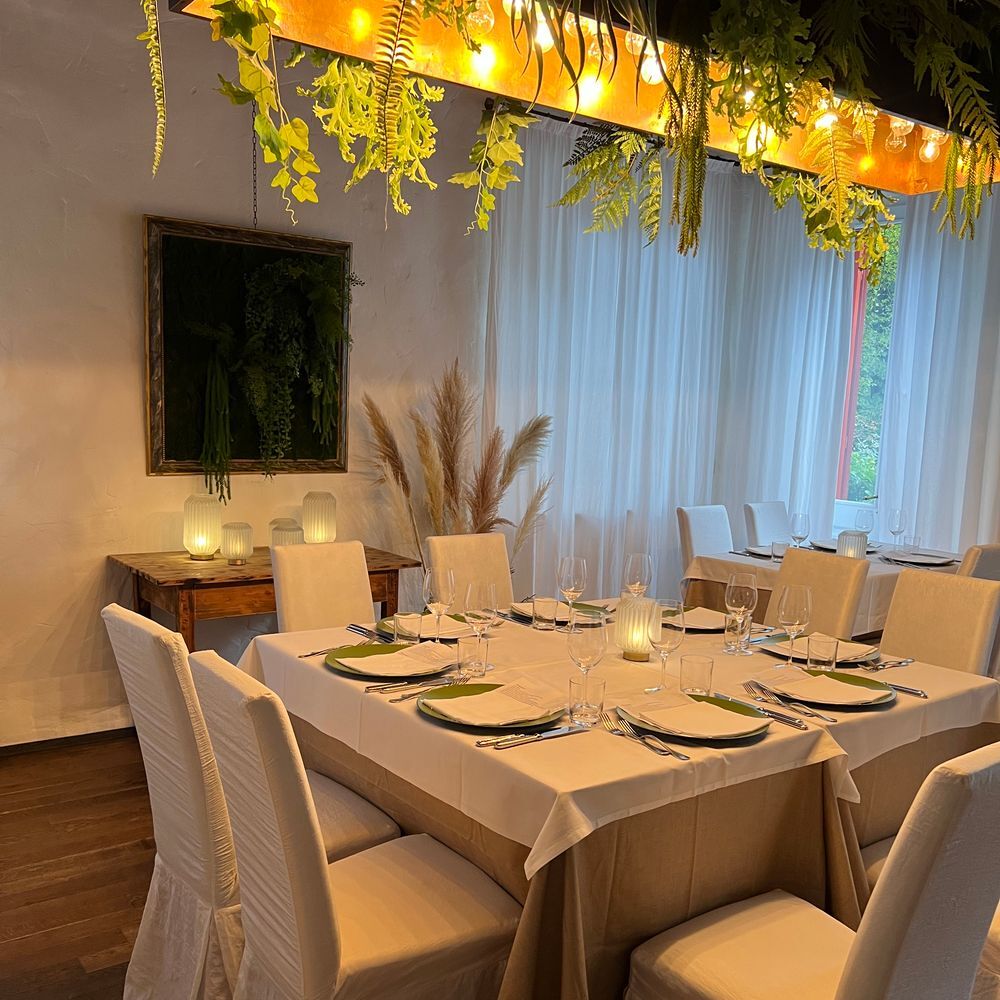
Bib Gourmand • Country cooking, Grills. In the small, bespoke dining rooms – our favourite is the more traditional one, where the warmth of the fogolar fireplace and the crackling of the embers accompany the owner's interactions with guests – this charming stone and brick house, surrounded by a wooded park, tells the story of the local area through its aromas and flavours. Charcoal grilling is the beating heart of the kitchen, releasing intense aromas that waft through the air; the creamy, comforting risottos are surprisingly well-balanced, an excellent example being that with clams, saffron and courgette flowers. The experience is completed by cosy guest rooms and a cellar where the house wine is made, with the family's own labels forming the basis of the wine list, reflecting an authentic bond with the land.
- 1623
Bib Gourmand • Modern Cuisine, Regional Cuisine. Nestled among the Valpolicella hills, guests may settle into the cozy dining room with its fireplace, the charming veranda, or in fine weather the outdoor terrace. The warm hospitality ushers diners into the world of chef Renza Peretti, who celebrates local traditions while embracing modern inspiration. Noteworthy dishes include the Amarone-braised meat tortelli, duck terrine with puff pastry, and the passion fruit soufflé with vanilla ice cream. The wine list devotes many pages to the Verona region, with an impressively broad selection available by the glass.

- 1624
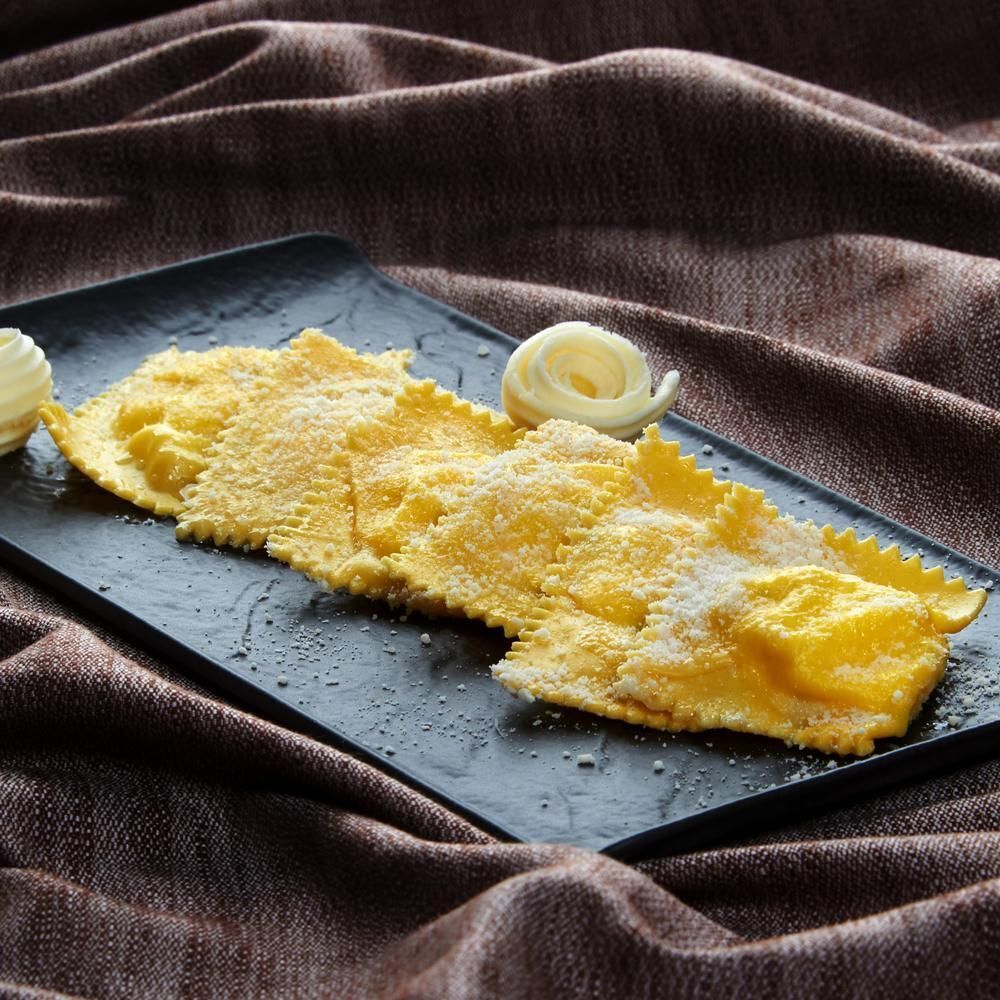
Bib Gourmand • Emilian, Traditional Cuisine. Just a few kilometres outside the town and yet already in open countryside, this typical local trattoria offers a simple yet warm and friendly ambience and excellent cuisine focused on regional specialities. The stuffed pasta and veal brisket are two of the dishes that we enjoyed the most here.
- 1625
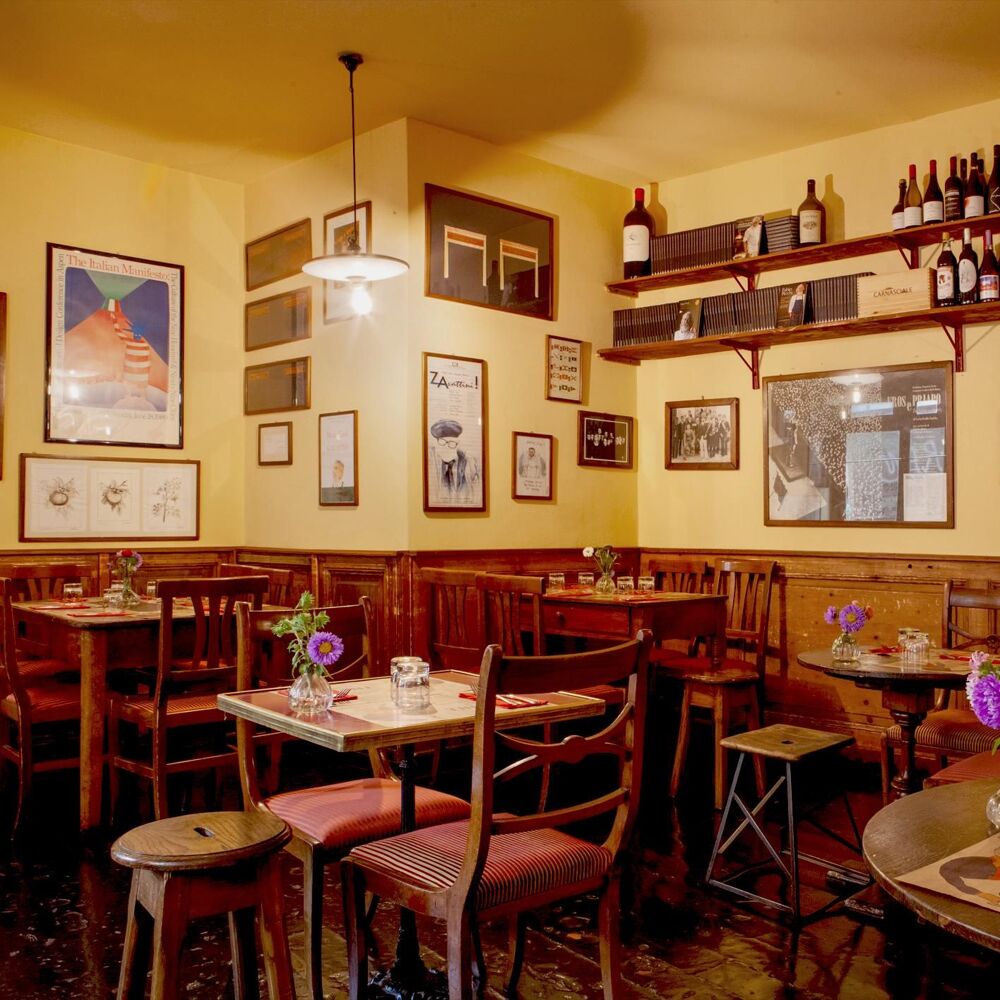
Bib Gourmand • Tuscan, Traditional Cuisine. "This simple, typical trattoria (not to be confused with the more elegant Cibrèo restaurant next door) has long been one of the best places in Florence for anyone looking to enjoy delicious, traditional cuisine without spending a fortune. The menu features an array of dishes that have become firm favourites over the years: tripe salad, vegetable soup with red rice, stewed lampredotto (a sort of tripe), roast pork loin with mashed potatoes and, to finish, a caramel panna cotta that evokes memories of the past.As summed up by the Inspector: “It’s the restaurant I’d choose to eat at if I were on holiday in the city.” A reassuring and recognisable establishment, true to its personal culinary philosophy and still much loved today. "
- 1626
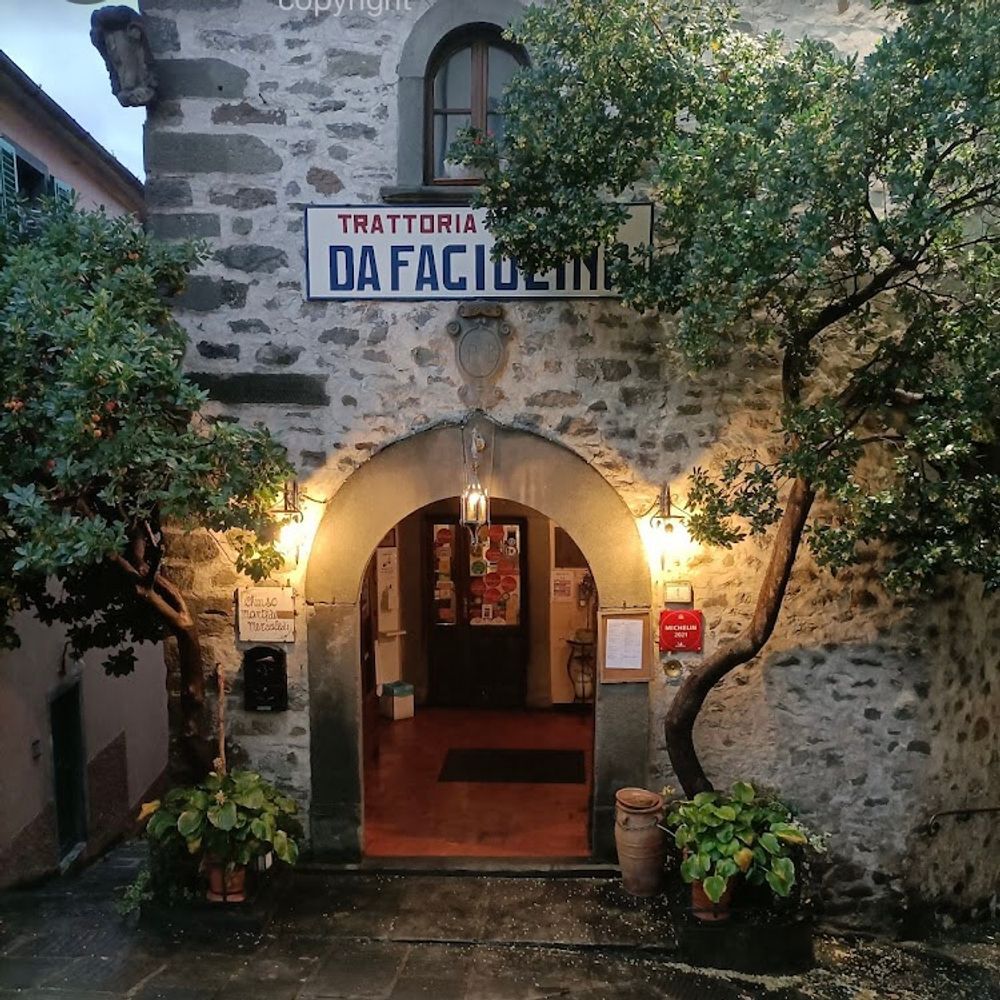
Bib Gourmand • Tuscan, Traditional Cuisine. An authentic family-run trattoria, the sort you’d love to have just round the corner, with simple and typically rustic dining rooms and a friendly atmosphere. The menu is firmly rooted in Tuscan tradition, featuring fragrant, unpretentious dishes served with no frills, made with the finest ingredients: from Florentine-style tripe to a wide selection of fresh, homemade pasta, not to mention a huge choice of meats. The restaurant’s specialities include mushrooms, which are featured in a number of dishes. The Inspector particularly enjoyed the apple and puff pastry rose with cinnamon ice cream, which provided a delicate and fragrant finale. A stroll through the small but pretty village where the restaurant is located is also highly recommended.
- 1627
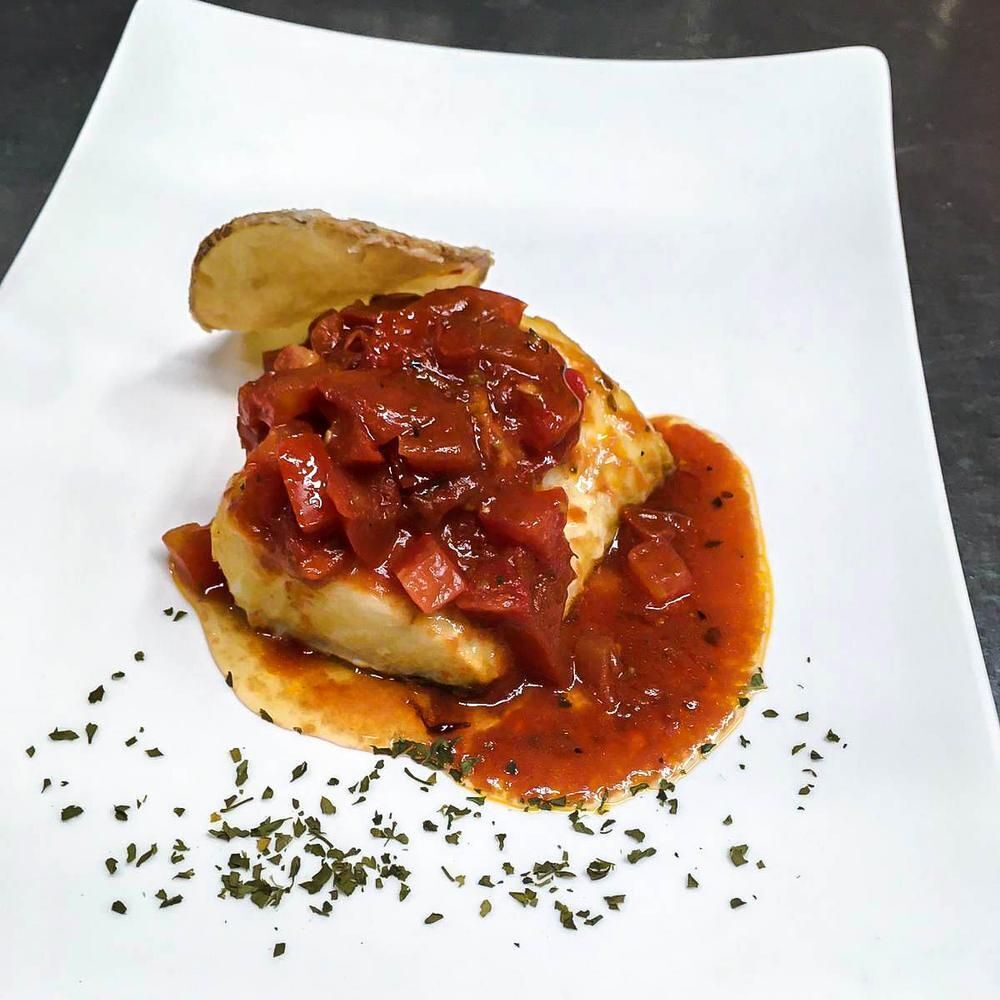
Bib Gourmand • Tuscan, Traditional Cuisine. In business for a century, this simple yet successful trattoria serves traditional Tuscan cuisine, with specialities such as ribollita stew and rabbit casserole on the menu. There’s just one informal dining room, which is overseen by capable owner Edoardo Innocenti, who delights in guiding his guests through the regional options on the menu. The tasting menu is highly recommended.
- 1628
Bib Gourmand • Country cooking, Traditional Cuisine. You follow narrow roads flanked by canals and surrounded by countryside to get to this warm and friendly restaurant with modern, comfortable dining rooms. The menu here always features a daily special of raw fish or seafood, served with creative seasoning, and sarde in saor (sardines). However, the true star of the show is cod (baccalà) – we recommend the triptych of baccalà which showcases the different traditional recipes of this fish to the full.

- 1629
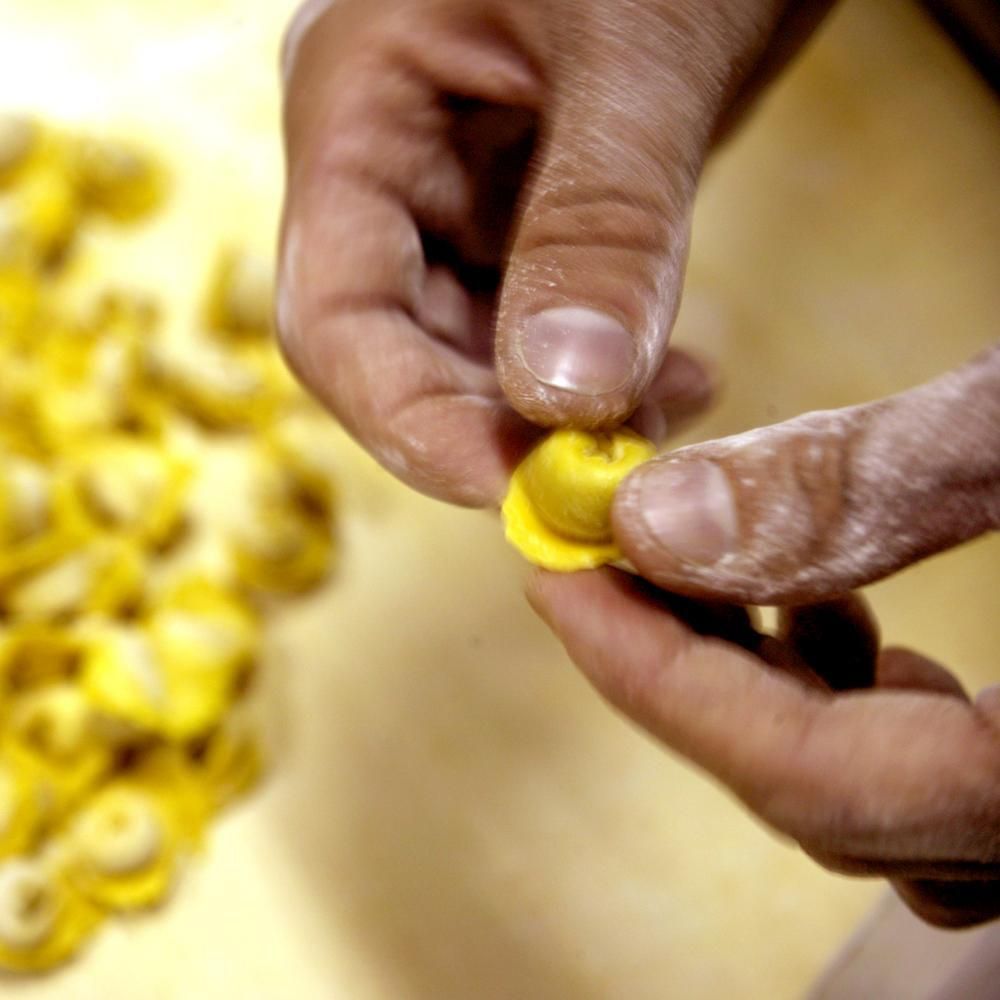
Bib Gourmand • Emilian, Classic Cuisine. A bulwark of traditional local cuisine, this trattoria serves antipasti such as erbazzone (a savoury pie), fried gnocchi and charcuterie, followed by fresh pasta (the cappelletti in broth are excellent), a choice of boiled and roast meat dishes, plus a selection of desserts. Chalked up on a blackboard by the entrance, the daily specials are also classic in style and vary depending on whatever is available in the market that day. Booking ahead is recommended!
- 1630
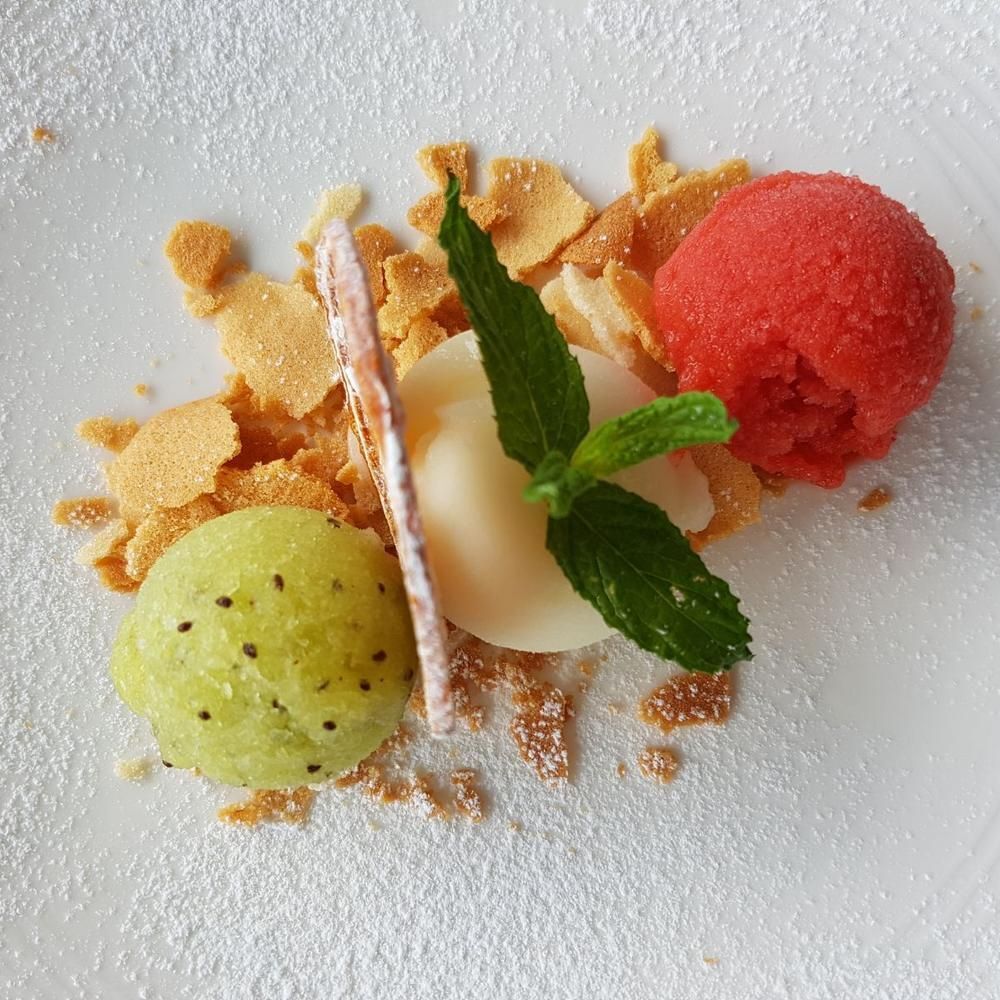
Bib Gourmand • Classic Cuisine, Italian Contemporary. Situated in the Berici hills, this restaurant run by a friendly and welcoming family boasts views of the surrounding greenery from its first-floor dining rooms. Although the cuisine focuses on local ingredients (in other words, mainly meat), the menu also includes a particularly delicious baccalà alla vicentina (salted cod).
- 1631
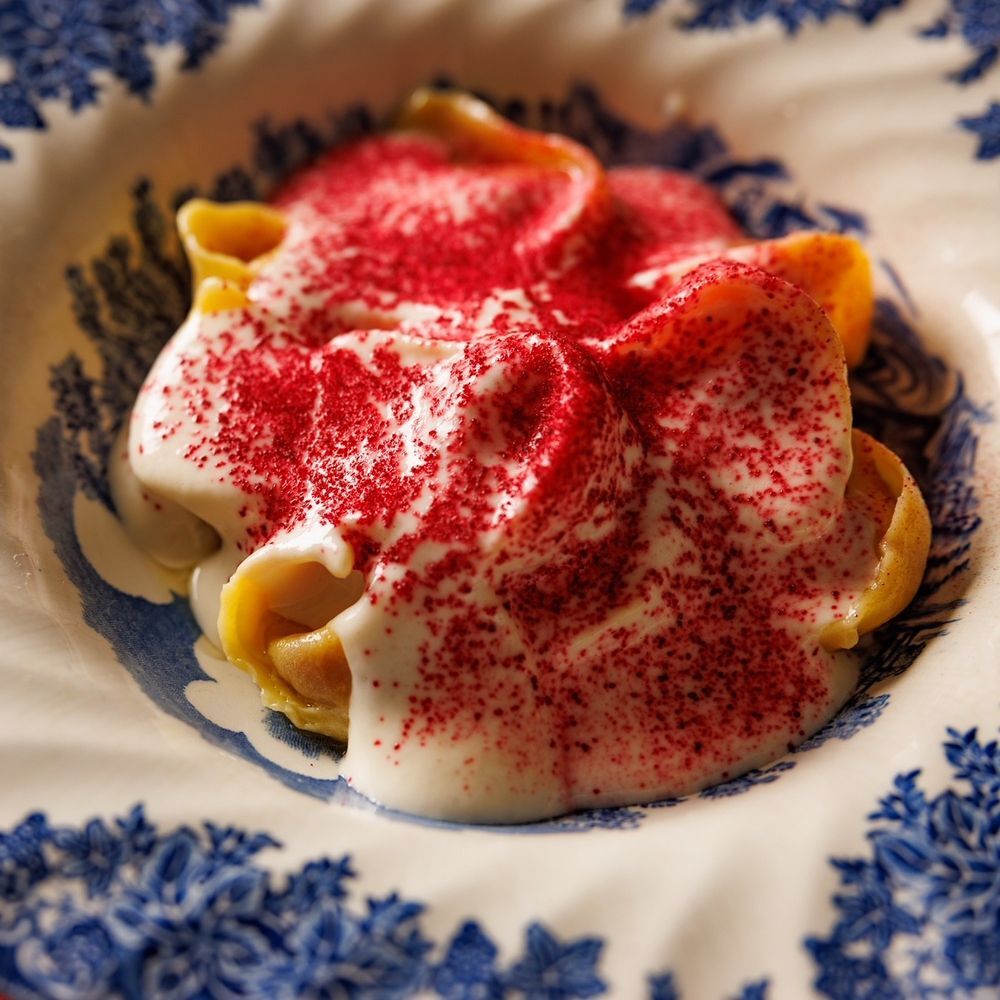
Bib Gourmand • Regional Cuisine, Seasonal Cuisine. This interior of this trattoria occupying an anonymous rural building at a road junction just outside the village comes as something of a surprise. Inside, the dining room has a warm ambience, with a friendly welcome offered by the female staff. The dishes here are authentic and full of flavour, with a focus on regional Italian traditions and top-quality local ingredients – all the pasta and desserts are homemade. We particularly recommend two of the specialities, namely the “Girella e Cartellata” (made using 36 egg yolks) stuffed with ricotta and goat’s cheese and served with a “ciauscolo” (a type of sausage typical of the Marche and Umbria) ragu and a red wine reduction. A small, simple pergola-shaded outdoor space completes the picture.
- 1632
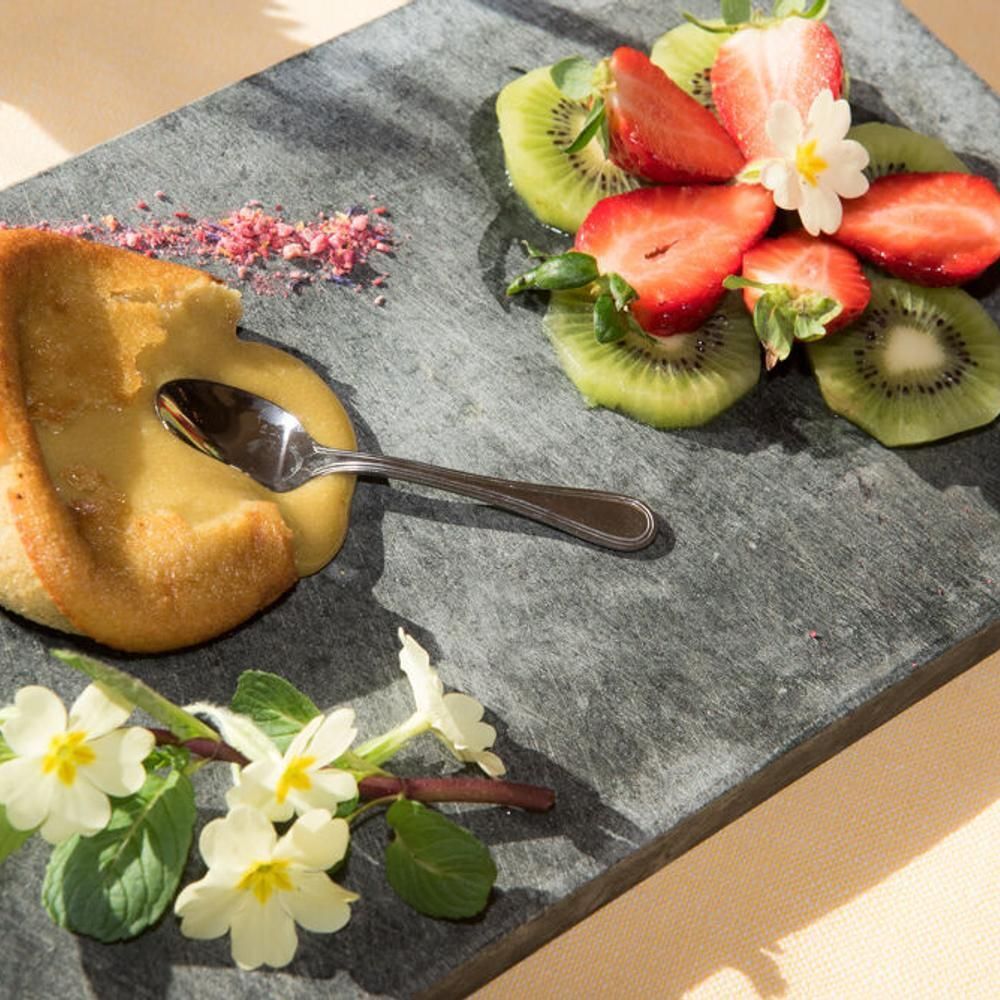
Bib Gourmand • Country cooking. Situated in a picturesque village in the Val Serina, this family-run restaurant has a welcoming ambience. The menu features a small selection of mostly local dishes, including specialities such as bresaola orobica, cured hams and cheeses, casoncelli pasta, mushrooms and, of course, polenta prepared in different ways (Bergamo or Taragna style, simply, with strachitunt cheese, or with fried eggs). Enjoy dining on the panoramic terrace in fine weather.
- 1633
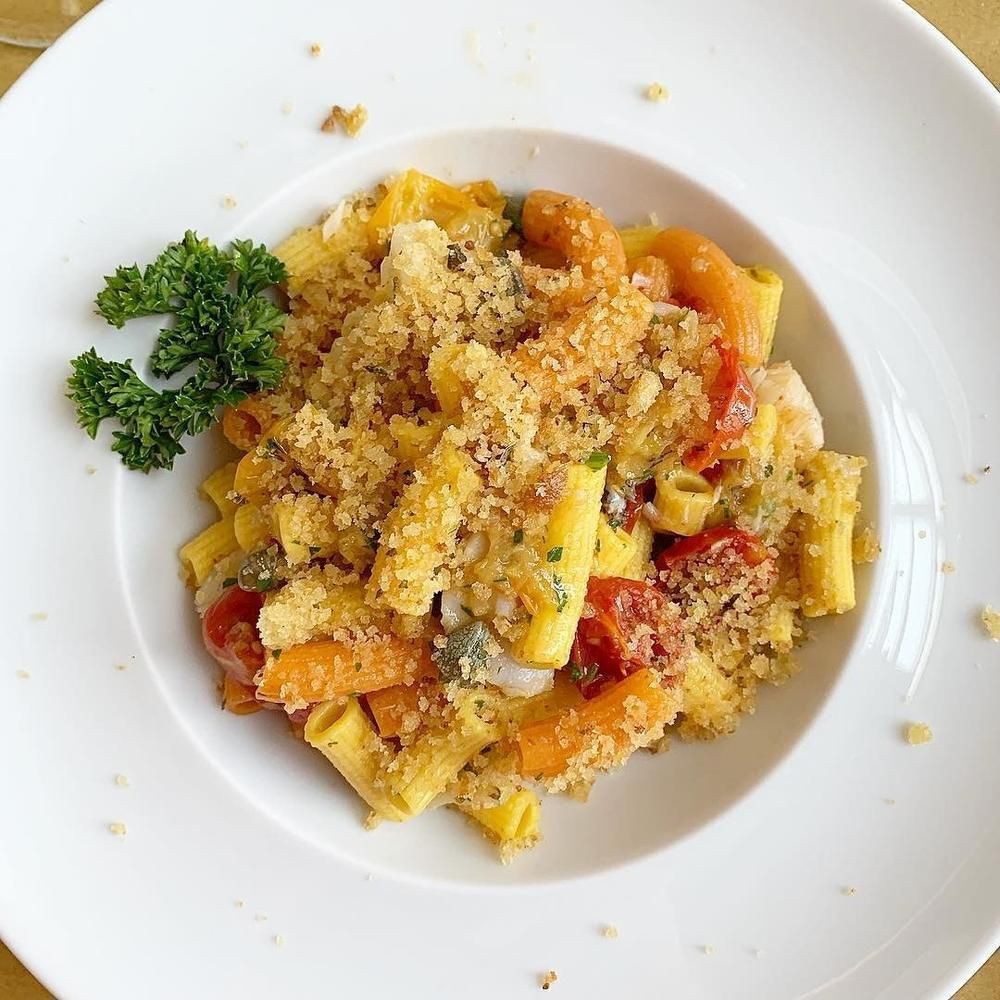
Bib Gourmand • Emilian, Traditional Cuisine. It’s well worth heading off the traditional tourist trail to experience this simple and informal trattoria in Bolognina, the city’s historic working-class district which now has a very multicultural feel. Run by a friendly owner, with his talented business partner at the helm in the kitchen, the restaurant boasts a welcoming and friendly ambience that has made it popular, so booking ahead is recommended, even at lunchtime. Top-quality regional cuisine is celebrated here, from fresh pasta (excellent tortellini in broth) to zuppa inglese (a type of trifle).
- 1634
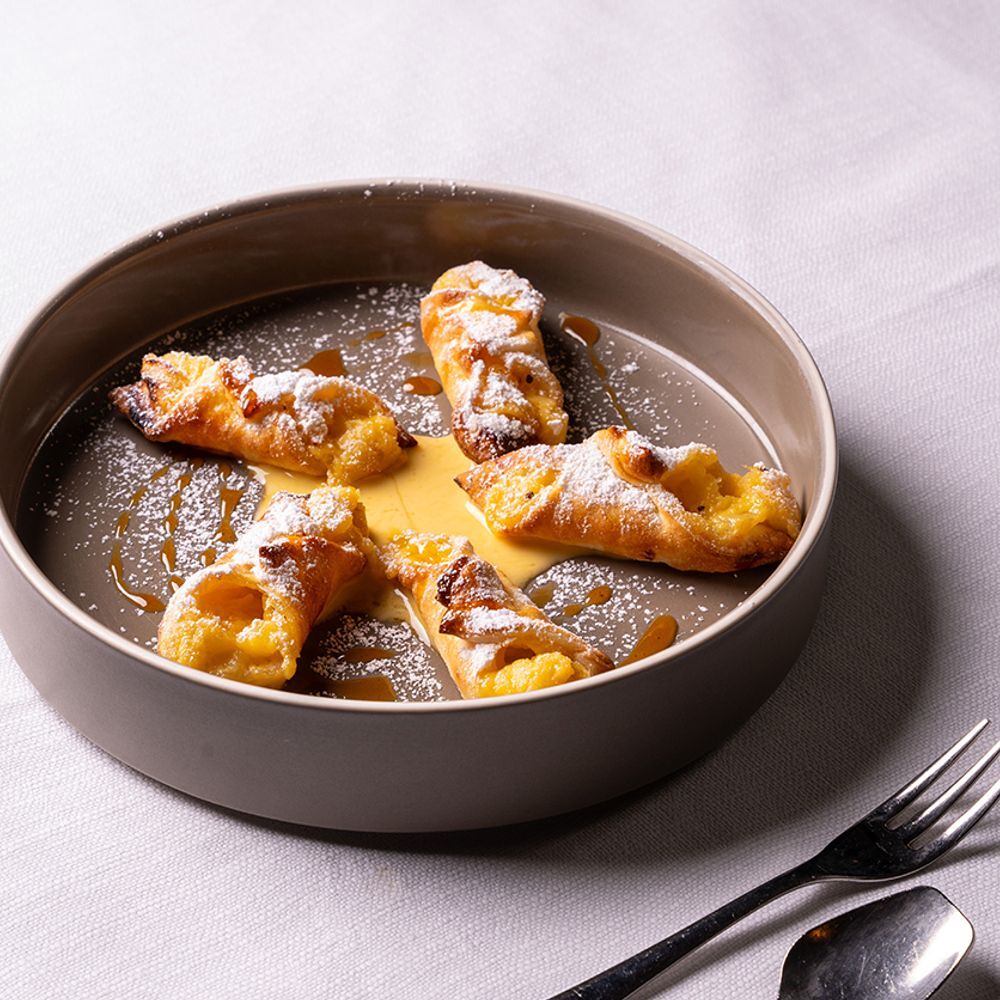
Bib Gourmand • Seafood, Classic Cuisine. The spaces have been refreshed – simple yet more contemporary – without losing the venue’s authentic soul. The kitchen remains faithful to seafood traditions, offering a sound quality-to-price ratio, now elevated by a more polished presentation. Not to be missed are the raw scampi, delicately marinated with fine shavings of lemon zest, and the turbot baked in a potato crust, an enduring house classic. To finish, fragrant puff-pastry biscuits, served warm with confectioner’s custard. Long a fixture, and still today, a true reference point in the Ferrara area.
- 1635
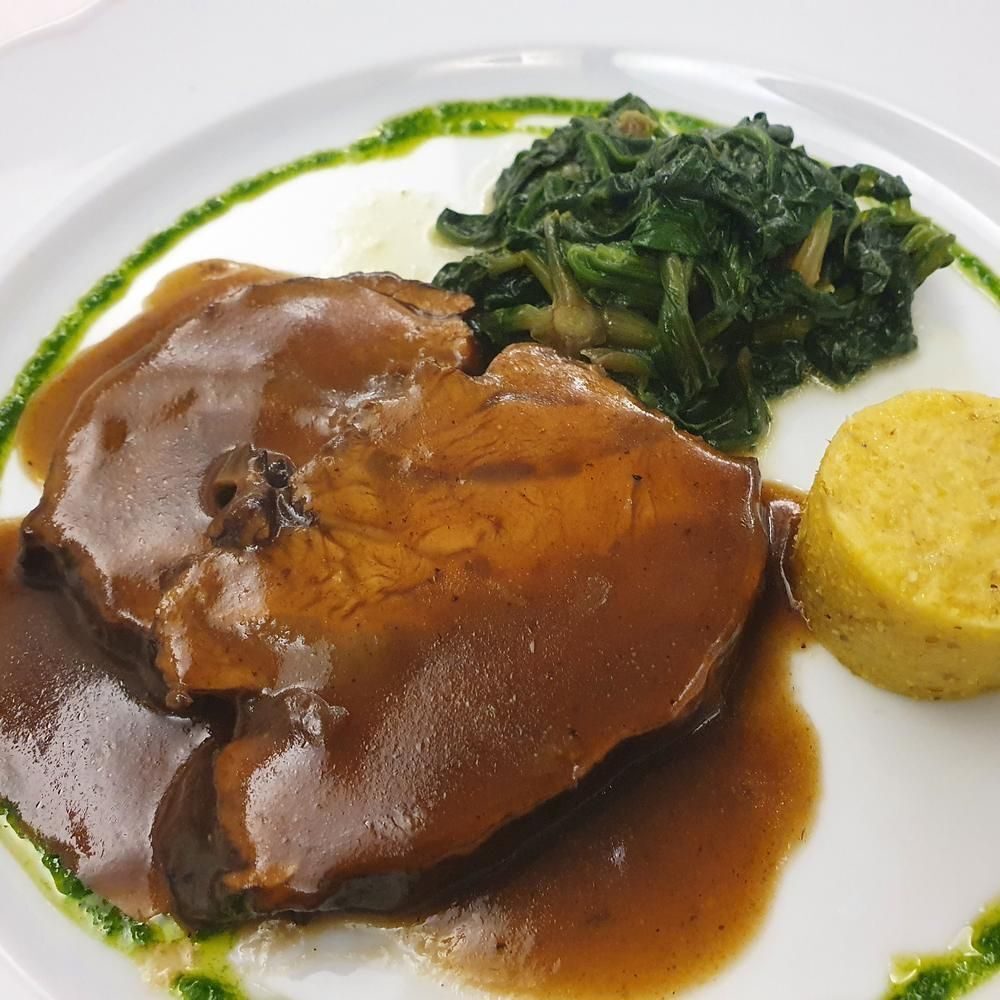
Bib Gourmand • Piedmontese, Regional Cuisine. This little bastion of traditional Monferrato cuisine is situated in a rustic building on the side of a road outside Masio. Most of the dishes here are local in flavour (as is the wine), including specialities such as Russian salad, veal tongue in green sauce, braised beef marinated in Barbera wine and semifreddo al torrone dessert. The classic, comfortable dining rooms have a welcoming feel.
- 1636
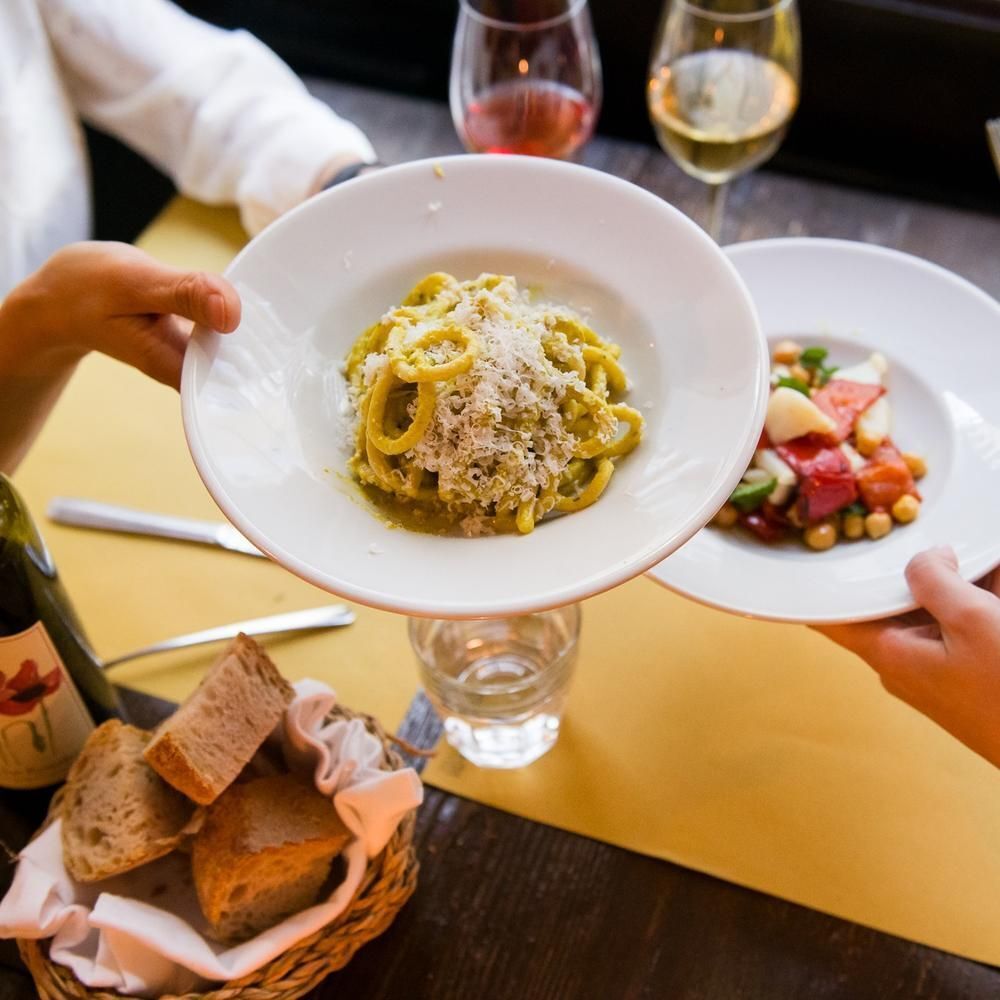
Bib Gourmand • Cuisine from Lazio, Seasonal Cuisine. An authentic neighbourhood trattoria with just one difference – it is so good that its fame has travelled far beyond the streets of Ostiense in which it is situated and so it is often crowded (as a result, booking is highly recommended). The atmosphere is simple, informal and attractive, while the cuisine focuses on Roman classics such as pasta with carbonara, cacio e pepe, amatriciana and gricia sauces, alongside a few more creative dishes.
- 1637
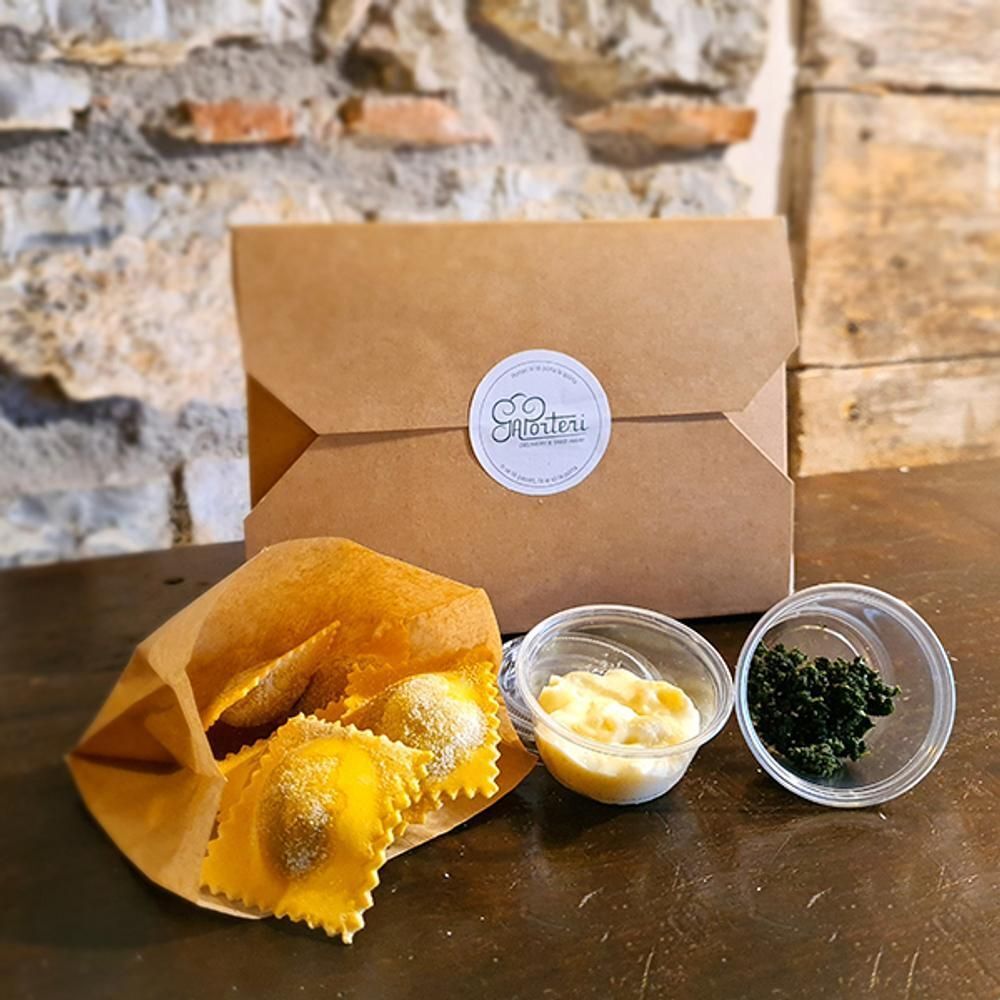
Bib Gourmand • Lombardian, Regional Cuisine. Situated outside the centre in the equally typical and historic Borgo Trento district, this restaurant has all the warm ambience and character that you would expect of a traditional trattoria. The regional cuisine includes a remarkable array of charcuterie, as well as dishes such as tripe in Brescia-style broth, beef in olive oil and the typical local bocciolo di rosa dessert with zabaglione ice-cream.
- 1638
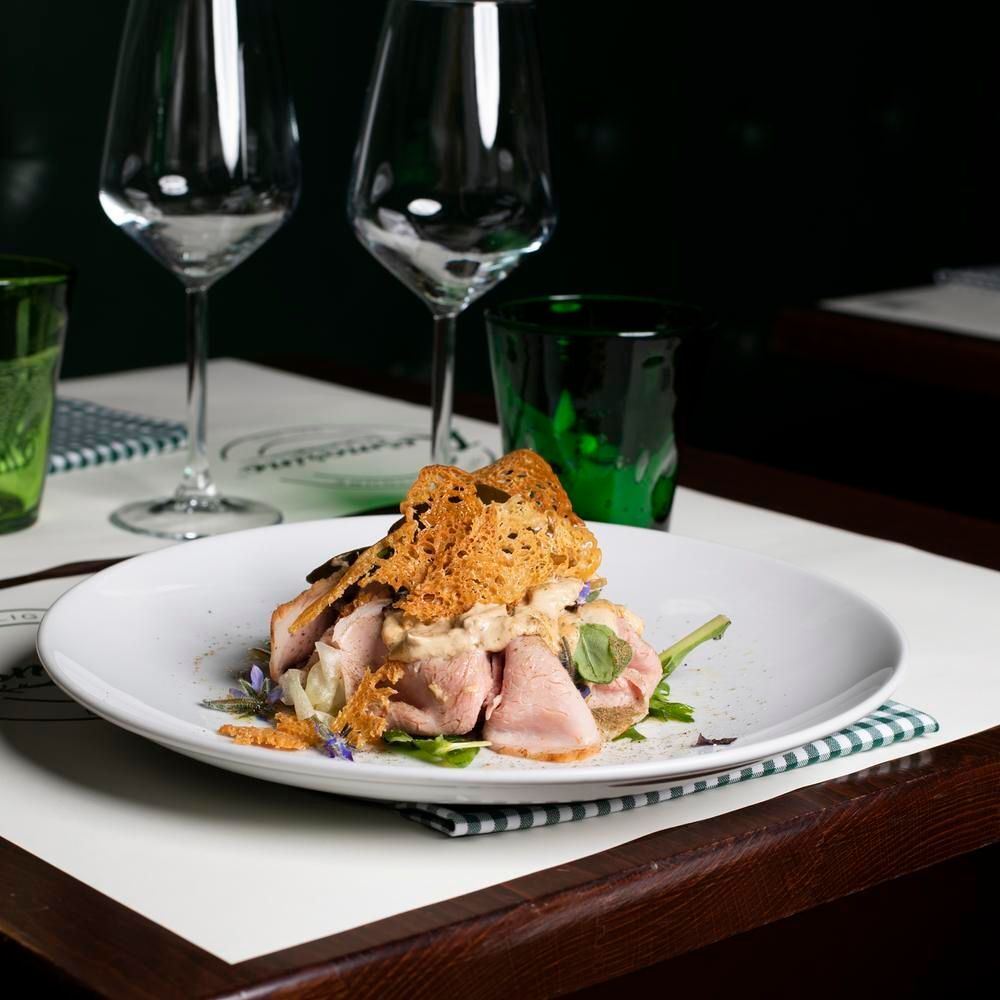
Bib Gourmand • Ligurian, Classic Cuisine. Located just a few metres from Piazza De Ferrari, this restaurant offers an outdoor space and three dining rooms with a pleasant and informal ambience. It is the quality of the cuisine that strikes you at Rosmarino, where the classic Ligurian meat and fish dishes are prepared from top-quality ingredients. Highlights include the “brandacujun” salted cod, the borage ravioli, and the “sbira” tripe.
- 1639
Bib Gourmand • Lombardian, Traditional Cuisine. A pleasant rural trattoria with a charming summer dining space overlooking the garden, just five minutes’ drive from Crema. In this simple, informal setting which is both well-kept and welcoming, guests dine either in the classic-style room with green wood-panelling or in the veranda-style dining room. Wherever you eat, you’ll enjoy regional specialities such as local hams and poultry, and Crema’s famous sweet tortelli. Foie gras also features very regularly on the menu.

- 1640
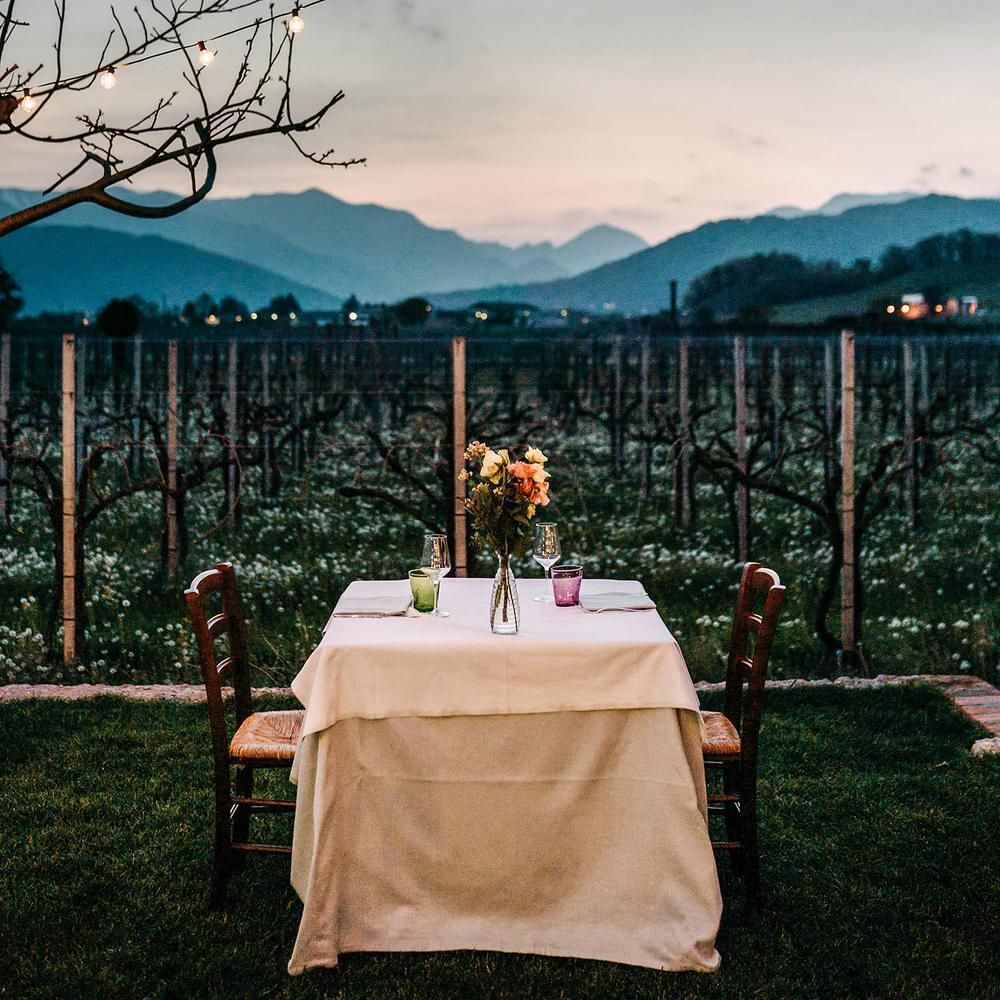
Bib Gourmand • Regional Cuisine, Traditional Cuisine. Situated in a peaceful location amid fields and vineyards, this attractive country restaurant run by the same family since 1965 boasts an outdoor space where three walnut trees (“tre noghere”) provide shade in summer, plus a neat and simple dining room. Traditional cuisine, including home-made pastas, are to the fore here – we particularly enjoyed the rabbit cooked in the oven which is served with a delicious potato millefeuille.
- 1641
Bib Gourmand • Italian, Seasonal Cuisine. Simple, informal and with a slightly retro feel, this restaurant serves a range of dishes from all over Italy, including the tripe which gives the restaurant its name. Unfussy and uncomplicated, the cuisine prepared by the skilful young chef using top-quality ingredients makes this one of the best trattorias in Italy. House specialities include Milanese risotto with grilled marrow, vitello tonnato and, of course, the ever-present tripe!

- 1642
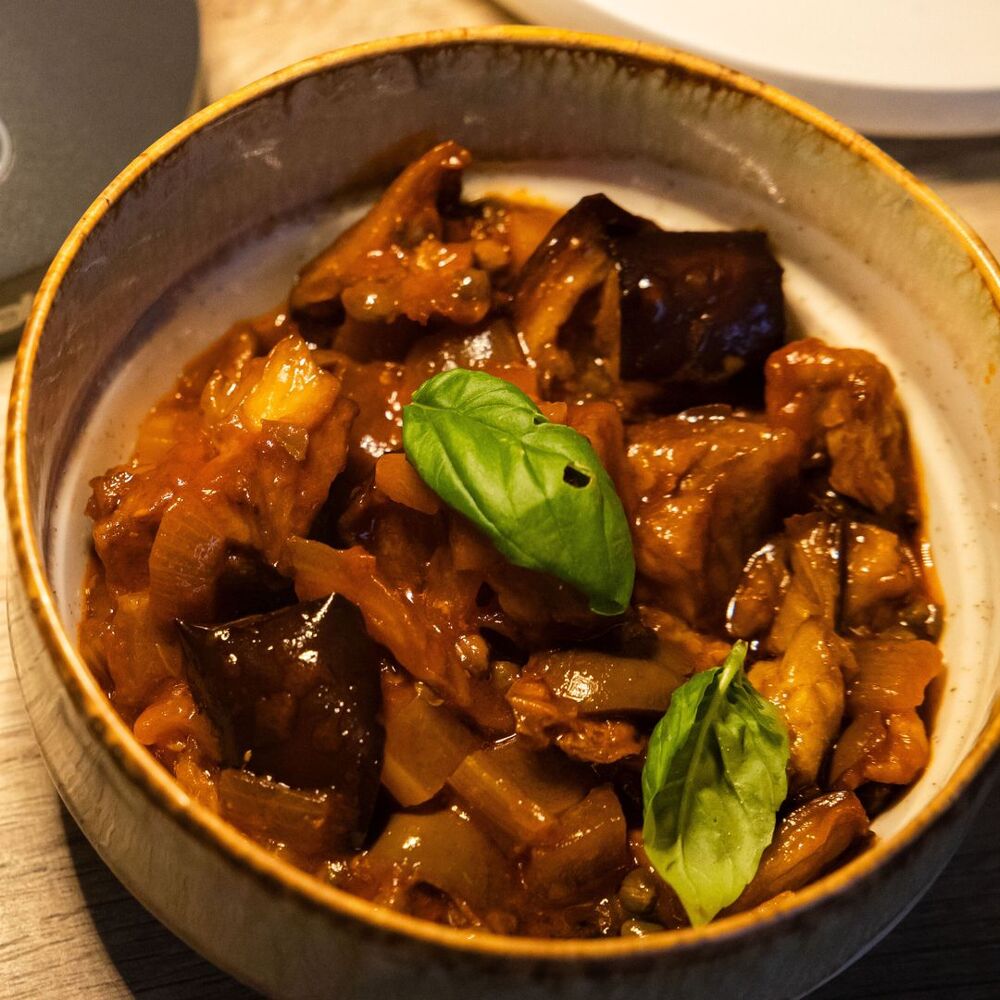
Bib Gourmand • Sicilian, Seasonal Cuisine. Once home to the I Pupi restaurant, and run by the same team, this “new generation” osteria takes its name from chef Lo Coco’s children, Turi and Emma. The cuisine here is in the hands of the sous-chef, who pays tribute to Sicily and its glorious, colourful culinary traditions: caponata, aubergine balls, swordfish rolls and the catch of the day all feature on the menu. In summer, tables are laid out in the quiet alleyway behind the restaurant.
- 1643
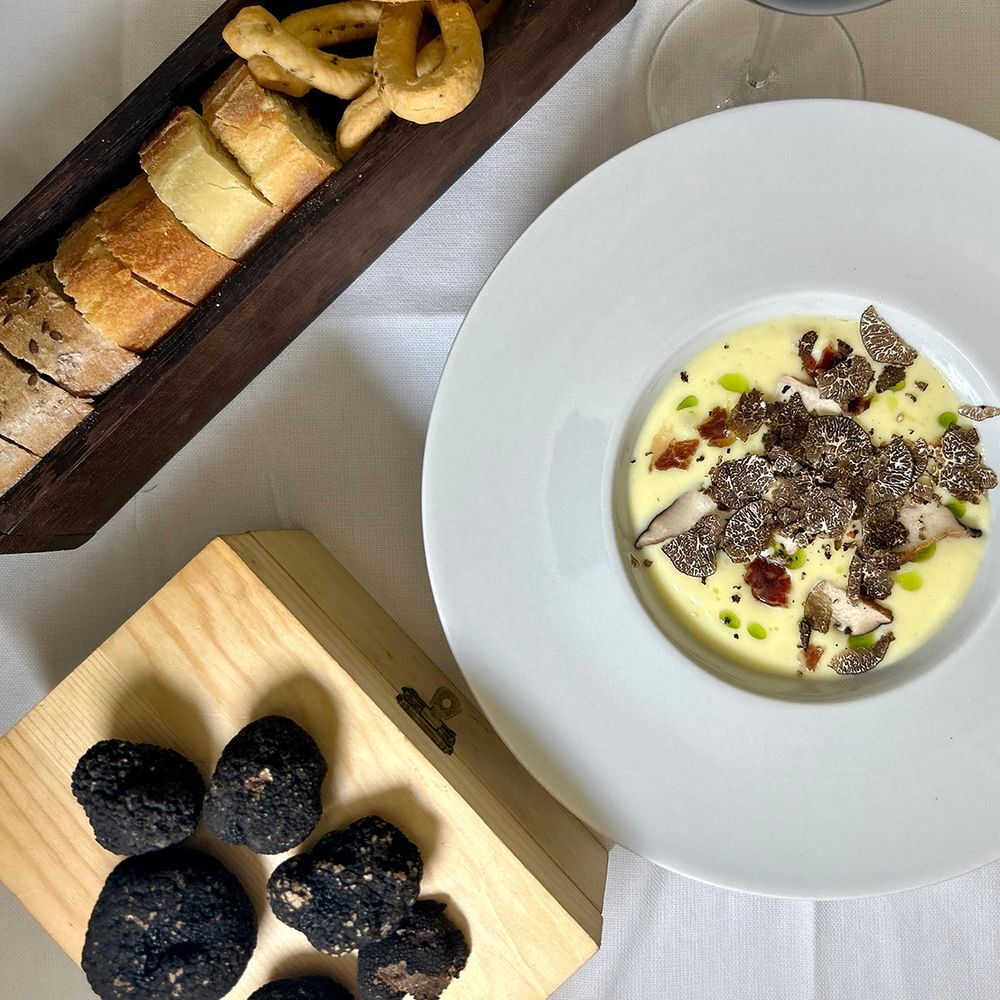
Bib Gourmand • Apulian, Regional Cuisine. Quintessentially Apulian restaurant, beginning with its ambiance: a sequence of rooms excavated within the rock of ancient Aragonese walls. The cuisine is equally inspired by local traditions, encompassing cardoncelli mushrooms, burnt wheat orecchiette, and cheeses from the Murgia hills, to name a few, with almost exclusively meat dishes along with vegetarian options and delightful sweets.
- 1644
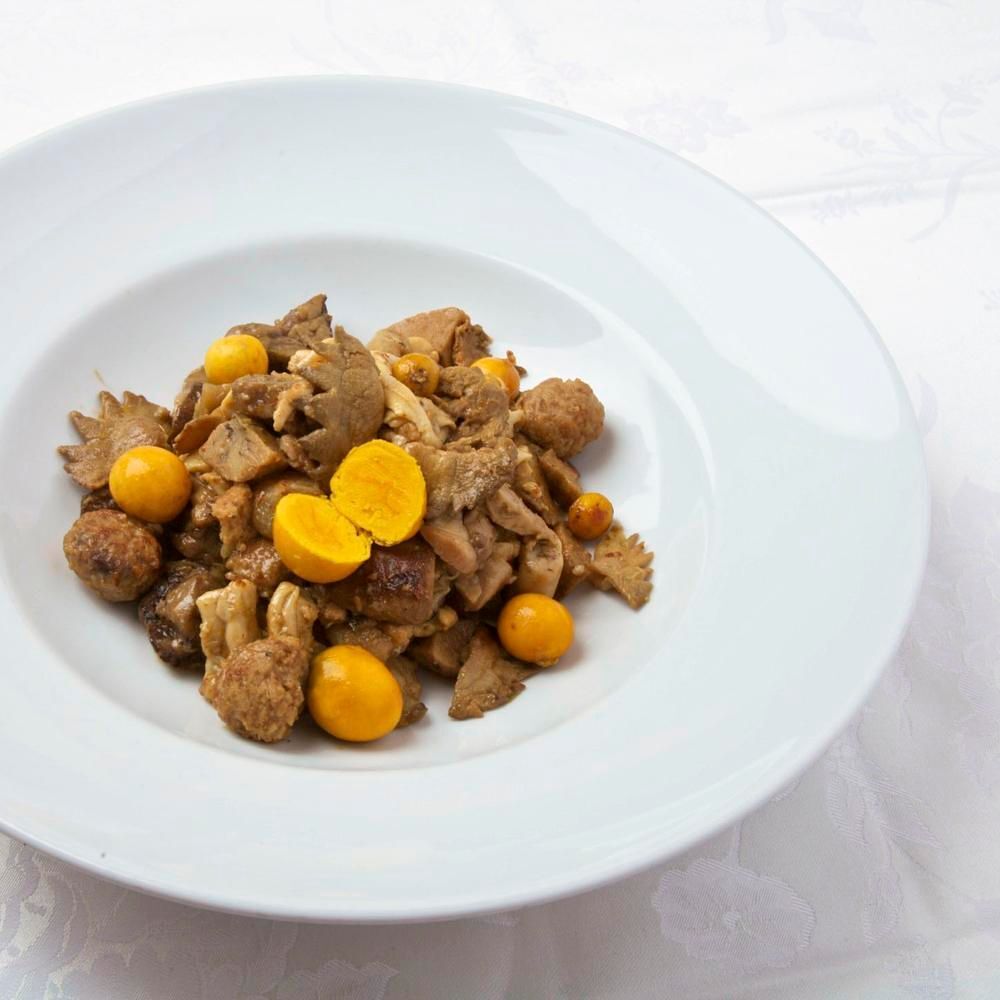
Bib Gourmand • Piedmontese, Traditional Cuisine. The Vascello d'Oro, located in the heart of the village linked to the fat ox – the star attraction from November to Easter – has been welcoming guests to its cosy rooms steeped in history since 1887. If you are in company, ask if you can go down to the cellar: here, in the charming “Crota dl'amicissia”, a round table for ten people invites you to share bagna cauda in a warm and authentic atmosphere. The menu reflects Piedmontese tradition with skilfully prepared iconic dishes: creamy Russian salad, meat and vegetable ravioli, “finanziera”, crispy fried delicacies and the inevitable selection of boiled meats. To finish on a sweet note, hazelnut cake and velvety “bonet”. Just a stone's throw away there are cosy guest rooms, some with kitchenettes.
- 1645
Bib Gourmand • Emilian, Meats and Grills. A simple yet welcoming refuge in the woodlands of the Modenese Apennines, where the scent of truffle in season mingles with the aromas of Emilian and mountain specialties. In the dining room, Sara Ori greets guests with warmth and genuine smiles, while her parents orchestrate flavors in the kitchen: father at the helm of juicy, steaming meats, mother crafting hand-rolled pastas and fragrant desserts, among them a standout zuppa inglese, creamy and comforting. For those who relish the open road and sweeping vistas, the drive along the SP3 from Modena is well worth it: an hour of winding curves through verdant valleys and breathtaking scenery.
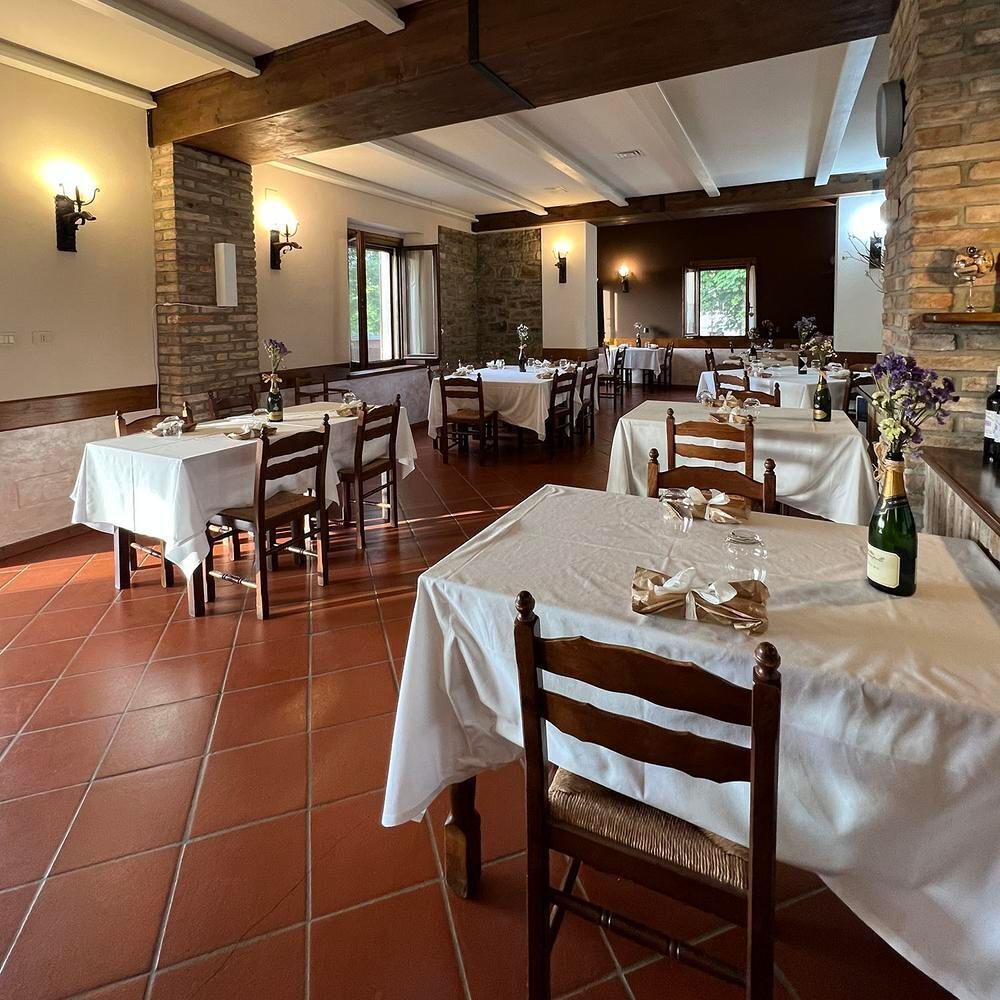
- 1646
Bib Gourmand • Seafood, Classic Cuisine. Vecchia Marina is renowned in the region (and further afield) for its superb fish and seafood and excellent value for money (the tasting menu priced at under 40 euros is truly extraordinary). Situated just a stone’s throw from the beach, the restaurant has a simple, informal feel, where the full focus is on the flavour of the fresh fish served in traditional dishes such as linguine with langoustine, garlic, olive oil and rosemary, and raw fish featuring the catch of the day. As you can imagine, booking well in advance is highly recommended!
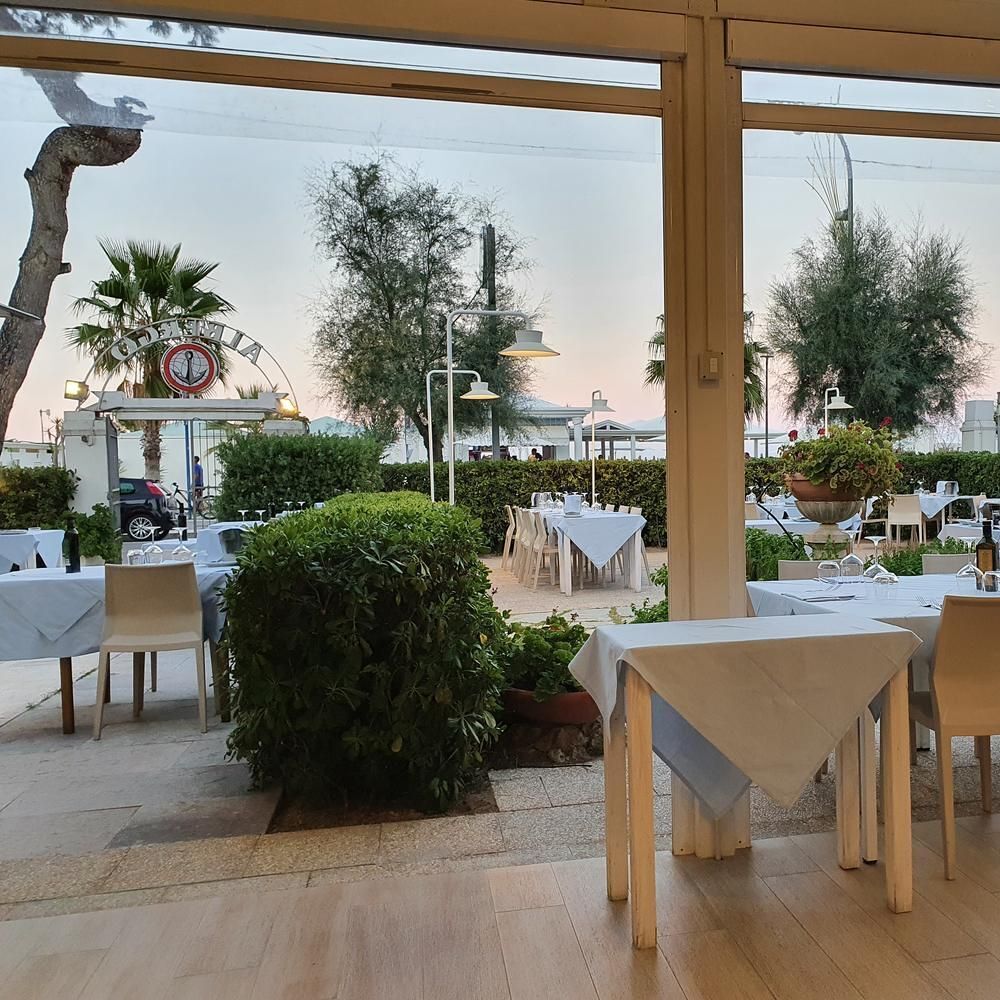
- 1647
Bib Gourmand • Seafood, Contemporary. Although travellers may know Villa San Giovanni for its ferry port to Sicily, fans of gourmet cuisine are familiar with the port as the home of the “Vecchio Porto”, one of the best restaurants in the region and one which boasts spectacular views of the Straits of Messina from its second-floor terrace. The menu features classic dishes including fish cooked on the grill and more imaginative options such as the raw antipasti (snapper flavoured with sea-urchin sauce, lumpfish roe, onion and diced cucumber). The remarkable quality of the fish is a constant theme here.
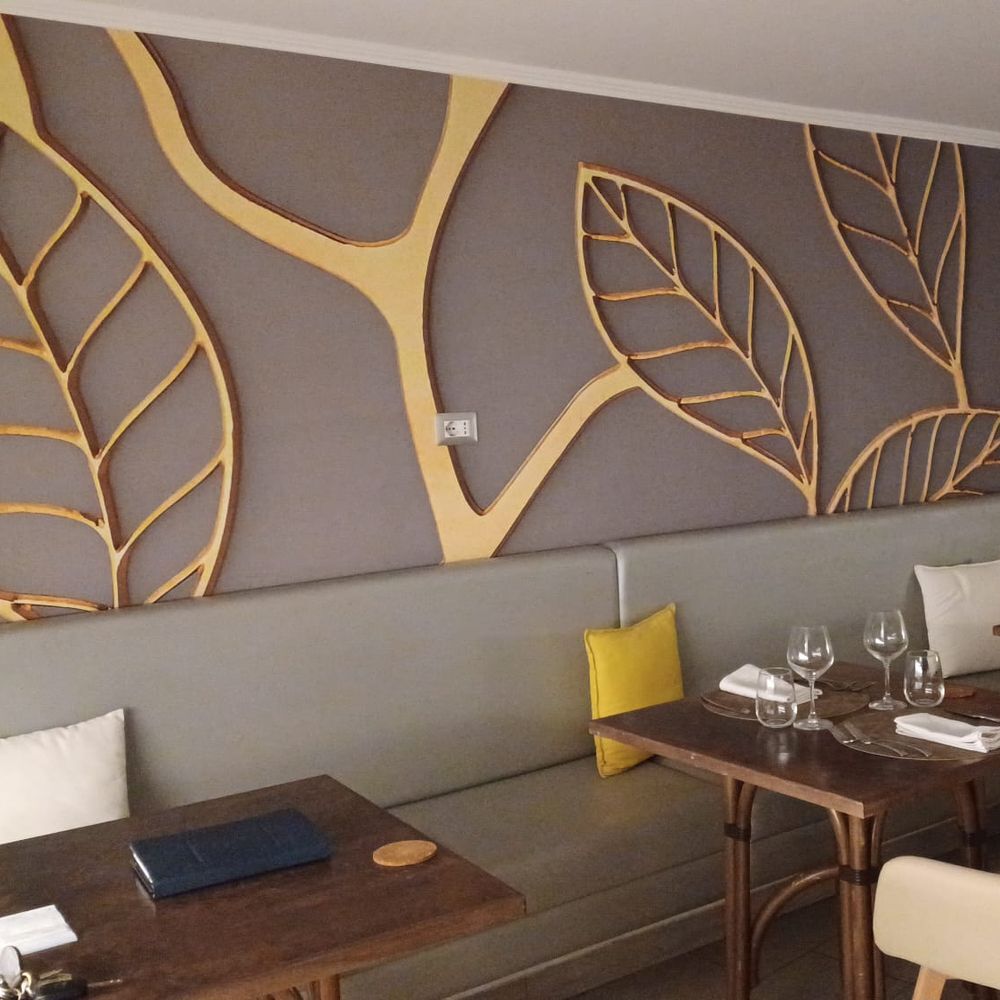
- 1648
Bib Gourmand • Sicilian, Traditional Cuisine. Situated just outside Randazzo, one of the villages with typical lava-stone buildings dotted around Mt Etna, this restaurant serves excellent local cuisine. Recipes featuring mushrooms and meat take pride of place on the menu, from antipasti such as the excellent mixed mushrooms to first courses of mushroom soup and mains that include a highly recommended “asado” (mixed grill) and an unmissable Nero dei Nebrodi capocollo ham.
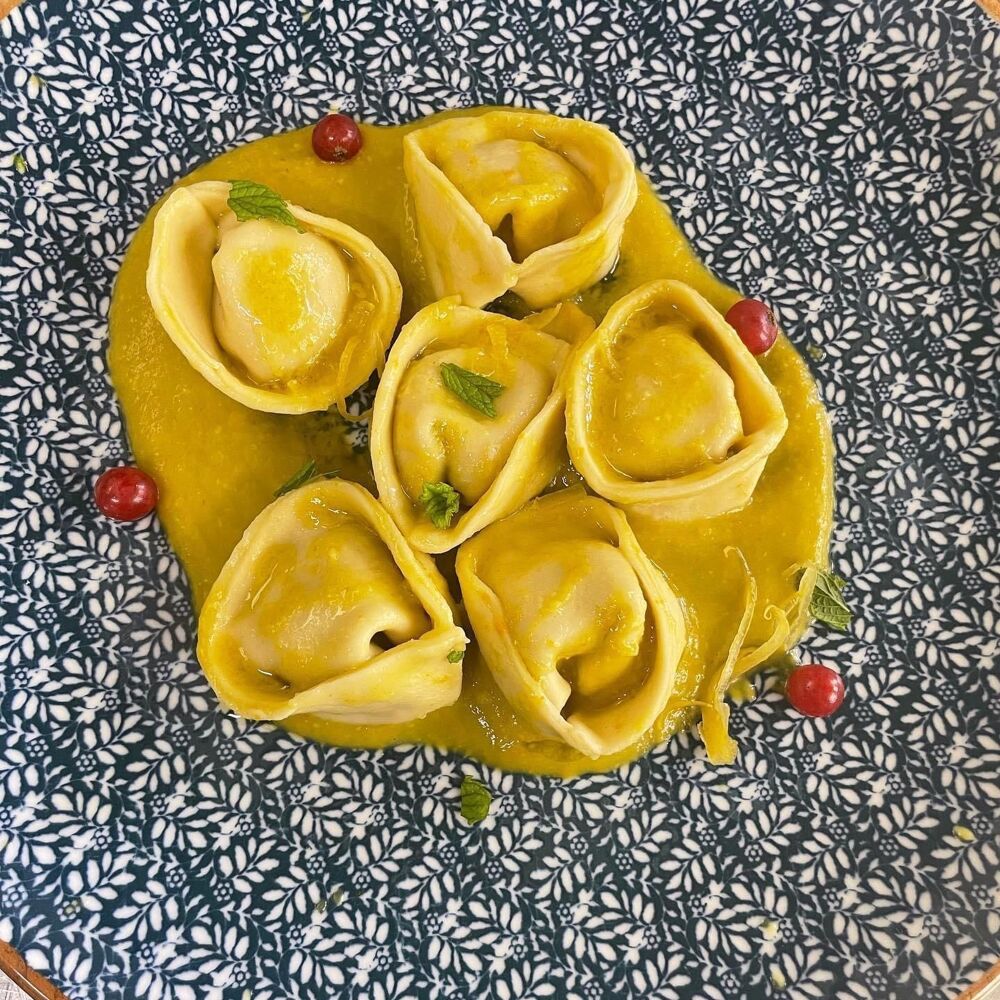
- 1649
Bib Gourmand • Modern Cuisine. Delicious modern cuisine based exclusively on local ingredients, including aromatic herbs from the property’s own small kitchen garden. One of the house specialities is the home-made stuffed pasta – a memory of the happy years that the chef spent in Bologna. Each dish is prepared with painstaking detail, resulting in decisive yet carefully orchestrated flavours. The restaurant, situated next to the church of San Carlo Borromeo in the village centre, boasts a spacious dining room with a vaulted ceiling and open-view kitchen, plus an outdoor terrace for alfresco dining in fine weather.
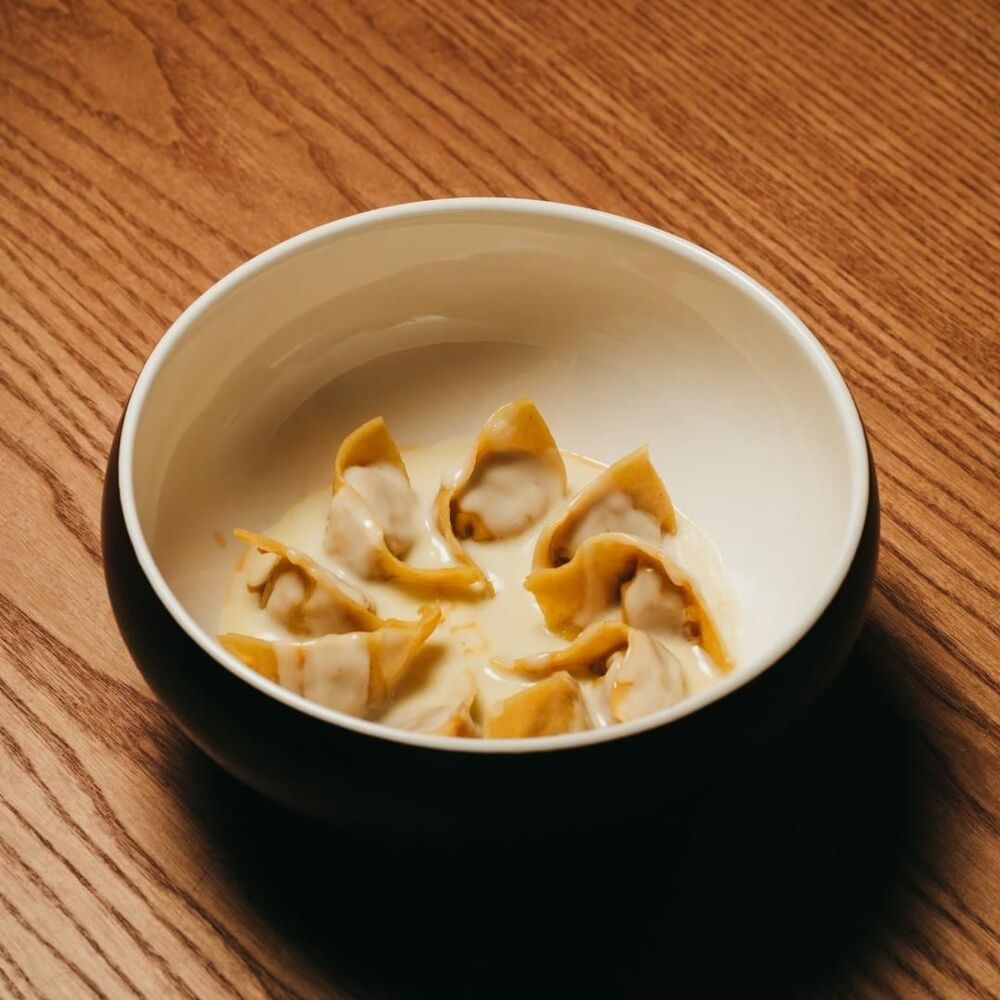
- 1650
Bib Gourmand • Piedmontese, Traditional Cuisine. At this family restaurant, the daughter is now at the helm in the kitchen, having taken over from her grandmother a few years ago, while her parents oversee the dining room where the rather old-fashioned 1960s decor is brightened by their attentive service. The menu continues to focus on traditional Piedmontese dishes (especially from Monferrato) cooked in a simple, almost homely style, including specialities such as veal with a tuna sauce (usually known as vitello tonnato), agnolotti monferrini (a type of ravioli), tajarin with porcini mushrooms, finanziera stew, and torroncino parfait. The wine list has the same regional focus as the menu.
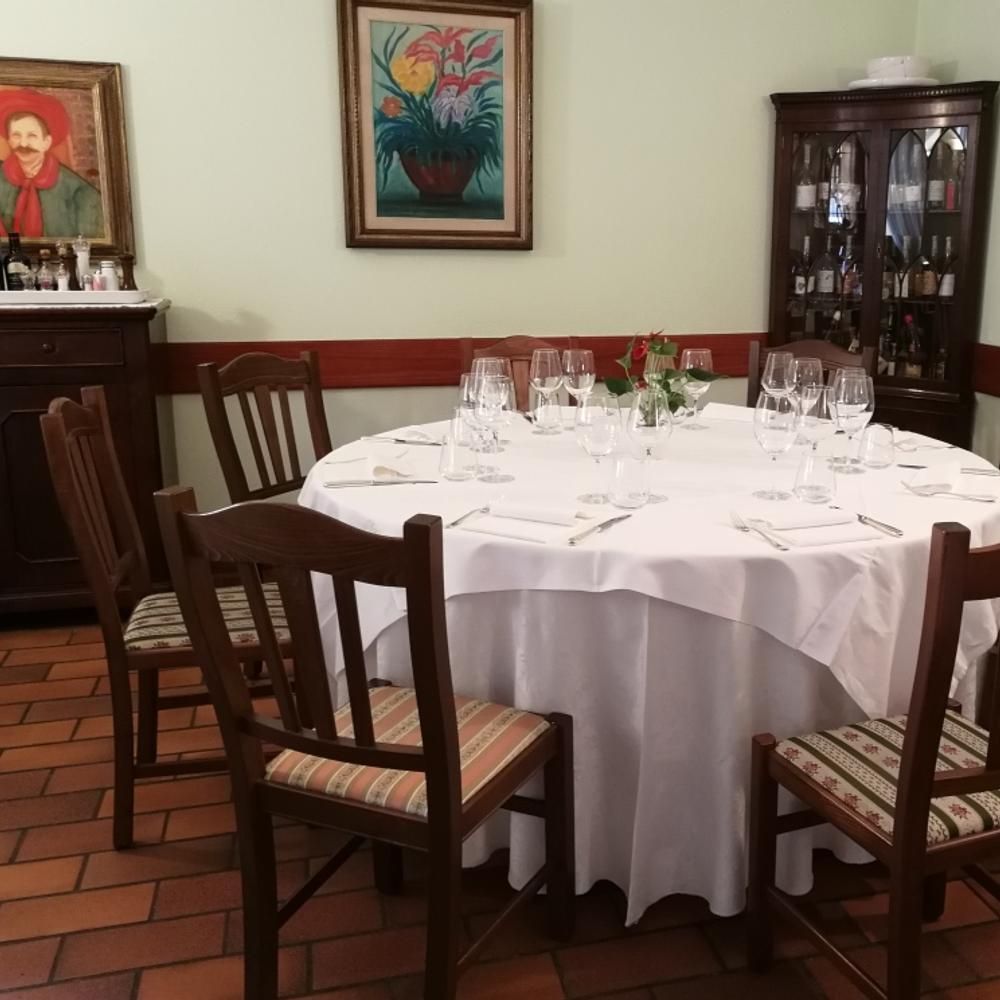
- 1651
Bib Gourmand • Regional Cuisine, Traditional Cuisine. This restaurant is a Bolzano institution. It is a typical inn whose origins are lost in the mists of time, and is still furnished in traditional Biedermeier - style. The menu focuses on regional cuisine, with an occasional hint of the Mediterranean.

- 1652
Bib Gourmand • Farm to table, Traditional Cuisine. In the San Niccolò district, in the heart of Oltrarno, there is a decidedly unusual restaurant. You won't find yourself occupying the usual kind of seating here, as most guests dine on tall stools at a long counter, rather like in a sushi bar. The atmosphere evokes the Far East but the recipes here are typically Tuscan: simple, well-executed dishes, listed on a blackboard that changes with the seasons and according to the chef's inspiration. The menu ranges from oven-baked courgettes stuffed with meat to pici pasta with ricotta and fresh tomato pesto, from “ribollita” to “peposo”, and stuffed guinea fowl; to finish, an apple cake with almonds, pine nuts and cinnamon. Practical note: the restaurant does not take reservations at lunchtime.
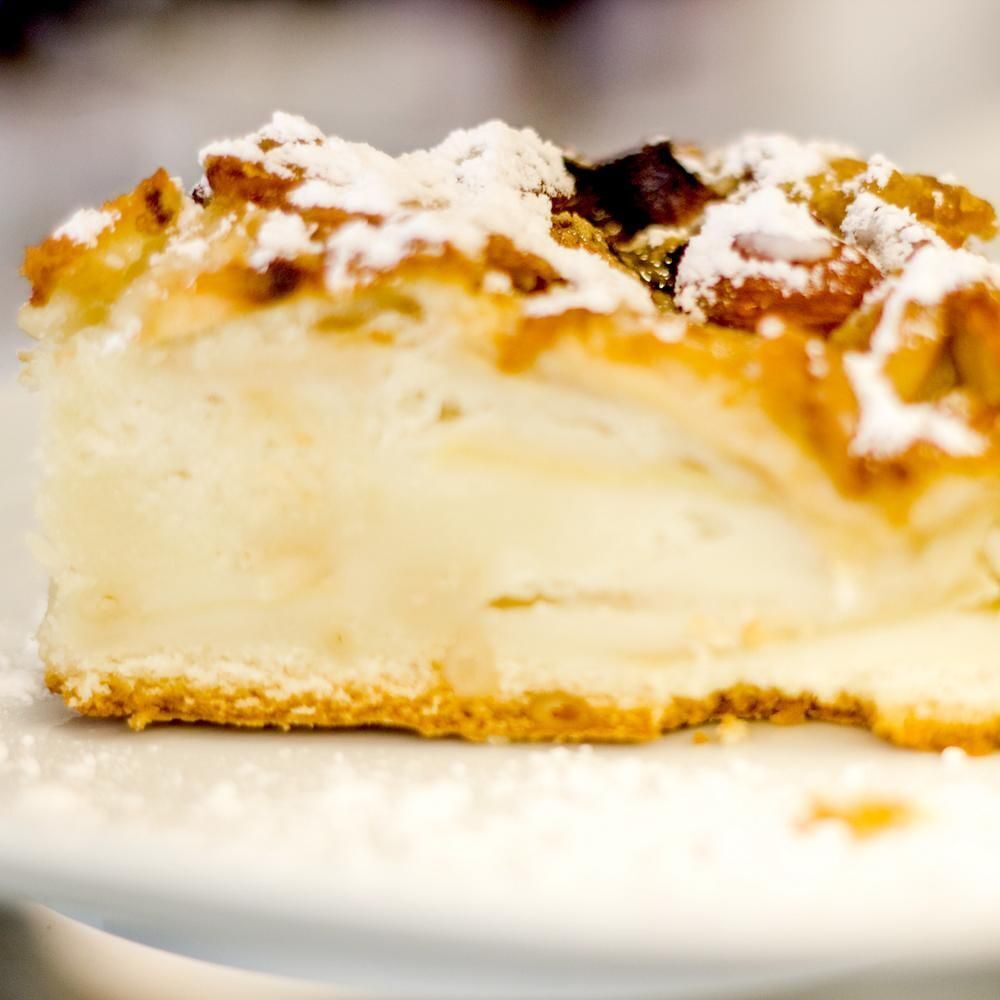
- 1653
Bib Gourmand • French. A house that would not seem out of place in the French countryside. The white-walled interior is furnished with antiques, swaddled in rustic warmth. The chef polished his culinary skills in the south of France. Dishes are prepared in time-honoured ways and plated simply. Great skill with flame control is seen with the meat preparations, while sauces make lavish use of butter and wine. Enjoy French cuisine prepared the traditional way.
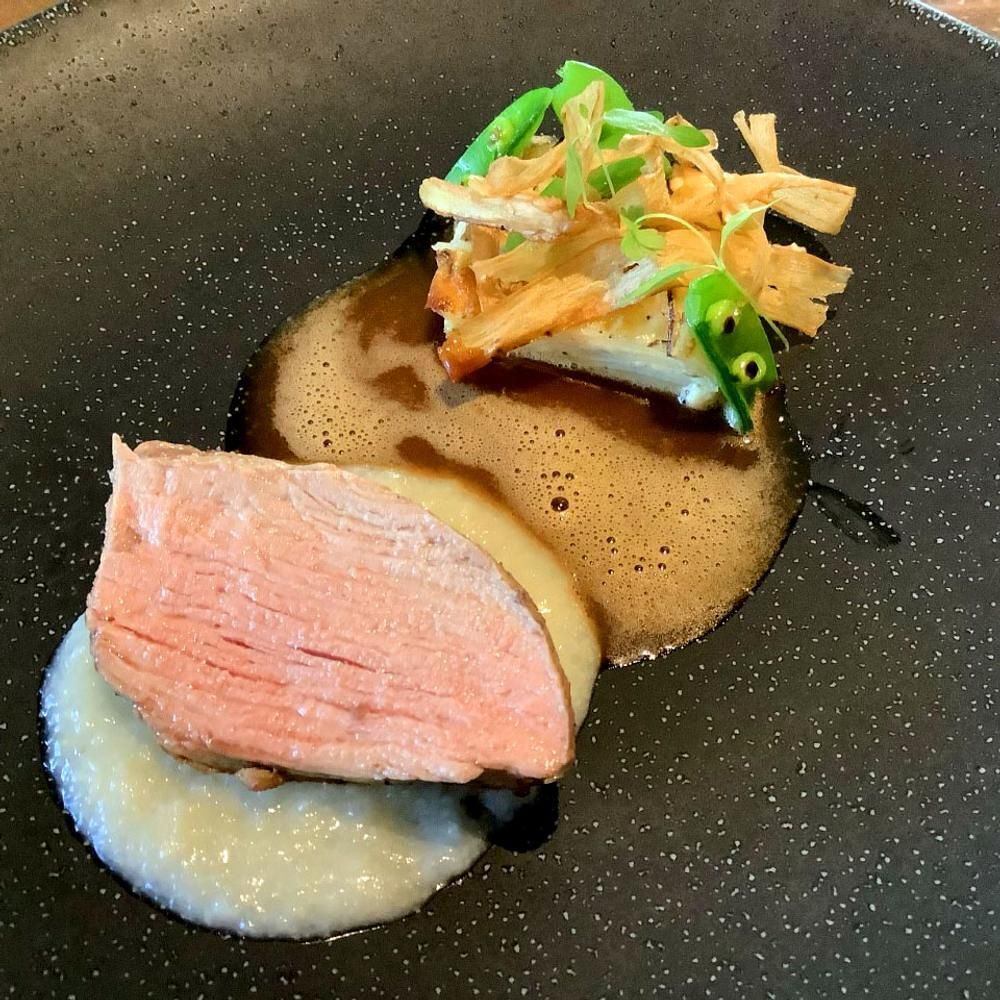
- 1654
Bib Gourmand • Sushi. The chef uses two types of vinegared rice: red-vinegared rice for tuna and blue-backed fish, and white-vinegared rice for shrimp and white-fleshed fish. The red vinegar is a style popular in the Kanto region, while the ‘white’ vinegar (rice vinegar with sugar) is a Kansai speciality with strong roots in oshizushi. The combination of red and white, east and west, creates a dialogue between variations, respecting the spirit of each. Aka to Shiro also means ‘red and white’.
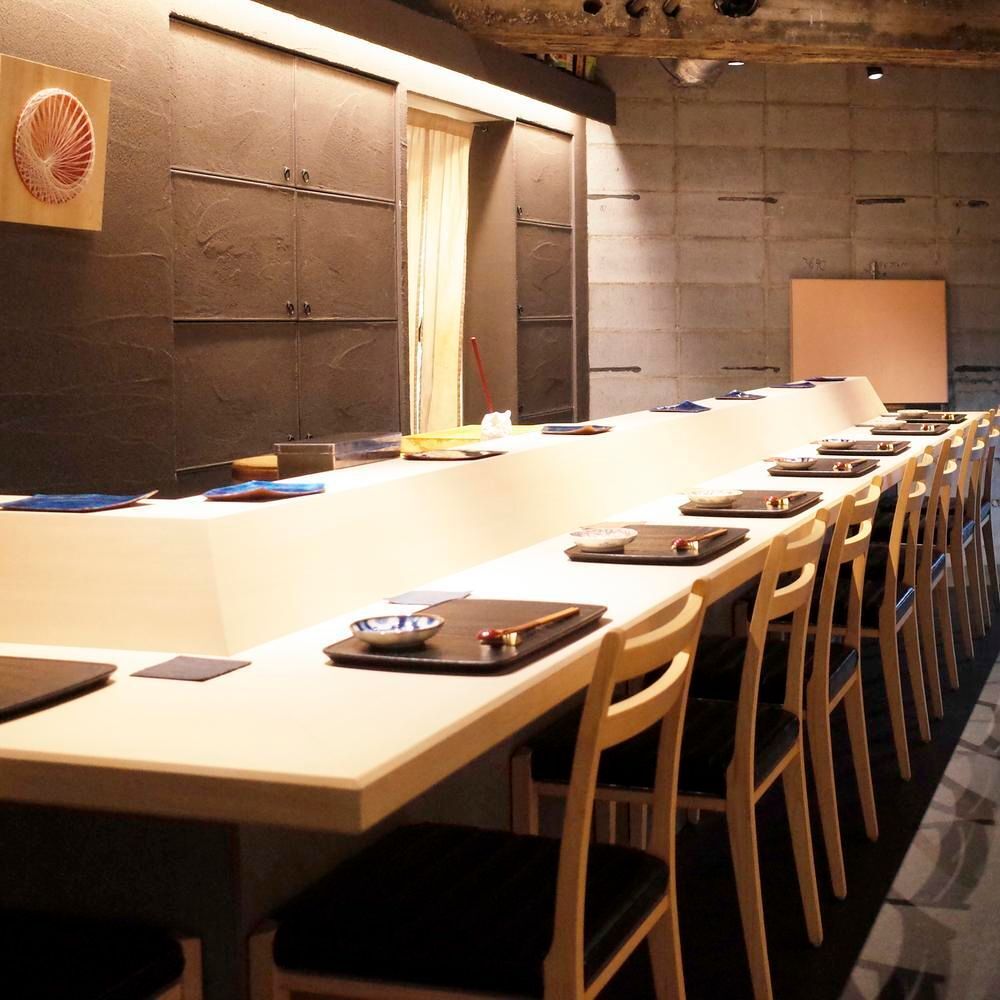
- 1655
Bib Gourmand • Italian. Italy and Japan have much in common: a geography elongated north to south, for example, and a balance of four seasons. The features of both countries inform the menu of AlCeppo. From his experience touring the length and breadth of Italy, the chef expresses the local cuisine of each region through seasonal ingredients. From spring to summer, the fare of southern Italy is offered, typically focusing on fish and vegetables dressed in olive oil. From autumn to winter, northern cooking, such as mushrooms and stewed game, becomes the focus. A joy to visit in every season.
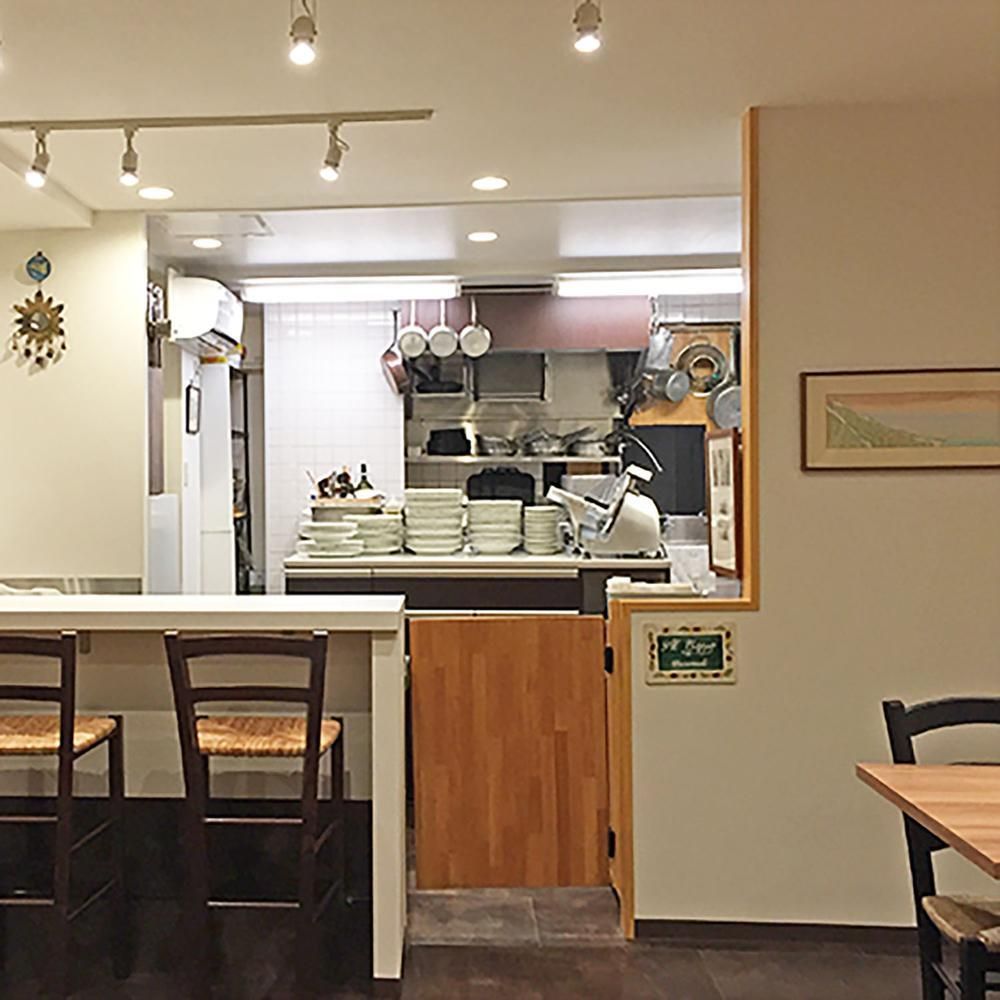
- 1656
Bib Gourmand • Udon. This distinctive udon is prepared using the techniques of handmade soba, which the chef mastered before switching to udon. Unpolished wheat is ground on a millstone. The experience of the soba craftsman lives in the principle of ‘freshly ground, freshly rolled, freshly boiled’. We recommend the Arabiki Zaru Udon (coarse-ground udon served on a wicker basket). Salt and wasabi accompany the dish, and the meal ends with udon water (not soba water, as is the practice elsewhere). Alcoholic drinks and snacks are selected to befit an udon meal. The chef’s discovery of wheat changed his life; the paths of both soba and udon are long and narrow.
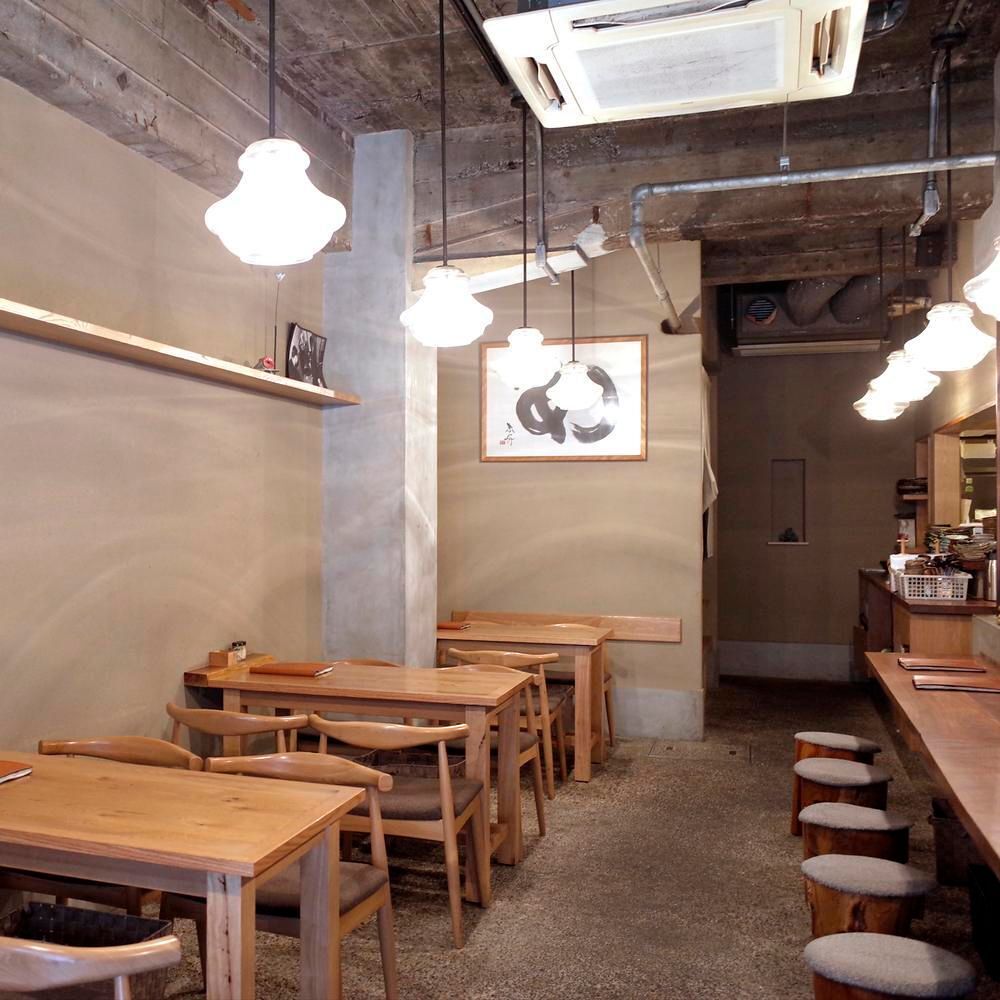
- 1657
Bib Gourmand • Spanish. This restaurant specialises in Spanish rice cuisine. Sample rice dishes from every region of Spain: paella, said to be from Valencia; clams and rice cooked in a clay pot, from Basque Country; and caldero, rice simmered in an iron pot, from Mar Menor. Gathering around a table and sharing the same pot captures the joy of Spanish food culture. The range of appetisers, including dry-cured ham and tapas, is impressive. ‘Panza’ means ‘pot belly’, and you’re sure to leave satisfied in both stomach and soul.
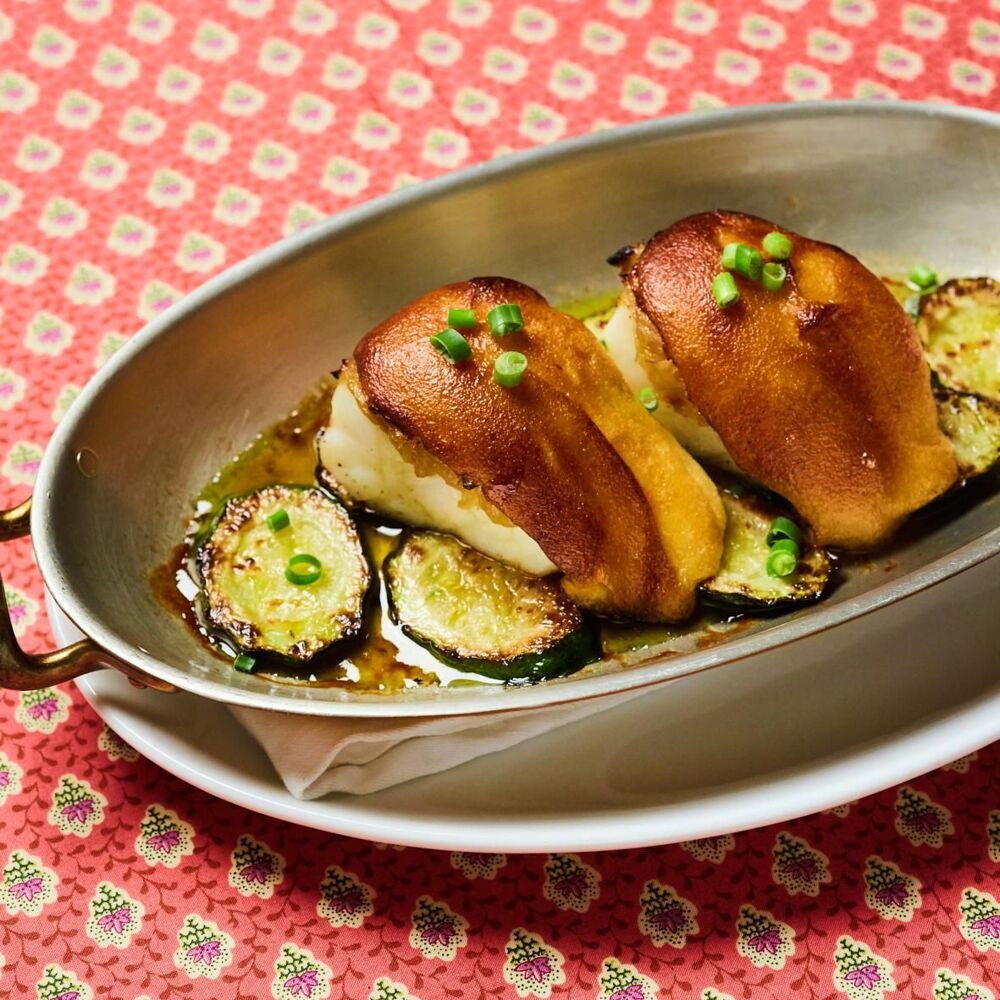
- 1658
Bib Gourmand • Spanish. Folk songs play in the background of the exotic interior as dishes are ordered in Spanish all around you. An arroceron is a restaurant specialising in rice dishes. In addition to the familiar ‘paella’, here you’ll find ‘meloso’, a dish similar to risotto; ‘caldoso’, a dish of rice in broth; and a great variety of other offerings. Rice, the must-have ingredient for every dish, is a carefully selected, Japan-grown brand. Foods of Japan and Spain, brought together by rice.
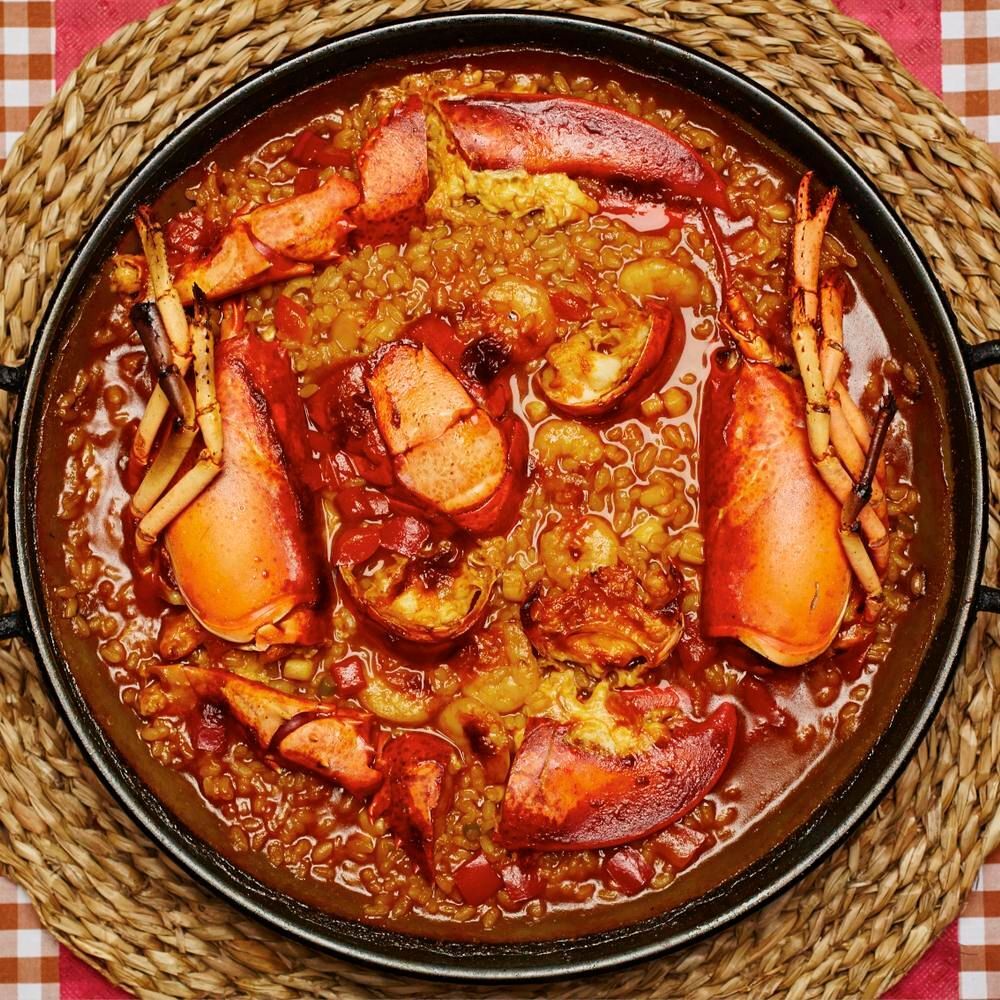
- 1659
Bib Gourmand • Soba. Asakusa Hirayama hangs out its shop curtain near Kappabashi; the calligraphy is done by the chef’s grandmother, a calligraphy teacher, expressing her joy in her grandson becoming an independent restaurateur. The counter seating harks back to his background as a kappo cook and his cheerful demeanour makes guests feel welcome. Soba is preceded by standards like jellied broth of conger eel or stew of duck breast. Tempura items are deep-fried one by one, as good as you’d find in a tempura specialty shop. The 100% buckwheat soba noodles, prepared with homemade flour made with unpolished buckwheat, are richly flavoursome.

- 1660
Bib Gourmand • French. White is the keynote colour of the antiques-accented interior. The restaurant is decorated with sundries collected at flea markets, while a pendant light wreathes the establishment in its warm glow. The chef prepares traditional cuisine, arrangements stripped to the essentials so the flavours of the ingredients themselves shine clearly. Enamoured of Bincho charcoal, the chef even bakes his bread with it. The name of the restaurant means ‘white asparagus’—no need to ask what their spring speciality is…

- 1661
Bib Gourmand • French. The French tricolour flies over the district of Yuhigaoka. ‘Au soleil couchant’ means ‘at the setting sun’, a homage to this couple’s apprenticeship in Lyon and to Yuhigaoka, which means ‘hill of the setting sun’. The chef as culinary artisan commands the kitchen, while his pâtissière wife serves customers. As in any good bistro, portions are generous. Pleasingly, vegetables are used in abundance. Respect for tradition and true French spirit permeate the establishment.
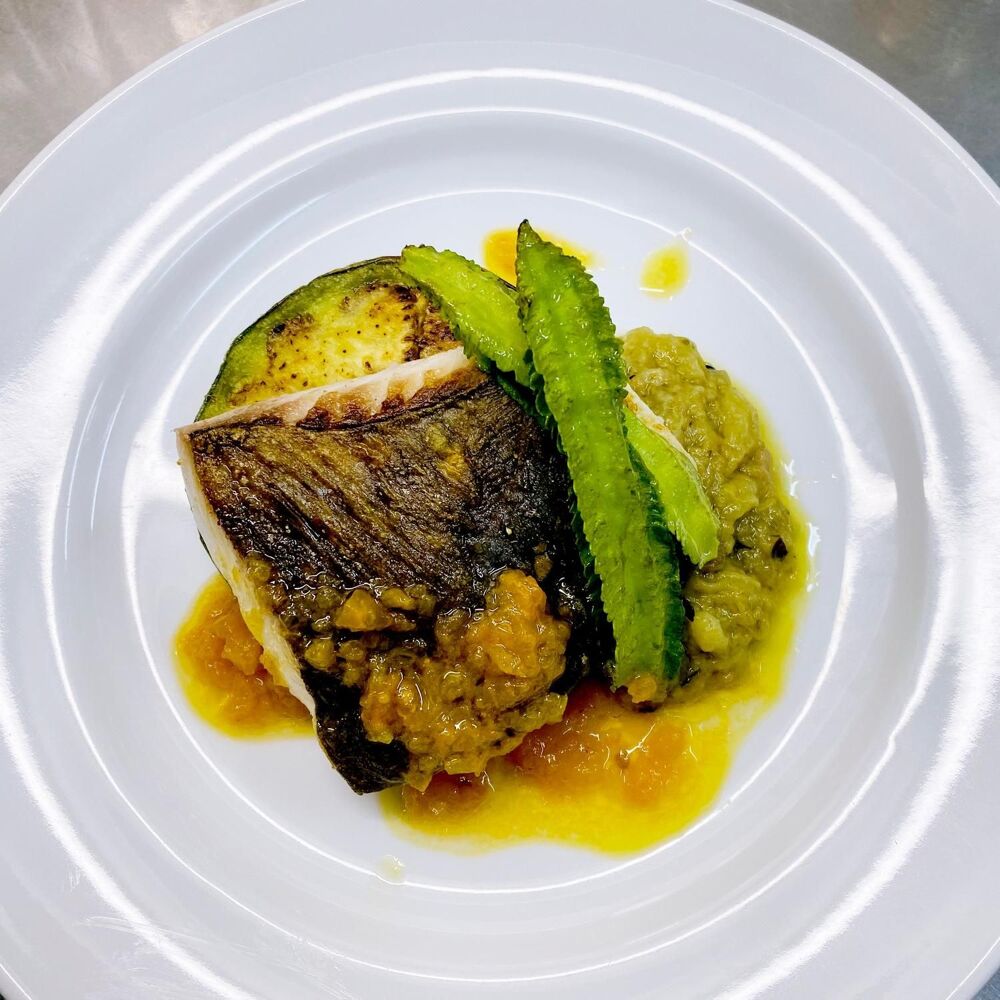
- 1662
Bib Gourmand • Italian. Guests gather around one large table and the kitchen and dining room meld into one as the sounds and aromas of cooking drift on the air. The menu features hometown cooking with touches of originality. Veal in tuna sauce is enlivened with saffron; gorgonzola and green peppers are added to pasta with tomato sauce. Mains such as beef and pork are grilled simply over charcoal.
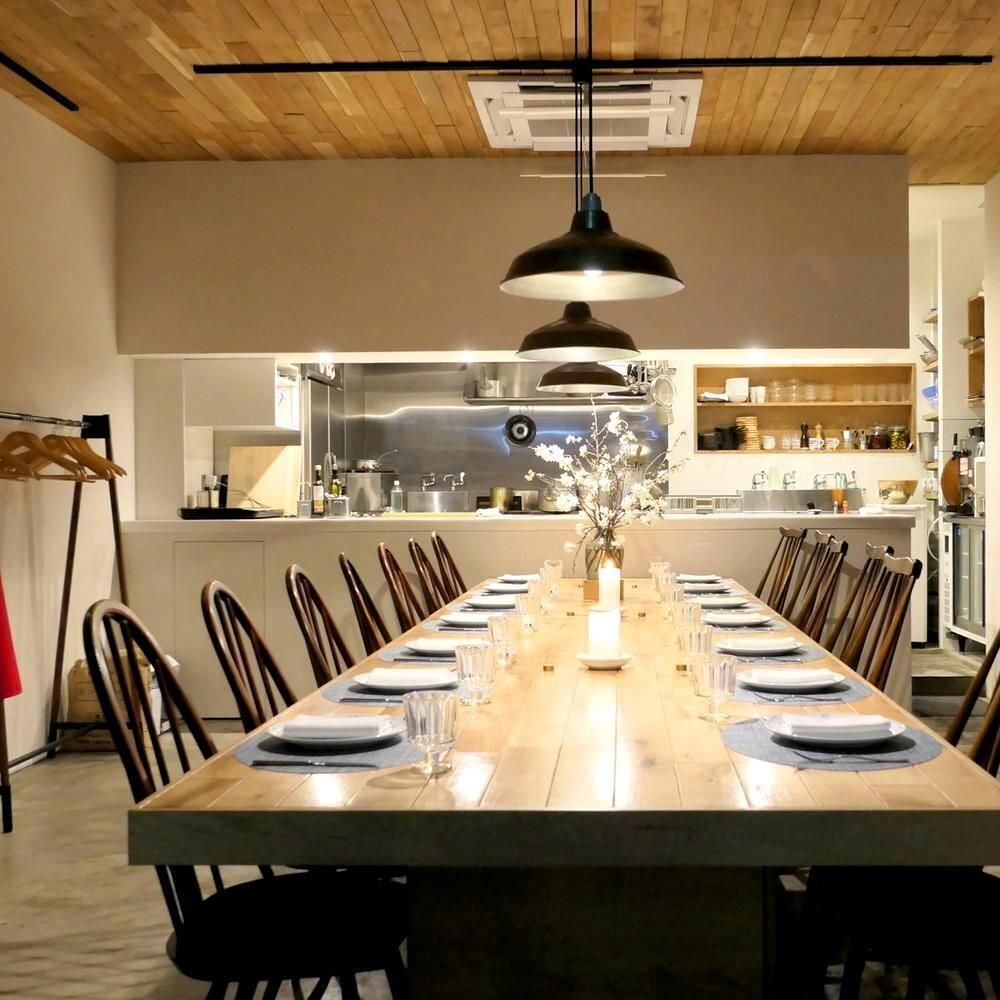
- 1663
Bib Gourmand • Soba. The building used to be a merchant house and now sports a Showa-era vibe. Side dishes such as tofu preserved in miso, buckwheat dumplings and bowls of duck meat fill the menu to accompany drinks. Not a few guests can be seen tipping a cup or two from noon onwards in the retro atmosphere. The soba noodles are generously piled high like a mountain on a wicker draining basket, dazzling the eyes, and each noodle, with its sharp, angular shape, offers a firm yet smooth texture.
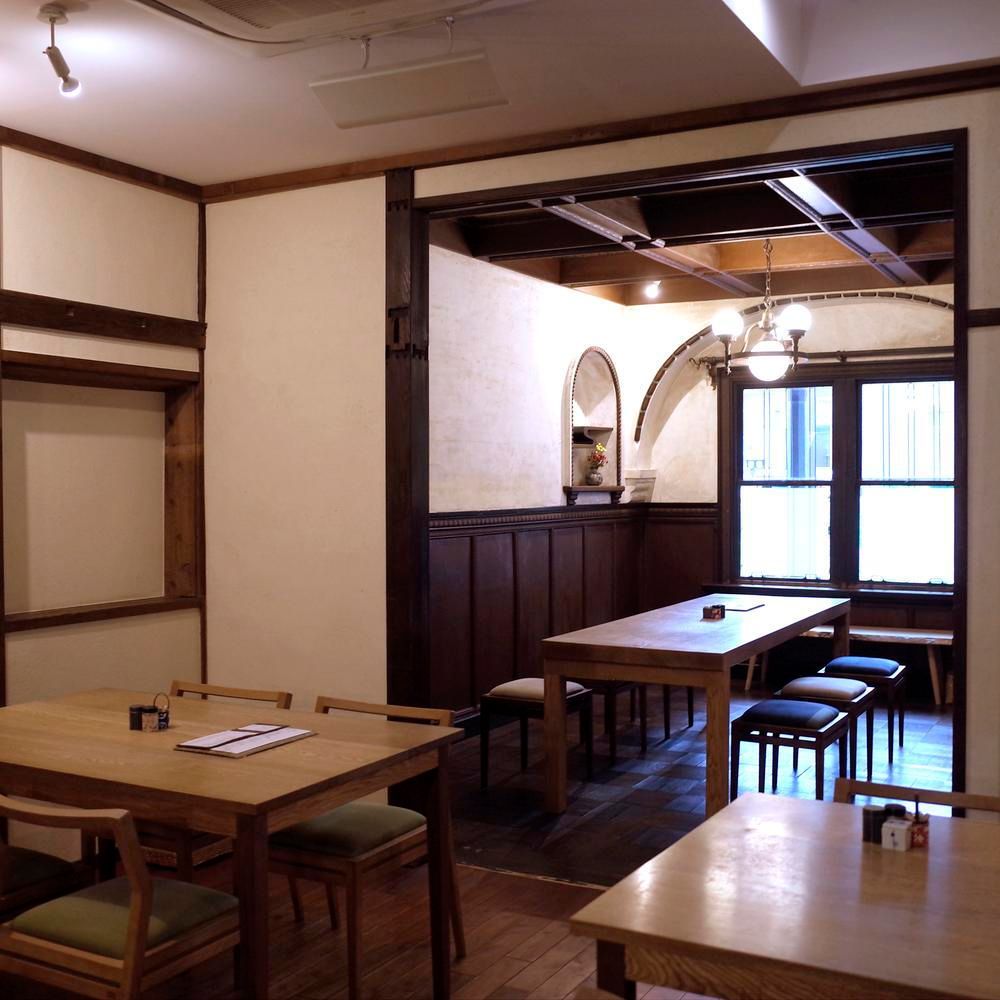
- 1664
Bib Gourmand • Yakitori. The shop opened its doors a quarter century ago and is as popular as ever. Father and son tend the charcoal brazier, taking the tiller together. Two breeds of free-range chicken, each suited for different cuts, are grilled over kishu-binchotan charcoal. Skewers are served one at a time on antique dishes, combining respect for yakitori with the gracious service for which Ayamuya is renowned. Omakase meals don’t include any veggie skewers, so diners can appreciate the full flavour of the chicken.
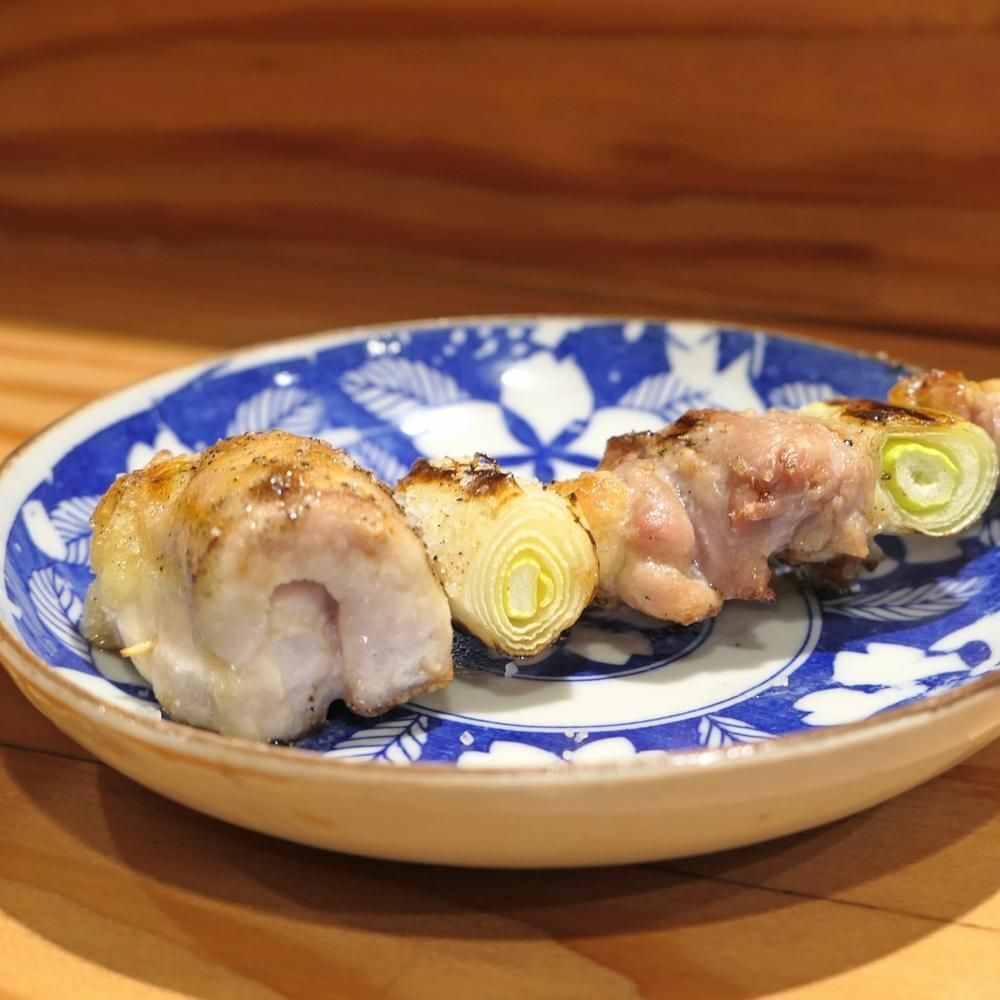
- 1665
Bib Gourmand • Chinese. Billing itself as a ‘Chinese bistro’, Az serves Chinese fare with wine from an assortment of countries. The menu is resplendent with local colour. If stir-fry of wagyu beef is for you, you can choose your sauce from among Guangdong-style oyster sauce, Sichuan-style yúxiāng and Beijing-style miso. Pairing sweet, sour and spicy flavours with a suitable wine provides an added dimension of fun. At lunch, under the name Bifun Azuma, the restaurant serves fried rice vermicelli (‘bifun’ in Japanese) and Chinese zongzi.

- 1666
Bib Gourmand • Izakaya. ‘Benikurage’ refers to the immortal jellyfish, a creature whose cells rejuvenate so it never grows old or dies. The chef, a lover of both marine life and sake, chose the name in hopes for long-term success of his shop. Painstakingly selected sakes from throughout Japan enhance the restaurant’s appeal. To keep the sake flowing, sashimi is served with soy sauce; clear soup with the dense flavour of kombu kelp. With the kimono-clad proprietress radiating calm beside the chef, the restaurant exudes the intimacy of a small eatery.
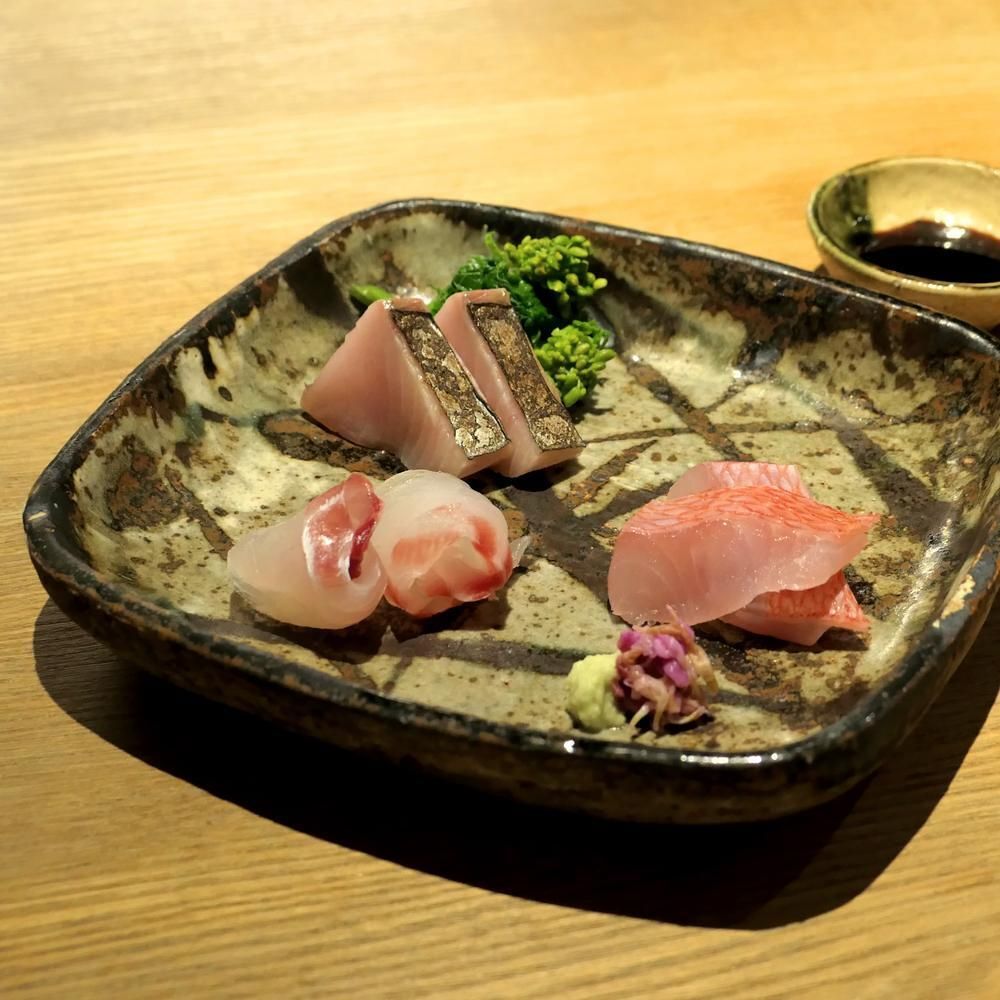
- 1667
Bib Gourmand • Indian. Once served in royal courts, biryani later became a beloved dish among the public. This rice dish, cooked with spices and various ingredients, is the restaurant’s sole offering—made with either mutton or chicken. The basmati rice is richly fragrant, with distinct, separate grains. Oil is used sparingly, to bring the umami of the ingredients and the flavours of the spices to the fore. Meal preparation is carefully timed so the biryani finishes cooking just as all guests are seated, ensuring everyone enjoys it in all its fresh-from-the-pot deliciousness. Passion and spirit imbue every dish.

- 1668
Bib Gourmand • French. French ballads warble through a retro interior, recalling the good old days. Regional cuisines such as quenelles from Lyon and cassoulet from Languedoc spill across the menu. Old-school recipes, like white asparagus with Hollandaise sauce in spring and salmis of roast mallard, bring comfort to the soul. Respect for sauces testifies to the commitment to the essence of French cooking.
- 1669
Bib Gourmand • French. From down a back alley in Ikejiri, light beckons from a counter bistro. Draw closer and a crowded blackboard lists such a range of items, from French regional cuisine to Western-influenced dishes like hamburger steaks and croquettes, that you’ll hardly be able to choose. The menu doesn’t change, to keep quality consistent and high. ‘Glouton’ refers to someone who enjoys their food whole-heartedly. Every item here will tickle your fancy, and once you’ve sampled the food here, you’ll want to return.
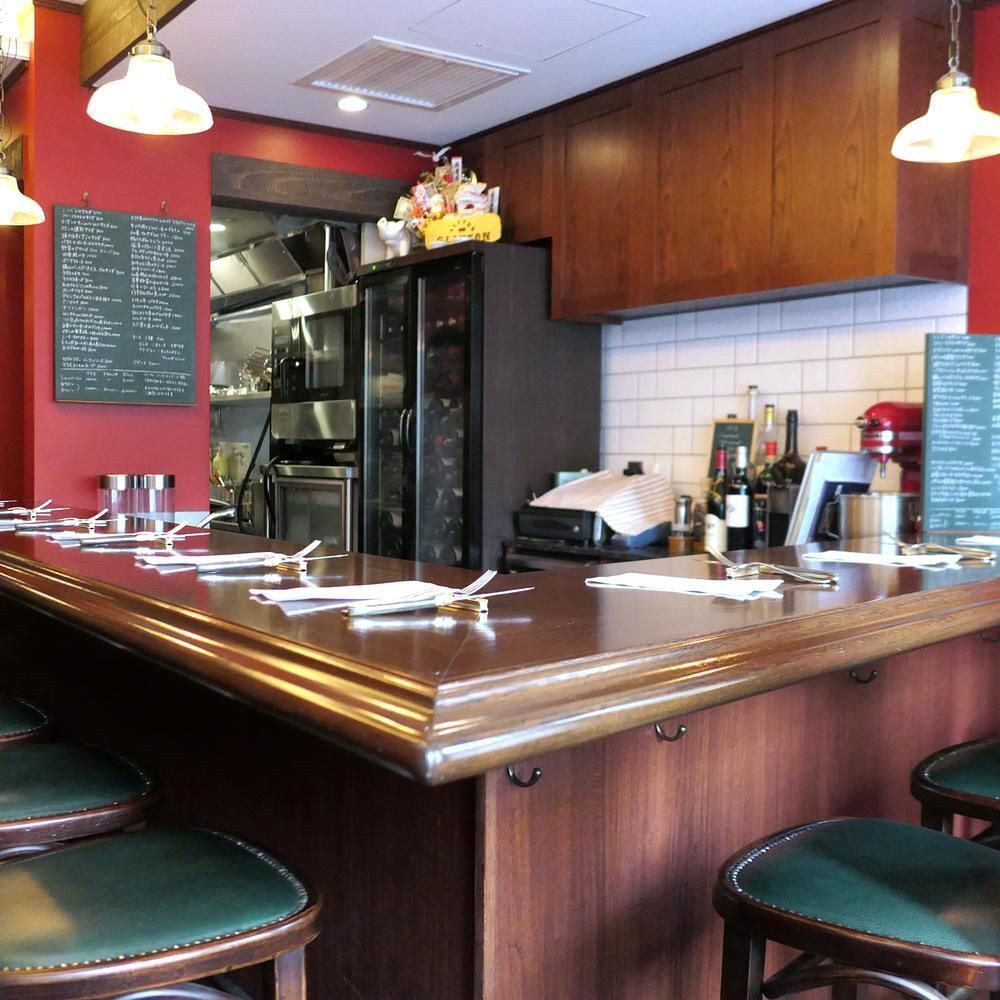
- 1670
Bib Gourmand • French. A bistro by a chef who apprenticed in Alsace. For appetisers, he showcases his skills with choucroute of salt-pickled fermented cabbage, confit of foie gras and charcuterie of ham and sausages. His main dishes are prepared with no less care: items such as beef simmered in red wine and pâté grilled in a pastry shell have their flavours drawn out over time. Hearty portions ensure a full stomach.
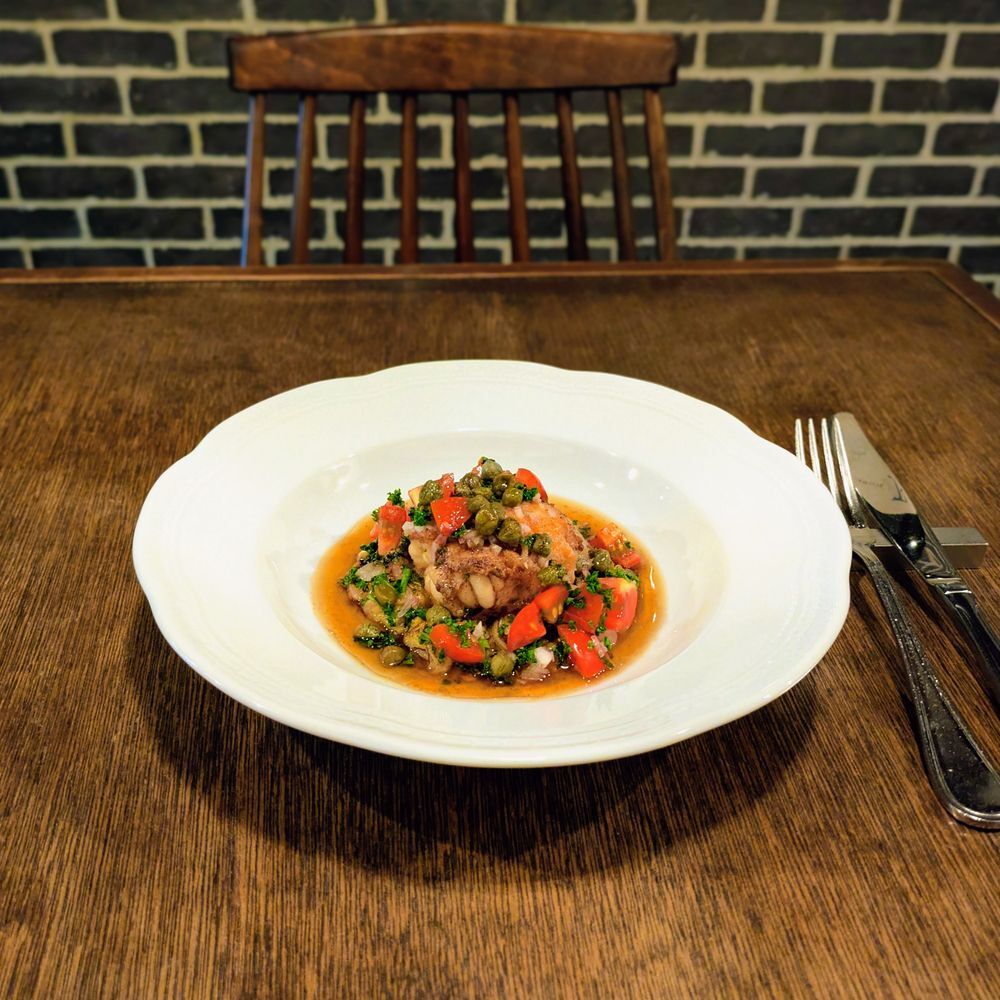
- 1671
Bib Gourmand • French. The stylish, retro interior of this bistro is decorated with pop posters from France. The name can mean ‘nine’ or ‘new’ – because the chef hopes guests will visit this nine-tsubo (30 sqm) space feeling fresh and new each time. Standards include oeufs mayonnaise, pâté de campagne and beef cheek stewed in red wine. The chef’s experience in Italian cuisine brings pasta to the table as well. Portions are generous, the better to enjoy sharing.
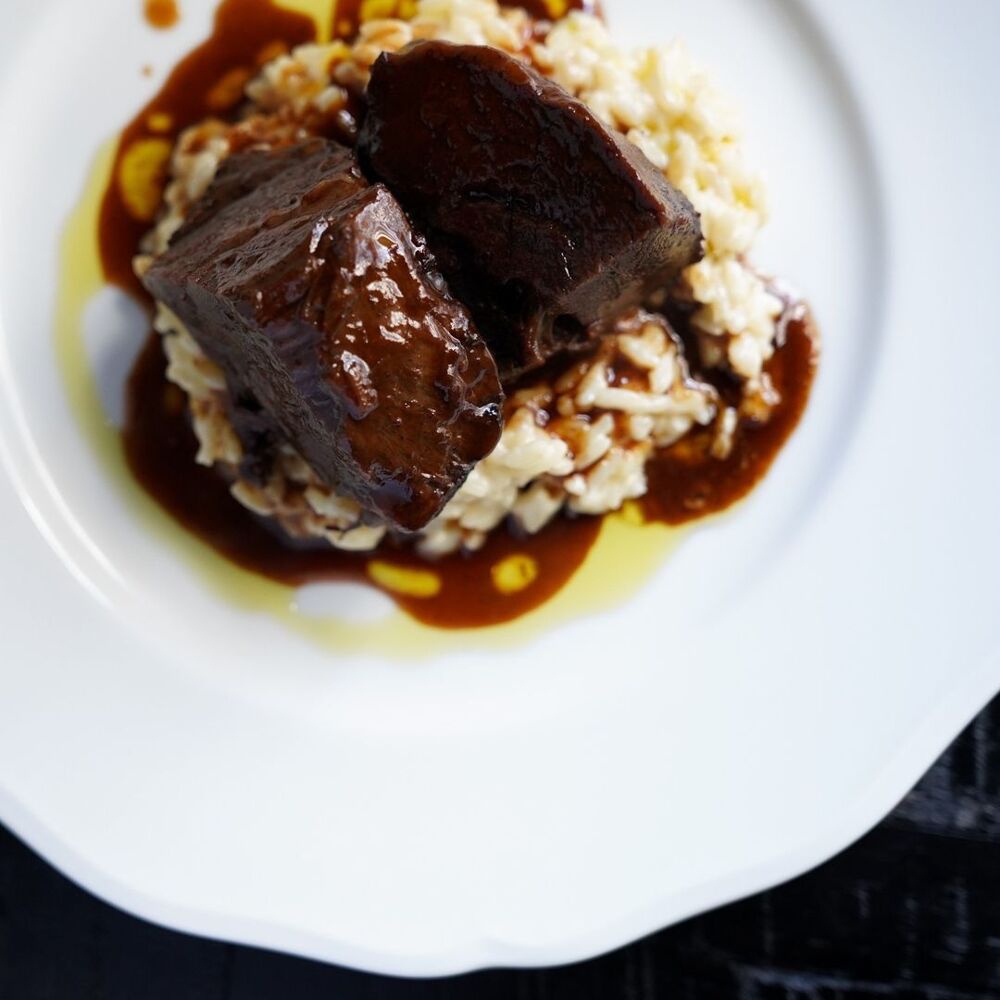
- 1672
Bib Gourmand • French. A bistro run by a sommelier and chef. Keen to impart a sense of everyday life in France, the partners focus on charcuterie and hometown cooking. Populating the menu are delights such as cassoulet, quenelle and beef cheek simmered in wine. Respecting the classics, dishes baked in pie pastry are also included. In keeping with the regional tenor of the bistro, wines of every region are here for the asking; pair them with dishes of the same region for the consummate mariage.
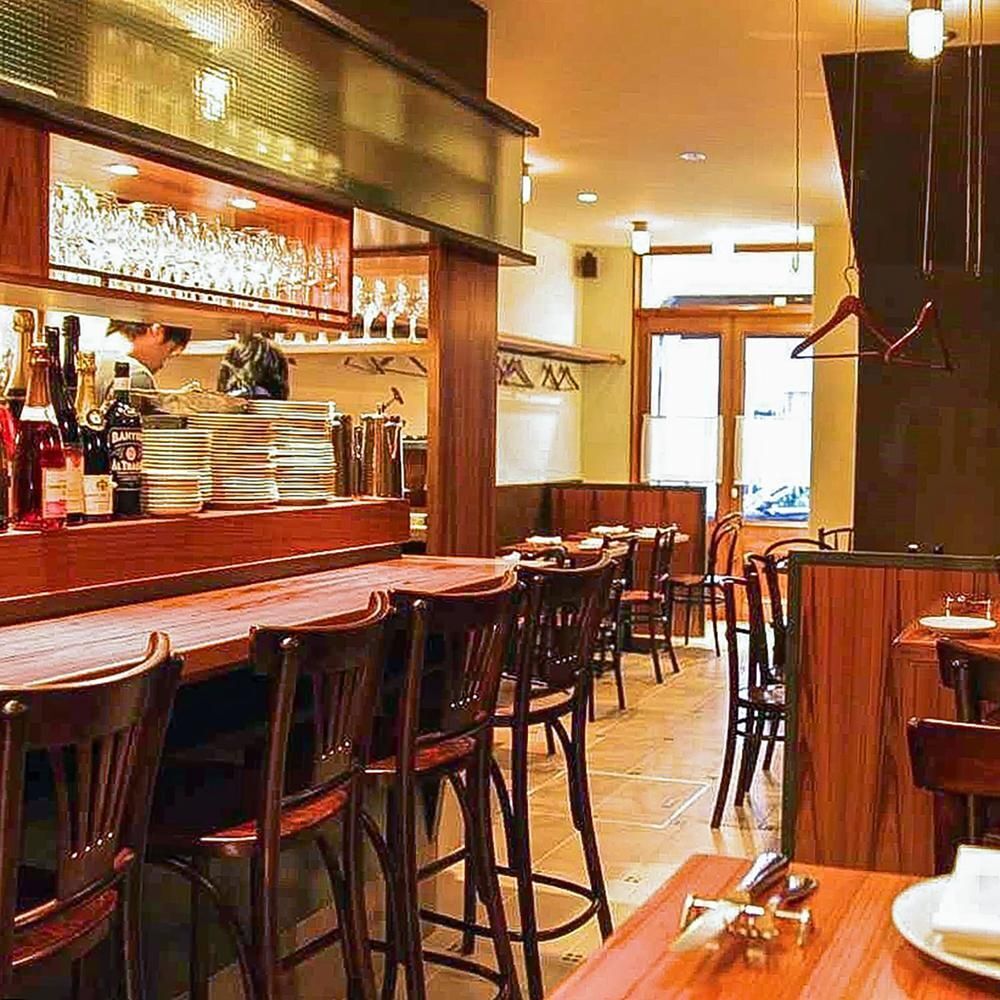
- 1673
Bib Gourmand • Italian. The quirky name, ‘mouth of wine’, reflects the chef’s fond memories of Italy, where jugs of wine graced every dinner table. The chef studied in the southern Italy, so recipes are simple, prepared with lashings of tomatoes and olive oil. Seafood features prominently in appetisers, meat and poultry in main dishes, based on the chef’s experiences. Pasta is dressed with the familiar oil, tomatoes and ragu. Comfort food that brings to mind daily life in Italy.

- 1674
Bib Gourmand • Italian. The chef honed his craft in multiple regions of Italy and the menu reflects this. Oven-baked aubergine and tomato, for example, was learned in Sicily in the south, while pasta in beef and pork ragù was acquired from Emilia-Romagna in the north. The menu is mainly à la carte, so that guests can sample his creations freely. Diners can choose long or short pasta according to preference.

- 1675
Bib Gourmand • Chinese. The talents of the Guangdong-trained chef are on full display at this Chinese restaurant, neither ‘royal-court’ Chinese nor hole-in-the-wall eatery. Like Kyoto, Guangdong is blessed with the bounty of sea, mountain and river, and the light seasoning draws out the flavour of the ingredients, working well with the food culture of the ancient capital. The chef wields his woks with consummate skill, drawing out the inherent flavours of each ingredient. The secret to the cuisine’s fragrance and light trailing notes is rice bran oil. Guests are treated to a selection of fresh vegetables in season.
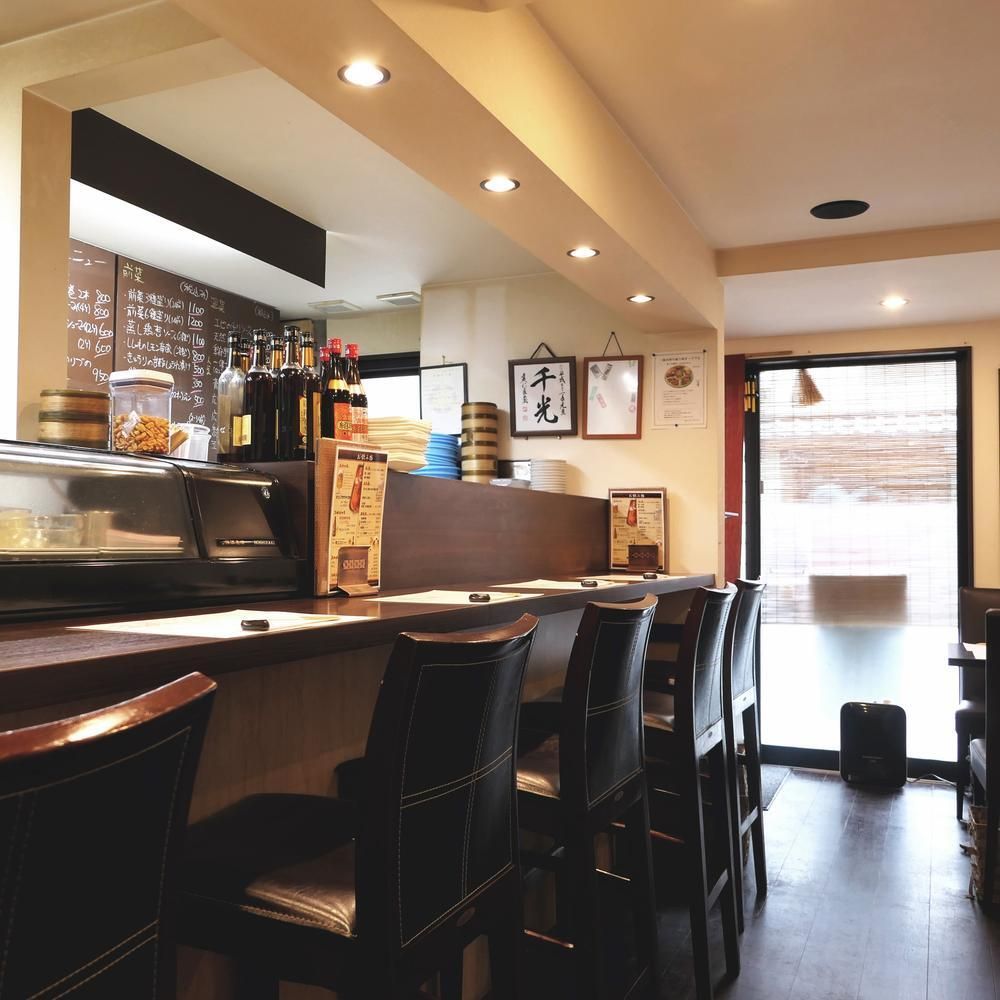
- 1676
Bib Gourmand • Soba. ‘Soba is medicine’, says the signboard. The restaurant feels soba is so crammed with nutrients that they tout it as yakuzen, ‘medicinal cooking’, and hope that it brings good health. When ground with its husk, buckwheat acquires a dark brown cast and mysterious flavour. Don’t pass up the “Atsumori-soba”, soba boiled fresh and served hot from the pot. Soba water is poured under the bamboo steamer to keep the noodles warm. Hot dipping sauce with lashings of chopped Kujo green onion, egg and wasabi is a distinctive touch.
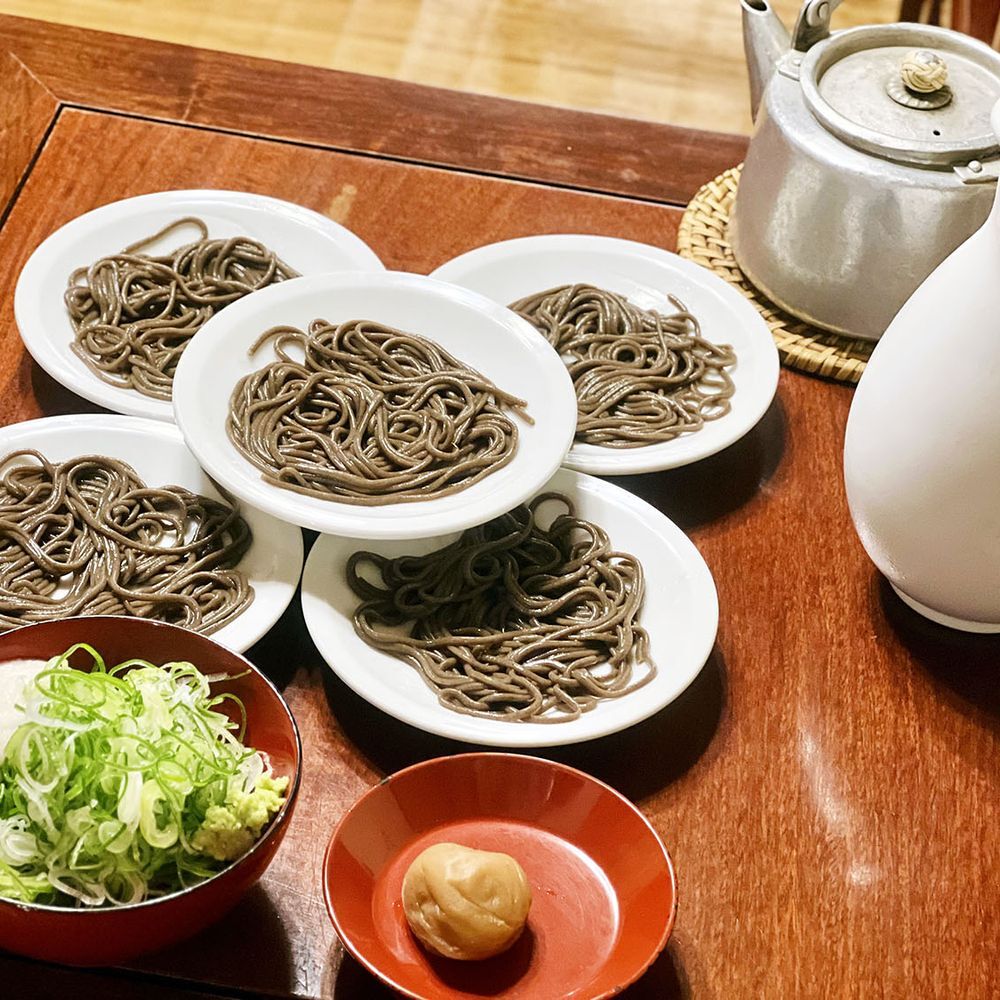
- 1677
Bib Gourmand • Japanese. ‘Kishin’ refers to the ‘joyful mind’ that Zen Buddhism encourages cooks to adopt. The term encapsulates a natural feeling of gratitude to those who eat and an attitude of joy with respect to meals. The menu consists of rice dishes cooked in earthenware bowls and soups; accompaniments include round herring and pickled vegetables. Rice is served a little at a time, starting just before it is fully cooked, so guests can experience the change in flavour as steaming progresses. Taste a true Japanese breakfast of ‘one bowl of rice and one bowl of soup’.
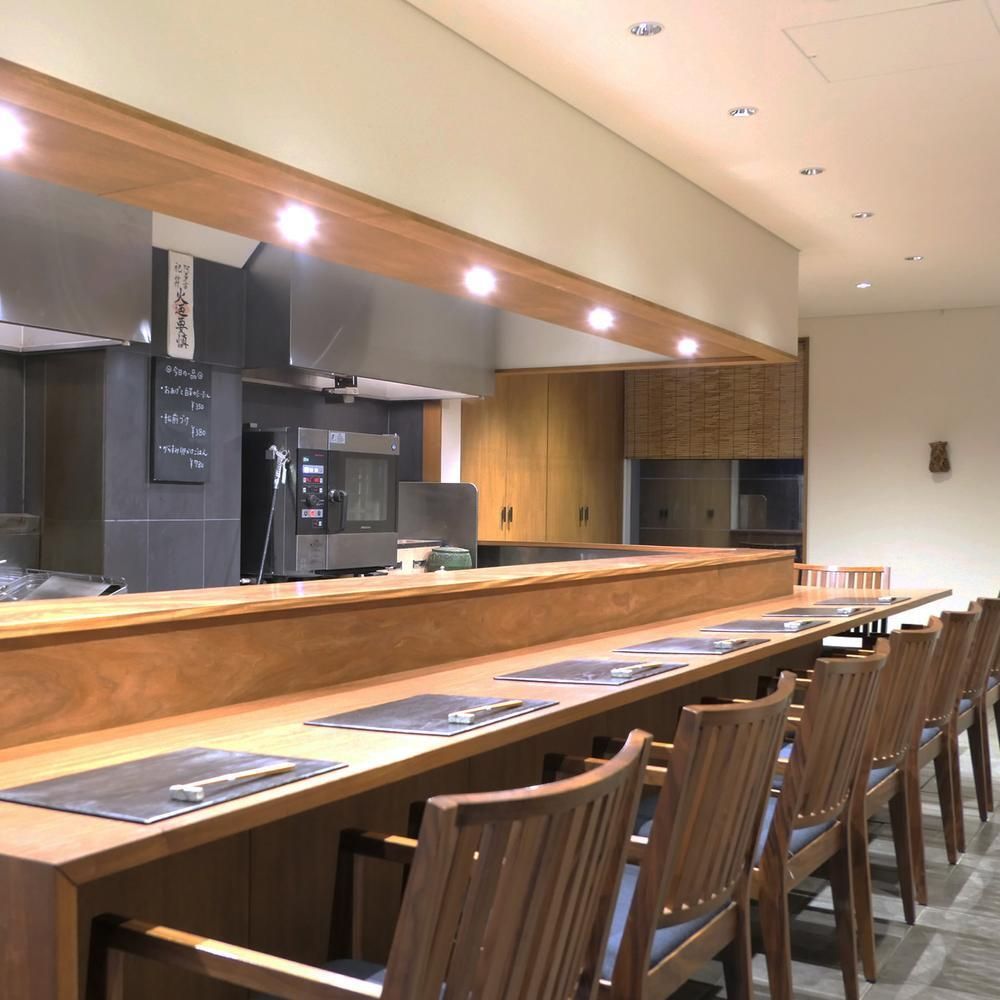
- 1678
Bib Gourmand • Chinese. The talents of a chef trained in Hong Kong and Guangzhou are on display here. Evening guests find a comprehensive assortment of à la carte items, inspired by traditional recipes from various regions of China and reimagined with a modern twist. A popular appetiser is the Sichuan-style mouth-watering chicken. Dim sum items like steamed gyoza and pork shumai showcase the chef’s apprentice days. At noon, the highly regarded light lunch draws daily queues. Prix fixe is available at lunchtime as well, for groups of two or more with reservations.

- 1679
Bib Gourmand • Ramen. Aiming to provide a full-course meal in a bowl, the chef infuses Chinese soba with his experience in French cuisine for a unique touch. Most revolutionary is the absence of sauce. The soup is crafted by extracting flavours as if for a consommé and then perfectly balancing them with the saltiness of cured ham. The wontons are filled with a paste of foie gras and truffles. He combines all the Western ingredients he has mastered over the years into a single bowl.
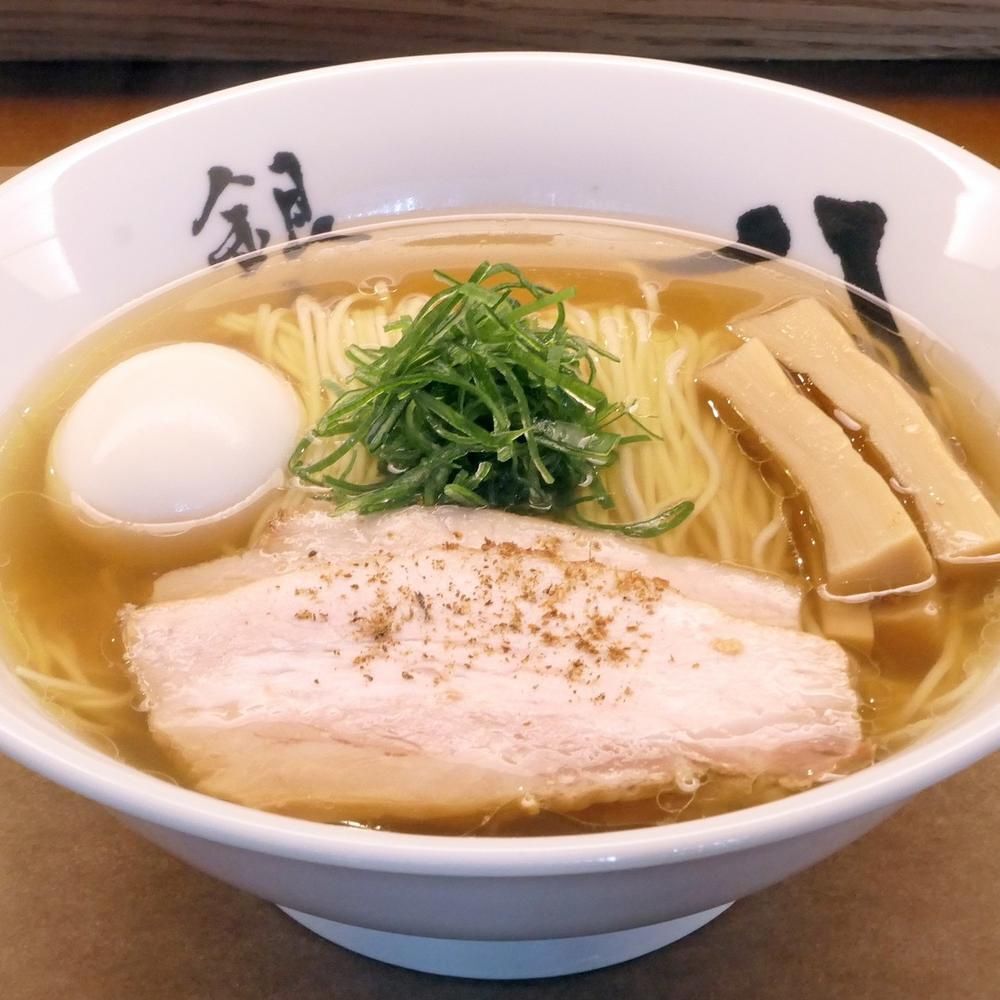
- 1680
Bib Gourmand • Ramen. While eating ramen, salt water from the noodles gradually dilutes the soup. You can experience this for yourself. First, pour a little of the soup into a separate bowl. Finish the noodles in the original bowl, then try sipping the reserved soup—the difference in taste will amaze you. The harmony created by a bowl of ramen goes beyond taste. The slurping of noodles forms a duet with the classical music in the background. The joy of ramen knows no bounds: ‘mugen’.
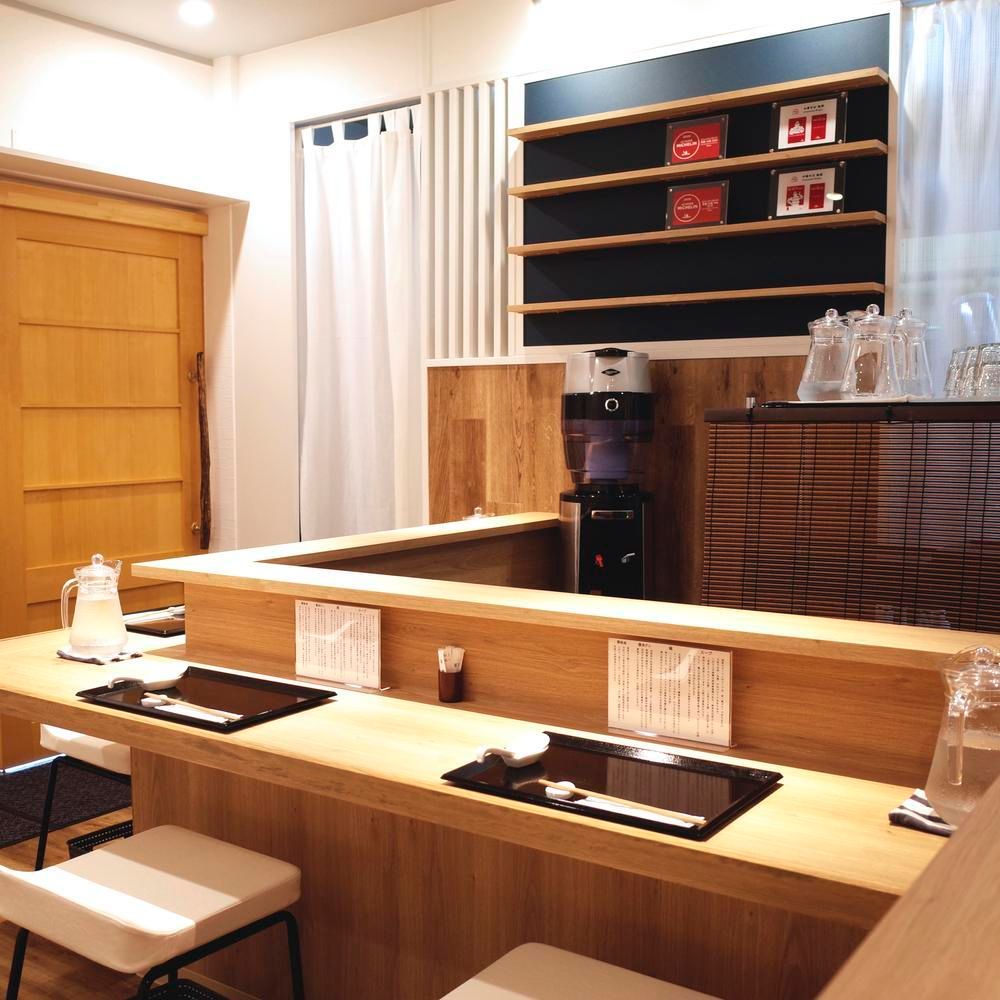
- 1681
Bib Gourmand • Ramen. The calligraphy on the noren, by a Living National Treasure, expresses the shop’s desire to be rooted within the community. It pays tribute to Ohtsuki Noh Theatre, a cultural symbol of the Uemachi upland, and cherishes the connections between culture and food. The broth derives its richness from its meat base; the flavours of dried fermented fish and crunchy sardines add depth. Insisting on noodles with a satisfying finish, the shop kneads its own. Slip through the noren that is the house’s symbol and savour the experience.
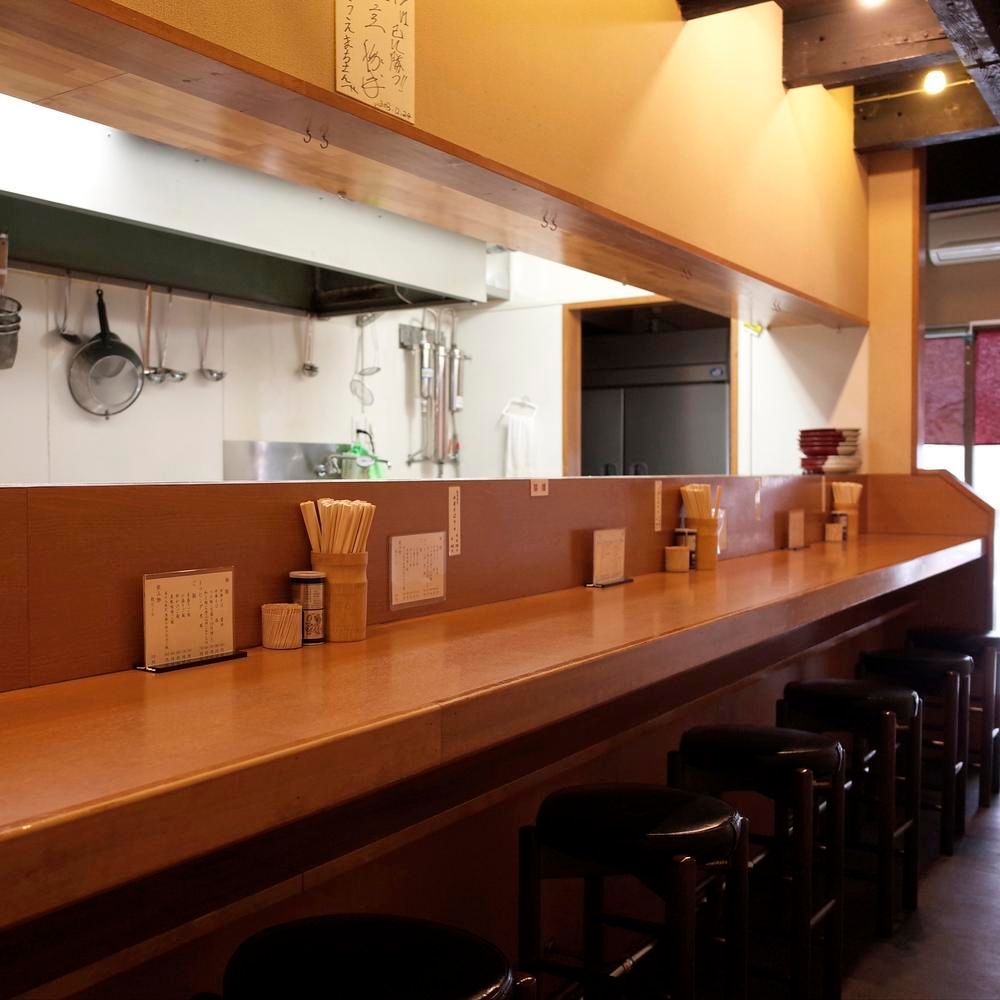
- 1682
Bib Gourmand • Portuguese. Japan and Portugal built a friendship during the Nanban trading era that has never faltered. The two countries share a culinary culture of fish and rice and a love of local cooking enjoyed at the family table. Items served include tempura octopus, char-grilled sardines, takikomi-gohan and gruel-like risotto. There’s also an extensive menu of à la carte options. Like the Portuguese wine, this fare is meant to be shared.
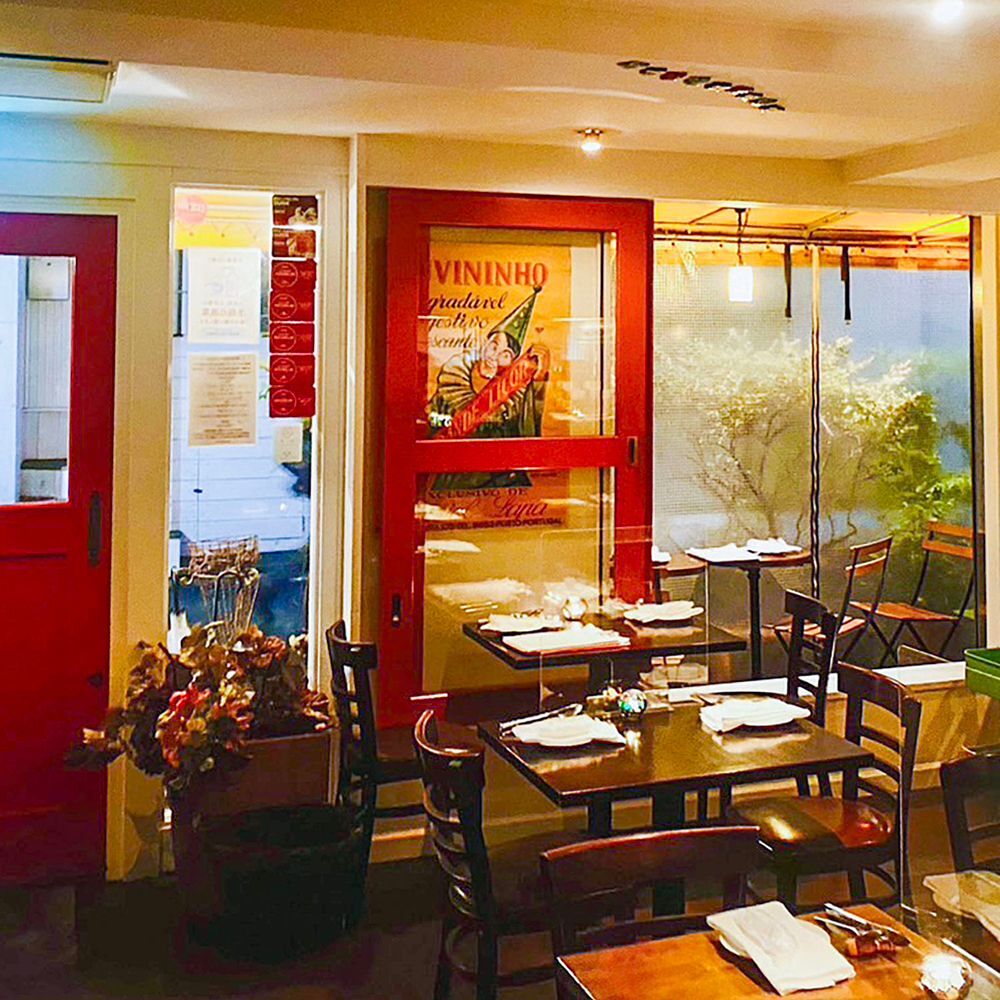
- 1683
Bib Gourmand • Izakaya. Seafood dishes and appetizers are the selling points at Daidokoro Kamiya. White-fleshed fish, an indispensable part of Osaka cuisine, is the essential component here. Potato salad is prepared with vegetables in season, while “Heshiko Pepe” is an udon noodle dish stir-fried with garlic and heshiko (fish pickled in rice-bran paste), inspired by spaghetti peperoncino. Ingredients gathered from every corner of Japan are supplemented with items from overseas, such as Australian lamb.
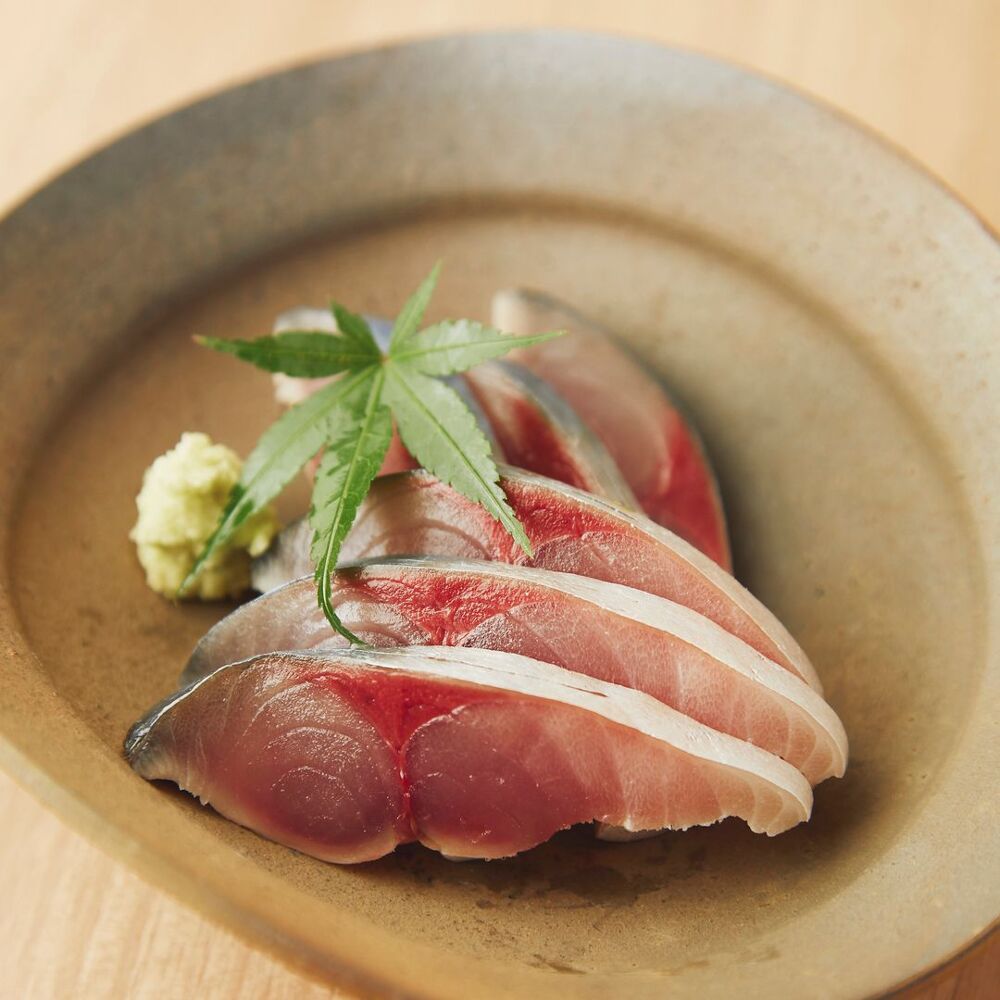
- 1684
Bib Gourmand • French. Owner-chef Daisuke Iwata bills his fare as ‘modern French’. His purpose in using generous portions of vegetables is to showcase the bounty of Kyoto. The salad with 30 kinds of vegetables is a perennial favourite. Selecting a white plate as a canvas, he colours it in with vegetables he buys himself in places such as Kameoka and Kamigamo. His skill in déclinaison – taking a single ingredient and turning it into sauté, sauce and powder, then serving it as a single dish – is unique.
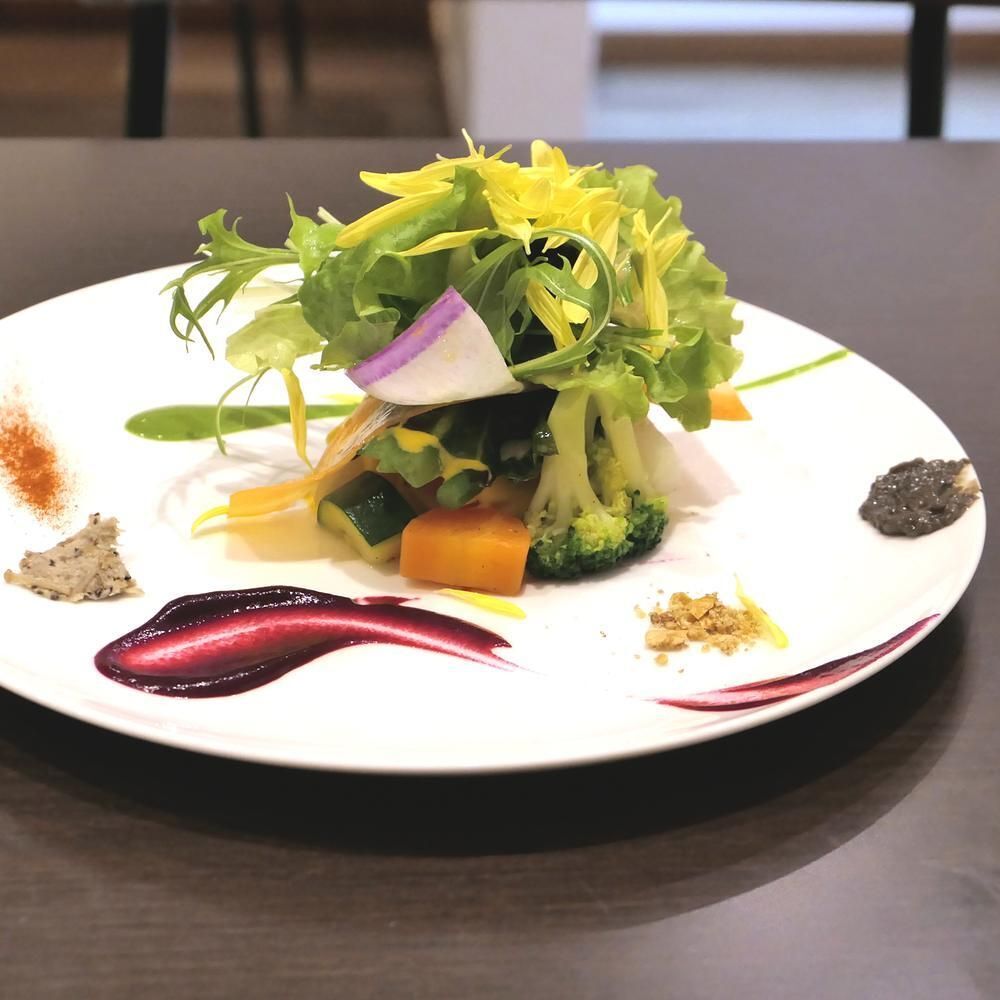
- 1685
Bib Gourmand • French. Since the days of their apprenticeship, the chef and sommelier have encouraged each other through friendly rivalry. Their decision to locate DIALOGUE in a residential area stems from their desire to become a familiar face to the region. Lunches are prix fixe; dinners, à la carte. Much-loved French standards populate the menu. True to its name, the restaurant offers a sprawling menu in hopes that the choices available will stimulate conversation. The fun of choosing and the joy of tasting bring hearts together.
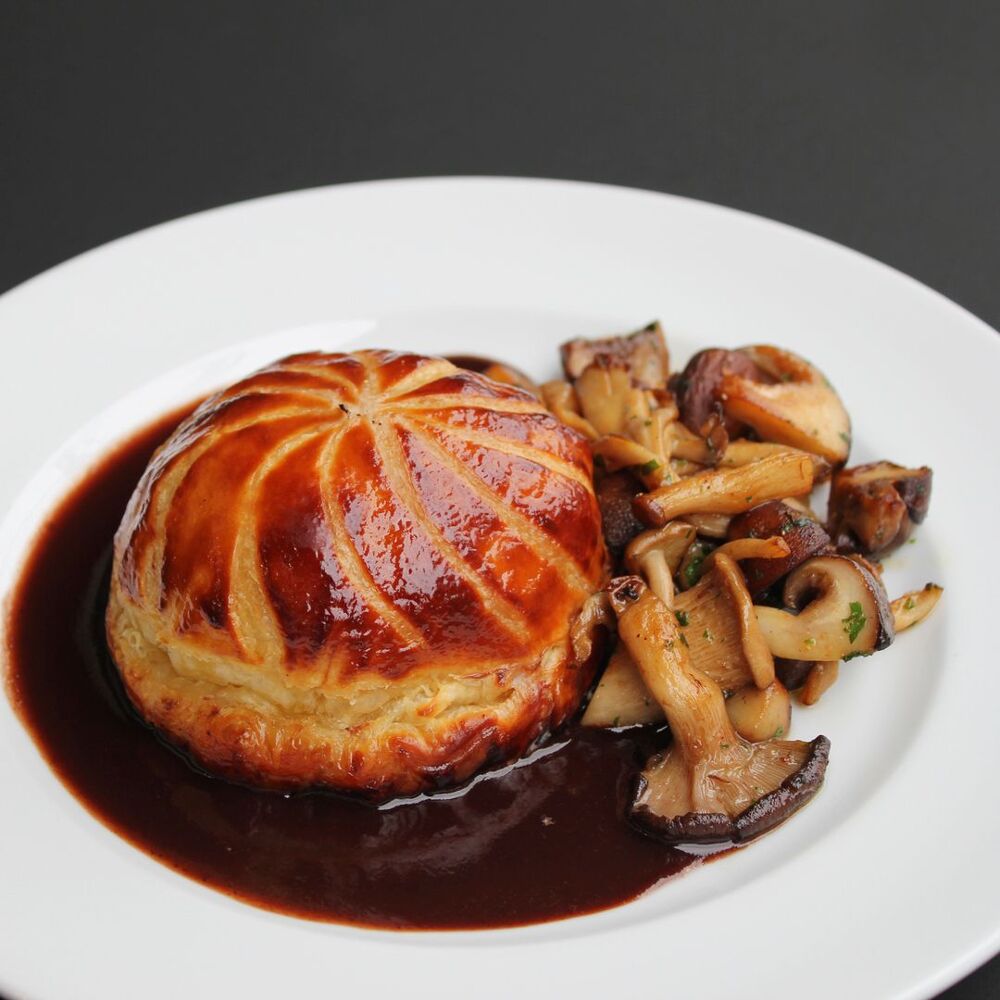
- 1686
Bib Gourmand • French. Countertop French dining by a single skilled chef. The name was chosen out of the chef’s fondness for films. The style here is a three-plate prix fixe menu of appetiser, main course and dessert. For each of the three, guests choose from a pleasingly extensive list. Old-school French cuisine that proudly upholds tradition with classic technique and bold flair.
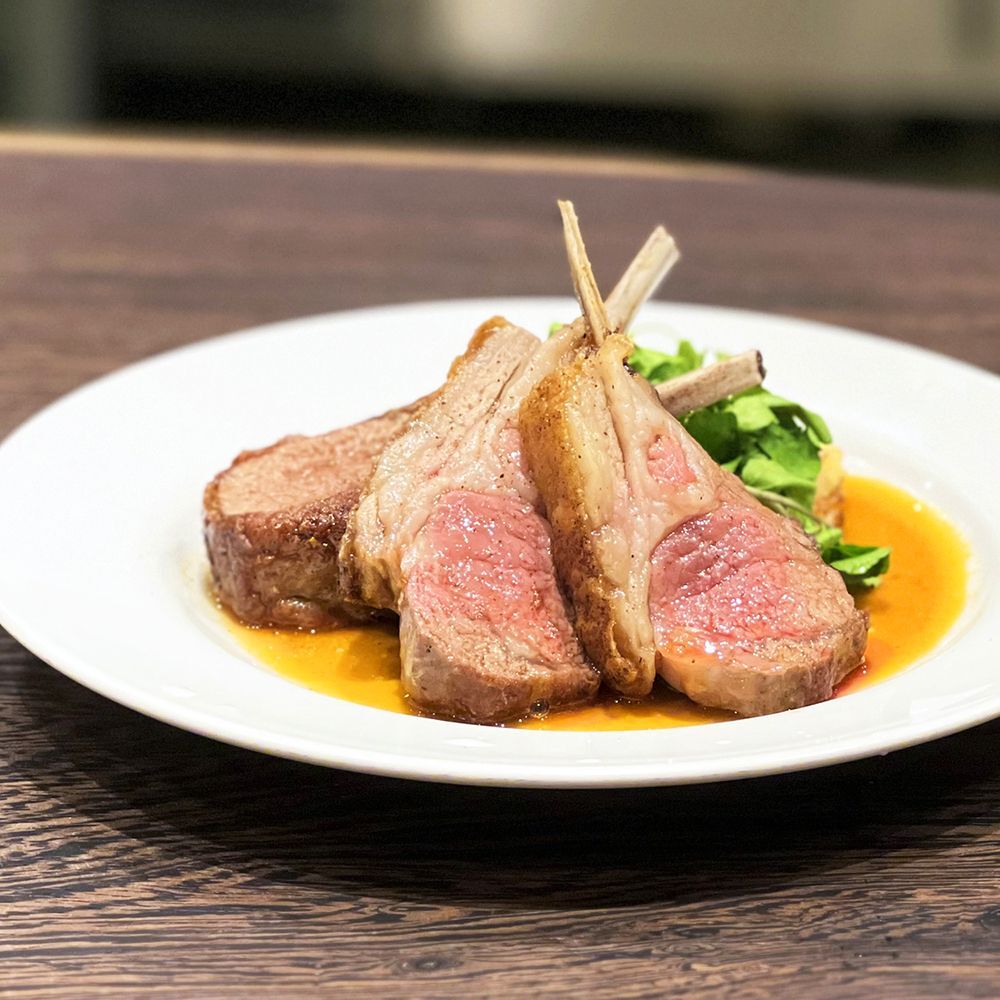
- 1687
Bib Gourmand • Spanish. Donostia is the Basque name for Spain’s gourmet capital of San Sebastián. Pinchos and tortillas line the glass case on the counter, reinforcing the informal vibe of a Spanish tapas bar. Dry-cured ham, marinated sardines, squid frit and other delights are served a little at a time on small dishes. Seafood salsa verde redolent with herbs and bean-and-giblet stew are standard fare. Taste country cooking rich with the distinctiveness of the Basque countryside.
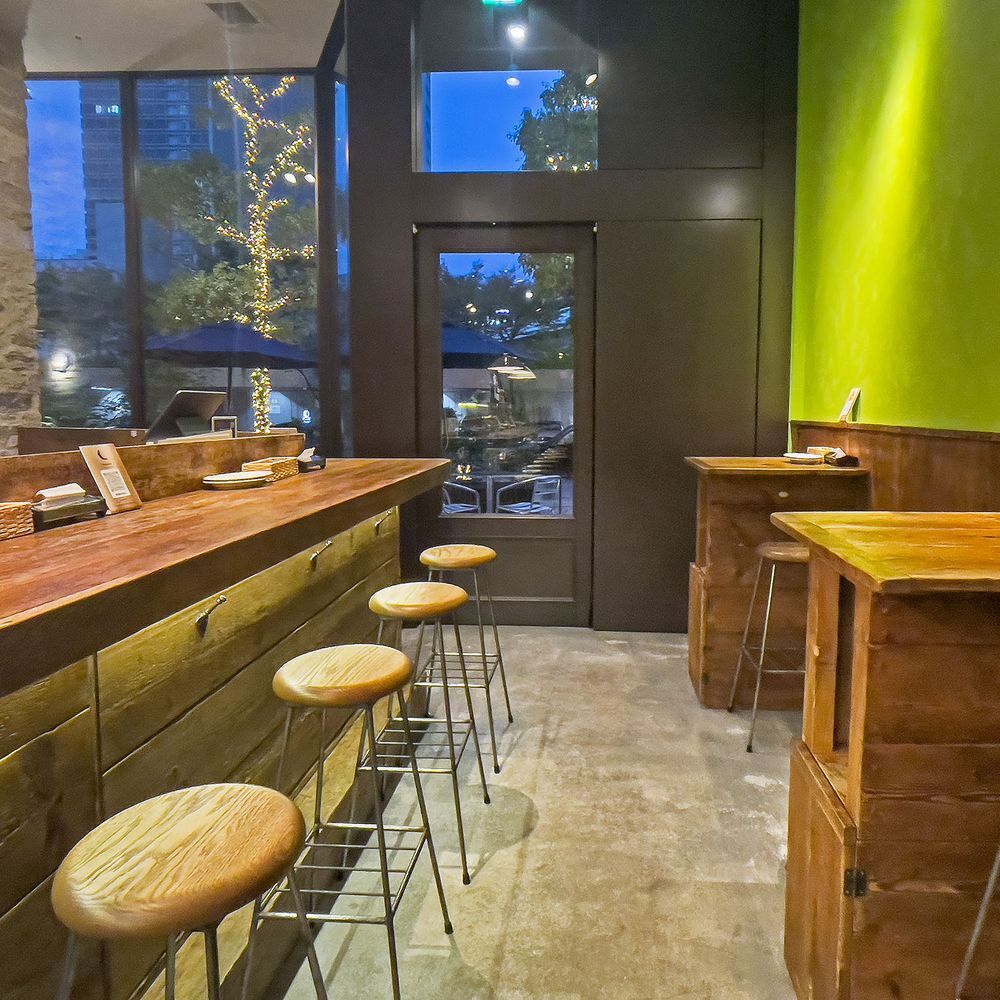
- 1688
Bib Gourmand • Soba. An old-school soba shop founded by a Katsushika-born chef. With ‘good food requires good ingredients’ as his credo, he scours Japan end-to-end to find the highest-quality buckwheat, vegetables and seafood. Among his à la carte offerings, he takes pride in temptations such as conger eel, either fried as tempura or simmered. Juwari soba, handmade from raw buckwheat flour, is fine and silky smooth. Everything here, from the crockery to the food to the interior, oozes old-time soba-shop charm. Amidst the old Edo ambience of Ryogoku, a food culture of deep roots and subtle traditions lives on.
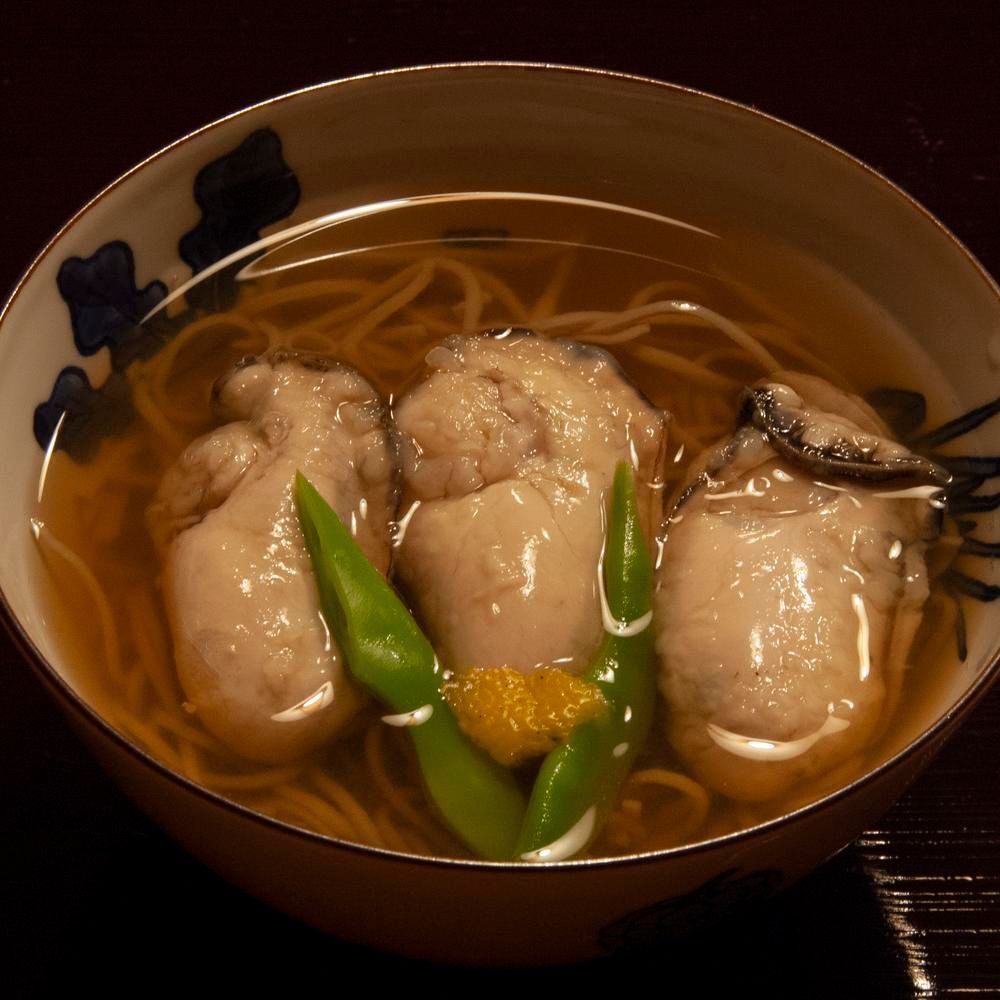
- 1689
Bib Gourmand • Izakaya. Seafood rushed straight from the fisheries and vegetables grown by local farmers are what sell this izakaya. The white-smocked chef stands at the counter, showing confidence in his daily-changing menu. Choose how you want your seafood prepared: stewed, salt-grilled, deep-fried as tempura, and more. The sashimi plate is popular for its variety and generous portions. Sashimi is served atop a big bowl of ice, keeping the fish cool in summer and firm in winter.
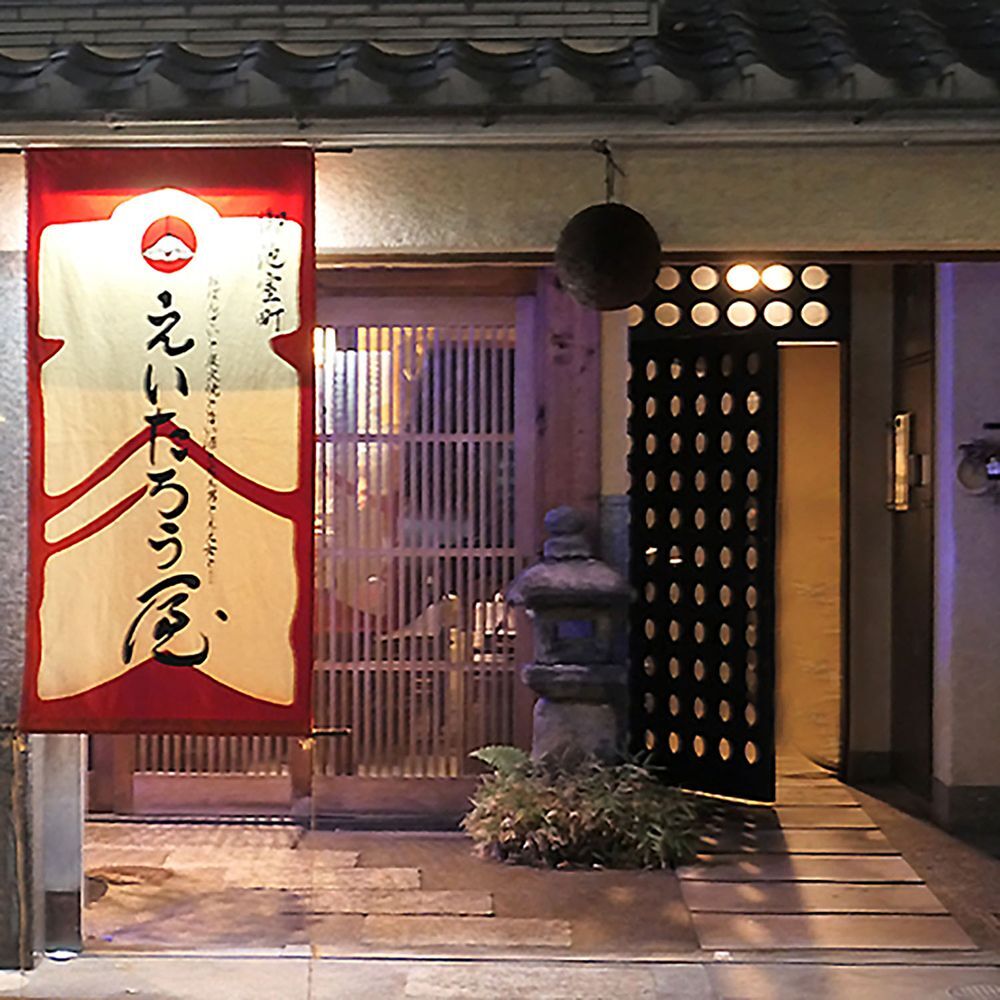
- 1690
Bib Gourmand • Italian. The counter kitchen arrayed around a hearth suggests an open-air bonfire. The eyes are riveted to the chef as he grills the meat, throwing charcoal on the fire. The use of grilling close to the flame, grilling over an open hearth and directly placing ingredients on the charcoal, brings the ingredients and brightly burning charcoal into a tight embrace. Porchetta, patiently cooked for over an hour, is a popular item. Straw-grilled fish and foil-grilled vegetables whet curiosity and appetite. The chef works with practiced ease, laser-focused on the foodstuffs.
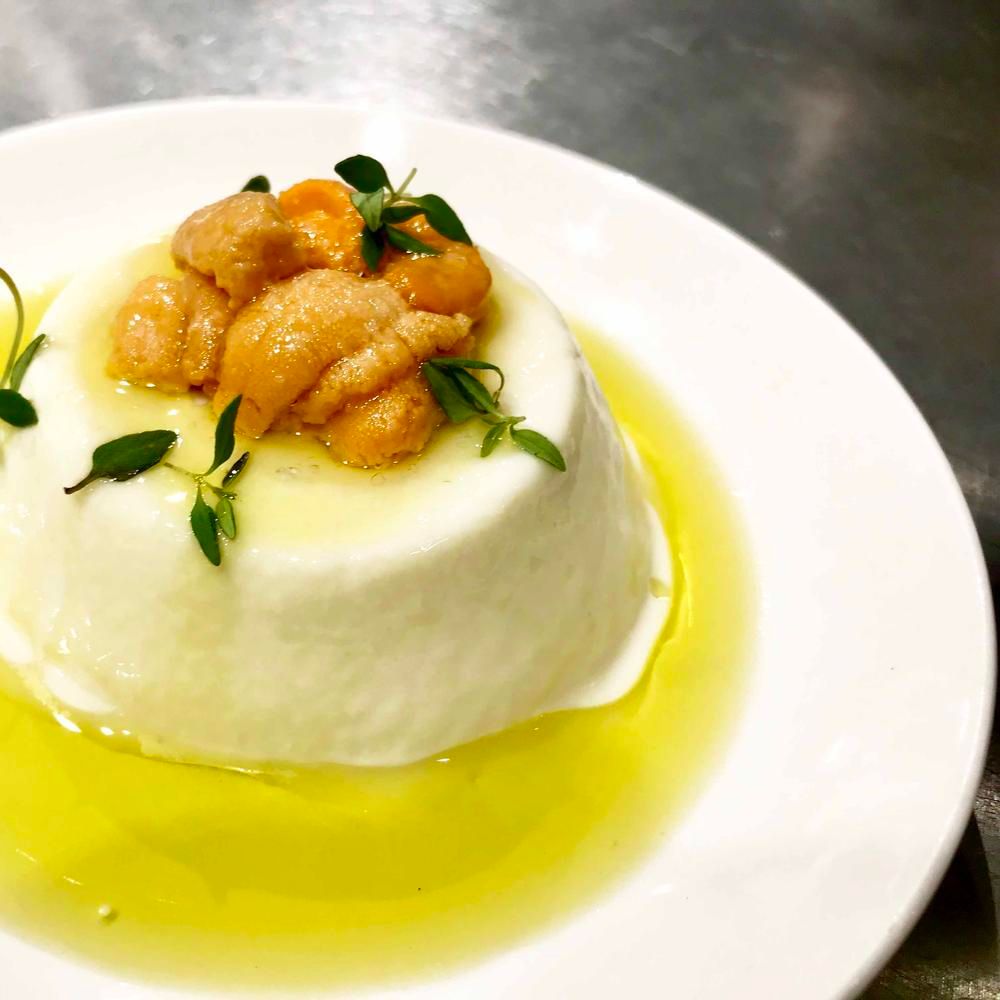
- 1691
Bib Gourmand • Izakaya. Names of dishes cram the menu. The menu is replete with fish dishes, so you can enjoy the ‘fruits of the sea’ to the full. Fish from Wakasa Bay, in the chef’s native Fukui Prefecture, is a point of pride. Whether served as sashimi, grilled with salt or boiled in soy sauce, their inherent flavours shine through. ‘Heshiko’, fish pickled in rice-bran paste, is a Fukui hometown favourite. Fukui sakes are ordered in, spreading the appeal of the Echizen and Wakasa regions. Standards such as potato salad and deep-fried horse mackerel are perennial hits as well.
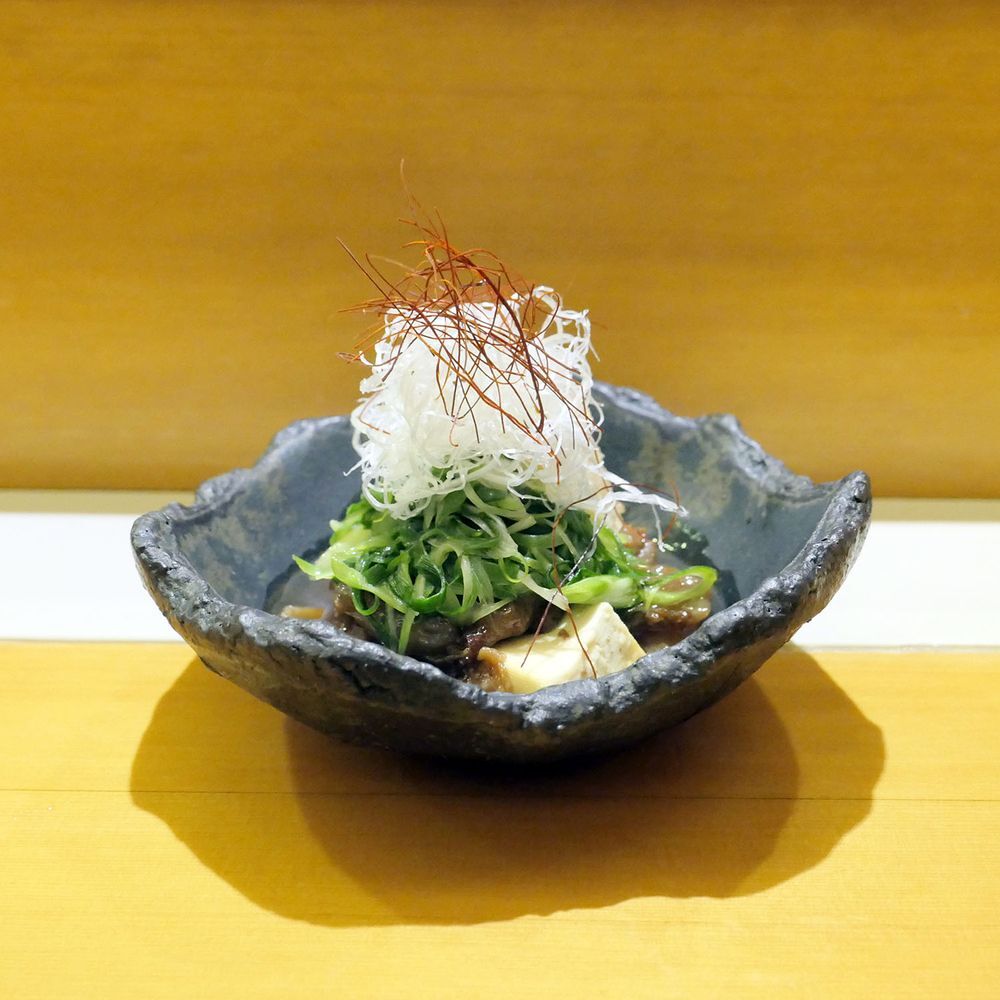
- 1692
Bib Gourmand • Spanish. This bar offers pinchos and tapas, or Spanish cuisine served on small plates. A casual place to enjoy Basque home cooking along with drinks from Spain. The Basque Country is rich with the blessings of mountains and sea, so the range of offerings covers a wide gamut. Each item is simple, the portions generous. Though a continent apart, Spain and Japan share a love of honest cooking in which natural flavours come to the fore.
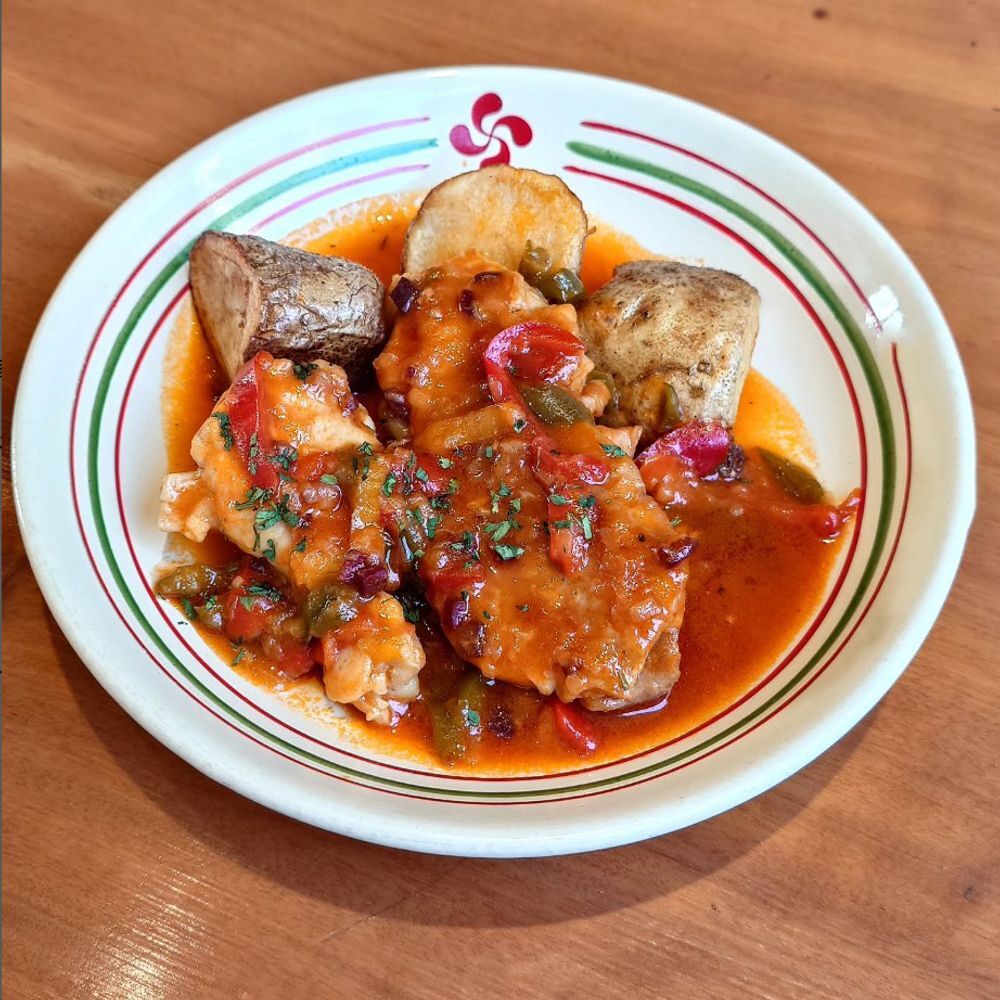
- 1693
Bib Gourmand • Italian. A trattoria where à la carte dining is encouraged with a comprehensive menu of regional cuisines. Pici served with tomato ragú laden with garlic and vegetable sformato are all flavours learned in the Italian countryside. A marble bar counter and Tuscan-style stone walls create a stylish space inspired by interiors in Tuscany. Steps from Shoin Shrine, this is Italian food culture with deep roots in daily life.
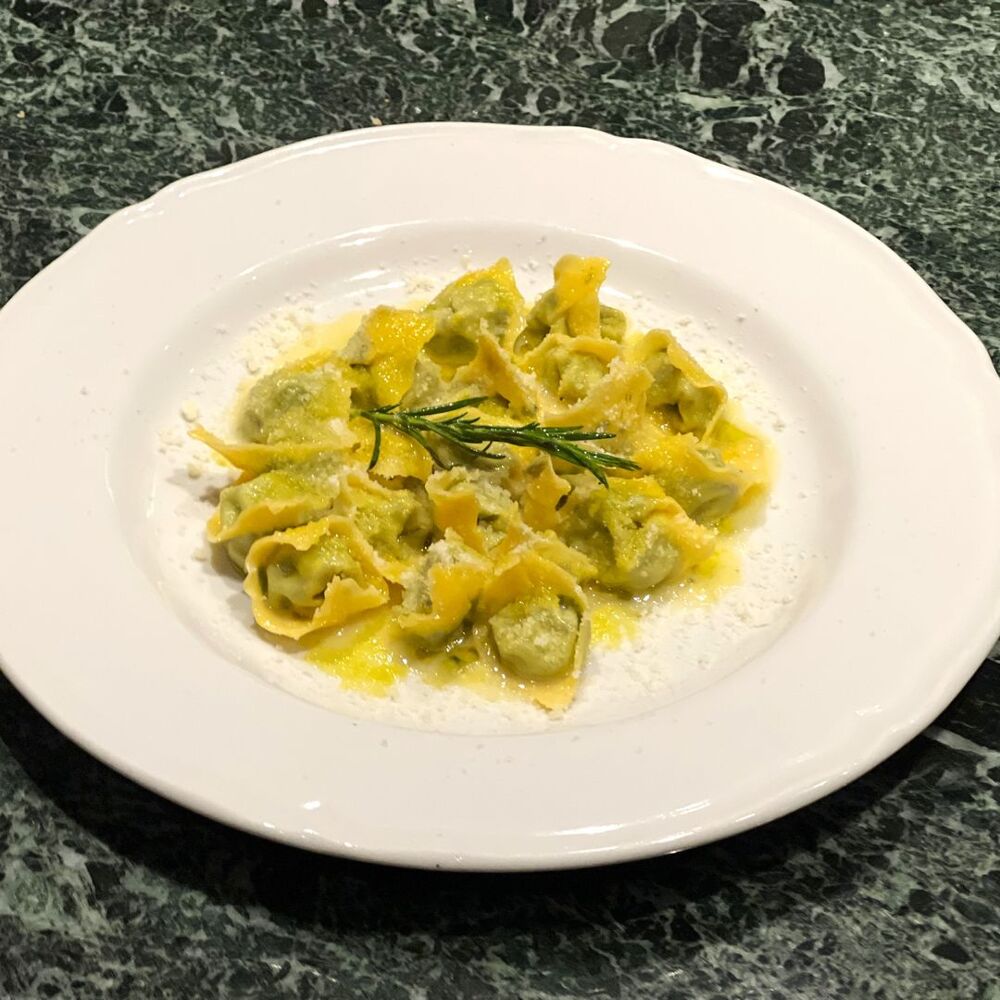
- 1694
Bib Gourmand • Ramen. The chef, known to all as Haru-chan, pours all her energies into her shio ramen. The clear broth of pork and dried sardines is poured to the rim of the bowl. The colours of green onion, nori and wheat bran ‘flowers’ floating in wisps of pork fat make a comforting sight. Noodles are pounded flat for a satisfyingly plump texture. Roasted pork fillet, simmered with the soup, brings the whole dish together. To stay close to the community it serves, the restaurant remains open even between lunch and dinner times.
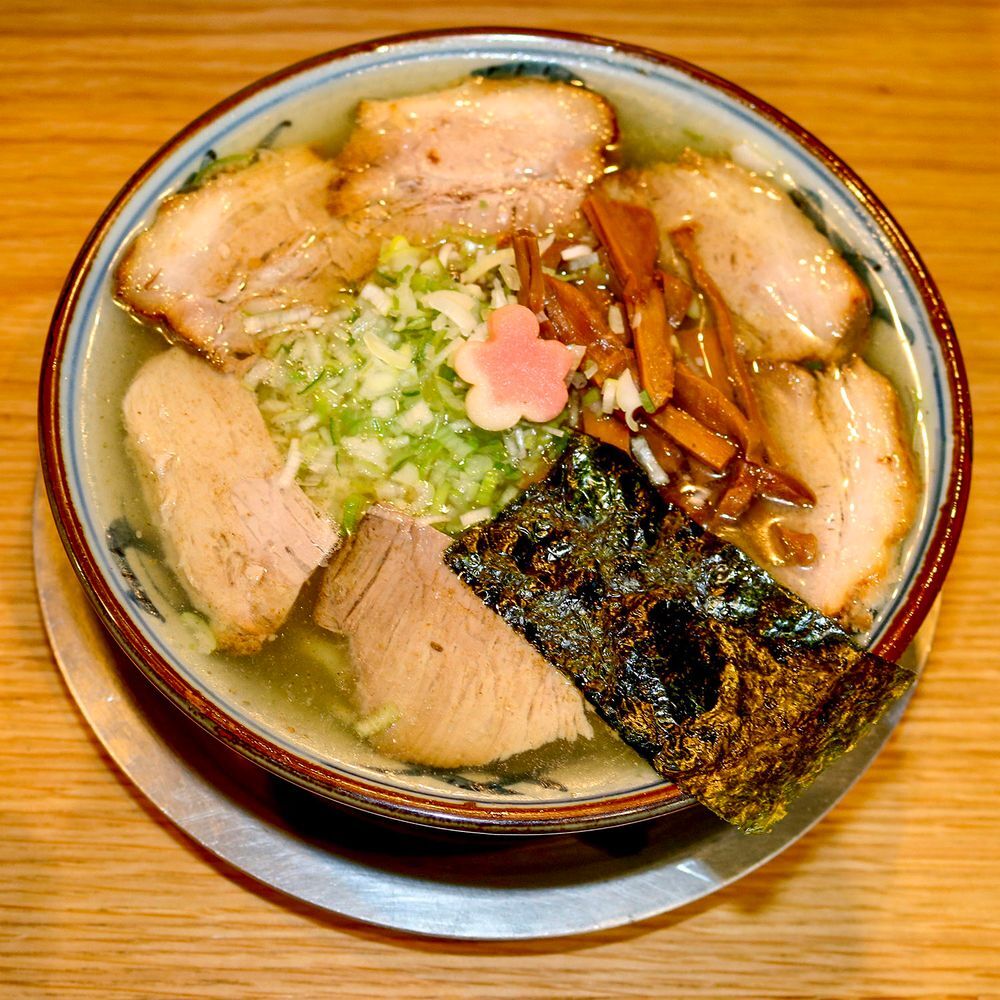
- 1695
Bib Gourmand • Tonkatsu. Service at this tonkatsu restaurant is prix fixe only. Along with the familiar fillet and pork loin cutlets, you’ll find rare cuts such as rump and round tip, fried one slice at a time. Several name-brand pork varieties are available to taste and compare, each one tender and succulent. A few unexpected entries, such as minced pork burgers, add whimsy into the mix. It’s a concept that makes sense: unique prix fixe menus of tonkatsu, each item served piping hot from the kitchen.
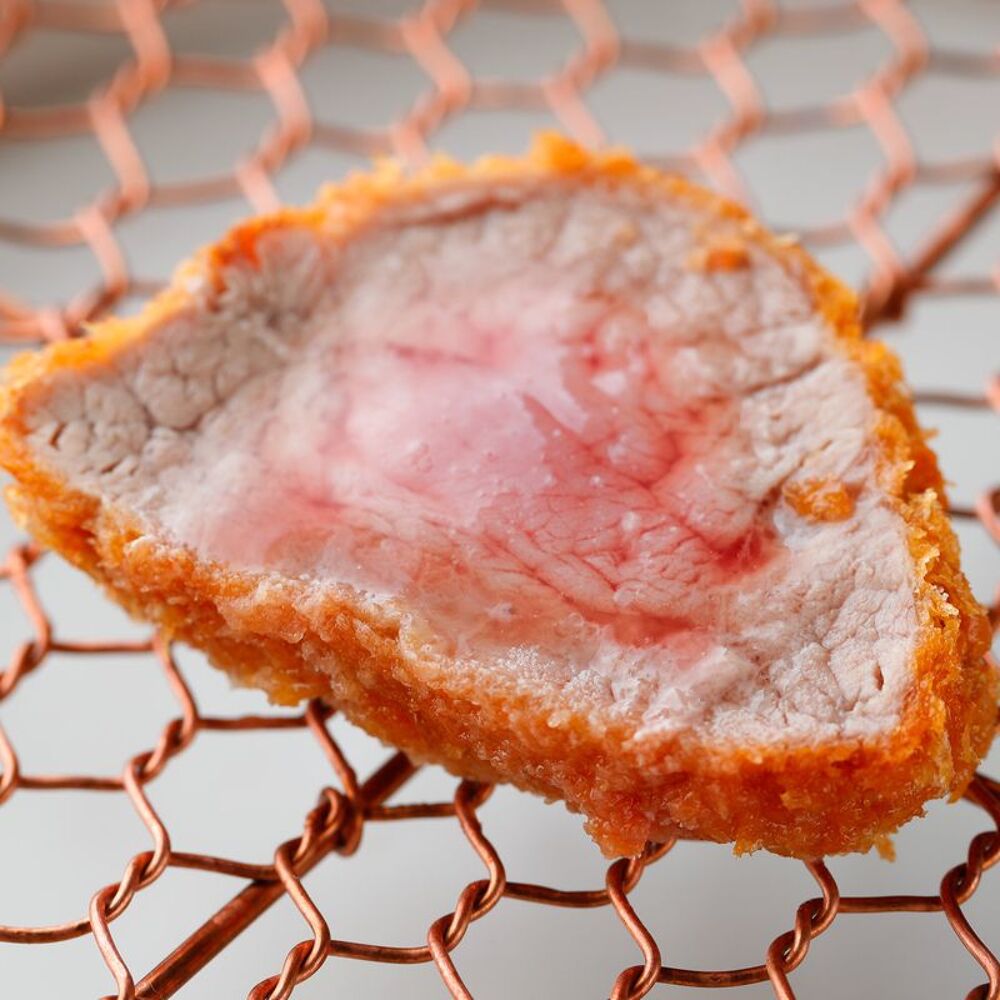
- 1696
Bib Gourmand • Udon. When Gion Yorozuya was founded, its focus was on meal deliveries to teahouses and playhouses. The restaurant thrived thanks to a favourable reception from geisha and maiko, and today guests queue up at the door well before opening time. The dish of renown is the onion udon. Eager to use Kyoto foodstuffs, the chef smothers his plates in Kujo spring onion. The three pillars of the cuisine that keeps customers coming back are tender noodles, dashi and onions. “Mari”, a dish larded with pickled plums, and “Tsunoda”, enhanced with chicken meat, are named for the celebrities who favour these ingredients.
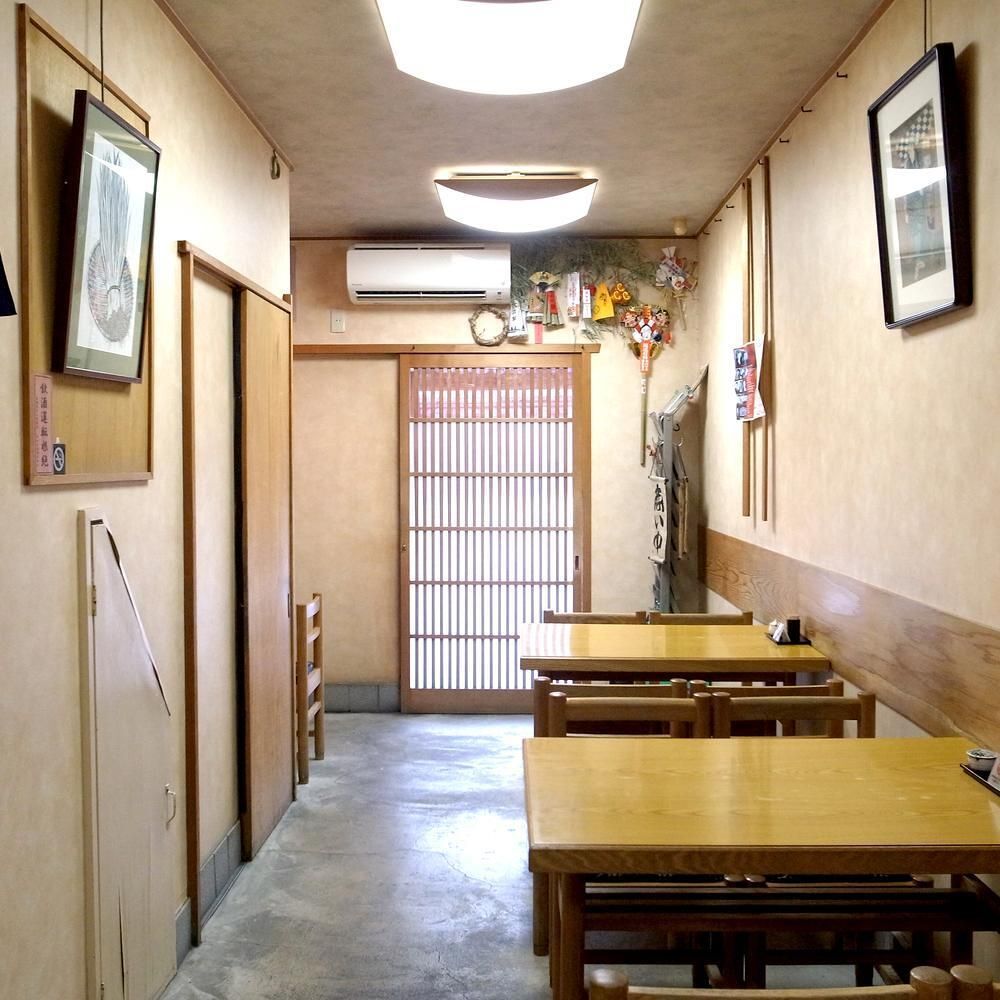
- 1697
Bib Gourmand • Soba. Fans of Gombei think immediately of udon or soba with kitsune (deep-fried tofu), but certainly not with tanuki (deep-fried tempura pieces). The menu begins with udon, showing how popular it is. Two types of kitsune are available, one with chopped tofu, the other with tofu simmered in sweetened soy sauce. ‘Keiran’ is a warm udon dish topped with a starch sauce of soft scrambled eggs and ginger. Noodles are boiled soft to soak up the dashi. A taste of Kyoto, beloved of kabuki actors, geisha and maiko.

- 1698
Bib Gourmand • Yoshoku. Beloved in Asakusa for three generations, this yoshoku restaurant treats demi-glace sauce as the soul of its kitchen. The most popular dish here is beef stew. Omurice is served with a choice of demi-glace or ketchup, a nod to the legacy shared between the former chef and his guests. The restaurant’s logo, a medieval-style shield adorned with the French tricolour, was inspired by a gift from a regular — a gesture that speaks to the warmth and goodwill of Tokyo’s traditional neighbourhoods.
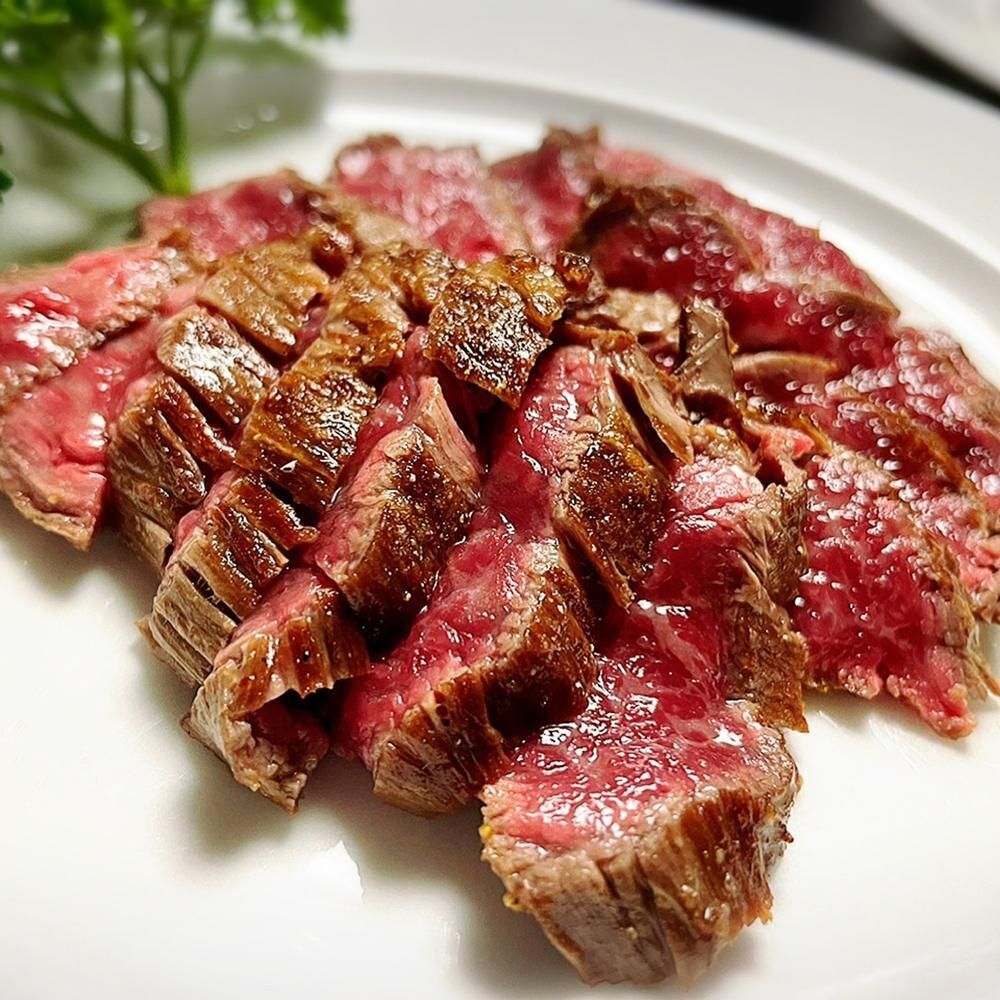
- 1699
Bib Gourmand • Soba. The chef loves the culture of soba-mae, which refers to enjoying sake and snacks before the soba arrives. A full range of drinking snacks are available to tempt you, including baked devil’s tongue coated with miso, and simmered beef sinew. Tempura varies with the seasons, ranging from shrimp and conger eel to edible wild plants, young sweetfish, mushroom and oyster. Soba is 100% buckwheat noodles, cut thin. Dipping sauces are varied as well, including sesame, grated yam and curry. Meoto, meaning ‘married couple’ is a popular dish combining soba with udon.
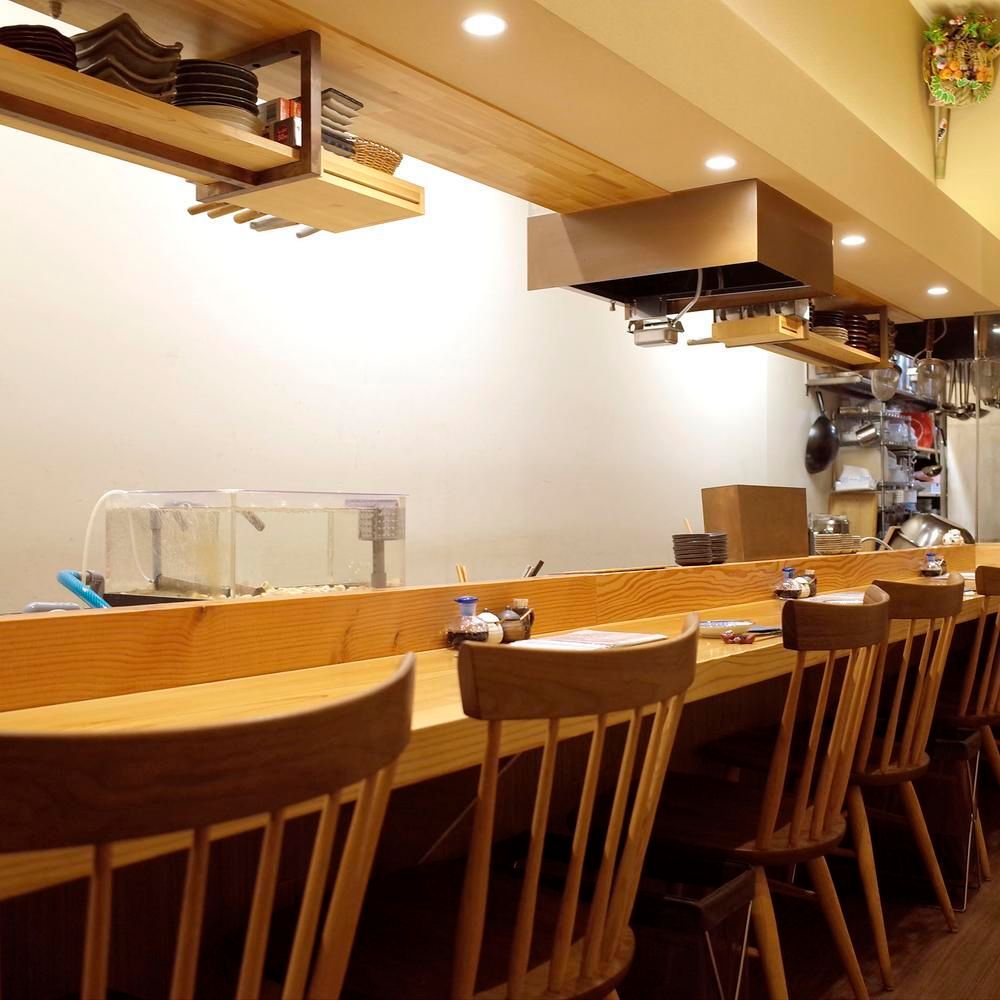
- 1700
Bib Gourmand • Unagi / Freshwater Eel. The hiragana character ‘u’ (for unagi, ‘eel’) emblazons the lantern hanging outside this old-style detached house, while the fluttering noren proudly proclaims ‘Founded in 1835’. Preserving Hashimoto, a family business in continuous operation since the days of the shogunate, is the sixth-generation chef. Classic Edo-style grilled eel is served, prepared with a tare sauce passed down through generations. While we wait for our ‘Unaju’, broiled eel with rice in a lacquered box, a variety of skewers arrive to delight us, including grilled eel liver, ribs, and fin rich with its flavour.
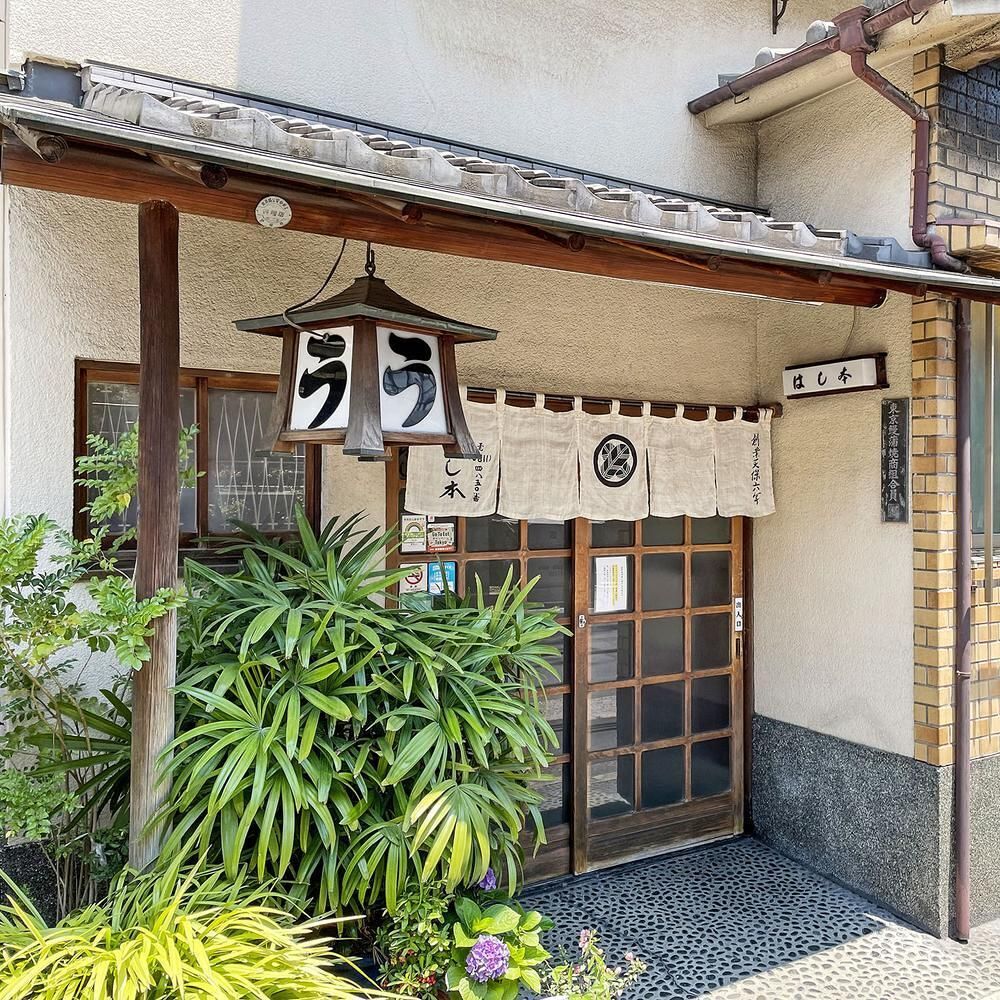
- 1701
Bib Gourmand • Unagi / Freshwater Eel. A veteran eel shop loved by Asakusa locals since the early years of the 20th century. The restaurant is named after the previous proprietor, Hatsutaro; by happy coincidence, ‘ogawa’ means ‘little river’, the favoured habitat of eels. The current proprietor’s wife runs the restaurant with her family, preparing kabayaki with a sauce recipe handed down from the founder. It is a pleasure to wait, enjoying appetizers with sake, while the chef grills your eel. The many ‘senjafuda’, slips of paper posted on shrine pillars by worshippers, attest to the shop’s many loyal customers.
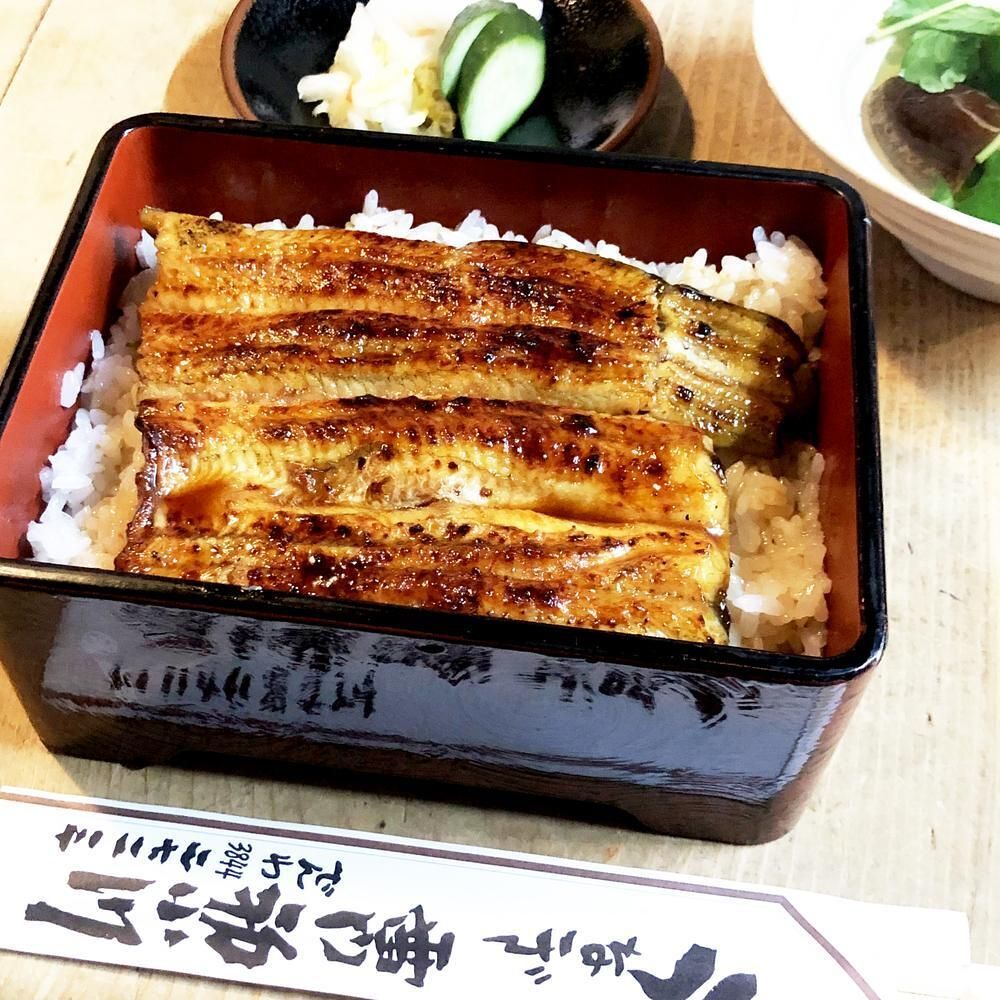
- 1702
Bib Gourmand • Chinese. Inside a modern space enveloped in the warmth of wood, the concept is togetherness, complementing daily life in Yoyogi Uehara. Based on Sichuan and Cantonese cuisines, the restaurant offers set meals like mapo tofu and boiled chicken during the day, and an à la carte menu in the evening. Like side dishes at home, the small dishes allow you to sample a variety of flavours. The whole crispy chicken is perfect for sharing. Friendly service makes for a pleasant experience.

- 1703
Bib Gourmand • Ramen. One of the essential processes of wheat cultivation is treading the wheat. When the wheat plants bud, farmers tread them down so they grow up strong. The owner-chef named his shop Muginae, ‘wheat seedling’, as a prayer that it would grow as it overcame adversity, a hopeful shoot on the forest floor. Ramen, fragrant and homemade, has a smooth finish. Soup is seasoned with soy sauce, salt and dried sardines. Word has spread like wildfire, and now customers tread the streets of Minamioi from early morning for a cup of this restaurant’s delicious broth.
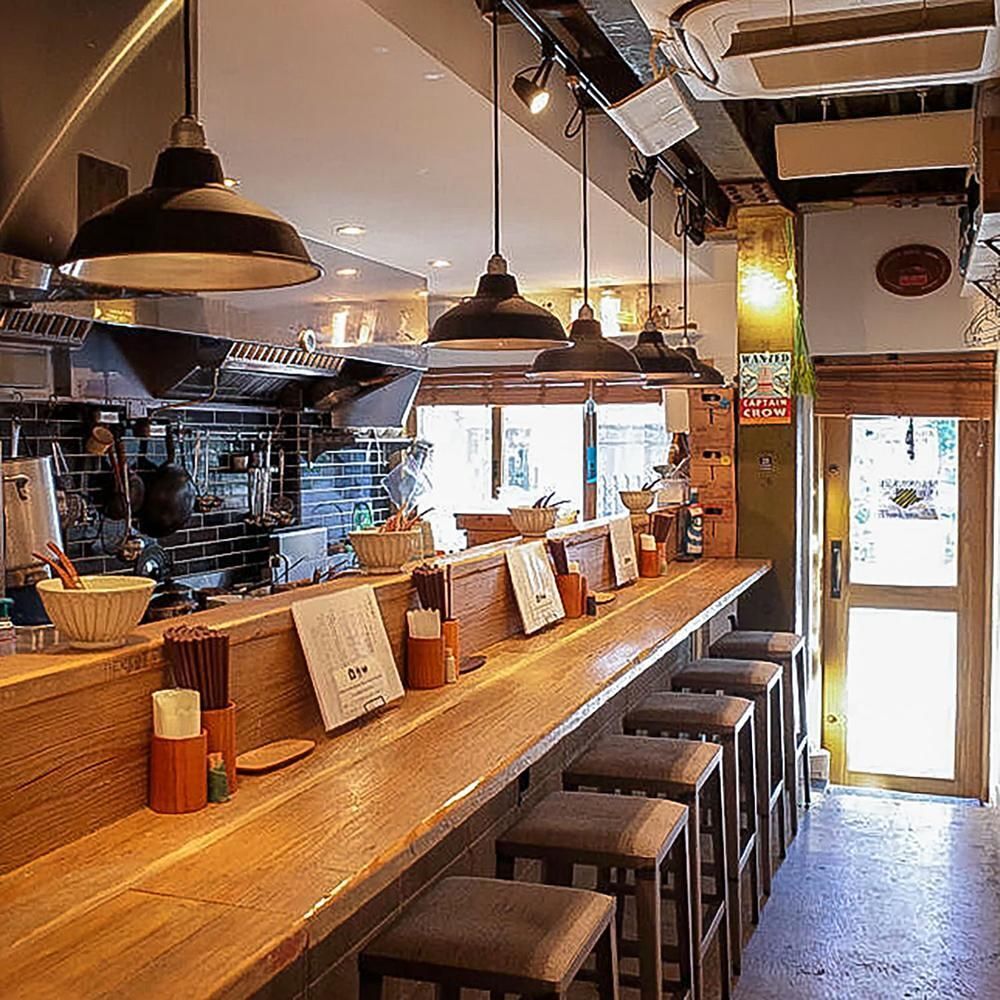
- 1704
Bib Gourmand • Sri Lankan. Love of spices inspires the chef of this house of Sri Lankan cuisine. When he says the national dish of Sri Lanka is ‘rice and curry’, he doesn’t just mean rice with curry. The phrase refers specifically to a set menu of several types of curry, side dishes, and rice. In keeping with tradition, the curry is made with Maldive fish, a type of shaved bonito. Distinctively, the rice is a mixture of basmati rice and Japanese rice.
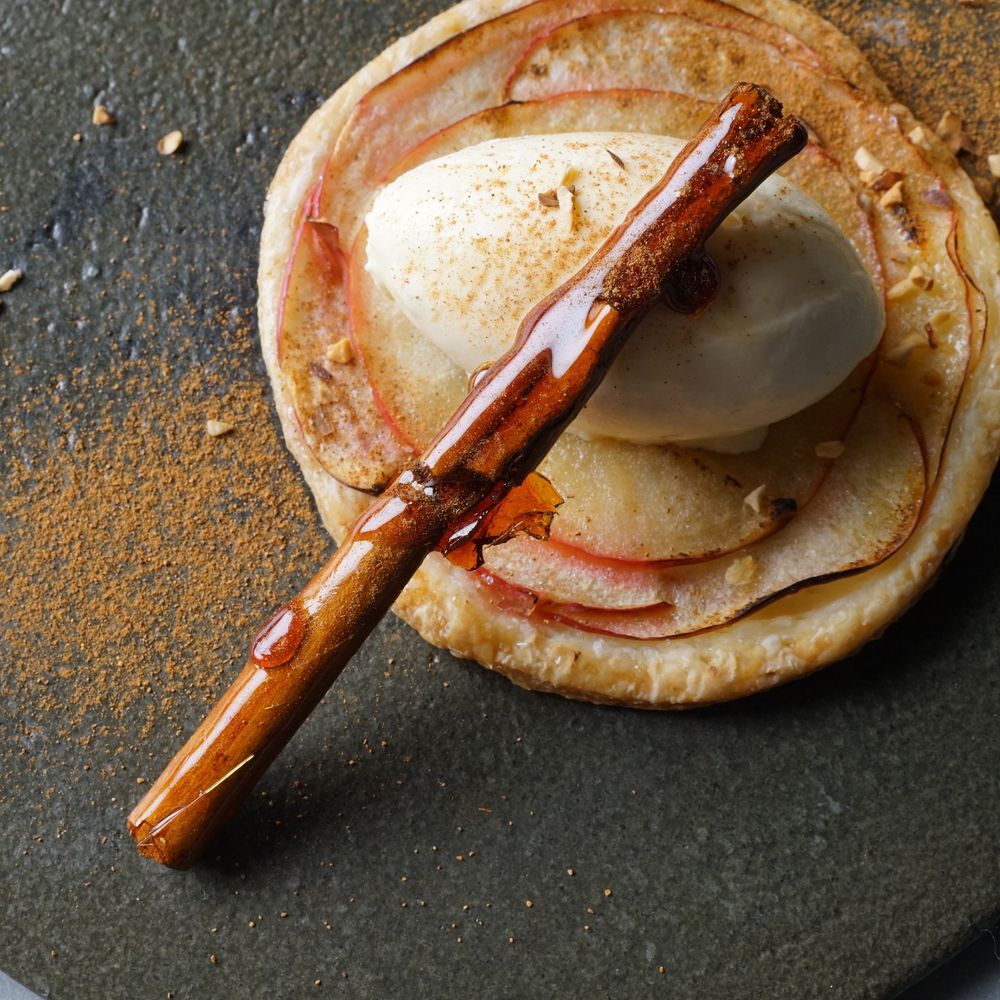
- 1705
Bib Gourmand • Unagi / Freshwater Eel. There is a saying about the depth of skill an unagi chef needs: three years to learn how to skewer it, eight to learn how to dress it and a lifetime to learn how to grill it. While grilling unagi might be the most difficult, Hideki Morimoto was tasked with it from a young age by his father, the then owner. Edo-style grilling includes steaming beforehand and is something the father learned while training in Tokyo. He buys in mostly large unagi and far-infrared grills it.

- 1706
Bib Gourmand • Japanese. At lunchtime, only omakase set menus are offered; in the evening, à la carte dishes are also served. Ikkon Uehara aims to cater to a regular clientele, so the menu is comprehensive and the cuisine lovingly prepared. An assorted platter loaded with appetisers show that the old ways are not forgotten. A wooden bowl of fishcake steeped in a clear broth is classic comfort food. The counter is a horigotatsu; behind the counter, the couple in charge deliver cheerful and gracious service. Tip a cup or two of sake and feel the seasons change.

- 1707
Bib Gourmand • Italian. The walls are adorned with commemorative photographs and uniforms of Italian football players. The trattoria is named after the Ballon d'Or award presented to the top football players. The chef’s “Golden Risotto” glistens with the colour of saffron and is a testament to his past dreams of becoming a pro footballer. The menu is full of traditional dishes picked up from his travels throughout Italy from north to south.
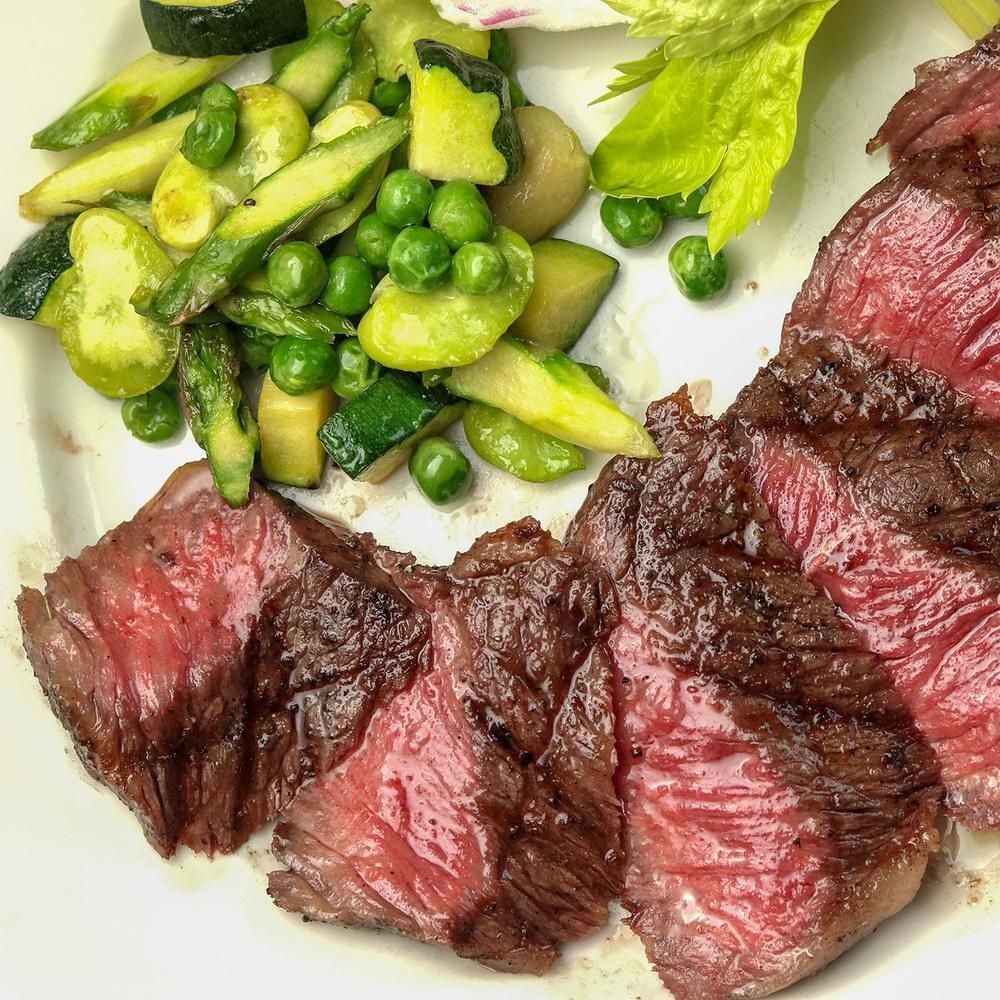
- 1708
Bib Gourmand • Italian. ‘Il luogo’ is Italian for ‘the place’. The simple name encapsulates a desire to be a location where people gather casually. At noon, a simple pasta lunch is served. In the evenings, à la carte dishes from different areas are available for guests to enjoy. The chef’s approach to food is guileless: ‘It depends on the ingredients’. He focuses on the power of charcoal flame to draw out the true flavours of his foods. A place where people are welcomed by food whose natural character is allowed to shine.
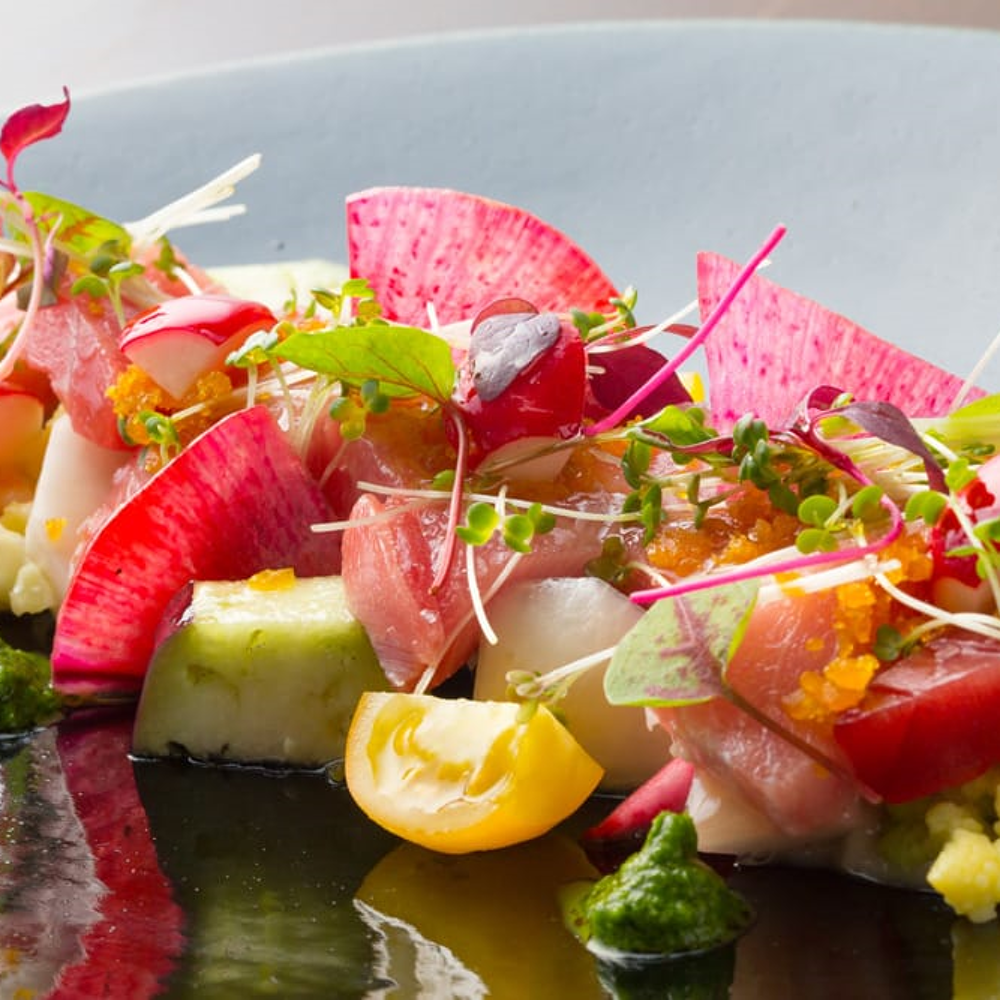
- 1709
Bib Gourmand • Ramen. The chef displays his originality in each bowl as he pursues a unique interpretation of ramen. Broths of clam, spiny lobster, free-range chicken and beef combine to create a soup of satisfying depth. Paste of porcini mushrooms and truffles switches up the flavour of soy-sauce ramen. Salt ramen is infused with yuzu flavoured butter to impart a creamy fragrance. ‘Iruca’ comes from the Japanese for ‘dolphin’, a symbol of peace and a message of friendship to spread across the oceans.

- 1710
Bib Gourmand • Soba. The name means ‘five’, referring to the five colours of the buckwheat plant, from its root, stalk, flowers, seeds and leaves. It also pays tribute to the five elements of the natural world, with Daitoku-ji Temple a few steps away. Omakase of soba and other dishes is replete with seasonal flavours, revealing the chef’s mastery of Japanese culinary arts. Aesthetic sense is outstanding, as befits a soba house of the Wakuden family. Soba is served plain or with spicy daikon. Dishes such as aemono or sabazushi may be added à la carte.
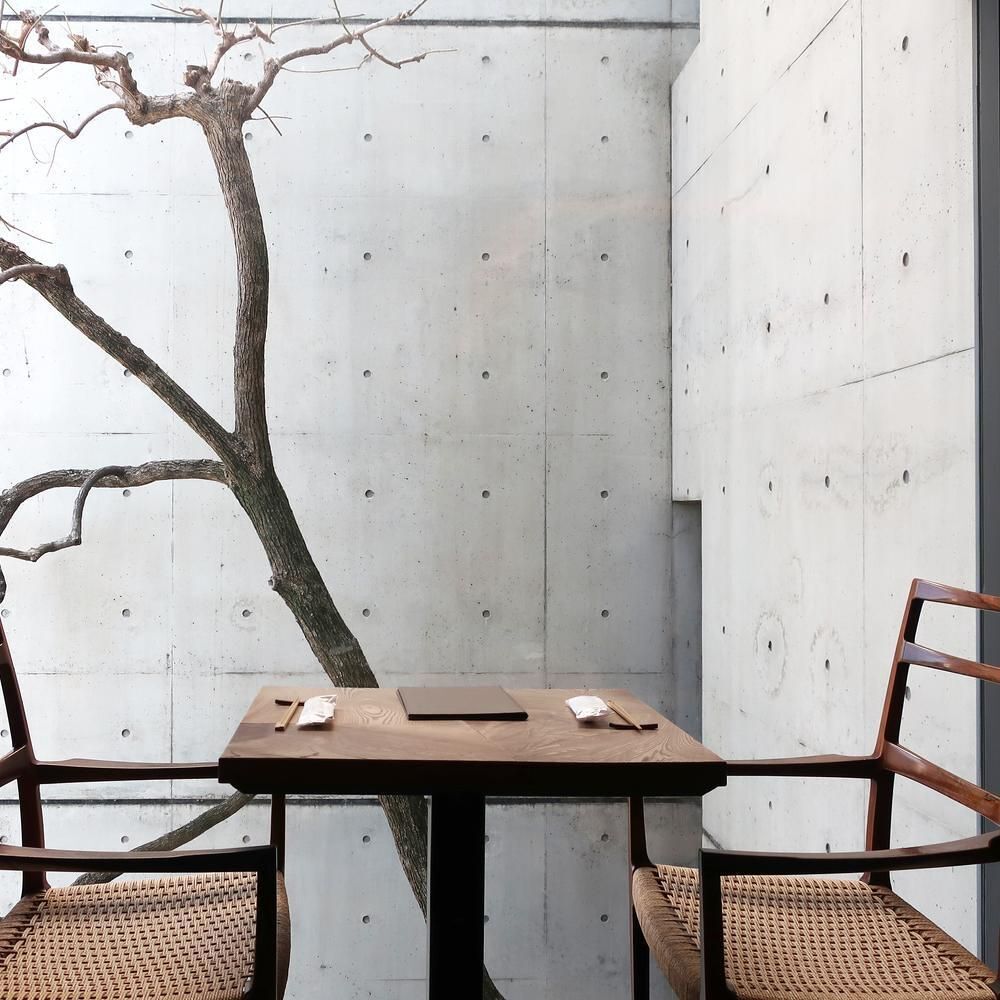
- 1711
Bib Gourmand • Soba. The chef helps out on farms all over Japan, forming bonds of trust with farmers. If you’re interested in the differences among various kinds of soba, we recommend the ‘Sanshu Seiro’, three kinds of soba served on a wickerwork tray. He grinds and kneads each soba differently according to type and region of origin, so the character of each shines through. Sometimes, the chef says, he mixes coarse-ground and fine-ground soba from the same region. His tireless curiosity yields a never-ending variety of flavours.
- 1712
Bib Gourmand • Izakaya. The proprietor’s parents ran a bento shop, so he helped with the cooking from a young age. Lessons learned from his mother about making side dishes find expressions in his obanzai. The lore that informs his shiraae, koya-dofu, macaroni salad and other dishes makes each item somehow nostalgic. Always solicitous of guests’ impressions, the chef shows great proficiency in tending to their needs. Portions of shared dishes are adjusted to match the size of the party. Onigiri may also be moulded larger or smaller by request.
- 1713
Bib Gourmand • Sushi. A Kyoto eatery to drop in often and casually. Izugen is a much-loved tradition from the old days, jealously guarded by its third-generation chef. Rice, the essential base of sushi, is cooked with kombu and bonito. Order the Kyoto sushi mixed platter and savour three styles of sushi: bo sushi with mackerel, hako sushi and maki sushi. Sushi is not hand-formed, so there’s no counter, in true Kyoto style. A picture of a maiko hangs on the wall because, the current chef says, he fell in love with it at first sight; he believes it is auspicious, as the maiko invites customers to ‘maikomu’, or ‘come in’.
- 1714
Bib Gourmand • Sushi. Founded in 1781, Izuu takes its name from its founder, Izumiya Uhee, from a time when lightly salted mackerel from Wakasa was becoming popular in Kyoto, and the custom of eating sabazushi at festivals and ceremonies became common. Seeing an opportunity, Uhee began delivering these treats to the city’s geisha districts. The business passed from generation to generation, and the current, eighth generation owner-chef preserves the tradition of whole-mackerel sushi to this day.
- 1715
Bib Gourmand • Ramen. The food looks great, the aroma whets the appetite, the flavour captivates: this ramen sets all five senses tingling. The word ‘Japanese’ in the shop’s name indicates that this is authentic Japan-made ramen; the name is written in Latin script to proclaim Japan’s comfort food to the world. Flavours of each region come together in a single bowl: salt ramen with shijimi and hamaguri clams; soy-sauce ramen with free-range chicken and kombu. Ceramic bowls handmade by a potter are used instead of porcelain. From ingredients to dining ware, the shop revisits the bounty and wonder of Japanese food culture.

- 1716
Bib Gourmand • Chinese. The billboard says ‘Chinese home cooking, Yoshida style’ and refers to nourishing Chinese food, based on yakuzen (medicinal food). Having experienced the healing power of Chinese cuisine, the owner-chef strives to devise dishes that restore bodily vigour. Helpful comments on the menu detail the effects of each, such as how mapo tofu stimulates the appetite, or sweet and sour pork with black vinegar relieves fatigue. The Beatles and other classics play in the background, making everyone feel at home.
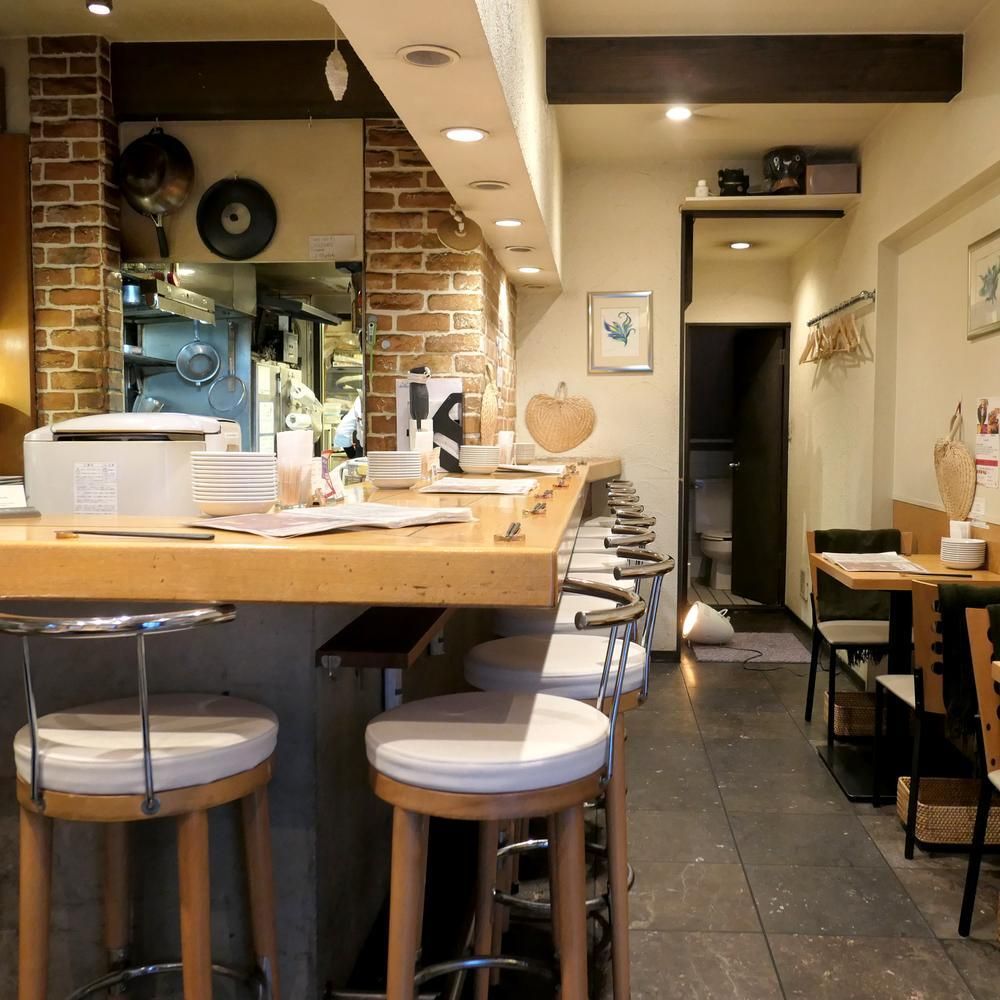
- 1717
Bib Gourmand • Teppanyaki, Okonomiyaki. The owner-chef pours his creativity into teppanyaki dishes of incredible variety. In true Osaka style, both pork and mixed okonomiyaki are available. Though the batter is thick, the finished texture is light. Imaginative grilled skewers hint at the cuisines of many countries, with offerings such as nama-fu, salmon tartare and tteokbokki. All items are served in bite-sized pieces, so patrons can enjoy sampling a variety of flavours.
- 1718
Bib Gourmand • Tonkatsu. The nation’s finest pork brands cascade across the menu, so you can choose the type and grade of pork that suits you best. The best is the ‘jukusei-buta’ aged pork that gives the shop its name. Sourced from a butcher in Fushimi, the pork this restaurant handles is rested to enhance its flavour. The plaque on the wall says, ‘Timing is everything’; the pork is deep-fried twice in low-temperature oil, the cooking time expertly judged. Pork katsu curry, seasoned with ginger and spices, is also tempting.

- 1719
Bib Gourmand (Green Star) • Soba. When kneading soba, start with the raw ingredients: that is the credo here. The chef tills his own fields and harvests his own grains. Focusing all his efforts on soba, he populates his menu with soba mash and soba only. His disdain for compromise extends even to kneading the soba dough only after the guest has been seated. Juwari soba, made from 100% buckwheat, are thick-cut so that chewing can bring out their flavour. Determined to spread the gospel of soba to the world, the chef actively travels overseas, spreading the techniques and culture of soba.

- 1720
Bib Gourmand • Ramen. A rainbow-coloured awning marks Kamigata Rainbow, a shop that pursues individuality even in ramen. The type of noodle differs for each type of ramen, creating unity in each. Soy sauce is redolent with lashings of small, dried sardines. In the curry ramen, curry paste floating in the soup changes delightfully as it melts. The menu includes items limited to each season, tickling one’s curiosity.
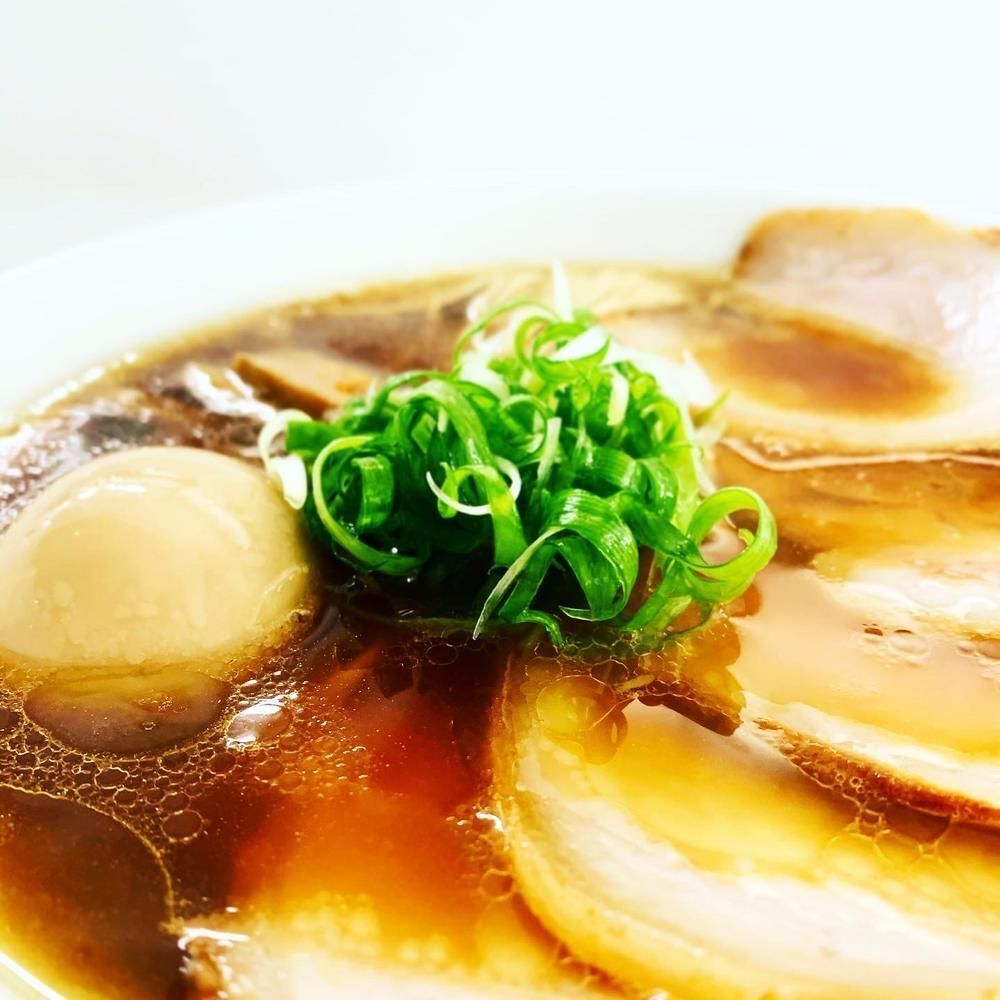
- 1721
Bib Gourmand • Unagi / Freshwater Eel. The shop was founded at the end of the Edo period as a wholesaler of river fish. Situated at the end of an alley as long and narrow as an eel’s bed, Kanesho is recognisable by the leaping eel emblazoned on its noren. ‘Kinshi-don’, the brainchild of the fourth-generation chef, is renowned. This popular dish incorporates ‘kinshitamago’, omelette cut into thin strips, an essential component of Kyoto favourites such as chirashizushi and steamed sushi. ‘Ochazuke Eel’ is eel simmered in dipping sauce and drenched in green tea, a refreshing flavour. A place where one hopes to gain the vitality of the leaping eel.
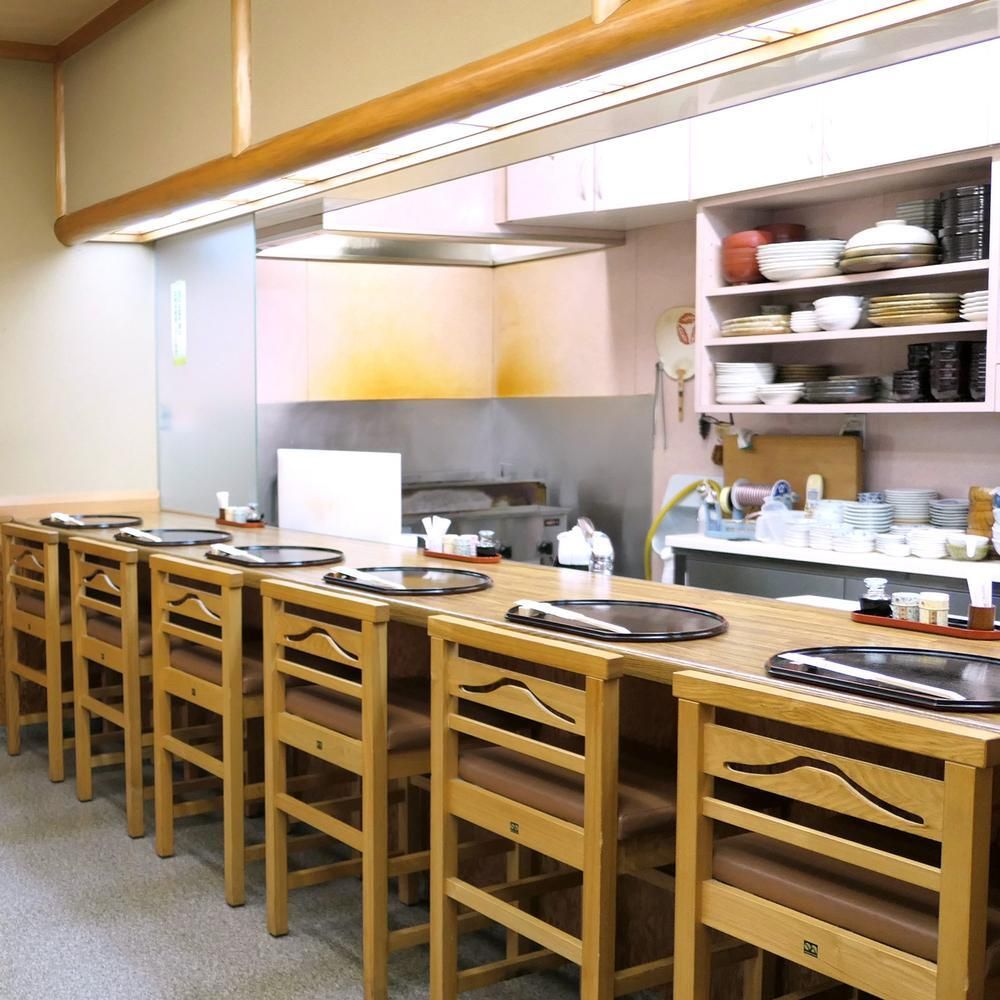
- 1722
Bib Gourmand • Sushi. Founded as an antique store, the shop is still decorated with old pottery. ‘Temarizushi’, little sushi balls served in thin cardboard boxes, are as cute as wagashi confections. Seafood and vegetables for sushi are crafted with great care as well. Sea bream is marinated in kombu, shiitake mushrooms are simmered slowly in dashi. Kyoto food culture is woven into the entire menu, as shown by simmered bamboo shoots served in spring and pickled sliced radishes called ‘senmaizuke’ offered in winter. The restaurant is open from morning onwards; for dinner seating, reservations are required.
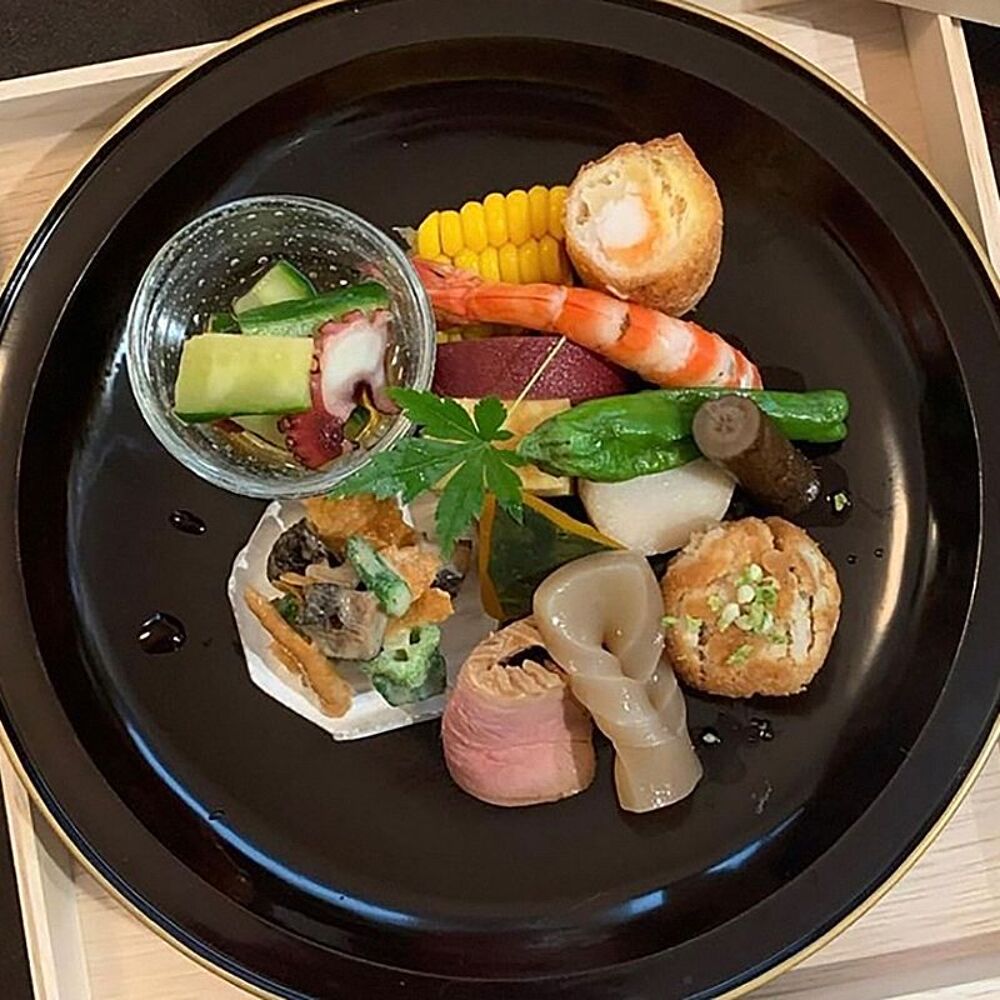
- 1723
Bib Gourmand • Indian. From the north, butter chicken; from the west, pork vindaloo; shrimp curry from the south – such a lineup of flavours from every region of India adds breadth to the joy that is Indian cooking. Tandoori chicken and vegetables are cooked using the radiant heat of a tandoor. For spices, the basic triad is cumin, coriander and turmeric. To keep the flavours of meats and vegetables at the fore, the number of spices is kept to a minimum.
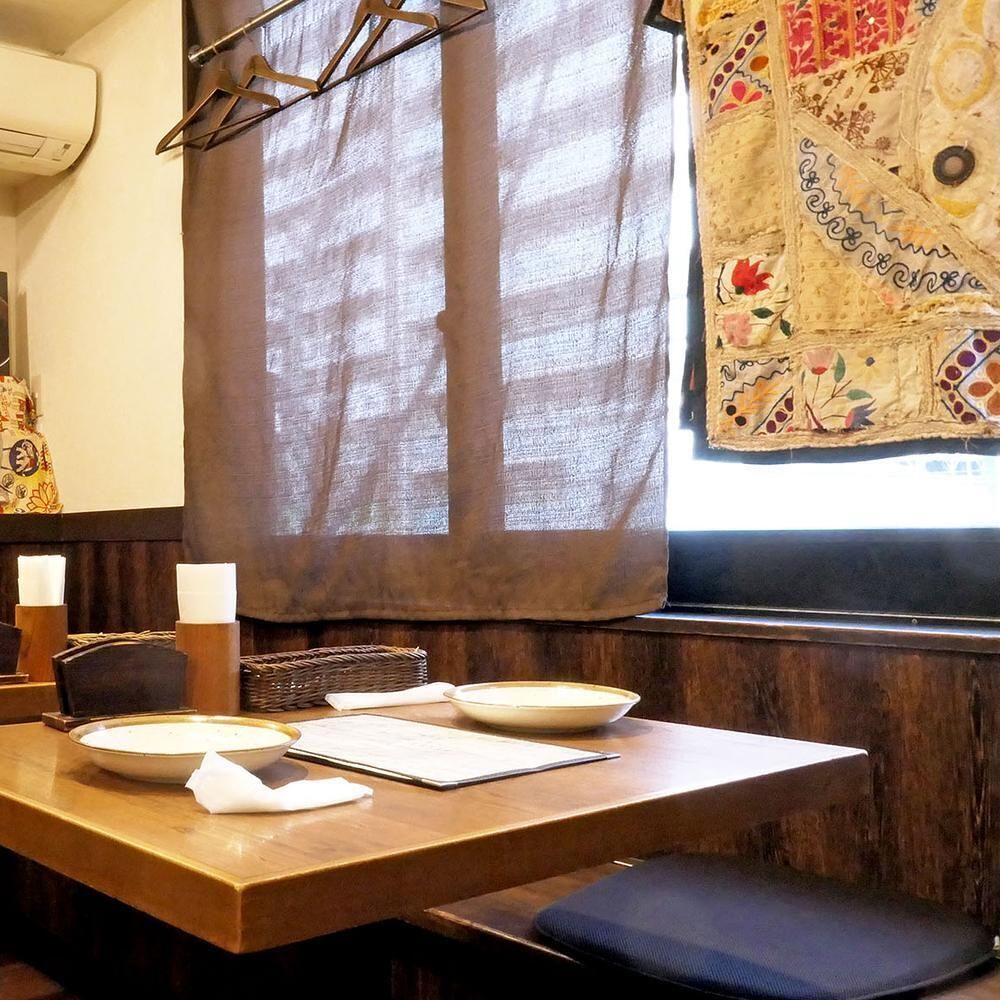
- 1724
Bib Gourmand • Japanese. The eye is drawn to the shaver placed at the centre of the counter. The chef first encountered katsuobushi through the deliciousness of miso soup prepared by her grandmother. Overlaying her own image with that of her grandmother, she gently encloses the katsuobushi in both hands and shaves it with affection. Bonito is the star of the set menu: a main dish of grilled bonito, shaved bonito on rice, and miso soup made with bonito broth. The chef spreads the wonders of Japanese food culture while sharing the tales behind katsuobushi.
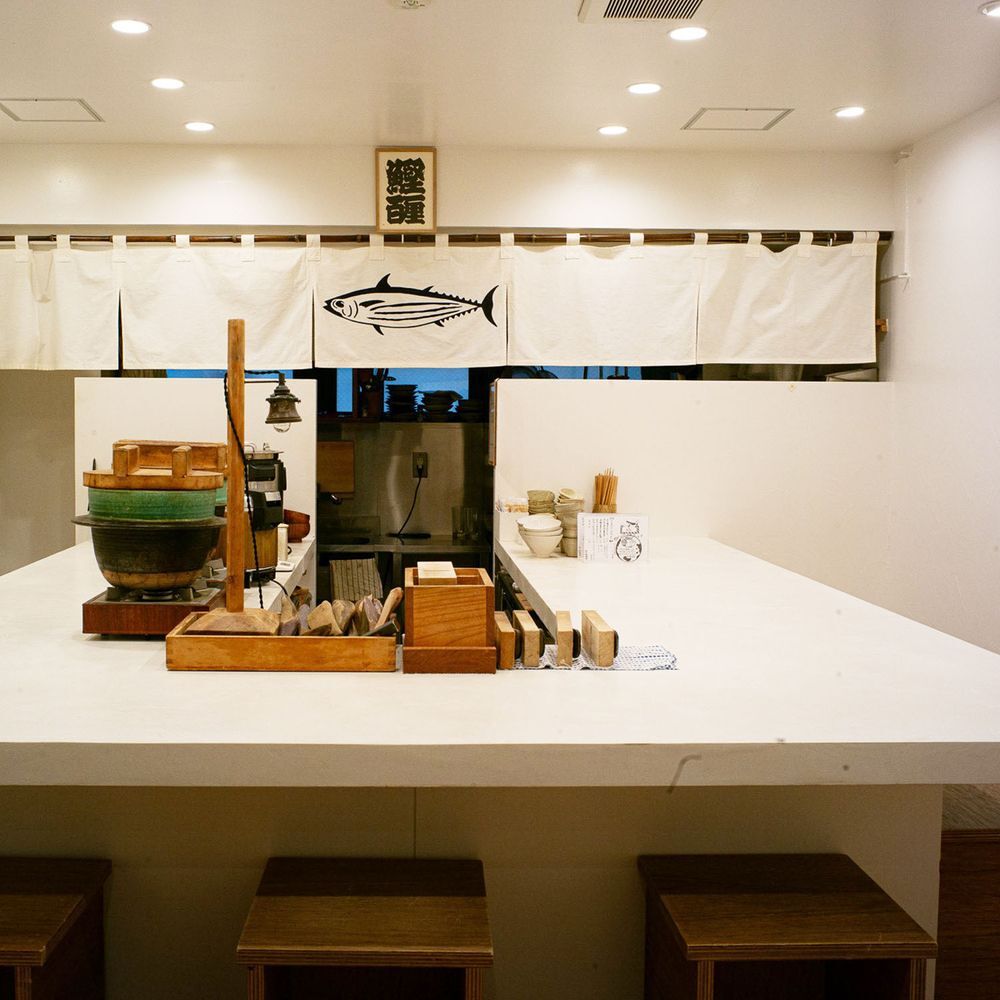
- 1725
Bib Gourmand • Tonkatsu. You’ll find Katsuyoshi in a back-alley of Ningyocho. The interior of the shop, a refurbished traditional home, uses recycled wood to convey a retro feel. In the kitchen, you’ll see two copper pots. When deep-frying pork cutlets, the owner-chef uses hotter oil for some dishes and cooler oil for others. Fried seafood morsels such as scallop and tiger prawn are popular. If you get a seat at the counter, you can watch the chef’s work, which starts with preparing the meat.

- 1726
Bib Gourmand • Japanese. The menu of tea ceremony food conveys the flavours of Kikunoi with the culture of bento. Starting with appetisers, stewed bowls are served ryotei-style. Serving-ware—baskets, lacquer, glasses—changes with the passing seasons, laden with a colourful variety of grilled items and simmered vegetables. The house speciality, Shiguremeshi, is topped with sea bream sashimi smothered in sesame sauce. As you dine, cast your gaze over the stillness of the moss-covered garden.
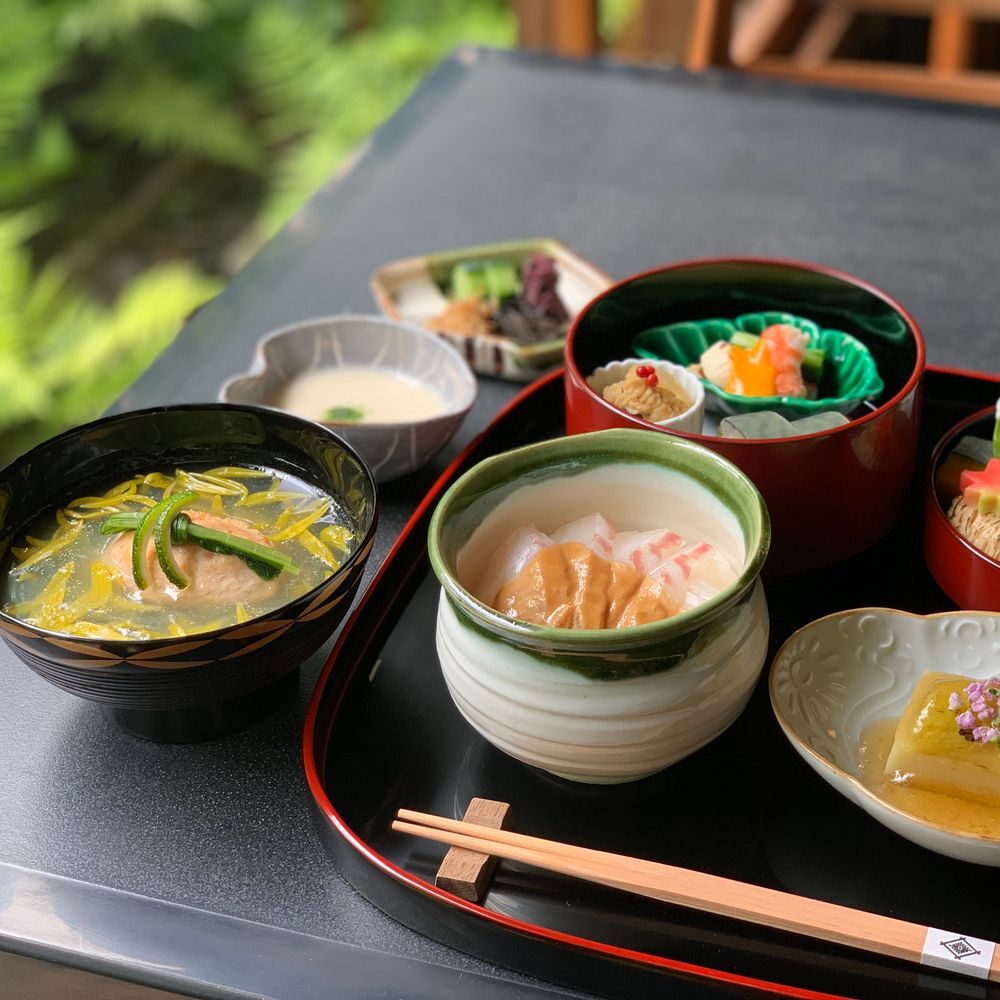
- 1727
Bib Gourmand • Soba. The owner-chef liked how making soba was a very minimalist process, using only buckwheat and water. That approach is behind his decision not to add any filler ingredients. In the summer, he makes the noodles thin so that they go down smoothly, and thick in the winter so that the flavour delightfully fills the palate as you chew. For an appetiser, we recommend the shrimp tempura, which uses batter mixed with marunuki.
- 1728
Bib Gourmand • French. Prix fixe is the rule here, but with plenty of room for choice. Traditional fare includes favourites such as pâté de campagne, smoked salmon and roast lamb. Standard dishes are always on the menu, constantly being improved as the chef hones his skills with each dish. The chef prepares his creations in silence, the very picture of the craftsman, pouring his passion into simple French cuisine that brings out the native goodness of the ingredients.
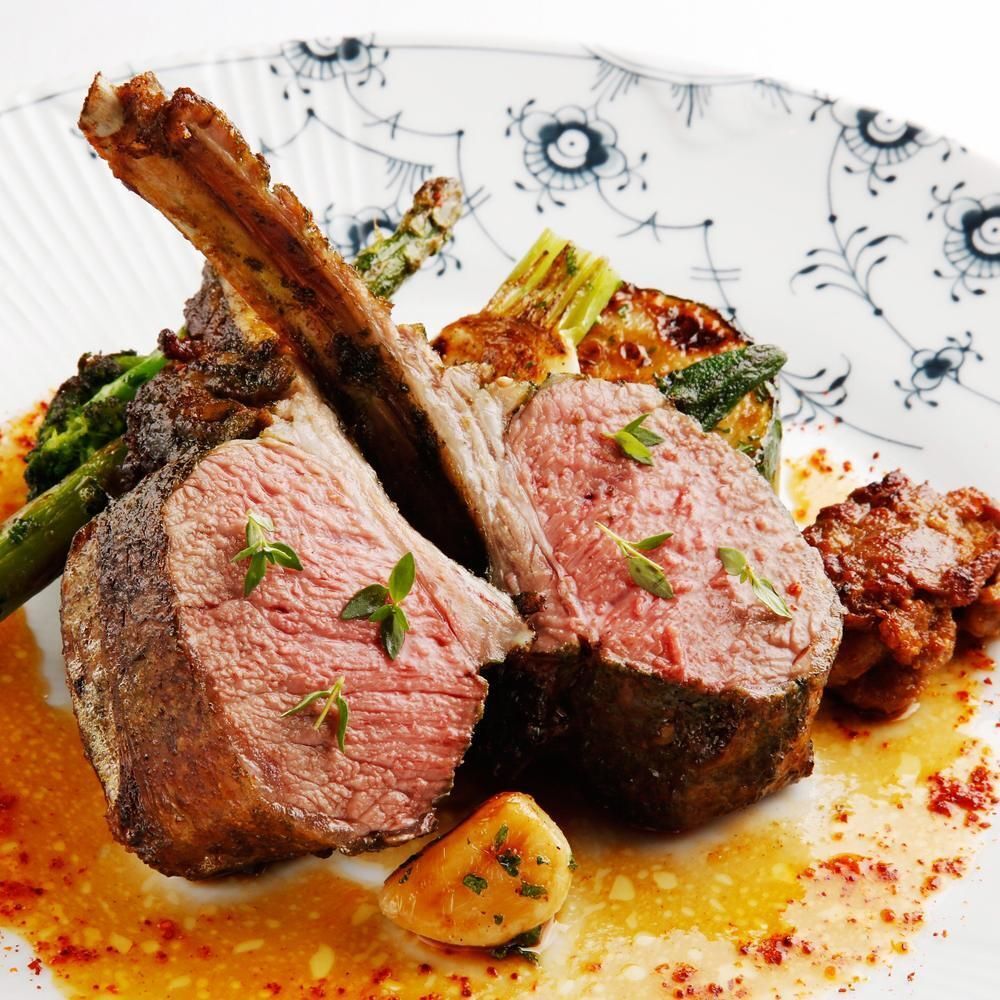
- 1729
Bib Gourmand • Soba. A former pâtissière, the chef switched from pastries to the path of soba, determined to focus on doing one thing well. Thin-cut juwari soba from home-ground flour is fragrant with a smooth finish. Side dish selections focus on natural flavours that make fine companions to sake, such as boiled greens in bonito-flavoured soy sauce and pickled vegetables. On weekdays, the restaurant is generally open only at lunchtime. With an extensive collection of local sakes, guests can enjoy a leisurely afternoon savouring them at KOKAGE.
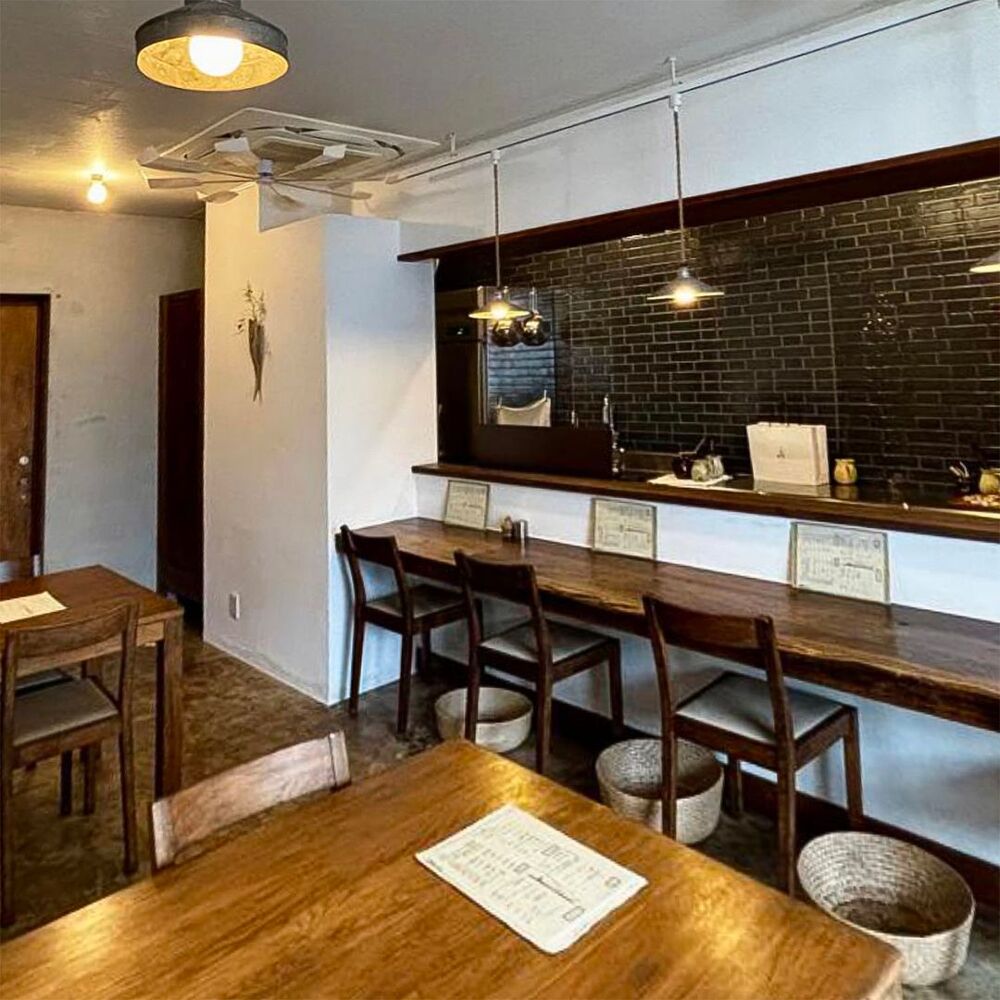
- 1730
Bib Gourmand • Ramen. This restaurant was opened by a kelp shop with a loyal clientele in Nishijin. The deliciousness of kombu dashi is the message here, and ramen is the medium. The meal begins with an introduction to different kinds of kombu: Rishiri, Rausu, makombu. Guests are invited to sample kombu water and shredded tangled kelp. The “Kombu Ramen” is unusual in that no sauce is used in the soup. Every drop of umami is teased from the kombu, to heighten the lingering memory of its flavour.
- 1731
Bib Gourmand • Izakaya. The proprietor loves rice, so he named his establishment ‘Komedokoro’, meaning ‘Place of Rice’. Taste the freshly-cooked white rice and you’ll understand why it’s so famous. Dishes are served on small plates, encouraging you to try a variety. Order the platter of side dishes and you’re sure to eat more than intended. The chef sources seafood and citrus fruits from his native Ehime. Sake and nibbles served at this ‘place of rice’ vary by the day.

- 1732
Bib Gourmand • Yoshoku. A mother and two daughters, in their pure-white smocks, make guests feel at home with their family hospitality. French and other Western dishes are served with generous portions, bringing satisfaction that keeps the restaurant’s reputation strong. Hamburger steak and fried shrimp are flavours from the good old days. Escargot and lamb pair well with wine. With only three tables, and the phone often unanswered, getting a reservation can be a bit of a scramble.
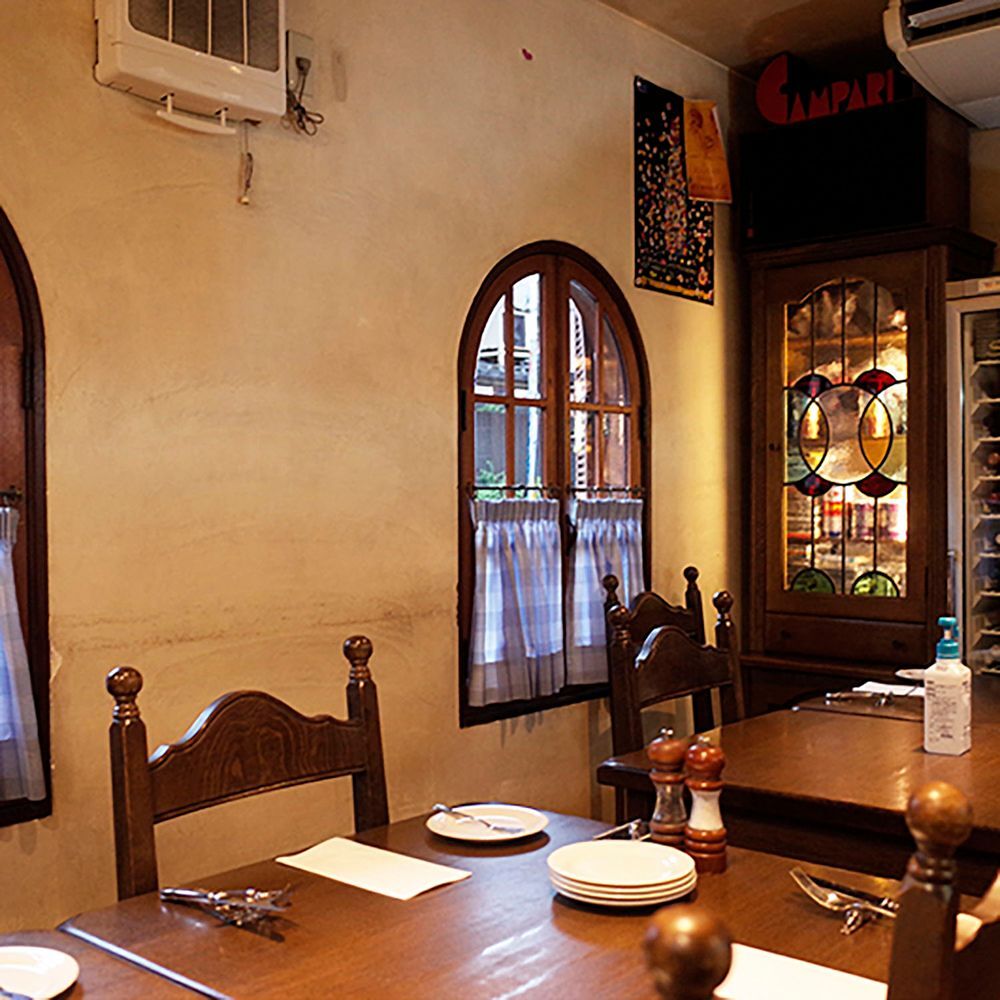
- 1733
Bib Gourmand • Japanese. The friendly couple who run Kuhara—the chef a disciple of Japanese cuisine, the proprietress a welcoming figure in kappo wear—make us instantly feel at home. The signature fare is duck. In addition to salt-grilled duck, they offer chilled breast stew in summer, and a hot duck stew called jibuni in winter. Dried baby fish with soy and pepper on rice and Kokusho miso soup of root vegetables are must-try items. Unripe pepper is gathered by the couple and their children when they visit her hometown in Tochigi Prefecture. Kokusho miso soup brings back memories for the chef, who sampled it when he applied to a restaurant specialising in shojin ryori.
- 1734
Bib Gourmand • Kushiage. These creative kushiage incorporate culinary influences from many countries. The sheer variety is endlessly fun. For your first skewer, you might start with angel shrimp from New Caledonia. The samgyeopsal (grilled pork-belly slices) wrapped in perilla and Korean lettuce is spiced with gochujang for a real Korean treat. Karaage, marinated in a sauce of spices such as star anise and five-spice powder and sprinkled with tapioca flour, fills the air with the fragrance of Taiwan.
- 1735
Bib Gourmand • Kushiage. The tempo in the kitchen is lively as cooks deep-fry these imaginative skewers. Order the omakase, which only ends when your belly is full. An amazing 25 types of skewers are normally available—you’ll want to see them all. Korean kimchi, Indian curry, Italian tomato sauce and so on take you on a journey from country to country. A fusion of Osaka’s fried foods with traditional cuisines of the world.
- 1736
Bib Gourmand • Kushiage. The creative skewers here feature seasonal ingredients and rare ingredients, such as Japanese glass shrimp in the spring, ayu with roe in the autumn and oysters in winter. Items like vegetables pickled in sake lees and goma-dofu give you the full Nara experience. To end comes nyumen that goes down well or dashi chazuke made with rice grown by the owner-chef’s brother. Each item on the set menu is given an extra touch for texture and flavour, making it a truly appealing set meal.
- 1737
Bib Gourmand • Unagi / Freshwater Eel. This eel restaurant has been in business for seven generations, dating back to the Meiji period. Every day finds the shop crowded with customers, many seeking its signature dish of ‘Kinshi Don’: rice covered in dipping sauce and topped with Edo-style eel and a large Kyoto-style omelette. What makes this east-west marriage of flavours work so well is the dipping sauce, a staple since the restaurant’s inception. The Kanto-style kabayaki, which involves steaming eel before grilling and dipping it in sauce, is a technique from a cook recruited from Tokyo during the founder’s generation. In both looks and taste, Kyogoku Kaneyo bears traces of Japan’s east and west.
- 1738
Bib Gourmand • Tonkatsu. The allure of tonkatsu in prix fixe dining. A wide range of cuts, including tenderloin, shoulder and ham, are served by the slice. Pork is deep-fried in lard at low temperatures, slow cooked in the lingering heat to produce meat overflowing with juiciness. Multiple brands of pork loin are on offer, so you can compare the texture of the meat and how the fat melts in the mouth. The meal ends with either katsudon or minced-pork cutlet curry. There’s more to fried pork than you ever realised.
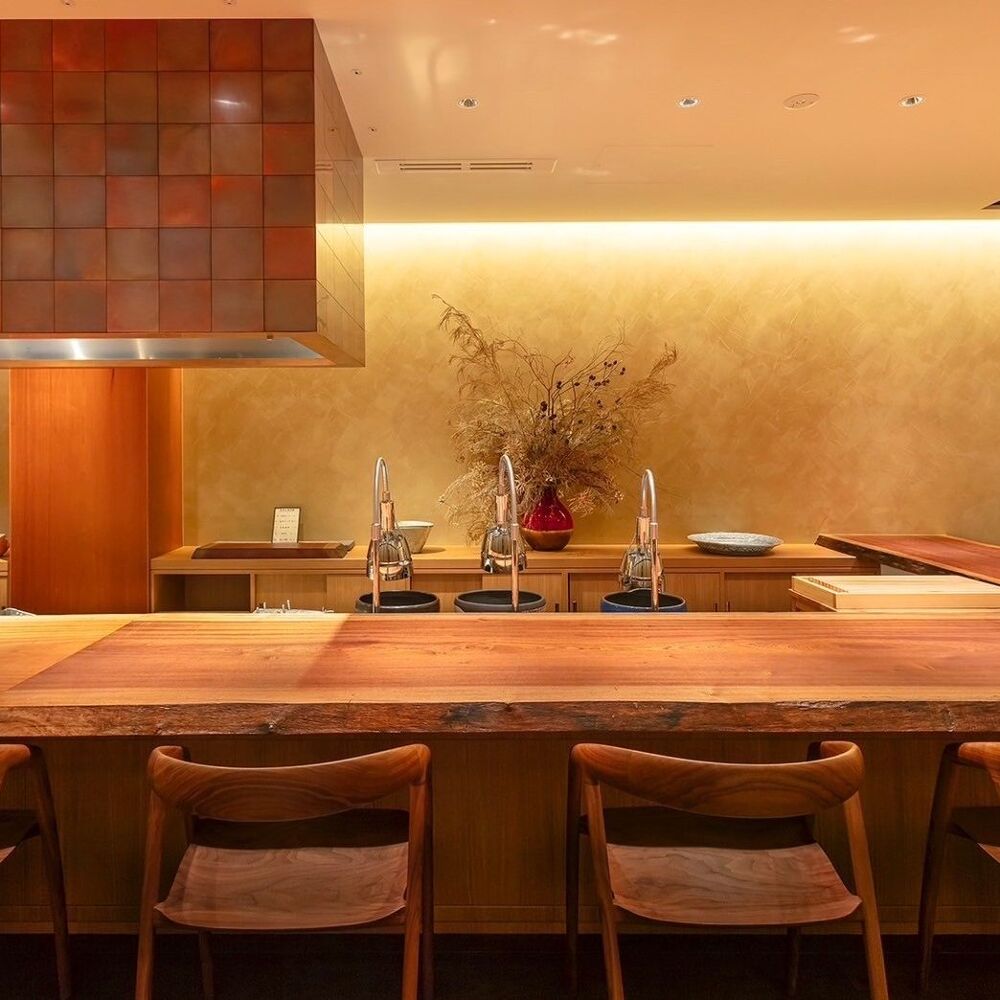
- 1739
Bib Gourmand • Soba. The queue forms before the doors open. The reason for Kyorakutei’s popularity is the extensive menu, with drinks and snacks to sample between bites of soba. It’s great to visit any time, whether day or evening. Tempura choices are also abundant, and guests can order combination platters or individual items according to preference. Buckwheat is sourced from the chef’s native Aizu, with a focus on delivering the flavour of cold inaka soba (thick soba made with whole buckwheat) with a pleasing finish. Tomato soba, the early summer speciality, is worth waiting for.
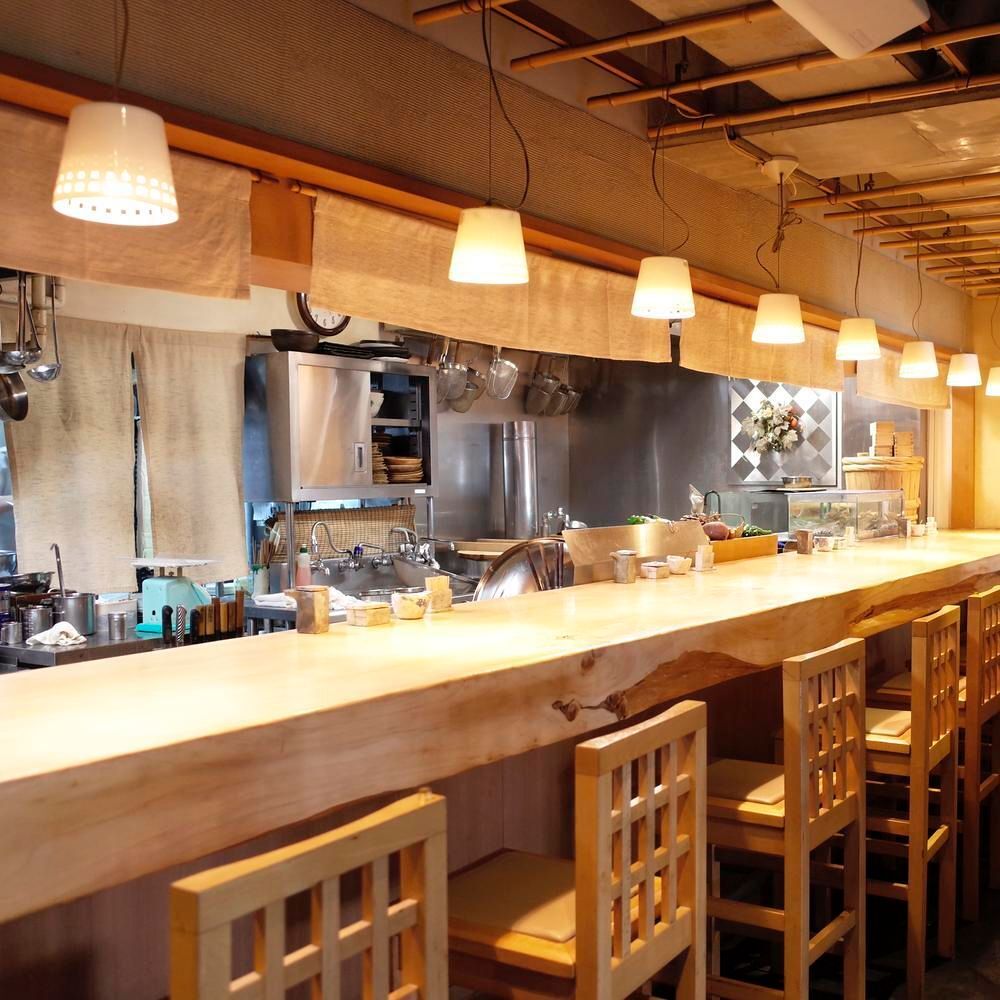
- 1740
Bib Gourmand • French. Apprenticing at a bistro in Paris, the chef was captivated by its lively energy. At L'AMITIE, he has put down roots in Takadanobaba with this intimate diner where you can feel like part of the daily life of France. Offerings include meat terrine À la campagne, cassoulet and beef cheek simmered in red wine. À la carte items are prepared for two, so you can enjoy sharing. Savour Gallic culinary culture and the ambience of the French countryside.
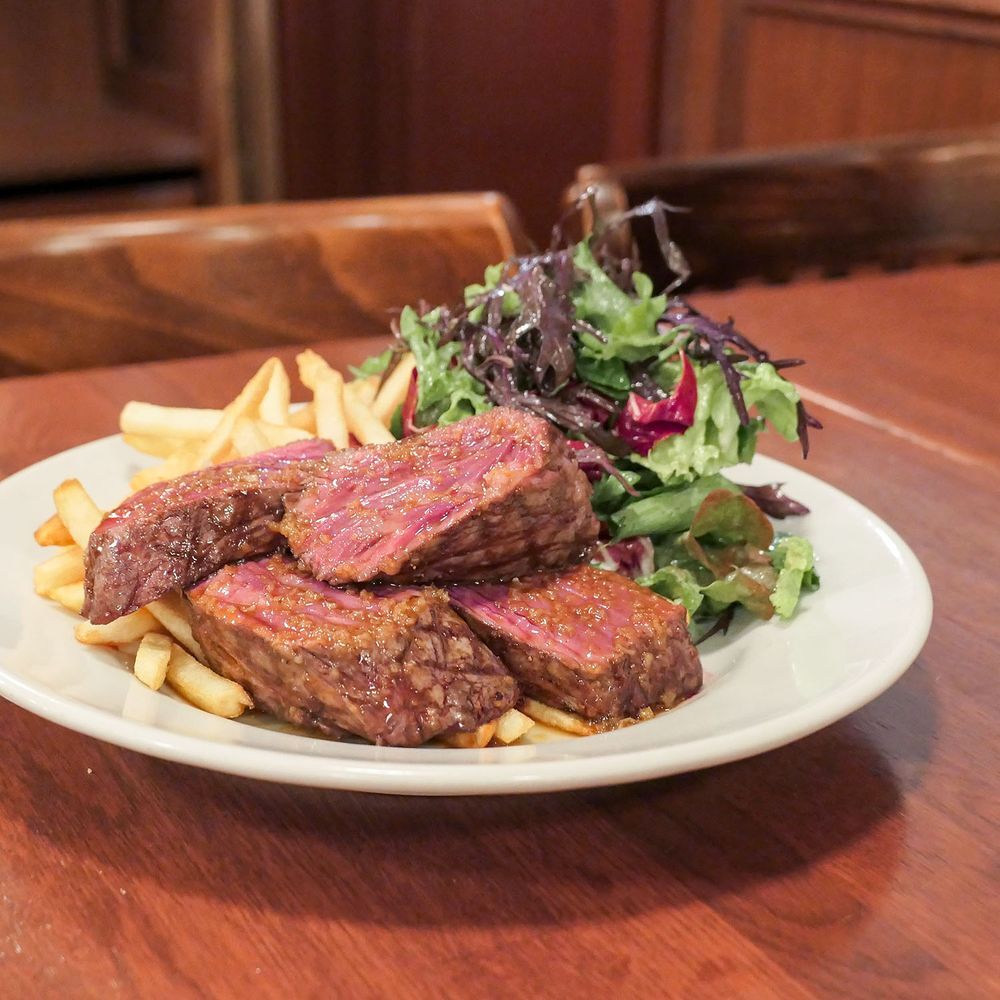
- 1741
Bib Gourmand • French, Contemporary. Simple yet refined fare, enjoyed in a casual setting. Keen to make French cuisine familiar to his clientele, the chef offers great taste at a reasonable price. Guests can enjoy their meals as if they were gathered around their own dinner tables. The chef changes the menu monthly, greeting diners with something different each time they visit. Cooks also bring dishes to tables for a seamlessly integrated dining experience.
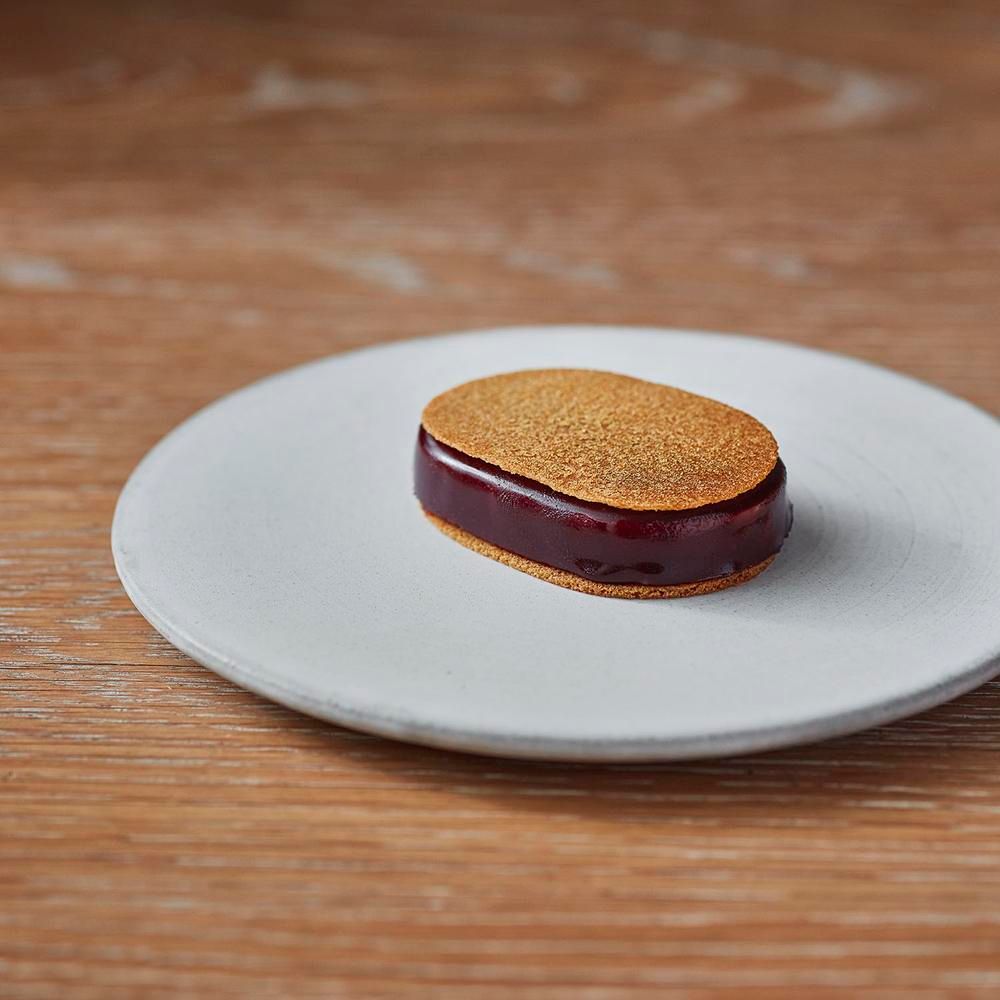
- 1742
Bib Gourmand • Italian. ‘La Bettola’ is Italian for ‘the dining hall’. With its casual atmosphere and fare that is good value for money, this trattoria draws throngs of guests day after day. The menu is crammed with regional cuisines and seasonal dishes. The prix fixe selection allows a choice of items—you’ll find it hard to make up your mind. For the appetiser, we recommend the combination platter, generous in both portions and variety. Sea urchin spaghetti is a perennial favourite.
- 1743
Bib Gourmand • French. Red bell-pepper mousse, smoked salmon, roast duck; ever since it opened, the fare here has been simple, out of respect for the ingredients. The chef seeks to draw closer to perfection every day, advancing in his craft. Cooking skill, recipes and spirituality are all things he learned as an apprentice. Cast your eye around the kitchen and notice how all the pots and pans are gleaming. Respect for the tools of his trade drive the chef to keep honing his technique.
- 1744
Bib Gourmand • Spanish. The menu lists dishes from every corner of Spain, every one a precious memory of the chef. The preponderance of Basque dishes reflects her attendance of a cooking school in San Sebastián and apprenticeship at a restaurant there. We start with pintxo (pinchos), an apt choice for the Spanish pub atmosphere. Piquillo pepper stuffed with dried and salted cod, squid simmered in its ink and other Basque-country favourites are faithfully reproduced here. Experience the food culture of Spain.
- 1745
Bib Gourmand • Italian. A place to enjoy Italian cuisine and organic wine. The menu offers a culinary tour of Italy, featuring dishes from every corner of the country. The appetiser platters similarly serve as distillations of regional cuisines. Pasta choices vary widely, from northern ravioli to southern tomato spaghetti. Meat offerings hew closely to traditional cooking methods, such as stewing and roasting. Classic preparations that pair well with wine are the attraction here.
- 1746
Bib Gourmand • French. The number ‘64’ on the door refers to France’s 64th department: Pyrénées-Atlantiques, in the Basque Country. A devotee of pork culture, Shinichiro Sakurai is a lover of all things Basque, especially its pork cuisine. Having learned from charcuterie, Chef Sakurai places pork dishes front and centre: pâté and pig’s-head terrine as appetisers, boudin noir as a main dish. The Basque spirit lives and breathes in this back alley off Kotto-dori Street.
- 1747
Bib Gourmand • French. The ‘blue’ of this ‘bistro of the blues’ refers to the blue in the French flag, which represents liberty. The young chef and sommelier enthusiastically pour out their passion for French cuisine. Home cooking from throughout France, such as choucroute and bouillabaisse, are available à la carte. Doors open at 3pm. Its location in a narrow restaurant row and the casual atmosphere within capture the bistro’s spirit of freedom.

- 1748
Bib Gourmand • French. A place to enjoy organic wine and bistro fare. The blackboard menu is filled with charcuterie such as salami and rillettes, a plentiful serving of crudités, and steak frites. Portions of this classic French cuisine are generous, perfect for sharing a plate. Signatures of wine growers who have visited the restaurant hang on the wall, telling a tale of ongoing exchange.
- 1749
Bib Gourmand • French. The white-walled house in Nara’s Ayameikeminami district catches the eye. Inside, the colour scheme of chalk-white walls continues, enfolding diners in a clean, refreshing ambience. Lunch is limited to a simple prix fixe, with beef steak a standard offering. In the evening, the lavish à la carte menu is recommended. The menu takes a bistro approach, featuring dishes such as confit of duck leg and cassoulet de Toulouse. One plate holds enough for two, because sharing is fun.

- 1750
Bib Gourmand • French. The chef is experienced in the gastronomic ways of both Tokyo and Paris. Intent on reaching new heights while broadening the base of French cuisine, he opened a bistro. He showcases his talents with items baked in pie pastry. Beef simmered in red wine and potato au gratin highlight the appeal of regional cuisines. ‘Le Monde Gourmand’ translates as ‘the world of the food lover’, and as the name suggests, this is the place to sample the world of fine dining in a casual setting.

- 1751
Bib Gourmand • French. The restaurant’s name is inspired by a chanson song. Inside, red bench seating, French movie posters and chanson playing in the background all recreate the feel of a Paris bistro. The menu is an assemblage of French village fare. Each plateful serves two, encouraging sharing. With an extensive list of wines from every region of France, many available by the glass, you can delight in the experience of pairing your dish with wines of the same region.
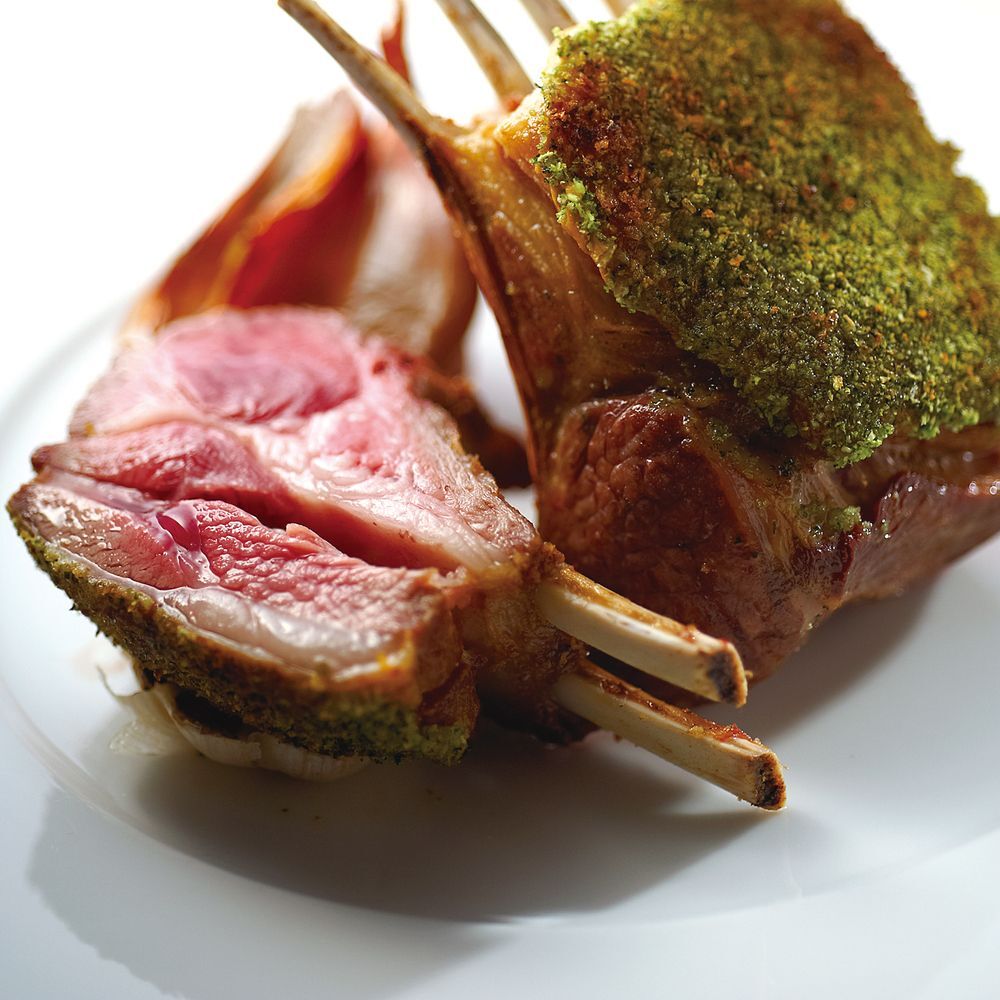
- 1752
Bib Gourmand • French. A bistro by Dominique Bouchet. The theme is ‘bistronomy’: a bistro with added gastronomic enhancements. Favourites such as pâté en croûte and steak frites are everyday standards in France. Lobster macaroni is a Bouchet speciality that captures the hearts of Parisian epicures. Savour the profundity of French cuisine from popular fare to modern haute cuisine.
- 1753
Bib Gourmand • French. The chef mixes his own sensibilities into cuisine rooted in French bistro fare. The blackboard menu is a medley of authentic dishes and à la carte items made with seasonal ingredients. Generally, an appetiser and a main course is the perfect amount, but some items can be ordered as half portions, so ask your server.

- 1754
Bib Gourmand • French. ‘Lien’ is French for ‘connection’. The chef, a native of Aomori Prefecture, uses both ingredients and crockery from that region of northern Honshu. Serving salmon from the Tsugaru Strait and Aomori Shamorock chicken on Tsugaru Kanayama Yaki pottery, the chef connects guests with producers through his cuisine. The comprehensive prix fixe menu is imbued with this sense of human connection. ‘Lien’ may mean a feeling of connection, but it also means a bond.
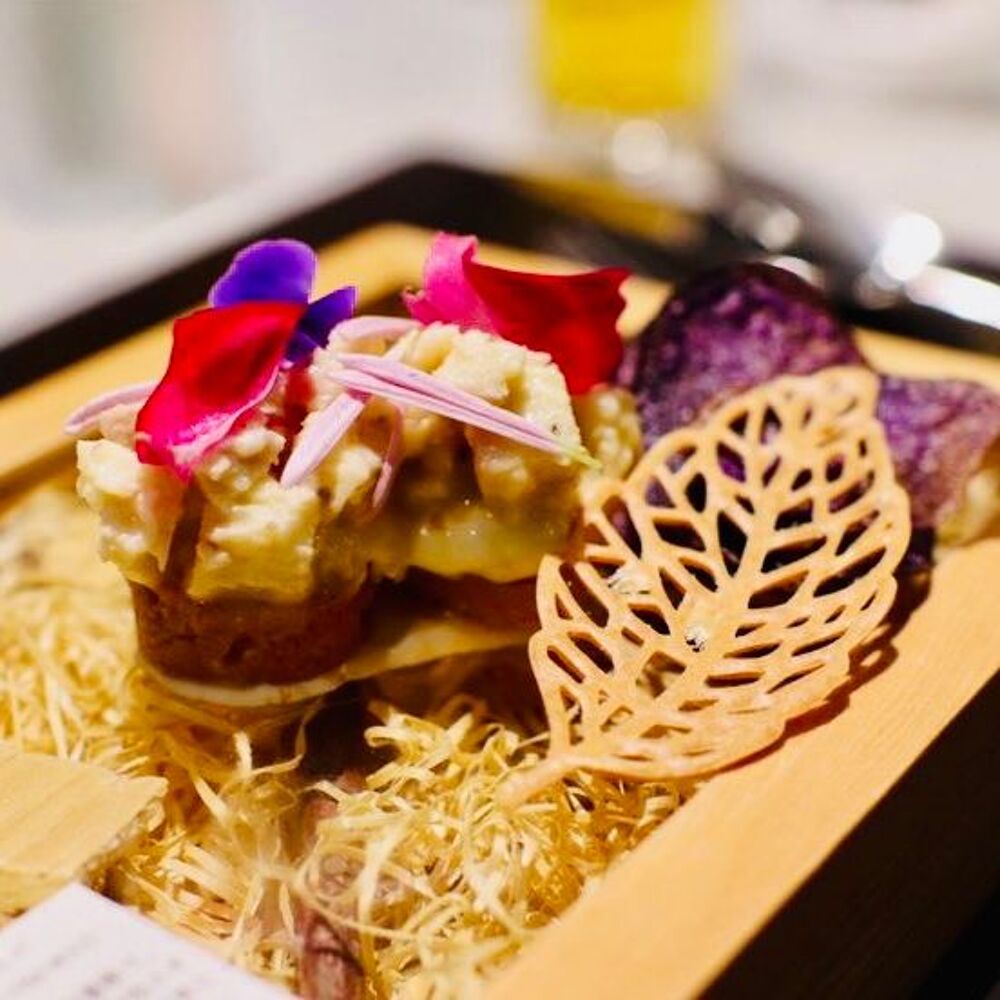
- 1755
Bib Gourmand • French, Traditional Cuisine. Inside Institut Français de Tokyo, time flows slowly, the bustle of the city forgotten. The chalk-white building, designed to suggest a small village in the south of France, gently enfolds a courtyard. Poached eggs in red wine sauce and beef simmered in red wine bring a taste of Saulieu, in Burgundy’s Côte d’Or. Desserts are classic sweets selected from a trolley, as tradition dictates.

- 1756
Bib Gourmand • Spanish. The second-generation chef passes on the Catalonian cuisine that the first-generation chef acquired in Barcelona. Salad of sardines and egg like grandma used to make honours the memory of this couple’s mentors. Dried cod and parsley sauce and homemade sausages convey the flavours of Catalonia, while the well-worn pots attest to the popularity of the paella. Cuisine interwoven with warm memories echoes the journey this restaurant has traced.
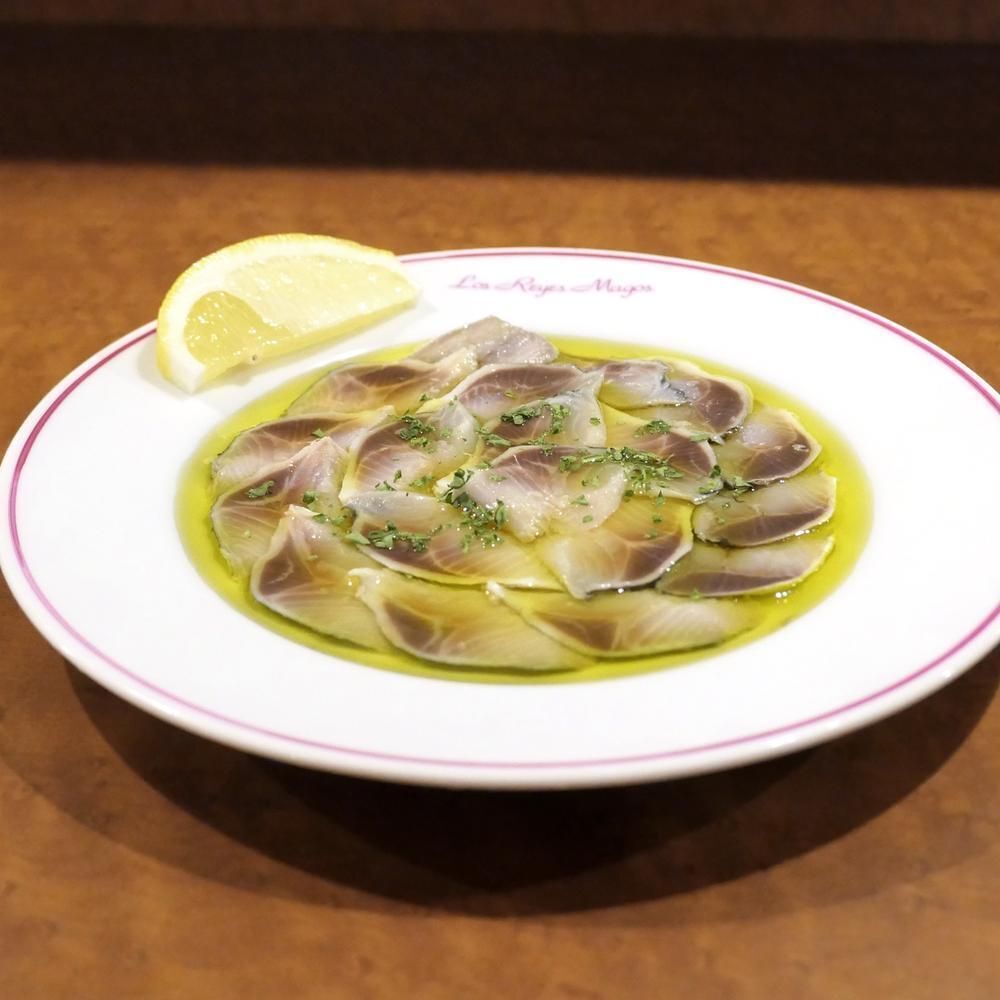
- 1757
Bib Gourmand • French. Ratatouille, cassoulet, beef cheek simmered in red wine: familiar regional fare covers the blackboard menu. Special attention is paid to Tokushima pork, which stars in numerous menu entries. Taking pride in the ingredients’ flavours, the chef shares a passion in common with the producers he relies on. A full range of pork cuisine is available, including cutlets and charcuterie. Ingredients are lightly salted to bring out their flavour, and portions are generous. The traditions of French food culture on full display.

- 1758
Bib Gourmand • French. The chef opened a small restaurant, Ma Poule to celebrate the appeal of Jura, in eastern France. This region, with its beautiful forests, valleys and wetlands and its wonderful ingredients and people, made a profound impression on the chef. Chicken and morels in sauce vin jaune is a Jura dish in which the chef takes great pride. This dish is paired with specially produced yellow wine. The façade and interior, and even proprietress’s clothing, are yellow as well. A restaurant filled with love of Jura.

- 1759
Bib Gourmand • Italian. Fish dishes are the pride of this Italian restaurant, helmed by a chef who apprenticed at a trattoria that specialised in seafood. As he travelled through the various regions of Italy, he became fond of fish cuisine, going on to work in areas near the sea such as Puglia and Sicily. Today he interprets the rural cuisine and homemade pastas he studied in southern Italy through the marine products of Japan. ‘Macauda’ is the name of the house in which he stayed in Sicily that won his heart.
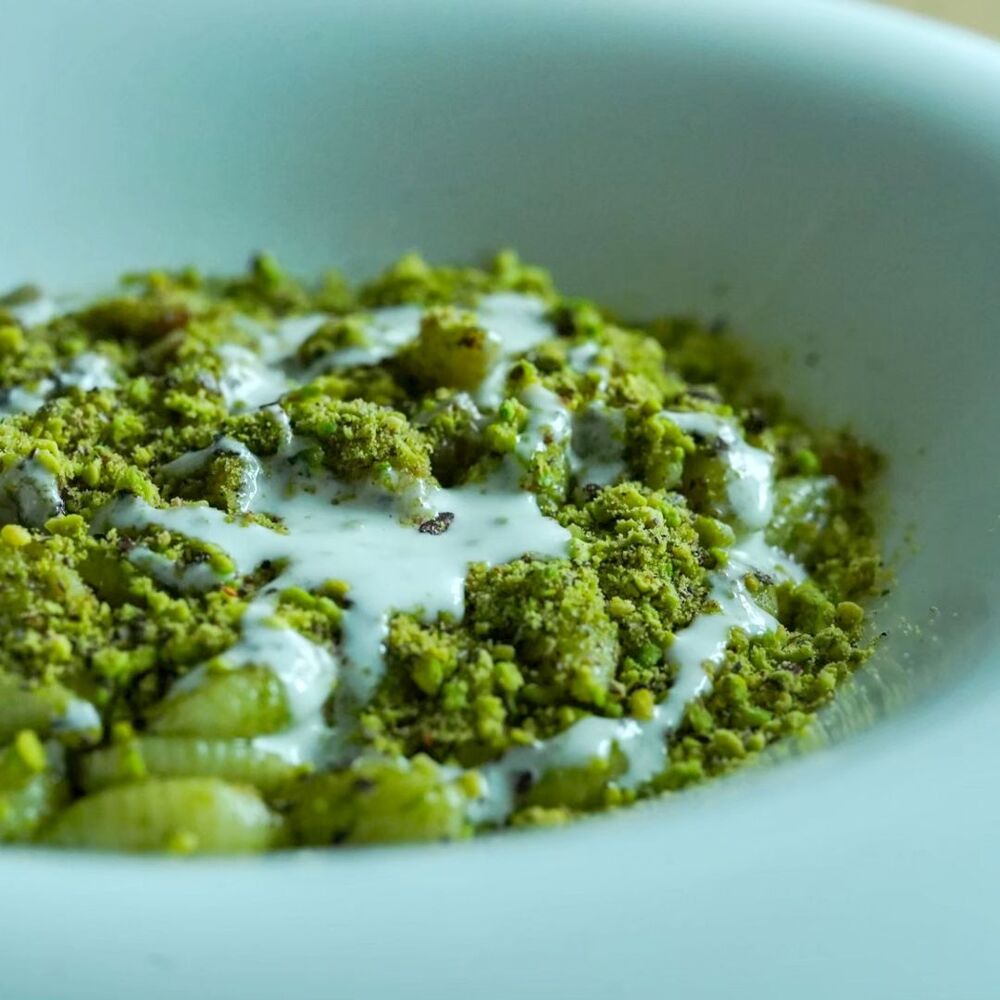
- 1760
Bib Gourmand • Indian. The scent of spices wafts through this traditional Japanese house; a ‘hermitage of spices’, which is what the name means. Creative cooking is based on Indian cuisine, bringing intriguing flavours to the table. Appetiser platters, inspired by the hassun of Japanese fare, incorporate French and Italian morsels for variety. Guests can choose from a variety of curries, including lamb vindaloo and butter chicken.
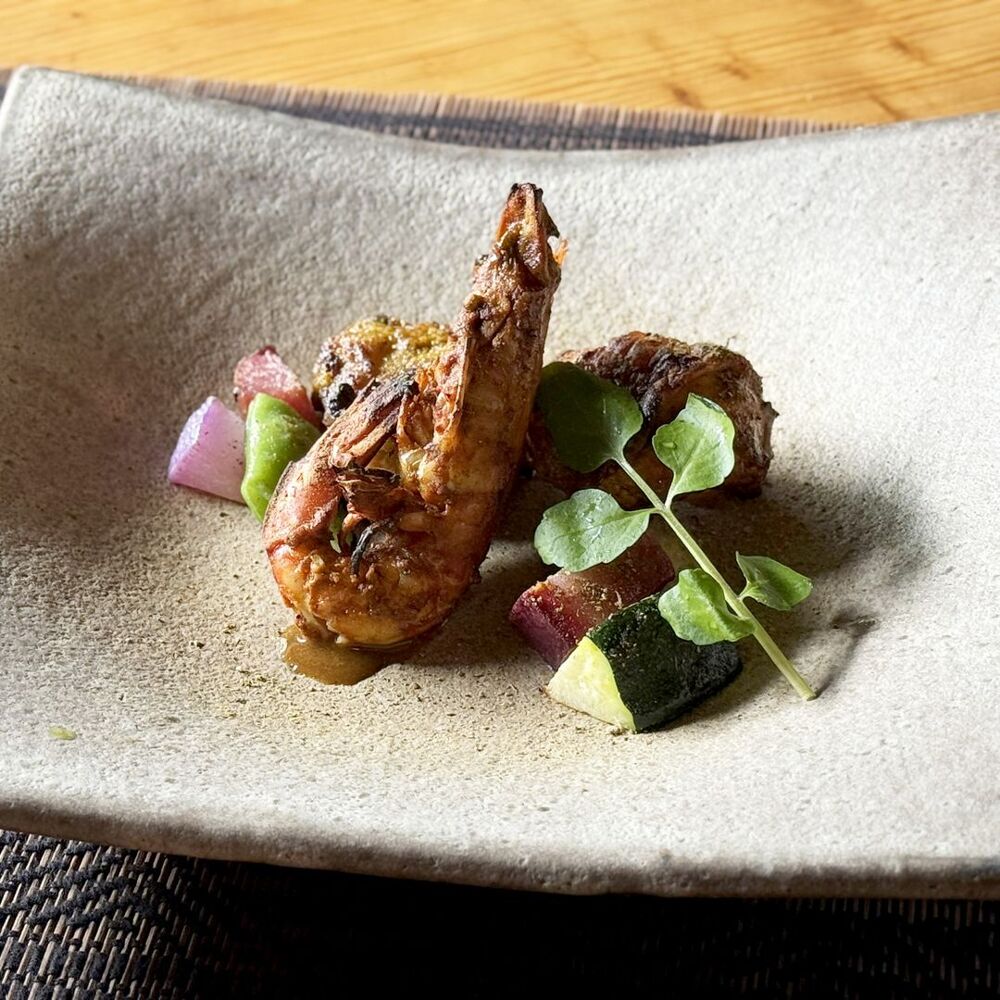
- 1761
Bib Gourmand • Sushi. Sushi items lined up inside a glass display case ooze Showa-era ambience. A sushi shop of the old school, and that’s how the chef likes it. Cutting and serving the sushi himself, the chef offers everything from omakase set menus to à la carte. Tuna is marinated in soy sauce; conger eel is coated in a thick, sweet eel sauce; and egg is served ‘kurakake’ or ‘saddle-style’: layered into a cake and split over a bite-sized mound of vinegared rice. The character for ‘sushi’ combines the characters for ‘fish’ and ‘delicious’. The pursuit of essential Edo style expresses the chef’s pride in his craft better than any words.
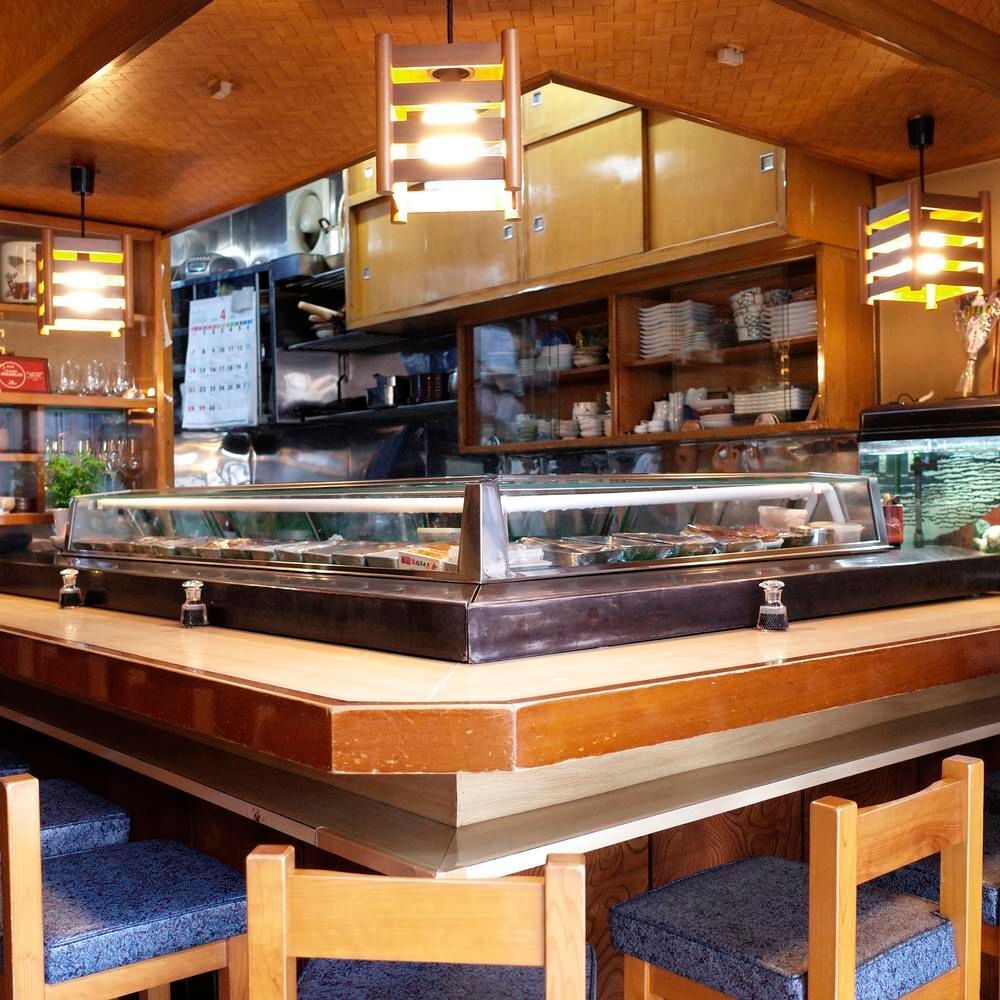
- 1762
Bib Gourmand • Chinese. Two sisters run this Sichuan restaurant, the elder tending flame and wok in the kitchen, the younger serving guests plates of steaming fare. Stir-fried vegetables, served with pickled vegetables and fermented tofu, are home-style favourites. Steamed chicken and mapo tofu use spices to bring out the flavours of the ingredients. Framed Chinese paper-cutout art adorns the walls; the music of the erhu sets the mood. The reverence for Chinese culture and food is unmistakable.

- 1763
Bib Gourmand • Yoshoku. ‘Novel yet nostalgic Western food’ is the theme here. Hamburger steaks with dollops of demi-glace sauce and gratin dressed in silky smooth béchamel sauce are prepared in time-honoured ways, bringing back the flavours of the good old days. Decompression-prepared salad offers rich flavours and uniquely fresh textures. Unchanging methods combine with advanced cooking techniques declare a new approach to Western favourites.
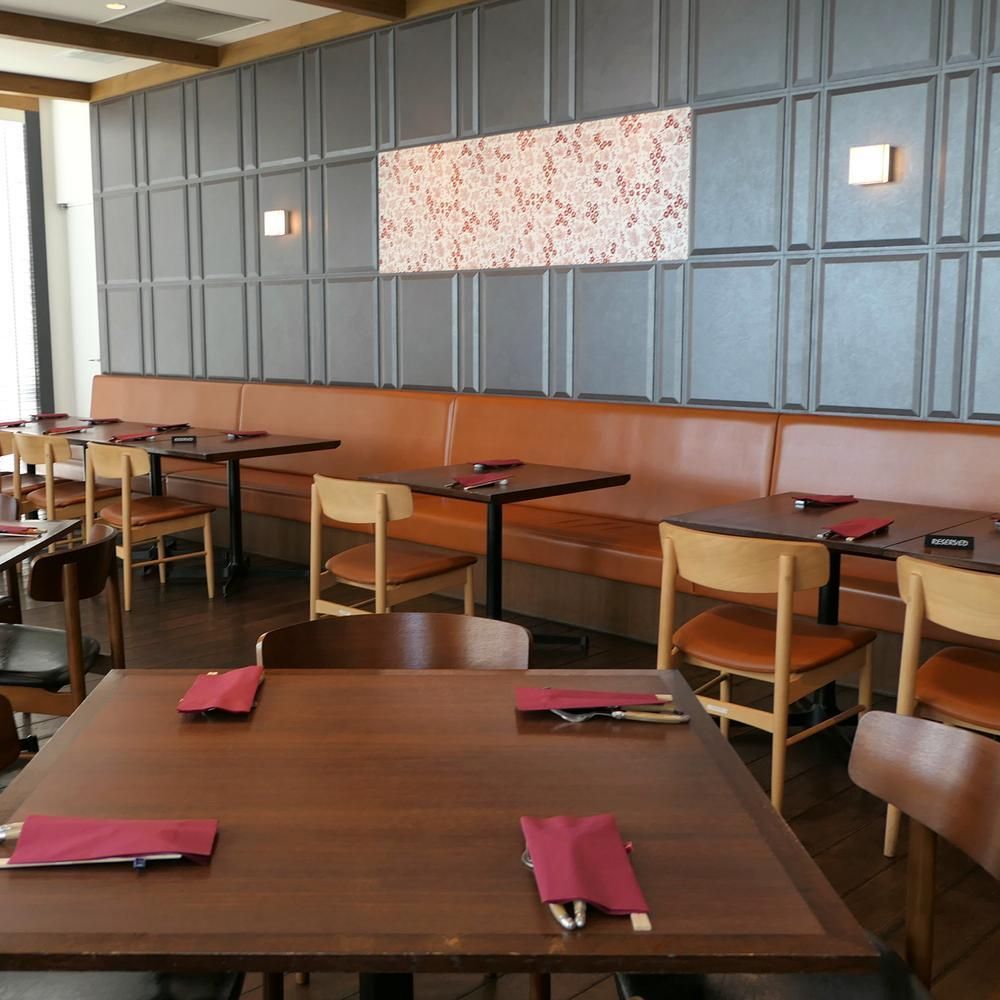
- 1764
Bib Gourmand • Unagi / Freshwater Eel. Unagi are dressed, skewered and grilled over high-grade charcoal. From the counter seats, the whole series of cooking scenes can be observed. The unagi are kept alive in purifying tanks until they are dressed, then dipped three times in sauce and grilled Edo-style. Sauce is used sparingly, letting the flavour of the fish speak for itself. Rice cooked somewhat firm, and freshly ground sansho pepper deliver a distinctive touch. Skilful restraint shows in the short steaming time and sparing use of sauce.
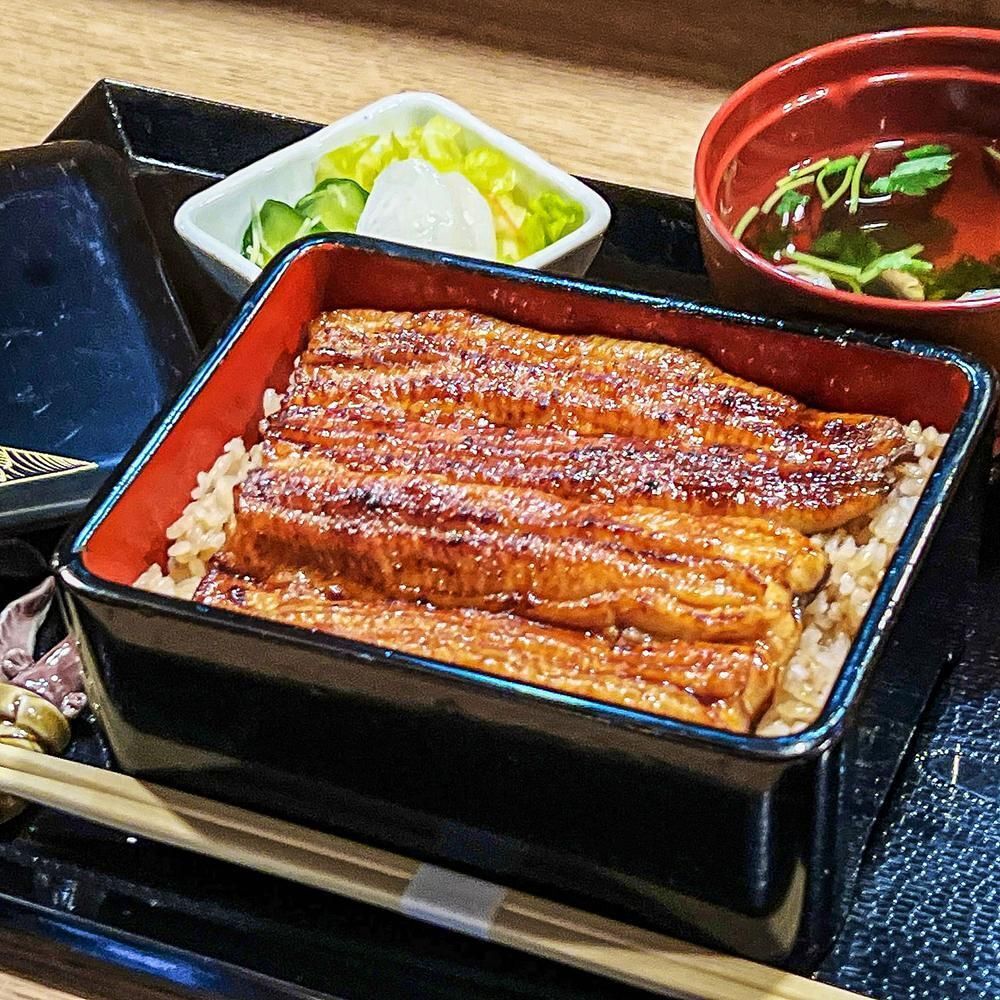
- 1765
Bib Gourmand • Ramen. The deliciousness of chicken works its magic in the soup. ‘Chuka Soba’ is ramen served in a refreshing clear soup; ‘Noko Tori Soba’ is ramen in rich, creamy chicken broth. If you can’t finish your soup, ask for it to be poured over rice with Tsuruhashi kimchi to make rice gruel. The ‘hidden menu’ on the reverse side of the menu catches one’s eye. Together, the front and back menus tell you ‘all about ramen’, which is what the shop’s name means. Savour a bowl from a proprietor who devotes himself whole-heartedly to the craft of ramen.
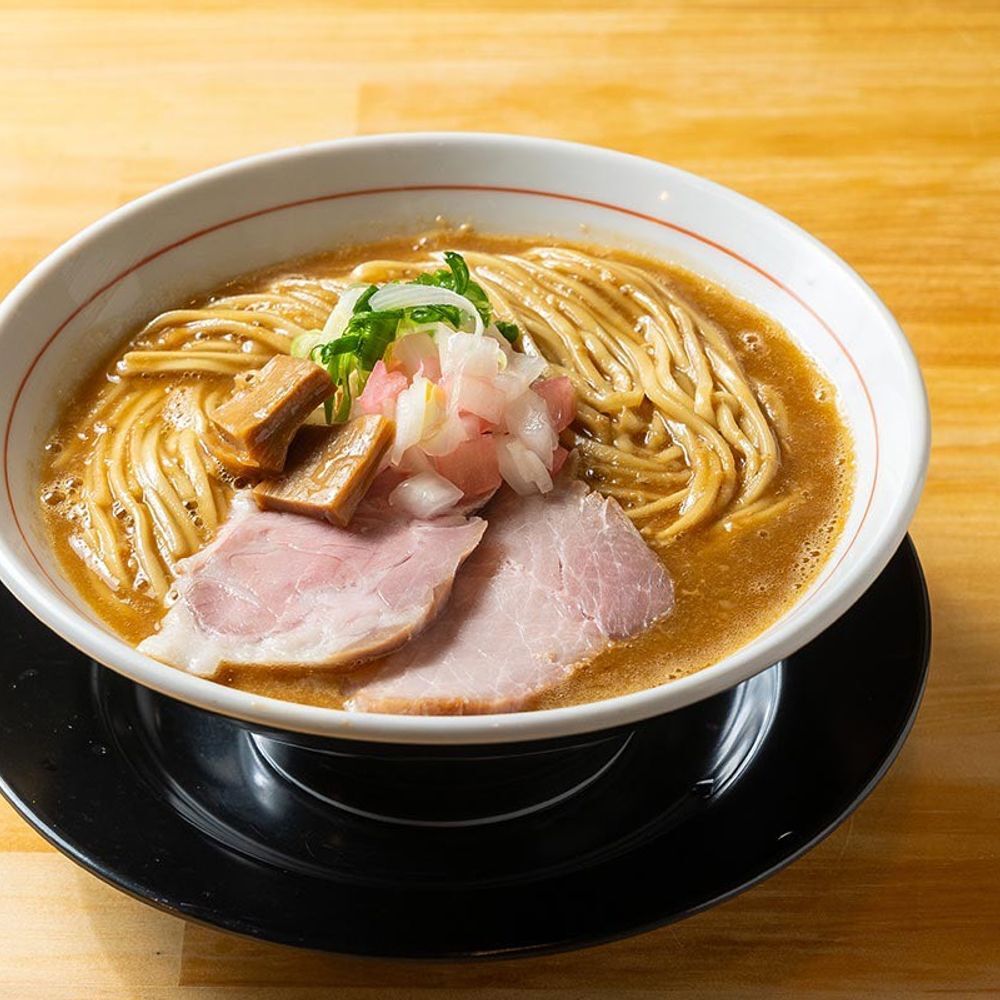
- 1766
Bib Gourmand • Tonkatsu. The shop takes such pride in the quality of its pork—Mochibuta, a domestic pork known for its tender meat and light, clean-flavoured fat—that the brand is in the name of the restaurant. Pork is deep-fried in vegetable oil, on a low flame at a leisurely pace, for a light texture. The chef is a study in undivided concentration as he hovers over his pots. Tonjiru pork soup is generously full of ingredients. The location is next to Musashikoyama Shopping Street, famed for its long arcade. Reservations are accepted for evenings.

- 1767
Bib Gourmand • Ramen. The chef has been researching the deliciousness of ramen since he was a schoolboy. In search of a unique flavour, he made ‘Scallop and Japanese Pepper Ramen’ his signature dish. Soup of dashi drawn from chicken, pork and seafood is multilayered and satisfying. The finished Japanese pepper oil imparts a refreshing feeling, and the generous topping of scallop is pure luxury. A carefully calibrated bowl of goodness that is the gift of repeated independent study.
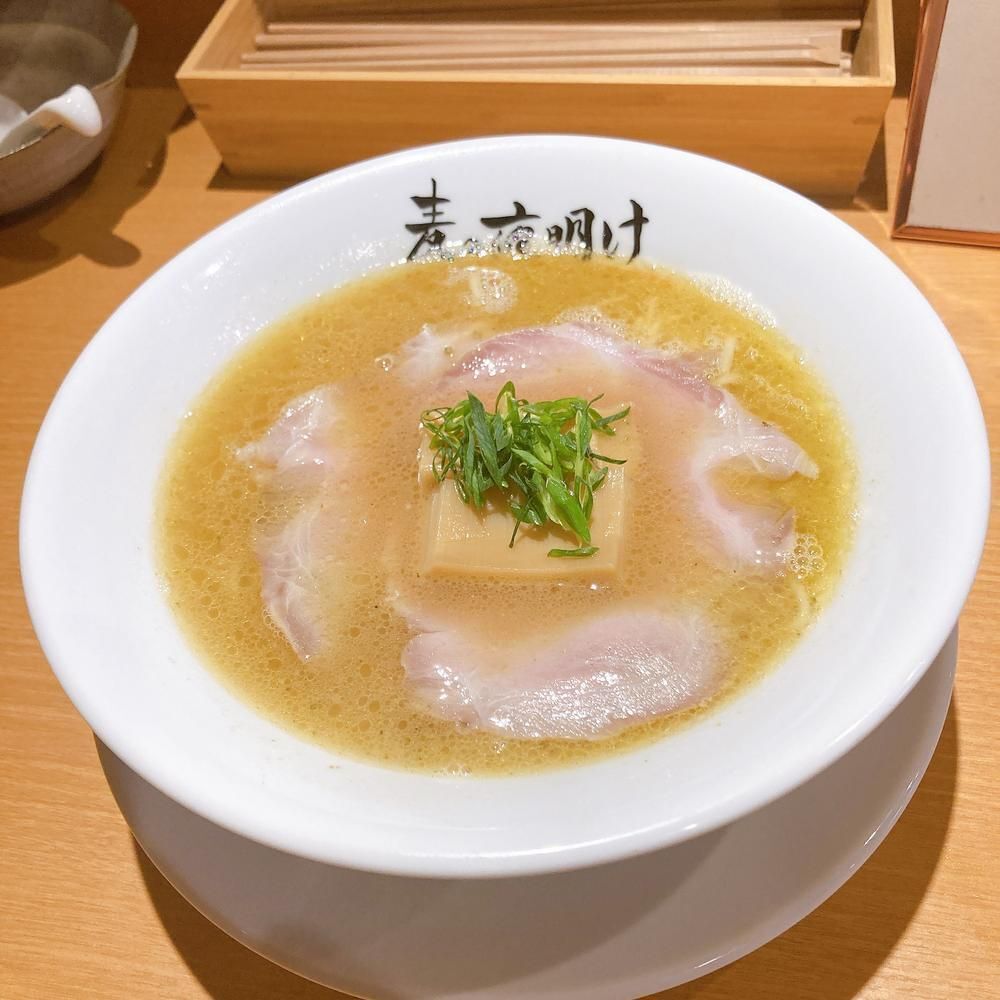
- 1768
Bib Gourmand • Ramen. Queues form daily in front of this popular restaurant. The earthen wall made by a plasterer and counter seating with wooden trays are typical of neighbourhood Japanese restaurants. The dish that brings in many diners is the soy-sauce ramen made with chicken broth; the heart of its flavour is the mixture of guinea fowl and free-range chicken, raised together by a farmer who shares the chef’s vision. The flavours of the two fowl are layered within the clear, amber-coloured soup. House-made noodles, crafted for a satisfying finish, balance and support the character of the bowl.
- 1769
Bib Gourmand • Izakaya. An izakaya where patrons can savour ryotei-style fare in a casual style. The meal begins with a hassun platter of appetisers, so you can select your dinner as you nibble and sip your drink. Sashimi is served with soy sauce blended with fish liver; fried foods come with tartar sauce made using red perilla-flavoured pickles: these little twists make each dish taste even better when paired with drinks. The variety of snacks, such as potato salad strewn with titbits, is impressive. Local sakes from various regions are offered little by little to complement dishes—thoughtful attention that keeps the cups moving.
- 1770
Bib Gourmand • Soba. Oimatsu-dori is famed as a street of antique shops and galleries. Celebrating the street’s past as the approach to Osaka Tenmangu Shrine, the restaurant’s noren features the shrine’s plum-flower crest. To preserve Osaka’s dashi culture, the third-generation owner-chef uses his grandfather’s recipe for noodle broth made from kombu and light soy sauce. In contrast, he learned his noodle-making technique under the guidance of a master in Yamanashi Prefecture. The noodles are made using sacred water from the shrine, in gratitude to the area. Truly, this is the soba crafted by a venerable gentleman—an okina of Naniwa.
- 1771
Bib Gourmand • Japanese. Negima-nabe, a tuna and spring onion stew, is a tradition handed down since the days of the shoguns. At a time when lean meat was treasured, this stew was contrived as a way of lightening the texture of toro, the fatty cut of tuna. Enchanted with Edo-era cooking, the proprietress of Negima revived it. True to original recipes, the dish uses neither kombu nor mirin. The meal ends with ‘pepper rice’, a dish of fresh-cooked rice seasoned with broth from the pot and pepper. Sample the pure cooking that true Edo-ites have always loved.
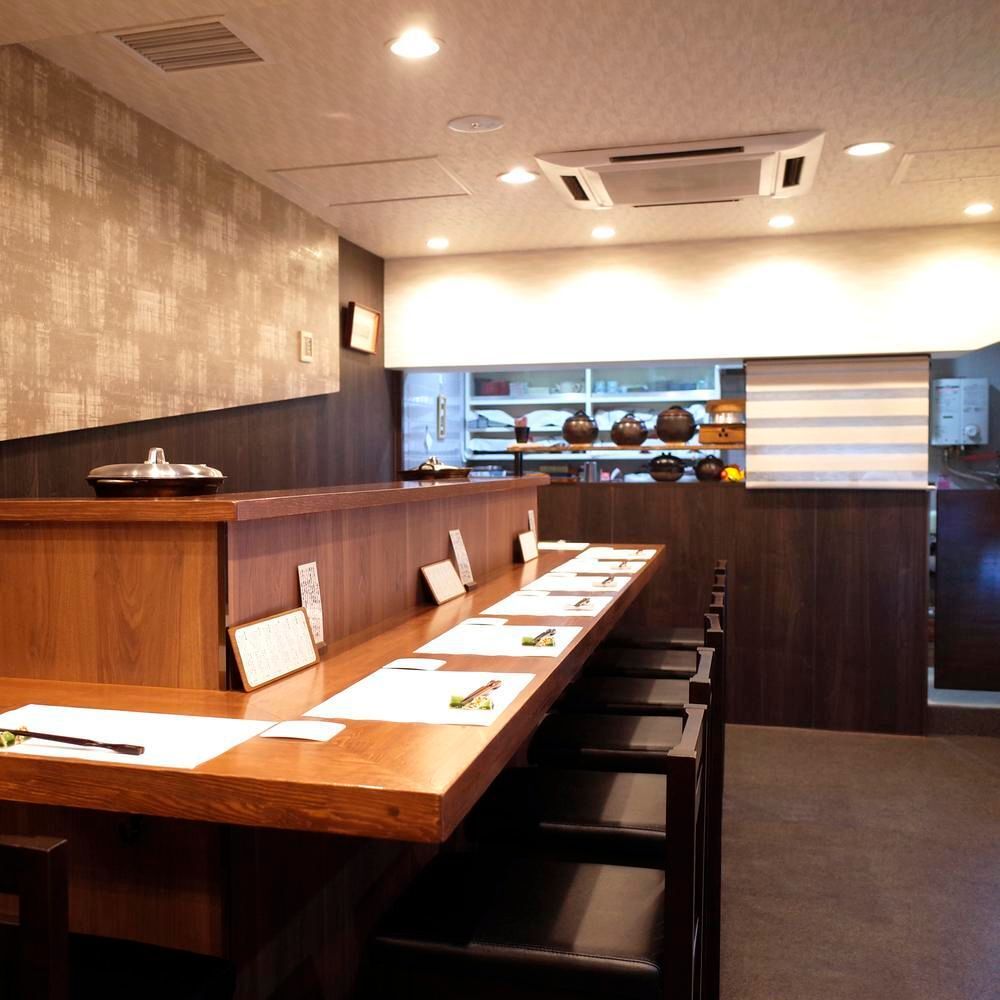
- 1772
Bib Gourmand • South East Asian. The very name of the restaurant builds excitement ahead of guest’s visit. The concept is a night market, which has roots in Southeast Asia. The chef, inspired by hawker cuisine experienced across multiple countries, interprets street-market dishes through Japanese ingredients. The menu is à la carte, the origin of each dish indicated by national flags. A visit here feels like a tour of the night markets of Vietnam, Thailand, Indonesia and Malaysia. Cuisines, cultures and people mingle in an exotic atmosphere.
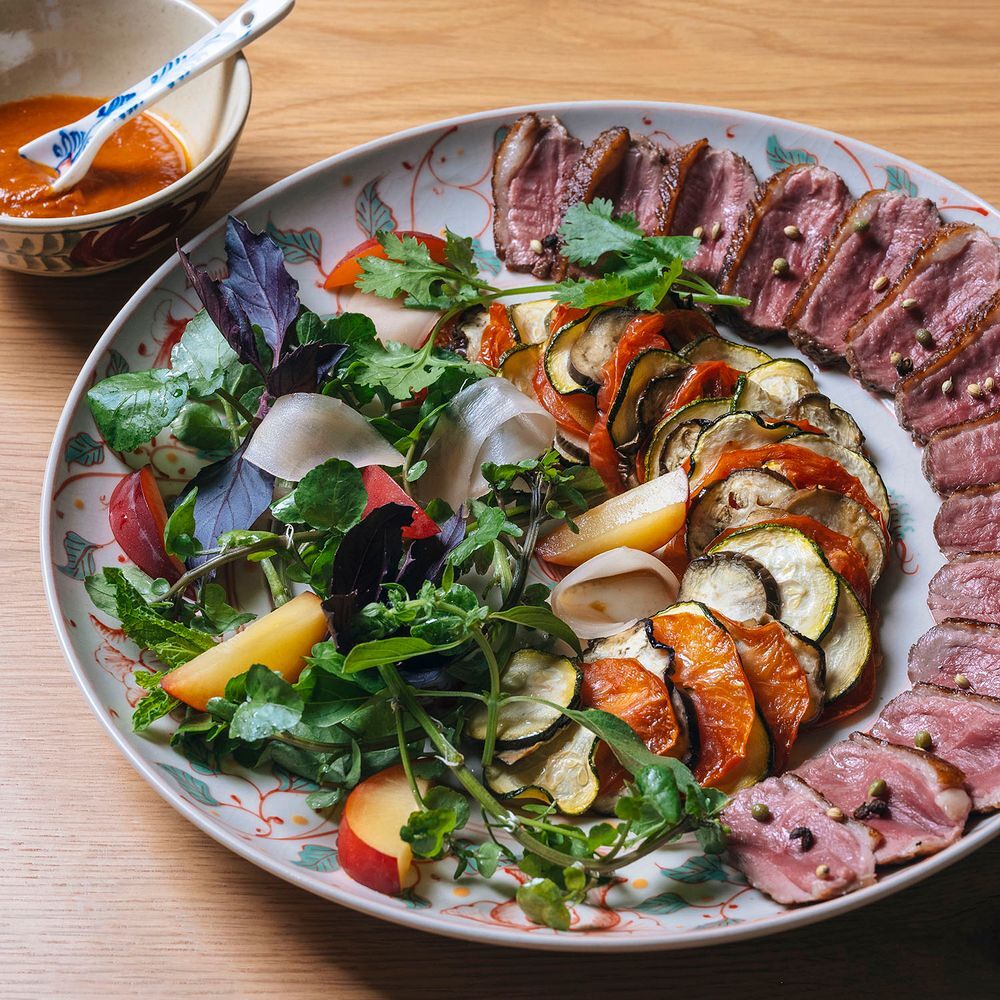
- 1773
Bib Gourmand • Izakaya. Home cooking and sake, enfolded in the nostalgic charm of a Japanese-style house. ‘Nikomi’ means ‘stew’, and stews are the chef’s signature dishes. Sukiyaki-style simmered beef and tofu, stewed beef tendon with konnyaku, and chicken meatballs are offered year-round; in winter, oden is added to the menu. ‘Fukusa Tamago’ is a rolled omelette mixed with vegetables. Western favourites such as macaroni salad and gratin can be had as well. The dishes with which the chef displays her talents are simple and full of warmth.
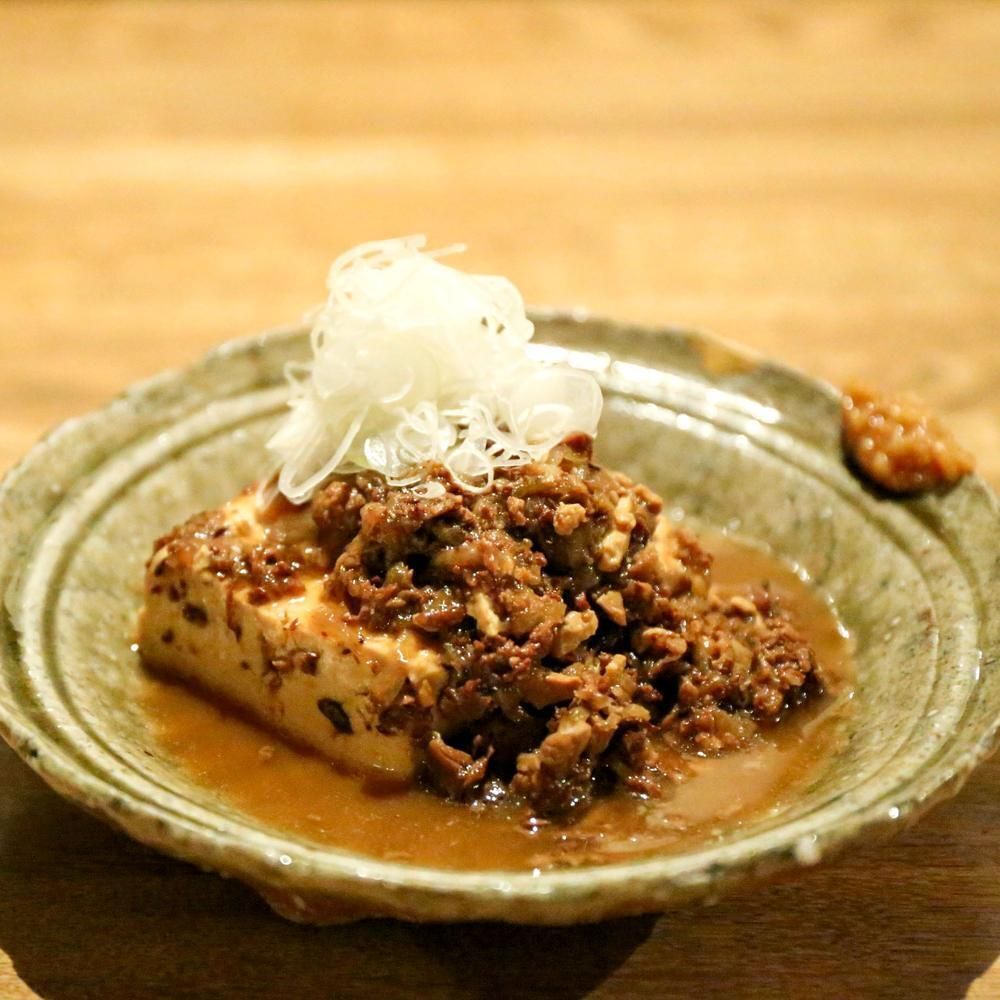
- 1774
Bib Gourmand • Ramen. The residential neighbourhood is like a maze and the restaurant has no sign out front. A spotlight on a bowl of ramen in a showcase indicates you’ve arrived. ‘Ramen’ distils the chef’s experience in Kyoto, pairing clear soup made with seafood dashi and pure soy sauce with house-made Kyoto wheat noodles. Thinly sliced roasted pork fillet is from Kyoto-raised swine. Blue bowls of specially ordered Kiyomizu ware set off each meal to its advantage.

- 1775
Bib Gourmand • Soba. Seiji Matsushima grows crops and makes pottery. He doesn’t just knead earth, though, he also kneads soba. The thin juwari soba set out on dishes he made himself exudes rusticity and the way of life of a self-described farmer. He grows the buckwheat berries for the sobagaki himself. Basil picked in the field in the summer is served with soba topped with a thick dashi-rich sauce, and winter yuzu is served with hot soba. Grated daikon is used in place of wasabi.
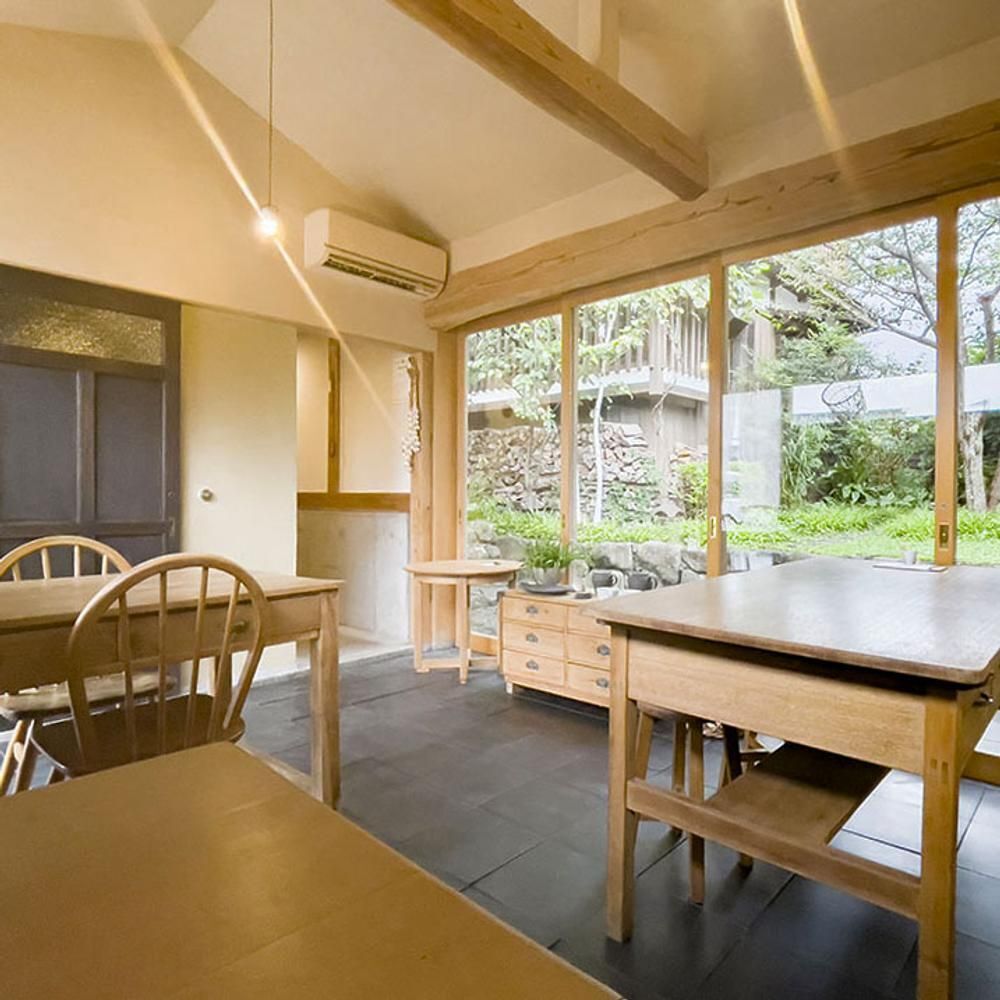
- 1776
Bib Gourmand • French. The name means ‘behind’, as in ‘behind the MICHELIN two-star restaurant out front’. In contrast to HOMMAGE, the purveyor of creative cuisine, noura is a homelike bistro that sticks to the basics. French onion soup, fish quenelle and duck confit are some of the French regional dishes on offer. Steak frîtes, a French comfort food, are a crowd-pleaser. This is French food culture for everyday life.
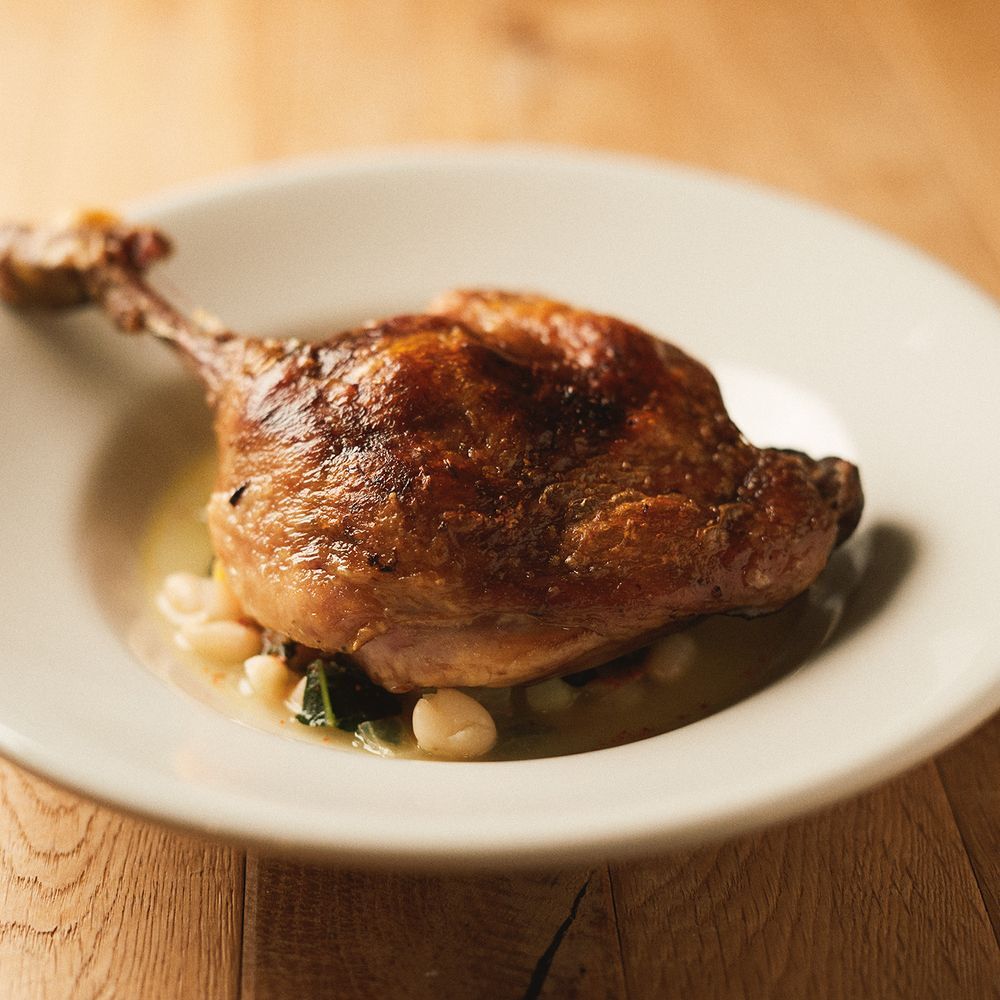
- 1777
Bib Gourmand • Udon. Located close to Tenjinbashi-suji, Kansai’s longest shopping street. The shop seems to be in competition for the longest queue to get in. The dish of renown is ‘Toriten to Taichikuwaten to Ontama Bukkake’ (udon topped with chicken tempura, sea bream paste cake tempura and soft-boiled egg). If the pure flavour of dipping sauce and noodles is what you’re after, try the ‘Hiyakake’. The clear sauce and delicious noodles are standouts, so the flavour of the seafood broth and the springiness of the noodles have your undivided attention. Choosing your favourite toppings adds to the fun.
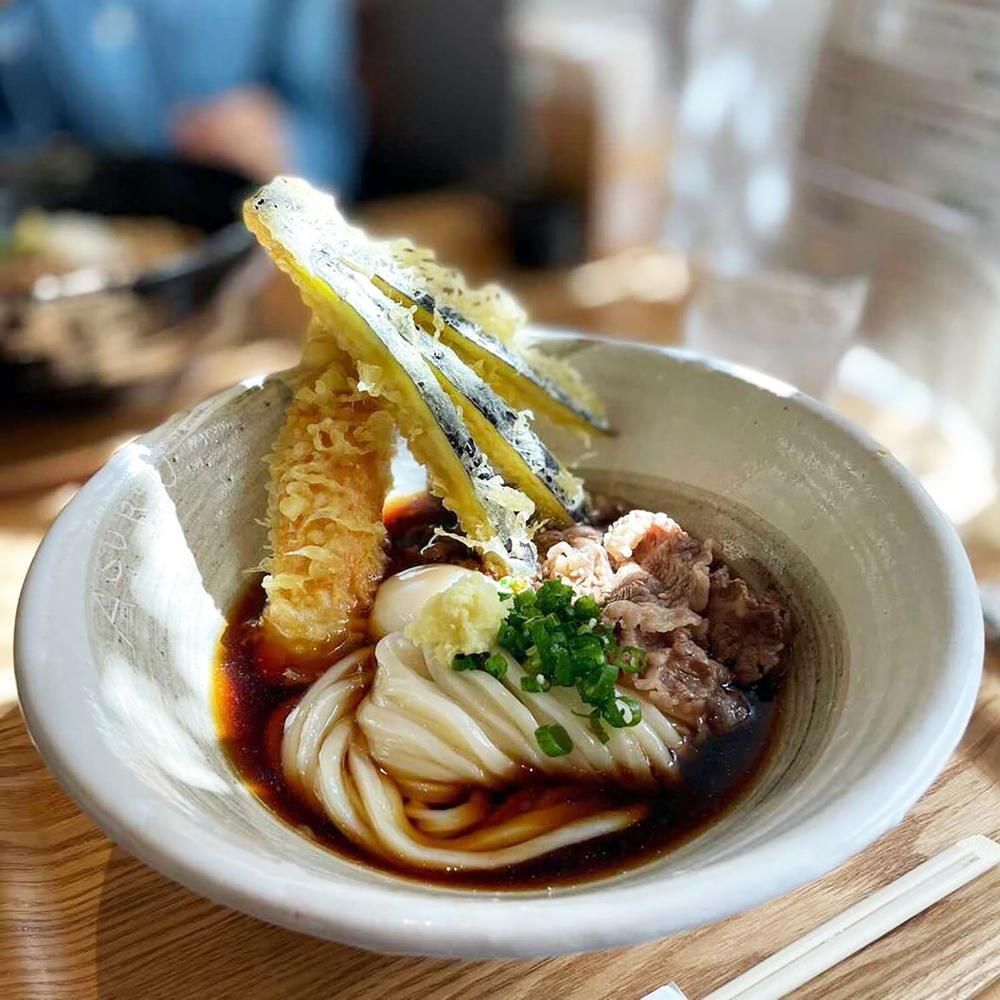
- 1778
Bib Gourmand • Oden. The name comes from the nickname of the first proprietress. Today the fourth-generation chef stands at the counter, preserving the flavours that define Oito. The broth, infused with the savoury richness of the ingredients, has a deep, lustrous colour. Daikon is prepared in several ways, each absorbing flavour differently, while eggs are simmered for days. Items are plated to complement each other, making a beautiful presentation. The broth, handed down from the founder, is truly irreplaceable.
- 1779
Bib Gourmand • Onigiri. This family has been serving onigiri in Asakusa for three generations. Ingredients are arrayed inside a glass case, as at a sushi shop, to be formed into onigiri on the spot. Offerings range from salmon and dried plum to rarer items such as herring roe pickled in sake lees and opossum shrimp preserved and simmered in sweetened soy sauce. Offering a wide range of ingredients allows customers to choose based on their physical condition; the area was once home to numerous bars and pubs, so customers would drop in for morsels to soothe constitutions punished by a night on the town.

- 1780
Bib Gourmand • Teppanyaki, Okonomiyaki. French bistro and teppanyaki cooking are the draw at Oribe. The impressive range of appetisers includes items inspired by French standards such as paté and smoked salmon. Its famous cabbage steak was dreamed up from the essential ingredients of okonomiyaki. Speaking of okonomiyaki, the meal ends with Osaka’s famous savoury pancake, a popular item here. The restaurant was named for the chef’s penchant for Oribe ware, and this style of pottery inspires the green theme for its décor.

- 1781
Bib Gourmand • Japanese. ‘Ame ni mo makezu’ (Be not Defeated by the Rain) is a poem by Kenji Miyazawa about caring for others, unbowed by hardship. Feeling deep affinity for this attitude to life, the owner-chef declares through this naming his intention to live for others through his cooking. Having apprenticed at an izakaya run by a liquor shop, the chef stocks an impressive range of sake from all around Japan. Focusing on how well dishes pair with sake, the omakase-only service also uses fermented seasonings. No-nonsense Japanese dishes mixed with bar snacks express the owner-chef’s unaffected personality.
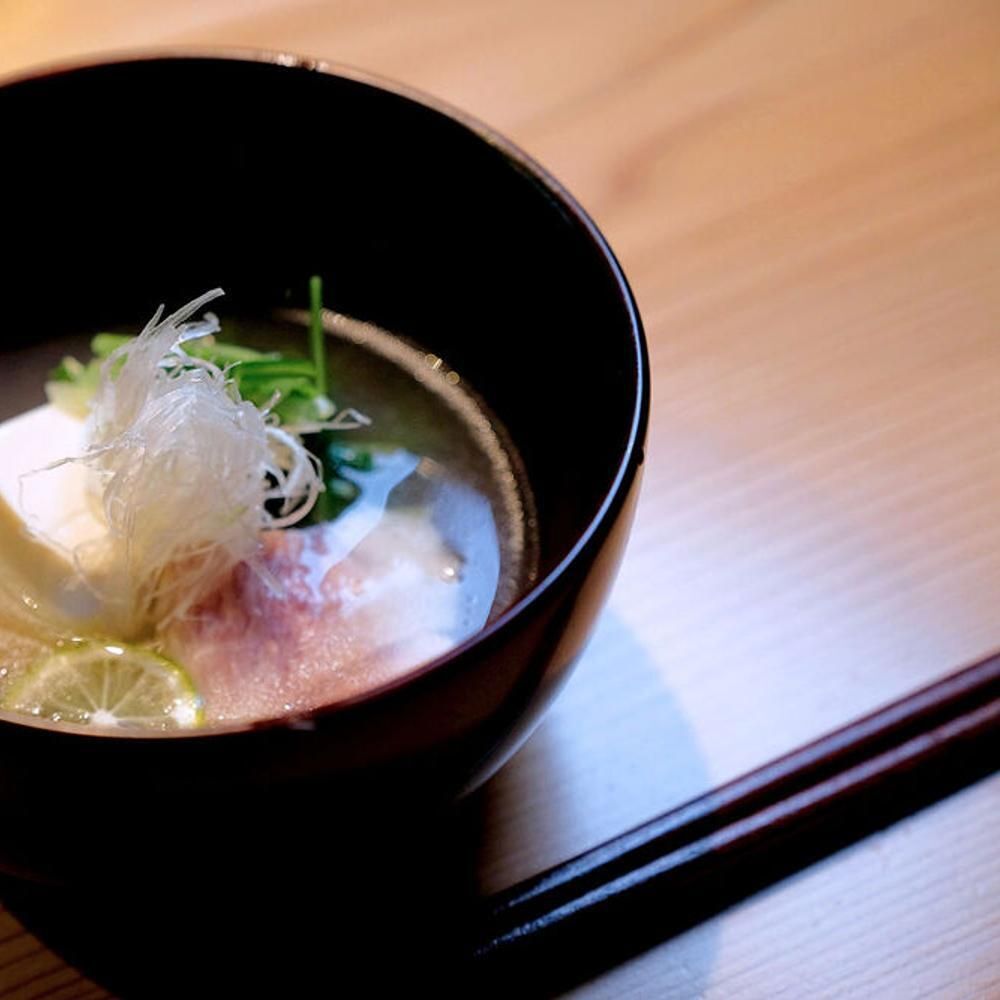
- 1782
Bib Gourmand • Soba. Taste sake and snacks while dining on soba. Think of the culture of the soba shop, the beloved essence of Edo popular culture, plunked down near Nishi-Azabu Intersection for the modern generation to enjoy, and you have the atmosphere of Osobano Kouga. Evenings bring prix fixe presentations that encourage you to linger over cups of sake. Tensui, tempura soba with the soba removed, is an old-timey snack. Soba in season and appetisers of vegetable or fish of the day are a delight.
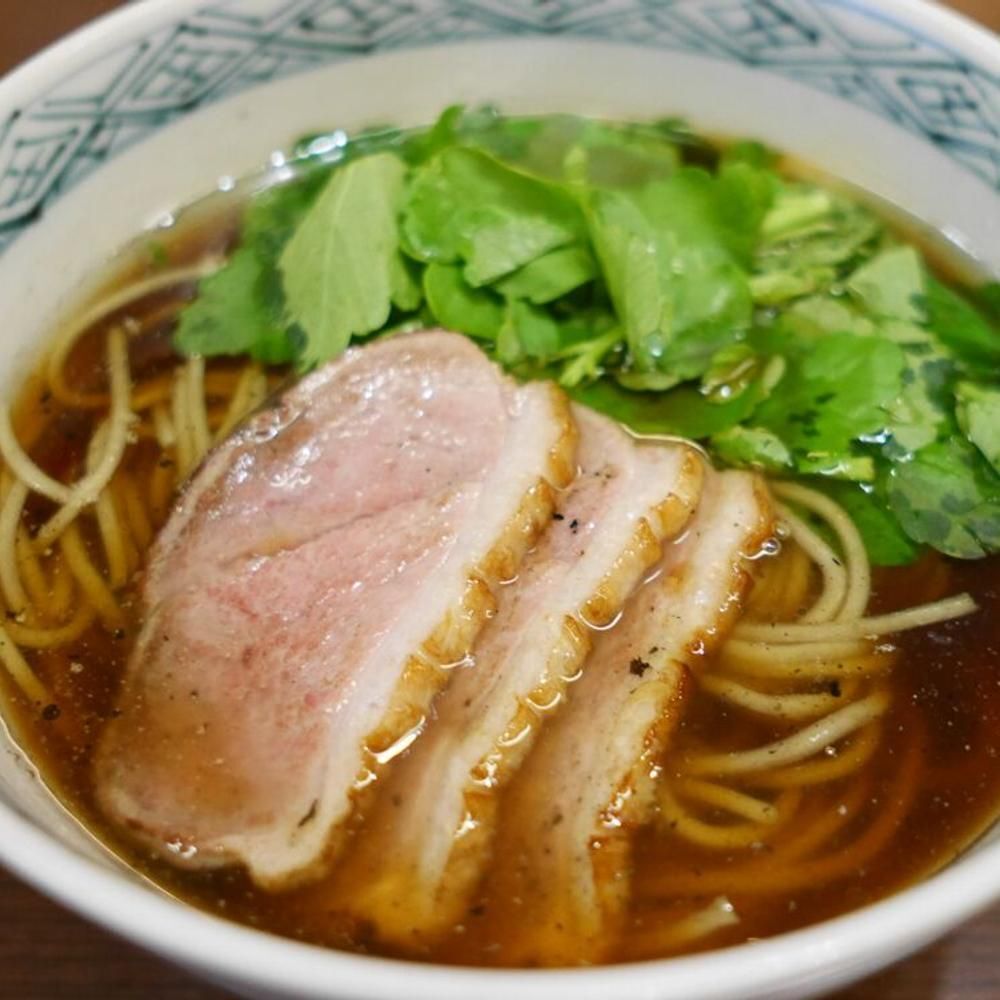
- 1783
Bib Gourmand • Italian. An osteria presented by a sushi shop. After apprenticing in Italy, the chef helped out at a sushi restaurant before taking charge here. Seafood, procured from the chef’s personal sources, catches the eye. Cut ends of abalone and fish make a seafood ragù for pasta, born from meals prepared for employees. Acqua pazza is enhanced with kombu water for an even more delicious dish. Cuisine that brings out the best in the ingredients, backed by the skills of Italy and Japan.
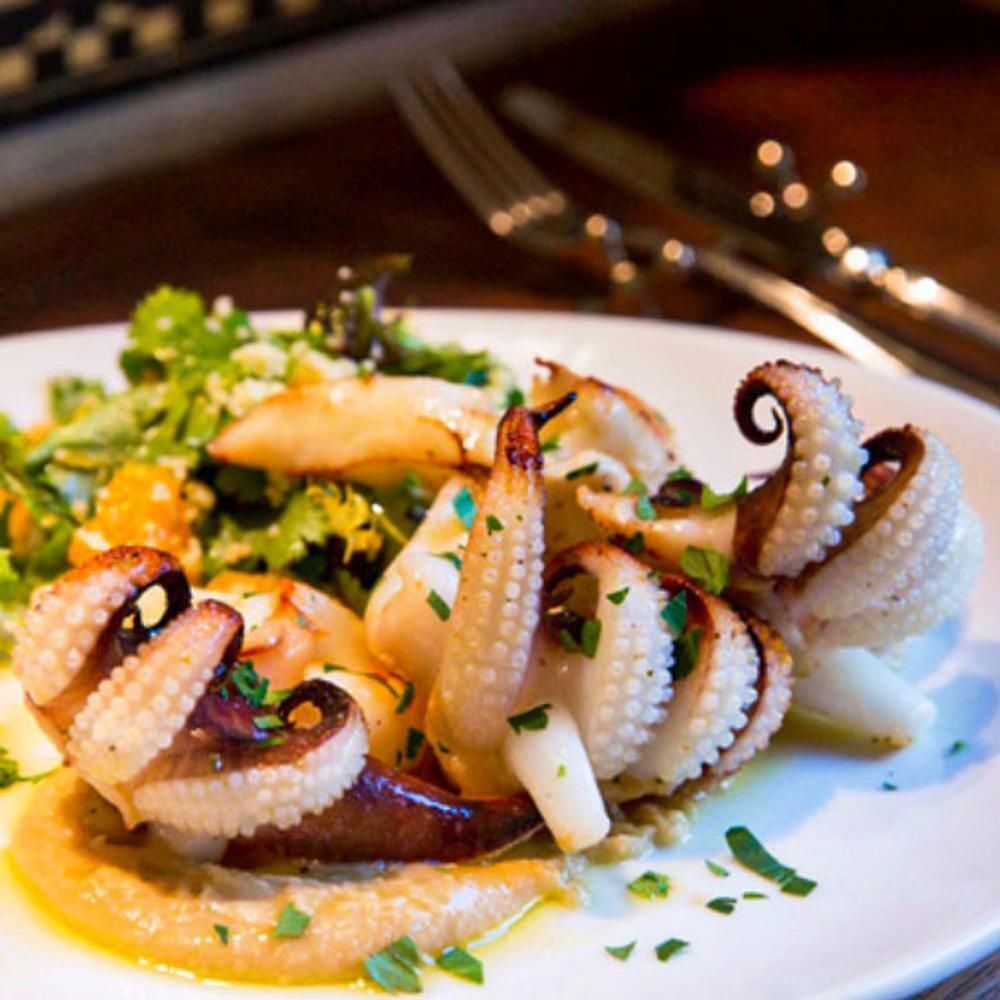
- 1784
Bib Gourmand • Italian. Kumiko Muraji hopes to serve as a bridge between Osaka and her beloved Marche region of Italy. The town where she stayed is renowned for its cicerchia beans, known in Japanese as renriso. Noting that the character for ‘ren’ is the same as her surname, she felt the hand of destiny. A area of foothills and mountains, Marche is a region distinguished for its vegetables and meats. Majolica pottery adorned with cicerchia flower-and-bean motifs complements the shop’s honest fare.
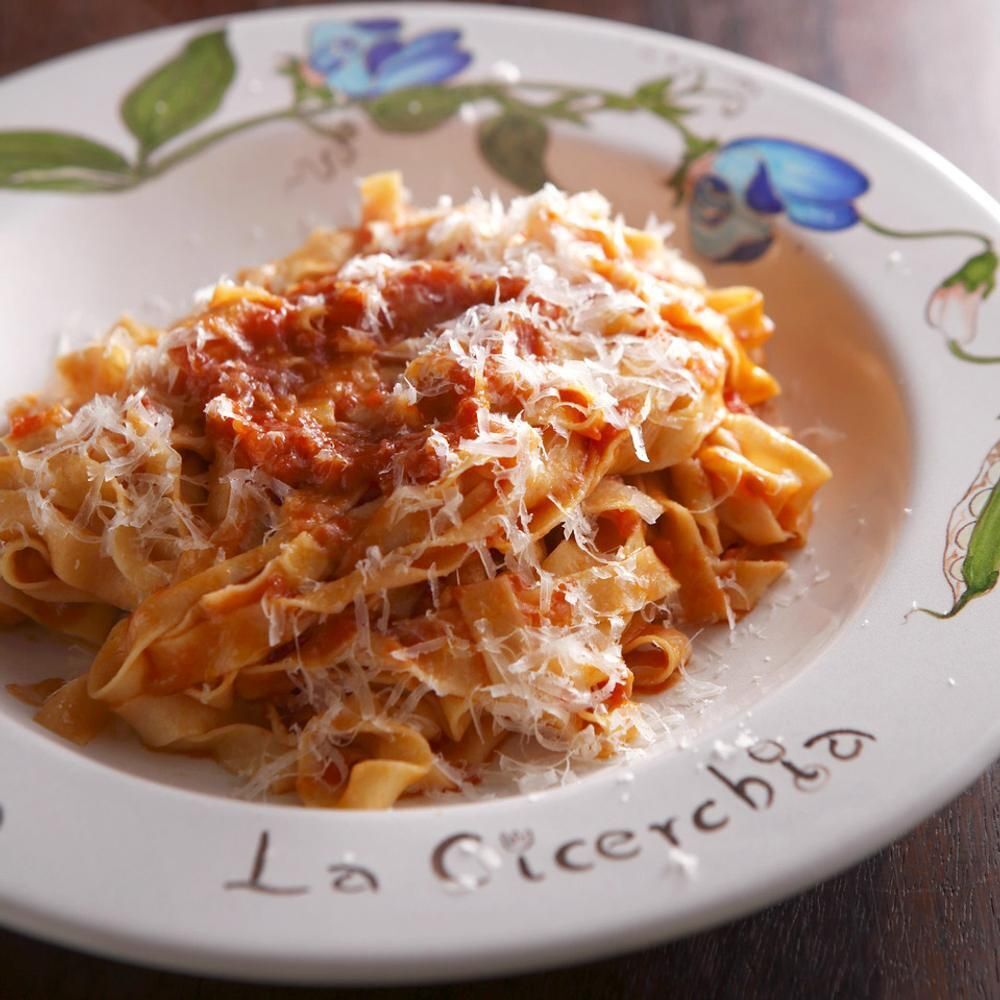
- 1785
Bib Gourmand • Udon. This à la carte udon shop is a project of the proprietress of the Japanese restaurant Miyamoto. The plain-wood counter and bamboo accents lend the restaurant a kappo feel. À la carte dining is available for both lunch and dinner, while dinner service generally begins with a set offering of appetiser and hassun. Udon noodles are house-made, their broth light and clear like Japanese soups. Sake and side dishes end with a serving of udon; closing with udon rather than soba is one of the restaurant’s charms.
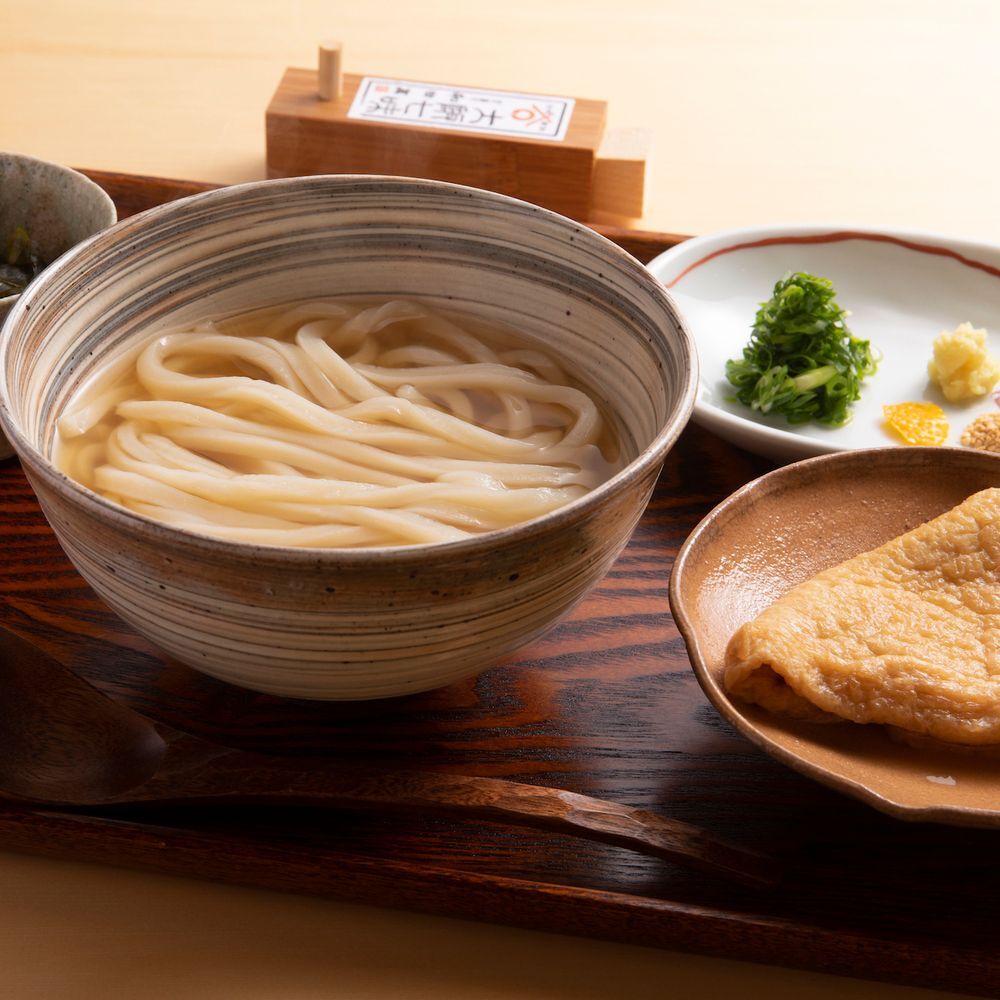
- 1786
Bib Gourmand • Thai. Chef Pitak from Bangkok offers food from his native Thailand. Exotic aromas of herbs, spices and fish sauce thrill our souls. Temptations include salad of ground pork and glass noodles, a Thai-style grilled chicken dressed with coriander known as gai yang, and curry stir-fry with seafood and egg. The generous portions of the à la carte dishes encourage diners to share. The everyday flavours of Thailand live and breathe down this Nakazakicho alley.

- 1787
Bib Gourmand • Pizza. The pizza here is prepared true to how it’s done in Naples, with chef Hironori Noda reproducing those authentic flavours. What Naples has that Nara doesn’t is an ocean so, in response, he came up with the idea of a restaurant that’s all about the fields. He grows the vegetables himself and makes them the main ingredients. The garden is his mother’s, and he harvests the vegetables himself, meaning that the bounty of Kashiba proffered here truly springs from ‘Mother Earth’.

- 1788
Bib Gourmand • Yoshoku. Since its inception in 1905, this Western restaurant has been run by four generations of the same family. The chef’s famous cutlet is deep-fried in lard carefully trimmed from the pork he will fry. Everything is done by hand, as it has been from the first generation. The youthful energy and practiced skill of the chef is evident in every detail, even down to the hand-chopped cabbage. Traditional flavours and skills testify to his mettle. Delicious fare and the gentle ambience of a family enterprise make everyone feel at home.
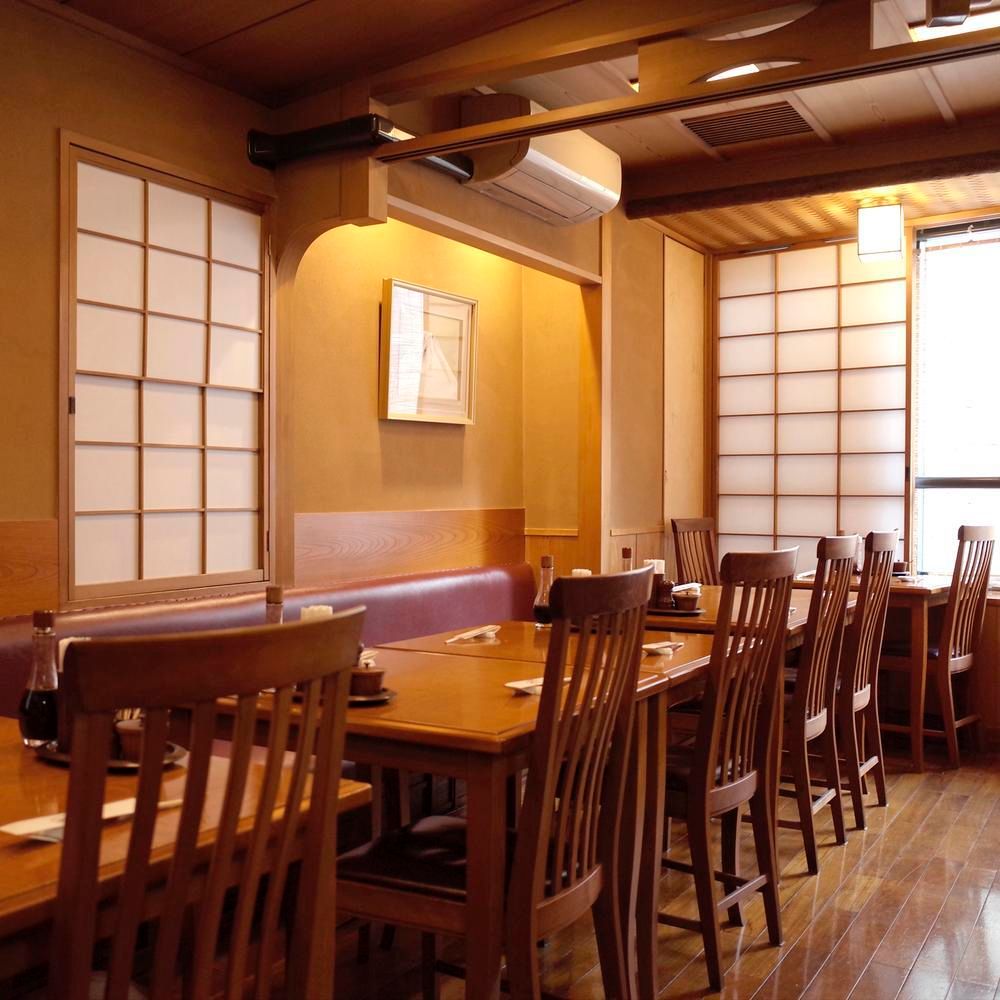
- 1789
Bib Gourmand • Italian. The restaurant’s name is a portmanteau of ‘impress’ combined with ‘restaurant’. The concept is a ‘restaurant that touches the heartstrings’, and PRESTAU aims to do just that. His experience in Kobe leads the chef to favour ingredients from Hyogo Prefecture, served on Tambayaki flatware. Preparing each item to its best advantage is his top priority. This is Italian cuisine in a modern style.
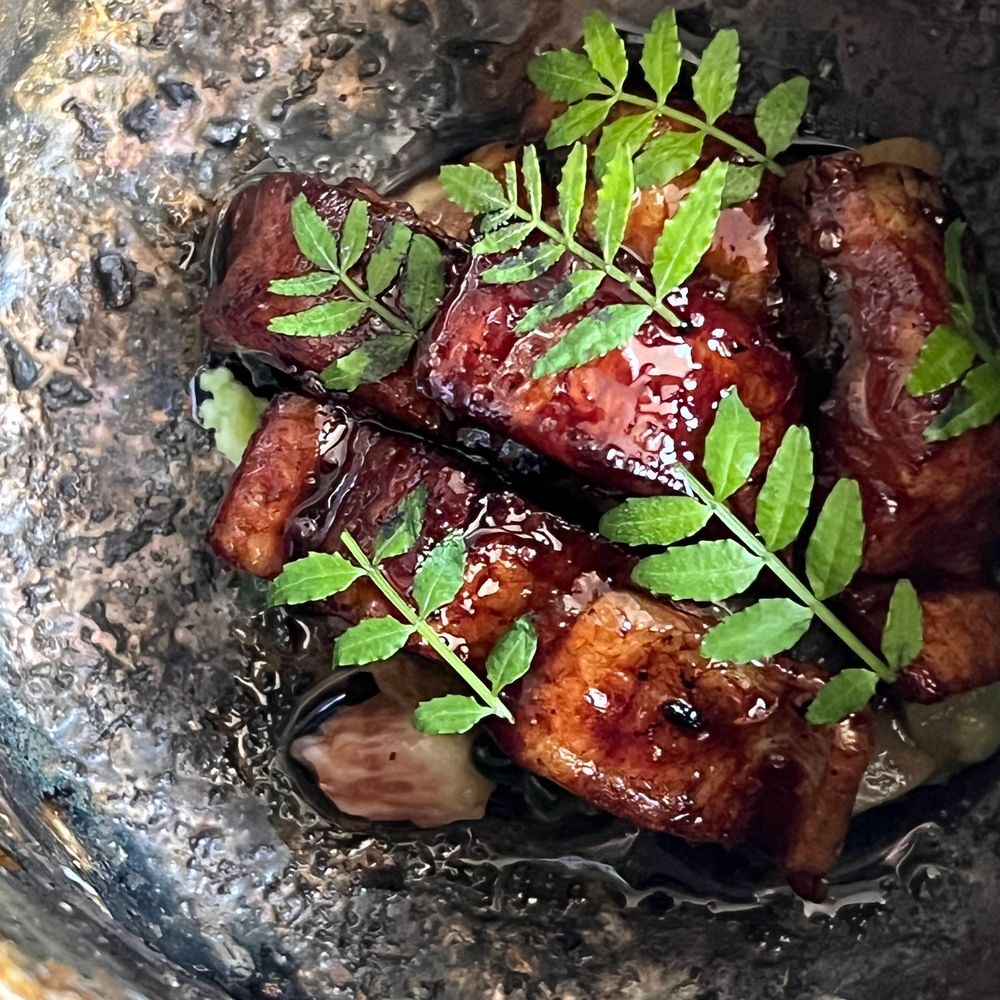
- 1790
Bib Gourmand • Ramen. The chef was a DJ in a former life, and the technique he applied in that calling, break beats, informs both the name of the restaurant and the music piped through the dining room. The signature dish is soy-sauce ramen, which owes its beautiful presentation and clear soup to careful preparation of the noodles. The purity of the broth delights the palate from the first mouthful. With rhythmic tempo, you’ll reel in the noodles and drink every drop of soup before you know it. A beat-driven bowl that hit big in Meguro.

- 1791
Bib Gourmand • Ramen. This long-serving ramen shop is loved by Japanese people for its “Three Great Ramens”: soy-sauce, salt and miso. First-time visitors are recommended to order the soy-sauce ramen, but once you learn that the Hokkaido-born chef studied in Sapporo, you might be tempted to go for the miso ramen. The soy-sauce ramen is served in a double soup of meat-based stock and seafood-based stock. “Ura-Shoyu”, the ‘hidden soy-sauce ramen’ not listed on the menu, uses meat-based stock only. If you’re having trouble deciding, start with the ‘official’ menu.
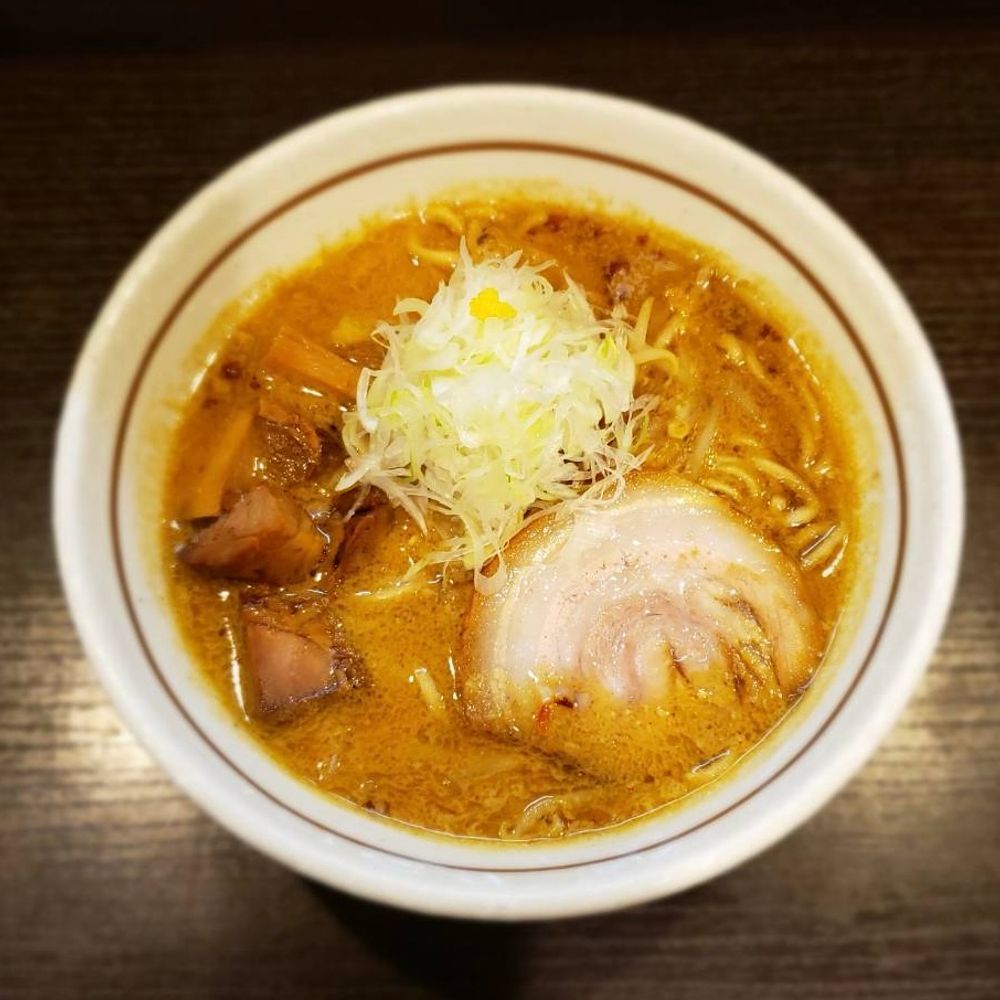
- 1792
Bib Gourmand • Ramen. The chef takes pride in his “Shio Soba” (salt noodles), his quest for a bowl of perfection. Taste the seaweed—sea lettuce and nori—and you can feel the rustle of sea breezes. Triple soup of fish, shellfish and chicken is prepared using Pi-Water, a water that is said to be extremely similar to water in living tissue. High hydration ramen noodles, prepared with a blend of three types of wheat flour, produces a texture similar to noodles kneaded by hand. Three types of chashu are served as well, combining pork and chicken. Bringing out the best in soup, noodles and chashu for a triple treat.

- 1793
Bib Gourmand • Ramen. The husband boils the noodles; the wife garnishes them with spring onion and fermented bamboo shoots. Between them, they bring alpha and omega together to complete each bowl of ramen. Flavours are based on soy sauce, salt and dried sardines. To bring out the aroma, pure rice sake is added to chicken or seafood dashi soup stock. Several types of fragrant oil are used, deepening the flavour experience. Kombu kelp, scallops and wheat flour, all from Hokkaido, infuse the husband’s love of his homeland.
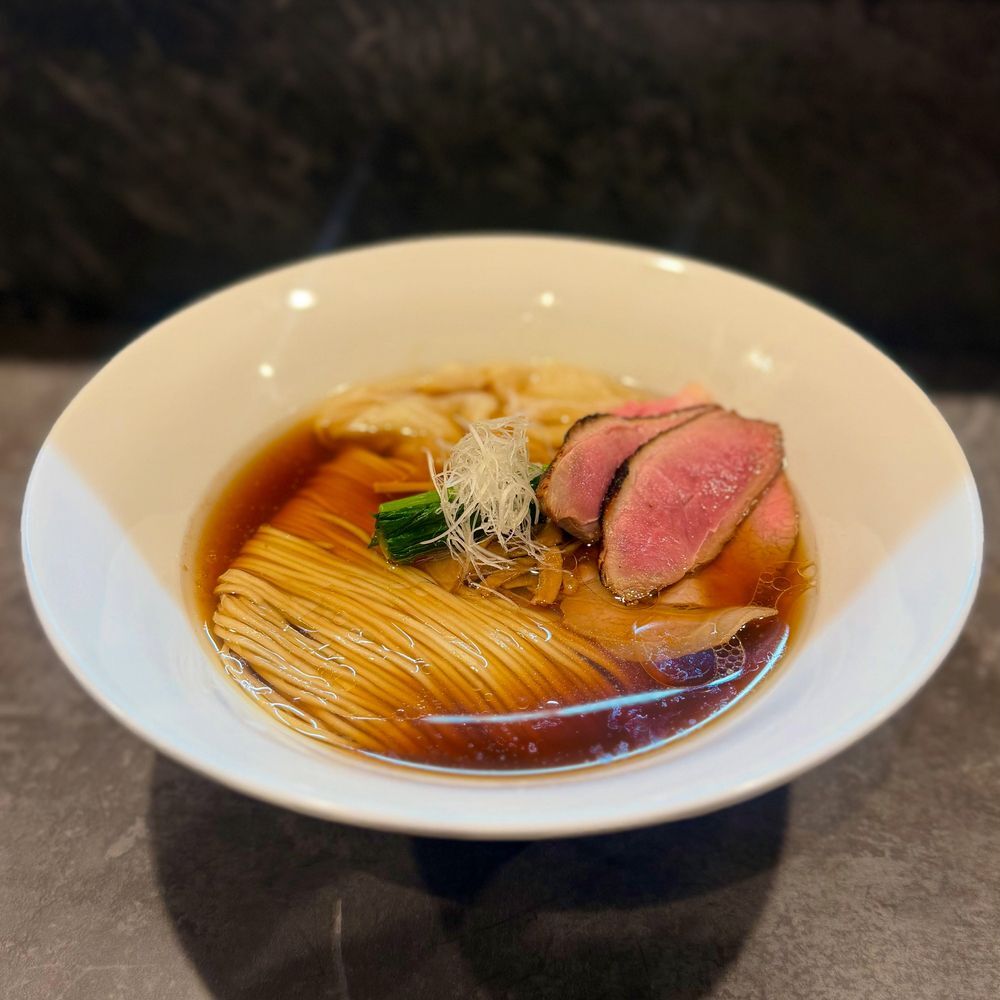
- 1794
Bib Gourmand • Ramen. Ramen that’s all about the goodness of chicken, imparting its flavour in purest form. Ramen Touhichi’s signature soy-sauce ramen uses dashi made only with locally raised free-range chicken and water, mixing it with raw soy sauce kaeshi. Other offerings include richly flavoursome chicken boiled in plain water, cold noodles soaked in kombu dashi soup served with dipping sauce of chicken soy sauce, and chicken-oil noodles served without soup. ‘Touhichi’ is named after the house where the chef was born. See him at the counter full of pride in his native Kyoto.

- 1795
Bib Gourmand • Ramen. ‘Fujitora’ is a blend of the chef’s name and that of the shop where he apprenticed, created to bring luck. It was his mentor’s ramen that inspired him to embark on his current path. The techniques he cultivated and his inquisitive mind shine in his chicken-and-pork soup. The chef prepares this soup in a large stockpot in the kitchen, patiently teasing every drop of umami from the ingredients. Sauce for soy-sauce ramen is created from a medley of soy sauces to harmonise with the soup.
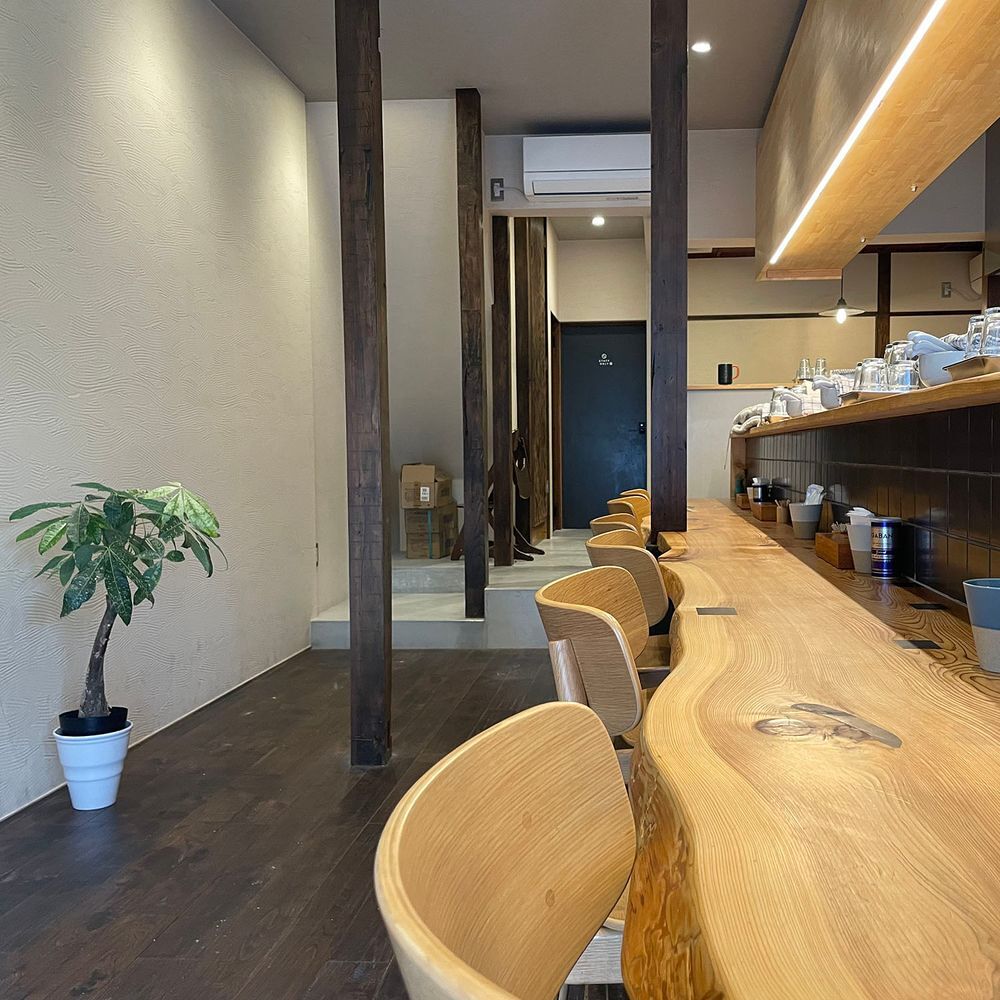
- 1796
Bib Gourmand • Ramen. The chef’s starting point is the ramen his grandmother cooked for him when he was a child. He added ‘Toy Box’ to the name because he wanted to create ramen that holds the same excitement for his guests as a box of toys does for a child. Soy sauce ramen, the shop’s flagship offering, is constantly tinkered with to improve it. In search of a depth of gustatory experience, over 10 types of soy sauce are combined in the broth. Yet the ramen is a dish of simple happiness; noodles from the good old days.

- 1797
Bib Gourmand • Chinese. The concept is ‘neo-machichuka’, ‘machichuka’ denoting an unpretentious neighbourhood Chinese restaurant and ‘neo’ referencing an upgrade for modern tastes. A culinary tune-up, so to speak, with the accent on changing aromas and textures. Red sea-bream salad, for example, is dressed with scorched rice for a smoky fragrance. Mouth-watering chicken, prepared in black vinegar to deepen the flavour, accentuates red pepper and nutty texture. Menu items are reassuringly familiar, yet each recipe harbours a novel twist.

- 1798
Bib Gourmand • Italian. The largest island in the Mediterranean, Sicily has flourished for centuries as a hub of trade, so the cuisines of many lands have been passed down here. The unique local dishes that sprang up on this island captured the heart of ROZZO SICILIA’s chef. Authentic recipes are valued, including aubergine caponata, fennel and sardine pasta and seafood couscous. Lemon as an essential accompaniment is another traditional touch. The chef’s cherished goal is to craft flavours that remind Sicilians of home.
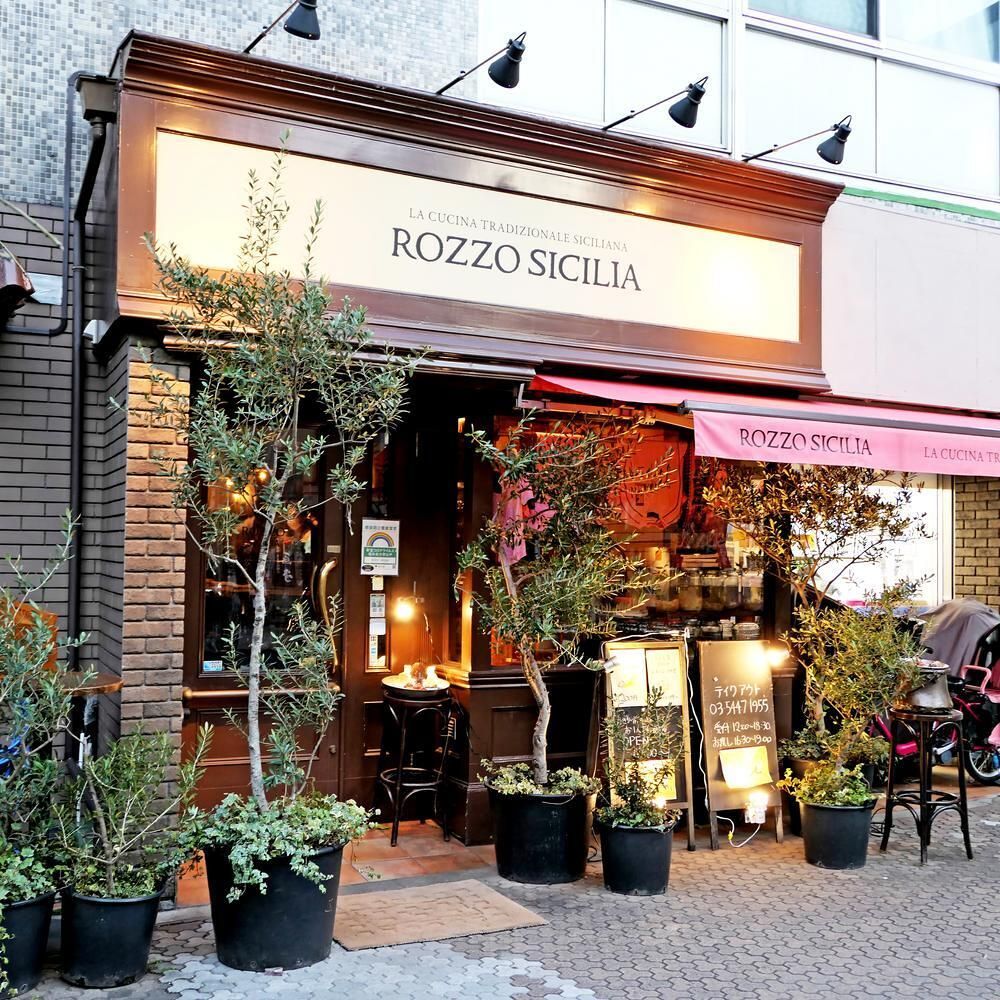
- 1799
Bib Gourmand • Japanese. A charming kappo on the banks of the Takase River. The chef’s aim is to create a restaurant that he himself would frequent, so let’s peruse the menu and gauge his tastes. His strong points are the inventiveness and patience he pours into his creations, such as salad dressed with heshiko (mackerel pickled in rice-bran paste). A native of Toyama, the chef serves seafood from Toyama Bay. Items such as firefly squid, glass shrimp and buri arrive in season. And don’t forget the regional sakes.
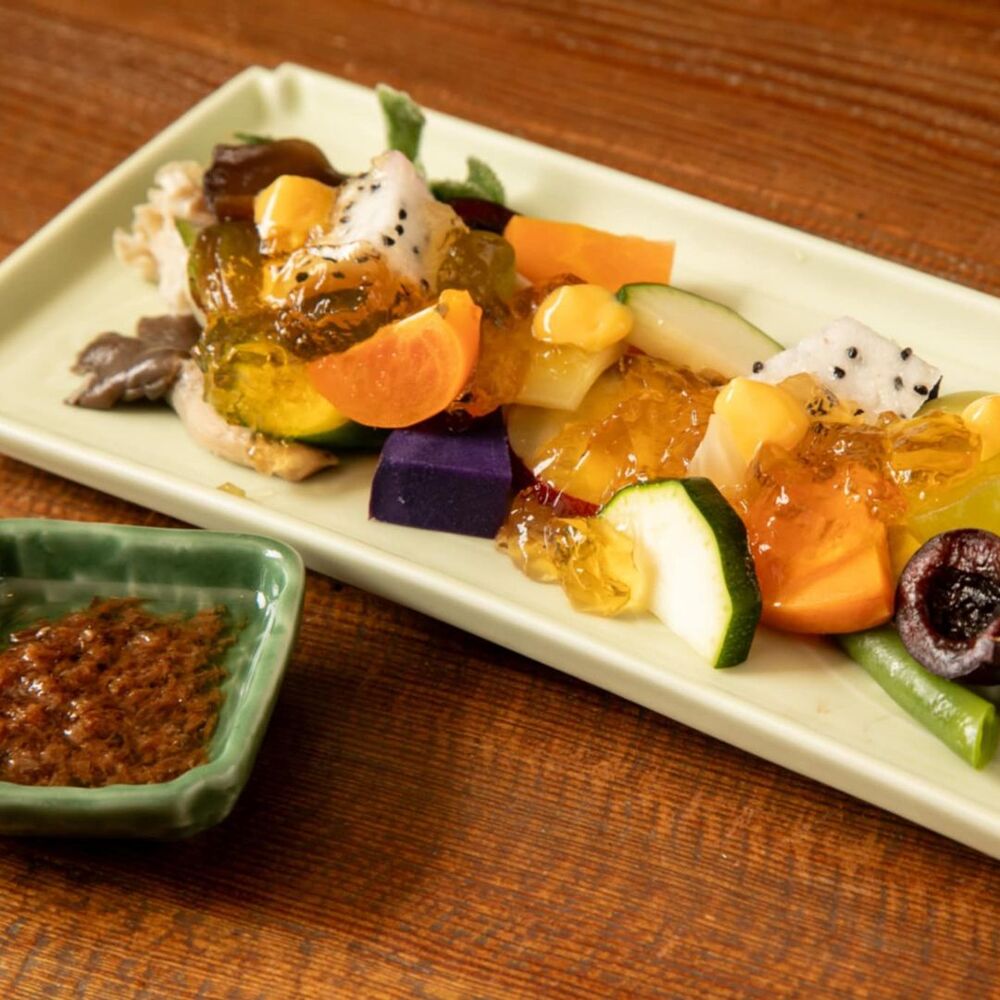
- 1800
Bib Gourmand • Sushi. With Nishikujo Station to guide them to the spot, every evening customers gather at Sakamoto Sushi, where the familiar chef greets them with a smile. The omakase menu, which begins with a snack, is astounding in variety and breadth. Fish are painstakingly prepared by methods such as marination and searing, and are paired with white sushi rice in the Kansai way. Nigirizushi are interspersed with bozushi and hand-rolled sushi to keep things interesting. The chef uses the highest-grade fish, yet the prices won’t break the bank.

- 1801
Bib Gourmand • Izakaya. Family togetherness is in the DNA of this restaurant, where the father tends bar, the son cooks and the daughter handles table service. On the extensive menu, soups display skills honed at a kappo. To offer diners a choice of main ingredients for their soup, a variety of seasonal fish and fishcakes are prepared. Seafood from Obama Port is thanks to relatives who are brokers in Fukui Prefecture. Dishes can be served as sake-steamed, tempura, or char-grilled, according to taste.
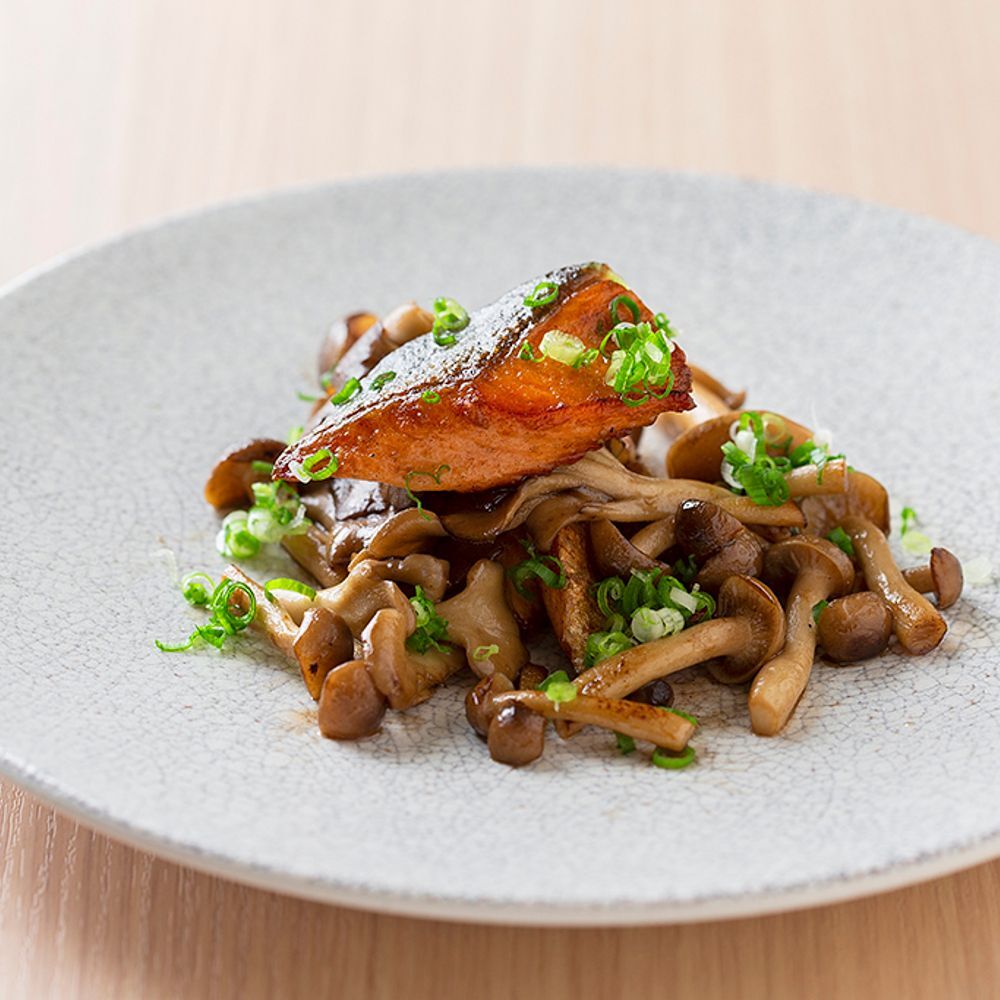
- 1802
Bib Gourmand • Izakaya. With its rope noren curtain and cedar-ball sign, the storefront recalls an old-time watering hole. A selection of sake is available: some best served cold, others room-temperature, and still others warm; small pours can be tried from 90 ml. Sashimi styles include kelp-cured and lightly seared preparations. No shortcuts are taken: nori is toasted over charcoal, dried bonito is shaved just before serving. If you pair jellied conger eel broth with hot sake, the heat melts the aspic, blending each element into a complete harmony. Guests enjoy conversation with the chef that flows as easily as the sake and drinking snacks.
- 1803
Bib Gourmand • Izakaya. Situated on Sambongi-dori, it takes the name 'Shoten', meaning ‘shop’, from the idea that you can find almost anything there. The place aims to be a gathering place that entertains with a wide variety of food and drinks. The menu does not stick to any one genre, offering Japanese, French, Chinese and various cuisines. But what catches the eye above all is the charcoal grill. Beef, duck, venison and mutton are char-grilled with a delicately controlled flame. The wine list leans toward organic, while the sake selection focuses on those best served warm.
- 1804
Bib Gourmand • Indian. The cuisine of Kerala, a state on India’s southwest coast, takes the limelight here. The owner-couple, along with a chef from Kerala, are consummate ambassadors for the appeal of this culinary discipline. The sweetness of coconut, the pungency of curry leaves and the flavour of black pepper are standout features. Kerala is a coastal state, so seafood features prominently. Santosham means ‘happiness’ in the Malayalam language; the name is a prayer that good food and happiness will go hand in hand here.

- 1805
Bib Gourmand • Soba. The stately ceiling and 8-metre-wide gold-leaf painting stun visitors. The image features three tigers and two rabbits; creating the effect of watching a stage. Saryo Tesshin stakes its reputation on its creative soba, and indeed the ‘Daigo Soba’ is renowned. The soba is slathered in a snowfall of Parmigiano Reggiano cheese, in imitation of ‘daigo’, an early form of cheese. Bonito soup and olive oil create a conversation between Japanese and Italian. The true pleasure of fusion cuisine.
- 1806
Bib Gourmand • Ramen. The chef ’s aim is to create a ramen shop beloved by locals. He sources ingredients from greengrocers and butchers in Nishiogi, treasuring his interactions with local people. The distance from the train station is also a blessing, as neighbourhood schoolchildren and their families can be seen sitting shoulder-to-shoulder, happily slurping noodles. As befits the ‘Seimenjo’, or ‘noodle-maker’, in the name, his use of Japanese wheat is a selling point. In addition to standard thin noodles, he also offers flat noodles. The miso flavour is a much-anticipated treat in autumn and winter.

- 1807
Bib Gourmand • Japanese. Creative dining focused on affinity with sake. Appetisers are served as a combination platter, the better to keep the libations flowing. Tsukuri feature ingenious arrangements of condiments. Uniquely, meat dishes are an indispensable part. Each dish is generous, making every morsel an unforgettable memory. The collection of sake and shochu, amassed on visits to breweries, is impressive; as the shop specialises in local tipples, the wine and whisky selection is also strictly Japanese.
- 1808
Bib Gourmand • Chinese. The chef devotes himself to good health through a balanced diet, using Chinese medicines as seasoning to serve food that is salutary for both mind and body. Vegetables from his native Oita are grown by natural methods, making them gentle to the constitution. At dinner, there is a wide range of à la carte dishes, leaning toward Sichuan and Shanghai influences. The chef allows himself an individual take with the mapo tofu: drawing on a wealth of experience, he offers a choice of Sichuan, aged doubanjiang (Chinese broad bean chili paste) and salt. Lunchtime set menus are also popular.
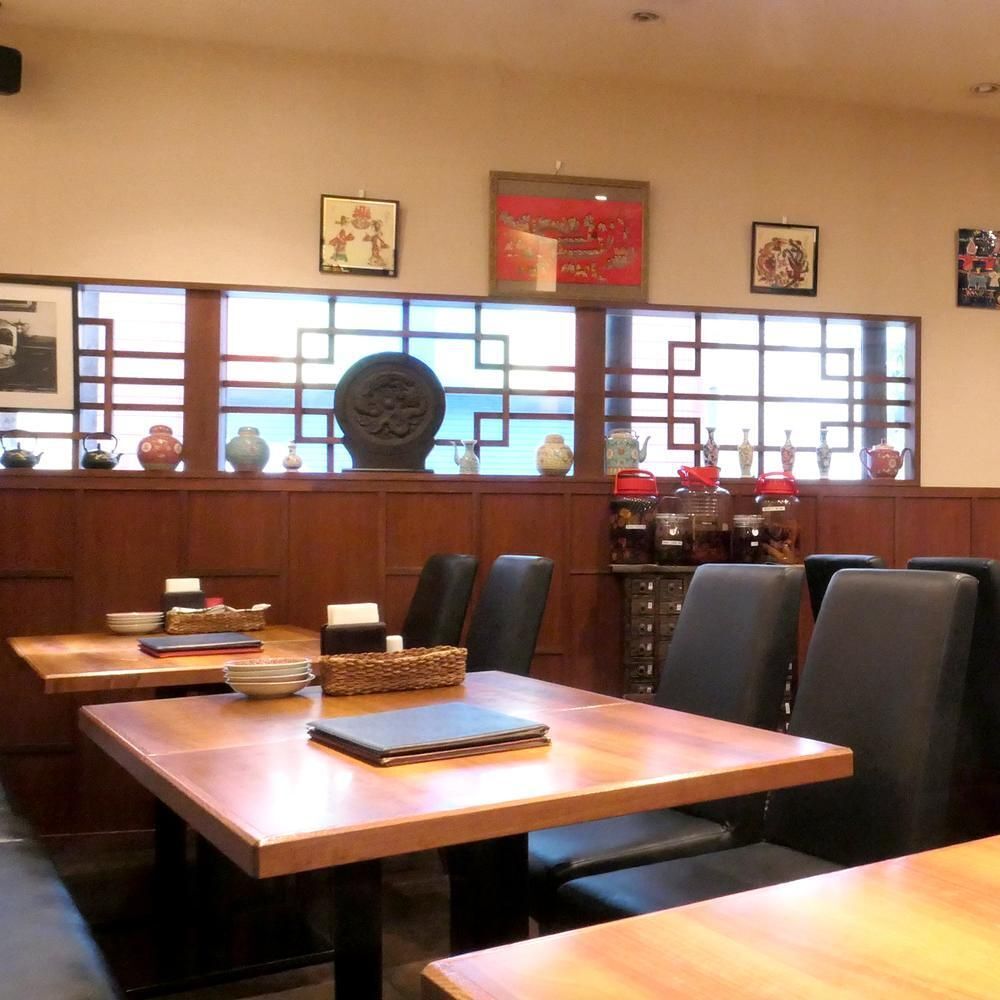
- 1809
Bib Gourmand • Japanese. Keen to make itself part of guests’ everyday lives, this restaurant takes ordinary ingredients and elevates them through time and effort. Hassun platters and stewed items are meticulously prepared, pursuing deep, satisfying flavour. Each item is simple and modest, reflecting the chef’s humble demeanour. The restaurant’s name, ‘Kiko’, brings together the character ‘aoi’, from the Futaba Aoi crest of Kamigamo Shrine near Shichiku, with the character for ‘lake’ as in ‘Lake Biwa’. Rice, vegetables and sake are all sourced from the chef’s native Shiga, expounding the virtues of the Omi region.
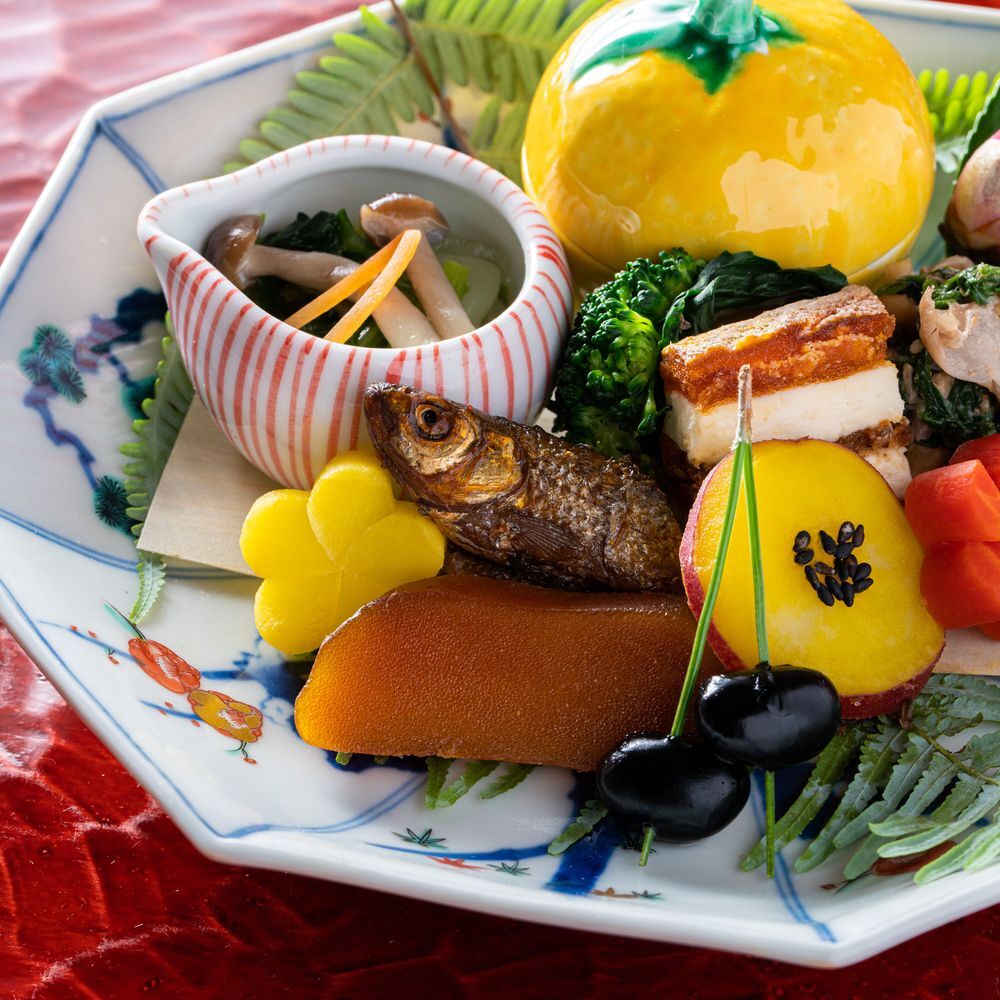
- 1810
Bib Gourmand (Green Star) • Shojin. Standing on the grounds of Tenryuji Temple, a World Heritage site, the restaurant presents the vegetarian diet that is part of Buddhist training. Arranging cuisine on vermilion-lacquered plates reflects Zen convention. Every dish is nourishing, from sesame tofu and deep-fried tofu mixed with vegetable slices to dressed vegetables. To live is to eat, to give thanks to life, to cherish the moment. The Zen spirit of harmony with nature breathes within these walls.
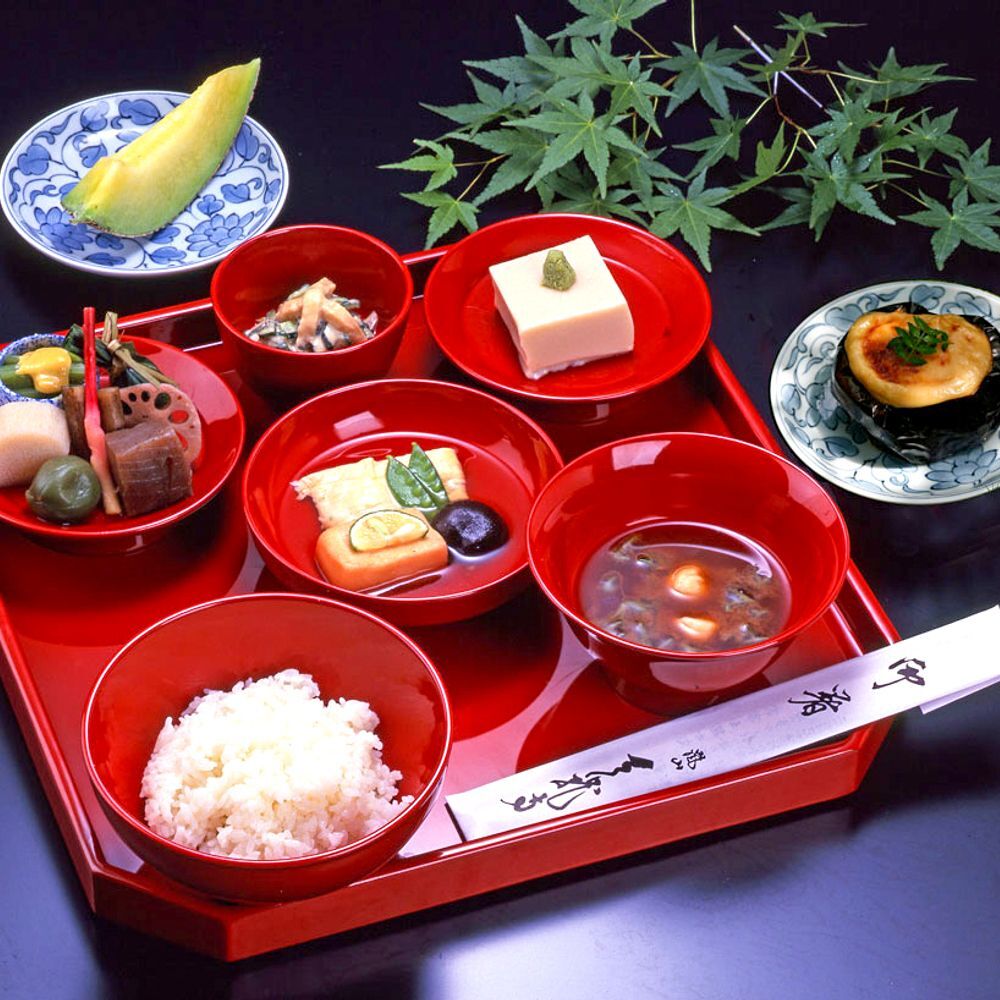
- 1811
Bib Gourmand • Japanese. The cheerful hospitality of the owner-chef at this kappo will put you at ease. He offers a wide selection of dishes, including tsukuri, tempura and grilled items. He serves several appetisers so you can snack on them while choosing your main dishes. Regular offerings include deep-fried mugwort fu and eggplant with dengaku miso. While not on the menu, sushi can be prepared if requested in advance. The spirit of service he shows makes this a great place to dine.
- 1812
Bib Gourmand • Ramen. After taking over his mother’s restaurant, the owner-chef opened his doors in the town where he was born and raised. The key to the flavour lies in the shijimi clams from Lake Shinji in Shimane Prefecture, after which the restaurant is named. The soup utilizes the umami of the shellfish’s succinic acid. To enjoy the true taste of the broth, we recommend the salt-flavoured option. The names of the fishermen who caught each day's clams are written on the blackboard, showing respect for both ingredients and producers.
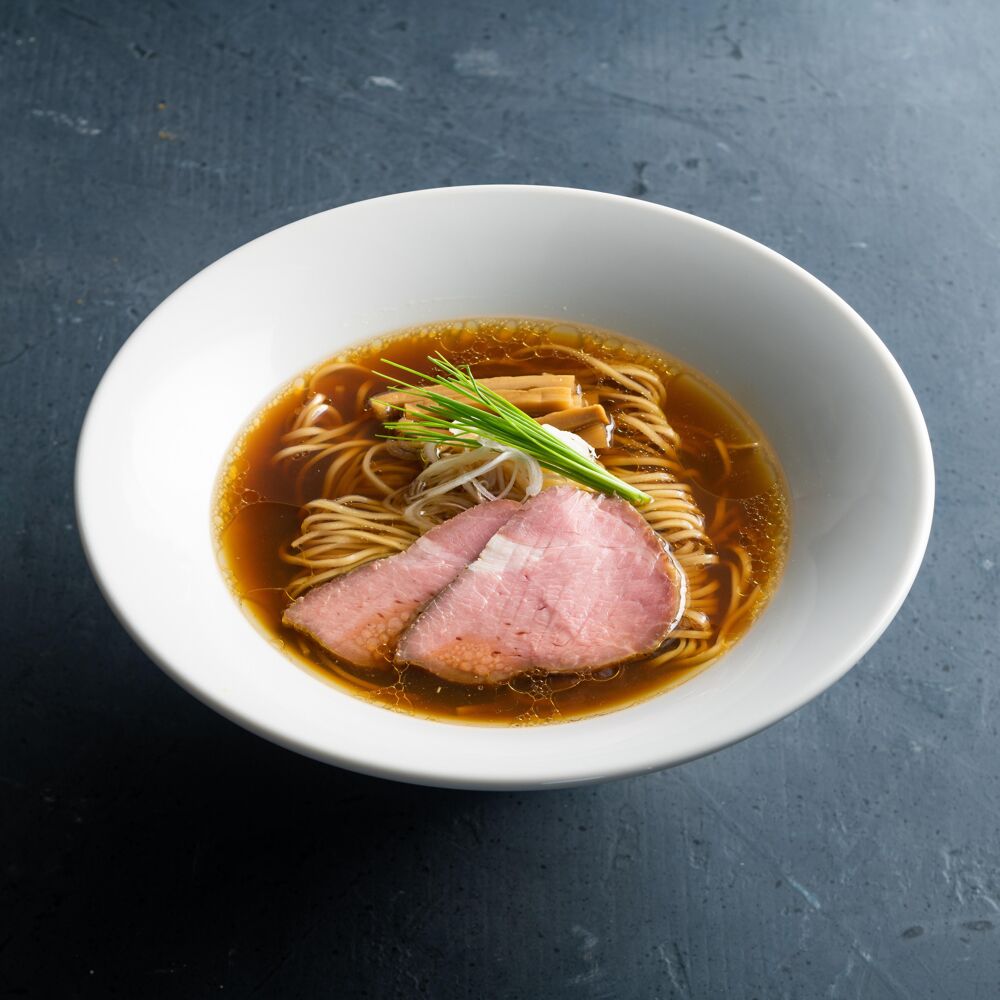
- 1813
Bib Gourmand • Chinese. ‘Hong Kong cuisine and organic wine’ sums up the concept. We recommend ordering Cantonese flame-broiled items to start. Meat is suspended over an open hearth for patient roasting. On the grill, meat is skewered or hung from special hooks and cooked over direct flame. Pork cuts and duck are sweetened with honey or malt sugar and seasoned with soy sauce or Chinese five-spice powder, which condense the umami as the meat broils. The steamed whole grouper and the pigeon pickled in tamari soy sauce are offered by advance reservation only.
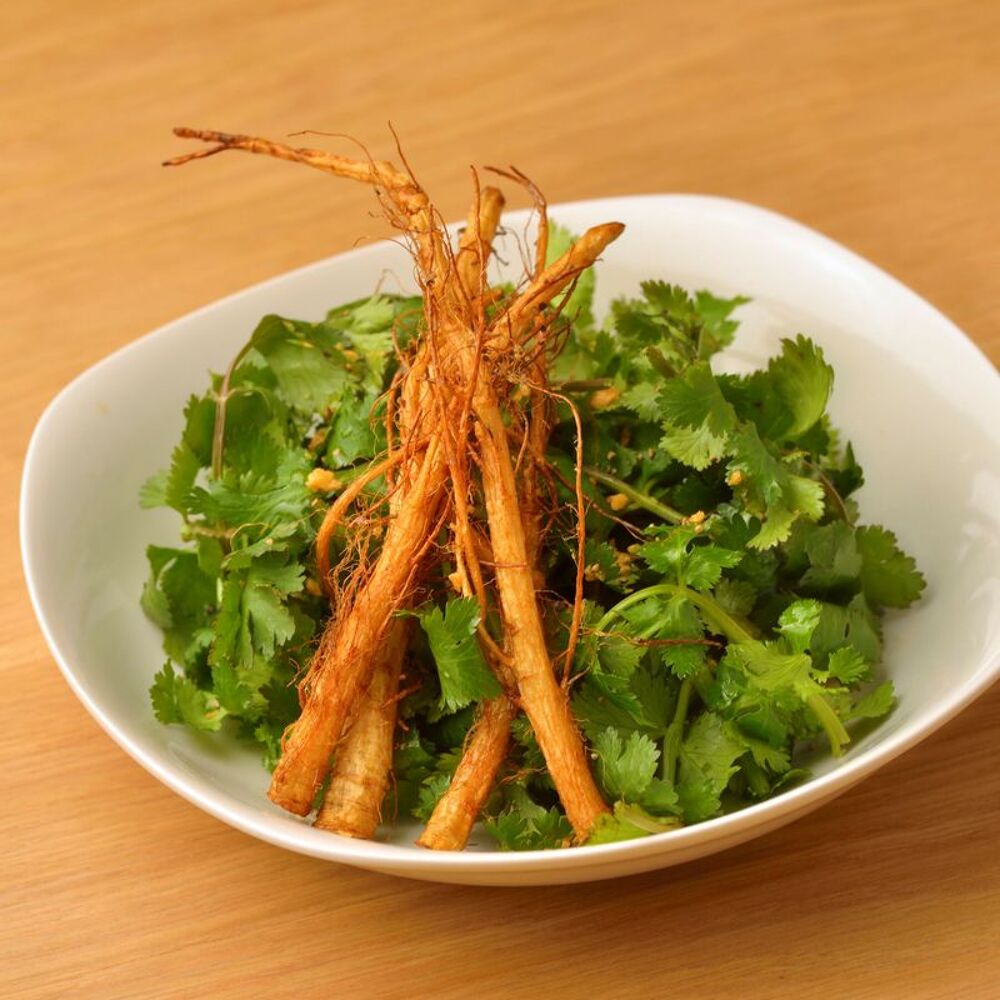
- 1814
Bib Gourmand • Ramen. The chef heard the call to the culinary life one day while riding his father’s motorcycle on a long tour around the Seto Inland Sea. When he happened upon a ramen shop along the way, the taste of the salty soba touched his soul. He combines a clear seafood broth with homemade noodles crafted with aroma in mind. The ceiling decoration recalls the roof of an old-time food stall, honouring how ramen culture spread in his native Hiroshima Prefecture.
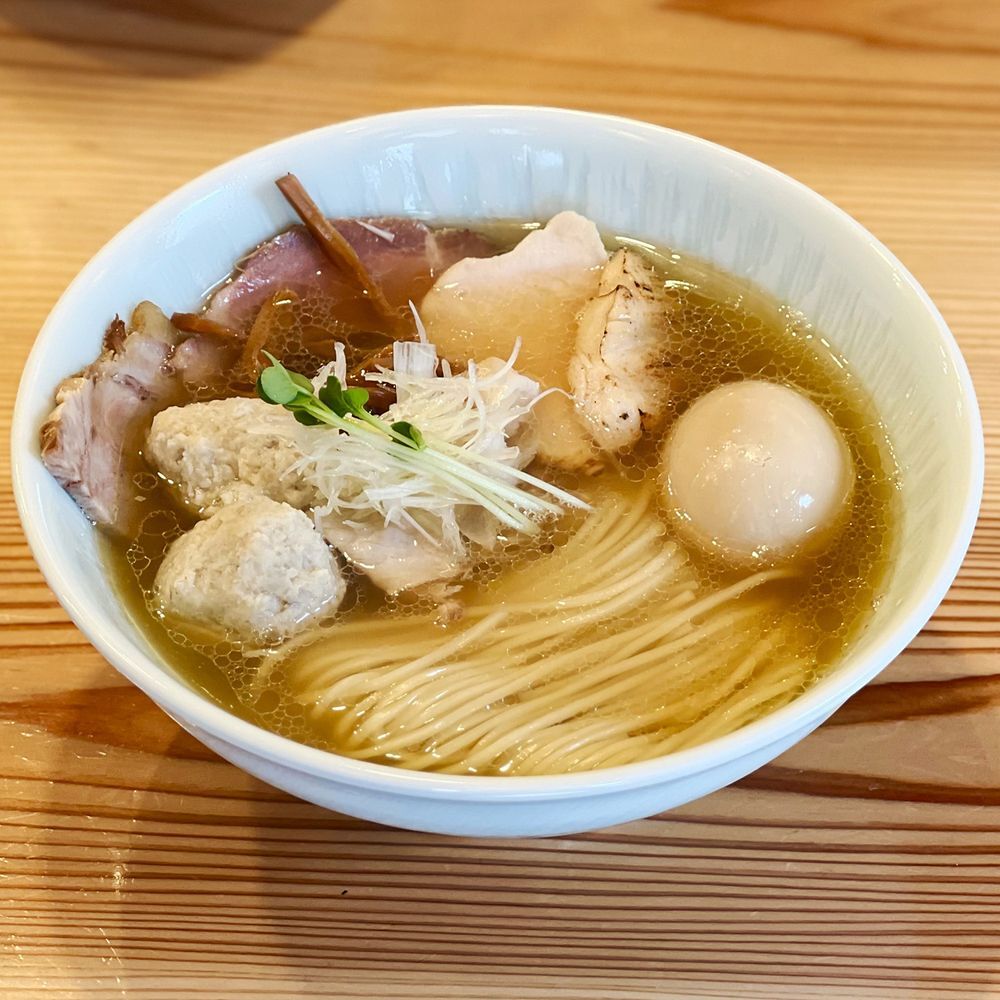
- 1815
Bib Gourmand • Izakaya. Akari shines out of a detached house in the entertainment district. The nest of criss-crossing wooden poles hung from the ceiling represent the handheld pine torches of the Oto Fire Festival in Wakayama, as well as the flame of the chef’s passion for cooking. Expect everything from familiar favourites such as gingered chicken liver, potato salad and deep-fried horse mackerel, to seasonal flavours. Naturally, this true son of Wakayama takes pride in grilling with Kishu Bincho charcoal. Every February 6, the chef returns to his native prefecture to take part in the Fire Festival.

- 1816
Bib Gourmand • Izakaya, Japanese. Putting to work his experience studying authentic Japanese cuisine, the chef opened this restaurant as an izakaya where people will drop in as part of their daily lives. A warm and gentle light spreads through the restaurant and into the street through wood-framed windows. Conceived to be enjoyed casually, the flavours in the simple fare are deep and complex. In the unassuming interior, one dish follows another, each prepared with painstaking attention to detail. Maybe this is the meaning of luxury within the everyday.

- 1817
Bib Gourmand • Japanese. A ball of cedar sprigs hangs from the eaves of this traditional detached house. Accents such as an old chest of drawers and transoms fill the air with a nostalgic mood. It’s all courtesy of the proprietor, who was once a Chinese cuisine chef. Awakened to the delicious taste of sake, he switched to Japanese food, stocking local sakes from throughout Japan. True to the ‘shuko’, or appetizers served with sake, in its name, the omakase set menu consists of numerous small dishes. Friendly service creates a pleasant mood. Fill the belly, satisfy the soul: both are ‘manpuku’.

- 1818
Bib Gourmand • Yakitori. A competitive performance in yakitori run by two brothers, both hailing from other disciplines of Japanese cuisine. Dinner is served prix fixe, with the brothers taking turns serving. Chicken skewers are mainly served salted, keeping the focus on the flavour of the locally raised chicken. As the name ‘Shutei’, meaning something like pub, suggests, the neatly cut snacks and yakitori keep the sake going down smoothly. A number of choices are available for the final dish. Enjoy the ‘baton relay’ of the oyakodon, with the younger brother grilling the chicken and the elder brother wrapping it in egg.
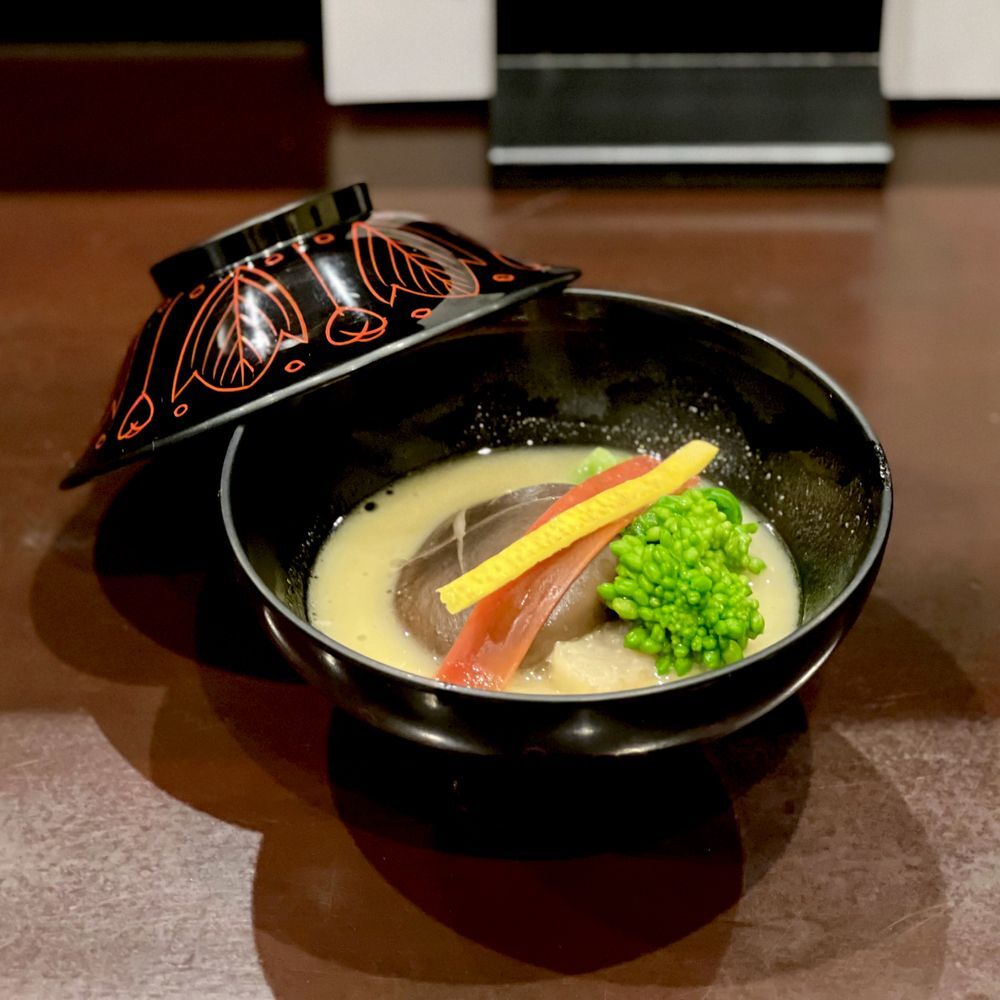
- 1819
Bib Gourmand • French. Kotaro Kawaguchi chose the path of French cuisine, following in the footsteps of his father, who was a cook on a cruise ship. He says that training at Pierre Gagnaire in Paris, a restaurant he had long admired, boosted his morale as a chef. There, he learned the techniques to create harmony between ingredients. There are no standard offerings here, as he is always inspired to offer new creations.
- 1820
Bib Gourmand • Soba. With close cooperation with food producers as his creed, the chef devotes himself to his 100% buckwheat juwari soba. He only uses ingredients native to Japan, to convey the charm of old-school soba. Depending where his ingredients come from, his soba may be served on a wickerwork tray, and may be either coarse-ground or ground with husks included. His inquiring mind drives him to check each day’s soba, adjusting thickness and serving temperature according to its nature. His diligent application is raising soba to new levels, as his many regulars would agree.

- 1821
Bib Gourmand • Soba. To convey the unique character of the soba, the owner-chef prepares juwari with no wheat flour. He made the stone mortar he uses to grind the flour himself, back when he was an apprentice. The entire shop reverberates with the sound of buckwheat being ground slowly so as to retain the fragrance. In addition to soba, Rojina offers items that pair well with alcohol. Tofu with yuba on top and manganji togarashi with jako are two typical Kyoto appetisers served before the soba.

- 1822
Bib Gourmand • Soba. A soba shop well stocked with vegetable cuisine in season. From the varied and extensive menu, choose an assortment of small items as well as vegetable dishes, and cap the meal with the soba of your choice. The surfeit of options can be bewildering but of course you can order soba one plate at a time. If you arrive at lunchtime, set menus of rice dishes await you as well. Seasoned staff serve with practiced skill and grace, welcoming you like a local no matter when you visit.

- 1823
Bib Gourmand • Soba. Over the front door of this shop in Kitashinchi hangs a shimenawa, a twisted straw rope that wards off evil. Inscribed on a wooden block over the shimenawa is the phrase ‘Senkyaku Banrai’: ‘May customers arrive in the thousands and tens of thousands!’ In hopes the wish will come true, the doors are kept open until late at night. The sprawling menu ranges from appetizers that accompany sake to seasonal soba dishes. At lunchtime, soba accompanied by sushi is a nice surprise. In summer, chilled curry soba is brightly festooned with veggies. In winter, oyster soba in white miso soup warms the body from the inside. The special preparations for each season give something extra to look forward to.
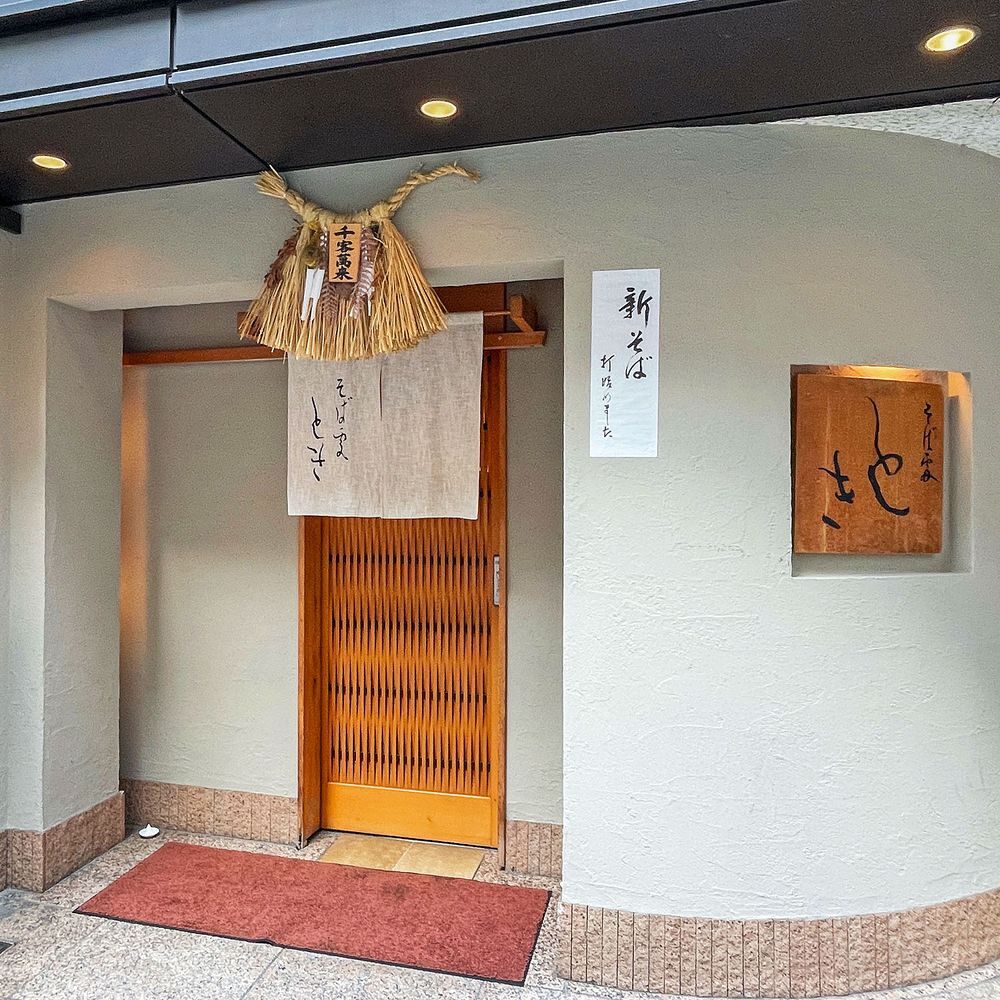
- 1824
Bib Gourmand • Soba. The name ‘Sobakappo’ encapsulates the chef’s career. He draws on his experience in Japanese cuisine to patiently craft stews and salads of cooked vegetables. Combination platters feature an impressive variety of small dishes designed to complement sake, including simmered herring in sweet soy sauce and marinated grilled shrimp. Soba comes in two varieties: seiro soba served on a wickerwork tray or coarse-ground soba. Noodles are made differently according to terroir, accentuating differences in flavour. A soba apprenticeship: laughing, struggling and loving with soba.
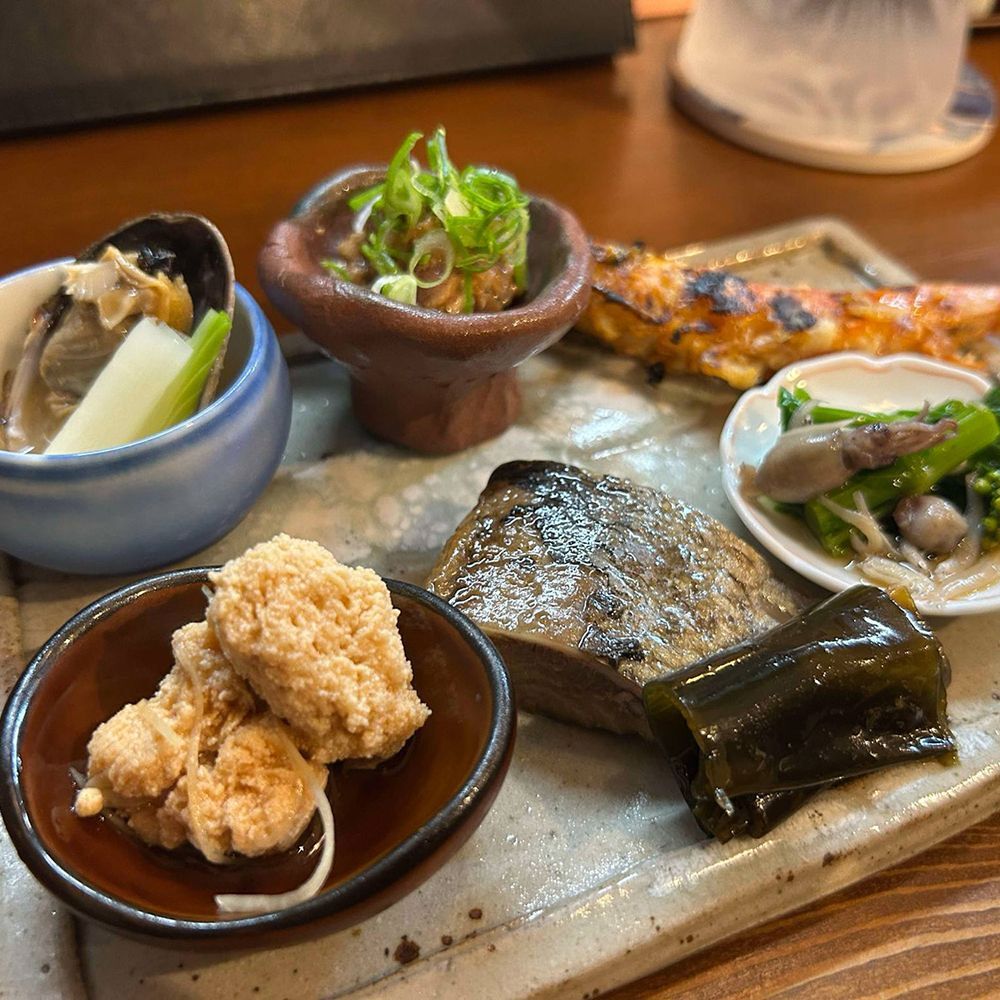
- 1825
Bib Gourmand • Soba. ‘Arabompu’ was a favourite word of Edo-era haiku poet Kobayashi Issa. It means ‘living a free and ordinary life’. For the chef here, it means approaching his subjects, buckwheat and soba, from a natural stance. To watch his series of tasks—parboiling, washing, then plating the soba noodles—there’s no substitute for a seat at the counter. The ‘Soba Zanmai’ set offers three types of soba—nihachi, juwari, and arabiki—served as half bowls of each for tasting. Kanto-style dipping sauce recalls the days of the chef’s apprenticeship.

- 1826
Bib Gourmand • Soba. It’s counter seating only in this modern interior accented with natural materials. The chef likes his soba to have a certain translucency, so he kneads it into ni-hachi, which contains 20% wheat flour. Soba is served cold on wicker baskets, not in soup, so patrons can appreciate the fragrance and firmness of the grain. ‘Kaeshi’, a mixture of soy sauce, sugar and mirin, is used to good effect in the rich dipping sauce, displaying the chef’s Kanto training. ‘Gaku’ means ‘mountain and sky’, signifying the chef’s commitment to attain ever higher goals.
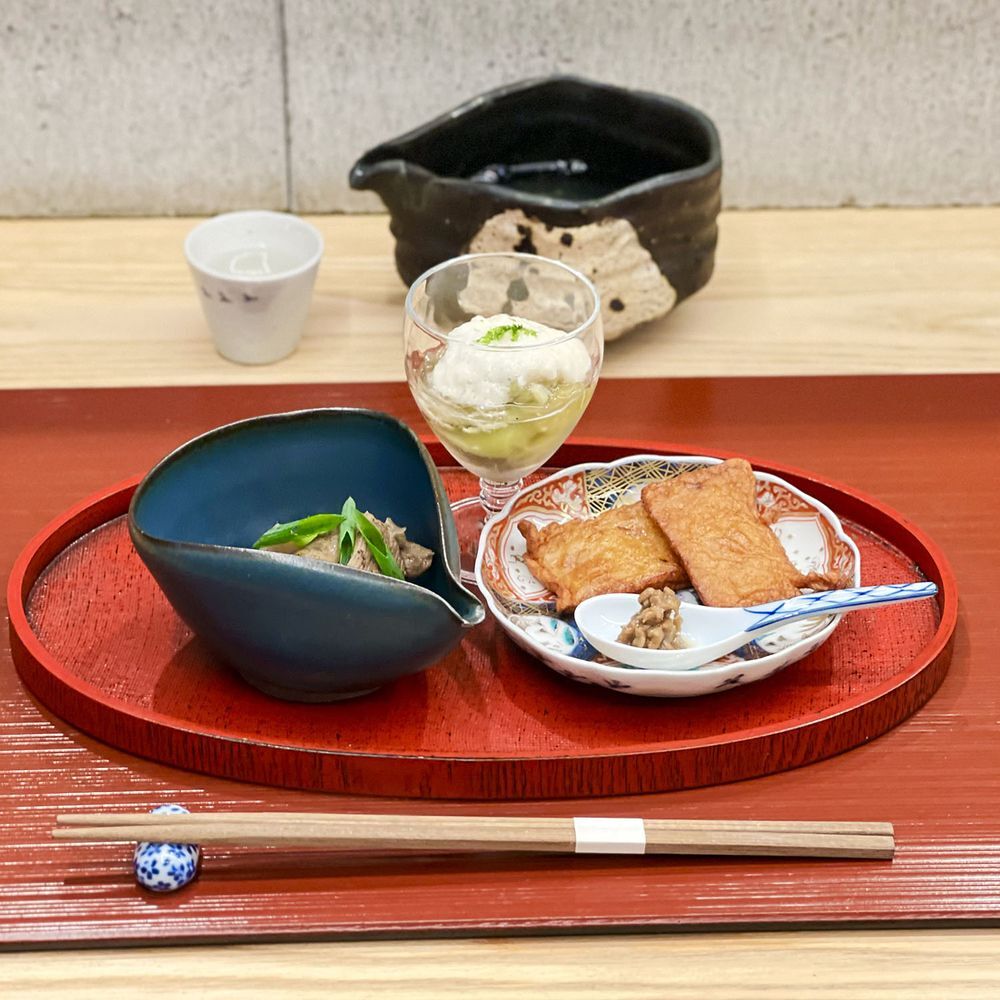
- 1827
Bib Gourmand • Soba. Sobakiri Karani worked with a woodworking artist to create the interior using re-used wooden materials. Large tables with mismatched chairs and unique ceiling paintings express a whimsical spirit. The menu’s appetisers, including tofu pickled in unrefined sake and duck-and-onion miso, tempts one to a cup of sake. Soba is coarse-ground and cut into both thin and thick noodles, furnishing variety in finish and flavours. Enjoy soba the way you like it in a congenial atmosphere.
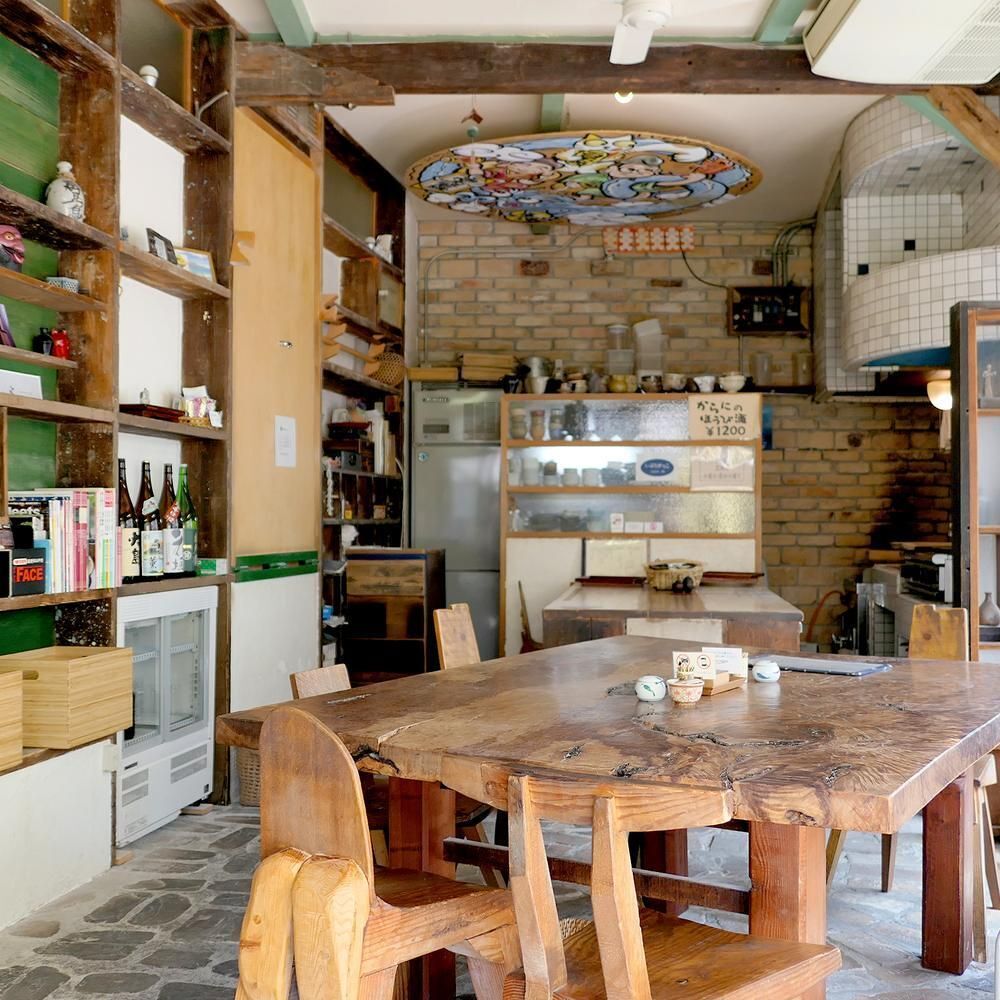
- 1828
Bib Gourmand • Soba. Tucked away in a quiet residential neighbourhood, this soba shop welcomes guests only at lunchtime. The interior is done entirely in natural materials such as wood and stone, lending a homespun feel. Service is friendly and welcoming, placing the heart at ease. The menu consists solely of sobazen a set meal including fine soba noodles, appetisers, and soba-gaki. For those who prefer something sweet, the soba-gaki can be substituted with soba zenzai, a red bean soup made with the same buckwheat dough in dessert form. Quantities are limited so reservations are a must and can be made by phone from around 9:30 a.m. on the day.
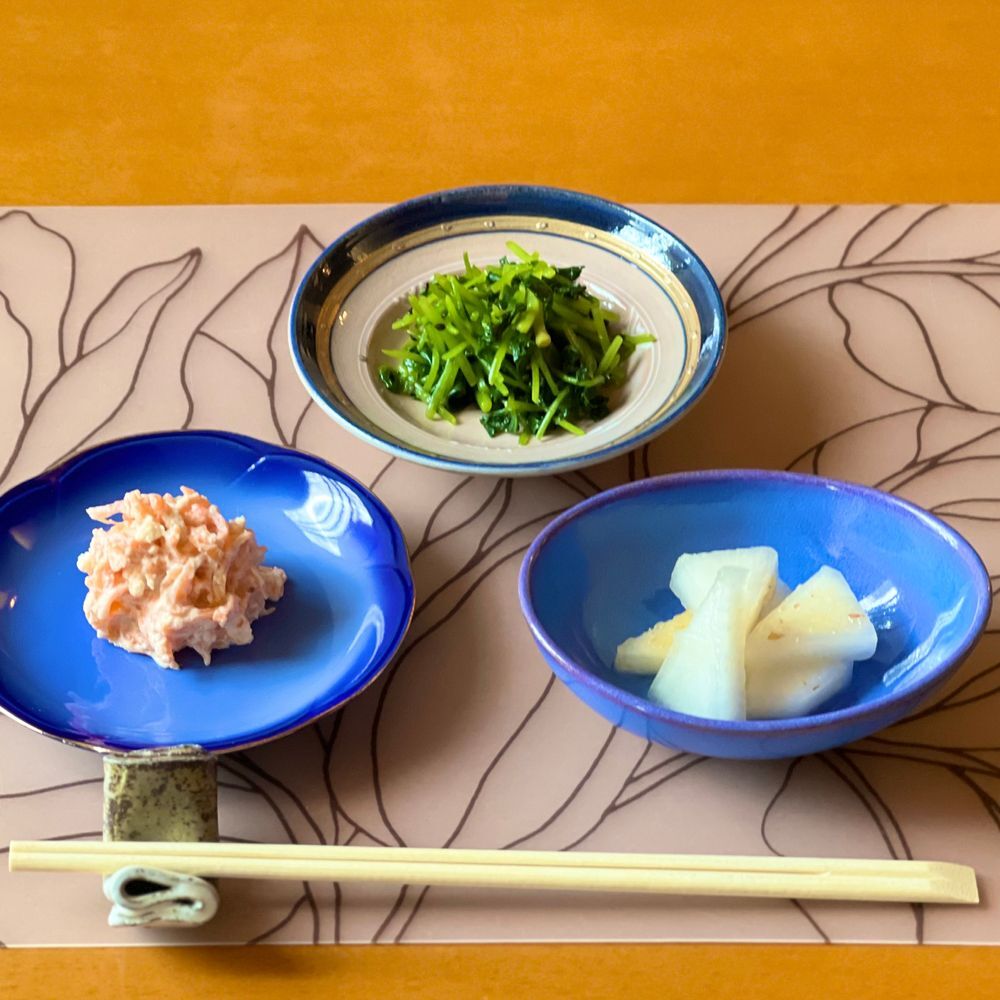
- 1829
Bib Gourmand • Soba. The proprietor is a soba craftsman who makes pottery. Serving handmade juwari soba of 100% buckwheat flour milled in-house, on flatware he crafted himself, embodies ‘sonoba-style’ service. As popular as his ‘mori soba’, chilled soba served on a wicker basket, is his seasonal soba. This changes monthly, creatively pairing noodles with ingredients such as bamboo shoots, sudachi citrus, walnuts and oysters. The industrial-look interior highlighted with recycled materials was also created by the proprietor. From cooking to décor, the sensibility of the artistic spirit is displayed throughout.
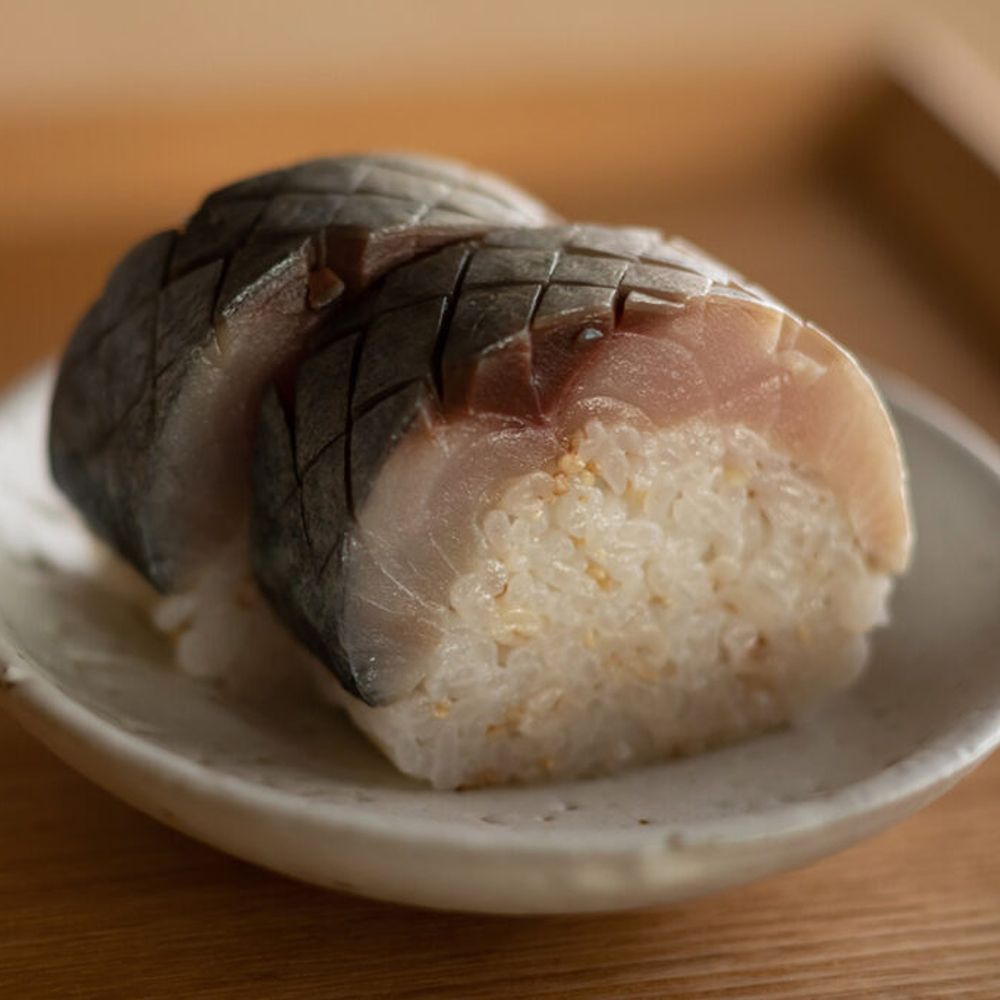
- 1830
Bib Gourmand • Kushiage. Chef Ueda came up with creative skewers to make use of his experience in both Japanese and Western cuisine. The honekiri-treated hamo requiring very precise cuts is where his Japanese culinary skills shine. The croque monsieur is a French recipe. The menu starts with Western appetisers and incorporates surinagashi, gazpacho and other soups. The free-wheeling culinary ideas on display in the menu have you looking forward to what’s coming.
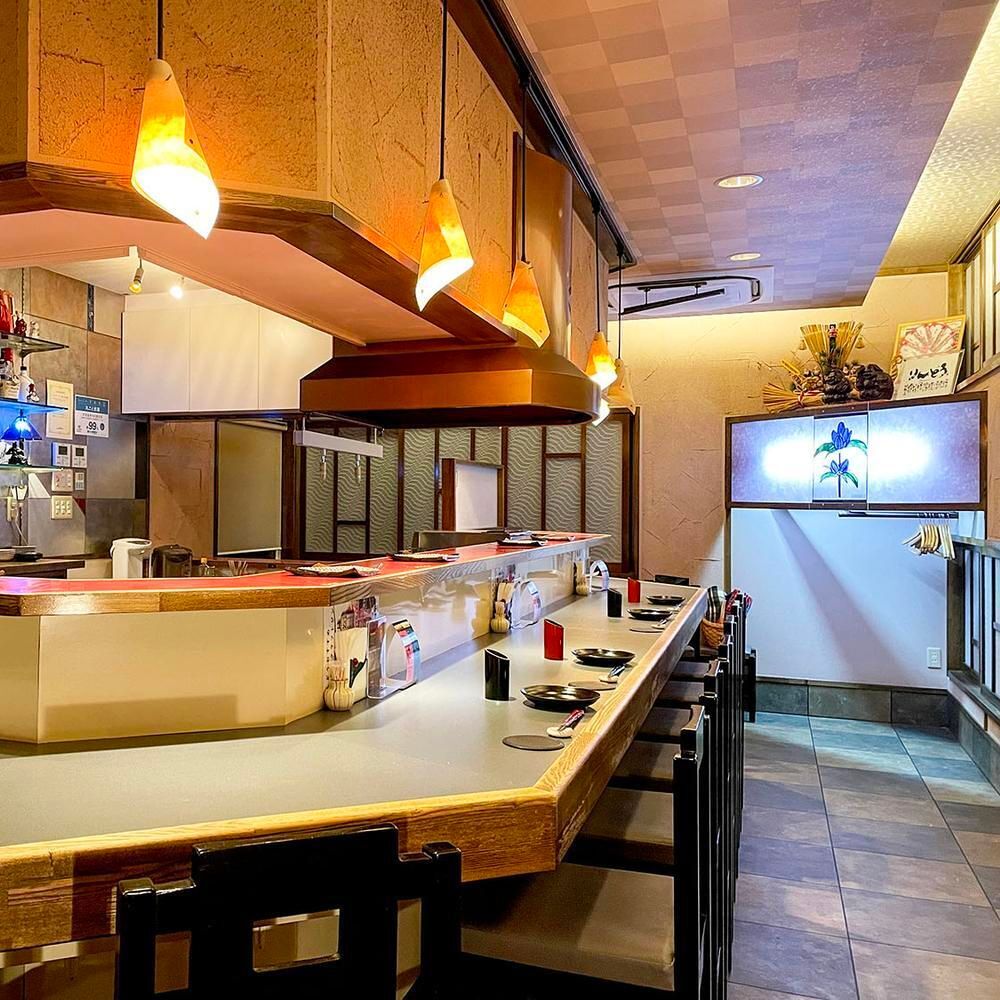
- 1831
Bib Gourmand • Ramen. ‘Nakiryu’ means ‘roaring dragon’. The name is rich with meaning: it’s a reference to the dragon of Yakushido Hall in the Nikko Toshogu Shrine, to hopes for business growth, and to the couple who craft bowls of ramen together in perfect sync, both born in the Year of the Dragon. Dandan noodles create a synergy of flavours—layering meat miso, Chinese sesame paste, and chilli oil for a deep, amplified umami. Soy-sauce ramen owes its elegant flavour to its soup, drawn from whole chicken and oysters. À la carte items such as steamed chicken with spicy sauce and shrimp wontons exemplify experience with Chinese cuisine.

- 1832
Bib Gourmand • Tonkatsu. ‘Tonkatsu is food for the masses’, explains the second-generation chef, as he aims to serve up fare that is familiar and comforting. Copper pots polished till gleaming and plain wooden counters display a craftsman’s spirit. Two pots are used: one containing hot oil and the other cooler oil. Pork loin is shorn of extra fat and thinly battered. Tonkatsu is the star attraction, so no meat is added to the pork miso soup. As the chef works, a photo of his father in chef’s whites watches over him.

- 1833
Bib Gourmand • Izakaya. Since his apprentice days, the chef has made a habit of touring Japan to build trust with fishermen. The blessing that flows from that effort is the high-quality seafood delivered to him from each region. The first dish offered is sashimi in a large bowl. Fish of the season arrives little by little, in wondrous variety, as the sake flows nicely. Fish stew is prepared in soy sauce and water only, bringing out the natural sweetness of the flesh. The remaining broth is served with fresh-cooked rice, wasting nothing.
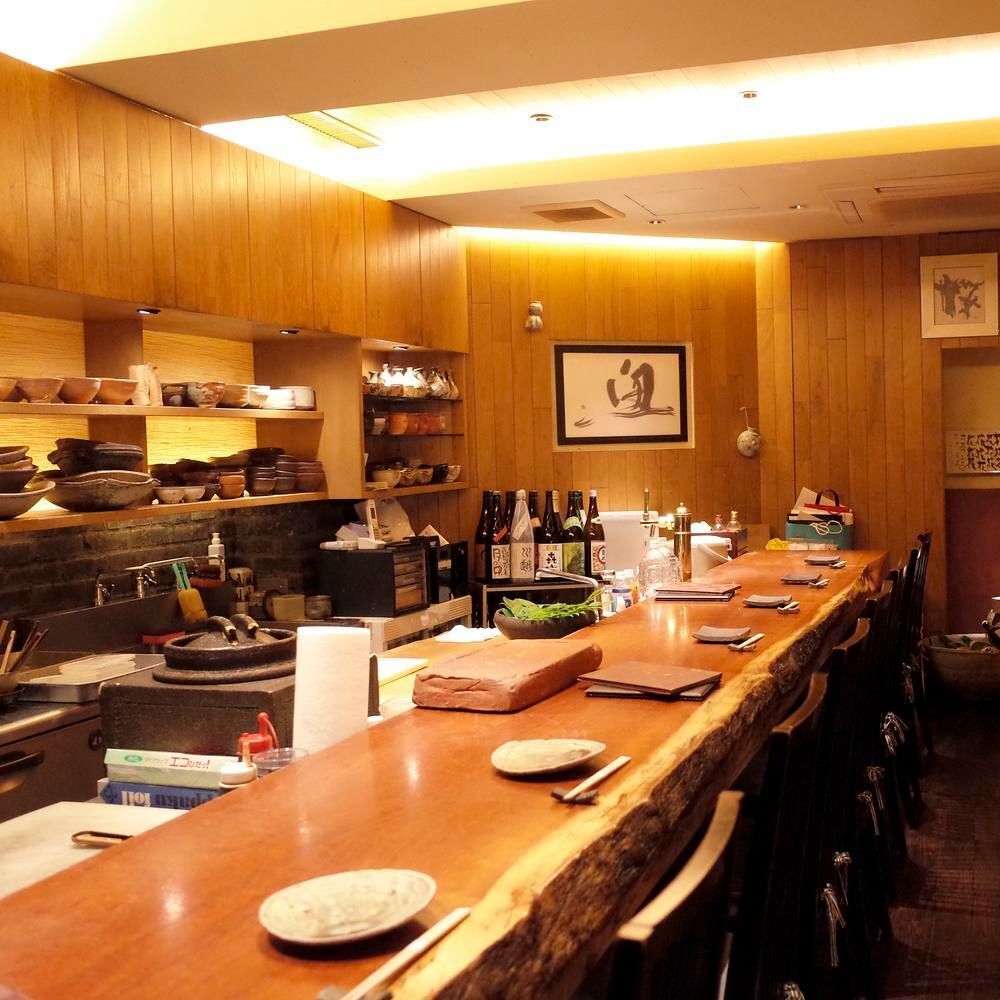
- 1834
Bib Gourmand • Yakitori. Locally raised chickens from Kagoshima are shipped directly to the restaurant and grilled over Bincho charcoal. The appetiser for the prix fixe menu is lightly seared chicken thigh. Yakitori is almost always salted, so as to bring the high quality of the meat to the fore. Yuba tofu, soy milk thickened with starch, is the house’s renowned palate cleanser. The flavour of the chicken melts into the soup of the soy-sauce ramen that brings the meal to a close. Adding oyakodon is warmly recommended. As befits the restaurant’s name, which starts with ‘sumibi’, ‘charcoal flame’, the interior is ash-grey.
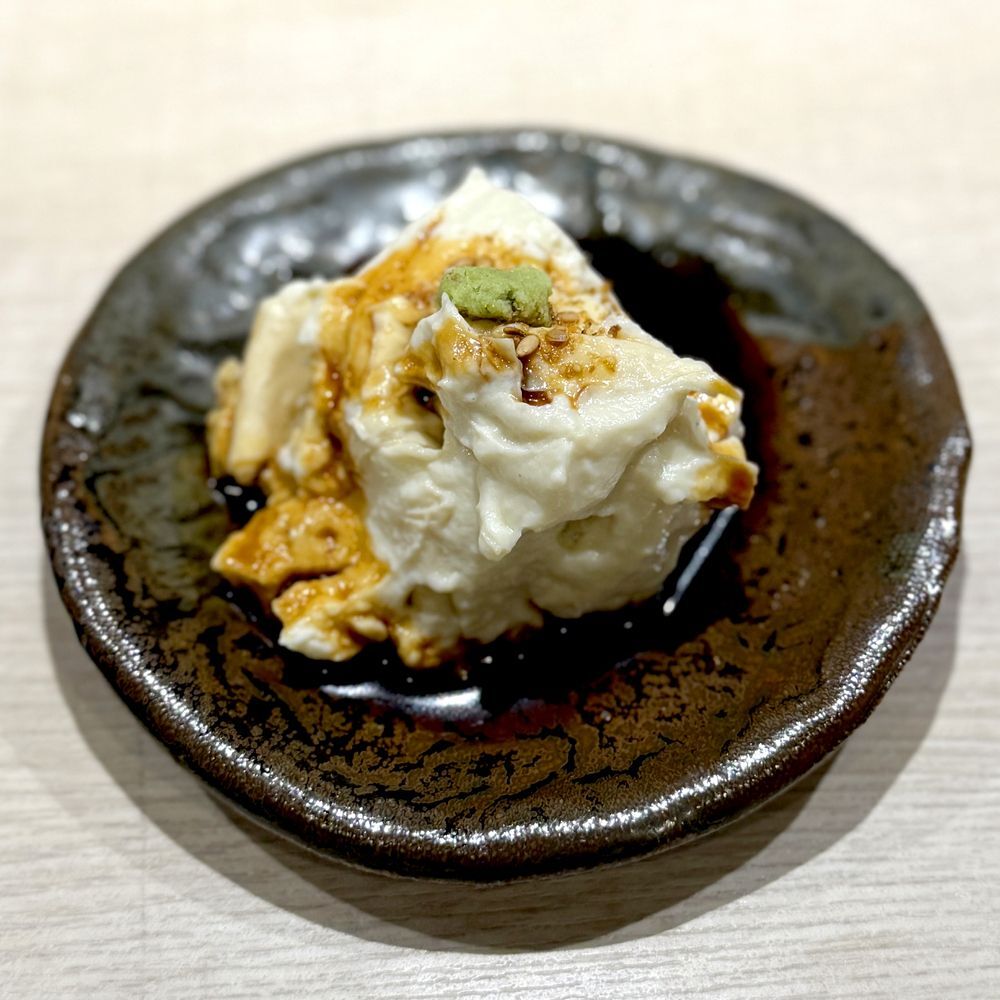
- 1835
Bib Gourmand • Yakitori. The proprietor shares his extensive knowledge of yakitori with a touch of humour—occasionally warning that it might be a long story. He constantly experiments with types of charcoal, flame settings, how the fat drips, and when to turn the skewers over. Salt, not sauce, brings out the flavour of the chicken. Another cherished view is that effective flame modulation can yield impressive results even if the chicken is not top-grade; for that reason he dares to use broiler chickens for neck and heart meat. This is the path of the ‘charcoal master’.

- 1836
Bib Gourmand • Yakitori. Spring chicken, locally raised chicken, and brand-name chicken all take their place on the menu. The range of cuts is extensive too, signalling the importance the house attaches to diner preference and satisfaction. Many dishes are salted, to draw out individual flavours. The restaurant is busy every evening, not only because of the delicious food but for the charm of the effervescent owner-chef. He guides his student part-time staff with parental kindness and delights guests with service that that makes us feel like part of the family.
- 1837
Bib Gourmand • Sushi. The origins of Sushi Mikata go back to a standup sushi bar the chef went to with his father when he was a boy. Aiming to be a place where people could drop in casually for sushi, he emulated this standup format. Guests can order in amounts as small as one piece at a time. Both fish and vinegared-rice portions are generous, to impart the delightful feeling of filling one’s mouth. The chef runs Sushi Mikata with his wife, whose rolled Japanese-style omelettes are a hit with customers. The good-humoured banter between husband and wife keeps the atmosphere light.

- 1838
Bib Gourmand • Sushi. The founder of Sushi Yoshino was once an apprentice at a well-known sushi restaurant in Tokyo’s Kyobashi district. When he became independent, he inherited the shop name, and now his heir and son have hung out their shingle together. Sushi toppings prepared in the old-school way are paired with sushi rice made with red vinegar. The shop captivates with the spirit of a true sushi restaurant. Lighting is used effectively in view of the basement location and the long counter of zelkova wood is a striking feature. Enjoy craftsmanship in both the sushi and the décor.
- 1839
Bib Gourmand • Sushi. Omakase from a veteran of Japanese cuisine. The meal begins with grated vegetables and appetizers. Nigiri emphasises the toppings, with fish cut thick and sushi rice more modest in quantity. Smaller sushi pieces enable guests to sample a variety of fish to their hearts’ content. An ingenious twist is that the soy sauce varies by topping: shrimp is served with egg yolk steeped in soy sauce, fatty tuna with foamy soy sauce, and so on. This self-taught sushi artisan never stops learning and rewarding guests with the results of his labours.
- 1840
Bib Gourmand • Sushi. The chef chose to hang his noren in his native Shinjuku out of his passion to offer ‘a sushi restaurant for the masses’, where guests can enjoy themselves in a casual atmosphere. For many diners, the draw is the omakase set menus. Putting to work his experience across various genres of Japanese cuisine, the chef begins the meal with steamed items, followed by grilled and simmered dishes. As he prepares nigiri sushi, the chef’s knife work is quick, practiced and sure. ‘Torotaku’, a dish of beaten tuna and pickled daikon, is a perennial favourite. The customer-oriented use of high-quality food at reasonable prices is welcome.
- 1841
Bib Gourmand • Sushi. The dish of renown here is the bateira, or pressed mackerel sushi, conceived by Sushitsune’s first-generation owner. The fourth-generation chef continues this tradition, now popular throughout Osaka, in which pickled mackerel is pressed onto sushi rice in a boat-shaped wooden frame and dressed with white-sheet kombu. With deft handling, skilfully applying just the right force to unravel the sushi rice, the chef displays the fine skill of long practice. Bozushi, of horse mackerel and conger eel, and temarizushi are exemplars of Osaka food culture. This is the place to sample true Naniwa oshizushi, beloved by ‘Japan’s Kitchen’ of Osaka.
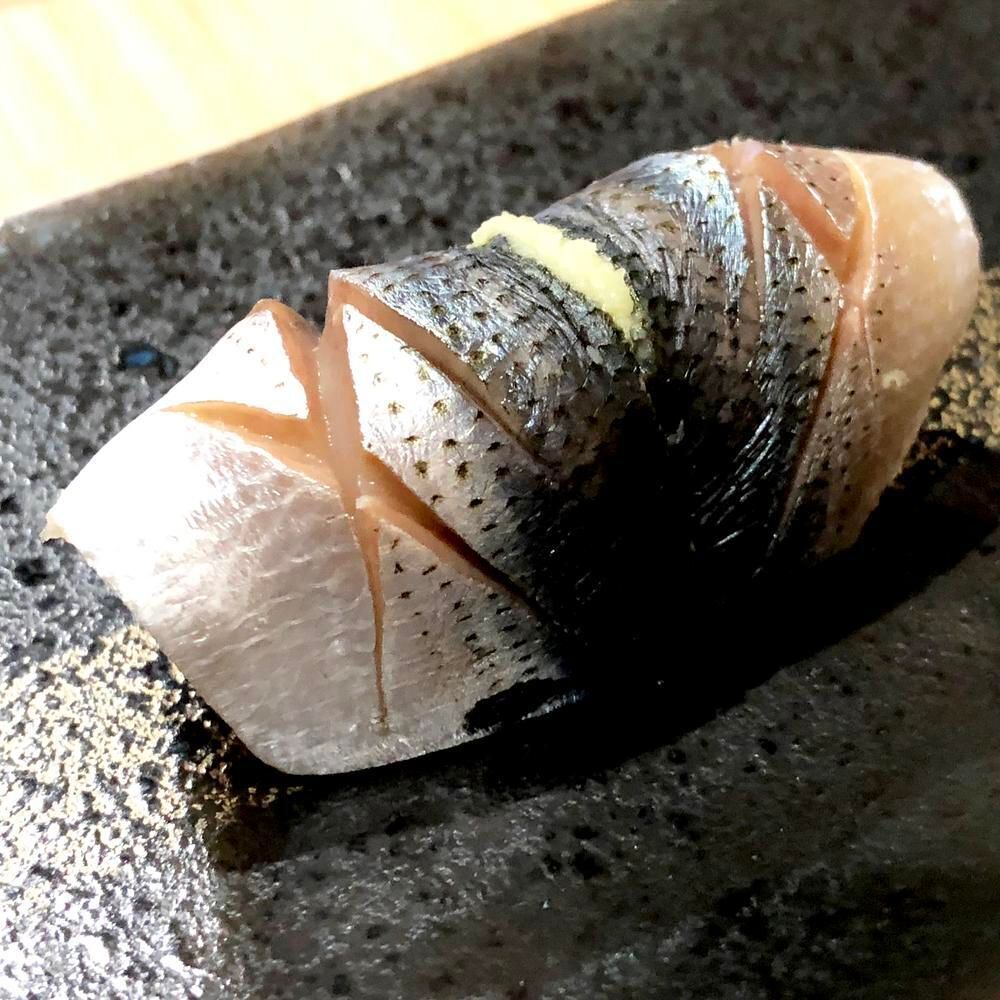
- 1842
Bib Gourmand • Sushi. Standing in the kitchen is the second-generation chef and his son. Protecting the reputation of their restaurant as a family, father and son carry the torch for future generations. Guests’ eyes are drawn to the chirashizushi heaped with lashings of seafood. Sushi pieces brushed with sweet eel sauce are smothered in thin omelette cut into strips; this arrangement is both beautiful and practical, as it prevents the fish from drying. Oshizushi of pike conger and conger eel, futomaki stuffed with dried gourd strips and parsley are standard fare. Here the good things never change.

- 1843
Bib Gourmand • French. T’astous presents as a ‘neo-bistro’, the sort of chic bistro you might find in Paris. Regional cooking arranged for a modern sensibility. The chef trained in the south of France, so he excels with foie gras and truffles that are this region’s gift to the world. The restaurant name is the word for a black-truffle canapé in the Cahors dialect. He expresses through his cuisine the wonder he felt upon tasting this delicacy in southwestern France.
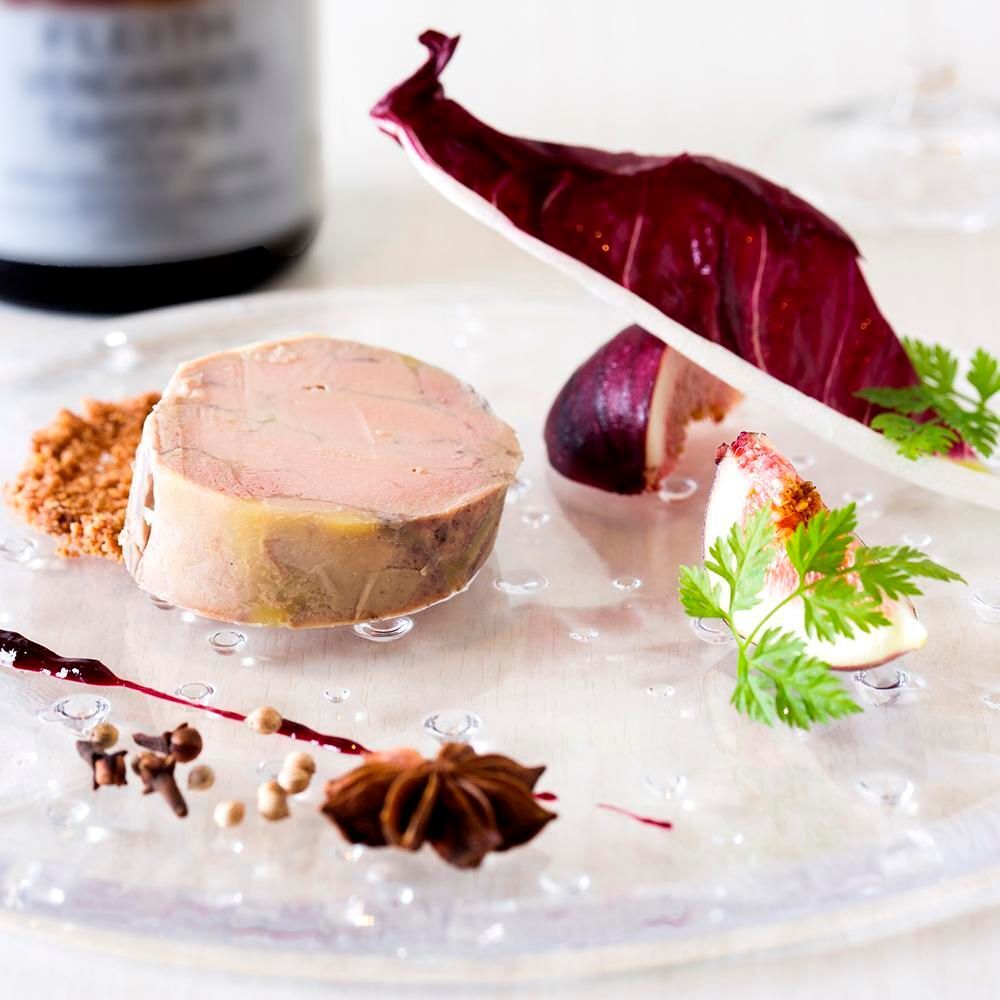
- 1844
Bib Gourmand • Sushi. Sushi Tonari means ‘sushi next door’, and indeed Tachigui Sushi Tonari is tucked away next to its flagship restaurant. The intimate space, quick turnover and experience of the youthful staff achieve a comfortable informality. Ordering is refreshingly casual, too: requesting one piece at a time is fine. The prevailing theme is ‘vinegar and sushi’. Rice seasoned with rice vinegar harmonises beautifully with the oil of the fish. Reservations, orders and billing are all managed on a digital system. Standing and eating, Edo’s street-stall dining culture, updated for the modern era.
- 1845
Bib Gourmand • Sushi. Sushi got its start as hawker food that flourished in Edo (old Tokyo). To impart a feeling for that culture, Tachiguisushi Sushikawa is a standup sushi bar (and is what the name means). No drinking snacks; this is nigiri only, which you can order piece by piece according to your taste. Sushi toppings display an old-school craftsmanship. The chef harbours doubts about the recent trend of taking sushi up-market, which is why he recreated the atmosphere of a real-deal, no-nonsense sushi joint. A sushi local where regulars come to chat with the chef.
- 1846
Bib Gourmand (Green Star) • Japanese. ‘Tan’ comes from the city of Kyotango in Kyoto Prefecture. Naturally, the food hails from the Tango region too: rice grown by staff members; vegetables from the region’s farmers. Gohan is cooked in clay pots, timed to be ready just as guests arrive, and served alongside aemono using seasonal vegetables generously dressed with sesame. Seated around a large table called ‘daidokoro’, meaning ‘kitchen’, you feel invited into a circle of friends, so just relax and savour the blessings of nature.
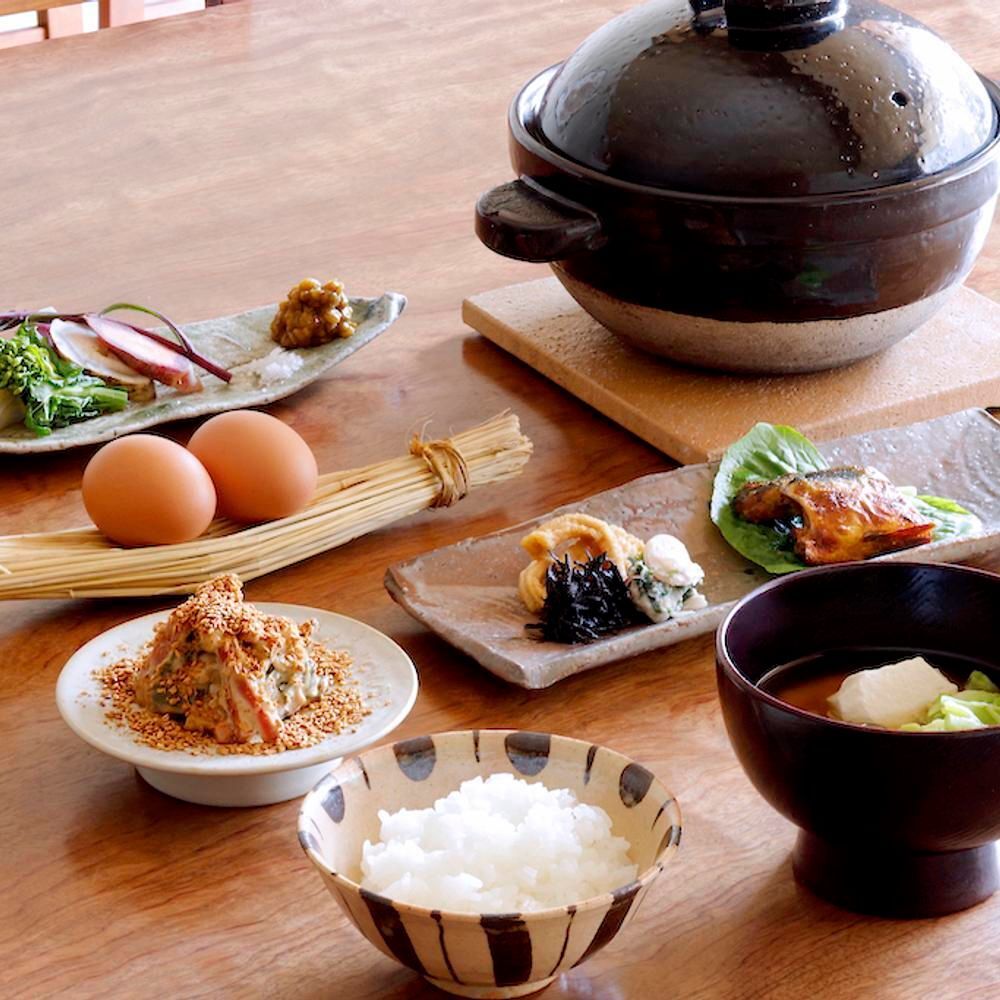
- 1847
Bib Gourmand • Teppanyaki, Okonomiyaki. Polished iron and copper plates are the symbols of this shop. Flame and metal are chosen to suit each ingredient: cooking on iron brings out aroma, while copper reveals hidden subtleties. The menu casts a wide net, from standards such as okonomiyaki to creative dishes like Western-style ‘Tonpeiyaki’, stir-fried pork and vegetables wrapped in an omelette. This is also the place for deep-fried fish cake, kneaded with seasonal ingredients such as butterbur sprout in spring or fresh ginger in autumn. Teppanyaki with a distinct personality, grilled with passion.
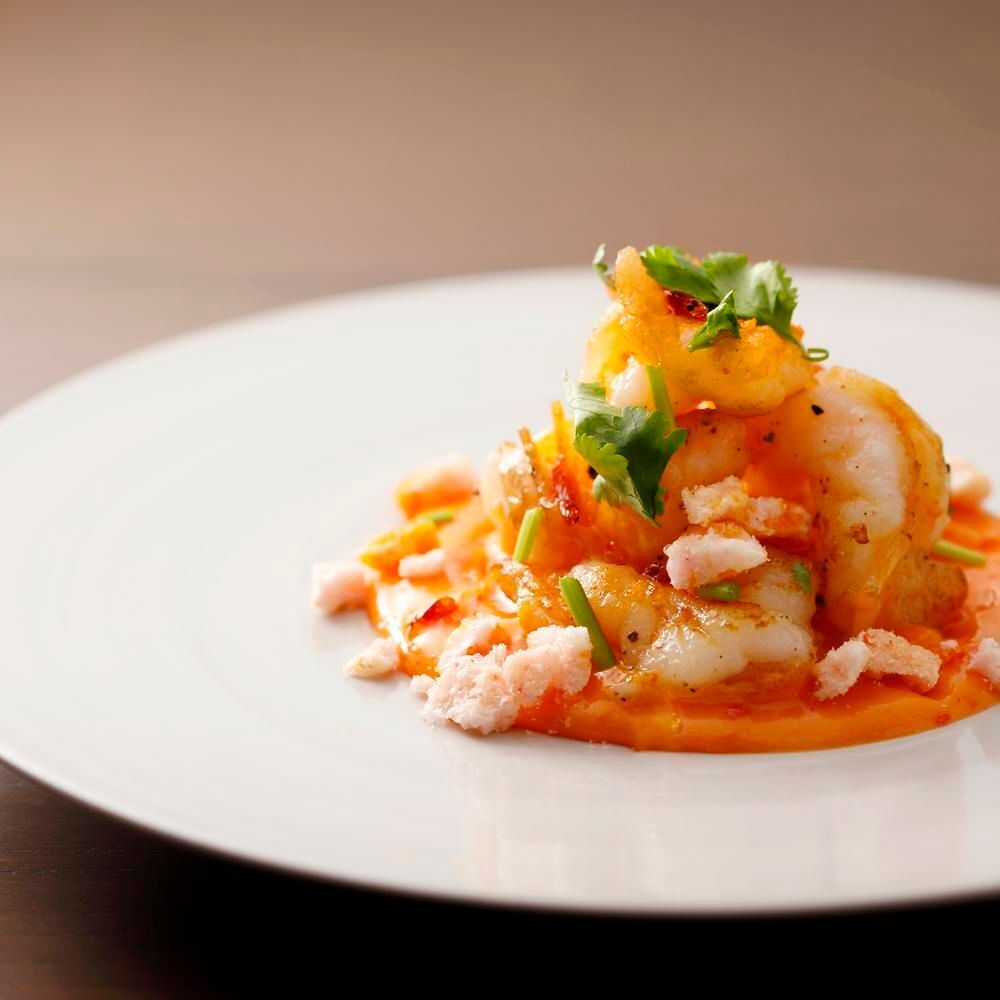
- 1848
Bib Gourmand • Tempura. ‘Cheerful, fun, exciting’ sums up the credo of the owner-chef. The convivial atmosphere and friendly service attracts customers of every generation. The menu reflects this positive attitude, with bowls of rice with toppings, teishoku set meals and à la carte items available at both lunch and dinner. The dish of fame is the kakiage-don, a bowl of rice loaded up with shrimp. The chef treasures the advice he learned as an apprentice: ‘Offer top-rate food at third-rate prices’. He’s always smiling, trading jokes with his guests.
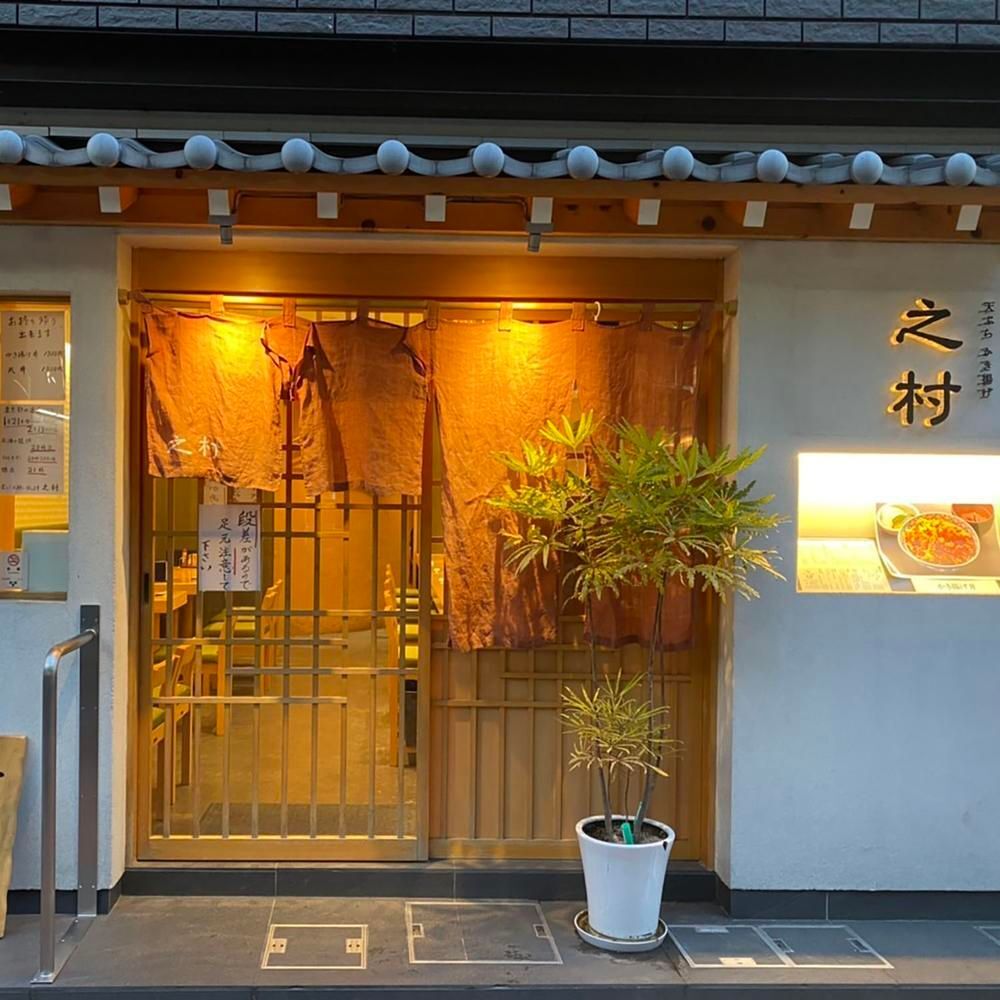
- 1849
Bib Gourmand • Tempura. Tempura Kozaki expresses the seasons through ten pieces of tempura. The procession begins with tiger prawn, then alternates between vegetables and seafood. Experience in other disciplines of Japanese cuisine shines in the choice of ingredients such as deboned pike conger and Japanese mugwort gluten cake. Pieces are lightly deep-fried in cottonseed oil and served with warm tentsuyu. Frequent changes of coating show the skill of the seasoned veteran. This popular restaurant is full night after night; for the first Sunday of each month, reservations are accepted two months in advance.

- 1850
Bib Gourmand • Tempura. Tenboshi is managed by Numata, a developer of tempura restaurants. The chain has several locations, but this one is popular for its prices and casual style. Born in Amakusa, the chef gets many ingredients from his native Kumamoto, as well as other parts of Kyushu. Tempura, fried in a blended of fresh-pressed sesame and cottonseed oils, is light and airy. Providing seafood and vegetables alternately, with dipping sauces to set off each item to advantage, is one way to show off individuality.
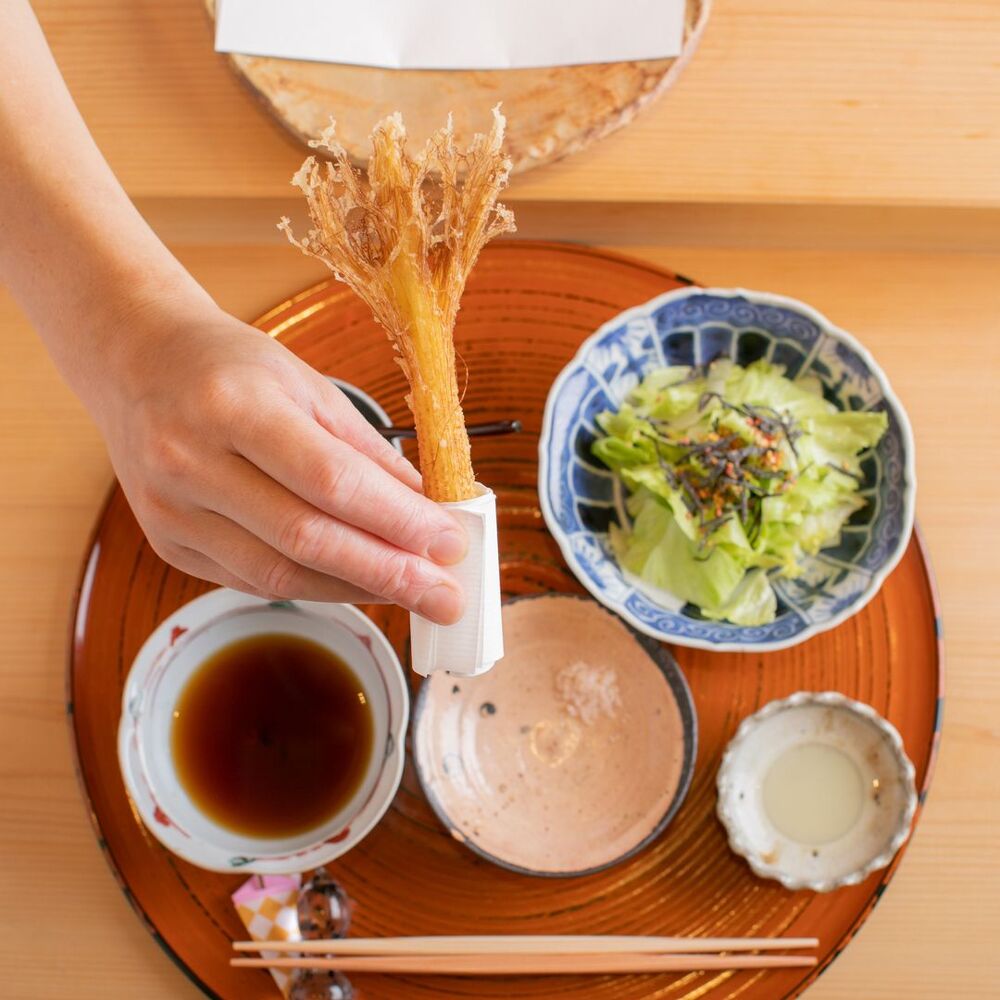
- 1851
Bib Gourmand • Tempura. The lines that form outside Tensuke at lunchtime are a part of the Koenji landscape. Inside, one voice after another calls for the ‘Egg Lunch’. Accompanying the speciality of deep-fried egg on rice, tempura items are fried in a set order. Another speciality is the performance of the chef, who tosses the eggshells in the air in poses worthy of a kabuki actor. The idea is to make the waiting time fun, too. Deep-fried eggs fill mouths with yolk and smiles.

- 1852
Bib Gourmand • Ramen. The inclusion of ‘teuchi’ in the shop’s name reflects the distinctive quality of its handmade noodles—flat and springy. Dough is prepared daily and rested overnight, capturing the full flavour of the wheat. Noodles are cut when orders are placed, then kneaded to vary the texture. Mellow, flavoursome soup combines broth of chicken and seafood with ‘kaeshi’, a blend of soy sauce, sugar and mirin. Time and hard work deepen the flavour of each bowlful.
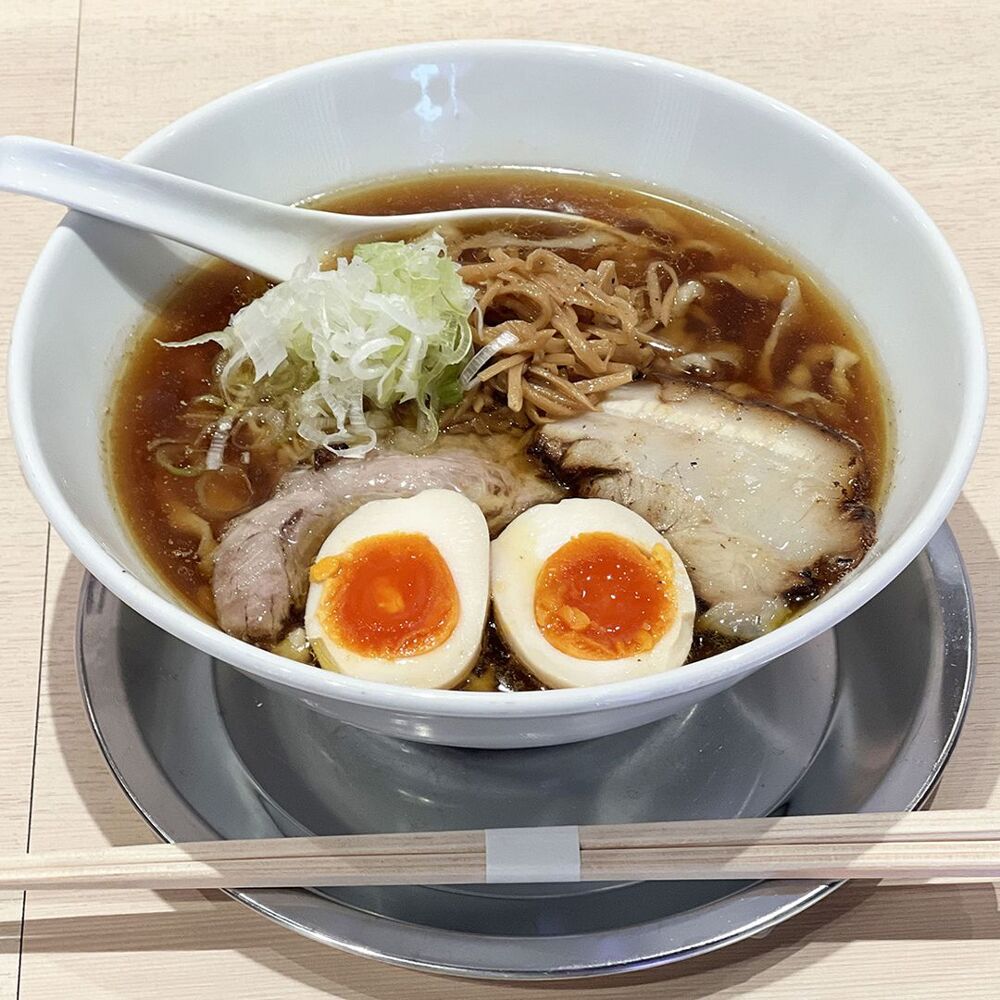
- 1853
Bib Gourmand • Soba. ‘Jiyusan’ is a shop on Mejiro Street. The name is a play on the street’s old name, ‘Jusanken-dori’. Delicately thin seiro soba, made purely from buckwheat served on a wicker tray, offers a pleasing finish. Inaka soba is stone-ground by hand, one grain at a time using a pestle and mortar, and delivers a rich, deep flavour. Appetisers, patiently prepared using techniques the chef learned during his apprenticeship, set the tone—such as shrimp prepared in miso and grilled, or herring fillet simmered slowly over several days.

- 1854
Bib Gourmand • Soba. A soba shop in a row of old houses on Kuramaguchi-dori. Pass through the noren curtain and the earth-floor entrance, and the nostalgic sight of tatami seating and tables on wooden floors puts you immediately at ease. ‘Zaru soba’, soba on a bamboo draining basket with dipping sauce, is made from 100% buckwheat flour for aroma and quality finish. A sharkskin grater and stick of wasabi are provided, so you can start grating your wasabi while you wait for your soba. Enjoy soba dishes to your heart’s content, including buckwheat tofu and buckwheat red-bean soup.
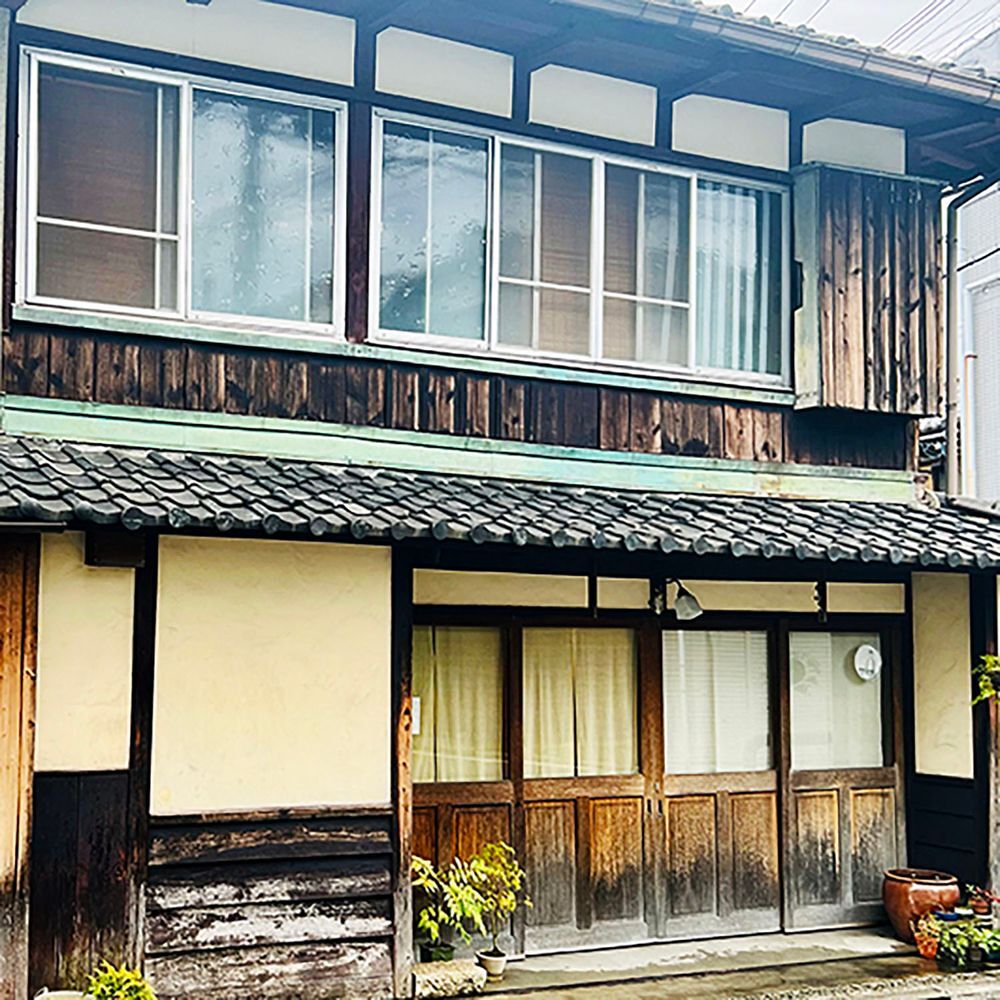
- 1855
Bib Gourmand • Ramen. The soup accentuates the umami of the meats with the flavour of dried sardines; if you’re looking for soup with a unique and beguiling taste, you’ve found it here. Chashumen, ramen topped with roasted pork, is so covered in pork slices that they hide the noodles. Rice is available as an extra with the ramen, so try placing some of the roasted pork on top of it to make chashudon, roast-pork rice. Impressive and satisfying indeed, as if to say there is ramen here.
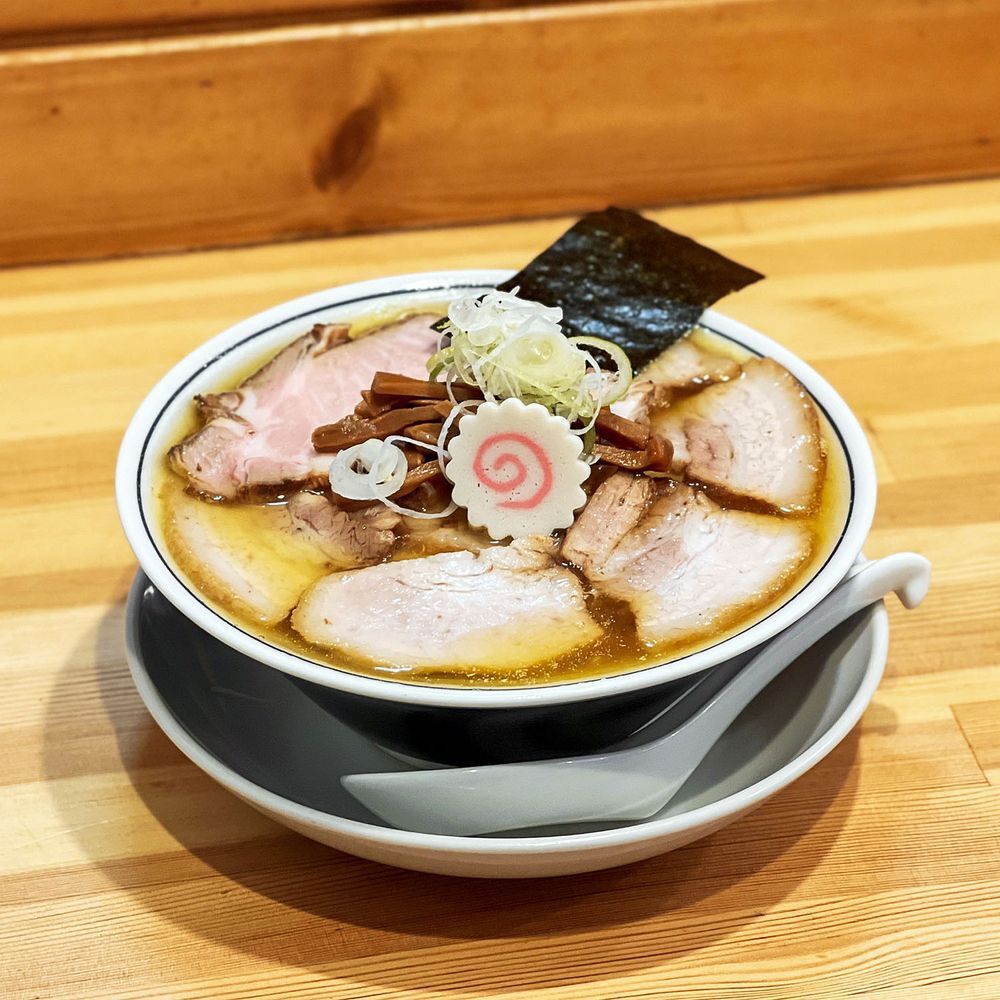
- 1856
Bib Gourmand • Soba. With the temperament of an artist, the chef places everything in its proper proportion. Gathering unpolished buckwheat from Nagano and Niigata, he grinds the two together, checking moisture by hand to produce nihachi and juwari noodles. Soba and broth are served in harmony: as seiro, accompanied by soup redolent of katsuobushi, or as kake, steeped in hot katsuobushi broth. Side dishes are soba-shop favourites, such as Pacific herring simmered for days or seafood and buckwheat flour wrapped in nori and deep-fried.

- 1857
Bib Gourmand • Indian. The ‘toi’ in the name of the restaurant is an acronym for ‘trip of imagination’. The destination is India, and the mission is to provide traditional Indian dishes. There are meat, fish and vegetable curries. They do things Thali teishoku-style and serve several kinds of curry of your choice on a large plate. You can also add individual items like pakora, an Indian-style tempura.

- 1858
Bib Gourmand • Tonkatsu. This popular spot lies in a back-alley near Ameya-Yokocho. Defending the restaurant’s noren is its third-generation chef, who grew up in this part of Ueno but sharpened his skills in Europe. Tonkatsu here is primarily pork loin cutlets. Applying his knowledge of Western techniques, the chef fries thick cuts of pork in relatively cool lard over a gentle flame. With rock salt, Worcestershire sauce, tonkatsu sauce and soy sauce on offer, it’s fun to compare how each tastes. Be prepared to queue first.
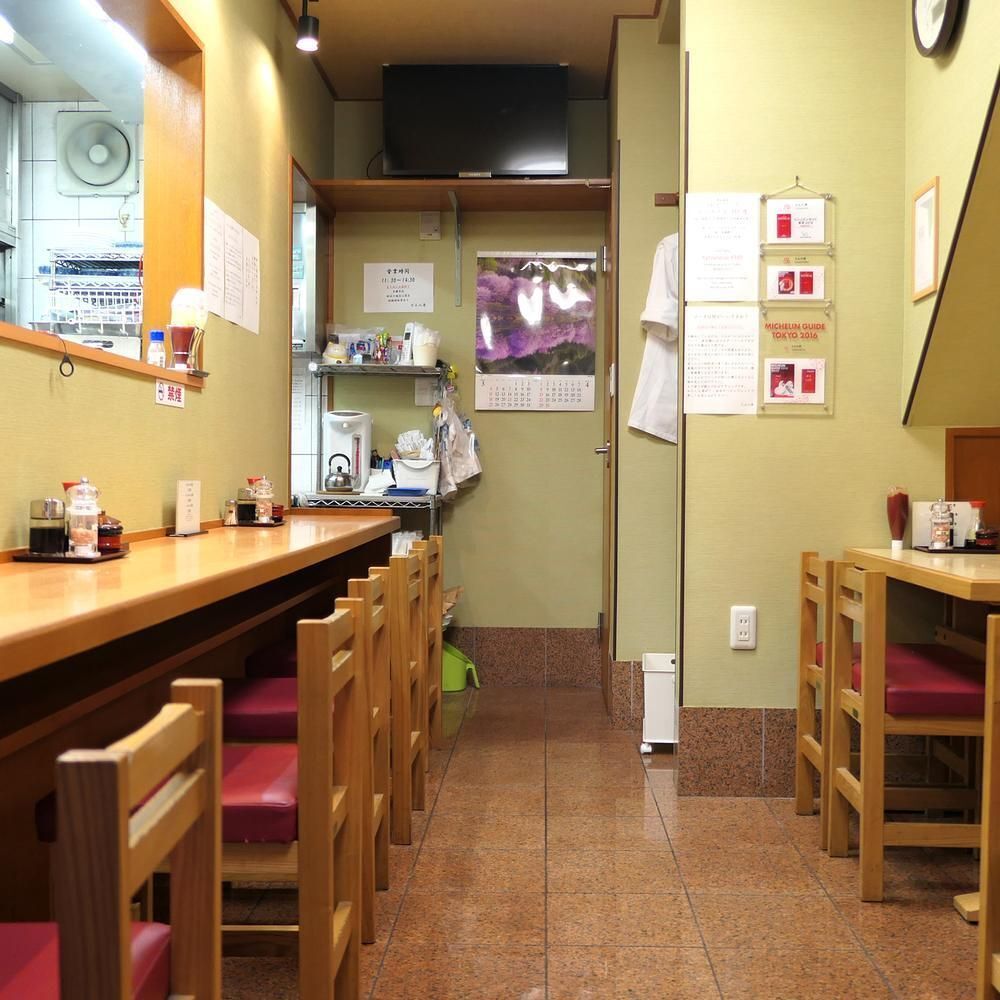
- 1859
Bib Gourmand • Tonkatsu. The veteran owner-chef has devoted his life to tonkatsu pork cutlets. As he fries pork loin and fillet, he concentrates on the changing colour of the coatings and the hiss of oil in the copper pot. Cabbage is chopped by hand as the pork sizzles. Deft, precise movements calculated with the final result in mind reassure guests. Craftsmanship learned the old-fashioned way, through patient repetition of the master’s lessons, reflects a stance of uncompromising commitment.
- 1860
Bib Gourmand • Tonkatsu. In tonkatsu, the chef expresses the knowledge and passion for pork he cultivated in French cuisine. The blackboard-decorated interior creates a bistro vibe. Sauces feature red wine; the batter is flavoured with vanilla. Recalling his days as a high school baseball player, the chef’s cooking wear is in the style of a baseball uniform. ‘JAPAN’ is inscribed on the sleeve, signalling that this tonkatsu rookie aims to be Japan’s No. 1.

- 1861
Bib Gourmand • Tonkatsu. Tonkatsu Hinata sources pork from two prestigious brands with different flavour profiles. Both are selected for the sweetness of their fat, tender meat, pleasantly firm texture, and abundant flavour. The shop buys pig carcasses whole, so it can offer a wide variety of cuts, including not only loin and tenderloin but also prime rib and rump. Order the evening prix fixe meal and you’ll enjoy the privilege of tasting rarer cuts— rump cap, pork jowl and eye-of-round— fried one after another.
- 1862
Bib Gourmand • Tonkatsu. Only name-brand pork from various regions is used so patrons can learn what truly delicious pork tastes like. The chef is always on the lookout for new pork brands, allowing diners to sample different flavours in tonkatsu every time they visit. If undecided between the tenderloin and the pork loin, the combination platter is the way to go. The restaurant is named ‘Hana’ because that is the name of the chef’s wife. Their warm and affable personalities add to the appeal, heightening satisfaction with the fare.

- 1863
Bib Gourmand • Tonkatsu. A tonkatsu restaurant supervised by tempura emporium Shunsaiten Tsuchiya. Brand-name pork loin and fillet cuts are stocked, and a mixed serving of both cuts is popular. Pink slices of pork deep-fried at relatively cool temperatures reveal the tonkatsu artisan’s consummate skill. ‘Minato’ means ‘port’, and indeed the house is not far from the city’s wharfs – and ports represent commercial prosperity. As befits a restaurant in Osaka, which rose to prominence as a commercial hub, this eatery preaches the message of tonkatsu to guests from throughout Japan and the world.
- 1864
Bib Gourmand • Tonkatsu. As a child, the chef was sometimes given tonkatsu as a special treat. That happy memory inspired him to open this tonkatsu restaurant. Insisting on meat rich with flavour, he uses name-brand pork only. A combination of chunky breadcrumbs and frying in relatively cool lard results in crisp batter and meat that turns succulent. Rice is cooked in clay pots, then transferred to round wooden tubs, bringing out the rice’s sweetness while preserving its fluffy plumpness. As the chef of a yakitori shop as well, he takes special pride in his chicken cutlets.
- 1865
Bib Gourmand • Yakitori. The chef fell in love with the delicious taste and texture of locally raised Nara chicken and pours his heart and soul into its preparation. To ensure his guests experience the full spectrum of flavours, his skewers feature a wide range of cuts, from the familiar to the rare. Seasoning is carefully chosen: salt or dipping sauce for some, sake or chicken fat for others. Chicken tenderloin, for example, is ingeniously showered with Yamato tachibana pepper, a condiment made from an ancient citrus fruit. Items served to wrap up the meal are prepared with the same attention to detail: yakitori on rice, rice with white chicken broth, or ramen in chicken broth.
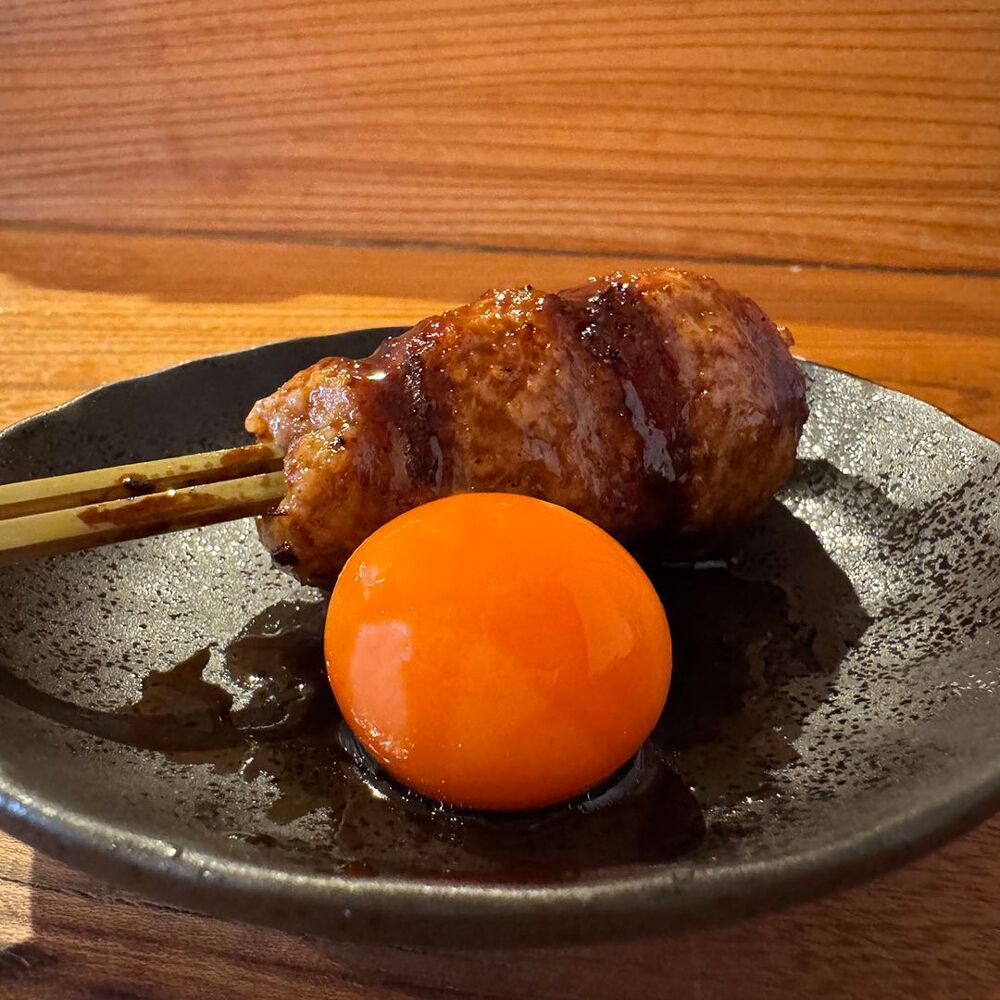
- 1866
Bib Gourmand • Pork. This has been in operation since starting life as a food stall in the postwar years. An old photo on the first floor shows the original sign from those early days. The ‘Tori’ in Torishige reflects an earlier usage, when yakitori referred to pork as well as chicken skewers; ‘shige’ is in honour of the Prime Minister of that time, Shigeru Yoshida. In place of chopsticks, two bamboo skewers are used; meat-stuffed bell peppers are a tradition since the first generation. Beef was added by the second-generation chef; the use of rare cuts is an innovation by the current chef. In era after era, Torishige continues its success story.
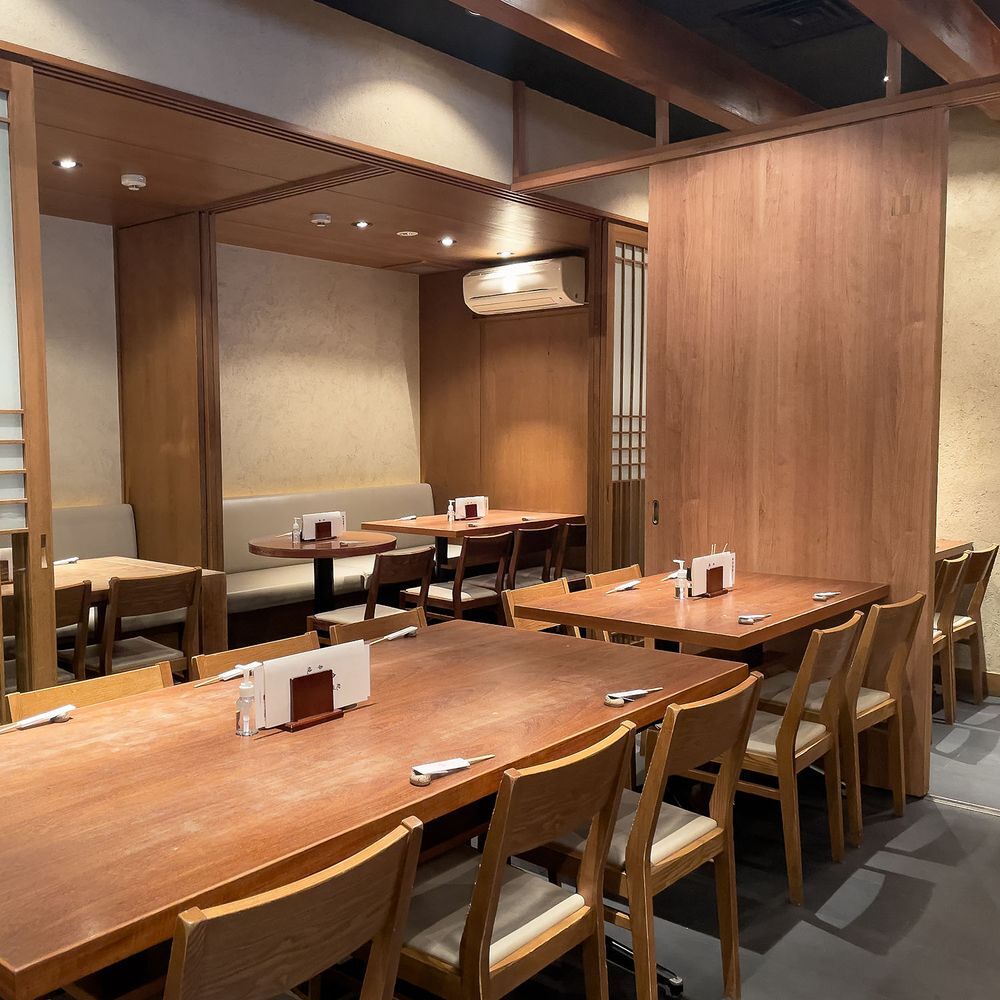
- 1867
Bib Gourmand • Italian. ‘A backstreet Italian eatery’ is how this trattoria bills itself. The chef professes his love of Tuscany through his cooking, which includes crostini of chicken-liver paste; beef tripe simmered in the Florentine style; Pici, akin to a thick spaghetti, in tomato ragú is a Sienese primo piatto. The meat elegantly grilled over charcoal flame is best enjoyed with a bottle of red wine.

- 1868
Bib Gourmand • Udon. The chef’s top recommendation is the ‘hiyakake’: nothing but udon noodles in a golden-yellow broth. The dashi is Kansai-style, made with makombu seaweed for umami and finely chopped round herring and mackerel for flavour. Noodles are prepared with techniques learned in Kagawa. The cool broth brings out the supple body and elasticity of the noodles, showing how the goodness of each supports the other. The donburi bowl here brings together the udon cultures of Osaka and Kagawa.

- 1869
Bib Gourmand • Spanish. A Spanish restaurant by Bordeaux vintner. Spain has two coasts, the Mediterranean and the Atlantic, and Japan is surrounded by seas on all four sides. These geographical features define the food culture and cooking on tap at Ueroku wine. The chef parlays Japan’s unique seafood into cuisine with a distinctive character. A selection of wines from many countries, including the owner’s own, Clos Leo, is available for your enjoyment.
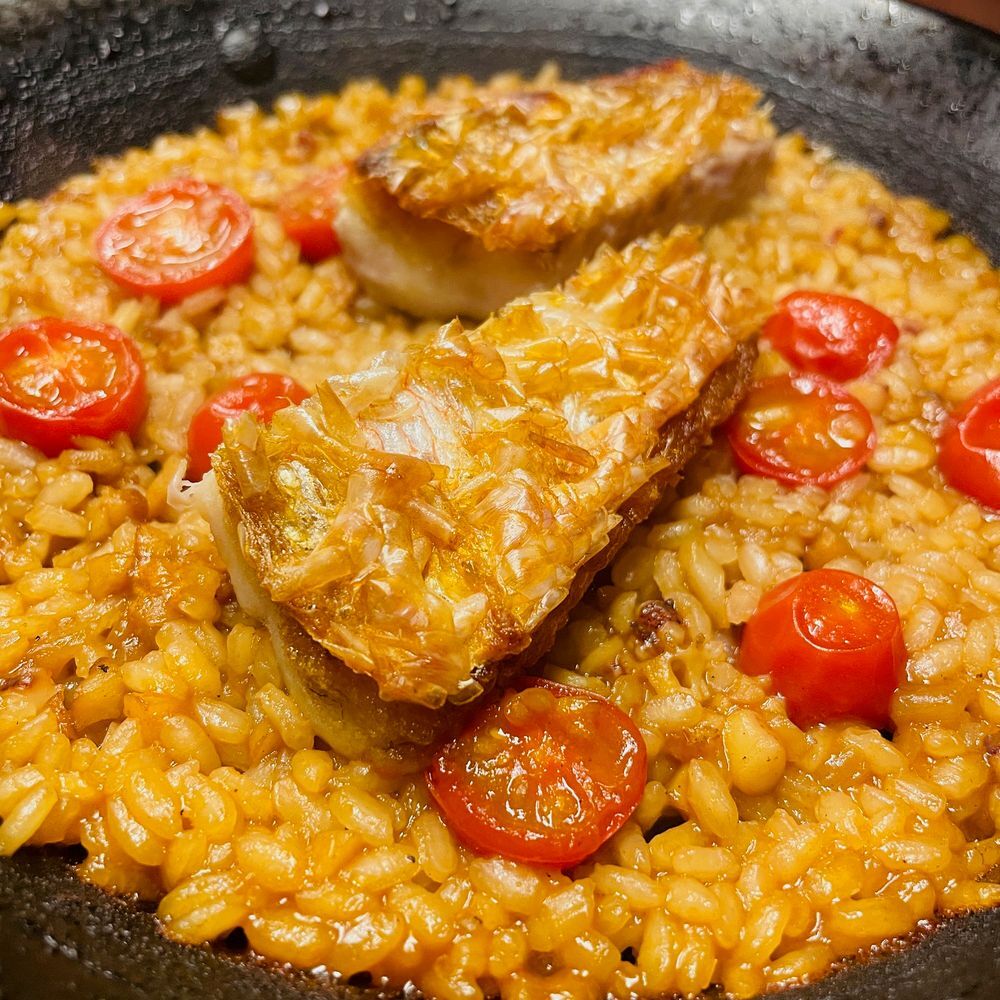
- 1870
Bib Gourmand • Unagi / Freshwater Eel. The owner-chef apprenticed at an unagi restaurant in Osaka after becoming enamoured of the world of unagi artisans. He took the name of his teacher’s restaurant out of gratitude and grills plump ‘aote’ unagi, Kansai-style, over bincho charcoal. There is a saying that when it comes to learning unagi, skewering technique takes three years, dressing it takes eight years and grilling it takes a lifetime to master. As such, he has devoted himself to unagi.

- 1871
Bib Gourmand (Green Star) • Ramen. ‘Earth-friendly dining’ is the mission of Vegan Ramen UZU. The interior artwork, created by art collective teamLab based on their theme of ‘Interconnection between humans and nature and each other’, is a perfect fit for the cuisine. Digital art that reverses left and right on the black tables, and India-ink writing on the walls, speak of harmony between nature and food, and the beauty of all creation. Guests all dine at the same table, underscoring the message that we must live and prosper together.
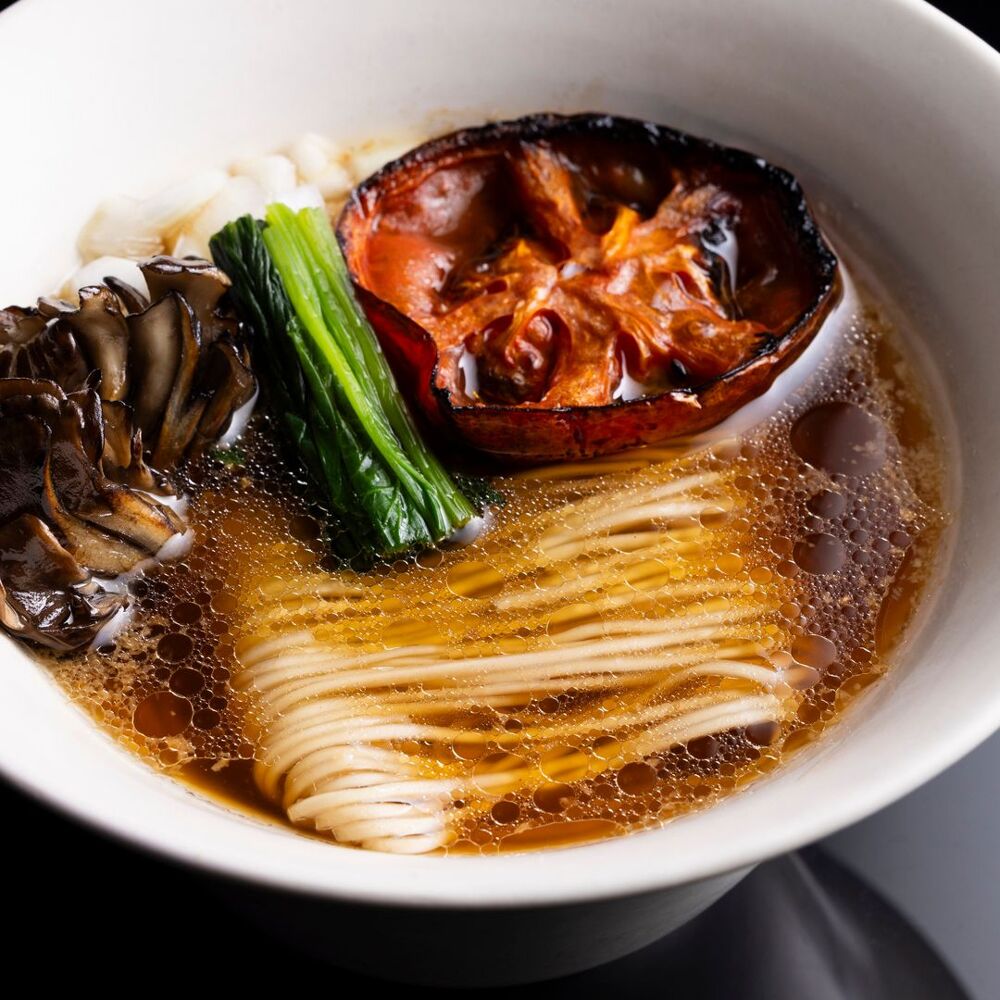
- 1872
Bib Gourmand • Italian. Cuisine that weaves together the seasons of Japan and the culture and climate of Italy. Flavours such as bamboo shoot, sweetfish, pike conger and game express their respective seasons. Having burnished his skills in inland and coastal regions, the chef is schooled in the bounty of both land and sea. He modifies each single ingredient by a wide range of preparation techniques, bringing out a side of it never seen before. Individual needs and tastes are catered for: guests can choose from a variety of pastas, for example, or request preferred portion sizes.
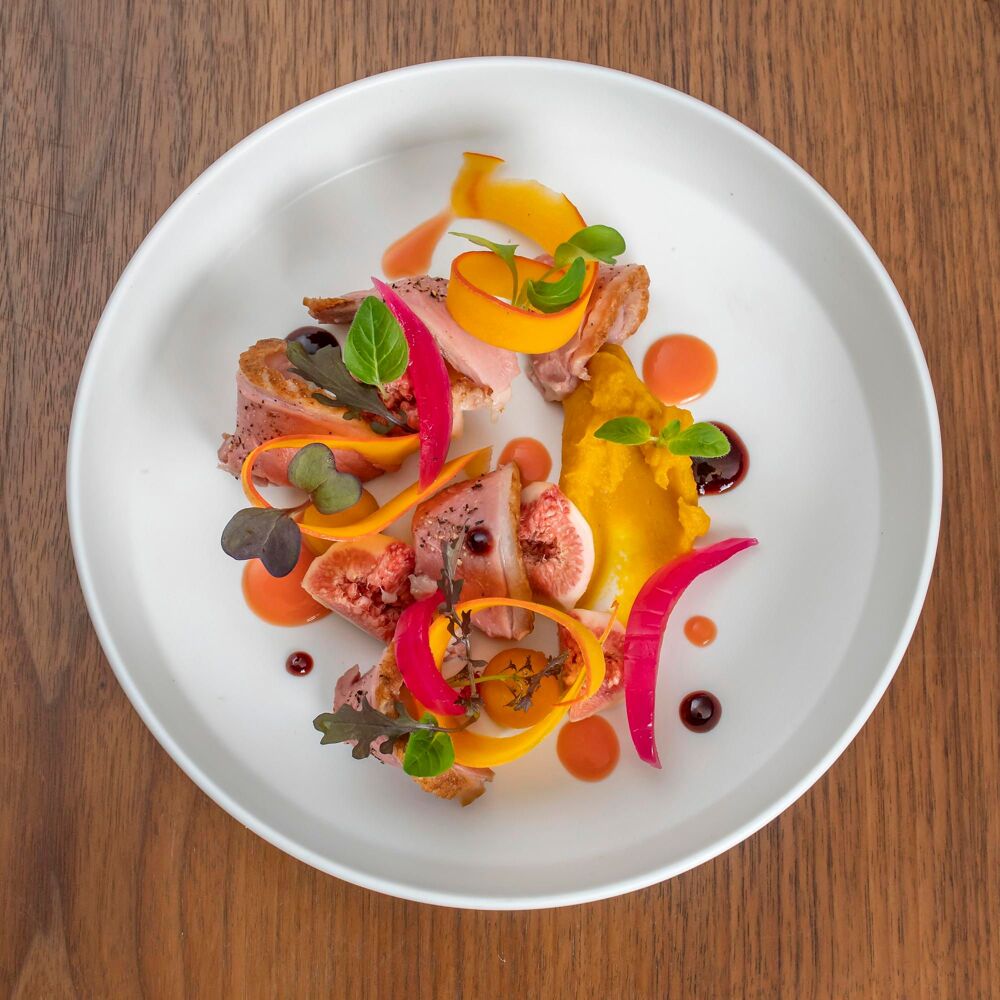
- 1873
Bib Gourmand • Japanese. The ‘Washoku’, meaning ‘Japanese food’, in its name signals the shop’s desire to blend into guests’ everyday lives. The tone the restaurant aims for is simple fare with a few ingenious touches. For that reason, guests might find themselves grinning at the little gaps between what the menu led them to expect and what they are actually served. For example, potato salad made with unmashed fluffy boiled potatoes dressed with a creamy sauce, or a fried mince cutlet with a hint of duck. Thick sabazushi roll is another speciality. Unaffected at first glance, yet suffused with playfulness.
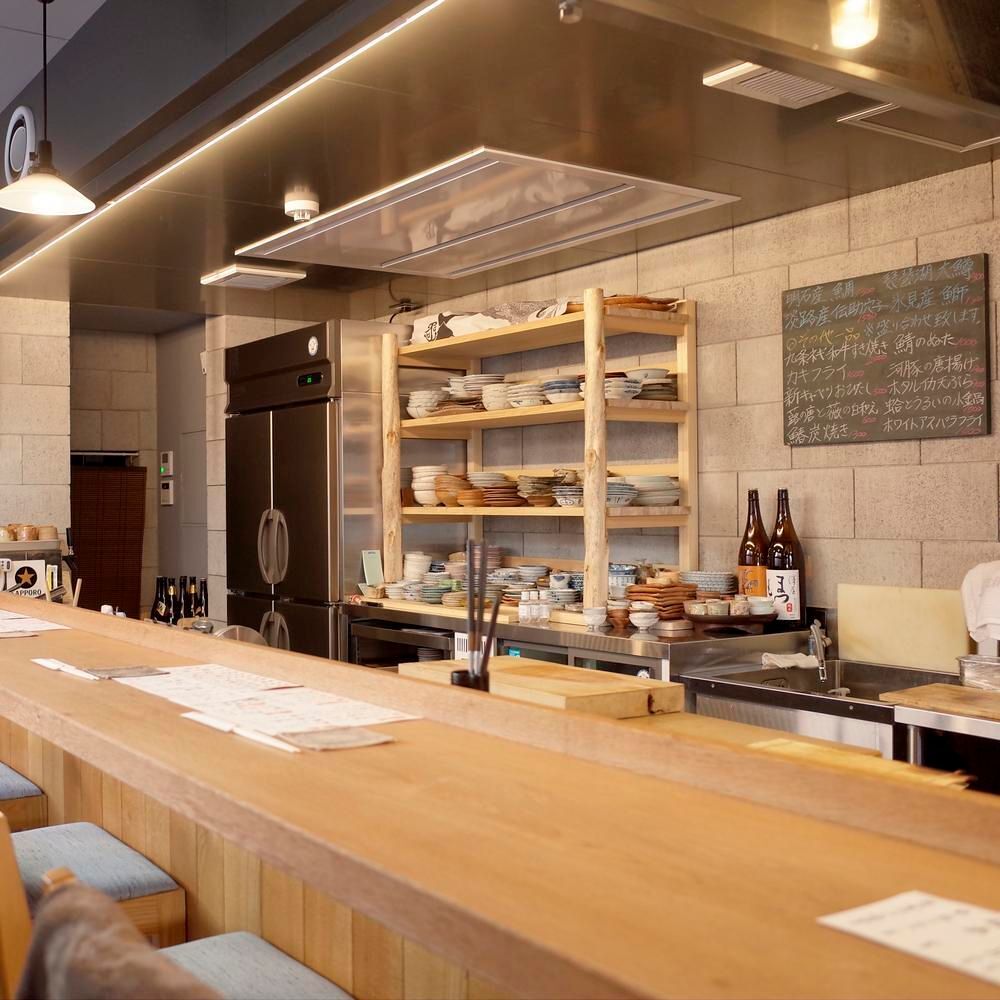
- 1874
Bib Gourmand • Izakaya. The generously portioned, inventive dishes reflect the chef’s desire to satisfy. The signature Taichi Salad is piled high with over 30 types of vegetable. Whether cut, grilled, steamed or fried, each dish is prepared to bring out the flavour of the ingredients. The seasonal specials listed on the blackboard are also inviting. In summer, fragrant roast corn with butter soy sauce is this restaurant’s speciality. Each season brings a reason to return.
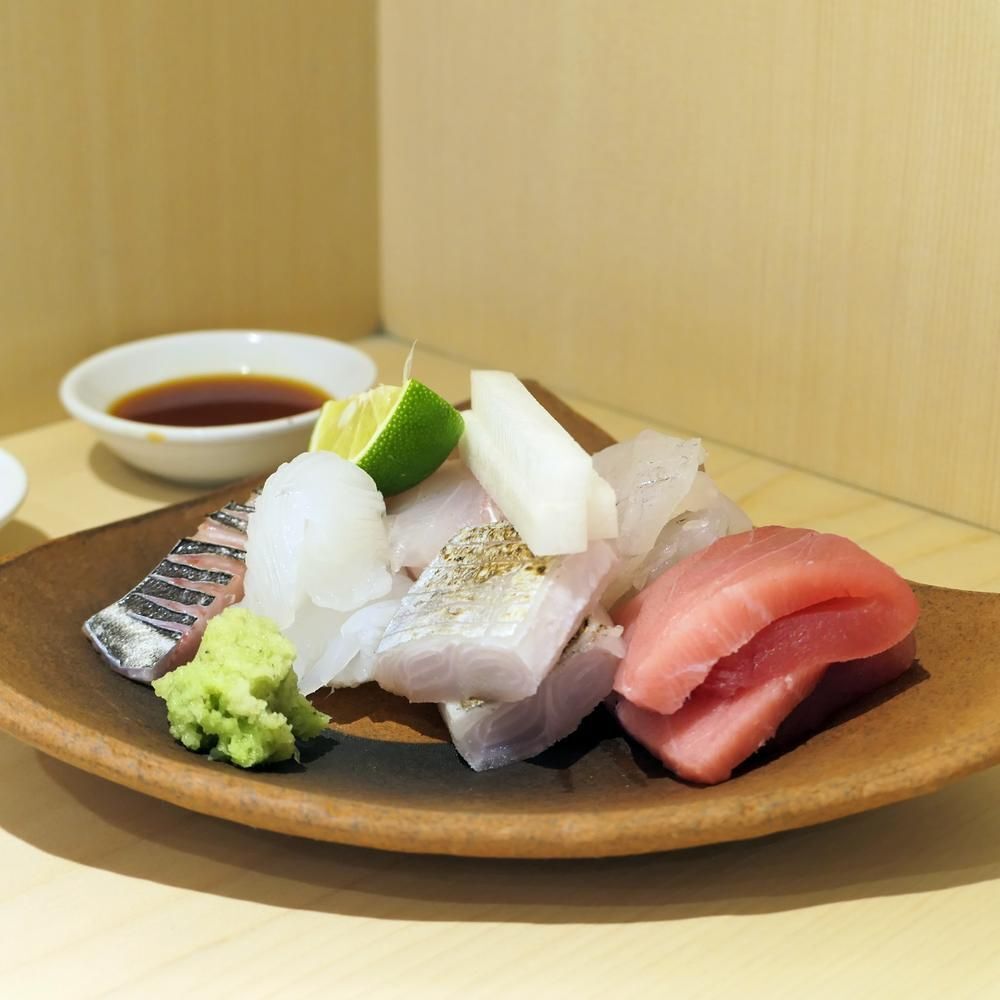
- 1875
Bib Gourmand • Unagi / Freshwater Eel. Watabe was founded as a fishmonger but morphed into a restaurant when it became known for the delicious eel the owner grilled at his shop. ‘Enma-ju’, which features both shirayaki, eel grilled without seasoning, and kabayaki, eel dipped and broiled in sweet sauce, served over rice in a box, is a tribute to Konnyaku-Enma, a deity enshrined in nearby Genkaku-ji Temple. In the evening, the menu takes on a distinctly French cast, with items such as terrine of kabayaki and foie gras and smoked eel with Brie de Meaux cheese. Eel cuisine Watabe style, with foundations in French cuisine, is the aim here.

- 1876
Bib Gourmand • Japanese. The chef studied the art of kaiseki multi-course meals. In addition to omakase set meals, he serves prix fixe meals to which à la carte items can be added, so diners can enjoy Japanese cuisine as they please. Sashimi is accompanied by a dipping sauce of malted rice and fish sauce; mixed platters of drinking snacks include grilled and fried items prepared with care. The shop name is inspired by grammatical particles used to form sentences in Japanese. Cuisine, people, drinks and interior blend agreeably together, so relax and let time flow by.
- 1877
Bib Gourmand • Unagi / Freshwater Eel. An old wooden sign catches the eye: ‘Unagi – eat this, and there is no need for medicine.’ This reflects the founder’s belief in eel as a nourishing food. The fourth-generation chef honours tradition while adapting to the present. The Unatsugu-ju carries the spirit of passing eel culture to the future, with efforts to release juvenile eels into the sea to replenish wild stocks. In step with the times, a counter seat offers a view of the craftsmen at work.

- 1878
Bib Gourmand • Yakitori. The omakase yakitori selections keep coming until you say ‘stop’. Tempo modulates in constant flux: flavours alternate from light to rich, and textures from firm to tender, punctuated with vegetables for variety. Sizes of pieces on skewers vary by cut of meat, accentuating the character of each. In a practice unique to Japan, the chef wears a headband fashioned from a twisted towel, his face a mask of concentration as he focuses on one skewer at a time. Putting his training of the next generation to good use, the chef runs a disciplined kitchen team.
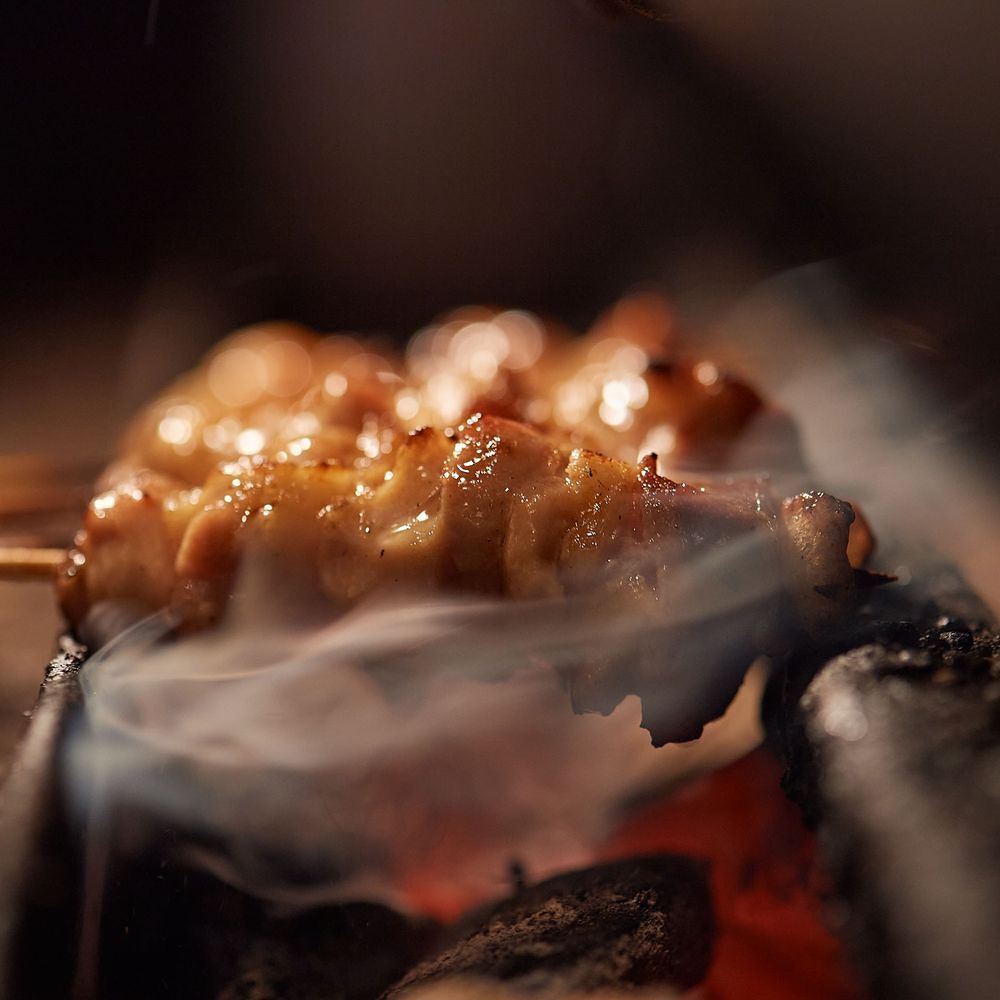
- 1879
Bib Gourmand • Yakitori. A former hairdresser, the chef puts his skills with scissors to good use. Chicken for yakitori is cut along the fibres, making skewers that are pleasing to the eye. Salt is applied with the precision of a hairstylist, creating a symphony of flavours that feels meticulously crafted. While favouring chicken from Kochi Prefecture, the chef chooses the producing region according to the cut. Skill and beauty, fused in yakitori—be sure to give it a try.
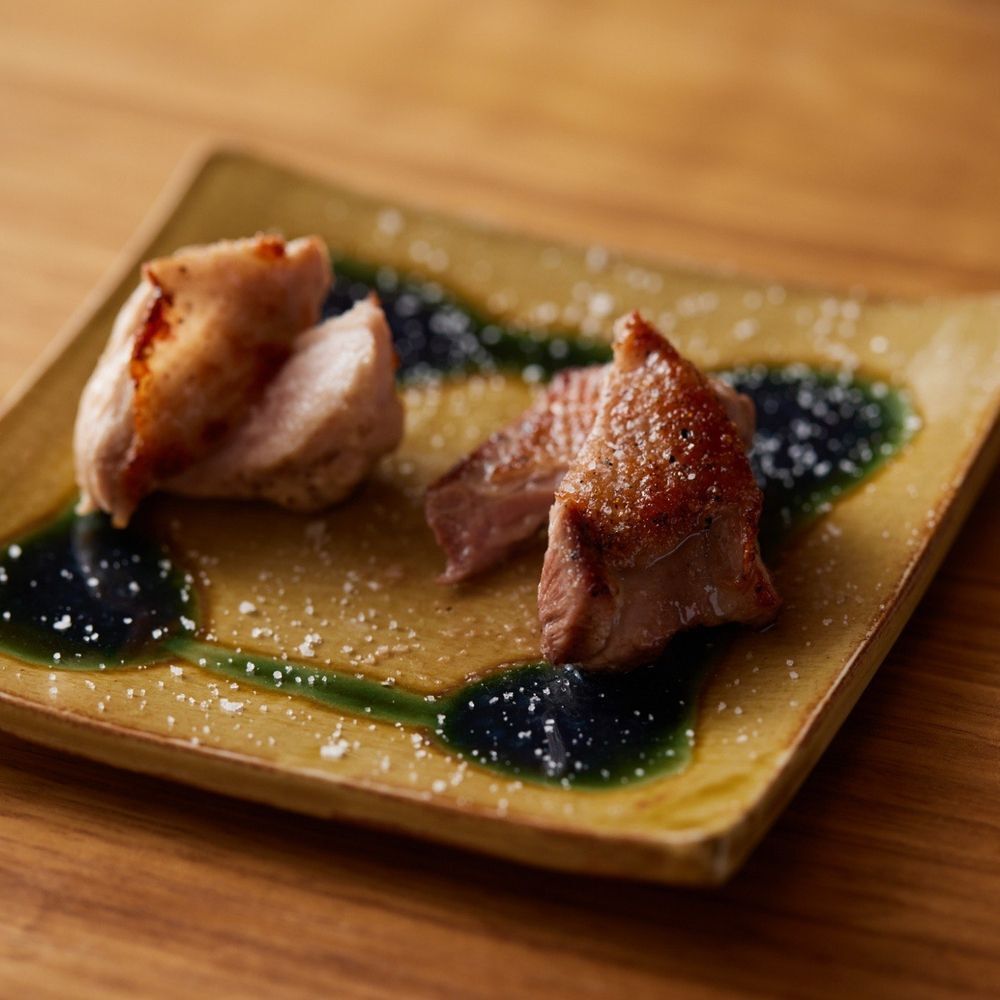
- 1880
Bib Gourmand • Ramen. Customers flock to Yakumo for its famous wonton ramen. Two types of wonton, one with pork infused with the tang of ginger and the other with shrimp cooked to delightful texture, each play their part in the dish’s popularity. To enjoy both, order the special ‘Tokusei’ ramen. The choice of soups is ‘White dashi’ made with white soy sauce, ‘Black dashi’ using rich, dark soy sauce, and ‘Mix’, a mixture of the two. And choose from thin noodles or flat. This flexibility to tailor your order is a special pleasure of Yakumo.
- 1881
Bib Gourmand • Pizza. This restaurant on Mt. Ikomayama overlooks the city. The Italy-trained chef bakes pizzas with his own original take. The key to the taste is Ikoma spring water – the water’s sweetness and softness give the pizza real character. Made using less salt compared to the Italian recipe, the crust has a uniquely fluffy texture. The standard offering is margherita pizza made with vegetables from a local farm. Have your fill of Ikoma pizza you won’t find in Naples or Rome. It’s closed for the month of February.
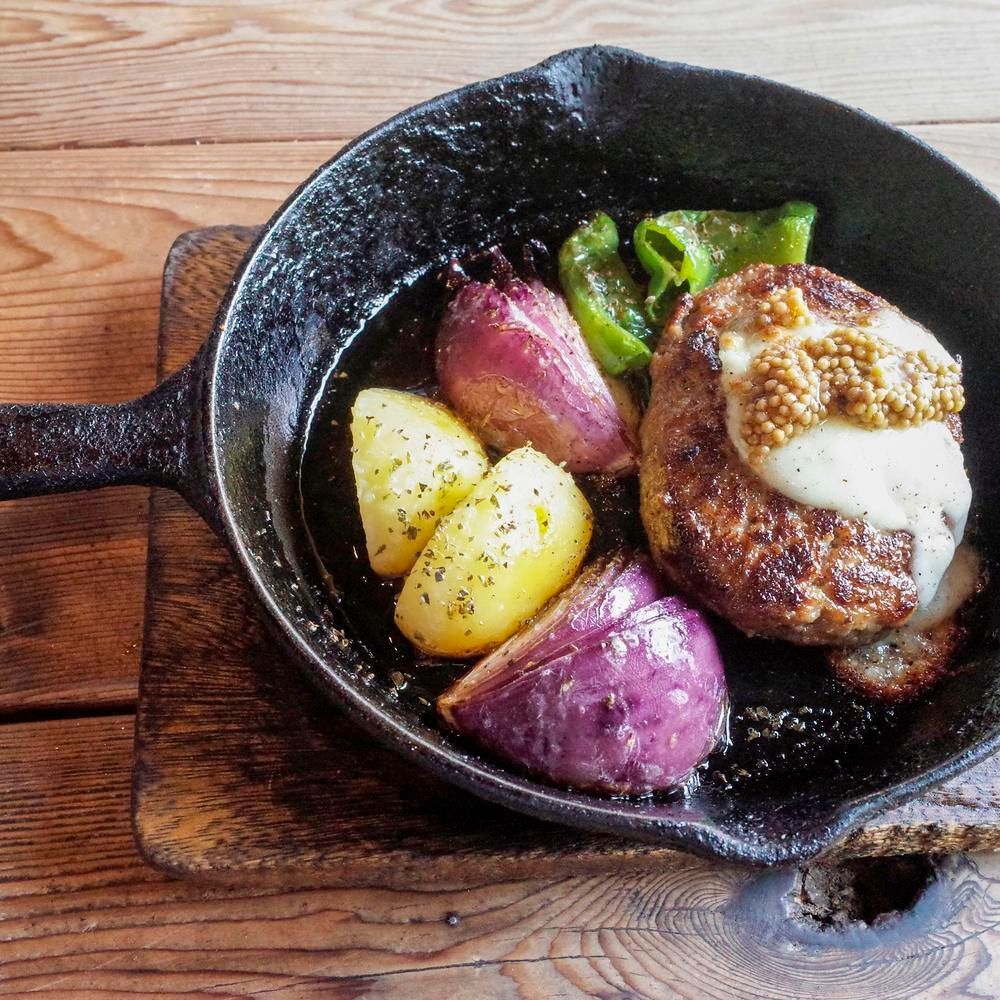
- 1882
Bib Gourmand • Izakaya. Here the speciality is chargrilled vegetables and seafood. Guests gather around the hearth and charcoal brazier to enjoy the rising aroma of the seafood and vegetables while savouring sake. Among the favourites are the large clams and dried, salted ichiyaboshi fish. Seasonal delicacies like bamboo shoots and mushrooms are also available. The proprietress expertly handles the grilling duties, carefully tending to the charcoal fire. ‘Yamato’ is the name of her family's river fish shop, serving as the inspiration for the owner's charcoal cooking.
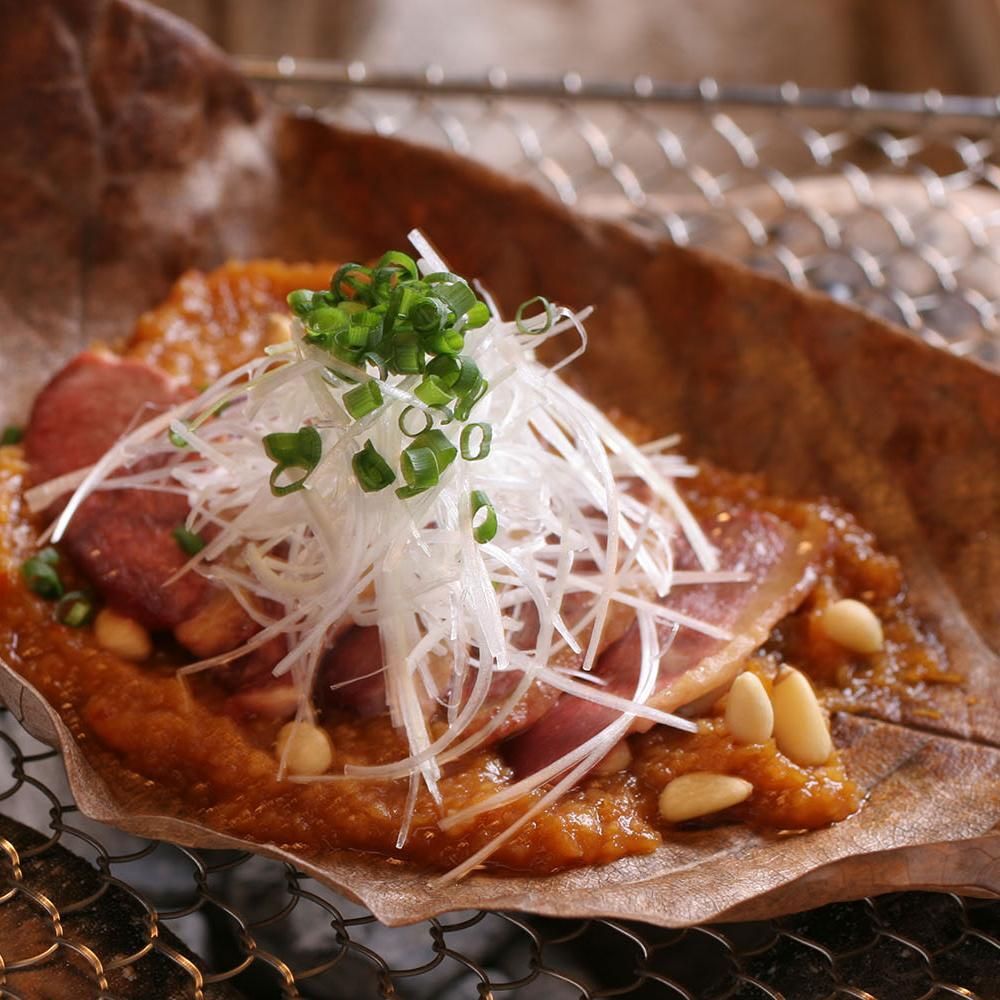
- 1883
Bib Gourmand • Yoshoku. Yoshoku Edoya traces its establishment to1954, when its founder, having studied Western cuisine, converted a Japanese confectionery shop into a restaurant – it still bears the name it had at its founding. The perennial favourite here is hamburger steak, served with a generous helping of demi-glace and topped with a fried egg. The skills with which the beef is kneaded and grilled to lock in juices are those of a master craftsman. Flavours of the good old days make perfect companions for rice. Yoshoku Edoya honors both its own culinary heritage and the traditions of Western-style Japanese cuisine.
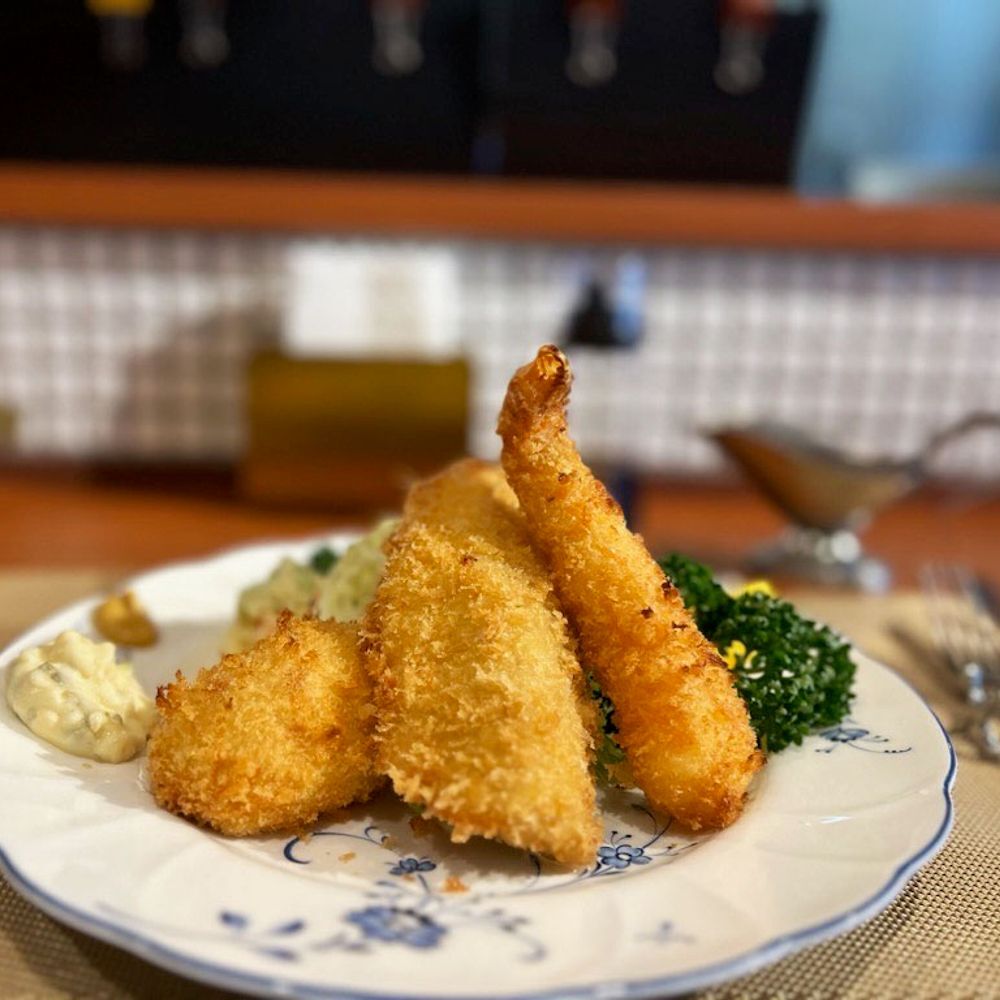
- 1884
Bib Gourmand • Italian. Pitigliano is a town the chef visited in his apprenticeship and has fond memories of. During his time in Italy, the chef was deeply impressed by the custom of ‘zuppa’, or dipping pieces of bread into soups of vegetables and beans, so the menu offers an extensive selection of soups. Honest flavours and presentations mirror the food culture of the Italian countryside, featuring simple handmade pasta and char-grilled fish and meat. Scenes of diners sharing from a single plate are a reflection of daily life in Italy.
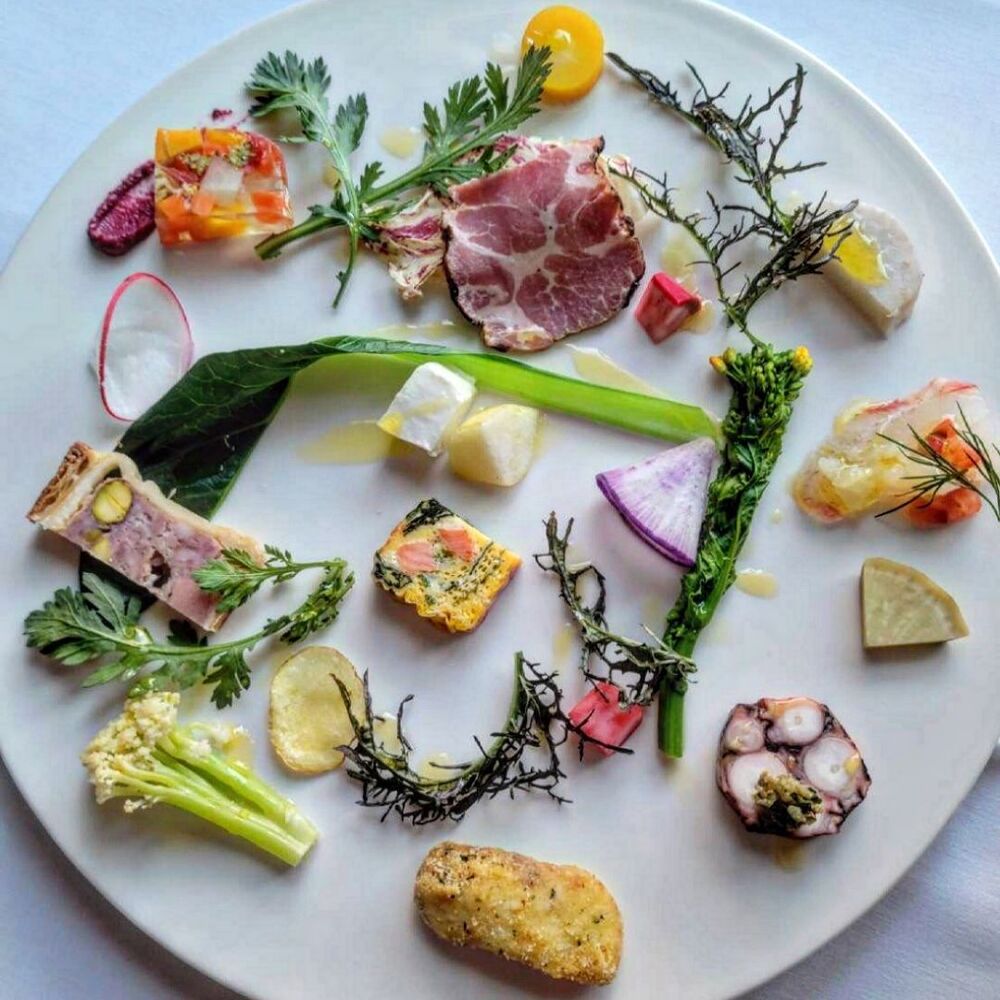
- 1885
Bib Gourmand • Modern Cuisine, Regional Cuisine. There are plenty of surprises on offer here, from the sleek, modern look of the room that hides behind the traditional red exterior to the lovely terrace secreted out the back. Wherever you sit, there’s a convivial feel, with the wallet-friendly prices only adding to the cheery mood. The concise menu showcases fresh produce from the region, and this local philosophy extends to the bar, where homemade ingredients feature in the soft drinks and cocktails. The creatively topped flatbreads are perfect for flying visits, while bedrooms are available for those who wish to linger a little longer.
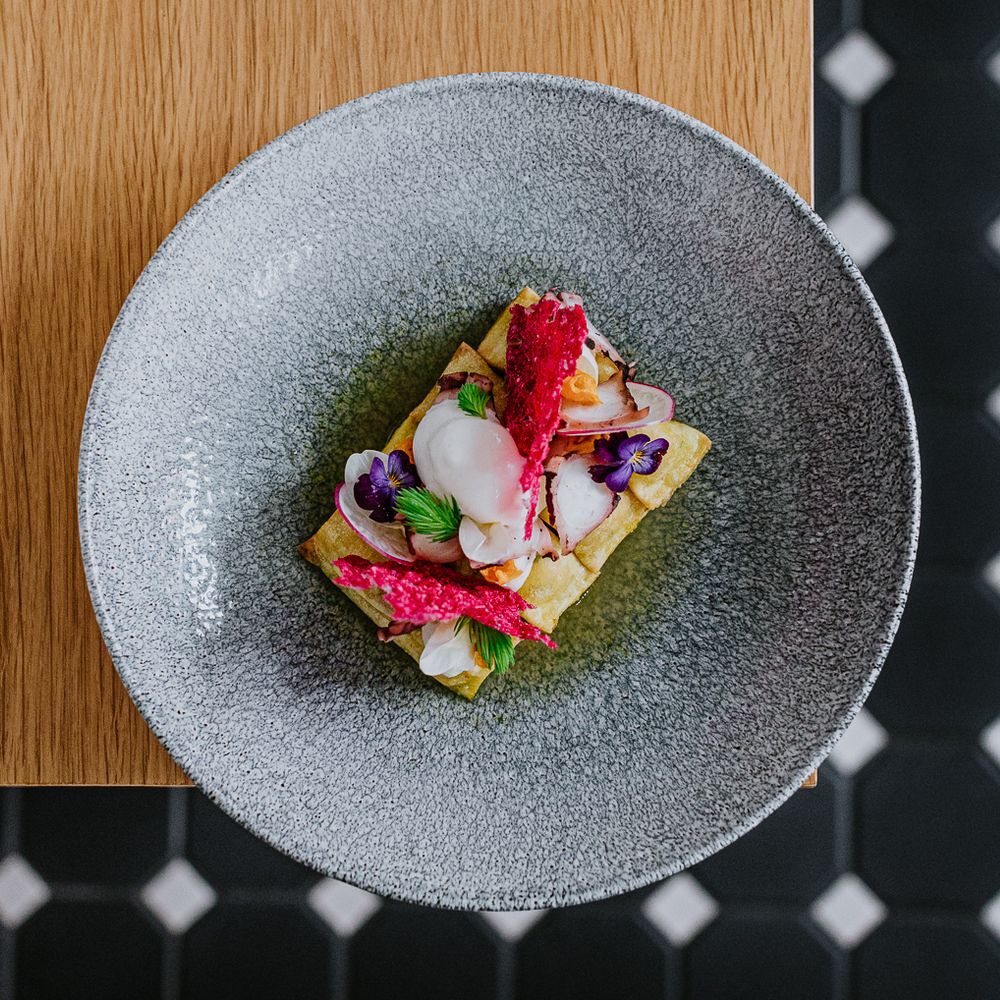
- 1886
Bib Gourmand • Traditional Cuisine. The figure that stands atop the Old Town’s 42-metre-high Latvian Freedom Monument is affectionately named Milda – and this unassuming-looking restaurant shares her name. In keeping with this nod to history, traditional recipes lead the way, from Latvian pelmeni (meat dumplings) or grey peas with bacon and sour cream to favourites from neighbouring Lithuania, such as cepelinai (potato dumplings). Service is warm and welcoming, everything is great value – especially considering the generous portion sizes – and the dishes are a real joy to eat.
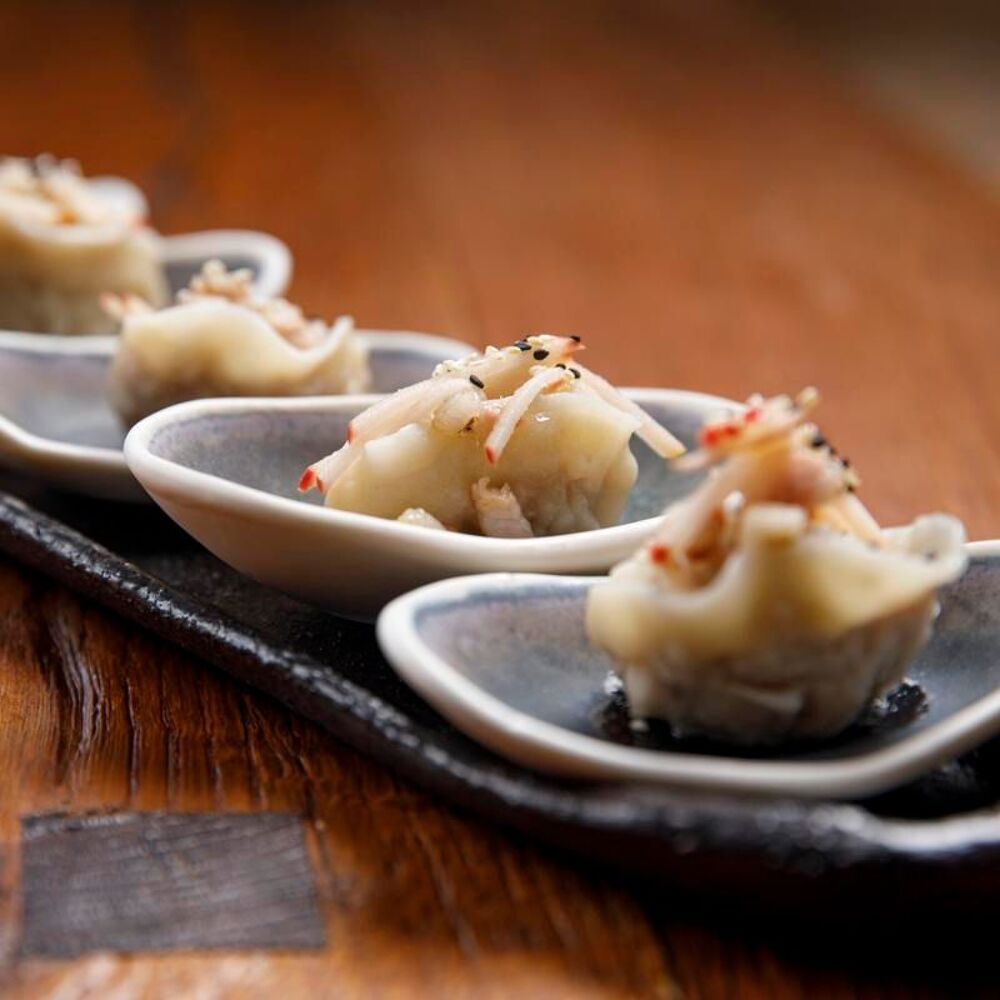
- 1887
Bib Gourmand • Japanese, Ramen. The name Shōyu – a type of Japanese soy sauce – is a clue as to what they serve at this tiny little shop, which specialises in classic ramen dishes. The rich, full-flavoured broth complements their homemade noodles perfectly, and there’s a great range of different ingredients to explore. There are also various rice bowls available – and be sure to start by sharing some of the tasty starters like yakitori or tataki. Service is sweet and there’s an appealing buzz to the modern room.

- 1888
Bib Gourmand • French, Scandinavian. Go down a few steps and you’ll find yourself in this stylish brasserie where warm terracotta shades and marble-topped tables set the tone. The restaurant’s name, SMØR, means butter in Danish and is a dual reference to the chef’s time spent working in Denmark (hence the open smørrebrød sandwiches on the menu at lunchtime), and the chef’s love of buttery French cuisine. Textbook Gallic dishes range from the likes of pâté de campagne with Latvian pickles to sharing plates such as whole turbot with brown butter and capers. Best of all, this all comes at prices that won’t break the bank.
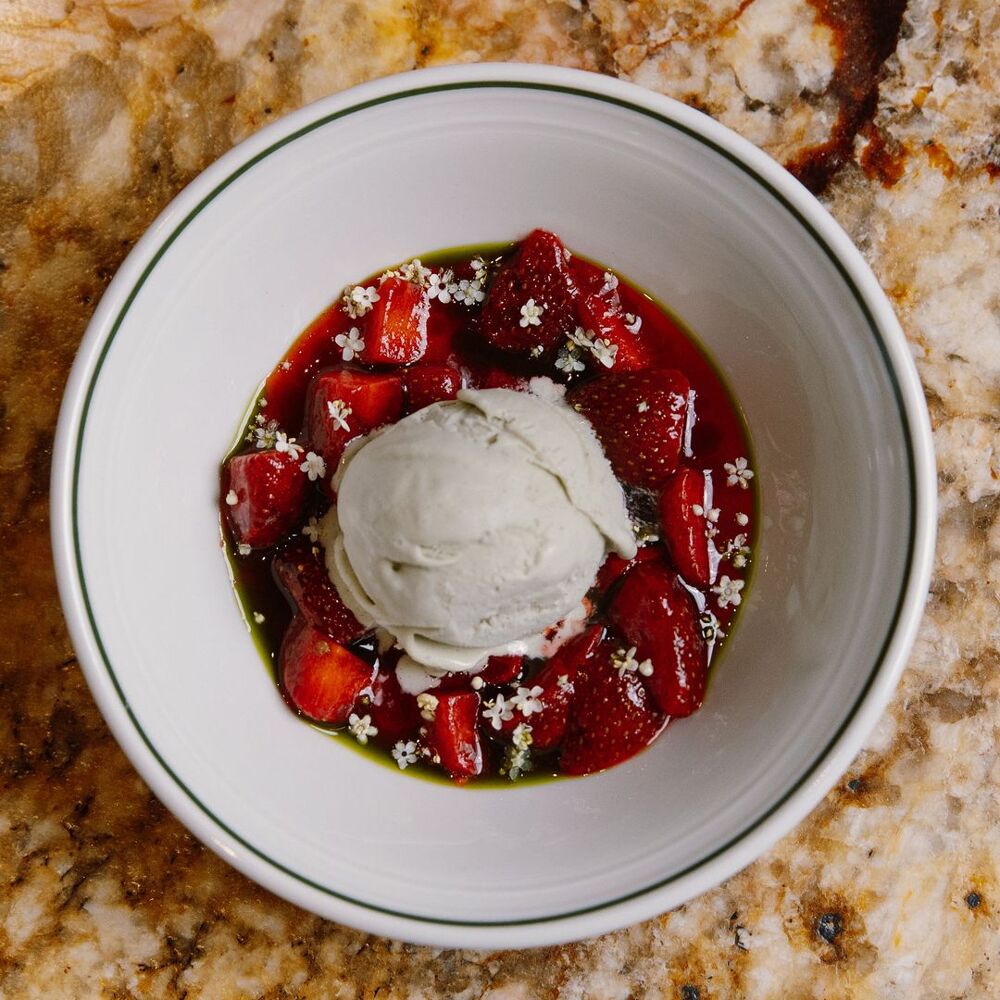
- 1889
Bib Gourmand • Italian. With its bare concrete, floor-to-ceiling windows and faux-industrial styling, Snatch is one Riga’s more stylish spots. The staff are bright and breezy, there’s a buzz from the open kitchen, and the upbeat soundtrack and bespoke cocktail list help contribute to the lively mood – making it the perfect spot for a night out with friends. The authentic Italian dishes are carefully cooked and include the likes of artichoke carpaccio with fennel and parmesan or octopus with green olive aioli and bomba calabrese. The homemade pastas are a highlight and the Italian-focused wine list offers some interesting choices.
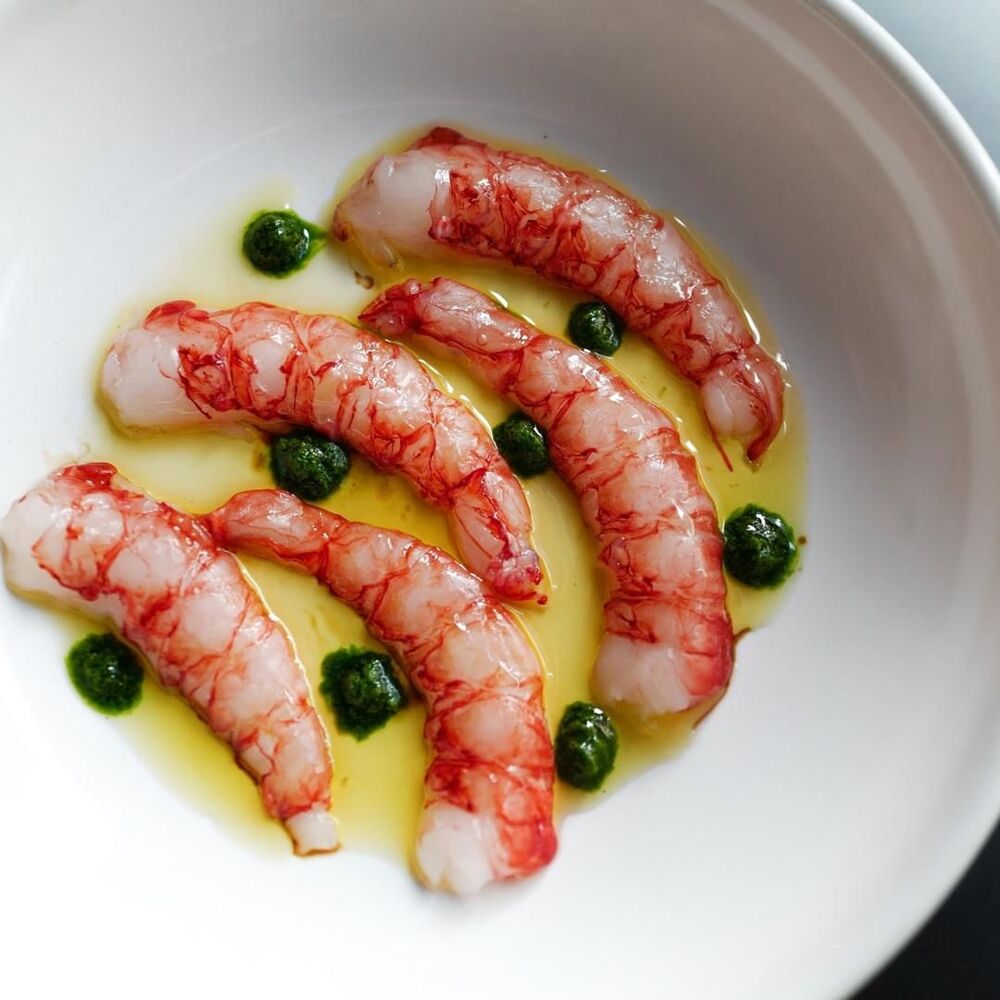
- 1890
Bib Gourmand • Modern Cuisine, Creative. The unusually named 14Horses is a well-run restaurant with a sleek, pared-back look and a relaxed vibe. Here, many of the dishes are brought to the table by the chef himself, who proudly shows off ingredients from the restaurant's regenerative farm in Radiškis. There’s certainly value on the cards: you receive bread, four courses and a pre-dessert – with the flexibility to choose an additional starter instead of a dessert, as well as options for courses to share. Bold, well-defined flavours are delivered in original combinations, with the ‘beef from nose-to-tail’ a must-try.
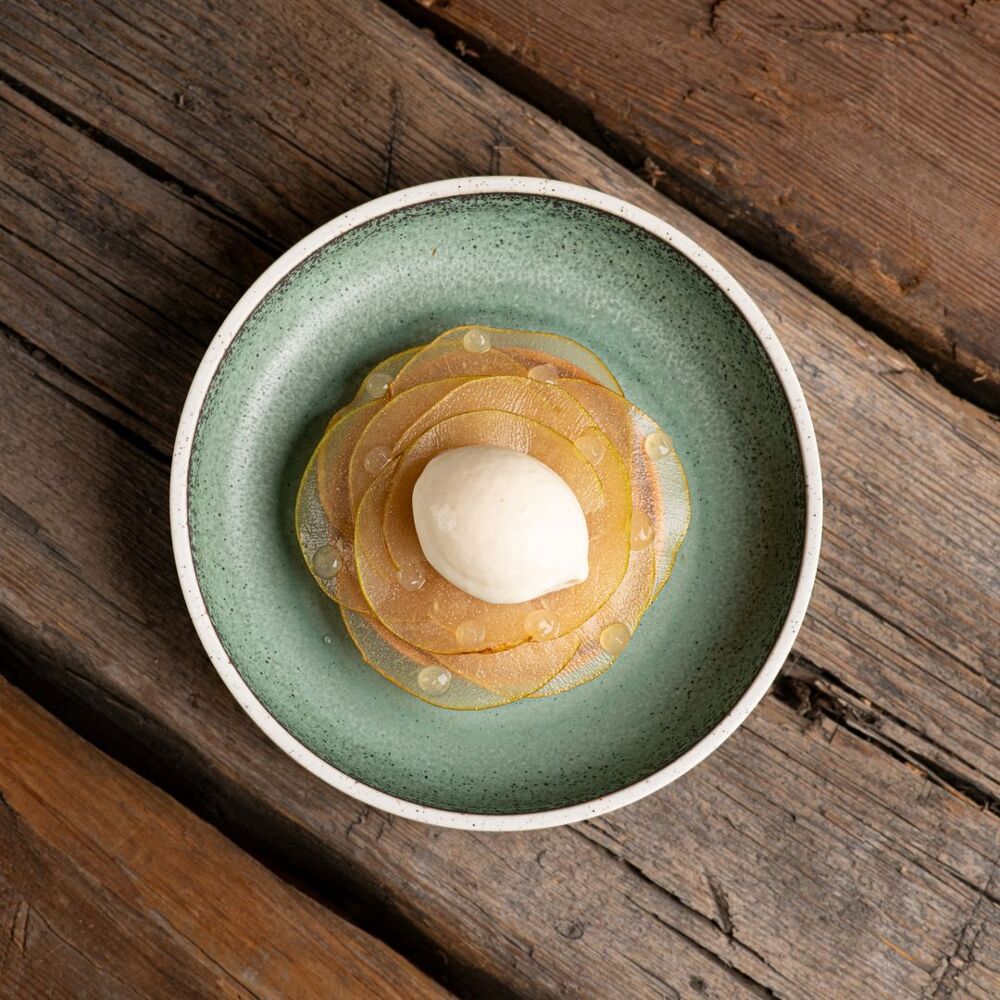
- 1891
Bib Gourmand • Modern Cuisine. Sister to Momo Grill and monai, this laid-back restaurant has a sleek, modern style. Parquet floors sit below striking faux-candle chandeliers, while shelves of wine fill vintage sideboards. Punchy, colourful dishes blend Mediterranean and Middle Eastern flavours and are offered in two different formats: the majority of the menu comprises modern plant-led small plates – three per person plus a dessert is about right – but there are also three main courses which are based around fish or meat. Service is warm and friendly, and the courtyard terrace is a real boon.

- 1892
Bib Gourmand • International. You’ll feel like you’re being welcomed by old friends hosting a dinner party at their apartment as you enter this compact bistro. Its name refers to the start of the chef’s culinary journey – which took place in a small barn in his grandmother’s garden – as well as to his own name: ‘by Arnas’. His very personalised cuisine draws influences from his travels in Japan, Thailand, Mexico and the Levant, with punchy, colourful plates designed to be shared by the whole table. Zesty condiments add an additional kick to dishes such as dorado crudo with green curry or pork tostadas with pineapple salsa.
- 1893
Bib Gourmand • Mexican. 2026 saw this fun and ever-popular Mexican restaurant move to bigger premises – complete with a pleasant terrace – making it the perfect place to come for a night out with friends. Start with their terrific traditional margaritas and order a range of dishes to share, from corn tacos to fajitas; do include the quesabirria, which comes with very succulent lamb – and, of course, the golden churros are the only way to finish. Prices are more than fair, especially when you consider the generous size of the dishes. The service team are well-organised, and the colourful room adds to the atmosphere.

- 1894
Bib Gourmand • Indian. On the border of the Old and the New Town you’ll find Gaspar’s, a neighbourhood restaurant with a long history as an eatery – look out for the original Yiddish restaurant sign above the door (this was once the Jewish Quarter). Chef Gaspar Fernandes was born in Goa, India and is of Portuguese heritage, so his cuisine is an intriguing blend of the two countries. The menu is concise, driven by the produce available and subtle Indian spicing, and dishes are generous and beautifully presented. “My mum’s curry” is available in several varieties and the naan bread uses locally milled whole wheat flour, which adds a unique nuttiness.
- 1895
Bib Gourmand • French, Italian. A great example of classical architecture in Lithuania, Vilnius Town Hall is a special place and, hidden within it, is this comfortable and well-run restaurant. Its blue frescoed ceiling is certainly eye-catching and adds to the elegance of the room. The cooking keeps things fairly classical too, with its mix of French and Italian dishes; you can expect assured flavours, but the kitchen also displays a delicate touch when needed. Do start with the baby squid and octopus with white beans; then head for venison in the fashion of a Rossini tournedos.
- 1896
Bib Gourmand • Italian, Traditional Cuisine. Ask for a seat at the counter if you want to feel in the thick of the action at this lovely little restaurant. It’s cramped, rustic and full of life – and run with a joyful spirit by the young team. This is ‘nonna’-style cooking with a pure Italian heart: nothing too fancy, just straightforward dishes that burst with flavour. The great value weekly menu of eight or so dishes is written on a blackboard and could include the likes of breaded cod with celeriac and apple slaw, while the daily pasta might be pappardelle with rich duck ragu. Their range of natural wines makes for some great pairings.
- 1897
Bib Gourmand • Modern Cuisine. History oozes from the walls of this inviting building, which has housed everything from a butcher’s shop to this discreet little restaurant. Inside it has a charming, understated feel and it's run with genuine warmth, so everyone feels welcome. The seasonal menu offers dishes that are full of flavour; if you like duck then hope that either the duck dumplings or the roast duck breast with wild carrot are on the menu; and who can resist a doughnut for dessert? Prices are more than fair but if you're looking for something special go for the ‘Six Plates Dinner’. Wednesday is Roast Night.
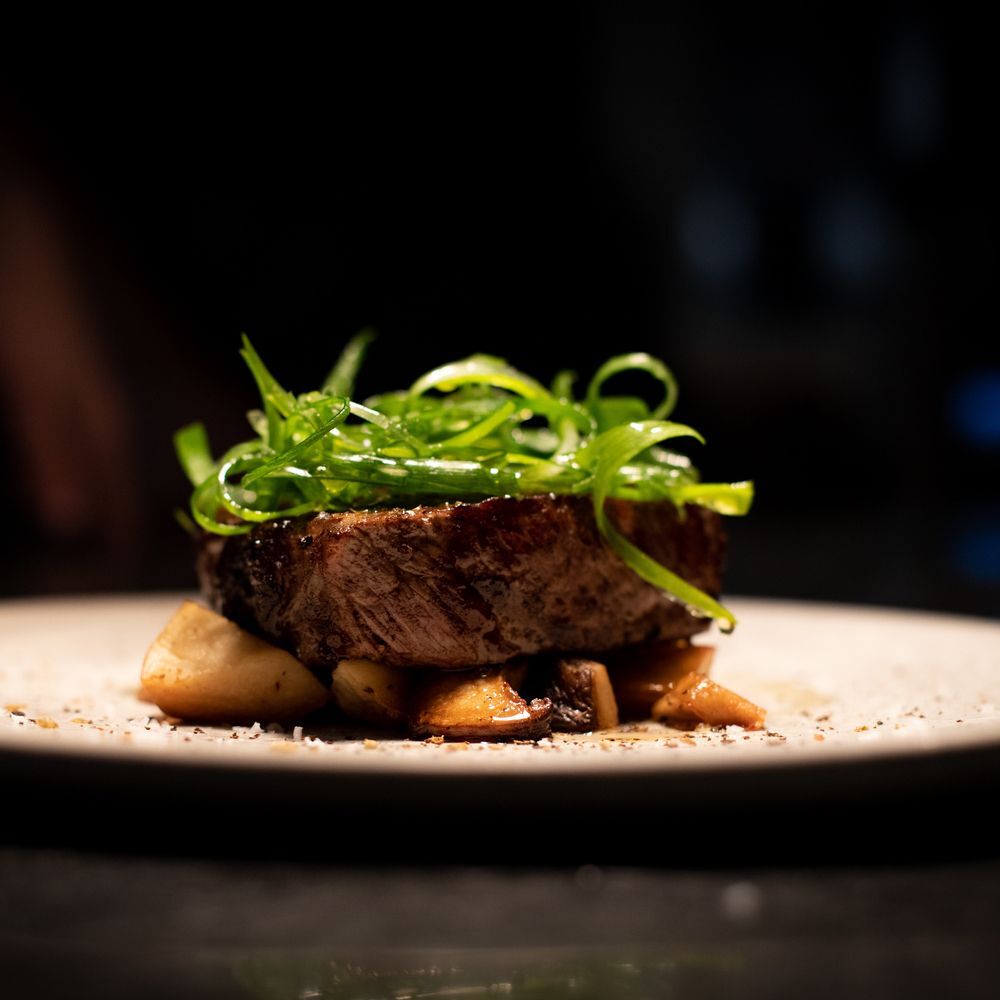
- 1898
Bib Gourmand • Mediterranean Cuisine, Sharing. A waft of Beirut, a whiff of Athens and a gust of Tel Aviv and Marrakech: this bustling restaurant brings together the best of the Mediterranean. Kick off your meal with a freshly shaken cocktail at the bar as you try and make your choice from the bewildering array of delicacies to share. How about a ceviche, perfectly balanced between sweet and tangy flavours, a velvety houmous or the ever-popular mezze? Spices and fruity flavours subtly underscore each dish. We must admit to having fallen head over heels with the grilled aubergine in tahini, confit garlic and peaches – to die for!

- 1899
Bib Gourmand • Home Cooking, Grills. The sprawling K chalet sports a wood-burning fire and wooden rafters, together with a waterside terrace that is bliss in fine weather. A crowd of regulars often meets up here to feast on the extensive à la carte lineup and the attractive set menu, depicted by heroically wholesome brasserie classics. Whether it be a big-boned game terrine or fork-tender juicy Scottish salmon served with choucroute and a butter sauce underscored by Riesling, gutsy, textbook Gallic flavours loom large on the menu – to the delight of our tastebuds.
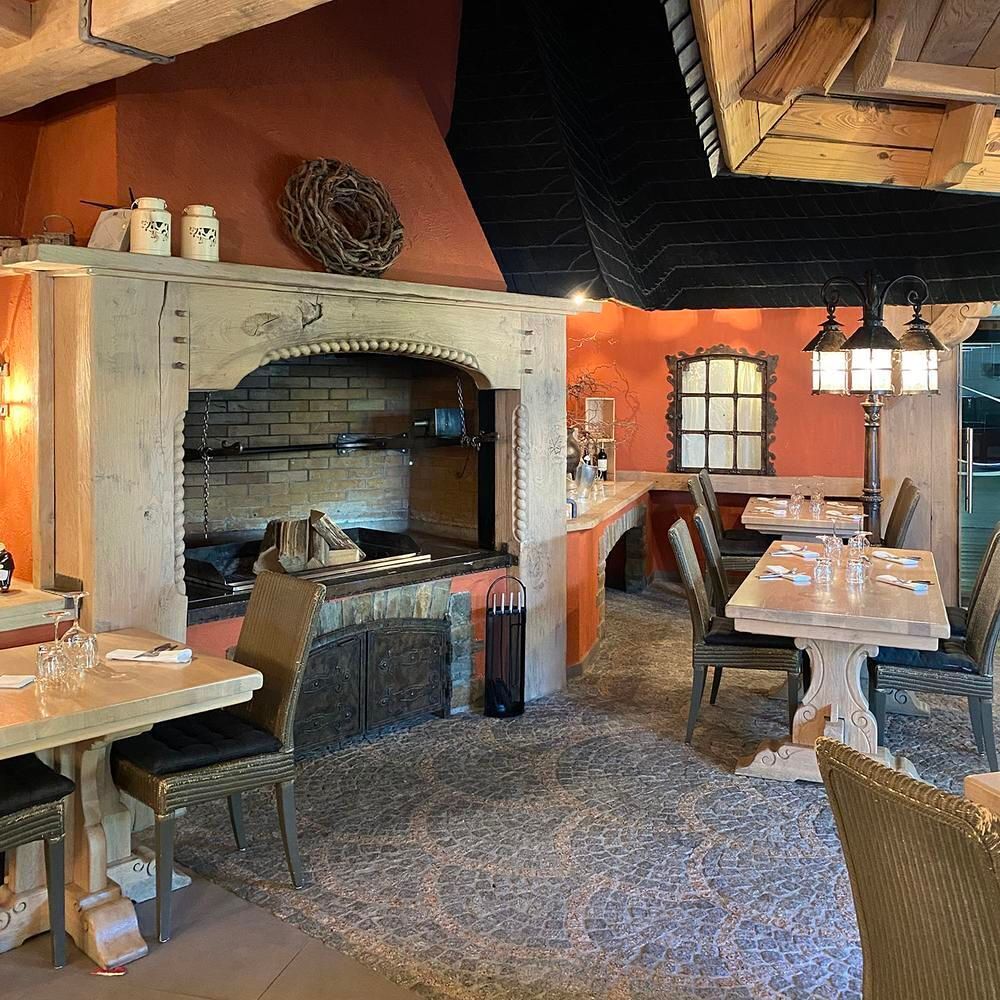
- 1900
Bib Gourmand • Modern Cuisine. This trendy brasserie, done up in wood and other natural materials, is in perfect osmosis with the surrounding Dudelange forest. It is run by a veteran who takes the time to listen to his guests. Jean-Charles Albert’s pared-back cuisine is subtle, often surprising but never disconcerting. He may marry creamy risotto, truffles and a skate wing fritter or jazz up steak tartare with Thai or oriental notes, all the while respecting their intrinsic flavours. Something of a culinary landmark in the region.
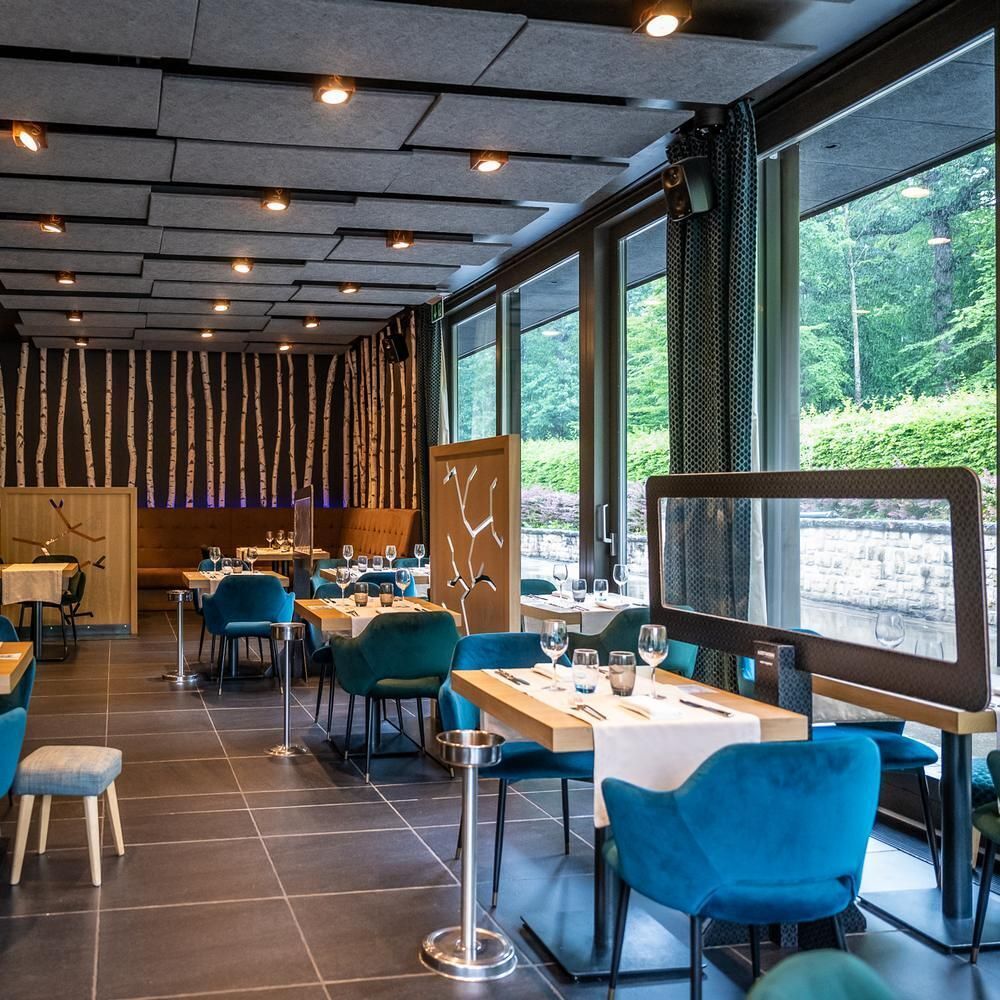
- 1901
Bib Gourmand • Portuguese. Business is booming at this friendly restaurant near Barra Temple with a retro nautical theme – locals and tourists just can't get enough of its hearty Portuguese fare. Start with the obligatory salted cod fritter. Besides barbecue dishes cooked over a charcoal grill, the extensive menu includes specialities such as sautéed pork and clams Alentejo style, mixed seafood rice, and Macanese coconut and turmeric chicken. Reservations recommended.
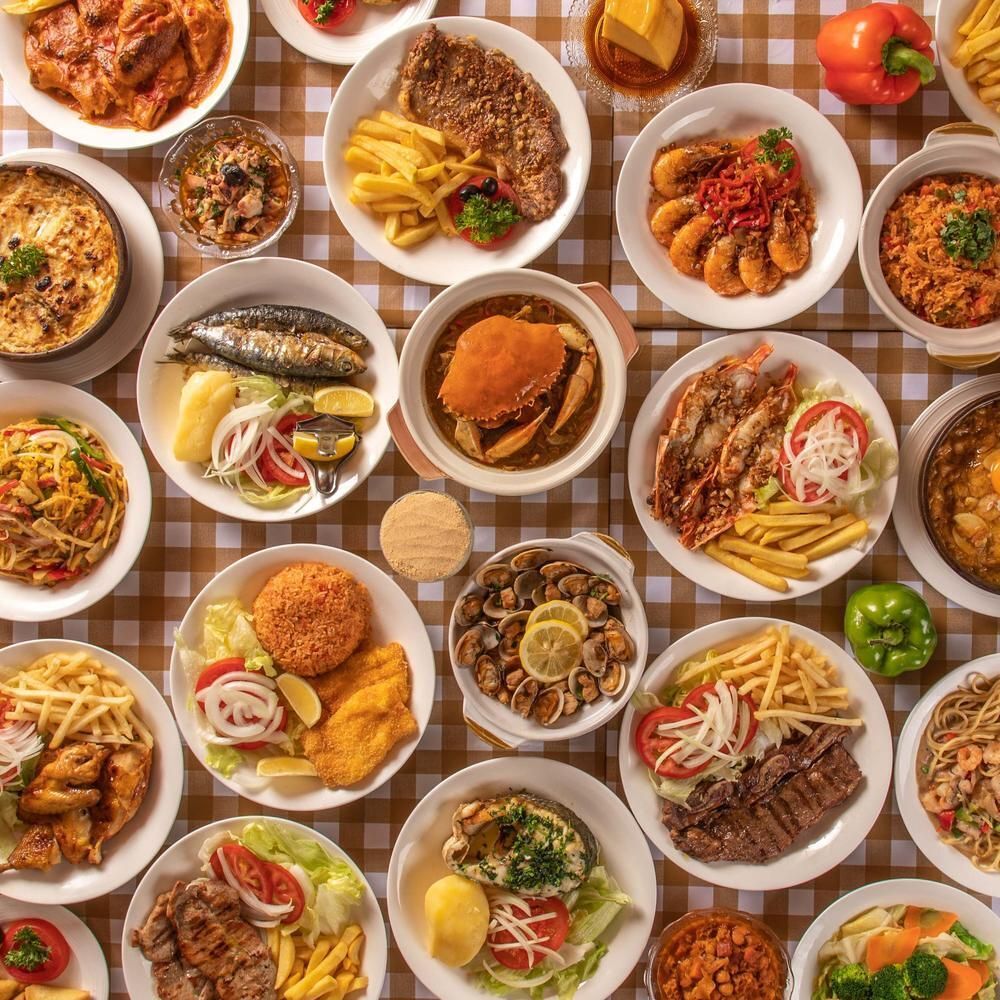
- 1902
Bib Gourmand • Cantonese. This semi open-air restaurant, next to an ancient church, has been open for over 80 years; dining under banyan trees in dai pai dong style on a balmy day is quite an experience. Seafood is the highlight as the owner works closely with local fishermen to secure the best catch. Another signature, scallion oil chicken, boasts golden colour, silky flesh and bouncy skin. Robust meaty flavours intertwine with scallion aromas to make every bite unforgettable.
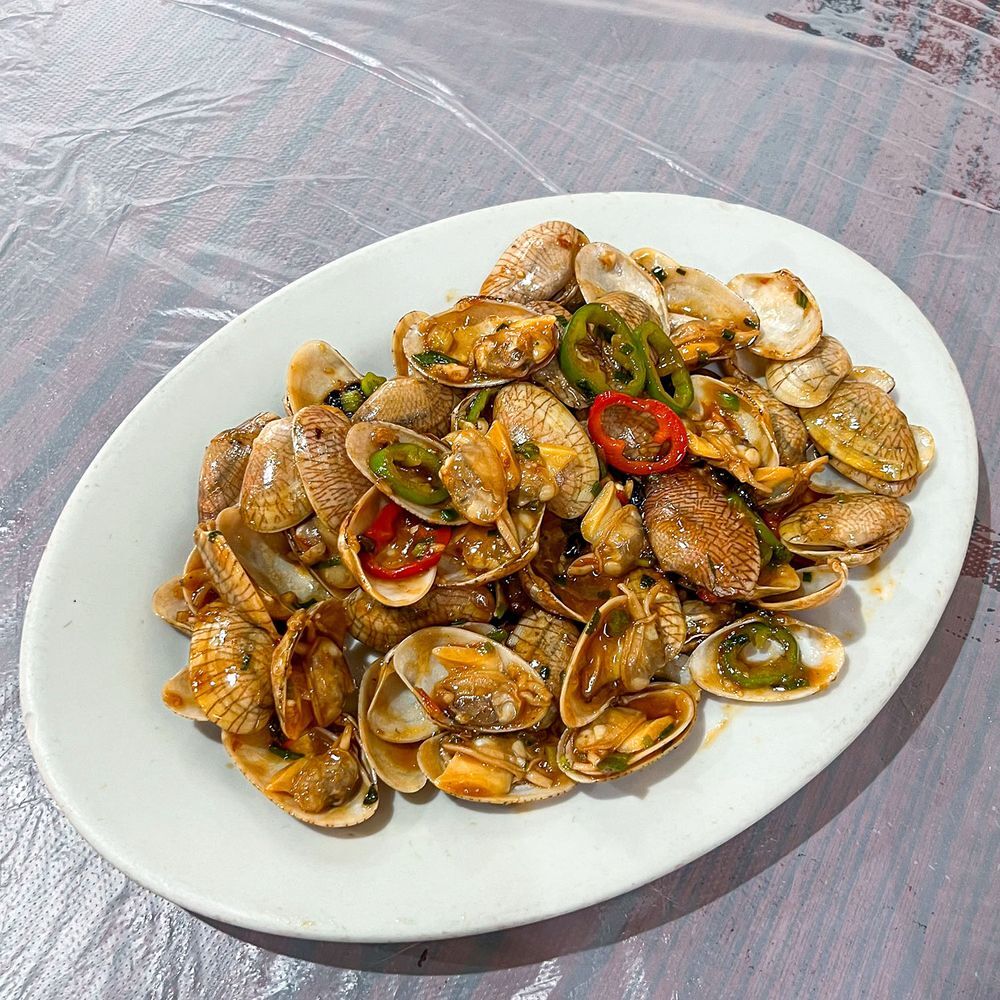
- 1903
Bib Gourmand • Noodles. A family business since the '70s, this noodle shop sticks to its roots and its thin, fine noodles are pressed by bamboo pole in its own factory nearby. Their soup is cooked with dried prawns and dried plaice for 8 hours. The noodles with dried shrimp roe are great, but also try their wontons and dace balls that are served deep-fried or blanched; the fermented clam sauce is the perfect accompaniment to the dace balls.

- 1904
Bib Gourmand • Shanghainese. The casino complex plays host to a plethora of eateries, including this sizeable branch of the international chain. Din Tai Fung is rightly known for its exquisite xiao long bao, handmade on site with a dazzling choice of fillings. Classic palates will relish the pork variety, but shrimps with angled loofah, and hairy crabmeat and roe are also worth trying. Other notables include braised beef noodle soup.
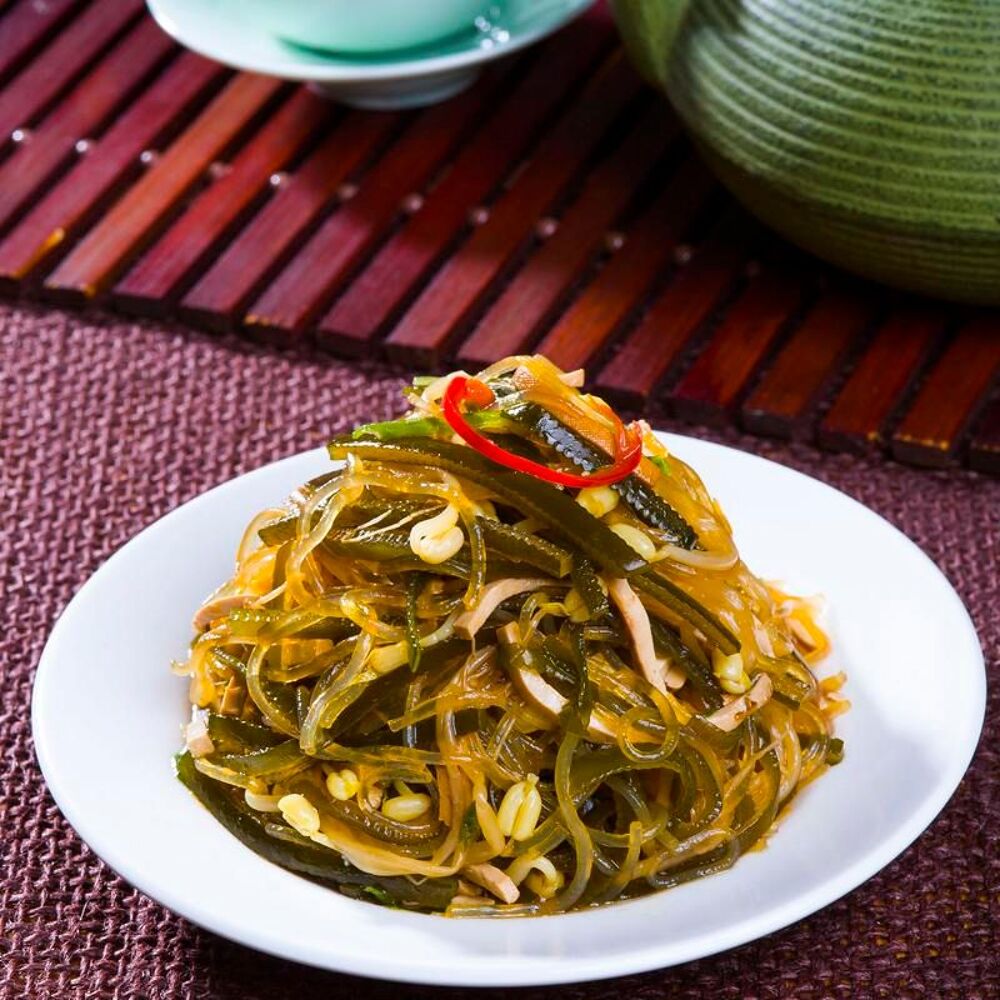
- 1905
Bib Gourmand • Indian. After helming an iconic Indian restaurant in Macau for 10+ years, Keralan-born chef Justin Paul opened his own 20-seater with a bar counter. At lunch, set menus offer great value delicacies spanning northern to southern India. The experience is more formal at dinner – alongside various à la carte options, there is a 10-course tasting menu which showcases the full breadth of the chef’s creativity, courtesy of mouth-watering plating.

- 1906
Bib Gourmand • Cantonese. With ceiling fans, bowl pendant lights and Lingnan-style stained glass, the room is the epitome of yesteryear glamour. The menu is likewise dominated by traditionally made Cantonese favourites - diced pork fat gives har gow extra depth of flavour and the white sugar sponge is perfectly proofed without a hint of sourness. Don’t miss their green chillies stuffed with minced dace, double-boiled soups or seafood dishes.
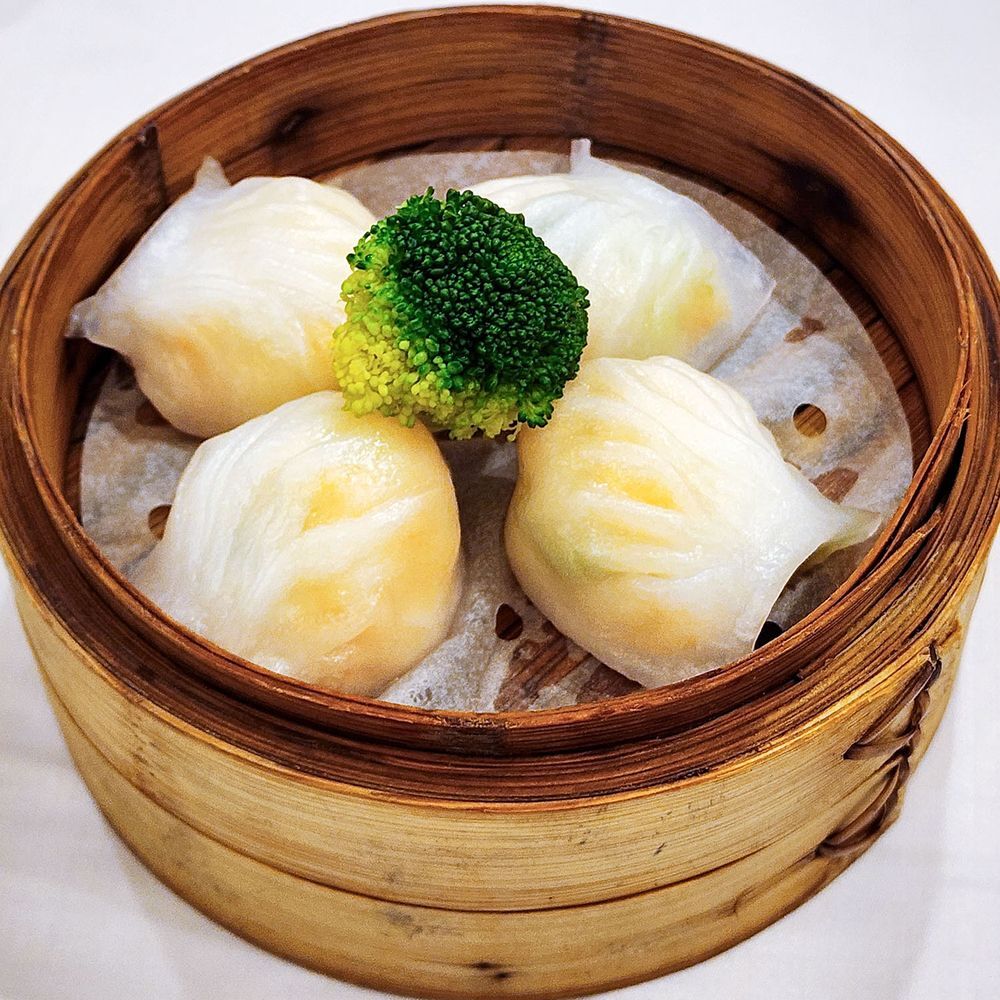
- 1907
Bib Gourmand • Noodles and Congee. This busy shop next to the Chun Lei pier still kneads the noodles with a bamboo pole like in bygone days. The owner’s wife then cooks them perfectly, thus explaining their bouncy texture. The broth simmered with an array of seasonal fish boasts depth and sweetness. Dried prawn roe sprinkled on tossed noodles is toasted by the owner himself, imparting umami and aroma. Also try the crab congee and deep-fried wontons with crispy dace balls.

- 1908
Bib Gourmand • Cantonese. Though slightly out of the way, Lou Kei is a firm favourite among locals for a simple, good value supper. For over 20 years, its sizeable selection of tasty noodles, congee and Cantonese dishes has won the hearts of countless diners. With heaps of crispy fried garlic and chilli bits, the typhoon shelter-style deep-fried Bombay duck is delicious. Claypot rice with eel in black bean sauce boasts firm, oily fish on crispy scorched rice.
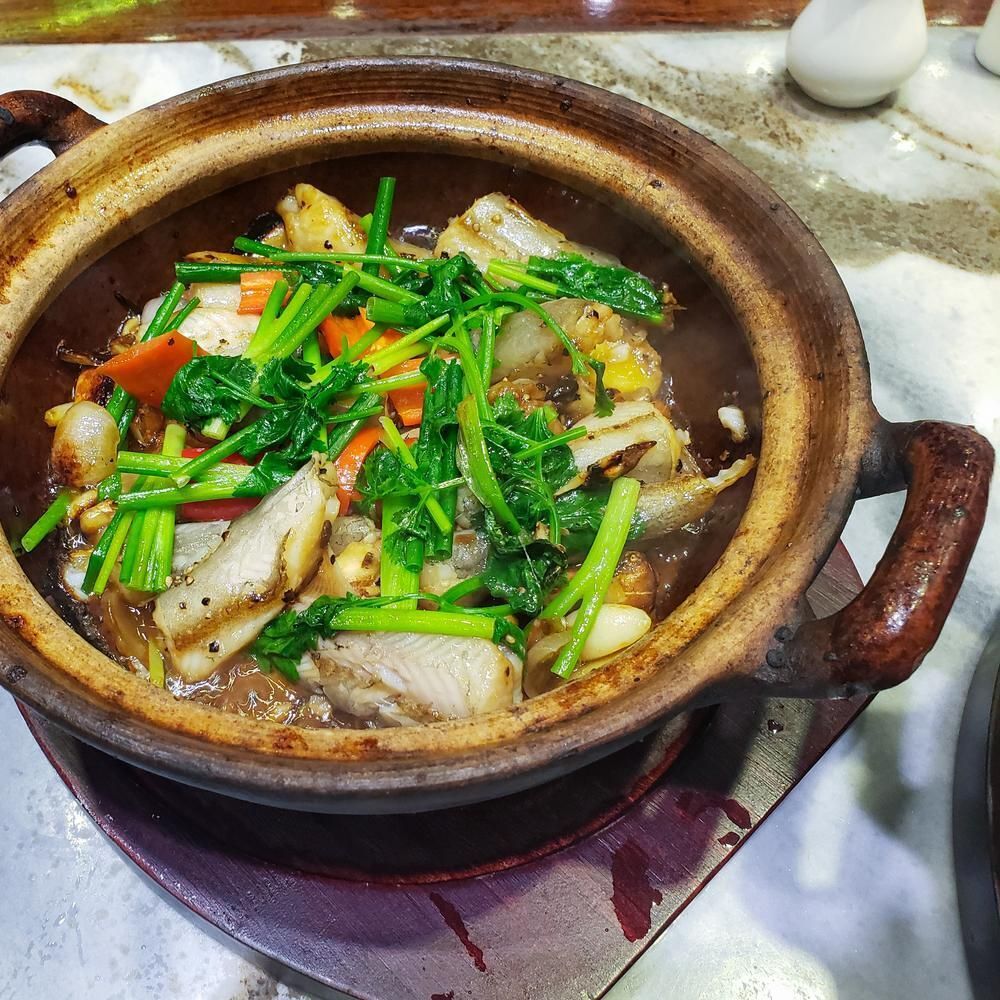
- 1909
Bib Gourmand • Thai. With ribbed vaults as grand as a Gothic cathedral, it also boasts dark wood flooring, wall panels and furniture for added warmth and richness. Quality ingredients from around the world are crafted into fusion Thai dishes. Examples include spicy raw shrimp salad featuring Obsiblue from New Caledonia, or heart of palm red curry with Iberian pork collar from Spain. For a sweet finale, go for the fruity, fluffy mango soufflé pancake roll.
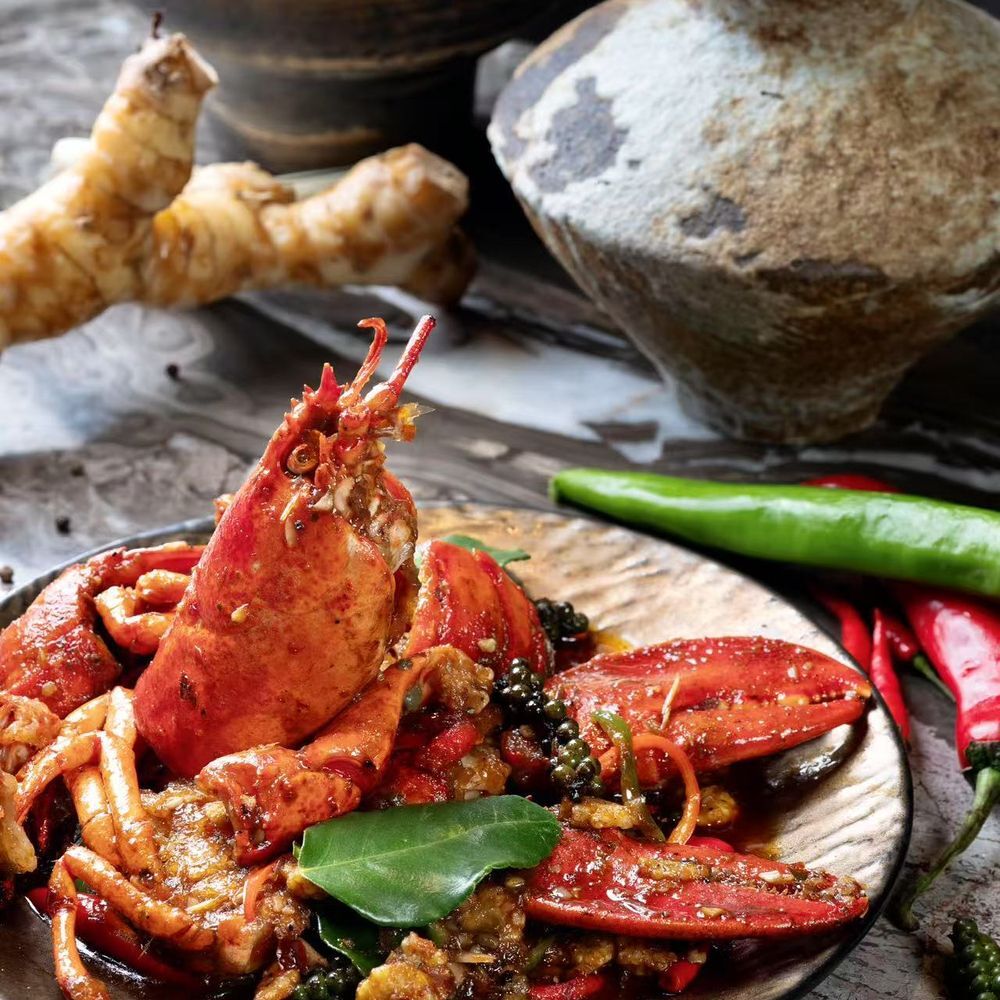
- 1910
Bib Gourmand • Portuguese. This cosy hangout has long been attracting a loyal following for its tasty, homespun food at affordable prices. Now run by the late owner’s son, it continues to welcome diners like family, offering carefully crafted, authentic Portuguese fare. Their signature stewed pork with clams delivers balanced flavours and a pleasant kick due to coriander and a secret sauce. The made to order salted cod fritters are served piping hot.
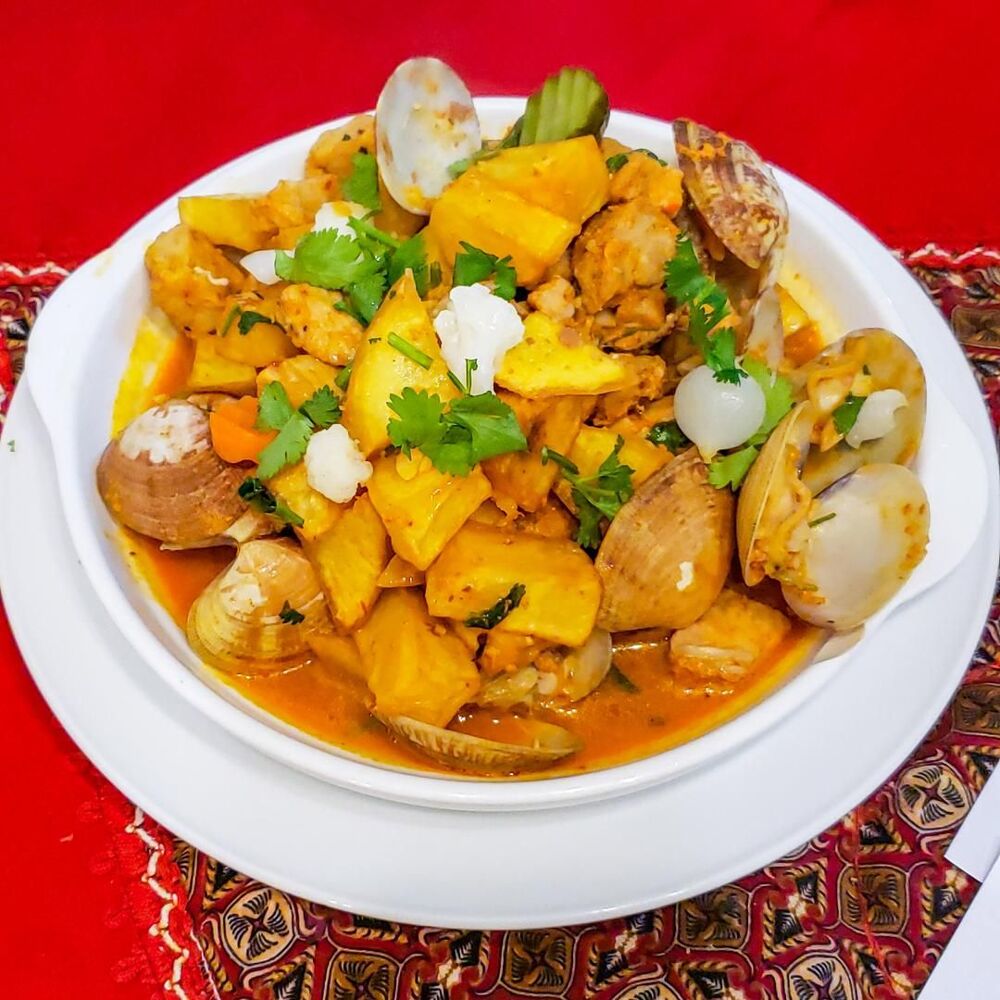
- 1911
Bib Gourmand • Macanese. The simple space has a vaulted ceiling with exposed wooden trusses, roughcast walls and irregular flagstone floor for a casual vibe. Portuguese and Macanese classics are served in portion sizes meant for sharing. Carne Alentejana marries the umami of fresh clams and pork cubes with bold seasoning; the African chicken is coated in shredded coconut and caramelised onion then browned under a broiler. Finish with the light and fluffy serradura.
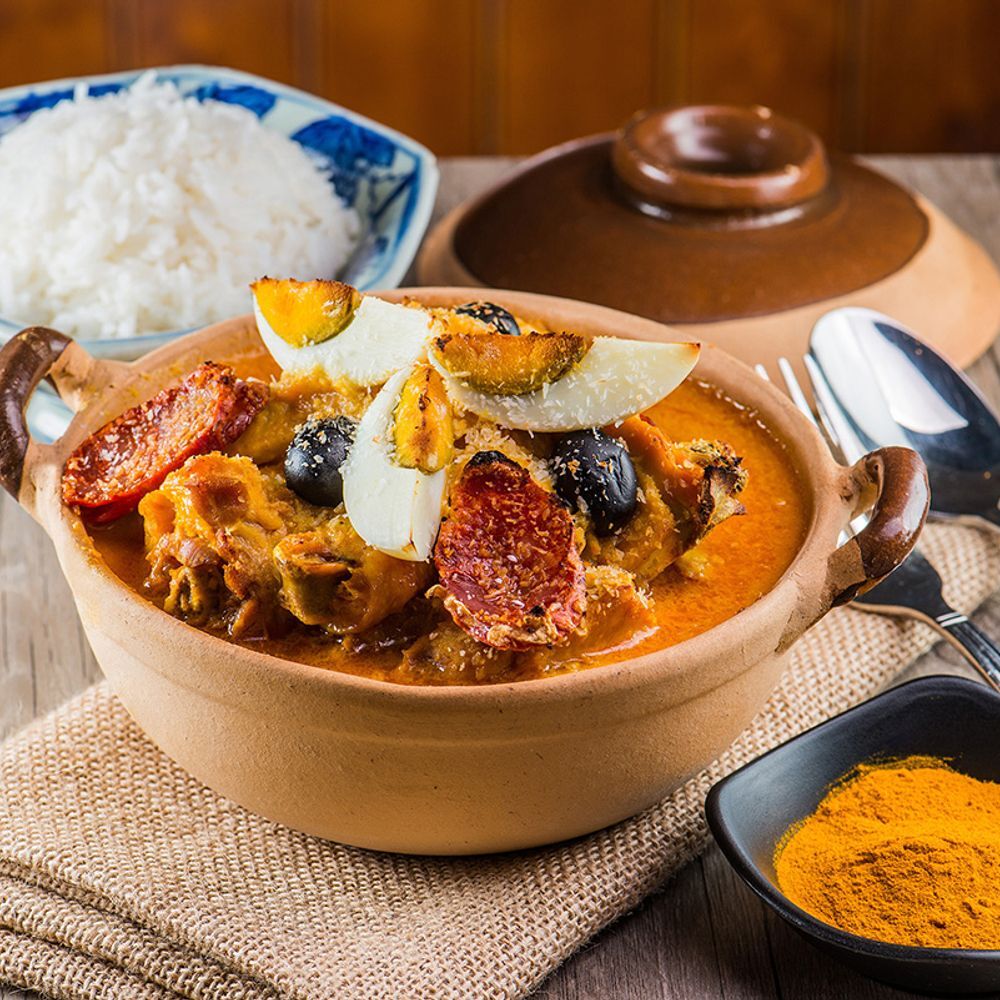
- 1912
Bib Gourmand • Shun Tak. Since 1979, Son Tak Kong has been jam-packed with happy regulars, lured by its no-frills, authentic Shun Tak cuisine. A Shun Tak native himself, the owner hires chefs for whom the secrets of Cantonese and Shun Tak food have no secrets. Their signature creamy fish soup calls upon exquisite knife work, first-rate ingredients and rich, slowly simmered fish broth. Also try the sticky rice with Sakura shrimps and pine nuts in a cast iron pot.

- 1913
Bib Gourmand (Green Star) • Macanese. Part of the Macao University of Tourism, this restaurant was set up to train the future talents of Macau’s hospitality industry. The menu features European and Macanese dishes using herbs from their own garden; to sample local flavours, check out the Macanese menu's specialitie, such as galinha à portuguesa, and assorted Macanese starters. Macanese semi-buffet is offered at Saturday lunch. Oenophiles should check the wine list, which features a nice selection of Portuguese labels.
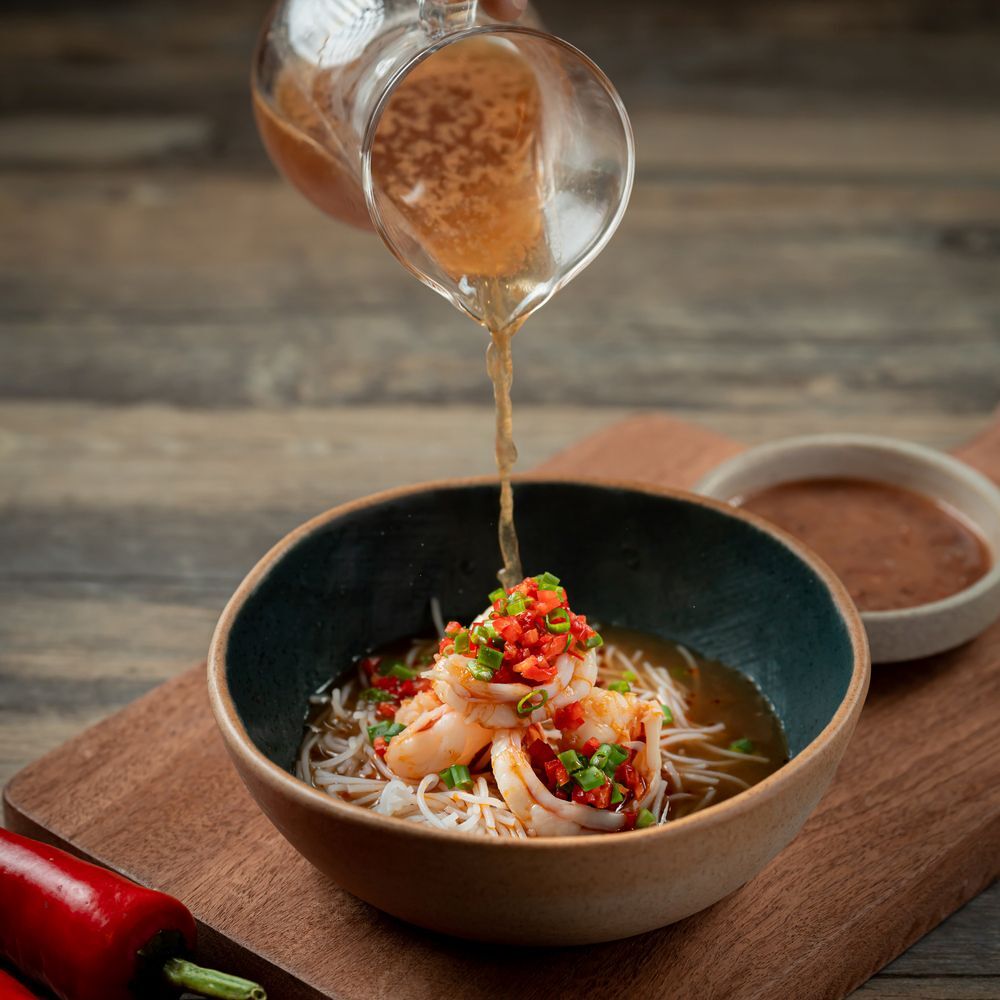
- 1914
Bib Gourmand • Street Food. This friendly family-run shop, now in the second generation, specialises in koay teow th'ng, served in soup or dry. The broth is made from chicken and pork bones. The springy tendon balls have a nice ginger flavour. A tasty option is the braised chicken with bean sprouts.
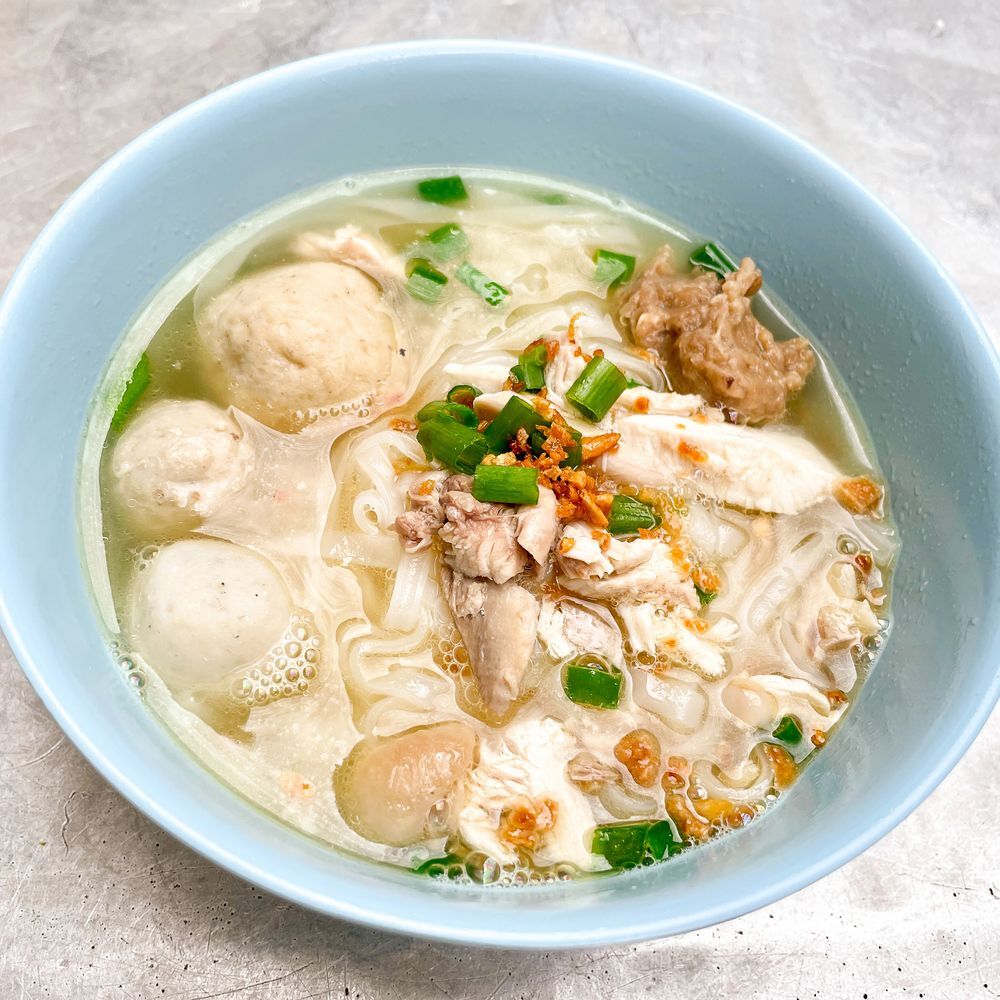
- 1915
Bib Gourmand • Malaysian. This 30-year-old shop makes its own bak kut teh daily at 5 am with a blend of 16 Chinese herbs. The soup may look a bit on the dark side, but it boasts not only aromas and flavours, but also health benefits. In addition to the typical spareribs, you may choose other pork cuts, such as tripe, intestine or belly. Or, you may add mushrooms or deep-fried tofu skin to the health tonic served in claypot. Side dishes of fish or veggies are also good.

- 1916
Bib Gourmand • Sri Lankan. Amid cute bars and eateries in Plaza Damansara stands Aliyaa, famous for authentic Sri Lankan dishes. On the menu, beef, mutton, chicken, seafood or veggies mingle with distinctive Sri Lankan spices to great effect. Besides the famous whole crab, also try the Negombo prawns in pineapple gravy; or Kuliyal, curry rice and tomato paste baked in banana leaf. Food is generally quite spicy, but the chef will gladly adjust the level of heat to your liking.
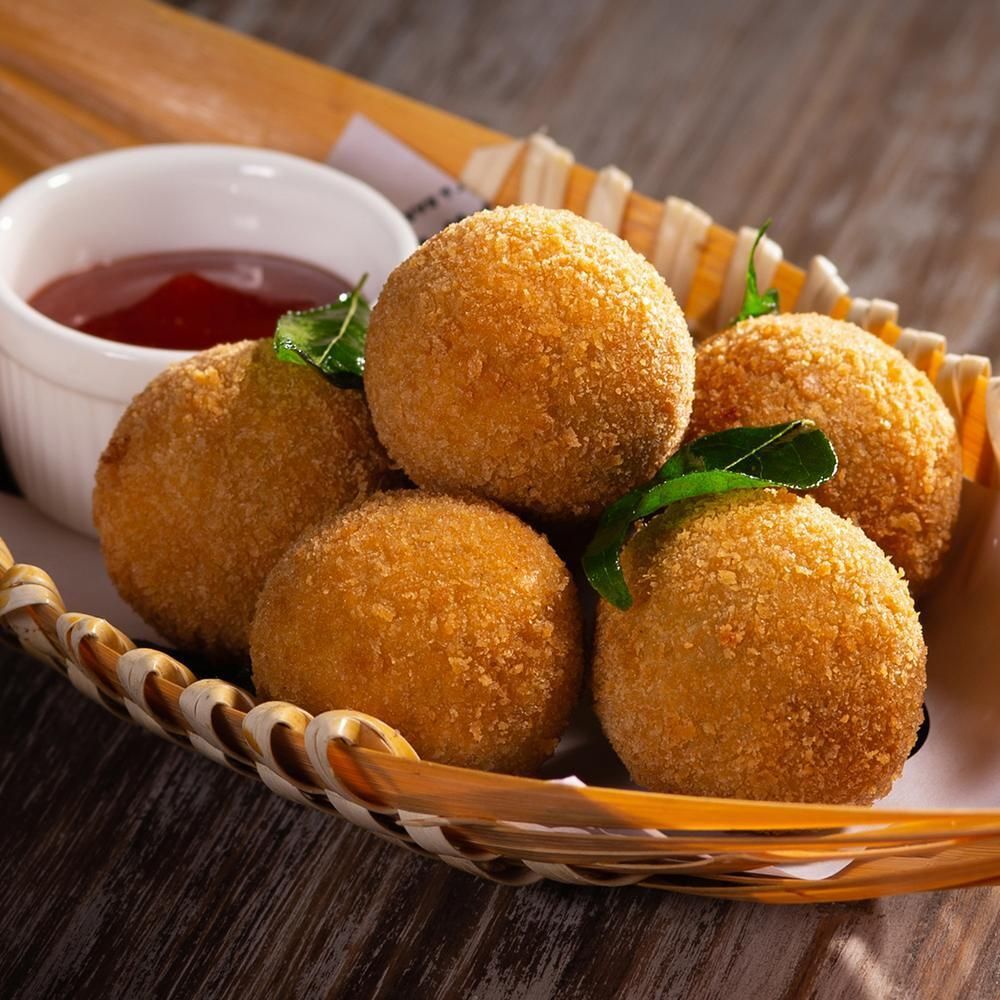
- 1917
Bib Gourmand • Malaysian, Peranakan. Since 2018, this cosy little gem tucked inside the Little India has been serving authentic Southern Peranakan cuisine that melds Indo-Malay flavours with Chinese influences. The must-try nasi lemak with ayam goreng kunyit is the quintessential national comfort food – coconut milk lends a subtle sweetness to the rice, in stark contrast with the juicy fried chicken, fiery sambal and crisp water spinach.
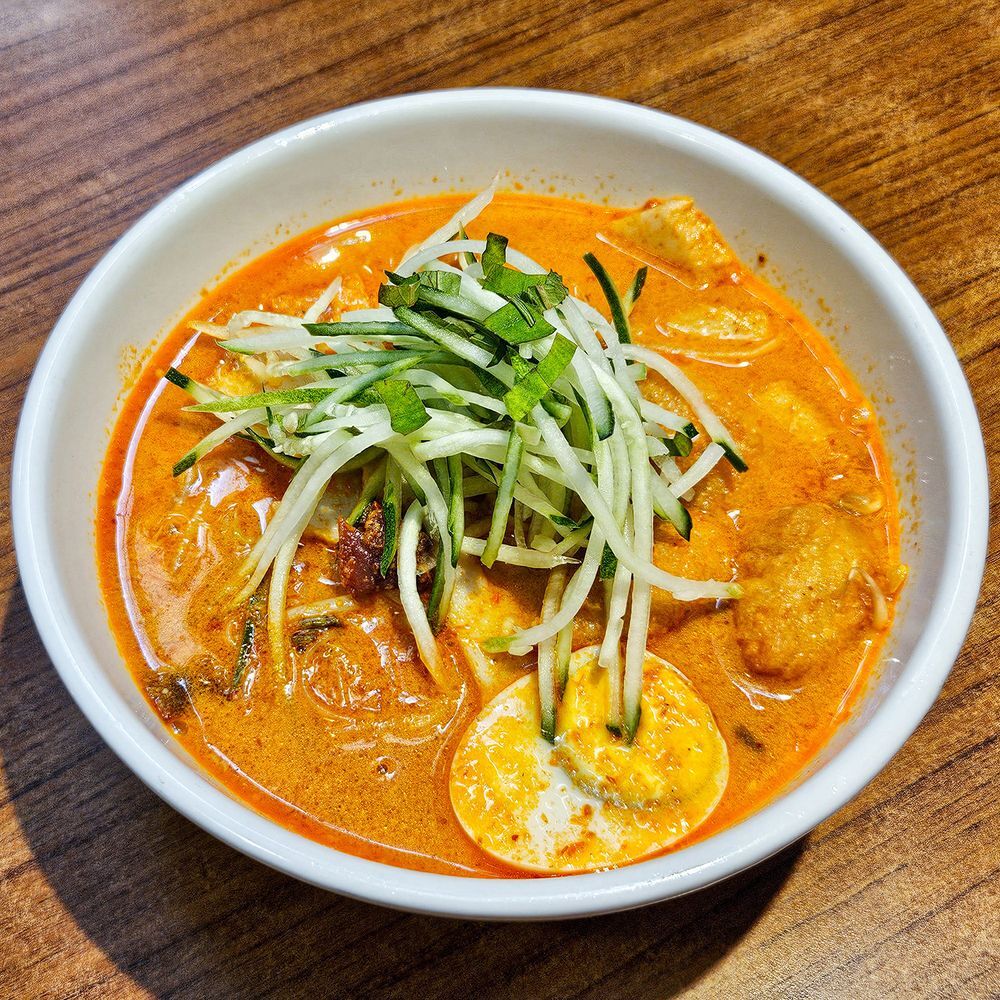
- 1918
Bib Gourmand • Street Food. This family business is now run by the third generation. Each aromatic plate of koay teow is fried to order and exudes wok hei. It tastes even better with a dab of chilli sauce. Optionally, add an over-easy egg or cheese on top.
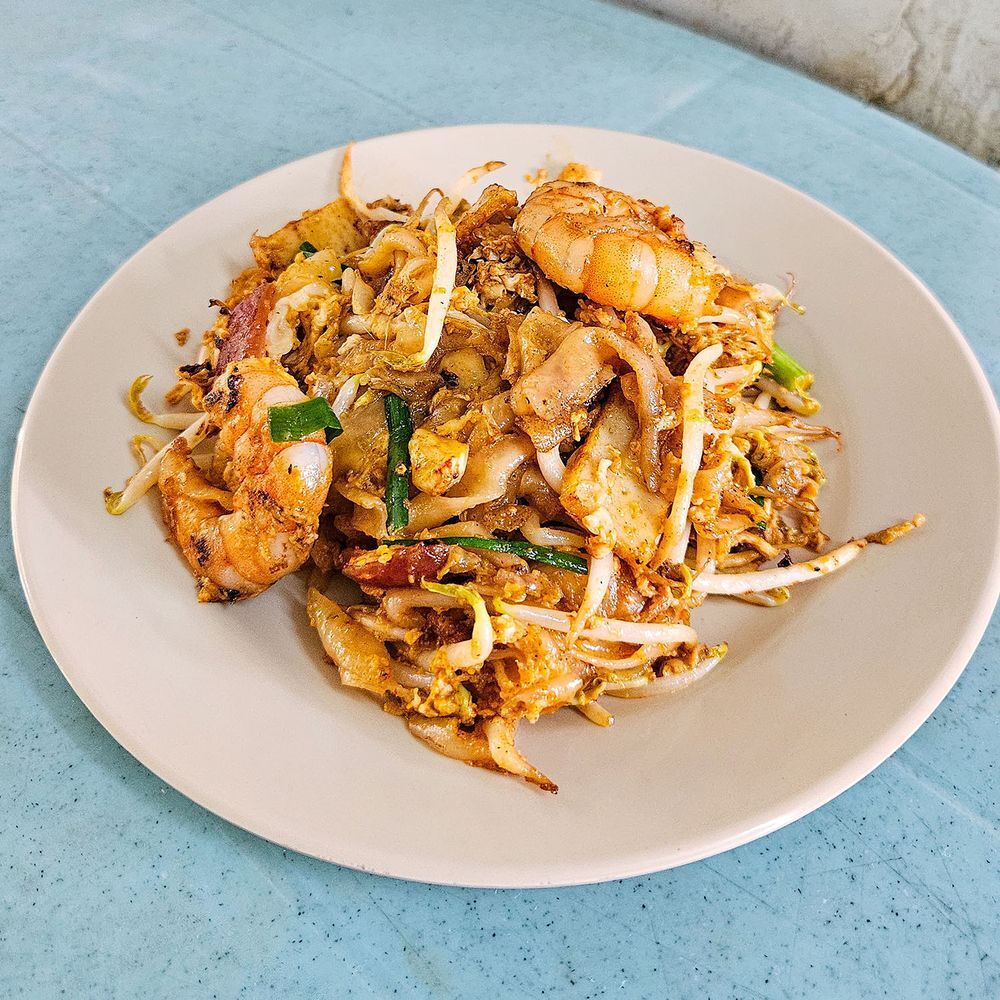
- 1919
Bib Gourmand • Malaysian. Using chicken and seafood instead of pork, this charming café serves halal Malaysian-Chinese fare. The owner started the business as a street stall back in 1992 and now runs it with her son and daughter. Her char kway teow is sautéed with minced garlic rather than lard, in a secret soy sauce blend that tastes spicy-sweet. Made fresh daily, the broth for her hae mee is bursting with seafood umami; the home-made curry paste adds a kick to the noodles.
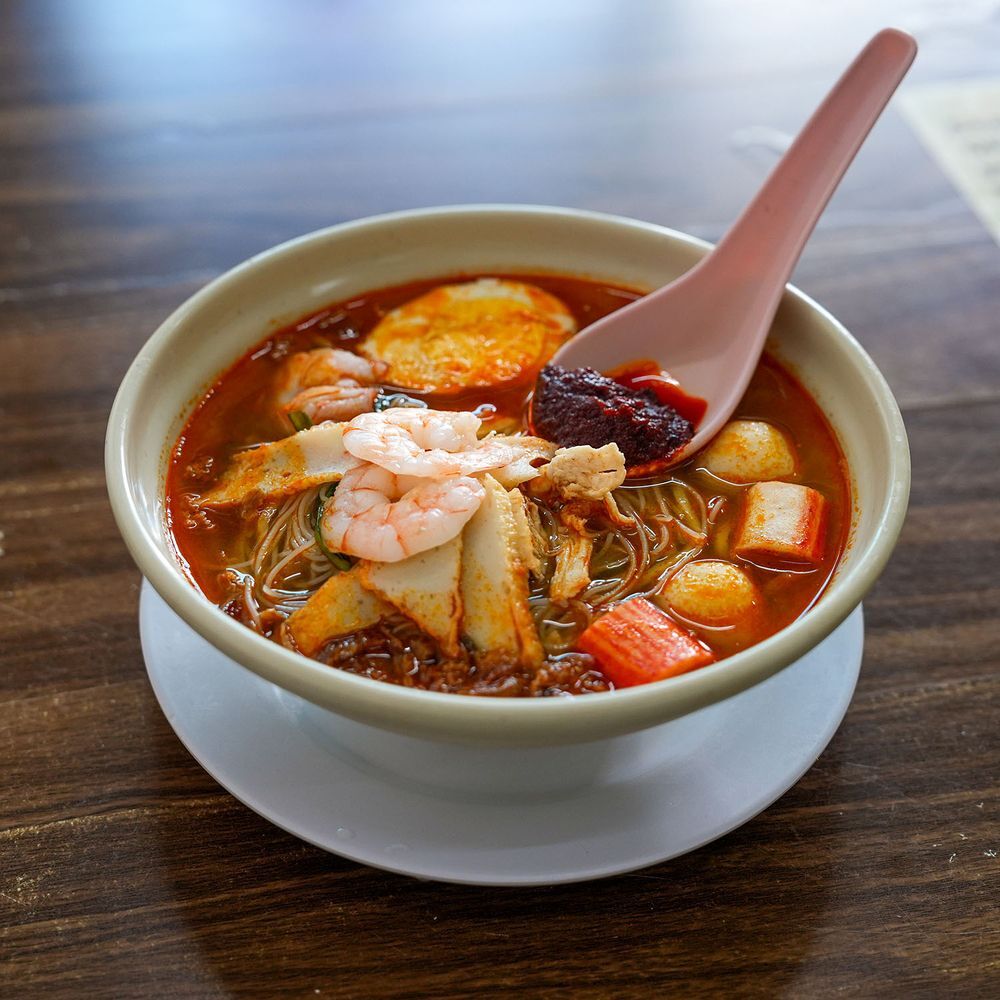
- 1920
Bib Gourmand • Peranakan. “Bibik” is an honorific used to address older Peranakan women, and the room is aptly decorated with classic Nyonya motifs. Naturally, the menu showcases the owner’s heirloom Peranakan recipes that are slightly less spicy than their counterparts elsewhere. Dishes come in three sizes – try their jiu hu char (stir-fried yam bean with shredded cuttlefish), and loh bak (deep-fried five-spice pork rolls).

- 1921
Bib Gourmand • Street Food. Since 1962, this cart outside Cathay Food Court has been serving only one dish – Apam Balik, or chargrilled pancake with sugar peanut filling. Made on the spot and served piping hot, it’s crispy on the outside, chewy on the inside.
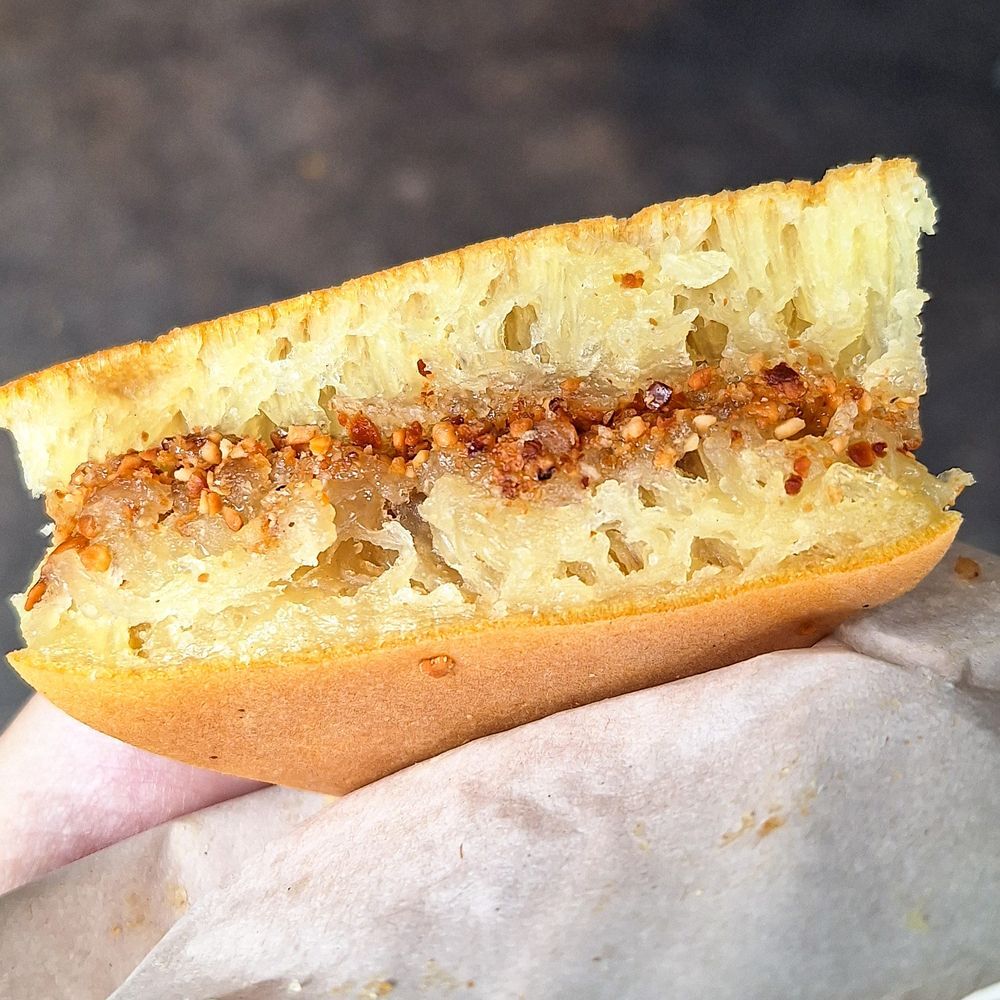
- 1922
Bib Gourmand • Teochew. Since opening its doors in 2006, this shop has been serving the owner’s family recipe. They pride themselves with their yam rice with pork soup – you can choose to have pork offal in the soup or not. The yam rice is nicely cooked, with strong shrimp flavour. The pork broth is briny-sweet and the pickled mustard green gives it a tangy depth. The offal is cooked to the perfect texture while the pork balls are peppery and flavoursome.
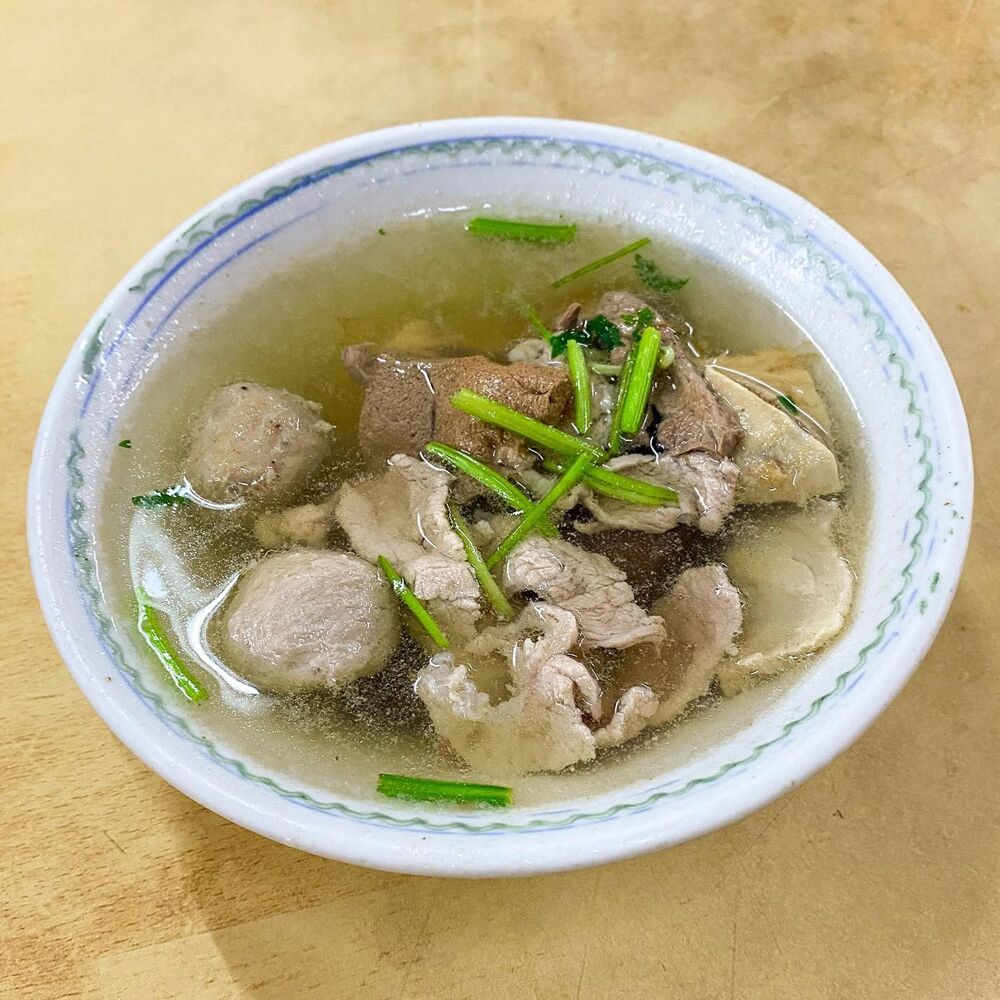
- 1923
Bib Gourmand • Street Food. Come here for the famous prawn mee: choose between yellow and rice noodles, then pick the soup – the spicy prawn broth is loaded with deep flavours. Finally, consider ordering add-ons such as braised pork spareribs or fish balls.

- 1924
Bib Gourmand • Indian. The sister establishment of Kayra stays true to its sea-to-plate ethos, and the turquoise accents in the décor are a nod to the ocean theme. The kitchen excels at reimagining the traditional dishes of Kerala in sophisticated ways. Quality seafood and produce are sourced locally to support small farms and fishermen. The must-try Kerala fish curry is based on a family recipe, with raw mango and yoghurt for acidity. Order naan to mop up the tangy sauce.
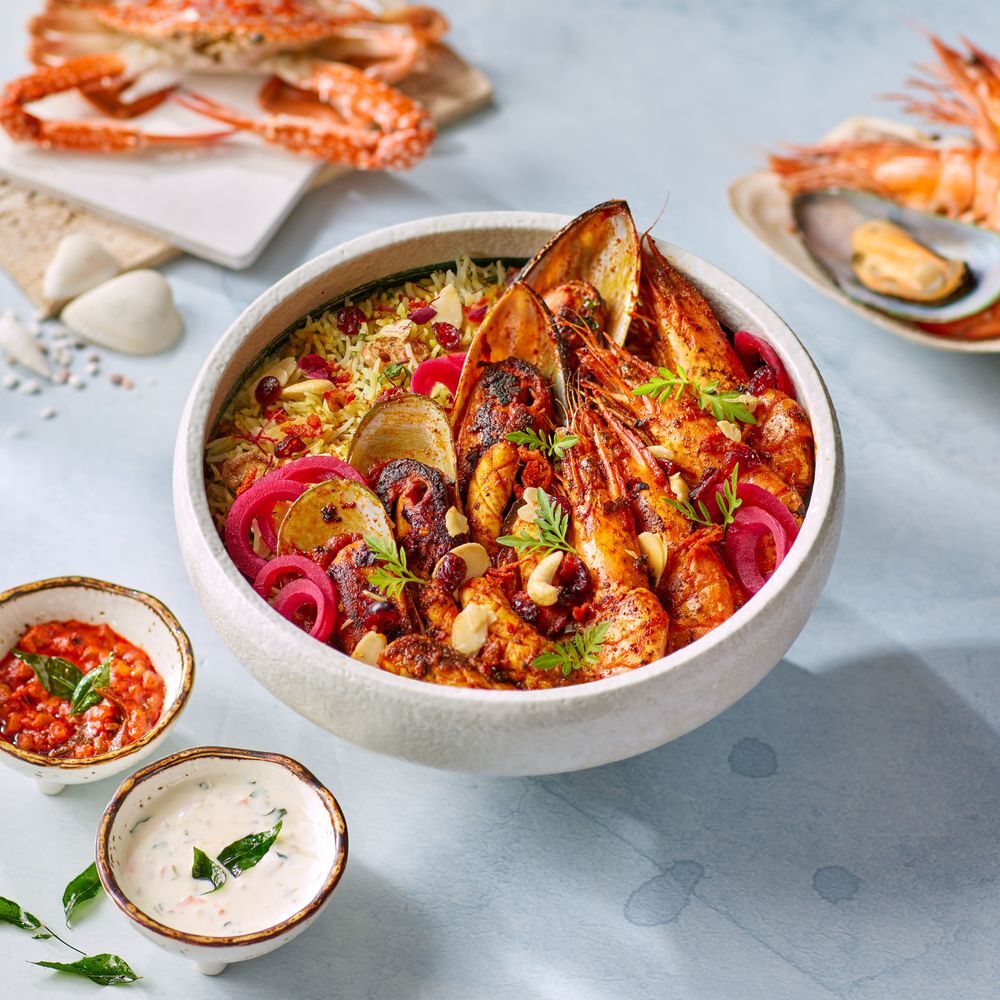
- 1925
Bib Gourmand • Malaysian. This casual, relaxing place sports an open kitchen, a long counter table and floor-to-ceiling windows. At dinner, it serves a small à la carte menu of modern dishes made with local ingredients, melding Peranakan and Malaysian cuisines. The signature aged duck breast in a steamed bun appeals to the palate with its crispy skin and a secret sauce. Homemade gelato sees some interesting local twists, with flavours like nutmeg harumanis; and hor ka sai.
- 1926
Bib Gourmand • Malaysian. Named after a traditional Malaysian game, Congkak is located in residential Jalan Beremi, not far from the city’s bustling central district. The restaurant is an expression of national pride and identity serving what visitors would deem as exotic, but are classics for locals. The most popular dish, the nasi ambeng platter, offers a multitude of textures and combinations of spicy, sweet and savoury flavours that go nicely with sambal. Different serving size is available to suit for your party size.

- 1927
Bib Gourmand • Malaysian. Sunny and cheerful like the local celebrity Chef Wan, the room is inviting and bustling. Similarly, the food is guaranteed to lift your spirits with big tropical flavours. Whet your appetite with pomelo salad with crispy prawn cheeks in kerabu lime dressing and a hint of fish sauce. For mains, go for bakar bakar, BBQ meat or seafood that comes with your choice of the chef’s mouth-watering sauces. Portion sizes are big enough for sharing.
- 1928
Bib Gourmand • Street Food. Hidden in a Malaysian-style café, this shop serves mee in a savoury-sweet white curry base made with coconut milk that is freshly prepared every day. Among the various toppings offered, roasted pork is phenomenal. Make sure you try the homemade chilli sauce.
- 1929
Bib Gourmand • Cantonese. A firm favourite with the locals, Foong Lian has been feeding hungry diners claypot rice cooked over charcoal since 1986. The experienced chef uses two kinds of rice and controls the heat meticulously so that every pot is perfect. Try the preserved meat option with pork and liver sausage that perfume the rice with flavourful grease or top up with chicken leg and salted fish. Soups and snacks like tofu skin roll are also recommended.
- 1930
Bib Gourmand • Street Food. They serve three noodle dishes: the signature green tom yum, noodle soup and fried noodles. The fresh green tom yum hits the right balance of sour and spicy. The fried fish topping has a crispy outer layer and a succulent centre; the large prawns have a moreish umami flavour.
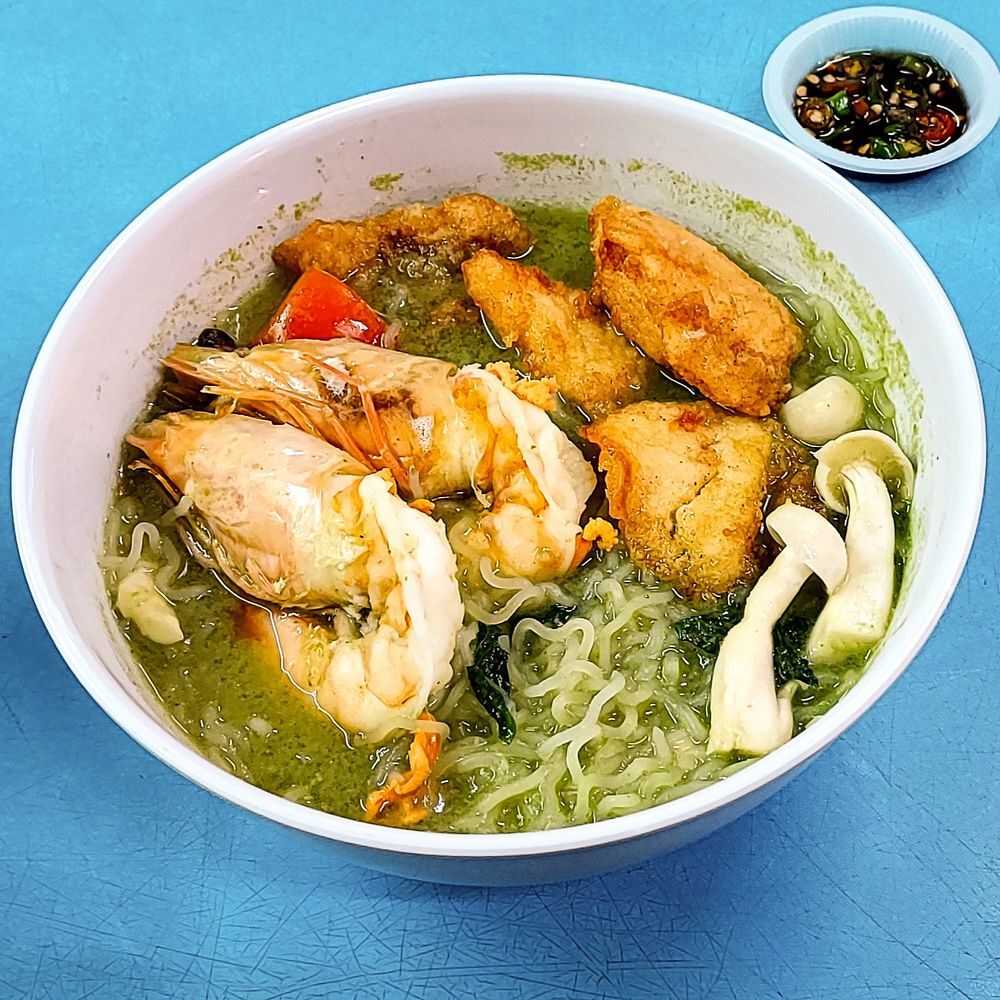
- 1931
Bib Gourmand • Street Food. For over 30 years, the regulars have been returning for its Hokkien prawn mee, loh mee, or a mix of both. The red prawn soup made with pork bones and prawn shells boasts deep umami. Twelve additional toppings are also available.

- 1932
Bib Gourmand • Peranakan. Plaza Damansara offers no end of dining options, but this Peranakan joint stands out with the owner’s family recipes that have been polished and updated. No-frills home-style dishes are made with the freshest local produce and the sauces are made by the owner himself. Try his creamy basil boneless chicken, boasting juicy, velvety meat in a creamy sauce loaded with fresh herbal notes. Alfresco dining on balmy nights.
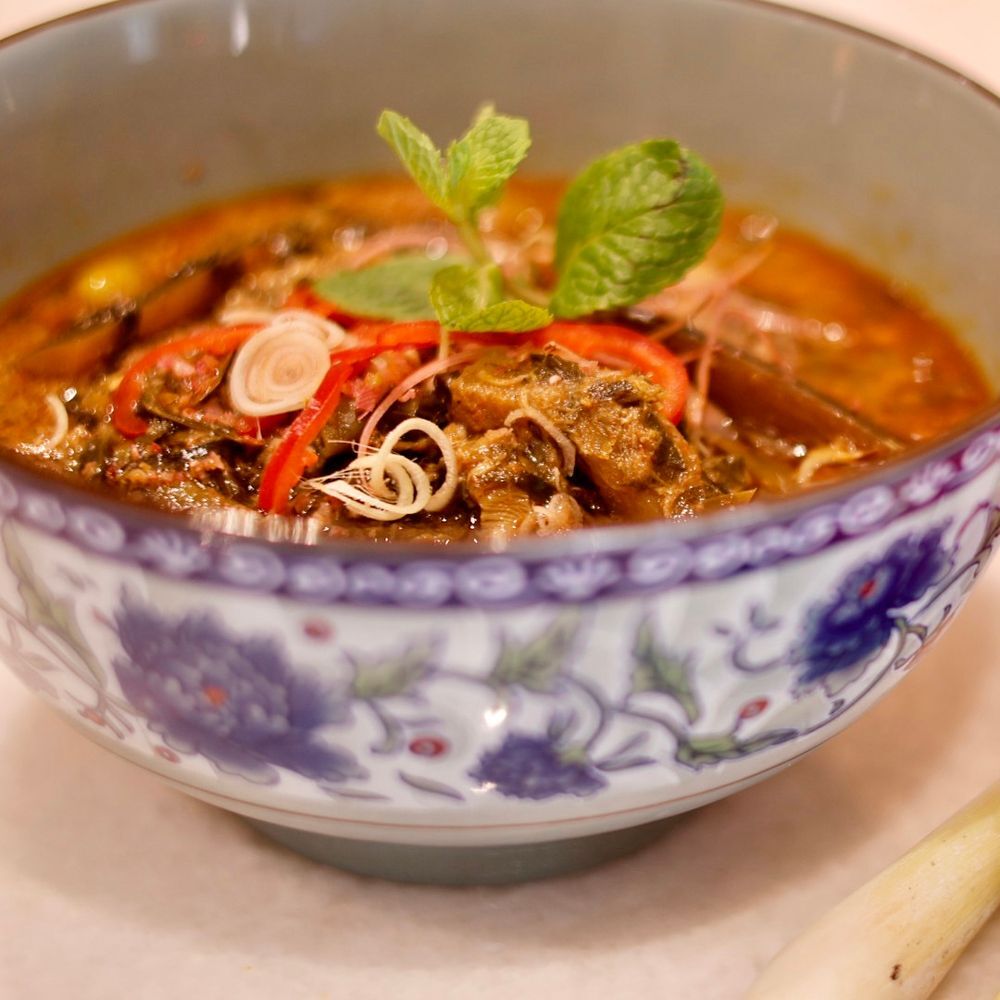
- 1933
Bib Gourmand • Seafood. This place is always packed with customers craving seafood noodles. Only the freshest catch makes it to the table because the owner also runs a seafood stall nearby. Pick your favourite fish, shellfish or a combination of both. Then choose from the eight types of noodles and five types of soup bases on offer. If you find the menu hard to navigate, go for one of the popular combinations such as mixed seafood noodles or fish head noodle soup with milk.

- 1934
Bib Gourmand • Malaysian. Just as bak kut teh is Malaysia's iconic dish and soul food, this restaurant also has a place in the hearts of locals. It’s particularly popular for lunch. The bak kut teh soup has a characteristic mild flavour that’s well-balanced with a subtle use of herbs and light, sweet flavours. The dry, spicy version has a richer, thicker consistency. The four shop houses that line the boulevard offer plenty of seating and absorb the noise and energy of the street.
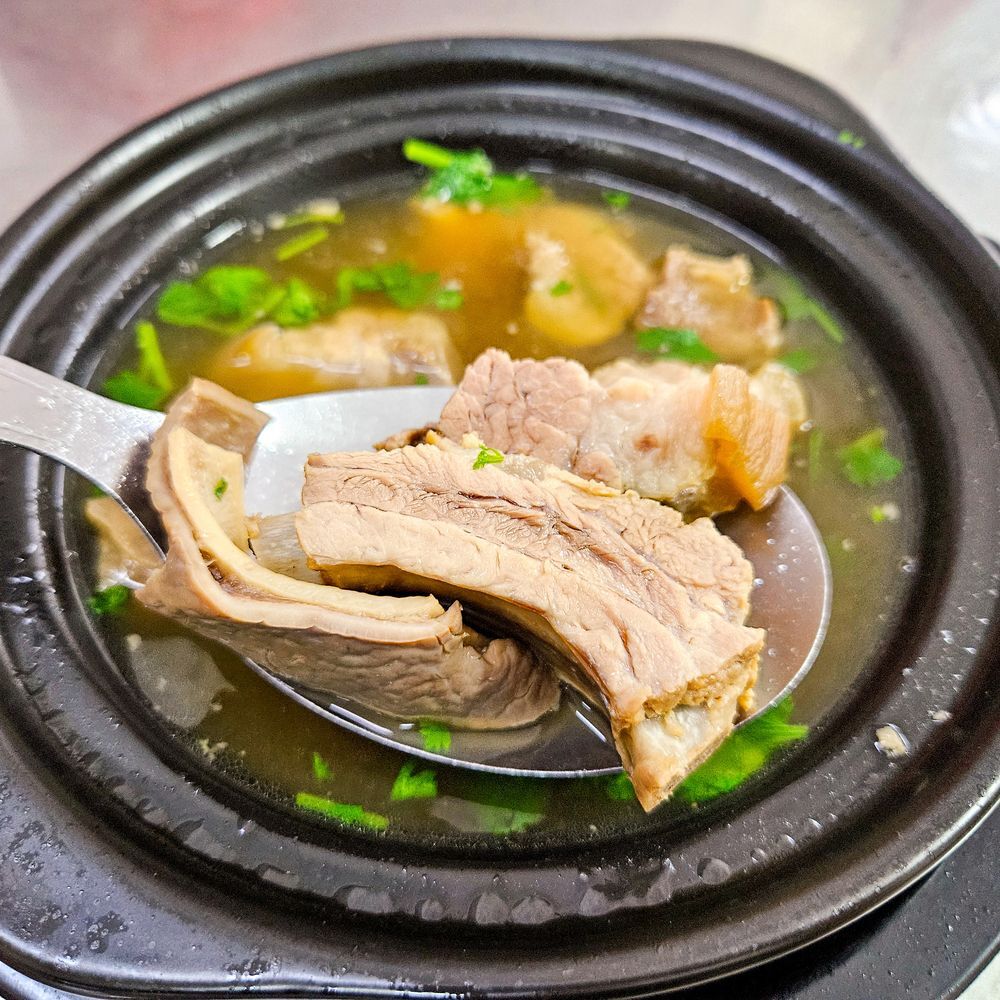
- 1935
Bib Gourmand • Hakkanese. This simple shop has been selling authentic Hakkanese food in an unremarkable neighbourhood for over 20 years. The must-try Hor Poh lui cha is a sheeny green soup served with steamed rice. Made with ground sesame seeds, peanuts and mint leaves, the soup is nutty and aromatic. The Hor Poh dumpling with dried tofu, garlic and pickles enrobed in a thin skin is also popular. With a range of tasty offerings at bargain prices, this place is always busy.

- 1936
Bib Gourmand • Noodles. White curry mee is served in a coconut milk-based broth with a bowl of curry paste on the side so that you can adjust the heat to your liking. The curry paste is available for sale by the bottle; it takes two hours to hand-stir the spices with dried shrimps and chillies. Optionally, pair your mee with deboned steamed chicken, spiced loh bak or Teochew guang jiang. The clear broth noodle soup with chicken meatballs is also worth trying.

- 1937
Bib Gourmand • Peranakan. This simple restaurant has been run by a husband-wife team for over 15 years; Ivy helms the kitchen while her husband waits on the tables. Following a change of venue in 2024, the room is now bigger and better, but you can rest assured - the menu hasn’t changed one bit. Check out the sharing set menus that include their best-selling Peranakan dishes, like Kapitan chicken curry and Joo Hoo Char – spicy stir-fried mixed veggies in chili paste. Reservations recommended.
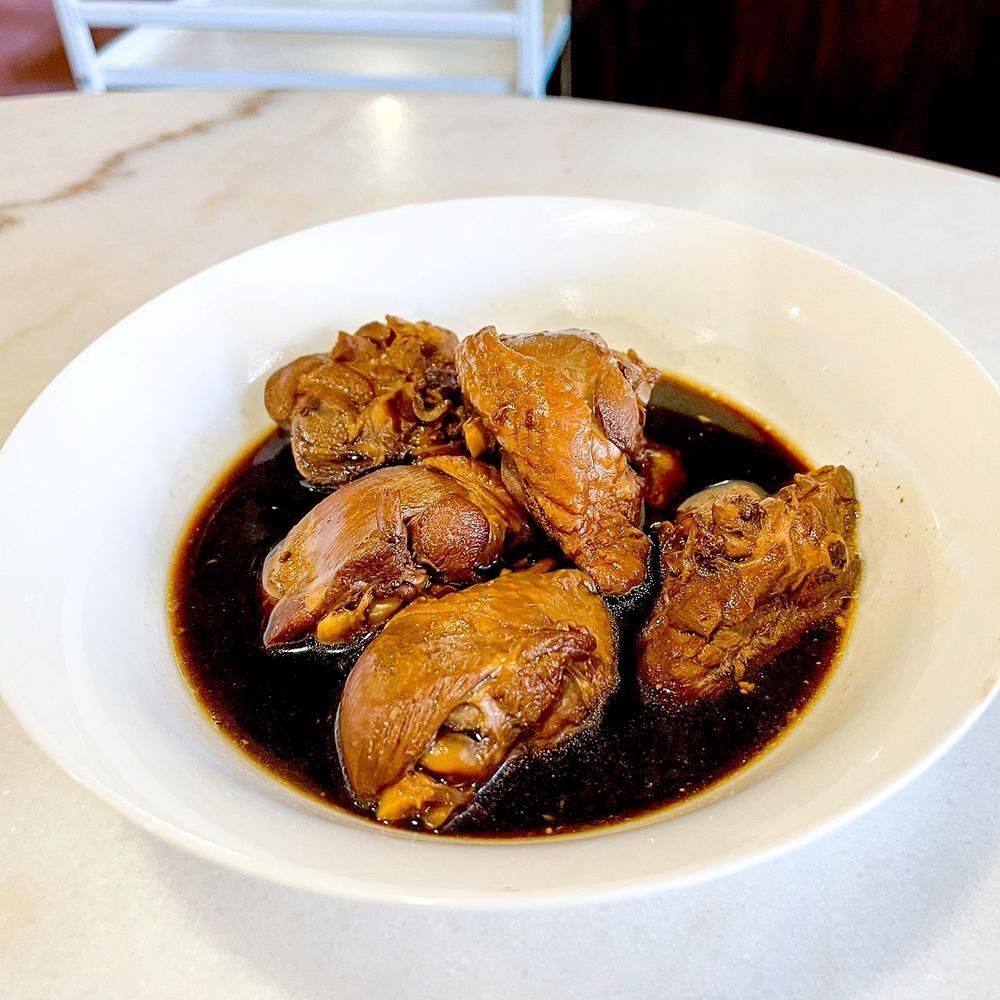
- 1938
Bib Gourmand • Street Food. For over 30 years, this stall has been selling chicken rice cooked to order over charcoal in claypots. The dish comes with Cantonese pork sausage and ginger, and has a crispy crust at the bottom. You can add salted fish, which imparts extra aroma.

- 1939
Bib Gourmand • Noodles. What began as a street stall 10 years ago that shot to local fame now occupies two shop floors on the street corner. Red lanterns adorn the ceilings, and large photos cover the walls like wallpaper. Chinese vintage gadgets, like an abacus, decorate the interior. Lala means “clams” in Malay, and a bowl of flavoursome lala bihun with prawns is a must. The broth, meanwhile, is aromatic with Chinese yellow wine and ginger. Portions are generous.

- 1940
Bib Gourmand • Malaysian. With a caricature of the owner on its sign and a mural deconstructing its signature items, Laksalicious is a cheerful little gem bubbling with character. As its name suggests, laksa is the main event here – choose between Nyonya assam laksa with sour, spicy fish broth or Nyonya laksa lemak with rich, creamy coconut milk broth. Prawn crackers add texture and flavours. Crispy prawn fritters, nasi ulam and gula melacca cendol are also popular.
- 1941
Bib Gourmand • Peranakan. The two-storey restaurant doubles as a museum to display the owner’s antique collection. The father-and-daughter team serves authentic Nyonya home-style dishes, many of which are meant to be shared. Try their pie tee, or crispy pastry cups filled with finely diced vegetables, fried onions and shrimps dressed in a homemade chilli sauce. With unlimited free refills, pandan lemongrass tea is the perfect drink to quench the heat of the food.
- 1942
Bib Gourmand • Middle Eastern. After delivering home-cooked meals during the pandemic, the Syrian chef opened his brick-and-mortar shop, and it quickly became a neighbourhood favourite. The heady aromas of freshly baked goods fill the space. Unmistakably Middle Eastern, the food is rife with bold colours and flavours. The smoked hummus infused with burnt chilli oil tastes mildly spicy and very smoky. Try the kebab khashkhash – lamb skewers in a sharp, spicy poppy seed sauce.

- 1943
Bib Gourmand • Street Food. For 40+ years, they have been making their kway teow soup the same way – with duck, pork and fish cake. The broth bursts with umami, the duck is silky, and fried garlic and shallot bits add aroma. Expect to queue at peak hours.

- 1944
Bib Gourmand • Noodles. Despite the lack of fancy decor, this joint has built up a loyal fan base over the past 20+ years and can be busy into the night on Fridays and Saturdays. Koay teow is stir-fried with duck egg over a charcoal fire that lends exceptional wok hei. Add an extra over-easy egg or start with the blanched octopus appetiser before tucking into the noodle dish after which the shop is named – the tender mollusc is served warm with a tangy-sweet dip on the side.
- 1945
Bib Gourmand • Small eats. This shop specialises in Nyonya kueh – an array of cakes, dumplings, puddings and pastries that can be sweet or savoury, and steamed, deep-fried or baked. All their treats are made just as they were back in 1933, when the owner's father opened a kueh factory. In addition to kueh lapis, kueh talam, ang koo and Nyonya chang, they also serve a few Nyonya dishes. Enjoy your meal beneath a glass roof and Penang-style umbrellas in the converted patio.

- 1946
Bib Gourmand • Indian Vegetarian. This international chain, which began almost 100 years ago, now has branches all over the world. This outpost has been a popular dining spot among the locals since 2017. Idli is a soft, fluffy steamed cake made out of fermented rice batter, paired with green chutney and lentil sambar. Masala dosa, or crispy crepe with potato curry, packs a real kick. Uddin vada, or black lentil fritter, is also a good choice. Check out the daily specials and mini meals for combos.

- 1947
Bib Gourmand • Street Food. This charming family-run shop serves Penang asam laksa, Nyonya laksa and fried spring rolls. The light and refreshing red soup of the signature asam laksa strikes the right balance of sour and spicy and is nicely topped off with mint and pineapple. The spring rolls, stuffed with vegetable filling, taste equally good.

- 1948
Bib Gourmand • Malaysian. Since 1938, this household name has been hugely popular among the locals for its famous Hainanese chicken rice. Two kinds of chicken are on offer – “veggie farm” chicken with leaner, firmer flesh and a free-range version with fattier, softer meat. Barbecue meats, such as roast pork belly that boasts crispy skin and alternate layers of fat and lean meat, are also bestsellers. Order crispy, juicy Ipoh bean sprouts to go with the rice.
- 1949
Bib Gourmand • Malaysian. This family-owned business has been a mainstay of the local dining scene since 1965 and is now run by the second and third generations. As its name suggests, it specialises in Hainan chicken rice – choose between the steamed and fried varieties. For solo diners, the set menu offers great value, with peanut soup, flavoursome rice cooked in chicken fat and stock, and your choice of chicken cuts. The other chicken dishes are also worth trying.
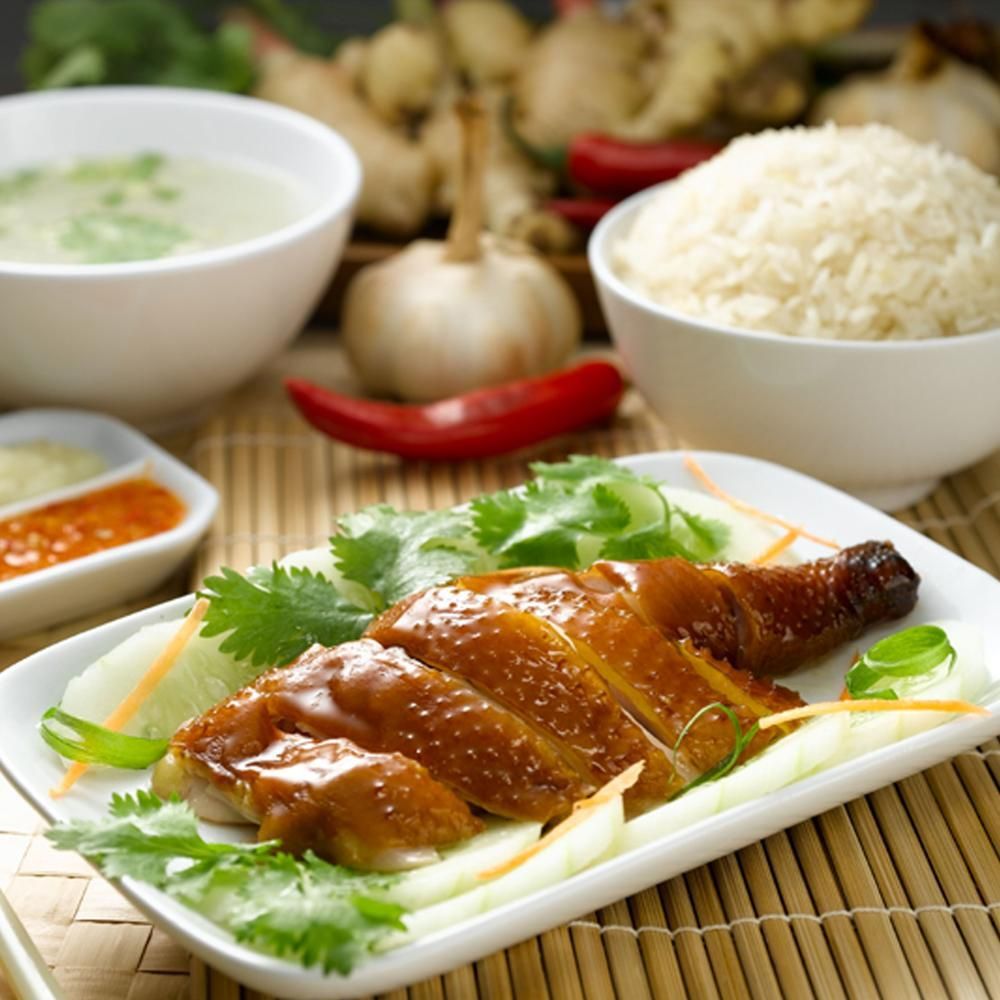
- 1950
Bib Gourmand • European Contemporary. The owner lives nearby and opened this cosy spot for his neighbours to enjoy European fare with Asian influences alongside some chargrilled items. The menu changes every six weeks to keep it fresh, but three dishes great for sharing always remain – half roast chicken au jus, Berkshire pork loin, and fish en papillote. For starters, try fish croquettes, and round it out with their homemade desserts. Consider buying their sourdough bread to take home.
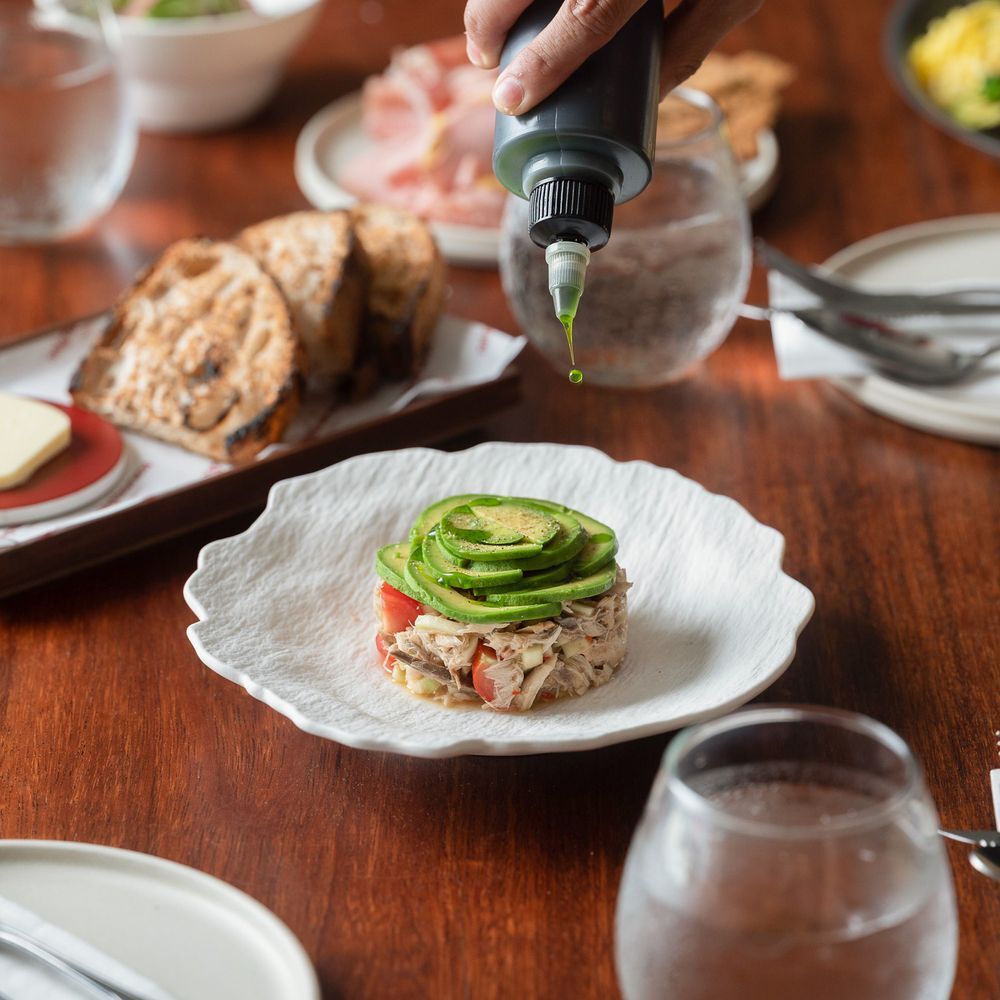
- 1951
Bib Gourmand • Indian. Bangsar Village is home to numerous buzzy restaurants and shops. In this vibrant district, Nirwana attracts diners for its distinctive flavours – a selection of regional dishes for anyone seeking the authentic taste of India. Go for one of the set menus with rice and vegetable curry on banana leaves, which you can top up with your favourite sides (fish, chicken or lamb). The chicken biriyani boasts moist tender meat and balanced flavours.

- 1952
Bib Gourmand • Street Food. This stall has been around for almost 40 years. Kuey Teow is made to order, topped with shrimps, blood clams, pork sausage and bean sprouts, boasting lovely wok hei. For added punch, opt for duck egg and extra chilli sauce.

- 1953
Bib Gourmand • Street Food. This famous laksa shop serves lai fun noodles in a sardine broth with exceptional depth and flavours alongside an array of condiments. For those with bigger appetites, order char koay teow with duck egg to go with the laksa.

- 1954
Bib Gourmand • Peranakan. Potted plants are set nicely against a background of exposed brick walls and industrial accents here. On top of the short à la carte menu, the Nyonya combo set built around pandan nasi lemak with your choice of toppings is especially popular. The rice is plated on a banana leaf and topped with mildly hot homemade sambal. Another speciality is Siam bihun – turmeric rice vermicelli with shredded omelette and sauces. Round out the meal with tub tim krob.

- 1955
Bib Gourmand • Street Food. Since 1920, this stall has been selling its famous apom: their crispy crêpes with a soft, puffy centre cooked in claypot over charcoal are fluffier and more coconutty than most. Come early – they tend to sell out by 9:30am.
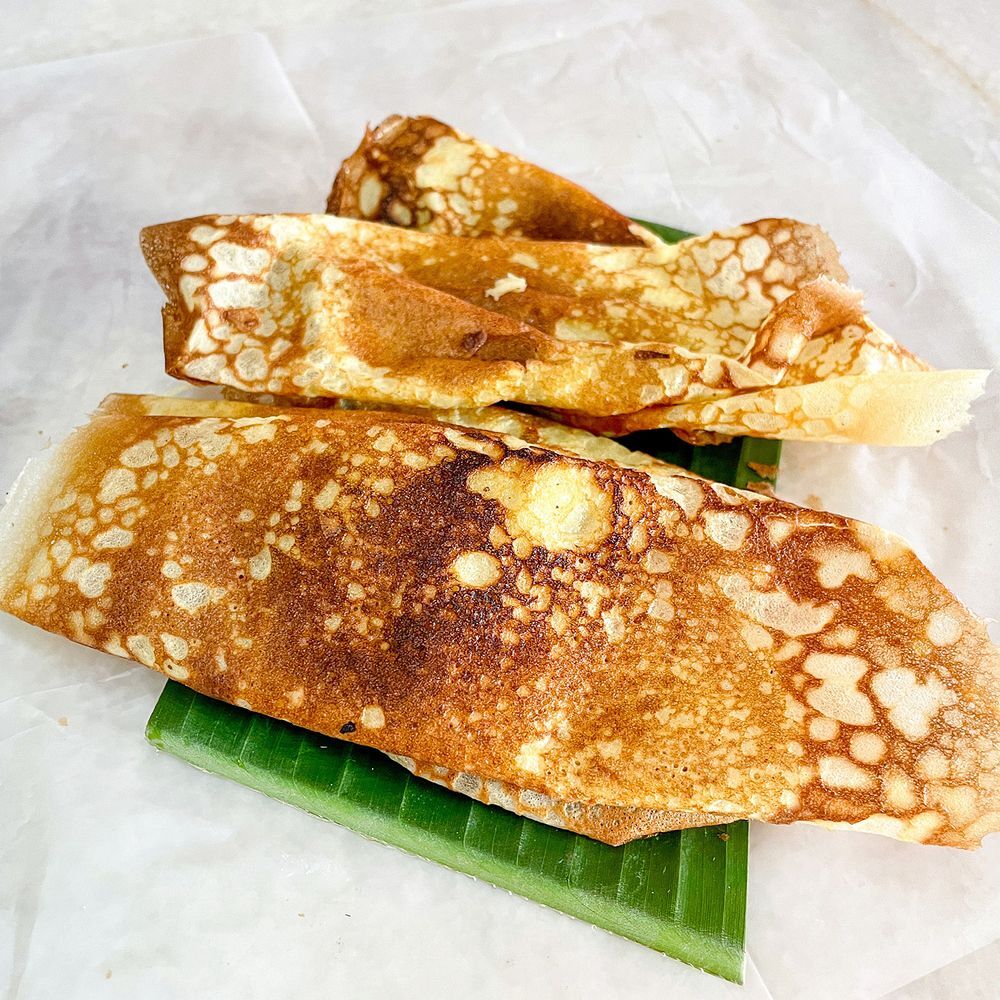
- 1956
Bib Gourmand • Indian. A North Indian brand, d'Tandoor opened in Malaysia in 1990 and has since spread to other countries around the world. Located in a residential area, they offer a hearty range of fine Indian cuisine, featuring a consummate blend of herbs and spices. Highlights include well-seasoned butter chicken masala and soft, chewy naan bread, while Kulfi ice-cream – available in a variety of flavours – adds a final flourish to the meal.

- 1957
Bib Gourmand • Vietnamese. With a yellow façade and colourful interior, Sao Nam ticks all the boxes for a fun-filled meal. The Vietnamese kitchen team deliver specialities from across their home country, including some showing strong French influences. Their iconic phở bò (beef noodle soup) packs a tasty punch and features a broth that takes over 10 hours to make. The mangosteen and prawn salad tantalises the taste buds with big flavours and contrasting textures.
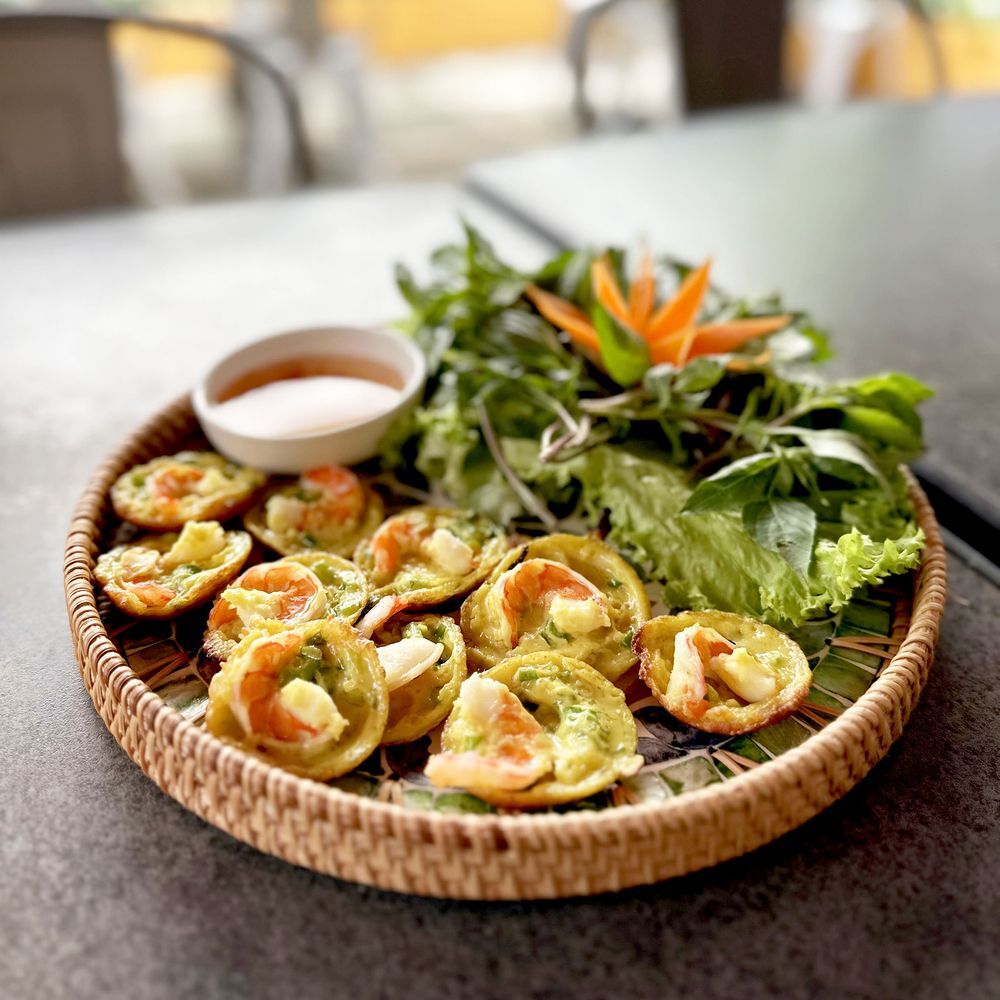
- 1958
Bib Gourmand • Indian. Colourful drapes make for a cheerful aesthetic, and Indian music create a vibrant ambiance. This restaurant in Little India serves authentic Northern Indian dishes, such as fish amritsari – this red snapper in a thick, spicy curry with balanced flavours is a must! The palak paneer seduces with creamy spinach with a hint of cumin that complements the milky cheese. Round off your meal with the popular sweet gulab jamun.
- 1959
Bib Gourmand • Cantonese. Since it opened in 1948, Sek Yuen remains as popular as ever, although it now takes up three shops on the same street. Depending on where you are seated, the room may feel vintage and nostalgic or simple and bright. The menu is mostly traditional Cantonese – pipa duck with spot-on seasoning, firm flesh and crispy skin is a must. House signatures like eight-treasure duck, and roast suckling pig require ordering two days ahead.
- 1960
Bib Gourmand • Street Food. Open for half days, this small store draws long queues – mostly tourists and young customers. They serve just one dish: stir-fried koay teow. The wok-fried flat rice noodles emit a charcoal aroma, are well seasoned and come with quality ingredients that can be spiced to taste.

- 1961
Bib Gourmand • Peranakan. The kitchen is helmed by a lady in her 70s, who has been cooking for decades. The menu boasts some 40 à la carte items, covering the greatest hits of traditional Peranakan cuisine. One of the culinary highlights is bouncy asam prawn drizzled in a dark brown sauce loaded with tamarind sweet and sour notes. Mang kuang char, or sautéed shredded yam bean with dried squid and mushrooms, is sweet in taste and crisp in texture.
- 1962
Bib Gourmand • Noodles. What started as a humble food stall back in 1949 is now a household name, famous for its beef noodles in soup or dressed in an aromatic sauce. Choose between ribbon rice noodles, rice vermicelli and thin, bouncy Hakka noodles. In addition to the signature springy beef meatballs and sliced beef, the thickly sliced beef tripe is prized for its tender texture and rich flavours – all perfectly complemented by the home-made chilli sauce.

- 1963
Bib Gourmand • Street Food. Three sisters inherited their father's life's work, which he began in 1963, selling char koay kak, a snack from their ancestral home of Teochew. The rice cakes are fried with nice wok hei, the right amount of soya sauce, bean sprouts, egg and spiciness; with optional hot sauce.

- 1964
Bib Gourmand • Street Food. This popular food cart dates back to 1960 and is now run by the third-generation owner. Koay teow soup with chicken, pork, fish balls and pork liver is the must-try. The chicken feet braised in spiced soy marinade are simply divine.

- 1965
Bib Gourmand • Street Food. This stall has been selling curry mee for almost 40 years and is prized for the creamy soup made with coconut milk and spicy curry paste. The half-cooked cockles in the soup taste briny-sweet and burst with juices.
- 1966
Bib Gourmand • Cantonese. Chinese couplets on the wall and red tablecloths lend the clean, simple space a festive vibe. Open since 1965, this no-frills joint has won the hearts of foodies, with well-made traditional Cantonese fare and fusion creations with a local twist. The deep-fried house-made tofu with dried local anchovies is a must – it's simply seasoned with soy sauce, but the umami is irresistible. Ask about the double-boiled soup of the day, which never disappoints.
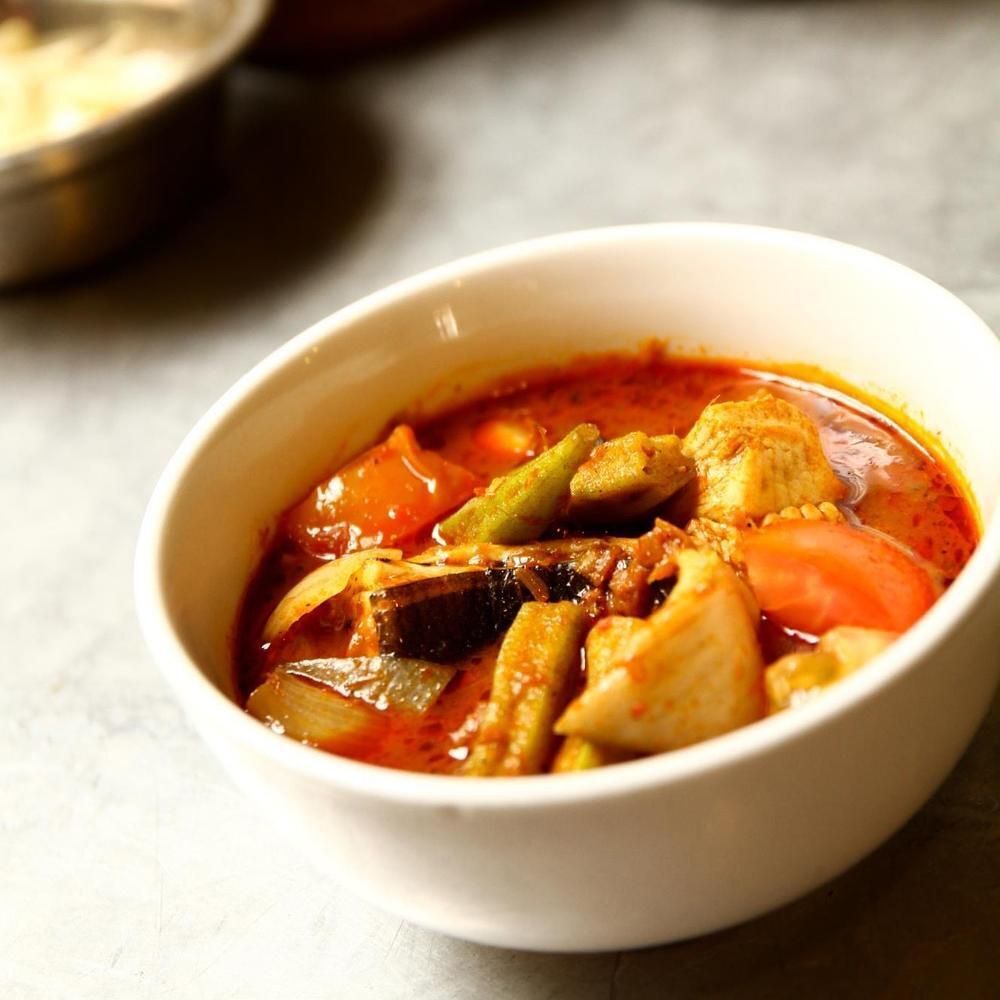
- 1967
Bib Gourmand • Thai. With over 15 years of culinary experience under his belt, the Thai chef excels in authentic cooking from his home country, with the freshest seafood being his strong suit. In the lofty room decorated in soothing shades of green, try his array of tom yum soup variations with different seafood. The miang kam is a must – fresh betel leaves and sweet miang kam sauce make it a great appetiser. Friendly prices and generous portions are also reasons to visit.
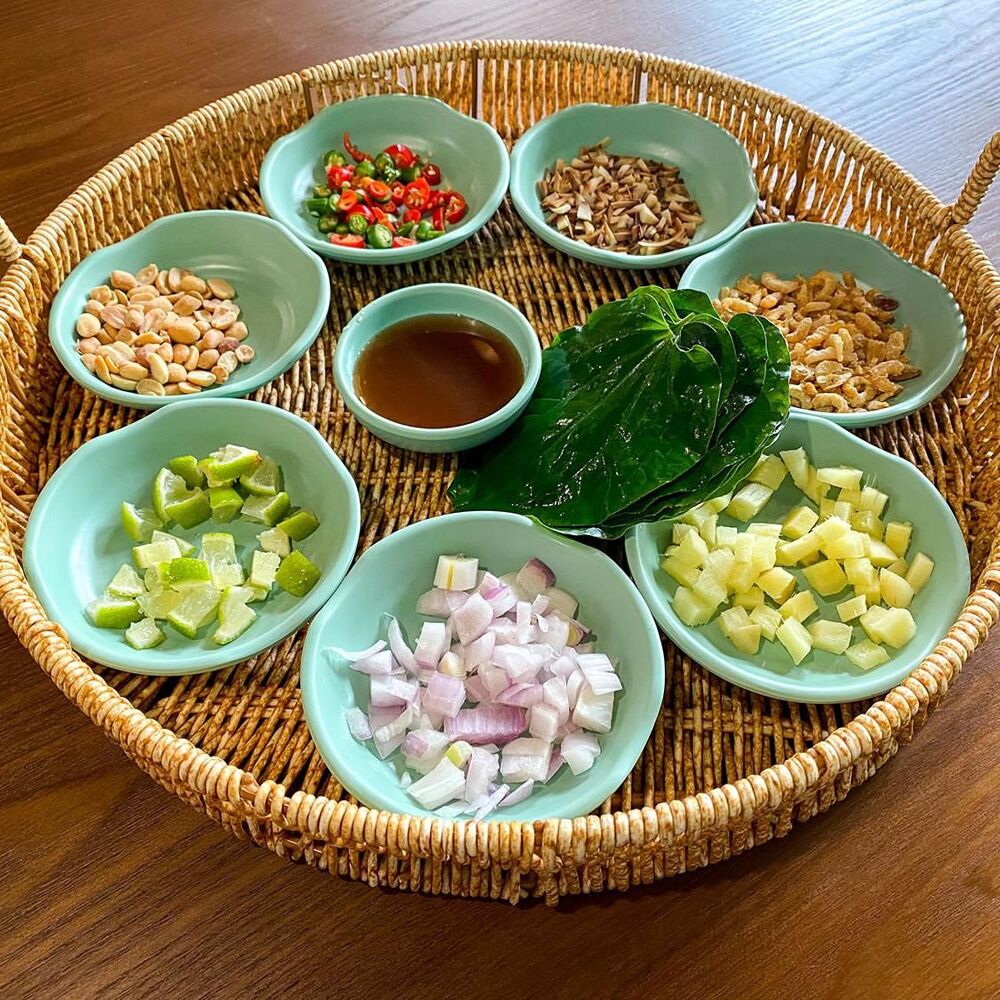
- 1968
Bib Gourmand • Street Food. The third-generation owner makes his famous laksa noodle soup according to his grandparents’ recipe dating back 50 years ago. The soup strikes a fine balance between sweetness, sourness and spiciness, while the cucumber, shallot and pineapple cut through the heat nicely. The starter platter is also worth-trying.

- 1969
Bib Gourmand • Peranakan. Run by a husband-wife team, Winn’s Cafe is situated in a detached house with dining rooms spread over two storeys, the upper floor of which exhibits work by local artists. The menu features Peranakan classics, such as otak otak fish cake seasoned with coconut milk and local herbs grown in their backyard and boasts silky smooth texture. Asam tumis stingray seduces with bouncy, flavoursome meat and a rich, complex sauce made with nine herbs.
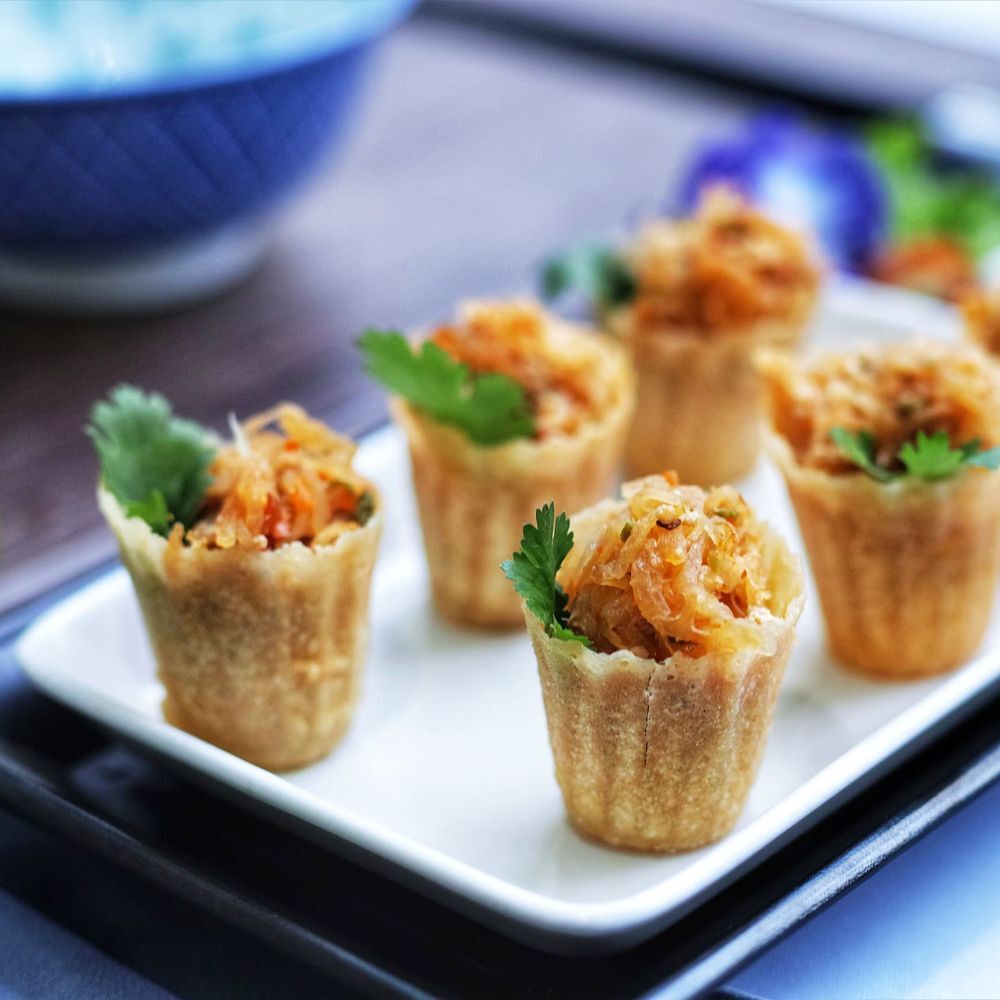
- 1970
Bib Gourmand • Street Food. Open for just a few hours a day, this stall attracts foodies in droves with its coveted siew yok – roast pork with crackling skin and succulent meat. Arrive early and wait for the pork to come out of the oven at noon sharp.

- 1971
Bib Gourmand • World Cuisine, International. Located on Gzira’s seafront, the highlight of this lively venue with a youthful spirit is its cuisine which comes from all over the world. The three brothers at the helm have travelled extensively, and the menu reflects their globetrotting temperament. You’ll find delights from Morocco, Japan, Italy, Venezuela and so on. We enjoyed a starter of lamb-stuffed pitas flavoured with yoghurt and harissa sauces (from Lebanon), followed by eggplant stew with walnuts, paired with spiced rice and a raw vegetable tartare (from Iran). The simple dessert starred a patchwork of cultures: an enormous profiterole (with origins somewhere between France and Italy) filled with Mediterranean pistachio cream and crisp dark chocolate pearls from Belgium. Excellent value for money and an informal vibe make it a must.
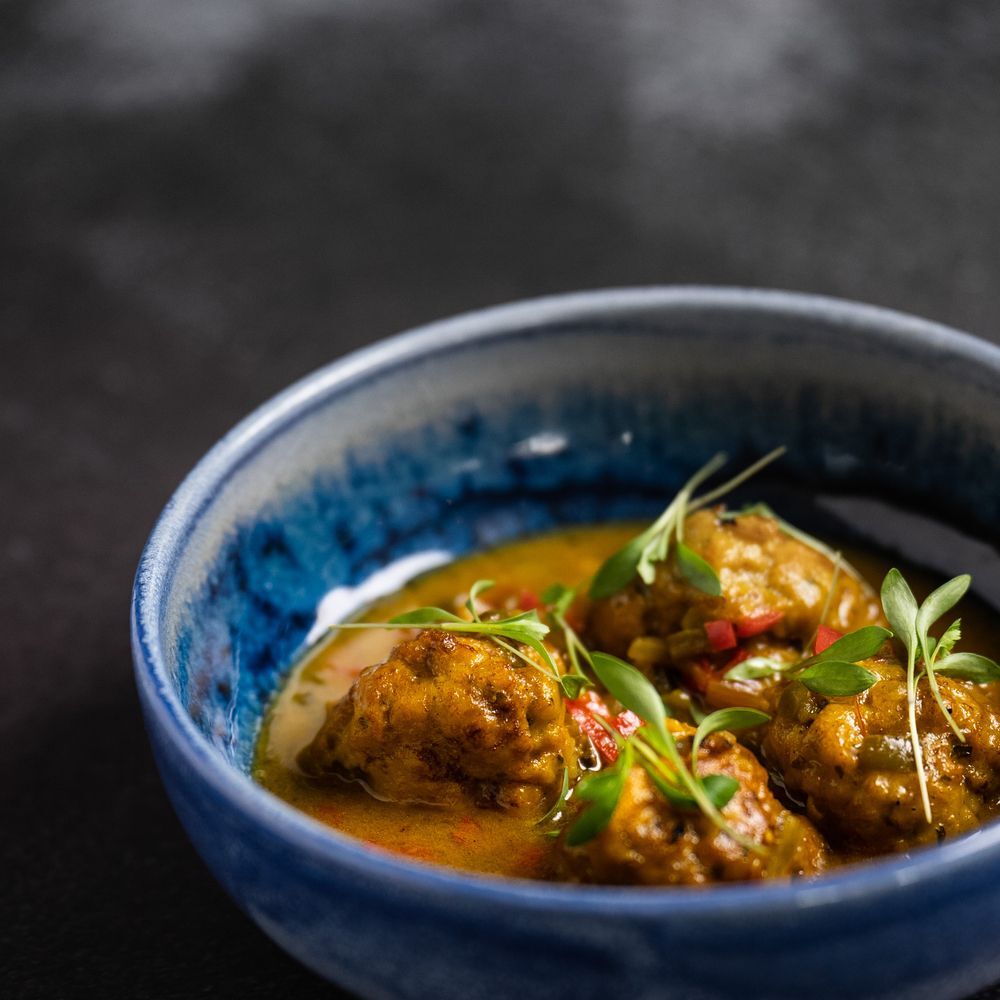
- 1972
Bib Gourmand • Mediterranean Cuisine. This restaurant has a long and fascinating history, starting with the building itself (around 300 years old) and continuing with that of the family at the helm, who have been here since 1930 and once provided support for the Royal Marines. The dining room sports a rustic yet tasteful decor with exposed brickwork and contemporary furnishings, while the cuisine focuses on fresh ingredients packed in flavour. We particularly recommend the pappardelle pasta with a duck ragù and a few chopped hazelnuts for extra whoomph.
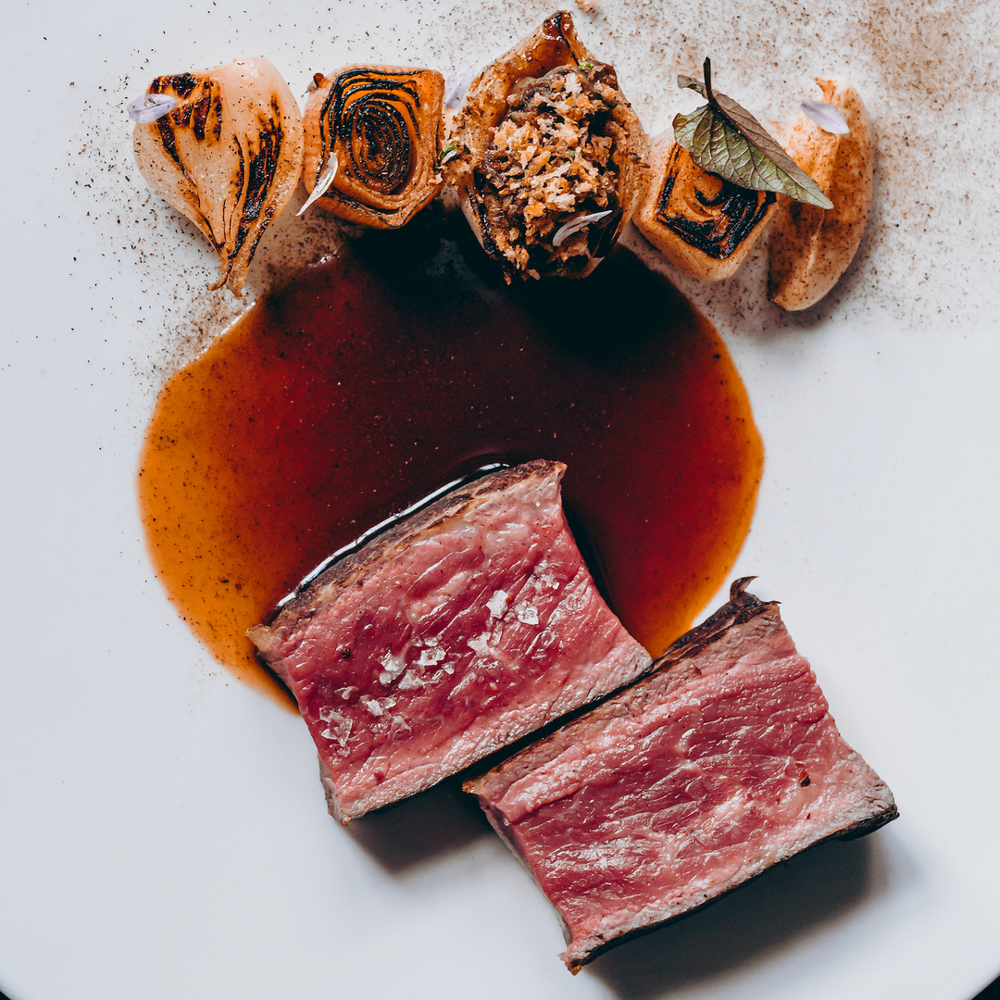
- 1973
Bib Gourmand • Modern Cuisine, Mediterranean Cuisine. On Merchant Street, the main pedestrian thoroughfare in the city centre and home to a plethora of bars and eateries, Grain Street is a modern bistro with a lovely alfresco section and a cosy, pleasant interior. The accent is on simple, unfussy Mediterranean fare. Be sure to try the corn-fed chicken with a hazelnut crust, served with preserved lemons, courgettes and basil. The establishment, part of the Rosselli – AX Privilege hotel, is open in the mornings for breakfast.
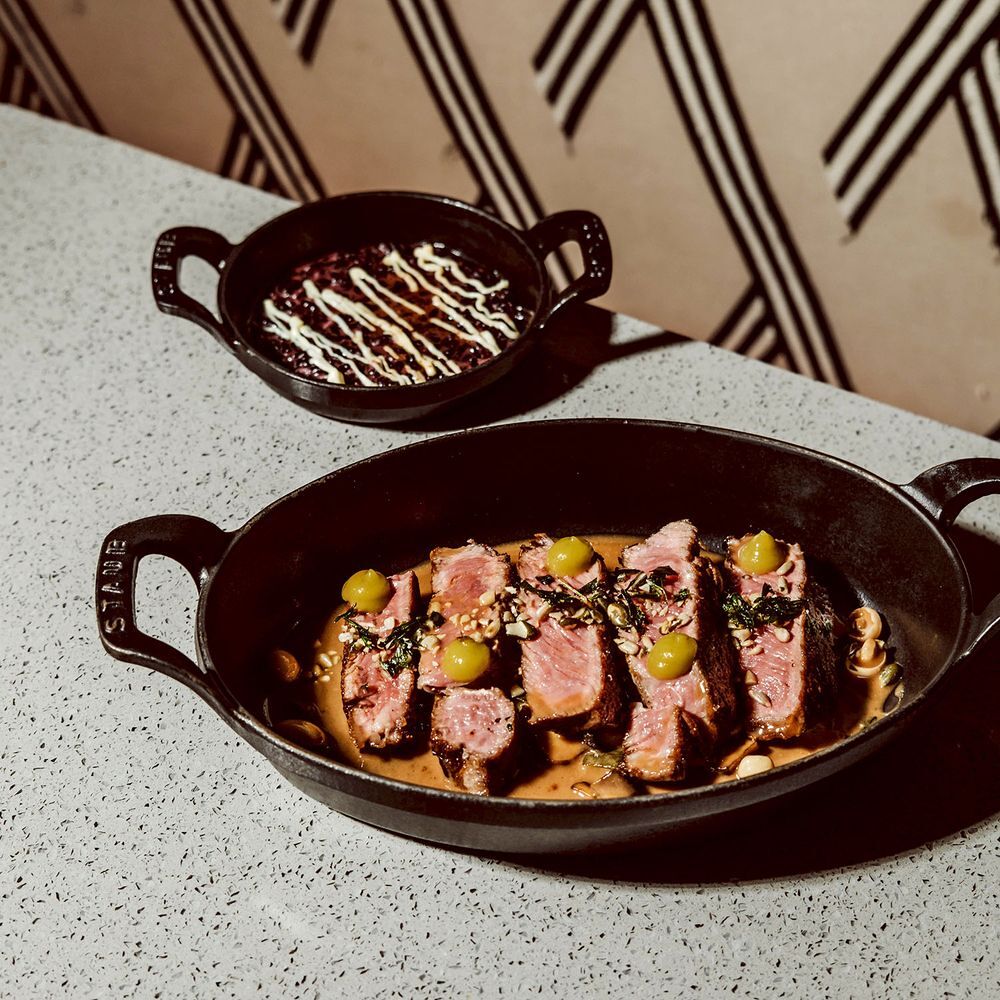
- 1974
Bib Gourmand • Traditional Cuisine. Located in the heart of the historic centre, just steps from the iconic St. John’s Cathedral, this establishment is a genuine landmark of Valletta’s dining scene. Founded in the early 1900s as a Sicilian restaurant and pastry shop, it has preserved its period interior, along with a devotion to honest, generous cooking. Some dishes are long-standing favourites, like the highly recommended Fenek Moqli, rabbit braised in a red wine sauce with a delightful sweet-and-sour finish, while others change with the seasons and the availability of local ingredients. The menu is chalked up on a blackboard, but the friendly owner is always ready with suggestions, especially for first-time visitors.
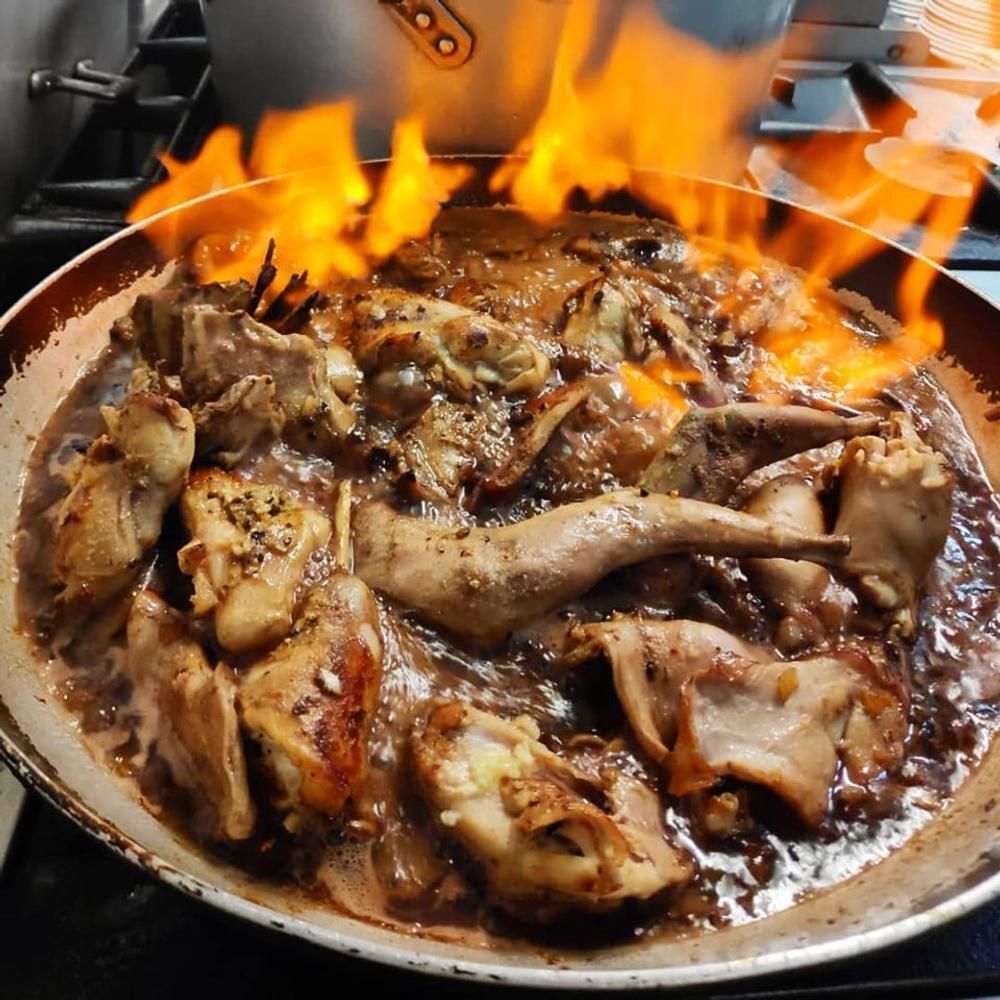
- 1975
Bib Gourmand • Mediterranean Cuisine, Seasonal Cuisine. A simple yet modern bistro–trattoria, depicted by a warm, friendly vibe and run by a local chef who draws on his experience to craft Mediterranean-inspired fare that is firmly rooted in local traditions and producers. The focus is mainly, though not exclusively, on turf ingredients, resulting in generous, flavoursome dishes that are as appealing to the eye as they are to the palate. The bouncy, spot-on staff is happy to offer suggestions and recommendations, from the daily blackboard specials to insightful wine pairing options.
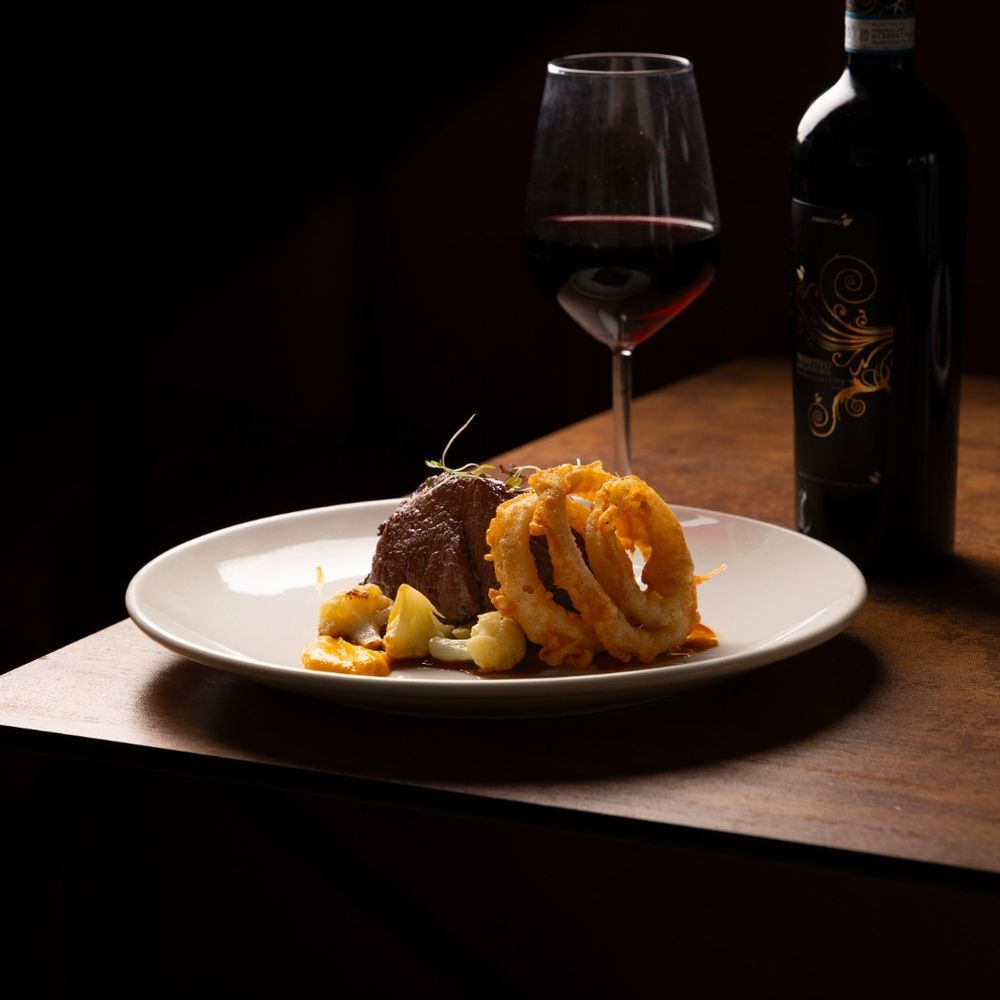
- 1976
Bib Gourmand • Spanish, Mexican. As its name suggests, Aleli is indeed located on the rooftop, so while the location may not be a surprise, the food is. You'll soon see (and smell) why, as the embers from the grill permeate the air. It's certainly worth snagging a seat at the bar to watch the cook at work on the grill. The menu of traditional Mexican cuisine may not be extensive, but it proudly displays dishes that stand out for their flavor, quality products and presentation. Highlights include brocheta de camarón, pan de papa a la brasa, lomo de pescado zarandeado, and of course the much-loved cheesecake asado. Cocktails and wine complete the sunny picture, but perhaps even more smile-inducing is the palatable price.
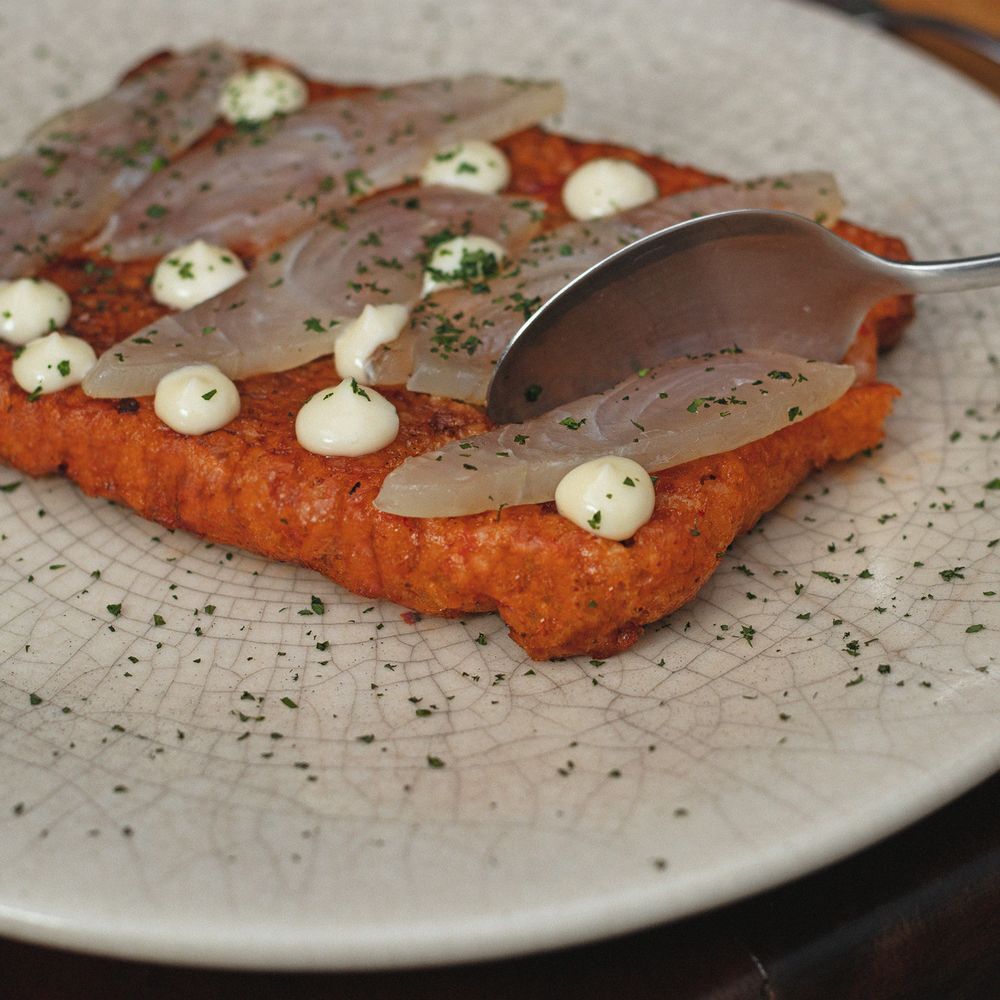
- 1977
Bib Gourmand • Mexican. At several points en route to this hidden restaurant, you will wonder if you’re lost. But hold steady: A half hour’s drive south of Oaxaca city and down several bumpy dirt roads, this humble, reservation-only destination is as close of an invitation into someone’s home as you’re going to get. Chef Jorge León and his mother Doña Elvia run this idyllic, breezy backyard with tables set under a canopy of trees. The tasting menu is by no means formal or lengthy. Rather, expect a leisurely procession of traditional, comforting dishes like a tamal filled with spiced green beans or grilled local fish with molé estofado rich with fruit and warm spice notes, complemented by tortillas hot off the comal.
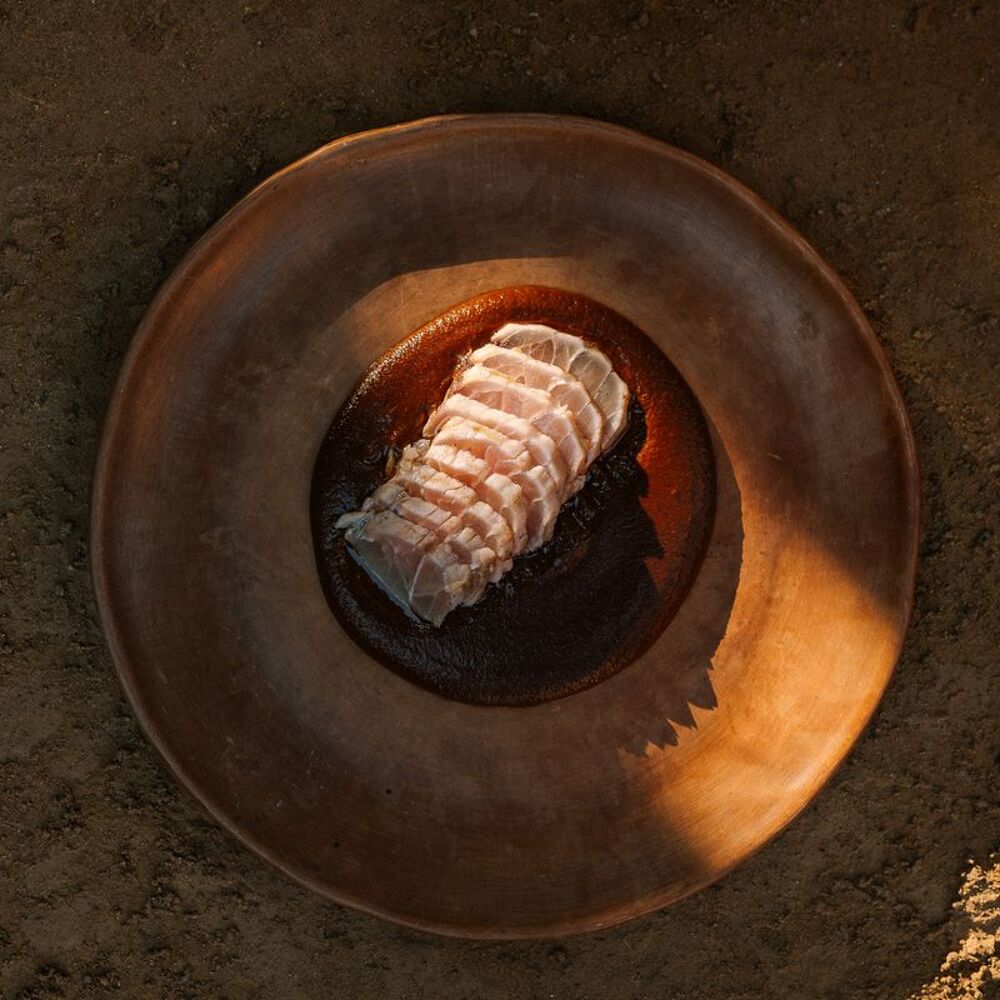
- 1978
Bib Gourmand • Mexican. Here in the Riviera Maya, Axiote Cocina de Mexico offers a tight selection of familiar Yucatan dishes prepared with modern touches. Carefully presented, the generously portioned plates are compelling, starting with a selection of fiery salsas that do not hold back on heat. The likes of tostadas de mais azul or guacamole with chapulines (grasshoppers) make for good starts. Fork-tender birria de cordero is a stand-out entrée but do save room for dessert. From coconut cream with passion fruit to mango with honey, orange foam and cocoa, the sweets here are a surefire strength. While not necessary, a lengthy tasting menu is available for those looking for a more involved affair. The dining room is easy-going thanks to a guano leaf-roof and true palapa-style look.

- 1979
Bib Gourmand • Mexican, Contemporary. Set on a corner in Hipódromo, you'll check in outside then climb a beautiful wooden spiral staircase to the second-floor dining room where floor-to-ceiling windows and vaulted ceiling lend a contemporary flair. A colorful art installation echoes the neighborhood's creative spirit, also seen in this kitchen's contemporary Mexican dishes. Most of the dishes are designed for sharing, making it an ideal spot for a group. Don't miss the tostada de coco, a blue corn tostada piled with avocado, chintextle, and coconut with a subtle savory flavor that is as stunning as it is surprising. For dessert, nothing beats the chocolate tamal with coconut crumble and hoja santa ice cream.
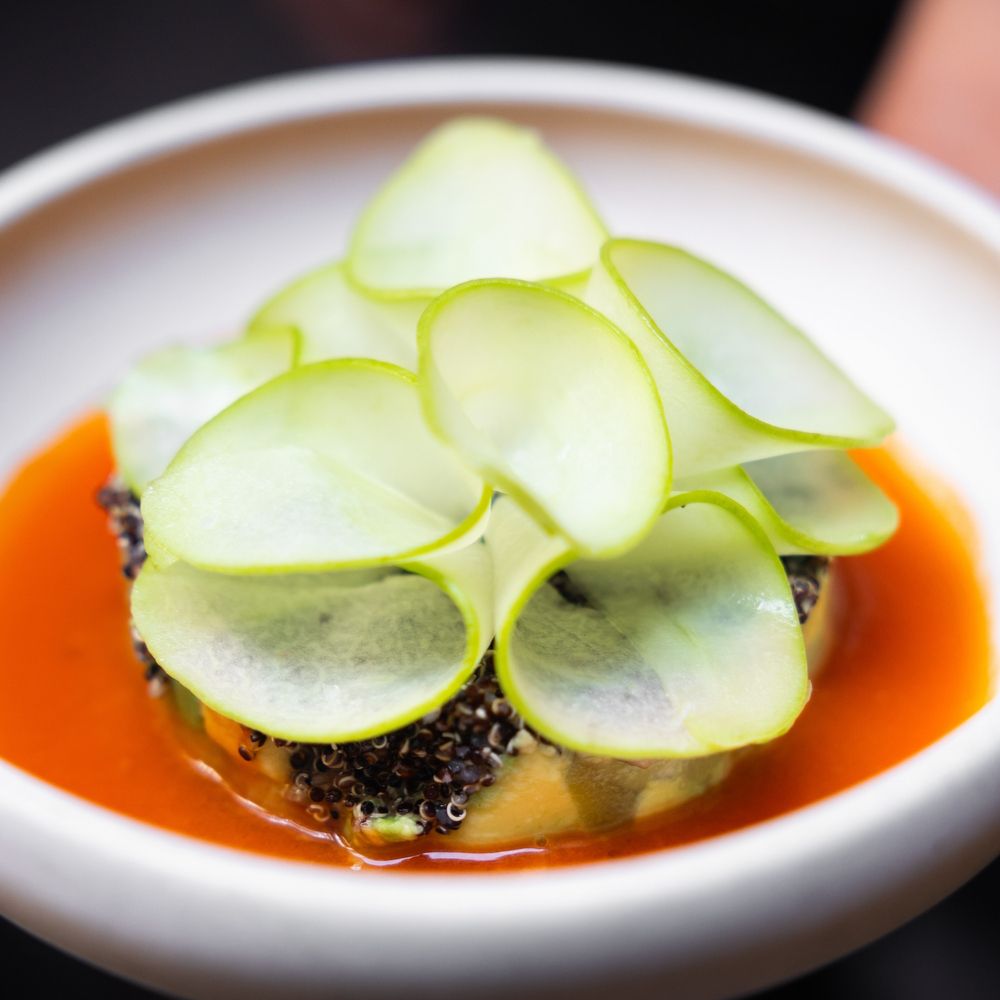
- 1980
Bib Gourmand • Mexican. Named for Chef José Figueroa's grandmother, who inspired his love of cooking, this charming Tijuana dining room has an airy vibe with warm-toned wood furnishings, tile-and-concrete flooring, and a screen-covered roof. Corn is revered here and is sourced from small family farms around Mexico, then nixtamalized and ground in-house. Tortillas are prepared on the comal up front for the tacos and tostadas that comprise the menu, while ceviche, and egg dishes round it out. You can't go wrong with chilaquiles dressed with salsa borracha, but don't sleep on the tamal of the day. It's big, prepared in a banana leaf, and may be filled with braised beef rib and roasted local cherry tomatoes.

- 1981
Bib Gourmand • Mexican. Casa Marcelo's welcoming facade is enhanced with a flourish of bougainvillea, while the dining area is a courtyard shaded by wood slats and dense trees. This local favorite is owned by Marcelo Castro, a fourth-generation cheesemaker for Ramonetti cheeses, produced east of Ensenada in the Valle de Ojos Negros. It's a popular spot for breakfast with a menu that features local ingredients from the ranch, including the artisanal cheese used to garnish the signature chilaquiles. Come afternoon, lunch items are available and worth sticking around for. The tostada de camaron is a lovely balance of fresh chili heat, herbal brightness and citrus acidity; and the cochinita pibil skillet is a slow-cooked delight to be scooped up with your choice of masa or flour tortillas.
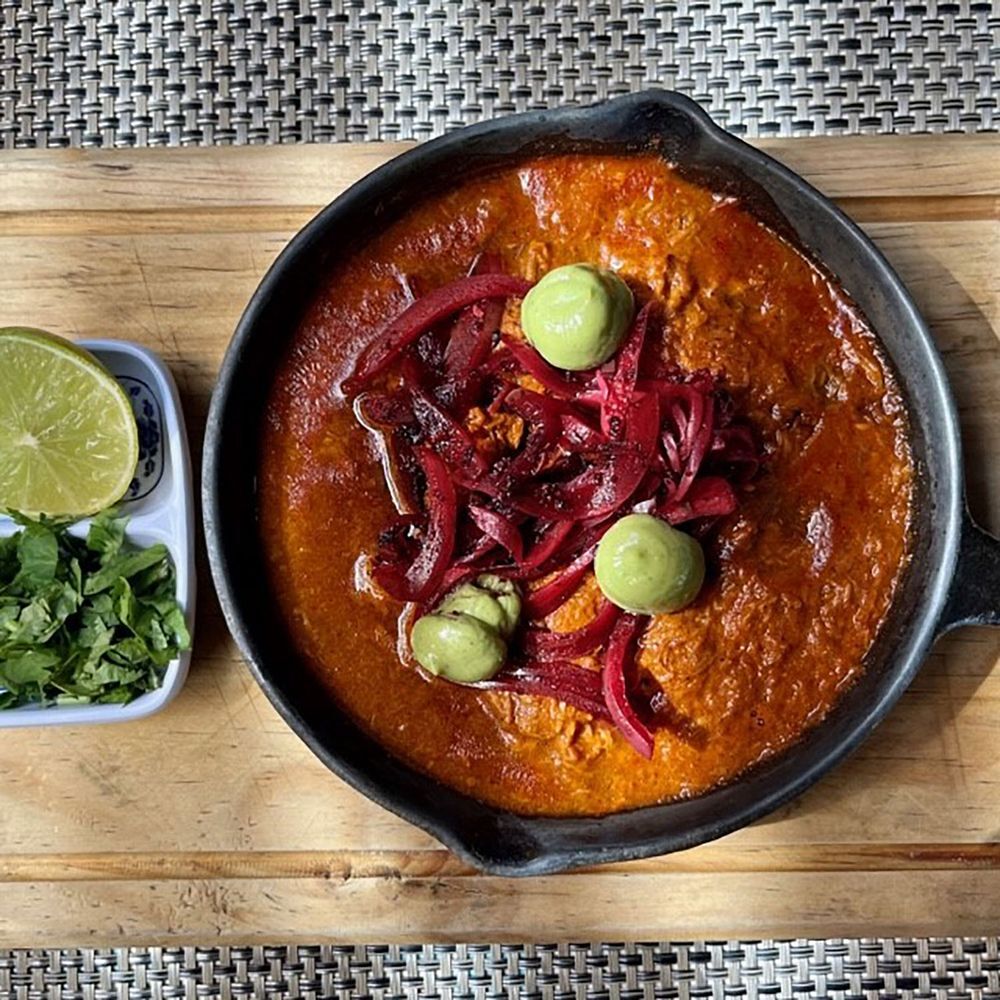
- 1982
Bib Gourmand • Mexican. Cetli is just outside the city and the tourist hustle and bustle, located along the road that leads to the ruins of Cobà. Inside, white walls are enlivened by colorful paintings and antiques, while wood tables and chairs set a rustic tone. They have fashioned a truly Mayan experience here, where the generous and tasty dishes are as colorful as the art decorating the walls. Meat and fish are the main inspiration, as in dishes like istak, a fish fillet cooked in seawater and doused with a thick, not-too-sweet white almond mole with a touch of parsley, dark chocolate sauce and sesame seeds. Nimbe, a vanilla and chocolate pancake filled with ice cream, is rich and delightful.
- 1983
Bib Gourmand • Contemporary. Located in El Pescadero along the highway that leads from Cabo to Todo Santos, this multi- concept space includes a farm shop, as well as a full-service restaurant, set outside within the garden. The contemporary menu leans Mexican with Californian elements, and the cooking is simplified to allow the ingredients to take center stage. Take the tomatoes, for instance. Layered slices topped with Kalamata olives over a coarse basil pesto prove that the best dishes don't need much intervention. Batter-dipped fried fish or the shaved ribeye are winning taco choices. Then, for dessert, the soft vanilla cake with fresh strawberries and cream sauce is a must. The cocktail menu is strong and creative.
- 1984
Bib Gourmand • Mexican. Terracotta and blush tones dominate this casual space, where tables run down the center of the dining room and communal tables encourage a convivial mood. As the name suggests, the all-day menu of comforting classics revolves largely around the comal. The gordita especial, packed with chicharron and tender, shredded carnitas, is a favorite. Late night out? Swing for the chilaquiles chamorro with salsa verde and kick it up a notch with the fiery salsa on the table. Other hits include crispy flautas stuffed with melting cheese and a picturesque enmolada covered in a sweet mole poblano. Expect a wait come weekend brunch.
- 1985
Bib Gourmand • Mexican, Traditional Cuisine. This cozy restaurant is owned by the renowned chef Edgar Núñez. Here, the premise is traditional cuisine that draws on his childhood memories. The dishes are simple, but tasty, with excellent technique and abundant portions--all at a reasonable price. The menu has a botaneria section, with dishes based on corn, and another section with molcajetes, or dishes made in this traditional mortar from Mesoamerica, accompanied by guacamole and handmade tortillas. Some of the outstanding items include tostada de callo de hacha, tacos de tuétano, and huachinango zarandeado. Flan de cajeta is the perfect dessert.
- 1986
Bib Gourmand • Seafood, Mexican. Chef Gabriela Cámara's Contramar has been open since 1998, but it's not resting on any laurels. Set on a busy street, this buzzy spot (read: reservations are key) enchants from start to finish and is all about seafood. Kick off the meal with a tostada, perhaps one topped with diced, raw scallop tossed in a salsa macha, before savoring pulpo a la Gallega, a simple dish of tender octopus and potato cubes dressed with olive oil, flaky sea salt, and a healthy dose of paprika. Pescado a talla, with red and green rubs on each side, is their signature dish, but there are many tempting main dishes. Finally, pick your pleasure from the dessert tray ferried around by staff.

- 1987
Bib Gourmand • Mexican. Even though this famous taqueria is indeed connected to an auto repair shop and opens only at night, the setup is anything but piecemeal. There’s plenty of seating and plenty of servers, with flatscreen televisions, a roaring grill, and spinning trompos. Everyone is here for the al pastor, which features a towering stack of tender, shaved pork, sliced pineapple, and a riot of cilantro and onions. The formidable “gringas” version is deliciously messy, arriving on a flour tortilla coated with cheese.
- 1988
Bib Gourmand • Mexican, Contemporary. This colorful, sun-soaked address from Chef Martha Ortiz has looks and substance in spades. At the base of a residential building in Roma, find a concrete jungle with purple-cushioned chairs, soaring floor-to-ceiling windows, and fully grown trees woven throughout. And much like the space itself, the cooking is equally stylish with thoughtful, playful interpretations of familiar favorites. Start with the gordita, a delicate, crispy disc packed with tender, shredded tongue and garnished with fried epazote leaves. Is there a prettier tamal around? This one is presented as a toasted cube made with fried portobellos and set in a warm guajillo chili sauce. Another highlight is the pozole brujo, featuring superbly tender chicken and a soulful, spicy broth.
- 1989
Bib Gourmand (Green Star) • Contemporary. Originally opened by Gloria and Patrick Greene as an organic farm, this ever-so-charming spot has evolved since the late 90s and now features a wine and coffee bar, as well as shops set among the mango trees and this restaurant. It's family run and all heart—they grow their own produce, raise chickens, have an onsite butcher program, and bake all the breads, too. The tempting menu features offerings such as Neapolitan flatbreads, salads, and lighter starters like a flavorful gazpacho. From there choose one of their sandwiches, or an entrée like the pork chop with crispy potatoes. Portion sizes are generous but save room for their sweet treats baked onsite, and house-made ice creams and sorbets.
- 1990
Bib Gourmand • Mexican, Mediterranean Cuisine. Located in Roma Norte, the low-key vibe of this pleasant cafe belies some very serious and creative cuisine. Simple but attractive, the setting boasts a bright green facade, sandy-hued terrazzo flooring, light wood furnishings and pale unadorned walls.Chef Giuseppe Lacorazza studied in Buenos Aires and spent time in kitchens in Europe and New York City. The cuisine here has a faint Mediterranean accent to its Mexican foundation and is enhanced by vegetable-dominated preparations. The day's catch may be transformed into crudo tossed with white beans and set atop a creamy almond and brown butter puree, and gnudi are served in a light broth with tender slices of white onion and some Parmesan cheese. The Italian sausage sandwich is a meaty option as well.
- 1991
Bib Gourmand • Mexican. Charm abounds at this unassuming Condesa spot, where concrete floors and exposed brick belie warm, polished service and sophisticated cuisine. A café offering simple dishes during the day, at night the kitchen gets to really show off Chef Victor Toriz’s bold, inventive cooking. Shareable plates blend seasonal inspiration with traditional flavors, embodying an exciting yet approachable style that is thoroughly of the moment. Offal is a particular highlight, as in crispy tripe paired with Ocosingo cheese and roasted beet, or perfectly seared sweetbreads with a creamy chileatole sauce. Produce and seafood are likewise prepared with panache; when combined with excellent signature cocktails and a thoughtful wine list, it’s no wonder at all that the space is never empty.
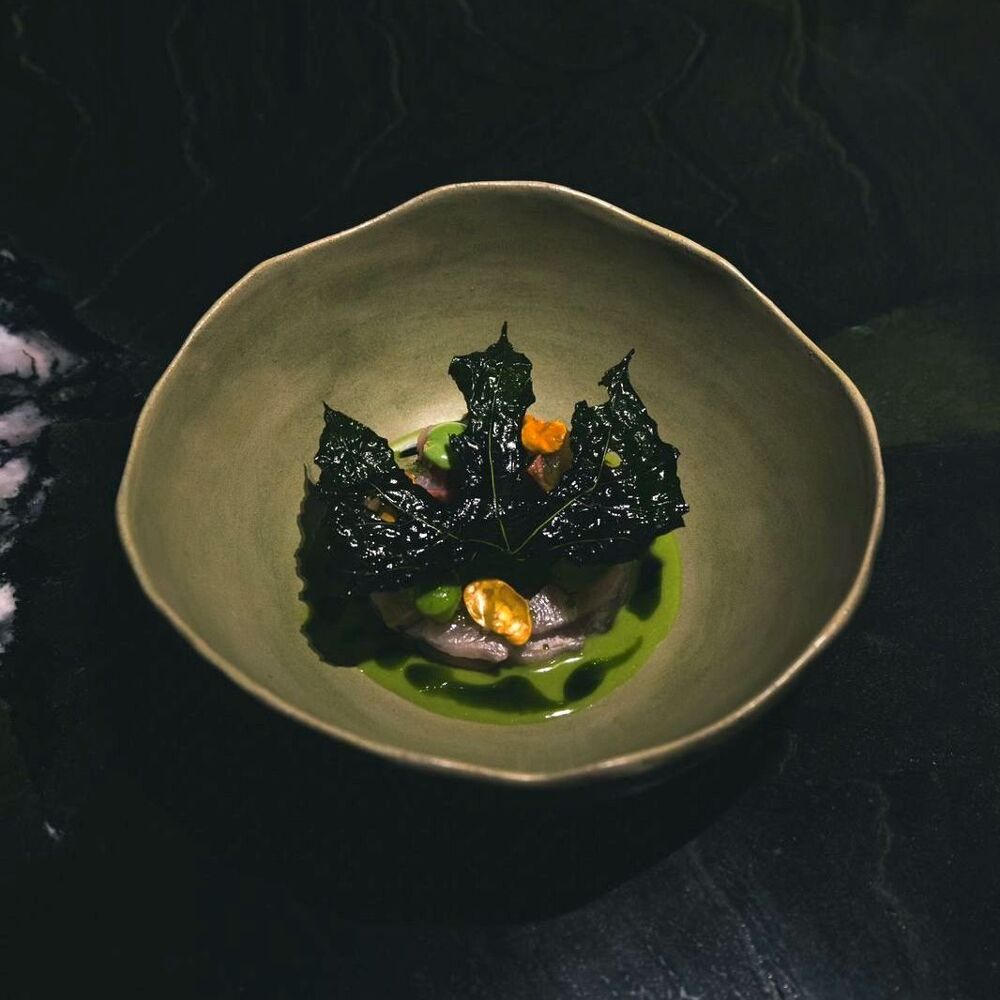
- 1992
Bib Gourmand • Thai. There is a distinct tropical vibe at Chef "Ana" Somsri Raksamran's restaurant, set in a courtyard lined by towering bamboo and decorated with woven reed ceiling pendants and dangling vines.The menu features impressively prepared Thai cuisine with specialties from the country's northeast, central plains and the south. Peak freshness is guaranteed, as the team tends to their herbs and harvests to-order. Gaeng kiew wan is a luscious green curry with a bright hue, noticeable fresh chili spice, and a nice herbaceous quality; stocked with tender beef brisket, organic eggplant, sweet baby corn and chopped green beans, it's a delight best enjoyed with some freshly made roti canai. Save room for the khao niew ma muang, or perfectly ripe mango with sticky rice and coconut ice cream.
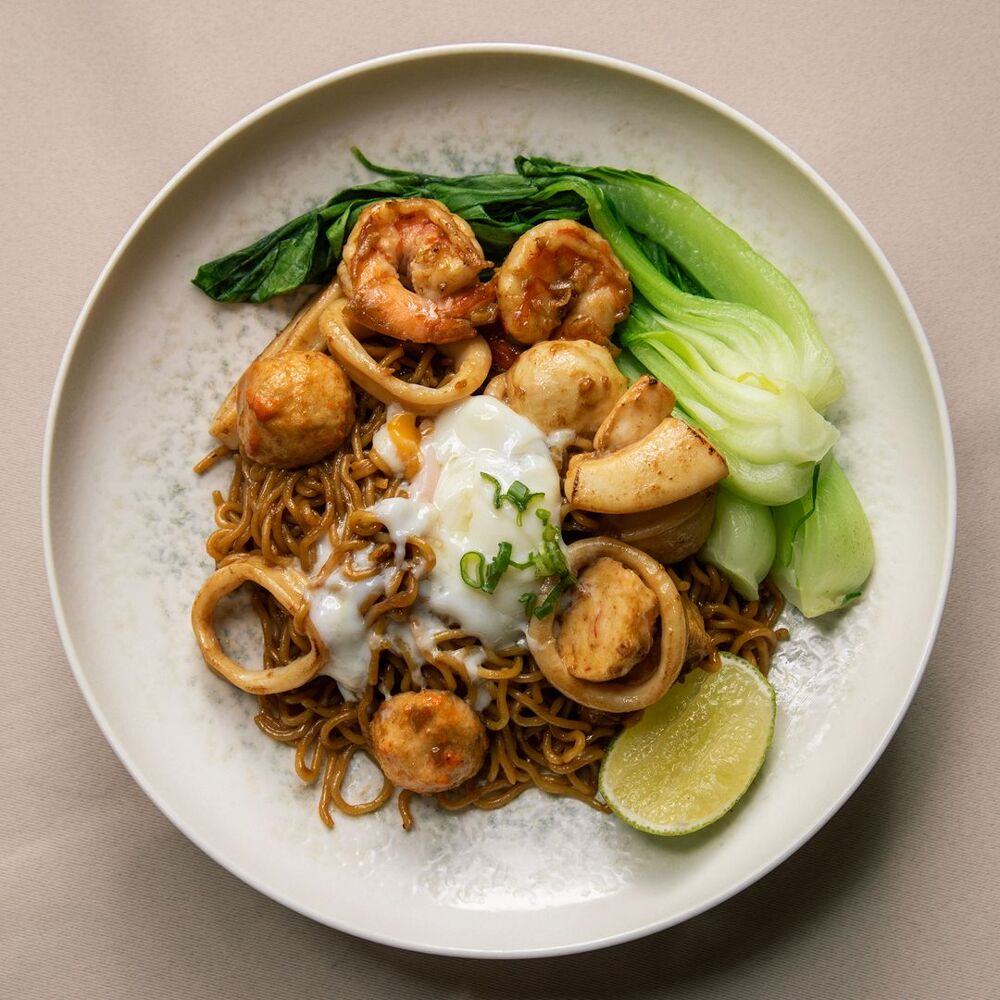
- 1993
Bib Gourmand • Italian, Contemporary. This corner charmer boasts a terrace out front, while inside, the use of wood keeps things firmly planted between the old and new worlds. There is an amiable, casual vibe to Galea, and with prices that don't break the bank, it's a favorite among locals. The focused Italian menu is concise but manages to present a varied selection all the same. Be sure to check the dishes of the day (and note the crudo specials, too) and always order a pasta. In fact, all of the pasta dishes can be made as half portions if you're tempted to try more than one. Focaccia made in-house starts things off, then a plate of gnochetti with ragu de mariscos feeds the soul. Fish of the day in a creamy beurre blanc is a hit, but save room for the panna cotta, given a bit of a Mexican slant here.
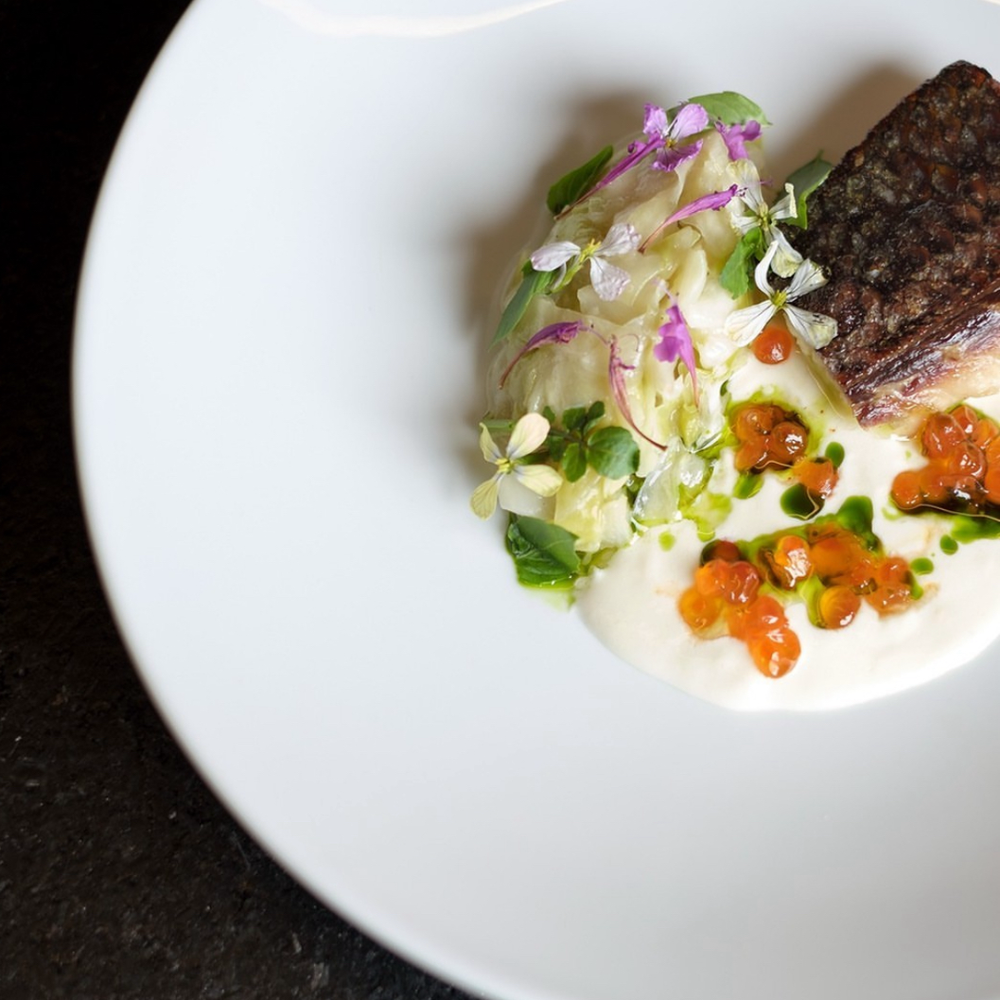
- 1994
Bib Gourmand • Seafood, Mexican. The Hussong family is well known in the Ensenada area for their long-running Sano's steakhouse. Located just next door, this sleek box of a dining room bears its own distinct profile. A white tiled open kitchen and bar area are fronted by tables and concrete flooring. The bar menu is displayed on a wall-mounted letterboard and offers local beers and cocktails like the mezcal sour.The menu is concise, focused on seafood, and is impressively prepared. Sashimi, tiradito and oysters are nice precursors to fresh pasta with shrimp, pizza with octopus or the very clever and highly popular tuna al pastor taco with its intriguingly crumbly spice-rubbed fish, pickled onion slivers and avocado puree.
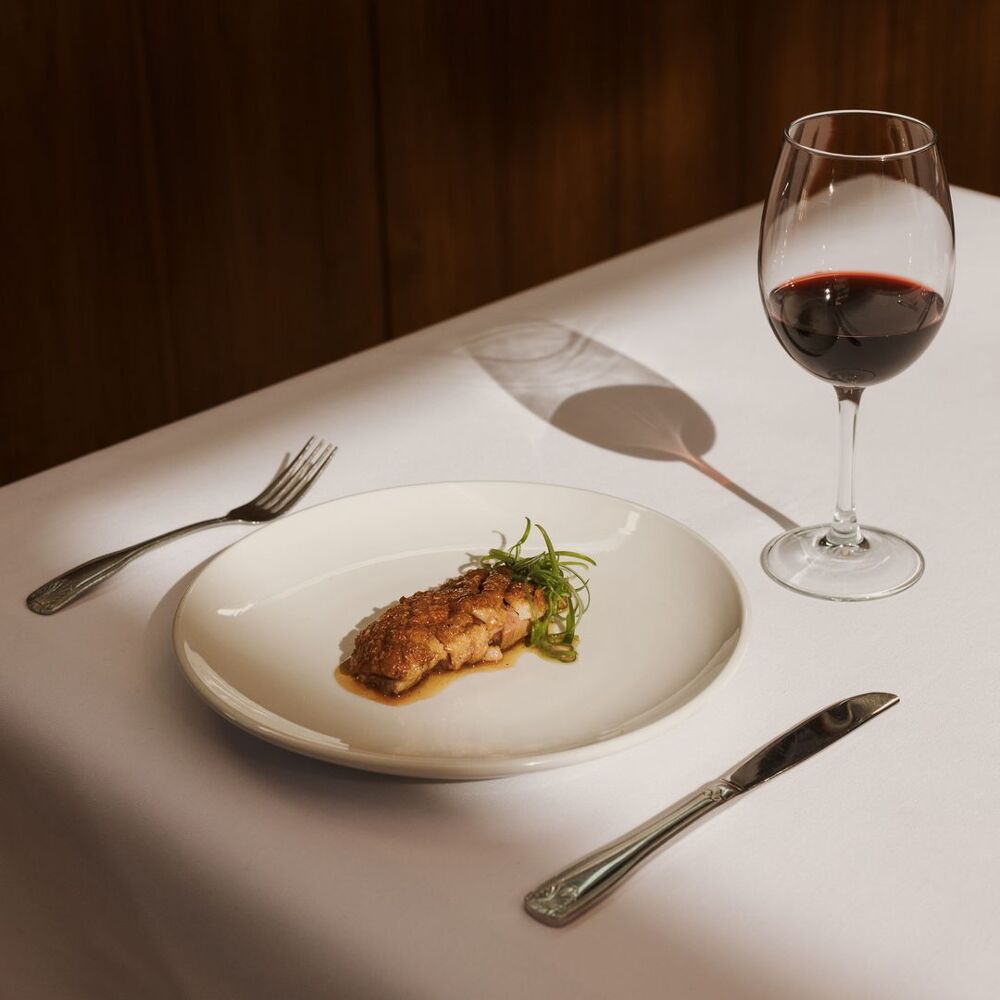
- 1995
Bib Gourmand • Korean. This stylish Korean restaurant cooks with confidence and clarity. Seafoam-green banquettes and ash-blonde wood finishes set the stage for a tight menu that leads with vibrant banchan like kimchi and smashed cucumbers. Large groups will find joy in a prime-rib barbecue feast that covers every inch of the table with more dishes and bites. Or one could take a break from meat and opt for the gimbap rice. Served warm and flecked with seaweed, it comes decorated with a colorful array of daikon, perilla, spinach, mushrooms, and pinwheel egg omelettes. Such attention to detail in each component is in line with this team’s careful approach. Dessert is equally impressive. Banana cake with banana cream and coffee ice cream tastes as good as it looks.
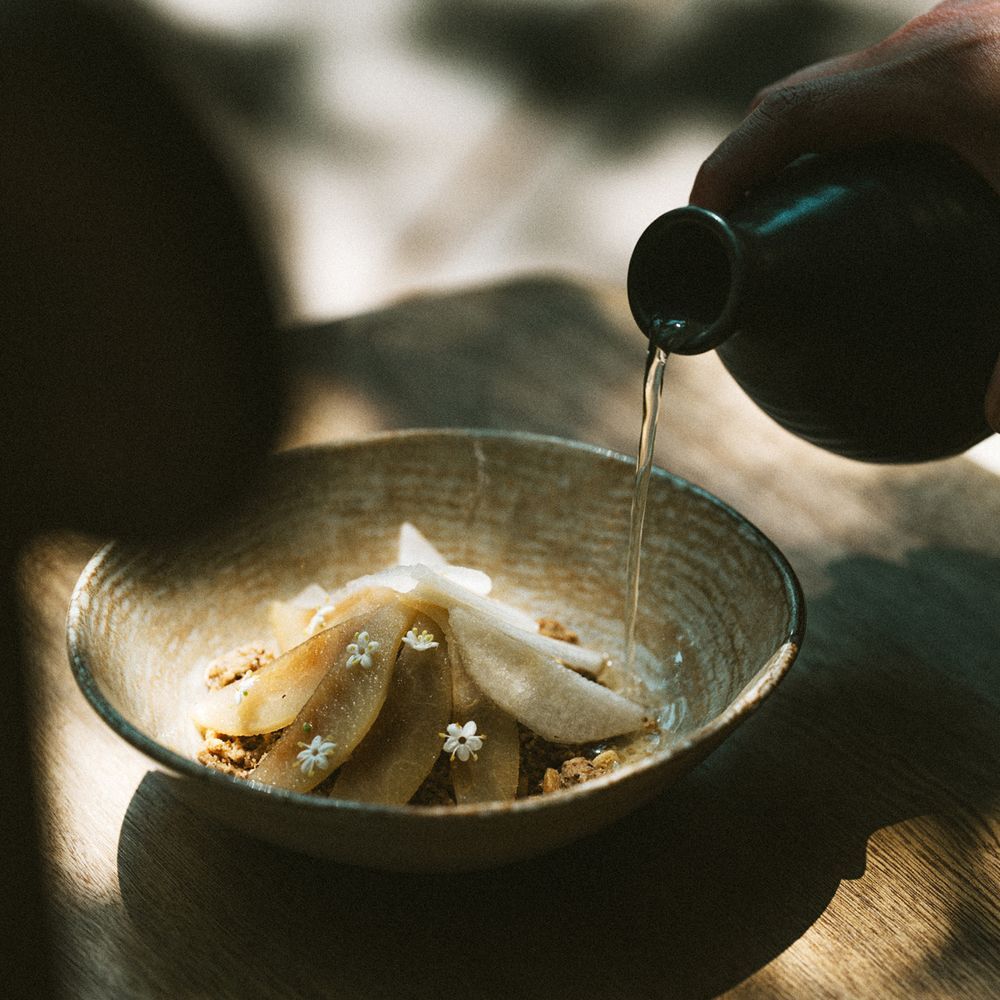
- 1996
Bib Gourmand • Mexican. In beautiful Roma Norte, head to this brightly lit nook for an excellent selection of carne asada tacos, birria, and tortas. Nothing is rushed or done without care, as the kitchen takes its time grilling everything to order. Quesabirria is a winner with and without the delicate consommé. Carne asada features excellent sear and seasoning. Also not to be missed are the fantastic tortas, built on excellent bread and layered with precision. The sparse dining room is a simple affair of plastic stools and metal tables.
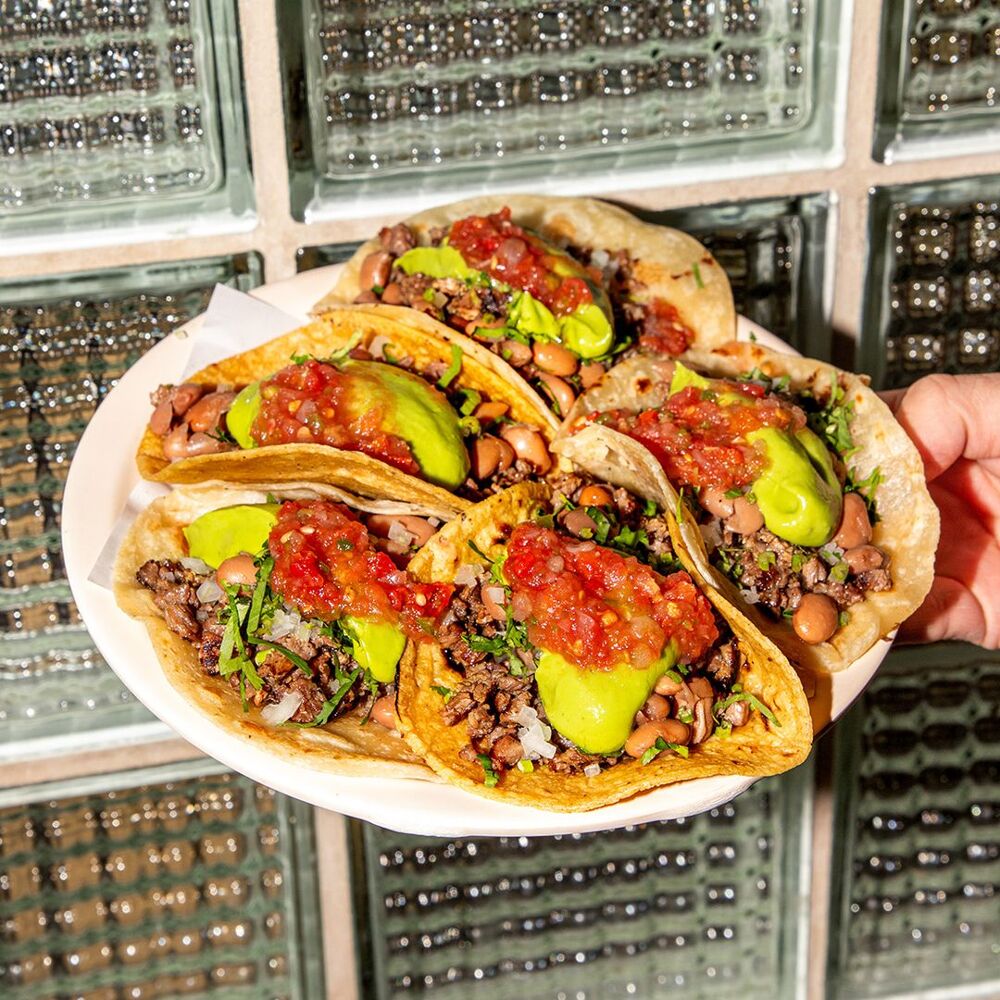
- 1997
Bib Gourmand • Mexican. From chef/owner Blanca Esthela Martínez Bueno, what began with humble roots in 2008 making burritos for local vineyard workers has evolved into one of the most famous restaurants in the Valle de Guadalupe. It's loaded with charm, from the heavy wood tables to the boisterous crowd of visitors and locals. Breakfast is served all day, and while a no-reservations policy means a wait, it's worth it to sample dialed-in cooking with hearty portions. Get the café de olla and dig into the menu where you'll find huevos of all kinds alongside chilaquiles and gorditas rellenas. House specialties include fluffy elote pancakes and a Sinaloan-style, dried shredded beef with egg, sliced peppers, and onions with stewed beans that beg to be sopped up with housemade tortillas.
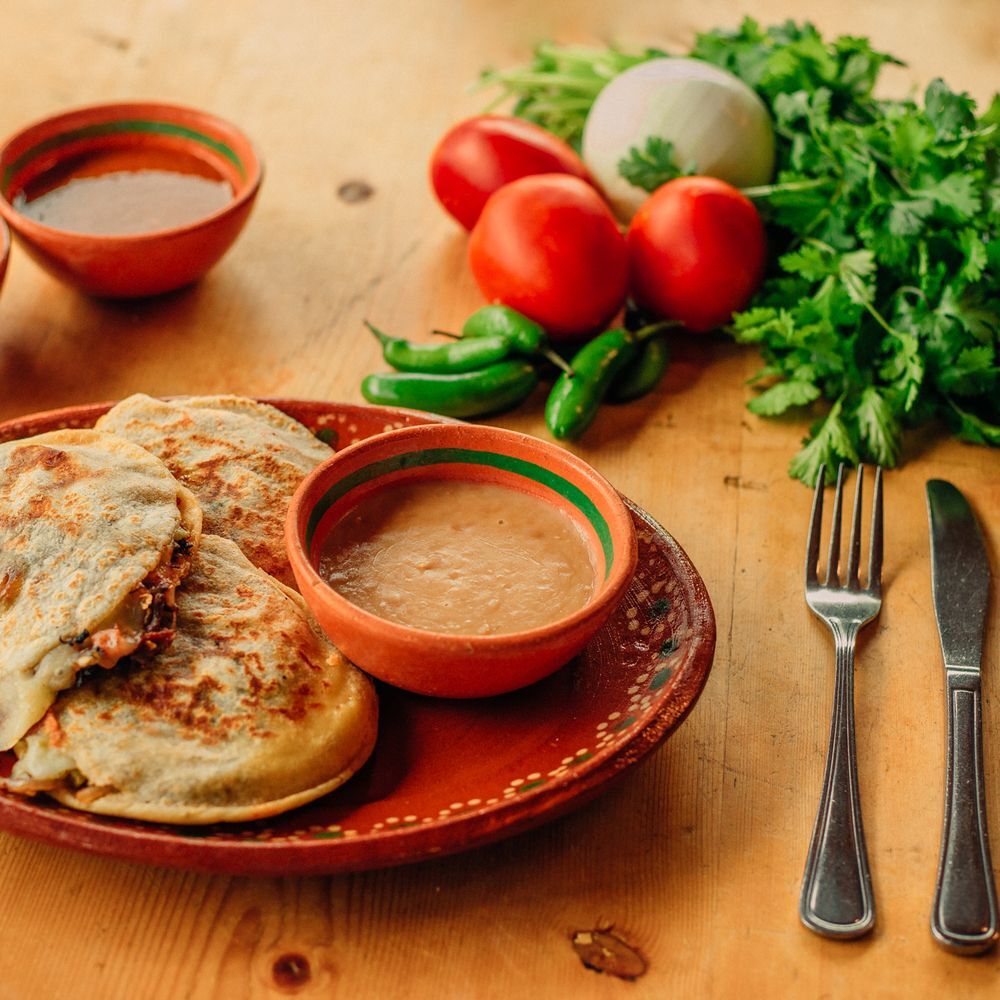
- 1998
Bib Gourmand • Mexican, Seafood. La Concheria is located at Plaza Santo Tomás, once a winery in the center of Ensenada and dating back to 1911. The reclaimed and renovated district features warehouses now housing retail and restaurants, like this worthwhile spot. The restaurant is a slender space with brick flooring, teal walls, and a metal roof. In addition to a few tables there is a counter offering a handful of seats facing the bar and kitchen at the end.The menu is focused and offers items such as oysters, ceviche, and aguachile; as well as warming entrees like the fideo seco en salsa poblano. The baked pasta is prepared and served in a cast-iron skillet and is a delight, enriched with green chili-spiced cream, and topped with clams and mussels.
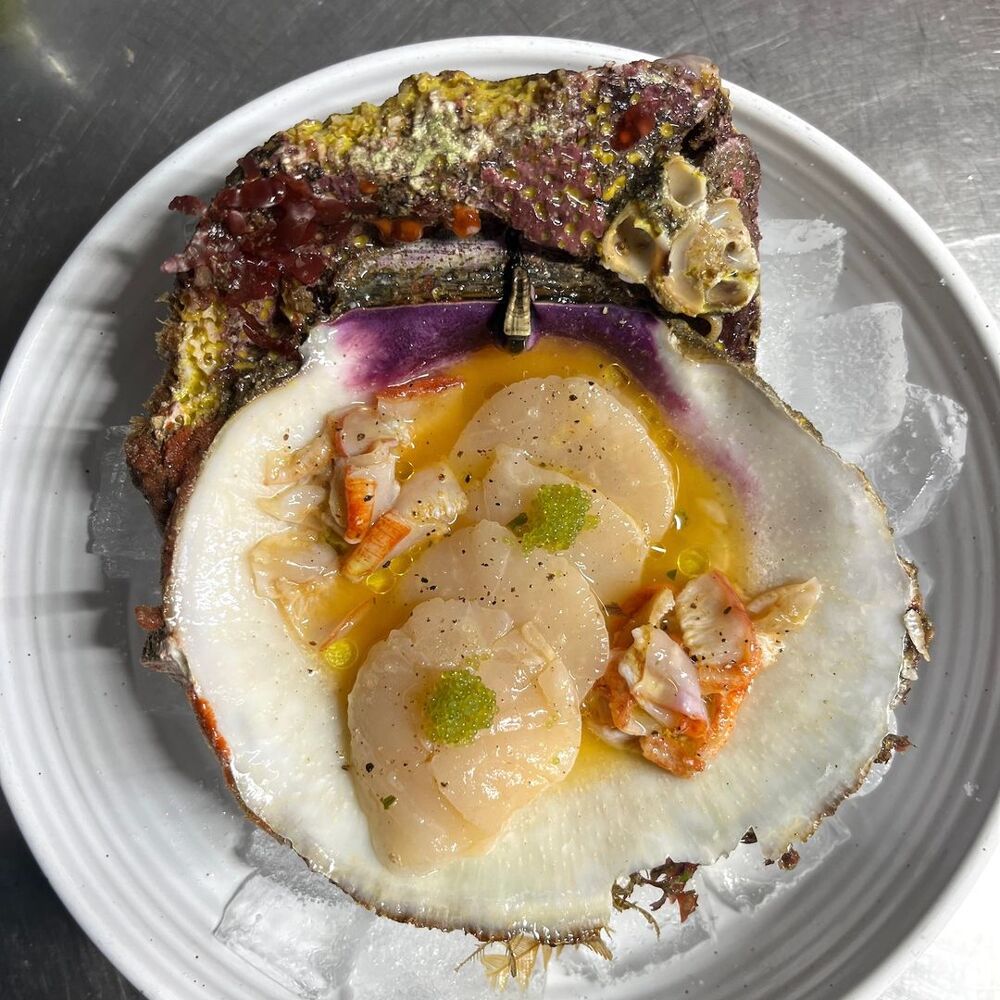
- 1999
Bib Gourmand • Mexican. For a restaurant with decades of history behind it, La Olla looks rather ordinary and would be easy to pass by on the street without a second thought. Alas, Chef Pilar Cabrera is a name to know. A champion of traditional Oaxacan dishes and an ambassador for the region, she has run this restaurant and her own cooking school, Casa de Los Sabores, for over 20 years. A comal by the front door is your signal to start with the maiz sampler featuring squash blossom quesadillas and crispy plantain tacos smeared in a finely spiced coloradito. No meal is complete without the mole negro, which is wonderful by itself but stunning with the clever addition of plantain and sweet potato purees. The menu also features a generous number of vegetarian dishes.
- 2000
Bib Gourmand • Asian. You won’t find another restaurant in Oaxaca quite like this one. Chef-owner Joseph Gilbert and his team are obsessed with fermentation and go to great lengths to make their own kimchi, shoyu, miso and more. Asian flavors course through the menu in the form of plucky pork wontons glossed in chili oil, Chinese barbecue pork buns and soothing dashi. One can’t-miss item is the fried chicken that’s marinated in shoyu, garlic and ginger and comes with a clever lemon aioli made with sardine stock. This is the kind of food best for sharing in a space that’s sunny, breezy and high-energy thanks to an open-roof and an edgy playlist.A shop in the front sells many of their sauces already bottled, as well as specialty teas and ceramics made by local artisans.