
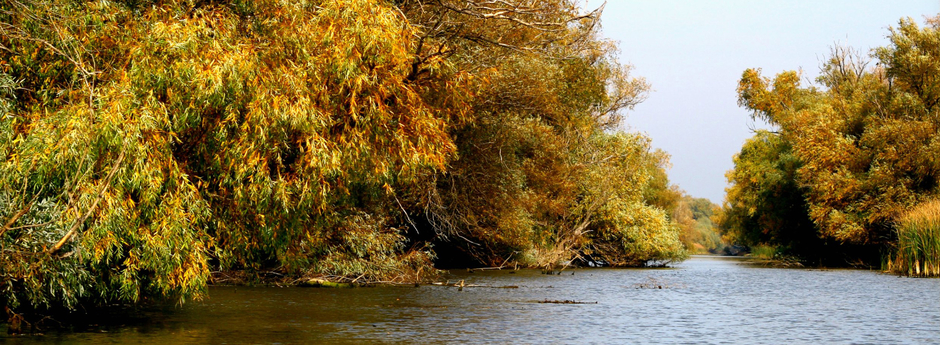
Danube Delta Biosphere Reserve
1998
UNESCO Biosphere Reserve, inscribed 1998, in Romania. The Danube Delta Biosphere Reserve is a labyrinth of water and land shared between Romania and Ukraine. It is made up of countless lakes, channels and islands at the end of a 2,860 km long river. The Danube Delta is the largest European wetland and reed bed, and constitutes Europe’s largest water purification system. The area is particularly well known for its abundance of birdlife, with 312 important bird species, many of which use the delta as an important stopover and breeding area. About 90 fish species are present, including populations of sturgeon (Acipenser). The delta is also one of the last refuges of the European mink (Mustela lutreola), the wildcat (Felis silvestris), the freshwater otter (Lutra lutra) and the globally threatened monk seal (Monachus monachus). The Danube Delta is home to a rich mix of Bulgarian, Gagauz, Lipovan, Moldovan, Russian, Turkish and Ukrainian people, scattered around the delta in small villages. The main economic activities in the biosphere reserve are fishing, hunting, reed harvesting, livestock raising and subsistence agriculture, as well as tourism.