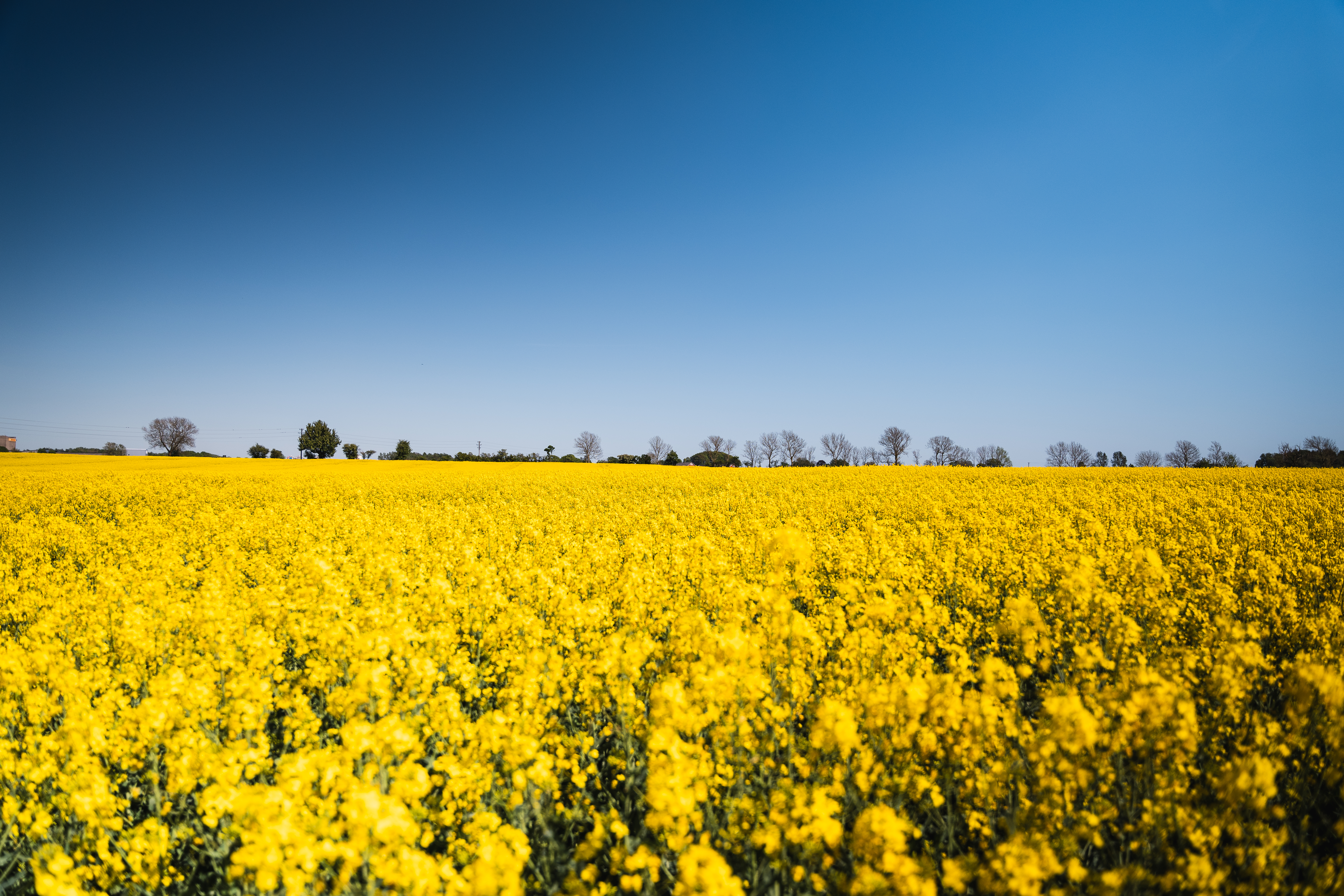
UNESCO Biosphere Reserves — Europe & North America

- 1
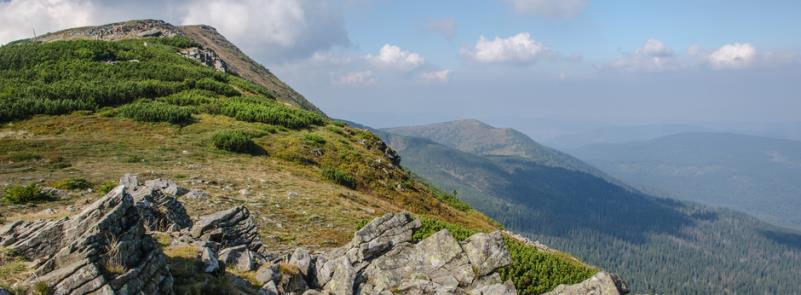
UNESCO Biosphere Reserve, inscribed 1976, in Poland. The Babia Gora Biosphere Reserve is the second-highest mountain massif in Poland and is situated in the Beskid Mountains. Its highest peak reaches 1,725 m above sea level and forms a watershed between the Baltic Sea and the Black Sea basins.
- 2
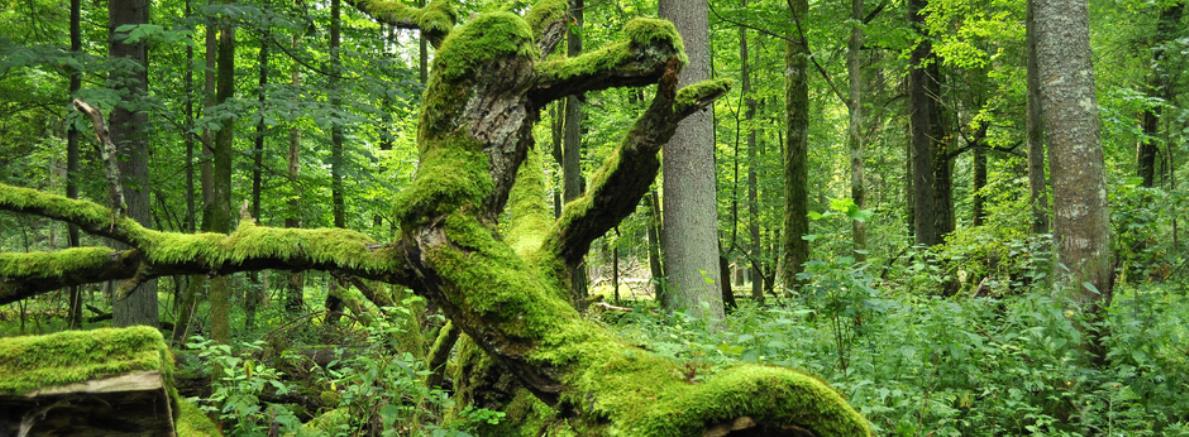
UNESCO Biosphere Reserve, inscribed 1976, in Poland. Most of the biosphere reserve is covered by oak–lime–hornbeam forest, Tilio-Carpinetum, a high-value forest habitat for nature protection in the temperate zone. The majority of forest habitats protected by law on both sides of the border exhibit a primeval character, which gives the biosphere reserve exceptional value. Moreover, a great deal of dead wood present in each habitat type provides a very specific and unique microhabitat for numerous species, most of them endangered, threatened or rare. Despite relatively good knowledge of Europe’s biological diversity, new species of fungi or invertebrate fauna are discovered in the Białowieża Forest almost every year.
- 3
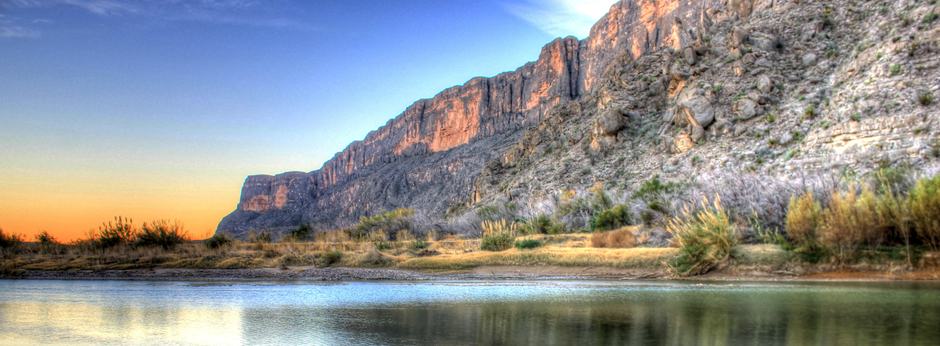
UNESCO Biosphere Reserve, inscribed 1976, in United States of America. Big Bend Biosphere Reserve lies in the eponymous big bend of the Rio Grande in western Texas, United States of America. It is one of three biosphere reserves in the Chihuahuan Desert, alongside Jornada (United States) and Mapimí (Mexico). The landscape is marked by the Chisos Mountains rising above the desert and three deep canyons carved by the Rio Grande. The biosphere reserve’s objectives focus on deepening ties with surrounding communities to advance the site’s core functions. Through outreach, distance-learning and on-site collaboration, the reserve works to bridge geographic isolation and become a familiar local partner. Education and communication programmes support co-designed conservation, sustainable livelihoods and shared research and monitoring.
- 4
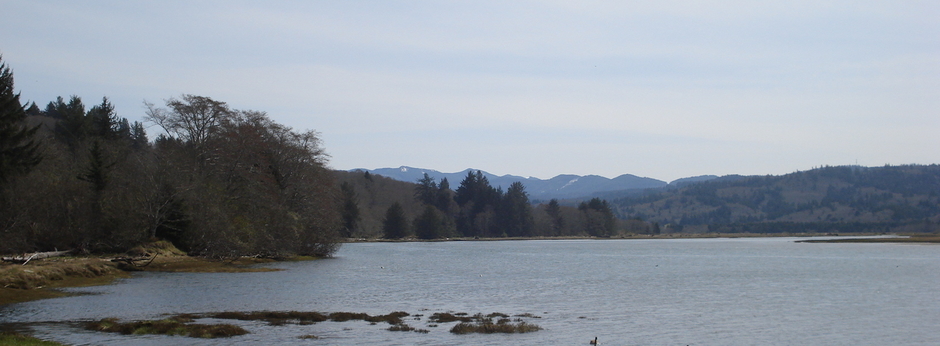
UNESCO Biosphere Reserve, inscribed 1976, in United States of America. The Cascade Head Biosphere Reserve and Experimental Forest is situated 136 km south-west of Portland on the Pacific Coast. The Experimental Forest was established in 1934 for scientific studies of typical coastal Sitka spruce (Picea sitchensis) and western hemlock (Tsuga heterophylla) forests found along the Oregon Coast. Since then, the forest stands have been used for long-term studies, experimentation and ecosystem research.
- 5
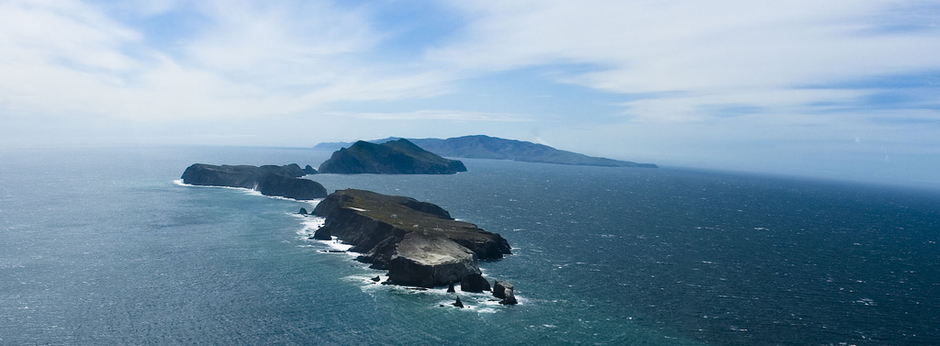
UNESCO Biosphere Reserve, inscribed 1976, in United States of America. Situated west of Los Angeles, the Channel Islands Biosphere Reserve represents one of the last examples of natural Mediterranean ecosystems in North America and some of the few remaining natural southern California coastal ecosystems. Characteristic features are coastal sage scrub communities on the islands and exceptionally pristine tide pools on the marine terraces surrounding them.
- 6
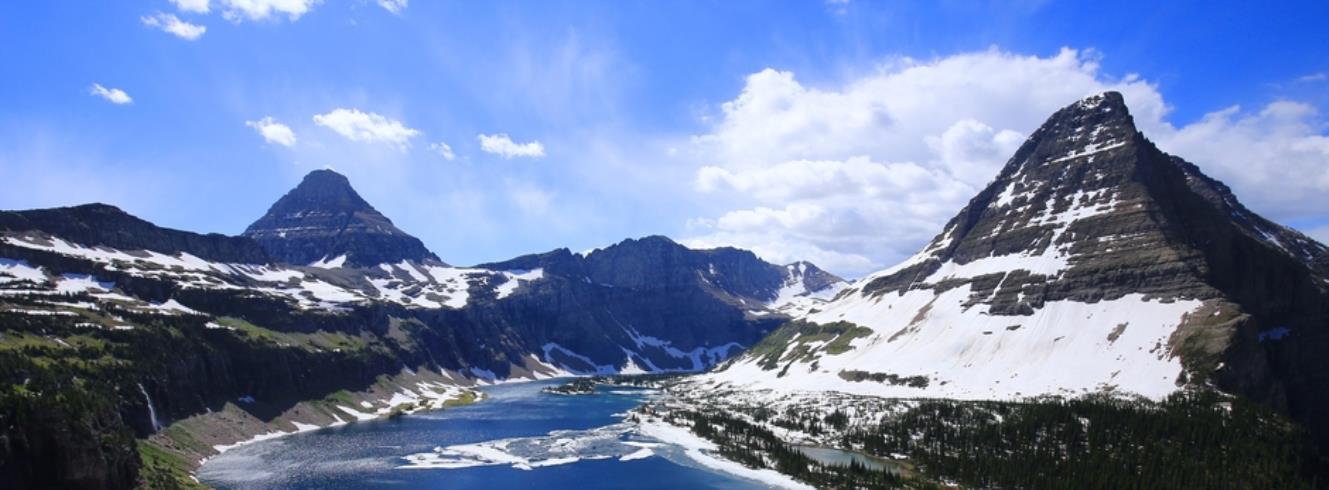
UNESCO Biosphere Reserve, inscribed 1976, in United States of America. Crown of the Continent Biosphere Reserve and National Park, formerly known as Glacier until its renaming in 2017, is situated in north-western Montana in the northern Rocky Mountains, adjacent to the Canadian Waterton Biosphere Reserve. In 1932, Glacier and Waterton Lakes National Park were designated as Waterton–Glacier International Peace Park to celebrate the longstanding peace between the two nations. Glacier and Waterton have both been designated as biosphere reserves and as a single World Heritage Site.
- 7
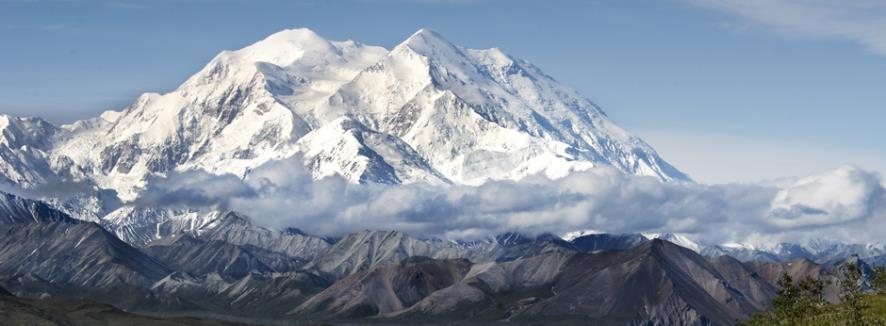
UNESCO Biosphere Reserve, inscribed 1976, in United States of America. Denali Biosphere Reserve and National Park is situated in south-central Alaska, centred on the Alaska Range, which separates the coastal lowland from the interior. Denali includes Mount McKinley, the highest peak in North America, which towers 4,800 metres above the surrounding landscape, as well as the Denali fault system, the largest crustal break in North America.
- 8
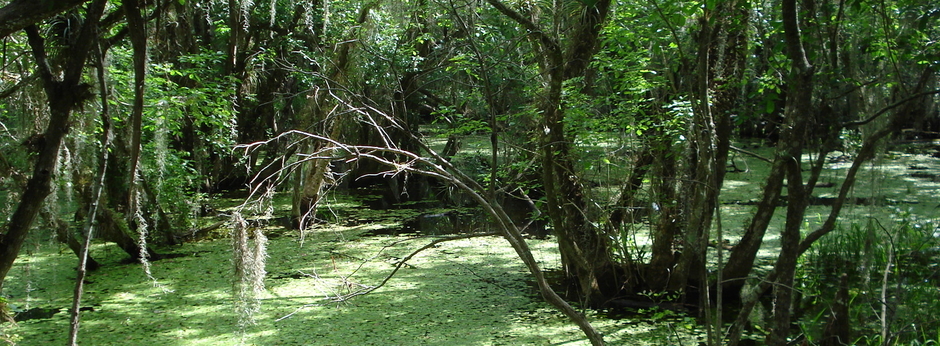
UNESCO Biosphere Reserve, inscribed 1976, in United States of America. The Everglades National Park is a shallow basin tilted to the south-west and underlain by extensive Pleistocene limestones. The reserve includes Fort Jefferson National Monument, which consists of a group of seven coral reefs called the Dry Tortugas National Park. Three major banks, Pulaski, Loggerhead and Long Key, form a pseudo-atoll with a mud-bank type formation.
- 9
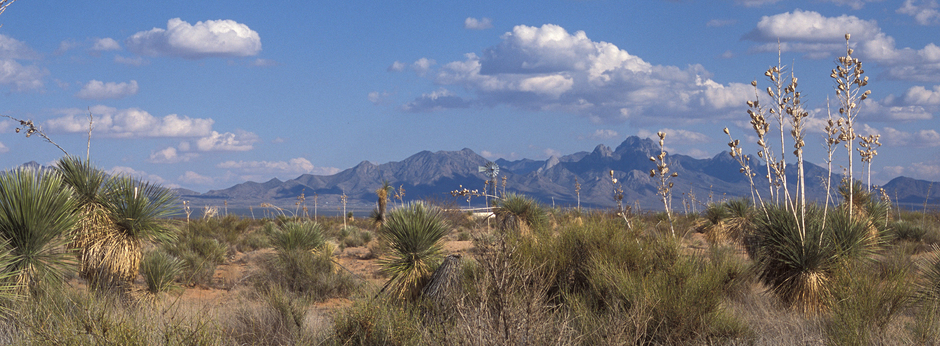
UNESCO Biosphere Reserve, inscribed 1976, in United States of America. The Jornada has served as a field research laboratory since its establishment in 1912. The varied scientific activities on the range throughout this century have led to important discoveries about desert ecosystems. These findings have underpinned principles of land management with application around the globe. This region is probably the most extensively studied desert on earth.
- 10
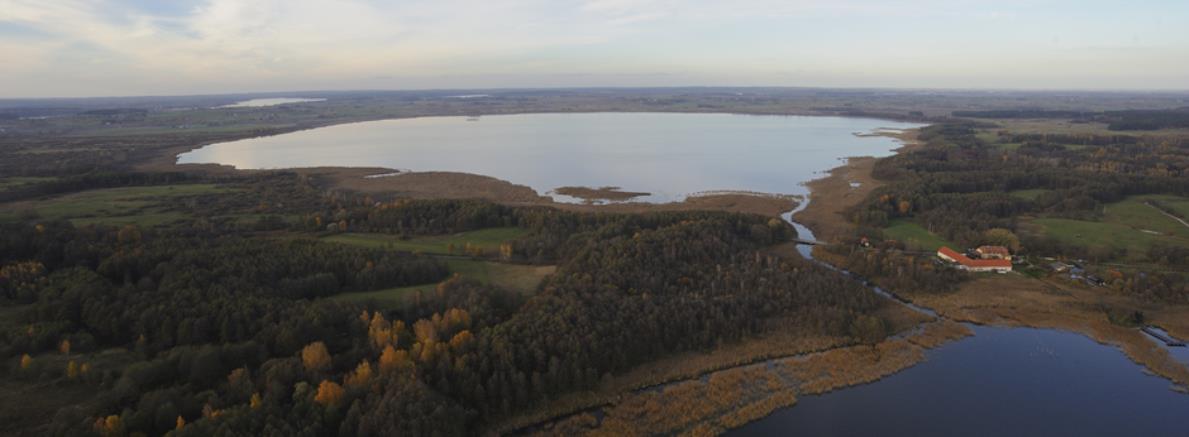
UNESCO Biosphere Reserve, inscribed 1976, in Poland. The Masurian Lakes Biosphere Reserve is distinguished by extraordinary environmental and landscape values. It is dominated by forest and aquatic ecosystems. The picturesque landscape, which stands out among other parts of Poland, developed several tens of millennia ago as a result of the activity of the Scandinavian ice sheet. As it advanced and retreated, it formed the forested undulating hills and extensive plains seen today. Wetlands, rivers and lakes developed in depressions. In addition to large lakes surrounded by forests, the area features several tens of smaller lakes. Many of them are dystrophic lakes with accompanying peatland vegetation.
- 11
UNESCO Biosphere Reserve, inscribed 1976, in United Kingdom of Great Britain and Northern Ireland. North Devon Biosphere Reserve, in South West England, is centred on Braunton Burrows, the country’s largest sand-dune system. It follows the linked catchments of the Taw and Torridge to the sea, and includes Lundy Island, a national biodiversity hotspot. The reserve’s objectives are to conserve and restore connected land–river–sea systems while supporting a fair, low-carbon local economy. Priorities include raising public awareness, building skills and research capacity, and promoting sustainable practices across local industries.
- 12
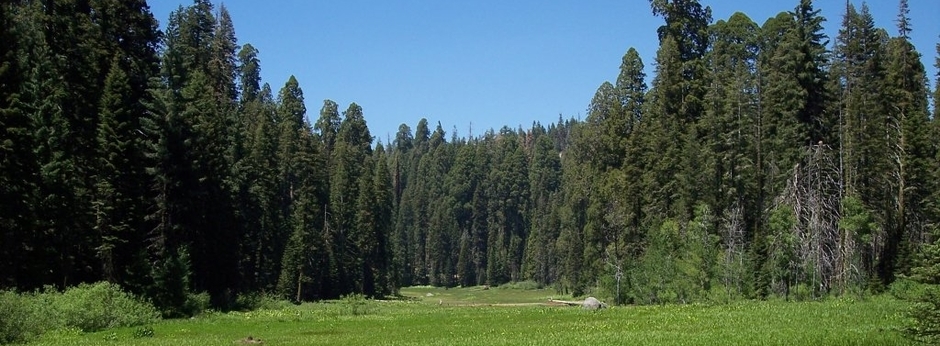
UNESCO Biosphere Reserve, inscribed 1976, in United States of America. Set in the southern Sierra Nevada of California between the San Joaquin and the Owens valleys, the Sequoia-Kings Canyon Biosphere Reserve covers dramatic mountain terrain cut by the Kern, Kaweah and Kings rivers. The reserve is significant for intact, connected habitats and range-edge biodiversity within the southern Sierra Nevada ecoregion. Its objectives focus on safeguarding naturally-functioning mountain ecosystems, supporting long-term research and monitoring, and providing education and nature-based recreation that benefit neighbouring communities.
- 13
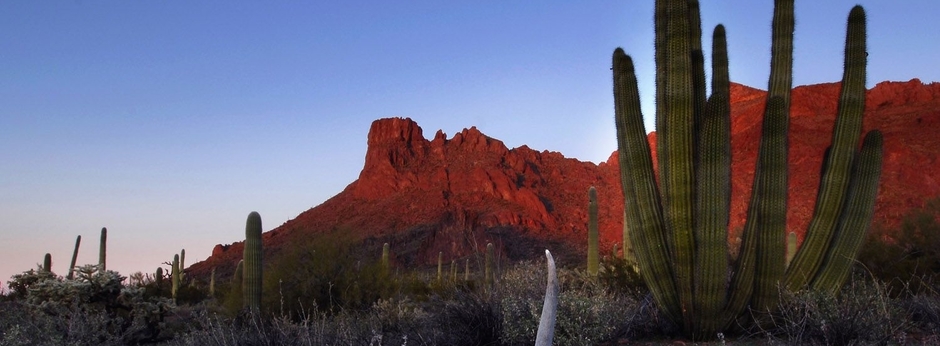
UNESCO Biosphere Reserve, inscribed 1976, in United States of America. This biosphere reserve is situated in the Sonoran Desert in south-western Arizona, on the border with Mexico. Wide alluvial basins separated by steep mountain ranges characterise the area’s topography.
- 14
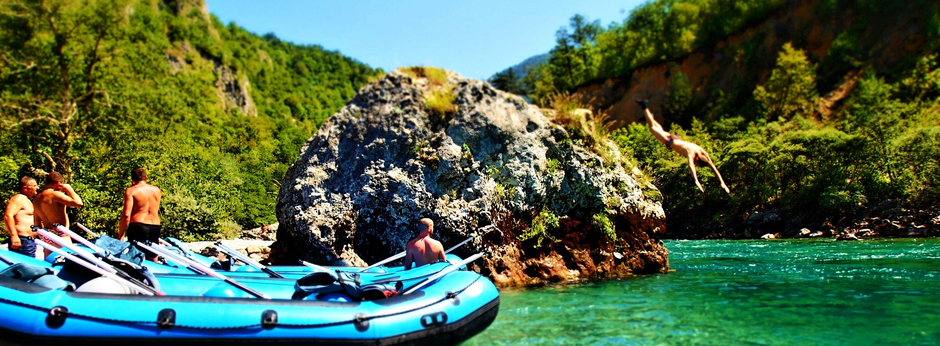
UNESCO Biosphere Reserve, inscribed 1976, in Montenegro. Set in the south-eastern Dinaric Alps, the Tara River Basin is a high-mountain landscape of plateaux, glacial lakes and some of Europe’s deepest river gorges. The Tara Canyon extends for about 80 kilometres and reaches 1,300 metres at its deepest point, carving through limestone to create a dramatic river–canyon system of outstanding natural beauty. Its canyons, karst springs and linked lake–river networks support varied habitats and species. The site focuses on protecting the integrity of the river and canyon, maintaining water quality, and conserving the alpine and subalpine ecosystems that define the basin. Long-running research on rivers, mountain lakes and fauna underpins conservation and guides sustainable use across the landscape.
- 15
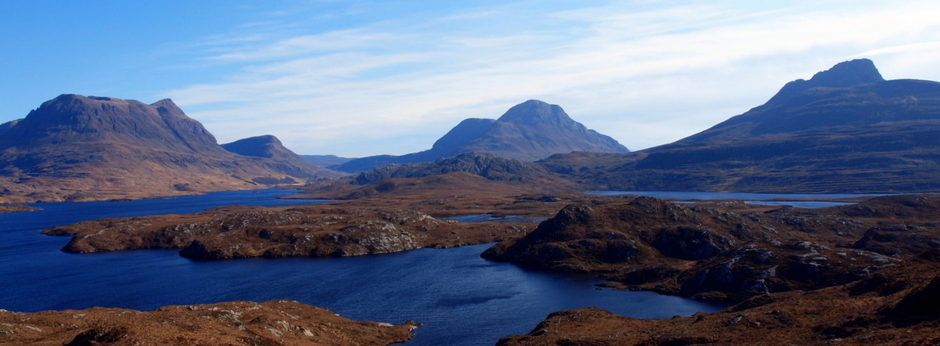
UNESCO Biosphere Reserve, inscribed 1976, in United Kingdom of Great Britain and Northern Ireland. Formerly known as Beinn Eighe, Wester Ross Biosphere Reserve is situated in the north-west of Scotland. It displays a suite of habitats primarily influenced by upland and oceanic factors. Most of Wester Ross is covered by open heathland, bare rock, scree and wet grassland, with scattered bogs and peatlands. Of national interest are two variants of dwarf shrub heath and a western variant of moss heath. Woodland, found below 300 m close to Loch Maree and in various isolated gorges, includes the best remaining examples of western pinewood in Britain, and also contains birch, holly, ivy, rowan, oak and juniper.
- 16
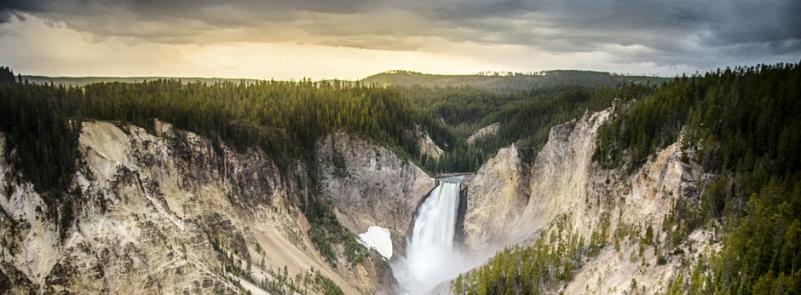
UNESCO Biosphere Reserve, inscribed 1976, in United States of America. The Yellowstone–Grand Teton Biosphere Reserve area anchors a broader geography known as the Greater Yellowstone Ecosystem. The biosphere, at 1,067,380 ha, is the heart of a mosaic of public and private lands that encompasses ecologically valuable protected areas and vibrant western communities. Its diversity and natural wealth include hydrothermal features, wildlife, vegetation and lakes, as well as geological wonders such as the Grand Canyon of the Yellowstone River and the Grand Teton, and culturally significant landmarks such as the Miller Ranch.
- 17
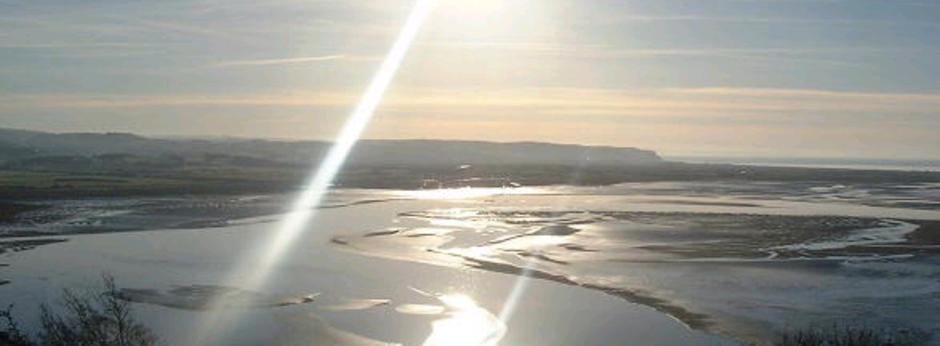
UNESCO Biosphere Reserve, inscribed 1977, in United Kingdom of Great Britain and Northern Ireland. Situated on the south-central Welsh coast in the estuary of the Dyfi River, this biosphere reserve represents saltmarshes and estuarine systems in the west of the United Kingdom. The estuary is one of the most important wildfowl and shorebird centres in Wales, and it also comprises a Ramsar site. Cors Fochno has a large expanse of primary raised mire and contains many invertebrate species, including some of national and international importance. Upstream along the Dyfi Valley are remnants of native oak woodland.
- 18
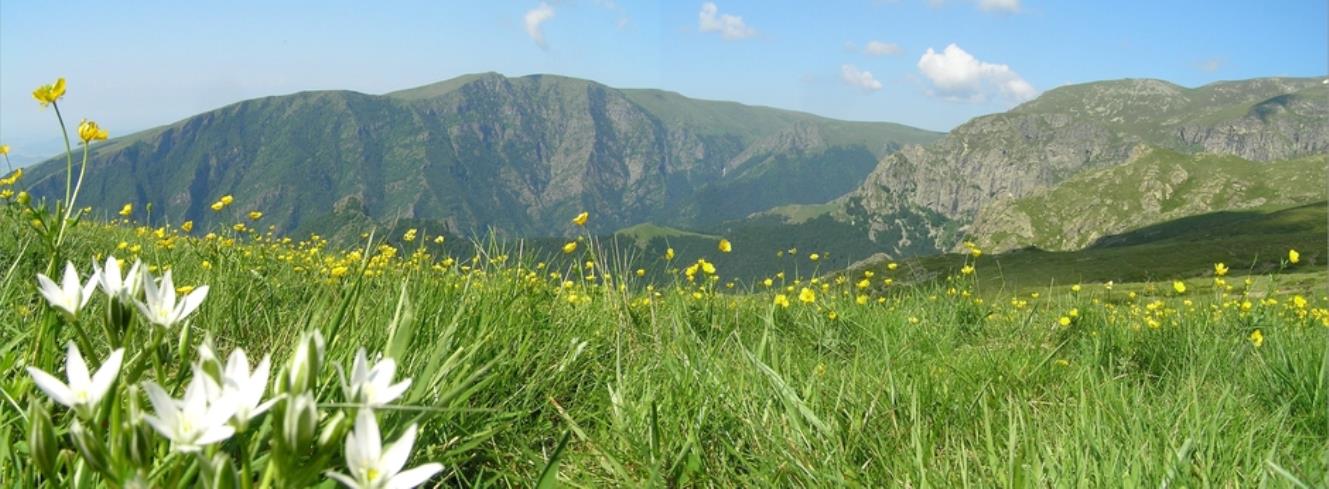
UNESCO Biosphere Reserve, inscribed 1977, in Bulgaria. The Central Balkan Biosphere Reserve lies in central Bulgaria, extending along the Balkan Mountain Range. This range is the principal mountain system of both the Balkan Peninsula and Bulgaria, and forms an extension of the Alpine–Carpathian folds. Four major Bulgarian rivers have their sources within the reserve: the Tundzha, Vit, Osam and Stryama.
- 19
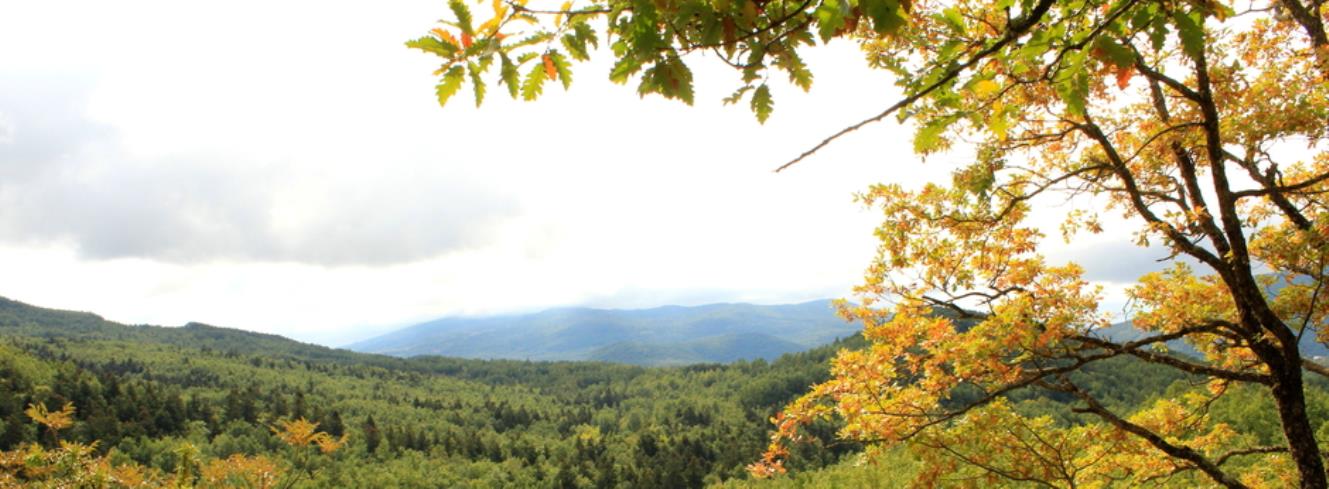
UNESCO Biosphere Reserve, inscribed 1977, in Italy. The Collemeluccio–Montedimezzo Biosphere Reserve is located in Isernia province in Molise, central Italy. It encompasses two forests that cover 637 ha in a sub-mountain area. Penna Mountain, at 1,277 metres above sea level, and Colle San Biagio border the area to the east and west. Of the two forests, Collemeluccio has smoother and lower reliefs, at 1,080 metres above sea level. The main habitats include silver fir forests, mixed forest of silver fir and turkey oak, turkey oak forest with coppices of hornbeam, ash, field maple and stone, and beech forests. Silvicultural intervention has been undertaken to replenish turkey oak stands. Small villages are spread across the biosphere reserve, with many people commuting to the town of Molise. The main economic activities are agriculture, breeding and traditional handicrafts. The area is also subject to tourism.
- 20
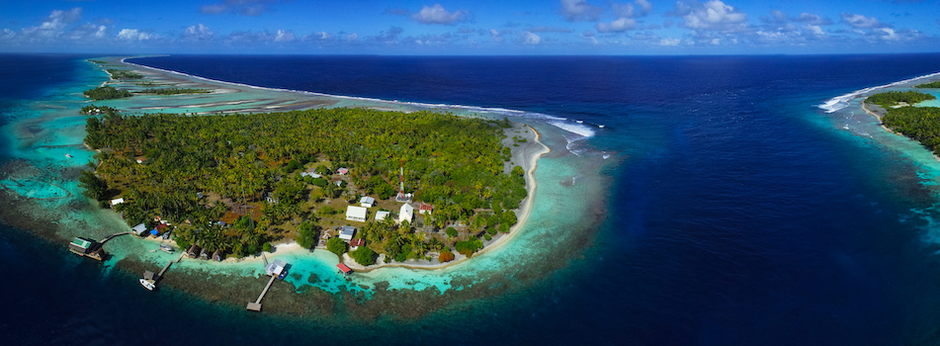
UNESCO Biosphere Reserve, inscribed 1977, in France. Situated in the Tuamotu Archipelago, about 360 km north-east of Tahiti, this biosphere reserve comprises seven low-lying coral islands and atolls: Aratika, Fakarava, Kauehi, Niau, Raraka, Taiaro and Toau. They differ markedly in size, shape, population, activities, and whether their lagoons are open or closed to the ocean. This diversity makes the Commune de Fakarava Biosphere Reserve unique. Closed systems include Taiaro, with a hypersaline lagoon, and Niau, with a brackish lagoon. Open systems include Fakarava, which has the largest pass in French Polynesia at 1,600 metres wide.
- 21
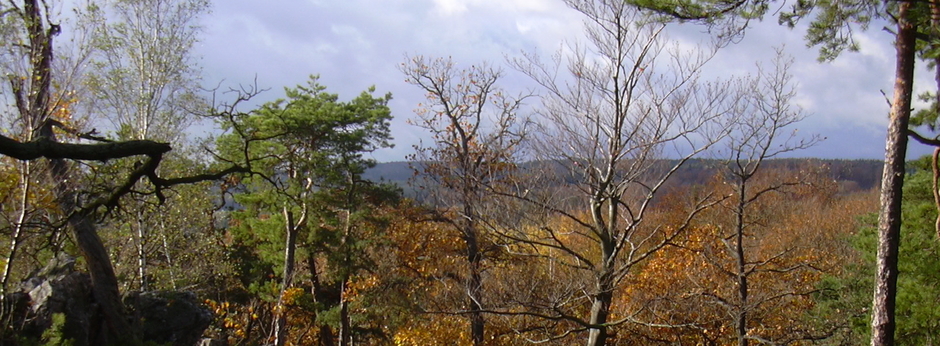
UNESCO Biosphere Reserve, inscribed 1977, in Czechia. This biosphere reserve lies in the western part of the Middle Bohemian range, about 16 km west of Prague. It comprises a wide variety of broad-leaved and mixed coniferous forest ecosystems, grasslands, pastures, valley meadows and agricultural land. The core area is used for hunting. In the buffer and transition zones, activities include logging, timber processing, charcoal production, manufacturing and light industry, stone extraction and tourism.
- 22
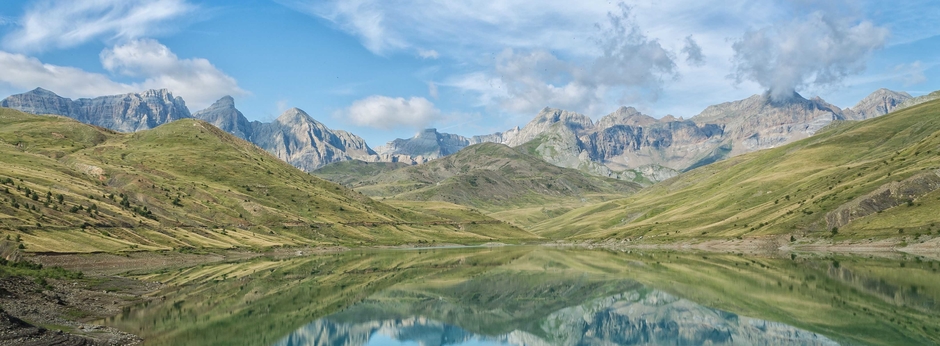
UNESCO Biosphere Reserve, inscribed 1977, in Spain. This biosphere reserve comprises the Ordesa y Monte Perdido National Park, with an 18 per cent nucleus zone, and the Viñamala Hunting Reserve. It includes the Ordesa Valley, a canyon with vertical walls formed by successive Quaternary glaciations, and the valley of the Arazas River, which joins the Ara River and has many waterfalls. Located in the central Pyrenees, it is one of the best examples of mountain ecosystems shaped by erosion and glacial formations. It is home to unique species of flora and fauna of regional and international importance, many with some degree of threat, whose conservation is essential for maintaining biological diversity, especially in the core area of the Ordesa y Monte Perdido National Park.
- 23
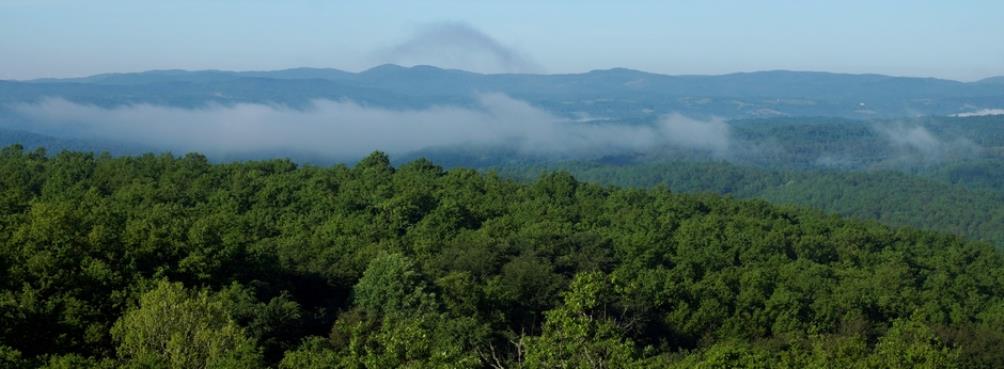
UNESCO Biosphere Reserve, inscribed 1977, in Bulgaria. Ouzounboudjak Biosphere Reserve is situated in Strandzha Mountain on the left bank of the Rezvaya River, at the Turkish border. Located about 20 km from the Black Sea, the climate has maritime influences.
- 24
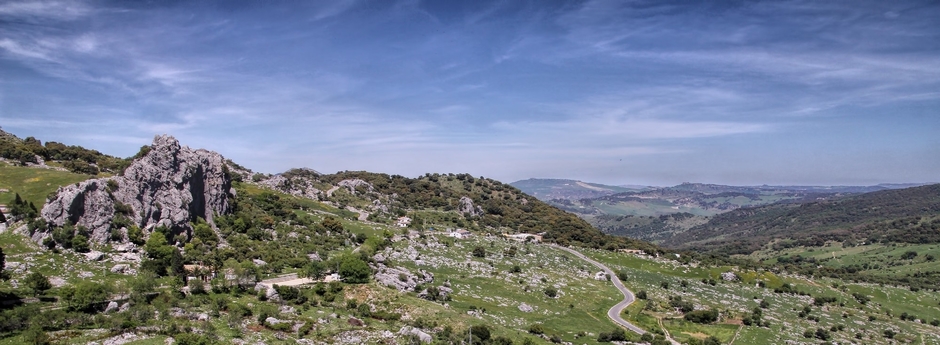
UNESCO Biosphere Reserve, inscribed 1977, in Spain. Sierra de Grazalema is located in the limestone massifs shared by the Andalusian provinces of Cádiz and Málaga. It has a typical karst morphology, which gives this protected natural area impressive geological phenomena. Its rainfall, among the highest in the Iberian Peninsula, is a determining factor for the great diversity of ecosystems present in this region and, therefore, its impressive biodiversity.
- 25
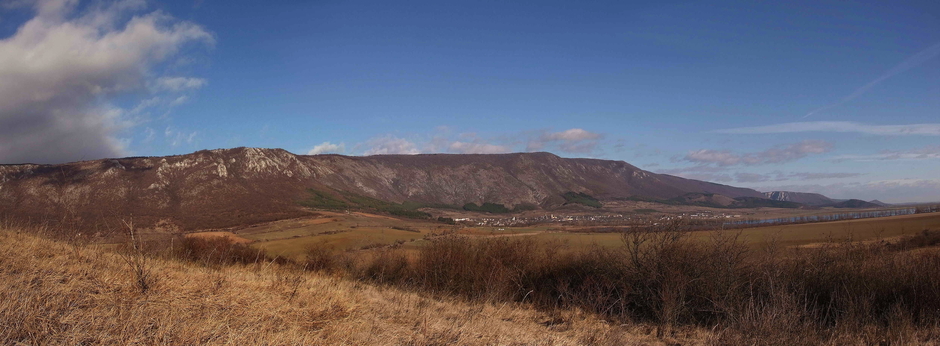
UNESCO Biosphere Reserve, inscribed 1977, in Slovakia. Situated adjacent to the Aggtelek Biosphere Reserve in Hungary, Slovenský kras in southern Slovakia is a karst landscape that comprises almost the full range of karst phenomena found in temperate climates. A series of plateaux at 400–900 metres above sea level are surrounded by steep slopes that descend to basins, valleys and gorges. More than 700 caves are recognised in the 60,000 ha karst area, which is shared with Hungary. In 1995, the Caves of Aggtelek and Slovak Karst were designated as a World Heritage site.
- 26
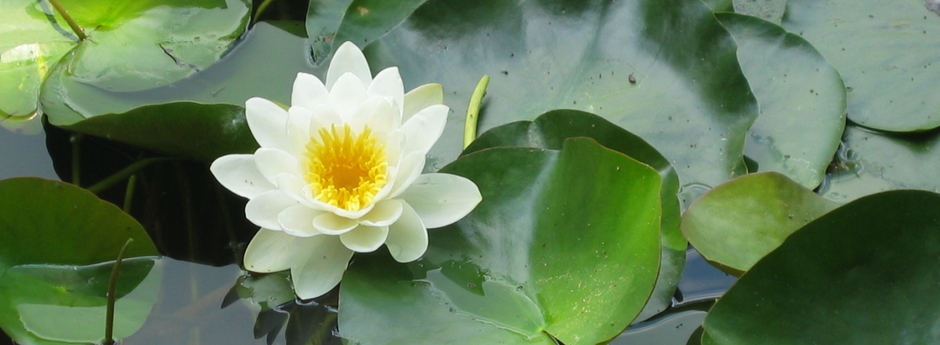
UNESCO Biosphere Reserve, inscribed 1977, in Bulgaria. Srébarna Lake is the last Danube riverside lake preserved in Bulgaria and a unique example of a type of wetland that used to be common. It is a freshwater lake that supports a rich diversity of plant and animal life, including species characteristic of the region as well as some that are rare. Some plant formations are typical for the wetland, including floating reedbeds and flooded willow woodlands.
- 27
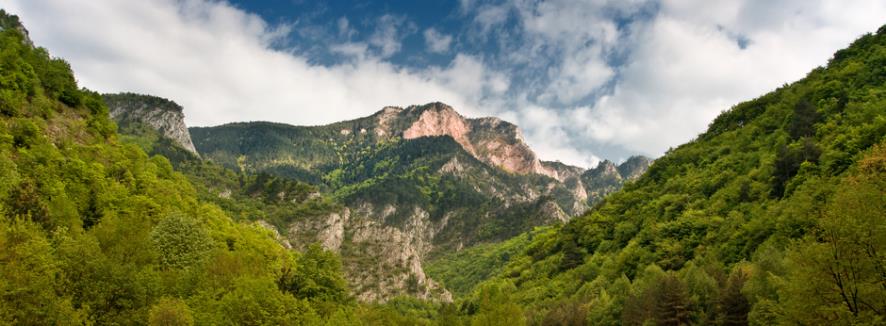
UNESCO Biosphere Reserve, inscribed 1977, in Bulgaria. Chervenata Stena Biosphere Reserve is characterised by a complex of unique natural values, including relief, altitude, composition of basic rocks, and soil and climatic conditions. These determine the richness of the flora, mycota, fauna and natural habitats, represented by a significantly high percentage of protected, endemic and relict species. As a result, the biodiversity of the reserve has high conservation significance at national, European and global levels.
- 28
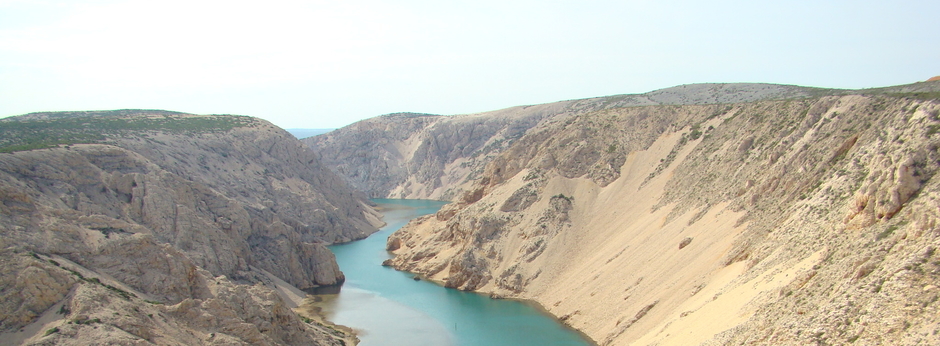
UNESCO Biosphere Reserve, inscribed 1977, in Croatia. This biosphere reserve is located in the large mountain area of Mount Velebit on the Adriatic Sea. Altitudes range from sea level to 1,757 metres above sea level. The area is a 145 km long and 10–30 km wide stretch of karst landscape.
- 29
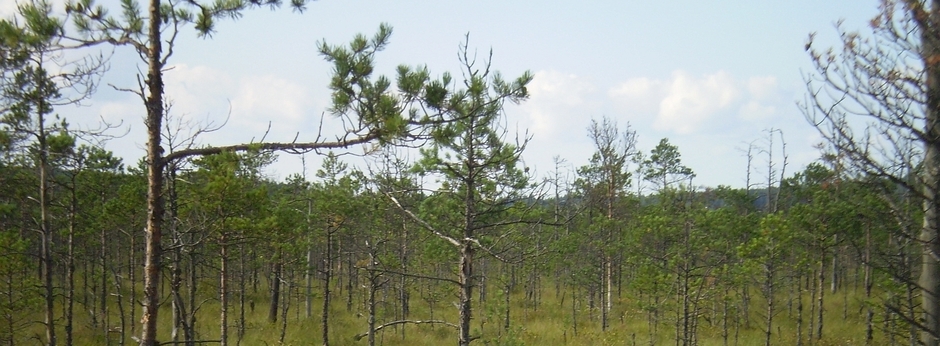
UNESCO Biosphere Reserve, inscribed 1978, in Belarus. The Berezinsky Biosphere Reserve is a representative example of the southern European taiga zone. It is located about 100 km north-east of Minsk on the edge of the watersheds between the Black Sea and the Baltic Sea. Berezinsky Biosphere Reserve is a patchwork of boreal coniferous and broad-leafed forests, lakes, watercourses, marshlands and flood plains, and it contains one of the largest undrained peat bogs in Eastern Europe, at 11,000 ha. Its populations of wolves, bears and bison, together with its rich bird life, attract many scientists.
- 30
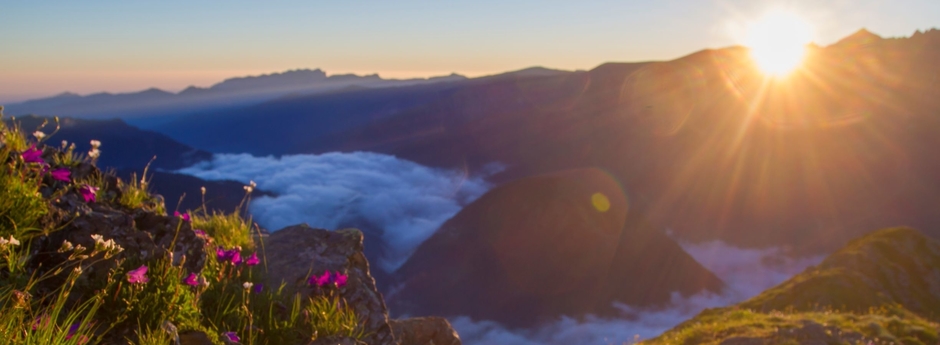
UNESCO Biosphere Reserve, inscribed 1978, in Russian Federation. This biosphere reserve is located in the southernmost European part of the Russian Federation and covers mountain ranges of the western part of the Greater Caucasus. The designated area comprises a variety of natural ecosystems, about 80 per cent of ecosystem types of the Greater Caucasus.
- 31
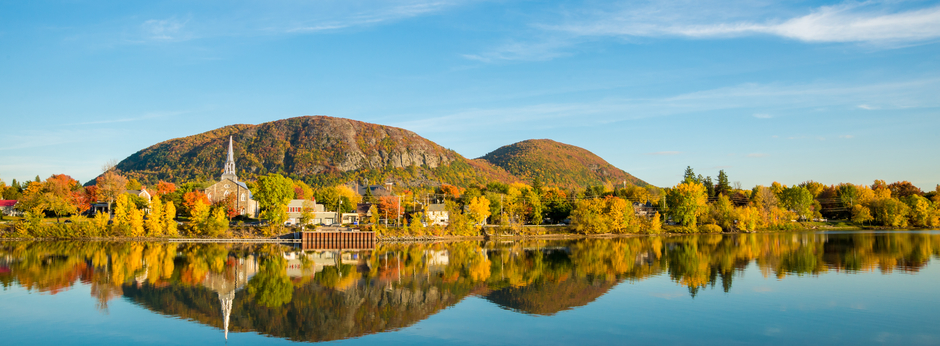
UNESCO Biosphere Reserve, inscribed 1978, in Canada. Located about 32 km east of Montreal, Mont Saint-Hilaire is a steep-sided circular formation rising some 250 m above the Saint Lawrence plain. It is one of the last remnants of old-growth deciduous forest in Quebec and hosts many rare and endangered species. The biosphere reserve lies near a major urban region. Increasing urban development around Mont Saint-Hilaire, together with a growing number of visitors, has multiplied human disturbances and fragmented the forest, which once covered the entire Richelieu Valley. Tourism and agriculture are important contributors to the economies of the five towns that form part of the transition area.
- 32
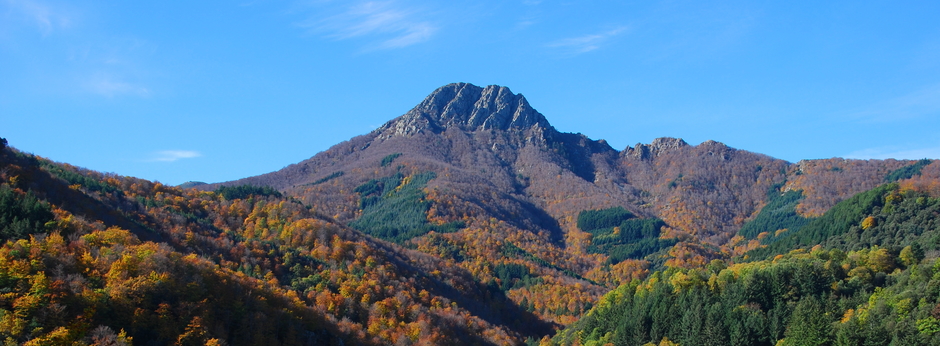
UNESCO Biosphere Reserve, inscribed 1978, in Spain. The Montseny Biosphere Reserve and National Park are located between the Mediterranean and Eurosiberian–Pyrenaic regions in the Mediterranean Sclerophyll Province. It is the highest part of the Catalan coastal range.
- 33
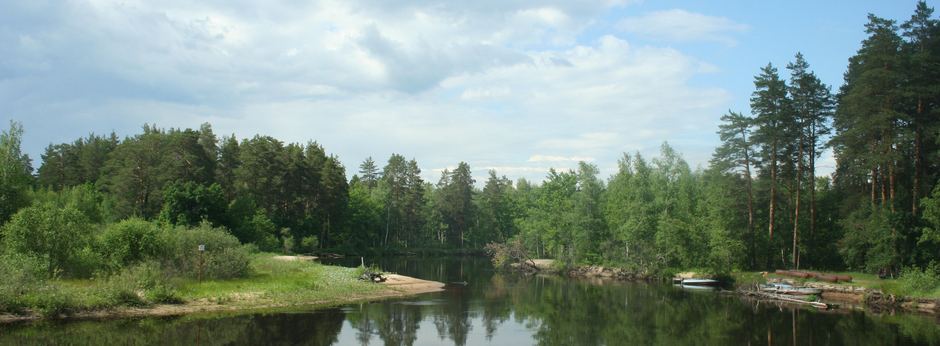
UNESCO Biosphere Reserve, inscribed 1978, in Russian Federation. The reserve lies south-east of Moscow along the middle course of the Oka River, within the Meschera lowland. It sits at the junction of three biogeographic zones: the broad-leaved forest zone, which comprises the largest part, the taiga and the forest-steppe to the south.
- 34
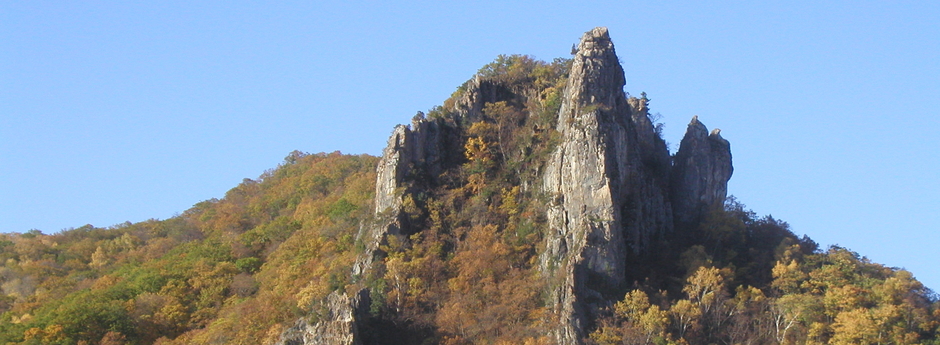
UNESCO Biosphere Reserve, inscribed 1978, in Russian Federation. This biosphere reserve lies in the Manchurian–Japanese Mixed Forest biogeographical region in the far south-east of Russia. It comprises a complex system that includes the central eastern part of the Sikhote-Alin mountain ranges and marine areas of the Sea of Japan.
- 35
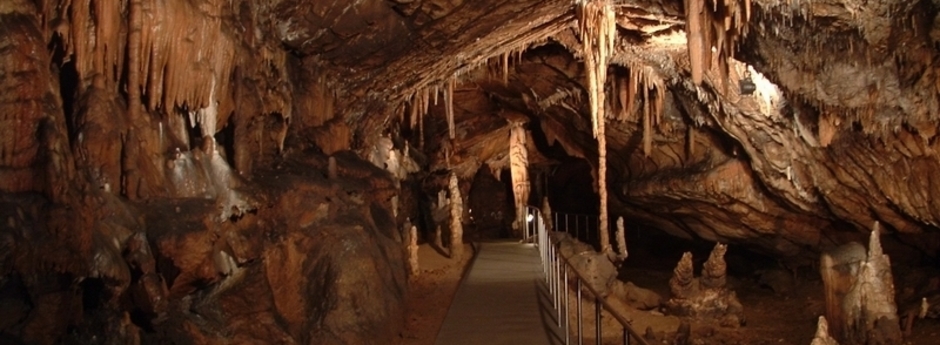
UNESCO Biosphere Reserve, inscribed 1979, in Hungary. Aggtelek National Park lies in the Gömör–Torna Karst region, an area rich in unique natural and cultural assets. It is the first Hungarian national park dedicated to the protection of abiotic values, surface landforms and caves. The subterranean natural treasures, namely the caves of the Aggtelek Karst and the Slovak Karst, were inscribed on the UNESCO World Heritage List in 1995. One of the most celebrated treasures is Baradla Cave, the largest and most magnificent cave in Hungary. Excavations in and around the cave have shown that it has sheltered people for more than 7,000 years.
- 36
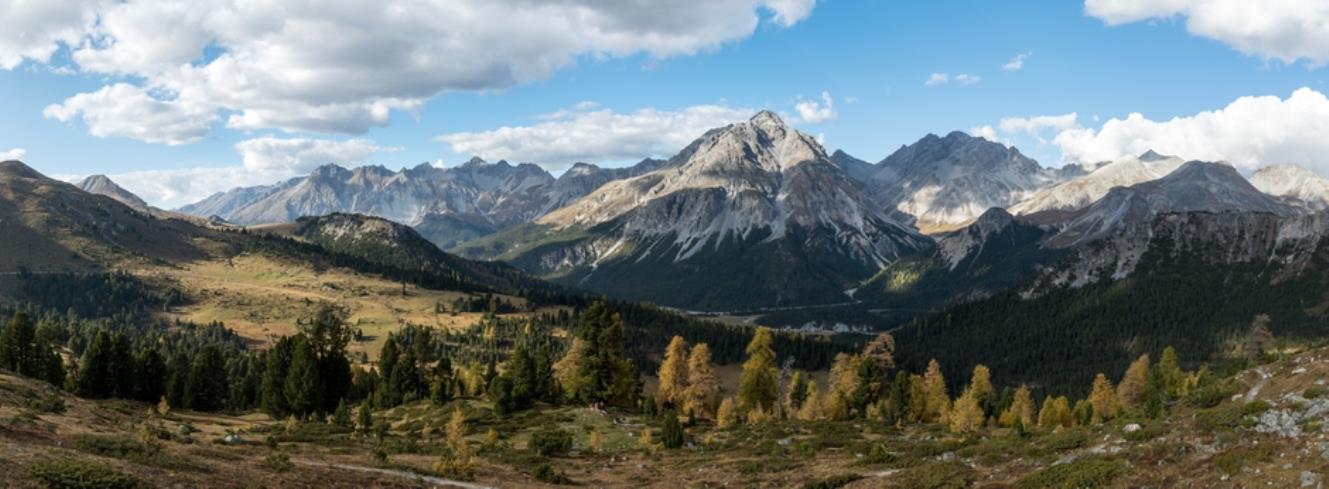
UNESCO Biosphere Reserve, inscribed 1979, in Switzerland. The biosphere reserve is situated in the easternmost part of Switzerland on the right bank of the Inn River, close to the Italian border. Ranging from 1,400 to 3,173 metres above sea level, the area comprises forests, alpine grasslands, bare rock and scree.
- 37
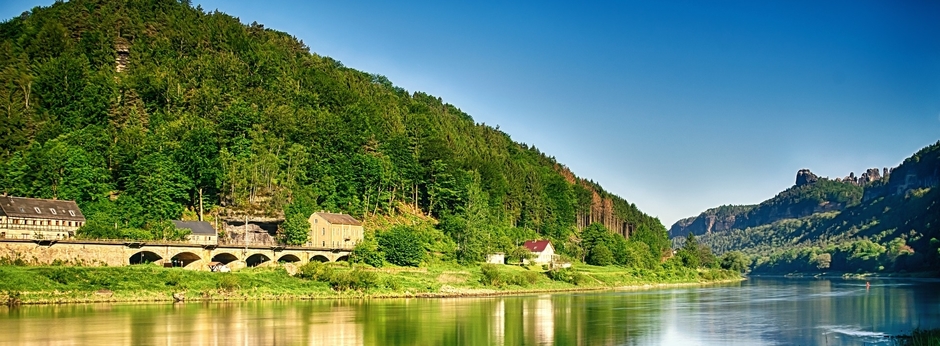
UNESCO Biosphere Reserve, inscribed 1979, in Germany. The transregional Flusslandschaft Elbe is Germany’s largest inland biosphere reserve. The five federal states, or Länder, each hosts a different share of the biosphere: Saxony-Anhalt, Brandenburg, Lower Saxony, Mecklenburg-Western Pomerania and Schleswig-Holstein. The reserve is representative of the glacial valleys of the northern German older moraine landscape. This centuries-old cultural landscape contains numerous, spatially connected river and alluvial features and corresponding near-natural habitats. The integrated protection of a major river alluvial system across five Länder within a single biosphere reserve is unique in Germany.
- 38
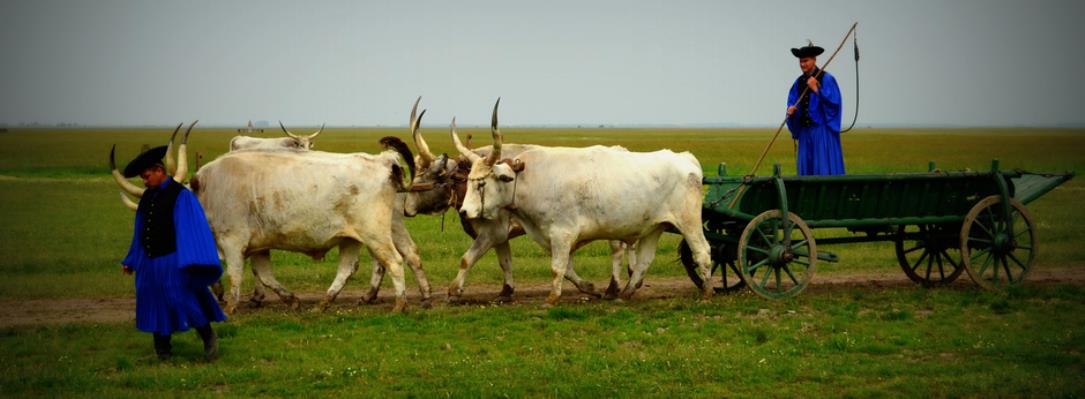
UNESCO Biosphere Reserve, inscribed 1979, in Hungary. Located in the Great Hungarian Plain, Hortobágy Biosphere Reserve is a vast, flat edaphic steppe landscape, the archetype of the Hungarian Puszta, recalling features of the Central Asian steppes in Central Europe. Hortobágy is not only a short-grass alkaline steppe but also includes marshes, fishponds, and small patches of forest and tree plantations. It is the most important bird migration site in the Carpathian Basin, and perhaps in continental Europe outside marine shores and estuaries. Many parts of the reserve are also designated as Ramsar sites.
- 39
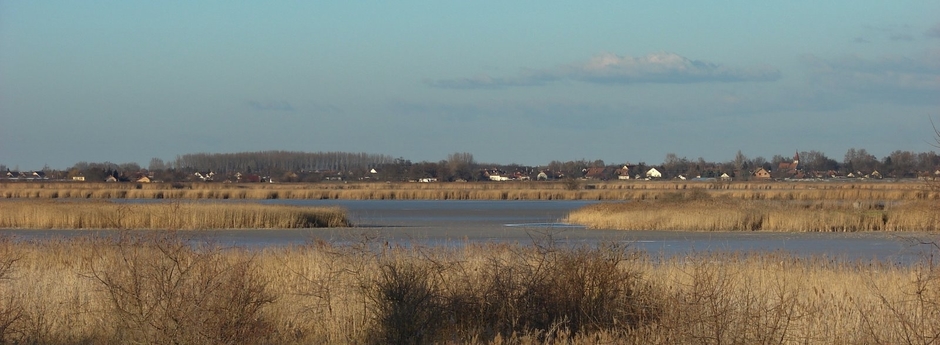
UNESCO Biosphere Reserve, inscribed 1979, in Hungary. The Kiskunság Biosphere Reserve and Kiskunság National Park are of priority importance for conserving biological diversity in the Pannonian Biogeographical Region. The biosphere reserve’s territory was designated a national park in 1975. Three parts of the reserve have been wetlands of international importance under the Ramsar Convention since 1979, 1997 and 2006. Since 2004, it has comprised several Natura 2000 sites under the EU Birds and Habitats Directives. Kolon-tó at Izsák has been a Biogenetic Reserve since 1995. Its diverse terrestrial and aquatic habitat mosaics support rich flora and fauna, including species that are otherwise endangered, threatened or rare in Hungary.
- 40
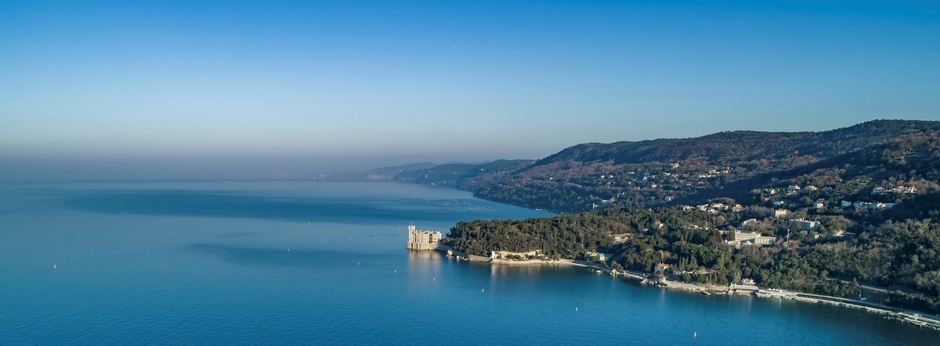
UNESCO Biosphere Reserve, inscribed 1979, in Italy. The Miramare and Trieste Coast Biosphere Reserve is situated about 7 km from the city of Trieste, on the Gulf of Trieste close to the Slovenian border. It takes the form of a rocky karst promontory with coastal cliffs and beaches. Marine habitats of special conservation interest include the tidal zone, which harbours many endemic species such as the brown alga (Fucus virsoides), and undisturbed cliffs with a diverse benthic fauna. Many tourists enjoy underwater tours or visit the castle and garden of the Habsburg family. The aim of the biosphere reserve is to maintain biological diversity in the marine environment surrounding Trieste through scientific research and monitoring. Environmental education for students and the public is also a major activity.
- 41
UNESCO Biosphere Reserve, inscribed 1979, in United States of America. The University of Michigan Biological Station and Biosphere Reserve is located at the northern tip of the Lower Peninsula of Michigan, on the southern shore of Douglas Lake. Since its establishment in 1909, the biological station has continually served as an instructional and research centre for students and scientists from around the world.
- 42
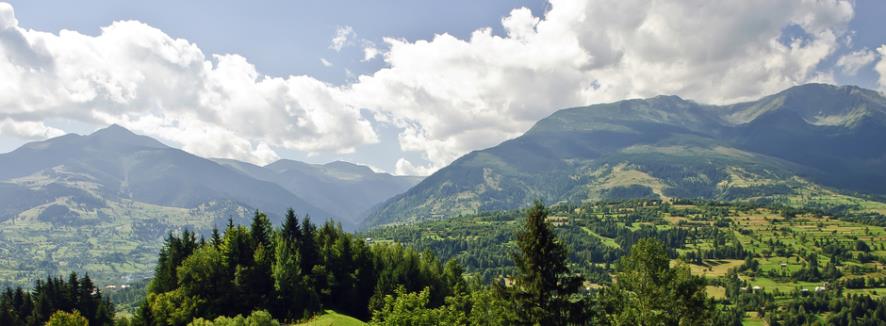
UNESCO Biosphere Reserve, inscribed 1979, in Romania. Mount Pietrosul Mare is the largest mountain complex in the Rodna Massif, which is situated to the north of the Eastern Carpathians. This biosphere reserve is very important from a biodiversity conservation perspective.
- 43
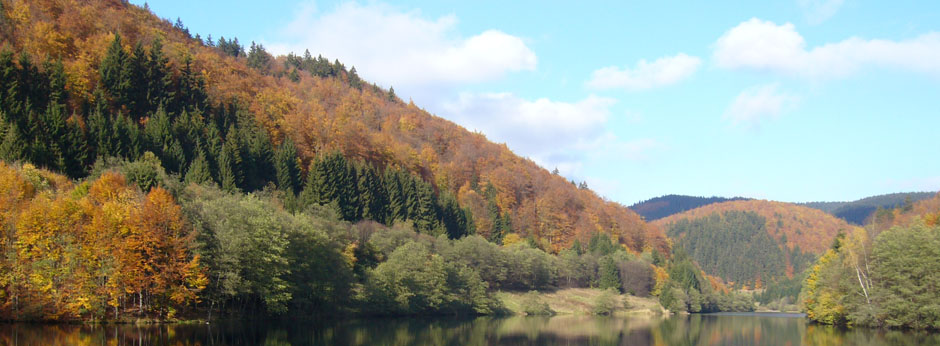
UNESCO Biosphere Reserve, inscribed 1979, in Germany. The Thuringian Forest is one of the longest-running biosphere reserves in Germany. When designated in 1979, it was called Vessertal Biosphere Reserve and covered 1,384 ha. It was later expanded to over 225,000 ha. It represents a typical section of the central European Mittelgebirge ridge in the Thuringian Forest, one of the country’s largest contiguous forest areas. Because of its forest wealth and traditional land use, the area is of great importance for the preservation of biological diversity, as demonstrated by the occurrence of 193 species of ferns, flowering plants, fungi and lichens, as well as 245 animal species.
- 44
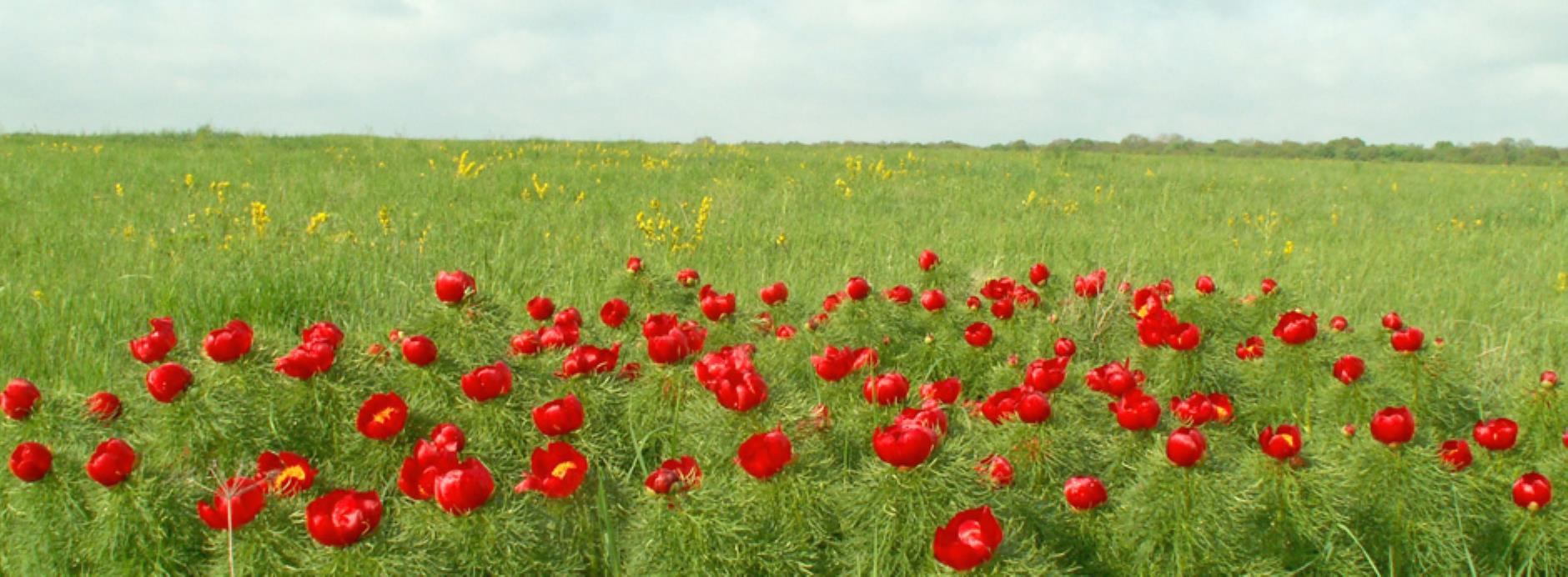
UNESCO Biosphere Reserve, inscribed 1979, in Russian Federation. This biosphere reserve is located about 550 km south of Moscow, close to the Ukrainian border. Situated in the Pontian Steppe biogeographic region, the area comprises meadow steppes with vast floristic diversity, with up to 80 species per square metre. The Tsentral'nochernozem Biosphere Reserve takes its name from its soil type, the so-called chernozem, which is a black and very fertile soil. Today, pristine steppe ecosystems are rare. All major steppe zones of Europe and America’s prairies have been transformed into agricultural land due to their highly productive soil.
- 45
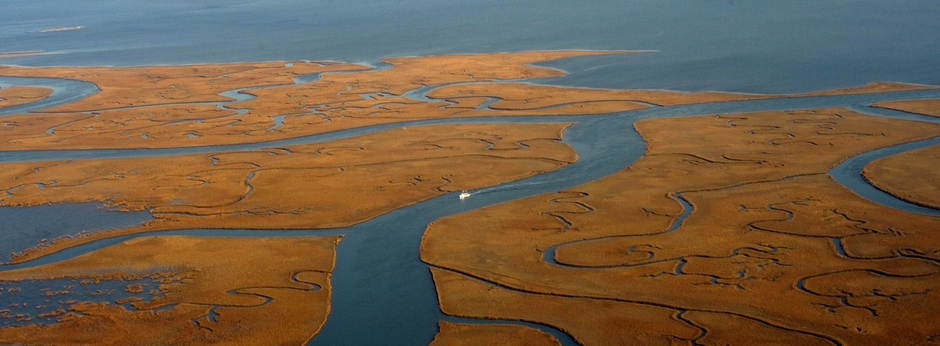
UNESCO Biosphere Reserve, inscribed 1979, in United States of America. The Virginia Coast Biosphere Reserve is one of the last coastal wildernesses on the East Coast of the United States of America. It is also one of the most important migratory bird stop-over sites in North America. The reserve manages and protects the 1,250-acre seaside farm known as Brownsville Preserve and 45,000 acres of natural landscape. These holdings include 14 barrier and marsh islands, multiple mainland tracts, and a seascape that is being successfully restored with eelgrass, oysters and soon, bay scallops.
- 46
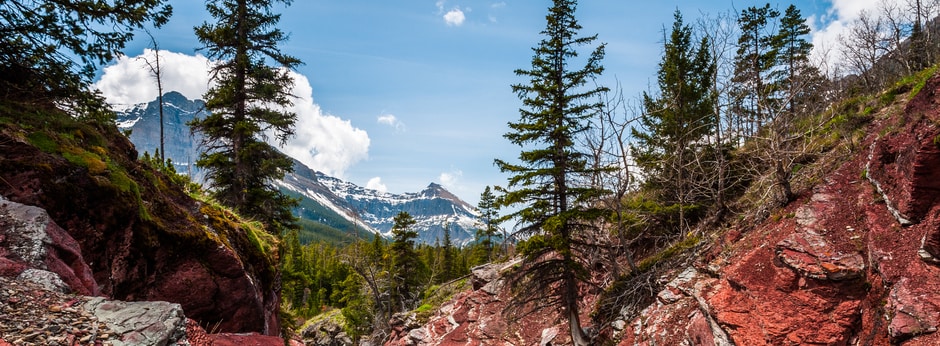
UNESCO Biosphere Reserve, inscribed 1979, in Canada. Waterton Biosphere Reserve is located at the extreme south-west of the Province of Alberta and encompasses some of the most spectacular and ecologically diverse landscapes in the Canadian Rocky Mountains and prairie grasslands. Together with Glacier Biosphere Reserve in neighbouring Montana, USA, it encompasses the Waterton–Glacier International Peace Park, inscribed on the UNESCO World Heritage List in 1995, and sits at the core of the Crown of the Continent, a large, relatively intact transboundary ecosystem in North America.
- 47
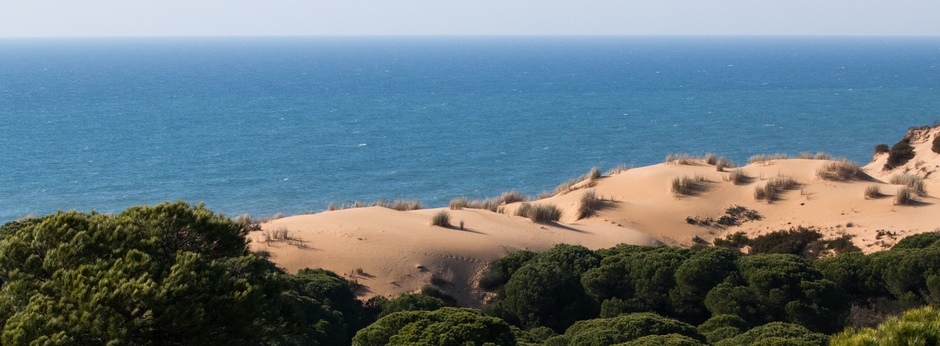
UNESCO Biosphere Reserve, inscribed 1980, in Spain. The biosphere reserve is located in the Gulf of Cádiz and represents one of the most important protected areas in Spain. The core area is made up of Doñana National Park. The importance of Doñana lies in the variety of ecosystems it hosts and the high number of species it represents.
- 48
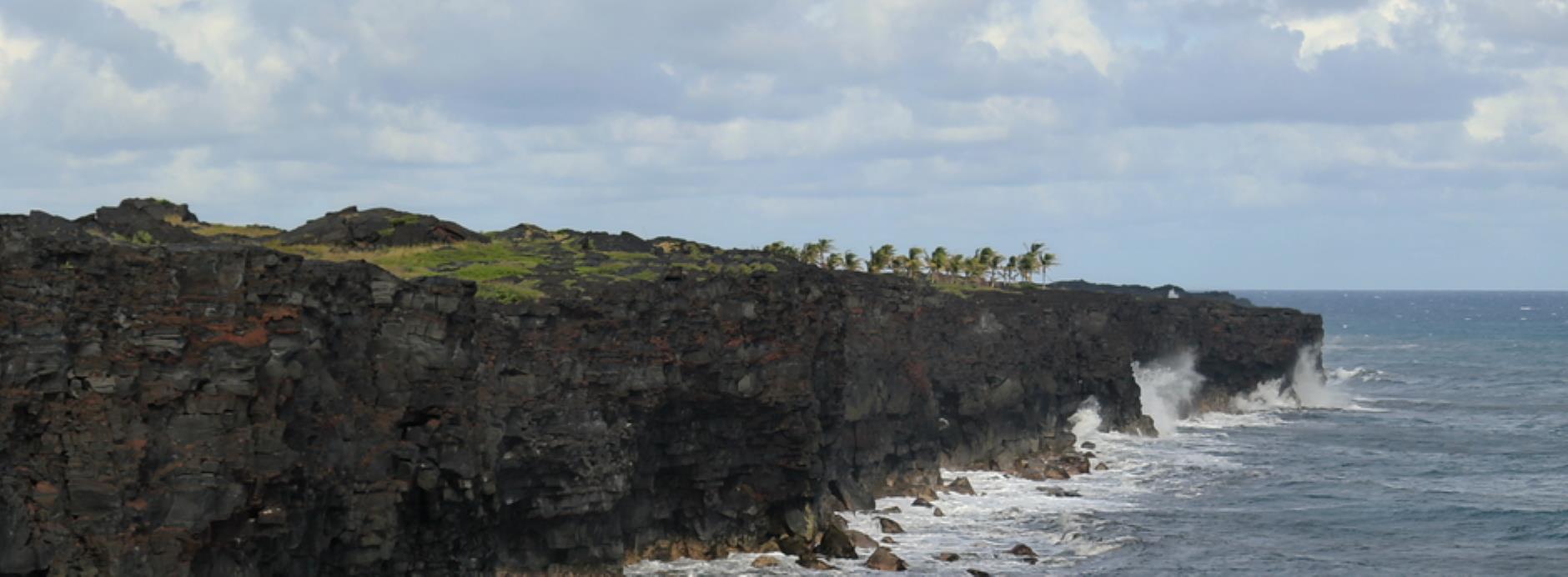
UNESCO Biosphere Reserve, inscribed 1980, in United States of America. Hawaiian Islands Biosphere Reserve lies within Hawai‘i Volcanoes National Park and encompasses active volcanic landscapes centred on Mauna Loa and Kīlauea. Mauna Loa is a huge shield volcano that rises from roughly six kilometres below sea level, to 4,169 metres above. Kīlauea is among the world’s most active volcanoes, renowned for its historic lava lakes at Halemaʻumaʻu. The diversity of successional habitats across recent lava flows, together with elevational and rainfall gradients, supports high ecological and genetic diversity at landscape scale. The reserve’s objectives are to conserve unique volcanic ecosystems, support appropriate nature-based use, and enable research and education.
- 49
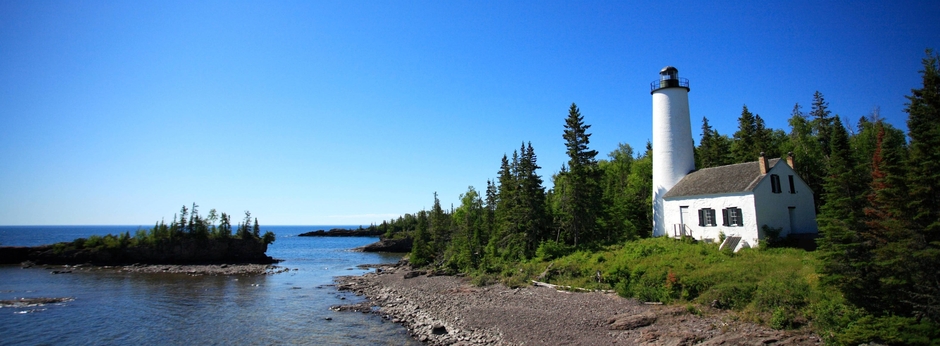
UNESCO Biosphere Reserve, inscribed 1980, in United States of America. Isle Royale Biosphere Reserve and National Park is a remote island archipelago situated in the north-western part of Lake Superior in Michigan. The park offers outstanding opportunities for research in a remote ecosystem where human influences are limited.
- 50
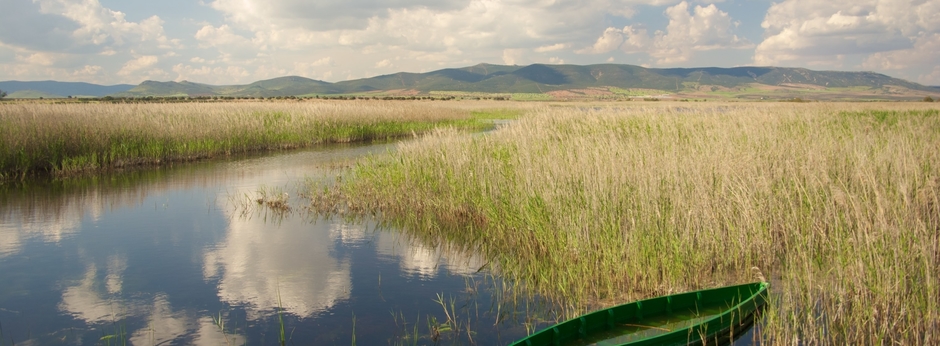
UNESCO Biosphere Reserve, inscribed 1980, in Spain. La Mancha Húmeda Biosphere Reserve comprises Tablas de Daimiel National Park, which forms the core area, the Alcázar Lake, and Lagunas de Ruidera National Park, which is a refuge for aquatic birds.
- 51
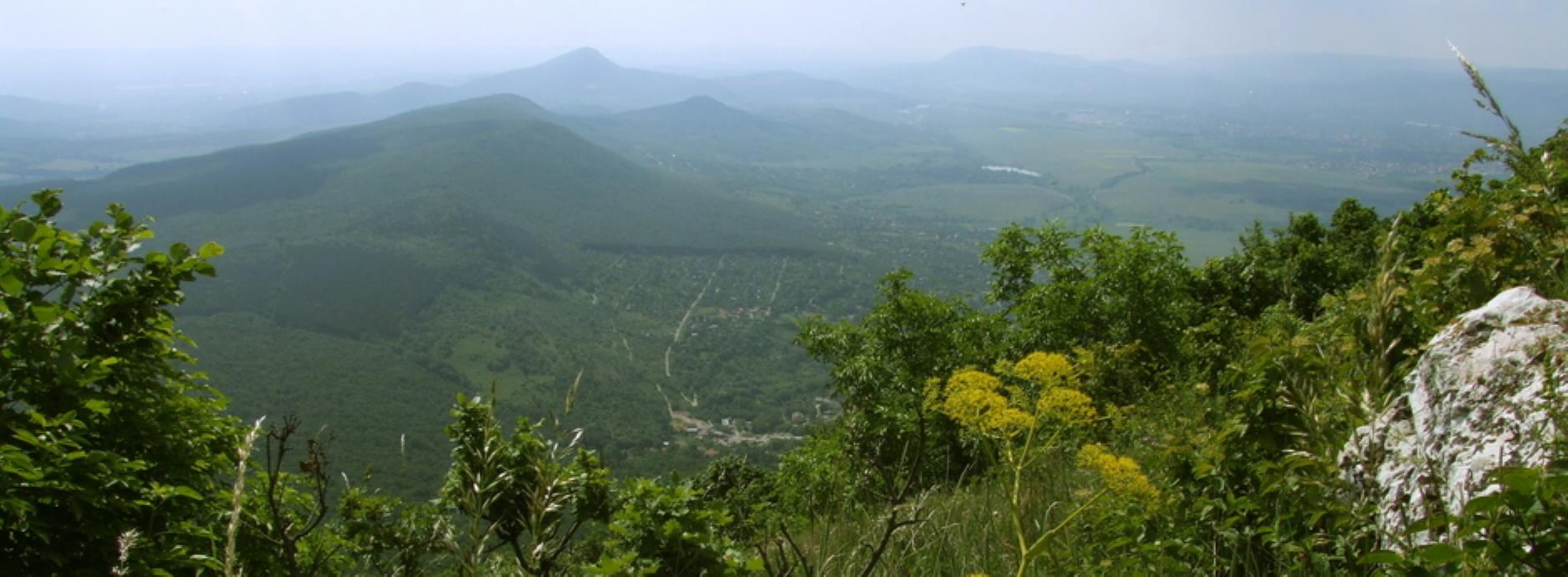
UNESCO Biosphere Reserve, inscribed 1980, in Hungary. North-west of Budapest, bound by the andesite block of the Börzsöny and Visegrád Hills, the Danube flows through a narrow, meandering valley forming an almost U-shaped bend known as the Danube Bend. Bernard Newmann described this stretch as one of the grandest along the 2,000-mile river. The Pilis and Visegrád hill ranges on the west bank, once a royal hunting ground, were designated a Landscape Protection Area in 1978 to conserve the landscape and its abundant natural values. Owing to these values and the notable opportunities for environmental education, it was recognised as part of UNESCO’s International Network of Biosphere Reserves.
- 52
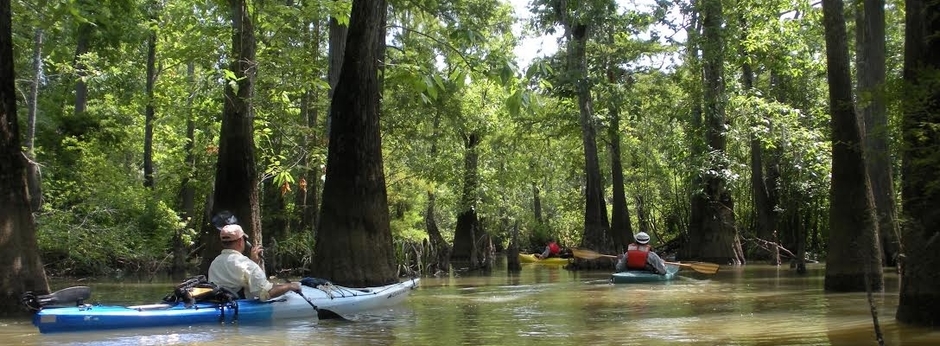
UNESCO Biosphere Reserve, inscribed 1981, in United States of America. The original Big Thicket of Texas covered between 809,371 and 1,214,056 hectares, or 2–3 million acres, in what is now mapped as the Pineywoods and Coastal Marsh ecoregions of the state. People have called the Big Thicket an American ark and the biological crossroads of North America, as it has one of the most biologically diverse assemblages of species in the world.
- 53
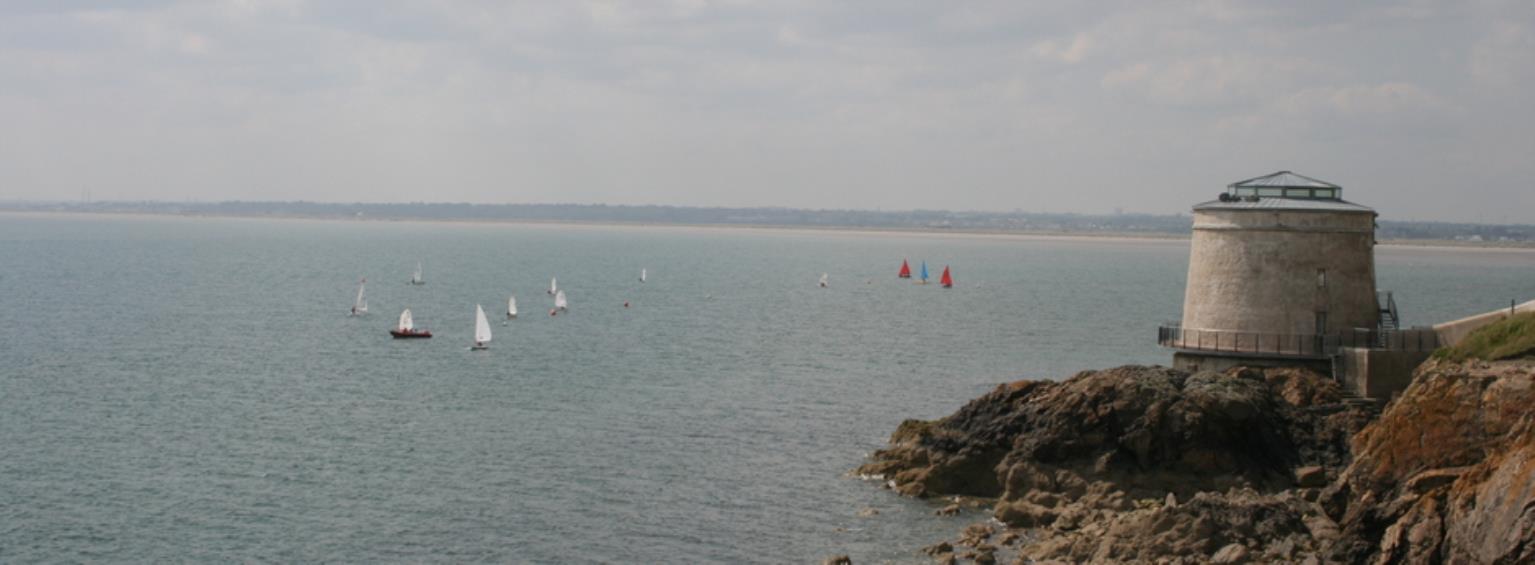
UNESCO Biosphere Reserve, inscribed 1981, in Ireland. The Dublin Bay Biosphere Reserve (formerly North Bull Island) comprises Dublin Bay, North Bull Island and adjacent land, including parts of Dublin, the capital city of Ireland. It contains one of the finest sand-dune systems in Ireland and is internationally important for its conservation value. The island hosts high-quality examples of several rare and threatened coastal habitats.
- 54
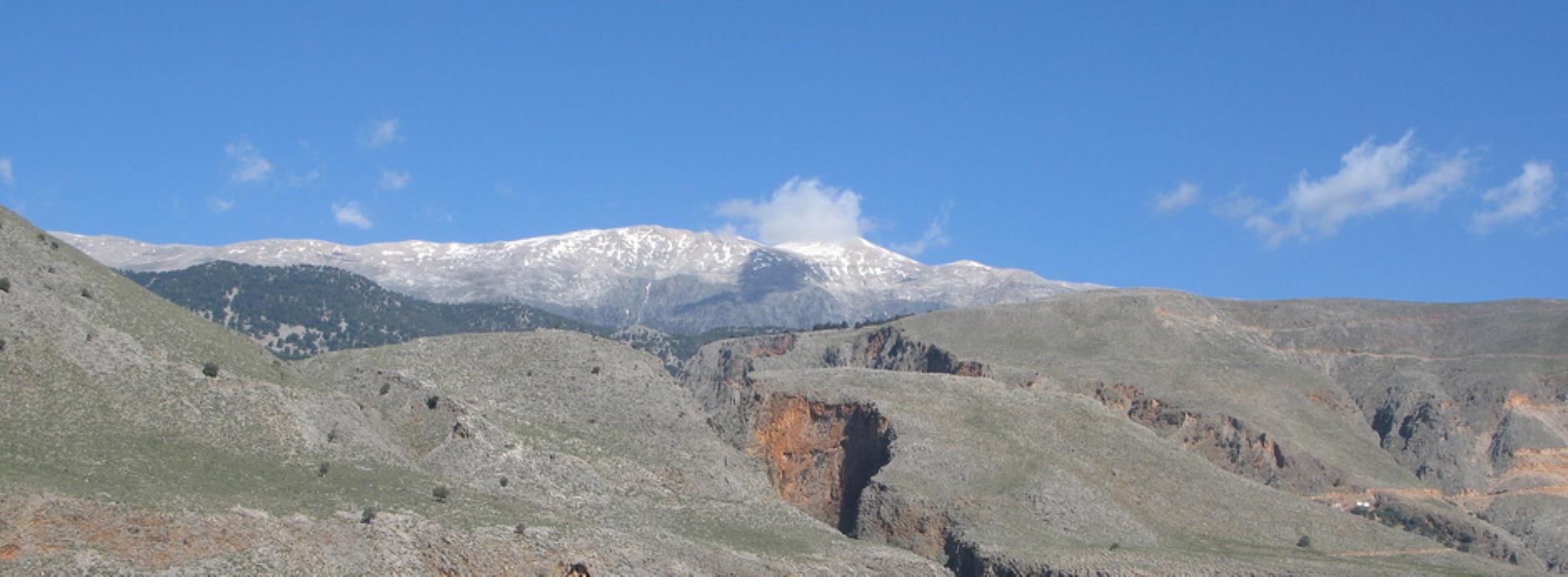
UNESCO Biosphere Reserve, inscribed 1981, in Greece. Located on the south-western coast of Crete, this biosphere reserve and national park lie in a mountainous limestone area famous for the deep, narrow Samaria Gorge. The area comprises high-altitude Mediterranean forest, including virgin stands of cypress (Cupressus sempervirens), as well as maquis and phrygana. Typical Mediterranean fauna includes the endemic wild goat (Capra aegagrus cretensis). As in much of the Mediterranean, the area was formerly subject to grazing and timber extraction. As of 1999, the designated biosphere reserve is uninhabited. The region around the gorge is culturally notable, with ancient ruins, churches and castles. Tourism is the main economic activity, though activities are restricted within the national park. There is a visitor centre at the gorge entrance.
- 55
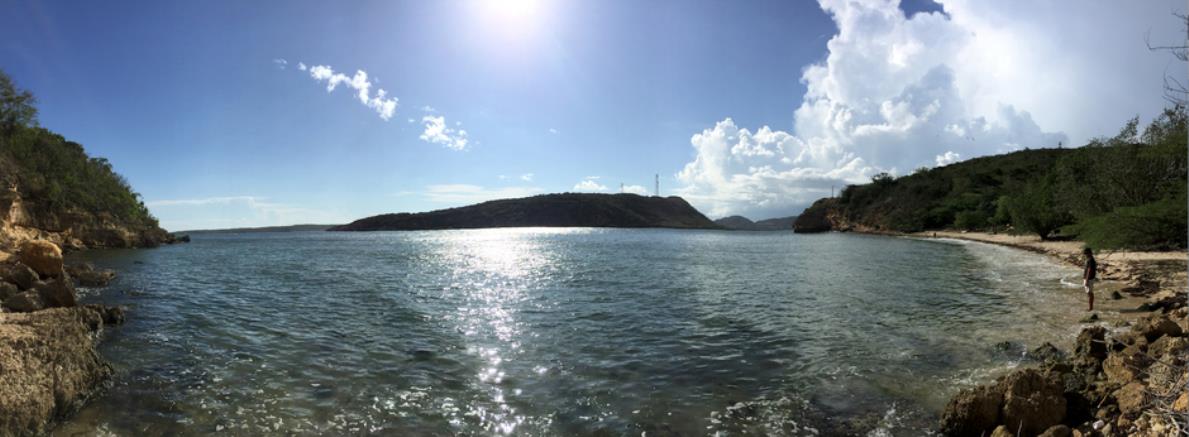
UNESCO Biosphere Reserve, inscribed 1981, in United States of America. The Guanica Forest Biosphere Reserve is located in the south-west part of Puerto Rico. It is considered the best-preserved subtropical forest and the best example of dry forest in the world. The ecosystem and vegetation systems identified in the reserve include the full sequence of vegetation succession for a coastal tropical dry forest, from coastal shrubs to evergreen and cactus forests.
- 56
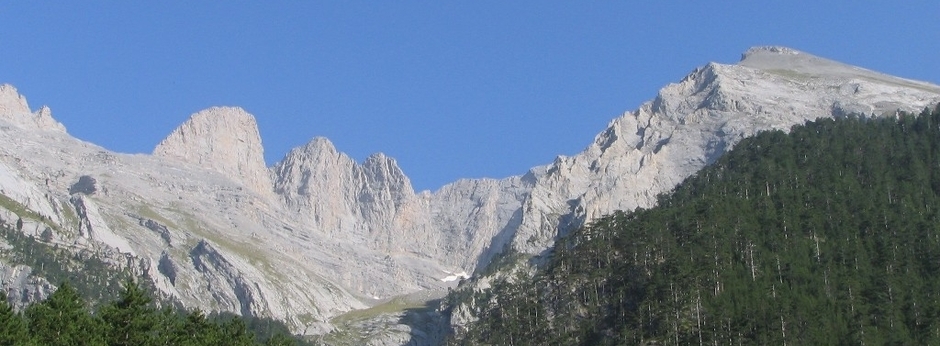
UNESCO Biosphere Reserve, inscribed 1981, in Greece. This biosphere reserve is situated on the eastern part of mainland Greece and covers the eastern limestone foothills and the summit of Mount Olympus, rising to 2,914 metres above sea level. The landscape comprises maquis and Mediterranean sclerophyll shrublands, beech and oak woodlands, pine (Pinus nigra) forests, montane grasslands and alpine areas. The biosphere reserve is managed as a national park, and there are no settlements within the area. As in much of the Mediterranean, it was formerly subject to heavy grazing and timber extraction. Today, local communities use the buffer zone for grazing, hunting, gathering herbs and wood extraction. Tourism is the main economic activity. Many visitors, both national and foreign, come to this centre of Greek mythology, where Homer wrote of the twelve Greek gods and their palaces on Mount Olympus.
- 57
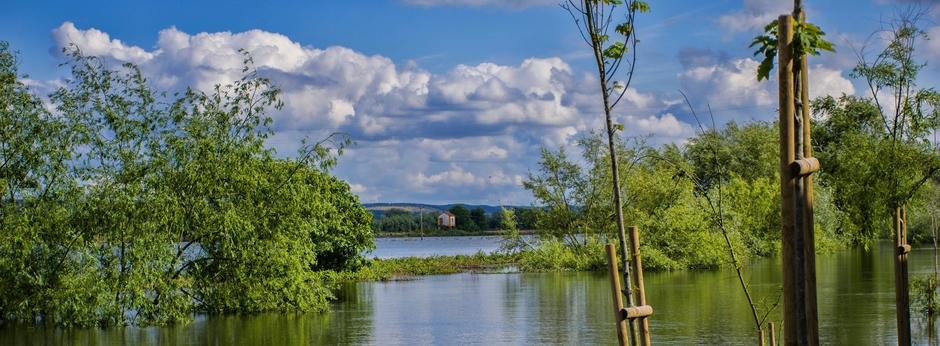
UNESCO Biosphere Reserve, inscribed 1981, in Portugal. Paúl do Boquilobo Biosphere Reserve in central Portugal comprises a natural freshwater wetland surrounded by marshes, which lie in a bend of the Almonda River. Floods from the Tejo River naturally inundate the site in winter, and part of it dries out when the water table is mechanically lowered in spring to create larger areas for cultivation. The site may also act as a flooding buffer zone that increases protection of adjoining farmland against erosion caused by winter floods. For many years this wetland has been a valuable sink for alluvial particles carried in by the Tejo River, creating rich cultivated areas that have contributed to the economic wealth of the area.
- 58
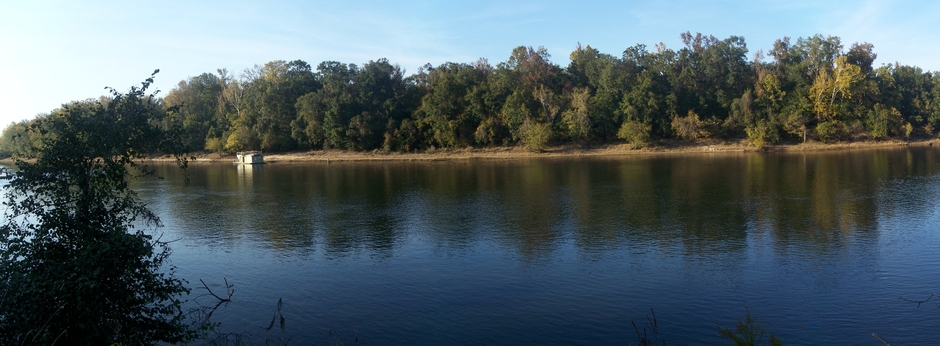
UNESCO Biosphere Reserve, inscribed 1983, in United States of America. This biosphere reserve is situated on the coast of the north-western part of the Florida Peninsula, within the Apalachicola River floodplain. It comprises Apalachicola Bay, which is one of the most productive estuarine systems in the northern hemisphere.
- 59
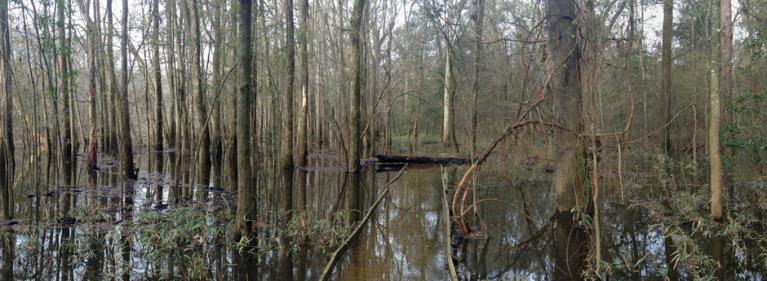
UNESCO Biosphere Reserve, inscribed 1983, in United States of America. The Congaree Biosphere Reserve comprises the last vestiges of old-growth bottomland hardwood forest in the eastern United States. It lies in the gently undulating to flat floodplain of the Congaree River and represents a range of natural ecosystems typical of this vast coastal region.
- 60
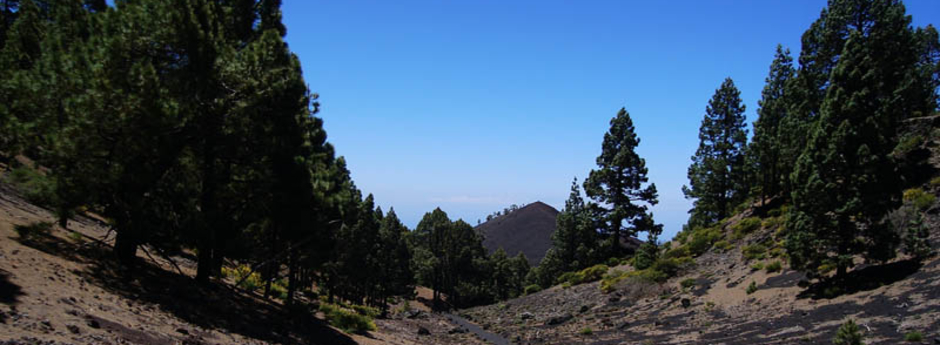
UNESCO Biosphere Reserve, inscribed 1983, in Spain. The La Palma Biosphere Reserve in the Canary Islands was extended and renamed in 2002, with the former Los Tiles Biosphere Reserve now constituting the core area. The biosphere reserve now encompasses the entire island, which contains a wide range of representative habitats, reflecting the transition from the coast up to the mountain peaks.
- 61
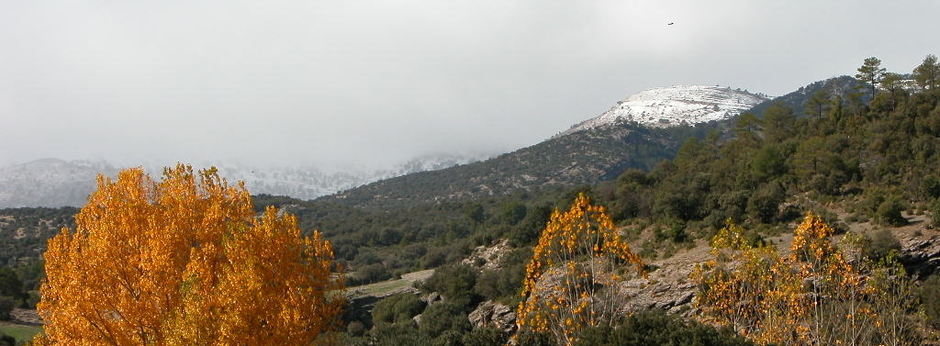
UNESCO Biosphere Reserve, inscribed 1983, in Spain. This biosphere reserve and natural park include the upper reaches of the Guadalquivir River, together with a vast reservoir built for hydroelectric power generation, and extensive mountains and forests. The landscape is a mosaic of peaks, valleys, rocky gorges and vertical cliffs, and displays many typical karst limestone features. The Sierras of Cazorla, Segura y las Villas are part of a great mountain massif. They are dominated by several peaks over 2,000 m, with Empanadas being the highest. The forests are particularly notable.
- 62
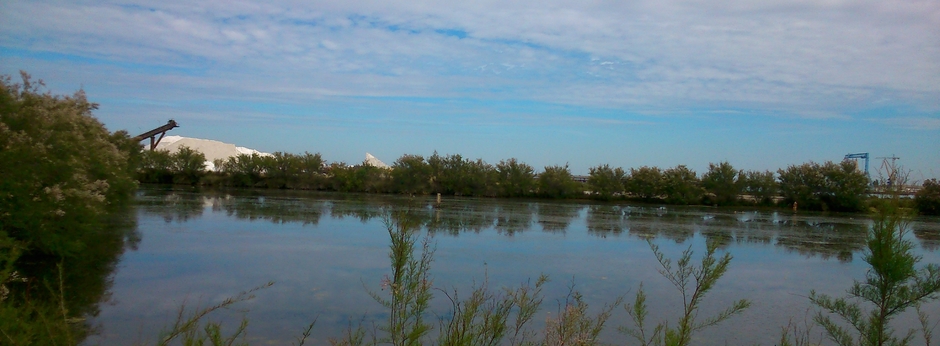
UNESCO Biosphere Reserve, inscribed 1983, in Spain. The Marismas del Odiel Biosphere Reserve is located in the Province of Huelva, at the mouth of the Odiel River. It is also a Ramsar site and a Special Protection Area for birds.
- 63
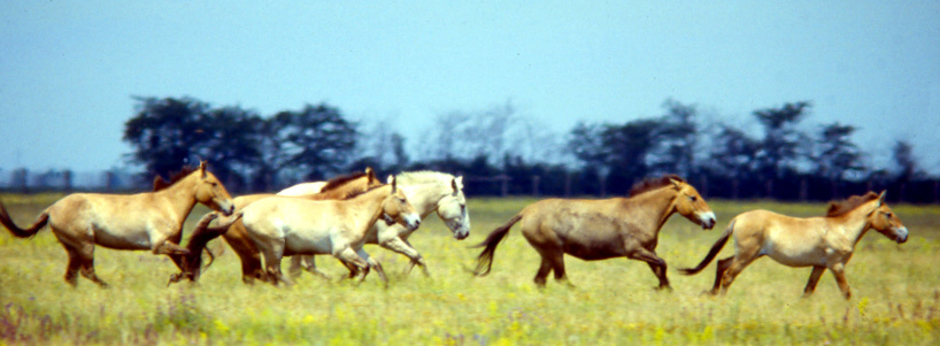
UNESCO Biosphere Reserve, inscribed 1984, in Ukraine. Askaniya-Nova Biosphere Reserve represents the Black Sea southern-steppe biogeographic province. It is situated 60 km south-east of the town of Kakhovka, close to the Black Sea. Within this area, the Festuca and Stipa steppe ecosystem has been conserved like an island in the Dnieper–Molochnoe lowland, which otherwise has intensive land use practices.
- 64
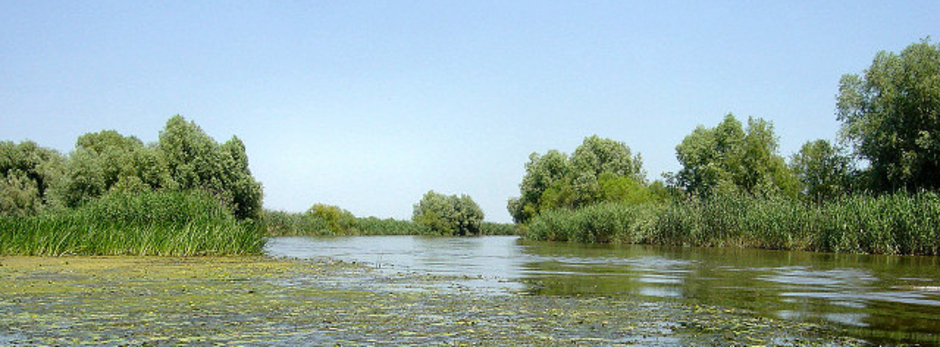
UNESCO Biosphere Reserve, inscribed 1984, in Russian Federation. The Astrakhanskiy Biosphere Reserve is situated about 90 km from the town of Astrakhan, in the Volga delta. This is the largest inland delta in Europe and is predominantly a freshwater riverine wetland complex with permanent and seasonal lakes and riverine floodplains. The area is a Ramsar site, as its wetlands support up to 750,000 waterfowl during mild winters.
- 65
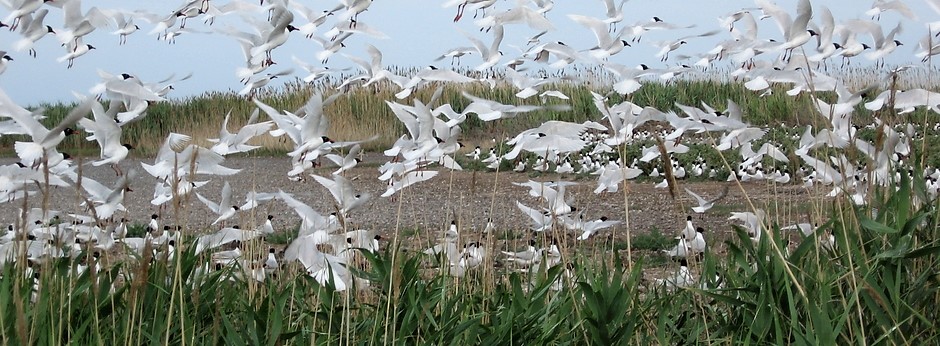
UNESCO Biosphere Reserve, inscribed 1984, in Ukraine. Chernomorskiy (meaning ‘Black Sea’) Biosphere Reserve is situated on the northern coast of the Black Sea, about 45 km south-west of the city of Kherson. It represents shallow coastal, estuarine and inland wetlands, as well as marshes, shallow coastal bays, dune systems, halophytic seaside steppe and forest-steppe, which were once common in this region.
- 66
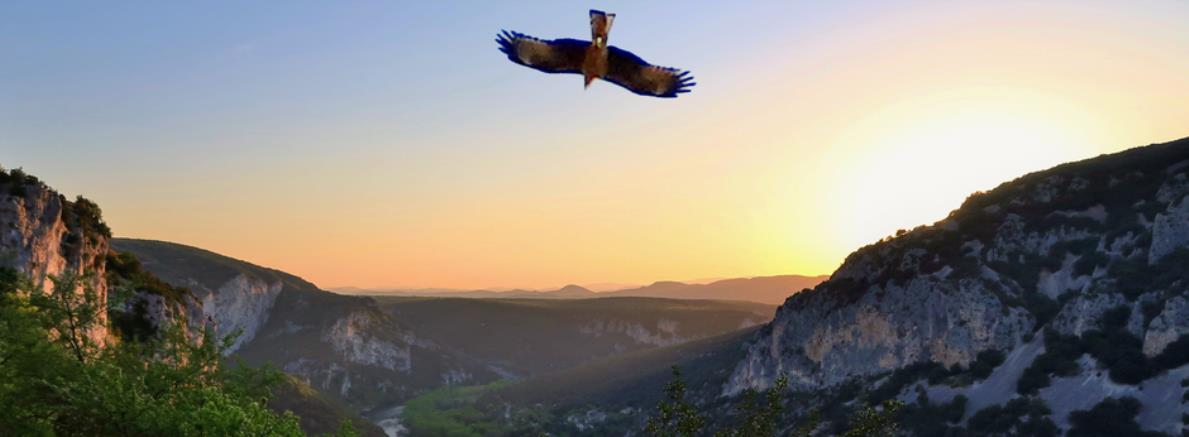
UNESCO Biosphere Reserve, inscribed 1984, in France. Located in the south of the Massif Central, this biosphere reserve offers striking, contrasting landscapes, from the limestone plateaux of the Causses, to the granite massifs of Mont Aigoual and Mont Lozère, to the schist slopes of the Cévennes. These features reflect geological, topographical and climatic diversity, as well as centuries of human activity, including agriculture and grazing.
- 67
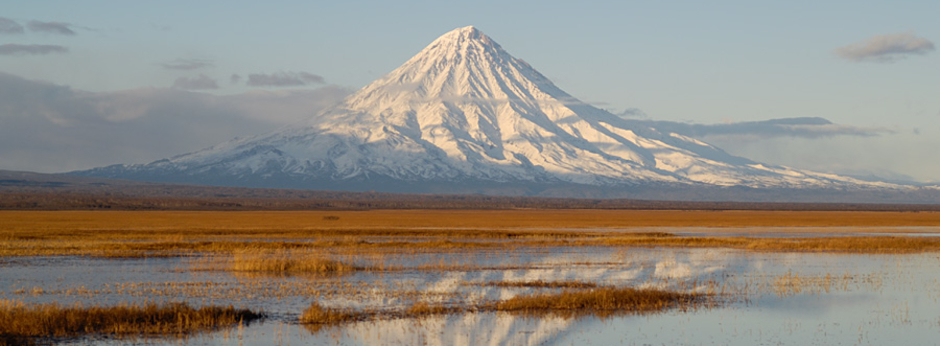
UNESCO Biosphere Reserve, inscribed 1984, in Russian Federation. Kronotskiy Biosphere Reserve is situated in one of the remotest parts of the Russian Far East, on the Kamchatka Peninsula, the landmass that separates the Sea of Okhotsk from the Pacific Ocean.
- 68
UNESCO Biosphere Reserve, inscribed 1984, in Russian Federation. Set in eastern Russia’s Zabaykalsky Krai, about 25 kilometres north of the Mongolian border, Sokhondinskiy Biosphere Reserve centres on Mount Sokhondo, an isolated massif trending south-west to north-east, with elevations from roughly 900 to 2,500 metres. The reserve lies at the junction of two biogeographical regions, the East Siberian taiga and the Mongolian-Manchurian steppe, creating a pronounced transition from forest to steppe that rises into subalpine and alpine belts. The reserve’s objectives are to uphold strict non-intervention in the core, regulate resource use in the buffer, and use the transition zone to study interactions between people and nature and to model sustainable land management.
- 69
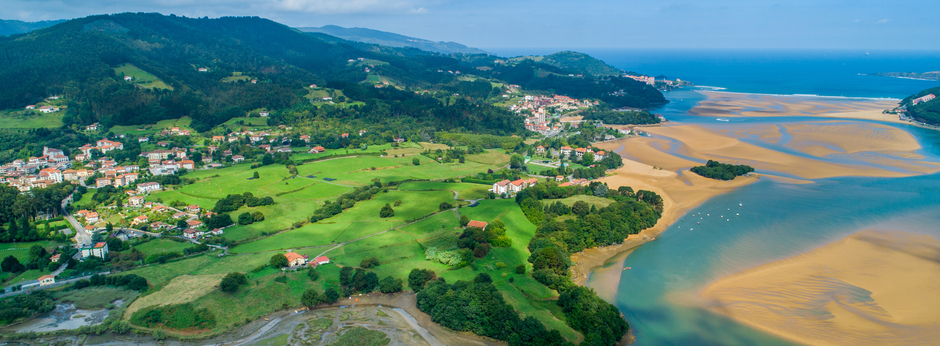
UNESCO Biosphere Reserve, inscribed 1984, in Spain. The Urdaibai Biosphere Reserve is located in the Euro-Siberian region, on the Bay of Biscay coast in the north of the Iberian Peninsula. The territory is characterised by a hydrographic basin that culminates in a large salt marsh, and by a coastal landscape of high, sheer cliffs and capes.
- 70
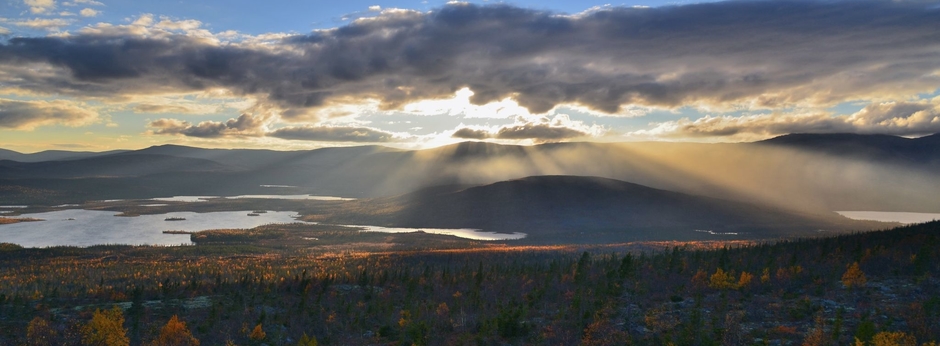
UNESCO Biosphere Reserve, inscribed 1985, in Russian Federation. Laplandskiy Biosphere Reserve is situated in the western part of the Kola Peninsula, about 120 km south of Murmansk and 120 km north of the Arctic Circle. It is an area of plains and mountains, with glaciated landforms and exposures of the Baltic Shield. There are permafrost patches in the mountains, but the climate is moderated by the influence of the Gulf Stream. Polar nights last 25 days and the “white nights” season lasts 100 days.
- 71
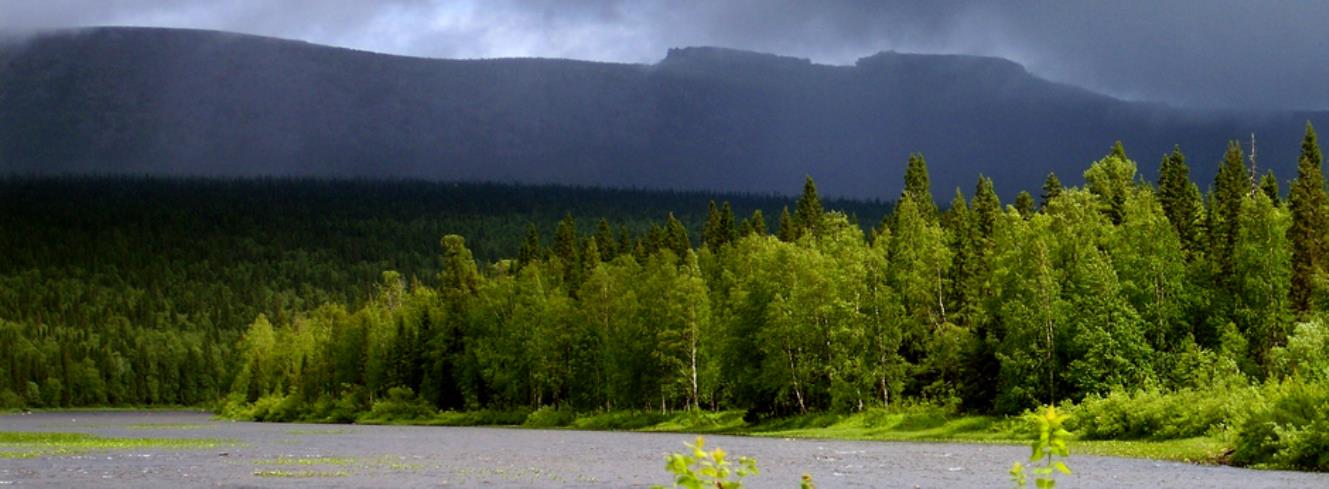
UNESCO Biosphere Reserve, inscribed 1985, in Russian Federation. This biosphere reserve is situated approximately 240 km south of the city of Pechora, on the western slopes of the Northern Ural Mountains.
- 72
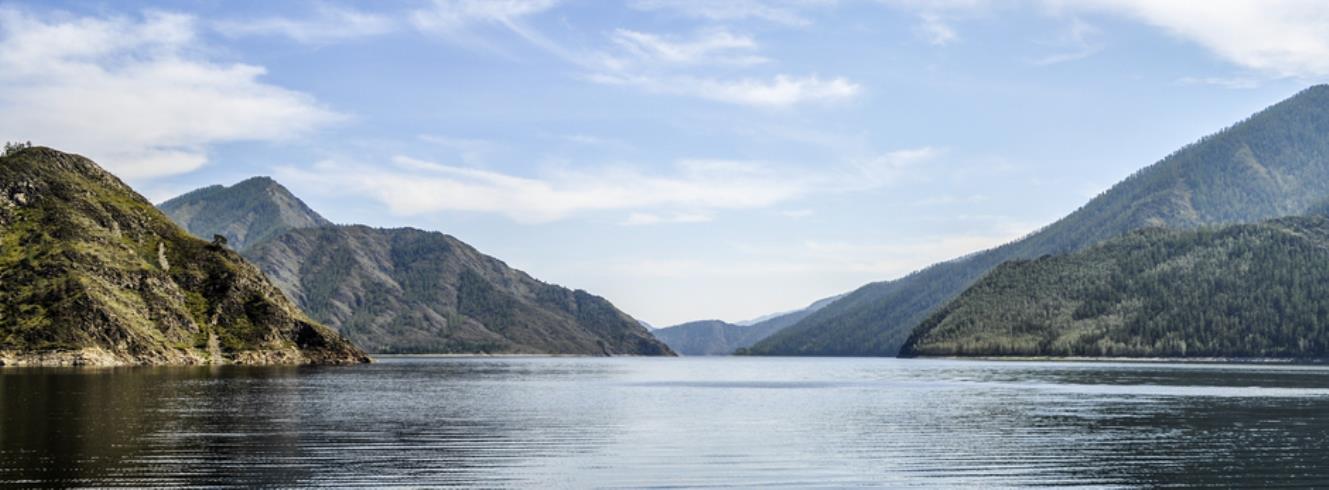
UNESCO Biosphere Reserve, inscribed 1985, in Russian Federation. The Sayano-Shushenskiy Biosphere Reserve is located in the Krasnoyarsk Territory of Siberia on the left bank of a large man-made reservoir, where the Yenisey valley cuts through the Western Sayan mountain range. The state natural biosphere reserve “Sayano-Shushensky” is a nature-protective, scientific and educational establishment of federal value. Its purpose is to preserve and study the natural course of processes and phenomena, the genetic fund of plant and animal life, and particular types and communities of plants and animals. It also aims to conserve the typical and unique ecological systems of the Western Sayan Mountains, the centre of the biogeographical province of the Altai–Sayans highland, relating to the biome of mixed mountain forests and the mountain systems of the Palaearctic area.
- 73
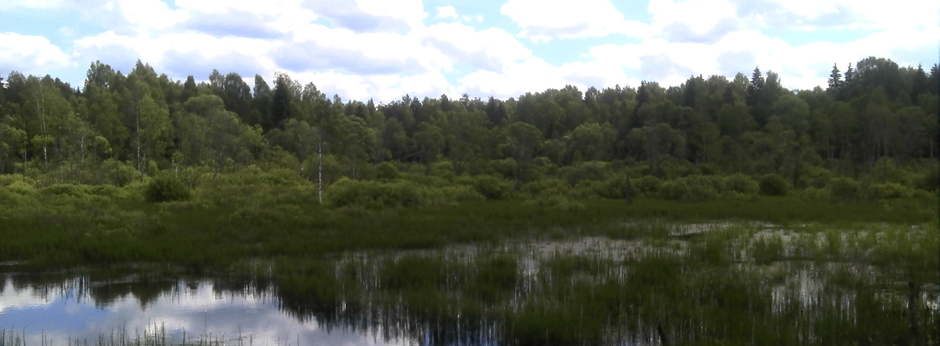
UNESCO Biosphere Reserve, inscribed 1985, in Russian Federation. Tsentral’nolesnoy Biosphere Reserve is located in Kalinin Oblast’, about 280 km north-west of Moscow.
- 74
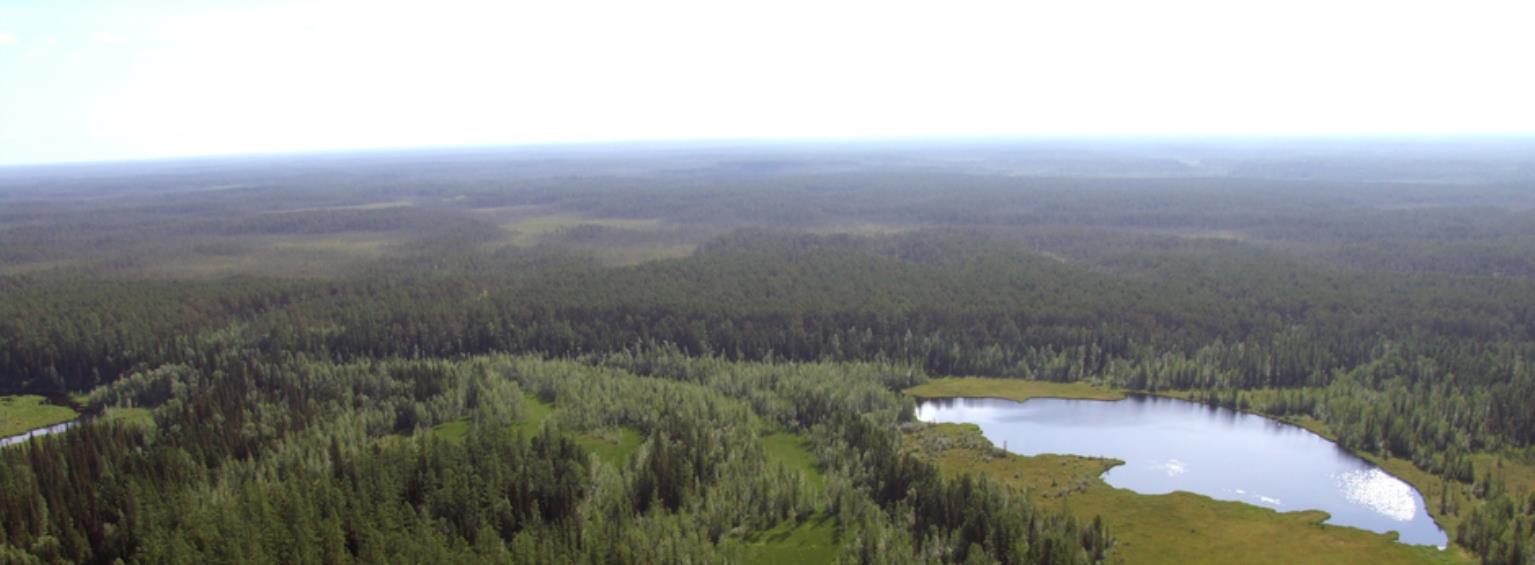
UNESCO Biosphere Reserve, inscribed 1985, in Russian Federation. This biosphere reserve is divided from south to north by the Yenisey River, with the Siberian lowland to the west and the more elevated Siberian Plateau to the east. The river is 2–3 km wide, while the valley extends over 8–10 km. The glacial plain in the west is characterised by swamps and slow rivers, while rivers to the east are steep and swift. The biosphere reserve contains representatives of all taiga ecosystems of Central Siberia. The flora is typical of the middle taiga sub-zone, with Pinus sibirica and Larix as predominant species.
- 75
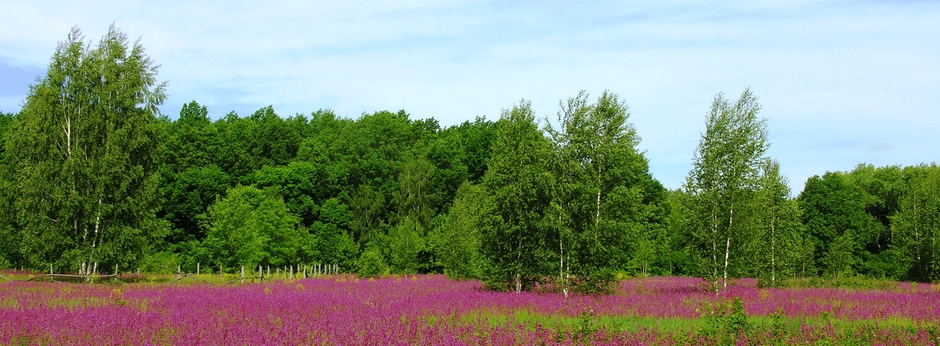
UNESCO Biosphere Reserve, inscribed 1985, in Russian Federation. The Voronezhsky Biosphere Reserve is located in two regions of the Russian Federation, the Lipetsk and Voronezh regions, and five municipalities: the Usmansky, Verhne-Khavsky, Ramonsky and Novousmansky municipal districts, and the Railway urban district of the city of Voronezh. Many rural settlements are located directly on the borders of the biosphere reserve. As a specially protected natural territory, Voronezh State Nature Zapovednik was established in 1923 to protect the beaver. Later, the Zapovednik became a complex reserve and now conserves natural complexes, including island pine forest, in the Russian forest-steppe zone. In 1985, the Zapovednik was declared a biosphere reserve by UNESCO. Within the Zapovednik, a core area and a buffer zone have been designated.
- 76
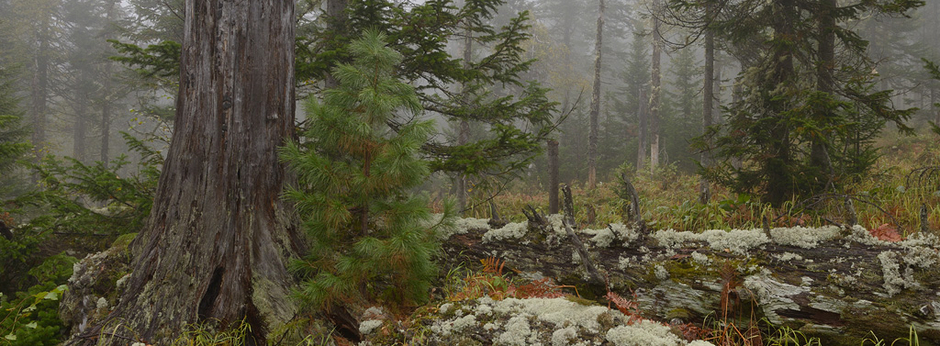
UNESCO Biosphere Reserve, inscribed 1986, in Russian Federation. Situated about 170 km south-west of Ulan-Ude, Baikalskyi Biosphere Reserve comprises parts of the south shore and water bodies of Lake Baikal as well as contiguous forests.
- 77
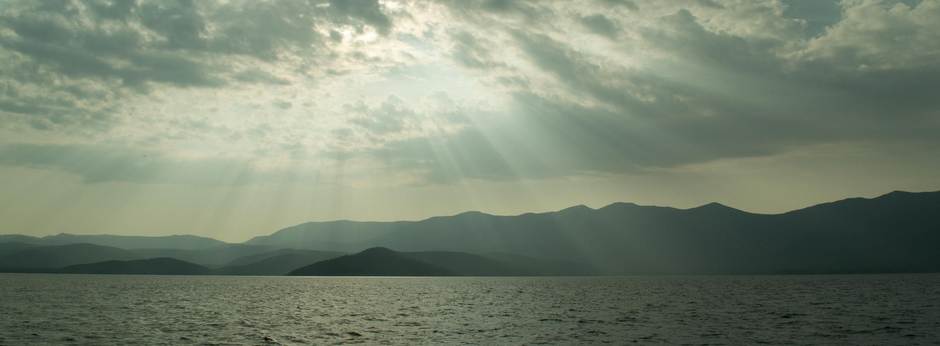
UNESCO Biosphere Reserve, inscribed 1986, in Russian Federation. This biosphere reserve covers 100 km of the north-east shore of Lake Baikal and extends 45–80 km inland to the western slope of the Barguzinskiy mountain range. Barguzinskyi Biosphere Reserve overlaps with the Lake Baikal World Heritage site. Situated in south-east Siberia, Lake Baikal, at 3.15 million hectares, is the oldest and deepest of the world’s lakes. It is about 25 million years old and reaches 1,637 metres at its deepest point.
- 78
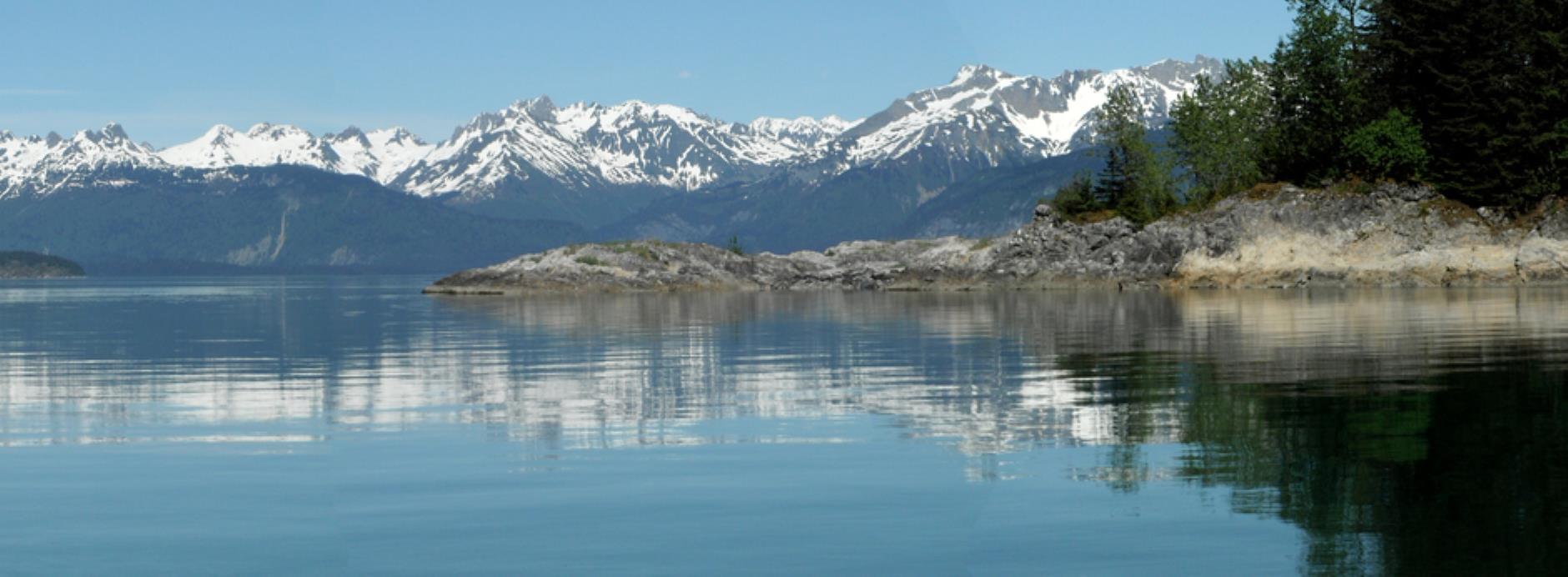
UNESCO Biosphere Reserve, inscribed 1986, in United States of America. This biosphere reserve in south-eastern Alaska consists of two units, Glacier Bay and Admiralty Island. Glacial advance and retreat, occurring since the mid-Miocene, have shaped the area’s landscape. The latest episode of ice recession began only 200 years ago, and the ice within Glacier Bay has withdrawn about 95 km during this period.
- 79
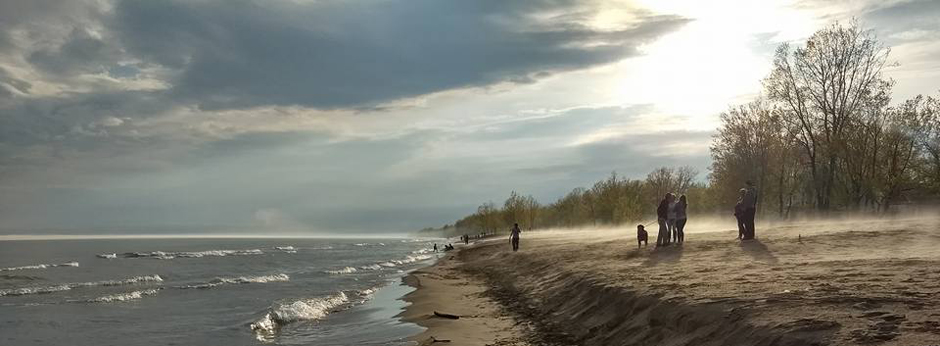
UNESCO Biosphere Reserve, inscribed 1986, in Canada. The Long Point Biosphere Reserve is in southern Canada on the shores of Lake Erie. The area comprises a rich mosaic of ecological systems associated with erosion-deposit sand spit formations around the Laurentian Great Lakes, as well as some of the largest remaining forest tracts in Carolinian Canada. The variety of habitats supports a rich flora and fauna, including a waterfowl staging area and a migration stopover of continental importance for land birds.
- 80
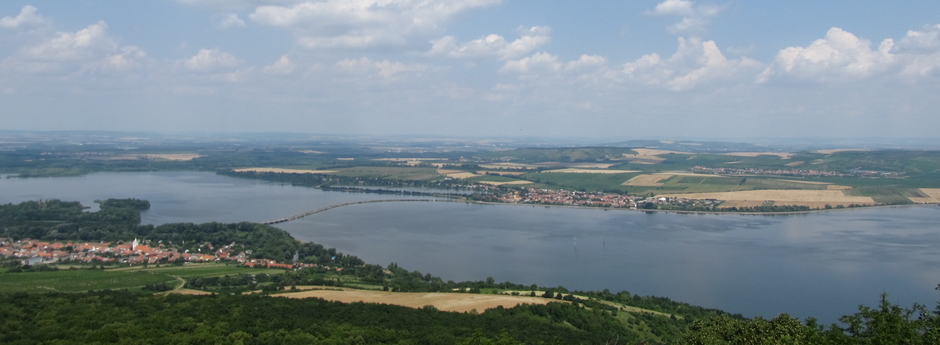
UNESCO Biosphere Reserve, inscribed 1986, in Czechia. Situated in South Moravia, about 35 km south of Brno and adjacent to the Austrian and Slovak borders, the area is dominated by the Pavlov Hills, whose limestone cliffs and steep slopes support steppe, forest and grassland. A considerable part of the landscape has also been converted to arable land and vineyards.
- 81
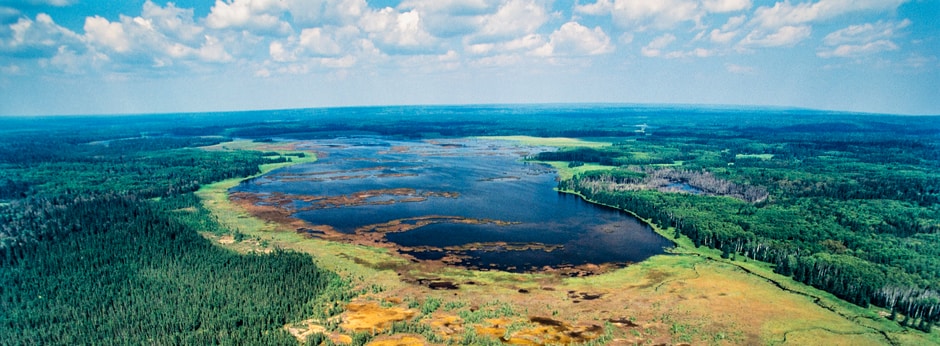
UNESCO Biosphere Reserve, inscribed 1986, in Canada. Riding Mountain Biosphere Reserve is located in south-central Canada, about 300 km north-west of Winnipeg, Manitoba. It is situated at the junction of the grassland and boreal forest biomes. Forests cover most of the area and are dominated by aspen (Populus tremuloides).
- 82
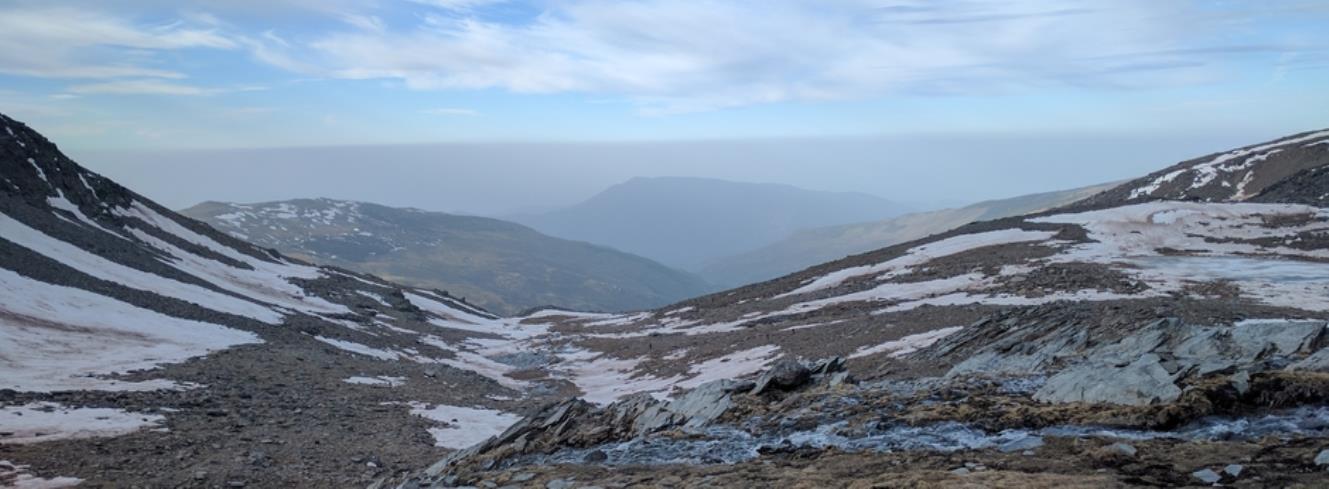
UNESCO Biosphere Reserve, inscribed 1986, in Spain. The Sierra Nevada is the highest mountain chain in the Iberian Peninsula, with higher elevations found only in the Alps.
- 83
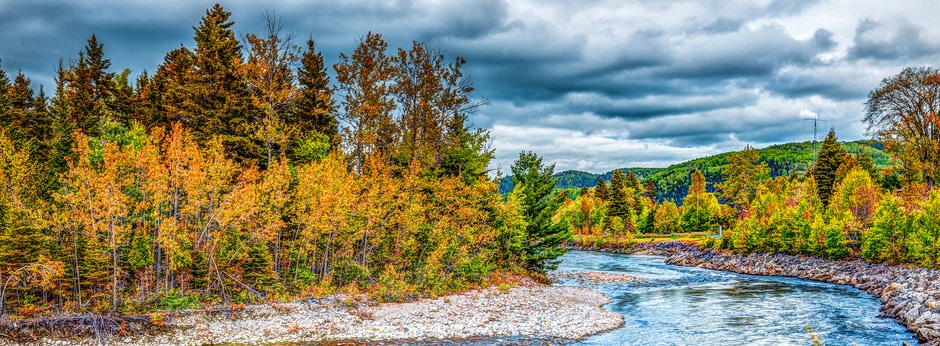
UNESCO Biosphere Reserve, inscribed 1988, in Canada. Situated some 80 km east of Quebec City, Charlevoix Biosphere Reserve borders the Saint Lawrence River. Extending from 5 m to 1,150 m above sea level, the area comprises agricultural areas, river ecosystems, estuarine tidal marshes and flats, coniferous and mixed forests, stunted vegetation known as krummholz, and mountain tundra ecosystems.
- 84
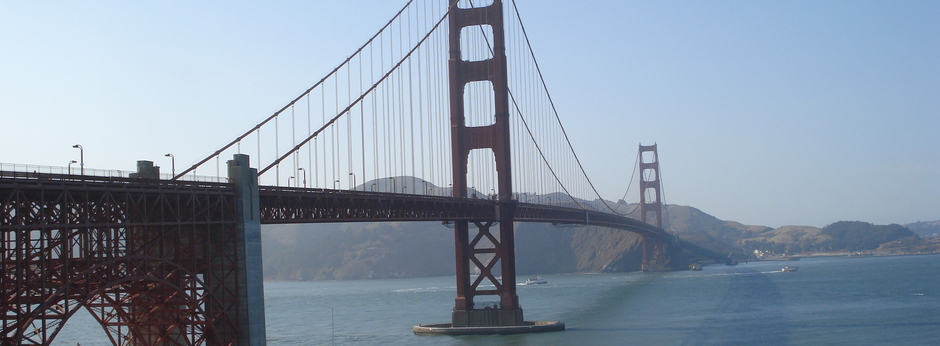
UNESCO Biosphere Reserve, inscribed 1988, in United States of America. The Golden Gate Biosphere Reserve is a partnership of 13 protected areas in the greater San Francisco Bay area. It extends through the central California coastal region from the Bodega Research Reserve in the north to Jasper Ridge in the south. It also includes the Farallon Islands, Angel Island and Alcatraz within the San Francisco Bay.
- 85
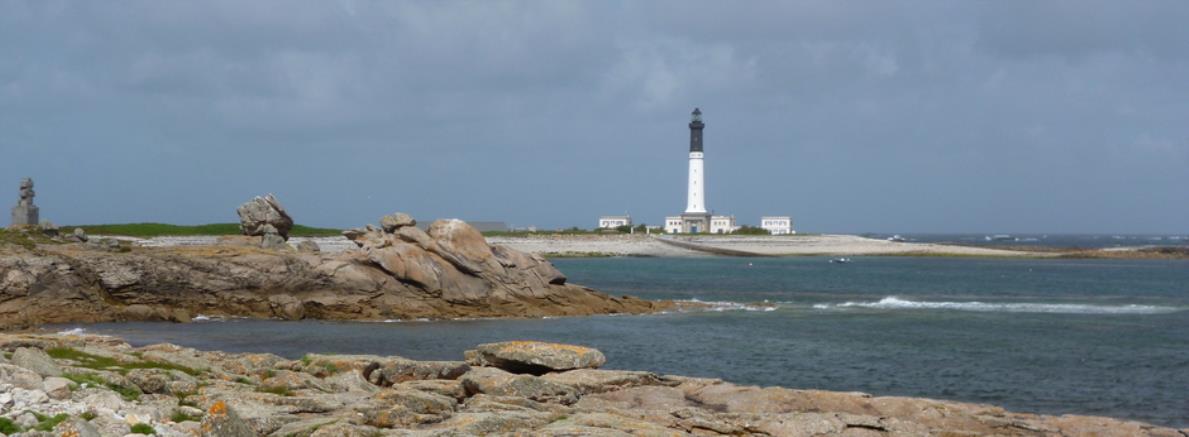
UNESCO Biosphere Reserve, inscribed 1988, in France. This biosphere reserve comprises three inhabited islands, Ouessant, Sein and Molène, as well as the Molène archipelago, which consists of around twenty smaller islands, together with the waters between them. All the major ecosystems of the Atlantic biogeographical region are represented across island, coastal and marine environments, the latter including beaches, cliffs with Atlantic coastal vegetation, heathlands and grasslands.
- 86
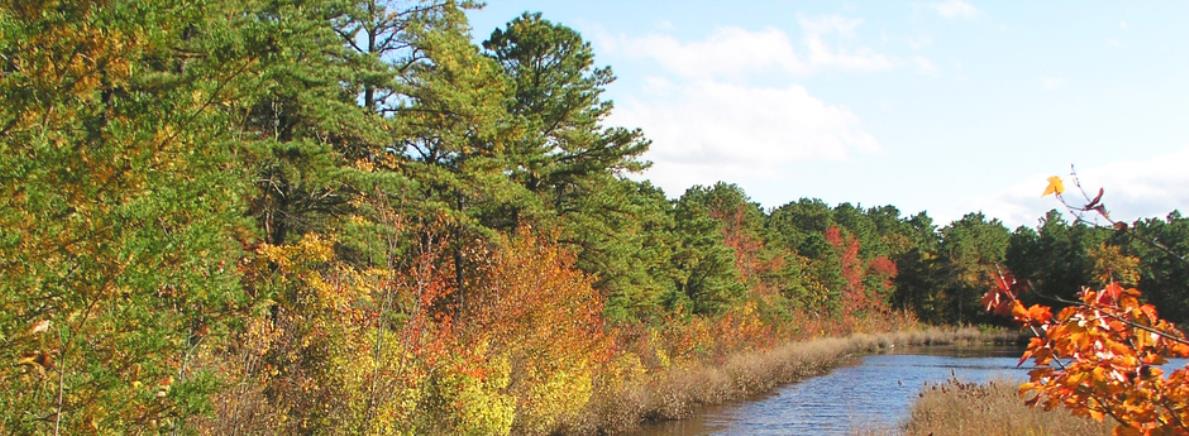
UNESCO Biosphere Reserve, inscribed 1988, in United States of America. The New Jersey Pinelands Biosphere Reserve is situated in the urbanised north-eastern United States and consists of a mosaic of upland, wetland and aquatic environments. Wildfires have favoured a pygmy forest of pitch pine (Pinus rigida), blackjack oak and scrub oaks.
- 87
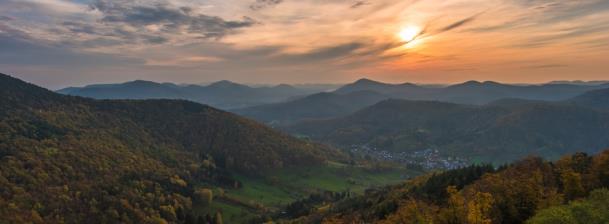
UNESCO Biosphere Reserve, inscribed 1988, in France. Located along the French–German border, the Vosges du Nord and the Pfälzerwald share three defining natural features: water, sandstone and forests. Sandstone outcrops characterise the broad forest belt, where beech, oak and pine are managed. Springs, streams and lakes are found throughout the humid valleys.
- 88
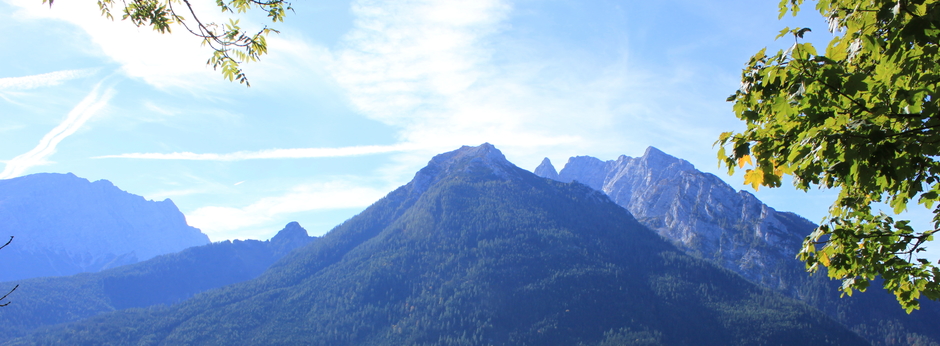
UNESCO Biosphere Reserve, inscribed 1990, in Germany. The Berchtesgadener Land biosphere reserve lies in the Berchtesgaden Alps, 150 km south-east of Munich on the border with Austria, and forms part of the Northern Limestone Alps. It is the only alpine biosphere reserve in Germany. It covers alpine landscapes and their foothills with lower areas. Elevation ranges from 380 to 2,700 metres above sea level. The reserve therefore encompasses riparian, submontane, montane and subalpine forests, as well as alpine and lowland meadows. Small-scale agriculture gives the landscape its characteristic features. The core area and buffer zone are identical with Berchtesgaden National Park, which includes the famous Lake Königssee. Local communities depend greatly on tourism.
- 89
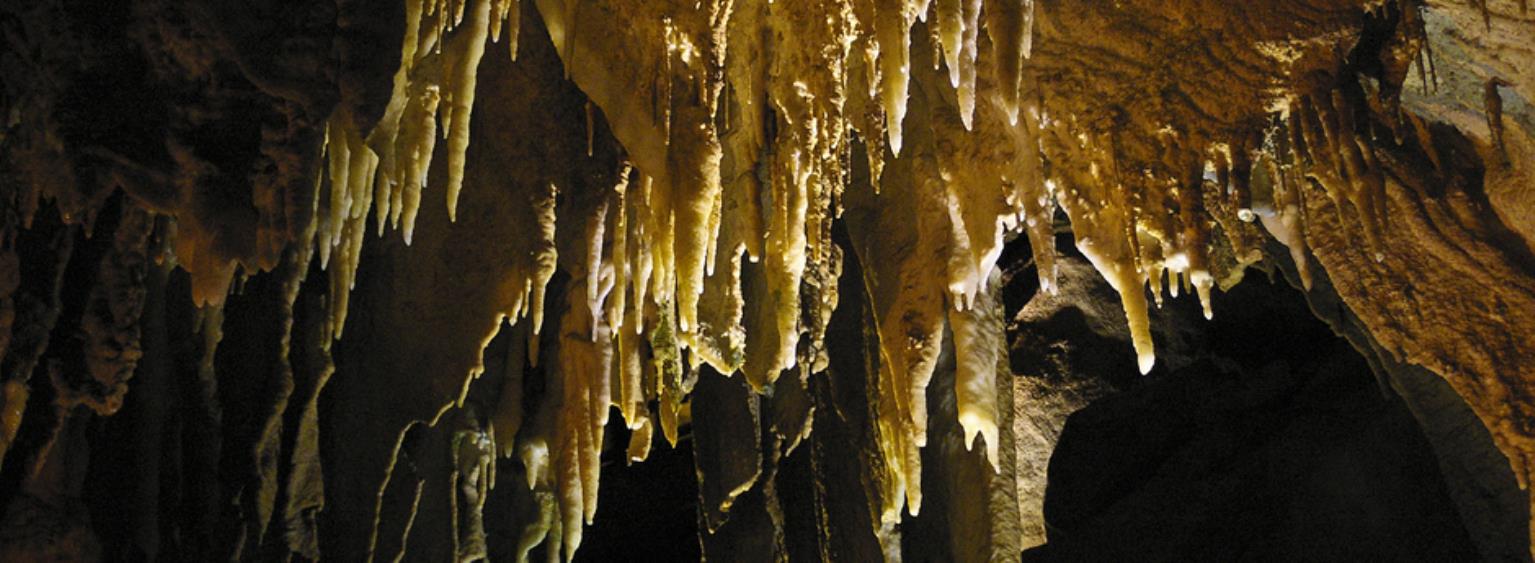
UNESCO Biosphere Reserve, inscribed 1990, in United States of America. Situated in Kentucky, the Mammoth Cave Area Biosphere Reserve encompasses a karst system characterised by complex underground watercourses and a multilayered cave system with distinctive fauna and mineralisation features. It is also significant culturally, as prehistoric peoples explored the caves, extracted minerals, used them for shelter, and cultivated the surrounding surface area.
- 90
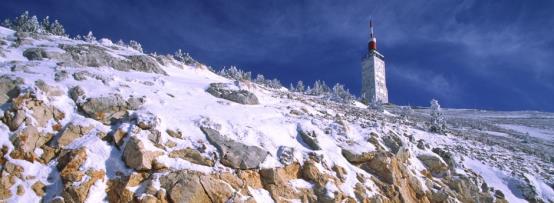
UNESCO Biosphere Reserve, inscribed 1990, in France. Mont Ventoux, at 1,909 metres above sea level, lies between the Alpine massif to the north and the Mediterranean massifs to the south. Its varied relief creates a mosaic of microclimates and habitats. Owing to its intermediate position and slope orientation, the mountain hosts exceptional floristic and faunal richness. The summit is notably rich in flora, with about sixty rare species. The surrounding area supports a wide variety of trees, notably beech and juniper
- 91
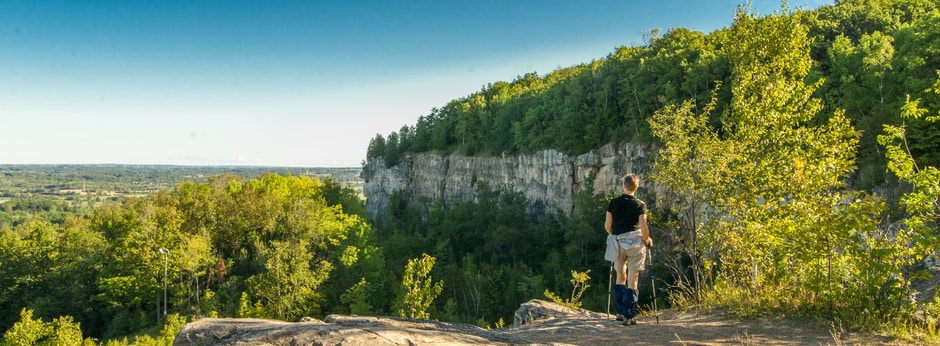
UNESCO Biosphere Reserve, inscribed 1990, in Canada. The Niagara Escarpment Biosphere Reserve in Ontario stretches 725 km from Lake Ontario, near Niagara Falls, to the tip of the Bruce Peninsula, between Georgian Bay and Lake Huron.
- 92
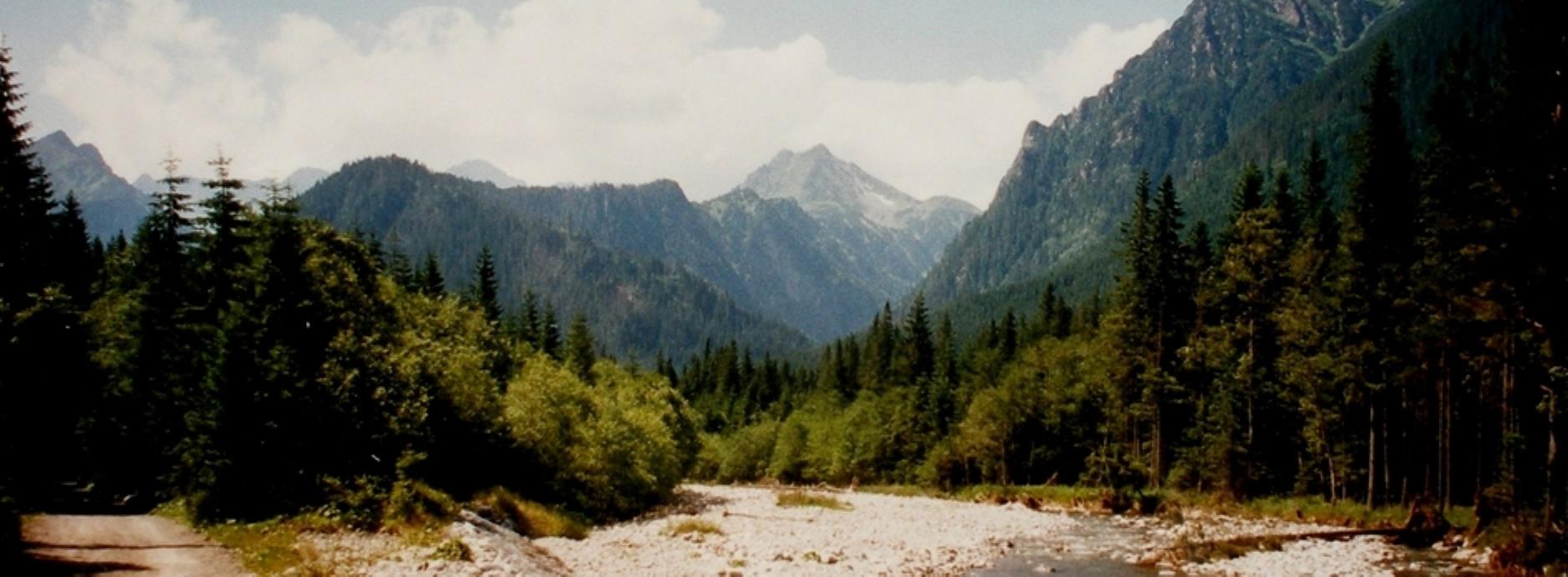
UNESCO Biosphere Reserve, inscribed 1990, in Slovakia. The Polana Biosphere Reserve is situated in central Slovakia within the Western Carpathians. It is a mountain landscape with diverse topography that reflects a complex geological history of volcanic activity, faulting and erosion. The vegetation is characterised by the common occurrence of both thermophilous and mountain plant species, reflecting changes in elevation, alternating rock and soil types, the influence of slope aspect, and the region’s outlying position south of the main West Carpathians arc.
- 93
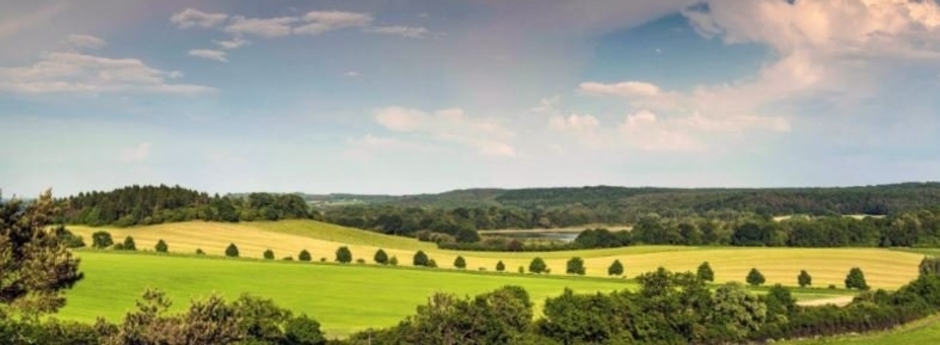
UNESCO Biosphere Reserve, inscribed 1990, in Germany. About an hour’s drive from Berlin’s city centre, this sparsely populated landscape of lakes, forests and low hills is a leader in organic agriculture. Within the biosphere reserve are a UNESCO World Heritage site, the ancient beech forest of Grumsin, and the famous monastery ruins at Chorin, a prime example of Gothic brick architecture. Around 15,000 years ago, the last ice age shaped the area, creating a landscape of unique character and outstanding beauty that accommodates a wide variety of biotopes and habitats. It is one of the largest protected areas in Germany.
- 94
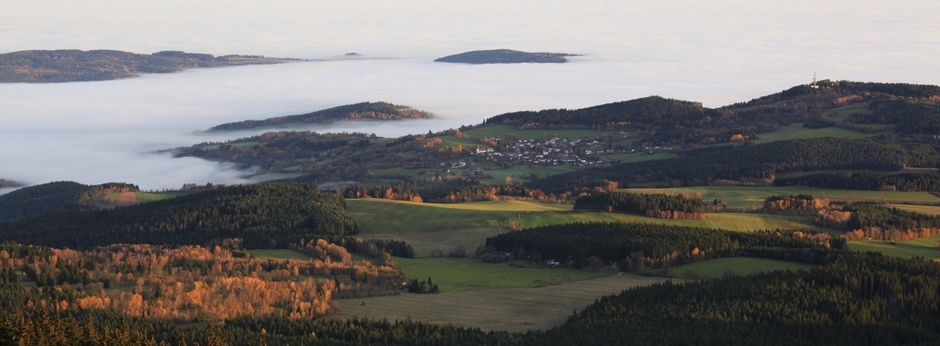
UNESCO Biosphere Reserve, inscribed 1990, in Czechia. The Šumava Biosphere Reserve includes a substantial part of the north-east-facing Bohemian Forest, a large Hercynian mid-mountain range that straddles the border between the Czechia, Germany and Austria. The reserve lies adjacent to the Bayerischer Wald Biosphere Reserve in Germany.
- 95
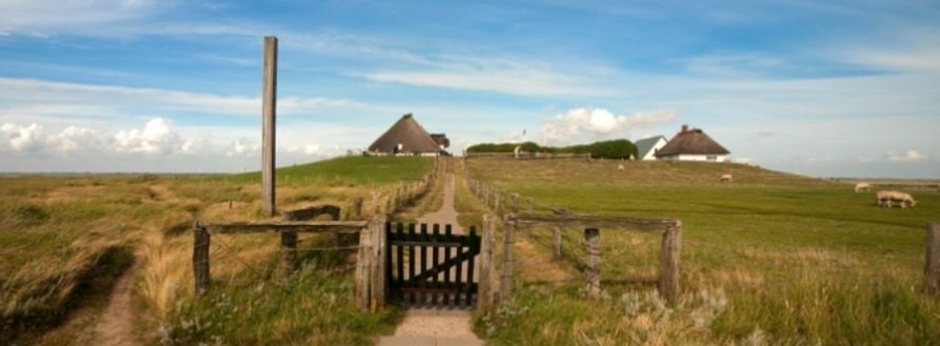
UNESCO Biosphere Reserve, inscribed 1990, in Germany. The Wadden Sea along the North Sea coast is one of Germany’s few remaining large-scale natural landscapes. It is protected as a national park, and its global uniqueness has been recognised through designation as a UNESCO World Heritage site. The tidal flats and creeks, salt marshes and sandbanks are largely preserved in their original state. The Wadden Sea has the highest bird numbers in Europe. Three UNESCO biosphere reserves encompass the entire German Wadden Sea, located in Hamburg, Lower Saxony and Schleswig-Holstein. In 2016, they established a cooperation agreement to pave the way towards a unified biosphere reserve. The Wadden Sea along the coast of the federal state of Schleswig-Holstein is one of the largest national parks in Europe and was designated a UNESCO biosphere reserve in 1990. The designation includes an extension to cover the Hallig islands, five small inhabited islands without protective dykes.
- 96
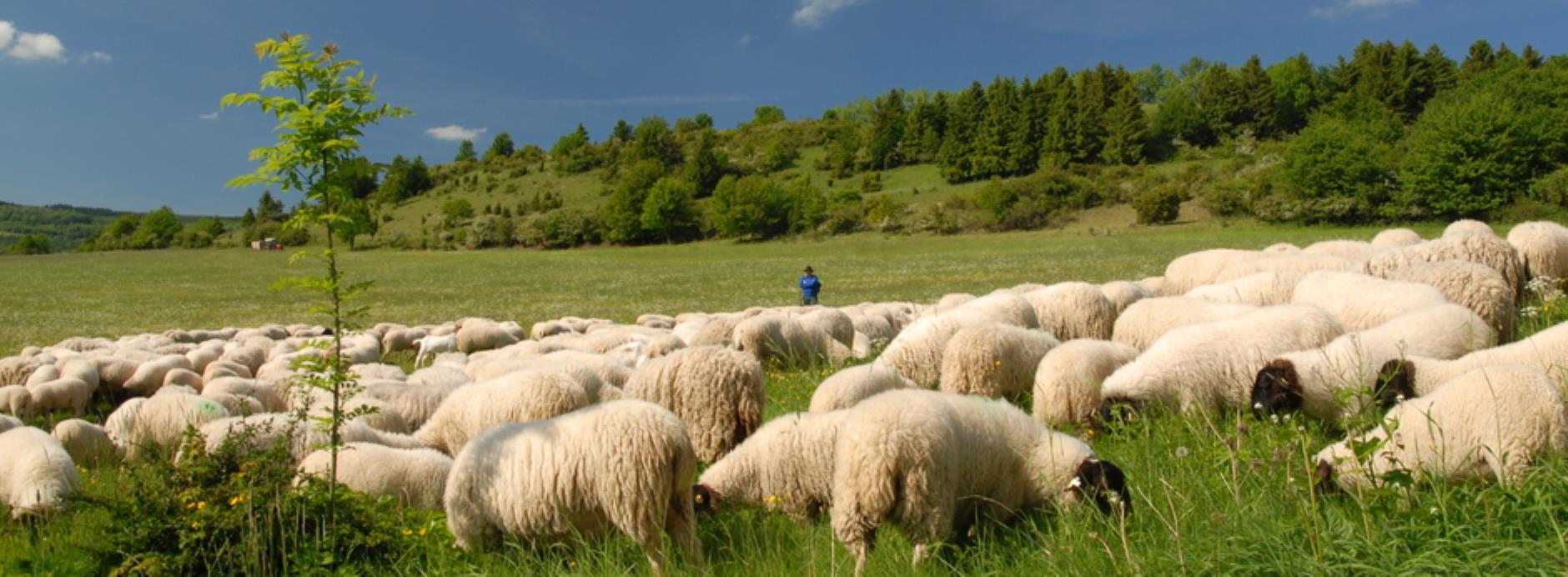
UNESCO Biosphere Reserve, inscribed 1991, in Germany. This biosphere reserve lies in the low mountain ranges of the Rhön in central Germany. In contrast to other German low-mountain areas, the Rhön is known as the land of open vistas, representing an open cultural landscape shaped by human use over many centuries.
- 97
UNESCO Biosphere Reserve, inscribed 1991, in Germany. The biosphere reserve is situated in the south-eastern part of Rügen, Germany’s largest island. Within its 22,800 ha, almost all coastal forms of the southern Baltic Sea can be found.
- 98
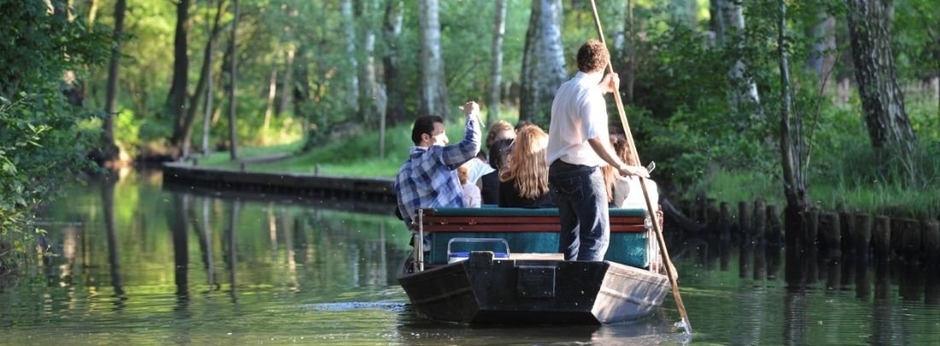
UNESCO Biosphere Reserve, inscribed 1991, in Germany. The UNESCO Spreewald Biosphere Reserve, whose name means “forest along the River Spree”, is a unique landscape in Central Europe, situated about 100 km south-east of Berlin. Shaped during the last ice age, it forms a vast inland delta around the River Spree. The area comprises meadows, forests and fens, but its distinctive feature is more than 276 km of navigable channels. The channels, rivers and their surroundings provide habitat for many animal and plant species. Farmers continue the tradition of using the channels for fishing and transport, and many tourists explore the region on traditional Spree Forest punting boats (the Spreewaldkahn) or by canoe.
- 99
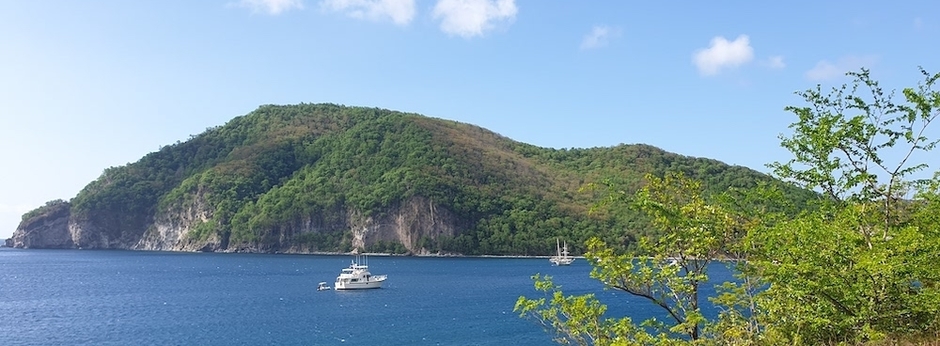
UNESCO Biosphere Reserve, inscribed 1992, in France. Situated on Guadeloupe Island in the Caribbean Sea, this biosphere reserve comprises two geographically separate sites. Basse-Terre consists of tropical forest in the west of the island, overlooked by the active volcano La Soufrière (1,467 m). The forest, uninhabited today, is home to more than 300 species of trees and shrubs despite centuries of human impact that decimated numerous species.
- 100
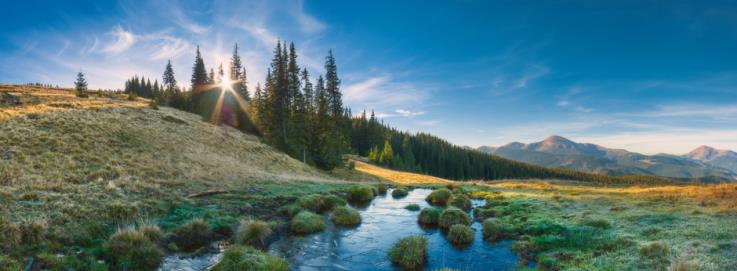
UNESCO Biosphere Reserve, inscribed 1992, in Ukraine. Situated in the Eastern Carpathians, the Carpathian Biosphere Reserve encompasses foothill oak groves, mountain beech, mixed and spruce forests, pine–alder alpine elfin woodland, subalpine and alpine meadows, and upland rocky–lichen landscapes. The biosphere reserve protects the largest massif of virgin beech forests in Europe, the Uholsko-Shyrokoluzhanskyi massif, as well as the Valley of Narcissi. Since 28 June 2007, it has formed part of the serial UNESCO World Natural Heritage site within the Ukrainian–Slovak nomination “Primeval Beech Forests of the Carpathians”.
- 101
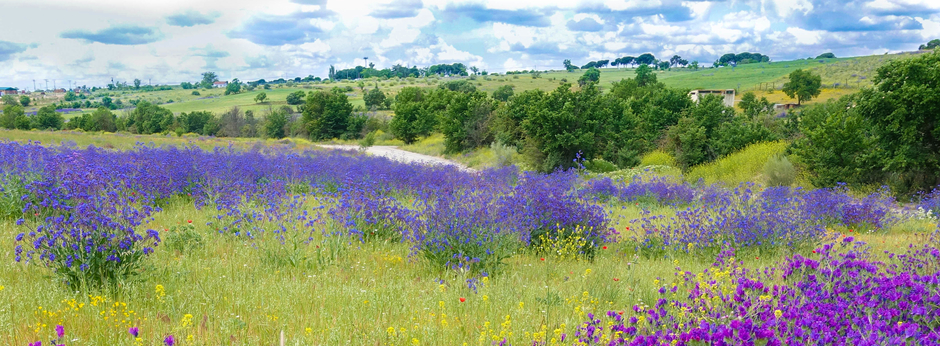
UNESCO Biosphere Reserve, inscribed 1992, in Spain. Cuenca Alta del Río Manzanares Biosphere Reserve includes a regional park in midland and highland mountain areas. These are dominated by Mediterranean forests of evergreen oak (Quercus ilex ballota) and ash (Fraxinus angustifolia), dehesas or forested grasslands, mainly reafforested pine forests with Pinus pinaster, Pinus pinea, Pinus sylvestris, Pinus nigra and Pinus uncinata, and grasslands.
- 102
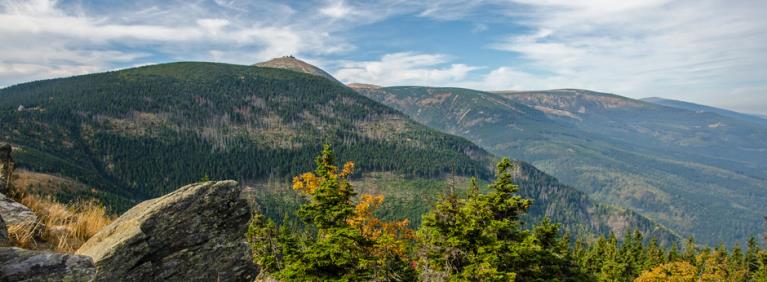
UNESCO Biosphere Reserve, inscribed 1992, in Poland. Krkonoše/Karkonosze is a transboundary biosphere reserve in north-western Czechia and south-western Poland. The Krkonoše/Karkonosze Mountains form part of the Sudetes in north-eastern Bohemia, a mountain system shared by Czechia, Germany and Poland. The reserve represents a unique pocket of arctic nature in Central Europe and an extraordinary crossroads where arctic, alpine, lowland and mountain elements mingle within a relatively small territory. The area is known for high biodiversity across four altitudinal vegetation belts. Human activities have shaped nature and the landscape throughout the Krkonoše Mountains over the last four centuries. Today, it is a popular tourist destination for hikers and skiers, especially on the Czech side.
- 103
UNESCO Biosphere Reserve, inscribed 1992, in Czechia. Krkonoše/Karkonosze is a transboundary biosphere reserve in north-western Czechia and south-western Poland. The Krkonoše/Karkonosze Mountains form part of the Sudetes in north-eastern Bohemia, a mountain system shared by Czechia, Germany and Poland. The reserve represents a unique pocket of arctic nature in Central Europe and an extraordinary crossroads where arctic, alpine, lowland and mountain elements mingle within a relatively small territory. The area is known for high biodiversity across four altitudinal vegetation belts. Human activities have shaped nature and the landscape throughout the Krkonoše Mountains over the last four centuries. Today, it is a popular tourist destination for hikers and skiers, especially on the Czech side.
- 104
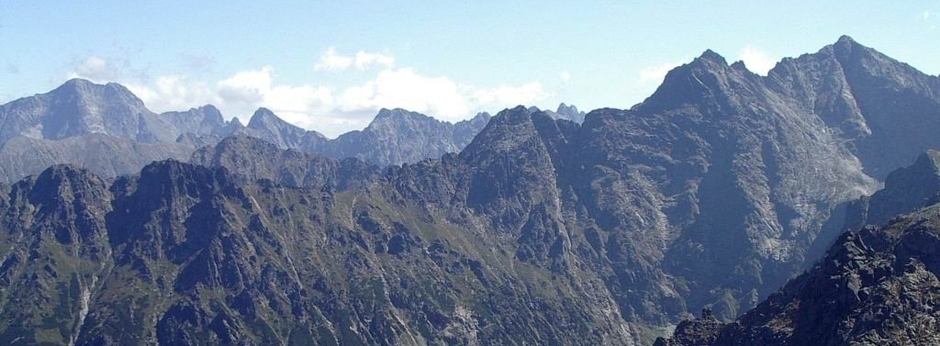
UNESCO Biosphere Reserve, inscribed 1992, in Poland. The Tatra Mountains are the highest mountains in the long Carpathian range, which stretches from Slovakia into Romania via Hungary, Poland and Ukraine. The territory of the biosphere reserve covers two national parks on each side of the political boundary between Poland and Slovakia. This transboundary biosphere reserve features karst topography with dolomites and limestone, canyons and waterfalls, a dwarf pine belt, alpine meadows, lakes and rocky peaks. The tourism sector provides the principal form of employment, as does forest management.
- 105
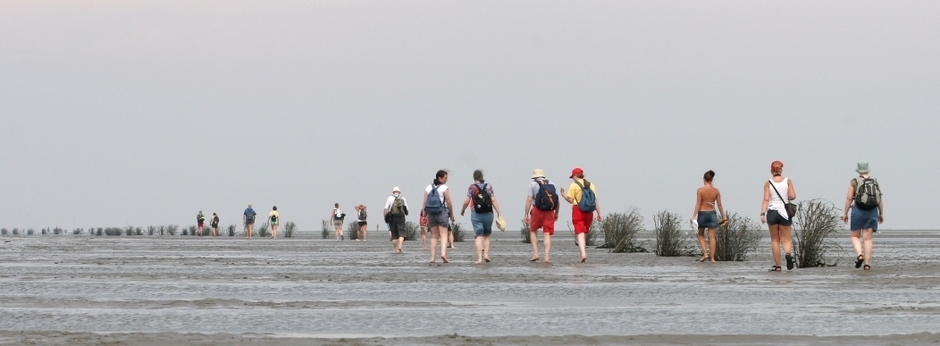
UNESCO Biosphere Reserve, inscribed 1992, in Germany. This site forms part of the Wadden Sea on the North Sea coast, about 40 km north of the city of Bremerhaven in the Land of Hamburg. The Wadden Sea (Wattenmeer) extends from Ho Bay in Denmark to the Dutch island of Texel. With its sands and mudflats, salt marshes and dunes, it is the largest unbroken system of tidal sand and mudflats in the world. Its high biological productivity, which underpins the site’s worldwide significance for biodiversity, and its strong natural dynamics make it of extraordinary natural value. The inscription of the Dutch and German protected areas of the Wadden Sea on UNESCO’s World Heritage List in 2009 underlined its global importance.
- 106
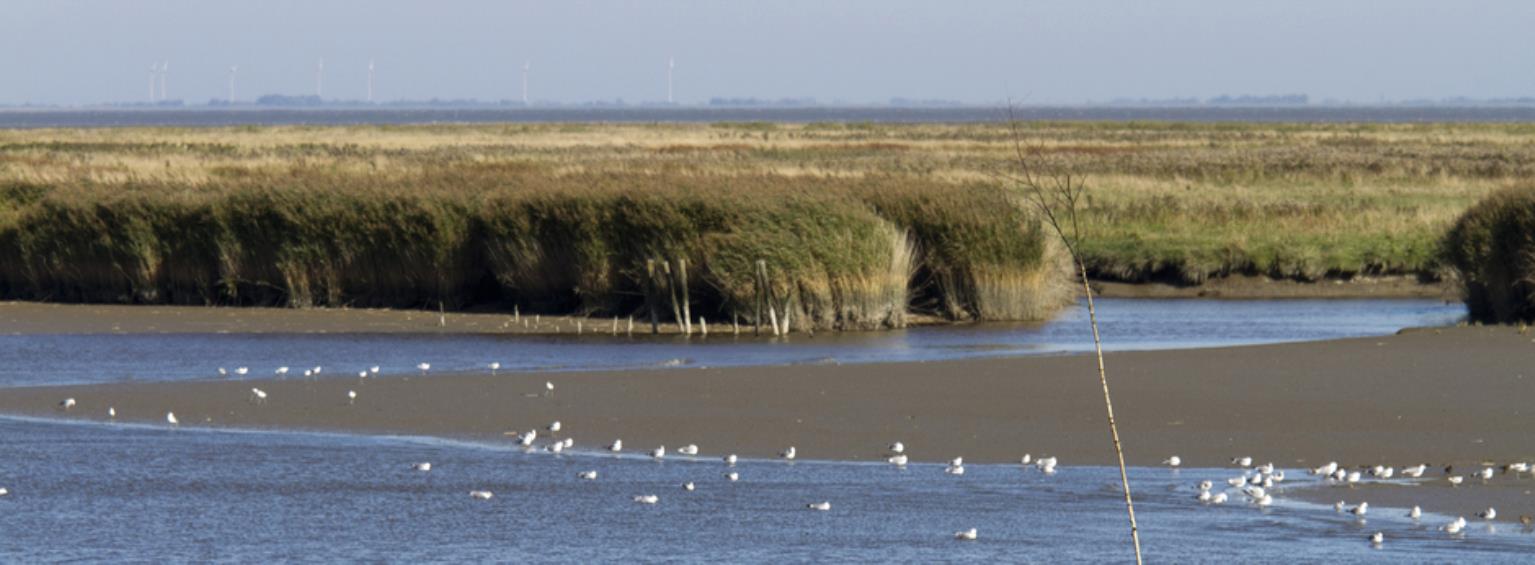
UNESCO Biosphere Reserve, inscribed 1992, in Germany. The biosphere reserve encompasses and protects the entire coast of Lower Saxony. Through its network with the neighbouring reserves in Hamburg and Schleswig-Holstein, it also covers the entire German Wadden Sea. This cooperation is part of the Trilateral Wadden Sea Cooperation, which strives for harmonised conservation of the Wadden Sea World Heritage site and for the sustainable development of the whole Wadden Sea Region. With the exception of very small border areas, the entire Wadden Sea of Lower Saxony lies within the biosphere reserve.
- 107
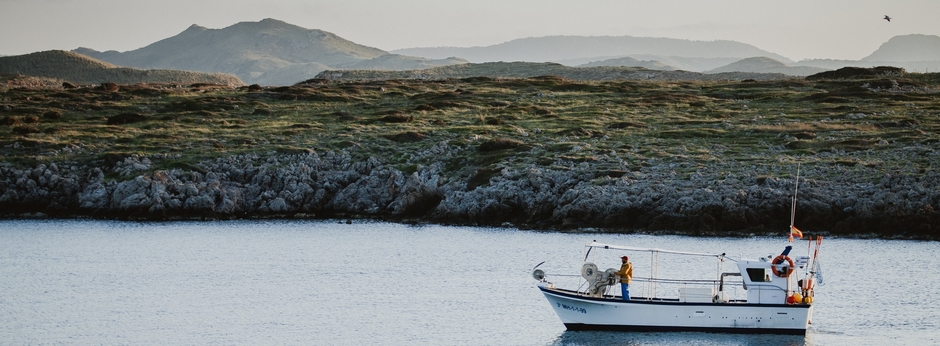
UNESCO Biosphere Reserve, inscribed 1993, in Spain. The main characteristic of the Menorca Biosphere Reserve is the diversity typical of Mediterranean island ecosystems. Notable habitats include gullies, caves and wetlands made up of ponds, lagoons and marshes, as well as dune systems, coasts and islets. Some 220 species of birds and 1,000 species of plants have been recorded, including 60 endemic species.
- 108
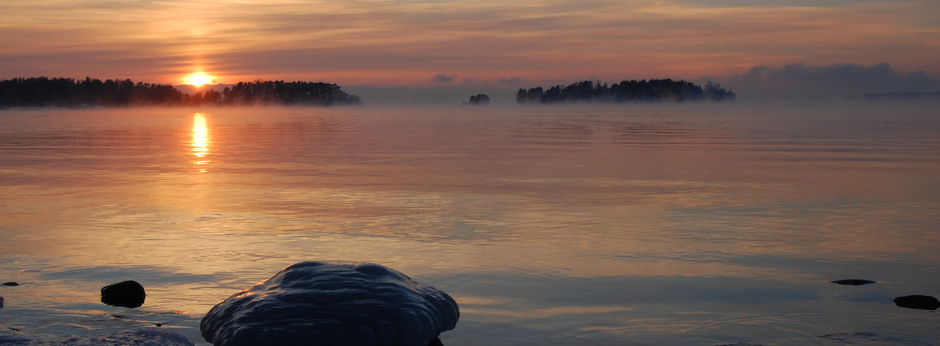
UNESCO Biosphere Reserve, inscribed 1994, in Finland. Situated in the Province of Turku and Pori in south-western Finland, this biosphere reserve comprises terrestrial and marine habitats, including coniferous forests, wood meadows, heaths, rocky meadows, rocky or sandy islets, arable land, seashores and open sea. It represents a coastal environment of small islands in the Baltic Sea. Island societies are small in scale, and people who have lived there for generations maintain close contact with the sea and nature. Traditional livelihoods such as fishing and agriculture are becoming less profitable, and the population has declined markedly since the beginning of the last century.
- 109
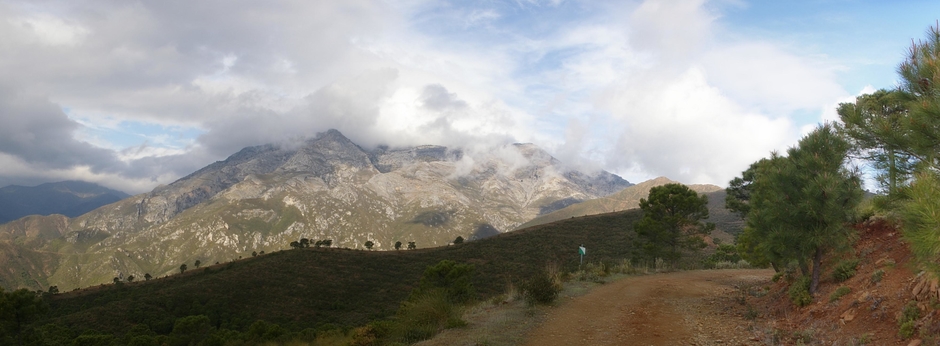
UNESCO Biosphere Reserve, inscribed 1995, in Spain. The geographical position of this biosphere reserve near both the Mediterranean and the Atlantic coast, including the Strait of Gibraltar, together with the altitude of its mountains, results in a humid Mediterranean climate in Sierra de las Nieves. The area consists of an extensive limestone mountain landscape with rocks and lithologies belonging to the Betica Mountain Range.
- 110
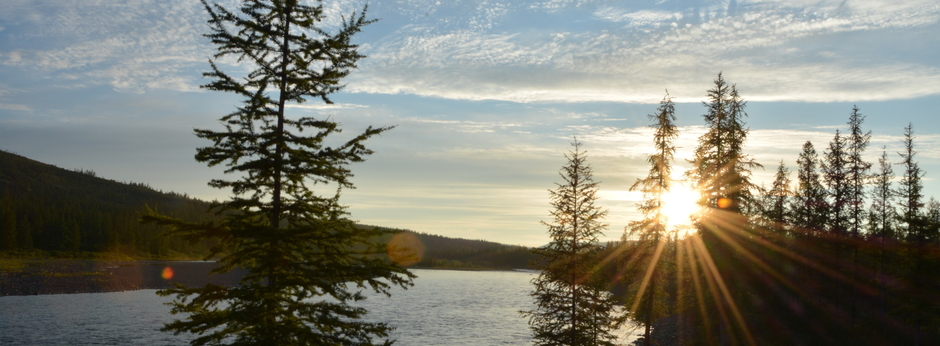
UNESCO Biosphere Reserve, inscribed 1995, in Russian Federation. Taimyrsky Biosphere Reserve is located in the northern Siberian lowlands on the Taimyr Peninsula. The site is a cluster biosphere reserve with three core areas, one of which covers part of Lake Taimyr. Each has a relatively narrow surrounding buffer zone, and all are protected collectively as the Taimyr State Reserve. The area is a highly important breeding site for birds in the northern part of the East Atlantic flyway. The biosphere reserve covers pristine tundra and steppe habitats, as well as the northernmost forest communities with larch and dwarf birch.
- 111
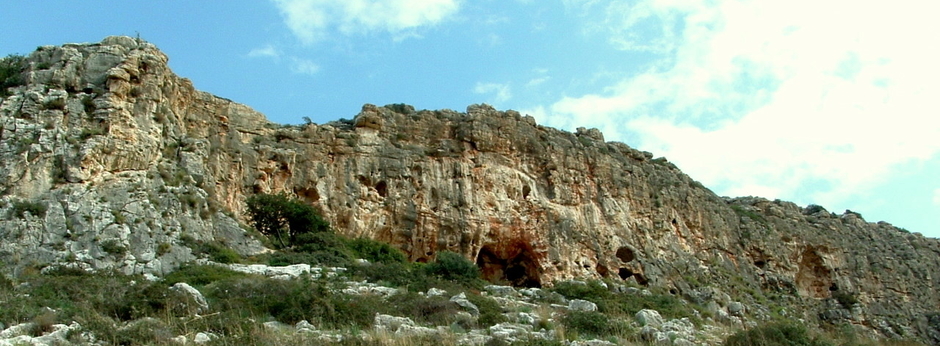
UNESCO Biosphere Reserve, inscribed 1996, in Israel. Located in north-west Israel at the southern limit of the Mediterranean biome, the Mount Carmel Biosphere Reserve lies in a regional climatic and biotic transition zone. It brings together rich biological and geological diversity, varied landforms and contrasting landscapes shaped by long-standing agricultural practices. The Carmel is a triangular mountain massif rising from the Mediterranean Sea, covered predominantly by oak shrubland. The reserve’s objectives are to conserve this biotic transition zone and its genetic resources, rehabilitate ecosystems affected by past use, and guide carefully planned, community-involved sustainable development.
- 112
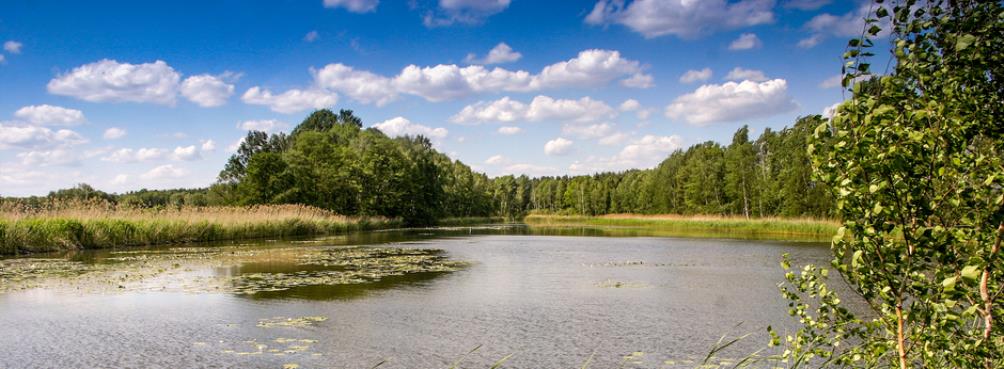
UNESCO Biosphere Reserve, inscribed 1996, in Germany. This biosphere reserve covers Germany’s largest pond region. It extends approximately from Kamenz in the west to the Neisse River in the east. The area is characterised by striking habitat diversity within a small area, with ponds lying alongside sandy dunes. Its position at the transition from Atlantic to continental climate also helps explain the rich species diversity.
- 113
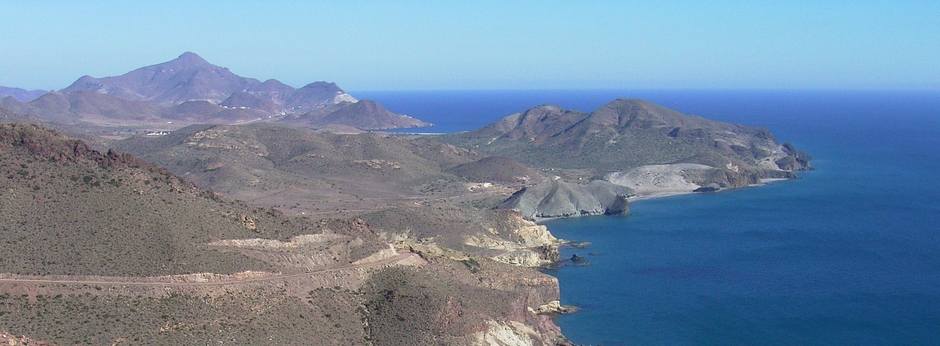
UNESCO Biosphere Reserve, inscribed 1997, in Spain. This biosphere reserve is located in the extreme south-east of the Iberian Peninsula, in the most arid part of Europe. It includes a marine zone to a depth of 60 m. Volcanic rocks characterise the landscape, and Mediterranean plant communities such as cornical (Periploca laevigata), tomillares in the Labiatae family, and halophytic matorral adapted to drought have high floristic diversity. These communities are considered a priority for conservation at European and Mediterranean levels.
- 114
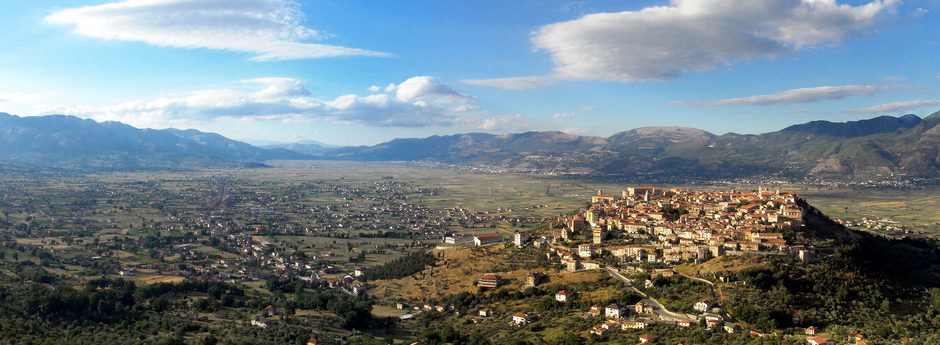
UNESCO Biosphere Reserve, inscribed 1997, in Italy. The Cilento and Vallo di Diano biosphere reserve is in south-central Italy, bordering the Tyrrhenian Sea. It is characterised by low dolomite mountains with typical karst features such as sinkholes and caves. The coastline comprises cliffs, bays and sandy beaches, with sea caves and freshwater springs. Mediterranean sclerophyll vegetation is divided into many habitats according to altitude, ranging from dry coastal garrigue to holm oak woodlands, mixed forests of oak, hornbeam and alder, natural stands of European beech, and high-altitude grasslands. The fauna is notable for its birds, especially birds of prey. The cultural heritage is particularly rich, with traces of human occupation dating to Palaeolithic times and archaeological and historic vestiges of a succession of civilisations.
- 115
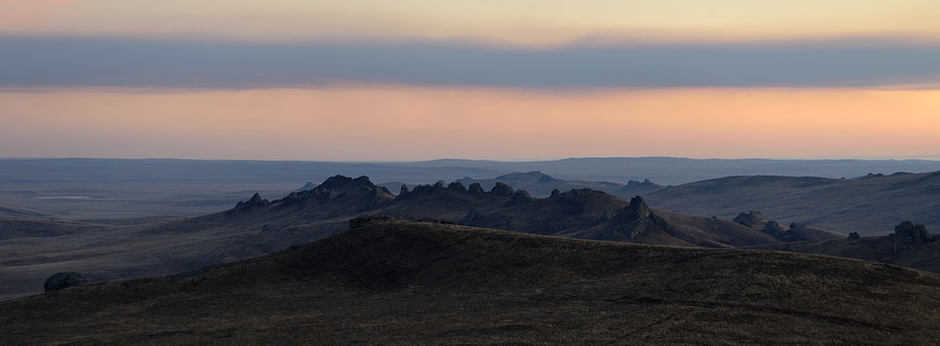
UNESCO Biosphere Reserve, inscribed 1997, in Russian Federation. This is a cluster biosphere reserve next to the border with Mongolia, 700 km south-east of Lake Baikal. Situated in the Mongolian–Manchurian Steppe biogeographic region, the area comprises vast steppes and pine forests at elevations ranging from 598 to 769 m above sea level.
- 116
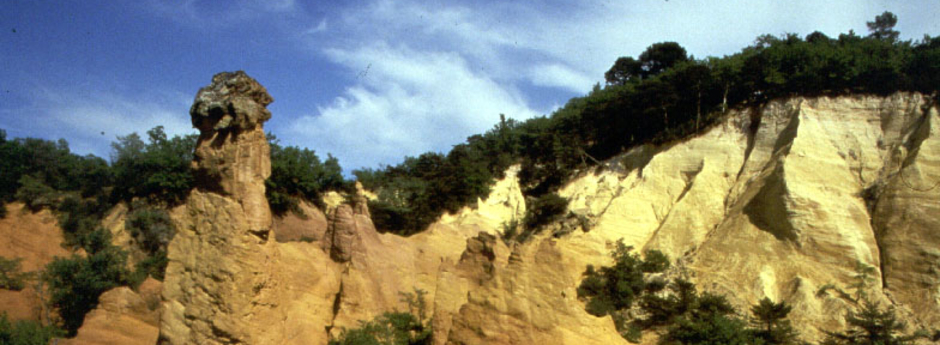
UNESCO Biosphere Reserve, inscribed 1997, in France. In 1997, the Parc naturel régional du Luberon, established in 1977, became part of the biosphere reserve network. It is bordered to the south and east by the synclinal fold of the Durance, one of the largest rivers south-east of the Rhône that feeds important wetland habitats. The site comprises Mediterranean plains and hills irrigated by several rivers with irregular, torrential flow regimes, including the Calavon, Largue and Lauzon. East–west-oriented Provençal ranges dominate, with Alpine influence, notably the Luberon massif (1,125 m) and the Vaucluse Mountains (1,256 m).
- 117
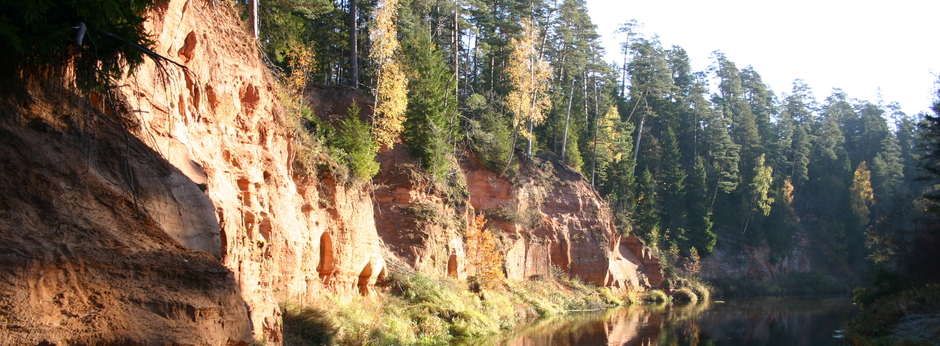
UNESCO Biosphere Reserve, inscribed 1997, in Latvia. North Vidzeme Biosphere Reserve comprises 53 km of the Gulf of Riga coastline and borders Estonia to the north. It covers 474,447 ha, corresponding to the catchment basins of the Salaca, Svetupe and Vitrupe rivers. Lakes characterise the landscape, with more than sixty larger than 3 ha, as well as gentle, glacially formed hills and rolling plains.
- 118
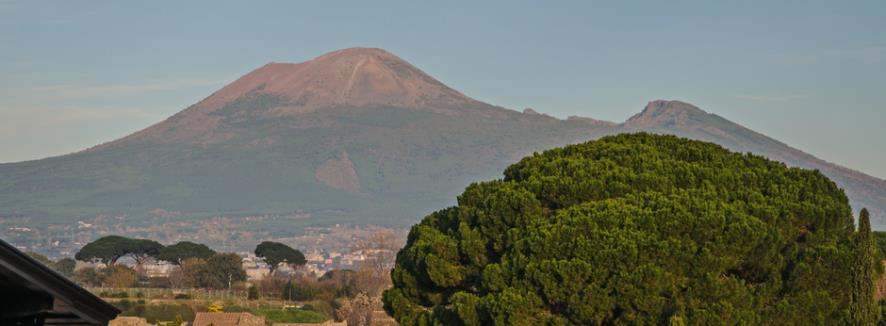
UNESCO Biosphere Reserve, inscribed 1997, in Italy. This biosphere reserve is located on the Gulf of Naples and encompasses the active volcano Vesuvius, famous for its eruption in AD 79, which engulfed the town of Pompeii. The biosphere reserve includes the Vesuvius Park, which is protected, and a transition area that covers the surrounding coastline.The Archaeological Areas of Pompeii, Ercolano and Torre Annunziata are also inscribed on the UNESCO World Heritage List. This area has been settled since antiquity and incorporates the town of Pompeii and the Vesuvian Villas, which were built by rich Neapolitan families in the sixteenth and seventeenth centuries.There is a long history of studies on the colonisation of lava by vegetation across different epochs. The traditional agricultural areas are diverse, with fruit, vines and flowers. The diversity of fauna is relatively poor however, the site acts as a resting and staging area for migratory birds. The local population practises agriculture, but traditional activities are declining. Measures are now being taken to renew interest in rural heritage and to develop cultural tourism and ecotourism.
- 119
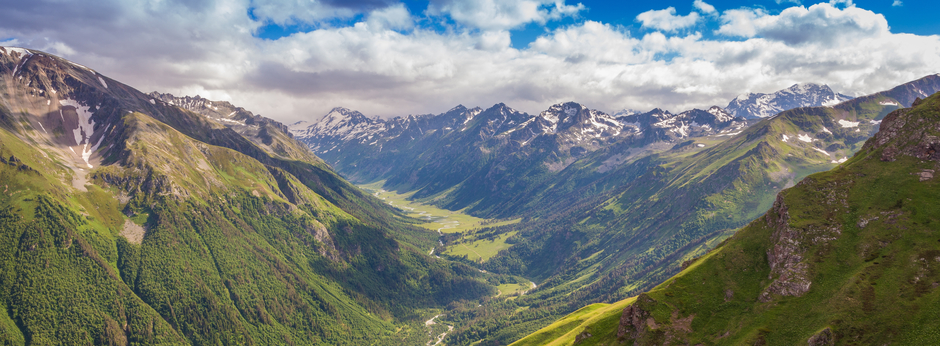
UNESCO Biosphere Reserve, inscribed 1997, in Russian Federation. This cluster biosphere reserve is situated on the northern slopes of the Greater Caucasus Range in the upper Teberda Valley. It is a typical mountainous region, with elevations largely above 2,000 m.
- 120
UNESCO Biosphere Reserve, inscribed 1997, in Russian Federation. Ubsunorskaya Kotlovina lies in the Republic of Tuva on the Russia–Mongolia border. It forms the Russian part of the Uvs Lake Depression Transboundary Biosphere Reserve, together with Mongolia’s Uvs Nuur Basin Biosphere Reserve. This is a key cross-border region linking the Siberian taiga with the Mongolian steppe, and supporting joint biodiversity conservation and community-based ecotourism. The reserve’s purpose is to keep ecosystems and species intact by using clearly marked core areas, with buffer zones concentrating human use outside the cores. This approach supports pastoral livelihoods and carefully managed tourism in line with sustainable development.
- 121
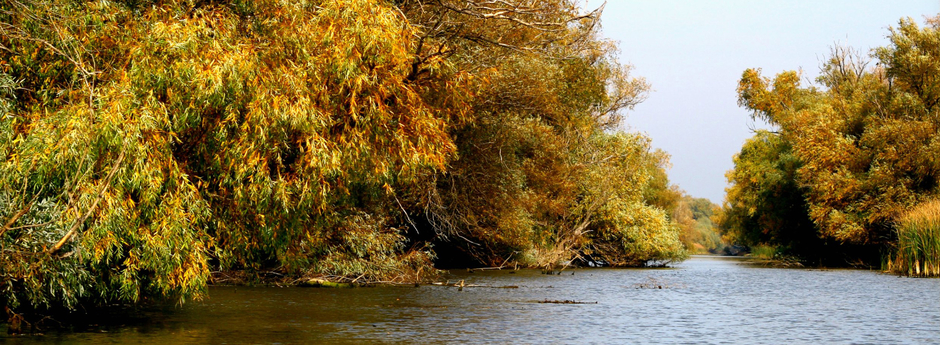
UNESCO Biosphere Reserve, inscribed 1998, in Romania. The Danube Delta Biosphere Reserve is a labyrinth of water and land shared between Romania and Ukraine. It is made up of countless lakes, channels and islands at the end of a 2,860 km long river. The Danube Delta is the largest European wetland and reed bed, and constitutes Europe’s largest water purification system. The area is particularly well known for its abundance of birdlife, with 312 important bird species, many of which use the delta as an important stopover and breeding area. About 90 fish species are present, including populations of sturgeon (Acipenser). The delta is also one of the last refuges of the European mink (Mustela lutreola), the wildcat (Felis silvestris), the freshwater otter (Lutra lutra) and the globally threatened monk seal (Monachus monachus). The Danube Delta is home to a rich mix of Bulgarian, Gagauz, Lipovan, Moldovan, Russian, Turkish and Ukrainian people, scattered around the delta in small villages. The main economic activities in the biosphere reserve are fishing, hunting, reed harvesting, livestock raising and subsistence agriculture, as well as tourism.
- 122
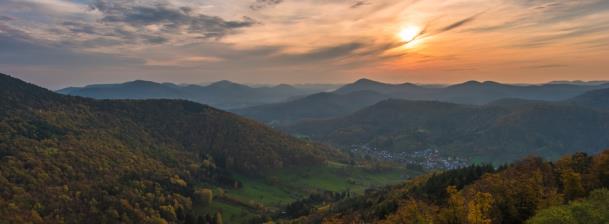
UNESCO Biosphere Reserve, inscribed 1998, in Germany. Located along the French German border, the Vosges du Nord and the Pfälzerwald share three defining natural features: water, sandstone and forests. Sandstone outcrops characterise the broad forest belt, where beech, oak and pine are managed. Springs, streams and lakes are found throughout the humid valleys.
- 123
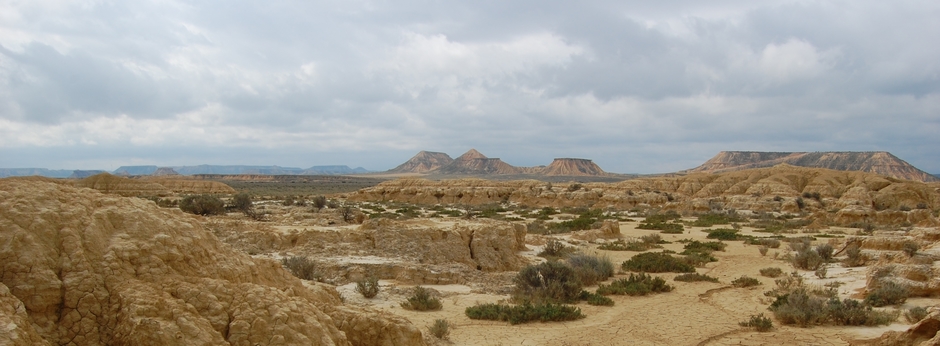
UNESCO Biosphere Reserve, inscribed 2000, in Spain. The Bardenas Reales Biosphere Reserve and Natural Park are located in northern Spain and comprises the Natural Reserve ‘Rincón del Bú’ and the Reserva Natural ‘Caídas de la Negra’.
- 124
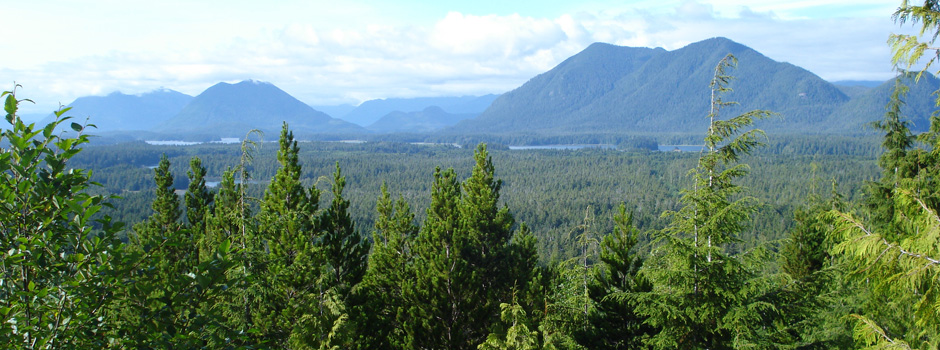
UNESCO Biosphere Reserve, inscribed 2000, in Canada. The Clayoquot Sound Biosphere Reserve is situated on Vancouver Island, on the west coast of British Columbia. A diverse range of ecosystems lies within the biosphere reserve boundaries, including temperate coastal rainforest, ocean and rocky coastal shores. Nine of the large, forested valleys remain untouched by logging or other industrial development. The area’s temperate rainforest, lakes, rivers and alpine peaks provide habitats for a vast array of species, a significant number of which are endangered or rare. As development increasingly fragments forest and alpine ecosystems and reduces biodiversity in coastal rainforests, this biosphere reserve provides a refuge and a centre for the natural dispersion and re-establishment of species.
- 125
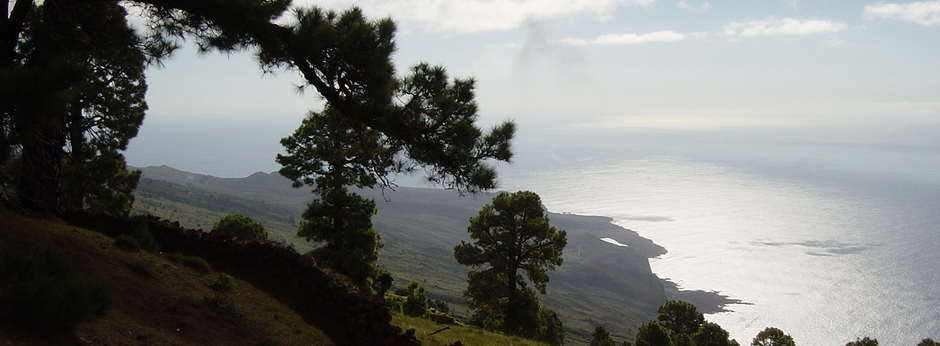
UNESCO Biosphere Reserve, inscribed 2000, in Spain. El Hierro is a volcanic island, the youngest and smallest of the Canary Archipelago. Situated in the Macaronesian biogeographical region, its vegetation includes coastal matorral, thermophilous juniper forest, evergreen woodlands and pine forest, as well as marine and coastal habitats. El Hierro has great biological diversity, at both ecosystem and species levels. In 2014, a hybrid hydro–wind electricity generation system made El Hierro the first energy self-sufficient island relying entirely on renewable energy sources.
- 126
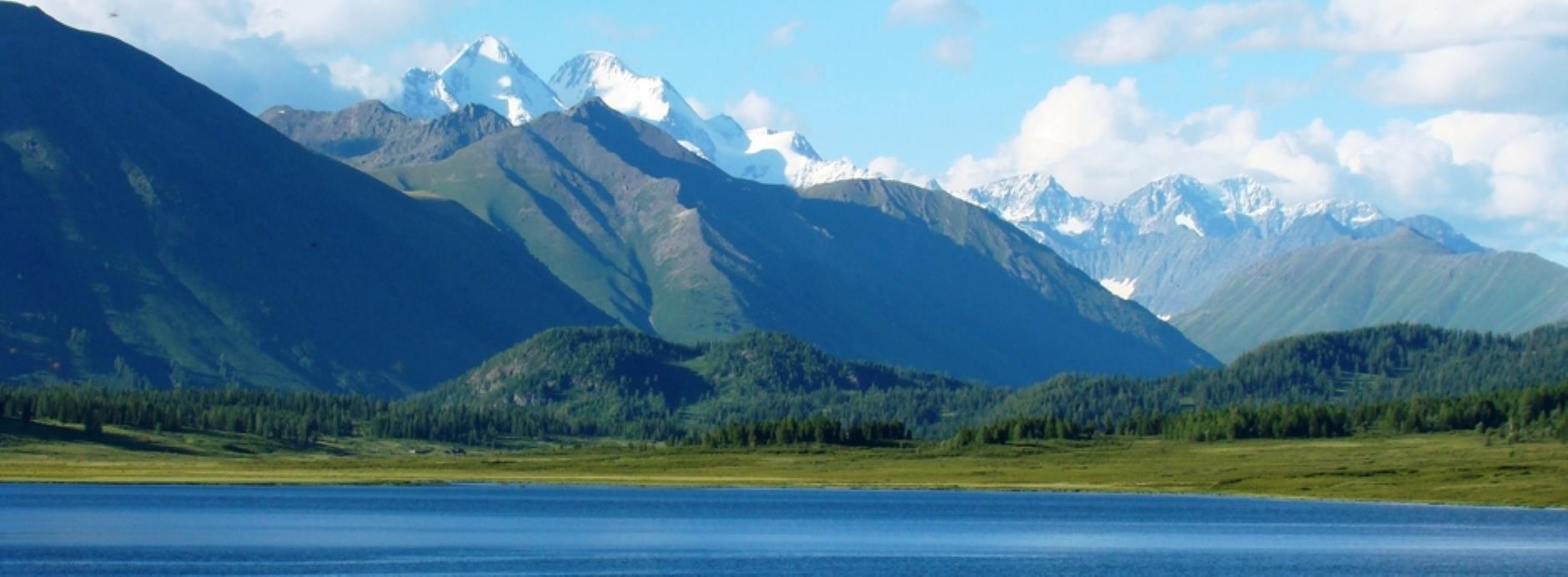
UNESCO Biosphere Reserve, inscribed 2000, in Russian Federation. This reserve comprises the Katunskiy Biosphere Reserve (Russian Federation, designated in 2000) and the Katon-Karagay Biosphere Reserve (Kazakhstan, designated in 2014). With a total area of over 1.5 million ha, the territory is used for livestock rearing and grazing, red deer farming, fodder production and apiculture. Tourism, hunting, fishing and the collection of non-timber forest products are also widespread.
- 127
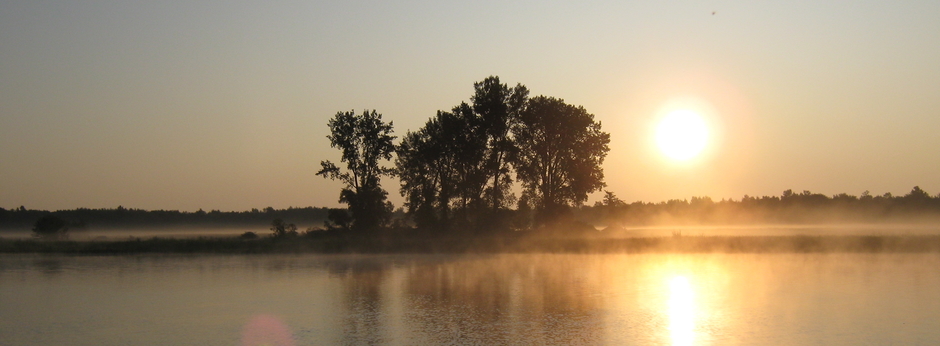
UNESCO Biosphere Reserve, inscribed 2000, in Canada. The Lac Saint-Pierre Biosphere Reserve is a vast territory that has been home to many communities for generations. At its biogeographical centre lies Lake Saint-Pierre, a fluvial expansion of the St Lawrence River formed as the Champlain Sea retreated at the end of the last ice age. The lakeshore and archipelago host distinctive wetland ecosystems recognised under the Ramsar Convention. The area includes North America’s largest heronry and is one of the continent’s key stopovers for migratory birds. Human activities include commercial shipping along the waterway that crosses the lake and its archipelago, and extensive agriculture across much of the landscape. Together with the proximity of one of Quebec’s largest cities, these factors make managing the reserve, balancing people and nature, particularly challenging.
- 128
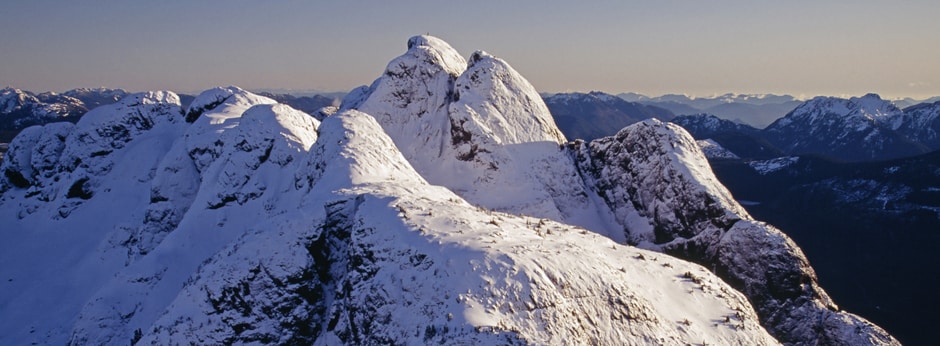
UNESCO Biosphere Reserve, inscribed 2000, in Canada. This biosphere reserve is located on the east coast of Vancouver Island in British Columbia. It is close to the Clayoquot Sound Biosphere Reserve, located on the other side of the island. Situated in the Coastal Douglas-fir (Pseudotsuga menziesii) biogeoclimatic zone, the forests in the area were logged in the early 1900s. Today, second-growth trees are reaching harvestable size, which leads to pressures from the logging industries.
- 129
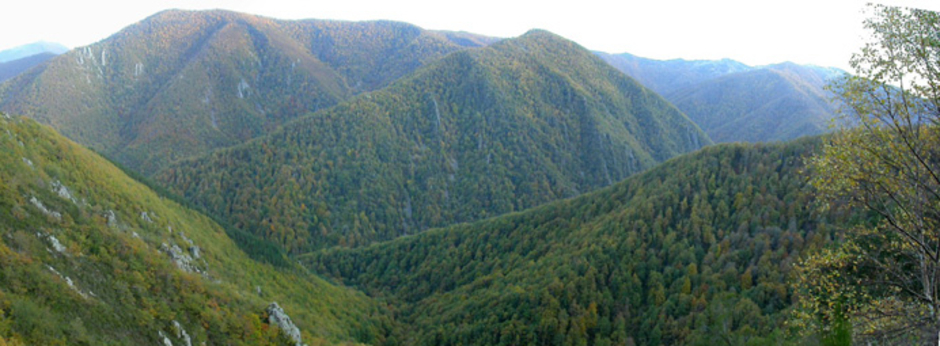
UNESCO Biosphere Reserve, inscribed 2000, in Spain. Muniellos Biosphere Reserve is located in north-western Spain, in the south-westernmost part of Asturias Province.
- 130
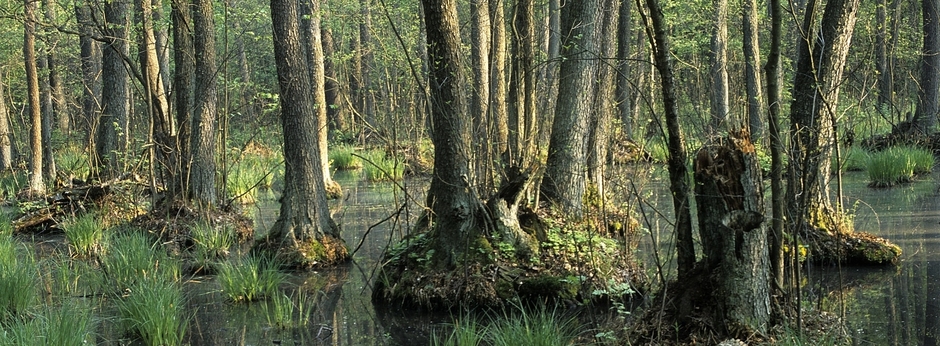
UNESCO Biosphere Reserve, inscribed 2000, in Poland. Located in the European lowlands north-east of Warsaw, and parallel to the valley of the Vistula River, this biosphere reserve is characterised by a high diversity of lowland habitats. Dune belts are separated by swamp areas, with a mixture of forest types that include bog-alder forest, ash–alder floodplain forest, pine–oak mixed forest, and low oak–lime–hornbeam forest. The abundance of natural habitats enabled the successful reintroduction of elk (Alces alces), European beaver (Castor fiber) and lynx (Lynx lynx). The core area of the biosphere reserve includes strictly preserved areas within the administrative boundaries of Kampinos National Park.
- 131
UNESCO Biosphere Reserve, inscribed 2000, in Canada. Redberry Lake Biosphere Reserve covers 112,200 ha in the province of Saskatchewan, south-west Canada. The regional landscape is composed of rolling prairie dotted with seasonal ponds and marshes, along with aspen and shrub groves. The core area is a saline lake with several islands. There are small patches of natural mixed prairie, which are very rare in this highly grazed and cultivated part of the prairies.
- 132
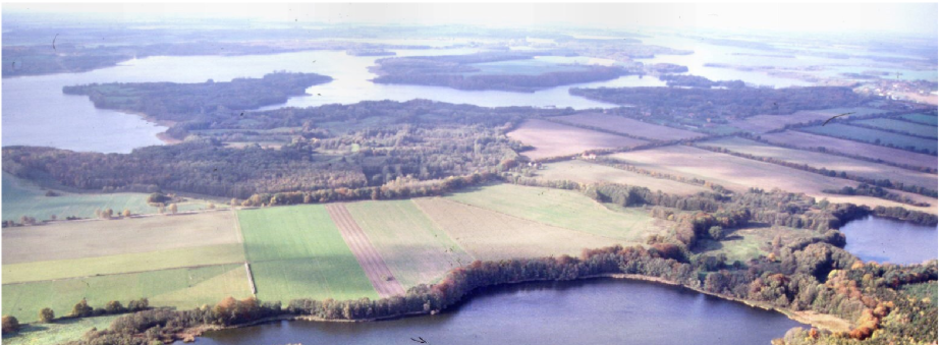
UNESCO Biosphere Reserve, inscribed 2000, in Germany. The Schaalsee Biosphere Reserve is in the Land of Mecklenburg-Vorpommern in northern Germany.
- 133
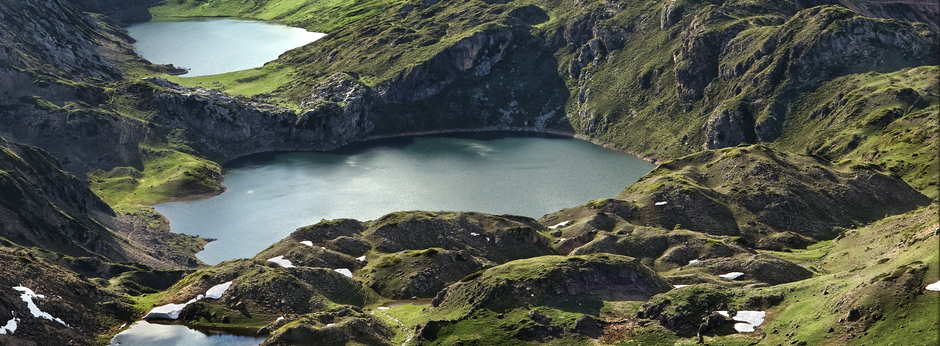
UNESCO Biosphere Reserve, inscribed 2000, in Spain. Somiedo comprises alpine ecosystems on the peaks, up to 2,100 metres above sea level, and the high ridges of the Cantabrian range. Slopes are covered by beech woods, green oak or Pyrenean oak, and swift-flowing streams run through the meadows that line the bottoms of the U-shaped glacial valleys.
- 134
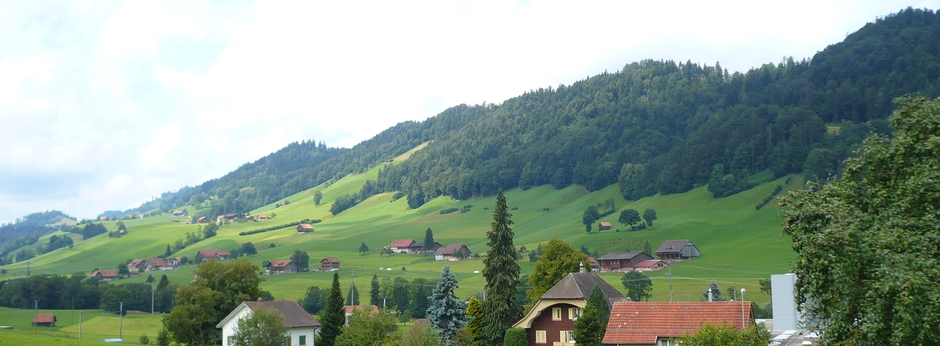
UNESCO Biosphere Reserve, inscribed 2001, in Switzerland. The Entlebuch Biosphere Reserve is located at the foot of the Alps in central Switzerland.
- 135
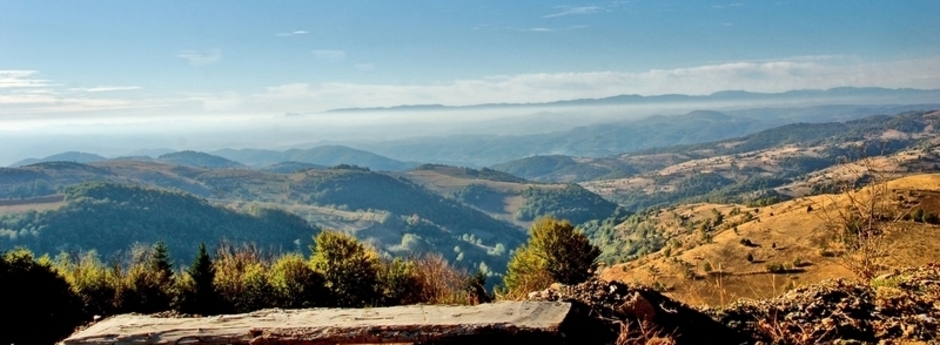
UNESCO Biosphere Reserve, inscribed 2001, in Serbia. Golija-Studenica Biosphere Reserve is situated in south-western Serbia and lies within the inner zone of the Dinaric mountain system. It covers a mountainous region and includes a mosaic of ecosystems, such as forests, shrubs and lakes.
- 136
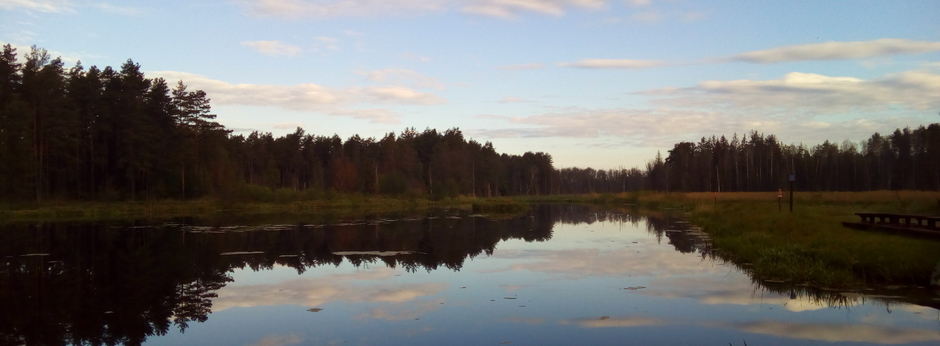
UNESCO Biosphere Reserve, inscribed 2001, in Russian Federation. The biosphere reserve lies in the Dnieper basin within the Polesie mixed forest zone, on the border with Ukraine. It covers low-lying, sparsely populated forested landscapes on the left bank of the Desna River in the Bryansk Region. The area is regionally significant for its extensive floodplain wetlands and old-growth ash–oak forests, which support major spring migrations of waterbirds and sustain key hydrological functions. The reserve’s main aims include conserving genetic resources, ecosystems and landscapes, providing a platform for research, long-term monitoring and environmental education, and supporting sustainable development by maintaining traditional land use and developing ecotourism.
- 137
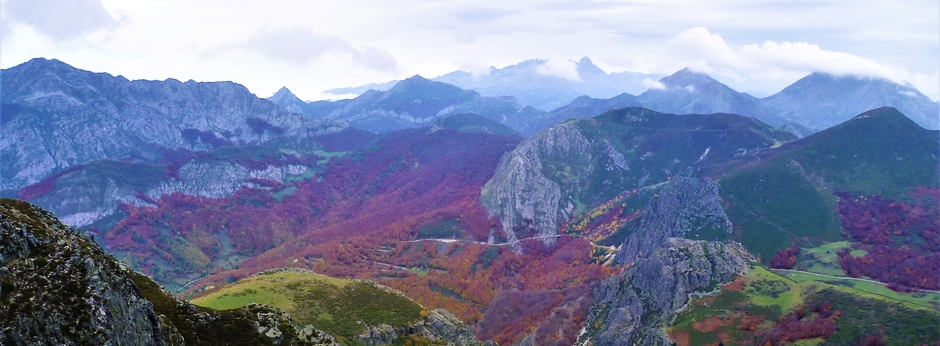
UNESCO Biosphere Reserve, inscribed 2001, in Spain. The Redes Biosphere Reserve is the third biosphere reserve in the Cantabrian mountain range in the Province of Asturias. It is characterised by great biological and cultural diversity and is part of the effort to create a Gran Cantabrian Biosphere Reserve together with Somiedo and Muniellos, which would be the first biosphere reserve in Europe to cover an entire ‘ecoregion’. Redes comprises two areas characteristic of the Cantabrian Mountains: the karst limestone areas in the eastern regions, and the silica, quartzite, slate and sandstone areas in the west.
- 138
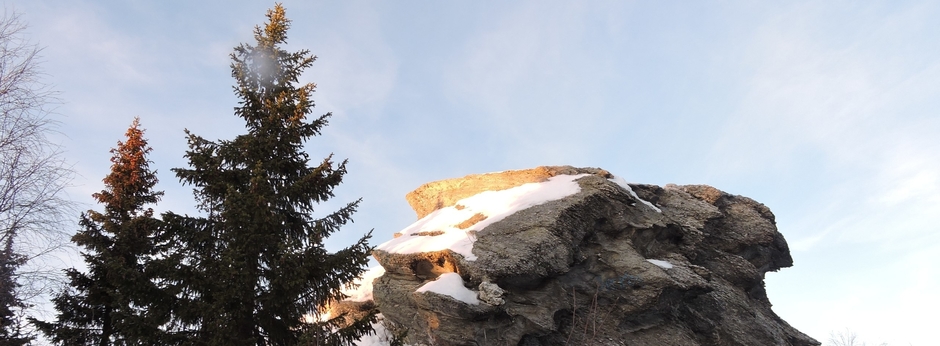
UNESCO Biosphere Reserve, inscribed 2001, in Russian Federation. The Visimskiy Biosphere Reserve is located in the forests of the central Ural Mountains north-west of Yekaterinburg. Situated on the natural border between Europe and Asia, the site plays a significant role in maintaining the ecological balance of the region.
- 139
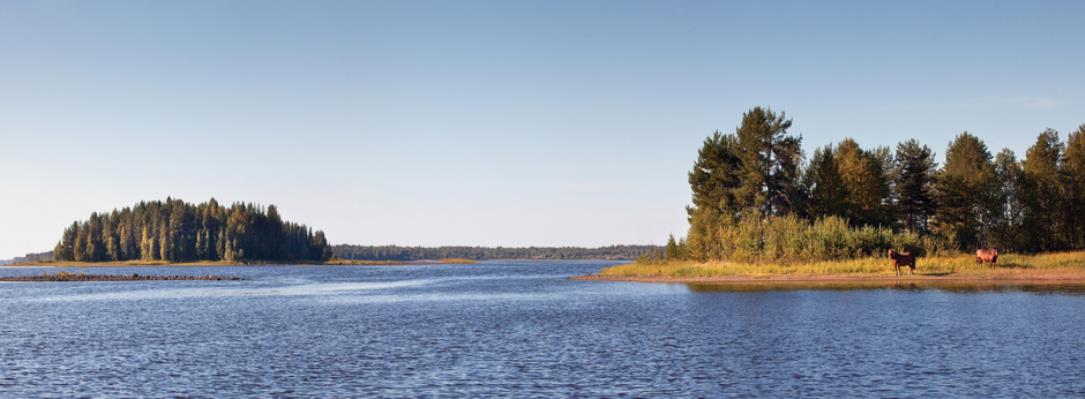
UNESCO Biosphere Reserve, inscribed 2001, in Russian Federation. Vodlozersky Biosphere Reserve is in the extreme north-west of the country. Mid-latitude and northern taiga landscapes are preserved here, and all kinds of terrestrial and aquatic ecosystems typical of this zone are represented, including boreal coniferous forests with spruce (Picea abies and P. obovata) and pine (Pinus sylvestris), as well as mires, lake ecosystems and river ecosystems.
- 140
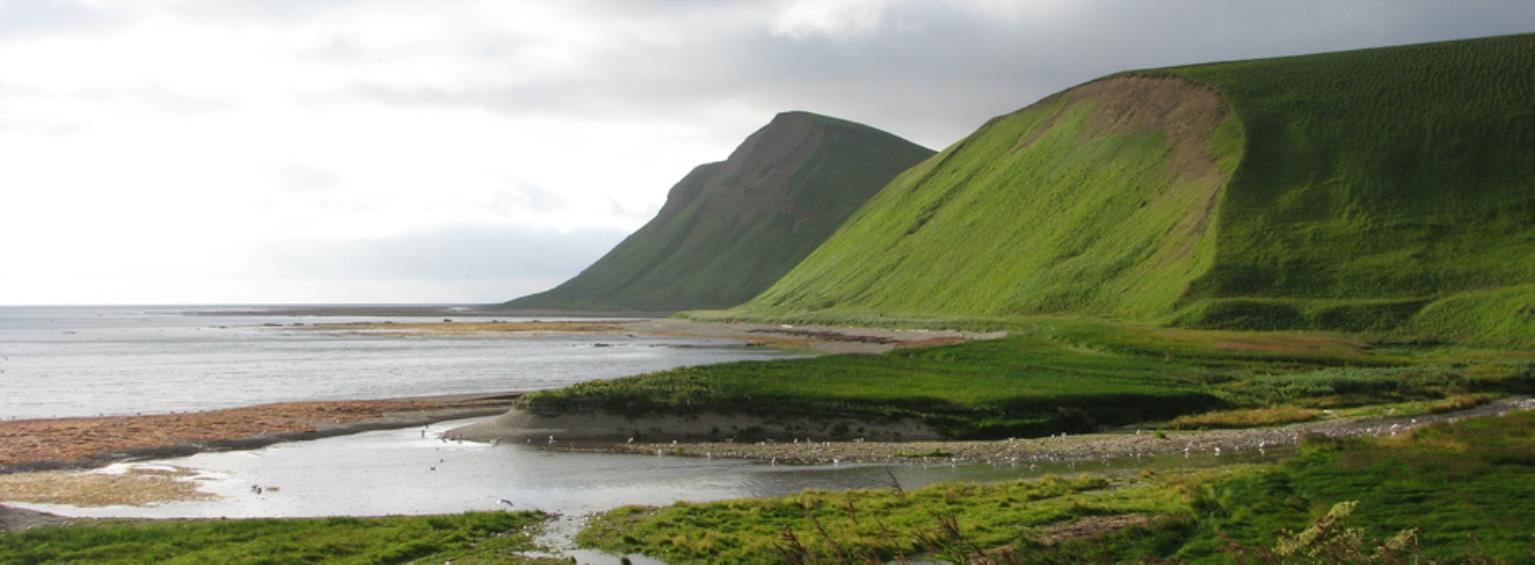
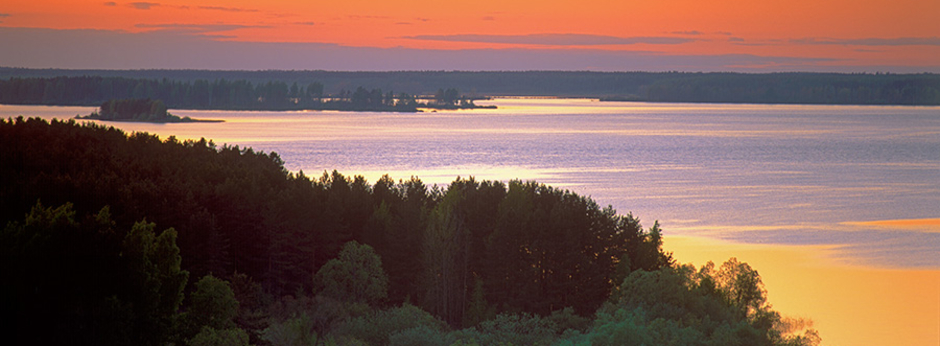
UNESCO Biosphere Reserve, inscribed 2002, in Russian Federation. The Commander Islands Nature and Biosphere Reserve is situated on the boundary between the north-western Pacific Ocean and the Bering Sea, to the east of the Kamchatka Peninsula on the Commander Islands. The islands are covered by mountain tundra and motley-grass meadows, with extensive wetlands, a long coastline and Russia’s largest protected marine zone. The flora and fauna of the Commander Islands, the westernmost point of the Commander–Aleutian island arc that stretches for more than 2,000 km, are notable for an unusual combination of species of Asian and American origin. The coastal ecosystems are unique for their diversity of marine mammals and birds.
- 141
UNESCO Biosphere Reserve, inscribed 2002, in Russian Federation. Darvinskiy Biosphere Reserve is situated on a peninsula in the north-west of the Rybinsk reservoir on the Volga River. The biosphere reserve comprises bogs, marshes and inundated pine forests. The fauna and flora are typical of the southern taiga. Rare birds that nest in the area include the golden eagle (Aquila chrysaetos) and osprey (Pandion haliaetus). Elk (Alces alces), brown bear (Ursus arctos) and wild boar (Sus scrofa) find refuge in the biosphere reserve. Due to the operation of nearby hydroelectric stations, the water level changes, which affects near-shore habitats.
- 142
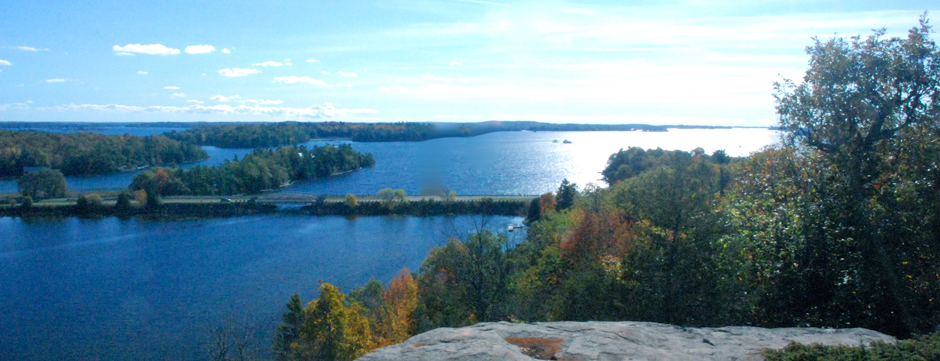
UNESCO Biosphere Reserve, inscribed 2002, in Canada. The Frontenac Arch Biosphere Reserve is situated in south-eastern Ontario at the intersection of terrestrial and riverine ecosystems. The area comprises islands and islets of the Saint Lawrence River, which serve as stepping stones for migrating plants and animals. The Frontenac Arch is an important land bridge linking the habitats of the Algonquin and Adirondack Park regions.
- 143
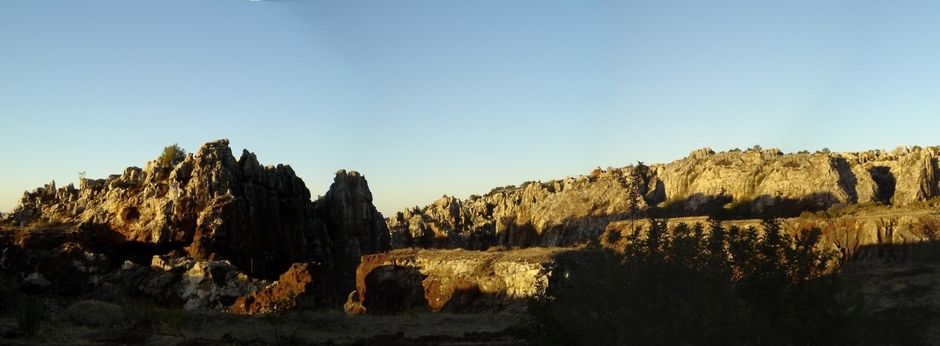
UNESCO Biosphere Reserve, inscribed 2002, in Spain. Dehesas de Sierra Morena is located in the north-west of Andalusia and includes three Natural Parks: Aracena and Picos de Aroche in the province of Huelva, Sierra Norte de Sevilla, and Hornachuelos in the province of Córdoba.
- 144
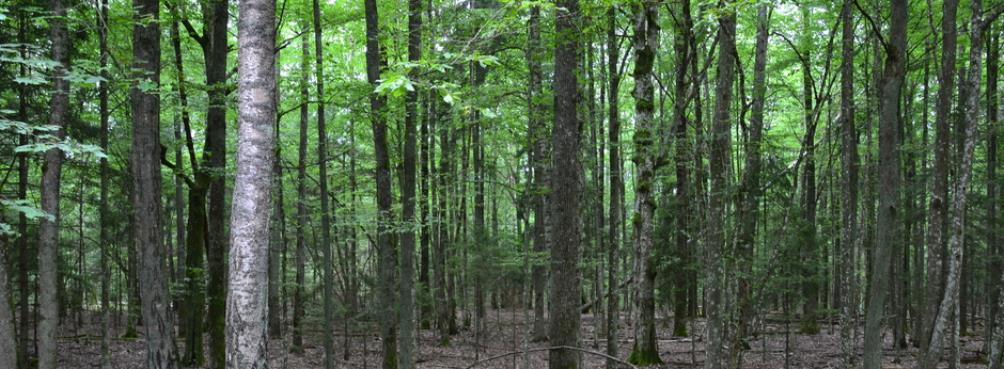
UNESCO Biosphere Reserve, inscribed 2002, in Ukraine. This transboundary biosphere reserve is located in the Central European Biogeographical Region and is characterised by boreal coniferous forests and temperate-zone deciduous forests. West Polesie plays a critical role at the juncture of biogeographical regions, migrational pathways and cultural landscapes.
- 145
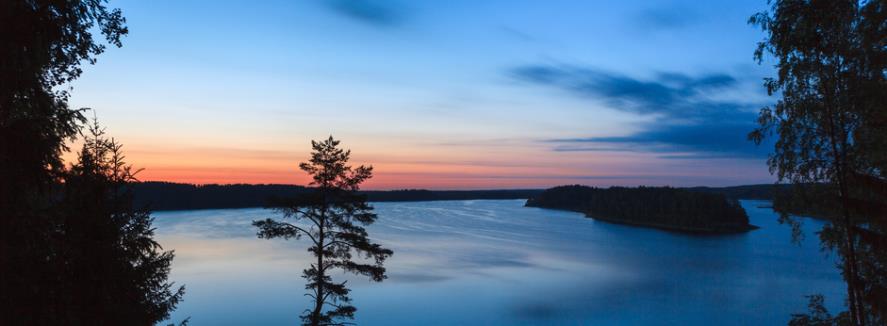
UNESCO Biosphere Reserve, inscribed 2002, in Russian Federation. This biosphere reserve is located in the north-west of the Smolensk Region and is notable for its diversity of glacial landscapes within a relatively small territory. In addition to end moraines, long sandy ridges and glacial lowlands, there are 35 picturesque lakes of glacial origin. Other habitats include bogs, marshes and virgin coniferous and broad-leaved forests.
- 146
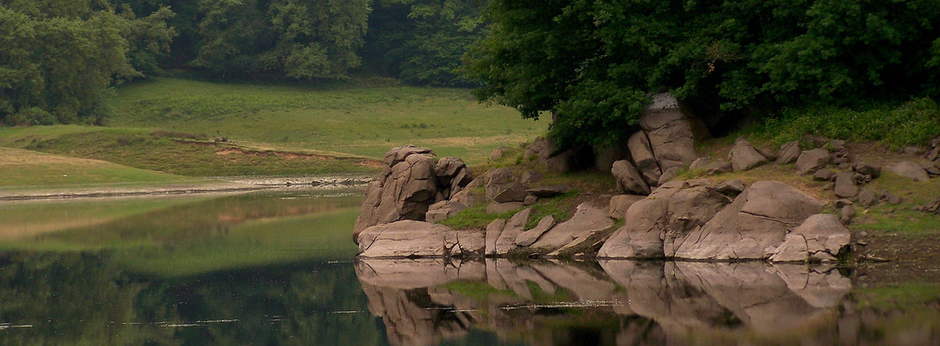
UNESCO Biosphere Reserve, inscribed 2002, in Spain. Terras do Miño, located in Galicia, is a traditional cultural landscape with many highly important natural habitats and terrace systems formed by erosion and accumulation, associated with specific sections of the Río Miño. The Miño river network drains south-west Galicia in the Iberian Hercynian Massif, underpinning the area’s geomorphology and shaping its ecological and cultural character.
- 147
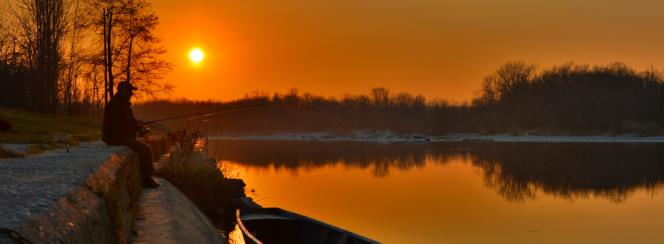
UNESCO Biosphere Reserve, inscribed 2002, in Italy. The Valle del Ticino is a riverscape biosphere reserve located along the Ticino River in northern Italy, at the meeting point of the culturally rich regions of Lombardy and Piedmont. The reserve functions as an important ecological corridor within the urbanised and industrialised Po plain. The site encompasses a mosaic of ecosystems with large river habitats, wetlands, riparian woods and patches of primary plain forest, which covered the entire valley during Roman colonisation. The area also features a traditional rural landscape with semi-natural ecosystems, including paddy rice, cornfields, permanent grasslands and marcita (water meadows). People living in the biosphere reserve are mainly engaged in the services and industry sectors.
- 148
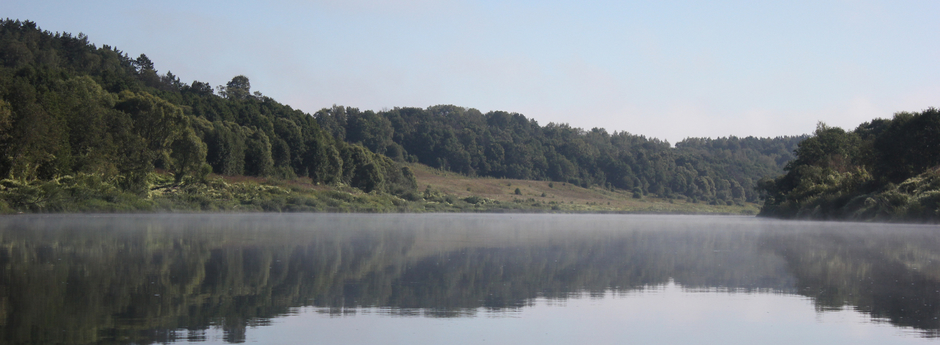
UNESCO Biosphere Reserve, inscribed 2002, in Russian Federation. The biosphere reserve is located in the valleys along the banks of the Ugra and Zhizdra rivers and their tributaries. It is characterised by the vast biodiversity of lakes, unique meadows and diverse forest ecosystems. The territory is dominated by complex multilayered pine forests, green moss forests and complex spruce forests. In the transition zone, there are relatively large rural communities, with a significant proportion of summer cottages owned by residents of Moscow and major cities of the Moscow, Kaluga and Tula regions.
- 149
UNESCO Biosphere Reserve, inscribed 2003, in Slovenia. The Julian Alps are a region in the Southern Limestone Alps, where north-eastern Italy meets Slovenia. The Slovenian Julian Alps Biosphere Reserve, which includes Triglav National Park, was designated in 2003. The biosphere reserve constitutes an important Alpine corridor, notably for large carnivores as well as birds. The area is also a meeting place of the Latin and Slav worlds, with millennia of cultural interaction testified by its multitude of dialects, settlement methods, and agricultural and artistic practices.
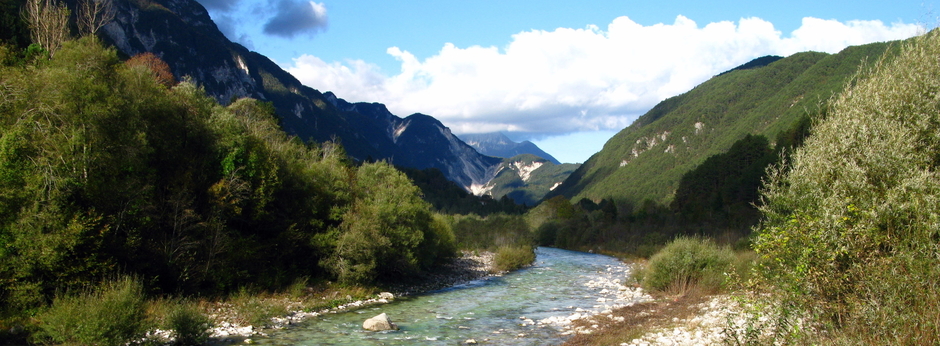
- 150
UNESCO Biosphere Reserve, inscribed 2003, in Spain. The largest and best-preserved Mediterranean forest worldwide is located in the region, which is surrounded by hills covered with oak forests and Mediterranean thicket, and dotted with rocks and streams. Rivers and reservoirs irrigate the riverside areas, resulting in rich and varied biodiversity. This site lies in the Province of Extremadura and is characterised by sclerophyllous Mediterranean forests and dehesas, a landscape modelled by human impacts through cattle raising and production of cork from cork oak trees. The landscape of the biosphere reserve is very representative of a Mediterranean agrosylvopastoral system.
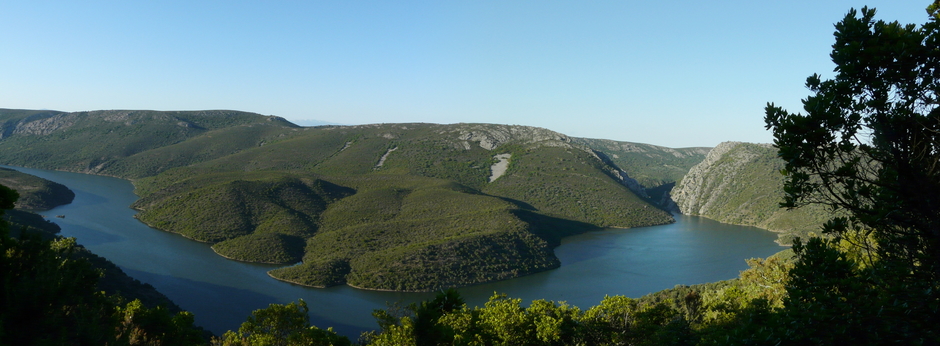
- 151
UNESCO Biosphere Reserve, inscribed 2003, in Spain. The Picos de Europa Biosphere Reserve encompasses some of the highest montane systems of the large Cantabrian Mountains range.
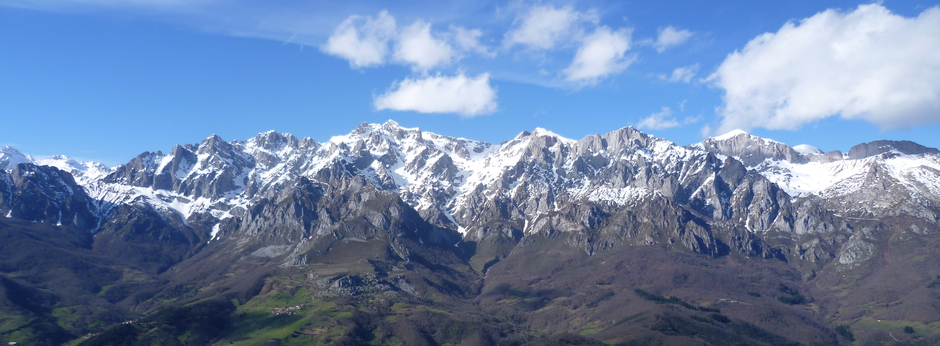
- 152
UNESCO Biosphere Reserve, inscribed 2003, in Italy. The Tuscan Islands Biosphere Reserve is an archipelago in the Tyrrhenian Sea composed of seven main islands and a few isolated islets. It encompasses a wide range of geological, geomorphological and biological diversity representative of the Mediterranean region. The islands are covered by sclerophyllous evergreen forests, Mediterranean pine woods, maquis and scrub, and hardwood forests with deciduous oaks and chestnuts. The recent development of tourism has exerted strong pressure on the natural environment. As a result, certain terrestrial and marine areas, and some islands, now form part of a protected national park established to conserve rare and endemic species. People live permanently in the archipelago and depend mainly on services related to tourism, with relatively little employment in agriculture and fisheries. Projects are planned to introduce renewable energy resources and innovations in the agricultural sector, and to enhance the availability of water by means of alternative technologies. Current research focuses on geology and geomorphology, coral and fish distribution, monitoring of seawater quality and the restoration of populations of rare species.
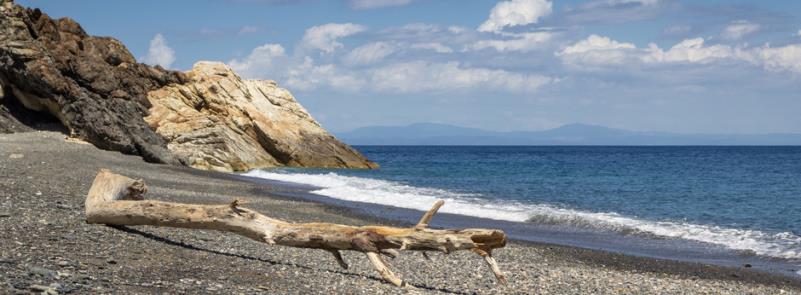
- 153
UNESCO Biosphere Reserve, inscribed 2003, in Spain. This site is situated in the Province of Castilla y León and is characterised by the cooperative venture of four valley communities to promote tourism and new economic activities that are respectful of nature. Mining and hydraulic energy production are the main sources of revenue in the transition area. This biosphere reserve has great importance for the protection of the brown bear (Ursus arctos pyrenaicus).
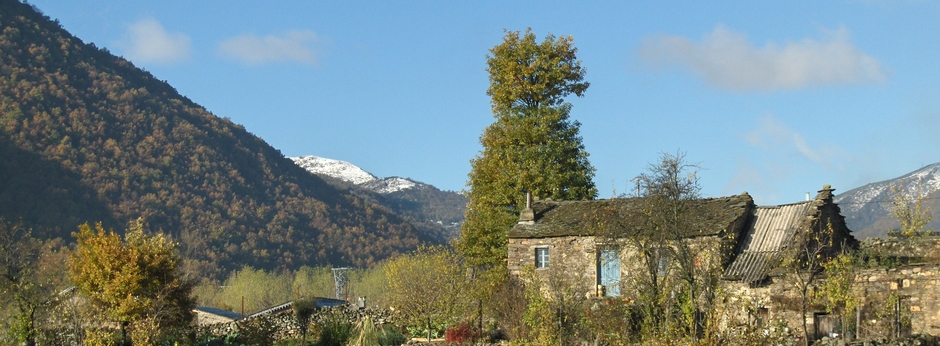
- 154
UNESCO Biosphere Reserve, inscribed 2003, in Spain. The Valles del Leza, Jubera, Cidacos y Alhama Biosphere Reserve is in the south-east of the La Rioja region of Spain. This Mediterranean mountain area is drained by the Leza, Jubera, Cidacos and Alhama rivers. It is covered with forests of temperate-climate species and aromatic scrub, combined with a stony landscape.
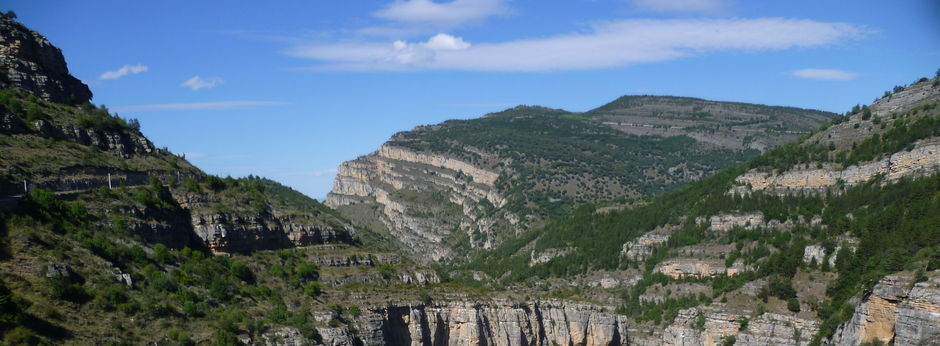
- 155
UNESCO Biosphere Reserve, inscribed 2004, in Spain. Babia Biosphere Reserve is located in the Castilla y León autonomous region of northern Spain, covering the municipalities of Cabrillanes and San Emiliano that form the region of Babia. It is an additional component of the future multi-unit Gran Cantabrica Biosphere Reserve extending across the Cantabrica Mountains.
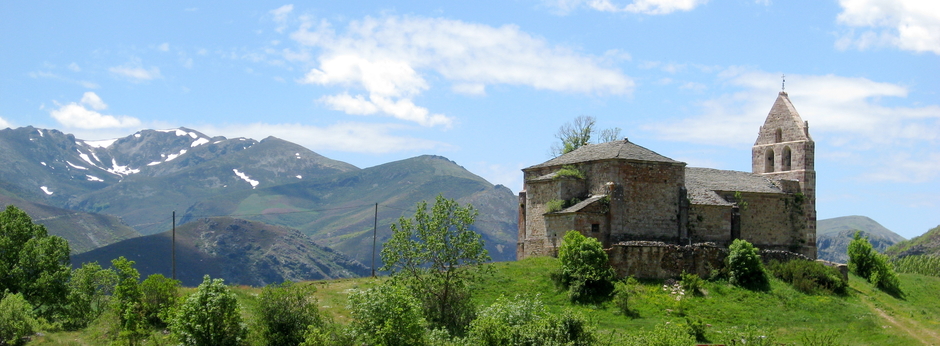
- 156
UNESCO Biosphere Reserve, inscribed 2004, in Canada. The Georgian Bay Biosphere Reserve comprises the largest island archipelago of the North American Great Lakes. Known locally as the Thirty Thousand Islands, it consists of a complex association of bays, inlets, sounds, islands and shoals along the edge of the Canadian Shield bedrock. Low-lying hills and ridges characterise the adjacent mainland. This topography supports a rich mosaic of forests, wetlands and rocky habitat types with associated biodiversity. The area is also noted for extraordinary scenic views, which attract large numbers of summer residents, cruising boaters and seasonal visitors.
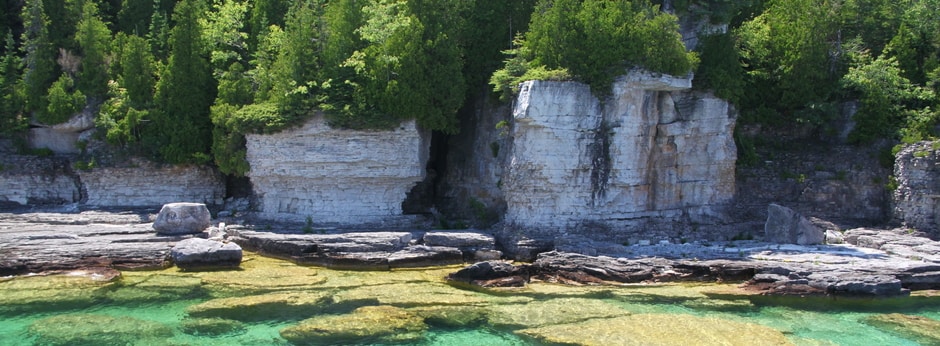
- 157
UNESCO Biosphere Reserve, inscribed 2004, in Russian Federation. Kedrovaya Pad is the oldest Russian reserve, created in 1916 and located in the extreme south of the Russian Far East, not far from the borders with China and Democratic People's Republic of Korea. Two main mountain ridges, Gakkelevsky and Sukhorechensky, at around 400 metres above sea level, characterise the relief and form a river valley.
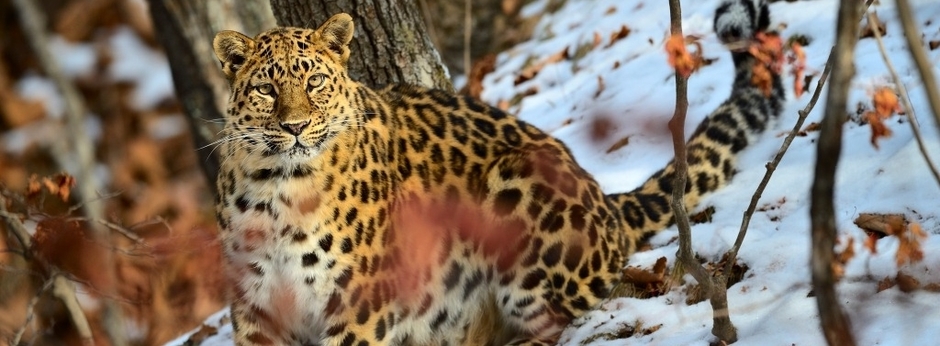
- 158
UNESCO Biosphere Reserve, inscribed 2004, in Russian Federation. Kenozersky Biosphere Reserve in Arkhangelsk Region, in the north-west of the country, includes virgin taiga forest and mixed pine–spruce forest ecosystems. The site is a globally important migratory bird habitat and contains unique swamp and forest ecosystems.
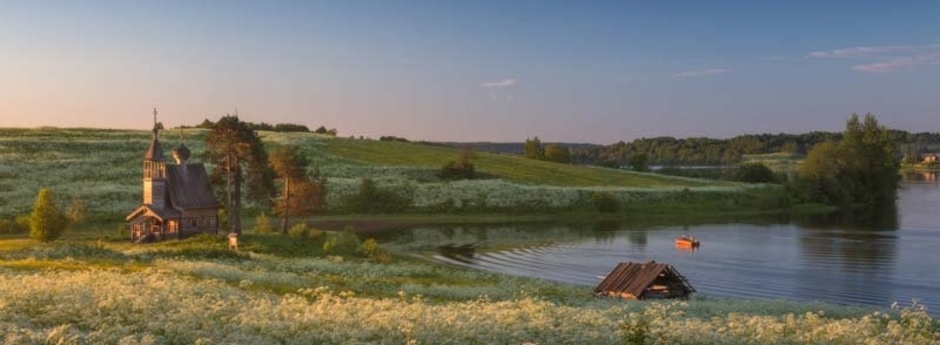
- 159
UNESCO Biosphere Reserve, inscribed 2004, in Belarus. Pribuzhskoye-Polesie Biosphere Reserve lies in the south-west of Belarus in Brest and Malorita districts, the warmest part of the country. Its boundary follows the West Bug River to the west, the Belarus–Ukraine border to the south, district lines to the east, and the Brest forestry glades to the north. The reserve forms part of the West Polesie Transnational Biosphere Reserve spanning Belarus, Poland and Ukraine. The site is significant for its intact wetland–forest mosaic and for vital cross-border ecological connectivity. Its objectives focus on safeguarding the area’s natural conditions, enriching biological and landscape diversity, and maintaining traditional forms of land use where compatible with conservation.
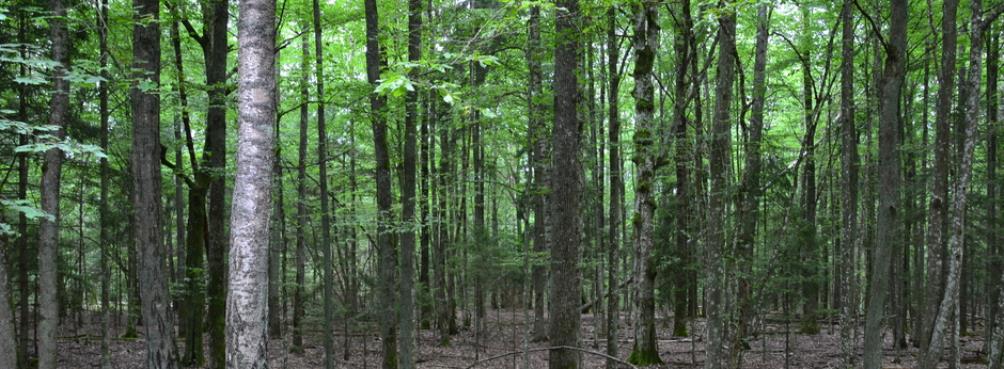
- 160
UNESCO Biosphere Reserve, inscribed 2004, in Russian Federation. Valdaiskiy Biosphere Reserve is located in the Valdai Highlands, the main watershed of the Russian plain, including the source of the River Volga, in the north-west of the country. The core area and buffer zones are made up of Valdaiskiy National Park. The relief is hilly and includes hill-moraine glacial relief with different forms of glacial morphology such as moraine banks and ridges, and lifting cones.
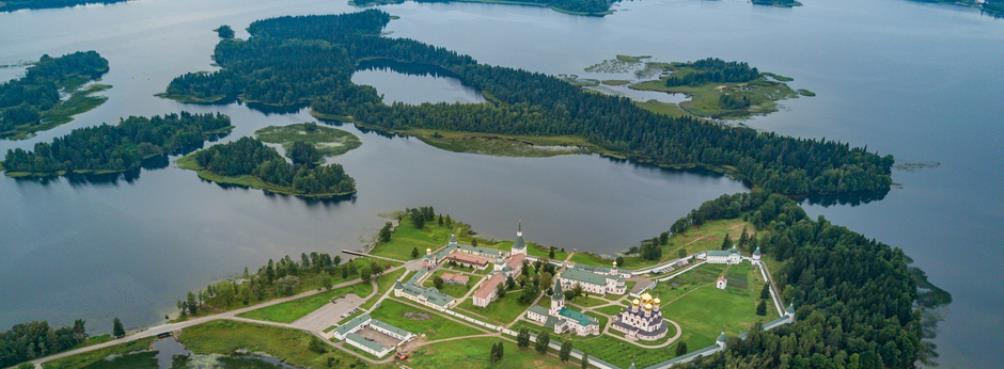
- 161
UNESCO Biosphere Reserve, inscribed 2004, in Slovenia. The Škocjan Caves Biosphere Reserve encompasses the Škocjanske jame Regional Park, including the Škocjan Caves, designated both as a World Heritage Site and a Ramsar Wetland of International Importance. This site is a global reference for karst studies.
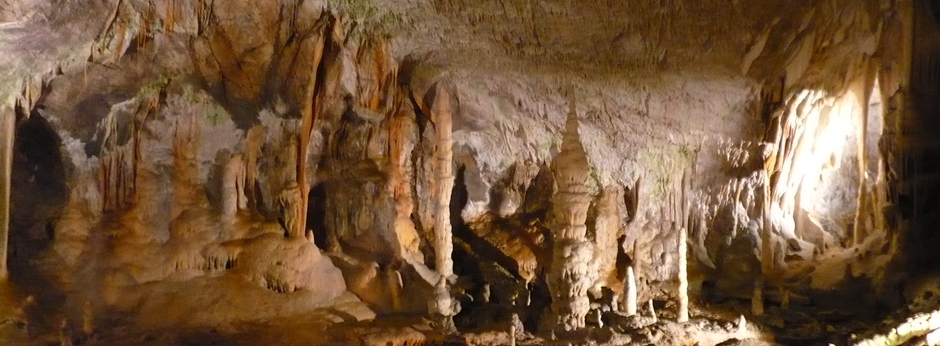
- 162
UNESCO Biosphere Reserve, inscribed 2005, in Spain. Alto Bernesga Biosphere Reserve is one of three new units of a large-scale biosphere reserve that will encompass the entire Gran Cantabria mountain range.
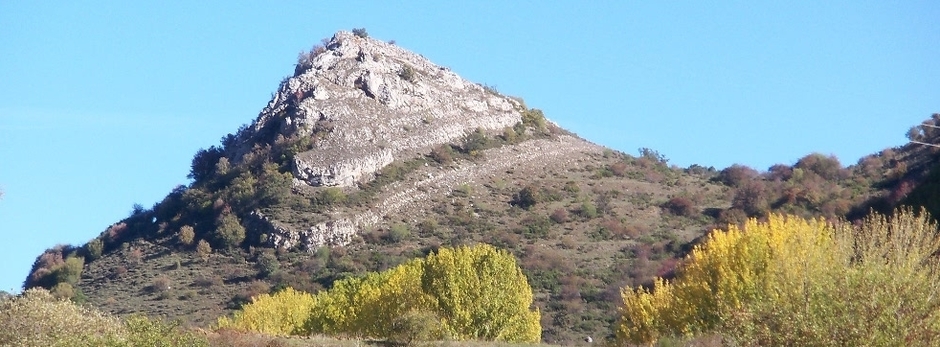
- 163
UNESCO Biosphere Reserve, inscribed 2005, in Türkiye. The Camili Biosphere Reserve is located in north-east Türkiye in the Colchic sub-region of the Euro-Siberian phytogeographic area. Mountains surround Camili on three sides, and the Georgian border forms the northern edge of the reserve. The topography of the north-west side of the Camili Biosphere Reserve is characterised by the Karçal Mountains, at 3,415 m above sea level, while three main valleys are found within the reserve: Uğur–Maral, Efeler and Düzenli.
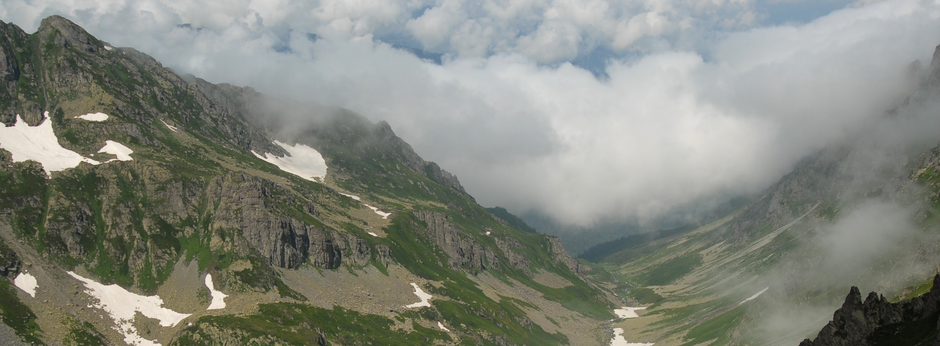
- 164
UNESCO Biosphere Reserve, inscribed 2005, in Russian Federation. The Khankaiskiy Biosphere Reserve lies in the Prikhankayskaya and Prisungachinskaya Lowlands in the central part of the Zapadno-Primorskaya Plain, close to the Chinese border. The terrain is mostly flat, but five ridges separated by wet depressions run along the eastern coast of Lake Khanka. These are former beach ridges of the lake.
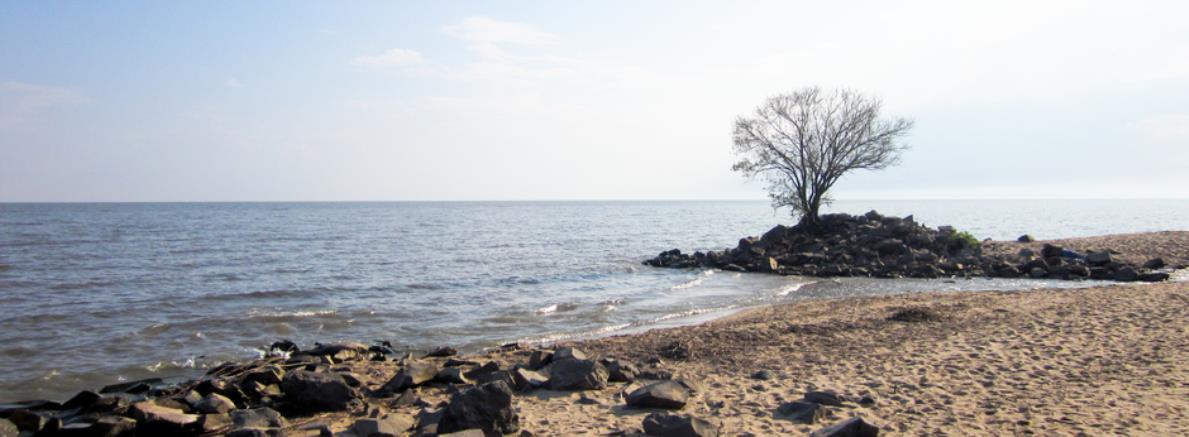
- 165
UNESCO Biosphere Reserve, inscribed 2005, in Sweden. Kristianstads Vattenrike is the oldest of Sweden’s biosphere reserves. Established in 2005, it includes two thirds of the municipality of Kristianstad in Skåne, the southernmost of Sweden’s provinces. This rich cultural landscape is endowed with almost every type of natural habitat to be found in Sweden. The majestic River Helge å is a central feature. Fed by streams from the ridges and plains, it expands into Lakes Araslövssjön and Hammarsjön before reaching the Baltic Sea in Hanöbukten Bay. The river is fringed by wetlands and seasonally flooded grasslands, but there are also leafy forests and dry sandy arable lands within the reserve. Such variety creates numerous habitats for animals, plants and fungi. The species-rich reserve, covering less than two tenths of one percent of the area of Sweden, is a refuge for some 20 percent of the nation’s red-listed species! Work in Kristianstads Vattenrike Biosphere Reserve is predicated on broad local support and cooperation with local, regional, national and international stakeholders: associations, local authorities, government ministries, schools, entrepreneurs and landowners. A Consultation Group promotes dialogue and collaboration among landowners, authorities and organisations to support the various projects, each designed to serve as an example to inspire others. The overall long-term objective of Vattenriket’s activities is to create a shift in attitude towards economic, ecological and social sustainability.
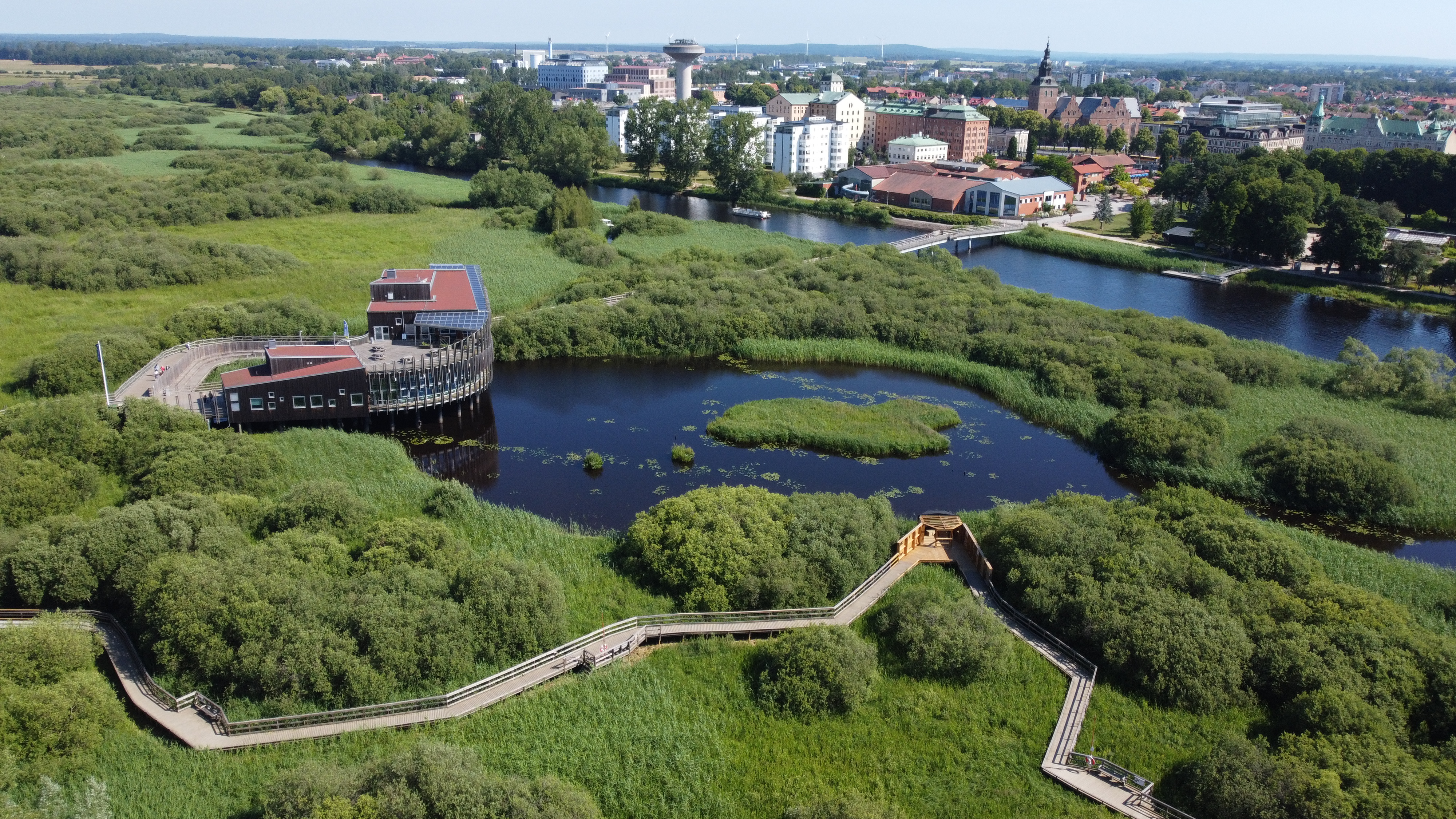
- 166
UNESCO Biosphere Reserve, inscribed 2005, in Spain. Los Argüellos is located in the northern centre of León Province and includes the municipalities of Vegacervera, Cármenes and Valdelugueros. The region has distinctive geomorphological features, with numerous caves, such as Valporquero, Llamazares and Barredo, of touristic and scientific interest.
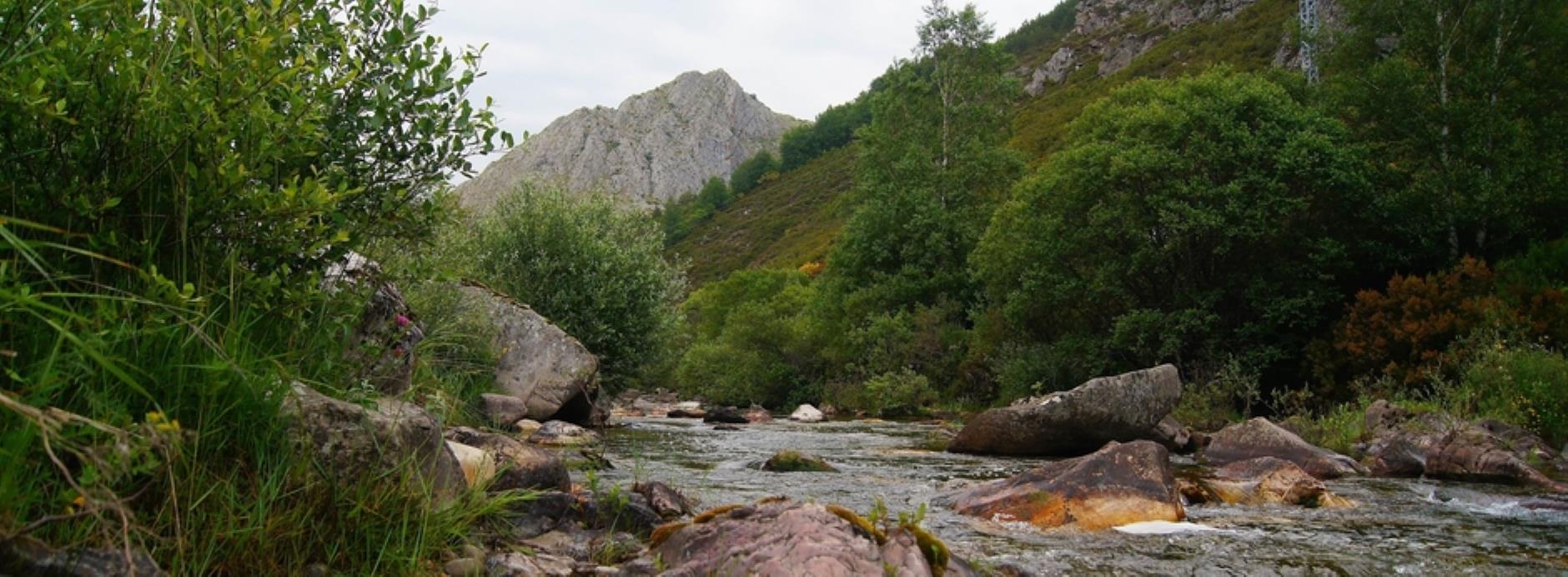
- 167
UNESCO Biosphere Reserve, inscribed 2005, in Spain. The region of Valles de Luna y Omaña is in the north-west of León Province in northern Spain, including the municipalities of Sena de Luna, Barrios de Luna, Soto y Amío, Murias de Paredes, Riello and Valdesamario. Elevations exceed 2,000 m in the south-west, in the Sierra de la Cañada mountain complex. Omaña is surrounded by mountain chains that mark the contact between the Cantabrian mountain range and the Montes de León. The region includes the Luna and Omaña rivers, which give rise to a succession of fertile valleys and narrow passages.
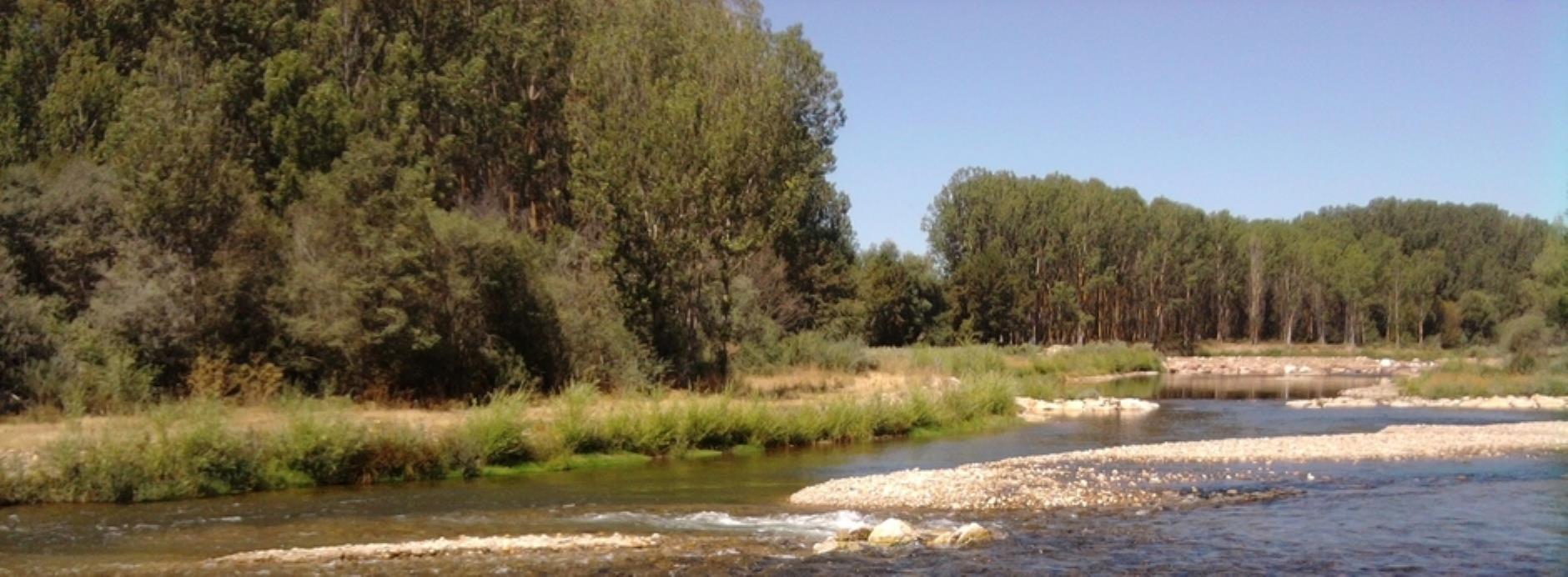
- 168
UNESCO Biosphere Reserve, inscribed 2005, in Spain. Sierra del Rincón Biosphere Reserve lies in the north-eastern sector of the Community of Madrid. The relief is characterised by a mountain chain to the north, east and south. The eastern part also includes two valleys: the Hiruela Valley, delimited by summits with slopes descending towards the Jarama River, and the Puebla Valley, which constitutes a drainage river basin.
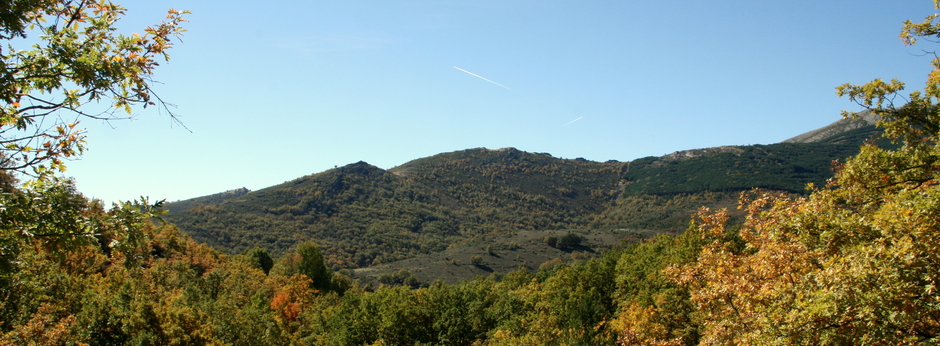
- 169
UNESCO Biosphere Reserve, inscribed 2005, in Austria. The Wienerwald Biosphere Reserve covers an undulating landscape between the Northern Alps and the Pannonian Basin, to the west of the city of Vienna. On the eastern slopes of the Wienerwald there is a geological rupture zone with hot springs. The area also features impressive marine terraces of a former sea. The limestone part of the Wienerwald is characterised by steep and rugged limestone and dolomite rock formations, as well as sharply cut gullies.
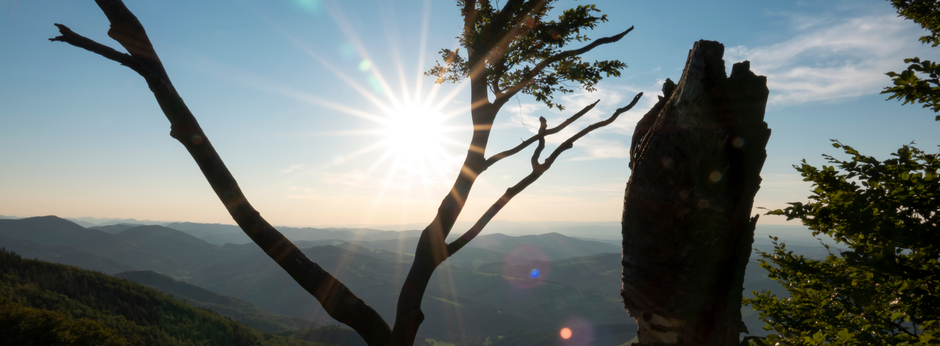
- 170
UNESCO Biosphere Reserve, inscribed 2005, in Spain. Área de Allariz Biosphere Reserve, in Galicia on the Iberian Peninsula in north-western Spain, is important for cultural values and sustainable land use, enabling conservation of local flora and fauna.
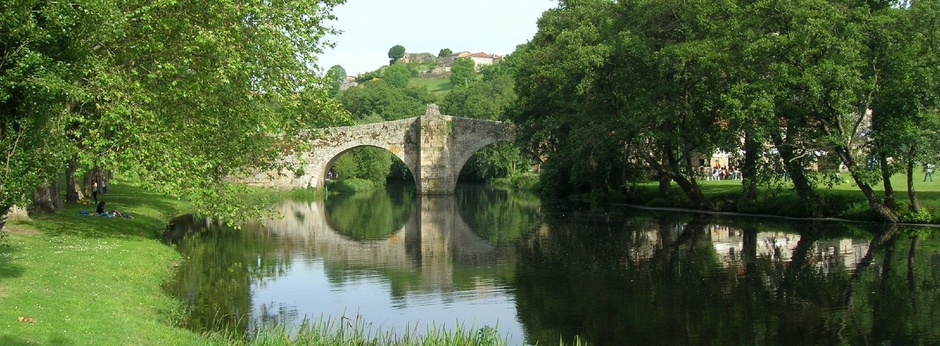
- 171
UNESCO Biosphere Reserve, inscribed 2006, in Spain. The Las Sierras de Béjar y Francia Biosphere Reserve is in the east of the Iberian Peninsula, specifically in the south-east of Salamanca Province. In the west of the reserve lies the site of Cuidad Rodrigo and the Sierra de Gata. The reserve’s topography is marked by mountain ranges that traverse the area from the north-east to the south-west. These ranges have steep slopes and large gaps, and divide into two sub-plateaux in the centre. The higher altitudes reach up to 2,425 m at La Ceja. The lowest mountains reach 360 m at Soto Serrano. The two major rivers, the Duero in the north and the Tajo in the south, intertwine within the reserve and create hydrographic basins of high geographical and geological value. During the Ice Age, many flora species were isolated within Las Sierras de Béjar y Francia. After the glaciers melted, these endemic and rare species became of great phytogeographical importance.
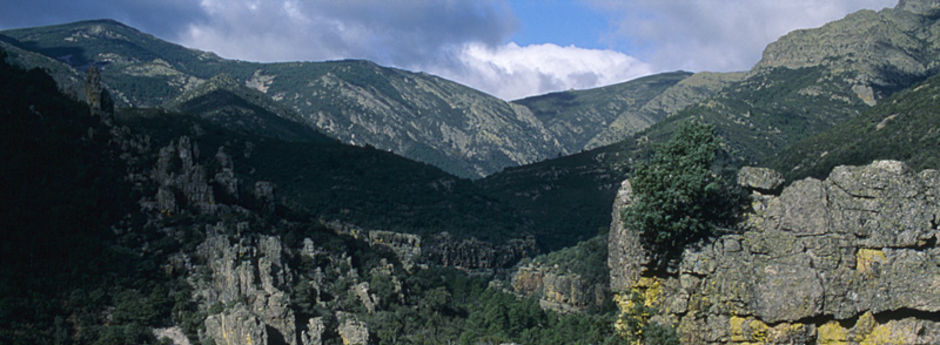
- 172
UNESCO Biosphere Reserve, inscribed 2006, in Spain. The Los Ancares Leoneses Biosphere Reserve is located in the extreme north-east of the Province of León. The reserve is named after the major Ancares River, which flows through the area. Other extensive rivers in the region are the Cúa, Burbia and Ancares. It belongs to two major hydrographic basins, the Cuenca Norte and Cuenca del Miño. Three sub-regions can be found within the reserve, namely Valle de Ancares, Valle de Fornela and Alto Burbia. The boundaries are marked by three mountains: the Sierra del Caurel in the west, the Sierra de los Ancares in the north-east and the Cordillera Cantábrica in the north. The highest peaks are found in the north-eastern and south-western parts of the reserve: Cuina at 1,998 metres, Miravalles at 1,996 metres, El Mostellar at 1,924 metres and Peñarrubia at 1,826 metres.
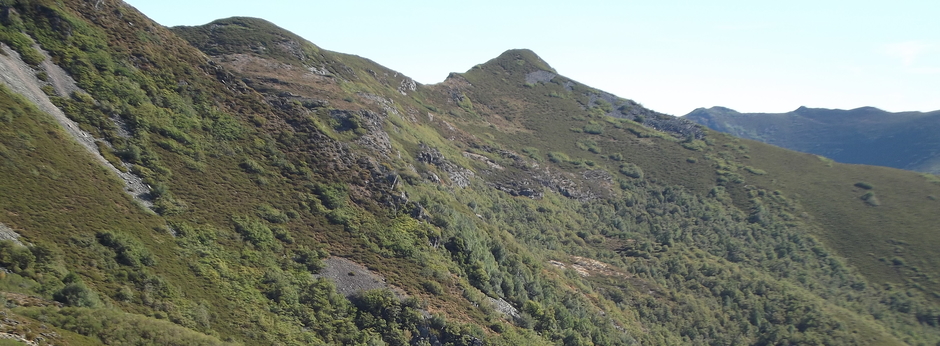
- 173
UNESCO Biosphere Reserve, inscribed 2006, in Russian Federation. This biosphere reserve is a conservation, research and eco-educational institution of federal significance. Its purpose is to preserve and study the natural course of natural processes and phenomena and the genetic diversity of the plant and animal world. It also preserves and studies individual plant and animal communities, as well as the typical and unique ecological systems of the Middle Volga region that represent the entire ecosystem of the eastern part of Europe.
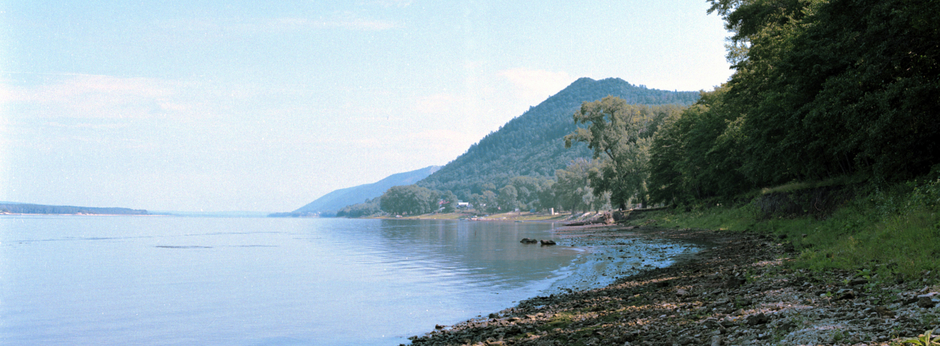
- 174
UNESCO Biosphere Reserve, inscribed 2006, in Spain. Os Ancares Lucenses e Montes de Cervantes, Navia e Becerrea Biosphere Reserve lies among the upper elevations of the Cantabrian Mountains in the north-west of Spain, in Galicia. Its isolated location limits many endemic flora and fauna species to the reserve. The site lies between the Euro-Siberian and Mediterranean biogeographic regions, which results in highly complex biodiversity. Os Ancares Lucenses forms part of the Eastern Sierras de Galicia, and its steep relief is surrounded by irregular valleys and rivers with strong currents, such as the Río Navia. The foothills of the Serra dos Ancares have a fairly regular morphology with gently undulating hills. Finally, Mustallar, 1,924 metres high, Penalonga, 1,842 metres high, and Corno Maldito, 1,847 metres high, are the highest peaks in the biosphere reserve.
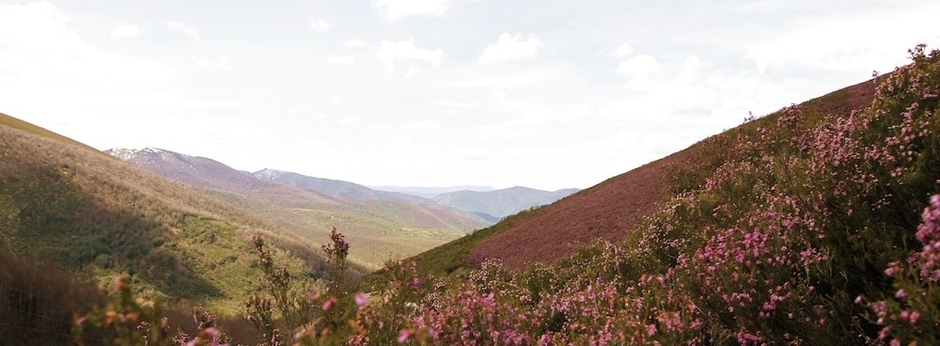
- 175
UNESCO Biosphere Reserve, inscribed 2007, in Portugal. Corvo is the smallest of the Azorean islands, located in the extreme north-west of the archipelago. The biosphere reserve encompasses the entire emerged land area of the island and a surrounding marine zone, covering a total area of 25,853 ha. It includes landscapes and biological values of great regional, national and international importance. When the Azores Islands were discovered, they were uninhabited, and no Indigenous population is known to have existed. The current population is the product of several centuries of settlers and a miscellany of various ethnic groups.
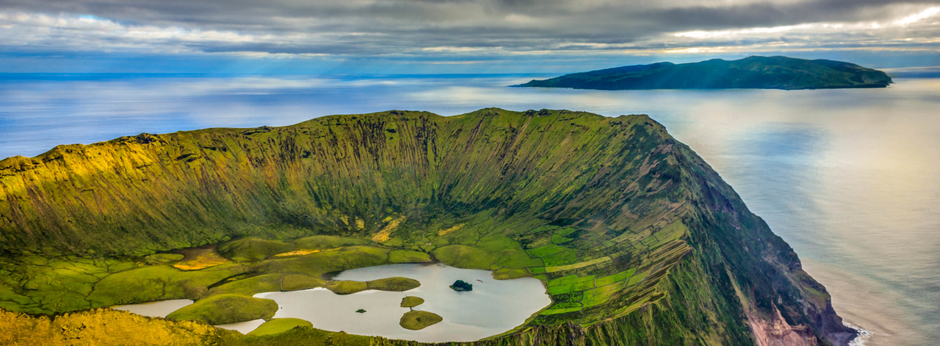
- 176
UNESCO Biosphere Reserve, inscribed 2007, in Canada. Located on the western side of the upper Bay of Fundy in New Brunswick, Canada, the area is renowned for its Acadian mixed wood forests, rugged coastline, extreme tidal ranges, salt marshes and tidal mudflats, as well as for its terrestrial and marine biodiversity. The area also has a rich cultural heritage that begins with the original Mi’kmaq Aboriginal inhabitants. The first settlers from France and other European countries during colonial times also influenced the shaping of the landscape, which is still evident today. The southern half of the area is one of the least developed on the east coast of North America, where steep, forested river valleys are deeply incised into the landscape, creating gorges with waterfalls, rapids and steep rock walls. Topographical elevations range from 30 m below sea level in the estuarine area to 400 m inland. At the head of the bay, a broad, gently undulating landscape features wide-ranging salt marshes along the coast.
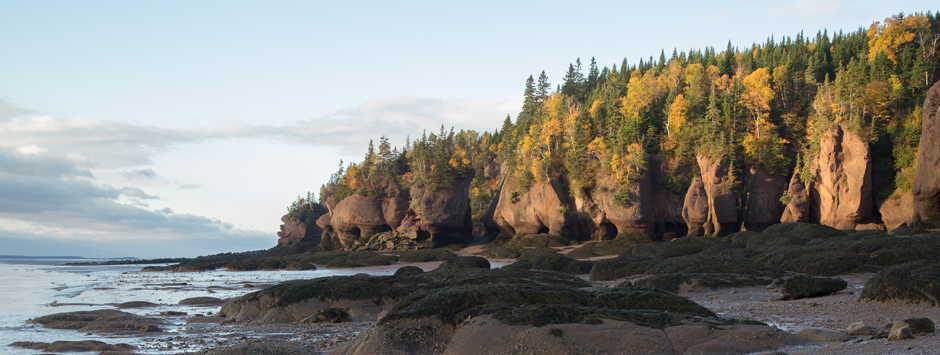
- 177
UNESCO Biosphere Reserve, inscribed 2007, in Portugal. Graciosa Island is part of the Central Group of the Azores Archipelago. With an area of 60.7 km² and 44 km of coastline, it is the second smallest island in the archipelago. It is also the flattest, with a highest point of 405 m.
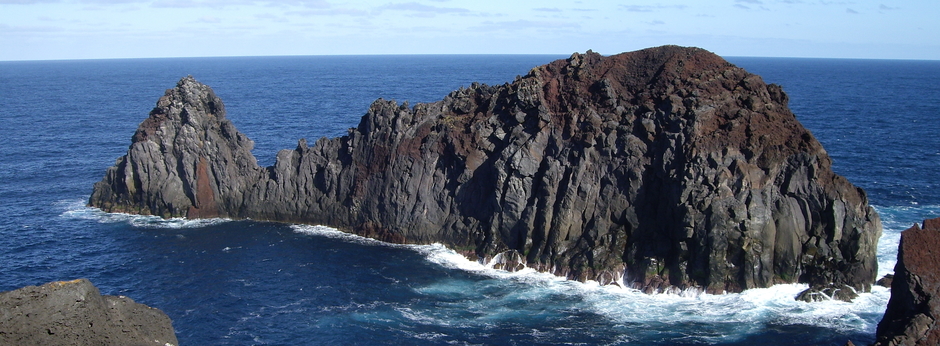
- 178
UNESCO Biosphere Reserve, inscribed 2007, in Russian Federation. Great Volzhsko-Kamsky Biosphere Reserve consists of four units: Raifa Forest, Sarali Land between Rivers, Spassky Insular Archipelago and Sviyazhsky Wetland Area. Each unit has a core area, buffer zone and transition area. All units are located in close proximity to the Volga and Kama rivers.
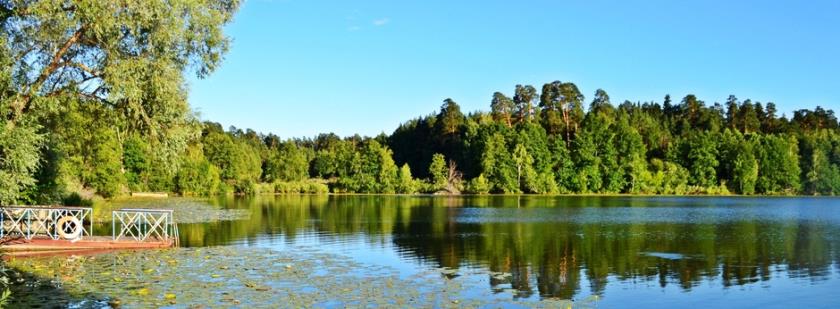
- 179
UNESCO Biosphere Reserve, inscribed 2007, in Canada. The landscape of the Manicouagan Uapishka Biosphere Reserve is dominated by the Saint Lawrence River to the south and the Manicouagan reservoir to the north. Together they form a circle visible from great distances, even from space. They are linked by a web of rivers that flow through vast woodlands.
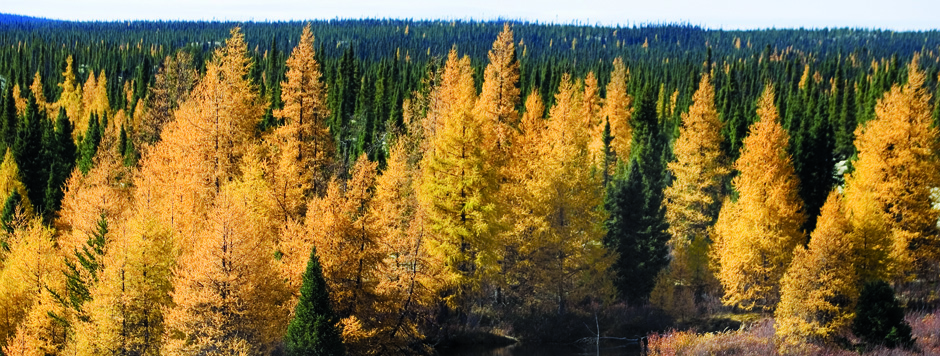
- 180
UNESCO Biosphere Reserve, inscribed 2008, in Russian Federation. The biosphere reserve is located in the south-east of Rostov Region. The natural conditions of the territory, which lies in the valley of the Kuma–Manych depression and on the spurs of the Salo–Manych ridge, are, in general, typical of the southern European part of Russia. The reserve’s territories have long been used with varying intensity. The activities of the administration of the reserve are aimed at preserving the natural diversity of the core zone, and at the sustainable development of the buffer zone and the zone of co-operation. In the protected zone of the reserve, ecologically adapted agricultural technologies are being implemented. The area has great potential for the development of many types of tourism, and for recreation and sport fishing.
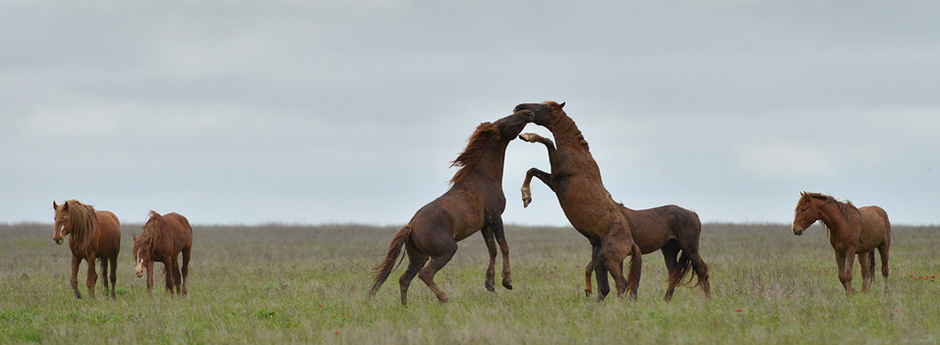
- 181
UNESCO Biosphere Reserve, inscribed 2009, in Russian Federation. Altaisky Biosphere Reserve is located in the Altai Mountains in south-central Russia. Established as a natural reserve in 1932, it includes mountains, taiga forests and steppes. A characteristic feature of the reserve’s landscapes is the abundance of lakes: 2,560 medium and small lakes, including about 1,200 of glacial origin. Swampy locations are found in intermontane depressions, river valleys and on smoothed slopes.
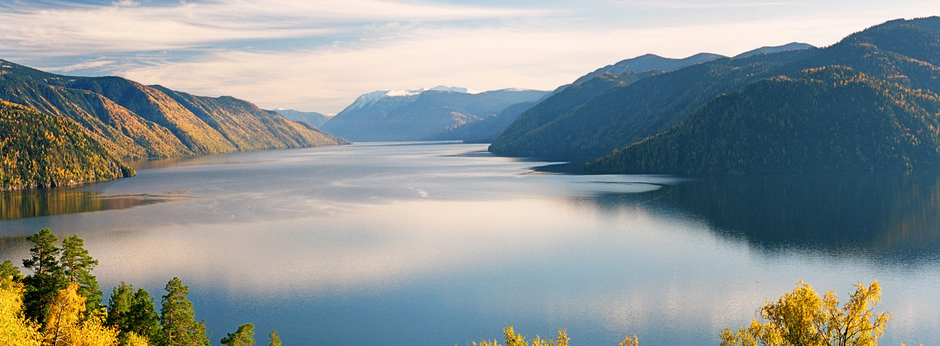
- 182
UNESCO Biosphere Reserve, inscribed 2009, in Germany. Located in south-west Germany in the Saarland region, Bliesgau Biosphere Reserve has a wide variety of soils and microclimates. The reserve was created to encompass very contrasting landscapes, including its industrialised and densely populated north. In the mostly rural south, it features semi-arid grasslands as well as orchid- and woodruff–beech forests. These host the greatest density of Saarland’s habitat types and species of national and international importance.
- 183
UNESCO Biosphere Reserve, inscribed 2009, in Spain. The Gerês–Xurés Transboundary Biosphere Reserve is located in the westernmost region of the Iberian Peninsula. The hilly terrain includes two major peaks: Nevosa at 1,556 m and Fontefría at 1,559 m. A continuous mountain range includes the Peneda, Amarela, Xurés, Quinxo and Santa Eufemia mountains, which are encircled by tributaries of the Rivers Limia and Minho. Other major rivers that cross the biosphere reserve are the Vez, Homem and Cávado. The natural landscape is divided into plateaux and glacial valleys, notably the Homem and Vez, the wide valley of the Lima River and steep slopes. In general, the hydrographic network extends through narrow, deep valleys, creating almost rectilinear trajectories.
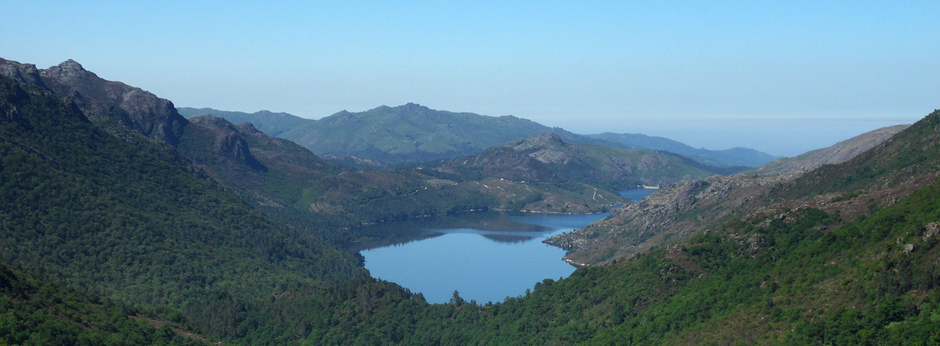
- 184
UNESCO Biosphere Reserve, inscribed 2009, in Portugal. The Gerês–Xurés Transboundary Biosphere Reserve is located in the westernmost region of the Iberian Peninsula. The hilly terrain includes two major peaks: Nevosa at 1,556 m and Fontefría at 1,559 m. A continuous mountain range includes the Peneda, Amarela, Xurés, Quinxo and Santa Eufemia mountains, which are encircled by tributaries of the Rivers Limia and Minho. Other major rivers that cross the biosphere reserve are the Vez, Homem and Cávado. The natural landscape is divided into plateaux and glacial valleys, notably the Homem and Vez, the wide valley of the Lima River and steep slopes. In general, the hydrographic network extends through narrow, deep valleys, creating almost rectilinear trajectories.
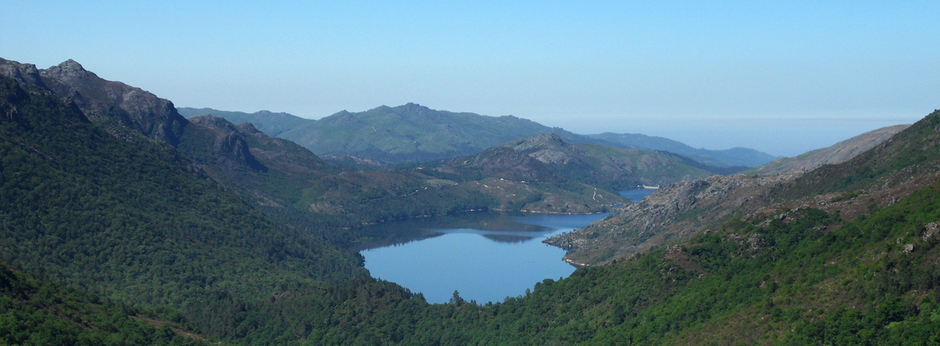
- 185
UNESCO Biosphere Reserve, inscribed 2010, in Slovenia. The territory of the biosphere reserve is bounded by the Savinja and Sotla rivers. It is a colourful mosaic between the Alpine and Pannonian worlds, resulting in a unique landscape. Hills, ravines, gorges, rock outcrops, karst hollows, caves and abysses, waterfalls, springs and meanders, along with numerous fossil remains, meadow orchards and dry meadows, form a natural environment that is home to exceptional plant and animal species.
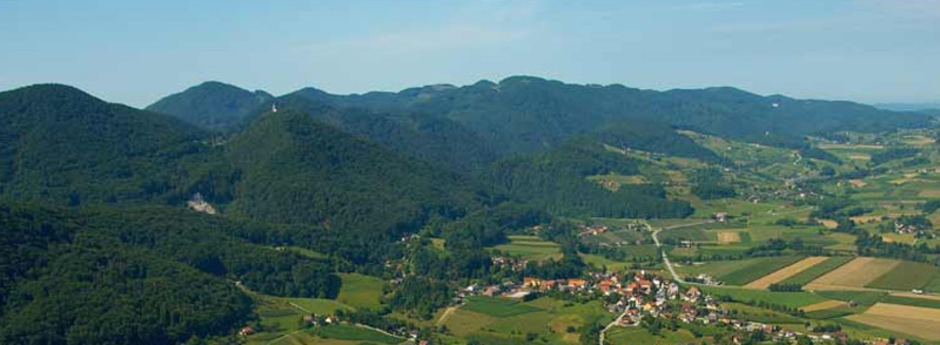
- 186
UNESCO Biosphere Reserve, inscribed 2010, in Sweden. The biosphere reserve comprises part of the Lake Vänern drainage basin. This lake is the largest in Sweden and the third largest in Europe.
- 187
UNESCO Biosphere Reserve, inscribed 2010, in Poland. The biosphere reserve is one of the largest forest complexes in north-western Poland. Within this forested area, there are a number of natural habitats in need of protection. These include pine and deciduous forests, heathlands, Lobelia lakes, dystrophic lakes with stonewort meadows, and peat bogs.
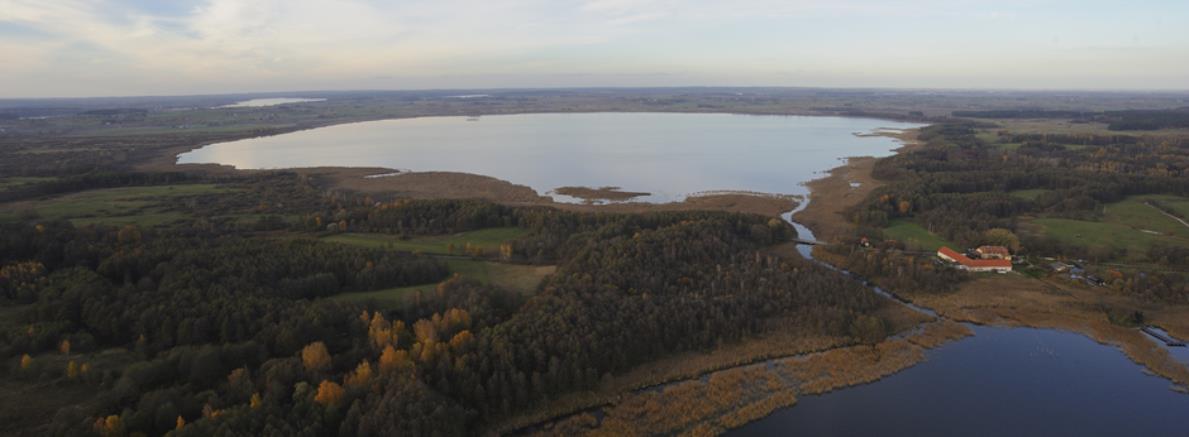
- 188
UNESCO Biosphere Reserve, inscribed 2011, in Portugal. The Berlengas Biosphere Reserve includes a group of small islands and rocks, and the city of Peniche on the mainland.
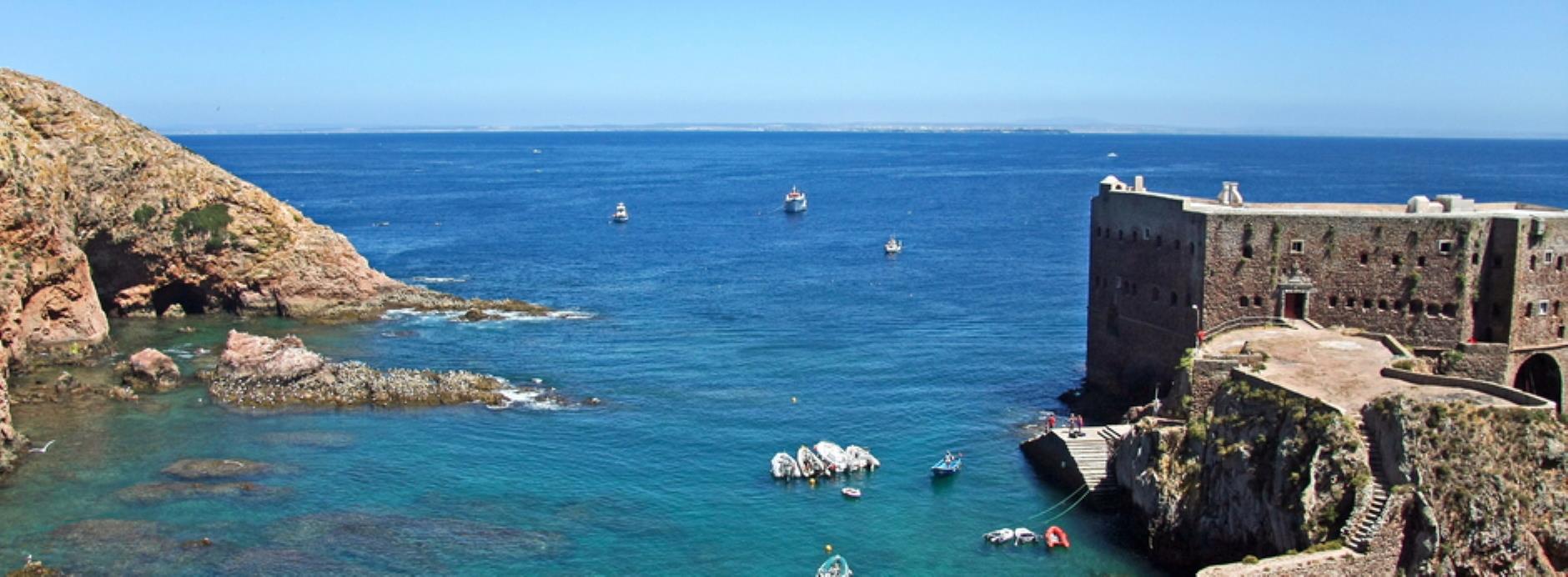
- 189
UNESCO Biosphere Reserve, inscribed 2011, in Sweden. Blekinge Archipelago includes most of the coastal areas and archipelagos of Blekinge in the south-east of Sweden. The biosphere reserve comprises granite coastlines and an accompanying archipelago with a variety of islands and islets. The area is marked by rich natural and cultural heritage, and by strong local commitment to maintaining the region’s social and economic dynamics through innovative thinking and entrepreneurship. This development goes hand in hand with energy-efficient and environmentally friendly technologies. Municipalities and universities are carrying out joint research on the sustainable use of coastal resources.
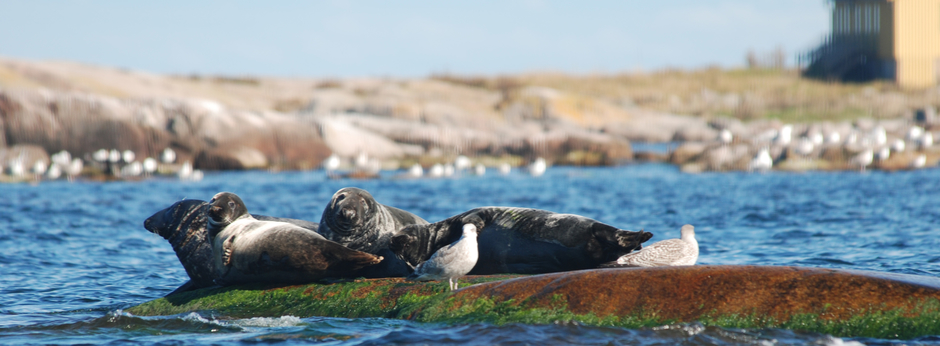
- 190
UNESCO Biosphere Reserve, inscribed 2011, in Canada. Bras d’Or Lake is in Nova Scotia and consists of a saltwater estuary watershed, an inland sea with three passages to the Atlantic Ocean. The Holocene transgression flooded a complex river–lake system of diverse geology, creating a small, deep inland sea with 12 significant watersheds that drain both highlands and lowlands. The terrestrial, marine and coastal habitats provide a home for human populations and rich biological diversity. The original settlers colonised the region following the retreat of glaciers. Today, their descendants make up the five Mi’kmaq populations that account for a significant proportion of the population occupying large areas of the watershed.
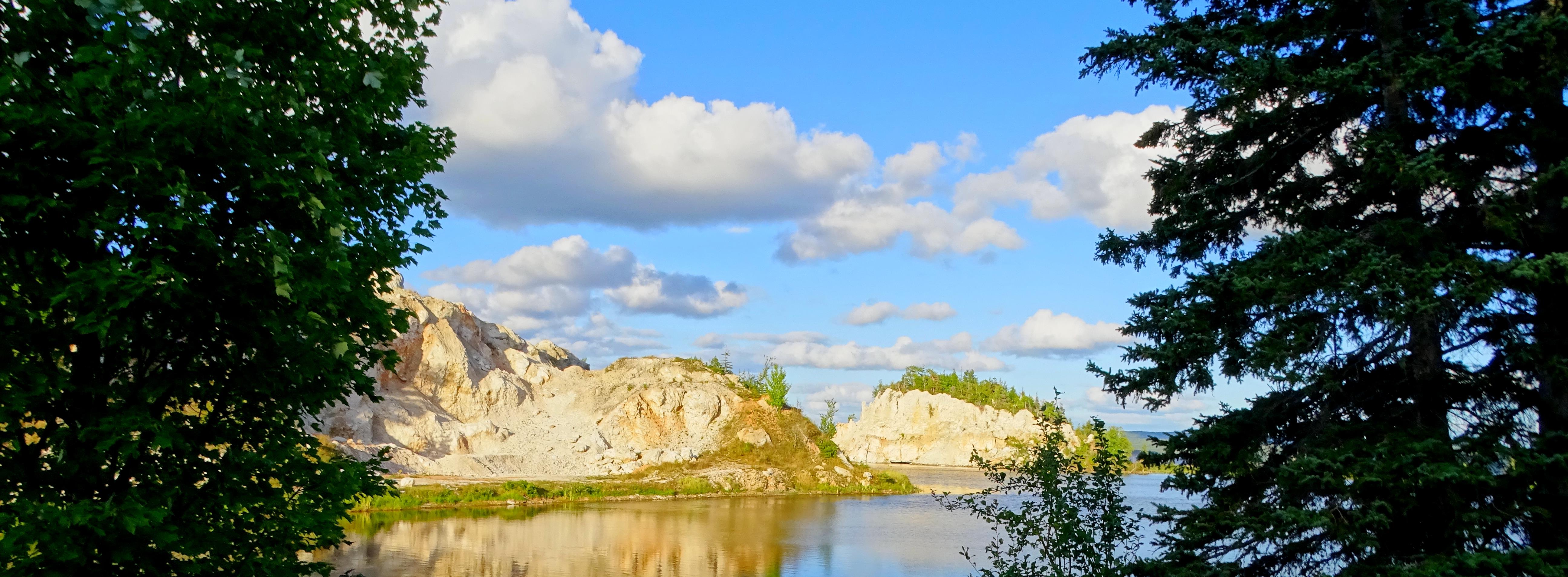
- 191
UNESCO Biosphere Reserve, inscribed 2011, in Israel. The biosphere reserve encompasses a mosaic of ecological systems that represent the Mediterranean Basin’s version of the global ‘evergreen sclerophyllous forests, woodlands and scrub’ ecosystem types.
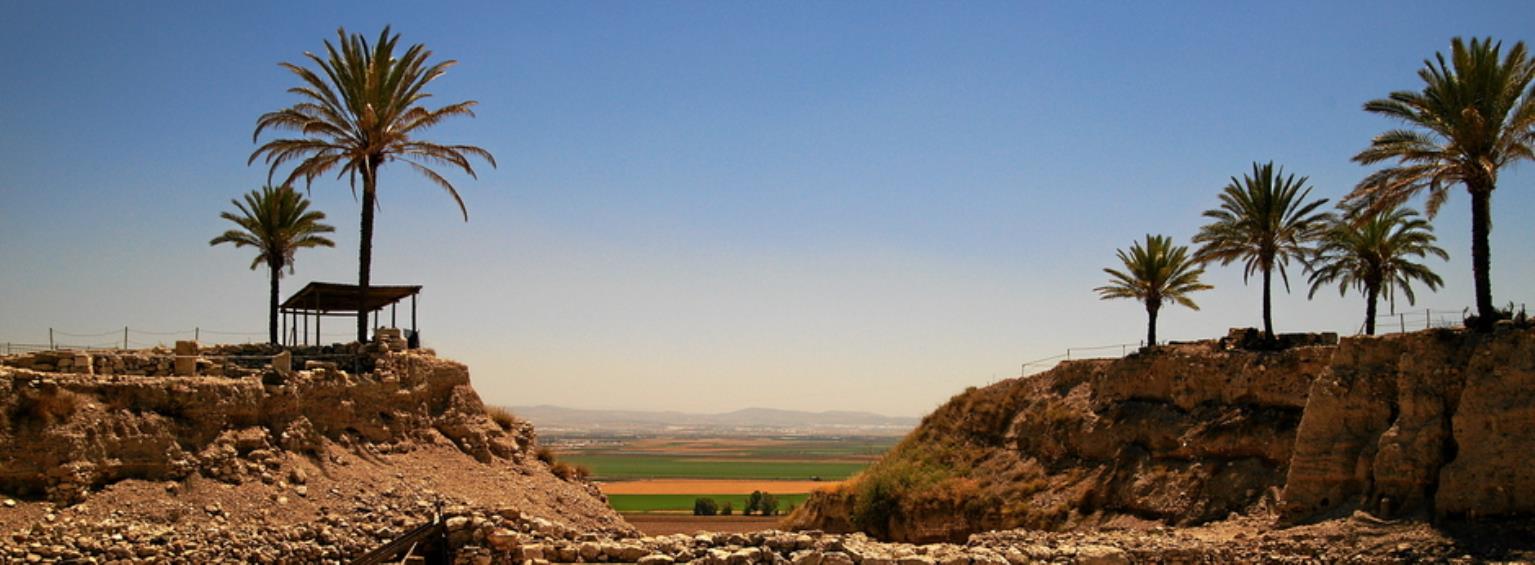
- 192
UNESCO Biosphere Reserve, inscribed 2011, in Sweden. The Nedre Dalälven area has a varied landscape with a wide range of ecosystems linked to local habitats. These include a large river with bays, lakes, tributaries, waterways, rapids, ravines, microhabitats in farmland, river meadows, shore grasslands, productive forest lands, old-growth forest, freshwater swamp forest, broadleaf deciduous forest and grazing lands. The Nedre Dalälven lies in the borderland between the European broadleaf deciduous forest region, with a large proportion of hardwood trees, and the northern coniferous forest region.
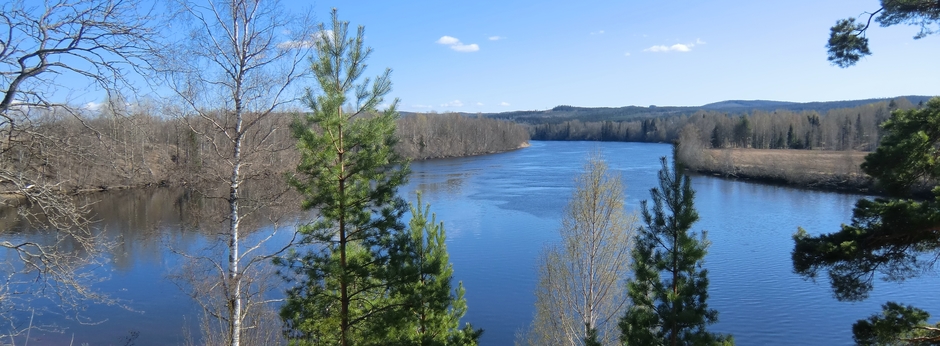
- 193
UNESCO Biosphere Reserve, inscribed 2011, in Ukraine. The Roztocze Transboundary Biosphere Reserve is located in the Roztocze region in Poland and Ukraine, a natural and cultural borderland near the European Union border. It lies in the immediate vicinity of Lviv in Ukraine and Zamość in Poland, cities inscribed on the UNESCO World Heritage List. Roztocze has potential for dynamic development because of its scenic location and rich natural and cultural heritage. The Ukrainian part, called Roztochya, was designated a biosphere reserve in 2011.
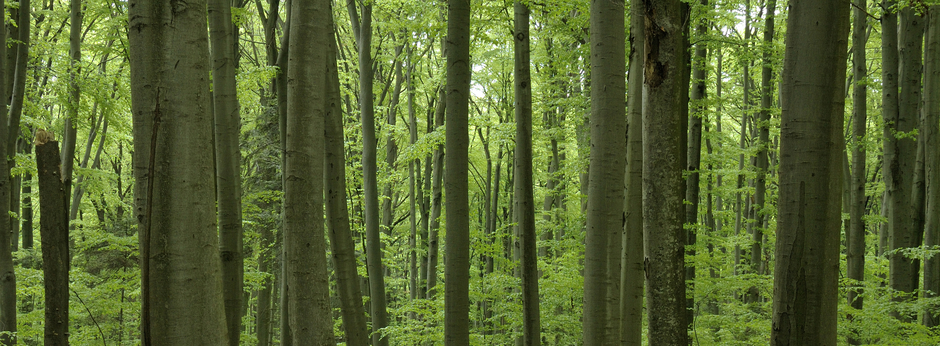
- 194
UNESCO Biosphere Reserve, inscribed 2011, in Portugal. This biosphere reserve was the first in the Madeira Archipelago. The site features rich fauna and flora with a high degree of endemism.
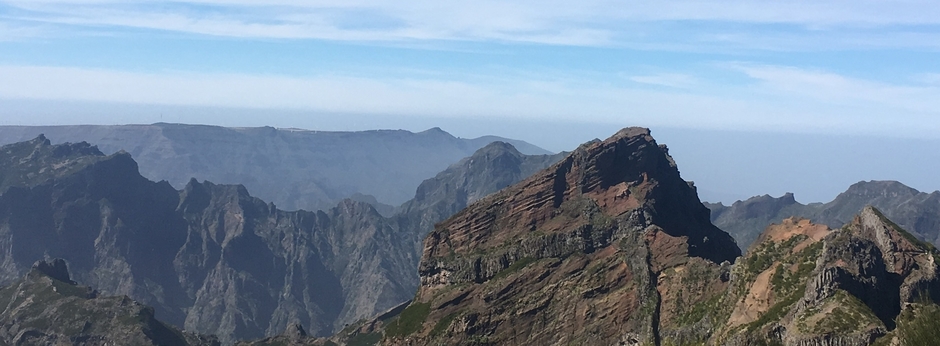
- 195
UNESCO Biosphere Reserve, inscribed 2011, in Russian Federation. The Volga-Akhtuba Floodplain Biosphere Reserve, based on the existing nature park of the same name, is one of the most significant and unique natural territorial complexes in the south of Russia. It plays an outstanding role as an environmentally integrating and stabilising component, including for local climate regulation. It is practically the only site within the Volga valley that has preserved a natural hydraulic streamflow regime throughout the entire length of the Volga River from the source at Tver to the estuary.
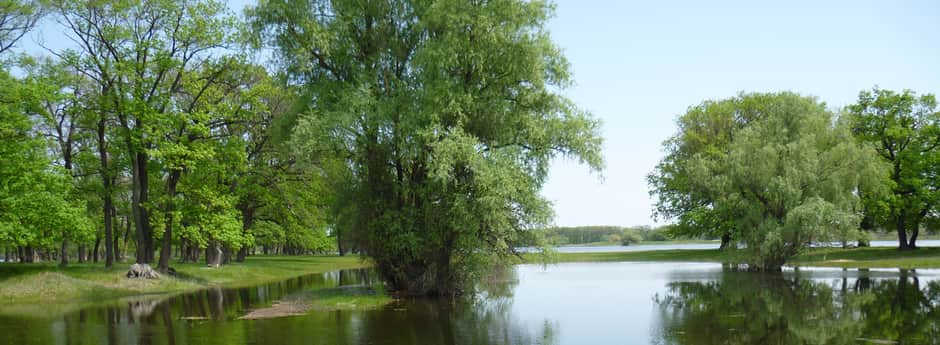
- 196
UNESCO Biosphere Reserve, inscribed 2011, in Lithuania. Žuvintas lies in the southern part of the Middle Lithuanian Lowlands in south-eastern Lithuania and brings together lakes, wetlands, mires, peat bogs and pine stands. The area is nationally important as Lithuania’s oldest protected site and is internationally recognised for wetlands that serve as a migratory corridor for waterbirds and a significant peatland carbon sink. Management priorities centre on restoring natural water regimes, recovering priority meadow, fen and bog habitats, and promoting environmentally friendly farming in the buffer and wider catchment.
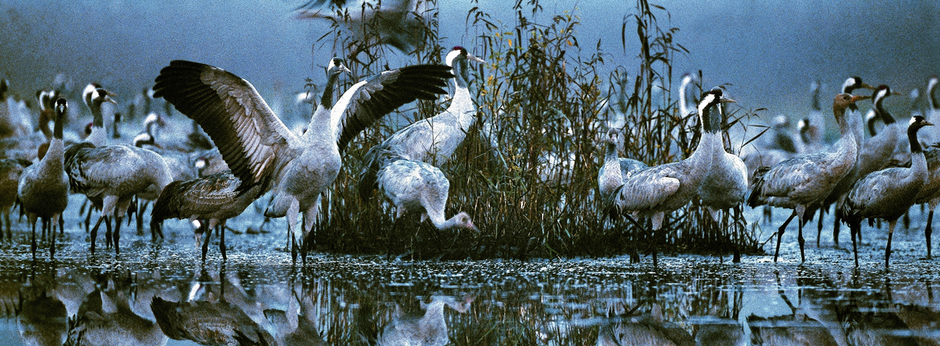
- 197
UNESCO Biosphere Reserve, inscribed 2012, in France. The Dordogne River and its basin form one of the six major watersheds of the Adour–Garonne, covering about 24,000 km². The Dordogne is an emblematic river draining central France and providing important ecosystem services to the region.
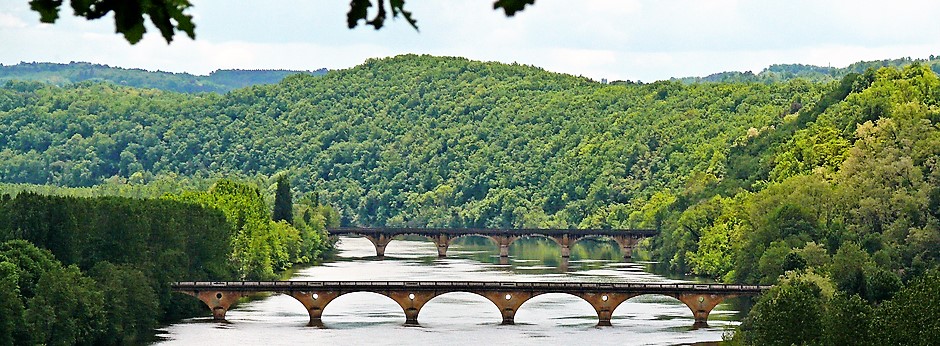
- 198
UNESCO Biosphere Reserve, inscribed 2012, in United Kingdom of Great Britain and Northern Ireland. Galloway and Southern Ayrshire Biosphere Reserve comprises a major biogeographic region represented by an upland massif centred on the Merrick and the rivers that flow from this upland through forests and farmland to the sea. Landscape mosaics in the area include uplands, moorlands, mires, woodlands and forests, farmland, river valleys, coast and shoreline. The biosphere reserve is working to demonstrate the importance of landscapes and ecosystems for the future of sustainable development in a region that is experiencing change in traditional livelihoods.
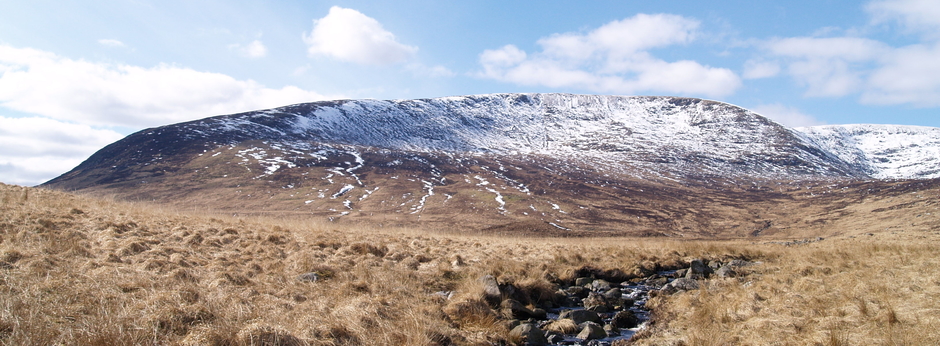
- 199
UNESCO Biosphere Reserve, inscribed 2012, in Spain. La Gomera is centrally located in the Canary Archipelago, surrounded by the islands of Tenerife, La Palma and El Hierro. It is one of the least populous islands, and tourism plays an increasingly important role.
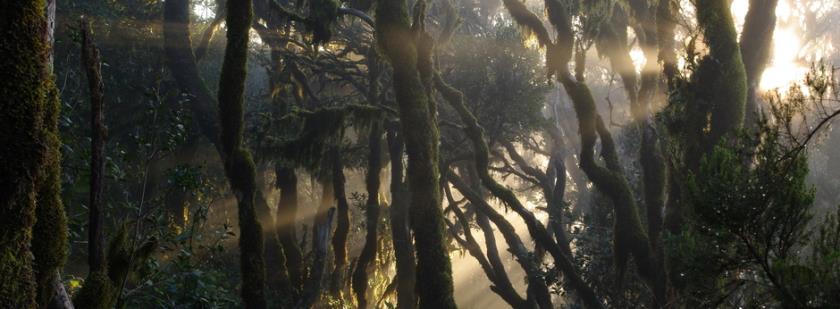
- 200
UNESCO Biosphere Reserve, inscribed 2012, in Spain. Las Ubiñas–La Mesa is located in the heart of the Cantabrian Range in the Principality of Asturias. It encompasses old-growth forest in pristine condition with high biodiversity. The biosphere reserve plays an important role in attracting or maintaining rural inhabitants.
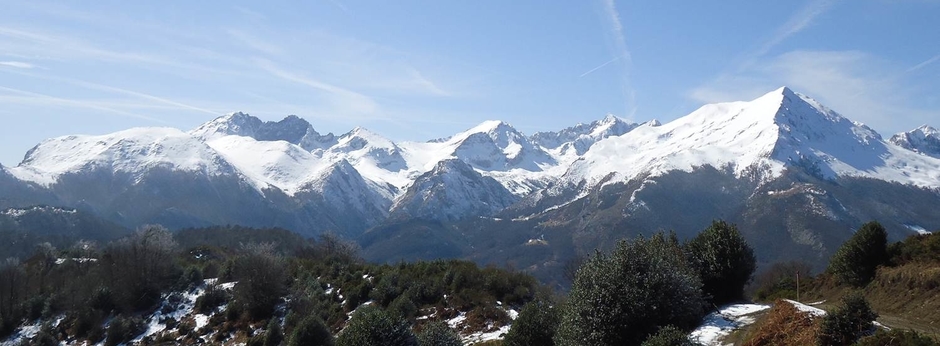
- 201
UNESCO Biosphere Reserve, inscribed 2012, in Hungary. The Hungarian section of the Mura–Drava–Danube Biosphere Reserve lies in south-west Hungary, along the Croatian border. It is a classic lowland floodplain landscape shaped by wide river valleys, old riverbeds and oxbows that supports flagship species and rare plants. Ecologically, the area supports rich floodplain biodiversity and important migratory connectivity along the Danube–Drava corridor. The reserve’s key objectives are to restore a living floodplain and promote management that aligns conservation with local livelihoods.
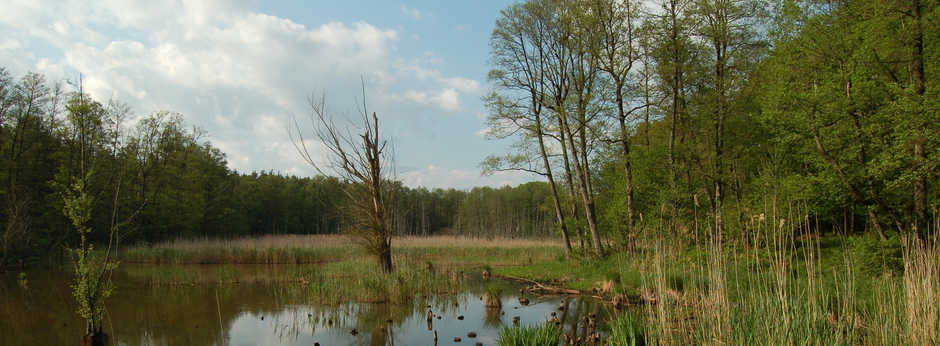
- 202
UNESCO Biosphere Reserve, inscribed 2012, in Austria. The Salzburger Lungau & Kärntner Nockberge Biosphere Reserve provides a representative example of inner-alpine landscapes with high mountains and deep valleys. It is a richly structured landscape ranging from 600 m to 3,000 m above sea level and encompasses typical ecosystems of the Central Alps, such as mountain meadows and marshes with great biodiversity. The human inhabitants have profited from this biodiversity for millennia, currently primarily in the form of ecotourism.
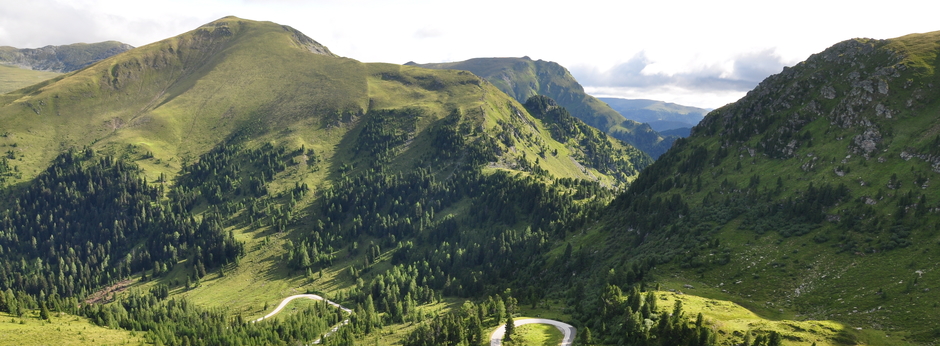
- 203
UNESCO Biosphere Reserve, inscribed 2013, in France. The Marais Audomarois Biosphere Reserve covers some 22,300 ha in northern France, including the city of art and history, Saint-Omer, and its wetland, a recognised Ramsar site.
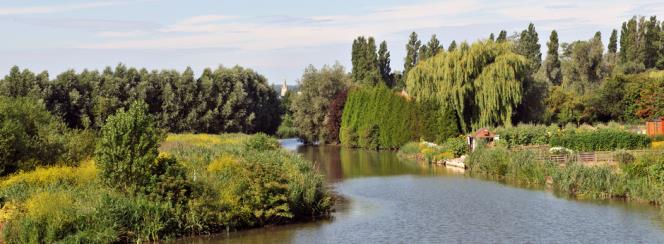
- 204
UNESCO Biosphere Reserve, inscribed 2013, in Spain. The Mariñas Coruñesas e Terras do Mandeo Biosphere Reserve is located on the Cantabrian–Atlantic coast of Galicia, to the north-west of the Iberian Peninsula. The territory consists mainly of two large river basins belonging to the rivers Mero and Mandeo, and includes other small coastal watersheds.
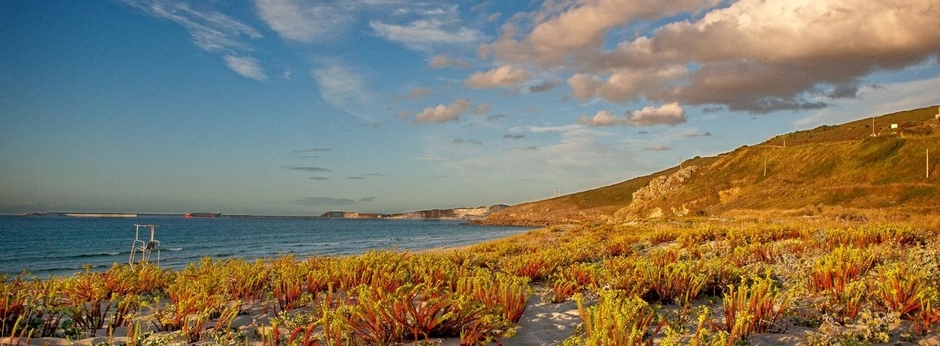
- 205
UNESCO Biosphere Reserve, inscribed 2013, in France. The Mont-Viso Biosphere Reserve is a glacial cirque between the Alpine mountains and the Mediterranean. Surrounded by river valleys and high-altitude lakes, the area enjoys a dry, sunny climate.
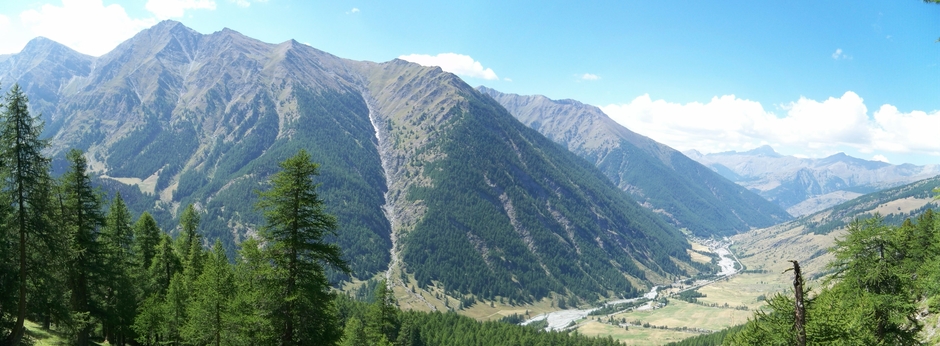
- 206
UNESCO Biosphere Reserve, inscribed 2013, in Italy. The Monviso Biosphere Reserve is a glacial cirque between the Alpine mountains and the Mediterranean. Surrounded by river valleys and high-altitude lakes, the area enjoys a dry, sunny climate.
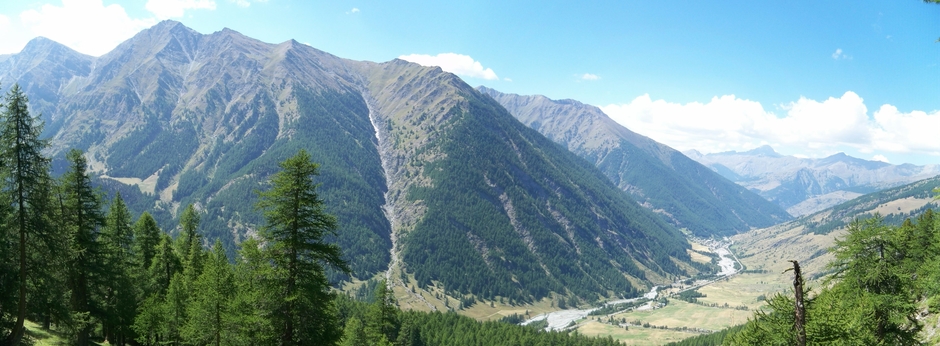
- 207
UNESCO Biosphere Reserve, inscribed 2014, in United Kingdom of Great Britain and Northern Ireland. The Brighton & Lewes Downs Biosphere Reserve is located on the south-east coast of England, forming a central unit of the hills of the South Downs National Park. It is centred on the Brighton chalk block that lies between the River Adur in the west and the River Ouse in the east. Chalk downland makes up the principal terrestrial landscape of the area, bounded at each end by the two river valleys. The coastline is dominated by impressive chalk cliffs in the east and urbanised plains in the west, running to the estuary of the River Adur at Shoreham. The area is nationally and internationally renowned for its arts and culture, distinctive settlements, independent mindset, and its links to the surrounding iconic English landscape of downland, white chalk cliffs and beaches.
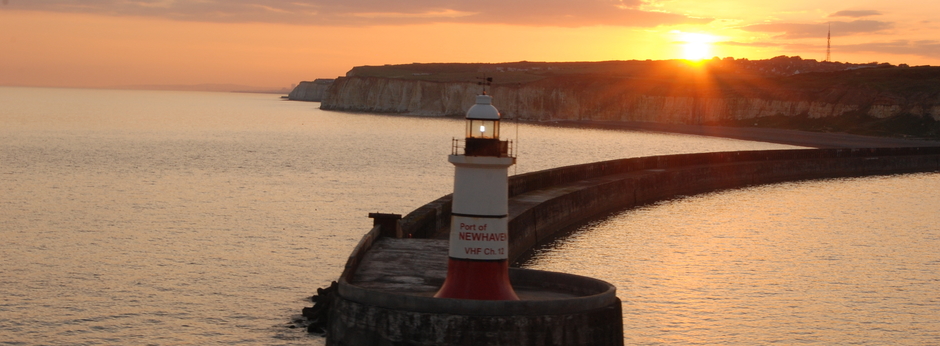
- 208
UNESCO Biosphere Reserve, inscribed 2014, in Albania. Located in south-eastern Europe on the Balkan Peninsula, the Albanian component of the Ohrid-Prespa transboundary biosphere reserve combines water bodies with surrounding mountain relief. Flat areas border the outer limits of the territory, which stretches across Albania and North Macedonia.
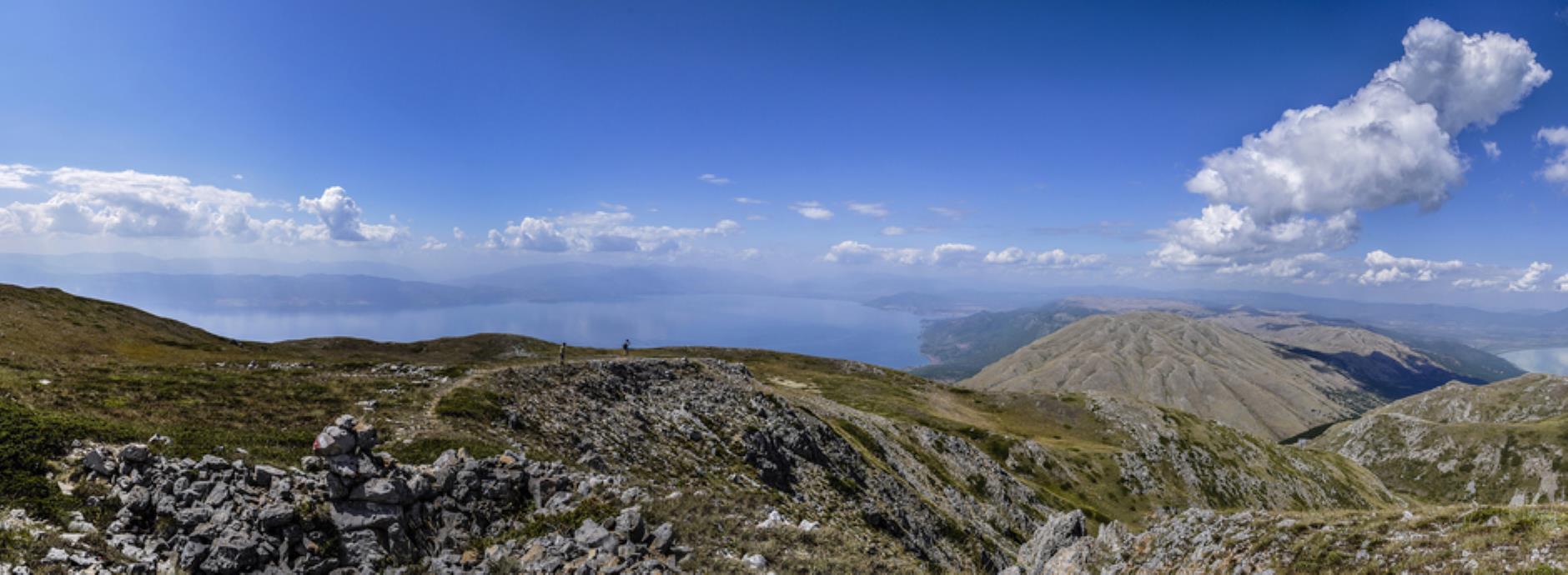
- 209
UNESCO Biosphere Reserve, inscribed 2014, in North Macedonia. The Ohrid-Prespa Biosphere Reserve in North Macedonia joins with the Albanian biosphere reserve of the same name to form a transboundary biosphere reserve. The area combines water bodies with surrounding mountain reliefs, while flat areas mark the outer limits of the territories stretching across the two countries.
- 210
UNESCO Biosphere Reserve, inscribed 2014, in Italy. Sila Biosphere Reserve is in Calabria, a southern Italian region in the heart of the Mediterranean, and covers approximately 1,700 km². It includes Sila National Park (PNS). The Sila area is a large rectangular upland containing the main mountains of the Sila uplands in the central part of Calabria. The uplands form a mature erosion surface with soft-contoured mountains scattered with higher chains and peaks. From these, the region’s main rivers descend, including the Crati, Tacina, Neto, Trionto, Savuto and Corace. There are glacial moraines between 1,600 m and 1,750 m on Mount Botte Donato, as well as several springs, lakes and seasonal lakes. The plateau comprises many different landscapes, stretching across more than 400,000 ha of alluvial plains and valleys. The hilly, terraced terrain alternates with extensively flat areas and peaks that can reach nearly 2,000 m, where forest is the most predominant and distinctive element.
- 211
UNESCO Biosphere Reserve, inscribed 2015, in Italy. The Appennino Tosco-Emiliano Biosphere Reserve is located in the Tuscany and Emilia-Romagna regions of north-central Italy. It covers the Tuscan-Emilian Apennine ridge from Passo della Cisa to Passo delle Forbici, which marks the geographical and climatic boundary between continental and Mediterranean Europe. The area contains close to 70 per cent of the total species present in Italy, including 122 species of birds, amphibians, reptiles, mammals and fish, as well as a wide variety of flora comprising at least 260 aquatic and terrestrial plant species. The main economic activity in the reserve is agriculture. Recreational activities and tourism also represent important economic resources for residents, as well as for tourists and second-home owners.
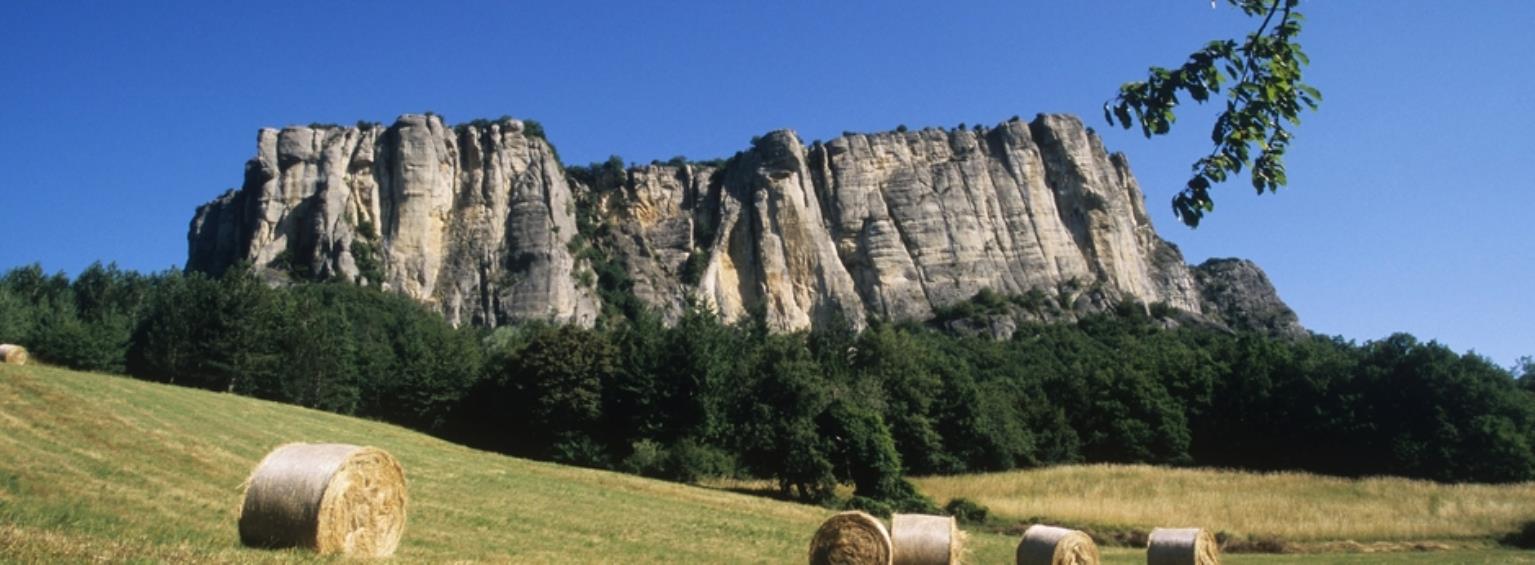
- 212
UNESCO Biosphere Reserve, inscribed 2015, in France. The Gorges du Gardon Biosphere Reserve is in the Gard department of southern France. The landscape is typically Mediterranean, with scrub, evergreen oak, the Gardon River and cliffs. It harbours endangered and protected species such as Egyptian vulture, Bonelli’s eagle and woodcock orchid.
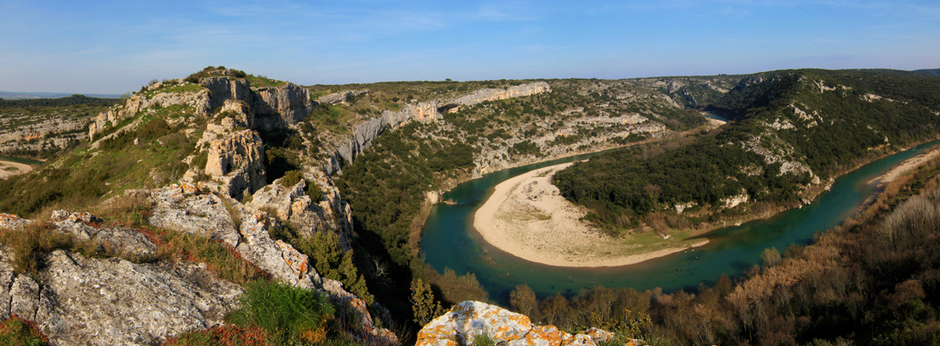
- 213
UNESCO Biosphere Reserve, inscribed 2015, in Italy. The Ledro Alps and Judicaria biosphere reserve is in the Trentino–Alto Adige region of northern Italy, between the Brenta Dolomites, one of the main constituents of the Dolomites World Heritage Site, and Lake Garda. The site is representative of the southern slopes of the central–eastern Alps. It comprises a variety of habitats, including alpine meadows, forests, grasslands and moorlands that alternate with traditional crops. Its location supports rich and varied biodiversity, creating a continuous north–south corridor between the protected areas of the Po Valley and the northern Alps. The area also includes two pile-dwelling settlements around Lake Ledro and Lake Carera–Fiavè, inscribed on the UNESCO World Heritage List. The reserve is highly valued as a tourist destination, with tourism the main source of income for permanent residents. Agriculture is a principal economic activity, in particular viticulture, olive, fruit and vegetable growing, and animal husbandry.
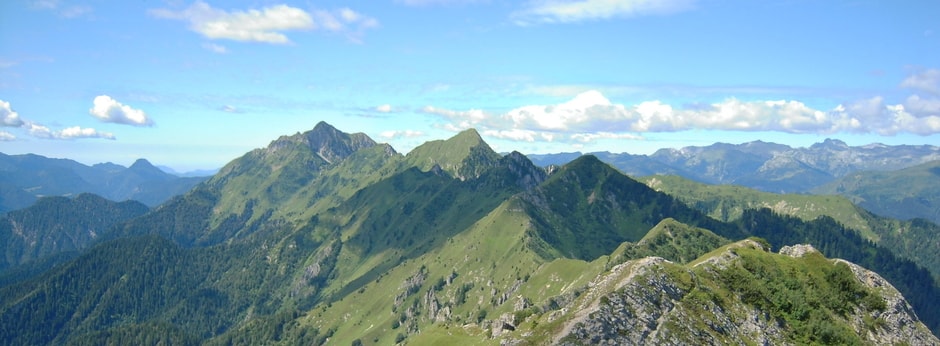
- 214
UNESCO Biosphere Reserve, inscribed 2015, in Spain. The Macizo de Anaga Biosphere Reserve is located in the north-east of the island of Tenerife in the Canary Islands. Macizo de Anaga hosts significant faunal diversity, with reptiles, birds and fish, and in particular large numbers of invertebrates, with 1,900 species recorded. The reserve consists of four protected natural areas, a Rural Park and three Integral Natural Reserves, as well as areas that form part of the Natura 2000 network, including a Special Bird Protection Area and Special Areas of Conservation.
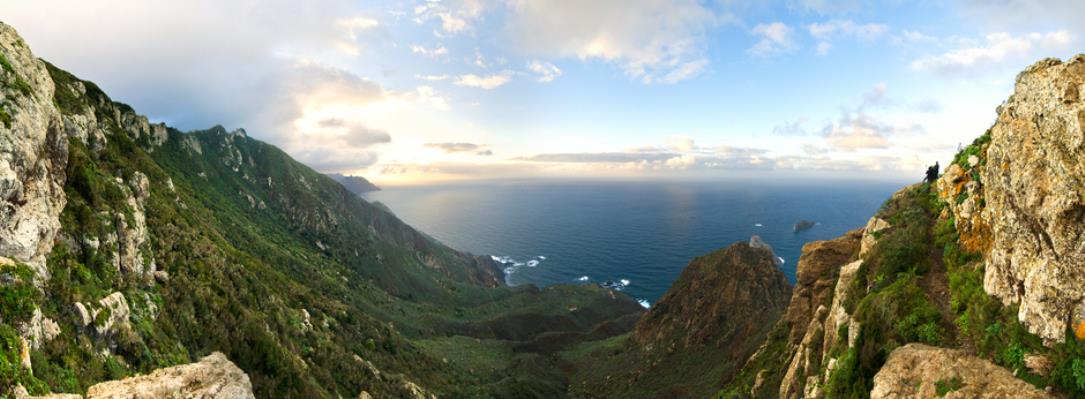
- 215
UNESCO Biosphere Reserve, inscribed 2015, in Portugal. The Meseta Ibérica Transboundary Biosphere Reserve lies along the northern border of Spain and Portugal. It includes a wide variety of landscapes, orographic features and land uses. Altitudes range from 100 m to 2,000 m above sea level. The area contains many flagship species, some of which have been the subject of conservation projects, such as the black stork (Ciconia nigra), Egyptian vulture (Neophron percnopterus), Bonelli’s eagle (Aquila fasciata), Eurasian eagle-owl (Bubo bubo), European otter (Lutra lutra) and Iberian wolf (Canis lupus signatus). The area also includes built heritage dating back to Roman times and the Middle Ages. The remains of forts, castles and walled enclosures in localities bear witness to frequent wars between Spanish and Portuguese kingdoms during the Middle Ages. The cultural heritage is notable in the architecture, customs, traditions and folklore.
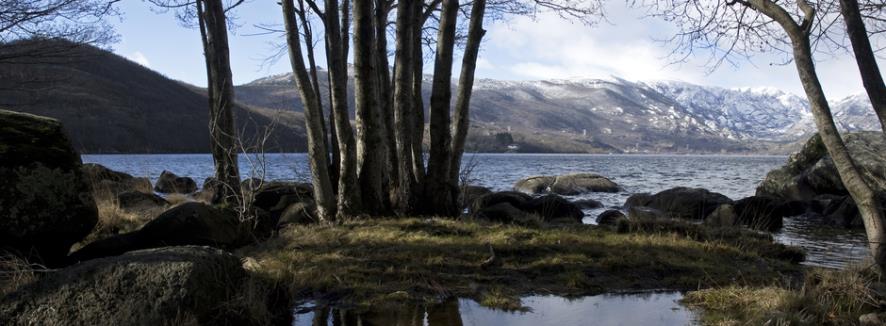
- 216
UNESCO Biosphere Reserve, inscribed 2015, in Italy. The Po Delta Biosphere Reserve is a delta plain in northern Italy, formed by the River Po and recent human activity. Created by the confluence of the river’s main branches, it comprises coastal dune systems and sand formations, lagoons, fishing ponds, marshes, fossil dunes, canals and coastal pine forests, as well as vast brackish wetlands and cultivated lands dominated by rice farming. These landscapes provide the area with a unique identity and a high level of biodiversity due to the extensive range of habitats. The reserve is an important tourist destination, and tourism together with agriculture and fish farming are the main economic activities of local communities.
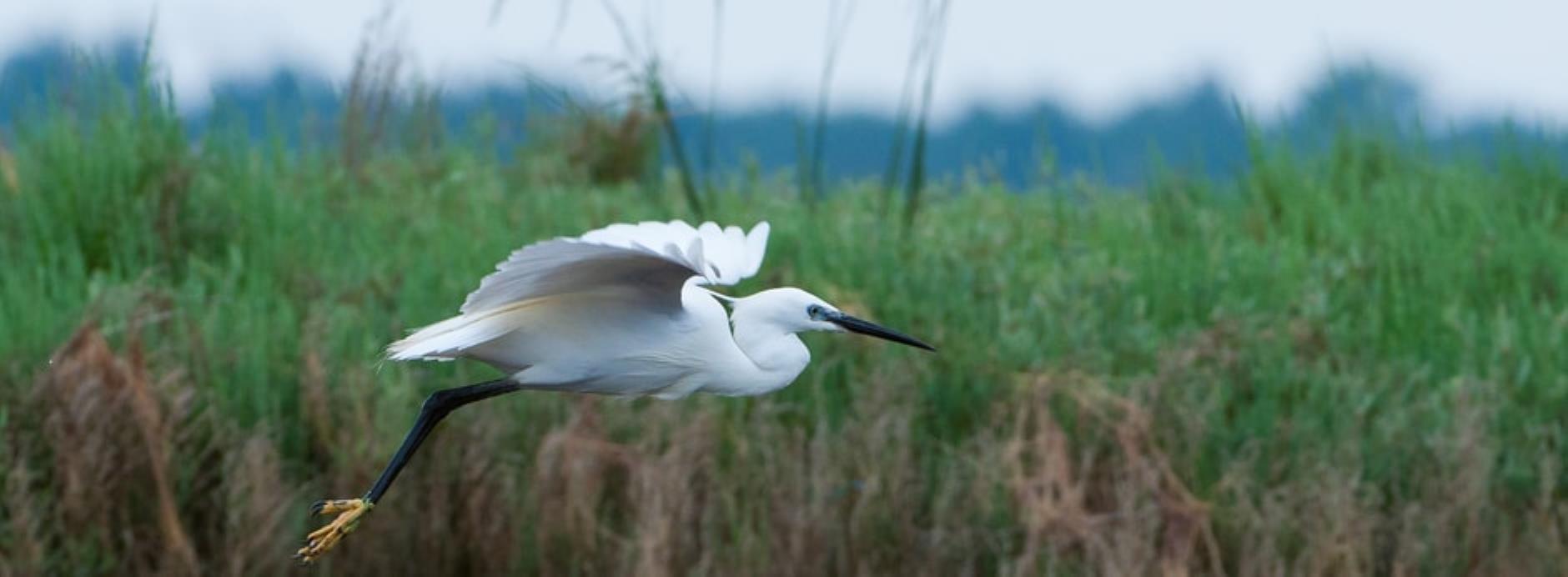
- 217
UNESCO Biosphere Reserve, inscribed 2016, in Canada. Located in Alberta in western Canada, this morainic landscape has characteristic boreal-zone features, including abundant wetlands, shallow lakes and rock formations, developed during the progressive retreat of glaciers about 12,000 years ago. Today, the biosphere comprises land modified by agriculture, mixed wood forests, grasslands and wetlands. The diversity of forest and upland habitats provides optimal conditions for bison, deer, elk and moose, supports diverse and abundant waterfowl, and sustains an abundant beaver population. Thirty-six plants and six plant communities within the moraine are considered sensitive due to limited distribution in the province.
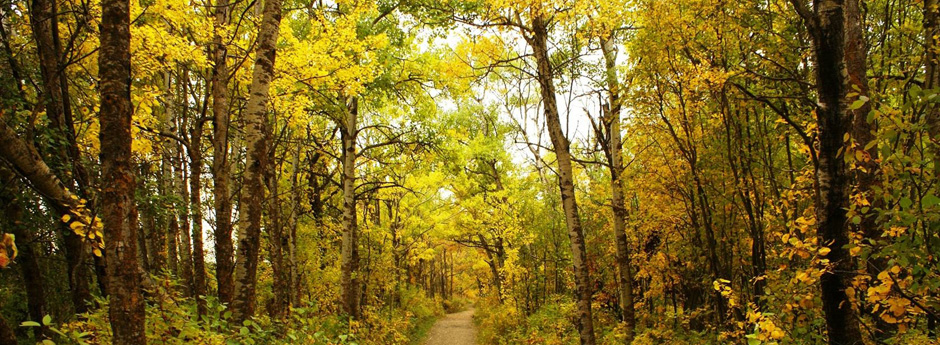
- 218
UNESCO Biosphere Reserve, inscribed 2016, in Italy. The Collina Po Biosphere Reserve is in the Piedmont region of northern Italy and covers the Turin stretch of the River Po with its main tributaries and the Collina Torinese hillside. The River Po is the main reservoir of biodiversity in the Turin plain, due in part to the numerous wetlands along its course. Its physical and geological characteristics have led to the formation of many gravelly shores, oxbows and riparian woods that host a variety of species.
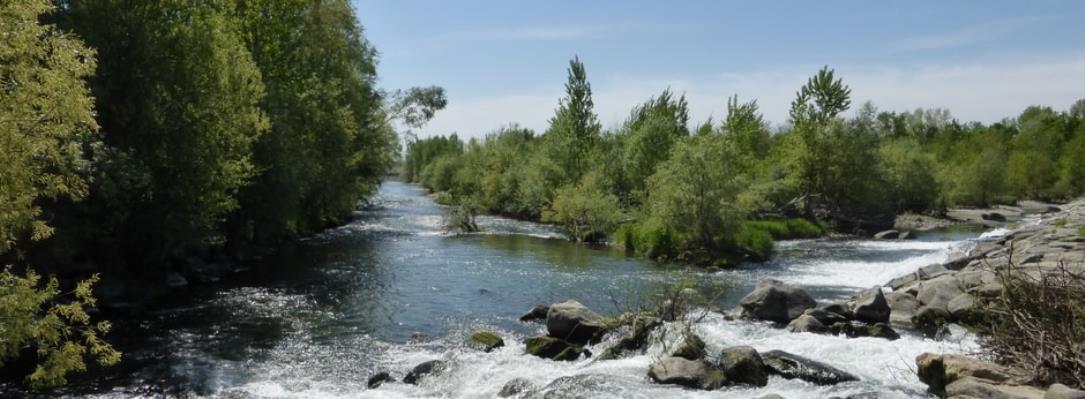
- 219
UNESCO Biosphere Reserve, inscribed 2017, in Serbia. Located in the north-western part of Serbia, Backo Podunavlje Biosphere Reserve covers 176,635 ha and extends over the alluvial zones of the central Danube plain. It consists of remnants of historic floodplains and human-made landscapes shaped by agriculture and settlements. The floodplain includes alluvial forests, marshes, reed beds, freshwater habitats, alluvial wetlands and flood-protected forests. The main activities are agriculture, forestry and industry.
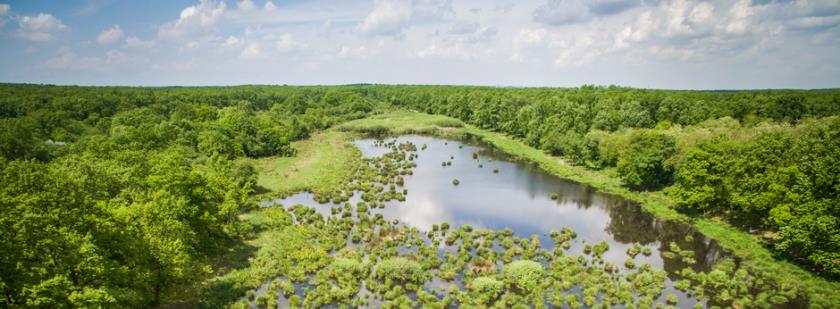
- 220
UNESCO Biosphere Reserve, inscribed 2017, in Germany. Located in southern Germany, in the state of Baden-Württemberg, this biosphere reserve comprises low mountain ranges, silvicultural forests, low plains, mountain hay meadows and lowland moors. Seventy per cent of the area is forested. The region has retained a distinct cultural identity, with customs and handicrafts. Sustainable tourism is widely promoted.
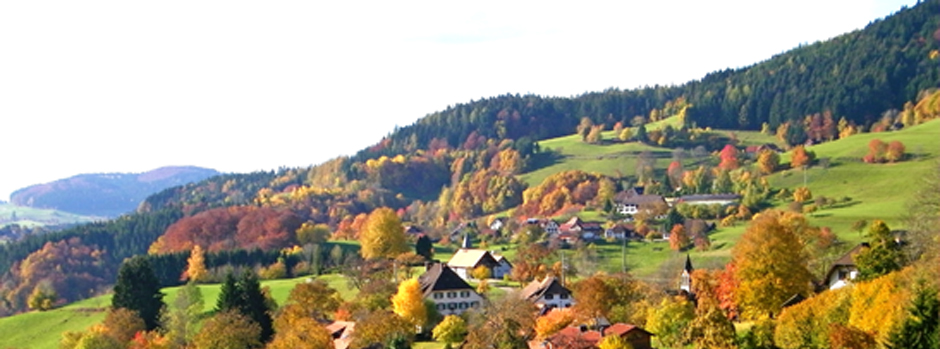
- 221
UNESCO Biosphere Reserve, inscribed 2017, in Russian Federation. Kizlyar Bay is one of the largest bays in the Caspian Sea and is also one of the largest migratory routes for birds in Eurasia. It represents a diversity of marine, coastal and desert-steppe ecosystems, including populations of threatened animals such as the Caspian seal, many species of birds and sturgeons. Livelihoods depend on fishing, land use including grazing and haymaking, hunting and tourism.
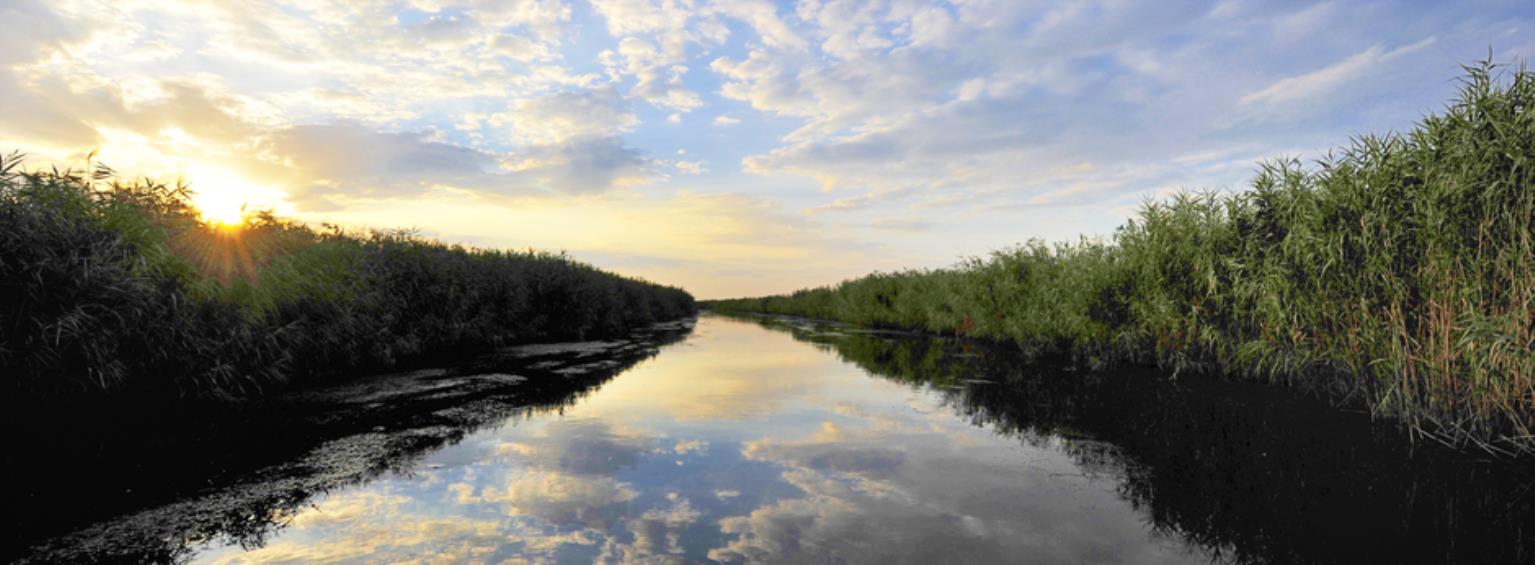
- 222
UNESCO Biosphere Reserve, inscribed 2017, in Denmark. Moen (Møn) biosphere reserve comprises a series of islands and islets in the southern Baltic Sea. Its landscapes include woodlands, grasslands, pastures, wetlands, coastal areas, ponds and steep hills. The biosphere reserve includes a number of small villages, scattered farms and residential areas. The main activities are trade, agriculture, fisheries and tourism.
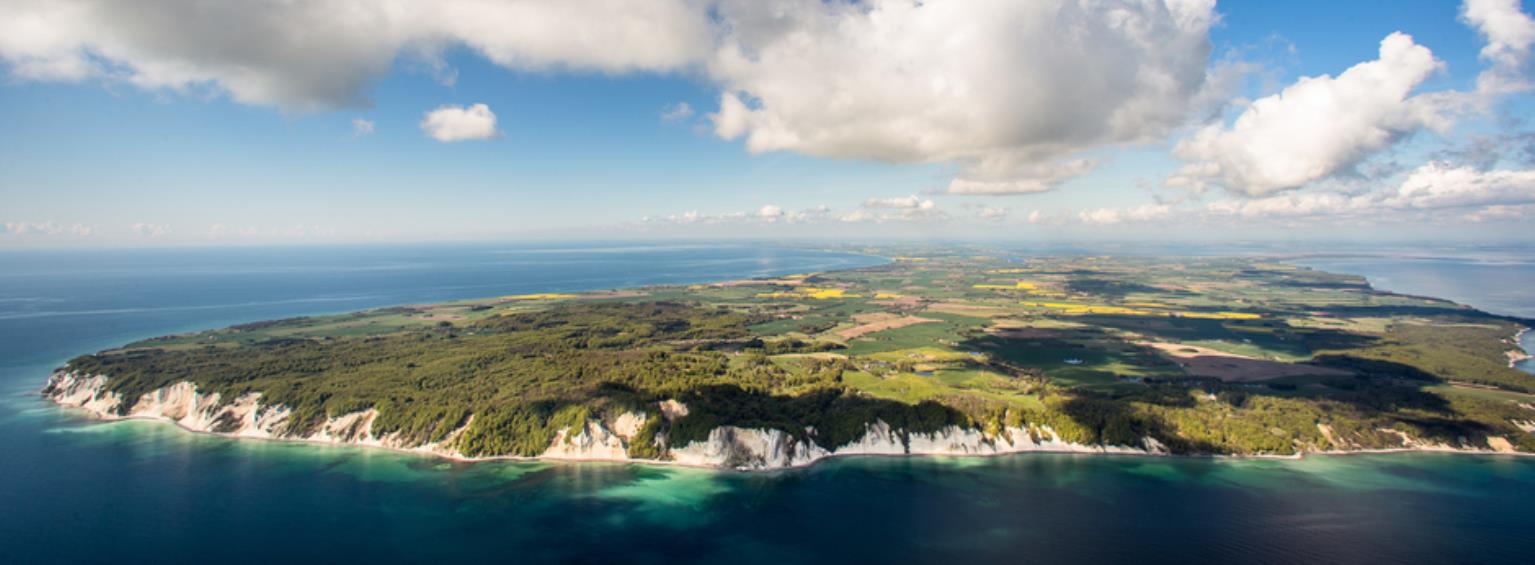
- 223
UNESCO Biosphere Reserve, inscribed 2017, in Italy. Located in Sardinia, this biosphere reserve covers more than 140,000 ha. It presents mountainous areas to the west and a flat strip to the east, with rivers and coastal areas. The reserve comprises 17 municipalities, between the provinces of Olbia-Tempio and Nuoro.
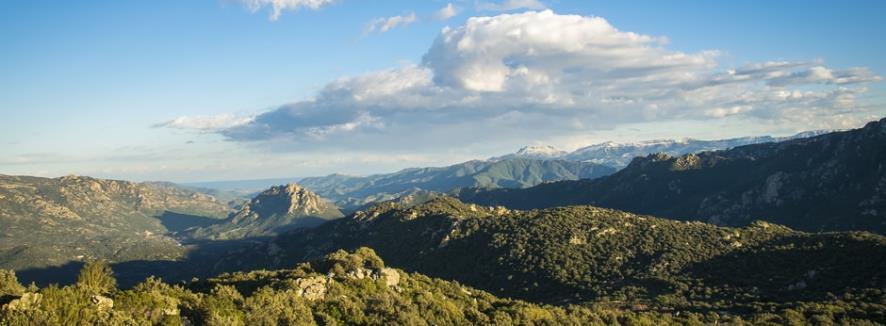
- 224
UNESCO Biosphere Reserve, inscribed 2018, in Republic of Moldova. Located in the south of the country, this biosphere reserve encompasses the Prut River and floodplain lakes. Two-thirds of the surface of the area is occupied by Lake Beleu. A wetland area extends along the Prut River, covering a mosaic of water, meadow and forest ecosystems. The main economic activity is agriculture, which provides 90% of the inhabitants’ income.
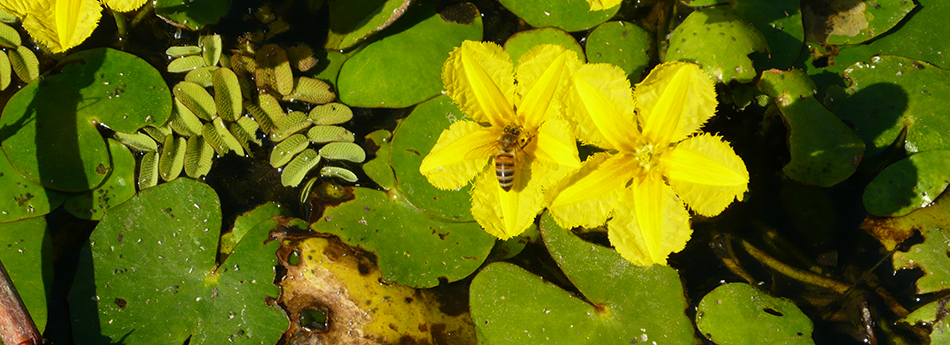
- 225
UNESCO Biosphere Reserve, inscribed 2018. This agricultural river landscape in the Meuse valley, in the south-eastern part of the Netherlands, has been shaped by continuous interaction between people and nature. The site is used for hay meadows and includes the oldest and largest network of natural hedges in the Netherlands. The landscape comprises a mosaic of small agricultural fields enclosed by hedges, sand dunes, forests, lakes, wet meadows and reed beds. The plan is to use the biosphere reserve as a laboratory for sustainable development and tourism.
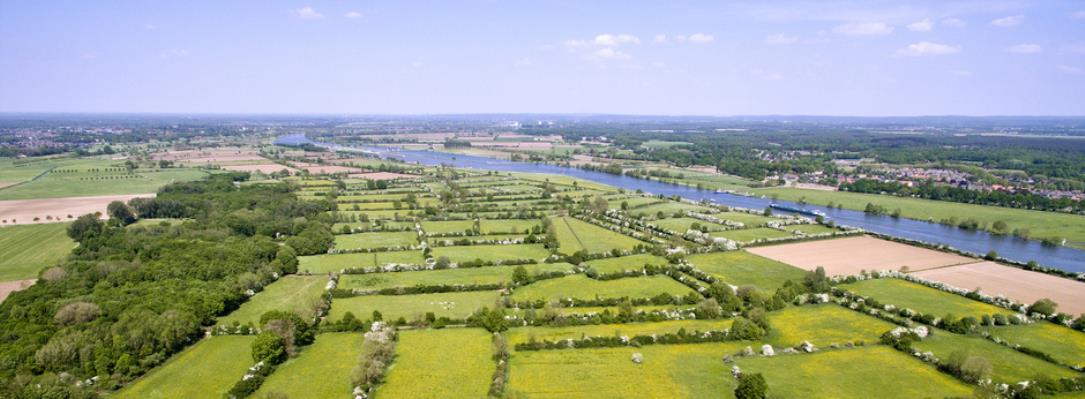
- 226
UNESCO Biosphere Reserve, inscribed 2018, in Italy. The site lies in central Italy at the confluence of two river systems, with the Tiber to the east and the Paglia to the west. It consists of an extensive forested area and is an important natural pool of fauna, flora and mushroom species in and around an ancient, extinct volcano. These natural resources allow for activities compatible with sustainable development.
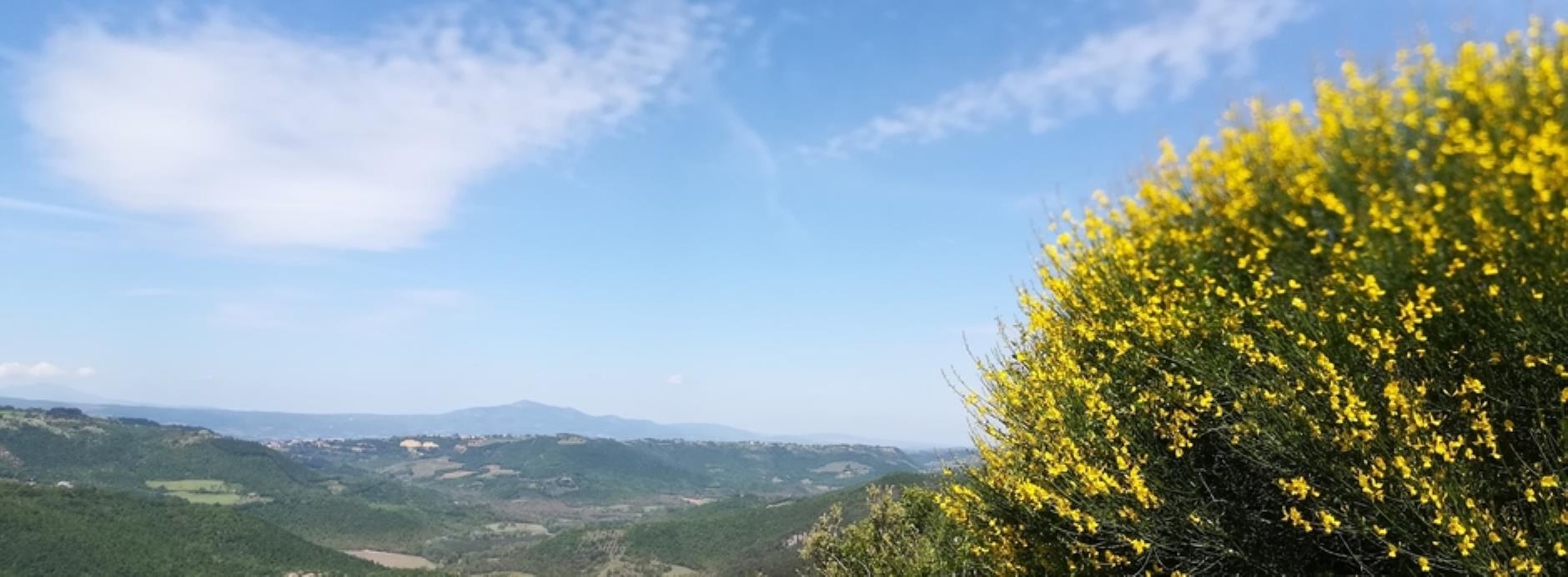
- 227
UNESCO Biosphere Reserve, inscribed 2018, in Slovenia. Located in the eastern part of the country, this biosphere reserve includes the largest preserved complex of floodplains in Slovenia. Here, the interweaving of natural factors and human presence has created an exceptional cultural riverine landscape. The main sources of income for residents are agriculture, industry, forestry and tourism.
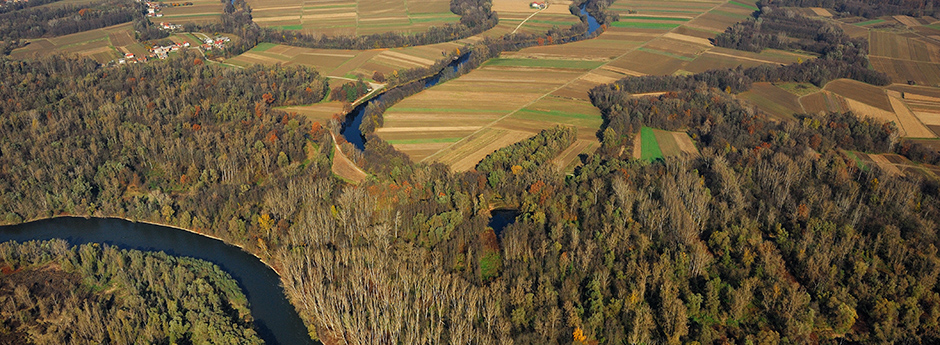
- 228
UNESCO Biosphere Reserve, inscribed 2018, in Spain. Ponga Biosphere Reserve is located in Asturias, in the eastern centre of the Cantabrian Mountains, and encompasses the administrative territory corresponding to the municipality of Ponga. It is an area with a complex relief combining middle and high mountains, with steep slopes and incised fluvial valleys. The forests of Ponga are home to many faunal species, including the brown bear (Ursus arctos arctos). The area has a small population and contains a rich cultural heritage with several archaeological remains.
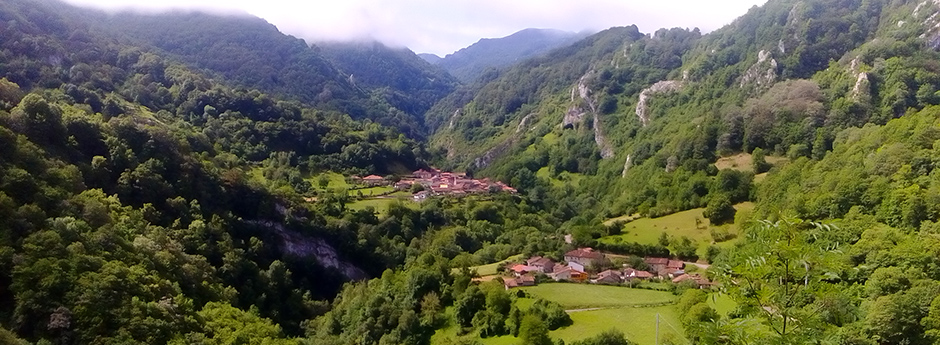
- 229
UNESCO Biosphere Reserve, inscribed 2018, in Italy. The site is located in the eastern part of Lombardy. The area is characterised by typical Alpine and pre-Alpine valleys, ranging from valley-bottom landscapes to the high peaks of the Adamello group and the Adamello Glacier, and ending at Lake Iseo, one of Italy’s largest basins. The landscape features rivers and lakes, woods and forests, glaciers, meadows and prairies. Farming and animal husbandry in the region follow ancestral traditions.
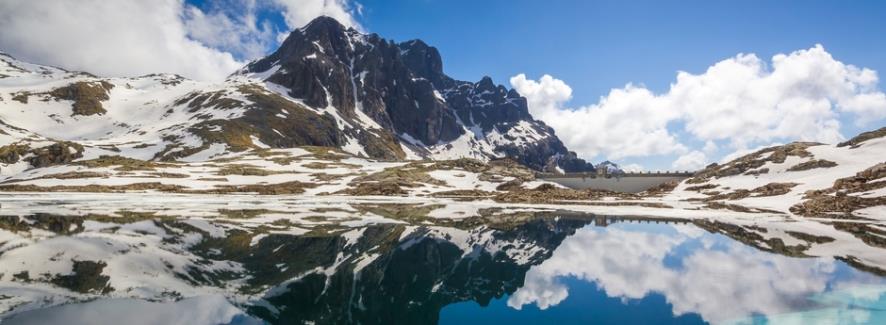
- 230
UNESCO Biosphere Reserve, inscribed 2019, in Spain. The Alto Turia Biosphere Reserve is located along the middle course of the Turia River, which passes through the Valencian counties of El Rincón de Ademuz and La Serranía in the central-eastern part of the country. The Turia valley, which runs from north-west to south-east, is the main defining axis of the biosphere reserve. There are plans to develop trade in local products of recognised quality to drive sustainable development in the territory.
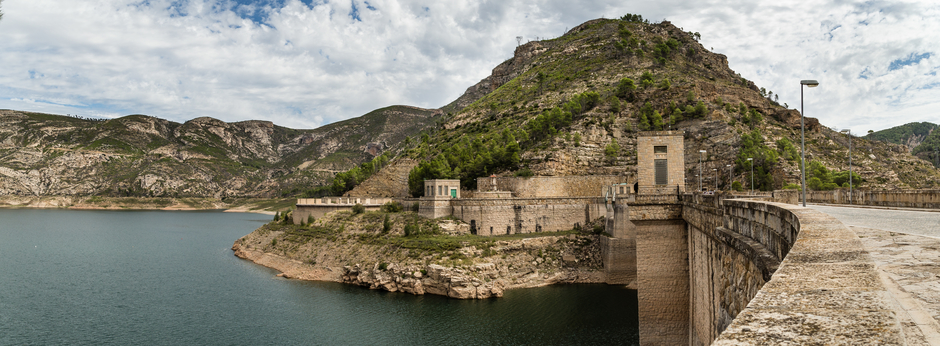
- 231
UNESCO Biosphere Reserve, inscribed 2019, in United Kingdom of Great Britain and Northern Ireland. The Isle of Wight has a strong tradition of environmental action with numerous projects and initiatives promoting environmental education and awareness, increased community engagement, and healthier lifestyles and diets. The island is also developing eco-tourism and working with universities and institutions to foster environmental innovation and attract new investment. It is testing new measures for climate change mitigation and adaptation.
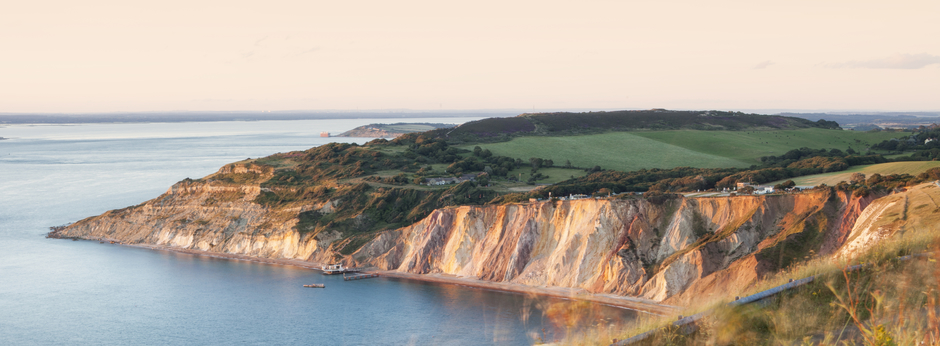
- 232
UNESCO Biosphere Reserve, inscribed 2019, in Italy. The Julian Alps are a region in the Southern Limestone Alps, where north-eastern Italy meets Slovenia. The Slovenian Julian Alps Biosphere Reserve, which includes Triglav National Park, was designated in 2003. The biosphere reserve constitutes an important Alpine corridor, notably for large carnivores as well as birds. The area is also a meeting place of the Latin and Slav worlds, with millennia of cultural interaction testified by its multitude of dialects, settlement methods, and agricultural and artistic practices.
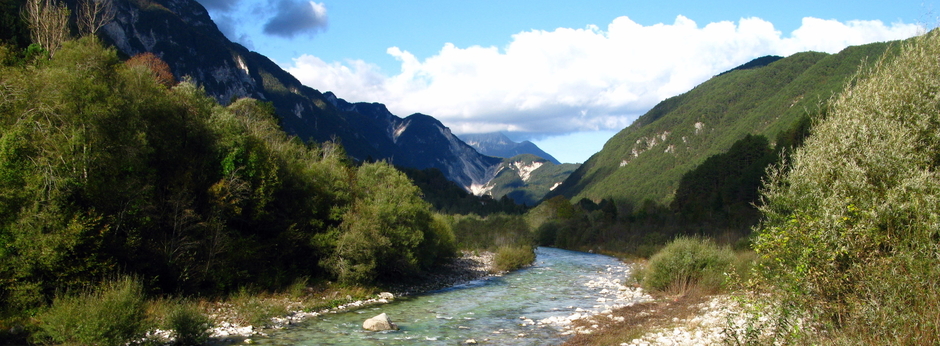
- 233
UNESCO Biosphere Reserve, inscribed 2019, in Spain. Situated in central-western Spain, La Siberia Biosphere Reserve features major freshwater reservoirs along the Guadiana and Zújar rivers in a landscape of large plains and oak forests. To the north and north-east, it borders the region of Villuercas-Jara-Ibores, which has been designated a UNESCO Global Geopark. The reserve contains a wide variety of habitats that support highly diverse flora and fauna, including extensive plains and forest formations. Sustainable development plans to boost social and economic activity have been developed to curb emigration.
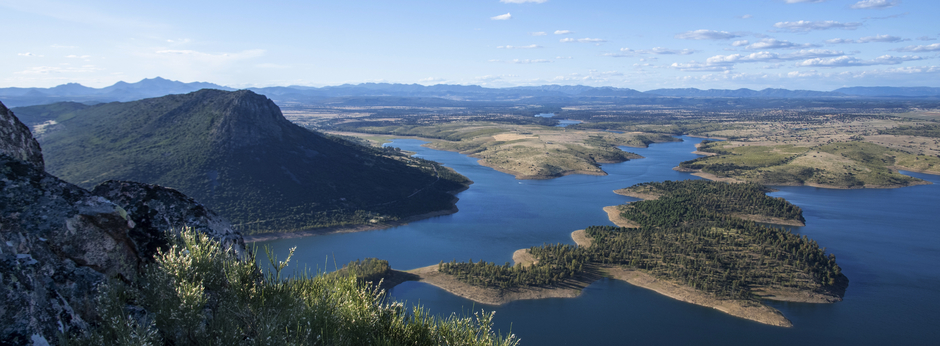
- 234
UNESCO Biosphere Reserve, inscribed 2019, in Russian Federation. Lake Elton Biosphere Reserve is located in the south-eastern part of the East European Plain, within the Caspian lowlands in the Russian Federation. Lake Elton is a hypersaline lake and the largest in Europe. It is also among the deepest situated, at 16 m below sea level, and one of the most saline lakes in the world. People live in 14 rural settlements and herder posts in the biosphere reserve, with seasonal variations almost doubling human presence in the area. The lake is important to nomads and their livestock, the only remaining agricultural activity in the area. It is also important to numerous mammals and birds, including cranes, some of which belong to threatened species.
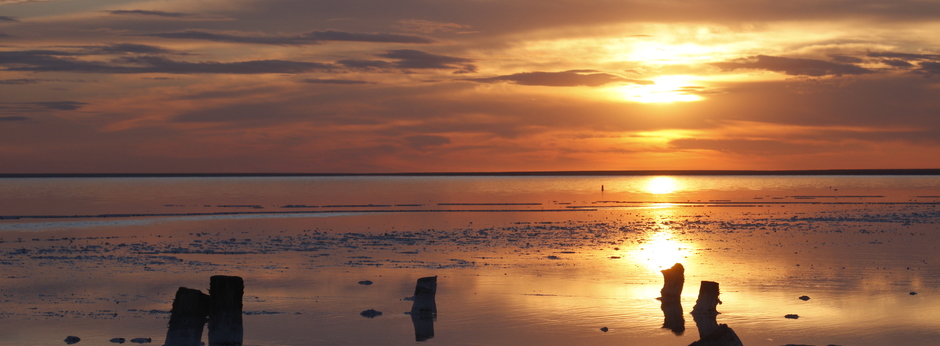
- 235
UNESCO Biosphere Reserve, inscribed 2019, in Poland. The Roztocze Transboundary Biosphere Reserve is located in the Roztocze region in Poland and Ukraine, a natural and cultural borderland near the European Union border. It lies in the immediate vicinity of Lviv in Ukraine and Zamość in Poland, cities inscribed on the UNESCO World Heritage List. Roztocze has potential for dynamic development because of its scenic location and rich natural and cultural heritage. The Ukrainian part, called Roztochya, was designated a biosphere reserve in 2011.
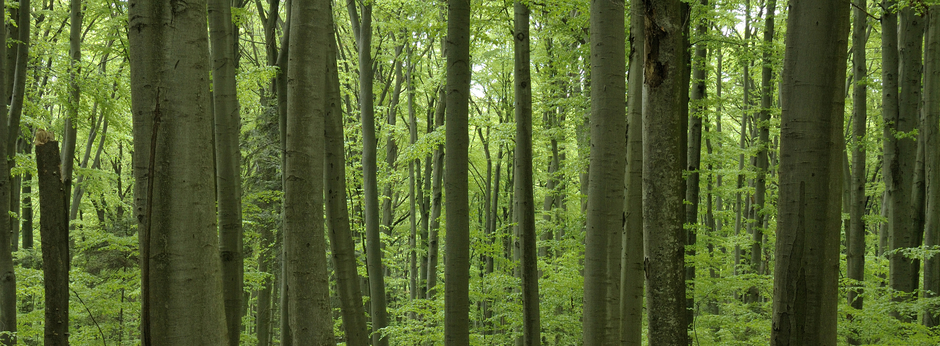
- 236
UNESCO Biosphere Reserve, inscribed 2019, in Austria. Located in south-east Austria and bordering the Slovenian Mura River Biosphere Reserve, the Unteres Murtal Biosphere Reserve encompasses 13,000 ha. The area is of natural, historical and cross-border importance owing to its position along the Slovenian border and its role in the European Green Belt. After the Danube floodplains, it contains Austria’s second-largest alluvial forest on a large river.
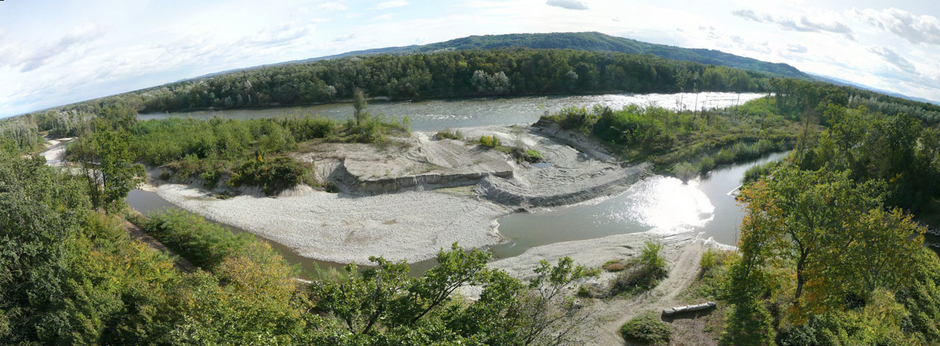
- 237
UNESCO Biosphere Reserve, inscribed 2019, in Spain. Located in the Cabriel River basin in eastern Spain, the Valle del Cabriel Biosphere Reserve is characterised by a diversity of landscapes, including mountains, rock formations shaped by the confinement of fluvial channels, agricultural use in alluvial plains, salt marshes and lagoons. The area retains a rich cultural heritage, including Villar del Humo, part of the Rock Art of the Mediterranean Basin on the Iberian Peninsula World Heritage site. The inhabitants of the Cabriel Valley have adapted to their environment by employing unique, ancient sustainable practices based on agricultural activity, livestock and water use. These practices have helped them conserve their specific tangible and intangible cultural heritage.
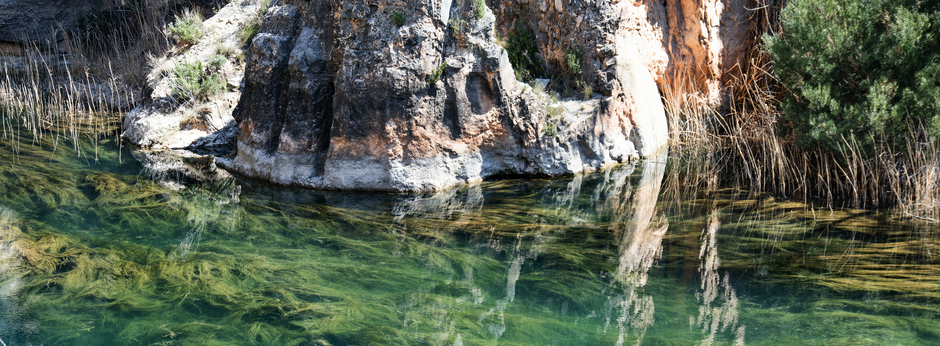
- 238
UNESCO Biosphere Reserve, inscribed 2019, in Sweden. Straddling the Arctic Circle, the Vindelälven–Juhttátahkka Biosphere Reserve includes large parts of the Vindelfjällen nature reserve, one of the largest in Europe. The northern part of the biosphere reserve is mountainous, forests cover its central part, while the south is a coastal area. The area is home to two distinct cultural communities, Swedish and Sami, with rich cultural traditions. Activities in the biosphere reserve include mining, forestry and reindeer husbandry, which enjoys official protection as a traditional activity of public interest. The Sami Parliament is officially responsible for ensuring that Sami interests are defended in spatial planning. Samernas Riksförbund (SSR), the National Federation of Swedish Sami people, works more directly to support “samebys” on planning issues. The Sami Parliament has also drawn up an action plan for Sami livelihoods and culture to address climate change.
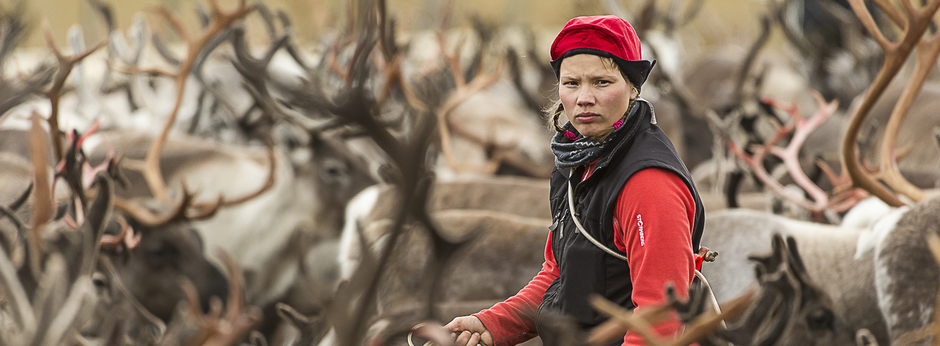
- 239
UNESCO Biosphere Reserve, inscribed 2020, in Greece. Uninterrupted human presence since the Neolithic Age has left Asterousia, in the southern part of Crete, with a rich archaeological heritage. Scattered settlements sit within a mountainous landscape of natural and semi-natural habitats, alongside areas of high ecological value hosting over half of the island’s animal and plant species. Asterousia Mountain Range is the southernmost mountainous area of Europe.
- 240
UNESCO Biosphere Reserve, inscribed 2020, in Andorra. Located on the central axis of the eastern Pyrenees, in the north of Andorra, the Ordino Biosphere Reserve presents a good sampling of the mountain range’s biological diversity. Traditional agriculture and herding have shaped the landscape, which is dominated in part by forests of Scots pine, fir, sessile oak and hook pine. Notable for the protection of several rare and endangered species on the IUCN Red List, Ordino is home to the great tetra, emblematic of the Pyrenees, the bearded vulture and the Pyrenees lizard, and it is a hotspot for Lepidoptera, or butterflies. The main driver of economic development in the region has been tourism, which is highly dependent on the quality of the natural environment and the conservation of heritage.
- 241
UNESCO Biosphere Reserve, inscribed 2021, in Russian Federation. Facing the unfolding Siberian expanses to the north and shouldered by the Altai Mountains to the south, the Kuznetsky Alatau Ridge remains virtually unchanged since the last ice age. In these remote mountains, the biosphere reserve serves as a hub for social services, environmentally oriented small businesses, ecotourism and the revival of the local Indigenous culture.
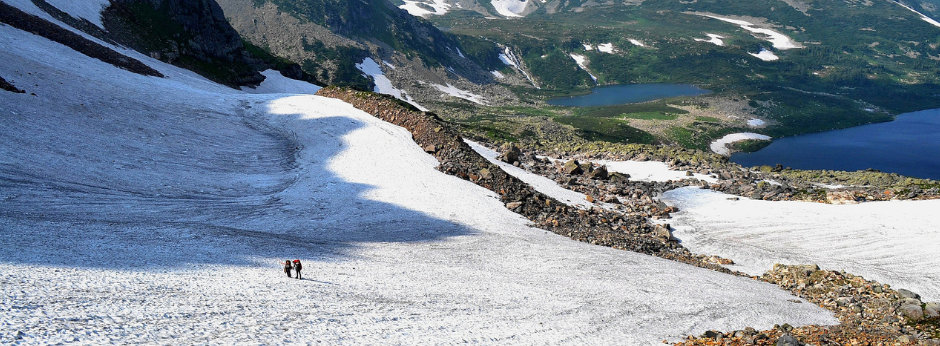
- 242
UNESCO Biosphere Reserve, inscribed 2021, in France. Martinique is an island located in the volcanic arc of the Lesser Antilles, and is globally significant as part of the Caribbean biodiversity hotspot. The island combines striking mountainous landscapes with extensive coastal and marine environments, offering an exceptional range of natural habitats and high endemism. The Martinique Biosphere Reserve’s main purpose is to conserve and restore the island’s land–sea ecosystems while sustaining cultural identity through community-led stewardship. Management priorities include sustainable production and local consumption, responsible tourism, and a shift to renewable energy and public transport, underpinned by environmental education and applied research.
- 243
UNESCO Biosphere Reserve, inscribed 2021, in Italy. Located in northern Italy, the Monte Grappa Biosphere Reserve encompasses the Monte Grappa Massif and its surrounding foothills. Set at the junction of biogeographical regions, it typifies the dynamics of the Eastern Italian Prealps and links the Po Valley with the Eastern Dolomites. The reserve conserves a rich mosaic of landscapes, ecosystems and biodiversity including 24 Natura 2000 habitat types, while fostering research, education and sustainable development. The reserve works to improve community well-being through green and circular economy approaches and corporate social responsibility, and counter long-term depopulation by engaging young people in safeguarding local values.
- 244
UNESCO Biosphere Reserve, inscribed 2021, in Russian Federation. Situated between the meandering Volga to the west and the steppes of Kazakhstan to the east, the biosphere reserve forms a crossroads of landscapes and cultures. At its centre lies Lake Baskunchak, known throughout Russia for its salt production, which stands out from the surrounding scrubland. The biosphere reserve is a landmark of the Caspian Depression and contains numerous archaeological and cultural monuments that attest to its position on the Silk Road.
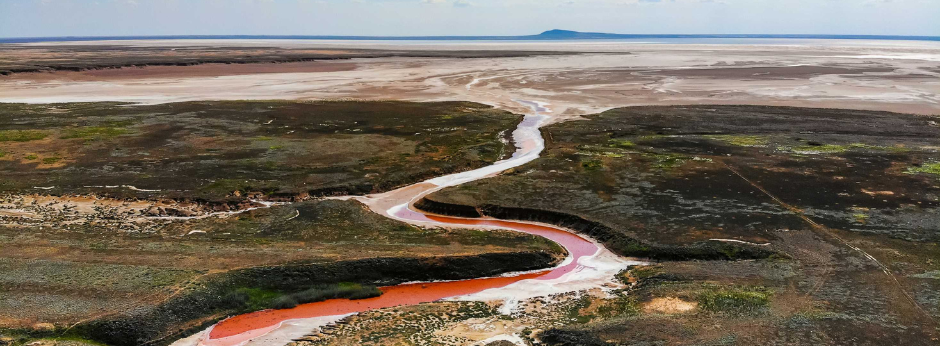
- 245
UNESCO Biosphere Reserve, inscribed 2021, in Spain. Located in Galicia, at the mountainous north-western tip of the Iberian Peninsula, the biosphere reserve is a place of great natural beauty, enriched by strong cultural heritage. The River Miño meanders at the bottom of the vertiginous Sil canyons, in a landscape of valleys, tertiary depressions and scrubland foothills, creating a diversity of microclimates.
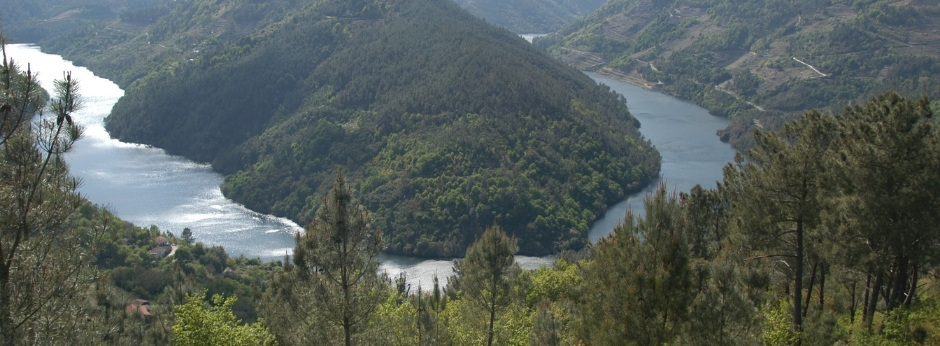
- 246
UNESCO Biosphere Reserve, inscribed 2022, in Georgia. Dedoplistskaro Biosphere Reserve lies in eastern Georgia in Kakheti, set on the Iori Plateau between the Alazani River to the north and the Iori River to the south, close to the border with Azerbaijan. The landscape runs from uplands south of Dedoplistskaro at 1,001 metres down to 90 metres in the Eldari Lowland. Part of the Caucasus Biodiversity Hotspot, it is regionally important for arid and semi-arid ecosystems. The reserve’s purpose is to conserve connected dryland and riparian systems while supporting sustainable rural development, prioritising sustainable water use and stronger rangeland management.
- 247
UNESCO Biosphere Reserve, inscribed 2022, in Georgia. Named for the Alazani River and its two northern tributaries – the Tusheti Alazani and the Piriqita Alazani – the Three Alazani Rivers Biosphere Reserve lies in the Kakheti region of eastern Georgia. It runs from subnival ridges and high mountain slopes in Tusheti to lowland floodplains near Alaverdi. The site sits within the global Caucasus Biodiversity Hotspot, recognised for exceptional temperate forest diversity with high endemism. The reserve’s aim is to conserve vital linked ecosystems and the cultural landscapes they support, maintain traditions such as seasonal pastoralism and strengthen livelihoods through practical measures in farming, market development, research, monitoring and education.
- 248
UNESCO Biosphere Reserve, inscribed 2023, in Germany. Situated in the transitional area between Lower Saxony and Saxony-Anhalt in northern Germany, the Drömling Biosphere Reserve is an ecologically valuable and culturally significant landscape shaped by centuries of human intervention. Once an impenetrable marshland, it has been transformed through an extensive system of ditches and canals, earning it the name as the Land of a Thousand Ditches. Today, it stands as one of the largest peatland complexes in the region and plays a key role in the European Green Belt, a cross-border ecological corridor along the former inner-German border. Drömling serves as a living laboratory for sustainable regional development, climate resilience and ecosystem restoration.
- 249
UNESCO Biosphere Reserve, inscribed 2024, in Italy. This picturesque landscape in the Veneto region of north-eastern Italy is defined by 81 volcanic hills, including Monte Venda, rising amidst thermal spas and plains with olive groves and vineyards. Endowed with a diverse array of flora and fauna endemic to the Veneto plain, the biosphere reserve has established partnerships with universities and a comprehensive management framework.
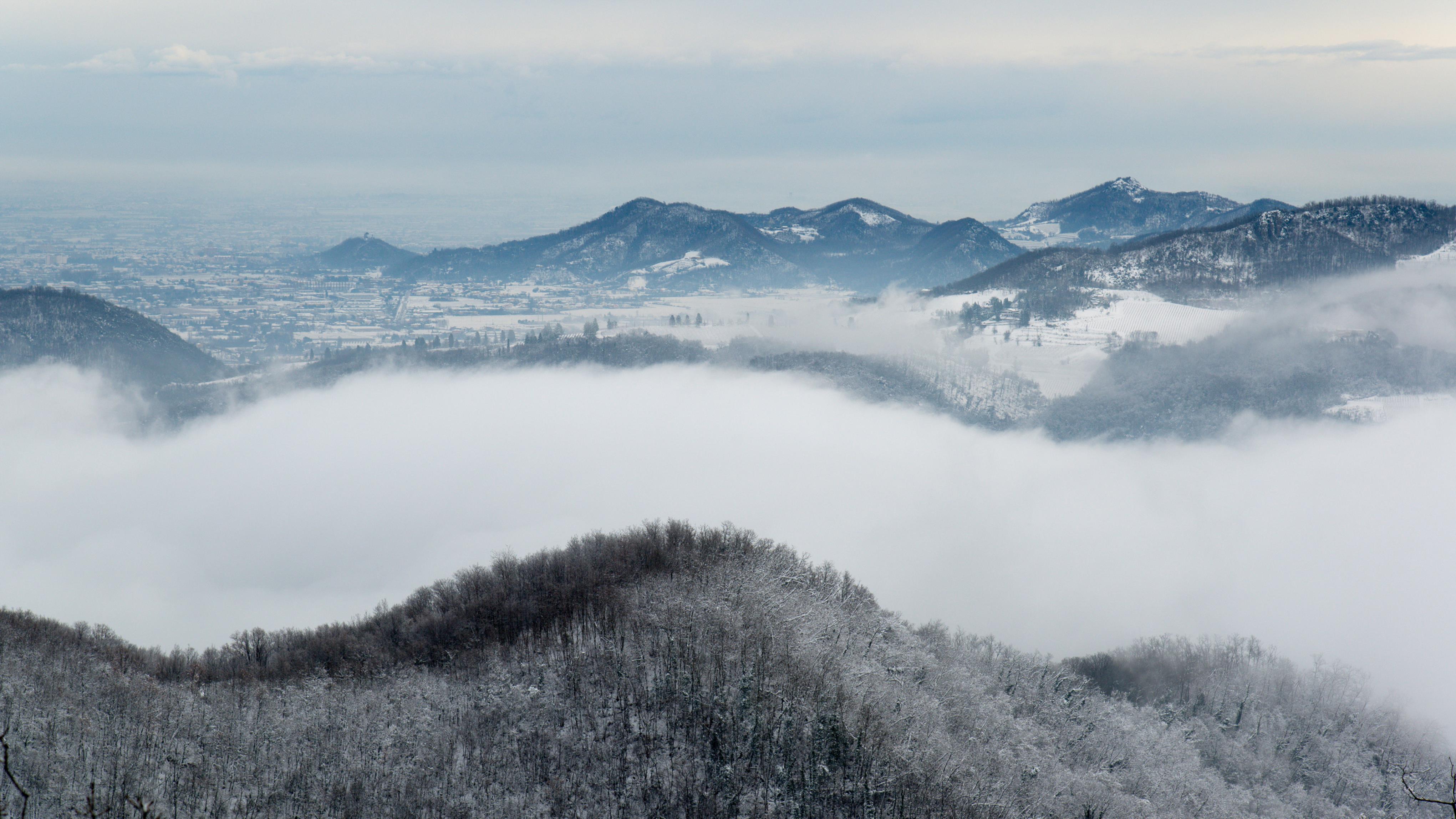
- 250
UNESCO Biosphere Reserve, inscribed 2024. The Kempen-Broek Biosphere Reserve is part of a transboundary area that straddles the border between Flanders in Belgium and the Netherlands. Once-expansive wetlands have been transformed into farmland since the nineteenth century, but the area retains remnants of its marshes, punctuated by ponds, open marshlands and bog forests. Villages and towns are scattered on higher ground. Diverse bird species flourish across varied landscapes. The area constitutes an important open space with high landscape and biodiversity value.
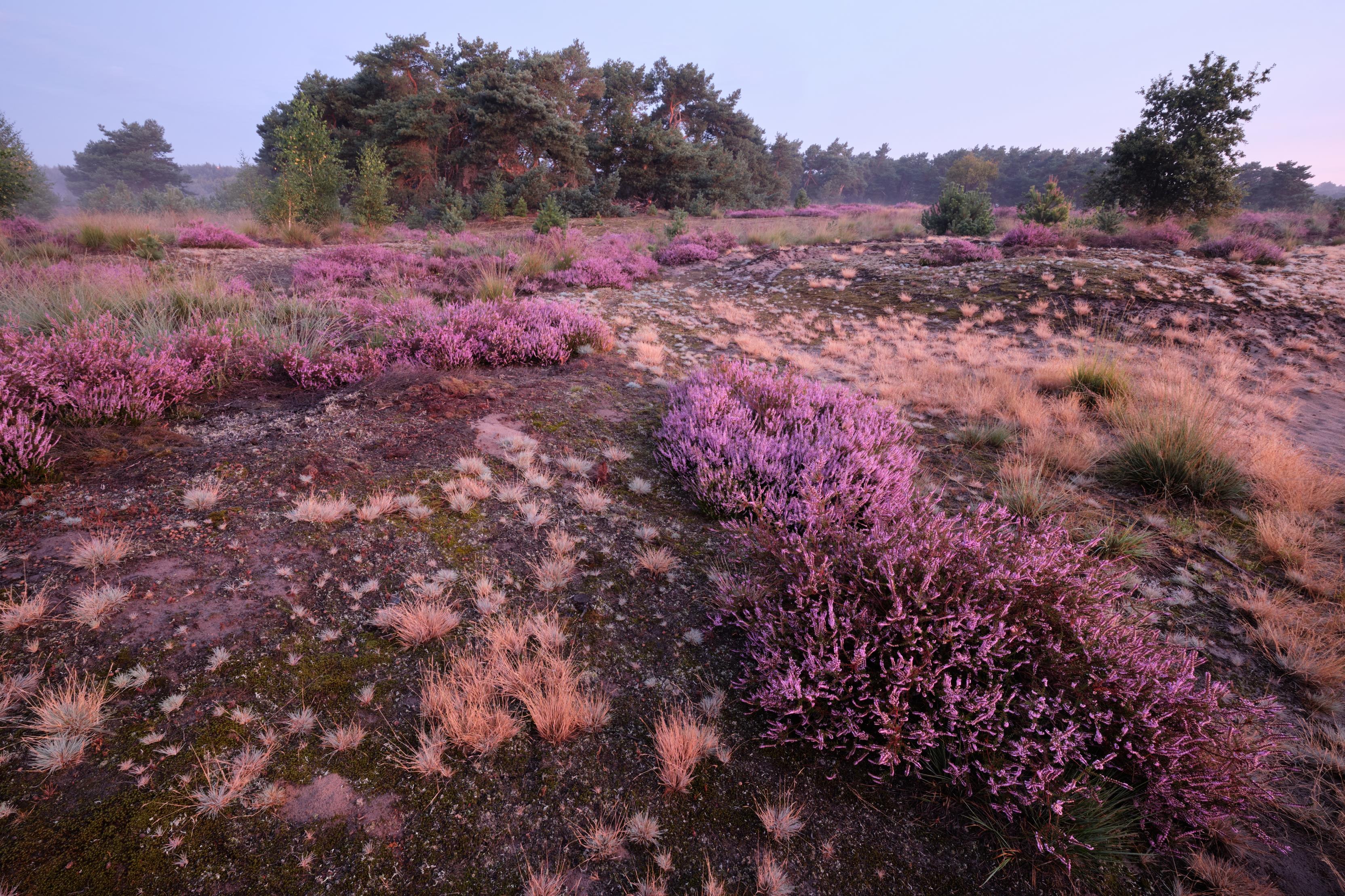
- 251
UNESCO Biosphere Reserve, inscribed 2024, in Belgium. The Kempen-Broek Biosphere Reserve is part of a transboundary area that straddles the border between Flanders in Belgium and the Netherlands. Once-expansive wetlands have been transformed into farmland since the nineteenth century, but the area retains remnants of its marshes, punctuated by ponds, open marshlands and bog forests. Villages and towns are scattered on higher ground. Diverse bird species flourish across varied landscapes. The area constitutes an important open space with high landscape and biodiversity value.
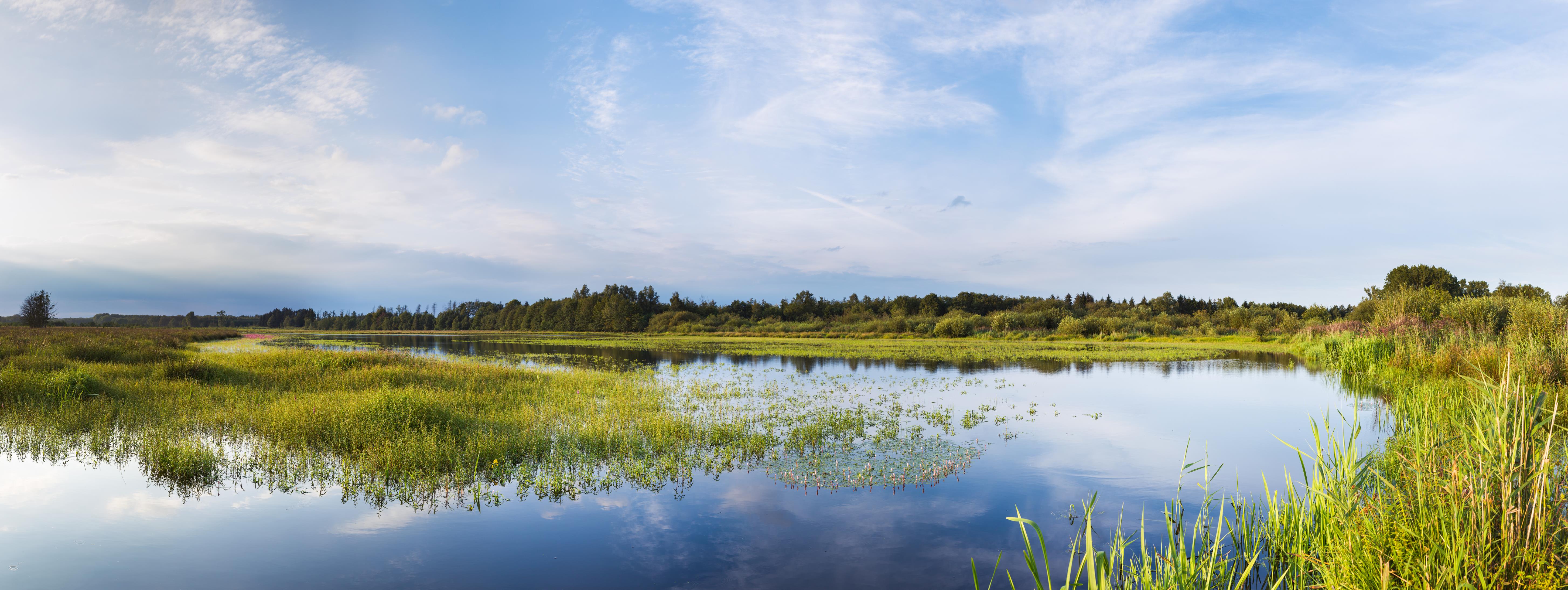
- 252
UNESCO Biosphere Reserve, inscribed 2025, in Portugal. The Arrábida Biosphere Reserve extends across the municipalities of Palmela, Sesimbra, and Setúbal, bordering the River Sado. It is distinguished by remarkable geological formations, unique flora, and diverse landscapes of ecological, cultural, and scenic value. The Reserve encompasses habitats ranging from rugged coastal cliffs to forested slopes and has a long tradition of human activity, including fishing, agriculture, livestock farming, beekeeping, wine and cheese production, and tourism. Its designation seeks to integrate ecosystem conservation with sustainable economic and cultural practices, while promoting research, education, and public awareness. By aligning natural and human systems, the Reserve reinforces local identity and contributes to the global network of Biosphere Reserves as a model of sustainable development.
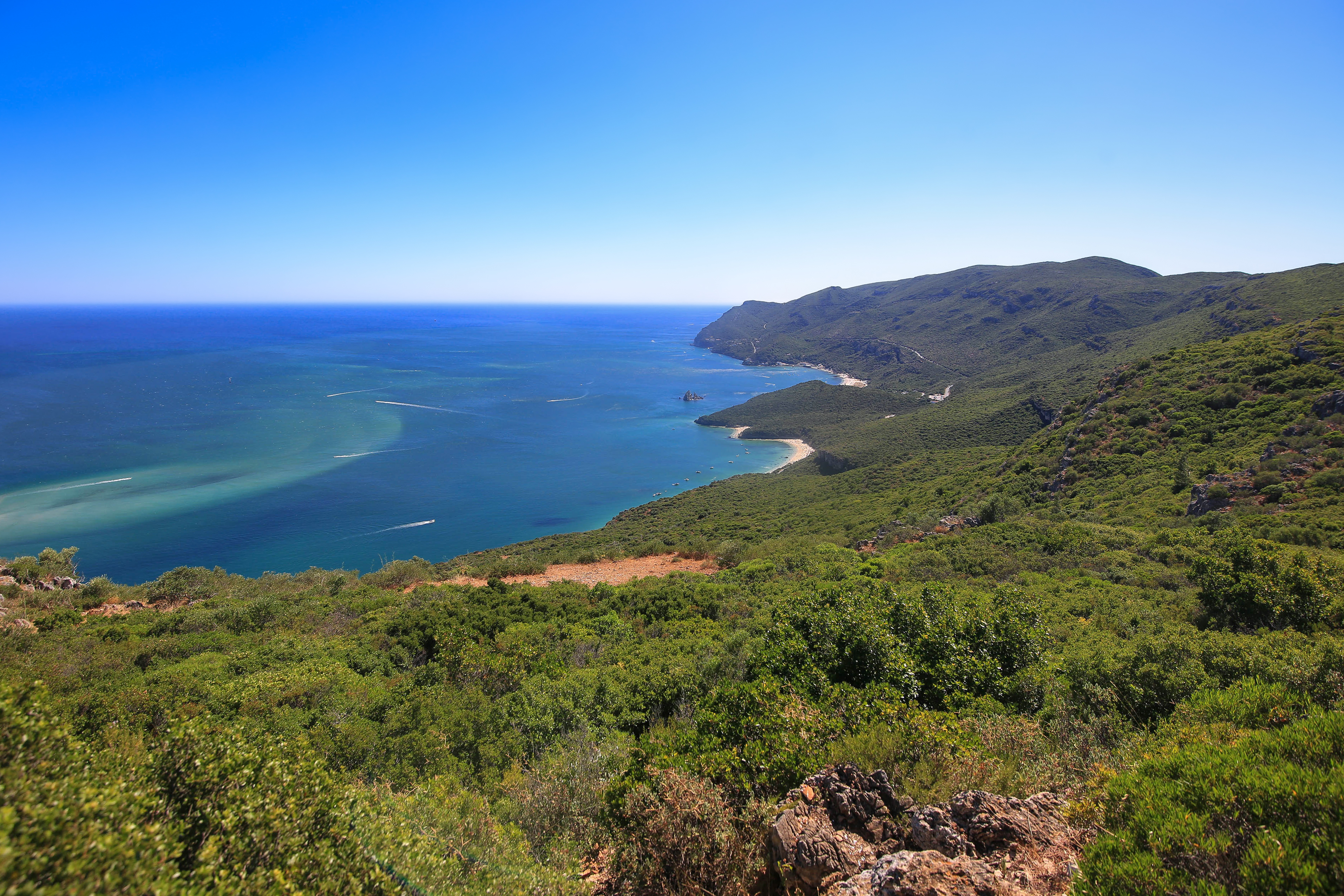
- 253
UNESCO Biosphere Reserve, inscribed 2025, in France. The Lac du Bourget Biosphere Reserve is situated between the Jura and the Alps, and contains France’s largest natural lake. At the confluence of oceanic, alpine, and Mediterranean influences, it integrates wetlands, alluvial forests, alpine meadows, and bocage farmland. Recognized as a Ramsar Wetland of International Importance, the reserve protects a unique ecological and cultural landscape where biodiversity, heritage, and human activity are deeply intertwined.
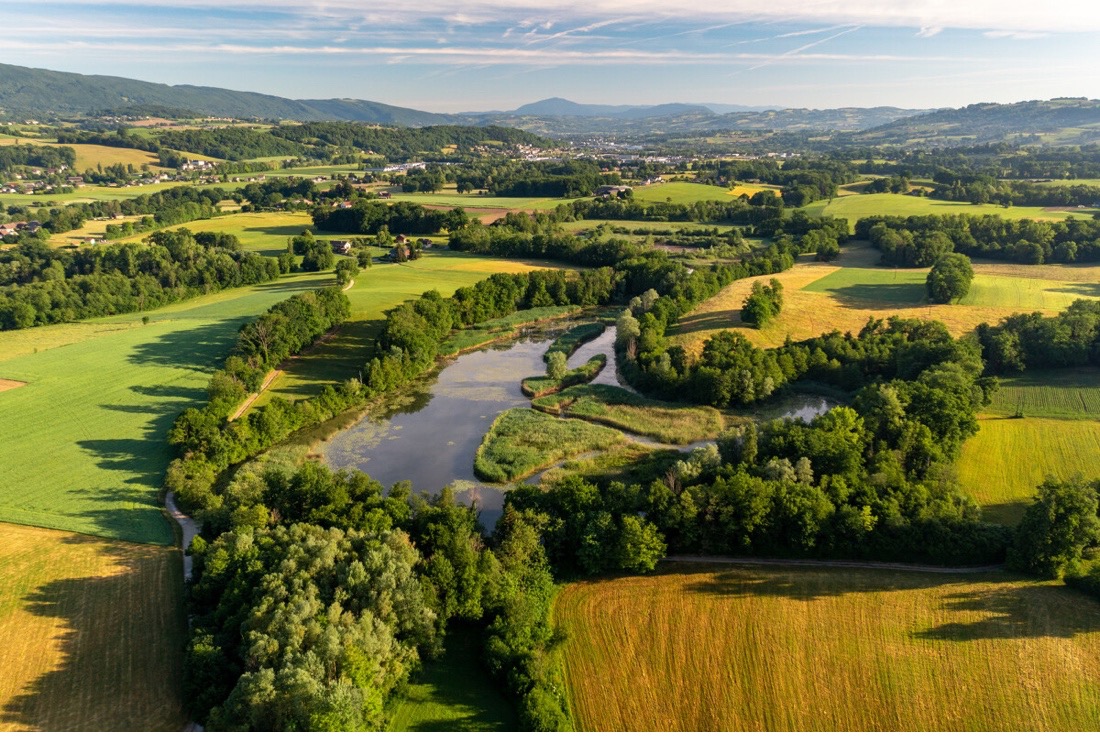
- 254
UNESCO Biosphere Reserve, inscribed 2025, in France. The Marshes and Tides between the Loire and the Vilaine Biosphere Reserve, located between the Loire and Vilaine rivers on France’s Atlantic coast, is a unique territory where freshwater marshes, peatlands, bocage landscapes, salt marshes, coastal dunes, estuaries, and marine ecosystems interconnect. This rich mosaic of habitats supports exceptional biodiversity, including numerous protected species, while also sustaining traditional human activities such as livestock grazing, fishing, salt production, reed harvesting, and tourism. Shaped over centuries by the interplay between people and water, the reserve embodies a living heritage where natural and cultural values are deeply intertwined. Today, it aims to reconcile biodiversity conservation with sustainable economic development, particularly in the face of climate change, urbanization, and ecological pressures, making it a model territory for balance between human activities and the preservation of natural ecosystems.
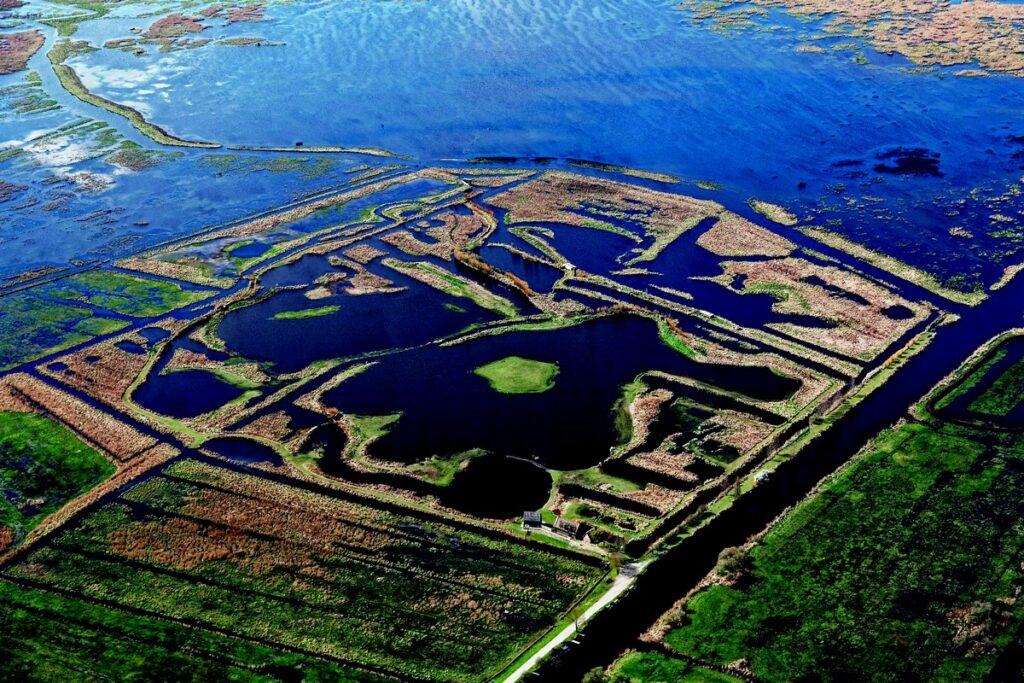
- 255
UNESCO Biosphere Reserve, inscribed 2025, in Greece. Located in the southeastern Peloponnese, the Mount Parnon – Cape Maleas Biosphere Reserve covers mountains, forests, wetlands, and islands. Almost a quarter of the biosphere reserve is marine waters. From the cedar forests of Parnon, the only natural stands in Europe, to the petrified forest of Agios Nikolaos, the Evrotas Delta, lagoons, gorges, and the turquoise coves of Elafonisos, it presents a mosaic where geology, biodiversity, and culture have coexisted for millennia.
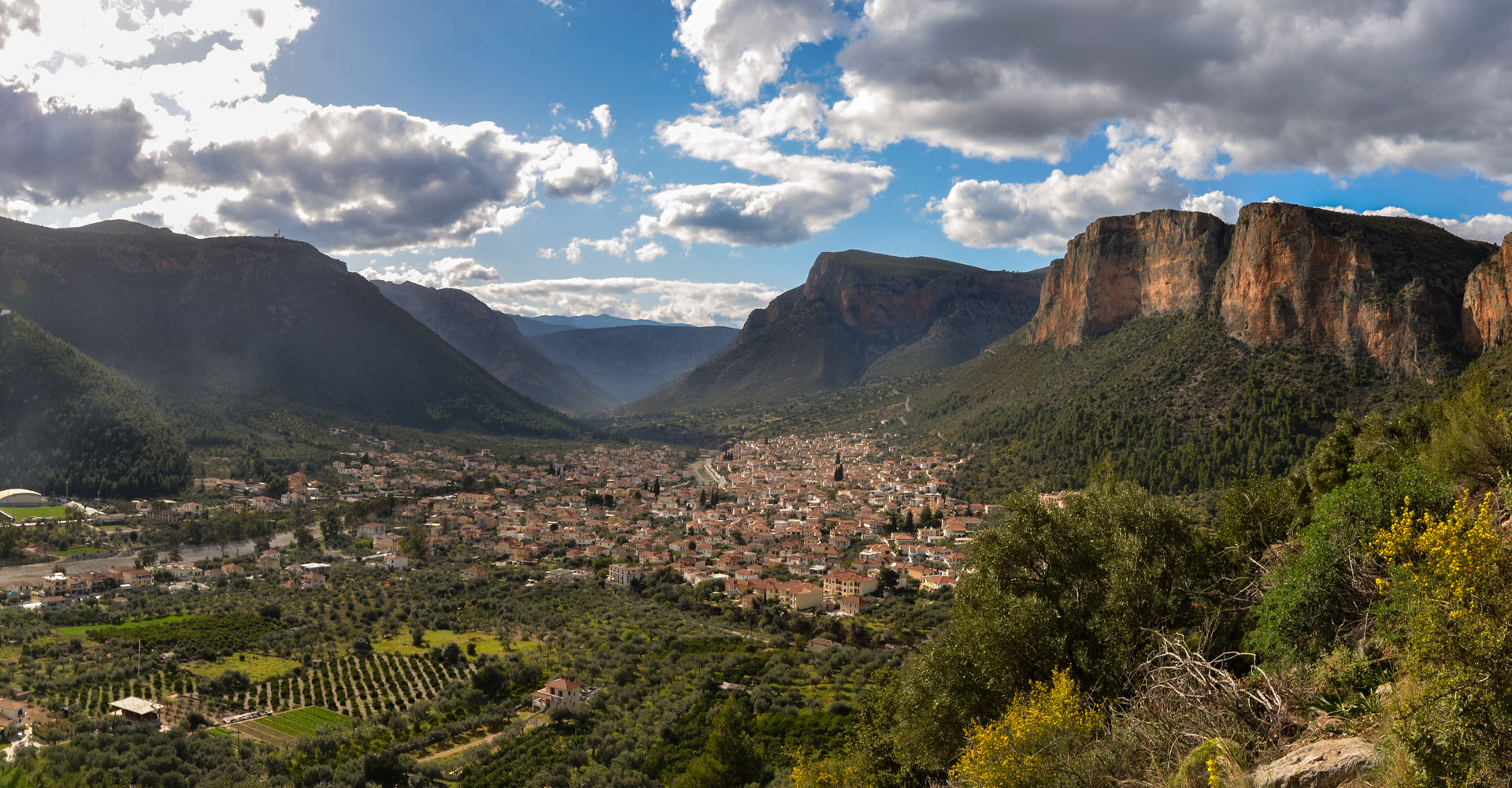
- 256
UNESCO Biosphere Reserve, inscribed 2025, in Iceland. Located on Iceland’s west coast, the Snæfellsnes Biosphere Reserve is a landscape of striking contrasts, encompassing volcanic peaks, lava fields, wetlands, grasslands, coastal cliffs, and the iconic Snæfellsjökull glacier. Known as “Iceland in a nutshell,” the biosphere reserve contains over 70% of Iceland’s flora, shaped by three active volcanic systems and centuries of human interaction. It represents a living example of how natural processes and cultural heritage intertwine in a dynamic subarctic environment.
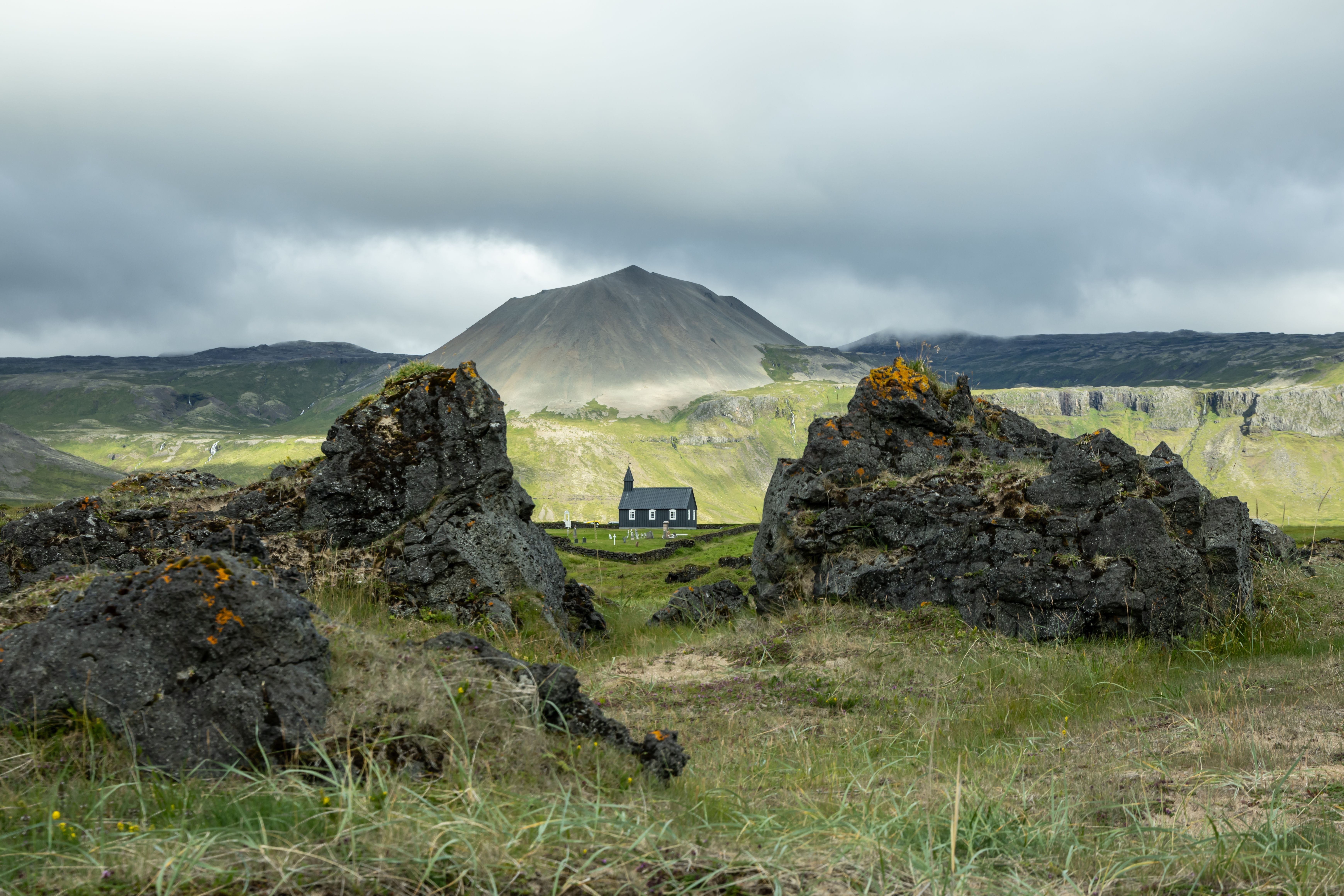
- 257
UNESCO Biosphere Reserve, inscribed 2025, in Sweden. In southern Sweden, Storkriket Biosphere Reserve spans some of the country’s most species-rich landscapes. Its mosaic of farmland, forests, wetlands, lakes, grasslands, and historic towns supports an exceptional concentration of biodiversity — with 15,600 recorded species, including 22% of Sweden’s nationally red-listed species, within only 0.25% of the nation’s land area. Shaped by centuries of human stewardship and unique geology, Storkriket is both an ecological hotspot and a dynamic cultural landscape.