
UNESCO Biosphere Reserves — Arab States

- 1
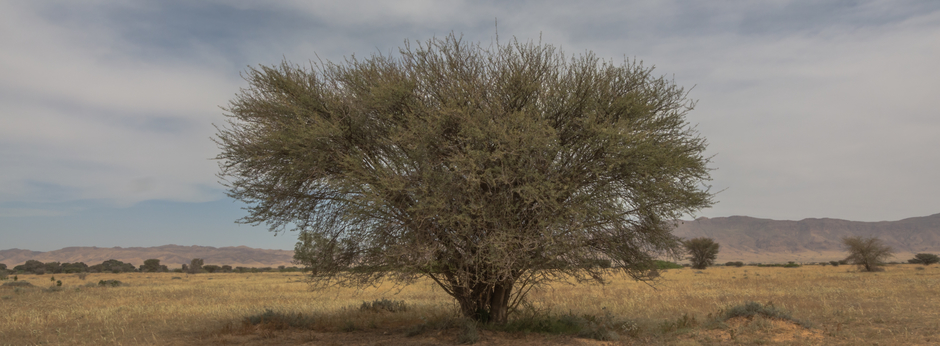
UNESCO Biosphere Reserve, inscribed 1977, in Tunisia. The Djebel Bou-Hedma Biosphere Reserve and National Park is situated 85 km east of Gafsa along the southern Tunisian mountain ranges that are extensions of the Saharan Atlas. It consists of a limestone and marl mountain range with some travertine deposits and a gypsum and salt alluvium plain.
- 2
UNESCO Biosphere Reserve, inscribed 1977, in Tunisia. Djebel Chambi Biosphere Reserve is located in west-central Tunisia, and is centred on Jebel El Chaambi, the country’s highest peak at 1,544 m. The massif supports characteristic North African montane vegetation with stands of Aleppo pine, holm oak and Phoenician juniper. The area is one of the last refuges for Cuvier’s gazelle. The reserve’s management focuses on protecting wild flora and fauna and on reducing negative human impacts, aiming to counter pressures such as overgrazing and the effects of drought by improving livelihoods in the buffer zone and transition area through integrated development projects.
- 3
UNESCO Biosphere Reserve, inscribed 1977, in Tunisia. Ichkeul Biosphere Reserve lies about 25 km south-west of Bizerte in northern Tunisia and comprises a wooded massif (Djebel Ichkeul) and a brackish water body (Lake Ichkeul). The reserve is a major stopover and wintering area for birds and is designated as a Ramsar Site. The Ichkeul Biosphere Reserve’s key objectives include restoring marshes and safeguarding bird habitats, managing land-use needs with local communities, and grounding decisions in long-term research, monitoring and education.
- 4
UNESCO Biosphere Reserve, inscribed 1977, in Tunisia. Îles Zembra et Zembretta Biosphere Reserve lies in the Gulf of Tunis, about 15 km from the Port of Sidi Daoud. The two namesake islands of Zembra and Zembretta are small and steep, formed mainly of Oligocene sandstone and marl. Zembra rises to 435 m above sea level with a single main valley running south to the shore. The climate is Mediterranean with mild winters, and strong north-west winds in autumn and early winter. The reserve’s objectives are to conserve and rehabilitate fragile island ecosystems and to monitor terrestrial and marine components over time across the site.
- 5
UNESCO Biosphere Reserve, inscribed 1986, in Algeria. The Tassili N'Ajjer biosphere reserve is located in the south-eastern part of the Algerian Sahara, close to the borders with Niger and Libya. The site hosts a rich inventory of fauna, and significant archaeological, historical, cultural and geological features, hence its designation as a national park and World Heritage Site. Ancient cave paintings and rock engravings of large fauna, such as hippopotamus and buffalo, are of international importance.
- 6
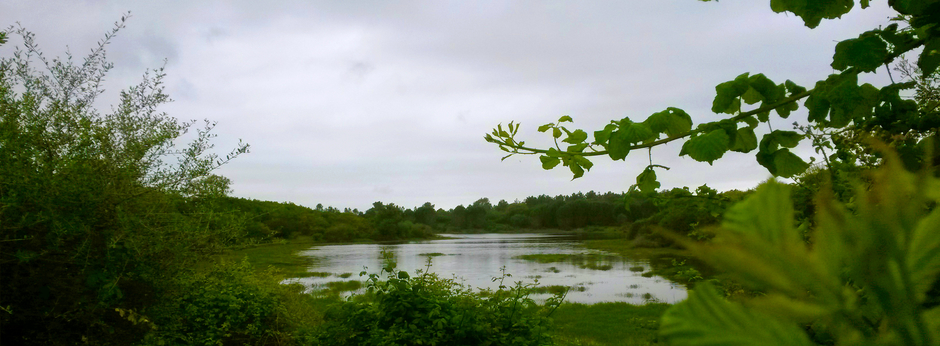
UNESCO Biosphere Reserve, inscribed 1990, in Algeria. El Kala Biosphere Reserve encompasses the largest national park in the north of Algeria, covering over 70,000 hectares.
- 7
UNESCO Biosphere Reserve, inscribed 1993, in Egypt. Non-sedentary inhabitants use the biosphere reserve’s natural resources for livestock transhumance, charcoal production, the collection of medicinal plants, quarrying and small-scale cultivation.
- 8
UNESCO Biosphere Reserve, inscribed 1997, in Algeria. This biosphere reserve is situated in the Djurdjura Mountains, at 800–2,300 m above sea level, on the Mediterranean coast in north-east Algeria. It is influenced by a Mediterranean climate, with a more continental climate in the south.
- 9
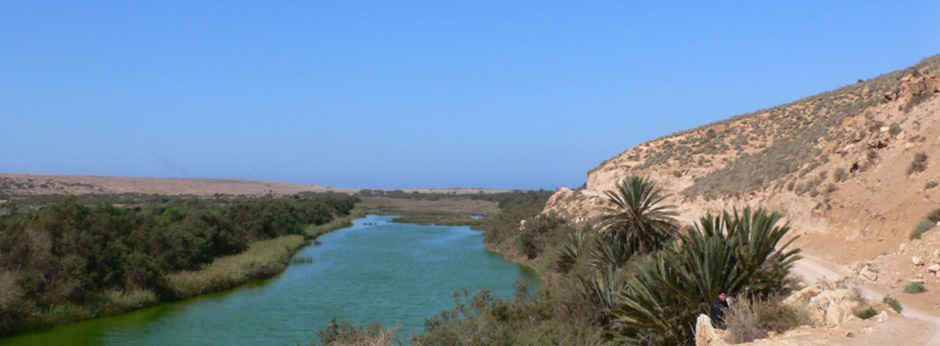
UNESCO Biosphere Reserve, inscribed 1998, in Morocco. Located in the south-west of Morocco, this biosphere reserve covers a vast intramontane plain, bordered by the High Atlas and Anti-Atlas Mountains and open to the Atlantic in the west. The area is known for its endemic species, the argan (Argania spinosa), which is important for conservation, research and socio-economic development. Argan oil has multiple uses in cooking, medicines and cosmetics. The trees are also used as fuelwood for cooking and heating.
- 10
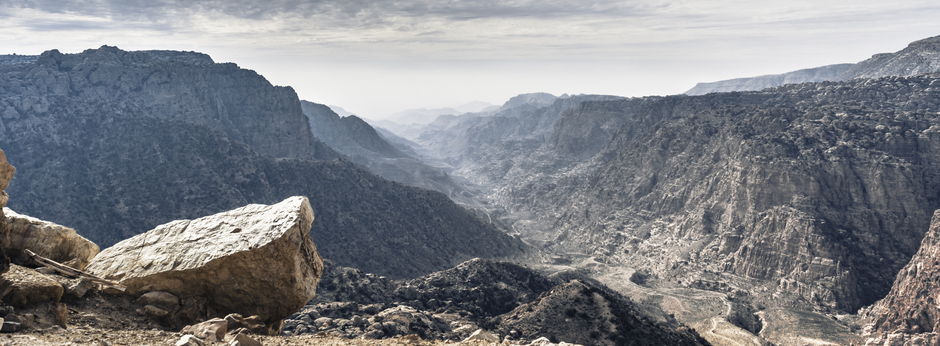
UNESCO Biosphere Reserve, inscribed 1998, in Jordan. Dana Biosphere Reserve has an area of 300 km². It covers a rugged landscape along the Great Rift Valley, including mountain ridges, plateaus and desert plains. The biosphere reserve encompasses Jordan’s four biogeographical zones: Mediterranean, Irano-Turanian, Saharo Arabian and Sudanian penetration. It is therefore home to the country’s most diverse nature. Several globally threatened species find refuge here, such as the Syrian serin (Serinus syriacus), the lesser kestrel (Falco naumanni), Blandford’s fox (Vulpes cana) and the Nubian ibex (Capra nubiana).
- 11
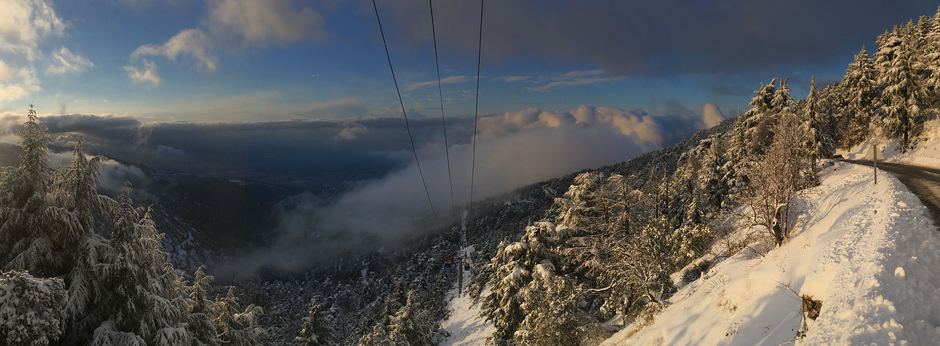
UNESCO Biosphere Reserve, inscribed 2002, in Algeria. The Chréa Biosphere Reserve is located 50 km south-west of the capital, Algiers, along the northern and southern ridges of the Blida section of the Atlas Mountains.
- 12
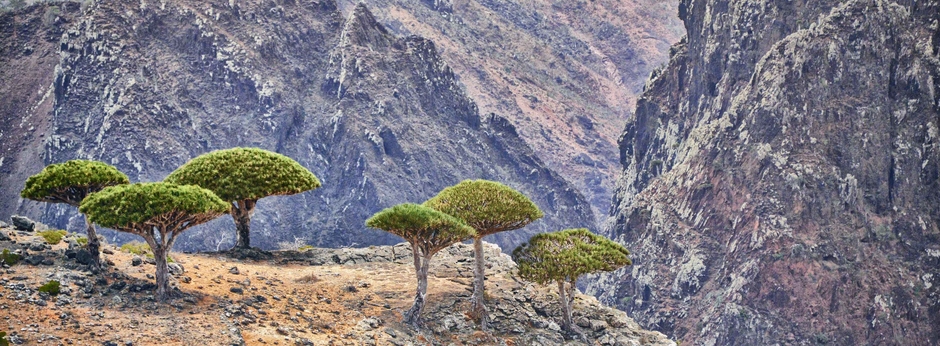
UNESCO Biosphere Reserve, inscribed 2003, in Yemen. The Socotra Archipelago is located off the Horn of Africa, at the crossroads between the Red Sea and the Indian Ocean. It is recognized as a regional centre of biodiversity, with spectacular endemic species such as the dragon blood tree (Dracaena cinnabari). Socotra has a rich cultural heritage, including the unique Soqotri language. Isolated from the rest of the world, traditional land and sea uses changed little until the 1970s.
- 13
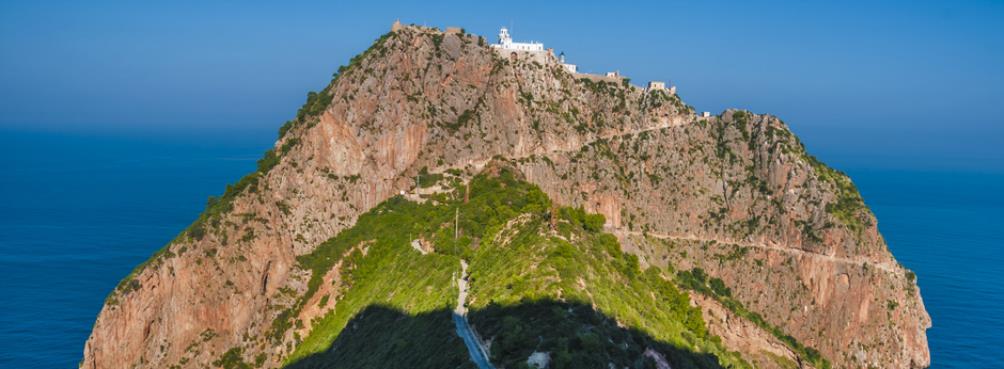
UNESCO Biosphere Reserve, inscribed 2004, in Algeria. Gouraya Biosphere Reserve lies on the Mediterranean coast in the Kabylie region. It overlaps with the national park of the same name. The reserve occupies a mountainous massif that dominates the north-west of the town of Béjaïa, culminating at 672 metres at Fort Gouraya. It also includes a small calcareous massif in the western zone. The site contains a wetland, Lake Mézaïa, and a marine area located to the west of the Gulf of Béjaïa.
- 14
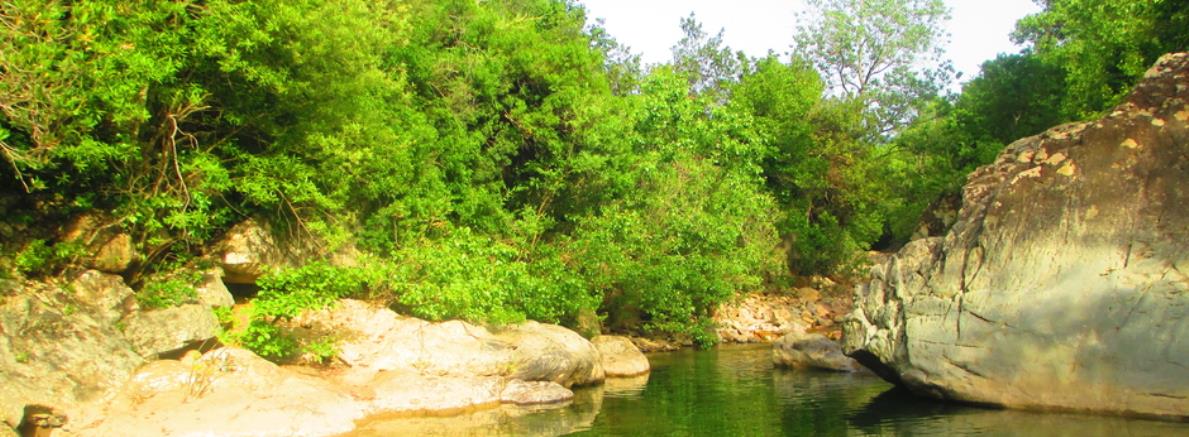
UNESCO Biosphere Reserve, inscribed 2004, in Algeria. Taza Biosphere Reserve lies on the Mediterranean coast in the Kabylie region. It is characterised by spectacular cliffs, beaches, mountains and valleys. It is also noted for the Barbary ape (Macaca sylvanus), an endangered species of monkey and the only macaque primate in North Africa.
- 15
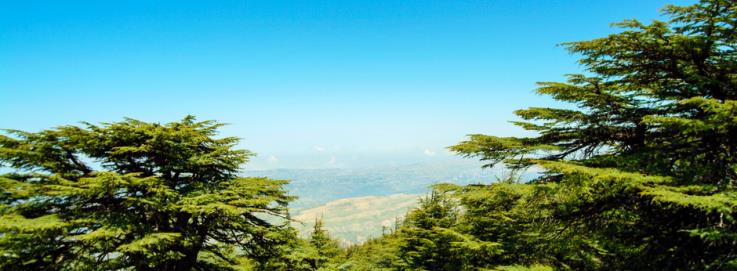
UNESCO Biosphere Reserve, inscribed 2005, in Lebanon. The Shouf Biosphere Reserve covers about 5 per cent of Lebanon’s total area. It extends along the ridge of the western chain of Mount Lebanon from Dahr el-Baidar in the north to Jezzine in the south. It overlooks the Bekaa Valley to the east and the Shouf Valley to the west. The mostly treeless summit of the Al-Shouf Cedar Nature Reserve forms the skyline of a large part of southern Lebanon.
- 16
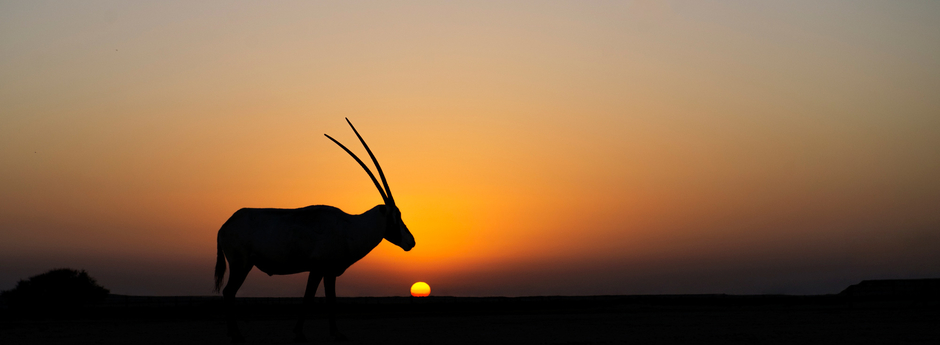
UNESCO Biosphere Reserve, inscribed 2007, in Qatar. The suite of ecotypes in the Al Reem Biosphere Reserve is representative of those found across much of the arid, desert-like Middle East biogeographic region. The varied habitat types between higher limestone mesas and low-lying sabkha plains encompass all but a few of the key Middle Eastern desert ecotypes. The varied forms of land use within the reserve create a complex mosaic of ecological systems. The reserve encompasses open gravel plain grazing pastures interspersed with water-draining wadis, numerous point-source irrigated crop farming operations, traditional Arabian village communities, a limited distribution of commercial and industrial operations, wildlife management and breeding centres, archaeological ruins, traditional artisanal fishing communities, date palm plantations and semi-nomadic animal husbandry.
- 17
UNESCO Biosphere Reserve, inscribed 2007, in Lebanon. The Jabal Al Rihane Biosphere Reserve extends along the ridge of the southern Mount Lebanon chain, overlooking the Beqaa Valley to the east and the Mediterranean Sea to the west. Altitude ranges from 270 m in the south, where the Litani River forms a natural boundary, to 1,500 m in the north at Mzairaa, south of the villages of Jezzine and Niha.
- 18
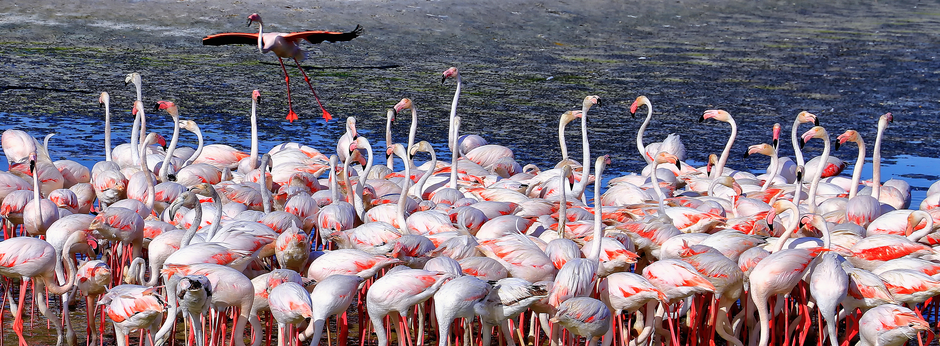
UNESCO Biosphere Reserve, inscribed 2007, in United Arab Emirates. The site includes numerous islands and a coastline stretching over 120 km and comprises several important representative habitats of national and regional significance. These habitats include seagrass beds with three species, coral reef communities with more than 18 species, macroalgae outcrops with more than 15 species, and mangrove vegetation in monostands of Avicennia marina. Marawah Biosphere Reserve is also of global importance as a shelter and feeding ground for the vulnerable dugongs (Dugong dugon).
- 19
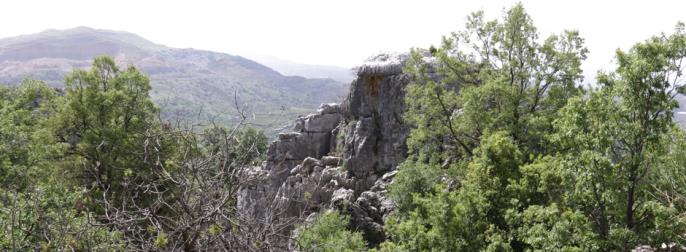
UNESCO Biosphere Reserve, inscribed 2009, in Lebanon. The Jabal Moussa Biosphere Reserve, overlooking the Mediterranean Sea to the west, is a mosaic of ecological systems that broadly represent the evergreen sclerophyllous broussailles and forests biogeographical region within a Mediterranean biome. A dominant feature is its steep, verdant mountainsides rising from a river lined with cool, aromatic sycamore trees, reaching summits of statue-like karstic rocks. The mountainous relief creates several eco-zones, promoting diversity that harbours many species.
- 20
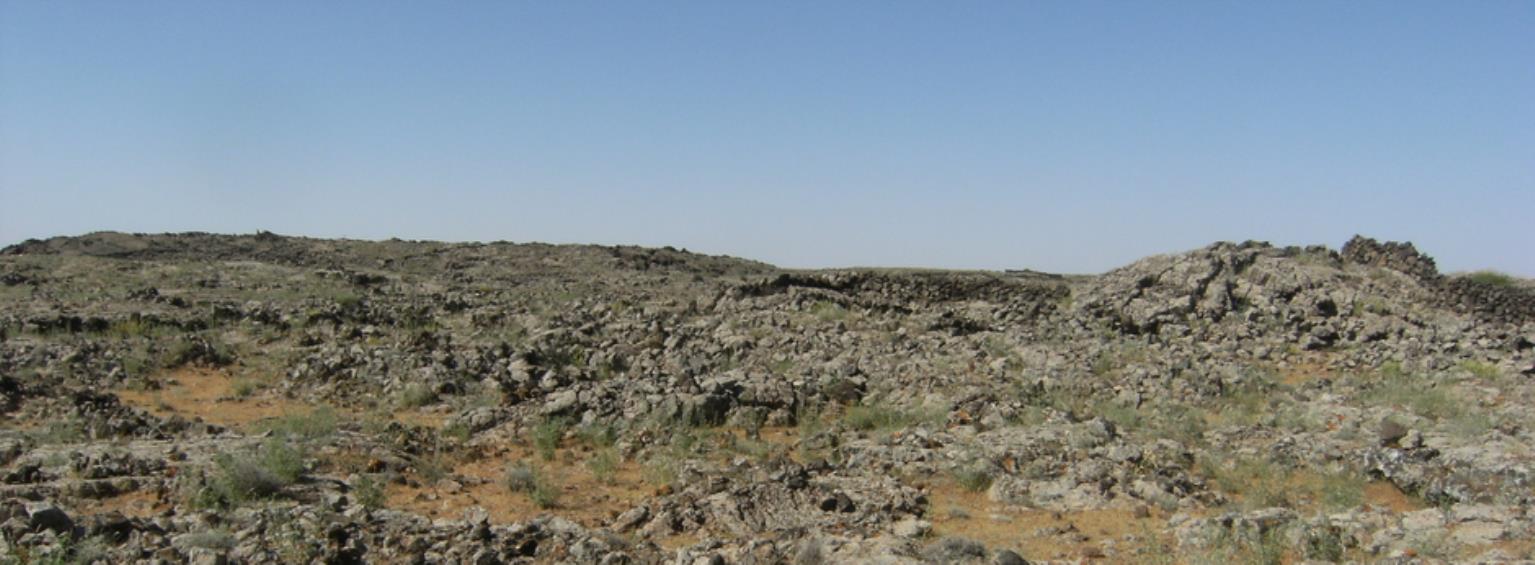
UNESCO Biosphere Reserve, inscribed 2009, in Syrian Arab Republic. The Lajat Biosphere Reserve is located on the Lajat Plateau in Sweida Governorate, in the southernmost corner of Syria on the border with Jordan. It covers 12,038 ha at elevations from 600 to 900 m above sea level. The site supports extremely diverse biological wealth and encompasses some of the most striking landscapes of Sweida Province. Basaltic undulating hills, interspersed with black pumice or pozzolan high cones, are unparalleled in the country and the region, and they contrast sharply with the varied semi-arid landscapes elsewhere in the reserve.
- 21
UNESCO Biosphere Reserve, inscribed 2011, in Yemen. The terrain comprises mountains with severe to moderate slopes. The maximum slope exceeds 70 per cent in some areas, especially in the north and north-east, as well as on the western side. The rock ratio ranges between 50–90 per cent. There are bare and semi-bare rocks. The highest elevation above sea level is 2,200 metres, in the north-east boundary of the area near Azzan Mountain. The lowest elevation above sea level is 200 metres on the south-west side near Wadi Alaswad.
- 22
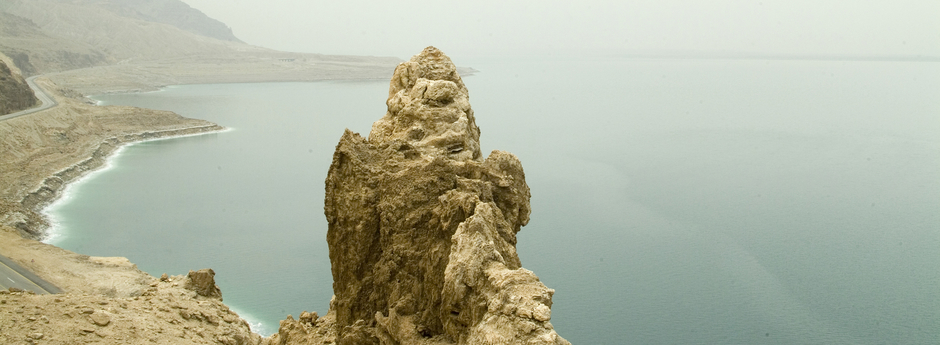
UNESCO Biosphere Reserve, inscribed 2011, in Jordan. Bordering the Dead Sea at 416 metres below sea level, the Mujib Biosphere Reserve surrounds Wadi Mujib, a deep canyon that cuts through the rugged highlands and drains into the Dead Sea. It is home to rich biodiversity, including 300 plant species and numerous resident and migratory birds.
- 23
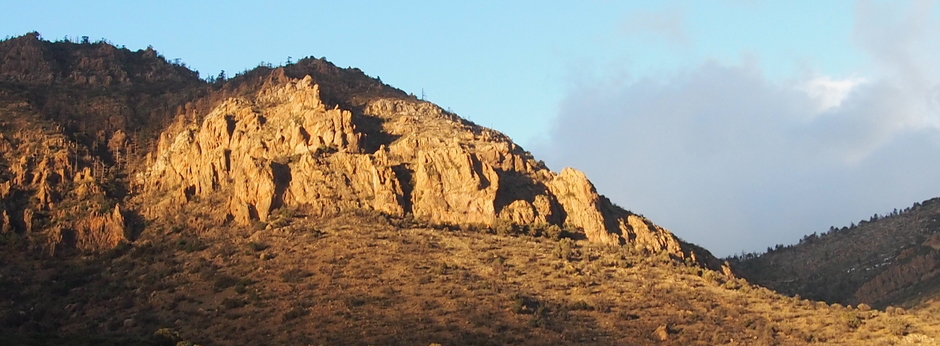
UNESCO Biosphere Reserve, inscribed 2015, in Algeria. The Belezma Biosphere Reserve is in the north-east of Algeria within the Batna Province. It lies on the slopes of the Belezma Range which forms part of a subrange in the Aurès Mountains. The biosphere reserve comprises a rich mosaic of habitats, including forests, thickets, lawns, cliffs, mountain foothills, rivers and mines. It also contains 5,315 ha of Atlas cedar, which represents almost one third of the cedar forests of Algeria. This tree is several hundred years old and is the flagship species of the Aurès region. Its wood is used for traditional crafts such as weaving and agriculture. The biosphere reserve also contains several historical and archaeological sites, including caves and tombs that represent traces left by ancient civilisations. Local people engage mostly in agricultural activities such as livestock and grain farming, administrative and commercial activities, as well as handicrafts.
- 24
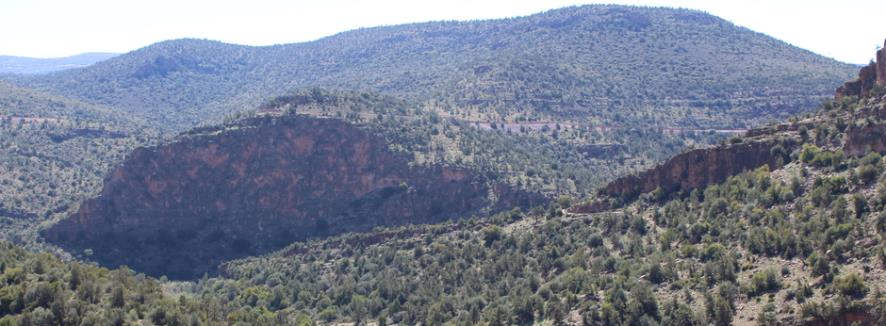
UNESCO Biosphere Reserve, inscribed 2016, in Algeria. The Tlemcen Mountains Biosphere Reserve spans nearly 100,000 hectares in the province of Tlemcen in north-west Algeria. Characterized by rich biodiversity and a semi-arid climate, it includes the Tlemcen National Park. The reserve also encompasses important archaeological sites, cultural landmarks, and caves. Its inhabitants engage in agriculture, particularly livestock rearing and grain farming, as well as administrative, commercial, and artisanal activities.
- 25
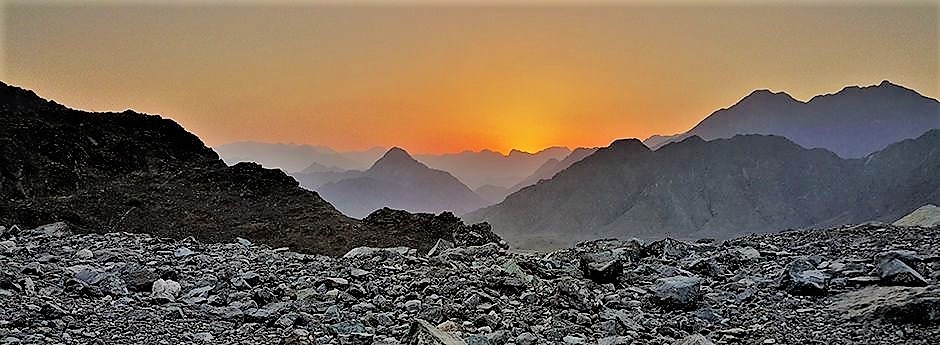
UNESCO Biosphere Reserve, inscribed 2018, in United Arab Emirates. Situated in the Emirate of Fujairah, the biosphere reserve consists of a water catchment area in an arid climate that is part of the Hajar mountain range. The site hosts rich fauna and flora endemic to the Arabian Peninsula. It is one of the last places in the United Arab Emirates where traditional farming practices are still maintained.
- 26
UNESCO Biosphere Reserve, inscribed 2021, in Libya. The Ashaafean Biosphere Reserve lies in the municipality of Msallata, about 110 km south-east of Tripoli in Libya. Set in a mountainous landscape with varied topography under a Mediterranean climate, it contains biological values of regional, national and international importance, from endemic plants such as Linaria tarhunensis to notable fauna including the critically endangered Egyptian tortoise (Testudo kleinmanni). The reserve sits within a living cultural landscape shaped by ancient olive groves. The reserve aims to preserve this mountainous steppe environment while promoting sustainable local activities. Management seeks to foster sustainable economic and socio-cultural development by raising awareness among farmers and other land users, to ensure that agriculture and related activities remain ecologically sustainable.
- 27
UNESCO Biosphere Reserve, inscribed 2021, in Saudi Arabia. Juzur Farasan Biosphere Reserve is a remote archipelago of more than 170 islands and islets formed from uplifted fossil coral reef in the Red Sea. The two main islands, Farasan al Kabir and As Saqid, are surrounded by shallow waters less than 11 metres deep, natural submerged ridges and fringing coral reefs with mangrove stands, seagrass meadows, salt marsh and extensive algal communities. The reserve’s long-term goal is to protect its terrestrial and marine ecosystems and the unique species they host, to sustain and improve ecosystem services, and to support the well-being of island communities through sustainable development.
- 28
UNESCO Biosphere Reserve, inscribed 2022, in Saudi Arabia. Located in north-western Saudi Arabia within the Al Ula region, the Harrat Uwayrid Biosphere Reserve lies in the hot desert biome of the Middle East and Western Asia. It is set among towering sandstone mountains, a lush oasis valley and ancient cultural heritage sites dating back thousands of years. Key objectives include rebalancing the fragile desert ecosystem by reintroducing native flora and fauna and addressing recent human impacts; strengthening knowledge through targeted, interdisciplinary research on ecosystem functions and traditional land uses; and improving data on geological formations and landscape features. In parallel, it aims to raise local awareness and build a sense of ownership that secures long-term community support.
- 29
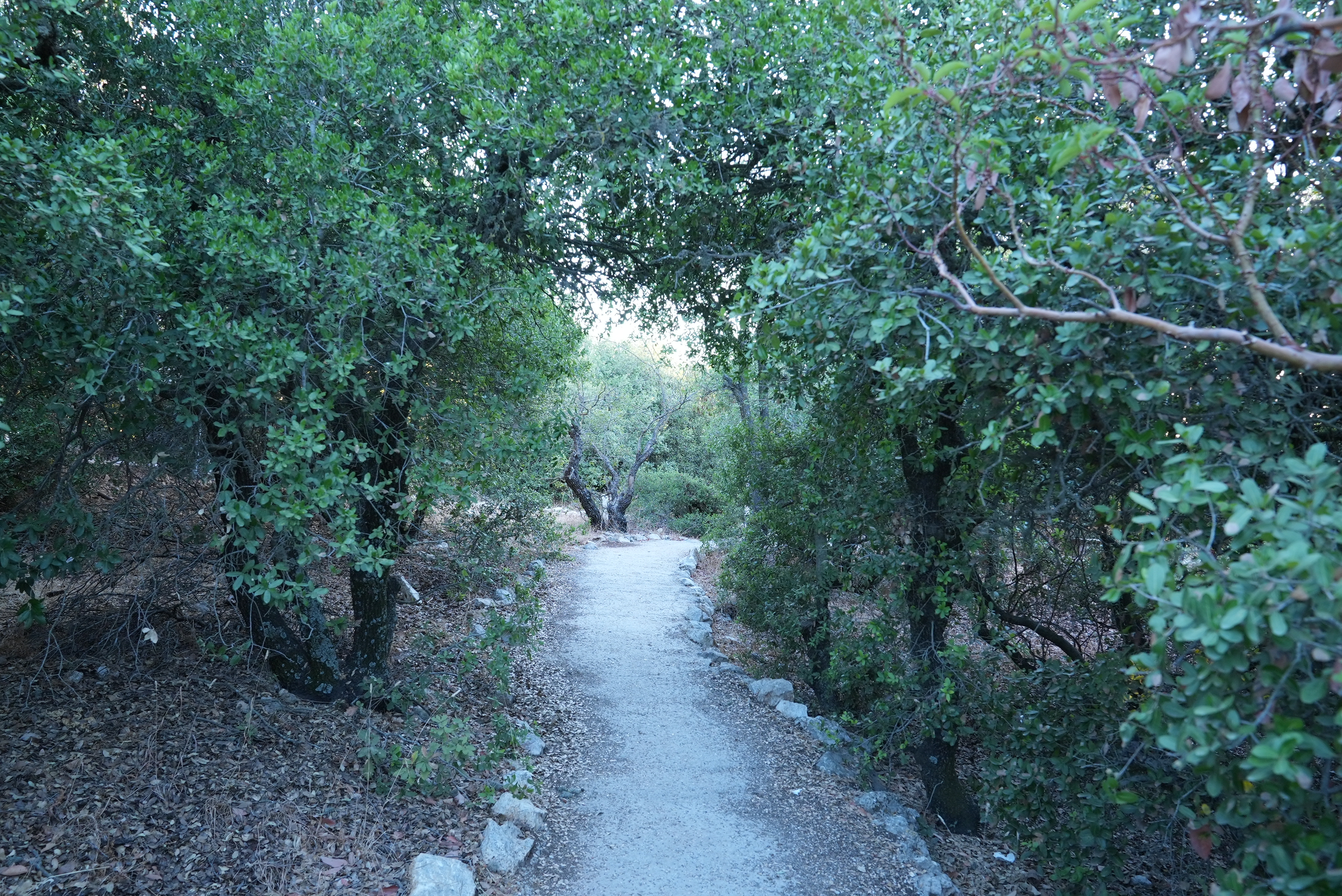
UNESCO Biosphere Reserve, inscribed 2025, in Jordan. The Ajloun Biosphere Reserve, located in northern Jordan, is a vital ecological and cultural site recognized for its role in biodiversity conservation, sustainable development, and environmental education. Situated within the Mediterranean biogeographical zone, the reserve is dominated by evergreen oak forests that provide essential habitats for diverse flora and fauna, including globally threatened species such as Iris bismarckiana and Iris atropurpurea. It is also designated as an Important Bird Area (IBA), serving as a key nesting and stopover site for migratory birds along the African-Eurasian Flyway. These ecosystems make Ajloun a crucial refuge for species survival and a cornerstone of national conservation efforts. Beyond its ecological value, the reserve supports local communities through socio-economic initiatives that link cultural heritage with sustainable practices. Small enterprises such as the Soap House, Biscuit House, and Calligraphy House, together with ecotourism facilities like accommodations, restaurants, and adventure activities, create alternative livelihoods while strengthening the connection between conservation and community well-being. Managed by the Royal Society for the Conservation of Nature (RSCN), the reserve also serves as a hub for education, research, and training, ensuring that Ajloun fulfils its role as a model biosphere reserve where conservation, development, and knowledge sharing are integrated.
- 30
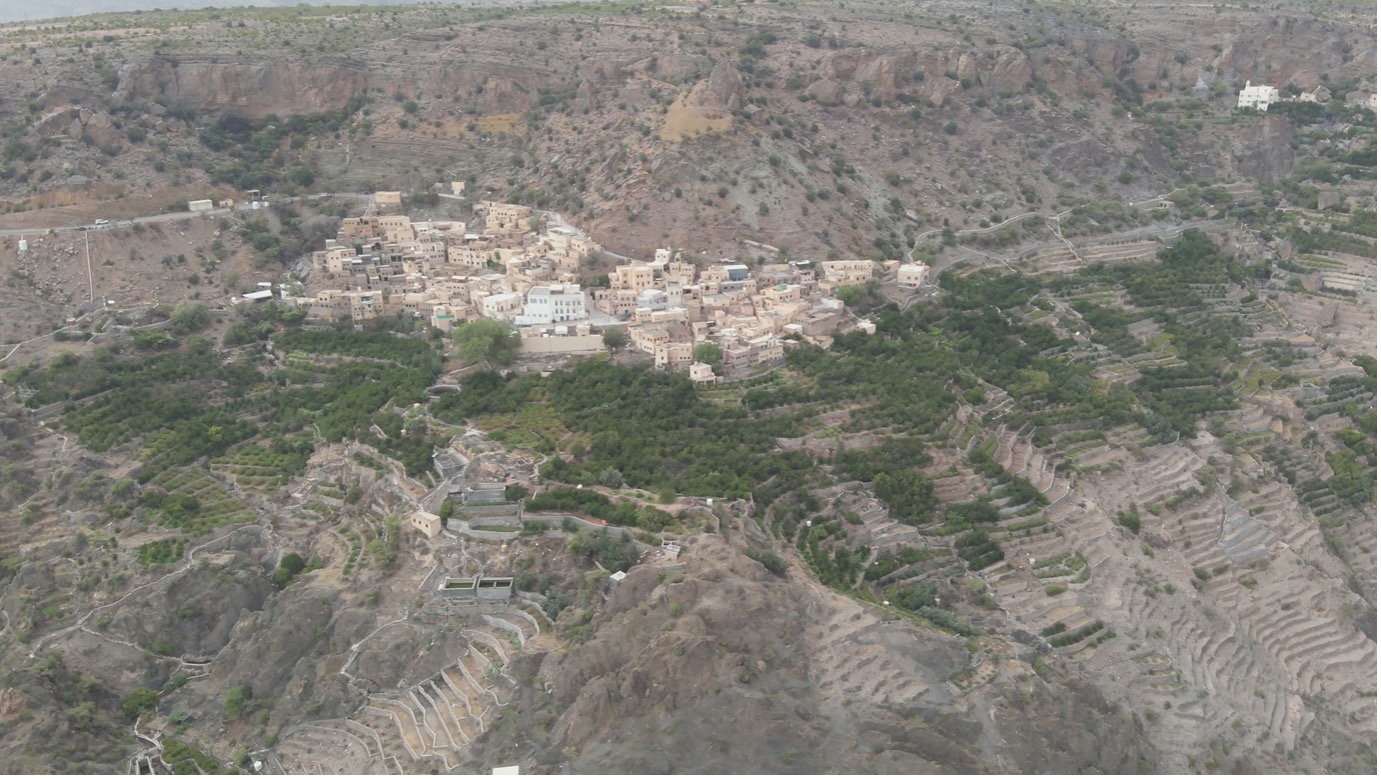
UNESCO Biosphere Reserve, inscribed 2025, in Oman. The Al Jabal Al Akhdar Biosphere Reserve, located in the Sultanate of Oman, is a mountainous ecosystem of global ecological and cultural significance. Located in the Western Hajar Mountains, it features high-altitude juniper forests, fertile valleys, terraced agriculture, and diverse wildlife, including endemic and endangered species such as the Arabian Tahr. The Biosphere Reserve integrates natural and cultural heritage, with local communities practicing traditional agriculture, pastoralism, and craft industries that have shaped the landscape for centuries. Its zoning ensures the protection of sensitive ecosystems while supporting sustainable human use. Management involves government bodies, local communities, research institutions, NGOs, and the private sector working together to balance environmental protection with social and economic progress.
- 31
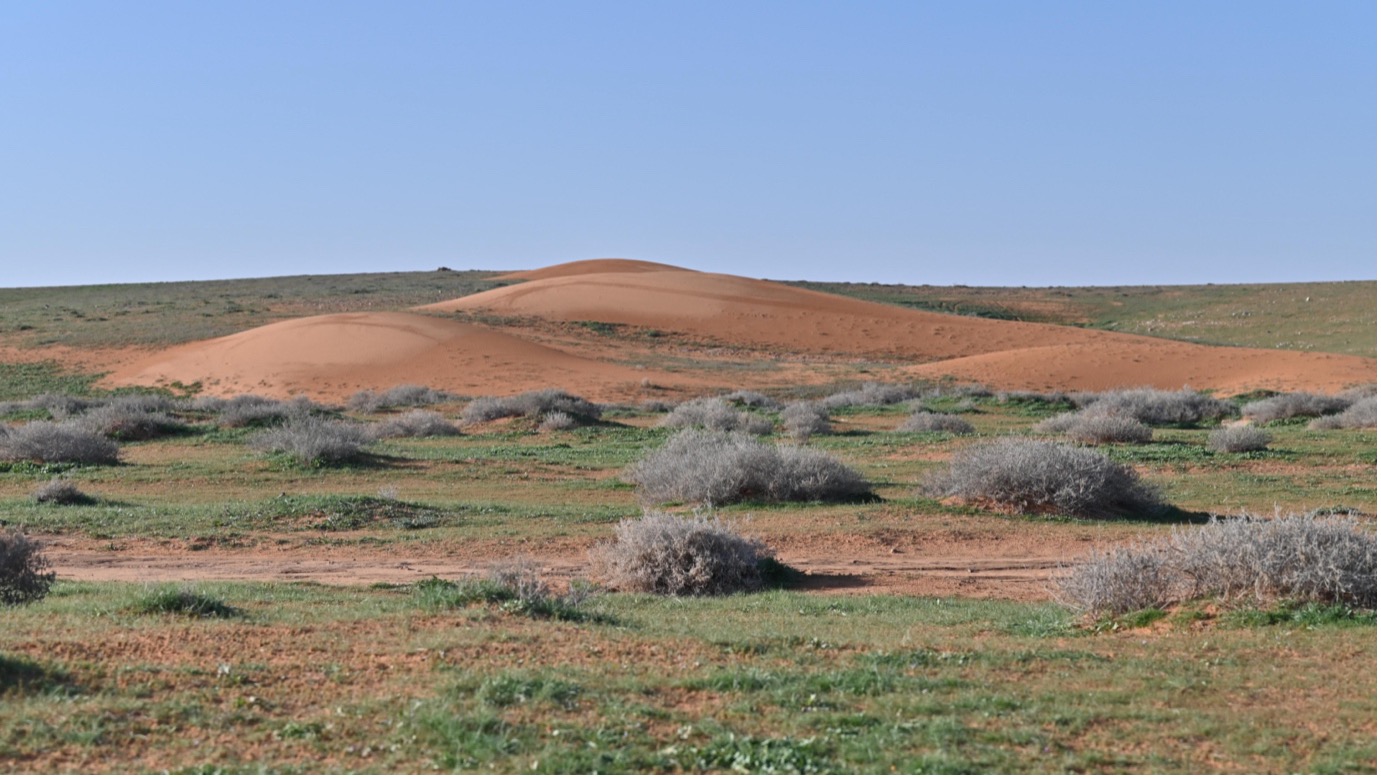
UNESCO Biosphere Reserve, inscribed 2025, in Saudi Arabia. Located in north-central Saudi Arabia, the Imam Turki Bin Abdullah Biosphere Reserve covers nearly 5% of the country. Declared protected by Royal Decree in 2018, it encompasses vast desert, steppe, basaltic plateaus, wadis, and Acacia savannahs, making it one of the Kingdom’s most significant conservation landscapes.
- 32
UNESCO Biosphere Reserve, inscribed 2025, in Jordan. Nestled in the northernmost reaches of Jordan, the Yarmouk Biosphere Reserve protects a dramatic stretch of the Jordan Rift Valley where altitudes plunge from 450 metres to 150 metres below sea level. The biosphere reserve lies within the Yarmouk Basin, a landscape shaped by steep wadis, fertile terraces, and perennial streams. This topographic variety creates a mosaic of habitats that sustain high biodiversity while preserving cultural landscapes that have supported human life for centuries. Designated under the stewardship of the Royal Society for the Conservation of Nature, the reserve aims to integrate conservation, sustainable development, and community participation.
