
UNESCO Global Geoparks — Asia & the Pacific

- 1
UNESCO Global Geopark, inscribed 2015, in China. Discover the Mandela Rock Paintings on Mandela Mountain, with 4,234 identified artworks dating to the Xixia, Yuan, Ming, and Qing dynasties, spread across 16 km² and depicting local wildlife. Learn about the Alxa carpet weaving technique, developed over 280 years ago during the Qing Dynasty and recognised on China's national intangible cultural heritage list.
- 2
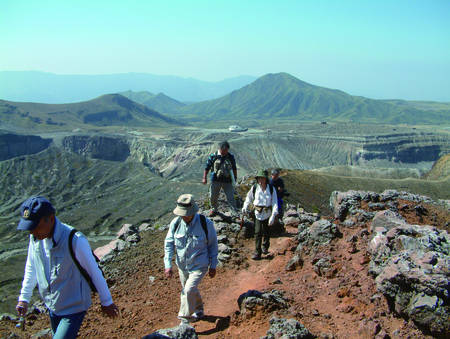
UNESCO Global Geopark, inscribed 2015, in Japan. Dive into the hot spring waters of Aso’s onsen in Uchinomaki, Jigoku, Tarutama, and the mountain resorts of the Oguni-go area. Drive through the vast grasslands on the Milk Road. Between mid-February and March, it’s noyaki season, when local communities undertake controlled burnings. Take the Mt. Kishima trail route starting from the Aso Volcano Museum. At the top, enjoy a spectacular view of the northern part of the Aso caldera, with the Nakadake volcano still fuming in the background.
- 3
UNESCO Global Geopark, inscribed 2015, in Indonesia. Take a sunrise hike of Mount Batur for exceptional views. Visit the subak irrigation system. Enjoy the thermal waters at Lake Batur.
- 4
UNESCO Global Geopark, inscribed 2015, in China. Enjoy a hike on the Jade Belt Road. Alternatively, visitors can walk or cycle on the Erhai Ecological Corridor. Explore the popular science and cultural stories of Cangshan and Erhai Lake at the Geopark Museum and the Erhai Museum.
- 5
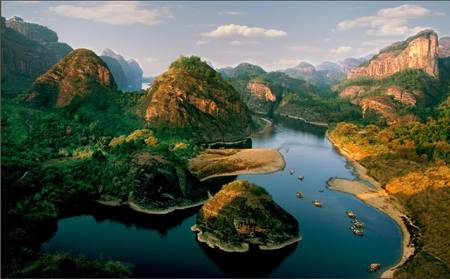
UNESCO Global Geopark, inscribed 2015, in China. Observe 30 million years of geological history at Chibidanya, where interlaced sandstone and conglomerate layers reveal changing palaeoclimates and striking red cliffs. Witness the iconic Danxia landforms of Danxiashan, where red sandstone cliffs, sculpted over 140 million years, form spectacular peaks, pillars, and gorges shaped by water and time.
- 6
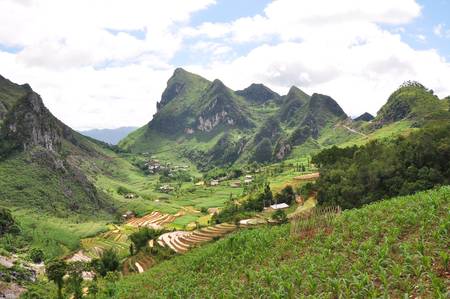
UNESCO Global Geopark, inscribed 2015, in Vietnam. Visit Quan Ba’s "Heaven’s Gate" for panoramic views over winding roads, mist-covered mountains, and lush valleys. Travel along the stunning Ma Pi Leng Pass, rising to 1,200 metres, and admire sweeping vistas of deep canyons, dramatic limestone peaks, and the winding Nho Que River. Explore Dong Van in bloom: from October to November, the hillsides and rice terraces burst into pinkish-white buckwheat flowers, and from January to February, peach and plum blossoms transform the landscape into a romantic spectacle.
- 7
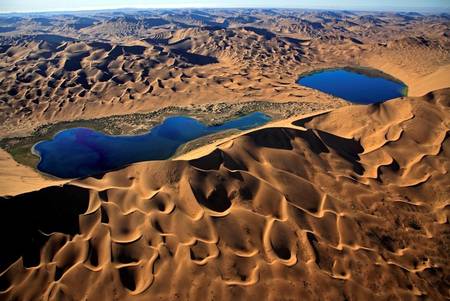
UNESCO Global Geopark, inscribed 2015, in China. Visit the Mingsha Mountain region to see multicoloured dunes and the sacred Crescent Moon Spring, a site of geological and cultural significance. Experience local traditions through events like the Buddha Bathing Festival and the desert Dragon Boat Festival, which connect Dunhuang’s natural landscape with deep-rooted cultural heritage.
- 8
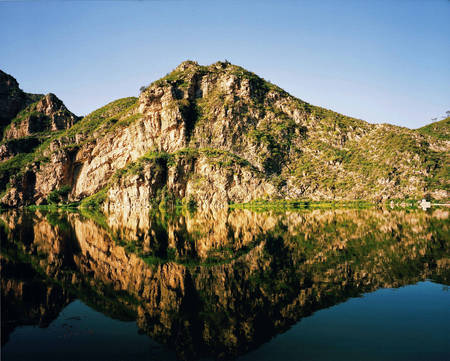
UNESCO Global Geopark, inscribed 2015, in China. Observe rich wildlife diversity with 44 species of mammals, 183 bird species, and nationally protected species like the brown pheasant and black stork. Explore ancient biodiversity, including the rediscovery of the coral orchid, once thought to have disappeared regionally. Visit cultural heritage sites such as the Zhoukoudian “Beijinger” World Heritage Site, Yunju temple tower, Baishishan Great Wall, and more than 100 ancient buildings, grottoes, and tombs.
- 9
UNESCO Global Geopark, inscribed 2015, in China. Visit the Neixiang Local Magistrate’s Office, considered the best-preserved magistrate’s office from China’s feudal era, with over 280 buildings across 2,000 square metres. Explore the Great Wall Ruin Site of Chu State, known as the “father of the Great Wall”, built during the Chunqiu period and among the earliest Great Wall structures in China.
- 10
UNESCO Global Geopark, inscribed 2015, in Indonesia. Visit the Prambanan Temple UNESCO World Heritage site, a magnificent 9th-century Hindu temple complex of 240 structures. Enjoy the picturesque coastline of white sandy beaches, coral reefs and rocky shores across Gunung Kidul, Wonogiri and Pacitan.
- 11
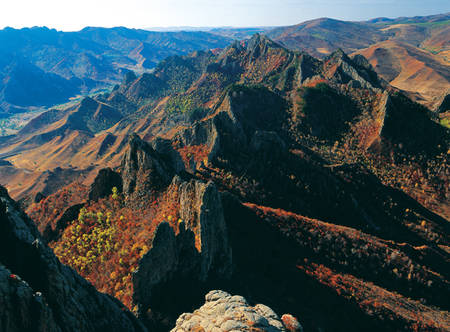
UNESCO Global Geopark, inscribed 2015, in China. Explore the hallowed grounds of the Wulanbutong Ancient Battlefield, where the renowned 1690 battle unfolded, leaving an indelible mark on Hexigten Geopark's history. Step back in time at the Yingchanglu Ruin Site, once a splendid summer resort of the Yuan dynasty. This national cultural relic offers a captivating glimpse into the opulent lifestyle of ancient nobility. Discover the Hexigten granite stone forest, a rare geological formation with well-preserved granite mortars and egg-shaped landforms, known as a “museum of granite landforms.”
- 12
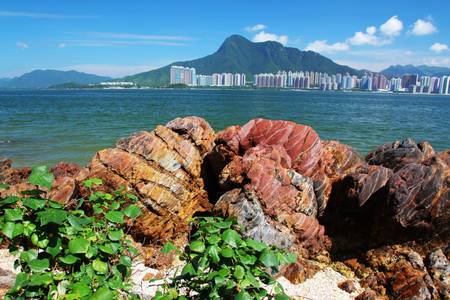
UNESCO Global Geopark, inscribed 2015, in China. Visit the Tin Hau Temples at Kat O and Leung Shuen Wan, important cultural landmarks and historic buildings. Explore the Hip Tin Temple, a site of great religious and cultural significance. Discover the Lai Chi Wo rural revitalization project, recognised for sustainable development in the 2020 UNESCO Asia-Pacific Awards for Cultural Heritage Conservation.
- 13
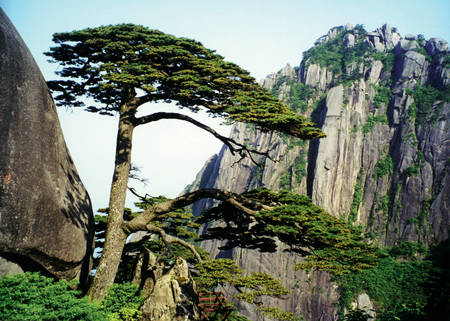
UNESCO Global Geopark, inscribed 2015, in China. Explore geological, biological, and cultural heritage at the Geopark Museum and Huangshan Museum through exhibitions, videos, and educational tools. Hike three main trails in the park: Yungu to Beihai, Wenquan to Ciguangge, and Houtouyan to Diaoqiaoan. Visit a site recognised as both a World Heritage Site and Biosphere Reserve for its outstanding natural and cultural value.
- 14
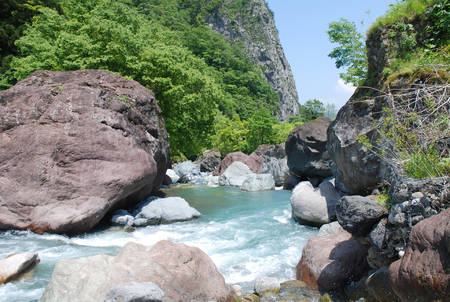
UNESCO Global Geopark, inscribed 2015, in Japan. The Fossa Magna Museum tells the story of Itoigawa’s jade and unlocks the mystery of how the Japanese islands were formed. At the Nou Fishing Port, the centre of one of Japan’s largest crab fisheries, and at Marine Dream Nou Roadside Station, browse one of the region’s largest seafood markets. The Spring Festivals of Amatsu Shrine and Nou Hakusan Shrine feature ancient ritual dances.
- 15
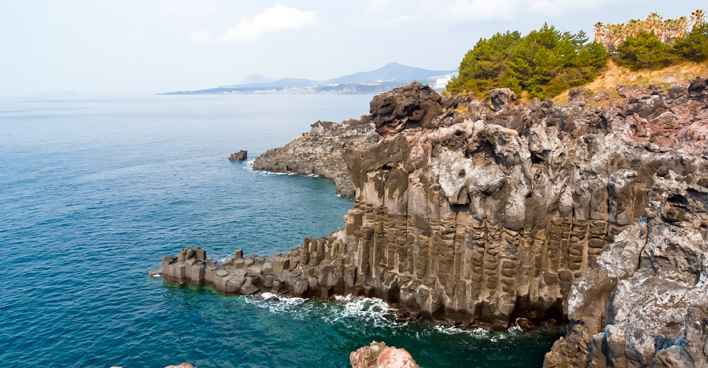
UNESCO Global Geopark, inscribed 2015, in South Korea. Explore Manjanggul Cave, one of the longest lava tubes in the world. Stretching over 7 kilometres, it was formed by lava flows from Hallasan, the island’s largest volcano. Visit Seongeup Folk Village to see traditional thatched-roof houses, stone walls, and cultural artefacts that reflect Jeju’s heritage.
- 16
UNESCO Global Geopark, inscribed 2015, in China. Visit in winter, and you may get to see the frozen Diaoshuilou Waterfall and dramatic winter scenery. Raft on Jingpo Lake, the largest alpine lava lake in China, formed by volcanic eruptions over 10,000 years ago. Hike through Crater Forest Park to explore a primeval forest belt formed by volcanic collapse.
- 17
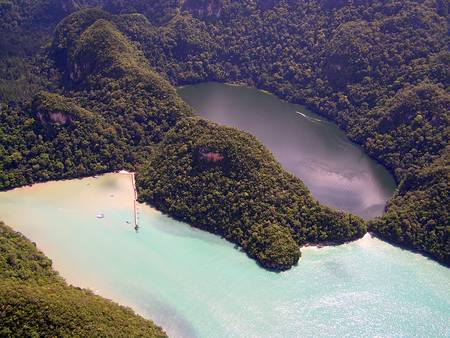
UNESCO Global Geopark, inscribed 2015, in Malaysia. Climb Gunung Raya, the highest peak in Langkawi. Visit Kampung Kilim, a popular tourist attraction known for its boat rides, eagle feeding, and mangrove tours. Watch the Mek Mulung theatre, regularly performed at the Kota Mahsuri Cultural Complex.
- 18
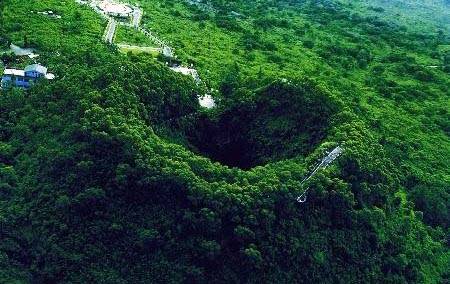
UNESCO Global Geopark, inscribed 2015, in China. Taste local specialities including pineapple, coffee, red sugar, and black beans, all grown in the geopark region. Explore local crafts such as litchi wood carvings and scented rosewood chains traditionally worn as ornaments. Visit Rongtang village and its 72 lava tube caves, an 800-year-old stone village explored with local guides and connected to traditional legends and practices.
- 19
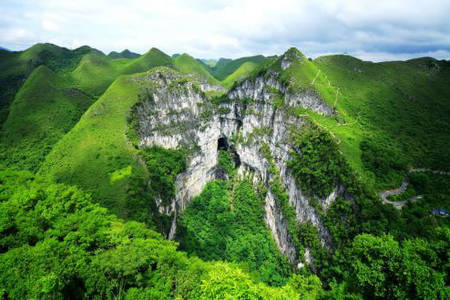
UNESCO Global Geopark, inscribed 2015, in China. Discover the Dashiwei tiankeng cluster, featuring 35 spectacular collapsed dolines along the Bailang underground river, including one over 600 metres wide and 613 metres deep. Explore the Sanmenhai karst windows, a unique group of surface openings in the Poxin resurgence area connected to an underground cave river system.
- 20
UNESCO Global Geopark, inscribed 2015, in China. The Tortoise Back Stone reveals a pattern resembling a tortoise shell, formed by weathering of fine-grained red sandstone. The Danxia Perforate Natural Bridge, also called Elephant Trunk Hill, was shaped by erosion into a stone arch resembling an elephant’s trunk. The region is the birthplace of Taoism, with key sites including Tianshi Mansion, Shangqing Palace, and Zhengyi Temple.
- 21
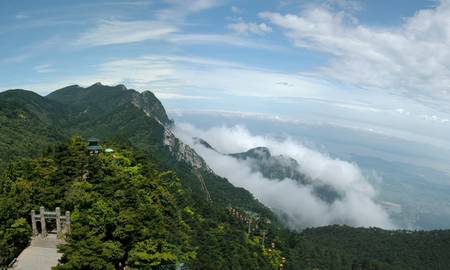
UNESCO Global Geopark, inscribed 2015, in China. Try the region’s traditional Lushan Cloud & Fog Tea, made using techniques recognised as intangible cultural heritage. Explore remarkable Quaternary glacial geosites including the Da Ao Glacial Cirque, Tai Yi Glacial Horn Peak, and Wang Jia Po Glacial U-Valley. Visit the Lushan Geopark Museum to learn about the area's geological evolution and significant glacial history.
- 22
UNESCO Global Geopark, inscribed 2015, in China. Travel on the Qinghai–Tibet Railway, the highest railway in the world and the longest to cross permafrost, which passes through the geopark. Cycle along the scenic 109 National Highway, a popular route from Nanshankou to Kunlun Mountain Pass with breathtaking views. Discover traditional Haixi Mongolian crafts and cultural practices preserved by local artisans and recognised as provincial intangible heritage.
- 23
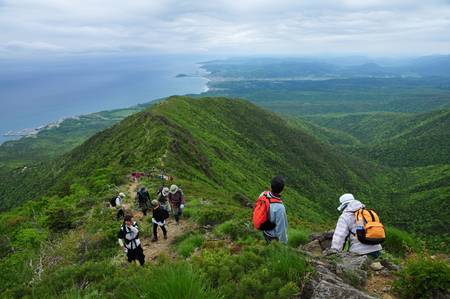
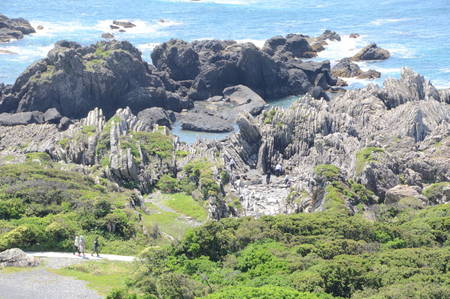
UNESCO Global Geopark, inscribed 2015, in Japan. The Hidaka Yabakei, a breathtaking 7-km stretch of cliffs where Mt. Apoi plunges into the Pacific, marks the ancient collision site of the Eurasian and North American Plates, with the Hidaka Main Thrust boundary still visible today. The historic Samani Mountain Path, built 200 years ago to navigate the cliffs along National Route 336 (Golden Road), is now a picturesque footpath offering stunning coastal views.
- 24
UNESCO Global Geopark, inscribed 2015, in Japan. With a long whaling heritage, former fishermen now offer whale watching cruises. The Onda Festival, held biannually in May at the Kiragawa Hachiman Shrine, has been celebrated since the 12th century. Kiragawa town, located in the western part of the geopark, preserves an important architectural heritage that has largely disappeared elsewhere on the island.
- 25
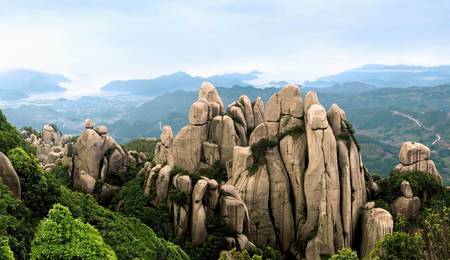
UNESCO Global Geopark, inscribed 2015, in China. Explore the distinctive miarolitic granite peak clusters of Taimushan, featuring stone egg landforms shaped by volcanic activity. Watch local women prepare Kanzong, a traditional She ethnic rice cake, using ancestral techniques passed down through generations. Discover the intricate art of Zherong paper cutting, crafted into unique souvenirs by local artisans.
- 26
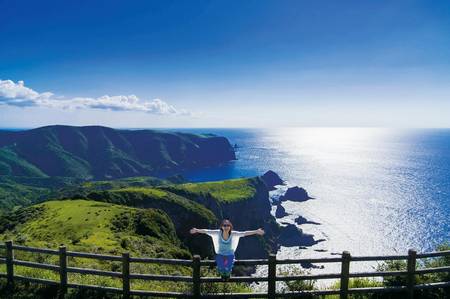
UNESCO Global Geopark, inscribed 2015, in Japan. The Kuniga Coast Trail, one of the most scenic routes in the Oki Islands, passes through traditional farmlands where cattle and horses graze freely. The trail begins near the top of Matengai Cliff and descends to sea level near the Tsūtenkyō rock arch. On Nakanoshima Island, the Akiya Coast showcases dramatic geological formations created by volcanic eruptions and erosion, making it one of the island’s most impressive coastal landscapes.
- 27
UNESCO Global Geopark, inscribed 2015, in China. The Shengshou Temple in Nanwutai is where ancient Chinese Emperors worshipped, monks and Taoists devoted themselves to spiritual practice, and people made pilgrimages from the Qin (221–207 BCE) to the Han (581–618 CE) Dynasties. The Lantian Ape Man Site Museum offers a wealth of material contributing to the study of paleontology, paleoclimatology, paleogeology, and Quaternary geological activities. Take a walk through alpine meadows and along clear mountain streams in Heihe, where Quaternary glacial features and cultural relics meet in a landscape shaped by ancient plate tectonics.
- 28
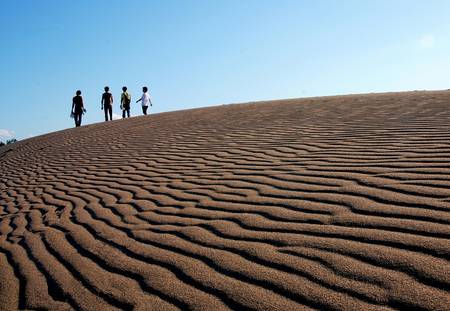
UNESCO Global Geopark, inscribed 2015, in Japan. At Aoya Folk Museum, the charm of singing sand, the craftsmanship behind Inshu Japanese paper, and the legacy of Ama women divers are celebrated in special exhibitions that connect visitors to the area’s rich history and culture. At Genbudo Park, visitors can explore the origins of the Genbudo Cave, famed for its striking basalt formations, while interactive exhibits reveal the geological history that shaped this natural wonder.
- 29
UNESCO Global Geopark, inscribed 2015, in China. Marvel at the iconic granite peak forest of Sanqingshan, including formations like the Oriental Goddess and Python Slithers out of Mountain. The geopark is considered to be a cradle of Gan Opera and Madeng Drama, both of which have been passed down over hundreds of years.
- 30
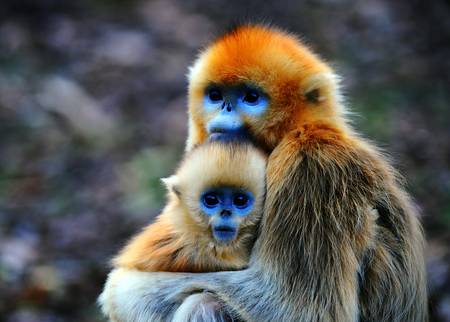
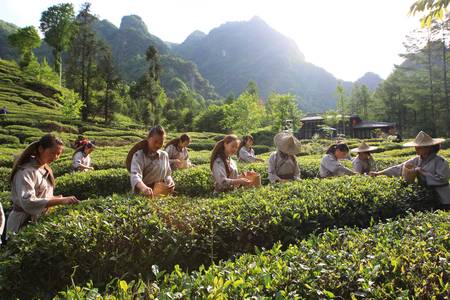
UNESCO Global Geopark, inscribed 2015, in China. Shennongjia is the best place in China to see golden snub-nosed monkeys. The Baishou Dance is a collective dance that incorporates singing, music and opera elements, part of the Tujia ethnic heritage.
- 31
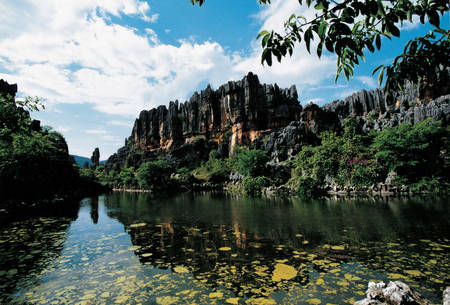
UNESCO Global Geopark, inscribed 2015, in China. The Traditional Torch Festival is one of the most important and splendid festivals in southwestern China. The Naigu (or ‘black’) Stone Forest in the north of the geopark features dark-coloured dolomitic limestone. Changhu Lake, surrounded by green hills, is a natural karst lake where traditional festivals are held, and also makes for a good picnic spot.
- 32
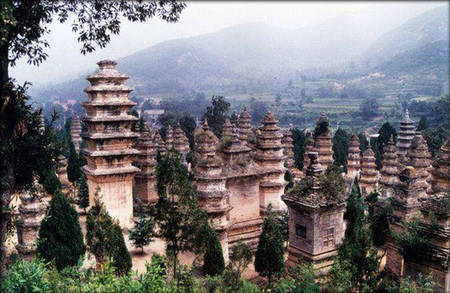
UNESCO Global Geopark, inscribed 2015, in China. Experience the vibrant village life of Chanxinju, where homestays, workshops and a vegetarian restaurant offer a model for sustainable tourism. Marvel at the quartzite cliffs of Shaoshi Mountain, folded by the Zhongyue Movement and a key site for understanding regional tectonics. Visit the iconic Shaolin Temple, a traditional Buddhist site and birthplace of Shaolin Kung Fu, still active under the guidance of Abbot Shi Yongxin.
- 33
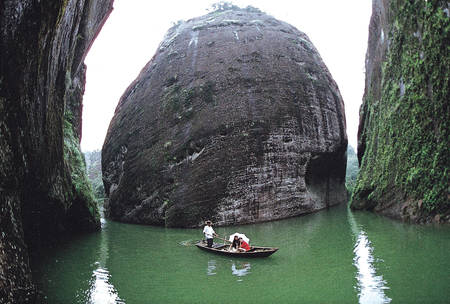
UNESCO Global Geopark, inscribed 2015, in China. Make sure not to miss the traditional Nuo Dance, dating back to the Shang Dynasty 3,000 years ago, and performed as an exorcism ritual. Follow the hiking route through Zhaixia Grand Canyon to the historic Jingui Temple. Explore the cycling and walking trail that runs from Jixi Village to Luozhu Rock.
- 34
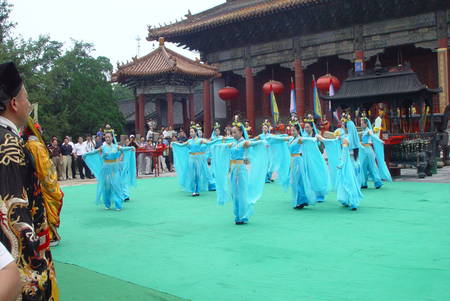
UNESCO Global Geopark, inscribed 2015, in China. Fans of hiking and climbing shouldn’t miss the Taishan climbing route from Daimiao to Yuhuangding. Experience the dramatic relief and neotectonic landforms of Mount Taishan, including scenic features like Caishixi Stream and Zuixin Garden.
- 35
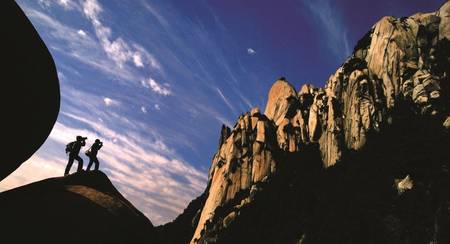
UNESCO Global Geopark, inscribed 2015, in China. The region is also known as the birthplace of Zen Buddhism and is home to the 1,500-year-old Sanzu Temple, which remains open to visitors. In the southern part of the geopark, Doumu village preserves a 6,000-year-old pottery tradition. Local artisans continue to use the same dragon kiln as their ancestors.
- 36
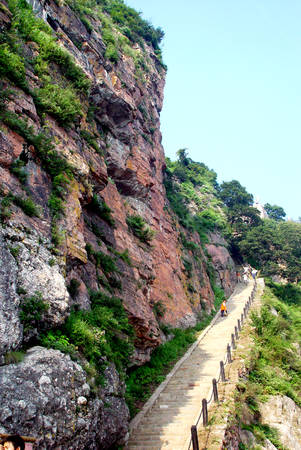
UNESCO Global Geopark, inscribed 2015, in China. For the more adventurous visitors, the ropeway of the Wangwushan Scenic Area offers the opportunity to observe geological relics of the Wangwushan orogeny and the Fangshan landform. Visitors can also hike on any Wangwushan national forest trails or go horseback riding on the alpine meadow area at the top of Daimeishan. The Wangwushan-Daimeishan Geological Museum, located beneath the peak of the Temple of Heaven, allows visitors to explore all aspects of the geopark’s geological heritage.
- 37
UNESCO Global Geopark, inscribed 2015, in China. Don’t miss the Holy Water Festival. Unique to Wudalianchi, this vibrant celebration is recognised as part of China’s National Intangible Cultural Heritage. Hike the scenic plank road. This long, wide trail winds around the lakes of Wudalianchi, stretching from the lava plateau to Laoheishan Volcano.
- 38
UNESCO Global Geopark, inscribed 2015, in China. Discover Jia’s micro-carving, a unique art form from Xingwen with the highest writing density in the world, recognised as provincial intangible cultural heritage. Visit the Xingwen Geological Museum, designed to reflect the region’s karst landscapes and ethnic heritage, including references to Miao and Bo cultures. Hike or cycle through the Stone Sea scenic area.
- 39
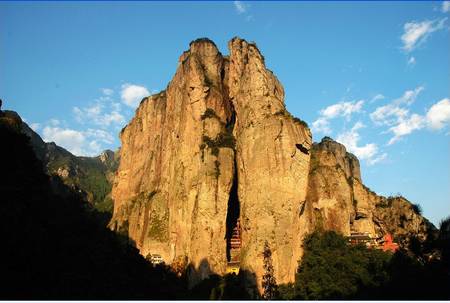
UNESCO Global Geopark, inscribed 2015, in China. Lingyan Temple, Nengren Temple, and Guanyin Cave reflect over a thousand years of history, preserving traditional architecture and spiritual heritage. The Nange Archway, Nanxijiang Ancient Village, and the Ancient Quarry of Changyu Dongtian are key cultural heritage sites within the geopark.
- 40
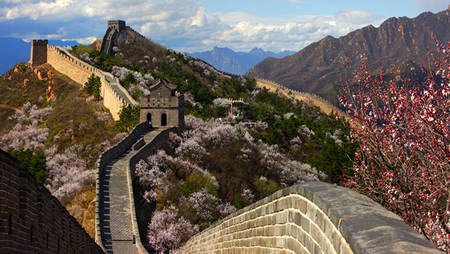
UNESCO Global Geopark, inscribed 2015, in China. See fossilised dinosaur footprints from multiple species and the largest collection of silicified wood in northern China. Visit the Yanqing UNESCO Global Geopark Museum and Great Wall sites built directly on ancient geological formations.
- 41
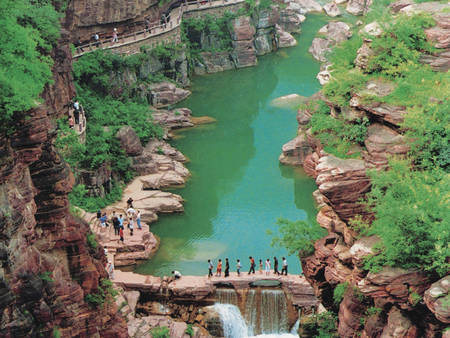
UNESCO Global Geopark, inscribed 2015, in China. September and October are the golden autumn season in China. The leaves of the trees turn gold, making the views absolutely breathtaking. Enjoy hiking on one of the many trails, such as the Yuntaishan geo-tourism route or the Shennongshan geo-tourism route.
- 42
UNESCO Global Geopark, inscribed 2015, in China. There are four scenic areas in the UNESCO Global Geopark – Zhangjiajie, Suoxiyu, Tianzishan and Yangjiajie – featuring 40 geosites of national significance and 12 of international significance. Zhangjiajie’s landscapes may feel familiar to those who have seen Avatar, the blockbuster movie that was filmed here.
- 43
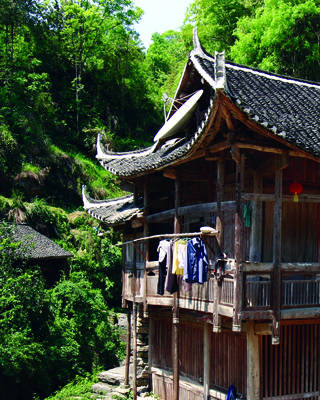
UNESCO Global Geopark, inscribed 2015, in China. Explore the Zhijindong Cave Geological Museum, which presents local biodiversity research and conservation efforts. Visit eco-parks and garden landscapes where native species like gingko and wild mushrooms are integrated into limestone peak settings.
- 44
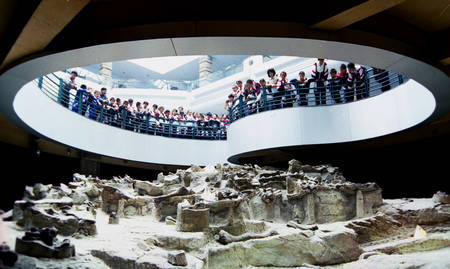
UNESCO Global Geopark, inscribed 2015, in China. Experience the Zigong International Dinosaur Lantern Festival, a centuries-old tradition that transforms the city each year with vibrant lantern displays and cultural celebrations. The Jinhua Cyathea Nature Sanctuary is home to approximately 16,000 Cyathea trees, showcasing the region's unique wild flora. This area provides an excellent opportunity for studying Zigong's paleogeography, paleoclimate, and paleoenvironment, contributing to valuable scientific research.
- 45
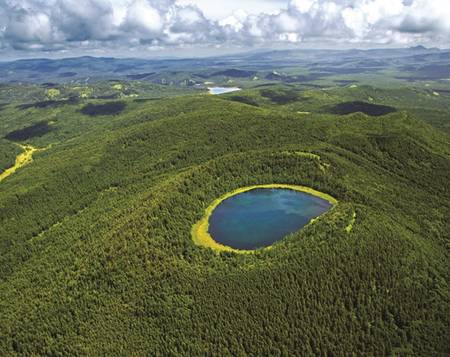
UNESCO Global Geopark, inscribed 2017, in China. Visit the China Hot Springs Museum in Arxan, home to the Arxan Sanitarium Hot Springs with 48 therapeutic springs. Explore the Forest Folk Museum in Bailang Town, which preserves ecological culture and showcases the traditional lives of forestry workers.
- 46
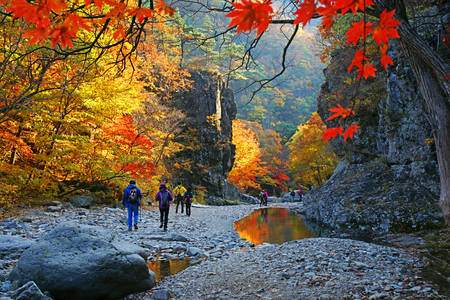
UNESCO Global Geopark, inscribed 2017, in South Korea. Visit the Flower Stone Ecotrail, a 1.1 km route featuring outcrops of spherulitic rhyolite—also known as Flower Stone—a rare geological formation that reveals the cooling and stagnation processes of shallow rhyolitic magma bodies. Explore the Sinseongri Dinosaur Footprints Experience Field, offering fossil excavation activities, dinosaur models, and an educational geological steppingstone inspired by the Copper Coast UNESCO Global Geopark in Ireland. Discover the striking Yongchu Gorge on Juwangsan Mountain.
- 47
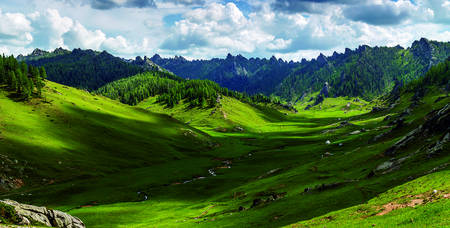
UNESCO Global Geopark, inscribed 2017, in China. Take an excursion to explore Altai’s granite landscape. Visit the Rare Metals Museum, the Irtysh Museum, and the Global Geopark Museum. Enjoy forests, grasslands, and pastures in spring, go horse riding in summer, admire autumn colours, and ski in winter.
- 48
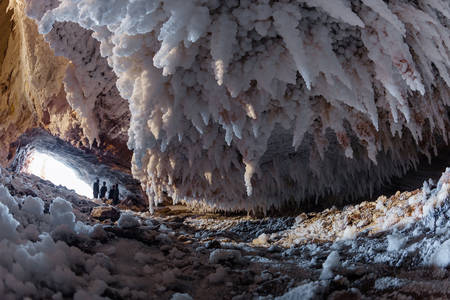
UNESCO Global Geopark, inscribed 2017, in Iran. Take a trip to Hengam Island to see dolphins, or go snorkelling to witness the diversity of tropical fish swimming in the coral reef. Visit Bandar Laft on Qeshm’s north shore, popular for its Lenj Shipyard where traditional boats are still built and for its badgir (windcatchers), an ancient Persian architectural feature used to ventilate houses. Visit the Namakdan Salt Complex and the Namakdan Salt Cave, a 7-km chasm of multi-coloured galleries and beautiful salt crystals.
- 49
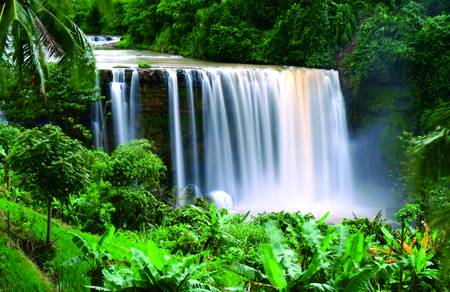
UNESCO Global Geopark, inscribed 2018, in Indonesia. Explore Indonesia’s largest natural amphitheatre, complete with stunning waterfalls and ancient rock formations, at the Ciletuh Amphitheatre. Visit Kampung Batik Purwasedar to discover the tradition of Pakidulan Batik-making, inspired by the geopark’s rich heritage.
- 50
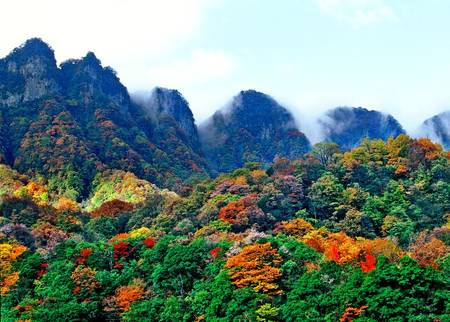
UNESCO Global Geopark, inscribed 2018, in China. Learn about the region's geoheritage at the Guangwushan-Nuoshuihe Geopark Museum, located in Tieluba. Walk part of the ancient Micang Road, a section of the historic Shu Dao network, which has been recognised on China’s Tentative List for World Cultural and Natural Heritage.
- 51
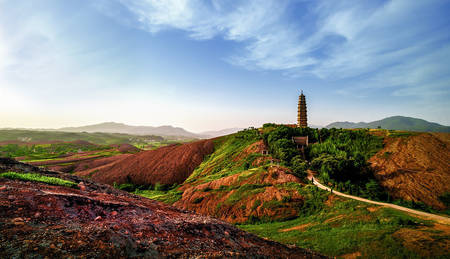
UNESCO Global Geopark, inscribed 2018, in China. Wander through blooming rhododendrons in May, when the landscape becomes a sea of vibrant colour. Experience local performing arts including Wenqu drama, Xishui folk songs, Donglu Huagu opera, and Yingshan Huangmei opera. Check local listings for upcoming performances.
- 52
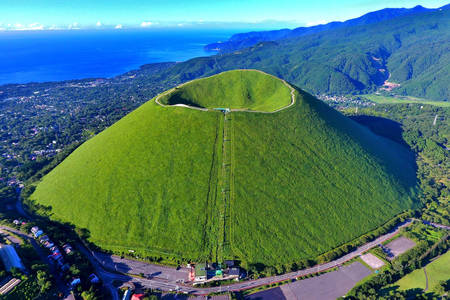
UNESCO Global Geopark, inscribed 2018, in Japan. Charming coastal towns, such as Shimoda and Atami, offer glimpses into the region’s maritime heritage with historic buildings, museums, and scenic waterfronts. The geopark is also home to ancient shrines and temples, such as those along the Jogasaki Coast and at Shuzenji Temple, providing spiritual and cultural experiences for visitors.
- 53
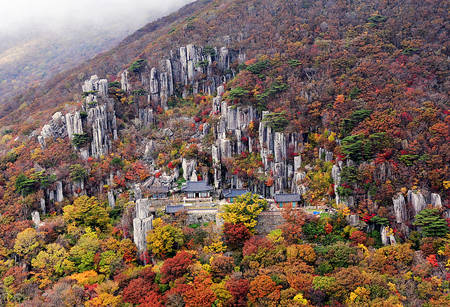
UNESCO Global Geopark, inscribed 2018, in South Korea. Explore Damyang Gamagol Valley, where volcanic landscapes of dacite and rhyolite create a striking natural environment. Visit Juknokwon Bamboo Garden, a 160,000-square-metre park featuring natural bamboo forests, ecological exhibits, and scenic trails. From the observatory, enjoy panoramic views of Damyangcheon Stream, the historic Gwanbangjerim Forest, and Metasequoia Road, home to trees over 300 years old. Discover the roots of Gasa literature at pavilion sites such as Soswaewon and Hwanbyeokdang in the Mudeungsan area. These historic locations reflect the region’s long-standing literary tradition, blending classical poetic forms with folk rhythms and inspiring generations of Korean scholars.
- 54
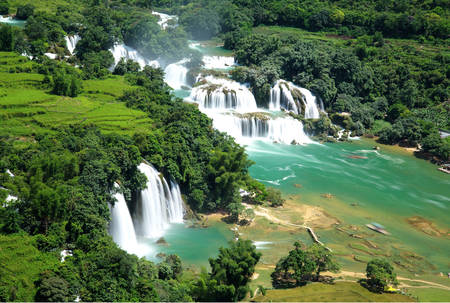
UNESCO Global Geopark, inscribed 2018, in Vietnam. Visit the Magic Water Mine in Lung Sang hamlet, where a local legend tells of three sisters who protected hidden treasure by raising floodwaters to seal the cave. Discover the traditional paper-making craft of the Nung An people in Dia Tren Hamlet, where May Sla tree bark is transformed into votive paper using age-old techniques passed down through generations. Visit the Lung Luong rock chrysanthemum site, where 260-million-year-old ammonite fossils in layered limestone reveal the region’s ancient marine origins and help geologists date rock formations.
- 55
UNESCO Global Geopark, inscribed 2018, in Indonesia. The region is a trekking haven that has become increasingly popular, especially amongst those who are willing to make the strenuous hike to the summit. The geopark is rich in Sasak culture, with local communities practicing traditional ways of life and preserving their cultural heritage. The Gili Islands are renowned for their vibrant coral reefs and marine biodiversity, making them a popular destination for underwater exploration.
- 56
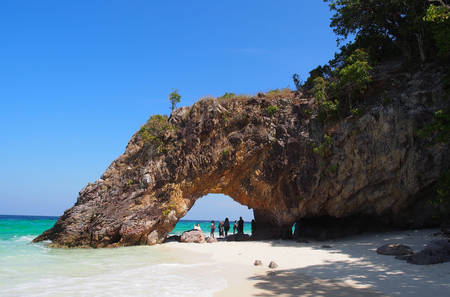
UNESCO Global Geopark, inscribed 2018, in Thailand. Explore the newly developed Tula Cave geosite, where a limestone cave opens into a pristine sinkhole with a unique, independent ecosystem, home to newly identified endemic species. Discover the traditional Nora Dance, a UNESCO-recognised element of Thailand’s intangible cultural heritage, performed alongside local songs in Satun.
- 57
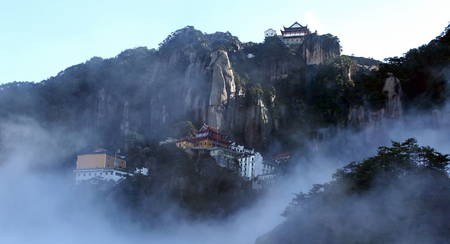
UNESCO Global Geopark, inscribed 2019, in China. The Jiuhuashan Global Geopark Museum tells the geological history of the park. Moreover, it is part of the Jiuhuashan Museum which has the largest comprehensive exhibition on Ksitigarbha culture and art in China. Every spring, the park is covered with rhododendrons in full blossom. In the summertime, Jiuhuashan is both beautiful and cool. And in autumn, the forests are covered with red and yellow leaves.
- 58
UNESCO Global Geopark, inscribed 2019, in China. Visitors to Yimengshan UNESCO Global Geopark can enjoy natural hot springs, with some reaching temperatures of 45°C, popular for relaxation and health benefits. The Yunmeng Pearl Museum spans over 3,000 square metres and explores the relationship between biology, geology, water systems, and cultural landscapes. Walk through the peaceful Yunmeng Lake National Wetland Park.
- 59
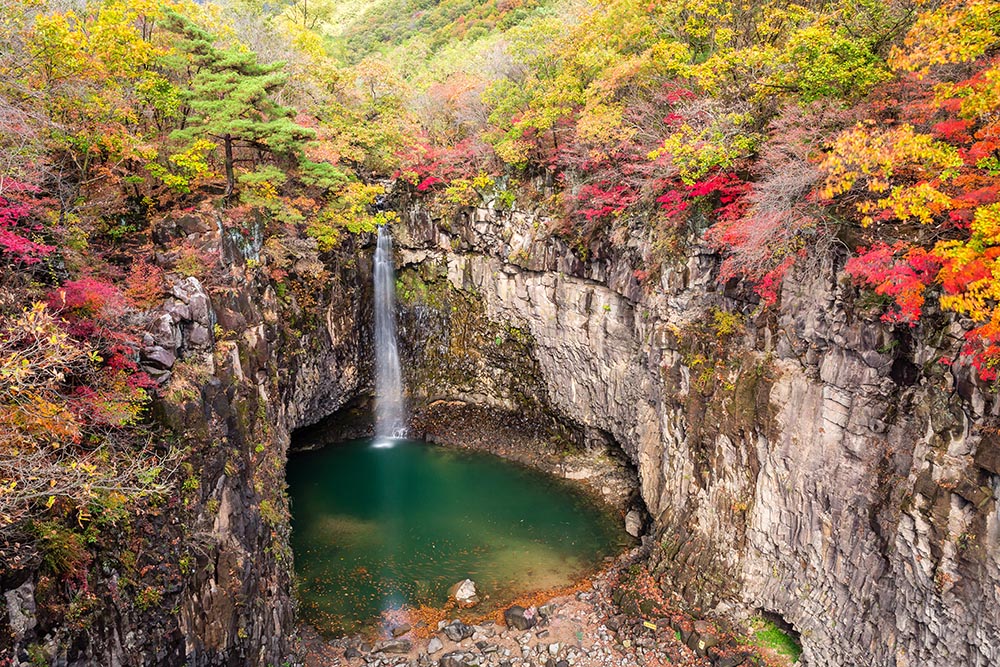
UNESCO Global Geopark, inscribed 2020, in South Korea. Visit Hwajeogyeon Pool, where 13-metre granite formations rise above clear waters. This striking geological site was once used for sacred rain ceremonies, reflecting ancient cultural traditions. Explore the Jeongok Paleolithic Site, where well-preserved archaeological remains—including the renowned Acheulean hand axe—have been uncovered, thanks to the unique soil conditions.
- 60
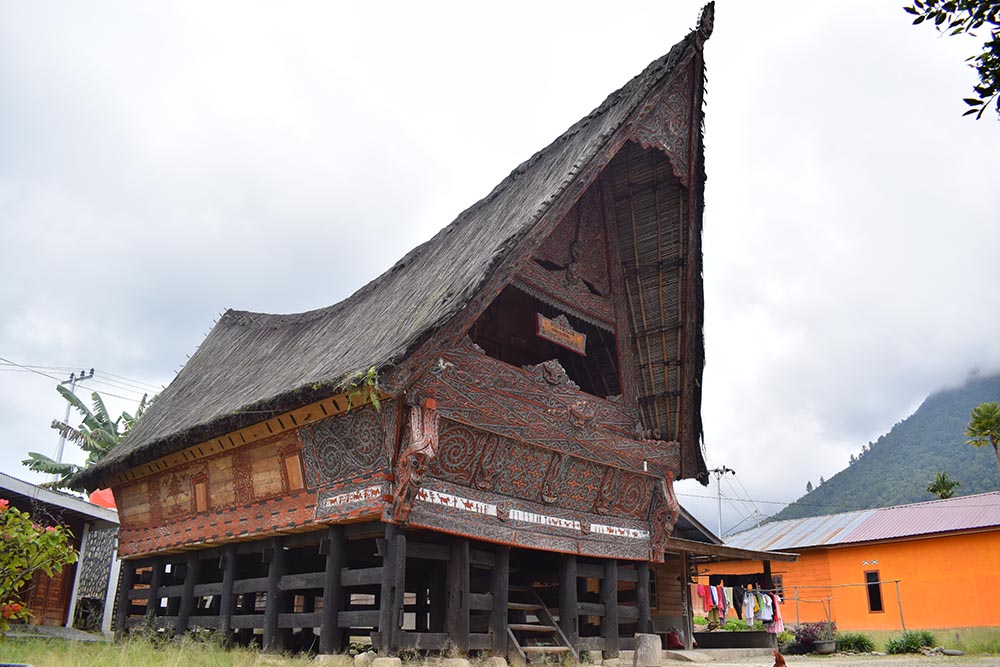
UNESCO Global Geopark, inscribed 2020, in Indonesia. Explore traditional Batak houses, centuries-old wooden structures, adorned with intricate Gorga carvings in symbolic colours, feature unique architectural elements like "bara" lower rooms for pet cages and cone-shaped roofs. Experience the beauty of the Eden Park botanical garden featuring endemic Toba plants such as andaliman, a key spice in Batak cuisine, Toba orchids, and pitcher plants.
- 61
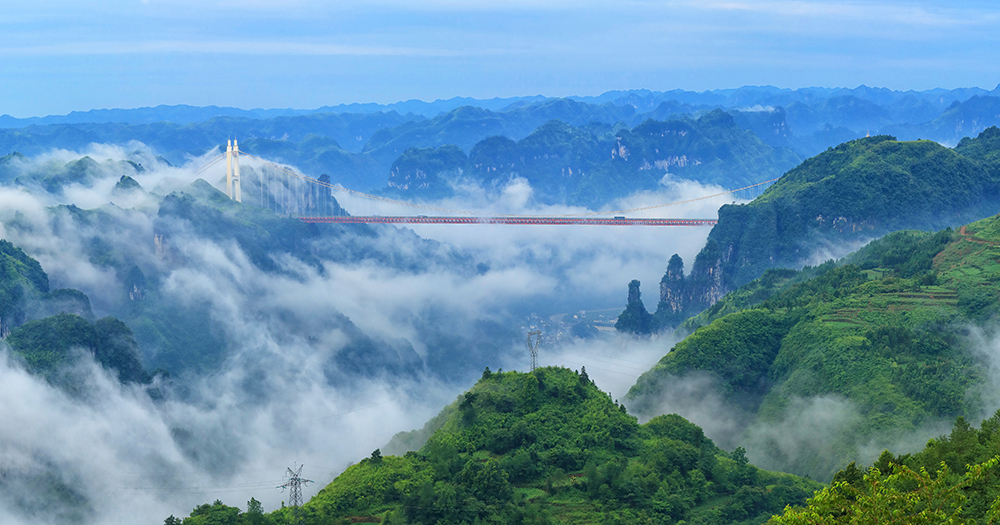
UNESCO Global Geopark, inscribed 2020, in China. In July or September, do not miss the Singing Festival of the Miao people or the Autumn Harvest Festival. Discover the world’s largest red stone forest landscape, formed from rare oxidised sediments in the mid-Ordovician, shaped by tectonic activity. Visit Furong Town to explore the Xiangxi UNESCO Geopark Museum and learn about the region’s geology, biodiversity, and Tujia and Miao cultural heritage.
- 62
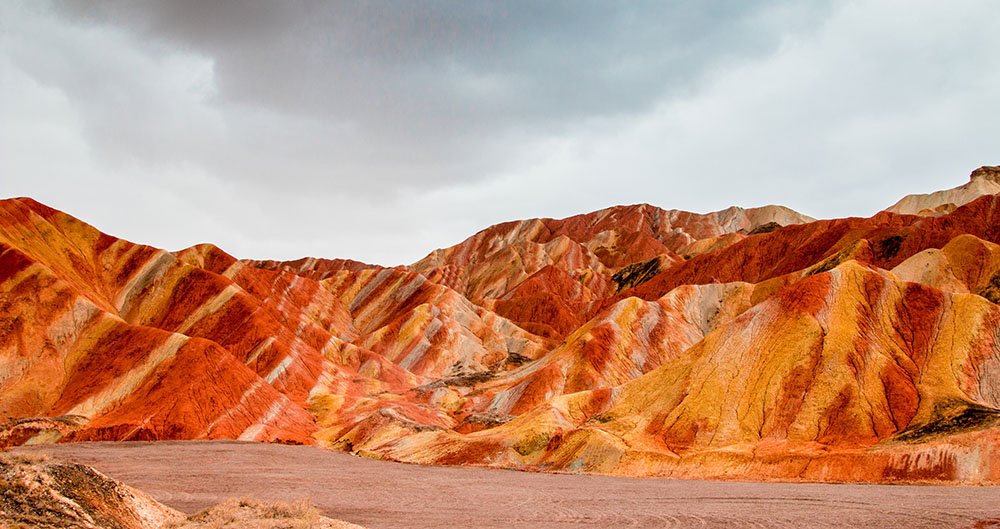
UNESCO Global Geopark, inscribed 2020, in China. Visitors should not miss the Yumushan Rock Paintings, the Heiyao Cave Traditional Steel Furnaces, the Gaoche Domed Tents, the Machangtan Battle Site, and the Kanglong Temple. Make sure to listen to Yugur folk songs and discover unique oral literature.
- 63
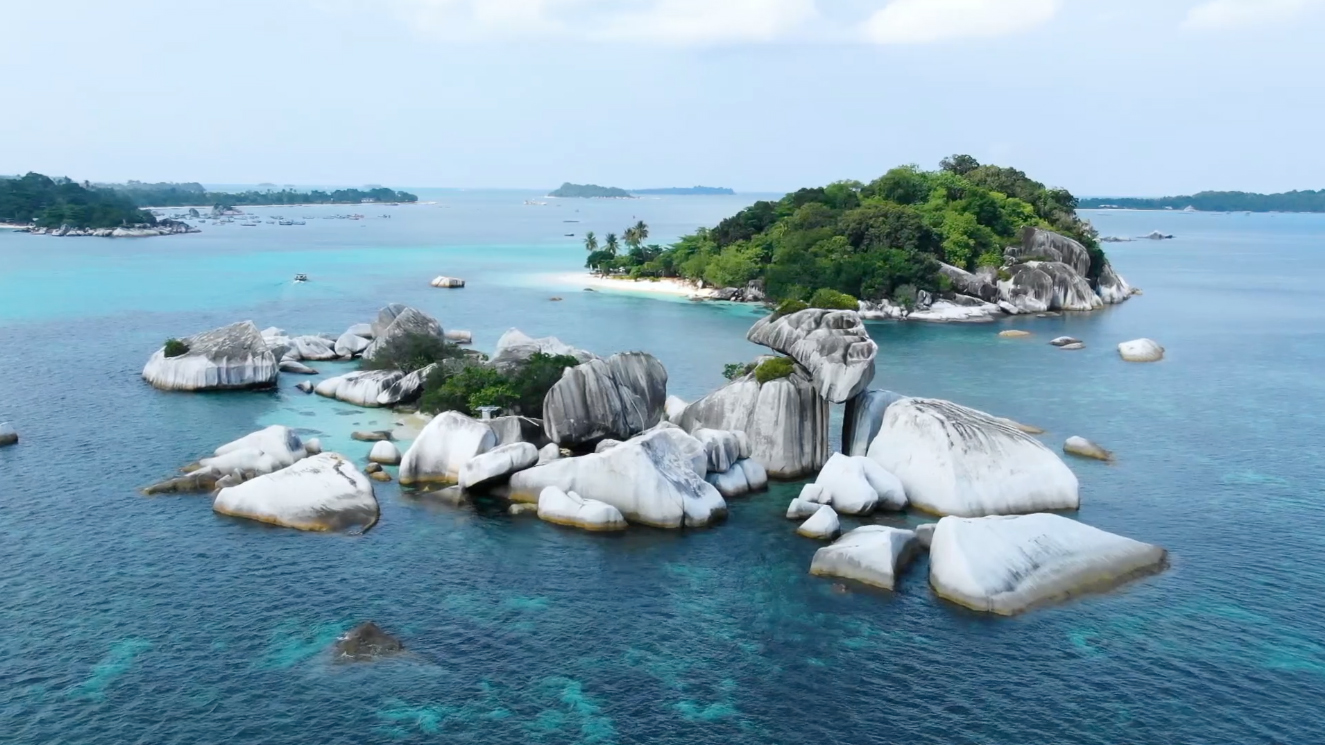
UNESCO Global Geopark, inscribed 2021, in Indonesia. Walk along a 650-meter trail through the serene Kuale Granite Mangrove Forest, home to at least six mangrove species and rich geological history dating back 145 million years. Explore the Nam Salu Open Pit at Gunung Kik Karak, one of Southeast Asia’s oldest tin mines, where visitors can see remnants of historic tin-processing technologies and some of the island’s oldest exposed rocks.
- 64
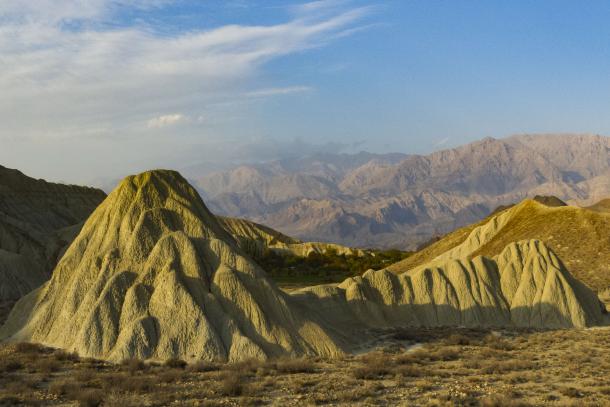
UNESCO Global Geopark, inscribed 2023, in Iran. Explore the vast Kiamaki Wildlife Refuge, home to species including the Armenian mouflon - Ovis orientalis gmelini - and golden eagles - Aquila chrysaetos - along with scenic rivers such as the Kharvana and Dastjerd, stunning waterfalls like Asiab-Kharabeh, and diverse tree species including willow - Salix - and walnut - Juglans regia. Experience the vibrant Ashiq Music Festival, a cherished tradition during Nowruz holidays in March, showcasing poetic melodies inspired by the region’s rich natural and cultural heritage.
- 65
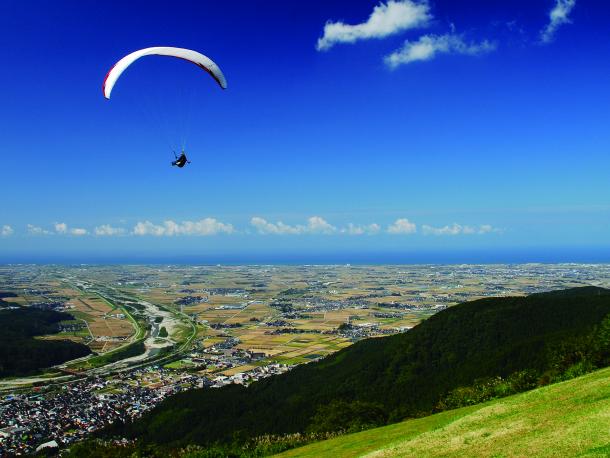
UNESCO Global Geopark, inscribed 2023, in Japan. Visit Shiramine Village near Mt. Hakusan to experience traditional architecture and crafts, including Ushikubi Pongee, a soft and durable silk fabric made from unique twin silk cocoons. Discover Oguchi Dekumawashi Puppetry, a rare and captivating art performed on waist-high stages, passed down through generations in the snowy mountain regions. Celebrate the Mikawa Okaeri Festival, where vibrant floats and mikoshi bring local traditions to life, honouring the historic Kitamaebune trading ships.
- 66
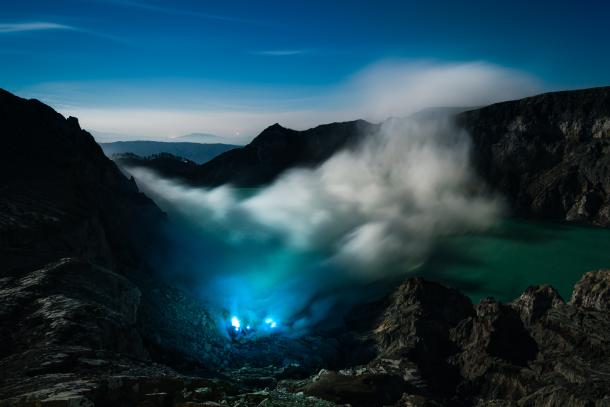
UNESCO Global Geopark, inscribed 2023, in Indonesia. Visit Parangireng Beach to explore pillow lava formations and fossilized foraminifera, unique geological features that reveal the region’s volcanic and marine history. Discover the Bondowoso Coffee site, where coffee plantations coexist with diverse flora and fauna, including rare butterflies like Papilio memnon and Papilio polytes, and shade plants like Suren Toona sureni, and Cinnamomum zeylanicum.
- 67
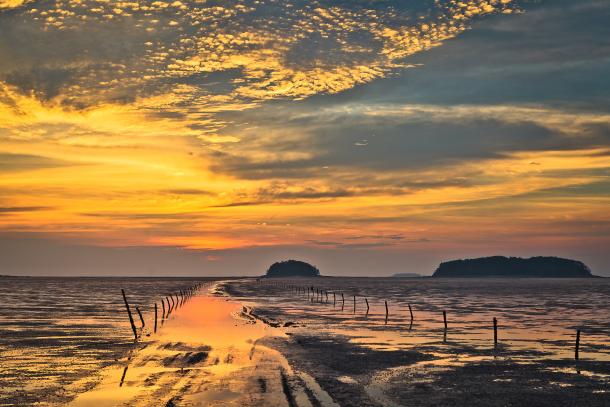
UNESCO Global Geopark, inscribed 2023, in South Korea. Sample local flavours rooted in the geopark’s coastal environment, where fresh seafood from the sea and tidal flats features in dishes such as seafood porridge, kalguksu (chicken noodle soup), and seasoned vegetables, followed by desserts made with wild mulberries and black raspberries. Join the Masil Walking Festival in May, where participants of all ages explore coastal geosites with geopark guides. The walk combines geological insights with cultural and historical heritage, concluding with local food experiences. From April to October, visit the Gochang Ecotourism Market, held each weekend at the Gochang Dolmen Site, offering local crafts, agricultural products, and traditional snacks.
- 68
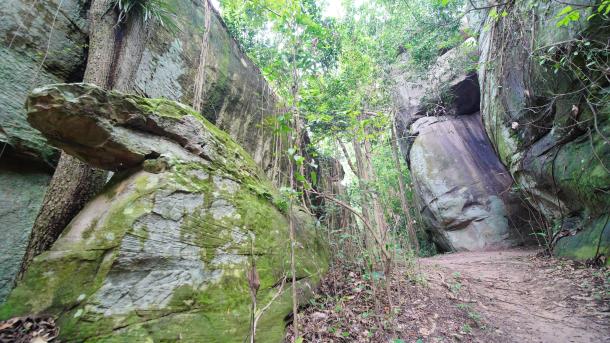
UNESCO Global Geopark, inscribed 2023, in Thailand. Explore the Cuesta landscape shaped by Mesozoic rock formations and Himalayan uplift, creating two distinct parallel ridges across the geopark. Visit the petrified wood sites of Chaloem Phra Kiat and Mueang, revealing fossilised trees dating back millions of years. Experience cultural heritage through the Sikhio Tai Yuan Indigenous community’s weaving and building traditions, and the Rueankorat-Chalermwatana folklore project.
- 69
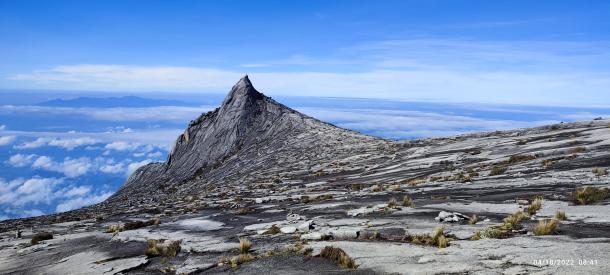
UNESCO Global Geopark, inscribed 2023, in Malaysia. Visit Low’s Gully, the deepest and longest canyon on Mount Kinabalu, formed by glacial erosion and later shaped by rivers. Explore the traditional crafts of the Kadazandusun, Bajau, Dusun, and Rungus communities, including weaving, embroidery and decorative objects. Discover the unique flavours of Kadazandusun traditional cuisine, featuring dishes like purple rice, turmeric-cooked chicken, and salted egg paired with side dishes such as hinava (a raw fish salad), tuhau (wild ginger), sliced young papaya fruit, and bambangan (a wild mango).
- 70
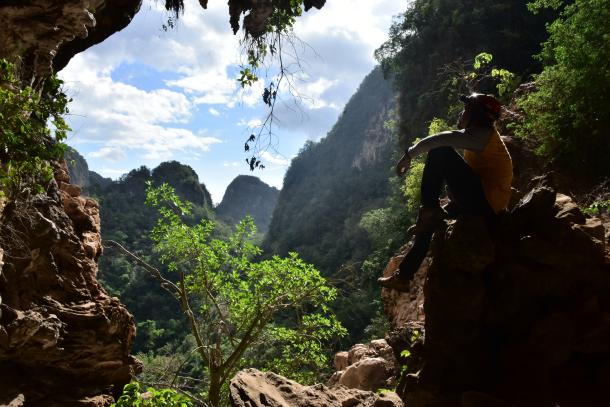
UNESCO Global Geopark, inscribed 2023, in Indonesia. Explore the stunning karst landscapes of Rammang-Rammang Eco Village, where mangrove forests, diverse wildlife, and traditions like boating on the Pute River offer an unforgettable experience. Discover the Mallawa Hot Spring at Reatowa, a geothermal marvel caused by geological faults. Visit the Simbang Celebes Mushroom Farms to learn about sustainable oyster mushroom cultivation and enjoy locally produced mushroom-based delicacies.
- 71
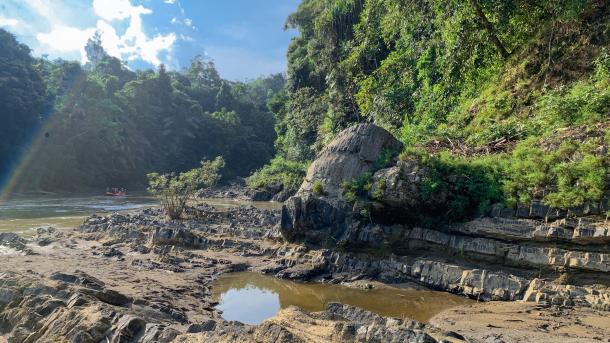
UNESCO Global Geopark, inscribed 2023, in Indonesia. Visit Lake Depati Empat, a tectonic wonder nestled between ancient faults, featuring Pliocene-aged granodiorite and volcanic formations that showcase millions of years of geological history. Explore Goa Kristal Tiangko, a prehistoric karst cave rich in archaeological significance, where ancient tools and artefacts reveal human settlement dating back over 9,000 years. Discover the Mengkarang Formation along the riverbanks, where fossilised brachiopods, crinoids and ferns from the Early Permian period offer a glimpse into life 290 million years ago.
- 72
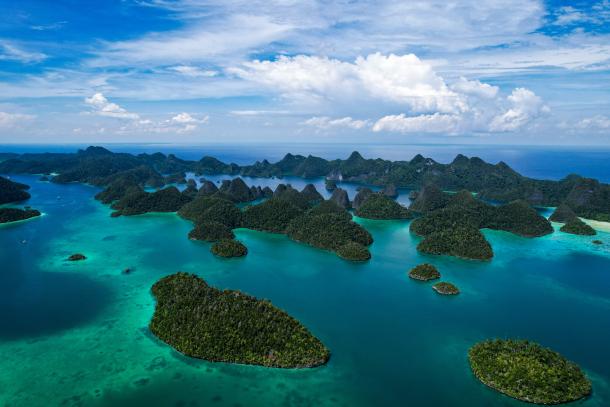
UNESCO Global Geopark, inscribed 2023, in Indonesia. Visit the prehistoric rock art of Sunmalelen in Misool, created thousands of years ago by early inhabitants. Hike the geotrail to The King's Crown, a stunning landscape where the emerald waters and karst archipelago of Wayag Islands reveal stories dating back millions of years. Embark on an underwater adventure by diving into Raja Ampat’s stunning marine world, home to 75% of the world’s reef fish and breathtaking coral reefs, earning its reputation as 'the last paradise.’
- 73
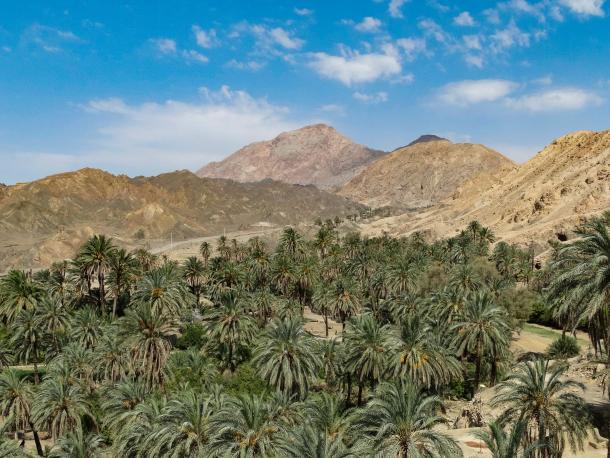
UNESCO Global Geopark, inscribed 2023, in Iran. Explore Iran's largest wildlife refuge, covering 1.5 million hectares and home to the endangered Asian cheetah. Discover diverse landscapes including sand dunes, mountains, and salt marshes, as well as rich flora and fauna such as bitter almond, wild fig, leopards, caracals, and chinkaras. Discover the ancient craft of Tabas engraving, where intricate designs are created on copper and tin using traditional burin techniques.
- 74
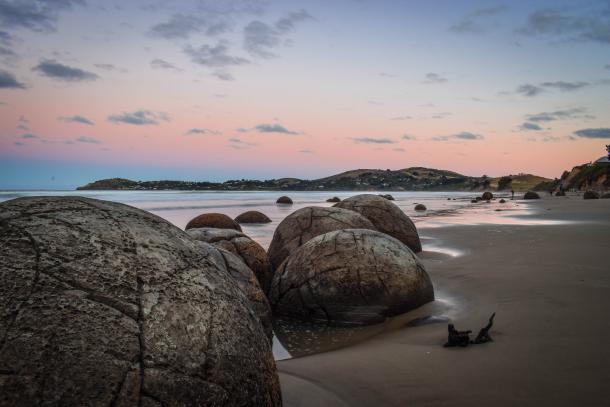
UNESCO Global Geopark, inscribed 2023, in New Zealand. Embark on New Zealand’s longest and most varied scenic cycle trail, the Alps 2 Ocean Cycle Trail, offering a fully sustainable, zero-carbon way to explore the district. Marvel at the iconic Moeraki Boulders, spherical formations over 60 million years old, scattered along Koekohe Beach. Visit the remarkable Ōamaru Blue Penguin Colony to observe these 30 cm-tall blue penguins returning to shore at dusk, or explore their nesting area during the day while learning about related conservation efforts.
- 75
UNESCO Global Geopark, inscribed 2024, in China. Explore the spectacular Tenglongdong Cave system, shaped by tectonic uplift and home to multi-level karst chambers. Experience Tujia, Miao and Dong ethnic heritage through traditional dances, stilted houses, festivals and folk music. Visit Jiantianba village to see China’s largest Late Permian sponge fossil reefs and a growing rural geotourism route.
- 76
UNESCO Global Geopark, inscribed 2024, in China. See the world’s longest recorded fossil trackway of a flying vertebrate—24 paired pterosaur footprints. Visit the Bingling Cave Temple grottoes, a UNESCO World Cultural Heritage site with ancient cliffside sculptures. Experience Hua’er folk songs, a UNESCO-recognised oral tradition shared by nine ethnic groups.
- 77
UNESCO Global Geopark, inscribed 2024, in China. Visit the Peitian Roundhouses to experience living Hakka heritage in traditional cobbled villages. Watch a performance of Western Fujian Han Opera or join in the Longyan Spring Lantern Dance. Visit the rich forest of the Meihuashan Mountain, home to endemic animal and plant species, including the Panthera tigris amoyensis (South China tiger) and the rare Taxus chinensis var. Mairei (Chinese Yew).
- 78
UNESCO Global Geopark, inscribed 2024, in China. See Tianchi Lake, the largest and highest volcanic crater lake in northeast Asia, surrounded by 16 dramatic peaks. Explore Manchu cultural heritage such as traditional paper cutting and sacred forest rituals. Discover rare alpine ecosystems across Changbaishan’s volcanic slopes, from red pine forests to tundra flora above 2,100 metres.
- 79
UNESCO Global Geopark, inscribed 2024, in China. Join thousands at the annual Wugongshan International Camping Festival, featuring mountain biking, student field trips, and the Guinness World Record for the longest line of tents. Walk through alpine meadows and granite peak forests formed across hundreds of millions of years of geological evolution. Take part in tea garden and orchard tours that showcase the link between traditional agriculture and the region’s unique landscape.
- 80
UNESCO Global Geopark, inscribed 2024, in China. Marvel at the Wanfenglin karst landscape, where more than 20,000 sharp peaks stretch across the horizon. Discover the “Xingyi fauna” fossil site, offering rare insight into marine life from over 240 million years ago.
- 81
UNESCO Global Geopark, inscribed 2025, in China. Experience the Rebgong June Festival, a vibrant religious and cultural celebration held annually across 22 villages, combining ritual dance and communal participation in a tradition dating back over 1,400 years. Discover the Angla Guomoqie, a giant sesame cake traditionally baked in earth ash on the south bank of the Yellow River, recognised in 2021 as the world's largest baked earthen cake. Visit Gulangti Waterfall, a striking double-layer cascade known as “Youth Waterfall,” celebrated in Tibetan poetry and at its most scenic when apricot blossoms bloom in spring.
- 82
UNESCO Global Geopark, inscribed 2025, in Indonesia. Explore Seboro Village, home to two iconic geosites—Lava Bantal and Lincak Merah—featuring volcanic rock formations and vividly coloured layers that date back 80 million years. Learn about community-led turtle conservation efforts at Jogosimo, Tambak Mulyo, and Lembu Purwo Beach, where eggs are safeguarded from poaching and nurtured in secure hatching areas. Engage with the rich cultural tapestry of Kebumen, shaped by diverse historical influences and expressed through local crafts, traditional cuisine, language, and customs.
- 83
UNESCO Global Geopark, inscribed 2025, in Vietnam. Try local specialities made with star anise, one of the region’s most extensively grown crops, supported by Lang Son’s mineral-rich soils and covering more than 34,000 hectares. Explore the Na La cave system in Van Quan district, where visitors can navigate glittering stalactites, underground streams, and narrow passages that reveal thousands of years of geological formation. Hike to the Na Duong basin, an extraordinary site preserving tropical fossils from 40–20 million years ago, offering rare insights into ancient ecosystems and mammal migration across Southeast Asia.
- 84
UNESCO Global Geopark, inscribed 2025, in Indonesia. Learn about Sasirangan fabric, a key part of the Banjar Tribe’s identity, with each motif reflecting cultural heritage dating back to 1335. Visit the Sewangi Traditional Shipyard on Sewangi Island, an historic boatbuilding centre where visitors can observe traditional wooden ship construction and learn about the region’s riverine heritage. Take in the panoramic views from Matang Kaladan, where Jurassic-era metamorphic rocks rise above Lake Riam Kanan, offering striking geological features and stories deeply rooted in local legend and cultural memory.
- 85
UNESCO Global Geopark, inscribed 2025, in KP. Hike to Lake Chon, a vast caldera lake formed by a major eruption in 946 A.D., and explore volcanic features such as lava towers, hot springs, and mushroom-shaped rocks along Mt. Paektu’s summit rim. Experience geothermal activity at Rimyongsu Falls, where magma-heated groundwater cascades from volcanic rock, and unwind in nearby hot springs surrounded by alpine landscapes. Discover food traditions based on potato starch, shaped by the community’s adaptation to a cold, mountainous climate.
- 86
UNESCO Global Geopark, inscribed 2025, in China. Explore the famous “Great Wall of Dinosaur Fossil,” an 18-kilometre stretch of fossil-bearing rock layers dating back approximately 170 million years. Witness one of the world’s deepest sinkholes, plunging to a depth of 335 metres. Visit Zhangfei Temple, originally built during the Three Kingdoms period to honour General Zhang Fei, known for its distinctive calligraphy, sculptures and harmonious integration with mountain and river landscapes.