
UNESCO Global Geoparks — Europe & North America

- 1
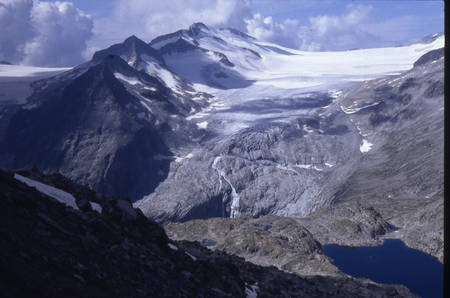
UNESCO Global Geopark, inscribed 2015, in Italy. Hike to the stunning Lake Mandrone, a glacial gem nestled at 2,409 m in a serene plain below the ‘Mandrone-Città di Trento’ mountain hut. Try and catch a glimpse of the majestic Alpine Ibex, a species of goat antelope reintroduced to the Adamello-Brenta Geopark between 1995 and 2000, now thriving in its natural habitat.
- 2
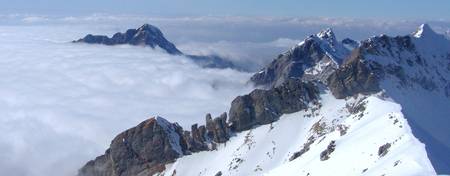
UNESCO Global Geopark, inscribed 2015, in Italy. The Apuan Alps are characterised by their towering peaks, reaching elevations of over 2,000 m. Monte Pisanino, the highest in the range, offers breathtaking panoramic views. The area is renowned for its rich marble deposits quarried for centuries. The Alps are home to a network of caves, including Grotta del Vento and Antro del Corchia, where stalactites, stalagmites, and underground rivers can be explored.
- 3
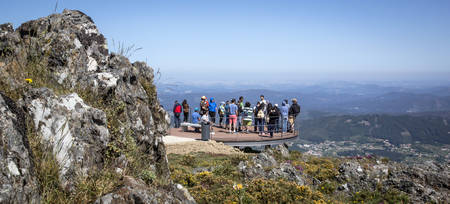
UNESCO Global Geopark, inscribed 2015, in Portugal. The Senhora da Mó panoramic geosite is one of the viewpoints of the Arouca geopark, located high above the town of Arouca. At its highest point stands a chapel believed to date back to the 16th century. The celebration in honour of Nossa Senhora da Mó, considered in Arouca as the patroness of the fields, the crops and the animals, and protectress against droughts and thunderstorms, takes place every year on September 7th and 8th. The Geological Interpretative Centre of Canelas (CIGC) displays some of the most impressive specimens of giant trilobites from the Middle Ordovician.
- 4
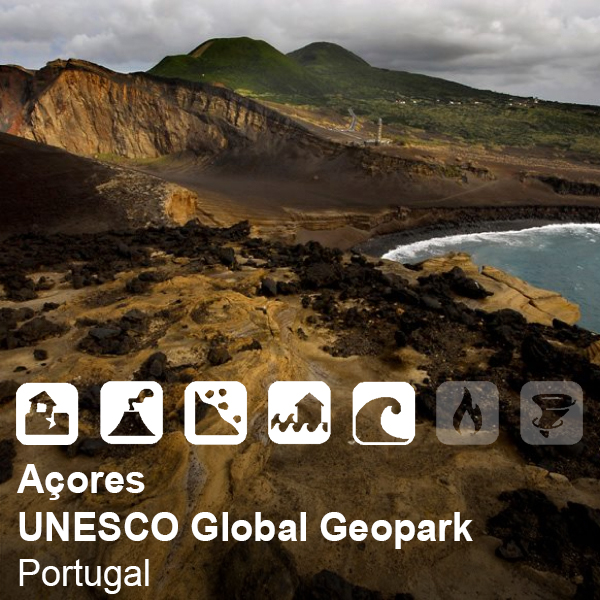
UNESCO Global Geopark, inscribed 2015, in Portugal. Climb Pico Island’s Mountain, the tallest peak in Portugal at 2,351 meters, offering breathtaking panoramic views of the Azores archipelago. Experience Cozido das Furnas, a traditional Portuguese dish, slow-cooked underground by harnessing the natural geothermal heat of the Furnas Valley, providing a unique culinary experience that blends tradition with the forces of nature. Embark on a whale and dolphin watching tour, where you can observe a variety of marine species in the pristine waters surrounding the Azores.
- 5
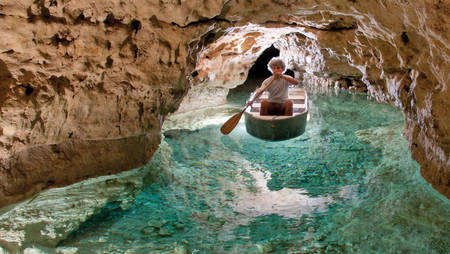
UNESCO Global Geopark, inscribed 2015, in Hungary. The Lake Cave, which extends for 13 km below the city of Tapolca, allows visitors to paddle the waters of an underground lake. The geopark boasts several Romanic and Gothic churches and defensive fortresses such as those of Veszprém and Palota. Whole streets of stone buildings with arched porches and stone castle fences have been preserved such as those of Magyarpolány, Vöröstó and Szigliget. Visit the curious ‘seas of stones’ around the Káli Basin.
- 6
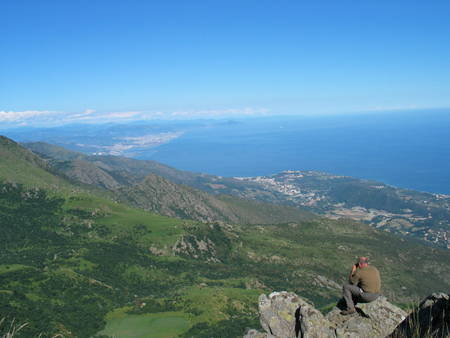
UNESCO Global Geopark, inscribed 2015, in Italy. The town of Sassello, with its medieval architecture and narrow cobblestone streets, exudes a timeless charm. The Abbey of Tiglieto, a medieval monastery nestled in a tranquil valley, stands as a testament to the region's religious heritage.
- 7
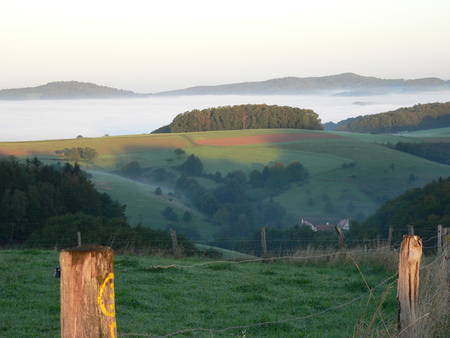
UNESCO Global Geopark, inscribed 2015, in Germany. Sample local honey harvested at geopark sites like the Messel Pit and the international Forest Art Centre, produced through a sustainable beekeeping partnership with the Glückshonig company. Cycle through the cultural landscape of the western Bachgau along a signposted trail that passes Roman and medieval archaeological sites with views as far as Frankfurt. Discover the mining history of the region at “Marie in der Kohlbach,” a historic lead and silver mine southeast of Hohensachsen, now open to visitors.
- 8
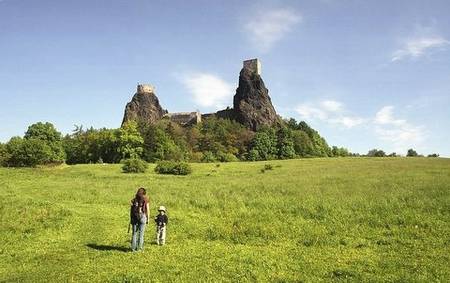
UNESCO Global Geopark, inscribed 2015, in Czechia. Explore the lowland landscapes of Czechia’s first Protected Landscape Area, home to deer, wild boar, foxes, and protected bird species like the peregrine falcon. Follow the 119 km Golden Path trail linking rock towns, castles, river gorges, and historic battlefields. Discover local legends that connect gemstones, mountain spirits, and jewellery-making, brought to life through the geopark’s narrative trails.
- 9
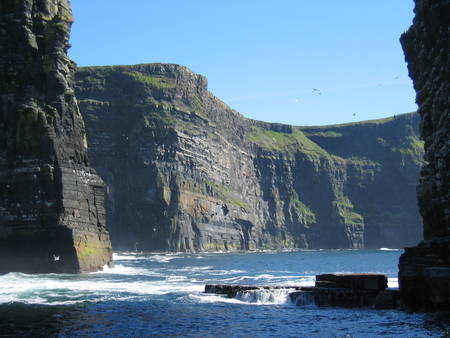
UNESCO Global Geopark, inscribed 2015, in Ireland. The geopark is on the route of the 2,500 km Wild Atlantic Way, one of the longest defined coastal routes in the world, winding along the Irish coastline. The Cliffs of Moher Visitor Centre, a subterranean building, has won numerous awards, including Best Public/Cultural Building at the 2007 Royal Institute of Architects of Ireland awards.
- 10
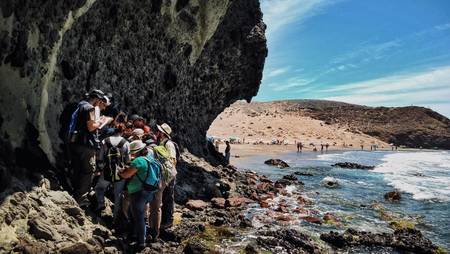
UNESCO Global Geopark, inscribed 2015, in Spain. Playa de los Muertos, Playa de Monsul, and Playa de los Genoveses are just a few of the many beaches that attract visitors with their crystal-clear waters and picturesque surroundings. La Isleta del Moro is a volcanic formation that rises from the sea, offering panoramic views of the surroundings. The region is fertile with charming coastal villages, such as San José and Las Negras.
- 11
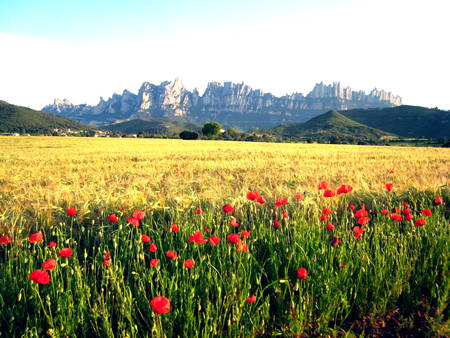
UNESCO Global Geopark, inscribed 2015, in Spain. Within the territory, there are four colles castelleres, groups that create human towers at almost all the local festivities. The geopark features a unique heritage related to the art of dry-stone construction paired with the culture of wine, the Denomination of Origin "Pla de Bages." In 2003, the Salt Mountain Cultural Park was established, providing a captivating insight into the significance of this natural wonder.
- 12
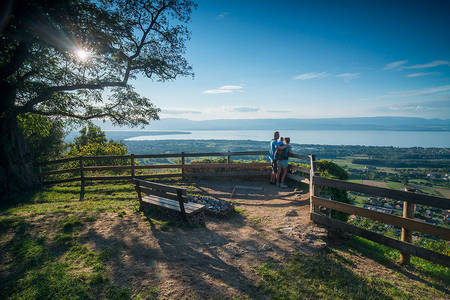
UNESCO Global Geopark, inscribed 2015, in France. Modern history in the Chablais dates to the 19th century during the industrial era with the large-scale quarrying of gypsum, slate and building stone in the towns of Armoy, Morzine and Meillerie. From the late 19th century, until the beginning of World War I, the Lake Geneva Riviera was one of the most frequented European destinations by high society. A distinctive Art Nouveau architectural identity was established and lakefront promenades, grand gardens, thermal spa buildings, hotels, theatres and casinos were built. From the 1950s, winter sports tourism became very well established and numerous famous ski resorts such as Chatel, Morzine-Avoriaz and Les Gets are now the annual destinations for millions of visitors.
- 13
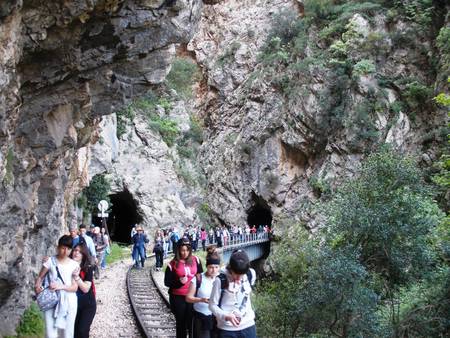
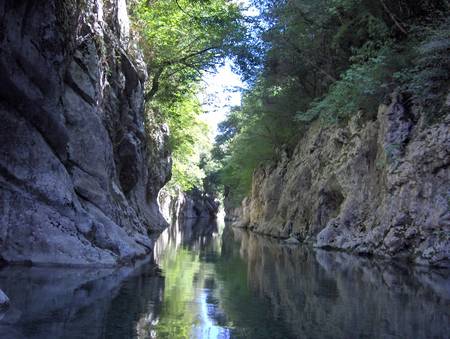
UNESCO Global Geopark, inscribed 2015, in Greece. Ski down the slopes of the Chelmos mountains in winter, where snow-covered peaks and forested trails offer a spectacular alpine setting. Visit the extraordinary Cave of the Lakes near Kastria, of almost two kilometres in depth and 85m in height. Explore a remarkable underground world shaped by tectonic uplift and groundwater flow. Walk or take the historic Odontos Rack Railway through the Vouraikos Gorge, passing dramatic cliffs, tunnels and stone bridges.
- 14
UNESCO Global Geopark, inscribed 2015, in Italy. Don’t miss the villages of Agropoli, with its stunning beaches and medieval hilltop castle; Camerota, known for its pristine coves and natural beauty; and Teggiano, a perfectly preserved medieval town rich in history and cultural festivals. Explore the coast with Capo Palinuro, renowned for its dramatic cliffs and sea caves; Pozzallo Beach, a secluded paradise with crystal-clear waters; and the Santa Maria di Castellabate Marine Protected Area, celebrated for its rich marine biodiversity and pristine snorkelling spots.
- 15
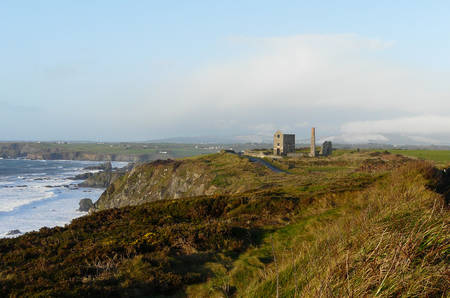
UNESCO Global Geopark, inscribed 2015, in Ireland. Neolithic dolmens, Iron Age forts, pre-Christian inscribed stones, ruined medieval churches, and a spectacular castle owned by the local community await discovery. The Geological Garden in Bunmahon is a good starting point to understand the geological history of the area.
- 16
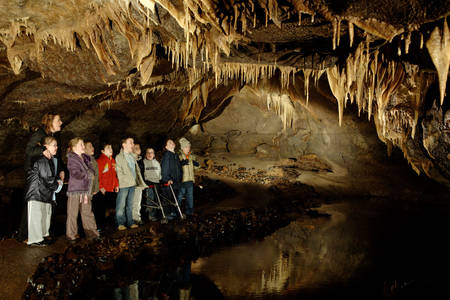
UNESCO Global Geopark, inscribed 2015, in GB,IE. The geopark contains a particularly high concentration of archaeological features, some dating back to Neolithic times. The Burren Forest in west Cavan offers striking examples of prehistoric tombs. Discover the 2,600-hectare Lough Navar Forest, a paradise for walkers, anglers, and outdoor enthusiasts. A scenic 10km drive offers one of the best views in Ireland, with diverse trails through bogs, woodlands and open water. Embark on the Scarplands Cycle Trail, starting in Belcoo and ending in Lough Navar Forest. With panoramic views over Lough Erne, 60km of rugged terrain, and shorter options like the 21km Aghanaglack Loop, it's ideal for biking enthusiasts seeking adventure.
- 17
UNESCO Global Geopark, inscribed 2015, in Netherlands. The Hünenweg / Hondsrugpad is an award-winning long-distance hiking trail of 325 kilometres long. The hiking trail connects the geoparks, De Hondsrug in the Netherlands and TERRA.Vita in Germany, and is considered among the most beautiful cross-border hiking trails in Europe. Visit Van Gogh’s House in Nieuw-Amsterdam, where the renowned artist lived and worked in the winter of 1883. Step into his preserved room, featuring his original bed and paint palette, and experience the authentic atmosphere of the era. The Nabershof is a traditional Saxon-style farmhouse, built in 1681. The oldest farmhouse in Emmen is a State Monument and is owned by the Drenthe cultural-historic society ’t Volk van Grada.
- 18
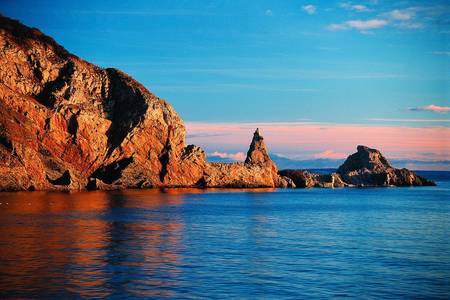
UNESCO Global Geopark, inscribed 2015, in United Kingdom. The South West Coast Path runs the entire 22-mile stretch of the geopark coastline taking in Berry Head National Nature Reserve, Cockington Country Park, woodlands, and farmland. Torre Abbey holds significant archaeological value as a nationally recognised scheduled monument. Established in 1196, it is one of the finest-preserved mediaeval abbeys in Devon and Cornwall. Sit beside the Dame Agatha Christie CBE sculpture on a harbour-front bench in Torquay, unveiled in 2025 and depicting the iconic author, who grew up in the area, with her dog Peter.
- 19
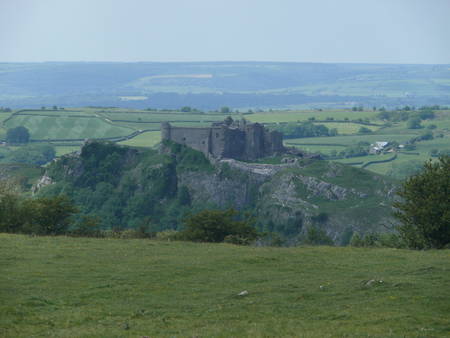
UNESCO Global Geopark, inscribed 2015, in United Kingdom. Herberts Quarry is a training ground for university students in geological mapping and research on alkaline pollution effects in Devonian and Carboniferous rocks. Cribarth, a striking ridge in the Swansea Valley, contains nationally and internationally important sedimentary and tectonic records of the Variscan Orogeny. Garn Goch and Pen-y-Crug are Iron Age hillforts linked to the Celtic Silures tribe, whose name inspired the Silurian period in geological history.
- 20
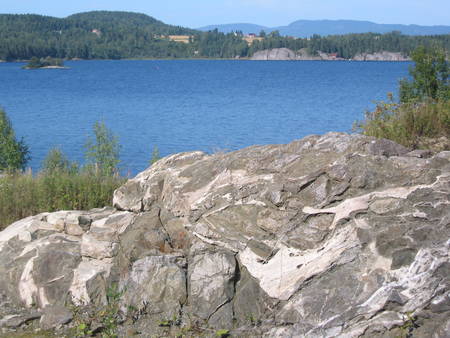
UNESCO Global Geopark, inscribed 2015, in Norway. Discover rich Viking history including the oldest trading town in Norway, Kaupang, and the traces of one of the three large Viking ships in Norway (Klåstad skipet). The Norwegian Coastal Trail follows the coastline and is part of the Norwegian Trekking Association's extensive network of trails and ski routes, offering year-round opportunities for exploration and adventure.
- 21
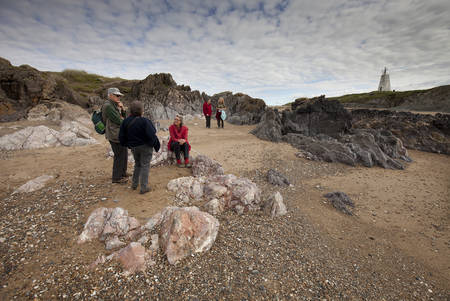
UNESCO Global Geopark, inscribed 2015, in United Kingdom. Explore Holyhead’s geological trail from the Fish Dock to Breakwater Quarry, where ancient rocks meet historic stone-built structures across the town. Walk the 200 km Anglesey Coastal Footpath, giving access to 90% of the island’s geological highlights through varied landscapes and geotrails. Visit Porth Amlwch, a former copper shipping hub set in a fault-formed harbour, linked to the globally significant geology of Parys Mountain.
- 22
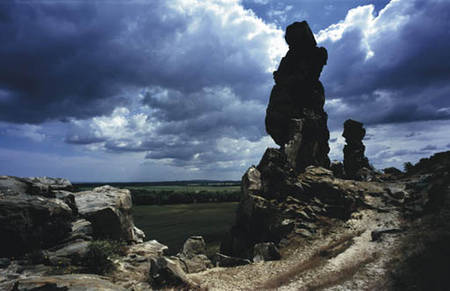
UNESCO Global Geopark, inscribed 2015, in Germany. Follow the Harz Border Trail along the former Iron Curtain, where patrol paths have become part of Europe’s “Green Belt.” The trail crosses an area once divided for over 40 years, where the UNESCO Global Geopark now serves as an instrument for overcoming the legacy of separation. Discover the Schöningen Spears, the oldest complete wooden weapons in the world, dating back over 300,000 years and providing exceptional evidence of early human hunting strategies and technological skill. Witness forest ecosystems and raised bogs preserved since the Last Ice Age in Harz National Park, home to wild cats, lynx, and the black stork.
- 23
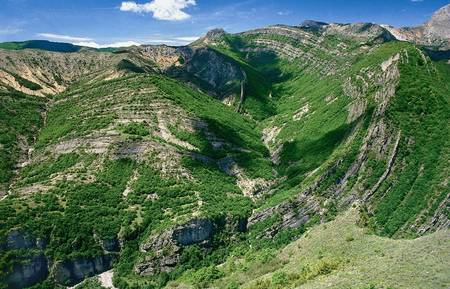
UNESCO Global Geopark, inscribed 2015, in France. Try butterfly watching in Digne-les-Bains. Enjoy the amazing view from the Vélodrome d’Esclangon or the Pénitent des Mées. Hike the ‘La Routo’ trail that connects the Camargue and Crau plains in lower Provence to Piedmont’s Alpine valleys.
- 24
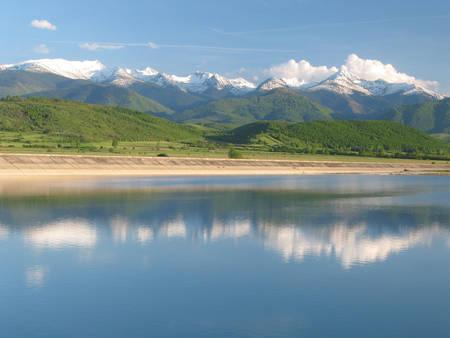
UNESCO Global Geopark, inscribed 2015, in Romania. Follow the “Dinosaur Valley” trail, beginning at the House of Dwarf Dinosaurs and leading to the “La Scoaba” geosite, where the first dinosaur fossils in the geopark were discovered. The trail continues to the traditional village of Ohaba-Sibișel, where granite boulders are used in dry-stone structures such as plot walls and houses. Walk the “Volcano Road” trail, starting in the centre of Densuș village and leading to the volcanic hills and the House of Volcanoes. Along the way, visitors can observe well-preserved exposures of pillow lavas.
- 25
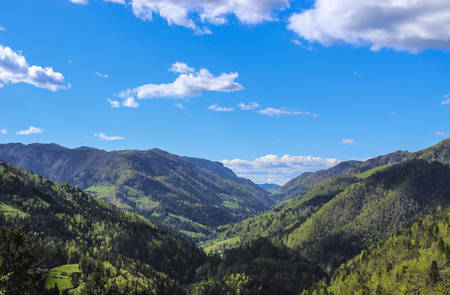
UNESCO Global Geopark, inscribed 2015, in Slovenia. Fish for trout in the crystal-clear waters of the Idrija River in the Upper Idrijca Landscape Park. Walk Anthony’s Mine Road and visit the interactive Hg Visitors Centre dedicated to mercury. In 2012, the region’s mercury mining heritage was listed as UNESCO World Heritage. Sample Idrijski žlikrofi, a Slovenian dish made from noodle dough with a potato filling.
- 26
UNESCO Global Geopark, inscribed 2015, in AT,SI. The historic Podzemlje Pece Mine, with over 800 km of tunnels, can be visited by taking an old mining train, by mountain bike, or even by kayaking the flooded galleries 700 m below the surface. 'The Castles of King Matjaž' is a unique snow-castle-building competition, taking place on the last weekend of January in the region of Koroška, Slovenia. One of the longest mountain-biking flow trails in Europe – the Petzen Flow Country Trail, an 11 km journey starting at 1,700 m above sea level.
- 27
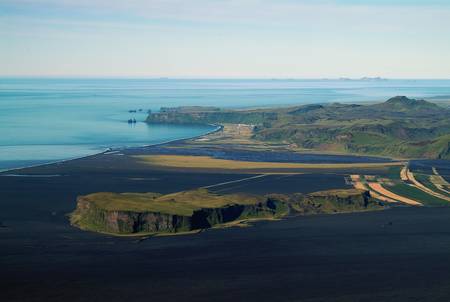
UNESCO Global Geopark, inscribed 2015, in Iceland. Witness the northern lights between September and March. Visit the Icelandic Lava Show in the town of Vík, an exhibition where lava from the 1918 Katla eruption is re-melted and flows into the exhibition room. Hike the Fimmvörðuháls trail from Skógar to Þórsmörk and between the Eyjafjallajökull volcano and the Mýrdalsjökull ice cap.
- 28
UNESCO Global Geopark, inscribed 2015, in Türkiye. Discover the striking fairy chimneys of Kula-Salihli UNESCO Global Geopark, shaped by erosion processes and capped with basalt or sandstone. Visit Gökeyüp village, where over 100 families continue a centuries-old pottery tradition using Roman-era methods. Explore the Emir Hot Springs, a site of ancient Roman and Ottoman baths once known as “Thermai Thessos” for its healing waters.
- 29
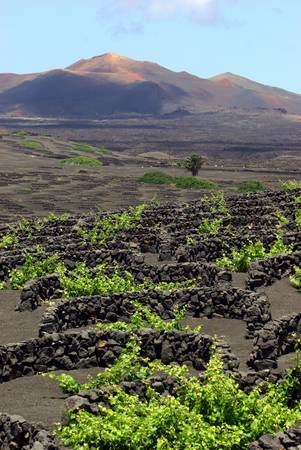
UNESCO Global Geopark, inscribed 2015, in Spain. Discover stunning beaches such as Playa Blanca and Papagayo, with their pristine sands and crystal-clear waters. Visit the Jameos del Agua, a breathtaking underground cave system transformed into an artistic and cultural space by renowned architect César Manrique. Explore the vibrant town of Teguise, known for its historic charm and Sunday market, where visitors can enjoy local cuisine featuring fresh seafood and traditional Canarian dishes.
- 30
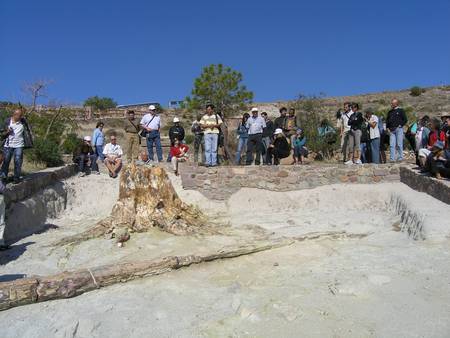
UNESCO Global Geopark, inscribed 2015, in Greece. Observe diverse bird species in the wetland habitats of Lesvos, including the unique wetland complex of the Kalloni Gulf, an important site for migratory and resident birds. Explore key cultural landmarks such as the medieval Castle of Mytilene, the ancient Roman Aqueduct of Moria, and the ancient theatre of Mytilene. Visit the Petrified Forest of Lesvos, where volcanic activity 20 million years ago preserved entire trees in life position—offering an exceptional glimpse into a Miocene ecosystem.
- 31
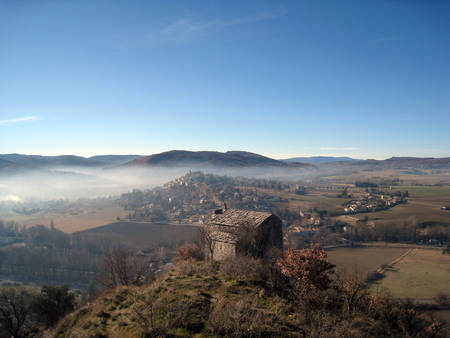
UNESCO Global Geopark, inscribed 2015, in France. The ancient Roman ruins of Oppède-le-Vieux and the medieval fortress of Buoux provide a glimpse into the region’s rich past. The Abbaye de Sénanque, a serene Cistercian monastery surrounded by lavender fields, offers a tranquil and spiritual retreat. The hilltop village of Bonnieux offers panoramic views of the surrounding countryside, while the village of Lourmarin captivates visitors with its Renaissance castle and vibrant arts scene.
- 32
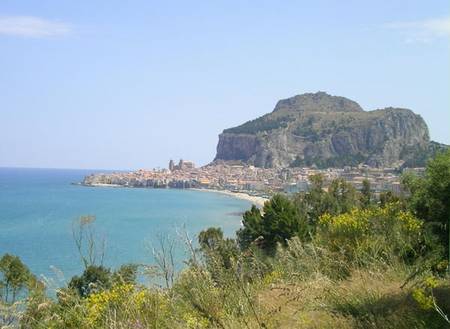
UNESCO Global Geopark, inscribed 2015, in Italy. Take a dive in the Sclafani Bagni thermal baths. Explore the Gole di Tiberio (Gorges of Tiberius), a canyon along the Pollina River that can be crossed by rubber boat, revealing unique karstic features.
- 33
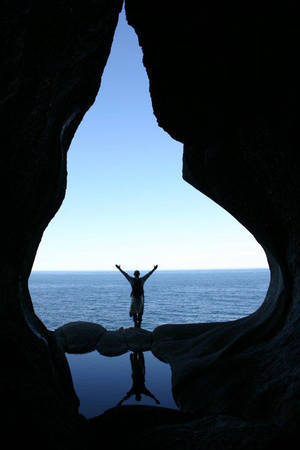
UNESCO Global Geopark, inscribed 2015, in Norway. Explore the Jøssingfjord Science Museum in Helleren, where minimalist architecture meets an immersive journey through the region’s geology, culture, and technology—making it a must-visit destination. This geopark created the GEOfood brand, an initiative that aggregates many UNESCO Global Geoparks to promote and conduct research on regional and traditional food products. The morr sausage, an old Viking staple food with a unique local flavour, is one of the honourable entries.
- 34
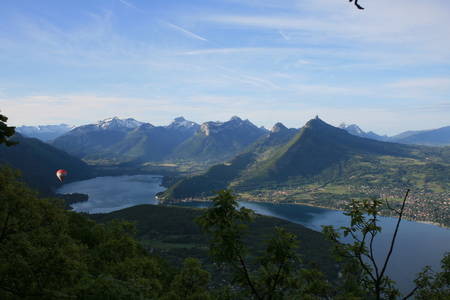
UNESCO Global Geopark, inscribed 2015, in France. Local wine producers have long been aware that the quality and originality of their wines is due to the region’s underlying geological conditions, which not only define the soil type but also the topography, and therefore influence climate. The Vin de Savoie, as it is known, holds the appellation d'origine contrôlée label (AOC) that identifies it as unique. To go with the wine, the Tome des Bauges is a semi-hard cheese made from unpasteurised milk from cows that feed exclusively on grass, giving an earthy aroma. Visit one of the three astronomy-inspired centres in Curienne, Aillon-le-Jeune, and Le Châtelard ito explore the stars through sculptures, a planetarium, interactive games, poetry, and a giant stargazing hammock.
- 35
UNESCO Global Geopark, inscribed 2015, in Spain. Try local traditional products such as honey from the Caldereros Range, sausages from El Pairon, truffles, or wine, promoted through fairs and local markets. Visit one of the geopark’s museums, such as the Cubillejo de la Sierra Historic Museum, the Hombrados Open Air Ethnographical Museum, or the Peñalén Mining Visitors Centre.
- 36
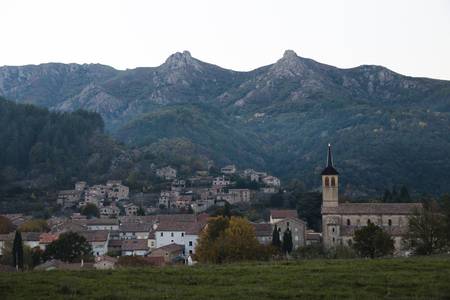
UNESCO Global Geopark, inscribed 2015, in France. Visit Antraigues-sur-Volane, a hilltop village in the Monts d’Ardèche, known for its artistic heritage and as the former home of renowned singer Jean Ferrat. Thueyts, in the Ardèche valley, offers a glimpse into the past with its mediaeval castle, stone houses, and volcanic landscapes. Follow the Partage des eaux trail, a 100 km open-air art route where artists, designers and landscape architects have created poetic works along the watershed divide between the Atlantic and the Mediterranean.
- 37
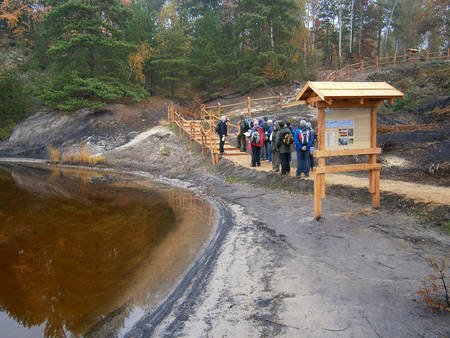
UNESCO Global Geopark, inscribed 2015, in DE,PL. Ride the Waldeisenbahn Muskau, a historic narrow-gauge railway that winds through forests and villages, offering scenic journeys and seasonal events. Explore Babina Grube, a former lignite mine transformed into a nature reserve and geosite showcasing the area’s geology and post-mining ecology. Visit Teufelsstein, a glacial boulder linked to local legend, said to have been hurled by the devil at the church in Bad Muskau.
- 38
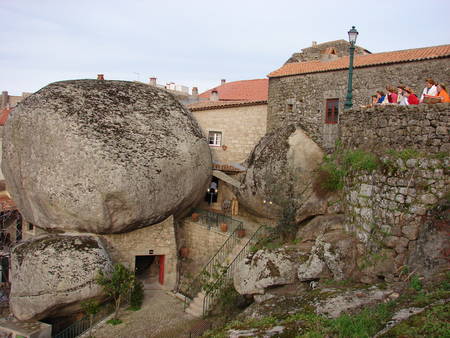
UNESCO Global Geopark, inscribed 2015, in Portugal. Visit thermal water springs in the region, including the Termas de Monfortinho and Termas da Fadagosa. Try "Bica de Azeite," a flatbread made with wheat and olive oil, derived from the Hebrew "pita" bread. Discover the pedrado, a traditional form of pottery from Nisa, decorated with inlaid milky quartz and crafted using carefully selected local raw materials.
- 39
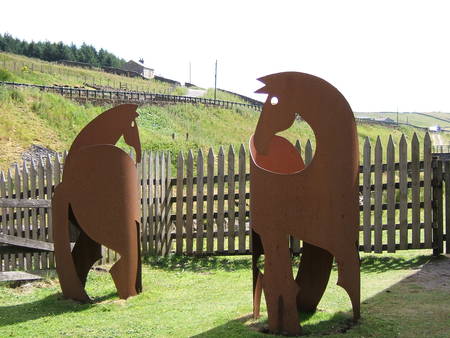
UNESCO Global Geopark, inscribed 2015, in United Kingdom. A sanctuary for breeding wading birds, the geopark is the most important area in the English uplands for these iconic species. The North Pennines contains 27% of England’s blanket bog—an essential carbon store that plays a key role in capturing and storing carbon dioxide. The Pennine Way National Trail, a 435 km long-distance walking route, passes through the geopark from the northwest to the south.
- 40
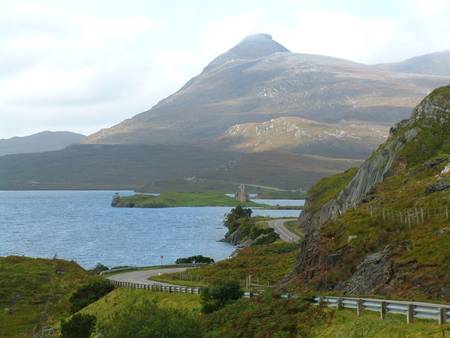
UNESCO Global Geopark, inscribed 2015, in United Kingdom. The steep limestone cliffs of Stronchrubie and Knockan certainly command attention. Crafted by glaciation and rainfall, underground water systems and caves such as Ben More Assynt’s unique formations—protected as Sites of Special Scientific Interest—entice speleologists with their enchanting subterranean world. The Bone Caves tell an extraordinary story, preserving the remains of long-extinct Scottish creatures within their ancient chambers.
- 41
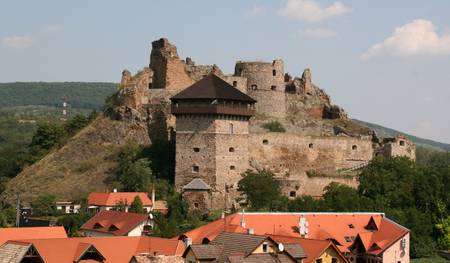
UNESCO Global Geopark, inscribed 2015, in HU,SK. Explore the region’s medieval castles, such as that of Fülek and Hollókö. Discover fossilised remains of 17-million-year-old habitats at the Ipolytarnoc Fossils Nature Reserve. Marvel at the columnar basalt outcrop formations of Somoska, where solidified lava created stunning geological features.
- 42
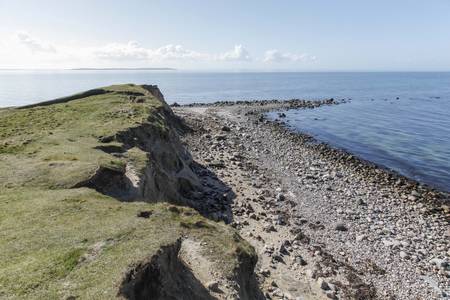
UNESCO Global Geopark, inscribed 2015, in Denmark. The Ridge Trail is rich in cultural heritage, taking you past Bronze-Age burial sites such as the Verhøj, a 121 m burial mound which marks the highest point in the whole of the geopark territory. Explore richly forested areas around the Vejrhøj Arch and the Rørvig Peninsula. Learn how the geopark promotes awareness of biodiversity and geodiversity through school visits, public outreach, and restoration projects like the dead ice landscape on the Egebjerg Peninsula.
- 43
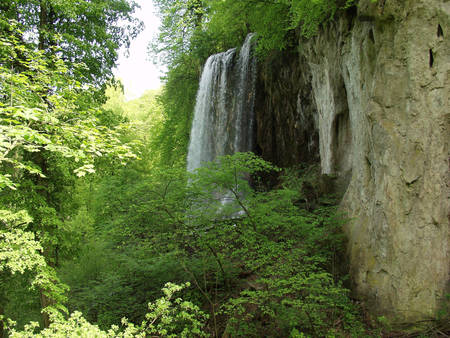
UNESCO Global Geopark, inscribed 2015, in Croatia. The House of the Pannonian Sea is a recently renovated visitor centre in Velika that features one of Papuk’s most interesting geological stories, that of the long-gone Pannonian Sea. The Geo Info Centre in Voćin is the perfect starting point for getting to know the Papuk UNESCO Global Geopark through a multimedia and interactive exhibition. Explore over 200 km of marked hiking trails in Papuk, supported by a long mountaineering tradition, six hiking shelters, and an active network of 24 mountaineering association.
- 44
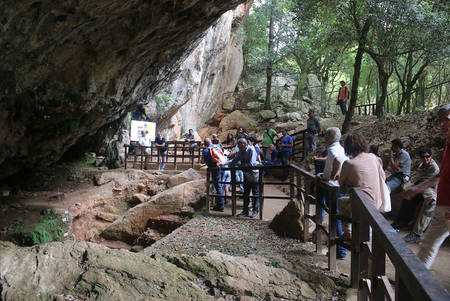
UNESCO Global Geopark, inscribed 2015, in Italy. Hike to the top of the region’s highest peaks: Serra Dolcedorme (2,267 m), Mount Pollino (2,248 m), Serra del Prete (2,181 m), Serra del Ciavole (2,127 m), and Serra di Crispo (2,053 m). Visit the Laino Castle and historic centre and the castles of Valsinni and Castrovillari. Walk along the ancient ocean floor in Timpa della Murge, where ophiolite outcrops preserve remnants of the Tethys Ocean lithosphere.
- 45
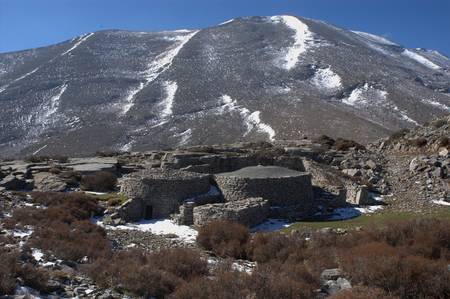
UNESCO Global Geopark, inscribed 2015, in Greece. Discover traditional shepherd shelters (mitata) and learn about dry-stone building techniques that are still in use today. Hike to the summit of Psiloritis, Crete’s highest peak, and take in panoramic views shaped by ongoing tectonic uplift. Watch the bearded vultures (kokkalas) glide above Psiloritis, where the species is known to maintain one of its last viable populations in southeastern Europe.
- 46
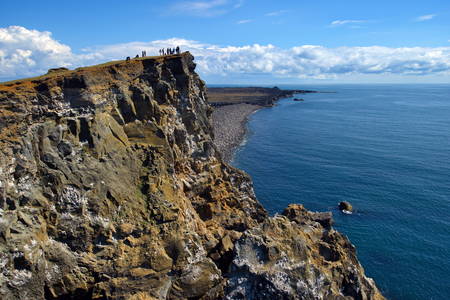
UNESCO Global Geopark, inscribed 2015, in Iceland. The iconic Reykjanesviti Lighthouse, standing proudly on the peninsula’s edge, is a symbol of maritime heritage with panoramic views. Birdwatchers can spot a variety of species, including puffins, at the seabird colonies along the coastal cliffs. The nearby Kleifarvatn Lake is home to unique fish species, making it a popular fishing destination. Reykjanesbær showcases traditional Icelandic architecture and local culture. Photos courtesy of © H0rdur (Photos 1-3).
- 47
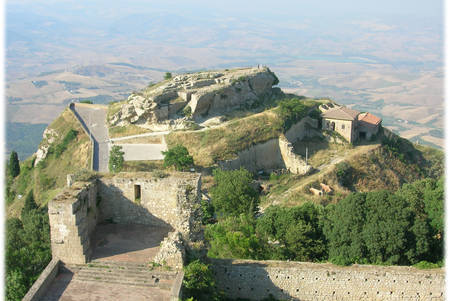
UNESCO Global Geopark, inscribed 2015, in Italy. Follow in the footsteps of the German writer by taking Goethe's Way, stretching from the Capodarso bridge over the Imera to the ancient Fondaco della Cuba on the Dittaino River. Visit the Villa Romana del Casale, a UNESCO World Heritage Site renowned for its remarkably preserved mosaics, offering a glimpse into the luxurious rural lifestyle of ancient Rome. Explore the Floristella Grottacalda Mining Park, one of Southern Italy’s key industrial heritage sites, preserving the memory of the region’s sulphur mining legacy.
- 48
UNESCO Global Geopark, inscribed 2015, in Italy. Discover Candoglia’s pink marble quarries, the source of the iconic stone used in the Duomo of Milan. Hike along Cimalegna’s geological trail, a circular route with panels detailing the geological history, key outcrops, and soils of the Alps. Visit the remnants of the Sesia Supervolcano, where exposed crustal sections reveal the magmatic roots of a 280-million-year-old super eruption.
- 49
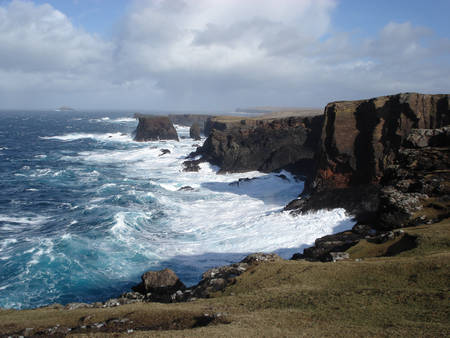
UNESCO Global Geopark, inscribed 2015, in United Kingdom. Visit the Eshaness Lighthouse, a beacon of history and a gateway to breathtaking panoramic vistas. Walk across the tombolo to St Ninian’s Isle, home to one of the most spectacular beaches in the region. Explore the dramatic Eshaness Cliffs, where ancient volcanic activity and relentless Atlantic waves have sculpted one of Britain’s most impressive coastal landscapes.
- 50
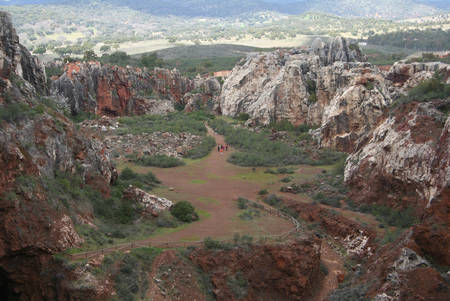
UNESCO Global Geopark, inscribed 2015, in Spain. The “Beja-Acebuches” amphibolites, interpreted as the remains of an ancient ocean floor and a suture between tectonic plates, are a rare occurrence. Located in the geographical centre of the park, Cazalla de la Sierra is one of the most famous towns in this northern part of the province of Seville. Constantina is a stunning small village that is well worth the visit.
- 51
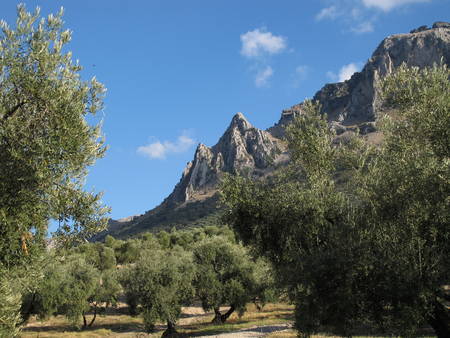
UNESCO Global Geopark, inscribed 2015, in Spain. The Mycological Garden "La Trufa", the first of its kind in Europe, combines research, an interpretation centre, and a garden featuring eight recreated Andalusian ecosystems where mushrooms are cultivated. The Santa Rita Visitor Centre is the main reception point of the geopark, offering general information and featuring a stratigraphical column made of natural rocks and a giant ammonite sculpture.
- 52
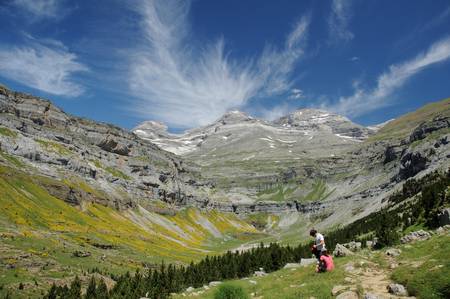
UNESCO Global Geopark, inscribed 2015, in Spain. Hike the over 1,000 km of well-maintained trails that offer breathtaking views, accompanied by the ever-present sound of flowing water from melting ice. Visit the Ordesa y Monte Perdido National Park, a spectacular ensemble of four valleys: Ordesa, Añisclo, Escuaín and Pineta.
- 53
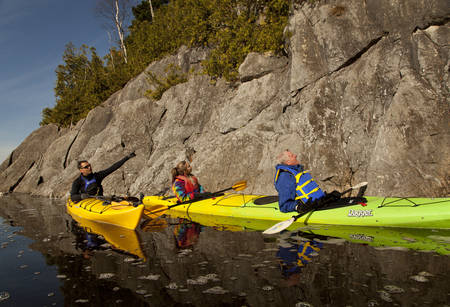
UNESCO Global Geopark, inscribed 2015, in Canada. Witness the power of tides in the Reversing Rapids. Walk through 400 million years of Earth’s history in the Fundy Trail Parkway. Kayak on the numerous lakes of the region.
- 54
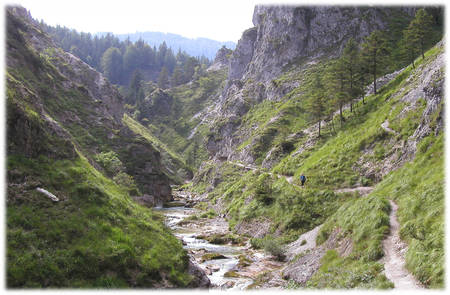
UNESCO Global Geopark, inscribed 2015, in Austria. Take the 900-metre-long wooden footpath for views of the immense Palfau Wasserloch Gorge. Walk the Lynx Trail, a 200 km path with 11 stages taking you through three internationally recognised protected areas.
- 55
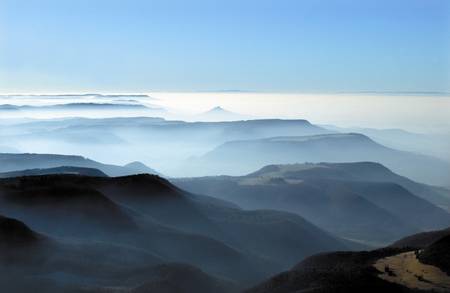
UNESCO Global Geopark, inscribed 2015, in Germany. Explore Kolbingen Cave, the only show cave in the south-western Swabian Alb, where thousands of years of geological activity have created extraordinary dripstone formations. Experience the Swabian-Alemannic carnival, an Intangible Cultural Heritage tradition celebrated with elaborate wooden masks, local parades, and centuries-old customs unique to the region. Discover castles perched on limestone cliffs, including Hohenzollern Castle and Lichtenstein Castle, alongside significant Celtic heritage sites such as the Heuneburg and the Heidengraben.
- 56
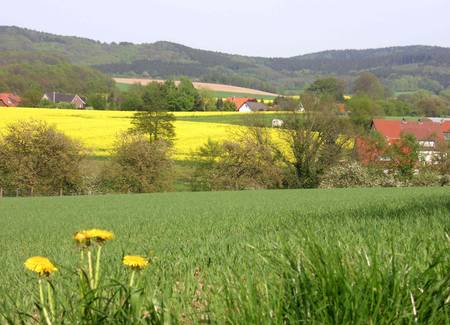
UNESCO Global Geopark, inscribed 2015, in Germany. Explore over 300 million years of geological history, with exceptional fossil records ranging from giant Carboniferous insects to ammonites, reptiles, and dinosaur footprints. Hike the expansive woodlands of the Teutoburg and Wiehen Hills, shaped by tectonics, glaciation, and centuries of cultural interaction with the land. Visit the Varus Museum at Kalkriese, near the site of the Battle of the Teutoburg Forest (9 AD), where Germanic tribes halted Roman expansion—an iconic moment linking natural and human history.
- 57
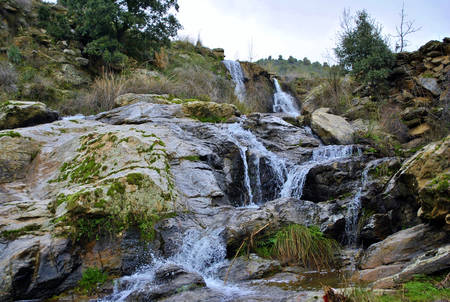
UNESCO Global Geopark, inscribed 2015, in Portugal. Experience the Wild Boar Gastronomic Route, held annually on the last weekend of January, as local restaurants present traditional dishes featuring this regional speciality. Visit the Olive Oil Museum "Solar dos Cortiços," housed in a former schist and granite olive press in the village of Cortiços. Restored in 2005, it preserves the history of olive oil production, which ceased at the site in 1953. Discover the Royal Filatory of Chacim, a rare example of the industrialisation of sericulture in Trás-os-Montes, illustrating the historical cultivation of silkworms and the process of silk extraction.
- 58
UNESCO Global Geopark, inscribed 2015, in Cyprus. Wander through the Troodos National Forest Park and take one of the geopark's 84 hiking trails. Marvel at the rare sight of an exposed fragment of an oceanic tectonic plate. Discover an ancient heritage of lost empires in the Byzantine chapels and monasteries.
- 59
UNESCO Global Geopark, inscribed 2015, in Canada. Visit Kinuseo Falls, a 60-metre waterfall, taller than Niagara and surrounded by remote wilderness. Hike the Monkman Pass Memorial Trail, a six-day route through untouched mountains and waterfalls named after fur trader Alexander Monkman. Take the Shipyards-Titanic and Boulder Gardens route through alpine wildflower meadows and towering rock columns to formations that resemble life-sized petrified ships, shaped by the collapse of the Babcock Mountain slopes.
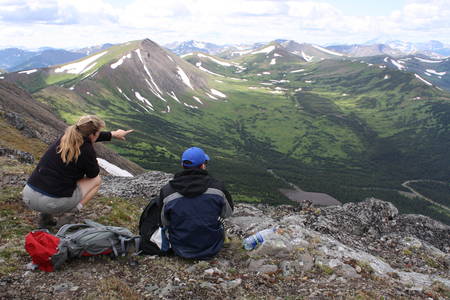
- 60
UNESCO Global Geopark, inscribed 2015, in Greece. Hike parts of the world-famous Epirus Trail that crosses from Mount Grammos to the Tzoumerka mountain range. Hike up Mount Tymphe to discover its stunning alpine lake, Drakolimni, or Dragon Lake. According to local legend, the lake's depression was formed during battles between dragons who hurled boulders at each other. Visit the Beloi Viewpoint for breathtaking views of the Vikos Gorge, recognised by the Guinness Book of Records as the world's deepest, relative to its width.
- 61
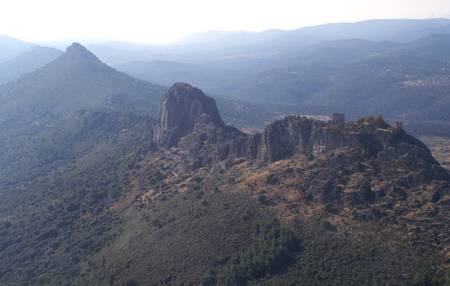
UNESCO Global Geopark, inscribed 2015, in Spain. Throughout the geopark, faults and folds leave their mark, appearing in various geosites such as Cancho de las Narices and Apreturas del Almonte, inviting exploration and contemplation. The Constanza Mine stands as a poignant reminder of the geopark's industrial past, once serving as a significant phosphorite mine in Logrosán, now bearing testament to the rich history of human endeavours.
- 62
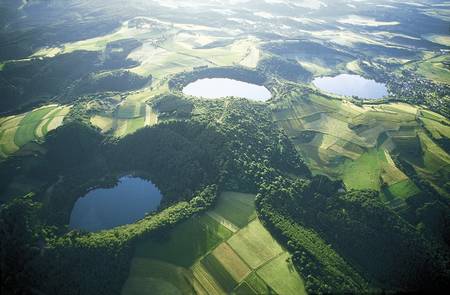
UNESCO Global Geopark, inscribed 2015, in Germany. Visit the medieval Manderscheid Castles, which overlook the narrow valley of the Lieser River. Explore the Eifel Maar Museum in Manderscheid, offering insights into the region’s unique geological history. Join geo-active experiences including guided tours to volcanic sites, volcano-themed events, and workshops on volcanism, geothermal energy, and ecosystems shaped by volcanic activity.
- 63
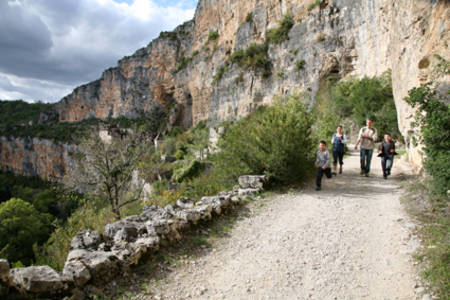
UNESCO Global Geopark, inscribed 2017, in France. The Camino de Santiago, known in English as the St. James Way, crosses the geopark from Gréalou to Flaujac-Poujols. The region is renowned for its megaliths, with over 400 early human constructions. The Dolmen of Pierre Martine, on the hills above Livernon, is the largest, measuring 7.10 metres long and 2.30 metres wide, with support slabs over 5 metres long, weighing 22 tonnes. The dry-stone constructions known as 'caselles,' built without mortar, date from the 19th century and are still preserved today.
- 64
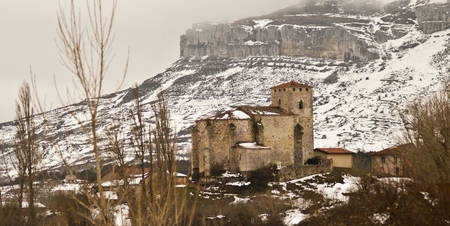
UNESCO Global Geopark, inscribed 2017, in Spain. Discover an important concentration of Megalithic monuments, with remnants of Celtic fortifications atop each Lora, including the fourth largest Celtic fortification in Europe at Ulaña Lora. Visit the Cañón de la Horadada for scenic hiking trails overlooking limestone gorges carved by the Pisuerga River.
- 65
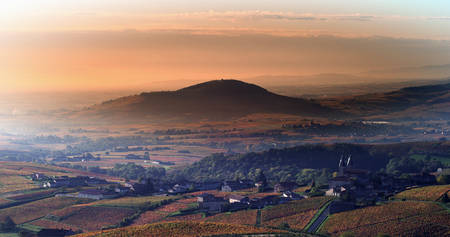
UNESCO Global Geopark, inscribed 2018, in France. Explore the “Tour des Pierres Dorées,” a major hiking route across the Beaujolais UNESCO Global Geopark, with 12 marked circuits leading to key geosites. Experience the release of “Beaujolais nouveau,” a vin de primeur sold the same year it is harvested. Celebrated on the third Thursday of November, it is marked by festivals across the country and globally.
- 66
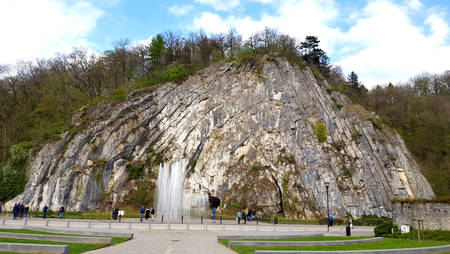
UNESCO Global Geopark, inscribed 2018, in Belgium. The 14 km Han Cave can be accessed via a vintage tram and features a beautifully curated museum. Explore picturesque towns like Durbuy, known as ‘the smallest city in the world’, and its surrounding castles. Try the world-famous Trappiste de Rochefort beer, brewed at the Abbey of St. Remy.
- 67
UNESCO Global Geopark, inscribed 2018, in Spain. Explore Mur Castle, a medieval fortress set atop a nearly 900-metre hill, offering panoramic views and rich history, from knightly legends to ancient frescoes. Visit Gerri de la Sal, one of the few places in Catalonia where salt is produced without seawater. Learn how this is possible and discover its historic salt warehouse turned museum. Traverse the Mont-rebei Gorge, Catalonia’s most impressive gorge, with 500-metre limestone cliffs, a river route, and a dramatic rock-carved hiking trail.
- 68
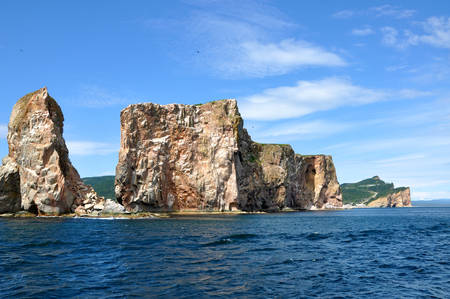
UNESCO Global Geopark, inscribed 2018, in Canada. The geopark offers many other seaside geosites, such as Cap Barré – The Three Sisters, Cape Mont-Joli, or Cape Blanc, a majestic cliff with a lighthouse that offers views to Percé Bay and Rocher Percé in the distance. Hikers can enjoy a well-maintained network of 18 km of trails, and discover geosites, lookouts offering breathtaking views, and a beautiful forest that changes colours throughout the year.
- 69
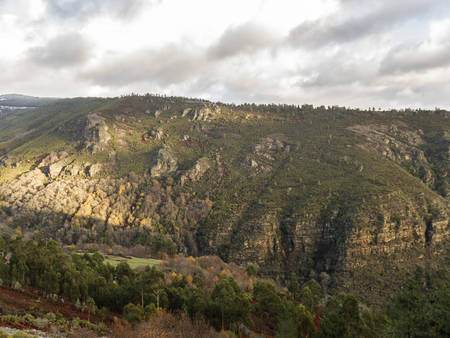
UNESCO Global Geopark, inscribed 2019, in Spain. The geopark is on the Camino de Santiago route, on the way to Santiago de Compostela. Several important archaeological sites, including the Castros de Viladonga, a fortified settlement that dates to the Iron Age, are well worth a visit.
- 70
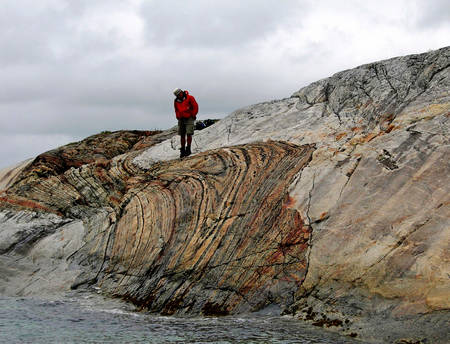
UNESCO Global Geopark, inscribed 2019, in Norway. During the annual Nordland Regatta each June, the four-oared bindalsfæringen, the Viking boats, are shown sailing on the Bindalsfjord. See petroglyphs at Vistnesdalen and soapstone quarries at Talvik that trace coastal settlement back to the Stone Age.
- 71
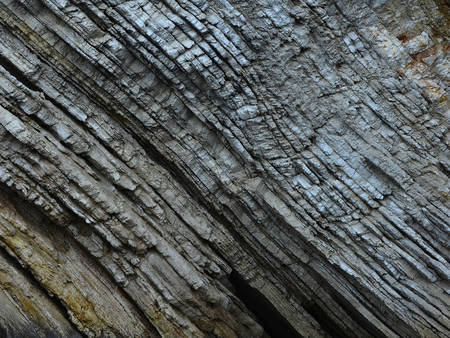
UNESCO Global Geopark, inscribed 2019, in Croatia. Visit the famous Stiniva Beach, a secluded cove enclosed by steep limestone cliffs on the island of Vis. Explore the volcanic island of Jabuka and the extinct volcano Mount Hum, rising to 587 metres. Follow geotrails that showcase defensive forts, religious sites, dry-stone walls, and the former Neptune fish factory.
- 72
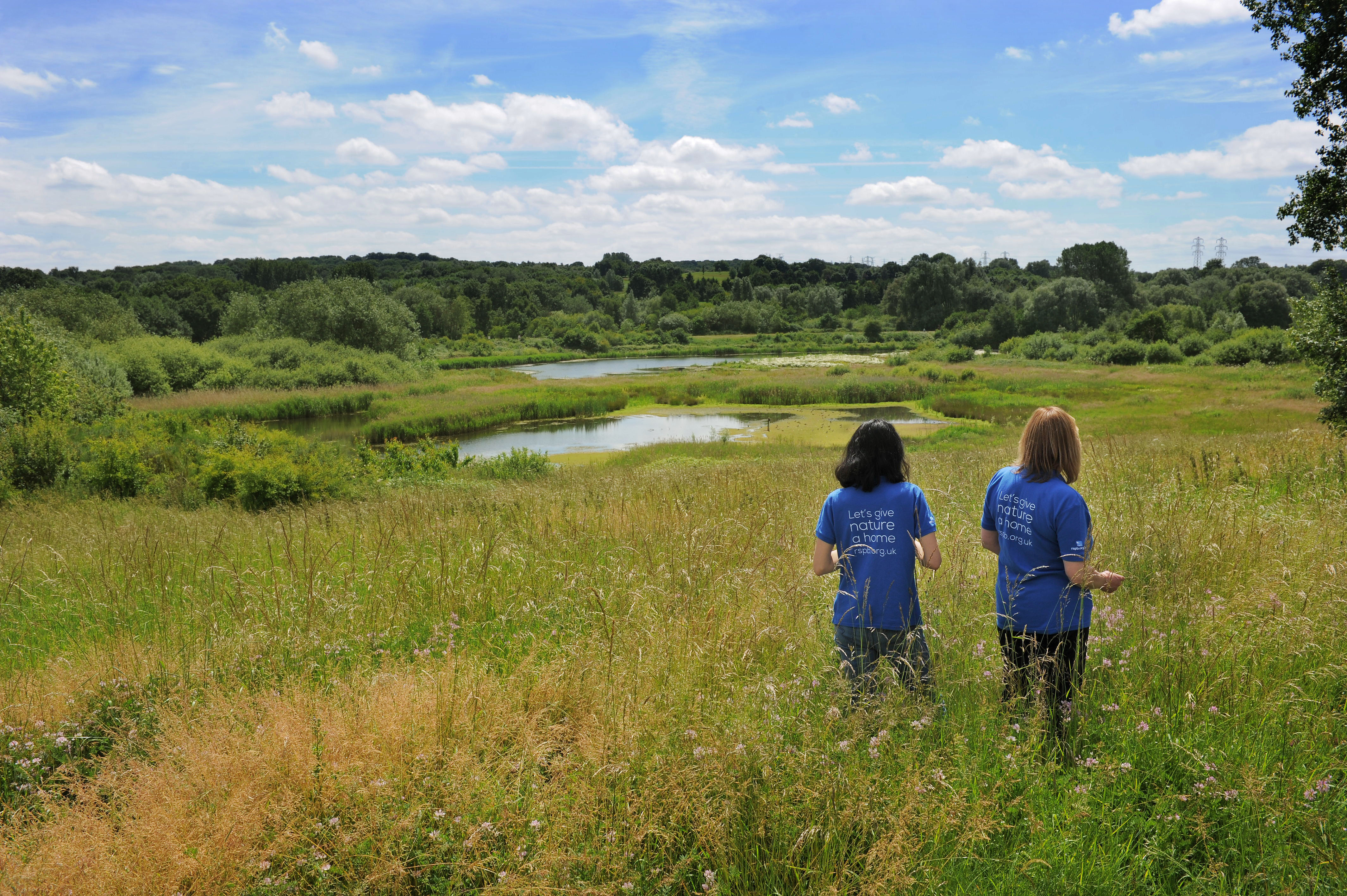
UNESCO Global Geopark, inscribed 2020, in United Kingdom. Visit the Red House Glass Cone, one of the UK’s last surviving glassmaking cones, now a visitor centre showcasing the region’s glassmaking heritage. Explore Bumble Hole and Warrens Hall, a historic coal mining landscape and active canal junction central to the Black Country’s industrial past. Discover Park Lime Pits, a former limestone quarry now transformed into a local nature reserve with clear pools and species-rich grasslands.
- 73
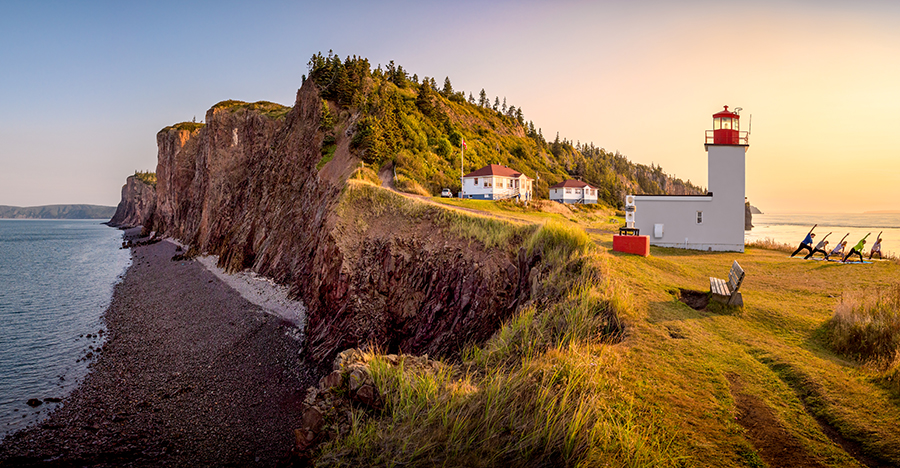
UNESCO Global Geopark, inscribed 2020, in Canada. Learn about copper and semi-precious stone deposits, including agate and amethyst, found in the basalt cliffs of Cape D’Or, formed by ancient lava flows. Taste local dulse, a hand-harvested dried seaweed unique to the Bay of Fundy, with flavour that varies depending on where it was picked. Visit the Fundy Geological Museum to see some of the oldest dinosaur bones in Canada and learn about the ancient creatures that once lived in the region.
- 74
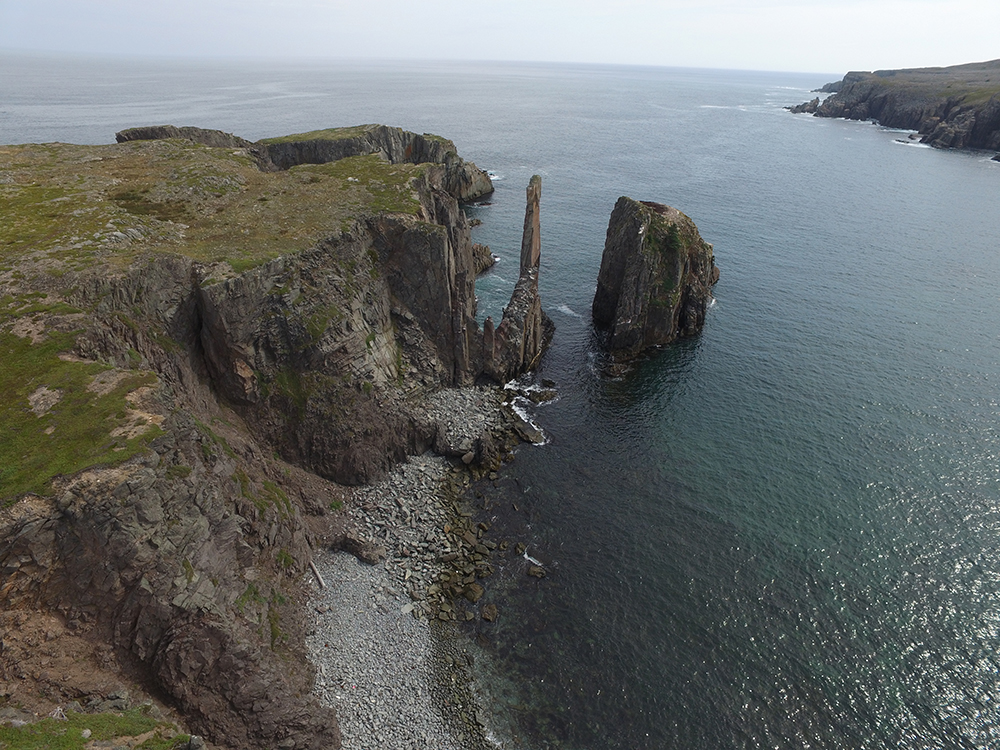
UNESCO Global Geopark, inscribed 2020, in Canada. Visit Fort Point at the stunning natural harbour, Trinity Harbour and conjure up a history of defence against invaders. Bird Island Puffin Site is a perfect spot to observe seals, dolphins, and seabirds including black guillemots, kittiwake, terns, and murres. The popular Haootia walking trail is where scientists discovered one of the world’s oldest complex animal fossils.
- 75
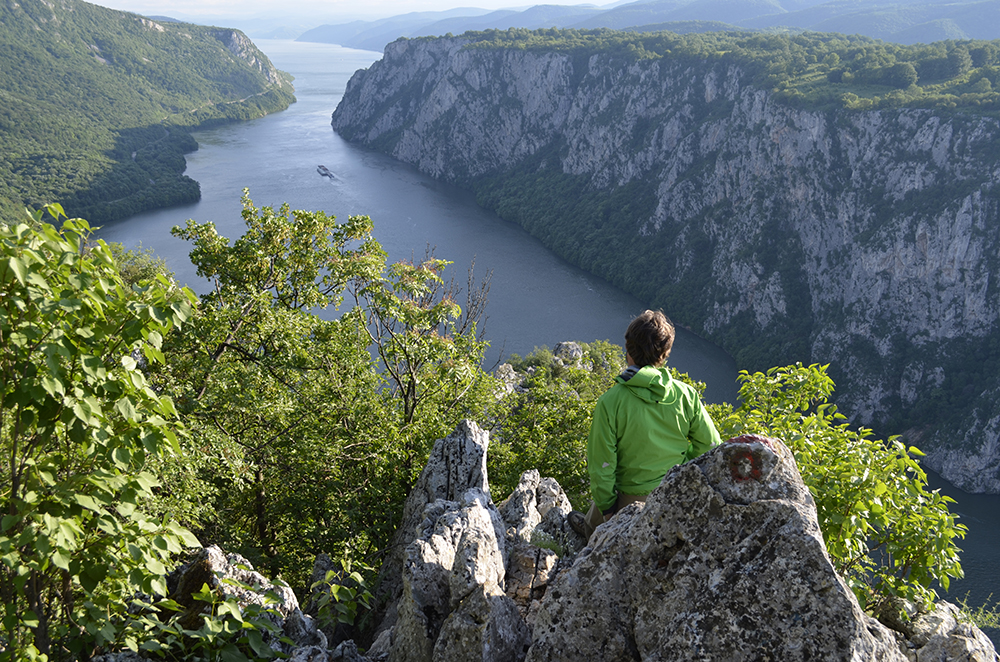
UNESCO Global Geopark, inscribed 2020, in Serbia. Learn about Golden Bućka, catfish hunting in the traditional way in Tekija. The Visitor Centre in Donji Milanovac has exhibits on geodiversity, biodiversity, and cultural and historical landmarks. The fortress "Golubački grad" near Golubac is a cultural monument and museum showcasing the medieval period of the Lower Danube region and Serbia.
- 76
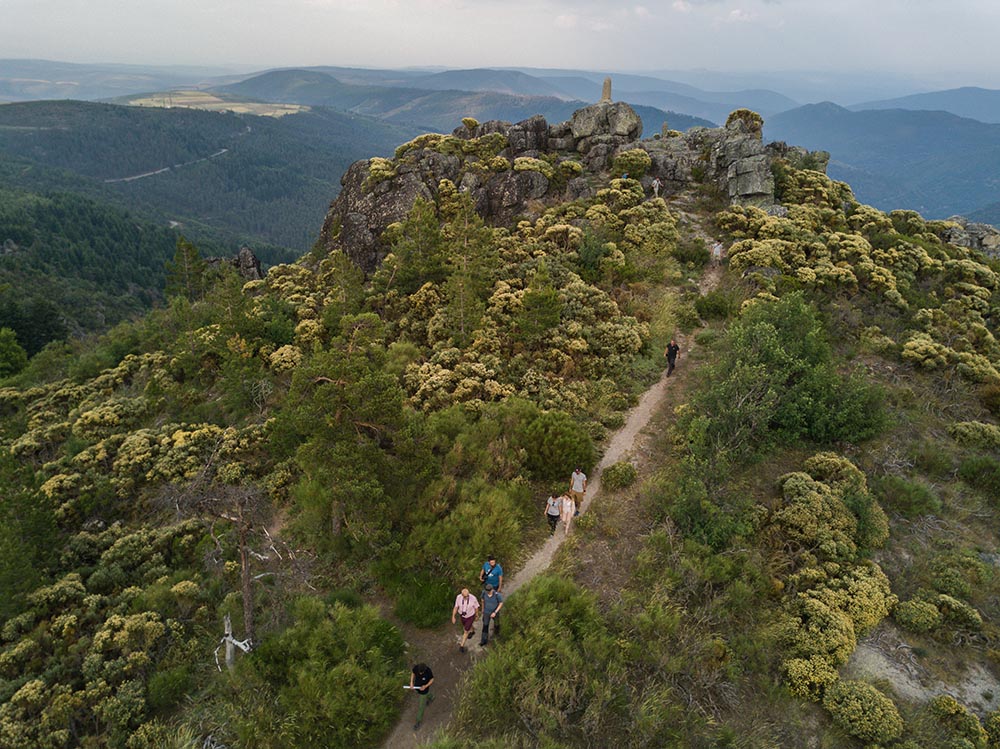
UNESCO Global Geopark, inscribed 2020, in Portugal. The Interpretative Centre of Zêzere Glacial Valley is a dedicated hub that provides insights into the rich geological history of the region, emphasising the significance of the glacial valley. The region boasts a collection of significant military monuments, with castles taking centre stage. Among them, the 13th-century Belmonte Castle stands out as a prominent attraction, along with the 12th-century castles of Celorico, Linhares da Beira, Guarda, Avô, and Folgosinho.
- 77
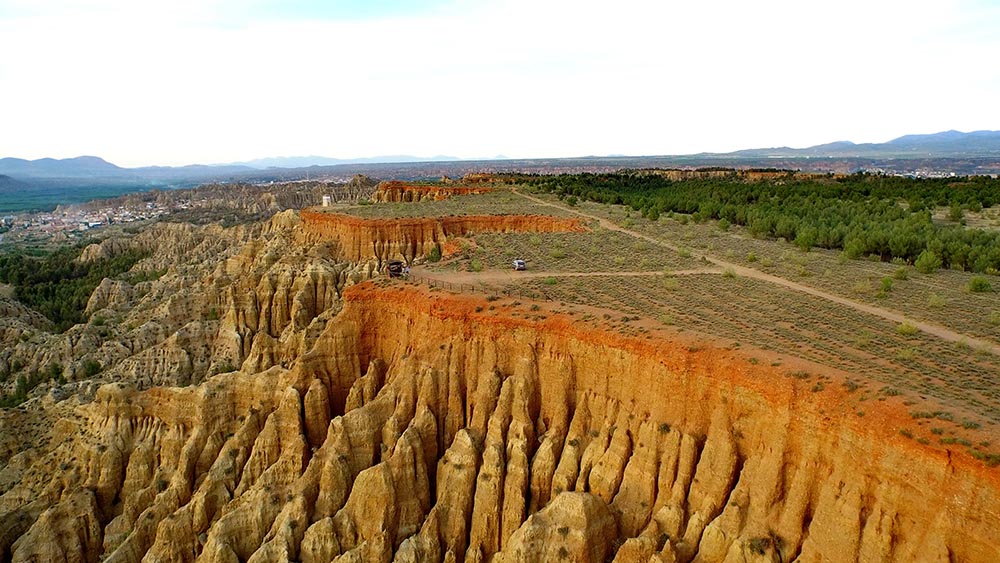
UNESCO Global Geopark, inscribed 2020, in Spain. The Estación Paleontológica del Valle del Río Fardes is a significant hub for the study and preservation of fossil remains, providing valuable insights into the ancient flora and fauna that once thrived in the region. The Sismitas de Galera are distinctive sedimentary structures formed by seismic activity, offering a glimpse into the powerful forces that have shaped the Earth's crust over millions of years.
- 78
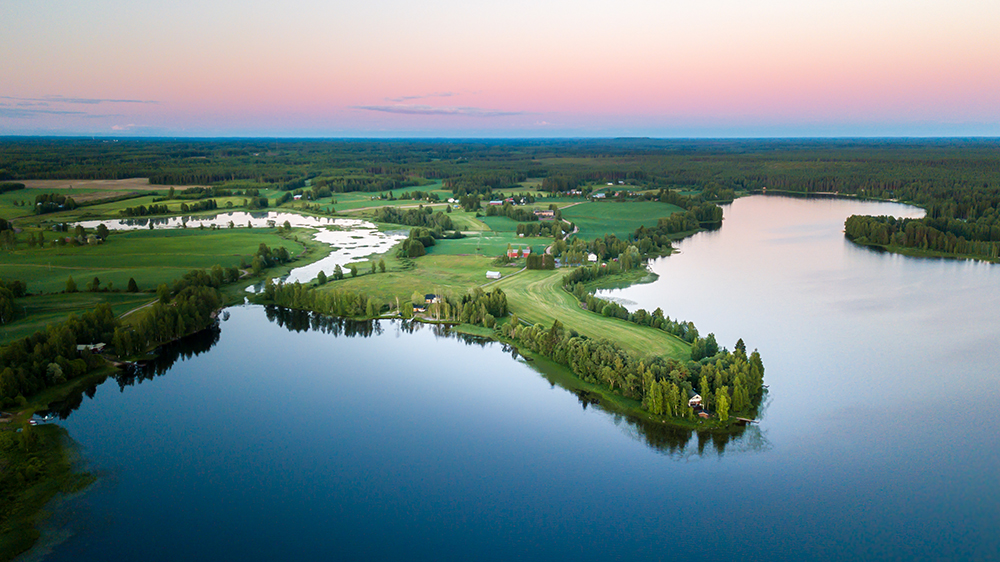
UNESCO Global Geopark, inscribed 2020, in Finland. Visit Susiluola (Wolf Cave), the oldest archaeological site in the geopark. The medieval road of Kyrönkankaantie is one of the best-preserved medieval roads in Finland. The region is home to vast wildlife, typical of the boreal coniferous forest, including bears, lynx and wolves. The elk population is high and more recently, a population of Finnish Forest Reindeer has been reintroduced to the area.
- 79
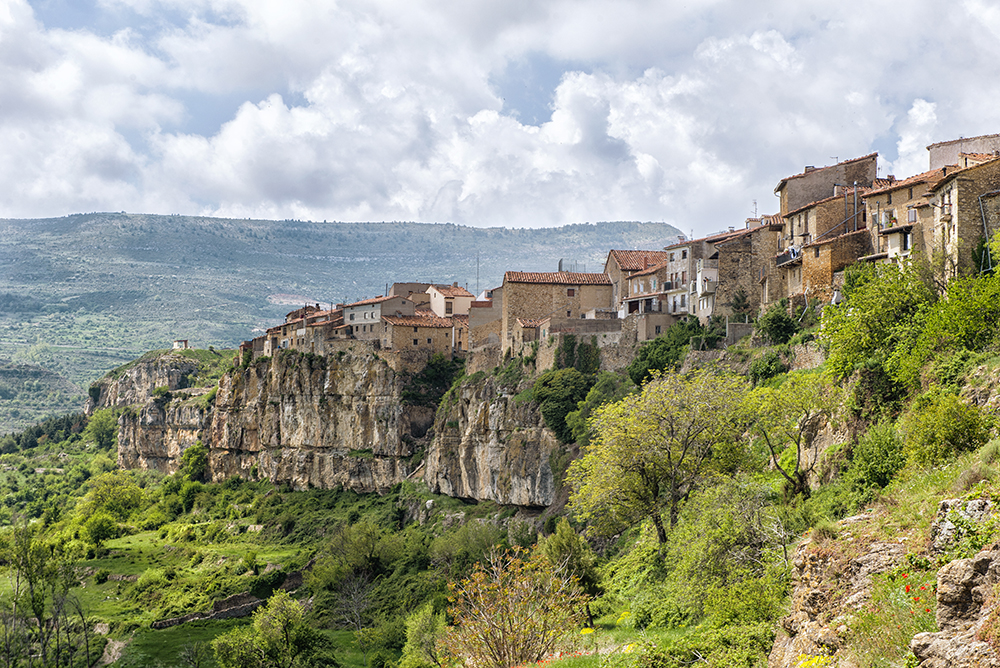
UNESCO Global Geopark, inscribed 2020, in Spain. Visit the enchanting Spring of the Pitarque River, one of the geopark's remarkable natural wonders. Explore 13 historical villages designated as "National Monuments" for their Middle Age castles and traditional country houses known as "masadas."
- 80
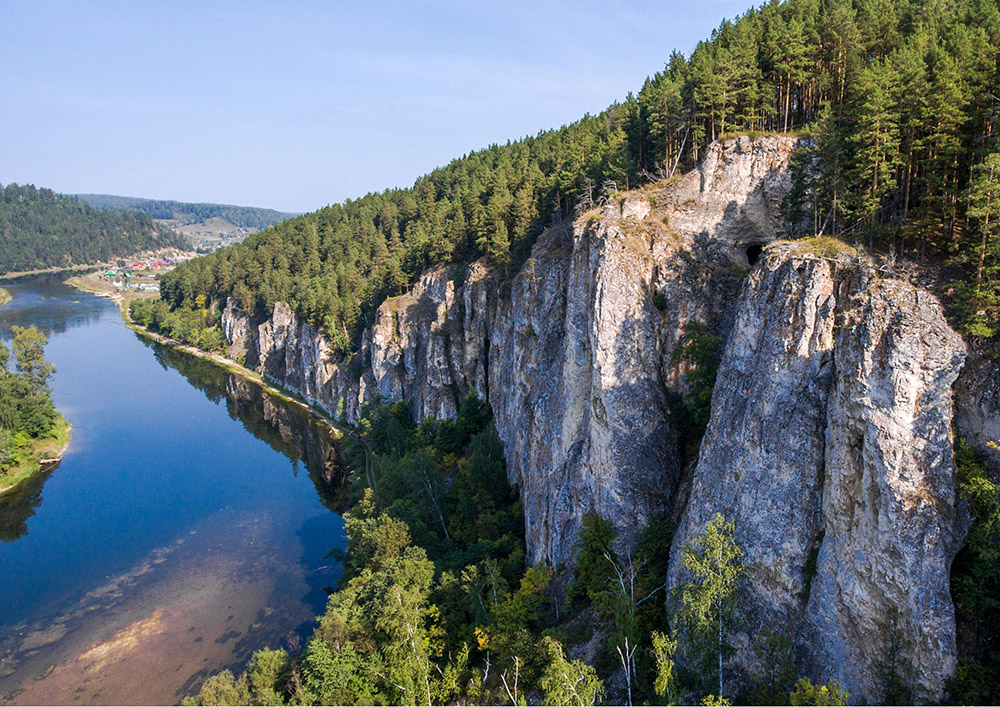
UNESCO Global Geopark, inscribed 2020, in Russia. Experience the Salauat Yiyiny Festival, an internationally recognised folklore event celebrating Bashkir traditions. Activities include a yurt competition, kuresh wrestling, horse races, and performances by ethnic groups from around the world. Relax at the Karatau Recreation Centre, a community-run retreat on the banks of the Yuruzan River. Enjoy fishing for local species, a wood-fired sauna, and peaceful picnic areas, all supporting sustainable tourism in the geopark. Ski at Berkut Ski Resort, with three slopes for skiers and snowboarders, a tubing run, and cross-country trails through scenic forest landscapes.
- 81
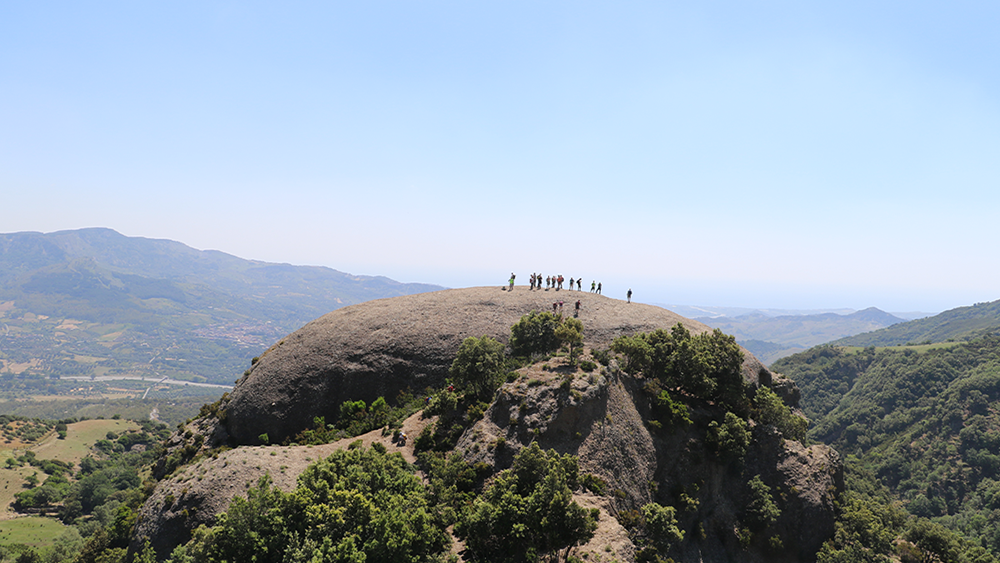
UNESCO Global Geopark, inscribed 2021, in Italy. Explore the Marine Terraces of Gambarie, high-altitude beaches formed 1.8 million years ago, shaped by glacial movements and tectonic uplift, reaching 1,350 metres above sea level. Connect with the Aspromonte’s Greek-Calabrian heritage through the ancient Grecanico language, the Museum of Ancient Greek Language in Bova, and vibrant cultural rituals like the Persephone celebration in Gallicianò. Visit the Mammola fossil forest, where fossilised trees provide a rare glimpse into Aspromonte’s prehistoric biodiversity and geological history.
- 82
UNESCO Global Geopark, inscribed 2021, in Greece. Discover the first identified ophiolites—sections of ancient seafloor uplifted above sea level—which played a key role in shaping the revolutionary scientific theory of plate tectonics. In August, several villages hold colourful and lively traditional festivals. During winter, enjoy skiing at the Vasilitsa National Ski Center.
- 83
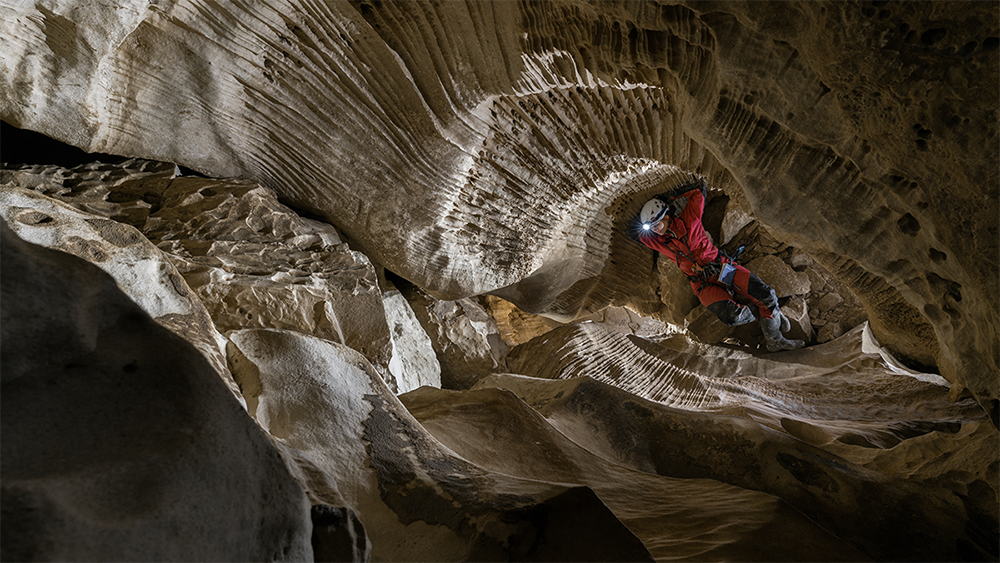
UNESCO Global Geopark, inscribed 2021, in Italy. The “Corsa degli zingari” is a unique event where the faith and endurance of participants are tested. Held every September in Pacentro, 30 men run barefoot through steep forest paths to reach the Church of the Madonna di Loreto. Walk the Celestine Way, a footpath connecting the hermitages of Maiella from L’Aquila to Ortona, following in the footsteps of Celestine V, the hermit pope. The traditional feast of the "serpari" in honour of San Domenico takes place every first Sunday of May. In the days before the festival, locals collect snakes from the surrounding forests to place on the float carried during the procession.
- 84
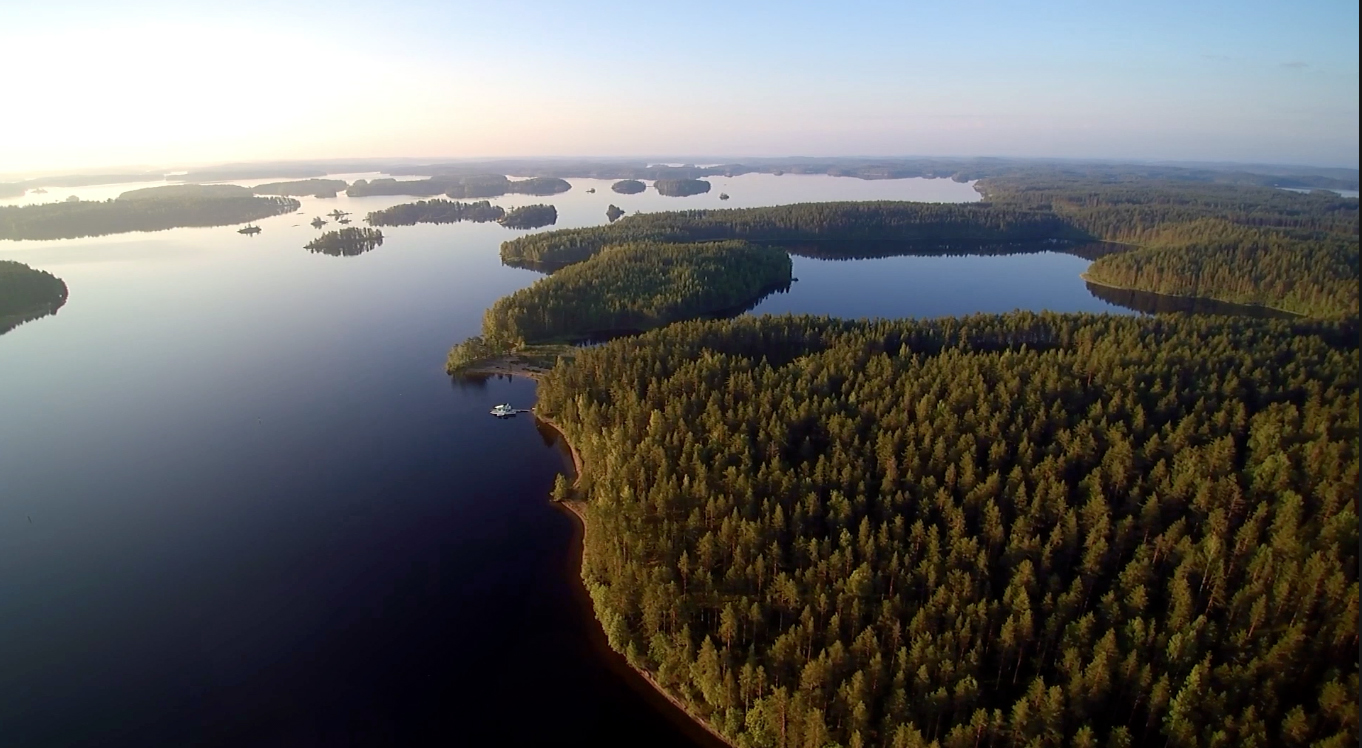
UNESCO Global Geopark, inscribed 2021, in Finland. The Puumala Art Path combines art and geology with eight checkpoints that reveal the geological stories behind landscape paintings. The Saimaa Geopark Visitor Centre, located in Imatra’s Culturehouse Virta, offers extensive information on the geology and developmental history of the Saimaa region.
- 85
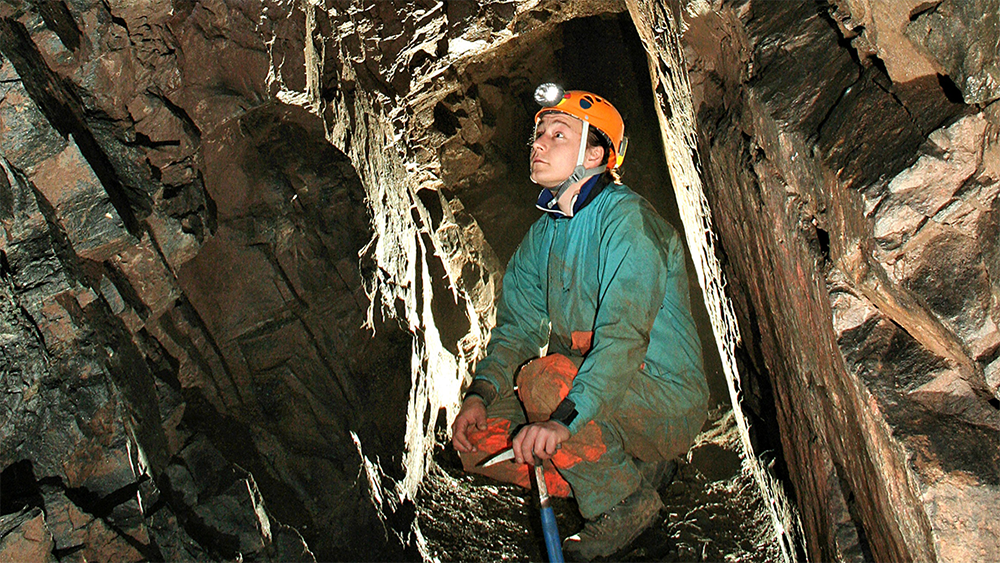
UNESCO Global Geopark, inscribed 2021, in Germany. Hike the 'Geo and Pleasure Trail,' starting and ending at the Arnstadt brewery, showcasing local food traditions and stunning views, with sculptures connecting the land's fertility to the famous Rostbratwurst sausage. Visit the Bromacker Fossil Site, a key European site for Permian tetrapod tracks and fossils, with significant palaeontological discoveries. Explore the GeoMuseum at Castle Ehrenstein, home to the Böttcher collection of Muschelkalk fossils and dinosaurs, and learn about the region's ancient marine life.
- 86
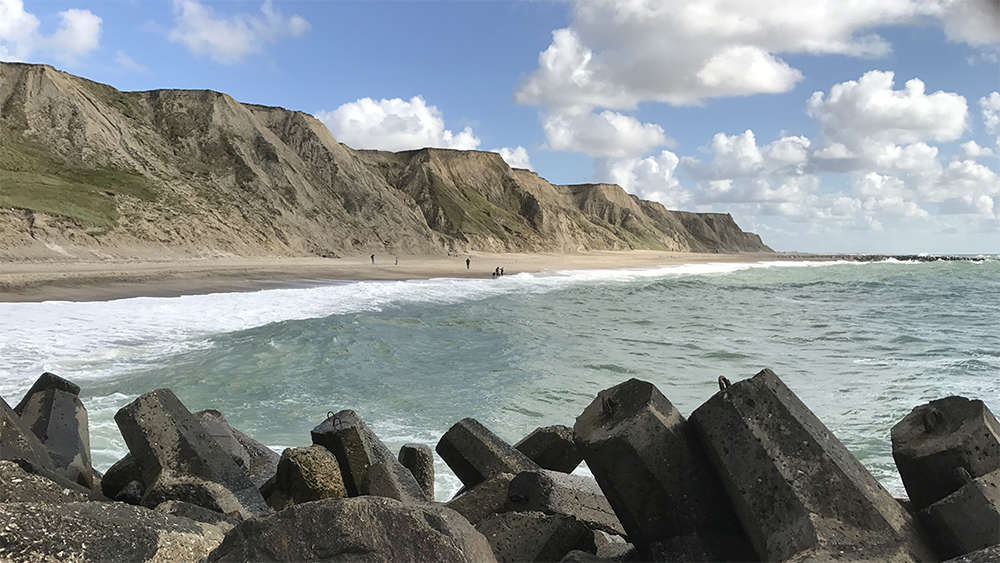
UNESCO Global Geopark, inscribed 2021, in Denmark. Explore the “Kalksporet” (Lime Trail) in Hjerm, featuring an open-air amphitheatre, interpretive panels, and audio installations on local geology. Visit Holstebro Museum to see a 1,000-year-old Byzantine jewellery piece linked to local oral traditions and scientific folklore. Discover the traditional craft of clinker-built Viking boats at the harbour in Struer, recognised as UNESCO Intangible Cultural Heritage.
- 87
UNESCO Global Geopark, inscribed 2022, in Romania. Explore the salt-karst caves of Buzău Land, including some of the longest and deepest in the world, where fossils of Ice Age plants and animals have been preserved. Hike one of the geopark’s seven thematic trails to discover its diverse geology, rich biodiversity, and cultural heritage. Visit the 17th-century Berca Fortified Monastery, the only religious fortified structure in the region.
- 88
UNESCO Global Geopark, inscribed 2022, in Greece. Hike to the summit of Mount Aenos on a clear day and enjoy views stretching as far as the Peloponnese peninsula. Discover the many hidden coves along the rugged coasts of the four islands. Dive into the crystal-clear Mediterranean waters, with underwater visibility reaching over 40 meters.
- 89
UNESCO Global Geopark, inscribed 2022, in LU. Hike the award-winning Mullerthal Trail, a 112 km network of well-marked paths that wind through deep gorges, forests, and sandstone rock formations. Discover the impressive rock formations of Noumerleeën, where weathering has created narrow crevices, overhangs, and natural passageways through Luxembourg Sandstone.
- 90
UNESCO Global Geopark, inscribed 2022, in Sweden. The Royal Hunt Museum (Hunneberg) – an experience centre that explores the royal moose, the nature of the mountains, captivating cultural history, and royal hunting traditions. The region offers outstanding hiking trails such as the Kinnekulleleden – around the table mountain Kinnekulle and through lush deciduous forests and flower-rich pastures.
- 91
UNESCO Global Geopark, inscribed 2022, in Germany. Visit the Ries meteorite crater, a rare geological feature with characteristics also found in impact craters on Mars. Take the 7-Hills Way, a circular hiking route linking geological, archaeological, and cultural history sites, with panoramic views and interpretive panels. Explore medieval towns in Bavaria built using meteorite impact rocks, with architecture shaped by the region’s unique geological heritage.
- 92
UNESCO Global Geopark, inscribed 2022, in Finland. Immerse yourself in Salpausselkä's rich history, with over 220 Stone Age settlement sites, including the significant Ristola site dating back 10,500 years. Kapatuosia hillfort, located in the historic centre of Hollola, is a nationally significant archaeological site. Once an island, the hill dates back approximately 8,000 years. Discover local traditions and stories through cultural events like the Hollo & Martta International Folklore Festival, which celebrates music, dance and the legend of the giants of Hollola.
- 93
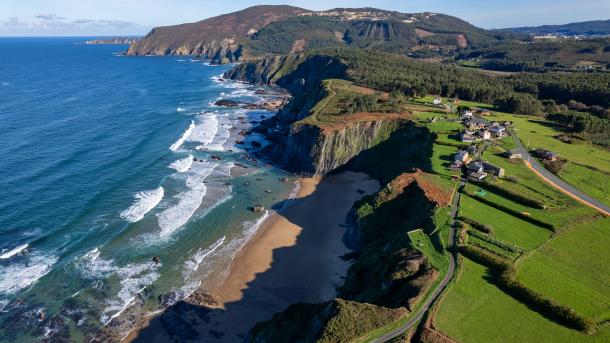
UNESCO Global Geopark, inscribed 2023, in Spain. Visit Teixidelo Beach, the only beach in the world with black sand of non-volcanic origin, a unique geological phenomenon shaped by the region’s dynamic landscape. Discover Cape Ortegal and Os Aguillóns, a striking headland that marks the geographical division between the Atlantic Ocean and the Cantabrian Sea, offering breathtaking coastal views.
- 94
UNESCO Global Geopark, inscribed 2023, in Greece. Explore the historic mining tunnels of Lavreotiki with expert volunteer guides, who provide insights into ancient mining techniques and the region’s world-renowned mineralogical diversity. Learn about the geopark’s underwater treasures, including the vital Posidonia oceanica seagrass beds, and their role in supporting marine biodiversity. Visit cultural landmarks such as Mycenaean chamber tombs, Roman baths, and Byzantine monasteries, set within the geopark’s striking geological landscapes.
- 95
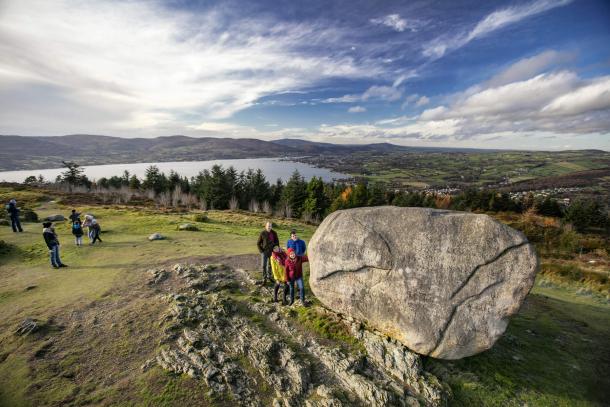
UNESCO Global Geopark, inscribed 2023, in United Kingdom. Take a fishing trip on Strangford Lough, renowned for its salmon, sea trout, and pollock, or try your luck from the shore at one of many scenic spots throughout the geopark. Explore Murlough National Nature Reserve with 6,000-year-old sand dunes, over twenty-two species of butterflies, and boardwalks through wildflower-rich landscapes. Follow the Gullion Geological Trail around Slieve Gullion, where a 60-million-year-old volcanic ring dyke forms a unique geological feature of international scientific significance.
- 96
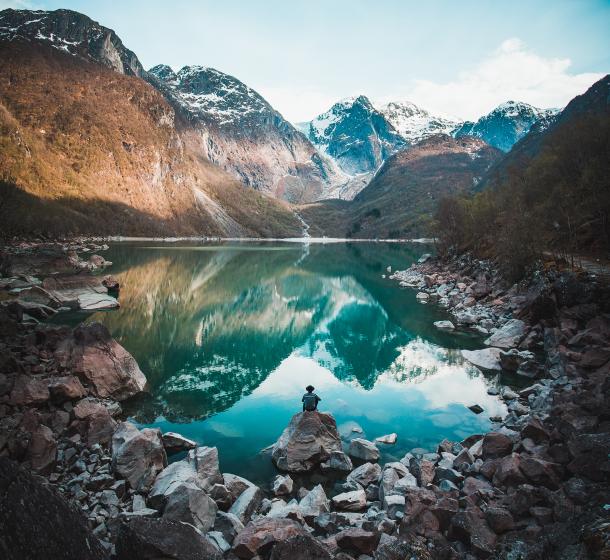
UNESCO Global Geopark, inscribed 2023, in Norway. Take a hike along the 2 km path to the Ryvarden cultural lighthouse, passing through 1.5 billion-year-old, ice-polished Auge gneiss and enjoying breathtaking views of the Hardangerfjord and volcanic seabed formations. Discover the charm of Espevær Village, a scenic collection of small islets with no cars and a winter population of around 45. Once a bustling hub for 19th-century herring fisheries, it remains a peaceful retreat today. Experience the geological wonder of Skjervika, an early Stone Age quarry for red microcrystalline quartz (jasper), formed by ancient hydrothermal sea floor volcanic activity. Accessible via a scenic path from Berge or by boat.
- 97
UNESCO Global Geopark, inscribed 2024, in France. Walk the heathlands of the Monts d’Arrée to reach Montagne Saint Michel and its chapel, with views over ancient peaks once as high as the Himalayas. Step into 19th-century rural life at the Kerouat Ecomuseum and visit the nearby linen-bleaching kanndi of Rozonoual. Discover over 400 sea caves along the Crozon Peninsula, the highest concentration in France—by foot or by kayak.
- 98
UNESCO Global Geopark, inscribed 2024, in Croatia. Walk through traditional agricultural landscapes shaped by centuries-old dry-stone wall construction, still practised today. Explore Biokovo Mountain, part of the Dinaric Alps, with over 400 pits and caves and the third-highest peak in Croatia, St George Peak. Taste the traditional čupter grape must cake.
- 99
UNESCO Global Geopark, inscribed 2024, in Hungary. Enjoy Palóc cuisine and the wines of the Bükk Foothills, where local gastronomy is shaped by the region’s volcanic geology. See the mysterious Beehive Rocks, striking formations shaped by Miocene volcanic activity, and explore basalt pillow lavas formed during deep-sea eruptions. Observe rare species such as the imperial eagle, short-toed snake eagle and black stork in the geopark’s diverse habitats, from karst caves to forested slopes.
- 100
UNESCO Global Geopark, inscribed 2024, in Spain. Explore the Calatrava La Nueva geo-route, featuring maars, magmatic volcanoes and active carbonic springs ("hervideros"), showcasing key volcanic formations of the geopark. The route concludes at the Calatrava La Nueva fortress, an iconic cultural landmark atop a Paleozoic quartzite ridge in an Appalachian-style relief. Visit the famous Almadén Mine, the world’s largest mercury deposit and a UNESCO World Heritage Site, where deep-seated volcanic activity created an unparalleled mineral resource.
- 101
UNESCO Global Geopark, inscribed 2024, in Finland. Touch real impact-altered rocks and micro-diamonds formed 78 million years ago at Europe’s largest confirmed meteorite crater lake. Experience local heritage through the region’s 32 museums, including the Nelimarkki Art Museum and the Villa Vainola folk museum. Discover living traditions such as Finnish Baseball, log rolling championships, and folk music performances.
- 102
UNESCO Global Geopark, inscribed 2024, in Greece. Perched atop towering sandstone pillars, the six Byzantine monasteries of Meteora, a UNESCO World Heritage Site since 1988, showcase remarkable post-Byzantine frescoes and offer insight into centuries of monastic life. Explore unique geological features, from the slender column of Adrachti Rock to the honeycomb-patterned tafoni formations near Kalambaka, shaped by millennia of erosion. Experience the annual Mushroom Festival in Kalambaka, featuring wild mushroom tastings, truffle hunting, seminars and cultural events celebrating the region’s culinary heritage.
- 103
UNESCO Global Geopark, inscribed 2024, in France. Reach the summit of western France at Mont des Avaloirs (416 metres), with panoramic views and walking trails through heathland, rocks and forest. Discover the long-standing pottery tradition of Ger at the Musée de la Céramique, where workshops and trails explore historic clay extraction and ceramic production. Explore the Neolithic site of the Table au Diable, a collective burial monument dating back to around 2500 BCE.
- 104
UNESCO Global Geopark, inscribed 2024, in Portugal. Explore the watermills of the Cornaga Valley, where 17 historic mills once used the power of the Galvão River to grind cereals into flour, sustaining local communities. Discover the Papôa Islet, a unique geological site showcasing remnants of an ancient volcano and the wreck of the Spanish warship San Pedro de Alcântara, which sank in 1786 carrying gold, silver, and scientific collections from Peru. Experience wine tourism in the Oeste UNESCO Global Geopark with guided tours and tastings at renowned estates such as Quinta do Sanguinhal and Quinta das Cerejeiras.
- 105
UNESCO Global Geopark, inscribed 2024, in Denmark. Walk the 30-kilometre coastal trail Kyststien across Ærø island, passing scenic landscapes from the southern to the northern end. Taste locally brewed beers and learn about the brewing process during a guided tour at Ærø Bryggeri. Enjoy the annual meatball festival, "Frikadellefesten," in Lohals, featuring music, local food, and the unofficial Meatball World Cup.
- 106
UNESCO Global Geopark, inscribed 2025, in United Kingdom. Visit Hutton’s Unconformity, where James Hutton’s 1787 observations showed that the Earth was far older than previously believed—revealed in the striking meeting point between vertical schist and overlying layers of sandstone. Explore the Lochranza slate quarry, home to 540-million-year-old rocks once quarried for roofing, and spot crystals of pyrite—known as ‘fool’s gold’—among the discarded slate. Visit the Isle of Arran Heritage Museum, housed in former croft buildings at Rosaburn, where exhibits trace the island’s cultural and geological heritage from rural life to scientific discovery.
- 107
UNESCO Global Geopark, inscribed 2025, in Spain. Explore one of Europe’s richest prehistoric landscapes in Costa Quebrada, where Paleolithic tools and world-renowned cave paintings offer insight into the lives and worldviews of early human species. Discover the limestone caves of Cantabria, shaped by water over millennia and home to specialised underground life forms such as bats, crustaceans and adapted fish species. Visit Tremeo Well, a rare stratified lagoon ecosystem that supports unique aquatic plants and animals, and attracts diverse bird and mammal species to its freshwater habitat.
- 108
UNESCO Global Geopark, inscribed 2025, in Italy. Explore the Bauxite Mines of Murgetta Rossa in Spinazzola, where red earth deposits rich in iron and aluminium oxides colour the karst landscape—once a key site for mineral extraction and now restored as a national geosite. Follow the “From Belvedere to Belvedere” ecotourism itinerary through Alta Murgia’s most scenic geological sites, from rock churches and caves to panoramic limestone quarries and the hidden Castle of Garagnone. Discover Alta Murgia’s rich biodiversity, with over 1,500 spontaneous plant species—including endemic orchids, fairy flax, and cardoncello mushrooms—thriving in its unique steppe habitat shaped by deep karst aquifers.
- 109
UNESCO Global Geopark, inscribed 2025, in Norway. Learn about and participate in the revival of ancient traditions in Hardbakke, where the community sustains coastal heathlands through Old Norse sheep grazing and controlled burning, preserving biodiversity and cultural heritage. Walk to Brurastakken on Atløyna, a coastal landmark known as “Norway’s most beautiful fold,” attracting geologists worldwide and once used by sailors for navigation. Hike, bike or kayak where the Sognefjord – the world’s second-deepest fjord – meets the Atlantic, and take in spectacular views from coastal mountain peaks near Hyllestad.