UNESCO Biosphere Reserves — Africa

- 1
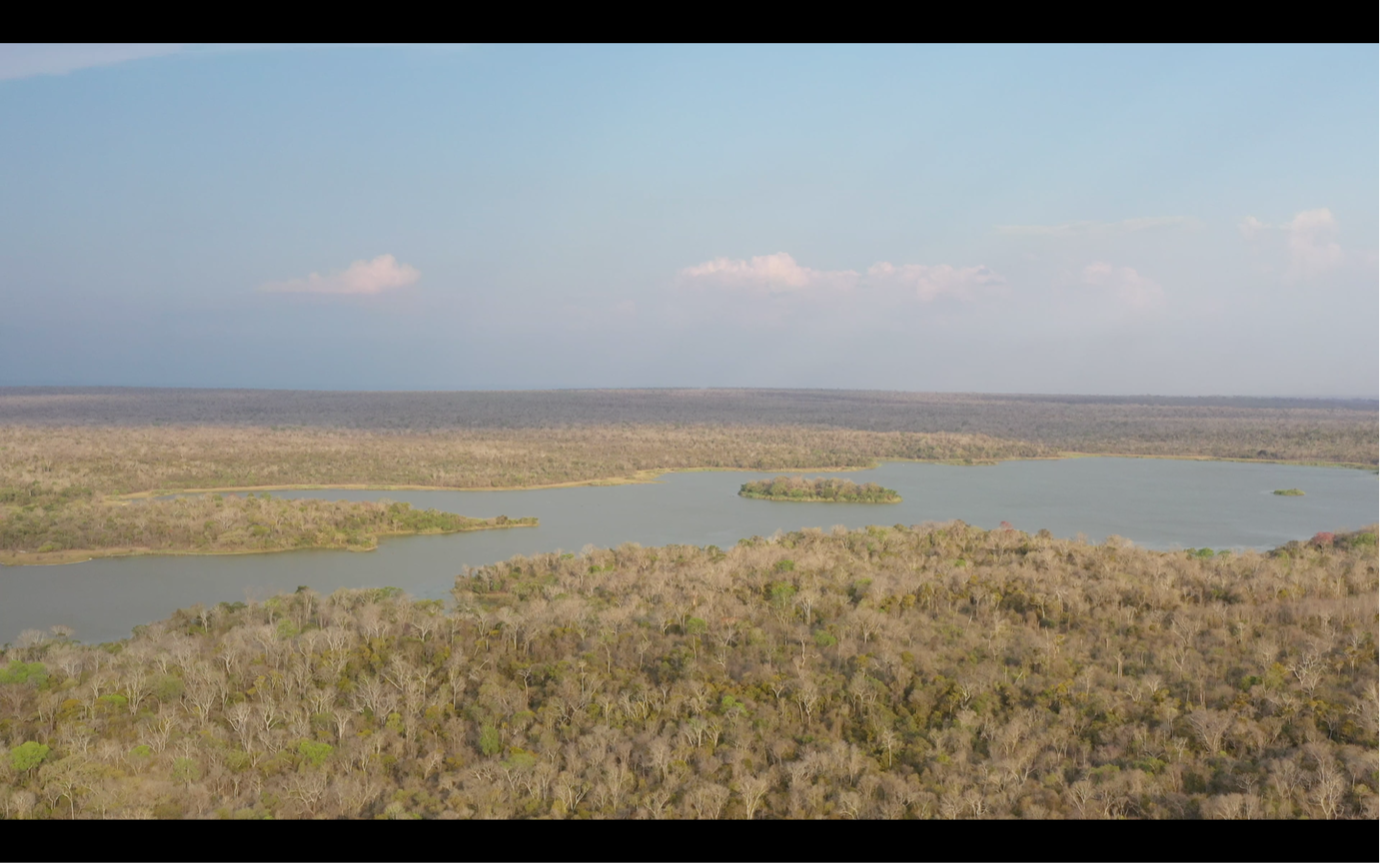
UNESCO Biosphere Reserve, inscribed 1976, in Democratic Republic of the Congo. Located in the south-west of the Democratic Republic of Congo, about 120 km east of the Atlantic coast, Luki Biosphere Reserve represents the humid tropical rainforest ecosystem.
- 2
UNESCO Biosphere Reserve, inscribed 1976, in Democratic Republic of the Congo. The Yangambi Biosphere Reserve is situated within the Congo River Basin west of the City Kisangani in the Democratic Republic of Congo.
- 3
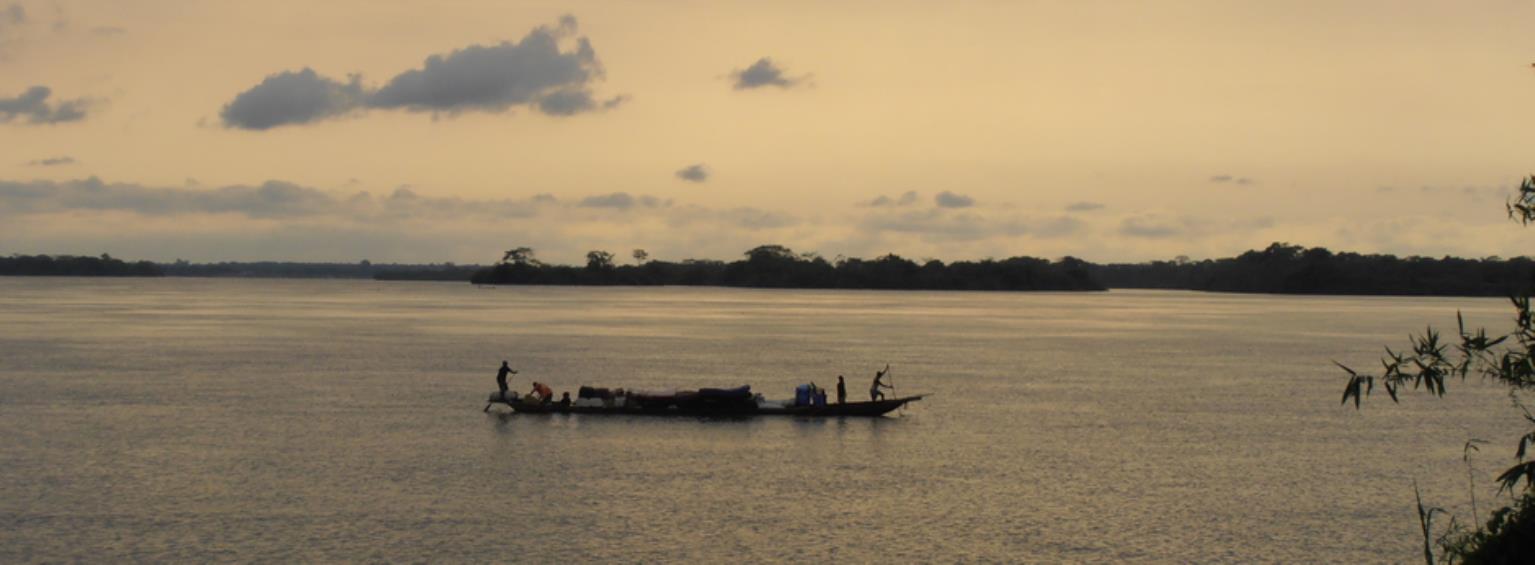
UNESCO Biosphere Reserve, inscribed 1977, in Central African Republic. Basse-Lobaye Biosphere Reserve lies in the south-west of the Central African Republic, bound by the Mengui and Lobe rivers to the west, the Lotemo to the east, the Kinga–Lombo–Lotemo road to the north and the border with the Republic of the Congo to the south. The reserve’s objectives are to conserve the forest–savanna mosaic and its Sudano–Guinean fauna, regulate wildlife use through recognised customary rights, sustain local livelihoods within ecological limits, and develop research, training and monitoring to inform adaptive management.
- 4
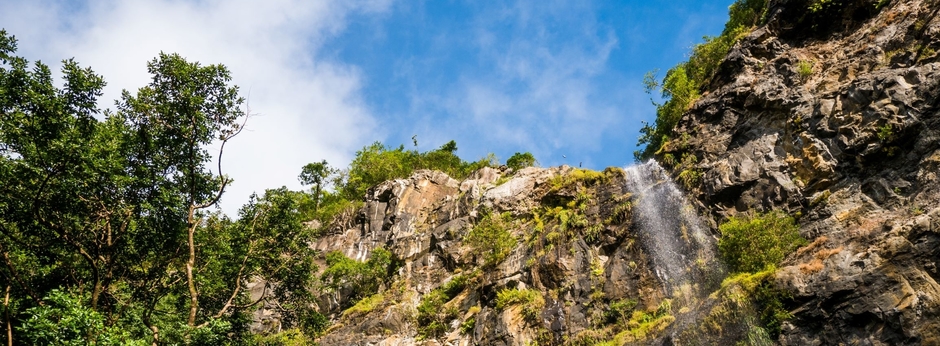
UNESCO Biosphere Reserve, inscribed 1977, in Mauritius. This biosphere reserve is located on Mauritius, an island in the Indian Ocean. It is important for conserving the last remaining fragments of the island’s endemic vegetation, namely tropical evergreen forest.
- 5
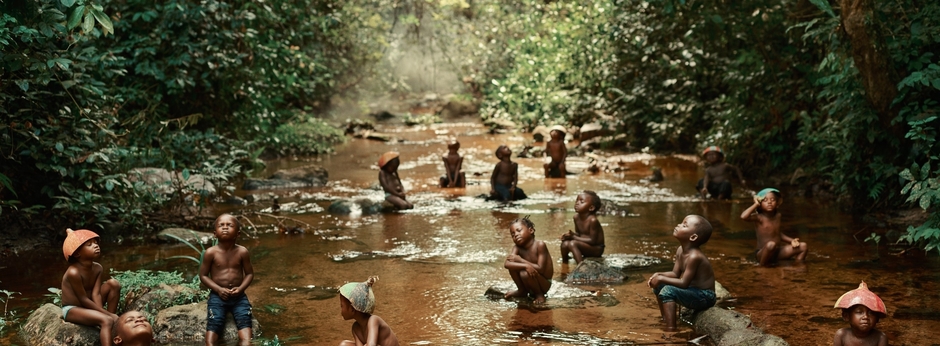
UNESCO Biosphere Reserve, inscribed 1977, in Congo. Located in the north-west of the Republic of the Congo, about thirty kilometres east of the Gabon border, Odzala Kokoua is a nationally significant protected area. It brings together extensive lowland rainforest, swamp forest along the Mambili and upper Djoua, dry wooded savannas in the south and more than one hundred forest clearings that shape wildlife movements and foraging. This mosaic underpins exceptional biodiversity and delivers tangible local benefits. The reserve’s goals are to conserve these forests and savannas, support fair local livelihoods linked to conservation, and advance research and monitoring on gorillas, forest elephants and ecosystem change to guide management.
- 6
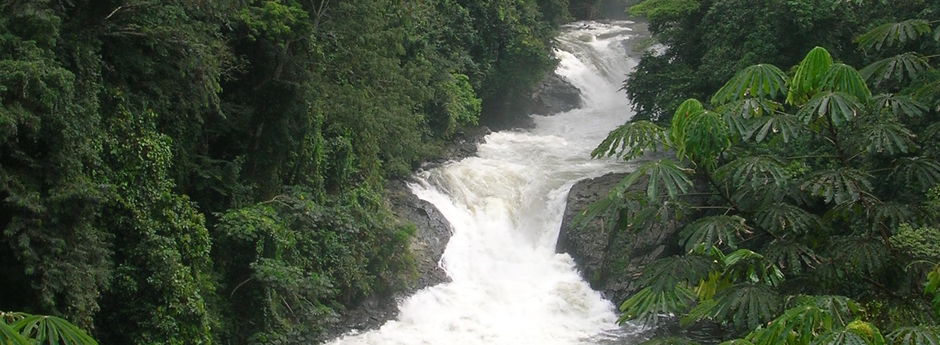
UNESCO Biosphere Reserve, inscribed 1977, in Nigeria. The Omo Biosphere Reserve is situated about 135 km north-east of Lagos in southern Nigeria. The major habitats are dry evergreen mixed deciduous forests in the north and wet evergreen forests in the south. Plantations and agricultural land also occur within the area. The major economic activities are timber exploitation, fuelwood harvesting, cultivation of arable crops, hunting, fishing and the plantation of indigenous and exotic tree species, all of which take place in the transition area. Soil erosion and loss of biodiversity are the principal threats to the reserve.
- 7
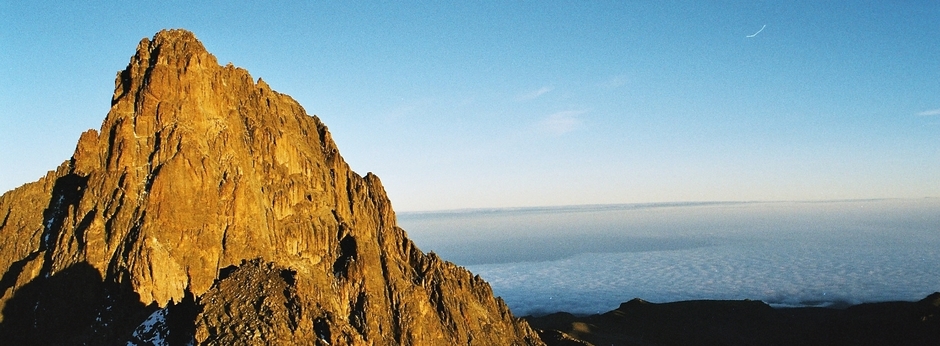
UNESCO Biosphere Reserve, inscribed 1978, in Kenya. Situated on the equator about 180 km north of Nairobi, Mount Kenya is a solitary mountain of volcanic origin. A belt of moist afromontane forest from 1,800–3,200 metres above sea level gives way to a zone of tree-like heather at about 3,200 metres, and further up to moorlands and grasslands. Mount Kenya National Park was established in 1949 and became a biosphere reserve in 1978. In 1997, Mount Kenya National Park and adjacent forest reserves were inscribed on the World Heritage List. Mount Kenya is also important as a major water reservoir for its foothills and adjacent areas. Increasing conflicts over water resources provide the background for an assessment of the complex ecological and socio-economic dynamics of the highland–lowland system of Mount Kenya and the adjacent upper Euaso Ng’iro North Basin.
- 8
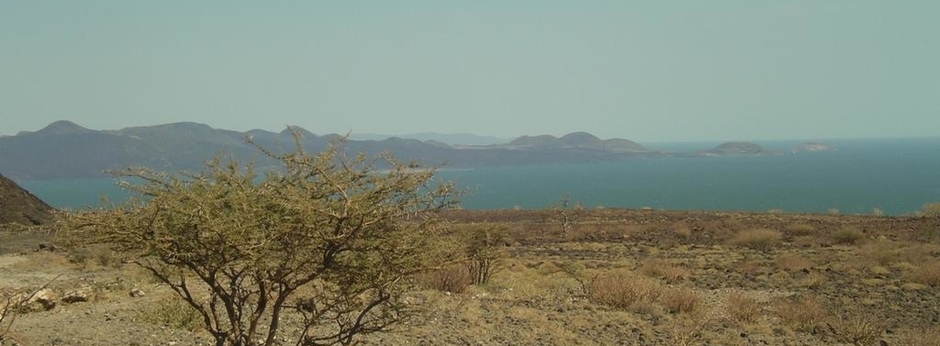
UNESCO Biosphere Reserve, inscribed 1978, in Kenya. Mount Kulal’s ecosystem captures moisture in the form of mist and rain and provides important hydrological services for northern Kenya. The mountain has a volcanic origin: lava fields define the surrounding landscape, and its sides are steep and often cut by deep canyons. The presence of a peak as high as Mount Kulal in one of the driest regions of East Africa makes it unique topographically and contributes to the particular ecosystem services that the mountain and its forest provide to the region. Historically, the biosphere reserve was a major habitat for elephants (Loxodonta africana) and black rhinoceroses (Diceros bicornis), which were plentiful until 1976; however, these species have now been exterminated by poaching.
- 9
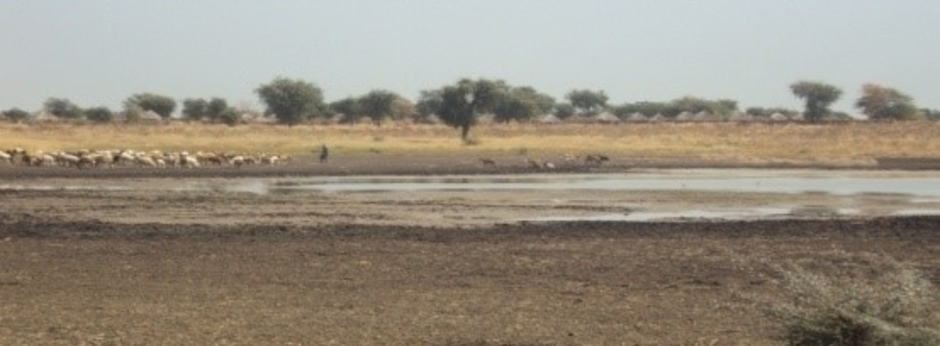
UNESCO Biosphere Reserve, inscribed 1979, in Sudan. The Dinder National Park was established in 1935 and became a biosphere reserve in 1979. Situated along the border with Ethiopia, this biosphere reserve includes tropical savannah and grassland ecosystems. The whole biosphere reserve is considered a core area with rich flora and fauna.
- 10
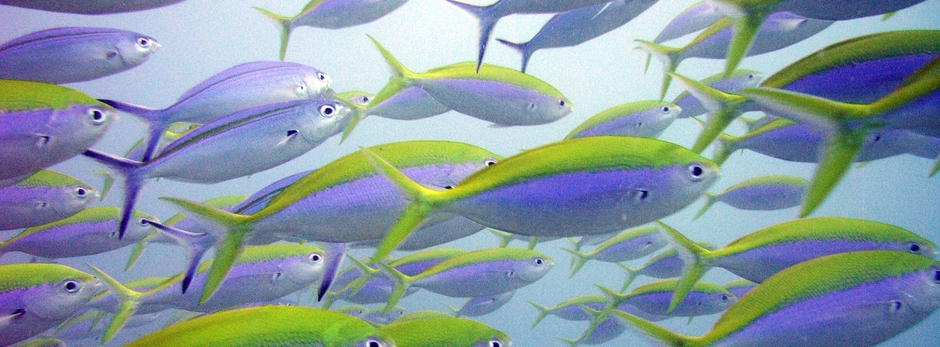
UNESCO Biosphere Reserve, inscribed 1979, in Kenya. Malindi–Watamu Biosphere Reserve is part of the marine protected areas of the Kenyan coast. It comprises marine and coastal ecosystems, including coral reefs and associated ecosystems such as seagrass beds and mangrove forests, which are crucial for the livelihoods of coastal people and for the national economy. Coral reefs provide food and income to coastal communities and deliver other goods and services of strategic importance to the national economy, including tourism, fisheries and coastal protection.
- 11
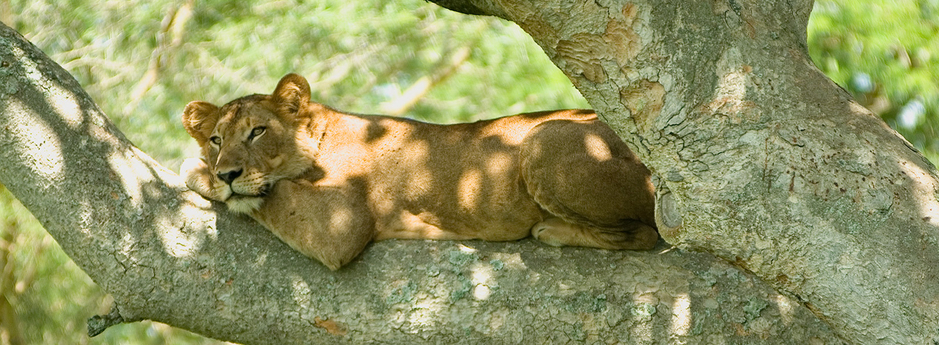
UNESCO Biosphere Reserve, inscribed 1979, in Uganda. Queen Elizabeth Biosphere Reserve and National Park straddle the equator in western Uganda. Covering an altitudinal range of 910 to 1,390 metres above sea level, it is composed of a wide range of ecosystems, including semi-deciduous tropical high forests, undulating savanna grasslands, Acacia savanna, tundra and wetlands. The area also includes partly saline lakes, which include Lake George, a Ramsar site, and Lake Edward.
- 12
UNESCO Biosphere Reserve, inscribed 1979, in Sudan. The biosphere reserve is a broken hilly area, mainly at altitudes of about 450 metres above sea level, with two permanent rivers. The mountain range within the biosphere reserve forms a watershed that divides the Central African and Sudanese hydrographic systems.
- 13
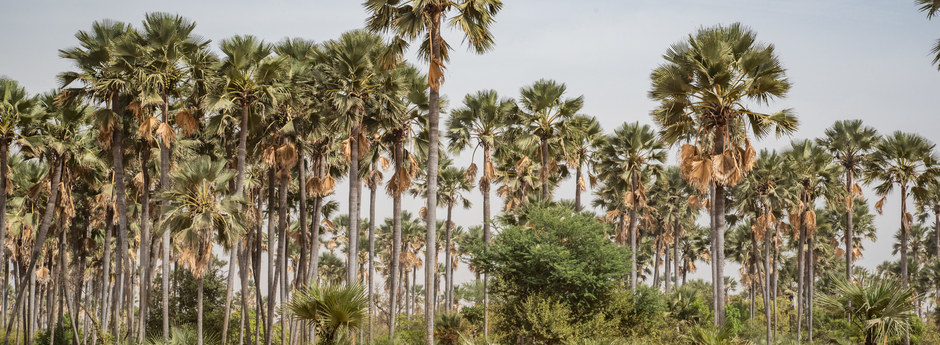
UNESCO Biosphere Reserve, inscribed 1979, in Senegal. Samba Dia Biosphere Reserve is located on the Atlantic coast within the West African woodland savannah. The flat plain lies only 5–10 m above sea level and contains one of the best remaining stands of the once widespread Borassus aethiopum communities. In addition to these palm stands, there are populations of Acacia seyal, Combretum glutinosumand Anogeissus leiocarpus.
- 14
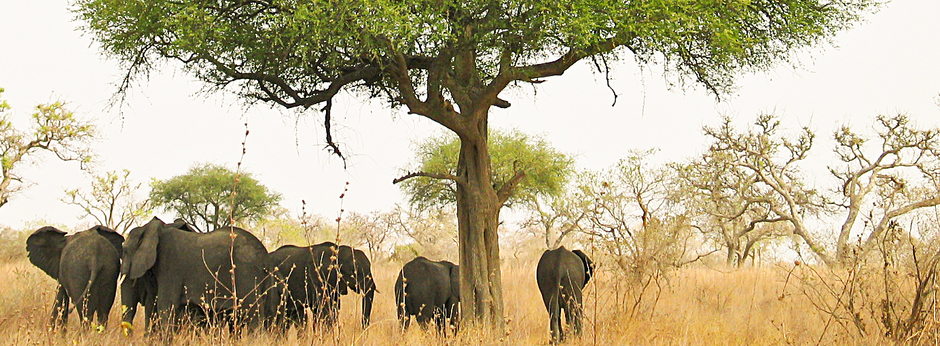
UNESCO Biosphere Reserve, inscribed 1979, in Cameroon. The Waza Biosphere Reserve is located in the Chad depression in the extreme north of Cameroon. The area is characterised by low relief without permanent rivers, with rocky outcrops around Waza village rising to over 500 metres. Lake Chad once covered part of the area, while today the Yaéré floodplains with perennial grasses are vital to the carrying capacity of the Waza region. The fauna is rich and varied, with large numbers of giraffes (Giraffa camelopardalis), elephants (Loxodonta africana), aardvarks (Orycteropus afer) and warthogs (Phacochoerus aethiopicus). Many animals move to the Yaéré plains towards the end of the dry season.
- 15
UNESCO Biosphere Reserve, inscribed 1980, in Kenya. Kiunga Biosphere Reserve lies at the northern end of Kenya’s coastline and comprises a chain of low islands and shoals. The vegetation consists mainly of shrubs, with some areas of mangrove forest, while the coastal strip has sandy beaches and dunes that are a key source of clean water for nearby communities. The site is known for hosting a high number of seabirds, marine turtles and the dugong. The reserve’s main purpose, as defined by the area’s stakeholders, is to conserve and protect marine and coastal forest species, especially the threatened sea turtles, dugong, Coastal topi, wild dogs and elephants along with their associated habitats for the benefit of present and future generations. Management objectives focus on ecological conservation, tourism development and community partnership.
- 16
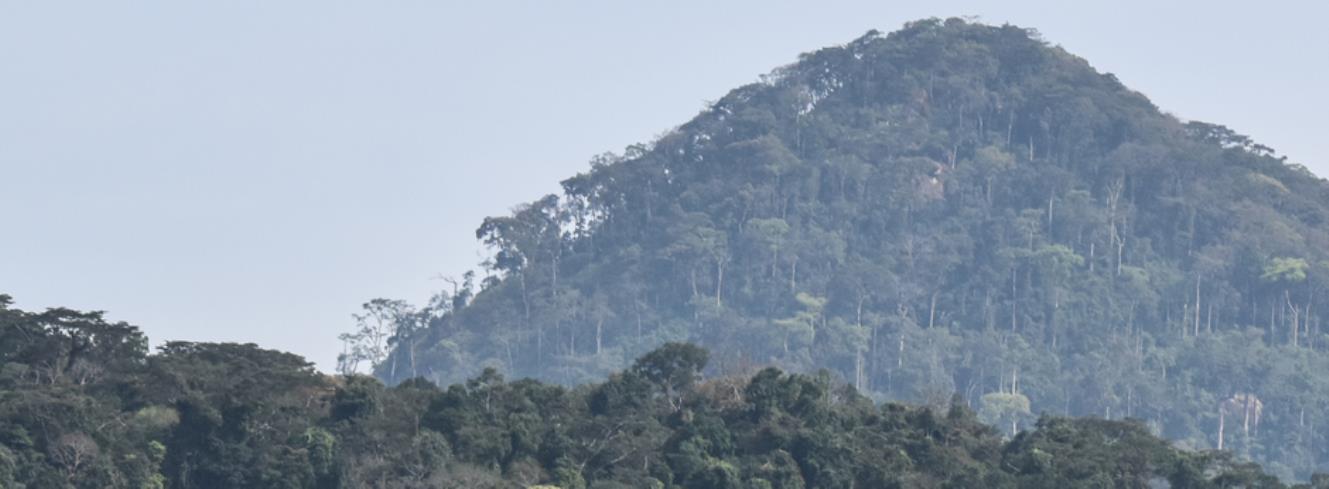
UNESCO Biosphere Reserve, inscribed 1980, in Guinea. The Massif du Ziama Biosphere Reserve lies on the border with Liberia in south-eastern Guinea, about 100 km from the city of N’Zérékoré.
- 17
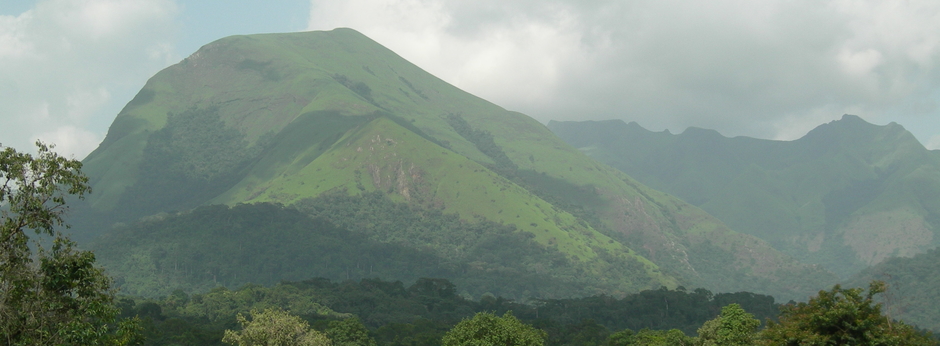
UNESCO Biosphere Reserve, inscribed 1980, in Guinea. The Nimba Massif lies on the border between Guinea, Liberia and Côte d’Ivoire. The Monts Nimba chain is notable for the beauty and originality of its landscapes and for a highly contrasting range of climatic influences shaped by its geography, topography and orientation. These factors, and others, explain the successive classification of the Nimba chain as a nature reserve in 1944, a biosphere reserve in 1980, a World Heritage Site in 1981, and placed on the List of World Heritage in Danger in 1992. The biodiversity of the plains, hills and forests of Nimba provides local people with food, energy, water, medicinal resources, shelter, agricultural land and other essential resources. It is considered a natural reservoir that can support economic development and local well-being.
- 18
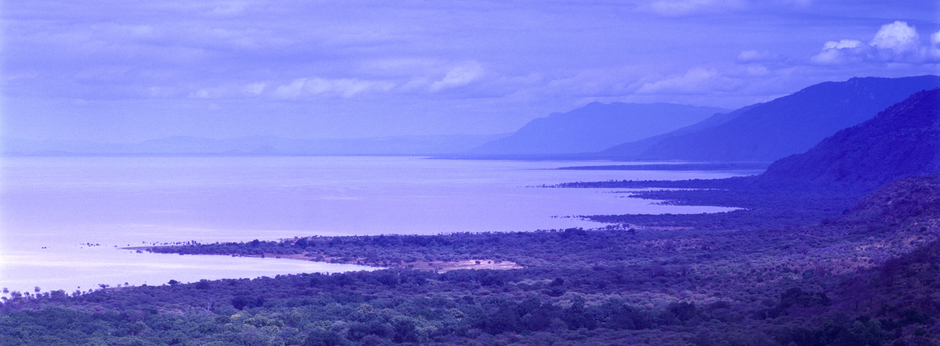
UNESCO Biosphere Reserve, inscribed 1981, in United Republic of Tanzania. This biosphere reserve is situated in the depression of the East African Rift Valley in the Lake Manyara Basin in northern Tanzania. Below the rift wall, perennial springs in the north support a groundwater forest, characterised by Trichilia roka and Croton macrostachyus, and the yellow fever tree (Acacia xanthophloea). Riverine habitats, swamps, woodland and alkaline grasslands also characterise the area.
- 19
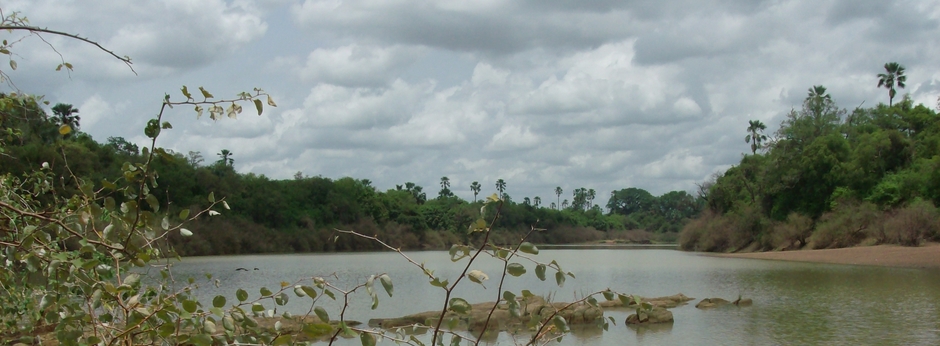
UNESCO Biosphere Reserve, inscribed 1981, in Senegal. Located in a well-watered area along the banks of the Gambia River in south-eastern Senegal, the gallery forests and savannahs of Niokolo-Koba National Park contain a great diversity of ecosystems and very rich fauna. Species include the Derby eland, the largest of the antelopes, chimpanzees, lions and leopards. The park also supports a large population of elephants, as well as many birds, reptiles and amphibians.
- 20
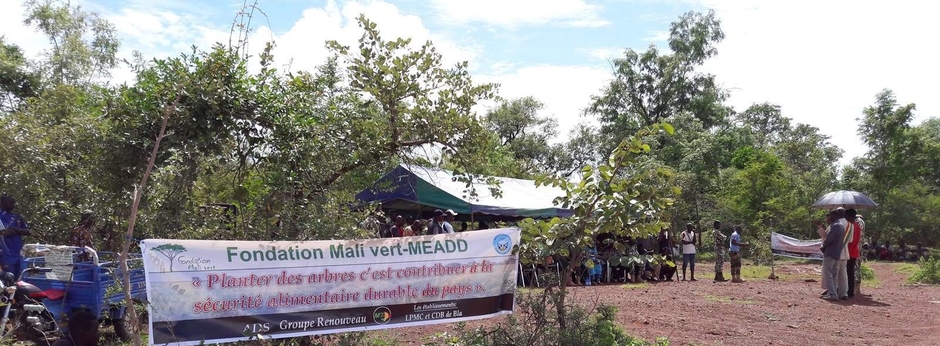
UNESCO Biosphere Reserve, inscribed 1982, in Mali. This biosphere reserve lies in the West African savanna, approximately 200 km north-west of Bamako in western Mali. The 918,000 ha area, also designated as a national park, comprises two biogeographic zones: the Sudano-Guinean zone in the south and the Sahelian zone in the north.
- 21
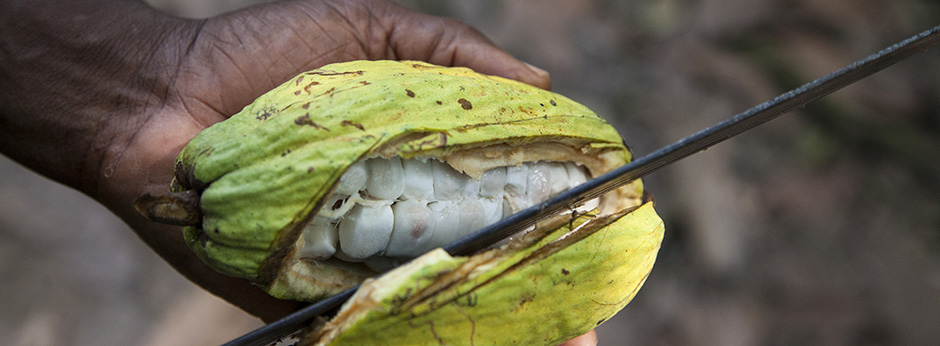
UNESCO Biosphere Reserve, inscribed 1983, in Ghana. The Bia National Park and Bia Resource Reserve constitute the twin conservation area and represents the best example of transitional zone between moist evergreen and moist semideciduous forest types.
- 22
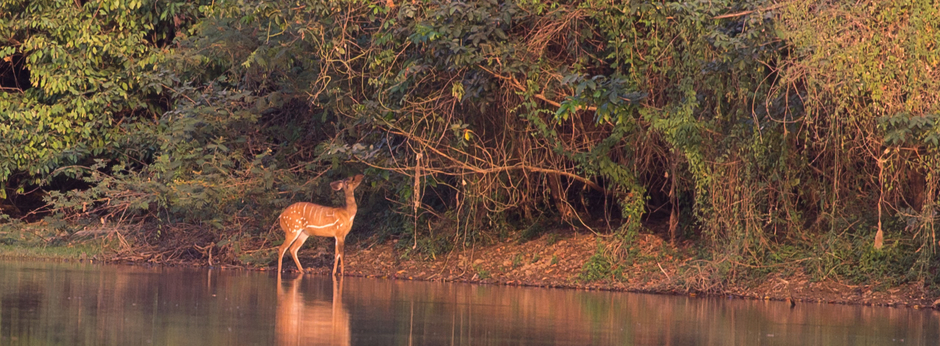
UNESCO Biosphere Reserve, inscribed 1983, in Côte d'Ivoire. The Comoé Biosphere Reserve is located in the north-east of Côte d’Ivoire, between the Comoé and the Volta rivers. It comprises an interfluvial peneplain and a series of ridges and granite inselbergs rising up to 600 m.
- 23
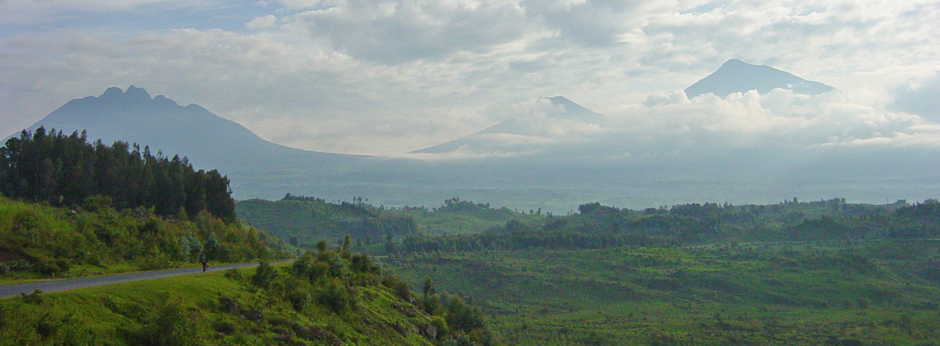
UNESCO Biosphere Reserve, inscribed 1983, in Rwanda. Volcans Biosphere Reserve is located in north-western Rwanda on the border with the Democratic Republic of the Congo and Uganda. It comprises five volcanoes: Karisimbi, Muhabura, Bisoke, Sabyinyo and Gahinga. The reserve covers 160 km² of rainforest and bamboo. It is home to 30 per cent of the global population of mountain gorillas (Gorilla beringei beringei). It supports 115 mammal species, 187 bird species, 27 reptile and amphibian species and 33 arthropod species. It has 13 orchid species protected by CITES and three endangered reptile species. It also has 245 plant species, 17 of which are threatened on the IUCN Red List.
- 24
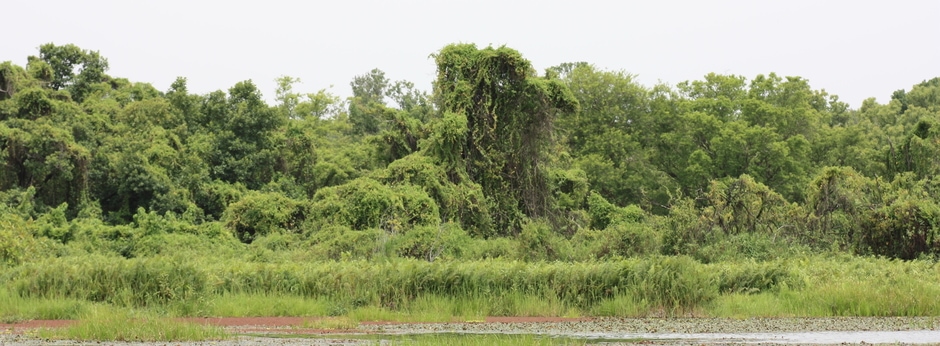
UNESCO Biosphere Reserve, inscribed 1986, in Burkina Faso. The Mare aux Hippopotames Biosphere Reserve is located about 60 km north of Bobo-Dioulasso in Houet Province, south-west Burkina Faso. It is known for its freshwater lake (“mare”) with associated pools and marshes in the floodplain of the Volta Noire River, as well as for its gallery forests. The reserve contains a wide variety of biodiversity, especially near the lake after which it is named.
- 25
UNESCO Biosphere Reserve, inscribed 1986, in Benin. Located in north-western Benin, the Pendjari Biosphere Reserve lies at the interface of the Sahel and Sudanian zones, offering a unique ecological corridor between West Africa’s drylands and its more humid regions. The reserve encompasses a largely flat peneplain, interspersed with riverine flood zones and low mountain chains. It plays a vital role in conserving the region’s landscapes, species, and genetic resources, while supporting ecological resilience and local livelihoods through sustainable resource use.
- 26
UNESCO Biosphere Reserve, inscribed 1988, in Congo. The Dimonika Biosphere Reserve is located in the central Mayombe mountain chain about 50 km from the Atlantic coast.
- 27
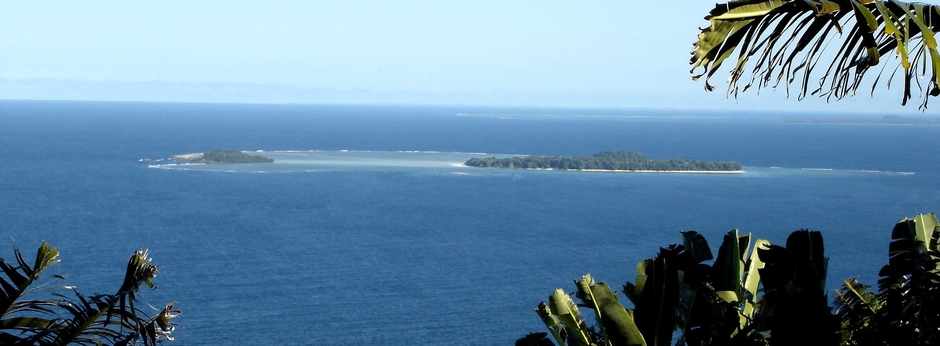
UNESCO Biosphere Reserve, inscribed 1990, in Madagascar. The Mananara Nord Biosphere Reserve comprises two major ecosystems, terrestrial and marine, both fundamental in providing food for the local population. The region has exceptional biological diversity with high rates of endemism. Since its designation in 1990, Mananara has served as a ‘multidisciplinary school’ of biodiversity preservation and socio-economic development, where managers, researchers and authorities work together on sustainable solutions.
- 28
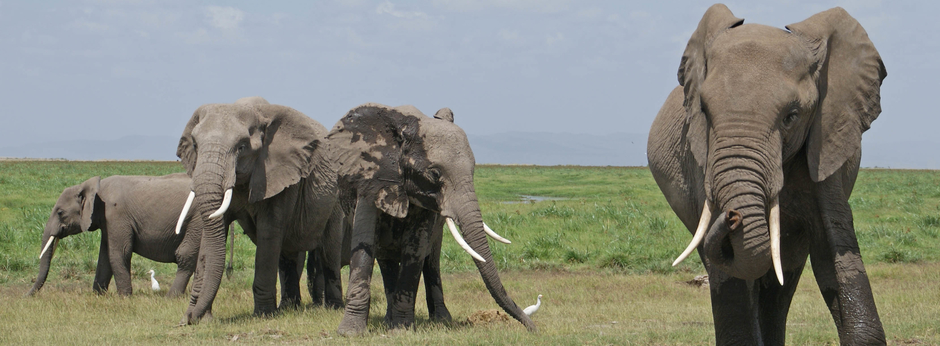
UNESCO Biosphere Reserve, inscribed 1991, in Kenya. Located at the foot of Kilimanjaro on the Kenyan side of the border, the Amboseli Biosphere Reserve contains a variety of ecological zones, including natural dry mountain forest, mountains, savannah rangelands, wetlands and swamps. These areas are home to a wide variety of species, including elephants, lions and giraffes. The biosphere reserve was part of the UNESCO–MAB project ‘Biosphere Reserves for Biodiversity Conservation and Sustainable Development in Anglophone Africa (BRAAF)’, which aimed to ensure the long-term conservation of biodiversity by involving the local population in its sustainable use.
- 29
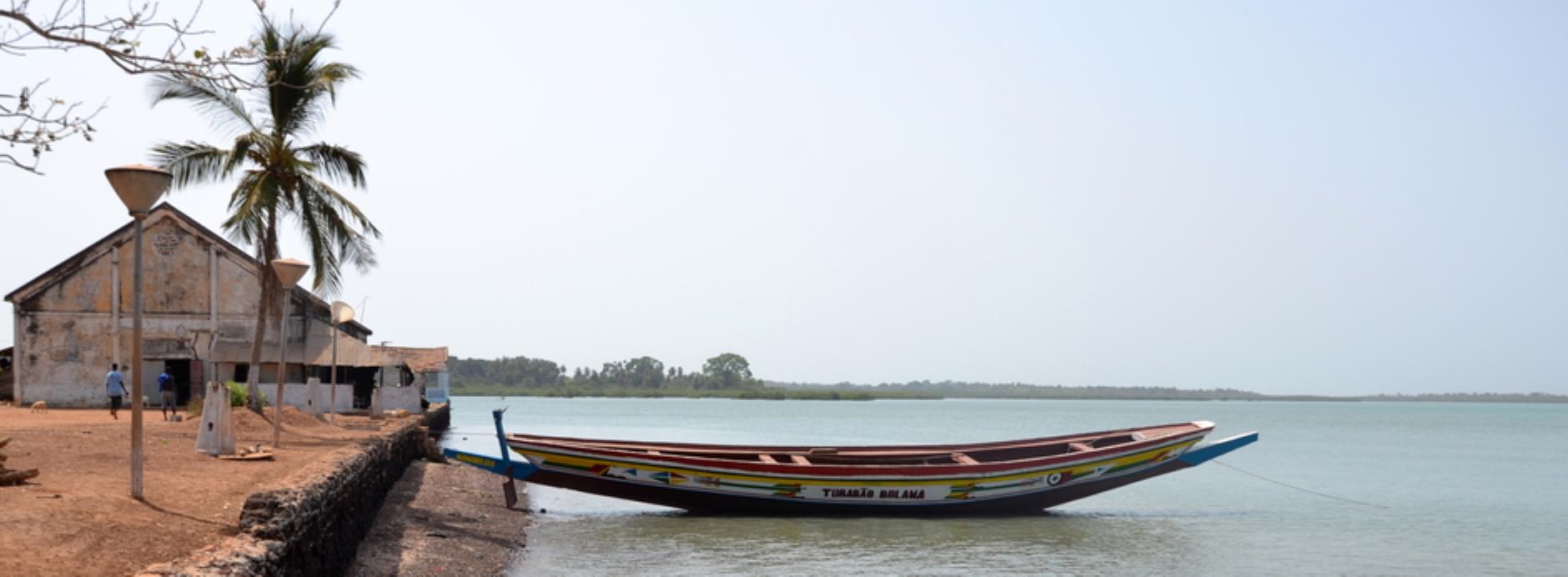
UNESCO Biosphere Reserve, inscribed 1996, in Guinea-Bissau. Bolama-Bijagós Biosphere Reserve is an archipelago of 88 islands located on the coast of Guinea-Bissau in western Africa. It was formed from the ancient delta of the Rio Geba and the Rio Grande.
- 30
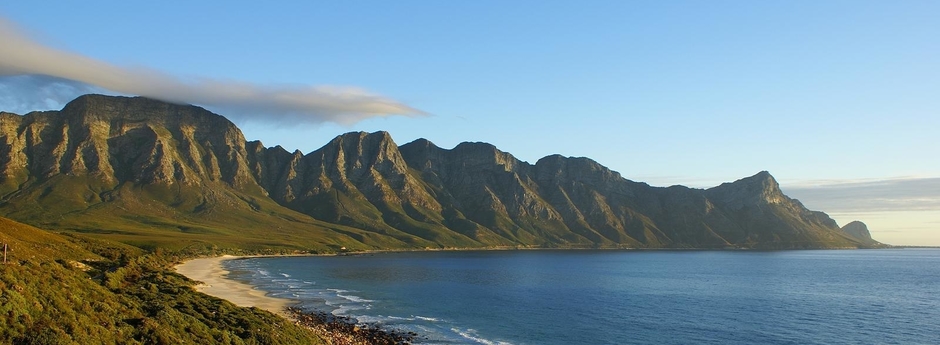
UNESCO Biosphere Reserve, inscribed 1998, in South Africa. Kogelberg Biosphere Reserve was the first South African biosphere reserve and is situated in the Western Cape Province about 40 km from Cape Town. It covers 103,629 ha, of which more than 80 per cent is mountainous landscape that ranges from high mountain peaks and deep valleys to gentle hills and lower mountain slopes. The remaining area consists of a gently rolling coastal plain and a marine area of about 24,500 ha, with a mostly rocky coastline and sandy beaches and estuaries.
- 31
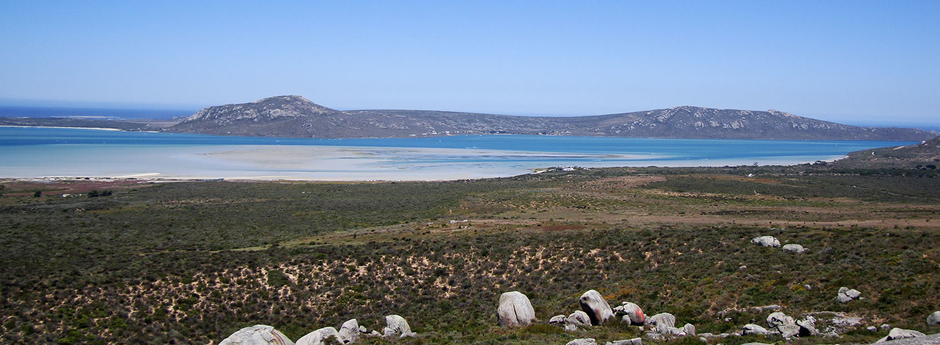
UNESCO Biosphere Reserve, inscribed 2000, in South Africa. The Cape West Coast Biosphere Reserve is located on the south-western coast of South Africa, north of the Cape Town metropolitan area. It stretches between the Diep River mouth in the south and the Berg River in the north. The Langebaan Lagoon and Lower Berg River support a high diversity of wader bird species. The Lower Berg River provides the highest number of wader birds in South Africa. The area contains several urban areas, including the commuter town of Atlantis in the south and Saldanha Bay town and its industrial complex in the north.
- 32
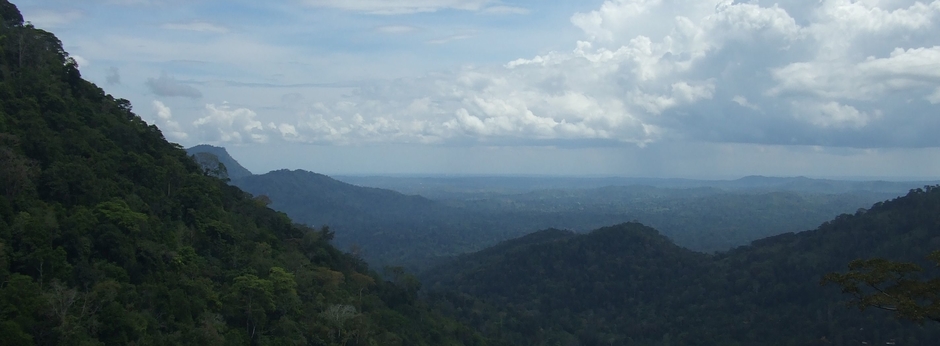
UNESCO Biosphere Reserve, inscribed 2000, in United Republic of Tanzania. The East Usambara Biosphere Reserve is part of the Eastern Arc Mountain range and covers the Tanga region. It falls under the jurisdiction of three districts: Korogwe, Muheza and Mkinga. Livelihoods in and around the East Usambara Biosphere Reserve stem from small-scale farming and cattle breeding.
- 33
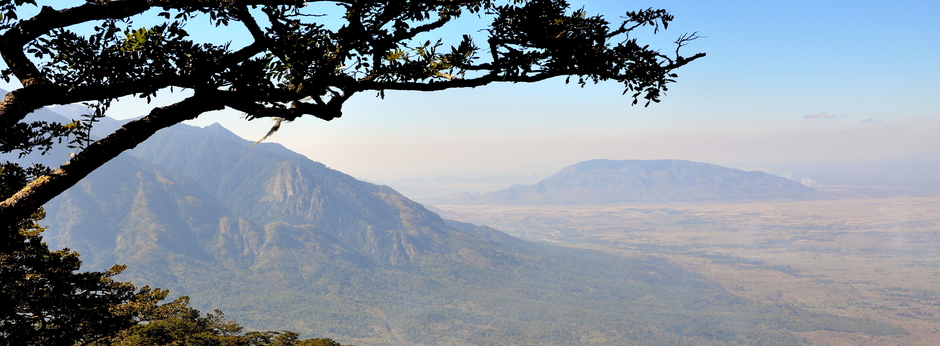
UNESCO Biosphere Reserve, inscribed 2000, in Malawi. The Mount Mulanje Biosphere Reserve is in the south-west of Malawi, near the border with Mozambique. Mount Mulanje lies halfway between mountain chains and upland areas that extend from the Ethiopian highlands to South Africa. It has rich biodiversity with a high level of endemism. The Mulanje cedar (Widdringtonia whytei) found in the reserve is considered the national tree of Malawi and is highly valued for its use in silviculture and its contribution to socio-economic development. Its protection and sustainable use are priorities. There are three main ethnic groups and several minorities living in the area. The main land-use activities are agriculture and pastoralism, selective logging, the extraction of medicinal plants and other non-timber forest products, as well as ecotourism. The mountain also carries important cultural significance, as ancestral spirits are believed to reside there. These sites are used as shrines for traditional rites.
- 34
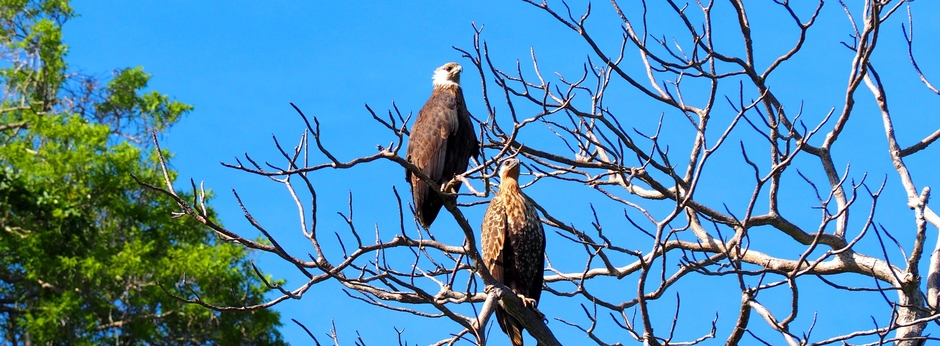
UNESCO Biosphere Reserve, inscribed 2001, in Madagascar. Located on the north-west coast of Madagascar, this biosphere reserve contributes to the conservation of three specific habitats: dry semi-deciduous forest, mangrove forest and coral reefs. The forest is one of the few remaining patches of dry littoral forest on the west coast of Madagascar. The outer coral reef, about 5–10 km west of the Radama Islands, protects an ancient coral reef on its western side, forming Madagascar’s slope. The Bay of Sahamalaza, which can reach a depth of 20 m, includes a large area of mangrove.
- 35
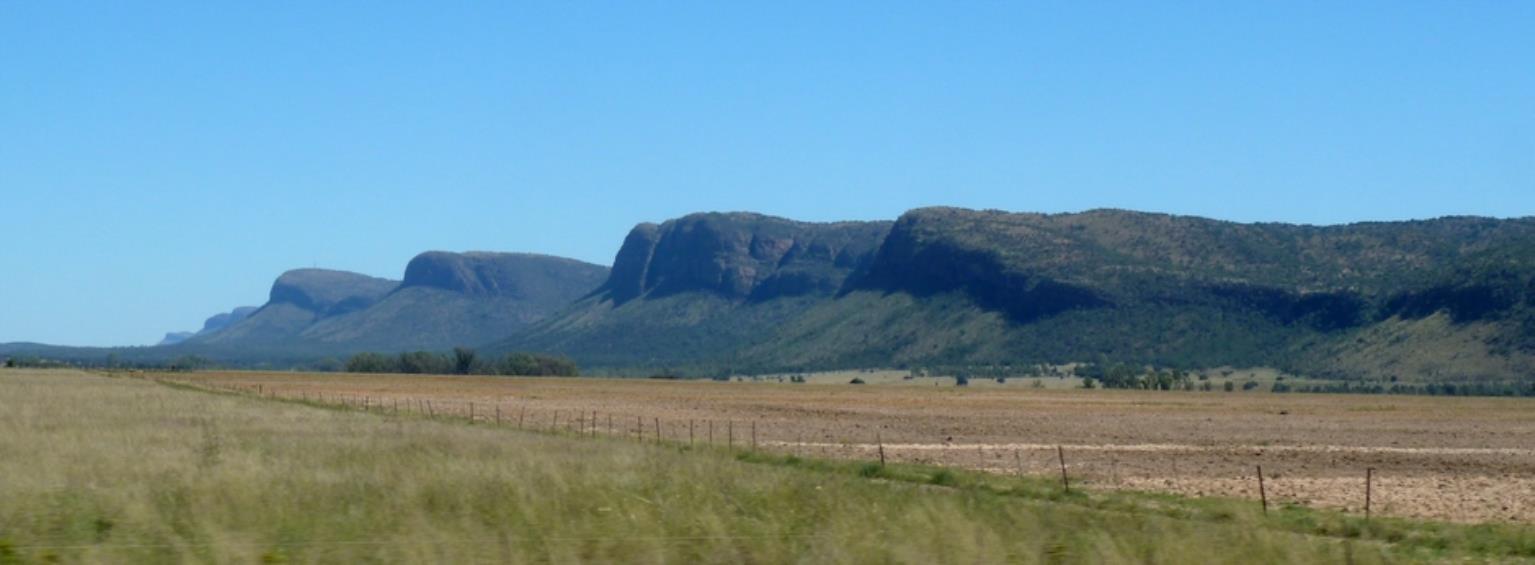
UNESCO Biosphere Reserve, inscribed 2001, in South Africa. The Waterberg Biosphere Reserve is in the Bushveld district of the Limpopo Province of South Africa. As the name implies, the Waterberg serves as a water reservoir for this arid region. The area consists of low mountain ranges and escarpments with poor soils and a relatively low level of economic activity. Vegetation is dominated by veld types characteristic of mountainous savannah areas, creating rich biodiversity with more than 5,500 species of plants. The area has been inhabited for hundreds of thousands of years and is one of the most important San rock art areas in South Africa. Tourism is the major source of income. People also practise cattle raising and crop production, and are increasingly switching from game farming to eco-tourism.
- 36
UNESCO Biosphere Reserve, inscribed 2002, in Guinea. Badiar Biosphere Reserve is in the north of Guinea and is adjacent to the Niokolo-Koba Biosphere Reserve in Senegal.
- 37
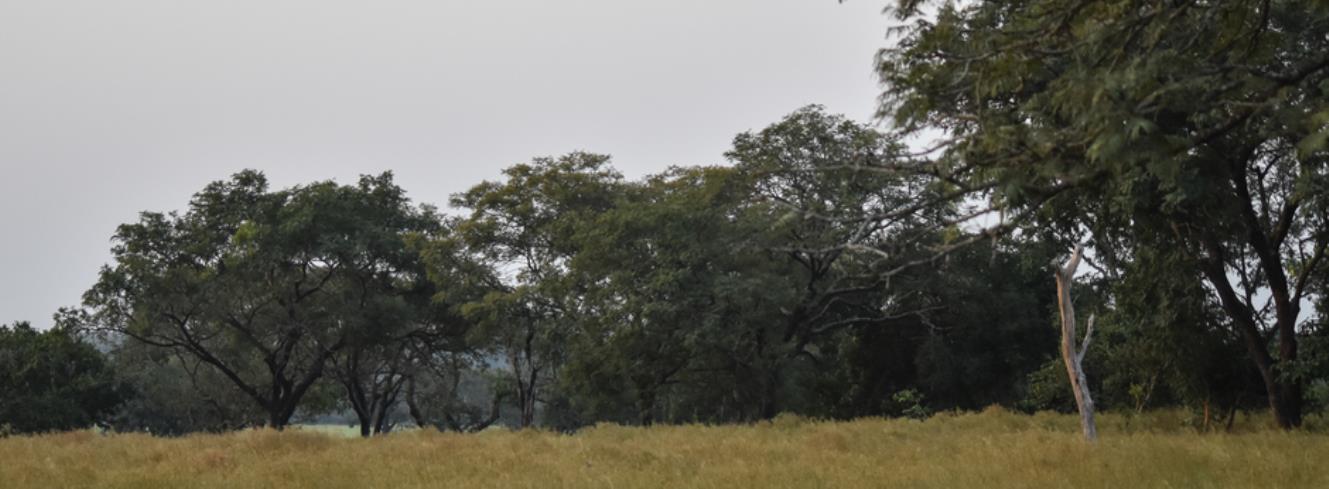
UNESCO Biosphere Reserve, inscribed 2002, in Guinea. Situated in the Niger basin, this biosphere reserve is part of the Sudano-Guinean vegetation zone. It plays a central role in protecting primary open dry forests, which are believed to represent the last relicts in Guinea and probably in all western Africa.
- 38
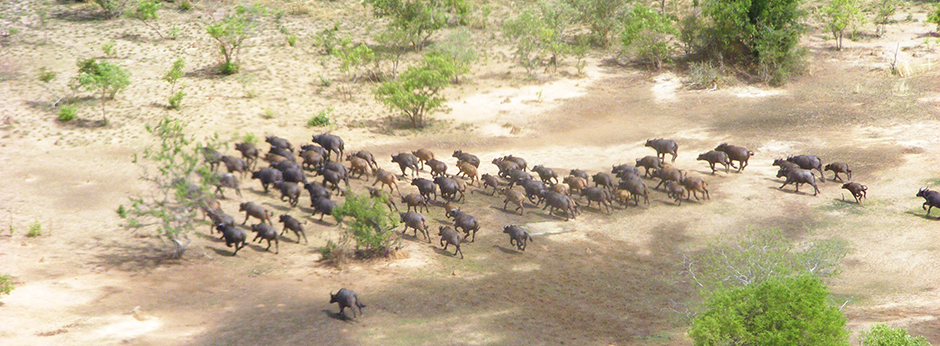
UNESCO Biosphere Reserve, inscribed 2002, in Burkina Faso. Situated in the West African savannah, this biosphere reserve presents a wide variety of natural landscapes including wetlands, gallery forests, dry clear forests, and tree and shrub savannahs. These are natural habitats for vulnerable and endangered species including the cheetah, elephant, lion, leopard and vulture. Agriculture is the main economic activity in Arly with cereal crops (millet and sorghum), peanuts and cotton, alongside livestock.
- 39
UNESCO Biosphere Reserve, inscribed 2002, in Niger. The ‘W’ Region Biosphere Reserve is the first transboundary biosphere reserve in Africa. The Niger component of the ‘W’ complex was designated a biosphere reserve in 1996. After a long process of study and consultation, and strong support from the concerned national authorities, the reserve was extended to Burkina Faso and Benin in 2002. The ‘W’ Region Transboundary Biosphere Reserve takes its name from the double bend of the Niger River and today covers more than 3 million hectares. The biosphere reserve straddles the borders of the Soudano-Guinean, Sudanese and Sahel biogeographic regions and is home to wide and varied biodiversity. The ‘W’ Region also constitutes a barrier against the advance of desertification from the north. The area hosts one of the largest populations of ungulates in West Africa and comprises wetlands of international importance recognised under the Ramsar Convention. People have occupied the area since the Neolithic period and have contributed to the development of the present landscape. Wild plant species continue to play an important role in traditional land use and agriculture. For all these reasons, parts of the biosphere reserve are inscribed on the World Heritage List.
- 40
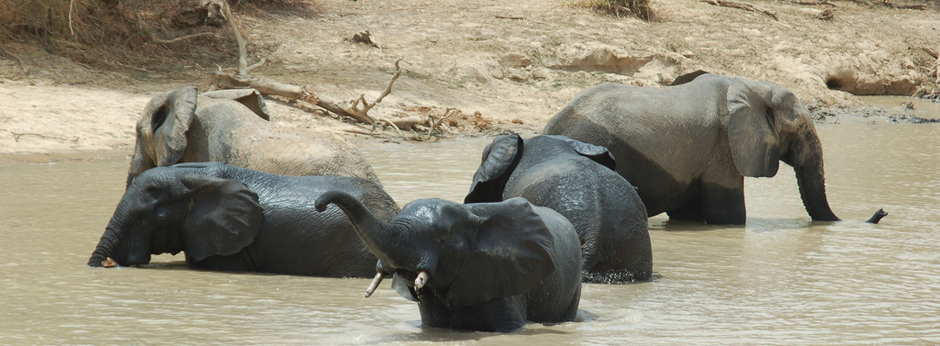
UNESCO Biosphere Reserve, inscribed 2002, in Benin. Situated in the West African savannah, the W Region Biosphere Reserve sits on an ancient massif above the Niger valley and is dissected by the Mékrou, Tapoa and Kourtiagou rivers linked to the Niger and Pendjari basins. The reserve presents a wide variety of natural landscapes from Ramsar-listed wetlands with aquatic meadows, to gallery forests, open dry woodlands and savannahs. As part of the W–Arly–Pendjari complex, a pioneering transboundary site in Africa, it underpins cross-border co-operation on conservation, development through community-involved resource management, and education and continuous monitoring.
- 41
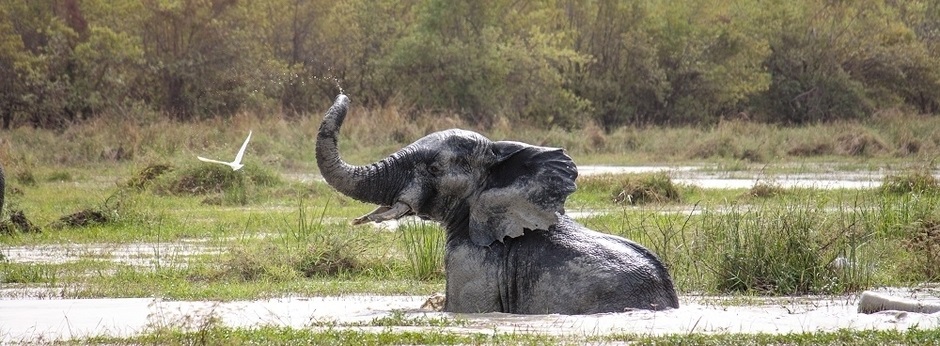
UNESCO Biosphere Reserve, inscribed 2003, in Kenya. Mount Elgon was designated as a UNESCO biosphere reserve in 2003. It lies about 300 km north-west of Nairobi and extends into two counties, Trans Nzoia and Bungoma. Mount Elgon is the main contributor to the major rivers that drain into Lake Victoria, and it has a radial drainage pattern.
- 42
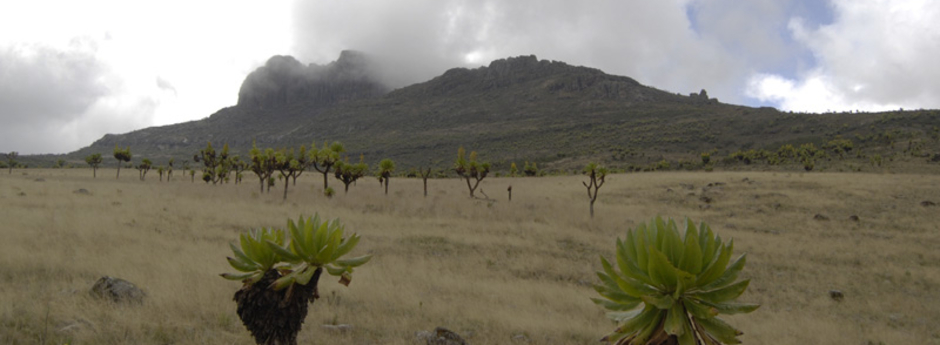
UNESCO Biosphere Reserve, inscribed 2005, in Uganda. At 4,000 km², Mount Elgon has the largest volcanic base in the world. Located on the Uganda–Kenya border, it is also the oldest and largest solitary volcanic mountain in East Africa. Its vast form, 80 km in diameter, rises more than 3,000 m above the surrounding plains. The mountain’s cool heights offer respite from the hot plains below, and the higher altitudes provide a refuge for flora and fauna.
- 43
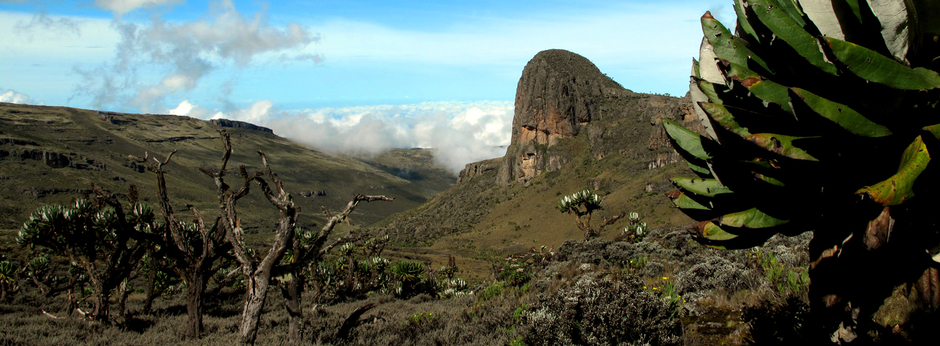
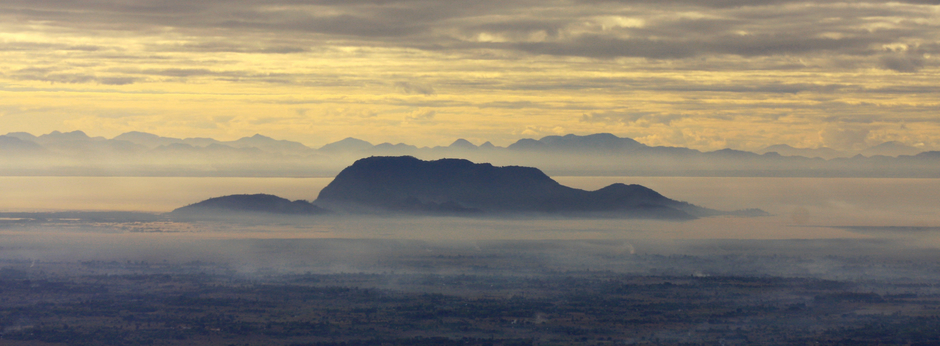
UNESCO Biosphere Reserve, inscribed 2006, in Malawi. Situated in the south of Malawi, near the eastern border with Mozambique, the Lake Chilwa Wetland Biosphere Reserve is home to one of the world’s most diverse bird assemblages. Lake Chilwa, the country’s second-largest lake, was formed by tectonic processes. The lake functions as a shallow inland drainage basin. Its eastern side is composed of sandy soils, while the remaining soils are fine-grained clays. The Chilwa plain comprises seven agro-ecological zones defined by different soil groups. The reserve’s topography includes the Chilwa plains, open lake waters and mountainous areas such as Mount Zomba and Mount Mulanje. In 1997, the wetlands were designated a Ramsar site for their global significance as a major waterfowl habitat.
- 44
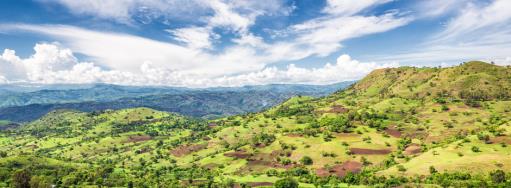
UNESCO Biosphere Reserve, inscribed 2010, in Ethiopia. The Kafa Biosphere Reserve is located in the Kafa Zone of Ethiopia, approximately 460 km south-west of Addis Ababa. The Bonga National Forest Priority Area (NFPA) partly forms the southern boundary of the biosphere reserve, while the eastern boundary follows Adiyo Woreda. The Gojeb River and the Gewata–Yeba (Boginda) NFPA form the northern boundary. Kafa is the birthplace of wild Arabica coffee and contains close to 5,000 wild varieties of the plant in this biodiversity hotspot.
- 45
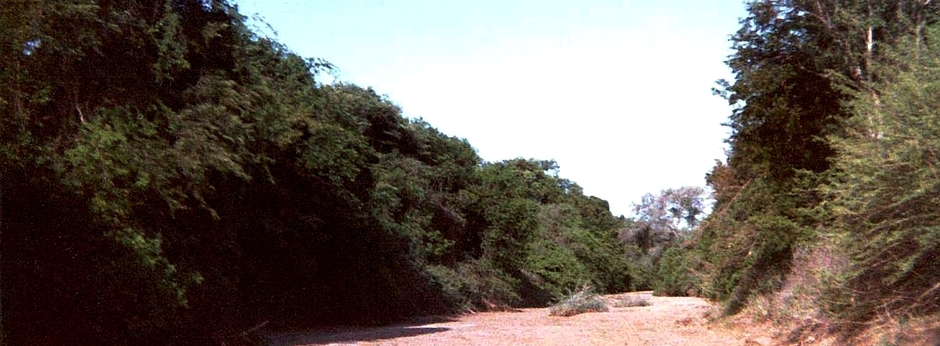
UNESCO Biosphere Reserve, inscribed 2010, in Zimbabwe. The Zambezi valley is part of Region 54 of the African Terrestrial Ecoregions. It consists of Riverine, and terrestrial ecosystems unique to the subcontinent.
- 46
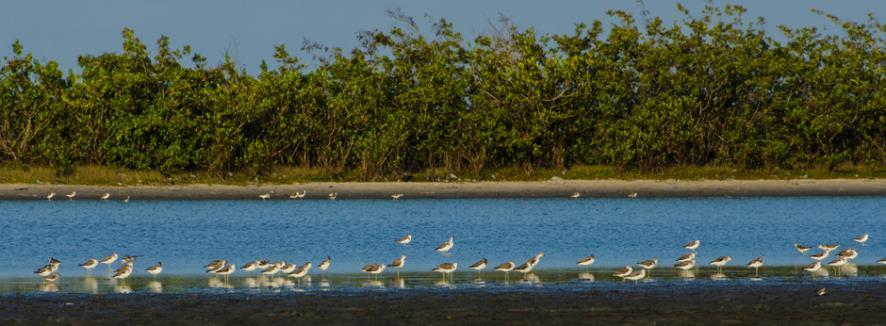
UNESCO Biosphere Reserve, inscribed 2011, in Ghana. Songor Biosphere Reserve lies on Ghana’s south-eastern coast at the mouth of the Lower Volta, where the river meets the Gulf of Guinea. A shallow, brackish lagoon sits at its centre, linked by creeks to low islands and the estuary. This river–lagoon–sea setting supports large numbers of migratory waterbirds on the East Atlantic flyway and important nesting beaches for marine turtles. The reserve aims to conserve habitats and species; integrate wildlife management with local use; and develop education, research, tourism and recreation across its conservation, development and logistic functions.
- 47
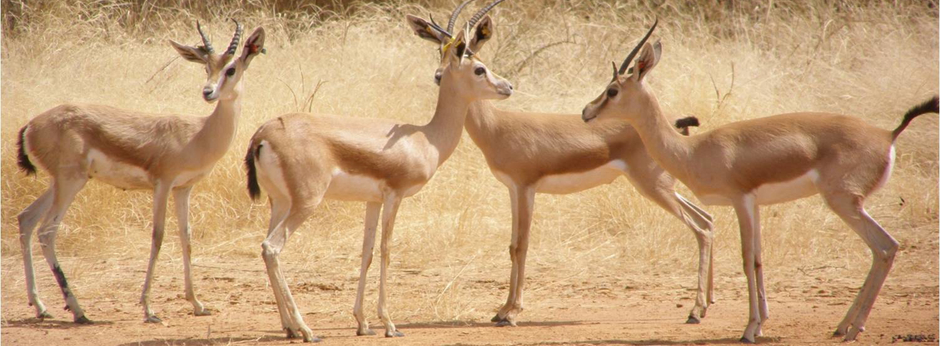
UNESCO Biosphere Reserve, inscribed 2012, in Senegal. The biosphere reserve is located in the agro-ecological zone of Senegal called Ferlo. It is an area of low plateaux and alluvial plains formed by fossil valleys and temporary flows that join the Ferlo valley. The biosphere reserve is exploring options to diversify traditional livestock-rearing and subsistence farming livelihoods.
- 48
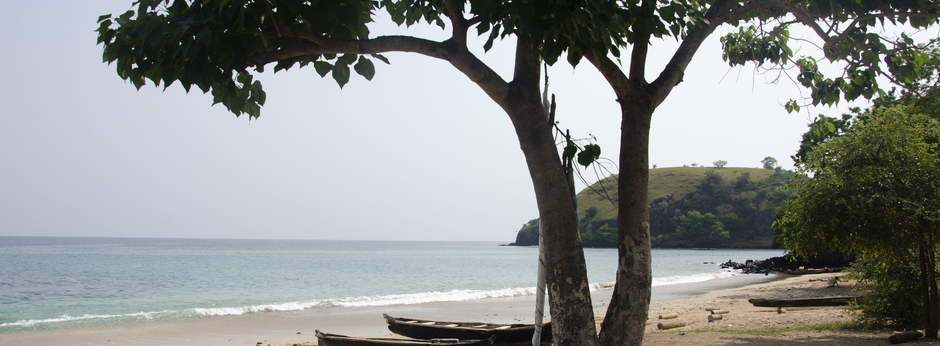
UNESCO Biosphere Reserve, inscribed 2012, in Sao Tome and Principe. The island of Príncipe is one of three existing oceanic volcanic islands of the Gulf of Guinea. It is geologically the oldest of the group, formed 31 million years ago. The biosphere reserve includes the entire emerged area of the island of Príncipe and its islets Bom Bom, Boné do Jóquei, Mosteiros, Santana and Pedra da Galei, and the Tinhosas islands.
- 49
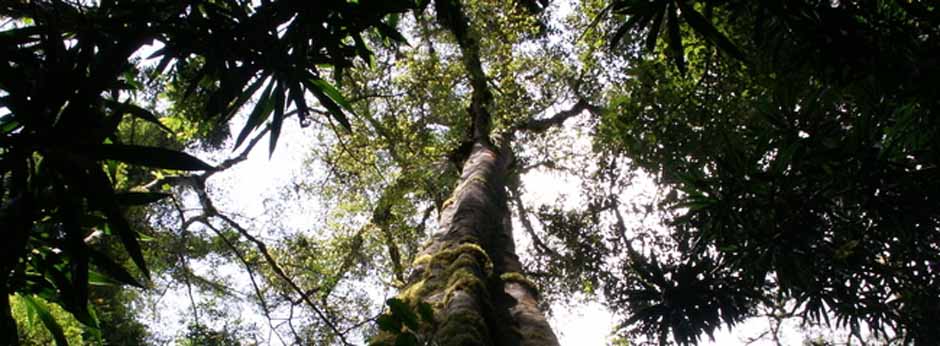
UNESCO Biosphere Reserve, inscribed 2012, in Ethiopia. The Sheka Forest Biosphere Reserve includes forest, bamboo thickets, wetlands, agricultural land, rural settlements and towns. It covers a distinct biogeographic unit extending from cold, very wet highlands to hot lowland areas. The diverse resident population is committed to the sustainable use of forests through the production of wooden items and non-timber forest products.
- 50
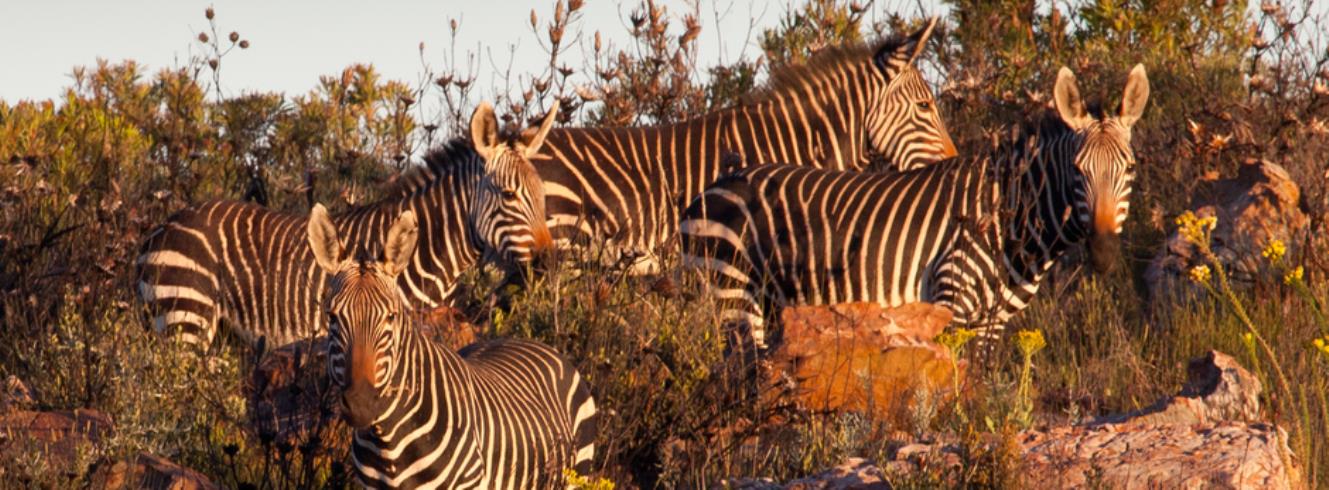
UNESCO Biosphere Reserve, inscribed 2015, in South Africa. The Gouritz Cluster Biosphere Reserve is in the southern part of South Africa. It is divided into four connected sectors that extend from sea level to 2,240 metres. This is the only place in the world where three recognised biodiversity hotspots converge, namely Fynbos, Succulent Karoo and Maputaland–Pondoland–Albany. The site is characterised by a high level of plant endemism, with 1,325 species, including 182 Succulent Karoo endemics and 92 Red List species, and by threatened invertebrates, including seven endemic species of the enigmatic beetle genus Colophon and 14 butterfly species. It provides a migratory route for large mammals such as the leopard (Panthera pardus) and serves as a nursery for marine species. Despite its rich biodiversity, the area faces deep-rooted socio-economic challenges, including high unemployment, widespread poverty, sprawling informal settlements with inadequate services, rising HIV rates and growing crime.
- 51
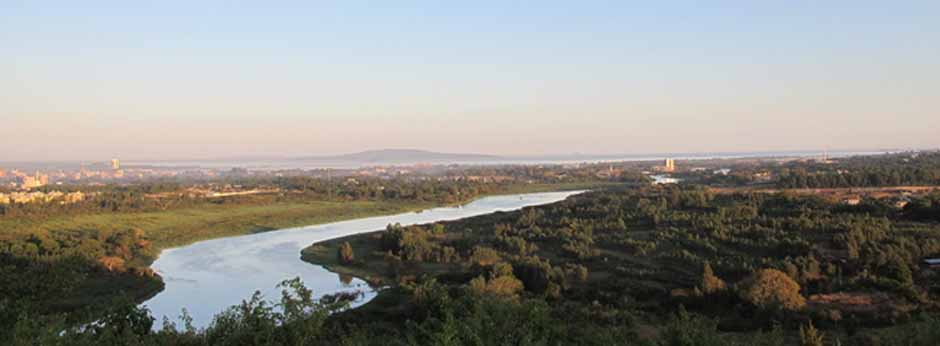
UNESCO Biosphere Reserve, inscribed 2015, in Ethiopia. The Lake Tana Biosphere Reserve is located in the Amhara National Regional State, approximately 563 km north-west of Addis Ababa in north-western Ethiopia. The biosphere reserve comprises Lake Tana, the country’s largest lake and the main source of the Blue Nile, which provides important ecosystem services. The area is a biodiversity hotspot, internationally known as an Important Bird Area, and is of global importance for agricultural genetic diversity. It is characterised by a high heterogeneity of land uses and natural ecosystems.
- 52
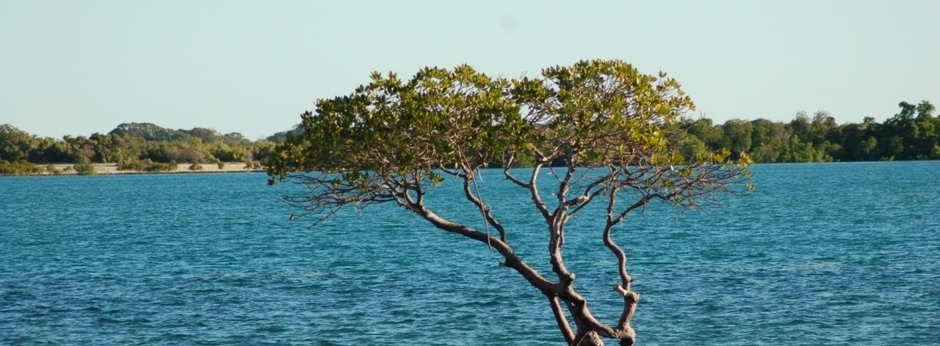
UNESCO Biosphere Reserve, inscribed 2016, in Madagascar. Situated on the western coast of Madagascar, the Belo-sur-Mer–Kirindy-Mite Biosphere Reserve comprises a watershed and a mosaic of rich but fragile ecosystems, including dry forests, thickets, thorn forests, savannahs, salty swampy depressions known as tannes, mangroves and coral reefs. The reef is a feeding area for spectacular marine megafauna, including the humpback whale (Megaptera novaeangliae), dolphins, dugong (Dugong dugon) and marine turtles. People in the area rely on these natural resources for their livelihoods and income. The site’s marine biodiversity, islands and two sacred saline lakes, home to the lesser flamingo (Phoenicopterus minor), are valuable assets for tourism. Aquaculture, pelagic fishing and salt production are also key areas of development.
- 53
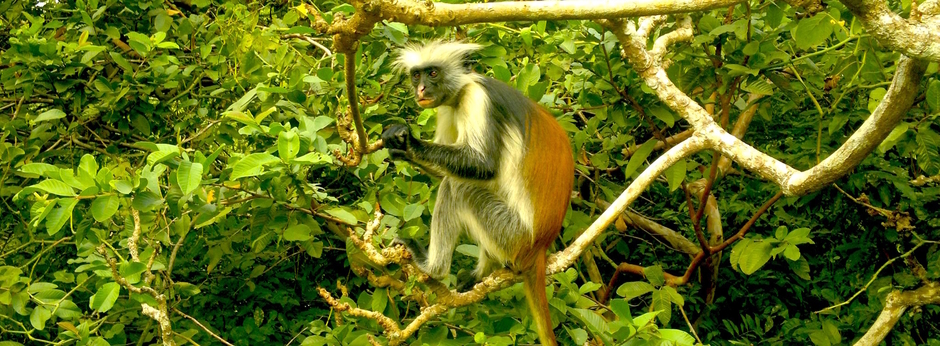
UNESCO Biosphere Reserve, inscribed 2016, in United Republic of Tanzania. The Jozani–Chwaka Bay Biosphere Reserve contains the only national park on the island of Zanzibar in Tanzania. Its landscape is a mosaic of mangroves, tropical forests and coral rag forests, as well as groundwater forests, salt marshes, and agricultural and residential areas. The site is a biodiversity hotspot, home to reef fish species, dolphins and 168 species of birds, including 30 species of global and regional importance. Of the site’s 291 known plant species, 21 are considered endangered. The inhabitants of the reserve live mainly from activities related to tourism, fishing, beekeeping, butterfly rearing and crab fattening.
- 54
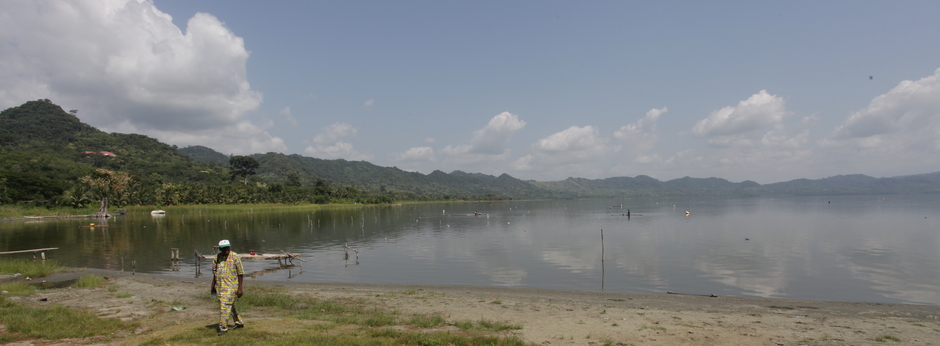
UNESCO Biosphere Reserve, inscribed 2016, in Ghana. Situated in the Ashanti Region of Ghana, Lake Bosomtwe is one of six meteoritic lakes in the world. The southernmost section of the site overlaps the northern section of the Bosomtwe Range Forest Reserve, creating a combination of forest, wetland and mountain ecosystems. The biosphere reserve sustains 35 tree species, including some used for timber. It is also home to a great diversity of wildlife and to local communities whose main economic activities are farming, fishing and tourism, as the lake is a major national tourist destination. The area is widely used for research, especially on climate change, as well as for environmental education for schools and universities.
- 55
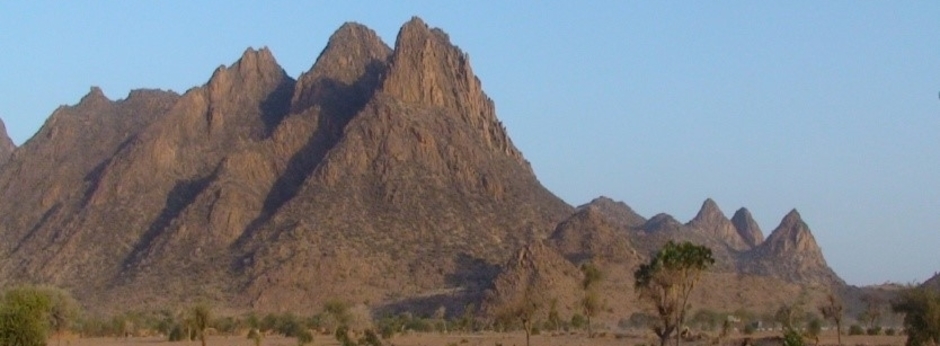
UNESCO Biosphere Reserve, inscribed 2017, in Sudan. This reserve comprises the Al Dair massif, which contains dry savannah woodlands, forest ecosystems and a network of streams. It is one of the few remaining areas with rich biodiversity in the semi-arid region of North Kordofan. The site supports 112 plant species, most of which have medicinal and aromatic uses. There are also 220 species of birds and 22 species of mammals and reptiles.
- 56
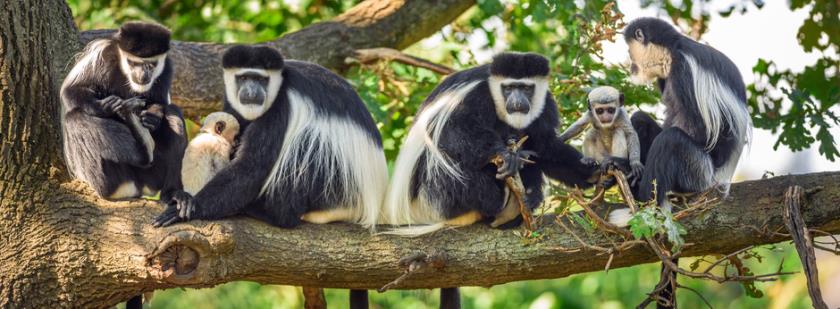
UNESCO Biosphere Reserve, inscribed 2017, in Ethiopia. Located in the west of the country, this biosphere reserve includes afromontane forests in one of the most fragmented and threatened regions in the world. The landscape includes several wetlands and marshes. On higher ground, above 1,000 metres, vegetation is dominated by ferns and bamboo, while lower areas are covered with palm trees. This biodiverse region includes about 550 plant species, 33 mammal species and 130 bird species.
- 57
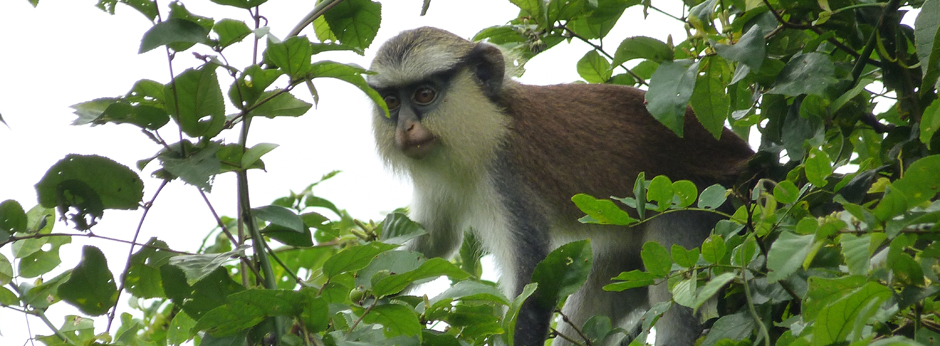
UNESCO Biosphere Reserve, inscribed 2017, in Benin. Stretching across the alluvial plain, and the delta and riverbank areas of the Mono River, this biosphere reserve comprises a mosaic of landscapes and ecosystems consisting mainly of mangroves, savannah, lagoons, floodplains and forests, including sacred forests. The reserve’s inhabitants are mostly engaged in small-scale agriculture of oil palm and coconut palms, pasture, forestry and fishing.
- 58
UNESCO Biosphere Reserve, inscribed 2017, in Togo. Stretching across the alluvial plain, and the delta and riverbank areas of the Mono River, this site comprises a mosaic of landscapes and ecosystems consisting mainly of mangroves, savannah, lagoons, floodplains and forests, including sacred forests. The reserve’s inhabitants are mostly engaged in small-scale agriculture of oil palm and coconut palms, pasture, forestry and fishing.
- 59
UNESCO Biosphere Reserve, inscribed 2018, in Burkina Faso. Located in the West African savanna region of south-eastern Burkina Faso, the Arly Biosphere Reserve is part of the Afrotropical dry forest biome. Set in an ancient peneplain with diverse landscapes ranging from grassy plains and shrubland to gallery forests and seasonal waterways, it harbours areas of striking beauty including sites where baobab and shea trees grow in distinctive clusters. The reserve’s primary objectives are to restore and sustainably manage wildlife and habitats, strengthen transboundary migration corridors, and support socio-economic partnerships that benefit both biodiversity conservation and local livelihoods.
- 60
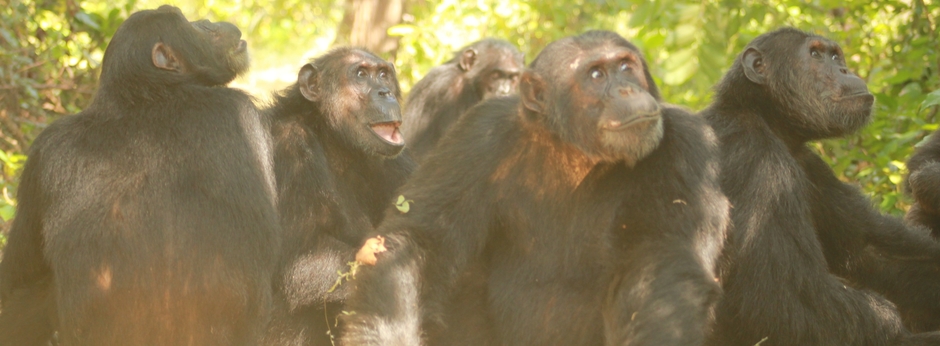
UNESCO Biosphere Reserve, inscribed 2018, in United Republic of Tanzania. The biosphere reserve, a major site for chimpanzee research, includes Gombe National Park, forest reserves and part of Lake Tanganyika. Faunal species present in the area include African elephants, ornate frogs and eight primate species. Its flora includes a species discovered in, and named after, Gombe, Pleiotaxis gombensis. The biodiversity of Lake Tanganyika includes over 300 fish species, 250 bird species and reptiles such as the water cobra and the Tanganyika water snake.
- 61
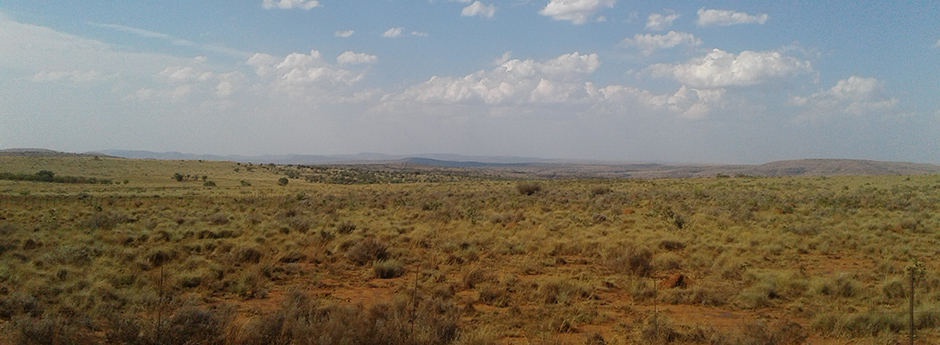
UNESCO Biosphere Reserve, inscribed 2018, in South Africa. Located in the north of the country, this biosphere reserve comprises a unique freshwater ecosystem that includes the Molemane, Molopo and Marico river systems. The ecosystem features wetlands and a dolomitic system, which form a valuable part of South Africa’s natural heritage. The savannah and grassland areas support vulnerable plant species such as Searsia maricoana. Endemic fauna includes 73 species of mammal, such as the African elephant, the black rhinoceros and the lion. The main economic activities are subsistence agriculture, livestock, game ranching and tourism.
- 62
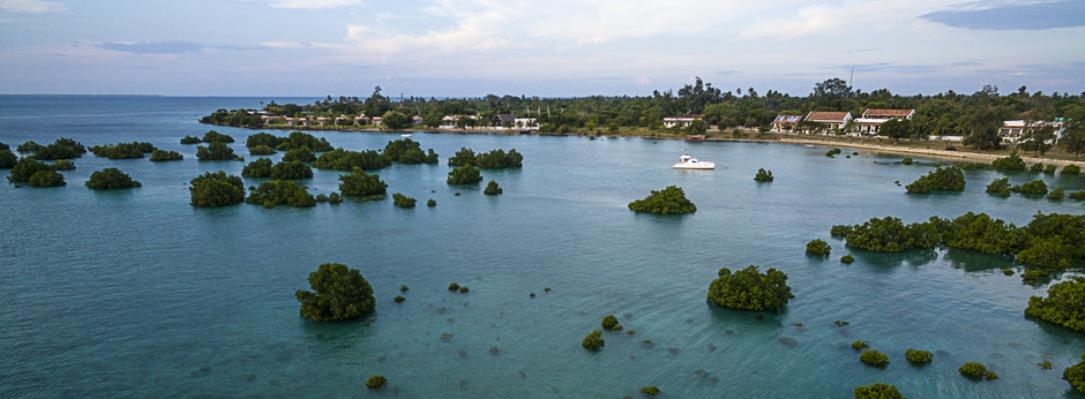
UNESCO Biosphere Reserve, inscribed 2018, in Mozambique. Located in Cabo Delgado Province in the north of the country, the site consists of 11 islands. It combines marine parks and a freshwater system, including the Montepuez River and Lake Bilibiza, a bird sanctuary. The islands support 3,000 floral species, of which 1,000 are endemic. They also support a rich fauna that includes 23 species of reptiles, 447 species of birds and 46 species of terrestrial mammals, including four of the Big Five: elephant, lion, buffalo and leopard. There are also eight species of marine mammals, including whales and dolphins. The main economic activities are fishing, animal husbandry, tourism, arts and crafts, and sea transport.
- 63
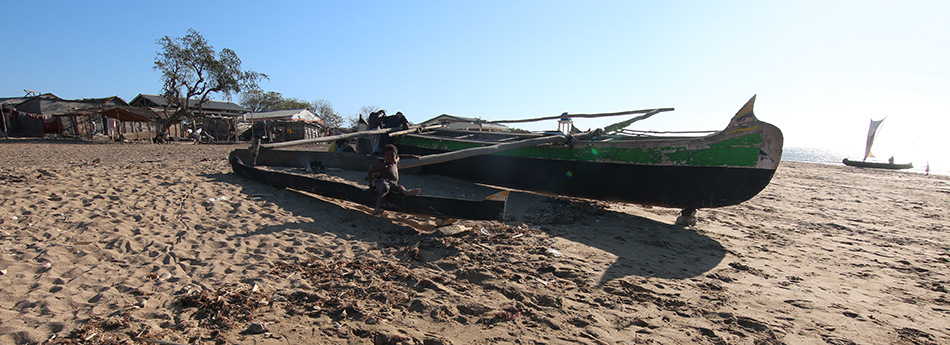
UNESCO Biosphere Reserve, inscribed 2018, in Madagascar. Located in the south-west of the country, this biosphere reserve is a mosaic of terrestrial, coastal and marine ecosystems. It is considered a biodiversity hotspot due to vulnerable ecosystems, which include coral reefs, beaches, dunes, sea marshes, mangroves, gallery forest and littoral forest. The terrestrial part of the biosphere reserve is home to relatively few plant and animal species, with a high rate of endemism reaching 90 per cent. The main economic activities are agriculture, livestock farming and fishing.
- 64
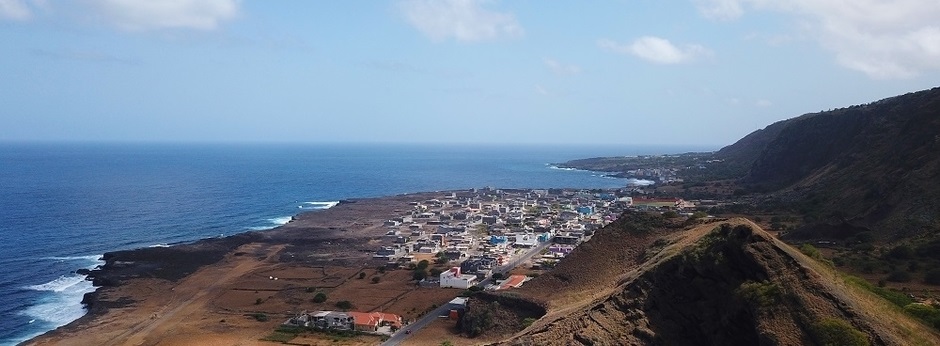
UNESCO Biosphere Reserve, inscribed 2020, in Cabo Verde. The youngest and only volcanically active island in the south of the Cabo Verde archipelago, the Fogo Biosphere Reserve culminates at an altitude of 2,829 metres. It is home to various indigenous species, including rare birds and reptiles.
- 65
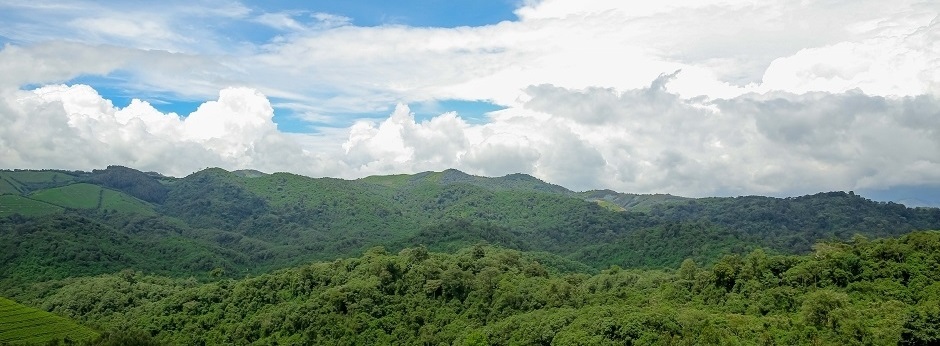
UNESCO Biosphere Reserve, inscribed 2020, in Rwanda. The Gishwati–Mukura Landscape is located in the Albertine Rift in the western part of Rwanda. This young national park is a global biodiversity hotspot, home to a variety of endemic and endangered species. After decades of poorly managed land use, the country has been carrying out a major restoration effort, moving towards socio-economic development based mostly on ecotourism.
- 66
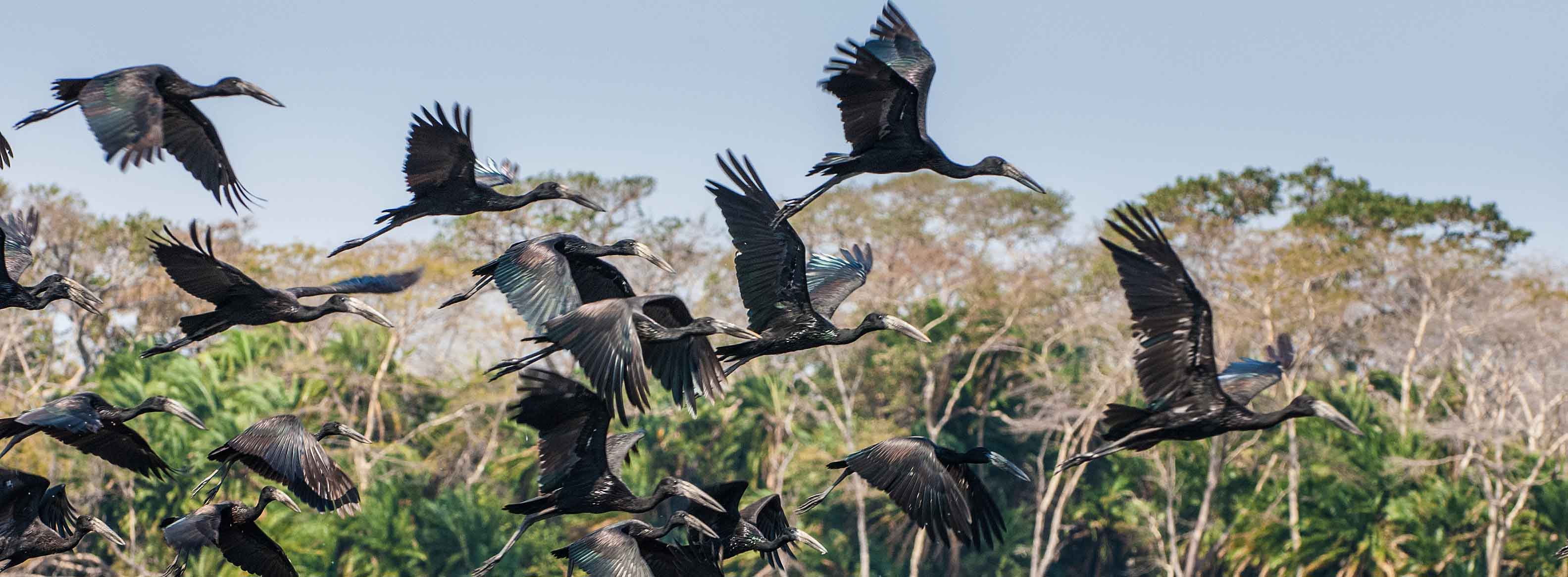
UNESCO Biosphere Reserve, inscribed 2020, in Nigeria. Located in the Sudan–Sahelian zone of Nigeria, in the Lake Chad basin, the biosphere reserve encompasses Nigeria’s first Ramsar site, the Bade Nguru Wetland. It also includes the Baturiya Game Reserve, a former community forest.
- 67
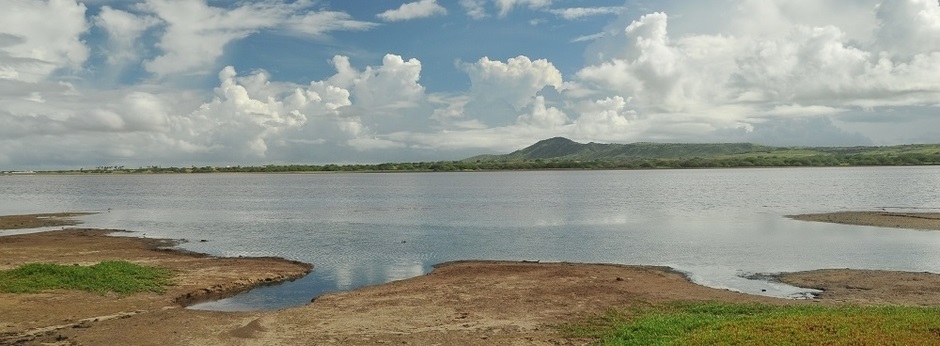
UNESCO Biosphere Reserve, inscribed 2020, in Cabo Verde. This mostly marine biosphere reserve is home to several endemic species, including turtles and cetaceans, as well as an abundance of fish, seabirds and marine reptiles. One of the most arid places in the country, Maio features striking beaches which, alongside its festivals, craft markets and historic heritage, have attracted a growing number of tourists in recent years. Most of the island’s population make a living from maize, beans, melons and salt production, as well as tourism.
- 68
UNESCO Biosphere Reserve, inscribed 2020, in Comoros. The Mwali Biosphere Reserve encompasses the entire land and marine territory of Moheli, the smallest of the islands of the Union of the Comoros, which is located in the Mozambique Channel ecoregion. Its location in this area gives it a high level of biological diversity and endemicity, with a continental shelf extending down to the 100m isobath, in the intertropical marine biogeographic region of the south-west Indian Ocean.
- 69
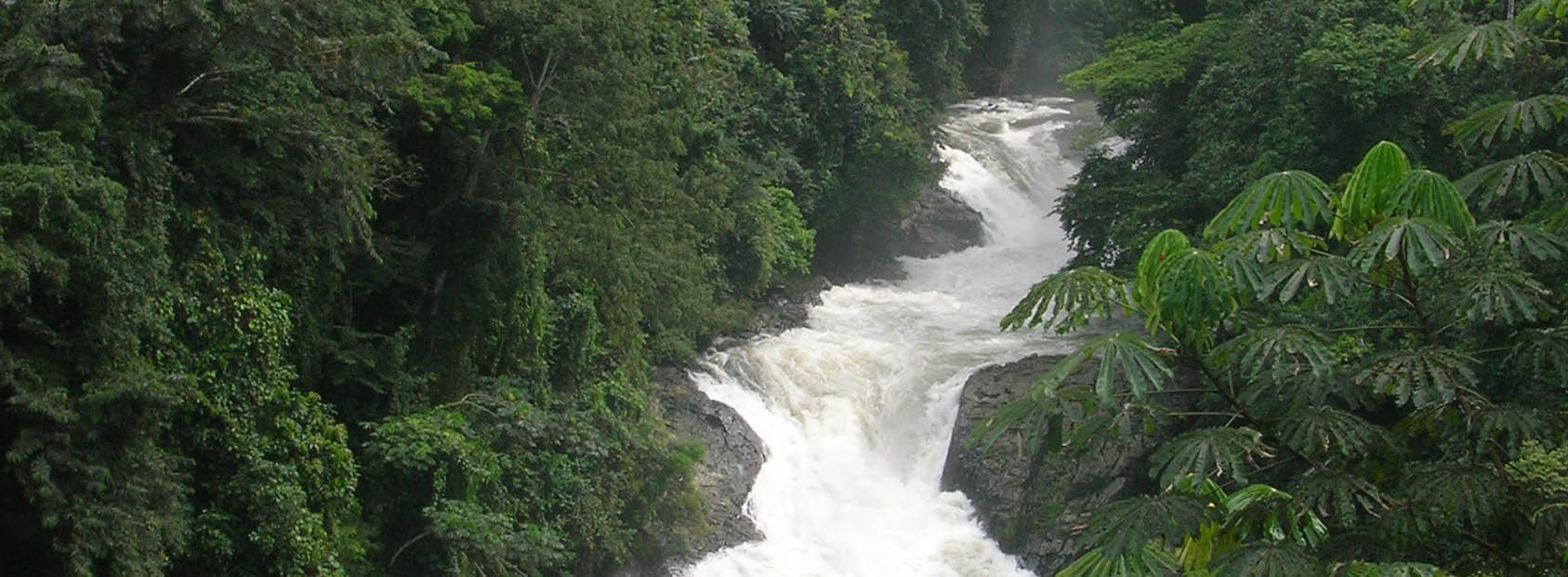
UNESCO Biosphere Reserve, inscribed 2020, in Nigeria. Oban Biosphere Reserve is located in Cross River State in the south-eastern corner of Nigeria, encompassing the Oban Forest Reserve, the Cross River National Park and the Obudu Plateau.
- 70
UNESCO Biosphere Reserve, inscribed 2020, in Nigeria. In the coastal evergreen rainforest along the Gulf of Biafra, Okwangwo lies in the north of Cross River National Park, on the edge of the Cameroon Highlands between the Cross and Sanga rivers. This combination of river systems underpins a unique wealth of biodiversity.
- 71
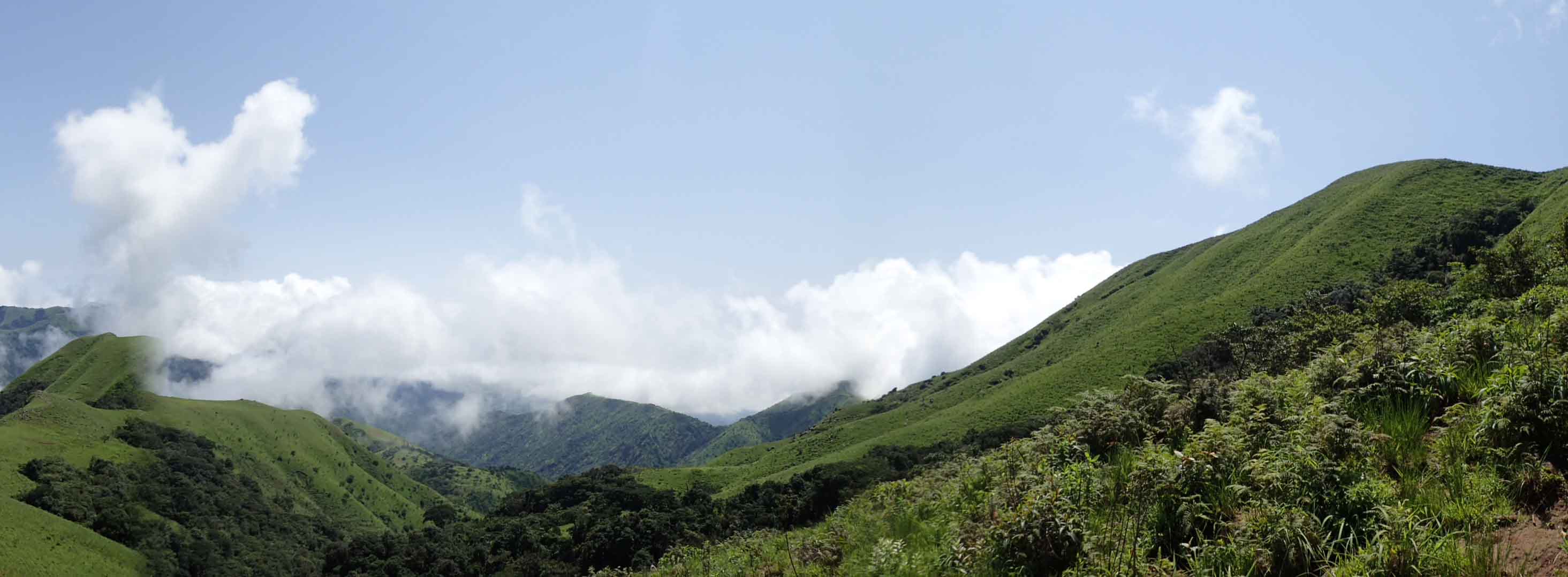
UNESCO Biosphere Reserve, inscribed 2021, in Lesotho. Matšeng Biosphere Reserve lies in Lesotho’s northern highlands, an area often referred to as the “Kingdom in the Sky”, for the elevation of the Maloti–Drakensberg mountain range. It forms part of a transfrontier conservation area, linking Lesotho and South Africa, safeguarding a montane landscape and the headwaters that feed Katse Dam. The landscape is defined by steep, high-altitude slopes, wetlands, waterfalls, rivers and gorges. The reserve’s objectives include protecting high-altitude grasslands, wetlands and woodlands, and the emblematic and endemic species they host. It also aims to strengthen community wellbeing through research-led stewardship, climate-resilient nature-based enterprises and locally developed, locally governed low-impact ecotourism.
- 72
UNESCO Biosphere Reserve, inscribed 2022, in Zimbabwe. Chimanimani Biosphere Reserve lies in the Eastern Highlands on the Zimbabwe–Mozambique border. Steep mountain relief supports a range of ecosystems from montane moist forests and grasslands to drier lowland systems. Set within the Eastern Afromontane biodiversity hotspot, Chimanimani hosts high levels of endemism and is one of the few places in Zimbabwe where small remnant patches of low- and mid-altitude moist forest persist alongside high-elevation habitats. The reserve’s principal objectives include conserving ecosystems and species, strengthening the district’s resilience to climatic shocks and stresses, and promoting sustainable socio-economic development.
- 73
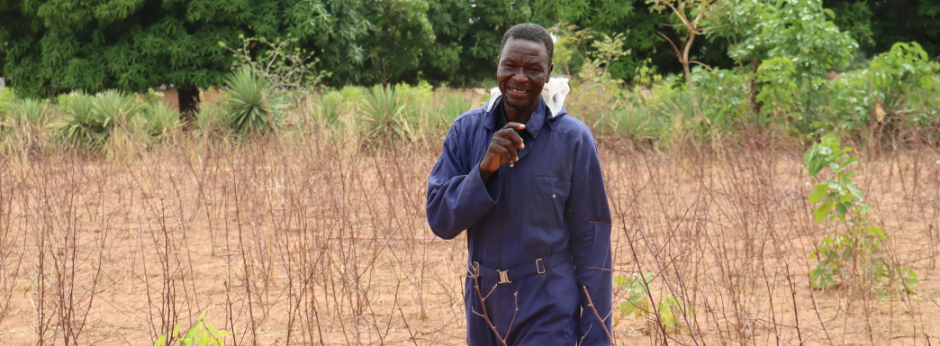
UNESCO Biosphere Reserve, inscribed 2022, in Chad. Located near the border with Cameroon, Sena Oura is Chad’s first biosphere reserve. It covers 173,520 ha of some of the last intact Sudanian savannah in the country and is home to elephants, giant eland and giraffes. With fertile soils and favourable agroclimatic conditions, traditional agriculture, particularly livestock herding, underpins local livelihoods. Forestry also contributes to the economy, including non-timber forest products such as honey and shea butter.
- 74
UNESCO Biosphere Reserve, inscribed 2023, in Cameroon. Korup Rainforest Biosphere Reserve lies in Cameroon’s south-west region within the Guineo-Congolian zone, and is ecologically linked to Nigeria’s Cross River National Park. It is one of Africa’s oldest rainforests, over 60 million years old, recognised as a Pleistocene refugium, conserving exceptional biodiversity and maintaining wildlife corridors and genetic diversity. The reserve’s objectives are to support sustainable, low-carbon livelihoods and evidence-based management, conserve forest cover, tackle poaching and illegal trade, protect flagship species, and serve as a hub for research, monitoring and education.
- 75
UNESCO Biosphere Reserve, inscribed 2023, in United Republic of Tanzania. Set along Tanzania’s south-eastern coast, the Rufiji–Mafia–Kibiti–Kilwa (RUMAKI) Biosphere Reserve is a largely low-lying marine–coastal seascape of coral reefs, seagrass meadows, mangrove forests and open waters centred on Mafia Island and the crescent-shaped Rufiji Delta. It includes Tanzania’s first marine protected area – Mafia Island Marine Park – and neighbours the Swahili stone-town ruins of Kilwa Kisiwani and Songo Mnara. RUMAKI’s objectives are to conserve mangroves and the Mafia–Songosongo reef–seagrass complex, foster community-led fisheries and low-impact ecotourism for resilient livelihoods, and underpin management with research, monitoring and education.
- 76
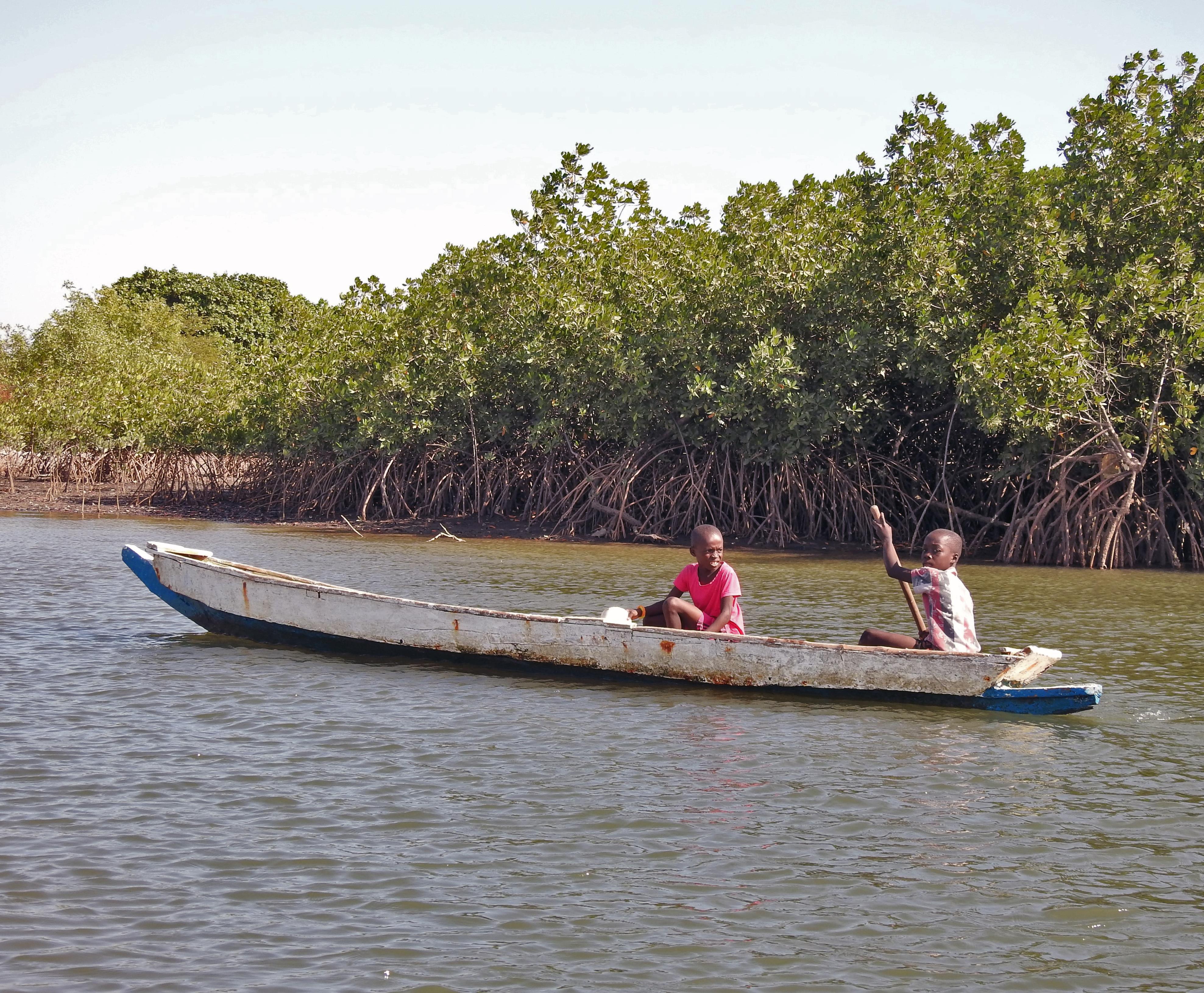
UNESCO Biosphere Reserve, inscribed 2024, in Gambia. Stretching along the north bank of the Gambia River and adjoining Senegal’s Delta de Saloum Biosphere Reserve, Niumi includes extensive mangroves along the coast and riverbanks. Downstream, striking red limestone formations punctuate tropical forest and open savannah woodland. The reserve safeguards some of West Africa’s last relatively pristine mangrove forests, alongside the Bao Bolong Wetland Reserve and state forests. It also encompasses a Ramsar site and the UNESCO World Heritage site of Kunta Kinteh Island, which was a key site of the transatlantic slave trade. Key livelihoods include farming and fisheries. It is the first biosphere reserve designated in The Gambia.
- 77
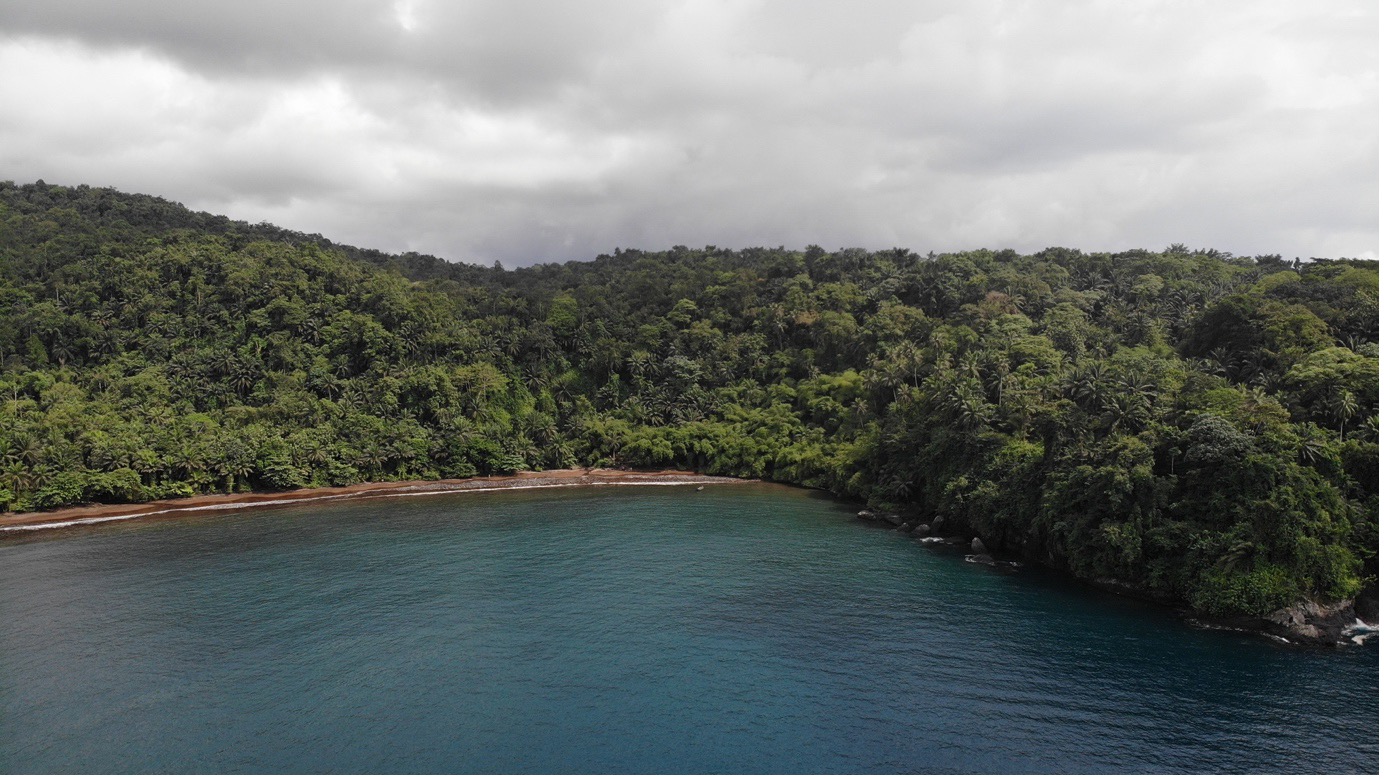
UNESCO Biosphere Reserve, inscribed 2025, in Sao Tome and Principe. Rising from the Gulf of Guinea, the Ilha de São Tomé Biosphere Reserve includes volcanic peaks, lush forests, coastal ecosystems, and fertile agricultural lands. At its core is the Obô Natural Park, encircled by buffer and transition areas that integrate marine islets, agro-forestry zones, and community landscapes. It forms part of the Congo Basin forest system, one of the planet’s most important ecological regions. Together with Príncipe Biosphere Reserve, it forms the first ever whole-country biosphere reserve.
- 78
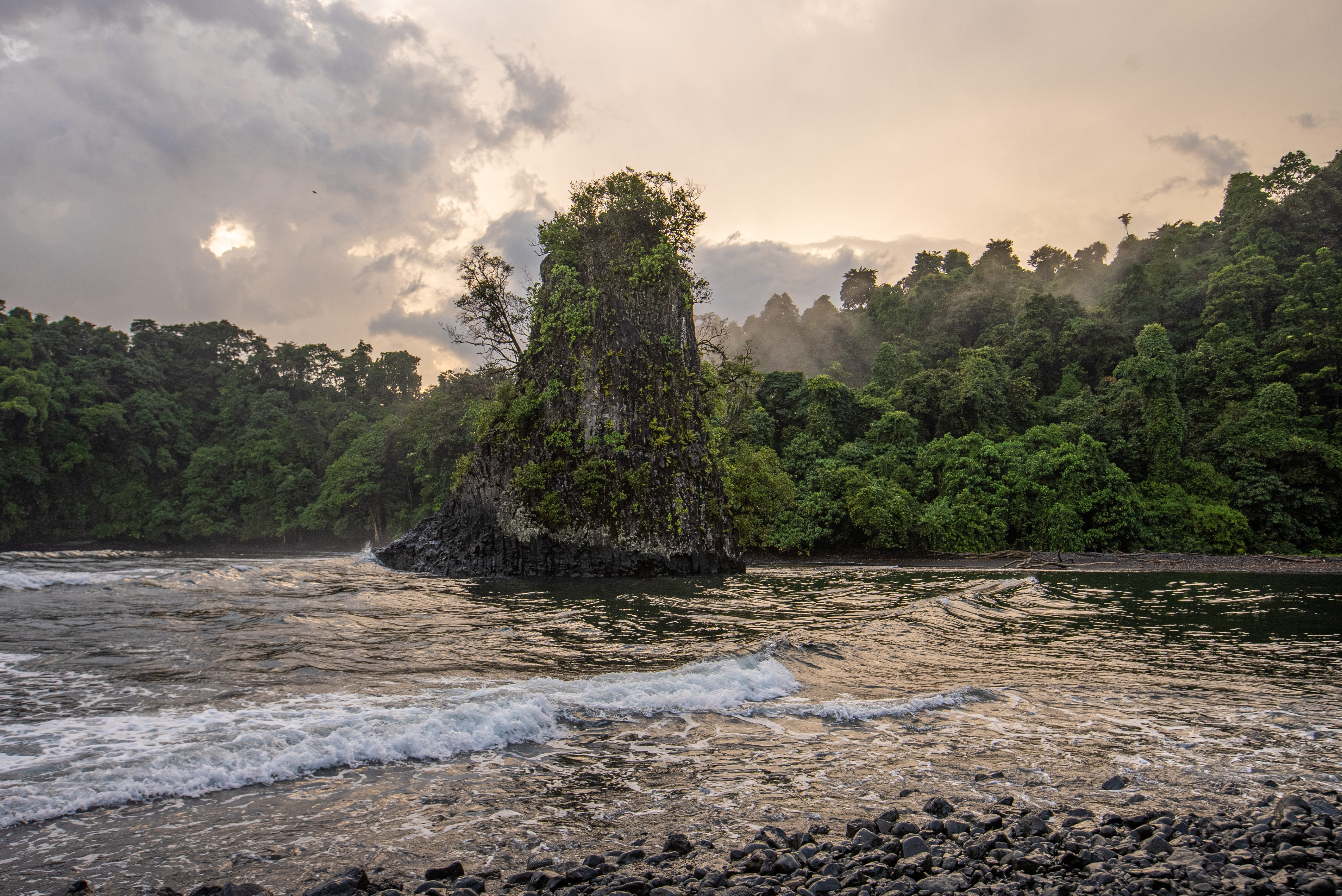
UNESCO Biosphere Reserve, inscribed 2025, in Equatorial Guinea. The Bioko Island Biosphere Reserve is a highly diverse and ecologically significant area, encompassing lowland Guineo-Congolese rainforests, high-altitude Afro-montane forests, and rich endemic fauna, including endangered primates as well as distinctive birds and other mammals. Its vegetation is shaped by altitude, climate, and historical human activity. The Biosphere Reserve fulfills three core functions by combining: conservation, protecting species and habitats within the Luba Caldera Scientific Reserve and Pico Basilé National Park; sustainable development, promoting equitable economic growth, poverty reduction, cultural preservation, and ecotourism in Malabo, Luba, and surrounding communities; and logistical support, facilitating research, monitoring, education, and training through the National Institute of Forest Development and Management (INDEFOR) and the MAB National Committee. This integrated approach ensures the protection of biodiversity while fostering socio-economic resilience and environmental stewardship across the island.
- 79
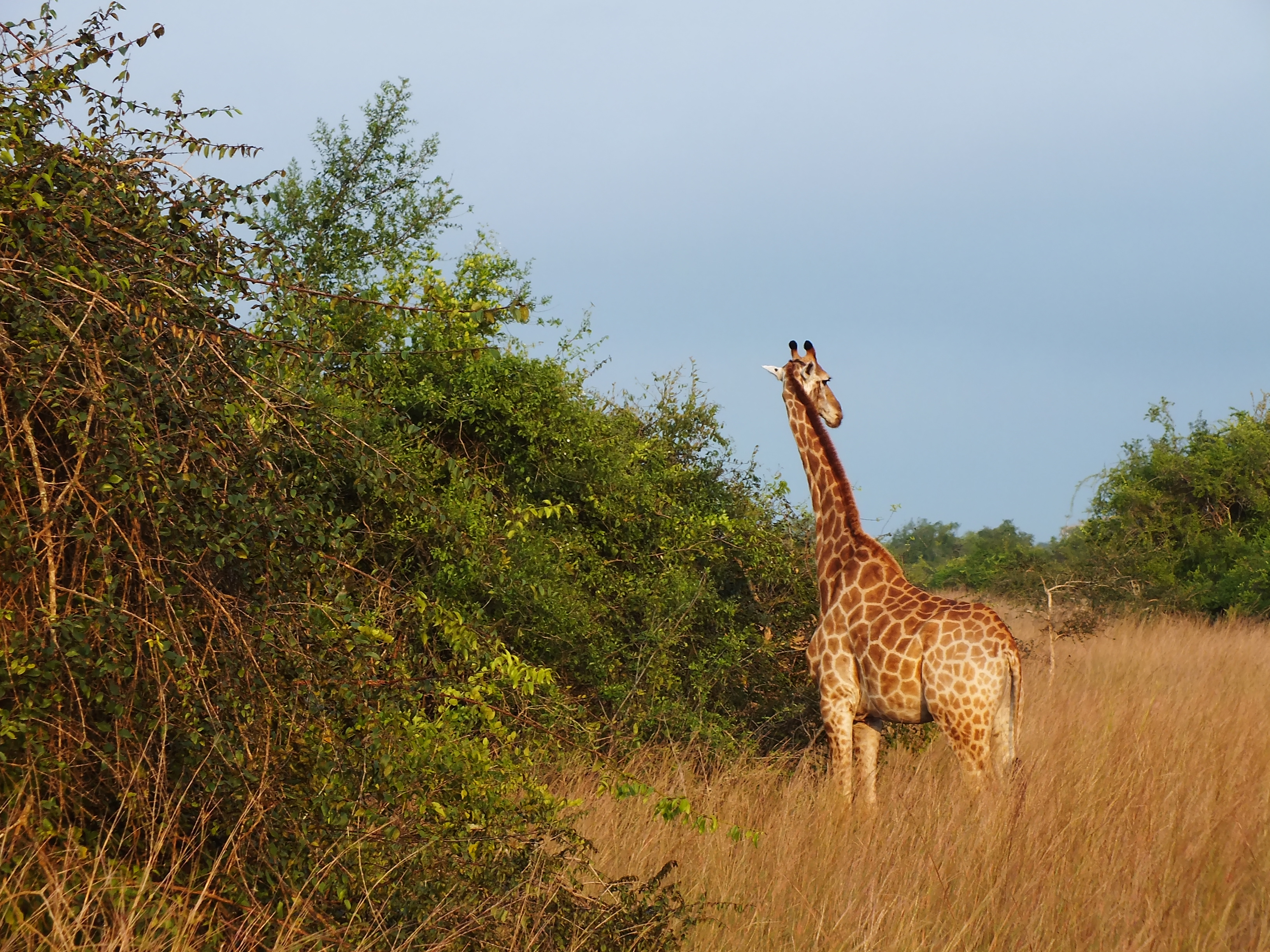
UNESCO Biosphere Reserve, inscribed 2025, in Angola. The Quiçama Biosphere Reserve spans across the provinces of Luanda, Icolo e Bengo, and Cuanza-Sul, covering municipalities such as Quiçama and Cabo Ledo. This region holds high conservation value, serving as a habitat for seabirds, marine turtle nesting sites, and threatened species like the African manatee and the savanna elephant. It is also home to endemic species, including the rare pink-flowered Tessmannia camoneana, reflecting the area’s rich genetic diversity. Stretching along 206 km of coastline, the reserve encompasses unique geological formations, mangroves, estuaries, sandy beaches, and lagoons, which not only sustain biodiversity but also provide crucial socio-economic benefits to surrounding communities. As part of its blue economy vision, Angola aims to balance ecological integrity with sustainable development, employment, and social well-being. The Quiçama Biosphere Reserve will advance these goals, integrating conservation with research, innovation, sustainable tourism, and community-based initiatives. The recognition of both marine and freshwater ecosystems, which provide food, income, and cultural value, underscores the importance of protecting biodiversity while ensuring the long-term resilience and prosperity of local populations.
- 80
UNESCO Biosphere Reserve, inscribed 2025, in Madagascar. Along Madagascar’s remote western coastline, the Tsimembo Biosphere Reserve blends dry deciduous forests, lush floodplains, intricate mangroves, and Ramsar Wetlands of International Importance within the ecologically vital Tsimembo–Manambolomaty Complex. This mosaic of habitats forms one of the island’s most threatened yet vital ecosystems, providing refuge for remarkable biodiversity and sustaining the livelihoods of local communities.