UNESCO Biosphere Reserves — Latin America & the Caribbean

- 1
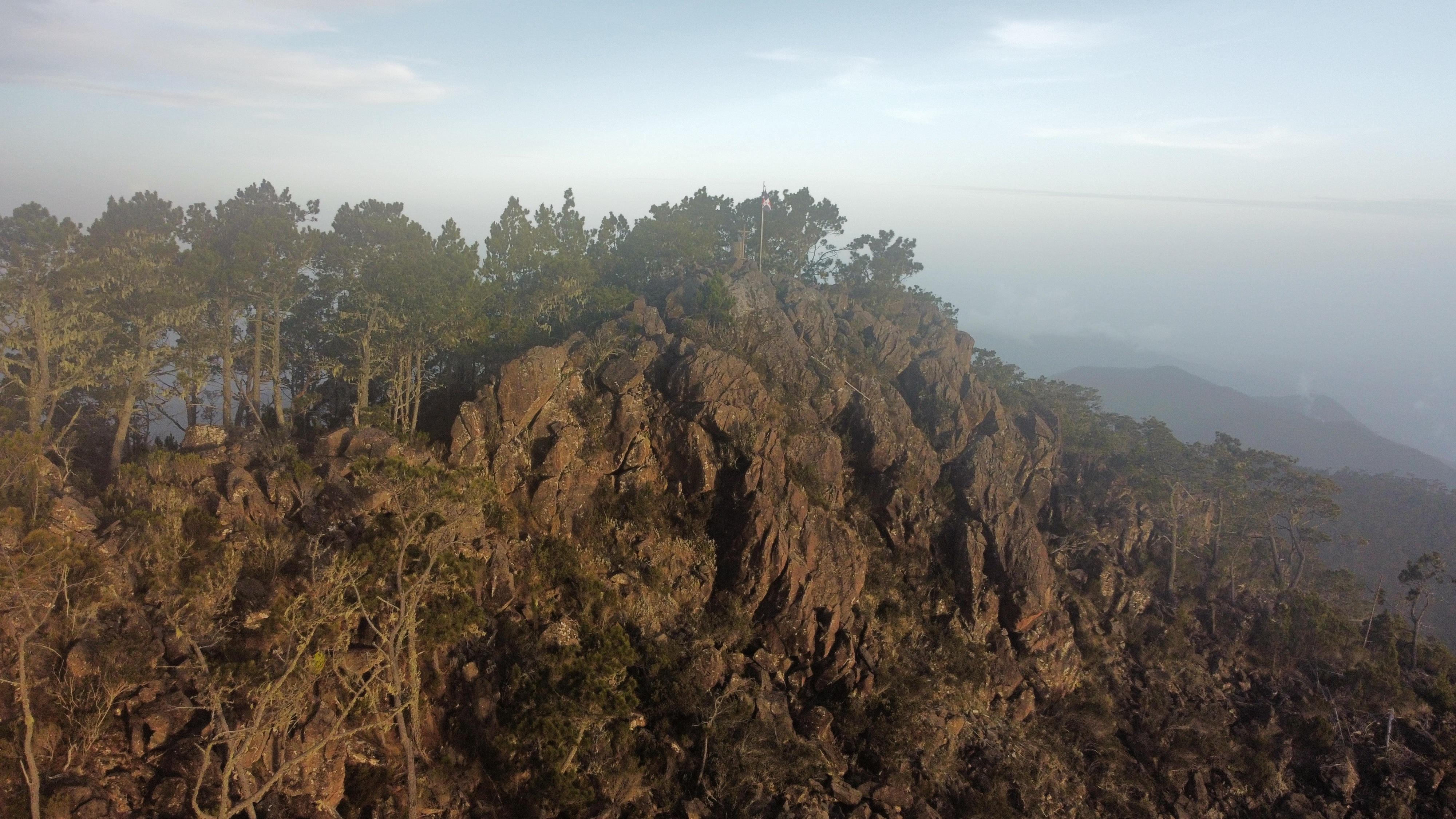
UNESCO Biosphere Reserve, inscribed 1976, in Uruguay. The Bañados del Este Biosphere Reserve includes protected areas such as Monumento Histórico y Parque Nacional Fortaleza de Santa Teresa, Parque Nacional y Reserva de Fauna y Flora de El Potrerillo de Santa Teresa, and Monumento Histórico Parque y Fuerte San Miguel. It also encompasses Refugio de Fauna Laguna Castillos, Reserva Forestal de Cabo Polonio y Aguas Dulces, Monumento Natural de Dunas y Costa Atlántica, and Parque Nacional Lacustre de las Lagunas de Rocha y Garzón. This ‘Eastern Wetlands’ region comprises a remarkable complex of ecosystems with high biological diversity and very rich wildlife.
- 2
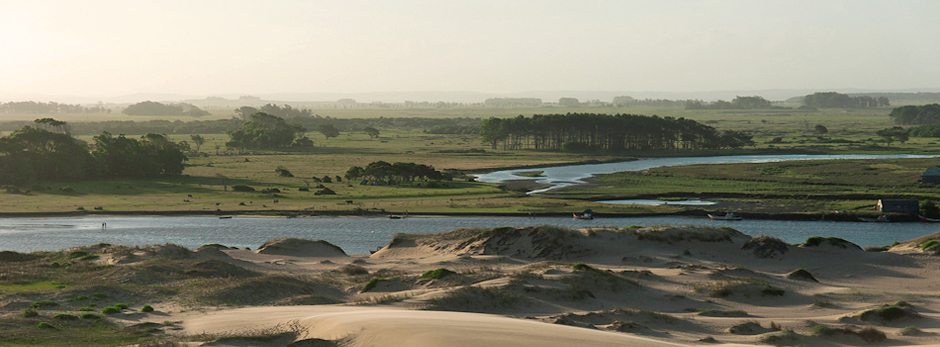
UNESCO Biosphere Reserve, inscribed 1977, in Bolivia (Plurinational State of). The Apolobamba National Natural Area of Integrated Management Biosphere Reserve is located 160 km north-west of La Paz, and its western boundary follows the border with Peru. Situated in the higher parts of Bolivia, it encompasses a mosaic of ecological formations, including high plateau, tundra, high cordillera, mountains and lakes. These include the headwaters of the River Euichi and River Turiopa, additional lakes, and a permanent snow zone. The variety of habitats and ecological formations makes the reserve of exceptional importance for scientific research. The main goal is to protect natural, cultural, historical and anthropologic values through the sustainable management of natural resources with local participation and scientific support.
- 3
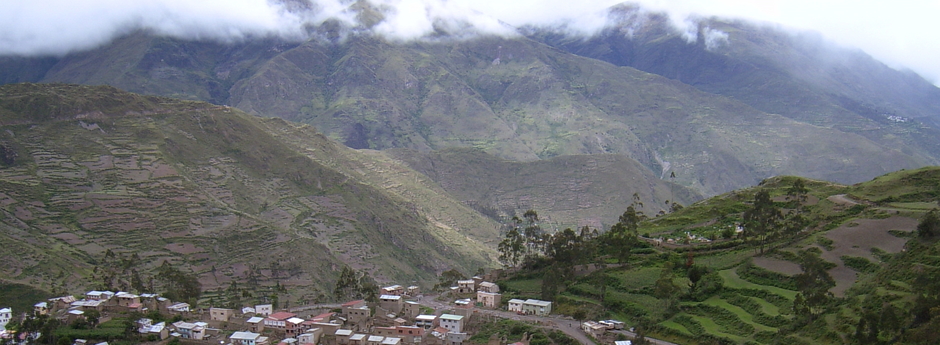
UNESCO Biosphere Reserve, inscribed 1977, in Chile. The Archipiélago de Juan Fernández Biosphere Reserve is situated 650 km off the Chilean coast in the Pacific Ocean. It includes the whole archipelago, comprising the islands of Robinson Crusoe, Alexander Selkirk and Santa Clara, and all islets in the area. The Juan Fernandez Archipelago is volcanic in origin, with steep, rugged mountain ranges and deep ravines.
- 4
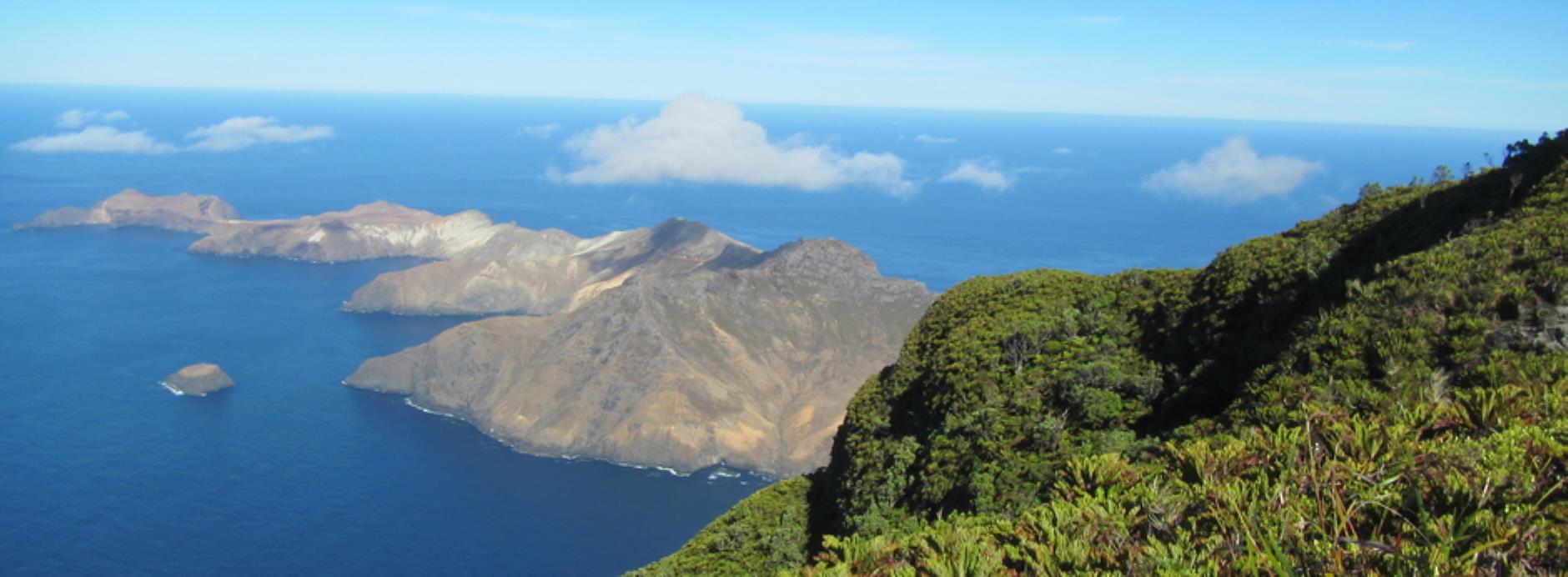
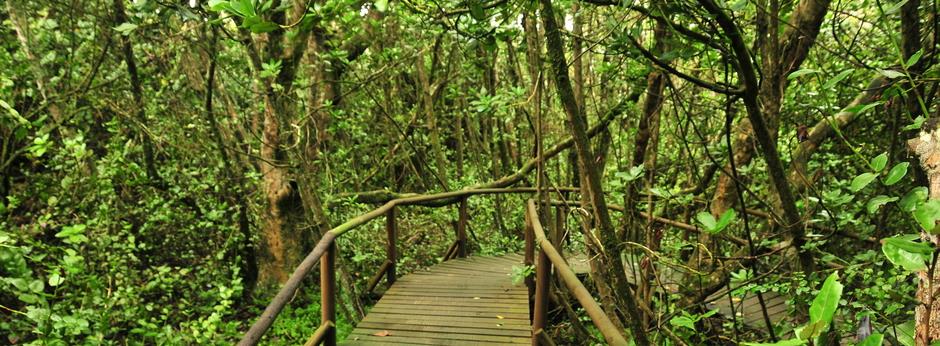
UNESCO Biosphere Reserve, inscribed 1977, in Chile. The territory of the biosphere reserve is located in the Coquimbo Region in northern Chile. The region is one of the most biodiverse in the country, with 3,429 plant species, excluding varieties, of which 1,605, or 46 per cent, are entirely endemic to this area.
- 5
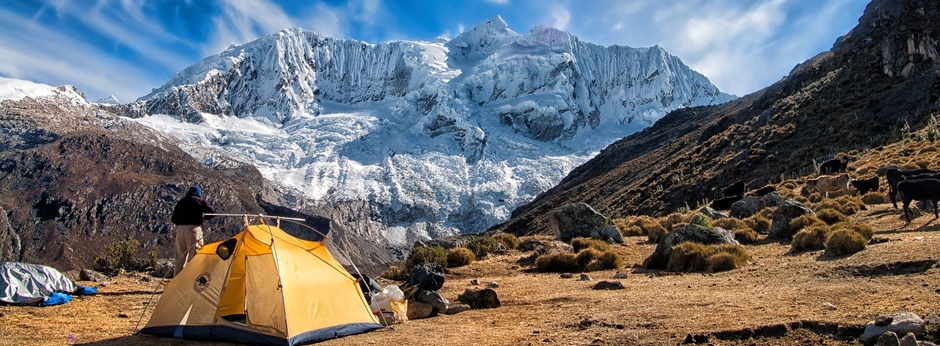
UNESCO Biosphere Reserve, inscribed 1977, in Peru. The Huascarán Biosphere Reserve is located in the department of Ancash, north of Lima, in the central-west region of Peru. Its altitude ranges from 1,020–6,768 m at Mount Huascarán and encompasses 11 habitat types, from tropical desert scrub to Andean tundra. The Cordillera Blanca, an Andean mountain range within the biosphere reserve, is considered the world’s most extensive tropical cordillera and hosts numerous glaciers and 296 lakes. The population is mostly ethnic Andean mestizo and is mainly engaged in agriculture and livestock-rearing. The region also contains mining concessions and has a commitment to tourism.
- 6
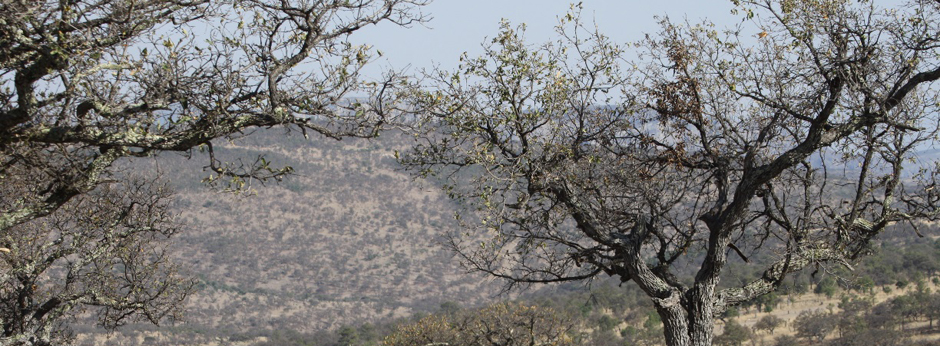
UNESCO Biosphere Reserve, inscribed 1977, in Mexico. La Michilía lies 75 km south of the city of Durango in the Sierra de Michis, a branch of the Sierra Madre Occidental. The Sierra de Michis consists of igneous rock from the Tertiary period. In the reserve, the topography shows a high degree of relief. There are several ephemeral streams and lagoons, as well as two permanent streams: the Laurel to the west and the Temascal to the south-east. Marshy meadows occur in the core area. Pine and holm oak forests cover most of the reserve. It covers 342,388 ha. Administratively, it spans the municipalities of Tlahualillo and Mapimí in the state of Durango, Jiménez in the state of Chihuahua, and Sierra Mojada in the state of Coahuila.
- 7
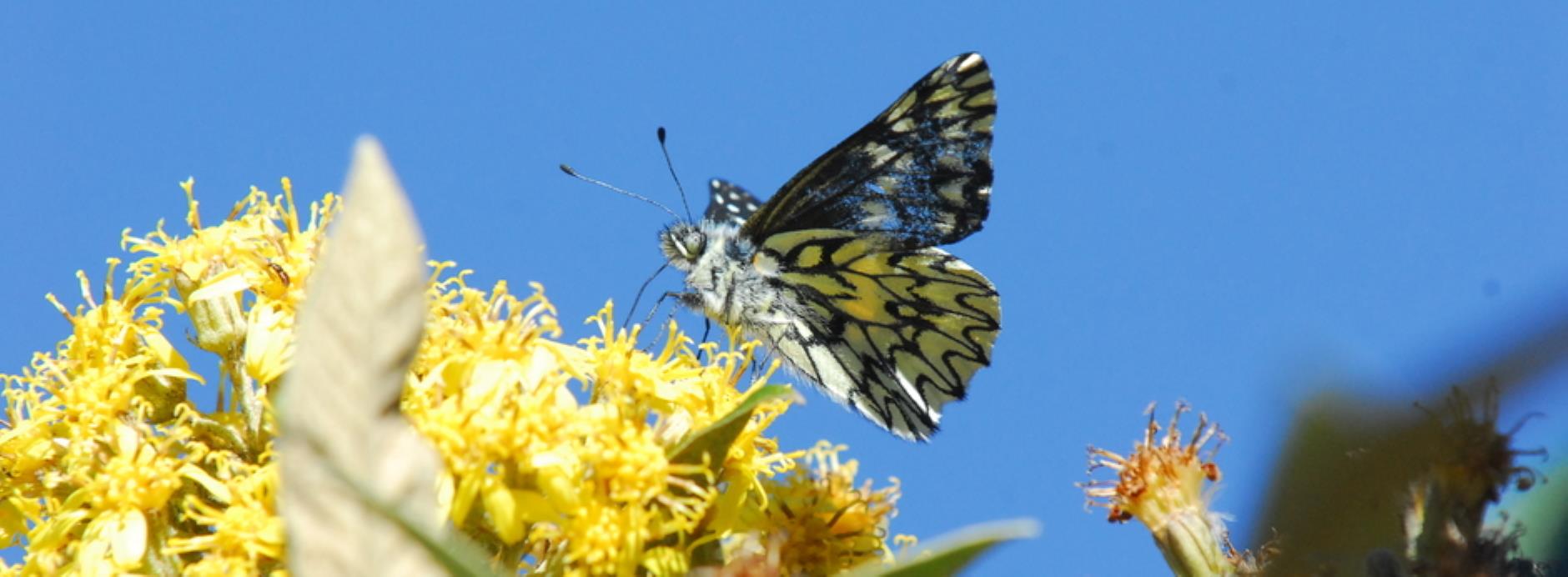
UNESCO Biosphere Reserve, inscribed 1977, in Peru. The Manu Biosphere Reserve is situated in the departments of Cusco and Madre de Dios in south-eastern Peru. Its lowest point lies at 300 m, and its highest point, the summit of Apu Kañahuay, reaches 3,800 m. The reserve includes 19 habitat types and is among the most diverse places for birds in the world, with 860 identified species. There are numerous settlements of native communities, including the Matsigueka, Yine, Harakmbut and Quechua.
- 8
UNESCO Biosphere Reserve, inscribed 1977, in Mexico. Mapimí Biosphere Reserve sits where the states of Durango, Chihuahua and Coahuila meet in northern Mexico. The area lies in a closed basin ringed by low mountain ranges running roughly north–south, within the Bolsón de Mapimí basin. Mapimí is a representative Chihuahuan Desert landscape and a key stronghold for the endemic Bolson tortoise (Gopherus flavomarginatus) and other arid-adapted fauna.Its objectives include restoring soils and grasslands, strengthening biological monitoring and species conservation, consolidating organic beef production and regenerative ranching, developing rural tourism circuits, and sustaining research and training in biology, conservation and sustainable production.
- 9
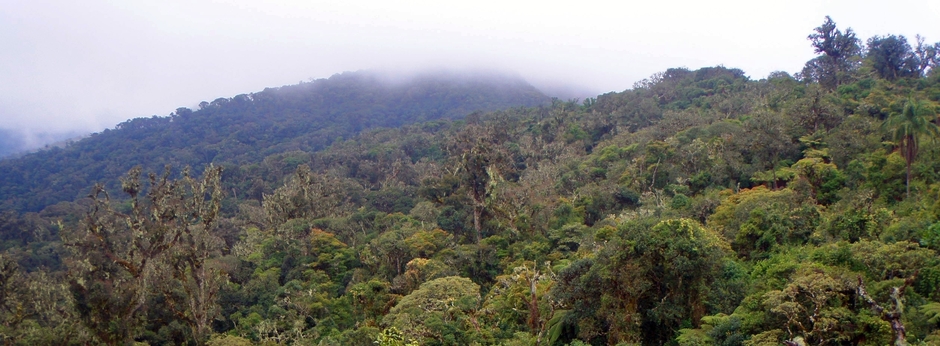
UNESCO Biosphere Reserve, inscribed 1977, in Bolivia (Plurinational State of). Pilón-Lajas Biosphere Reserve lies on the far eastern spur of the Andes. It comprises mixed mountain and highland systems, low hills and Amazonian plains, covered by humid tropical forest, subtropical and tropical forest, forest on ancient alluvial terraces, and mountain and valley forest.
- 10
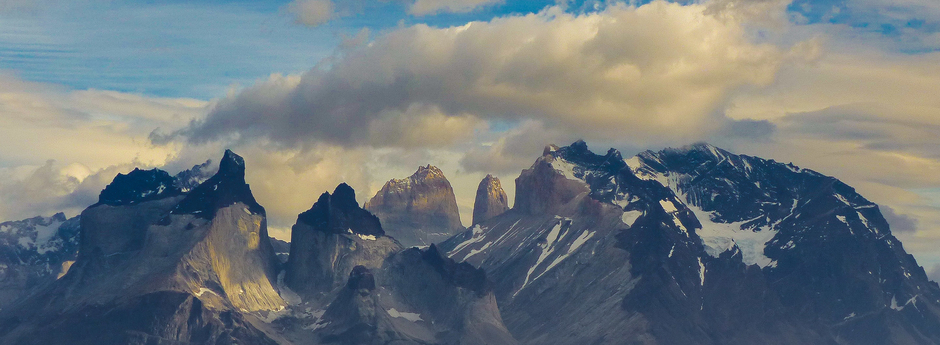
UNESCO Biosphere Reserve, inscribed 1978, in Chile. Torres del Paine lies between the Andes Mountains and the Patagonian steppe in southern Chile and opens towards the Pacific coast. It is an area of great scenic beauty, with many ridges, crags, glaciers, waterfalls, rivers, lakes and lagoons.
- 11
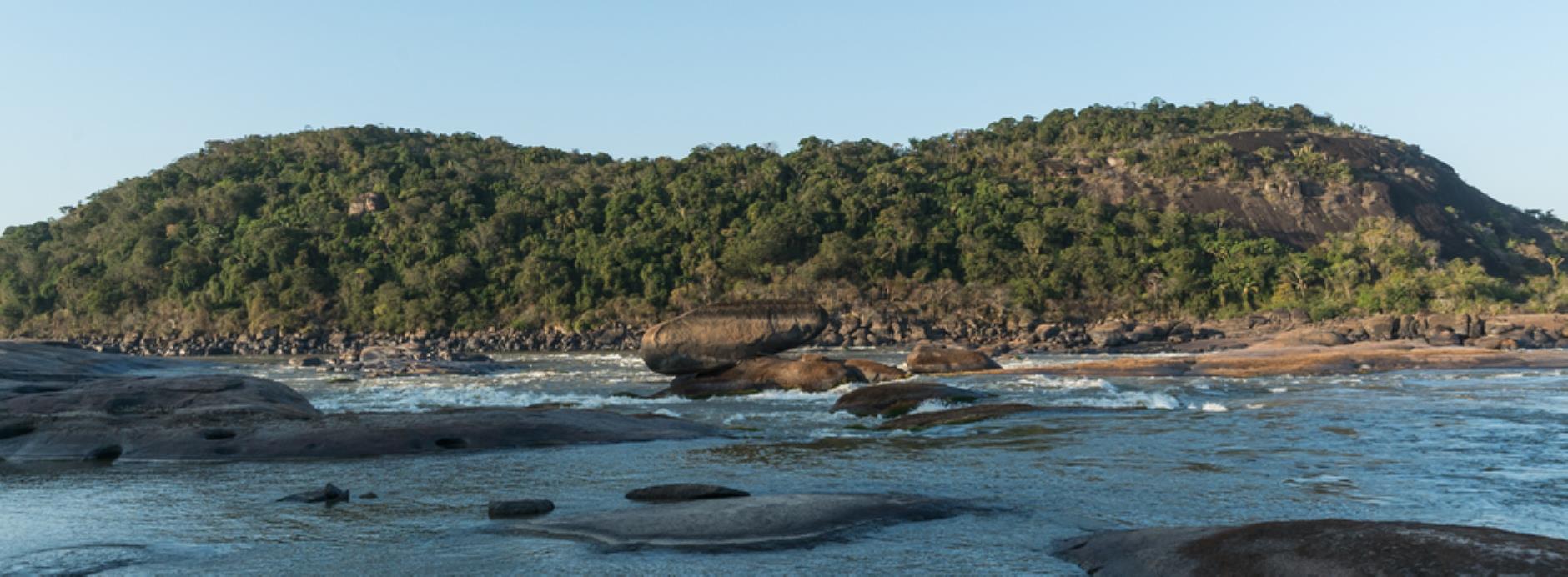
UNESCO Biosphere Reserve, inscribed 1979, in Colombia. The El Tuparro Biosphere Reserve and National Park is located in the eastern plains of Colombia in Vichada Department, a flat area bound by the Orinoco River to the east, the Tomo River to the north, and the Tuparro and Tuparrito rivers to the south. The landscape undulates with a series of small valleys, major rivers and streams. Some areas are seasonally flooded during parts of the year.
- 12
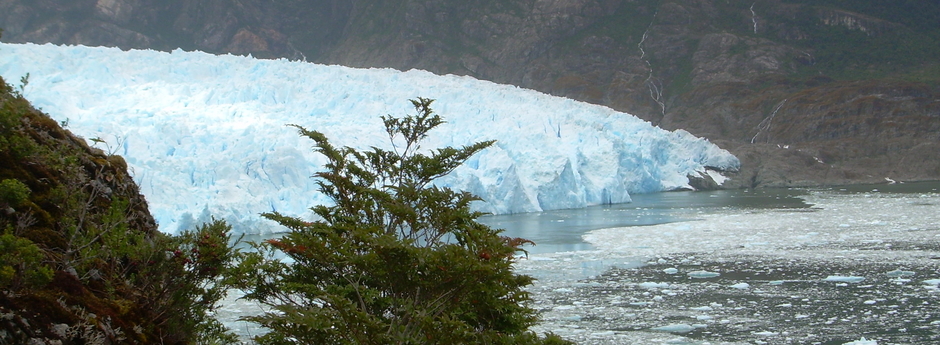
UNESCO Biosphere Reserve, inscribed 1979, in Chile. Located in the Valdivian Forest and Chilean Nothofagus biogeographical region, Laguna San Rafael is an area of varied topography and great scenic beauty. It includes the Continental Patagonian Range with rivers and lakes, the Insular Patagonian Range, the Central Plain and the Patagonian Glaciers.
- 13
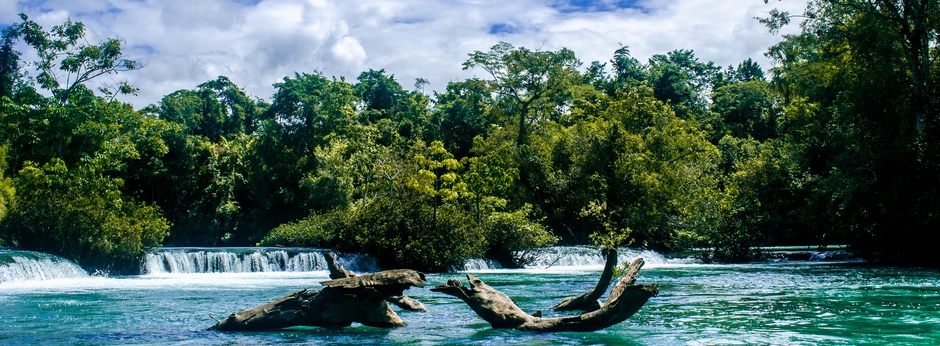
UNESCO Biosphere Reserve, inscribed 1979, in Mexico. Montes Azules is located in the Selva Lacandona region in the state of Chiapas in south-east Mexico, between the Lacantún and Lacanjá rivers. It comprises 331,200 ha within the forestry protection area of the Lacandona Forest, designated in 1978. It is one of the largest humid tropical forests in Mexico and Central America, with areas of pine forest at higher altitudes and montane rainforest. The reserve’s main challenge is to improve living conditions for local communities, especially Indigenous peoples, by promoting ecologically sustainable food production, agroforestry and small-scale cattle farming while respecting local traditions and practices.
- 14
UNESCO Biosphere Reserve, inscribed 1980, in Honduras. Río Plátano Biosphere Reserve, designated in 1980, spans tropical moist and tropical wet forest. It includes important coastal–marine areas and a variety of habitats rich in biodiversity.
- 15
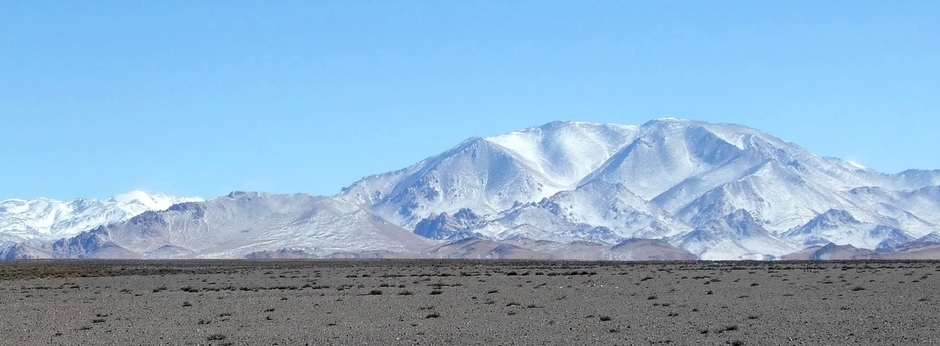
UNESCO Biosphere Reserve, inscribed 1980, in Argentina. In the Andes of Argentina’s San Juan Province, the San Guillermo Provincial Reserve was established in 1972 to conserve the vicuña (Vicugna vicugna), then at risk of extinction; it was designated a biosphere reserve the same year. With marked contrasts among its three ecoregions, High Andean, Puna and woodland, the area is home to the largest populations of vicuña and guanaco (Lama guanicoe) in Argentina, with both populations on the rise. The region features a spectacular mosaic of deserts and high-altitude grasslands, as well as thorny bushes in the low valleys as the temperature gets warmer. The biosphere reserve is critical not only to conserve the local biodiversity, but also to secure sustainable water sources for the settlements downstream. Its population makes a living mostly from mining and, on a smaller scale, tourism.
- 16
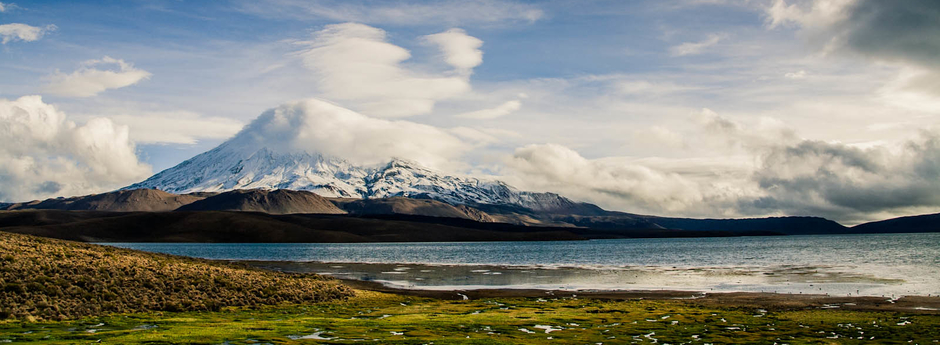
UNESCO Biosphere Reserve, inscribed 1981, in Chile. The Lauca Biosphere Reserve is situated in the Puna biogeographic region in the northern part of Chile in the Andean chain. It is home to unique flora with endemic species, some of which are of great medicinal importance, as well as fauna that include vicuñas, guanacos, vizcachas, foxes, quirquinchos, pumas, tarucas, suris or ñandús, and a great variety of birds such as flamingos and guallatas. This is one of the areas with the greatest number of bird species described in Chile.
- 17
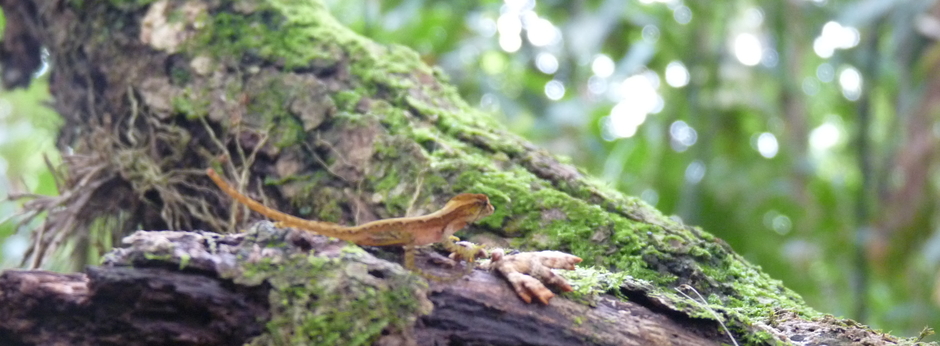
UNESCO Biosphere Reserve, inscribed 1982, in Costa Rica. La Amistad Biosphere Reserve and National Park lie in the foothills and mountains of the Cordillera de Talamanca, between the mountain ranges of Panama and Costa Rica.
- 18
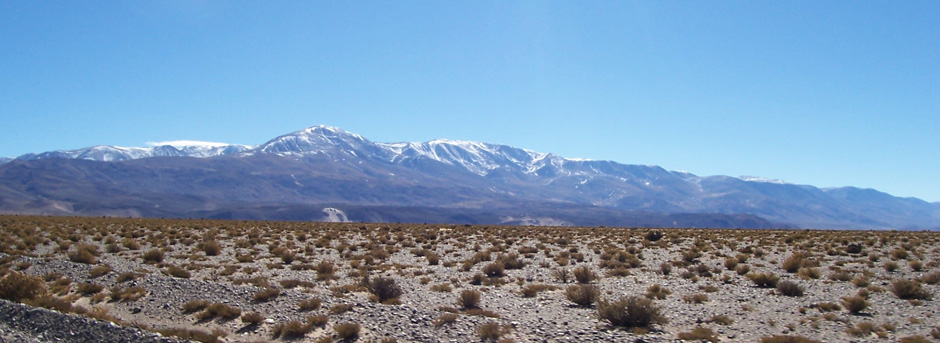
UNESCO Biosphere Reserve, inscribed 1982, in Argentina. With altitudes that can reach almost 6,000 metres above sea level, the Laguna Blanca Biosphere Reserve features a typical arid Andean landscape, with a saline lake in a main depression and surrounding rocky formations. It is located in the province of Catamarca, in the north-west of Argentina. Its creation in 1979 aimed at the conservation of the vicuña, which was endangered due to poaching. This goal led to the development of sustainable handling strategies, including reviving the Chaku, an ancient Inca practice of capturing, shearing and releasing vicuñas. In Laguna Blanca’s transition areas, residents are mostly public servants or workers in the developing tourism industry.
- 19
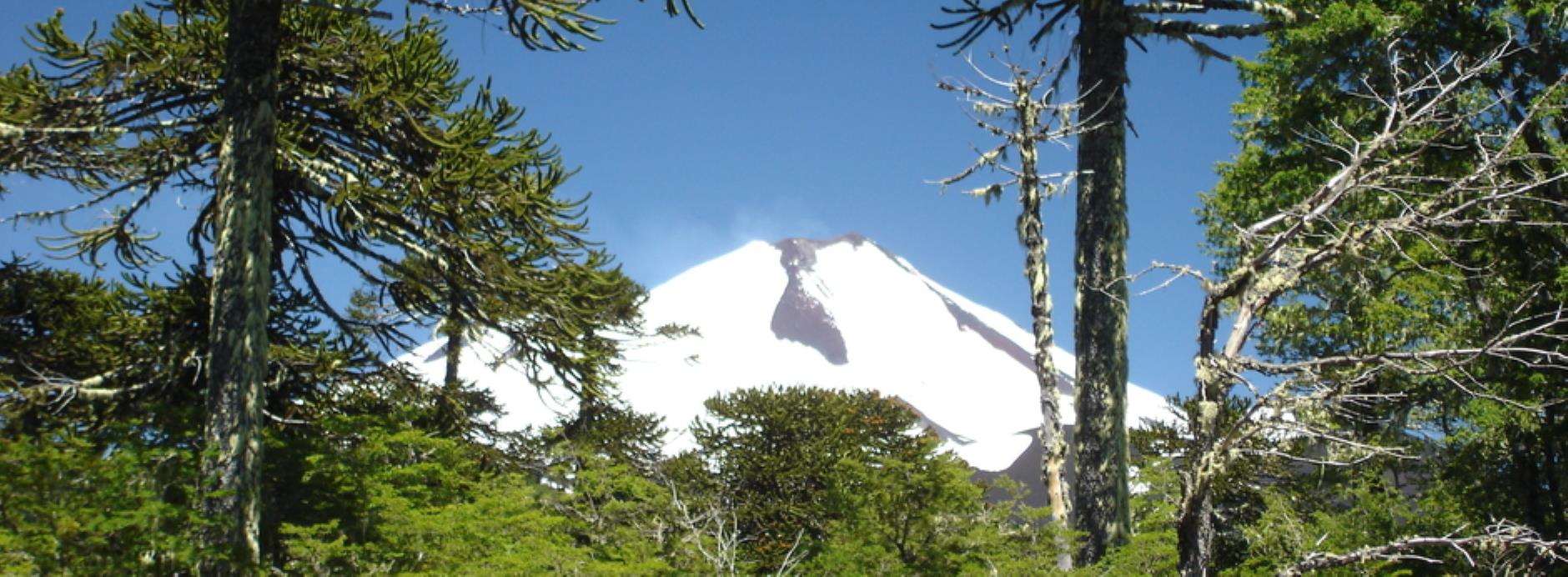
UNESCO Biosphere Reserve, inscribed 1983, in Chile. The Araucarias Biosphere Reserve has continental climatic characteristics, with large summer temperature oscillations. Rainfall varies between 2,000 and 3,000 mm a year, and winter snowfall can reach up to 2 m in some areas.
- 20
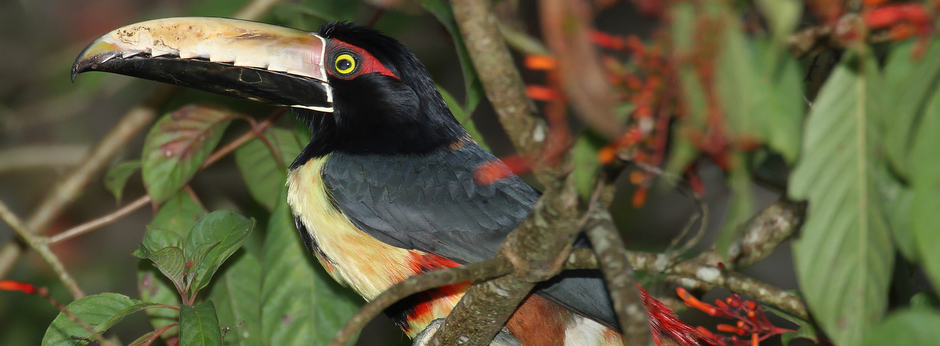
UNESCO Biosphere Reserve, inscribed 1983, in Panama. The Darién Biosphere Reserve, National Park and World Heritage site is in the province of Darién, east of Santa Fe and the Gulf of San Miguel. It covers the region adjacent to the Colombian border and includes parts of the Pacific coast. This reserve is a unique site that forms the bridge between the two continents of the Western Hemisphere.
- 21
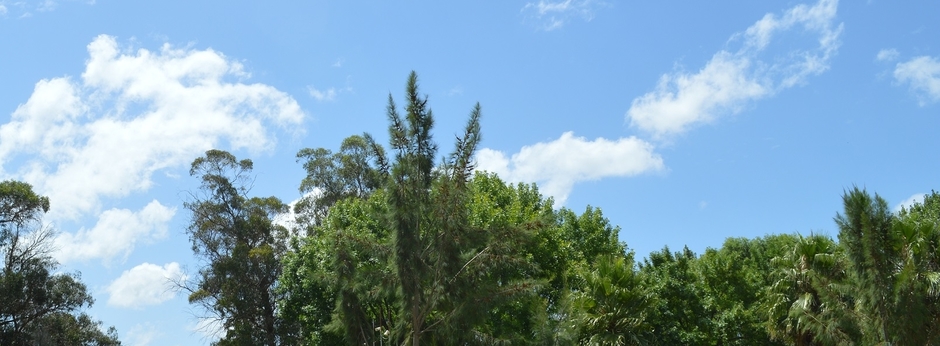
UNESCO Biosphere Reserve, inscribed 1984, in Argentina. Located in the southern part of the Río de la Plata estuary in Argentina, the Parque Costero del Sur Biosphere Reserve is a swampy region that comprises pampa grasslands, swamps, wetlands and dry forests. More than 200 bird species find refuge and food in the tala forests of the region, which is also home to mountain cats and ocelots. It is representative of the Pampas, the fertile lowlands that cover several regions of Argentina, Uruguay and Brazil. Tourism and livestock production are the most important economic activities.
- 22
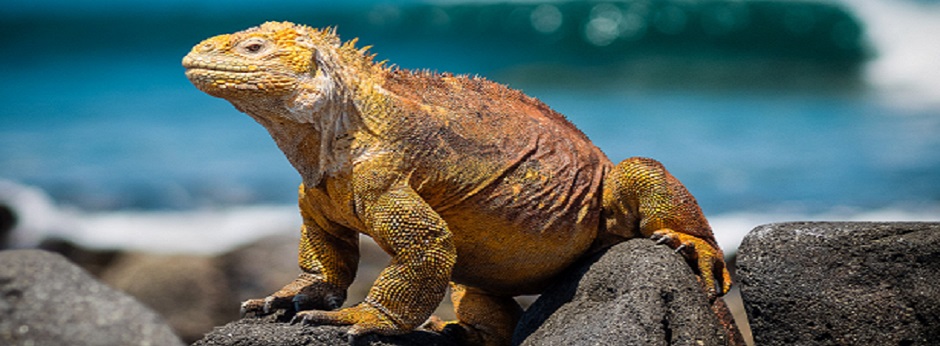
UNESCO Biosphere Reserve, inscribed 1984, in Ecuador. The Archipiélago de Colón–Galápagos Biosphere Reserve lies in the eastern Pacific Ocean, 970 km off mainland Ecuador. The equator crosses the Wolf and Ecuador volcanoes on Isabela Island. The archipelago comprises 13 large islands of more than 10 km², six medium-sized islands of 1–10 km², and a further 215 smaller islands, along with rocky outcrops only a few square metres in size. Native, endemic and unique flora and fauna make the Galápagos Islands one of the most exceptional places on Earth. In recognition of their importance, the islands were designated a Natural World Heritage site in 1976, a UNESCO Biosphere Reserve in 1984, and a Ramsar Site in 2001.
- 23
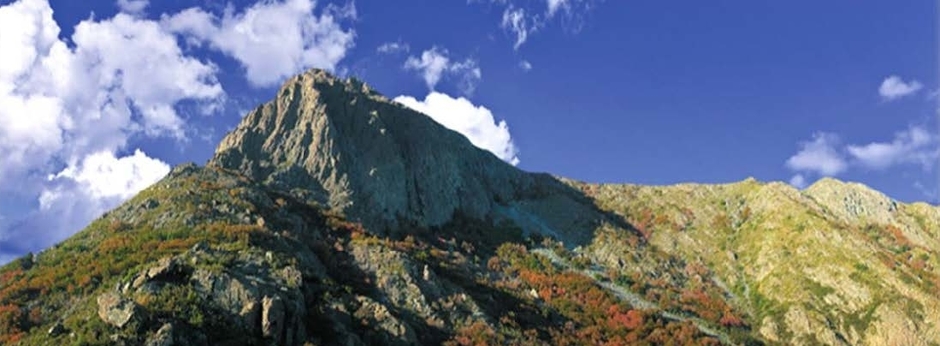
UNESCO Biosphere Reserve, inscribed 1984, in Chile. This biosphere reserve includes Campana National Park and Lago Peñuelas National Reserve. The relief is gently undulating, with small hills and several gullies. The highest peaks are El Roble, at 2,222 metres above sea level, and La Campana, at 1,920 metres. The major vegetation type is scrubland with Looser (Cryptocarya alba), boldea fragran (Peumus boldus), and winter’s bark (Drimys winteri).
- 24
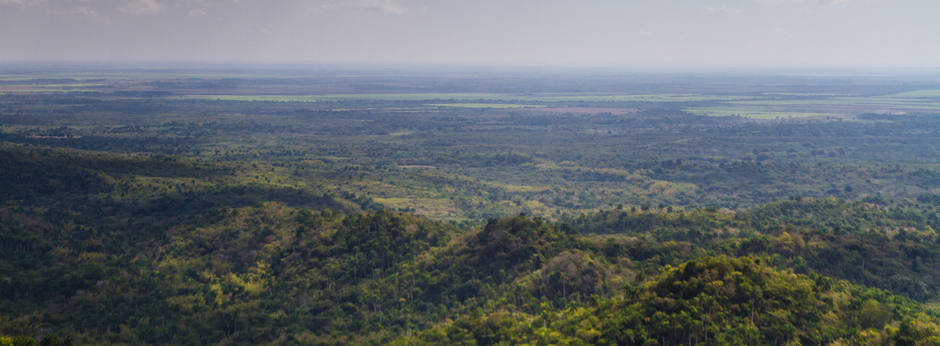
UNESCO Biosphere Reserve, inscribed 1984, in Cuba. The Sierra del Rosario Biosphere Reserve is located in the eastern part of the Guaniguanico mountain range, between the provinces of Pinar del Río and Havana in Cuba, where both the north and south coasts can be seen. The reserve has a complex geological structure, with a wide diversity of rocks that produce different soils which, in part, help determine floral endemism in its landscape.
- 25
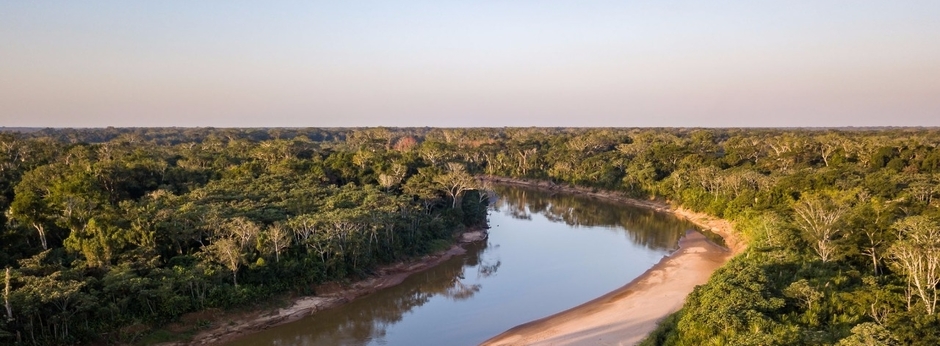
UNESCO Biosphere Reserve, inscribed 1986, in Bolivia (Plurinational State of). The Beni Biosphere Reserve is located in the Department of Beni, at the convergence of three biogeographical zones: the Amazon, the Chaco and the Cerrado. It comprises diverse forest formations, including gallery forests and forest islands of deciduous trees, lowland dense forest, and open, middle-height forest with tajibo (Tabebuia) and matorral formations including tuzeque (Machaerium). Seasonally flooded savannas are also present.
- 26
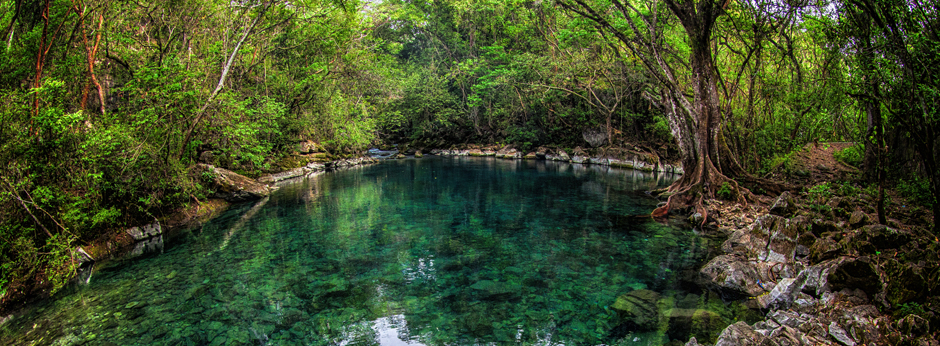
UNESCO Biosphere Reserve, inscribed 1986, in Mexico. Located within the Neotropical biogeographical region, the El Cielo Biosphere Reserve is situated in the Sierra de Cucharas, a mountainous chain derived from the larger Sierra Madre. It is one of the most ecologically rich and diverse places in Mexico. The reserve comprises 14 vegetation types, dominated by tropical sclerophyllous forest. Conservation of El Cielo’s ecosystems is essential, as they host a number of threatened plant and animal species, including the oso negro (Ursus americanus), jaguarundi (Herpailurus yagouaroundi), tigrillo (Leopardus wiedii), jaguar (Panthera onca), ocelote (Leopardus pardalis) and cabeza de viejo (Eira barbara).
- 27
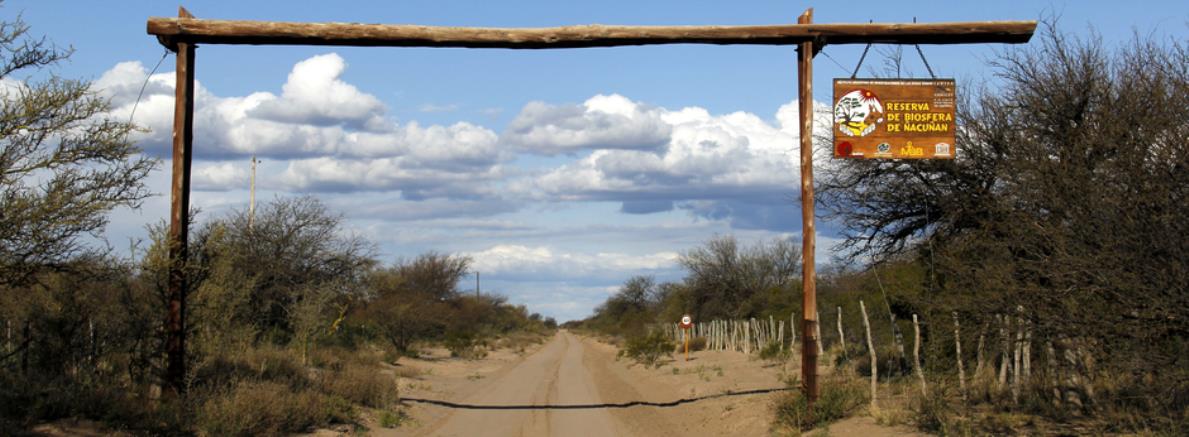
UNESCO Biosphere Reserve, inscribed 1986, in Argentina. The Ñacuñán Biosphere Reserve lies on the semi-arid plains at the foothills of the Andes in Mendoza Province, Argentina. Across its upland grasslands, shrubby steppe and open woodland, Prosopis flexuosa is particularly characteristic: it has long provided Indigenous communities with timber and food, and it creates microhabitats by altering microclimatic conditions, namely water availability, light and soils. Following sustained conservation efforts, formerly scarce fauna are now recorded more frequently, including foxes and the elegant crested tinamou (Eudromia elegans).
- 28
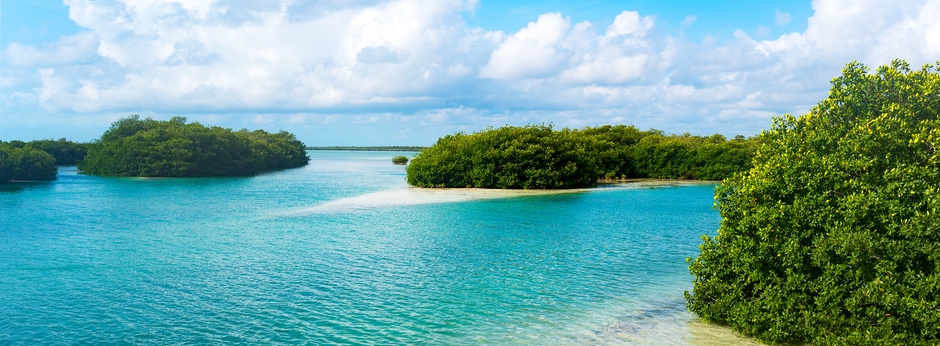
UNESCO Biosphere Reserve, inscribed 1986, in Mexico. Sian Ka’an Biosphere Reserve is the largest protected area in the Mexican Caribbean, and is a UNESCO World Heritage site. Located on the eastern coast of the Yucatán Peninsula, it is home to vast biodiversity, especially bird and marine species, in its tropical forests, mangroves, marshes and barrier reefs. In the language of the Maya peoples, Sian Ka’an means “origin of the sky”. Tulum, a beach resort, and the world-famous Maya ruins located within the biosphere reserve limits attract large numbers of tourists each year.
- 29
UNESCO Biosphere Reserve, inscribed 1987, in Cuba. The Baconao Biosphere Reserve lies on Cuba’s south-eastern edge and encompasses the Sierra de la Gran Piedra, east of Santiago de Cuba. The reserve brings together terrestrial and marine ecosystems, including extensive caves and caverns that host one of Cuba’s most diverse cave faunas. The reserve’s objectives are to strengthen landscape-scale environmental management by reducing agricultural, forestry and fisheries pressures, restoring key habitats and connectivity, and controlling invasive species, while building local capacity and governance for sustainable resource use.
- 30
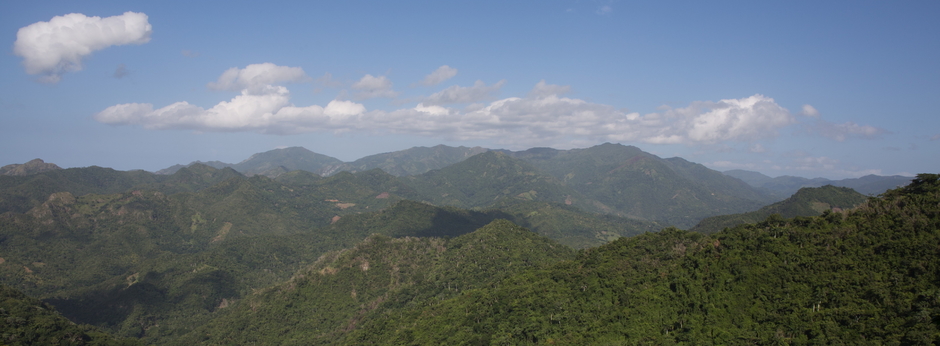
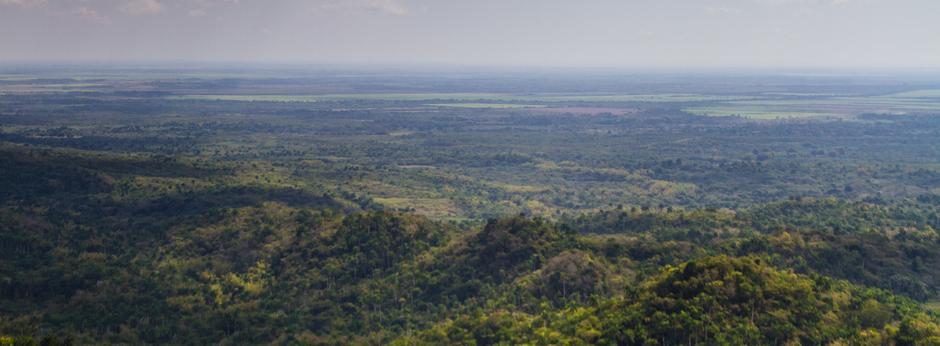
UNESCO Biosphere Reserve, inscribed 1987, in Cuba. The Cuchillas del Toa Biosphere Reserve is located in the Greater Antilles in north-eastern Cuba and covers the mountain region of Sagua–Baracoa in Alejandro de Humboldt National Park. It extends across 208,305 ha, of which 6,013 ha is marine. Cuchillas del Toa is considered one of the principal centres of biodiversity and endemism in Cuba and the insular Caribbean. Habitats range from rainy mountain forests and cloud forests to xerophytic matorral and complex coastal vegetation with mangroves and coral reefs.
- 31
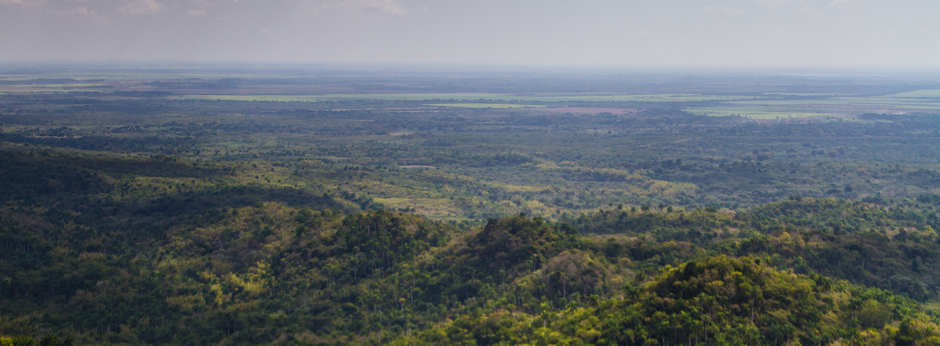
UNESCO Biosphere Reserve, inscribed 1987, in Cuba. Set at the western tip of Cuba, the Guanahacabibes Peninsula Biosphere Reserve lies on a low karst plain at sea level. It is bound by the Gulf of Guanahacabibes to the north, the Yucatán Channel to the west and Bahía de Corrientes and the Caribbean Sea to the south. The peninsula serves as a major migratory corridor for birds. Its reefs, among the best-conserved and most diverse in the Greater Caribbean, sit alongside shores that host nesting beaches for three threatened sea turtles. The reserve works with local communities to safeguard ecosystems and endemic species, while supporting low-impact livelihoods and fostering research, long-term monitoring and environmental education.
- 32
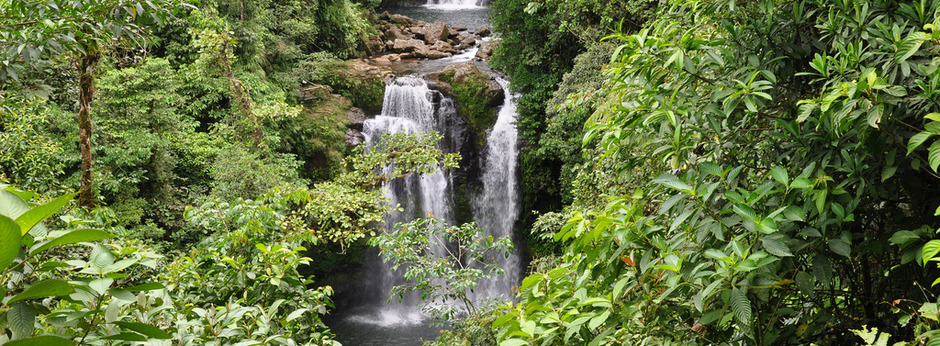
UNESCO Biosphere Reserve, inscribed 1988, in Costa Rica. This biosphere reserve is located in the central highlands, about 60 km north-west to the city of San José. The Cordillera Volcánica Central reserve is one of the richest in both natural resources and cultural heritage. On its long axis there are several volcanic cones with their still well formed craters.
- 33
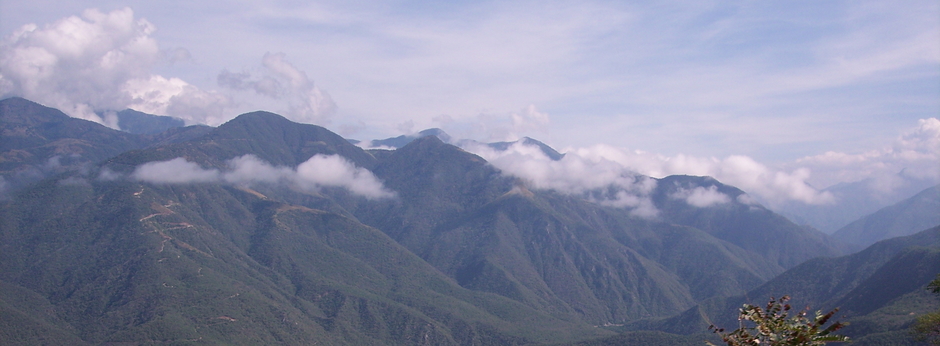
UNESCO Biosphere Reserve, inscribed 1988, in Mexico. Considered one of the most important protected areas in western Mexico for its rich natural resources, extent and environmental role in the region, Sierra de Manantlán is highly biodiverse and provides a secure water source. It has 13 vegetation types, which provide refuge for 64 per cent of all species in the state of Jalisco and 25 per cent of Mexico’s mammal species. A major goal of the reserve is to promote alternative productive diversification for agrarian communities in ecotourism, sustainable forest management, agriculture and handicrafts.
- 34
UNESCO Biosphere Reserve, inscribed 1989, in Ecuador. The Yasuní Biosphere Reserve is located in the Amazon region, in Napo Province in northern Ecuador. The dominant ecosystem is humid tropical rainforest, part of the upper Amazon basin. The Yasuní Biosphere Reserve is recognised as one of the most biodiverse areas per square metre on the planet.
- 35
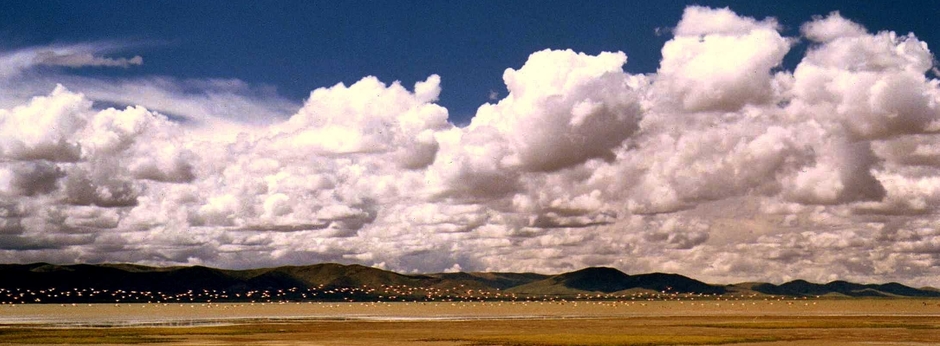
UNESCO Biosphere Reserve, inscribed 1990, in Argentina. The Laguna de Pozuelos Biosphere Reserve is part of the highlands of the Southern Central Andes. It lies within Dinerstein’s Arid Puna ecosystem, identified as a conservation priority.
- 36
UNESCO Biosphere Reserve, inscribed 1990, in Guatemala. The Maya Biosphere Reserve in the Petén region of northern Guatemala, together with the Maya Forest of Belize and Mexico, represents one of the largest areas of tropical forest north of the Amazon and the northernmost tropical forest in the Western Hemisphere. It is also the site of three contiguous UNESCO biosphere reserves: the Maya Biosphere Reserve in Guatemala, and the Calakmul and Montes Azules Biosphere Reserves in southern Mexico. The reserve has seven core areas, comprising four national parks and three wildlife reserves with lowland and mid-elevation forests, inundated savannas, small stands of pine, caves and rocky habitats, lakes and lagoons, rivers, wetlands and remnant mangrove forests. The multiple-use zone consists of tropical forest managed for the sustainable harvest of xate palms, chicle gum, allspice and timber.
- 37
UNESCO Biosphere Reserve, inscribed 1992, in Guatemala. One of the truly wild places in Guatemala is the east–west mountain range that runs through the country’s south-eastern highlands. The mountains encompass parts of the Baja Verapaz and Izabal departments at the eastern part of Guatemala City. Protection of the area is particularly important because it contains an estimated 60 per cent of Guatemala’s remaining cloud forest.
- 38
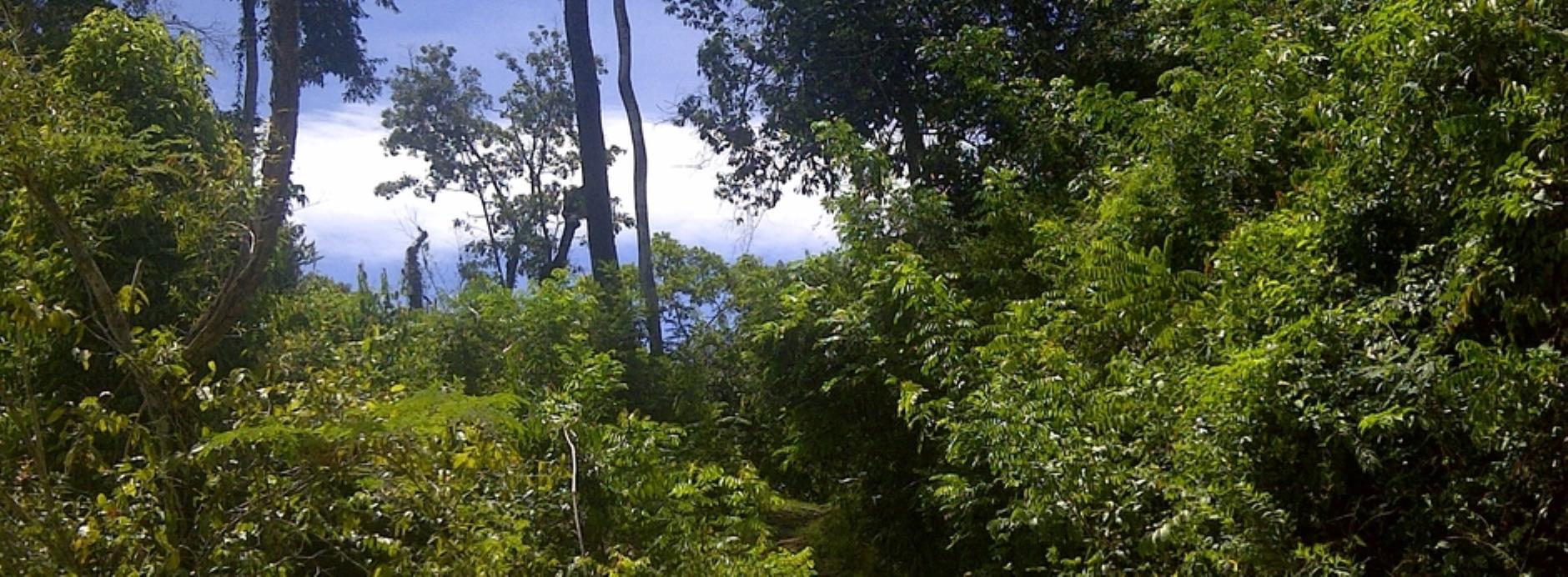
UNESCO Biosphere Reserve, inscribed 1993, in Venezuela (Bolivarian Republic of). The name of this biosphere reserve reflects the fact that Venezuela’s most important headwaters and initial tributaries of the Orinoco River are located here. The Orinoco is the main and most abundant body of water in the country, on which most land-use planning programmes of the Bolivarian Republic of Venezuela are based. In this area, the hydrographic basins of the Orinoco River and the Amazon River are interconnected through the Casiquiare Branch, a hydrographic phenomenon of great scientific interest.
- 39
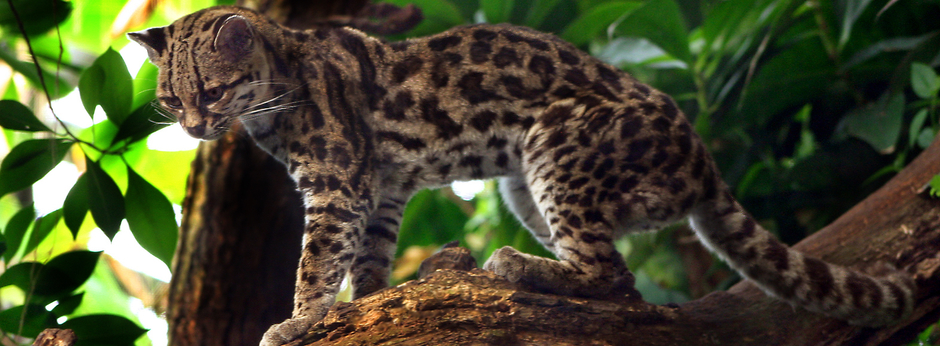
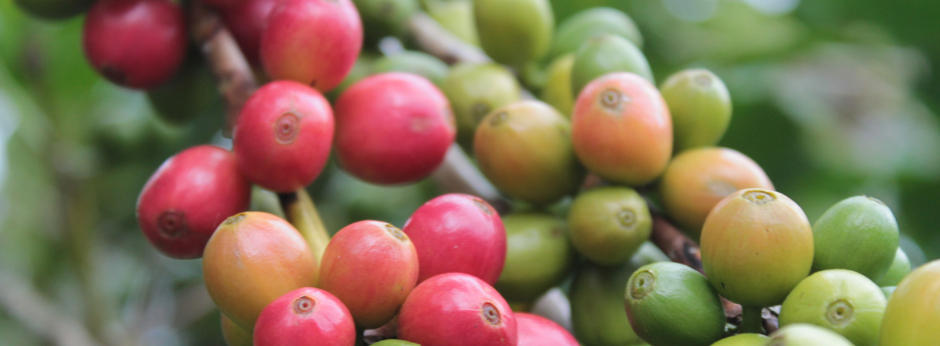
UNESCO Biosphere Reserve, inscribed 1993, in Mexico. El Triunfo is situated in the mountains of the Sierra Madre de Chiapas in the south of the state of Chiapas, in generally steep and mountainous terrain. The reserve forms the boundary between two of the largest hydrological regions of the state: the Pacific coast and the Grijalva–Usumacinta River. As a primary Pleistocene refuge, and due to its location in the Sierra Madre de Chiapas, it is considered an endemic area for different groups of plants and animals. El Triunfo is the most diverse evergreen cloud forest in Mexico and one of the most important sites for bird migration. It is covered with evergreen seasonal forest, montane rainforest and lower montane rainforest, which contain a higher proportion of endemic plants. A number of threatened mammalian species can be found in the reserve, namely Geoffroy’s spider monkey, margay, jaguar and puma.
- 40
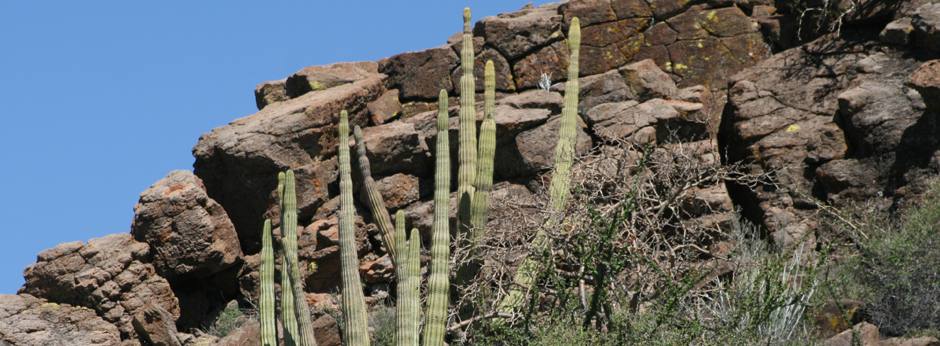
UNESCO Biosphere Reserve, inscribed 1993, in Mexico. El Vizcaino is in the central part of the Baja California peninsula, in the Sebastian Volcano region between the Gulf of California and the Pacific Ocean. It contains a great abundance and variety of wild fauna and flora, including numerous species endemic to the Mesoamerican region and species that are endangered elsewhere. Protection of the site is justified by the exceptional value of its desert, mountain and coastal and marine ecosystems, which link the Pacific Ocean to the Gulf of California. The reserve is also important for its fossil beds and numerous marine birds, including some under threat of extinction. The grey whale (Eschrichtius robustus) frequents the bay. The peninsula holds more than 400 prehistoric sites of importance, as well as petroglyphs, wall paintings and ancient ruined structures.
- 41
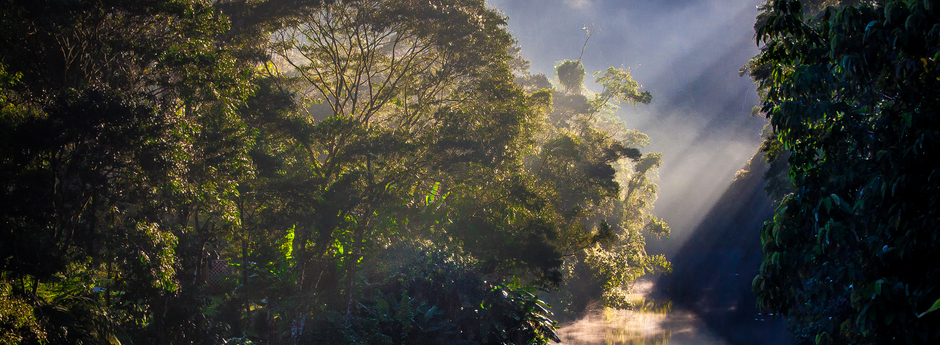
UNESCO Biosphere Reserve, inscribed 1993, in Brazil. The Atlantic Forest is one of the seven moist forest areas of the Neotropics and the second largest after the Amazonian rain forest. It covers around 90,000 km² along 3,000 km of the Atlantic coast, spanning 17 different Brazilian states. Although the remaining Atlantic Forest, about 10 per cent of the original vegetation, is rather homogeneous, the social diversity is very high. It includes large urban centres, including Rio de Janeiro, Florianópolis and São Paulo, as well as many small traditional communities, small-scale fishers and forest extractive groups.
- 42
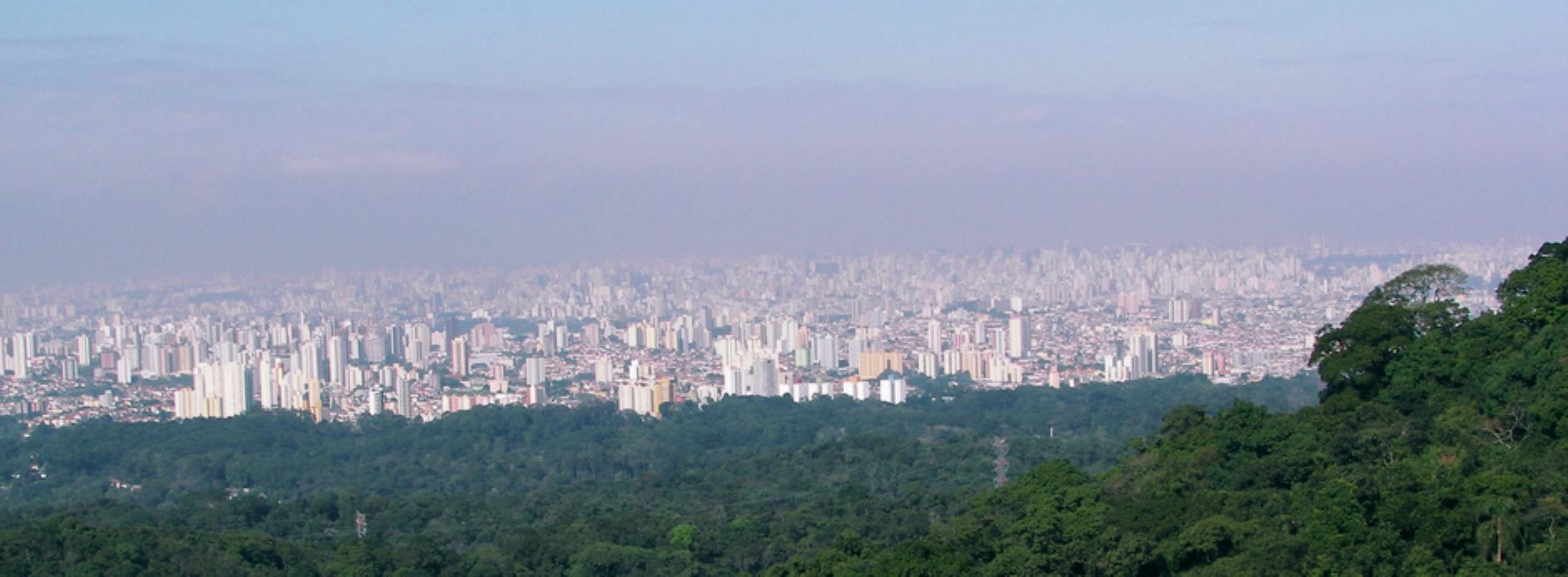
UNESCO Biosphere Reserve, inscribed 1993, in Brazil. Greater São Paulo comprises 39 municipalities over an area of 805,300 ha. Covering only one thousandth of the country’s territory, it is densely populated. In this context, the São Paulo Green Belt Biosphere Reserve provides numerous environmental services to the region, securing safe water sources, stabilising the climate and filtering polluted air.
- 43
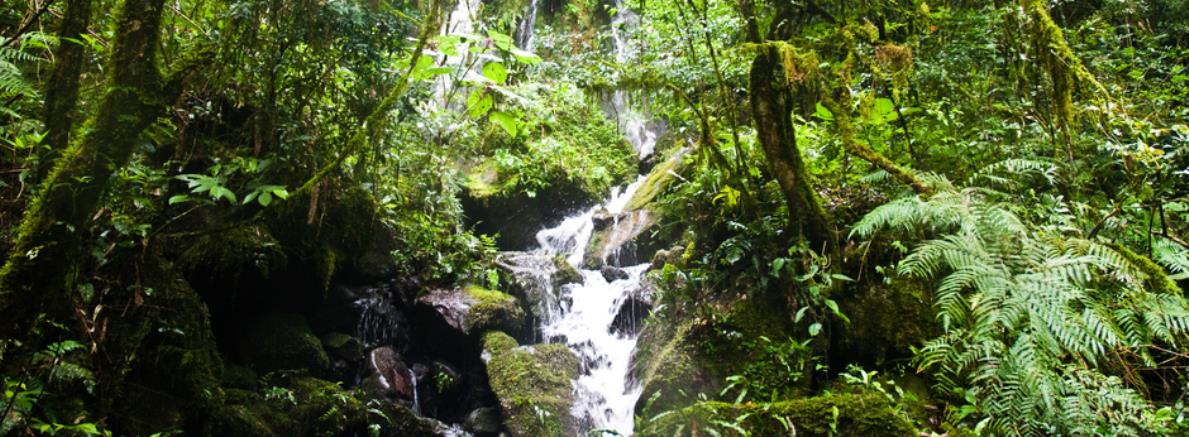
UNESCO Biosphere Reserve, inscribed 1995, in Argentina. Located in the Province of Misiones, the Yabotí Biosphere Reserve is home to the richest biodiversity in Argentina. Its subtropical forests, with trees, bushes and bamboos, are a habitat for jaguars, tapirs and collared peccaries, among other endangered species. Within the biosphere reserve limits there are Guaraní villages, including one inside the Esmeralda core area. These communities have been actively engaged in sustainable development initiatives promoted by the biosphere reserve’s committee.
- 44
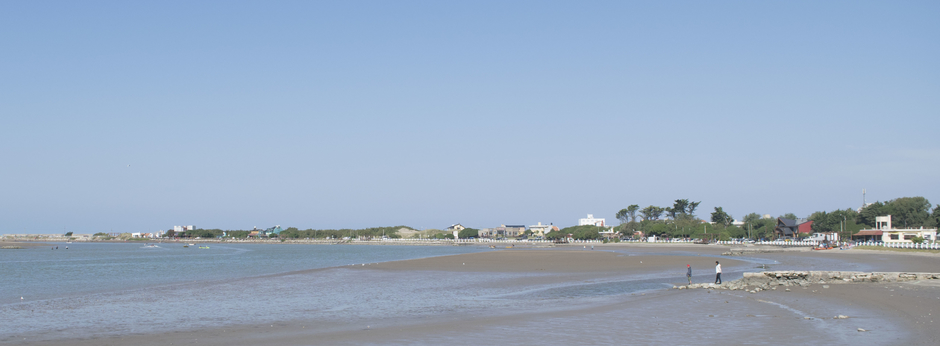
UNESCO Biosphere Reserve, inscribed 1996, in Argentina. The biosphere reserve and its surroundings are characterised by a great diversity of habitats in a relatively small area, most of which are representative of the Pampas plains.
- 45
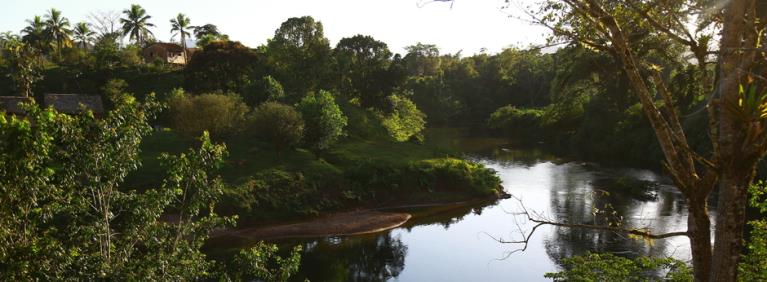
UNESCO Biosphere Reserve, inscribed 1997, in Nicaragua. Bosawas is a meeting point between the fauna of North and South America. It hosts an enormous diversity of vertebrate and invertebrate organisms. It is located in north-eastern Nicaragua and is bordered to the north-west by the Republic of Honduras, to the west by the departments of Jinotega and Nueva Segovia, to the south by the South Caribbean Autonomous Region, and to the east by the North Caribbean Autonomous Region.
- 46
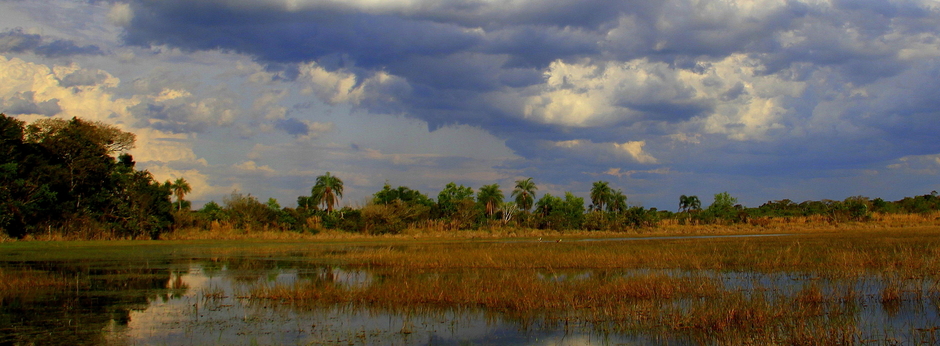
UNESCO Biosphere Reserve, inscribed 2000, in Paraguay. The Bosque Mbaracayú Biosphere Reserve is located in the upper basin of the Jejui River, which is home to a complex ethnic and cultural mosaic. Its inhabitants are Paraguayan and Brazilian smallholder farmers, Indigenous communities, and urban populations.
- 47
UNESCO Biosphere Reserve, inscribed 2000, in Cuba. Situated on the southern coast of Cuba in Matanzas Province, the Ciénaga de Zapata Biosphere Reserve covers 628,171 ha. It is one of the largest and most important wetlands in the Caribbean region, with a marine southern boundary. Ciénaga de Zapata was designated a Ramsar site in 2001. This is a cluster biosphere reserve with several core areas of high conservation value located within Ciénaga de Zapata National Park.
- 48
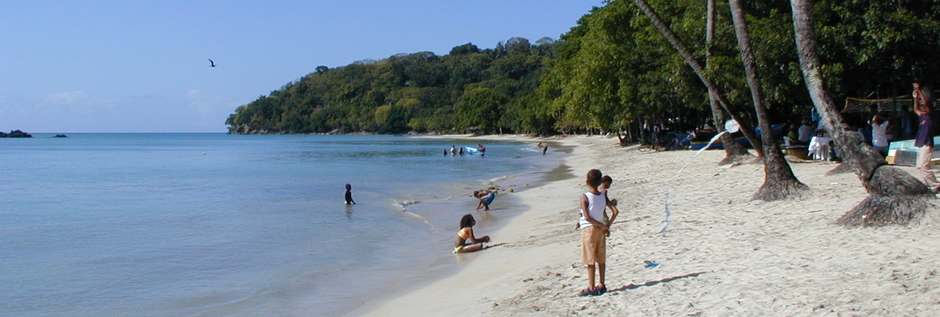
UNESCO Biosphere Reserve, inscribed 2000, in Colombia. The Seaflower Biosphere Reserve is an oceanic archipelago comprising coral banks, small islands and islets that form parts of atolls, features that are rare in the Caribbean Sea.
- 49
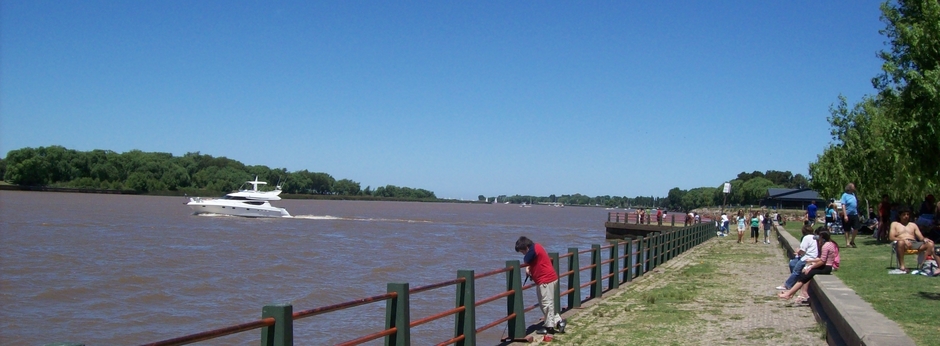
UNESCO Biosphere Reserve, inscribed 2000, in Argentina. The Lower Paraná River Delta is an extensive wetland system. This type of ecosystem has attracted increasing interest due to recognition of its multiple functions. It is now also understood that these areas are highly sensitive to alterations. They are, and have long been, subject to various forms of human intervention that interfere with their functioning and place them at a high level of criticality.
- 50
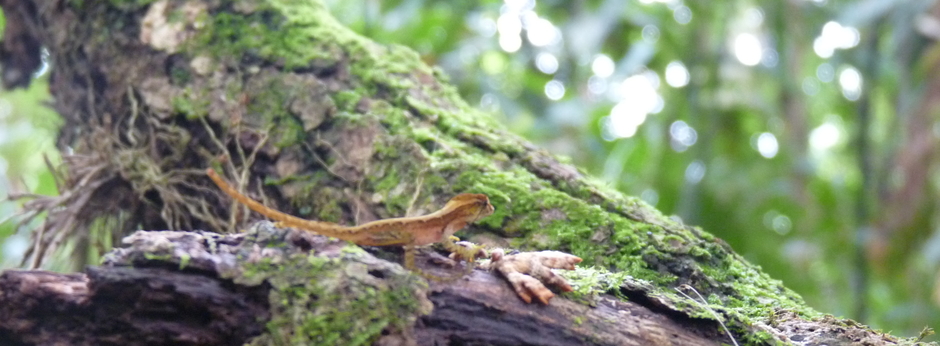
UNESCO Biosphere Reserve, inscribed 2000, in Panama. La Amistad Biosphere Reserve and National Park lie in the foothills and mountains of the Cordillera de Talamanca, between the mountain ranges of Panama and Costa Rica.
- 51
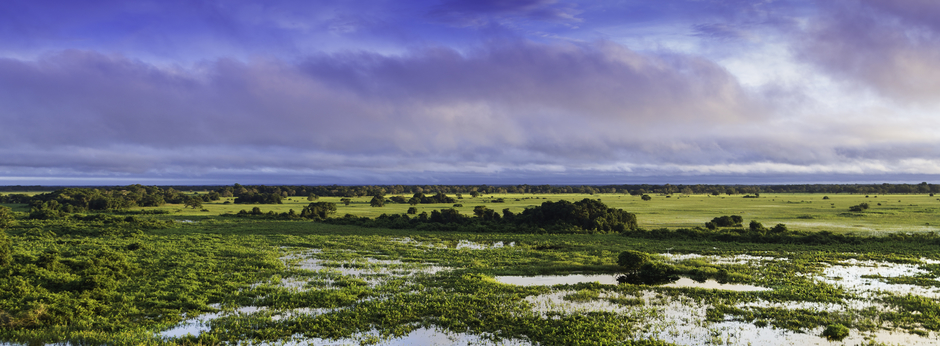
UNESCO Biosphere Reserve, inscribed 2000, in Brazil. The Pantanal Biosphere Reserve comprises the states of Mato Grosso, Mato Grosso do Sul and a small portion of Goiás. It covers the headwaters of the rivers that make up the Pantanal, one of the world’s most extensive wetland complexes, internationally known for its large bird, mammal, reptile, fish, insect and amphibian populations.
- 52
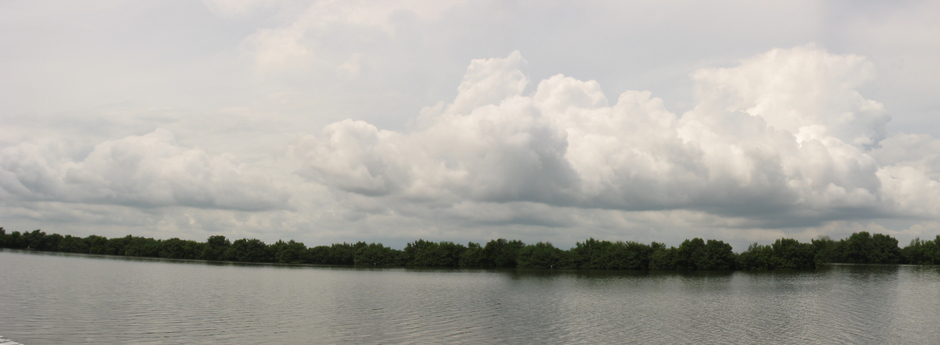
UNESCO Biosphere Reserve, inscribed 2000, in Colombia. The Ciénaga Grande de Santa Marta Biosphere Reserve is in northern Colombia, not far from the Sierra Nevada de Santa Marta Biosphere Reserve. Ciénaga Grande is one of the largest coastal wetlands in Latin America, comprising coral reefs and mangroves.
- 53
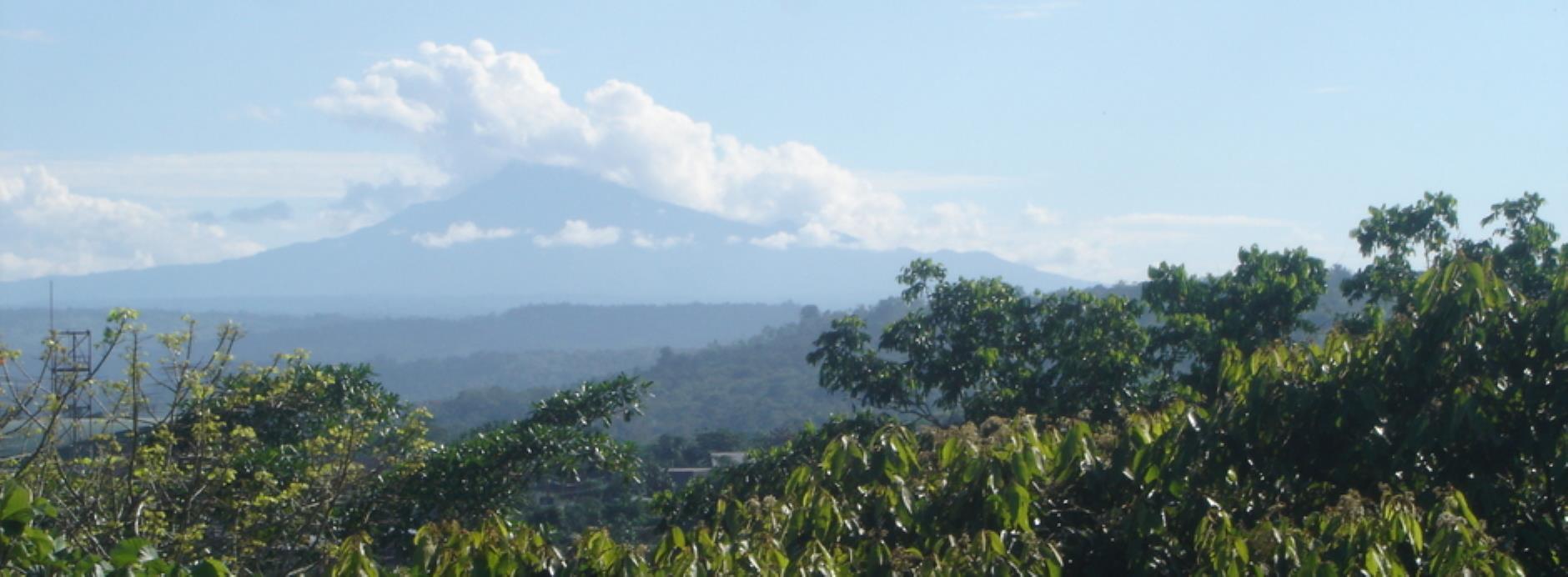
UNESCO Biosphere Reserve, inscribed 2000, in Ecuador. The Sumaco Biosphere Reserve lies about 100 km south-east of Quito in western Napo province. There are numerous watercourses in the area, including the Suno, Coca, Pitayacu and Pusuno rivers. Sumaco Volcano (3,900 m above sea level) is a relatively isolated peak to the east of the main Andean range. The reserve spans a wide range of ecosystems, from tropical highlands–Andean páramo to the tropical Amazon plains.
- 54
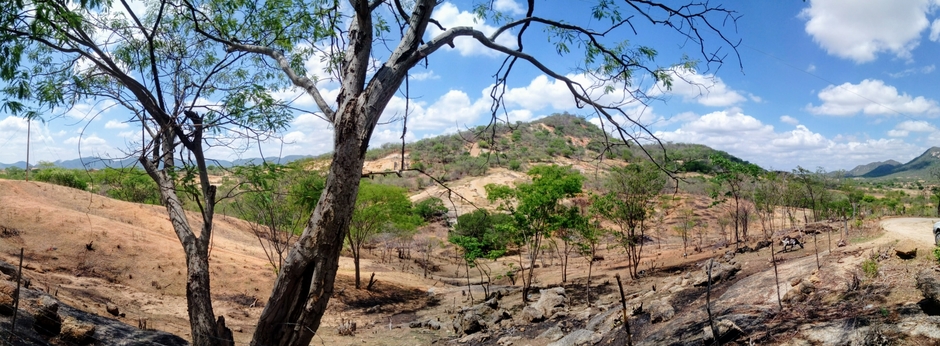
UNESCO Biosphere Reserve, inscribed 2001, in Brazil. The name Caatinga is a Tupi word meaning white forest or white vegetation: ‘caa’ meaning forest or vegetation, and ‘tinga’ meaning white. Caatinga is a xeric shrubland and thorn forest that consists primarily of small, thorny trees that shed their leaves seasonally. Cacti, thick-stemmed plants, thorny brush and arid-adapted grasses make up the ground layer. Many annual plants grow, flower and die during the brief rainy season.
- 55
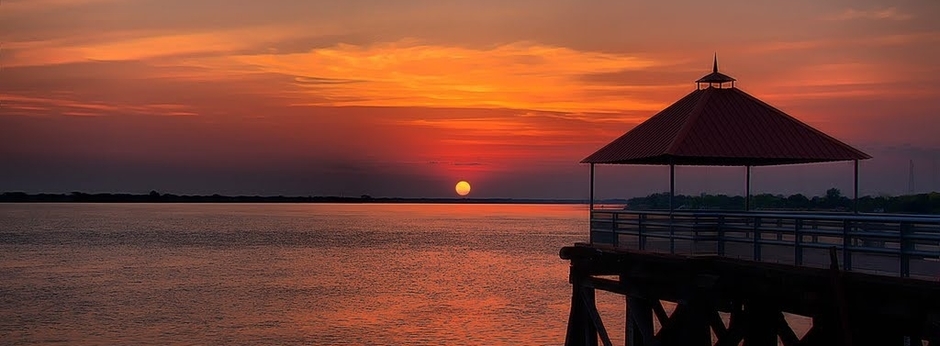
UNESCO Biosphere Reserve, inscribed 2001, in Argentina. The Laguna Oca del Río Paraguay Biosphere Reserve is located in Formosa Province in northern Argentina. The natural vegetation of the reserve comprises gallery forests, wetlands and savannas along the meanders and oxbow lakes of the Paraguay River. The gallery forests are densely structured, present high biodiversity and have abundant epiphytes, lianas and orchids.
- 56
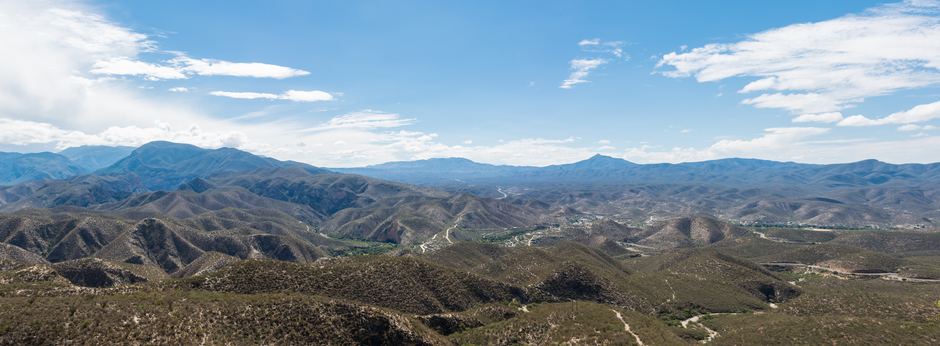
UNESCO Biosphere Reserve, inscribed 2001, in Mexico. The Sierra Gorda Biosphere Reserve is located in the state of Querétaro in northern Mexico. Its strategic biogeographical position between the Nearctic and the Mesoamerican Mountain regions makes Sierra Gorda one of the most ecologically rich and diverse places in Mexico. It comprises 14 vegetation types and is dominated by tropical sclerophyllous forest. The conservation of the ecosystems of Sierra Gorda is essential. They host a number of threatened species and serve as a refuge for migratory species.
- 57
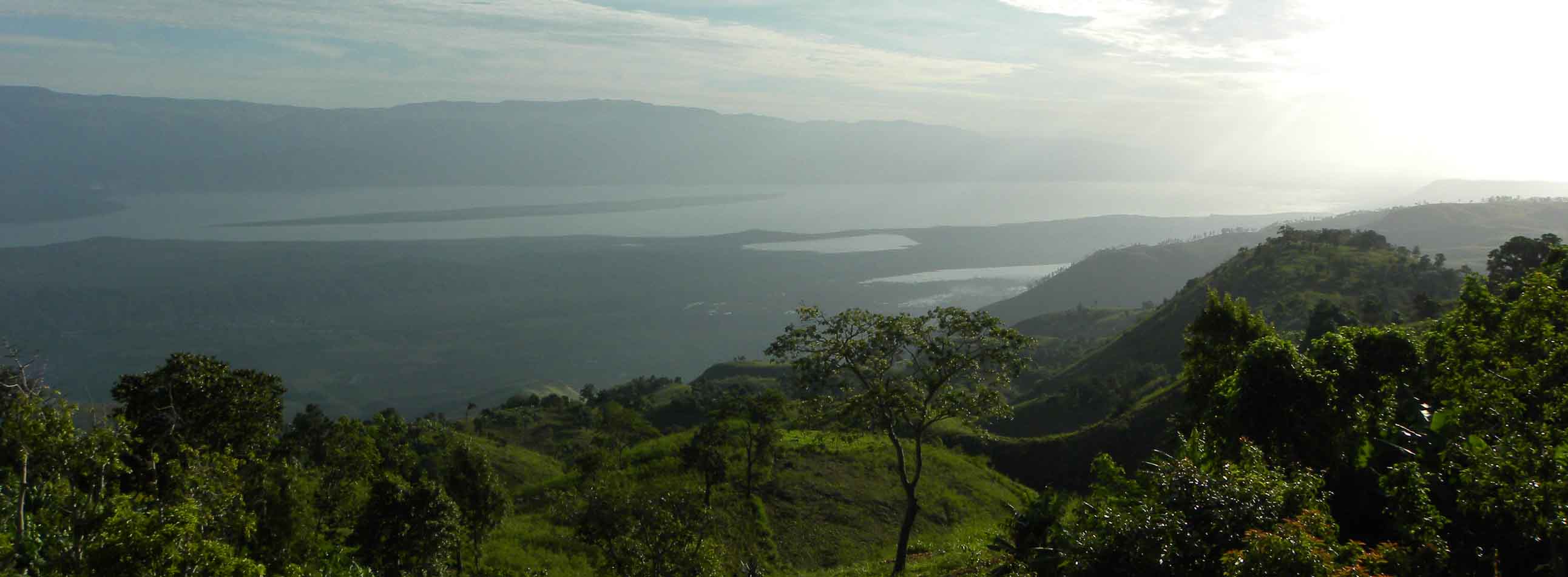
UNESCO Biosphere Reserve, inscribed 2002, in Dominican Republic. This biosphere reserve includes La Selle in Haiti (designated in 2012) and Jaragua–Bahoruco–Enriquillo in the Dominican Republic (designated in 2002). The two reserves are linked ecologically across a political and administrative frontier. Their joint designation supports more coherent environmental management.
- 58
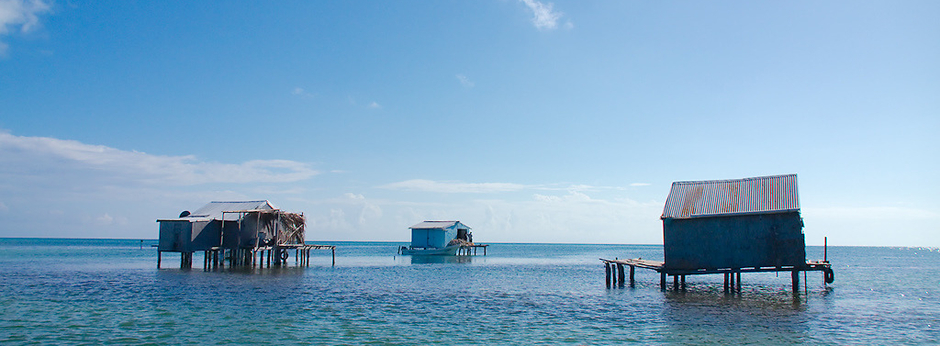
UNESCO Biosphere Reserve, inscribed 2003, in Mexico. Located at the south-eastern tip of the State of Quintana Roo on Mexico’s Yucatán Peninsula, Banco Chinchorro Biosphere Reserve covers over 144,866 ha and contains a mosaic of open water, seagrass beds, mangroves, sand beaches and coral reefs. It is the largest platform-type reef complex in Mexico and, owing to its isolated position, retains well-preserved natural ecosystems.
- 59
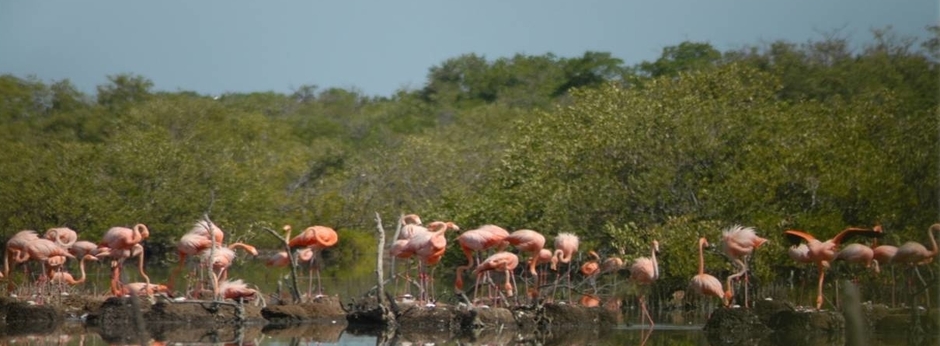
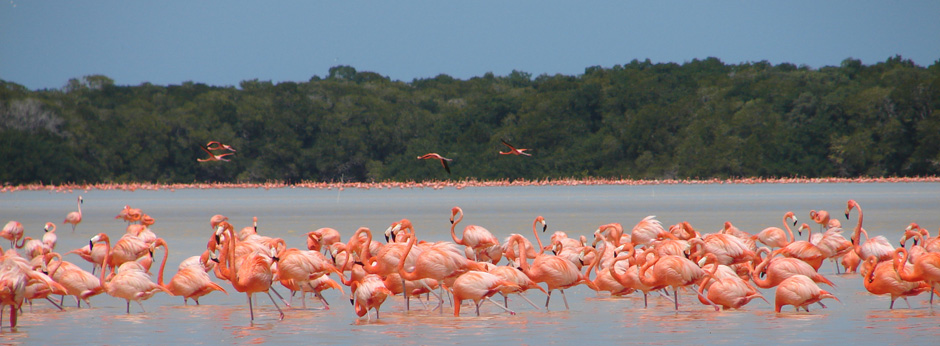
UNESCO Biosphere Reserve, inscribed 2003, in Mexico. Located over the mouth of Yucatán’s largest groundwater basin, between the towns of Celestún and Maxcanú, the Ría Celestún Biosphere Reserve forms part of a vast wetland corridor in the west of the peninsula. Fresh water from underground aquifers surfaces here, making the reserve a unique example of a natural wetland in the area. Its mangroves, dunes and lowland rainforests hold substantial natural heritage, particularly for birds, and the area is a resting place for many migrating species. Although especially known for its pink flamingos, its pristine beaches, with waters ranging from turquoise to light blue, attract thousands of visitors every year.
- 60
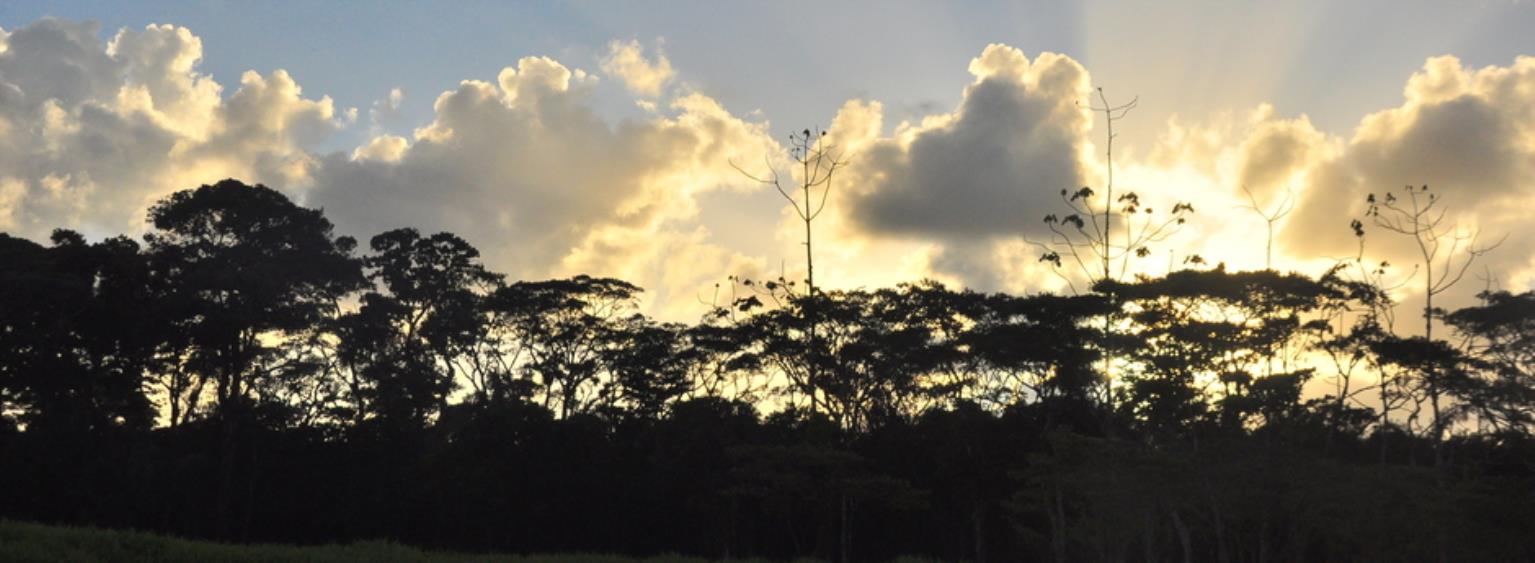
UNESCO Biosphere Reserve, inscribed 2003, in Nicaragua. The Río San Juan Biosphere Reserve is composed of seven protected areas and adjacent territories. The biosphere reserve encompasses a variety of ecosystems representative of tropical humid forests and wetlands, tidal marsh, coastal lagoons and estuaries, which are important shelters for rare or threatened animals and plant genetic resources of the Mesoamerican tropics.
- 61
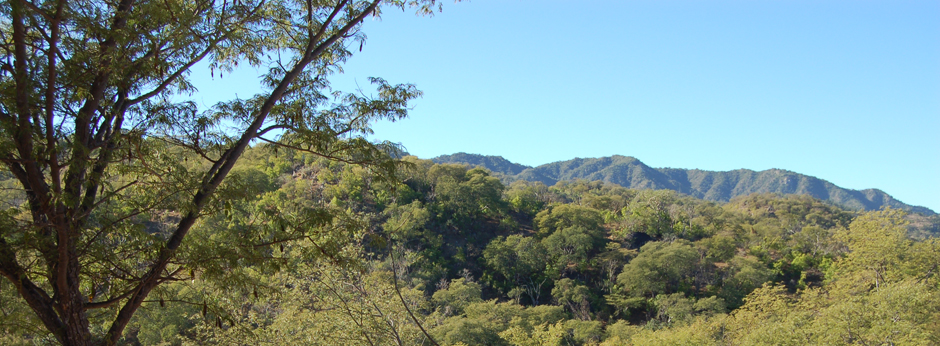
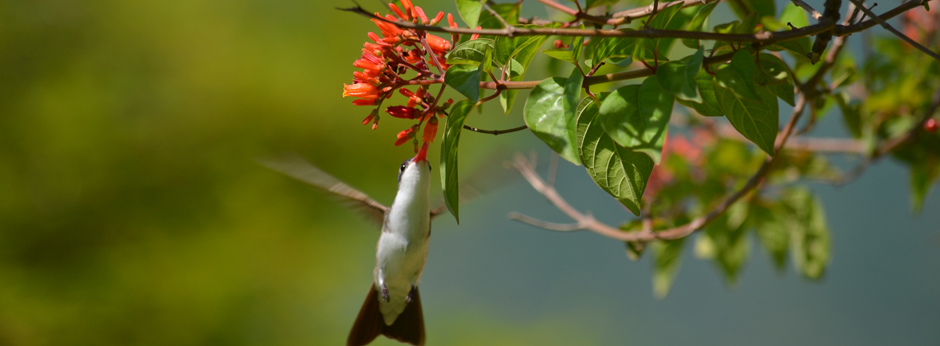
UNESCO Biosphere Reserve, inscribed 2003, in Mexico. The Sierra La Laguna Biosphere Reserve is the most important reproduction site for Mexico’s and Latin America’s main hummingbird species, such as Costa’s hummingbird (Calypte costae) and Xantus’ hummingbird (Hylocharis xantusii), the latter endemic to the region. It comprises the dry forests of Baja California, and its temperate woods are home to biodiversity of global significance. The site is essential for the local population: it is the most important hydrological reservoir in the region and, according to Mexico’s National Water Commission, six basins form from Sierra La Laguna. Its 42 native mammal species represent 70 per cent of the fauna found in southern Baja California. It is also very important for resident and, especially, migratory birds.
- 62
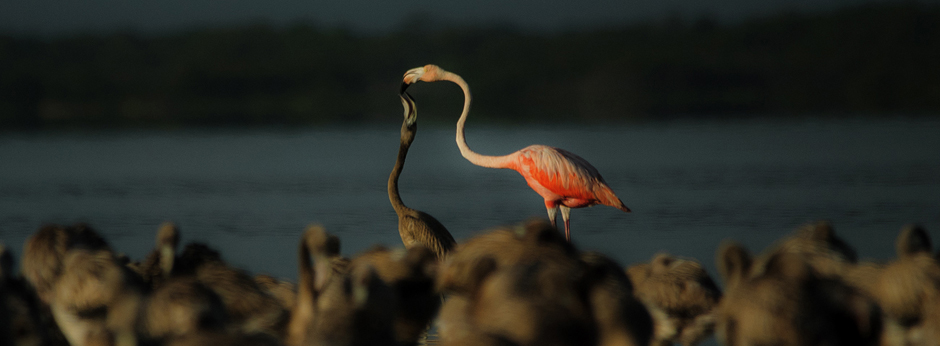
UNESCO Biosphere Reserve, inscribed 2004, in Mexico. Located at the eastern end of the Yucatán Peninsula, the Ría Lagartos Biosphere Reserve encompasses key wetlands recognised by the Ramsar Convention. It features mangroves, small estuaries, coastal lagoons, marshes and savannah that are home to many species and serve as nesting sites for some. In the past decade, the reserve has stabilised numbers of various endangered species.
- 63
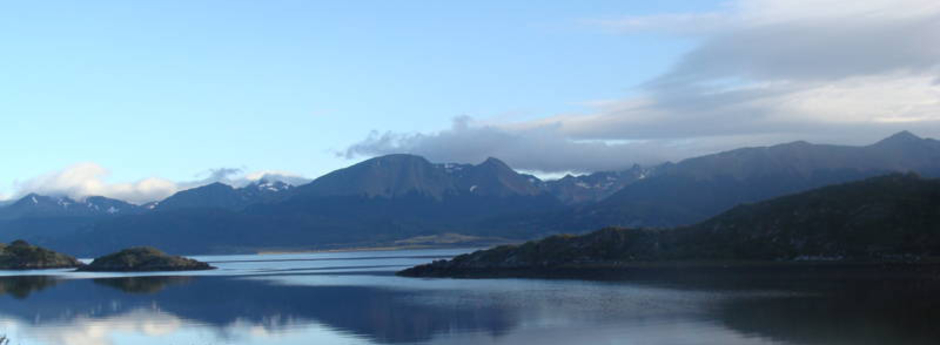
UNESCO Biosphere Reserve, inscribed 2005, in Chile. The Cabo de Hornos (Cape Horn) Biosphere Reserve represents a milestone for biodiversity conservation worldwide, as it includes an extensive area that covers the entire southern tip of Chile and the Americas, representing a treasure in terms of biological and cultural diversity. Here are the southernmost forests on the planet, at 55–56° S, which grow within a mosaic of pristine ecosystems. These include tundra formations and high Andean habitats, as well as glaciers, ice fields and Andean peaks. They also include permanent and intermittent watercourses, brown-kelp forests, fjords, channels, currents and intricate seabeds.
- 64
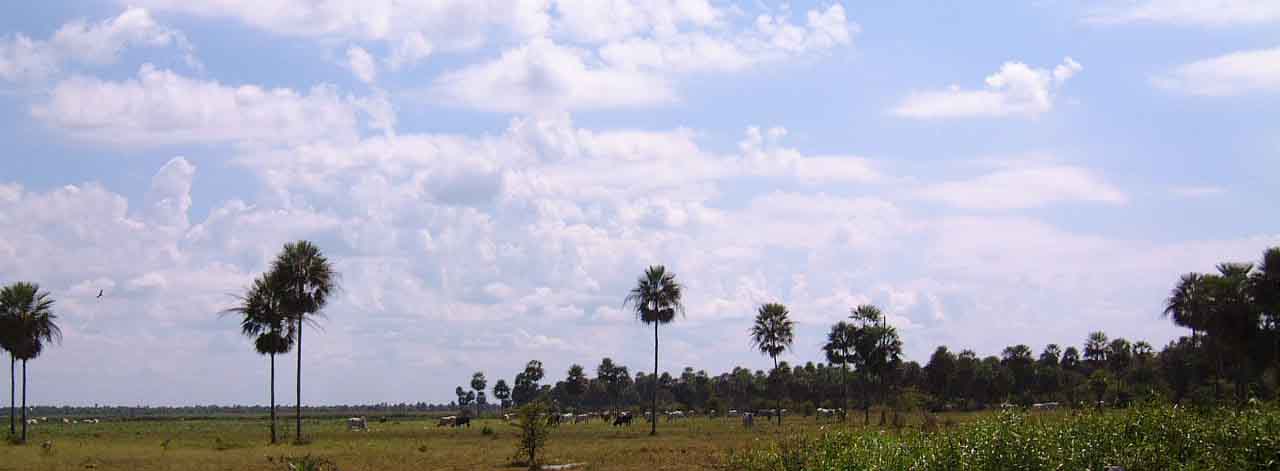
UNESCO Biosphere Reserve, inscribed 2005, in Paraguay. This large biosphere reserve contains important national parks in Paraguay, such as Defensores del Chaco, Médanos del Chaco and Teniente Agripino Enciso, and other protected areas, including Cerro Cabrera, Río Negro National Park and the Cañada El Carmen Reserve. It also includes a single urban centre on the Paraguay River, Bahía Negra.
- 65
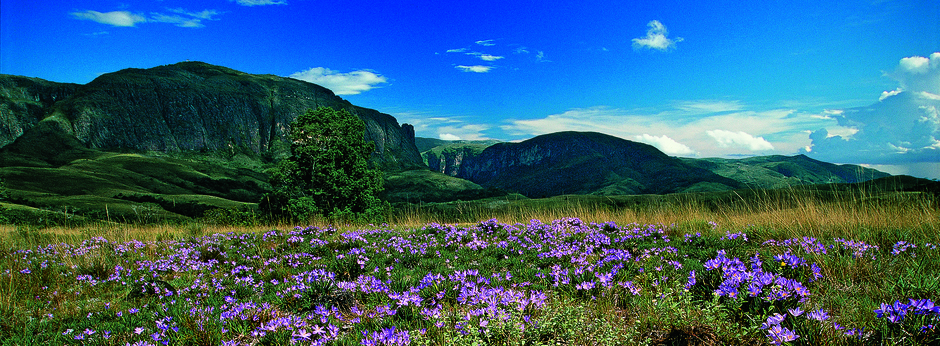
UNESCO Biosphere Reserve, inscribed 2005, in Brazil. The Espinhaço Mountain Range is the largest and most continuous Precambrian orogenic belt in Brazil and serves as a water divide between the São Francisco River basin and the basins that drain directly into the Atlantic Ocean. It extends in a north–south direction for approximately 1,200 km, from the Belo Horizonte region to the northern border of Bahia with Pernambuco and Piauí, with a width that varies from a few kilometres to over 100 km. Along the over 1,000 km of the cordillera, alternating elevations with peaks reaching up to 2,017 metres allow for great diversity in climate and rainfall conditions.
- 66
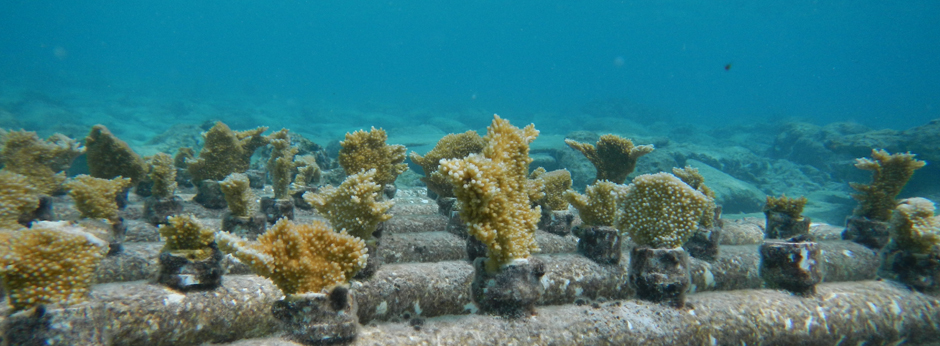
UNESCO Biosphere Reserve, inscribed 2006, in Mexico. Located about 140 km off the Mexican coast, Arrecife Alacranes is the largest coral structure in the Gulf of Mexico. Its high biodiversity and strong fishing potential arise from the calcification of overlapping colonies of various coral species over thousands of years. The Arrecife Alacranes Biosphere Reserve contains five main vegetated islands: Isla Pérez, Isla Desertora, Isla Pájaros, Isla Chica and Isla Exterrada. Isla Pérez is the only inhabited island. Tides and storms have also endowed the area with notable cultural heritage, including stranded boats, lighthouses and buildings, some of which are historical monuments.
- 67
UNESCO Biosphere Reserve, inscribed 2006, in Mexico. The Barranca de Metztitlán Biosphere Reserve lies in eastern Hidalgo, at the junction between the Sierra Madre Oriental, a mountain range which runs along eastern Mexico, and the Trans-Mexican Volcanic Belt (Neovolcanic Axis), which crosses the country west to east. Cut by tributaries of the Pánuco River, the landscape spans 900–2,600 m above sea level and forms a distinctive canyon system recognised as a national conservation priority. The reserve’s priorities include conserving xerophilous scrub and its emblematic cacti by addressing overgrazing and illegal extraction. It also seeks to guide local production towards sustainable practice, improving agricultural standards in the Metztitlán Valley and developing ecotourism rooted in the area’s landscapes and cultural heritage.
- 68
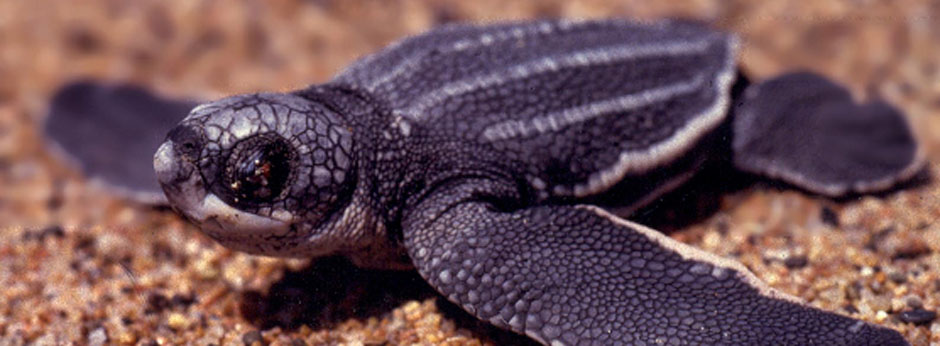
UNESCO Biosphere Reserve, inscribed 2006, in Mexico. The Chamela-Cuixmala Biosphere Reserve is on the Pacific coast of the state of Jalisco, Mexico. It features mostly tropical dry forests over rolling hills, as well as lower wetlands and mangroves. Along the coast, coral reefs and refuge sites are home to several marine species. Together, these habitats support diverse flora and fauna, including a very high number of endemic species. Biologically, the region is among the most important in the country. With a combined area of 36,000 acres, the reserve hosts 70 species of mammals, 270 species of birds and over 1,200 plant species.
- 69
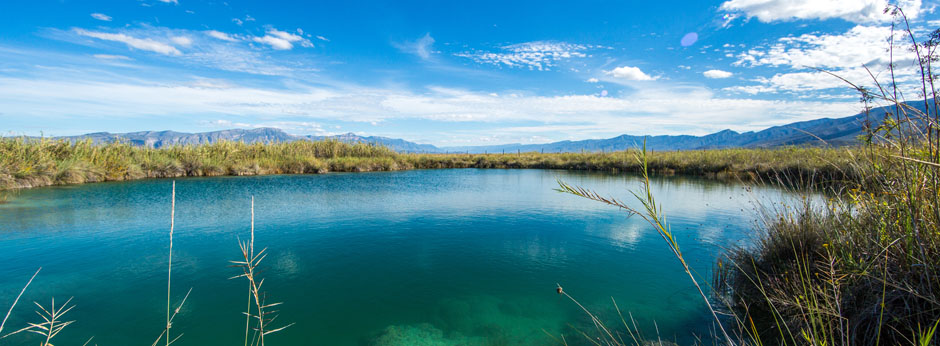
UNESCO Biosphere Reserve, inscribed 2006, in Mexico. The Cuatrociénegas Biosphere Reserve consists of a small valley locally known as a bolson, an arid basin in mountainous areas where rainwater does not reach the sea on the surface. These wetlands are home to over 800 plant species and about 360 animal species, some of which are critically vulnerable or endangered. Its gypsum dune sites have among the highest levels of endemism in the world. The pozas (pools) awe visitors with their beautiful shades of blue.
- 70
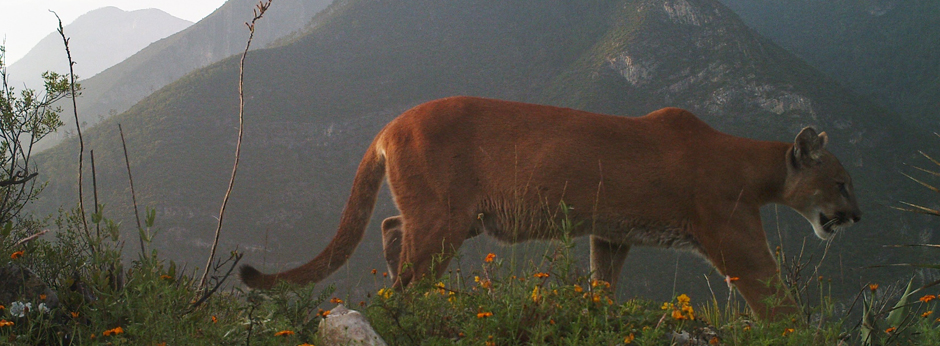
UNESCO Biosphere Reserve, inscribed 2006, in Mexico. Cumbres de Monterrey National Park is located in the province of the Sierra Madre Oriental and the sub-provinces of the Grand Sierra Plegada. The main ecosystems are coniferous forests, oak forests and scrub. It is considered a priority region and an important area for bird conservation because of its vicinity to the El Taray reserve, a parrot reserve in the mountains to the east. The area is important for ecosystem services, providing approximately 50 per cent of the water consumed in Monterrey and its metropolitan area.
- 71
UNESCO Biosphere Reserve, inscribed 2006, in Mexico. Rocky assemblages of various ages shape the land texture in Huatulco. The relief is mountainous in the southern portion, with valleys running perpendicular to the coast.
- 72
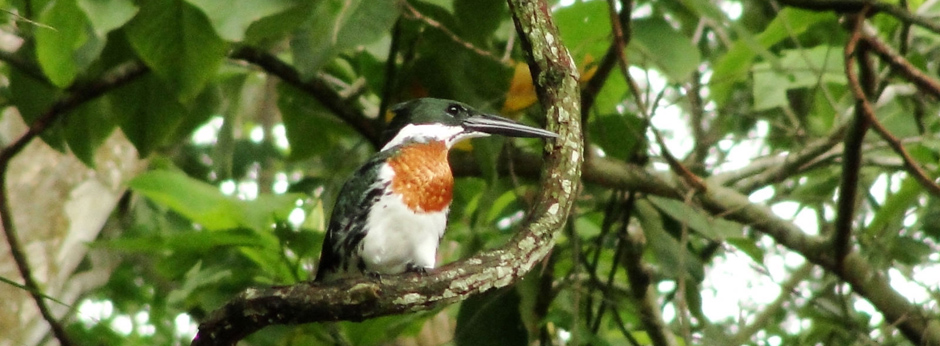
UNESCO Biosphere Reserve, inscribed 2006, in Mexico. Located in the Pacific coastal lowlands of Mexico, La Encrucijada Biosphere Reserve comprises two lagoon systems that host a wide variety of ecosystems, including mangroves, marshes, forests, coastal dunes and palms. It spans six municipalities in the state of Chiapas. With a rich variety of species, the area is also a fundamental resting place for migratory birds.
- 73
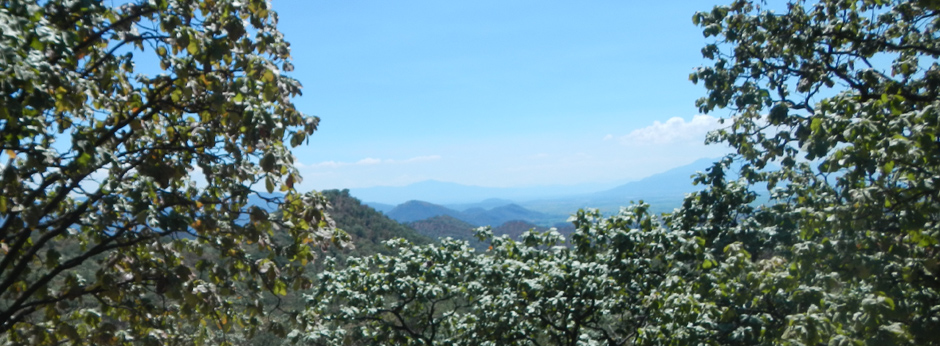
UNESCO Biosphere Reserve, inscribed 2006, in Mexico. Covering 30,500 ha and located within the Guadalajara Metropolitan Area, La Primavera Biosphere Reserve plays an important environmental role in the region, including refilling groundwater reserves and absorbing carbon dioxide. Depending on the location of its forested areas, there is a wide diversity of ecosystems spanning two floristic provinces.
- 74
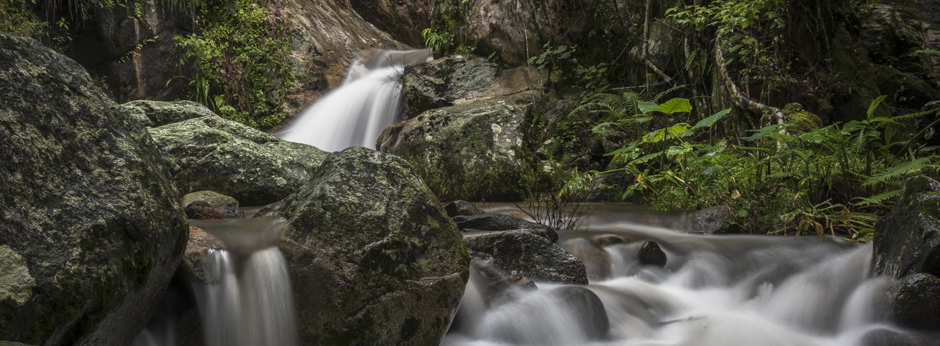
UNESCO Biosphere Reserve, inscribed 2006, in Mexico. La Sepultura Biosphere Reserve comprises a range of ecosystems and natural habitats that represent major biogeographic regions, alongside traditional forms of local land ownership that determine different uses for management and conservation. The main ecological system, owing to its extent and biodiversity, is lowland deciduous or dry tropical forest, distributed in the lower parts of both strands of the sierra.
- 75
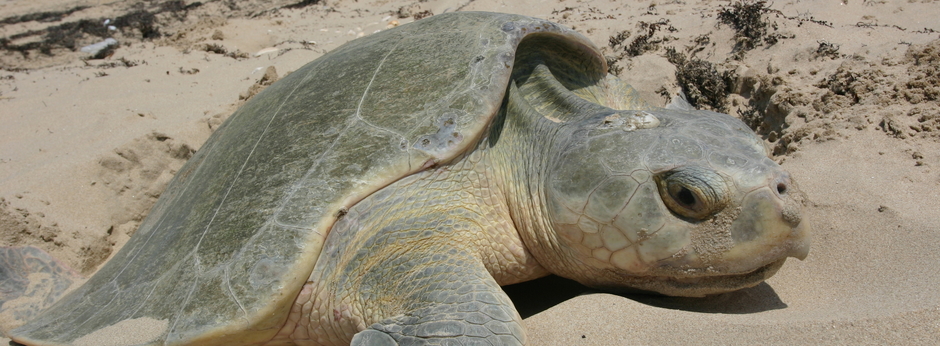
UNESCO Biosphere Reserve, inscribed 2006, in Mexico. Laguna Madre lies on the coastal plain of the Gulf of Mexico, about 120 km west of Ciudad Victoria, the state capital. Recognised internationally as a Ramsar site and as an Important Bird Area, it features in national priority maps for terrestrial, marine and inland waters. The reserve’s objectives are to conserve its hypersaline lagoon–delta system by safeguarding freshwater inflows and tidal exchange, protecting mangroves and seagrass meadows, and aligning local livelihoods with ecological zoning and long-term monitoring.
- 76
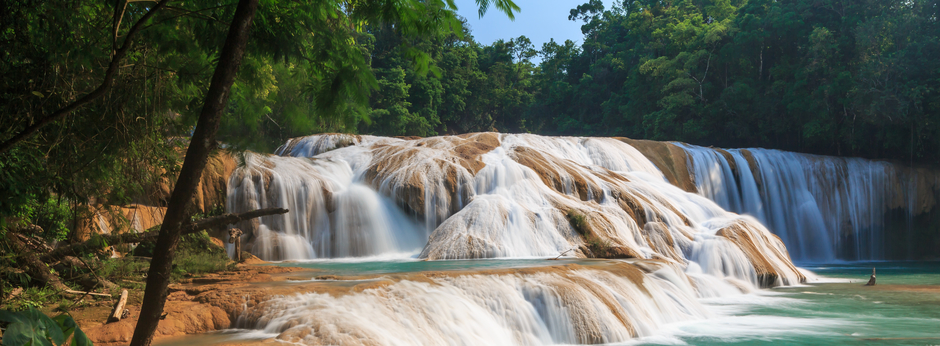
UNESCO Biosphere Reserve, inscribed 2006, in Mexico. The reserve is an area of high geological and ecological complexity and of human activity. It presents a high diversity of environments corresponding to nine vegetation types. It is of great relevance as the northern limit of rainforest on the American continent and a unique case in Mexico and North America, given the connection of different forest and rainforest types from the seacoast to the volcano summits. It is a key rainwater catchment, as it is among the rainiest areas of the country.
- 77
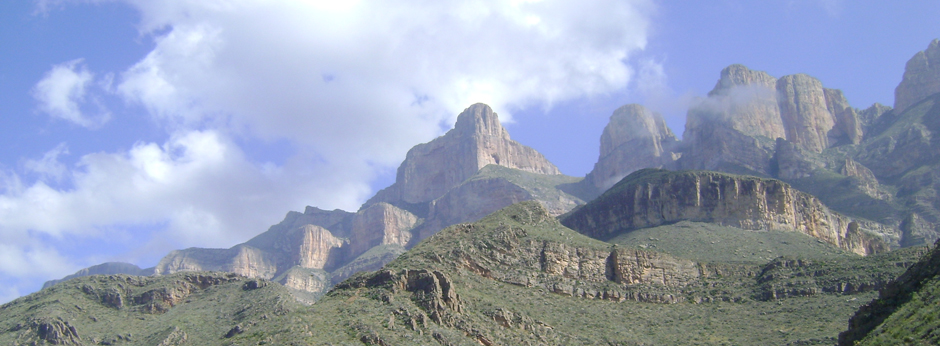
UNESCO Biosphere Reserve, inscribed 2006, in Mexico. The protected area includes a portion of the Sierra Madre Oriental at its northern extremity. Its elevation, configuration and geographical interconnections support a great variety of plants and animals representative of the Chihuahuense Desert and the Sierra Madre Oriental itself. Especially notable are communities typical of mesophilic forests in the area, survivors from geological periods when this part of the country was cooler and more humid, approximately 10,000 years ago.
- 78
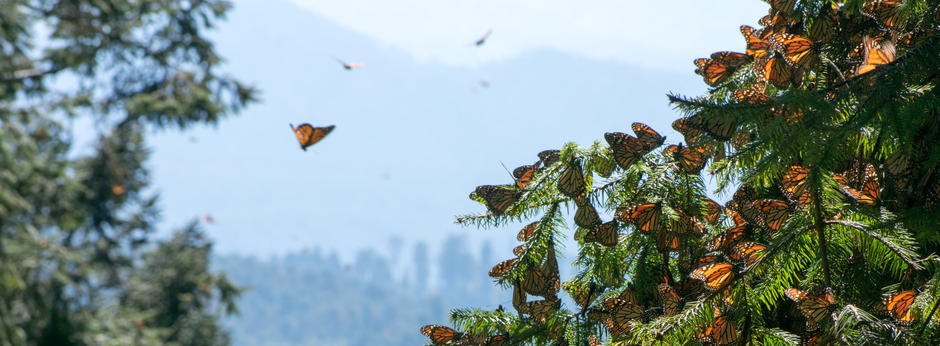
UNESCO Biosphere Reserve, inscribed 2006, in Mexico. The natural protected area belongs to the physiographic province of Eje Volcánico Transversal, which marks the extreme south of the Mexican Altiplain and separates it from the Balsas depression. It is a discontinuous mountain system, deeply dissected by strong tectonic processes, composed of a group of mountain ranges and hills that take up 77 per cent of the total surface, grouped in the south-centre portion, and separated by small intermountain valleys, 12 per cent, and plains, 6 per cent. It comprises five types of vegetation: sacred fir forests, characterised by the predominance of sacred fir (Abies religiosa), which constitute the characteristic habitat of the monarch butterfly (Danaus plexippus), pine–fir forests, pine forests, oak forests and cedar forests.
- 79
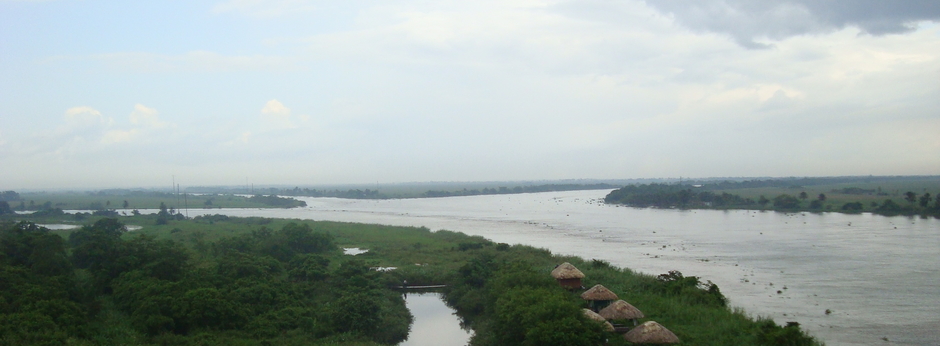
UNESCO Biosphere Reserve, inscribed 2006, in Mexico. The reserve is located in the physiographic province Llanura Costera del Golfo Sur and the subprovince Llanuras y Pantanos Tabasqueños. Topographic formations are dominated by a barrier plain along the coast, including beaches, and, above all, the coastal floodplain. These landscapes are formed by the mouths of the Grijalva and Usumacinta rivers.
- 80
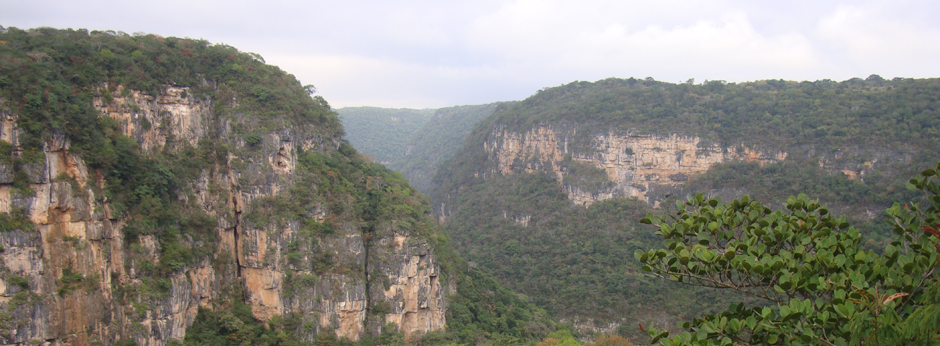
UNESCO Biosphere Reserve, inscribed 2006, in Mexico. This is one of the two regions in the country with a considerably large stretch of highland and medium-altitude forest characteristic of the Mexican humid tropics. Its importance stems from its size, biological diversity, and ecological and geological relevance.
- 81
UNESCO Biosphere Reserve, inscribed 2006, in Mexico. Sierra de Huautla Biosphere Reserve, known as REBIOSH, is located in the Balsas basin and is a rich reservoir of species endemic to Mexico. Its rugged topography creates an altitudinal range from 700 to 2,240 m above sea level. The site presents a broad representation of ecosystems, notably low deciduous forest, gallery vegetation and pine–oak forest.
- 82
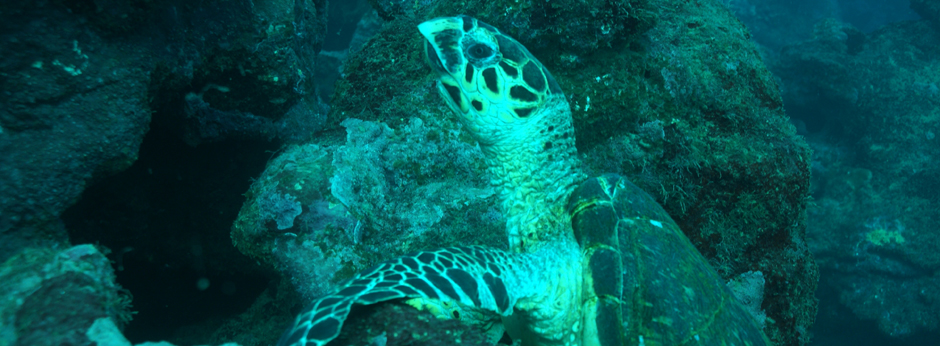
UNESCO Biosphere Reserve, inscribed 2006, in Mexico. The Veracruzano Coral Reef System National Park (NPVRS) is located in the State of Veracruz, opposite the municipalities of Veracruz, Boca del Río and Alvarado, at an altitude of 0 m above sea level. The total area is approximately 52,238 ha, and the site is around 2.7 km at its widest from the coast to the open sea, on the continental shelf. NPVRS borders to the north-west with the Lobos–Tuxpan Coral Reef System, located in front of the Lagoon of Tamiahua and Tuxpan, Ver., and to the east with the Campeche and Yucatán Coral Reef System (Gutiérrez et al., 1993).
- 83
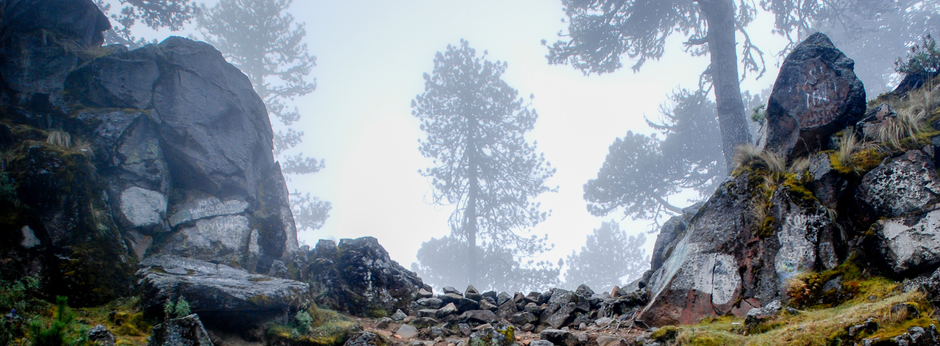
UNESCO Biosphere Reserve, inscribed 2006, in Mexico. Volcán Tacaná, on the border with Guatemala, is part of the Central American Core volcanic chain, known as the Nucleo Centroamericano. It contains fragile ecosystems rich in wild flora and fauna of cultural, scientific, economic and biological relevance. Its biodiversity and high endemism are especially evident in the high mountain ecosystems and landscapes, and in the volcanic edifice. This edifice has geophysical features of great scientific and aesthetic value that are representative of humid environments of Andean origin found in Mexico.
- 84
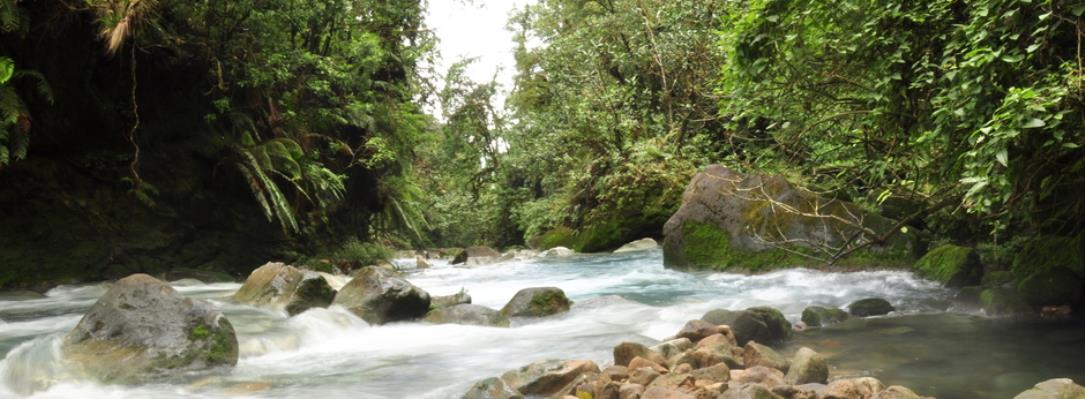
UNESCO Biosphere Reserve, inscribed 2007, in Costa Rica. The Agua y Paz (Water and Peace) Biosphere Reserve lies in northern Costa Rica, largely within the Costa Rican sector of the San Juan River Basin. The landscape is defined by mountain ranges including the Miravalles, Tenorio, Arenal, Chato and Platanar volcanoes, and broad plains that host lakes, flooded forests and swamps. The reserve strengthens habitat connectivity between the Cordillera Volcánica Central Biosphere Reserve in Costa Rica, and Indio Maíz Biological Reserve in Nicaragua, complementing the San Juan–La Selva Biological Corridor. The biosphere reserve fosters a shared regional identity and strengthens integrated water-resource management and the sustainable use of natural resources.
- 85
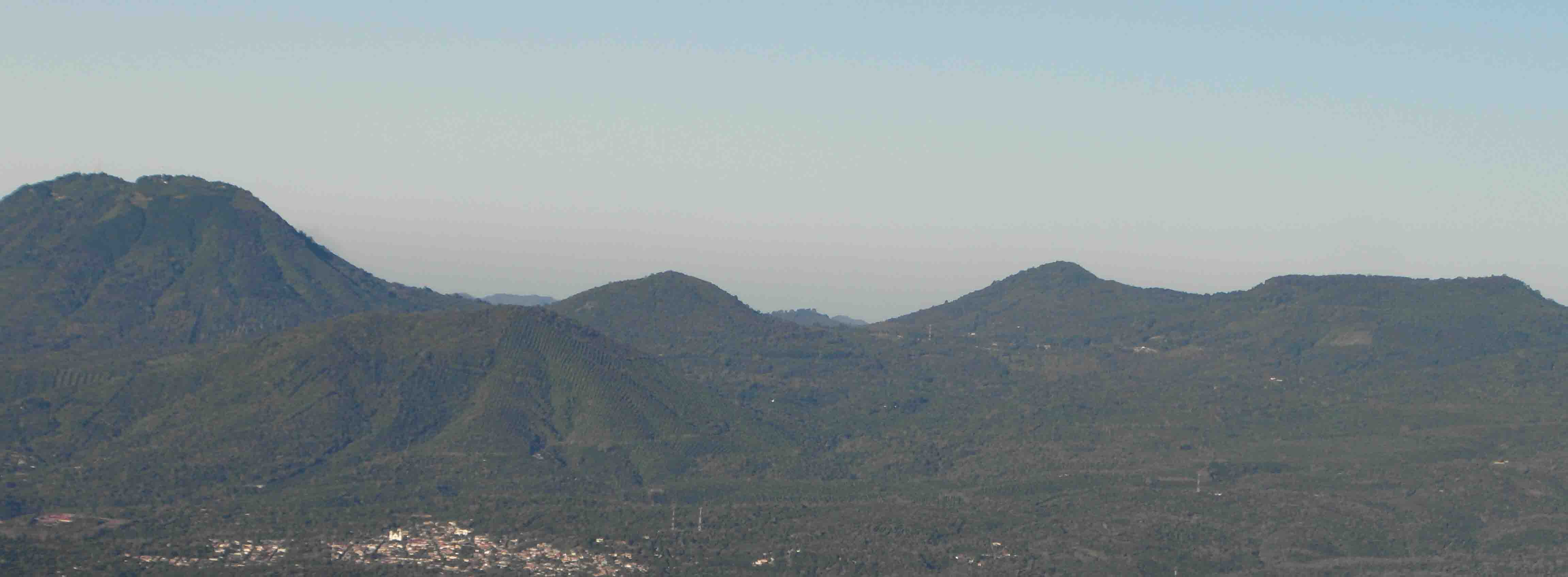
UNESCO Biosphere Reserve, inscribed 2007, in El Salvador. This biosphere reserve hosts important ecosystems and species, with highly diverse habitats including páramo-like montane forests, cloud forests, vegetation on volcanic lava flows and conifer forests.
- 86
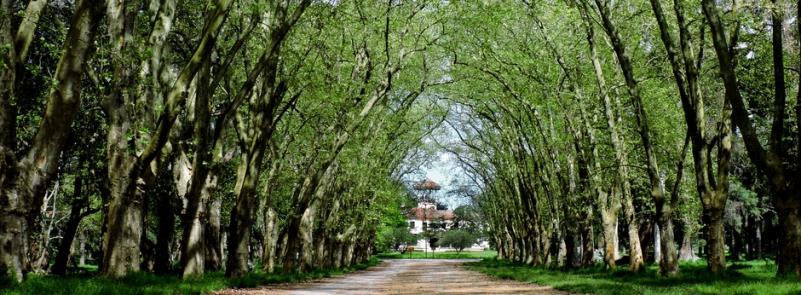
UNESCO Biosphere Reserve, inscribed 2007, in Argentina. Sitting on the banks of the Río de la Plata in the north-eastern part of Buenos Aires Province in Argentina, the Pereyra Iraola Biosphere Reserve is located between the municipalities of La Plata and Berazategui. As the last protected area of the original riverside ecosystem, it has the province’s greatest biological diversity. This includes endangered bird species such as the burrito colorado (Laterallus leucopyrrhus). The area is also known for its medicinal plants and aquifers. The reserve is the largest public space in Greater Buenos Aires. It serves as a nearby leisure site with activities that include hiking, cycling and birdwatching. Family farming provides a living for people who live in the reserve.
- 87
UNESCO Biosphere Reserve, inscribed 2007, in Ecuador. Among the most biodiverse areas in the Neotropics, the biosphere reserve covers 1,140,080 ha across the provinces of Loja and Zamora Chinchipe, including 10 cantons and 48 parishes. Its core zone includes three SNAP (National System of Protected Areas) sites: Podocarpus National Park, Yacuri National Park and Cerro Plateado Biological Reserve.
- 88
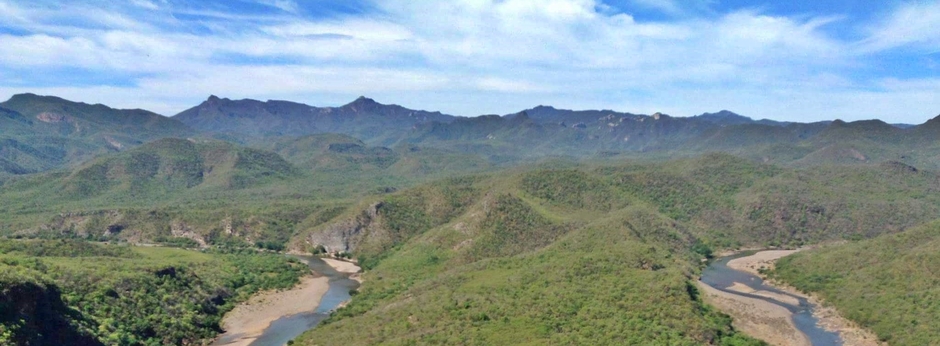
UNESCO Biosphere Reserve, inscribed 2007, in Mexico. The protected area of Sierra de Álamos–Río Cuchujaqui lies within the geographical provinces of the Western Sierra Madre and the Northwest Coastal Plain. It consists of an elevational gradient of vegetation, from tropical deciduous forest, also called lowland deciduous forest, to the Sierra Madre evergreen forest, or pine–oak forest. The Sierra de Álamos runs parallel to the coast of the Pacific Ocean and is crossed by numerous deep gullies excavated by rivers that flow into the Pacific. This is the case of the Cuchujaqui River, a tributary of the Río Fuerte. The area hosts key species such as the puma (Puma concolor), jaguar (Panthera onca) and ocelot (Leopardus pardalis). There is abundant riparian forest of Taxodium mucronatum, as well as a wide range of soils and geology. The region of Álamos is known for the confluence between the northern limits of many tropical species.
- 89
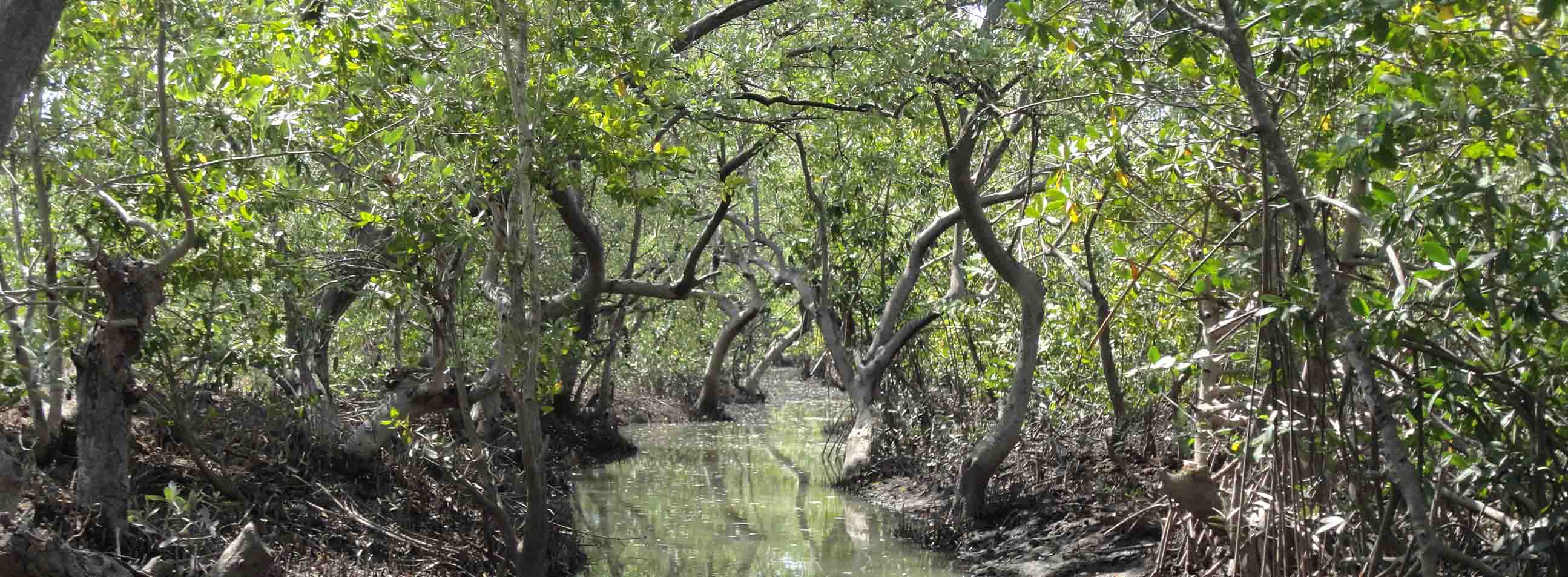
UNESCO Biosphere Reserve, inscribed 2007, in El Salvador. Two fundamental processes underpin landscape and ecosystem conservation here. The first is the presence of El Salvador’s largest mangrove expanse.
- 90
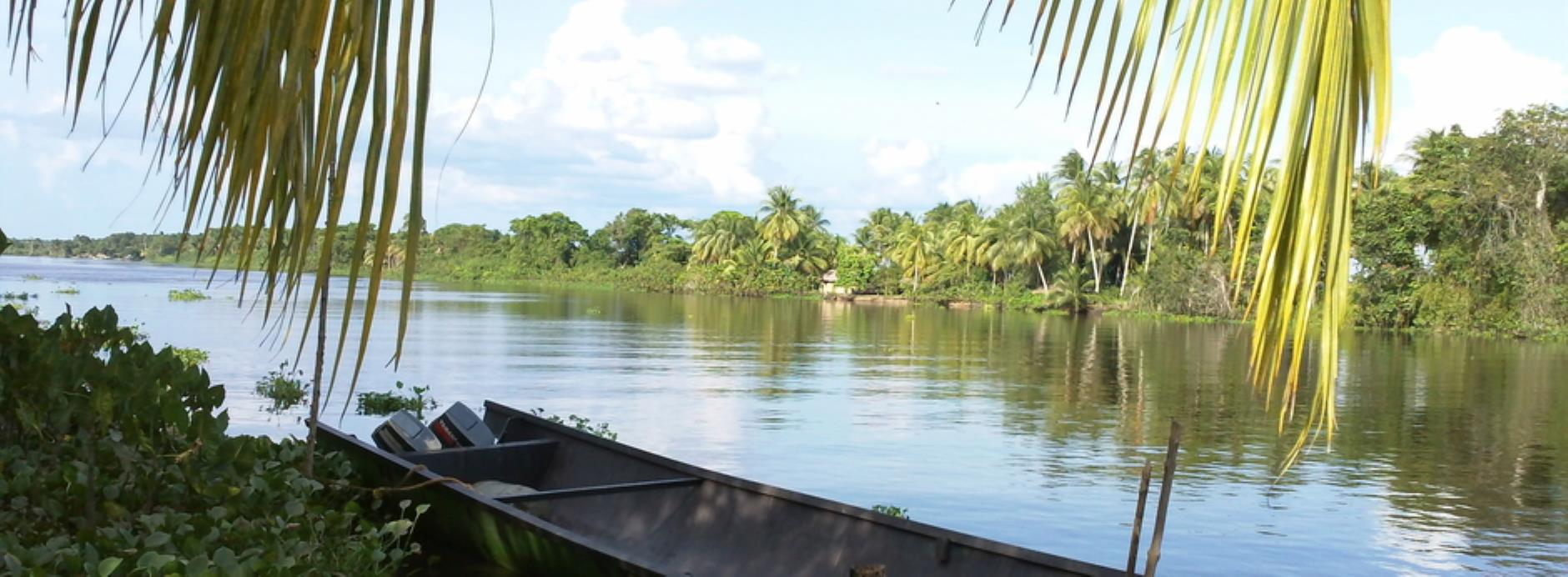
UNESCO Biosphere Reserve, inscribed 2009, in Venezuela (Bolivarian Republic of). The Delta del Orinoco Biosphere Reserve was created by Decree No. 1,633 of 5 June 1991, published in Official Gazette No. 34,812 of 3 October 1991, and encompasses 1,125,000 ha, including the protected areas, buffer and transition areas. This represents about 31 per cent of Delta Amacuro State’s total surface. The terrestrial and aquatic ecosystems of the Delta del Orinoco are characterised by high biological diversity, with more than 2,000 plants and a very rich terrestrial and aquatic fauna comprising more than 151 mammal species, 464 bird species, 76 reptiles, 39 amphibians and 210 ichthyological species. Considerable numbers of terrestrial and aquatic invertebrates also inhabit this territory.
- 91
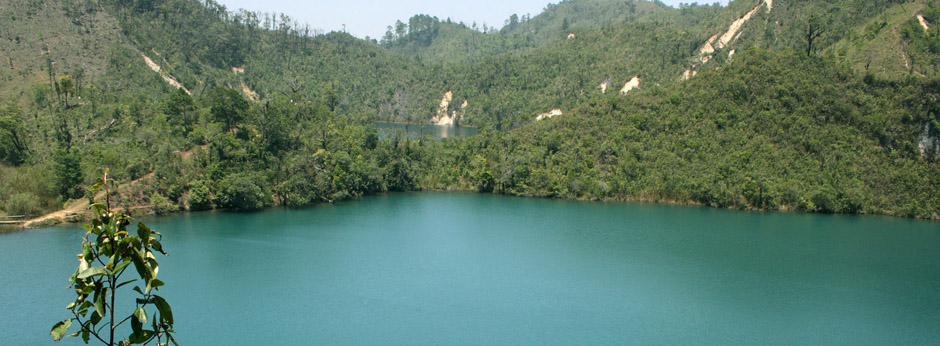
UNESCO Biosphere Reserve, inscribed 2009, in Mexico. Montebello lies between the physiographic region of the High Plain of Chiapas and the Gulf Coastal Plain, part of the physiographic province of the Sierras de Chiapas and Guatemala. The region corresponds to Miranda’s floristic regions termed the “central massif” and the plains and slopes north of the central massif. Its physiography ranges from small drainage features to large trenches, with large caves and cavities of varied shapes and dimensions.
- 92
UNESCO Biosphere Reserve, inscribed 2010, in Mexico. Islas Marías Biosphere Reserve is a remote Pacific archipelago off western Mexico. The reserve’s constituent islands run north-west to south-east and rise from sea level to about 640 metres, with rugged volcanic landforms on land and productive tropical waters offshore. Long isolation over more than eight million years has produced a notable set of Mexican endemics. The reserve’s objectives focus on conserving and restoring dry tropical forests, crassicaule scrub and the mangroves of María Magdalena and María Cleofas, together with surrounding reefs and pelagic waters. Carefully managed, science-based use is enabled and capacity is built through coordinated research, monitoring and environmental education.
- 93
UNESCO Biosphere Reserve, inscribed 2010, in Mexico. Set in the central and eastern sector of the Trans-Mexican Volcanic Belt, Los Volcanes Biosphere Reserve covers the southern Sierra Nevada and the Sierra de Río Frío east of Mexico City. The landscape rises to 5,452 metres and is dominated by the volcanoes Iztaccíhuatl, Popocatépetl, Telapón and Tláloc. The site includes the long-protected Izta-Popo Zoquiapan National Park and retains pockets of glacial ice and alpine meadows on Iztaccíhuatl. The reserve’s purpose is to conserve this high-altitude transition landscape while safeguarding water and other ecosystem services for millions of people living downstream, through community-led restoration, sustainable livelihoods and research-driven management.
- 94
UNESCO Biosphere Reserve, inscribed 2010, in Mexico. Located in south-eastern Mexico on the north-eastern side of the Chiapas Highlands, the Nahá–Metzabok Biosphere Reserve forms part of the Lacandona Forest at the northern edge of the Selva Maya. Rugged karst ridges and canyoned valleys frame a compact diversity of ecosystems, from montane rainforest and cloud forest to pine–oak woodland and a network of natural lakes with seasonally flooded shorelines. Indigenous Maya–Lacandón, Tzeltal and Chol communities live within and around the reserve and draw on ancestral knowledge in land-use practices that align with careful use of forest and water. Guided by scientific research and monitoring, the reserve’s objectives are to restore ecological processes and secure sustainable management for community benefit.
- 95
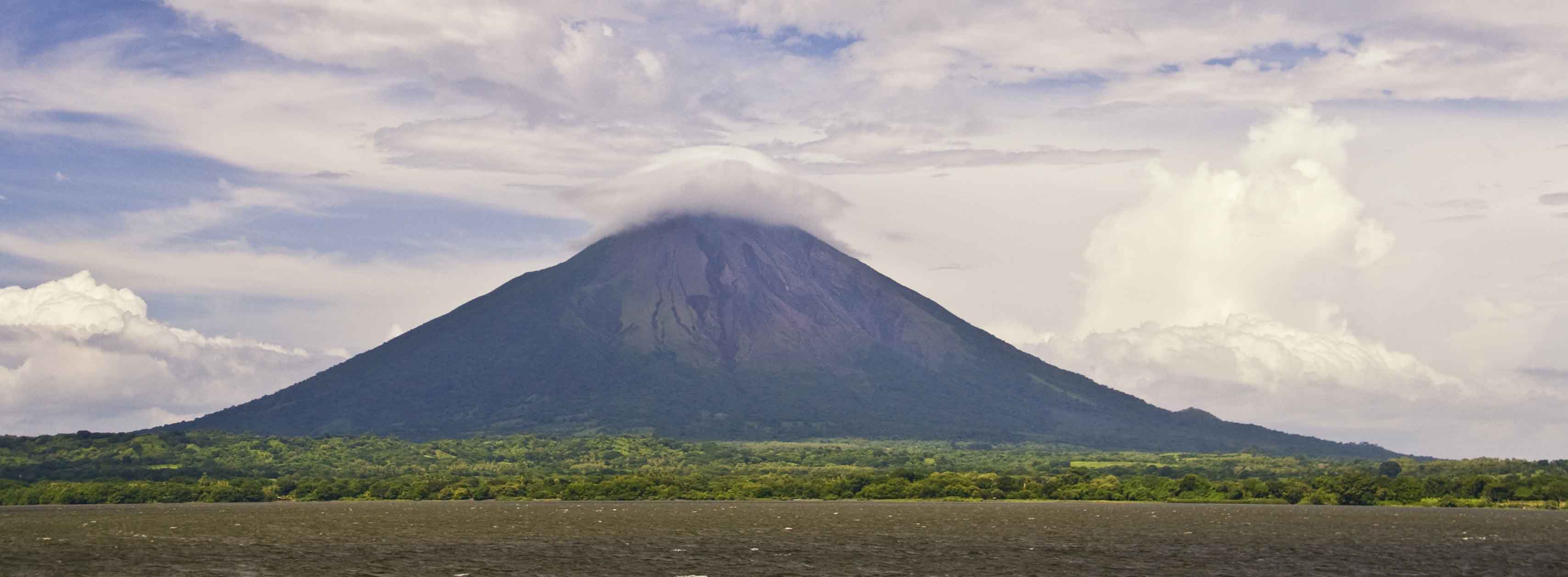
UNESCO Biosphere Reserve, inscribed 2010, in Nicaragua. Ometepe Island Biosphere Reserve is located in the south-west of Nicaragua in the country’s neotropical zone. Two imposing volcanoes, Maderas and Concepcion, define the topography of the reserve. Maderas is located in the east of the reserve and rises to 1,394 metres. Concepcion, which is still active, is found in the north-east and rises to 1,610 metres. The volcanoes are separated by the Istian isthmus, formed by the eruption of lava millions of years ago. Ometepe Island is surrounded by Lake Nicaragua, the largest freshwater lake in Central America, while the River San Juan traverses the length of the reserve.
- 96
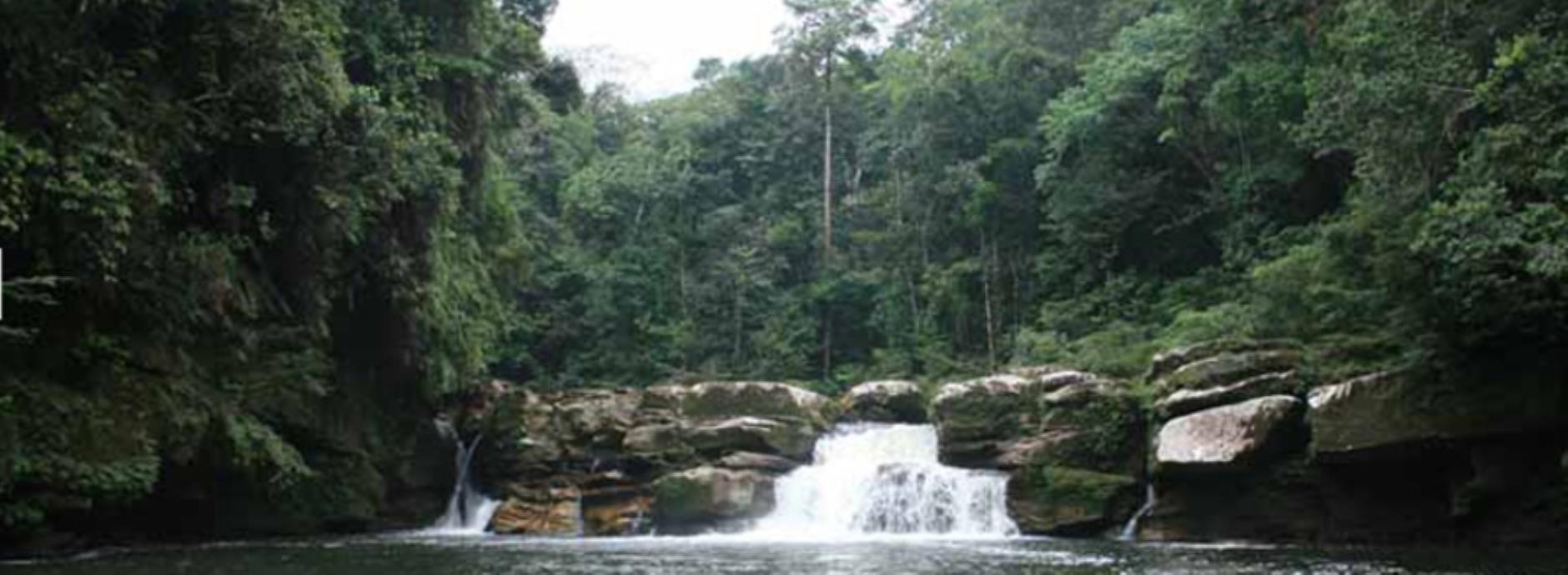
UNESCO Biosphere Reserve, inscribed 2010, in Peru. The Oxapampa–Ashaninka–Yanesha Biosphere Reserve is in the Department of Pasco in central Peru. It contains the last undisturbed ecosystems in the country’s central jungle. Its position between the Amazon forest lowland and the montane cloud forest results in high diversity of flora and fauna, and a marked altitudinal range of 300–4,500 m at Nevado de Huaguruncho. The reserve is composed of native communities including Yánesha, Asháninka and Ashéninka, descendants of European settlers of Austro-German and Swiss origin, and communities from the Andes, coastal areas and the Amazonian jungle. These communities engage mainly in agriculture and livestock rearing, although logging and handicraft development have gained importance in recent years.
- 97
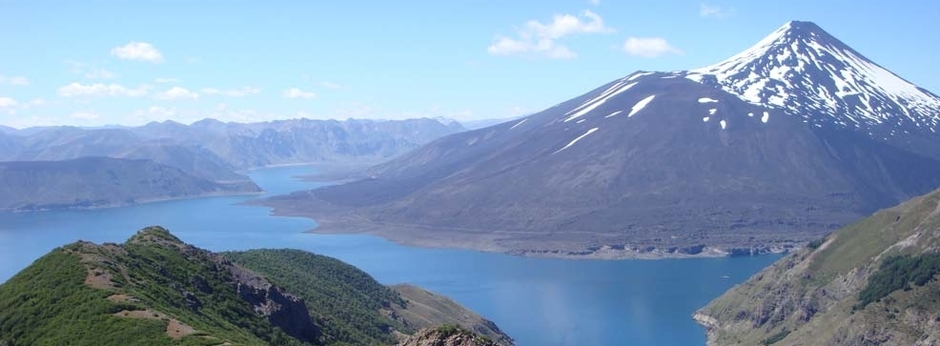
UNESCO Biosphere Reserve, inscribed 2011, in Chile. This biosphere reserve lies in the northern part of Patagonia within the Central Chilean zone, a global biodiversity hotspot characterised by an abundance of endemic species. The biological corridor connects three core areas.
- 98
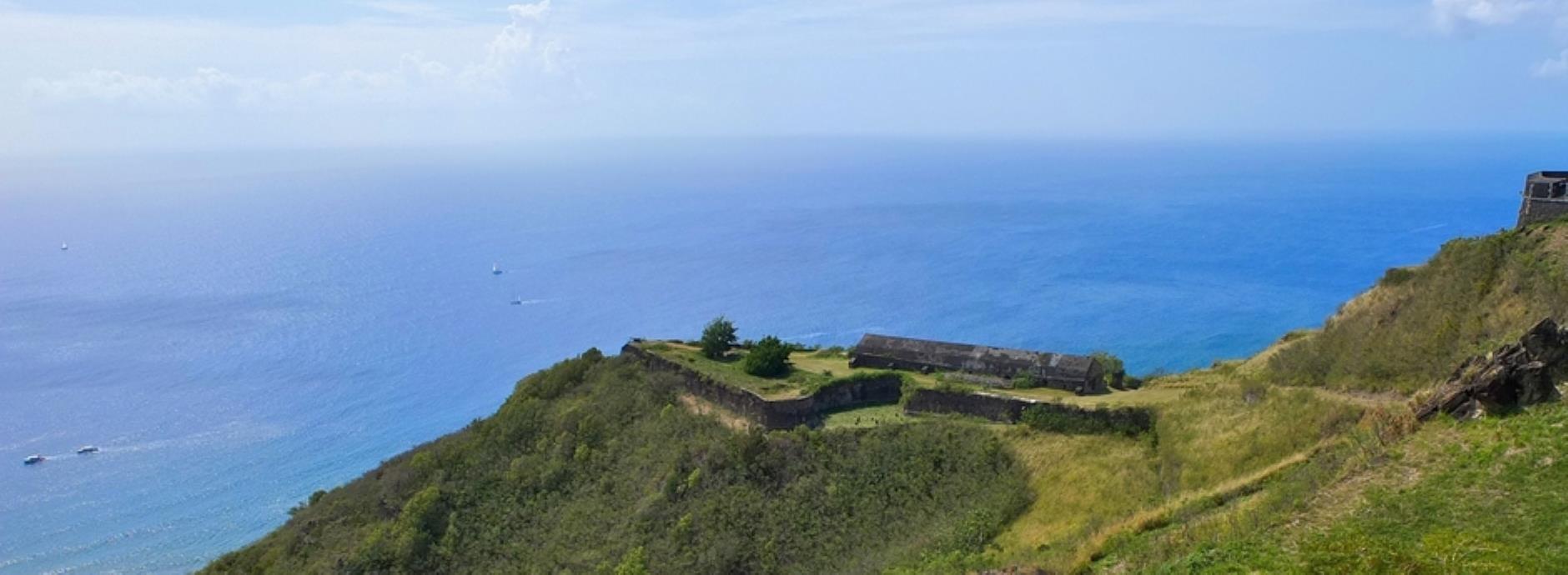
UNESCO Biosphere Reserve, inscribed 2011, in Saint Kitts and Nevis. St. Mary’s Biosphere Reserve is located on the island of St. Kitts in the Leeward Islands chain of the Lesser Antilles. The reserve is an important site for biological diversity, comprising cloud forests, mangroves and coral reefs. It also includes the Brimstone Hill Fortress National Park World Heritage site, which is of particular historical, cultural and architectural significance. St. Mary’s is one of the first biosphere reserves of the Caribbean island countries and serves as an example of village participation in efforts to preserve the outstanding mosaic of natural and cultural landscape values.
- 99
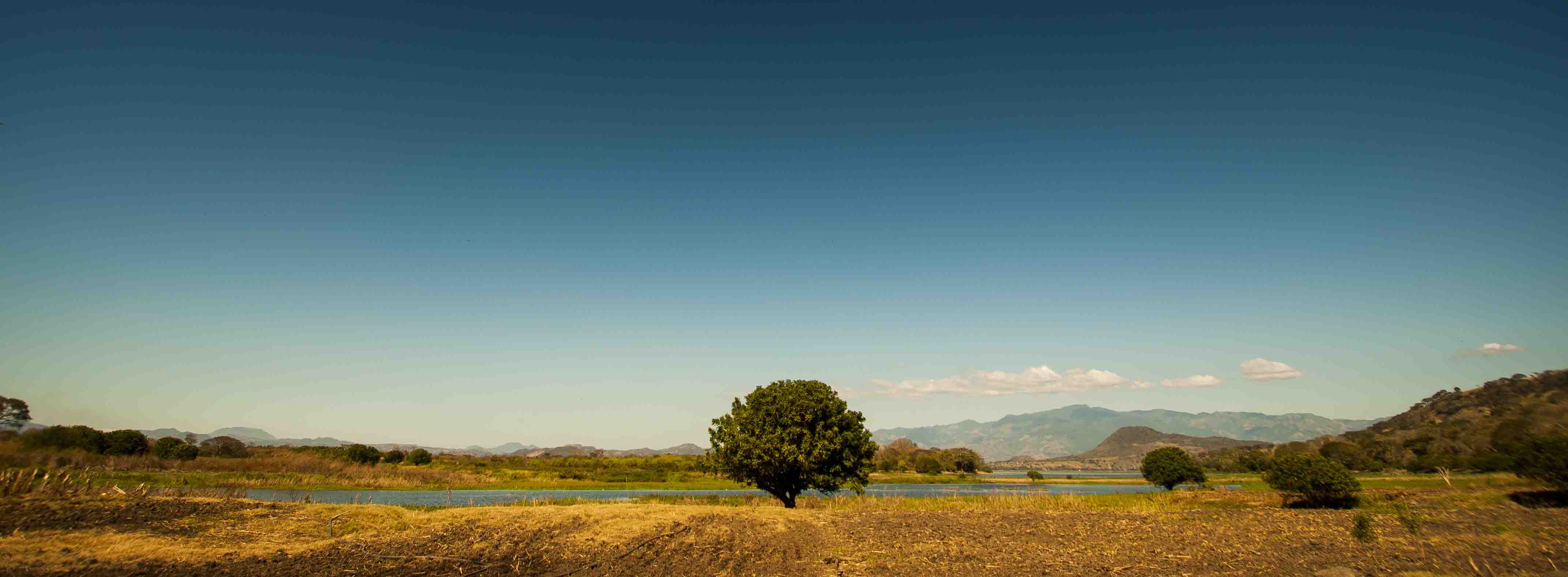
UNESCO Biosphere Reserve, inscribed 2011, in El Salvador. The Trifinio Fraternidad Transboundary Biosphere Reserve is a tri-national reserve spanning El Salvador, Guatemala and Honduras. It is the first transboundary biosphere reserve in Central America and makes a major contribution to implementing the Mesoamerican Corridor. It includes key biodiversity areas such as Montecristo National Park and a variety of forest ecosystems. A key function of this mountain area is securing water supplies for local communities. It also plays an important role in regional development through coffee production, conifer-forest extraction and agrotourism. The reserve has received strong high-level political support, including from vice-ministers of the three countries, alongside the involvement of local communities in promoting sustainable development.
- 100
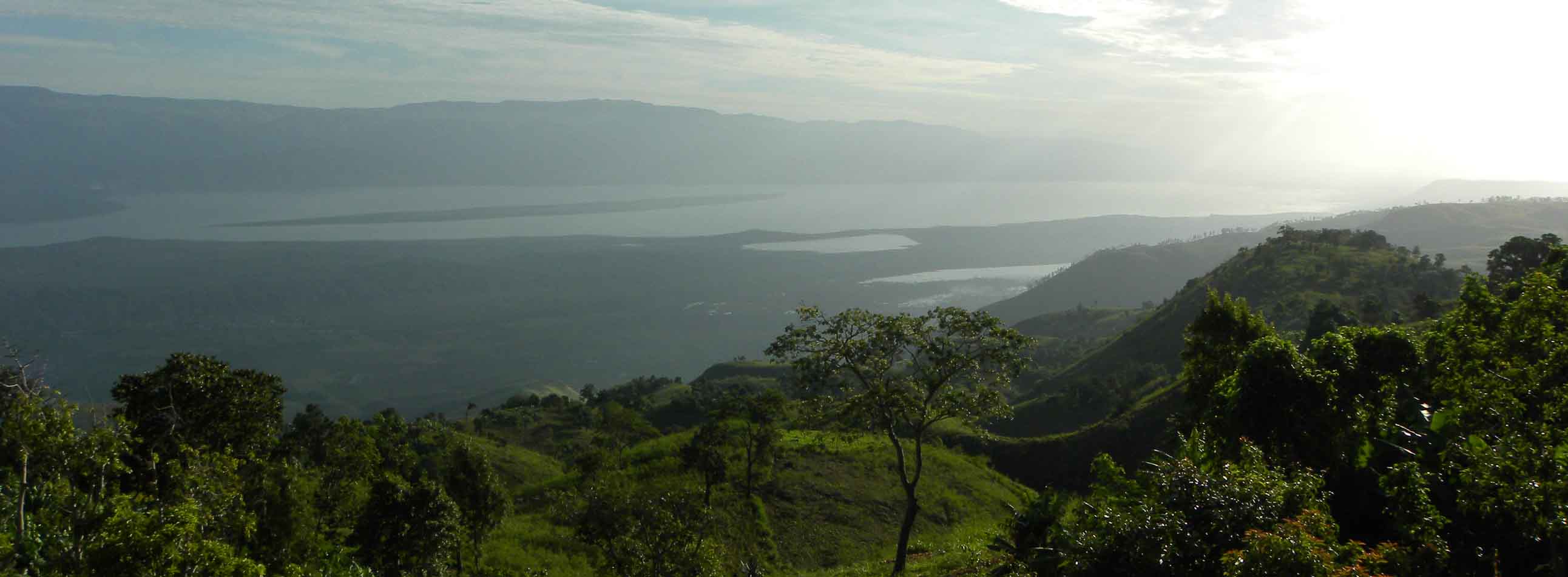
UNESCO Biosphere Reserve, inscribed 2012, in Haiti. This biosphere reserve includes La Selle in Haiti, designated in 2012, and Jaragua–Bahoruco–Enriquillo in the Dominican Republic, designated in 2002. The two reserves are linked ecologically across a political and administrative frontier. Their joint designation supports more coherent environmental management.
- 101
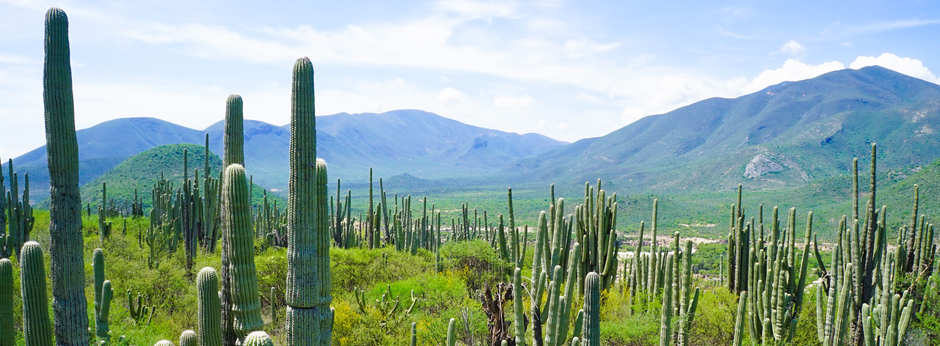
UNESCO Biosphere Reserve, inscribed 2012, in Mexico. The Tehuacán-Cuicatlán Biosphere Reserve lies within a complex system of mountain ranges and valleys that generate great biodiversity and varied ecosystems. The region has played an important role in the development of agriculture in Mesoamerica.
- 102
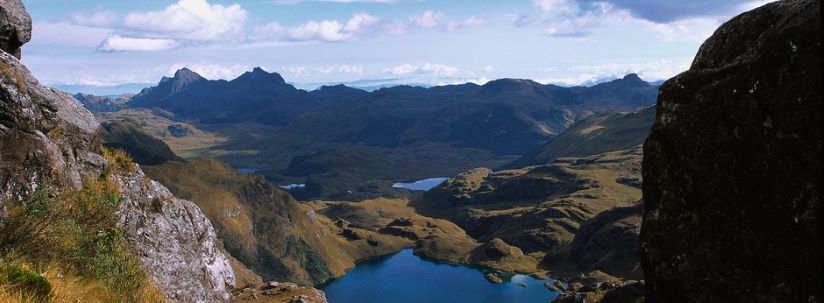
UNESCO Biosphere Reserve, inscribed 2013, in Ecuador. Situated in the south-west of Ecuador, this biosphere reserve includes a wide range of ecosystems, from high mountains to coastal and marine areas along the Pacific. It includes Las Cajas National Park and the Quimsacocha National Recreational Area, which play an important role in water provision and regulation.
- 103
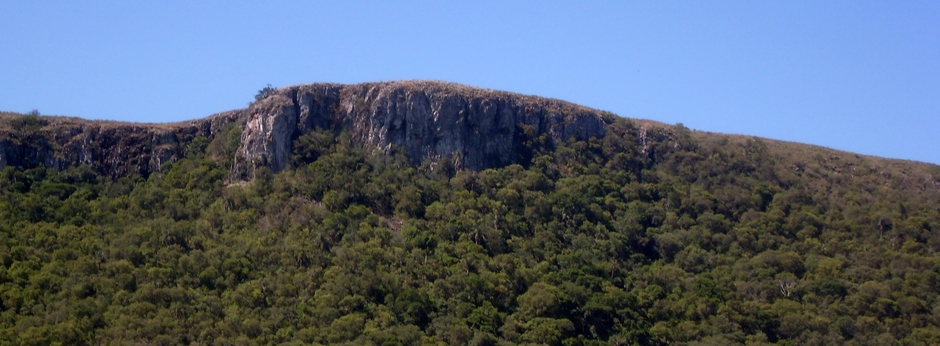
UNESCO Biosphere Reserve, inscribed 2014, in Uruguay. The biosphere reserve covers an area of 110,882 ha in a biogeographic region characterised by rolling topography reaching a maximum height of 369 metres, a humid subtropical climate with over 1,000 mm annual rainfall, and a predominance of subtropical grasslands.
- 104
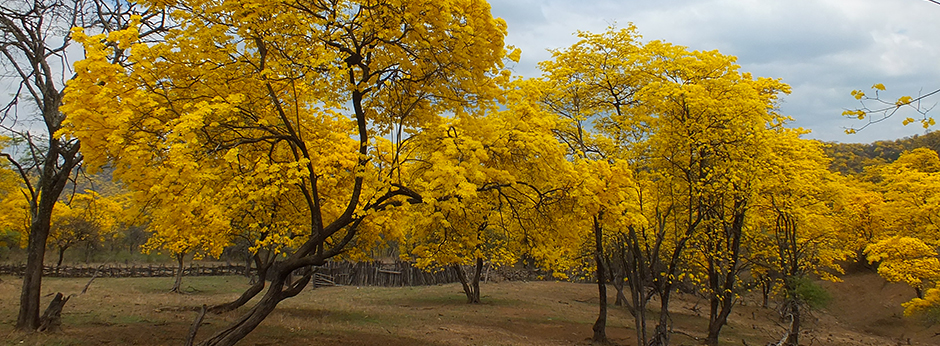
UNESCO Biosphere Reserve, inscribed 2014, in Ecuador. Following the Peace Accord between Peru and Ecuador in October 1998, the two countries strengthened their fraternal ties, trust and cooperation across various areas. This led, in June 2017, to UNESCO’s designation of the Bosques de Paz Transboundary Biosphere Reserve. It was the first in South America and the 17th worldwide. The area comprises the Northwest Amotapes–Manglares Biosphere Reserve, extended in March 2016 and located in the Tumbes and Piura regions of Peru, and the Bosque Seco Biosphere Reserve, located in the provinces of Loja and El Oro in Ecuador and created in June 2014.
- 105
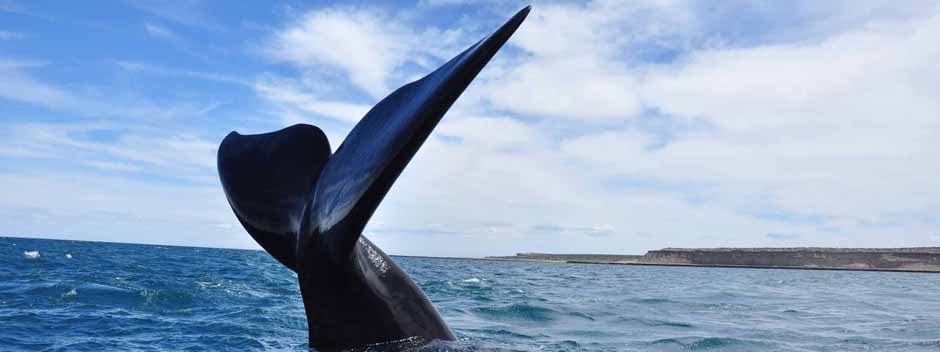
UNESCO Biosphere Reserve, inscribed 2014, in Argentina. The Valdés Biosphere Reserve encompasses the Patagonian steppe, hill plains and plateaux, and Argentine Sea eco-regions. It is home to significant biodiversity, including highly fragile terrestrial and marine ecosystems whose conservation is crucial to addressing the vulnerabilities of key species. Both the Patagonian steppe eco-region and the Argentine Sea are recognised as important sites and are inscribed on WWF’s Global 200 list.
- 106
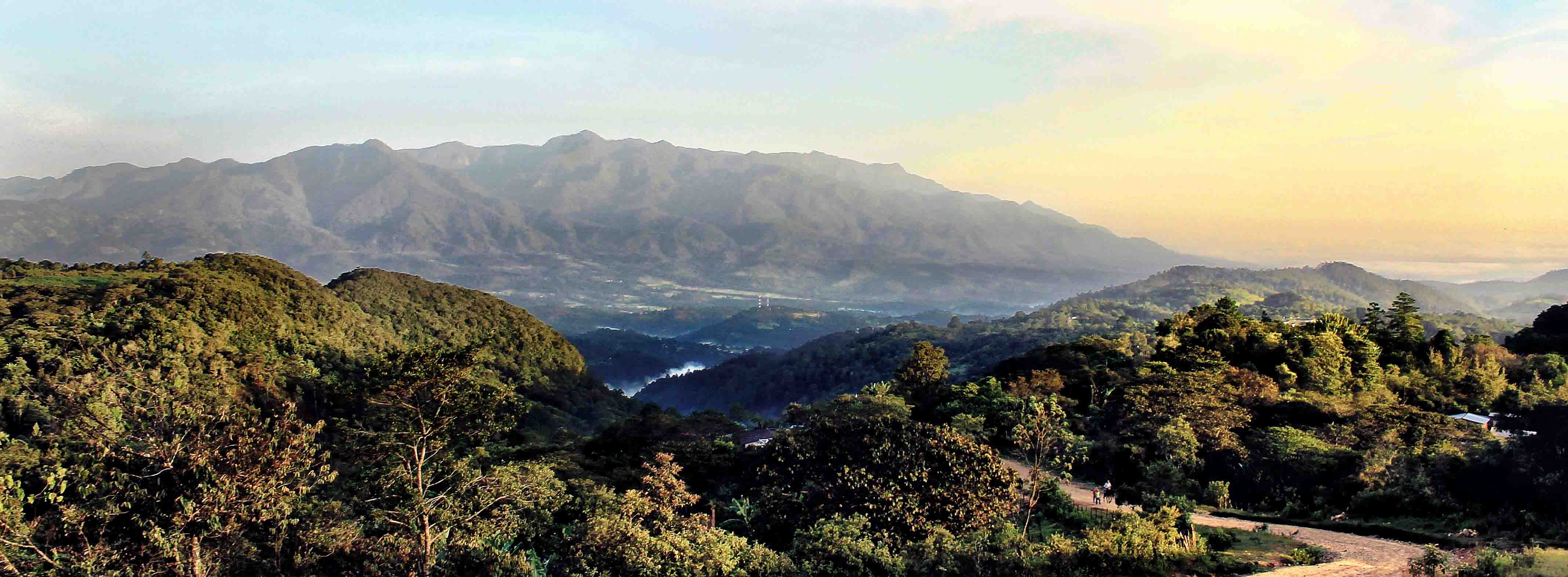
UNESCO Biosphere Reserve, inscribed 2015, in Honduras. The Cacique Lempira Señor de las Montañas Biosphere Reserve is in the west of the country and includes Montaña de Celaque National Park. The reserve contains cloud forest and mixed pine–oak forest. Part of the area is highland and includes Honduras’s highest mountain, Cerro Las Minas, at 2,849 m. Most of the population lives in the transition area and is rural, with agriculture representing 87 per cent of economic activity.
- 107
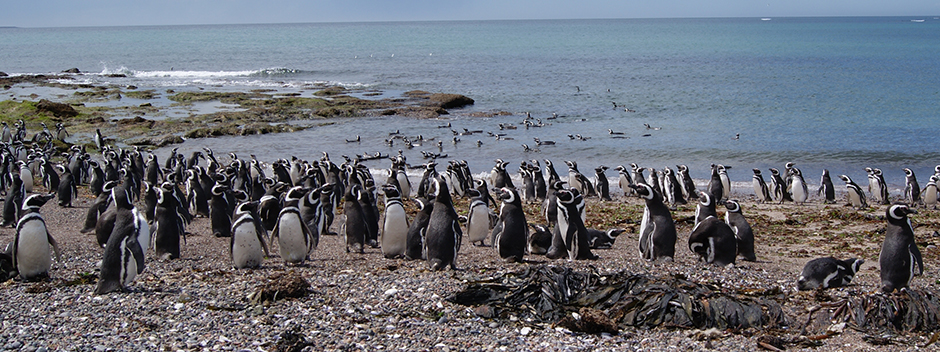
UNESCO Biosphere Reserve, inscribed 2015, in Argentina. The Patagonia Azul Biosphere Reserve is located in the south of the country on the coast of Chubut Province. The reserve encompasses a coastal area with the greatest biodiversity on the Argentine coastline. It includes important breeding, feeding and migration sites for different species of birds and mammals.
- 108
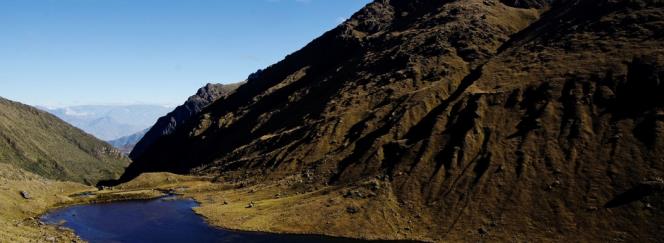
UNESCO Biosphere Reserve, inscribed 2016, in Peru. Located in the Central Cordillera, the Gran Pajatén Peruvian Biosphere Reserve is characterised by high altitudes and a pristine ecosystem. It incorporates the Río Abiseo National Park, which is inscribed on UNESCO’s World Heritage List. The site is home to rainforest fauna and flora characteristic of this region of the Andes, and has a high level of endemism. It is the only place on Earth where the yellow-tailed woolly monkey (Lagothrix flavicauda), previously thought extinct, is found. Gran Pajatén also lends its name to an archaeological site in the Andean cloud forests of Peru, which provides a window into pre-Inca society. Main economic activities in the biosphere reserve are agriculture, notably cacao and coffee, livestock and mining.
- 109
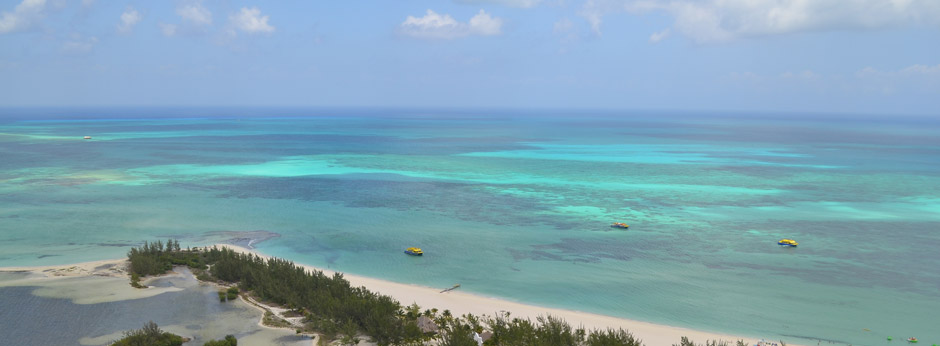
UNESCO Biosphere Reserve, inscribed 2016, in Mexico. Cozumel Island lies off south-east Mexico and encompasses diverse marine and terrestrial ecosystems rich in amphibian and reptile species. The main terrestrial ecosystems are medium semi-deciduous forest and mangroves. The Isla Cozumel Biosphere Reserve forms part of the world’s second-largest reef system, the Mesoamerican Reef, which is home to 1,192 marine species. Tourism is the most developed sector on the island, which includes close to 40 Maya archaeological sites.
- 110
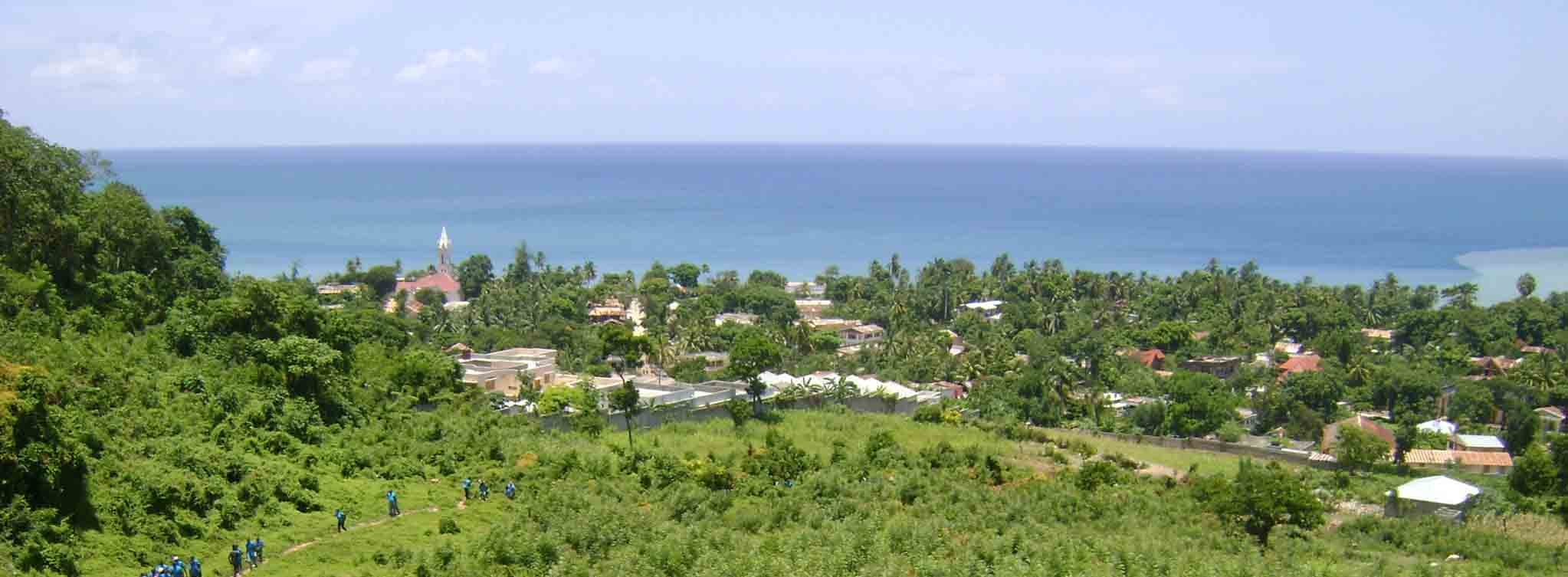
UNESCO Biosphere Reserve, inscribed 2016, in Haiti. La Hotte Biosphere Reserve is in south-eastern Haiti and encompasses both terrestrial and marine areas. The region is considered a biodiversity hotspot due to a wide range of climates, from humid to subtropical dry. The reserve includes six mountain peaks, the highest reaching 2,347 m, as well as mangrove, coastal and marine ecosystems in the north at Iles Cayemites and in the south at Ile-à-Vache. Key economic activities are farming, agroforestry, fisheries, commerce and handicrafts.
- 111
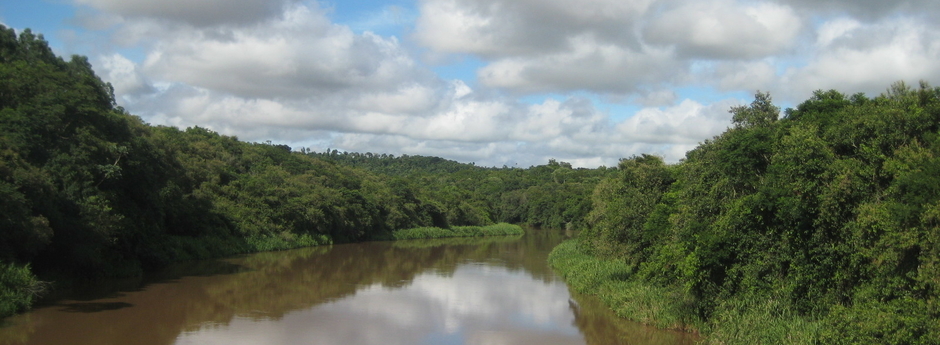
UNESCO Biosphere Reserve, inscribed 2017, in Paraguay. Located in the east of the country, the Itaipu biosphere reserve covers a surface area of over a million hectares. It comprises semi-deciduous subtropical forest, also known as the Upper Paraná Atlantic Forest. This is one of the most important ecosystems for the conservation of biological diversity on a global scale, because of the large number of endemic species, the richness of species and its original forest cover. It is home to large predators such as harpies (Harpia harpyja), jaguars (Felis concolor) and pumas (Panthera onca), as well as large herbivores such as tapirs (Hydrochaeris hydrocheris).
- 112
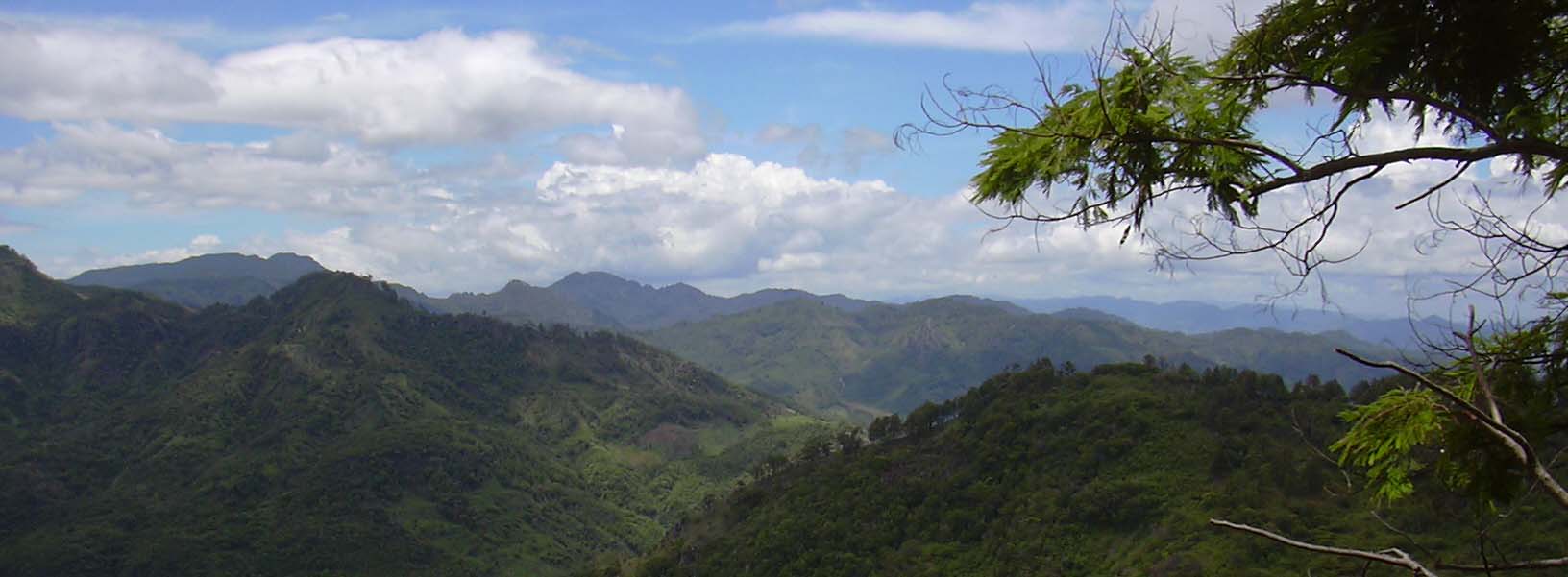
UNESCO Biosphere Reserve, inscribed 2017, in Honduras. The biosphere reserve lies a few kilometres from the Nicaraguan border in the department of Choluteca. It has rich biological diversity, including several endemic faunal species. The biosphere reserve contains 18 villages. Main economic activities include horticulture, fruit and coffee production, ornamental plant cultivation, livestock breeding and milk production. The area is also known for its saddlery products, including belts, harnesses and boots.
- 113
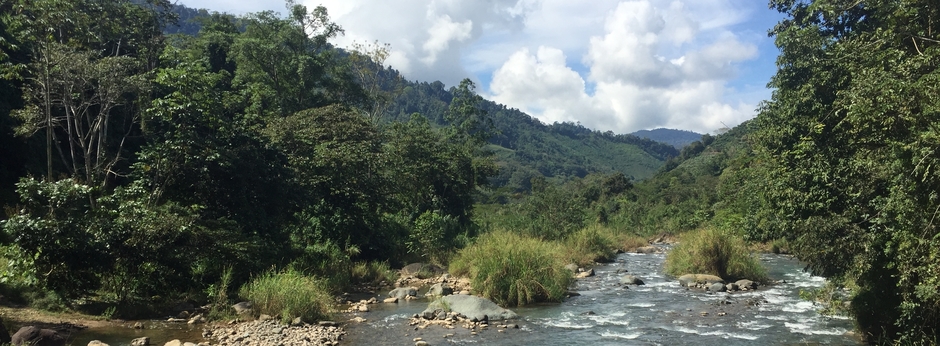
UNESCO Biosphere Reserve, inscribed 2017, in Costa Rica. Savegre Biosphere Reserve is on the central Pacific coast of Costa Rica, 190 km from the capital, San José. It has rich biodiversity and is home to 20 per cent of the country’s total flora, 54 per cent of its mammals and 59 per cent of its birds. The main productive activities are agriculture and livestock. Ecotourism has increased significantly in recent years and has become a source of socio-economic growth in the region.
- 114
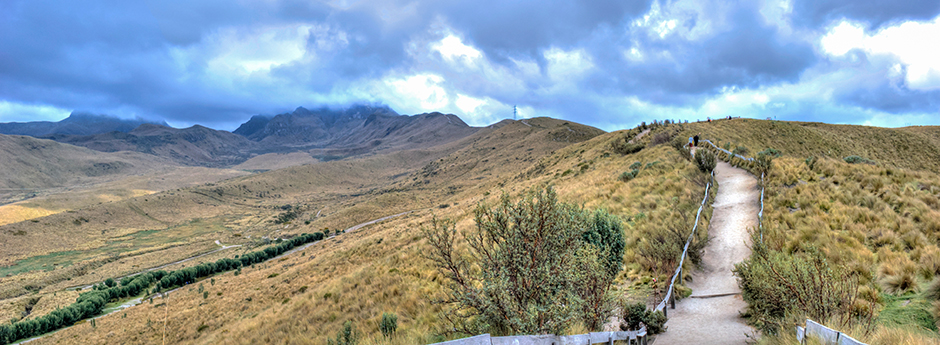
UNESCO Biosphere Reserve, inscribed 2018, in Ecuador. Chocó Andino de Pichincha Biosphere Reserve lies in northern Ecuador, in Pichincha Province, north-west of Quito. Elevation ranges from 360–4,480 m above sea level. Together with the Amazon and Galápagos, its biodiversity and endemism have helped make Ecuador a recognised biodiversity hotspot. The Chocó Andino region spans two critical ecoregions: the humid forest lowlands of the Chocó–Darién (extending from Panama into western Ecuador) and the Northern Andean Mountain Forests.
- 115
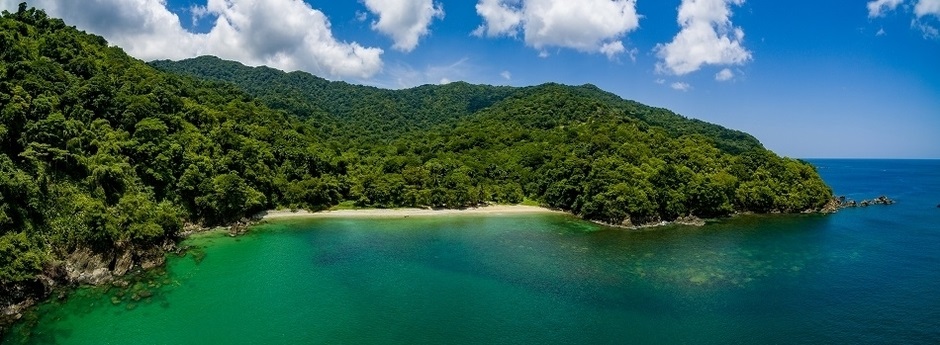
UNESCO Biosphere Reserve, inscribed 2020, in Trinidad and Tobago. The North-East Tobago reserve is located in the south-east Caribbean Sea in Trinidad and Tobago. The reserve encompasses a large marine and terrestrial area. Included in this reserve is one of the oldest legally protected tropical forests, the Tobago Main Ridge Forest Reserve, created in 1776. A total of 1,774 species are protected in this reserve, with 83 on the IUCN Red List, 41 endemic species, 13 EDGE criteria species, 48 international migratory CMS criteria species and 120 CITES criteria species.
- 116
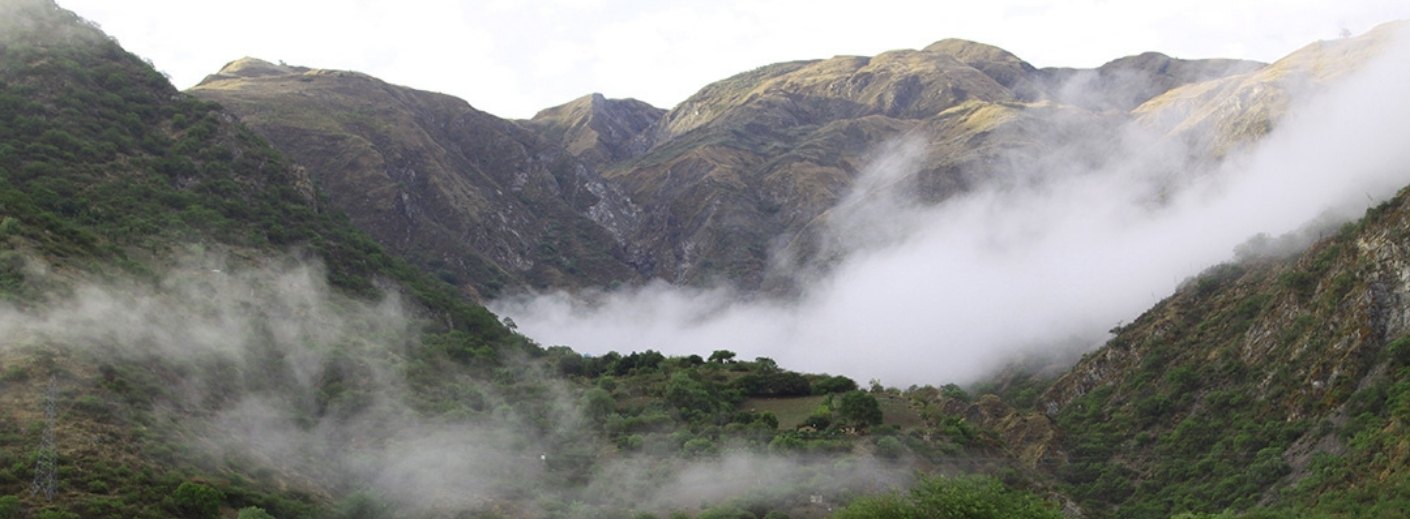
UNESCO Biosphere Reserve, inscribed 2021, in Peru. Located in the provinces of Satipo and La Convención in central Peru, Avireri Vraem ranges from 280–6,271 m in altitude. It hosts 12 ecosystems across three ecoregions: the Amazonian rainforest at the foot of the Andes, the Yungas on steep mountain slopes with montane and cloud forests, and the Andean region in the heights of the Andes mountain range. The biosphere reserve establishes a link between Peru’s Oxapampa Ashaninka Yanesha and Manu biosphere reserves.
- 117
UNESCO Biosphere Reserve, inscribed 2023, in Peru. Located in Peru’s Central Andes, the Bicentenario–Ayacucho Biosphere Reserve spans a diverse Andean landscape that includes the historic Pampa de Ayacucho. This high-altitude plain, protected as a Historical Sanctuary, was the site of the decisive 1824 battle that secured Peru’s independence from Spanish rule. Celebrated for harbouring the world’s largest population of Puya raimondii, known locally as “titanka”, the reserve is rooted in Quechua culture and communal stewardship. Its objectives are to conserve biodiversity and cultural heritage, foster agroecological and nature-based development, and serve as a living laboratory for research, monitoring, education and demonstration.
- 118
UNESCO Biosphere Reserve, inscribed 2023, in Colombia. On Colombia’s northern Pacific coast in the Chocó department, the Tribugá–Cupica–Baudó Biosphere Reserve spans a marine–coastal zone and a continental zone that extend from coastal mangroves to a coastal mountain range – the Serranía del Baudó – forming a crucial passage for species moving between Central and South America. The reserve’s objectives include maintaining ecological connectivity, protecting mangroves, strengthening sustainable fisheries, and advancing collaborative research and monitoring to underpin community-led, sustainable development. Beyond its role as a centre of endemism and biodiversity, the reserve also supports cultural identity and ancestral knowledge.
- 119
UNESCO Biosphere Reserve, inscribed 2024, in Dominican Republic. In the heart of the Dominican Republic, the Madre de las Aguas Biosphere Reserve spans across 11 provinces and 35 municipalities. Shaped by the Cordillera Central, its varied topography includes plateaux and cascading waterfalls. The reserve contains four distinct ecosystems and harbours 88 bird species, 20 of which are endemic and 17 are under threat. The Sparrowhawk (Buteo ridgwayi) is classified as Critically Endangered by the International Union for Conservation of Nature.