UNESCO Biosphere Reserves — Asia & the Pacific

- 1
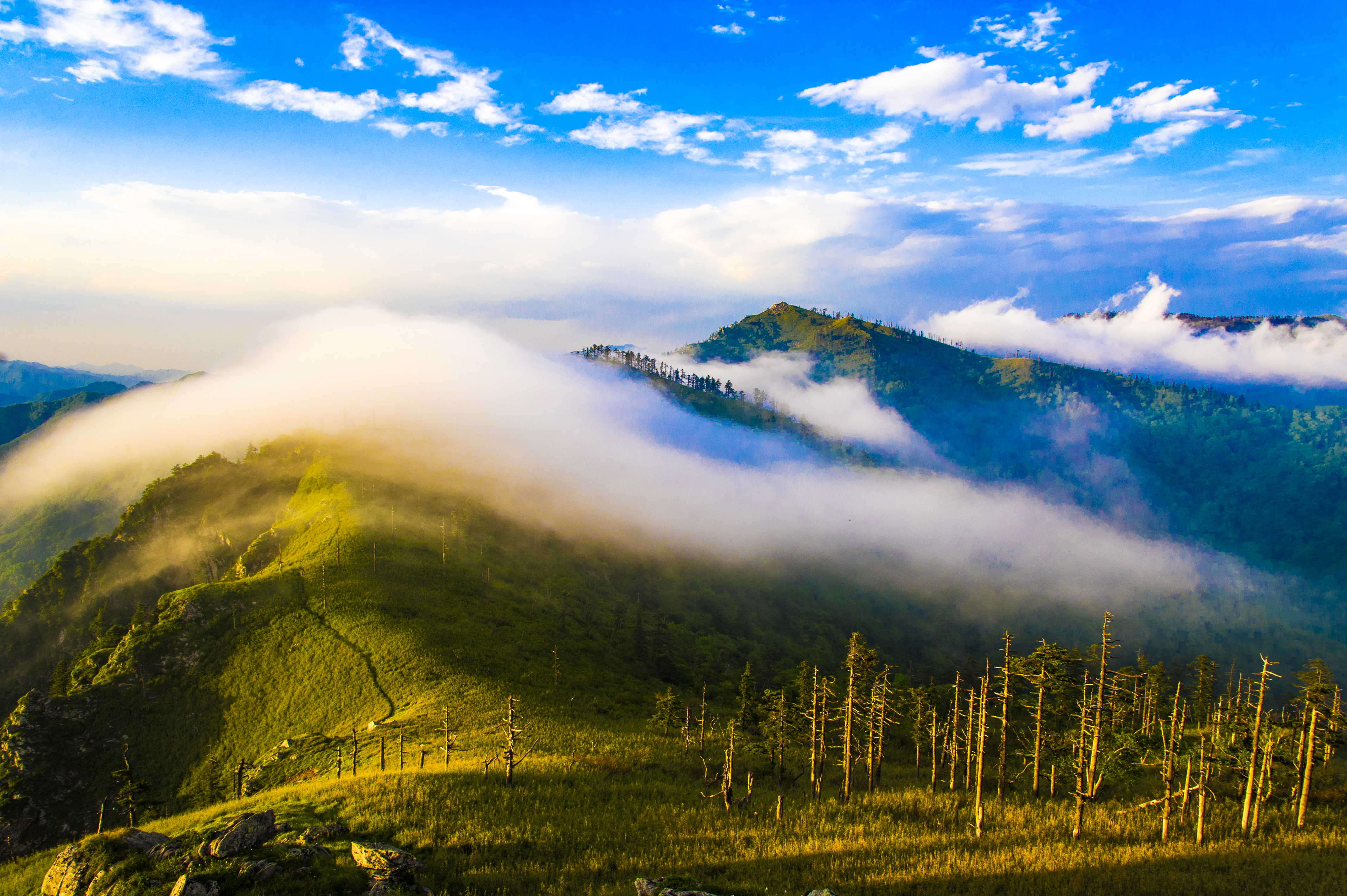
UNESCO Biosphere Reserve, inscribed 1976, in Iran (Islamic Republic of). The Arjan and Parishan Biosphere Reserve is situated in the Zagros Mountains in the Caucasus–Iranian Highlands, and encompasses terrestrial as well as aquatic habitats. Significant elevational differences throughout the reserve result in a rich diversity of flora and fauna. People living in the area derive their livelihoods from agriculture, animal husbandry and carpet sewing, and, in the transition area, from industry.
- 2
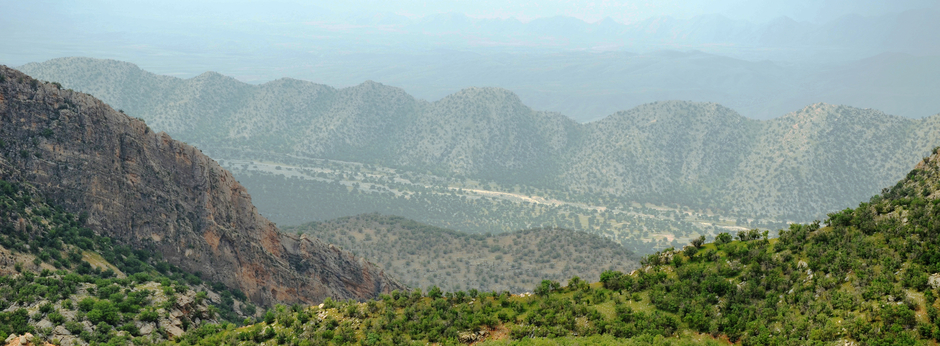
UNESCO Biosphere Reserve, inscribed 1976, in Iran (Islamic Republic of). The Geno Biosphere Reserve lies at the southern edge of the Zagros Mountains, close to the Persian Gulf and the Hara Biosphere Reserve. Mountain ranges reach 3,000 m above sea level and separate the warm, humid Persian Gulf from the arid deserts of central Iran. Vegetation and microclimatic conditions vary with elevation throughout the biosphere reserve, and the valleys contain several hot springs.
- 3
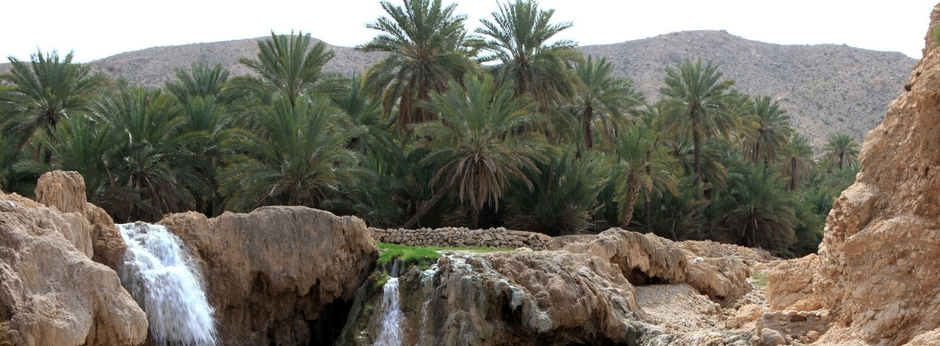
UNESCO Biosphere Reserve, inscribed 1976, in Iran (Islamic Republic of). The Golestan Biosphere Reserve is located in northern Iran and forms part of the Caucasus–Iranian Highlands, situated between the sub-humid and semi-arid Caspian regions. The area includes temperate rainforest, cold-winter and semi-deserts, and mixed mountain and highland systems. A wide variety of habitats and rich biodiversity can be found in the reserve.
- 4
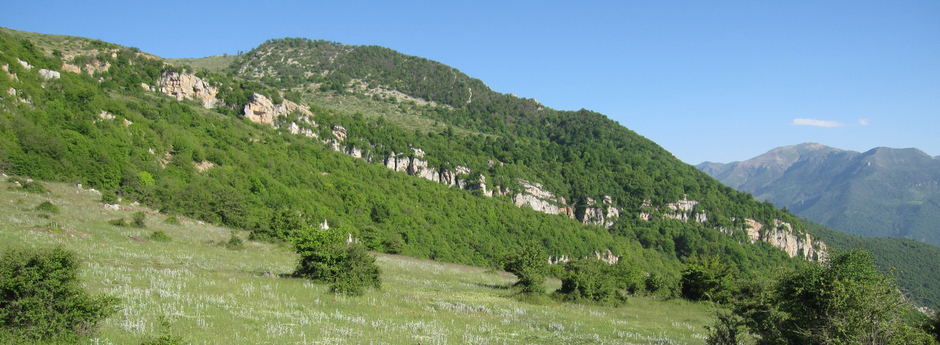
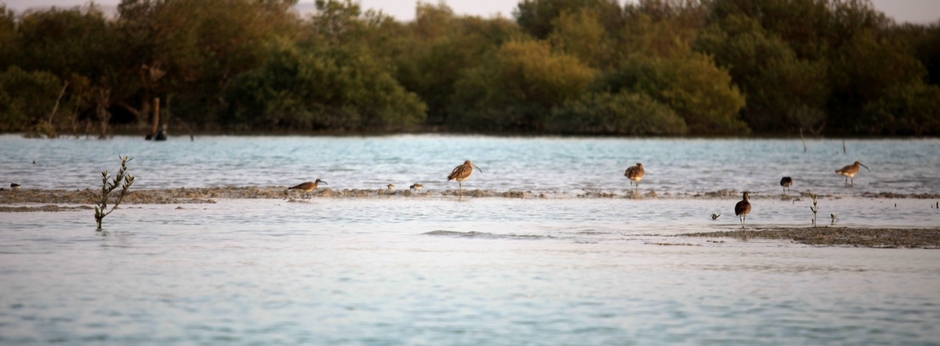
UNESCO Biosphere Reserve, inscribed 1976, in Iran (Islamic Republic of). The Hara Biosphere Reserve is located in the Mehran River delta in the south of Iran. It lies near the Strait of Khuran between Qeshm Island and the Persian Gulf, and is a key biodiversity site because of its Avicennia mangrove ecosystem.
- 5
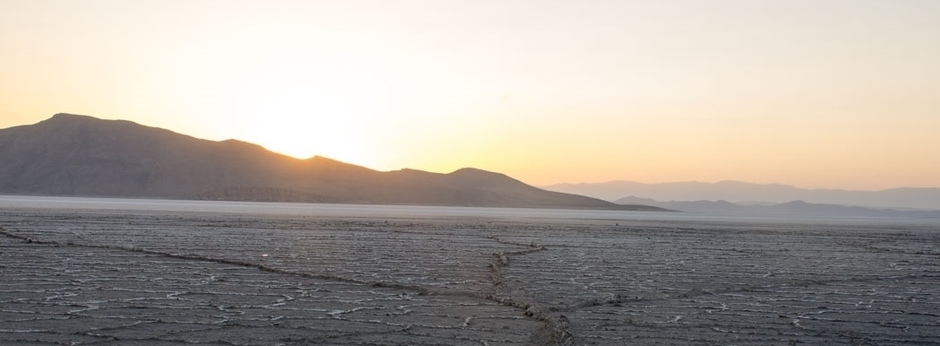
UNESCO Biosphere Reserve, inscribed 1976, in Iran (Islamic Republic of). The Lake Oromeeh Biosphere Reserve is located at Lake Oromeeh in the north of Iran and forms part of the Caucasus–Iranian Highlands. Salt flats fringe the lakeshore, while the islands host pistachio forests and Artemisia steppe communities. Other habitats found in the reserve include wetlands, river estuaries, and sandy soils and coasts.
- 6
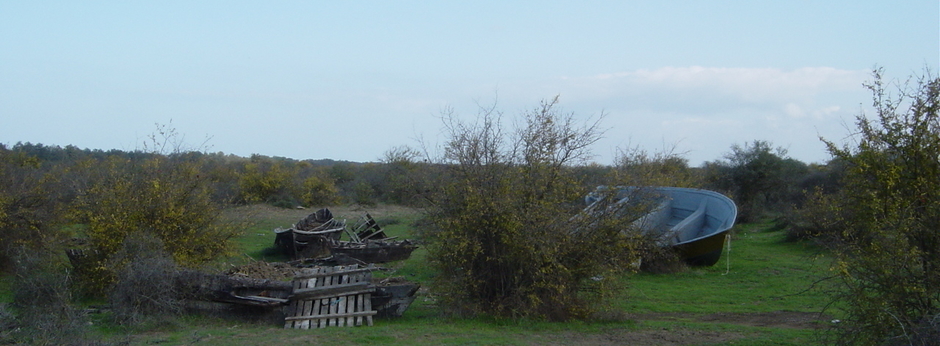
UNESCO Biosphere Reserve, inscribed 1976, in Iran (Islamic Republic of). The Miankaleh Biosphere Reserve is located in the south-eastern region of the Caspian Sea. Major habitats include wetlands, intertidal mud with sandy shores, and shallow marine waters. Forests, peatlands and agricultural areas are also present. Miankaleh was designated a Ramsar site in 1975. Local people earn their income from agriculture, horticulture and animal husbandry. Other livelihoods include handicrafts, carpet weaving, traditional poultry farming and tourism. Management challenges include overgrazing, illegal hunting and fishing, and deforestation, as well as the unplanned spread of villages.
- 7
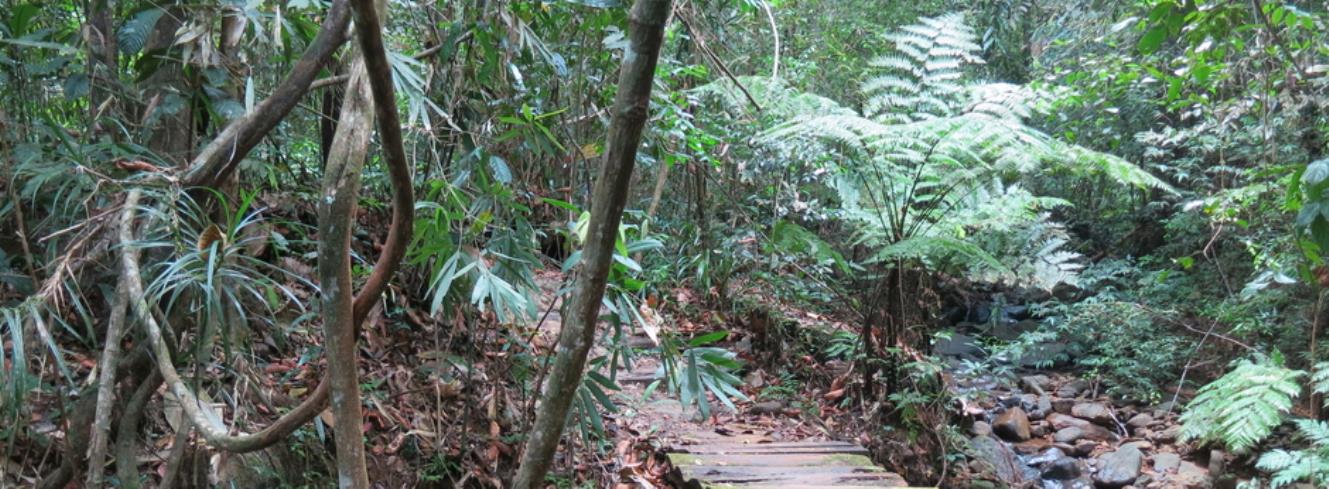
UNESCO Biosphere Reserve, inscribed 1976, in Thailand. Sakaerat Biosphere Reserve lies on the north-eastern flank of the Khao Khieo Massif, on the rim of the Korat Plateau, about 240 kilometres from Bangkok. Elevation ranges from roughly 250 to 760 metres across a tilted, gently dissected plateau, with intermittent streams that retain water locally through the dry season and drain to the Mun River. The reserve is regionally important for conserving Thailand’s upland forest mosaic, including dry dipterocarp forest now much reduced across the country, and for long-running field science that informs management. Current priorities are to maintain and restore key habitats, apply research and monitoring to guide decisions, deliver tightly managed educational camps and training, and support cooperative agriculture and low-impact tourism in the transition area.
- 8
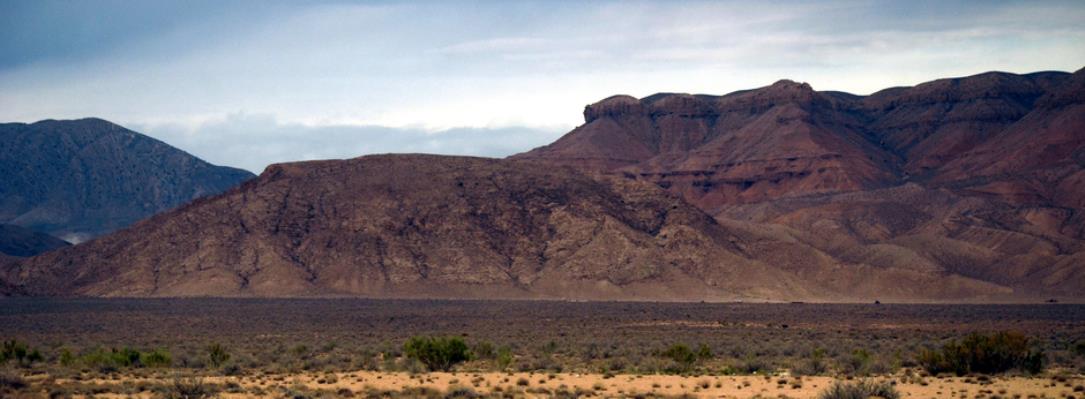
UNESCO Biosphere Reserve, inscribed 1976, in Iran (Islamic Republic of). The Touran Biosphere Reserve is located in the Anatolian Iranian deserts, and comprises a variety of salt, gypsum, stone and sandy habitats. It covers clay lowlands and mountains, reaching altitudes of more than 2,200 m above sea level. Communities in the area depend mostly on agriculture, animal husbandry, horticulture and carpet sewing. Major human impacts on the ecosystem arise from overgrazing, especially by camels, illegal hunting and fuelwood harvesting.
- 9
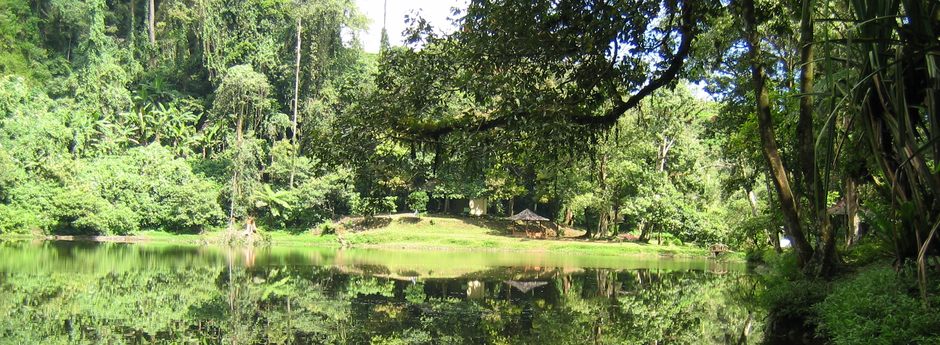
UNESCO Biosphere Reserve, inscribed 1977, in Indonesia. Situated in West Java Province to the south of Jakarta, the Cibodas Biosphere Reserve exemplifies a humid tropical ecosystem under strong human pressure. The Gunung Gede–Pangrango National Park constitutes the core area and encompasses twin volcanoes and mountainous rainforests, including many species endemic to Java. The buffer zone comprises production forests, tea plantations and horticultural fields. The majority of the transition area is covered by irrigated rice fields and human settlements.
- 10
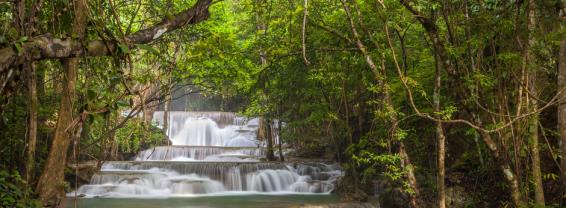
UNESCO Biosphere Reserve, inscribed 1977, in Thailand. Huay Tak Teak Biosphere Reserve is located in Lampang Province, northern Thailand. The core area is dominated by stands of teak (Tectona grandis) interspersed with trees of mixed deciduous forest. Huay Tak Teak Biosphere Reserve is part of Tham Pha Thai National Park, designated for the protection and conservation of native flora and fauna.
- 11
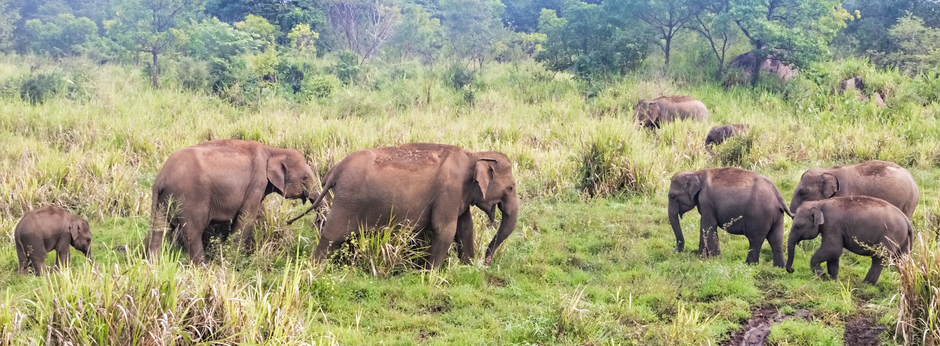
UNESCO Biosphere Reserve, inscribed 1977, in Sri Lanka. The Hurulu Biosphere Reserve primarily consists of tropical dry evergreen forest in Sri Lanka.
- 12
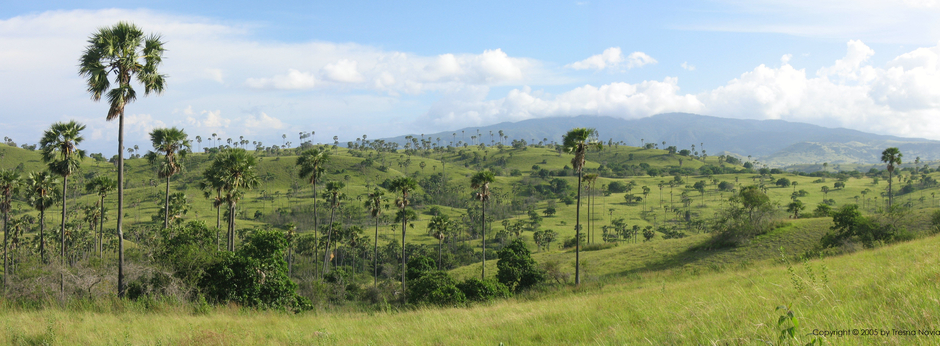
UNESCO Biosphere Reserve, inscribed 1977, in Indonesia. Situated between Flores and Sumbawa in Indonesia, the Komodo Biosphere Reserve and National Park is renowned for its population of about 5,000 giant lizards, also called Komodo dragons (Varanus komodoensis). They exist nowhere else in the world and are of significant interest to scientists studying the theory of evolution. In addition to Komodo Island, the biosphere reserve encompasses the islands of Rinca and Padar, as well as numerous islets. It also includes one of the world’s richest marine environments with coral reefs.
- 13
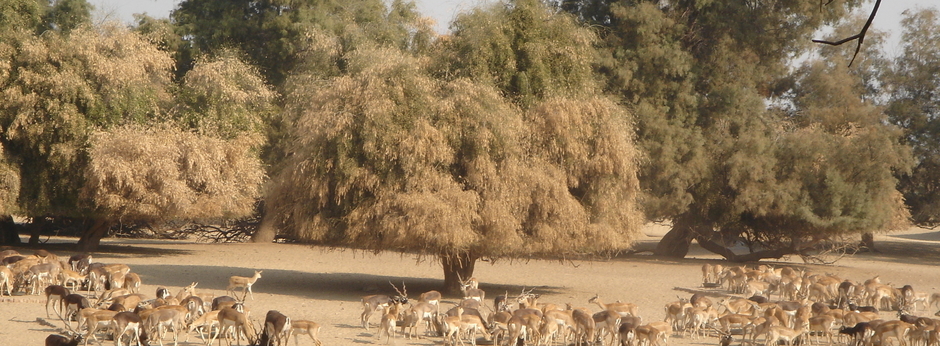
UNESCO Biosphere Reserve, inscribed 1977, in Pakistan. Lal Suhanra Biosphere Reserve and National Park is situated on the north-west edge of the Cholistan Desert in the Punjab Province of Pakistan. This arid landscape is relatively flat and interspersed with sand dunes. The dunes extend up to 1,000 ha and reach 4 m in height, and some are unstable.
- 14
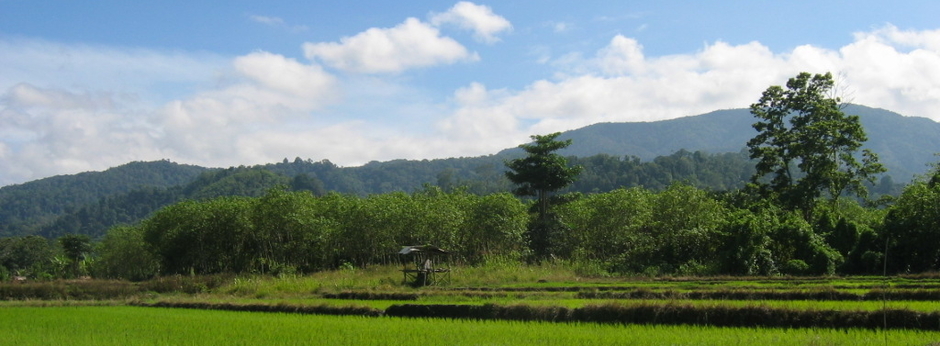
UNESCO Biosphere Reserve, inscribed 1977, in Indonesia. Lore Lindu Biosphere Reserve and National Park comprise one of the largest remaining mountainous rainforests of Sulawesi. It is of high importance for biodiversity, culture and archaeology. Approximately 90 per cent of the area is montane forest above 1,000 m in altitude, representing most of Sulawesi’s unique mountain flora and fauna.
- 15
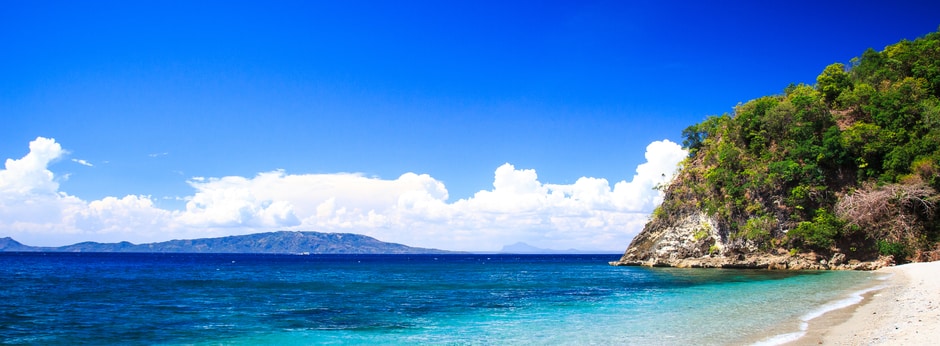
UNESCO Biosphere Reserve, inscribed 1977, in Philippines. Puerto Galera Biosphere Reserve is situated on Mindoro Island, about 120 km south of Manila. It comprises the northern tip of Mindoro Island and is bound to the north by the Verde Island Passage, to the west by the Camarong River and to the east by the municipality of San Teodoro.
- 16
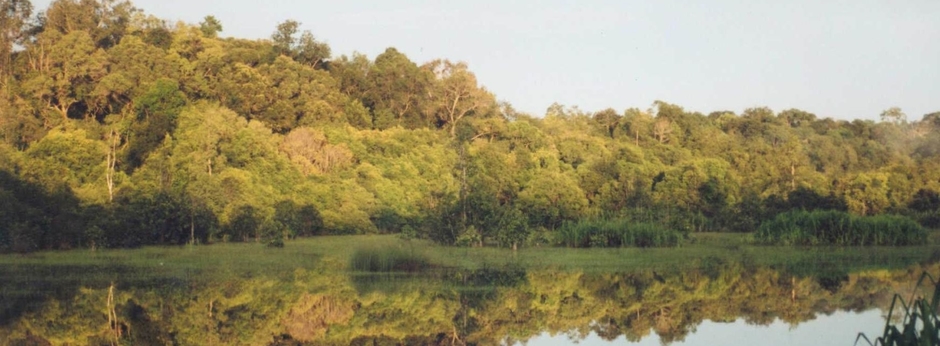
UNESCO Biosphere Reserve, inscribed 1977, in Indonesia. This biosphere reserve and national park is situated on the Tanjung Peninsula in the south of Borneo and covers the swampy alluvial areas between Kumai Bay and the Seruyan River. Covering a total area of 415,040 ha, Tanjung Puting has a large diversity of forest ecosystems, including lowland forest, freshwater swamp forest, tropical heath forest (locally called kerangas), peat swamp forest, mangrove forest and coastal forest.
- 17
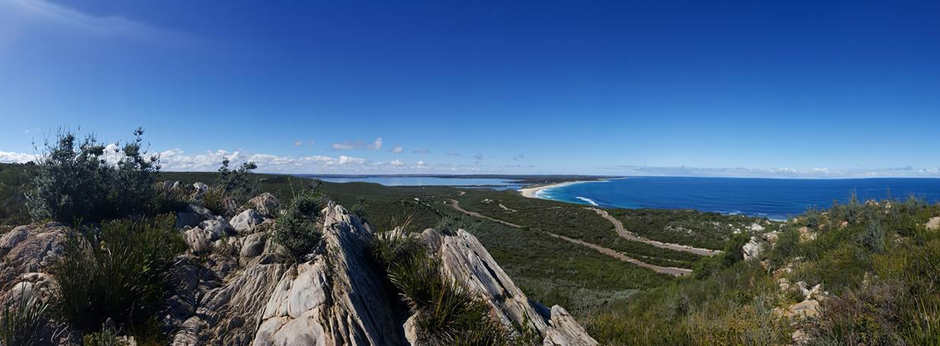
UNESCO Biosphere Reserve, inscribed 1978, in Australia. The Fitzgerald Biosphere Reserve is located between Bremer Bay and Hopetoun on the south coast of Western Australia. It comprises upland plains and a marine plain that is deeply incised by several rivers, creating large valleys and tablelands. A chain of small, isolated peaks runs close to the coast, forming the distinctive Barren Ranges. The highest peak reaches 450 metres above sea level. Rugged coastal cliffs occur where the quartzite ranges meet the ocean. Sand dunes, inlets, rivers, swamps and lakes also occur on the gently sloping marine plain, and they dry up in summer. There is a rich diversity of plant species in the park and surrounding areas, including dry sclerophyllous woodland, coastal woodlands and heath. The reserve contains over 250 rare or geographically restricted plant and animal species, many of which are little known. Of the 2,000 vascular plant species native to this area, around 75 per cent are endemic. Human impacts within the reserve are mainly related to tourism and the development of visitor facilities.
- 18
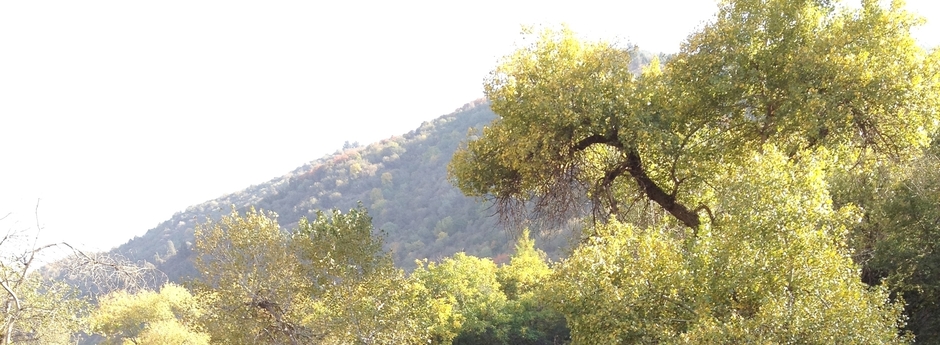
UNESCO Biosphere Reserve, inscribed 1978, in Uzbekistan. This biosphere reserve covers the south-western end of the Chatkal'skiy Range in the western Tien-Shan Mountains. Covering altitudes between 1,110 and 4,000 metres above sea level, Mount Chatkal Biosphere Reserve has high habitat and species diversity. Habitats include mountain steppes, mountain forests, rocky areas, alpine meadows, river valleys and floodplain forests.
- 19
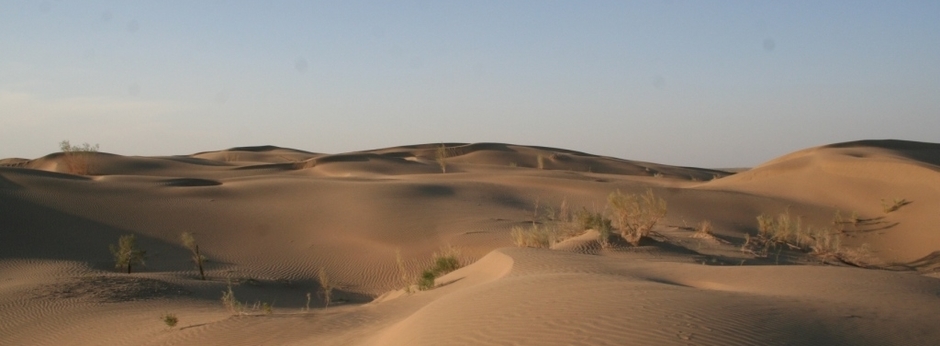
UNESCO Biosphere Reserve, inscribed 1978, in Turkmenistan. The Repetek Reserve, located in the central part of the East Karakum Desert covers typical sand desert. Its landscape features arid, large, hummocky, ridged sand dunes and valley-like depressions. This is one of the hottest regions in Central Asia, and the climate is typical of southern extra-tropical deserts.
- 20
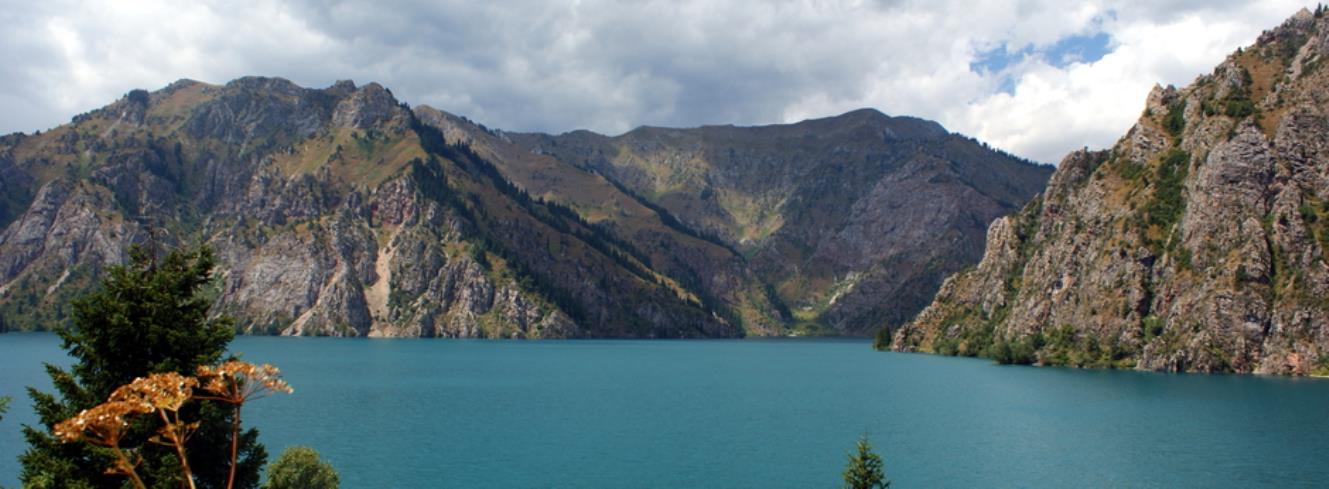
UNESCO Biosphere Reserve, inscribed 1978, in Kyrgyzstan. The Sary-Chelek Biosphere Reserve is situated in the western Tien Shan Mountains on the southern spurs of the Chatkal Range in the west of Kyrgyzstan.
- 21
UNESCO Biosphere Reserve, inscribed 1978, in Sri Lanka. Sinharaja is the largest continuous evergreen rainforest remaining in the lowland wet zone of Sri Lanka.
- 22
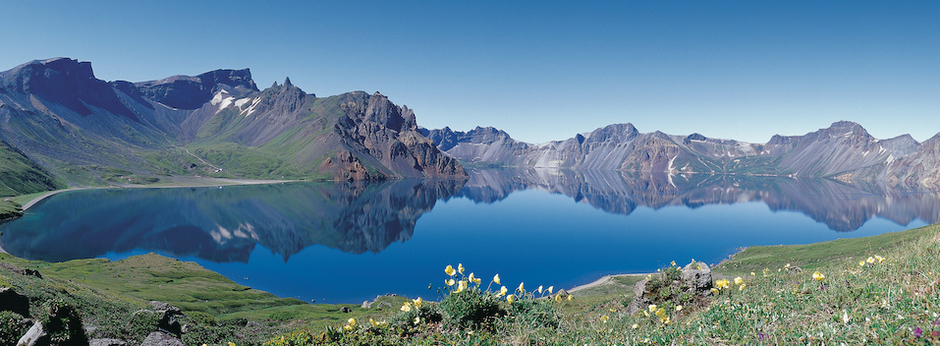
UNESCO Biosphere Reserve, inscribed 1979, in China. The Changbaishan Biosphere Reserve is in the north-east of China on the border with the Democratic People’s Republic of Korea. The topography consists of a basalt platform, basalt slope highlands and cone-like volcanoes. Ancient craters now form lakes, which are surrounded by sixteen mountains. The highest peak, Mount Changbai, rises 2,691 metres above sea level. At its summit are Heavenly Lake, hot springs and a waterfall. Small volcanoes stretch from the north-west to the south-east and delineate the border of the reserve.
- 23
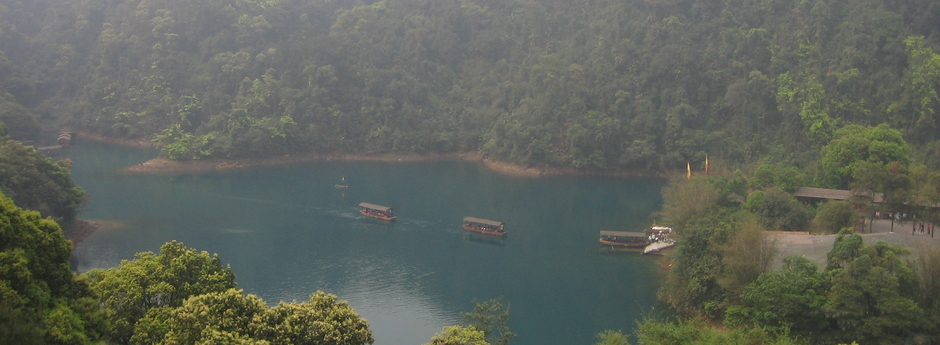
UNESCO Biosphere Reserve, inscribed 1979, in China. Situated in Guangdong Province in southern China, the Dinghushan Biosphere Reserve comprises low mountains and the hilly lands of the Dayunwu Mountain Range. The range runs from north-east to south-west, with Jilong Mountain its highest point. More than 20 peaks of this range are located within the reserve. Dinghushan was China’s first nature reserve and has played a significant role in the conservation of ecosystems over the last 40 years. The biosphere reserve is also known as a major Buddhist centre in South-East Asia.
- 24
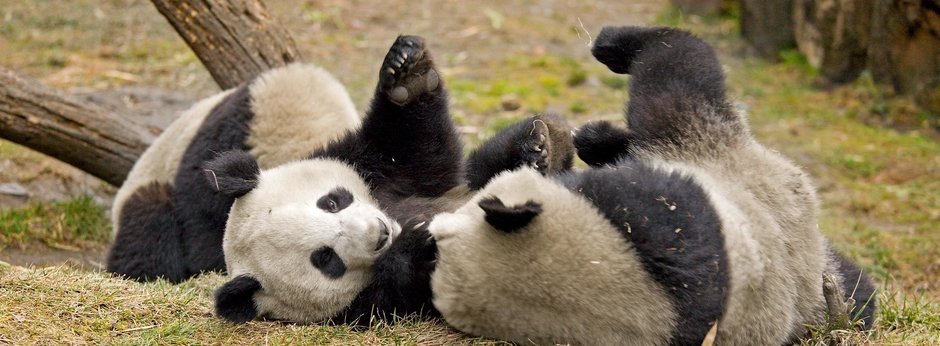
UNESCO Biosphere Reserve, inscribed 1979, in China. This biosphere reserve lies in south-west China, in Sichuan Province, about 150 km from Chengdu. Great mountain ranges, rising from about 1,150 to 6,250 metres above sea level, traverse the reserve between its north-eastern and south-western boundaries. Soil variation is notable: successive elevation bands support different soil types, from yellow soils and mountain black-brown soils to mountain brown soils. This heterogeneity underpins the area’s rich biodiversity.
- 25
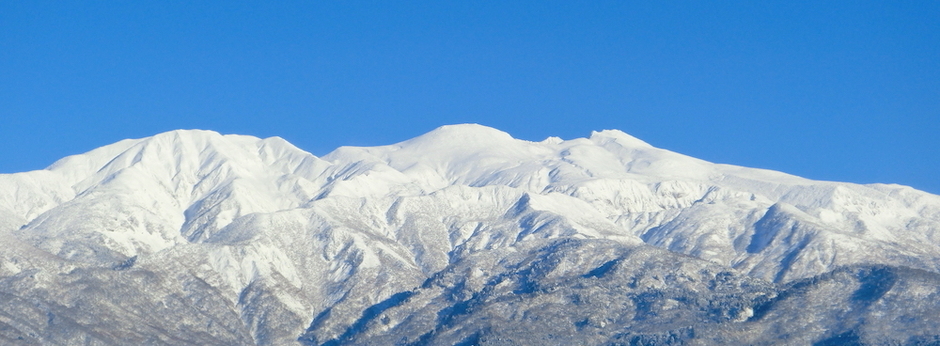
UNESCO Biosphere Reserve, inscribed 1980, in Japan. Mount Hakusan Biosphere Reserve is located in central Japan and spans the prefectures of Toyama, Ishikawa, Fukui and Gifu. Mount Hakusan, at the centre of the biosphere reserve, is a volcano 2,702 metres above sea level with eight craters near its summit. Among mountains with alpine zones, Mount Hakusan is located at the westernmost point. Most people live in mountain villages in the transition areas. Japanese people have lived there since ancient times.
- 26
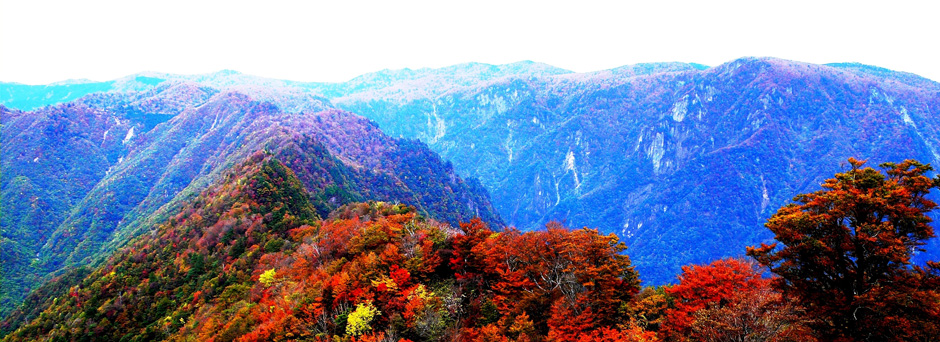
UNESCO Biosphere Reserve, inscribed 1980, in Japan. The Mount Odaigahara, Mount Omine and Osugidani Biosphere Reserve extends across the eastern part of the Kii Peninsula. The area includes several mountain ridges and the peaks of Mount Odaigahara, 1,695 metres above sea level, and Mount Omine, 1,719 metres. The biosphere reserve exhibits subtropical and temperate rainforests with evergreen and coniferous forests, temperate deciduous broadleaf forest, sub-alpine coniferous forest and conifer plantations.
- 27
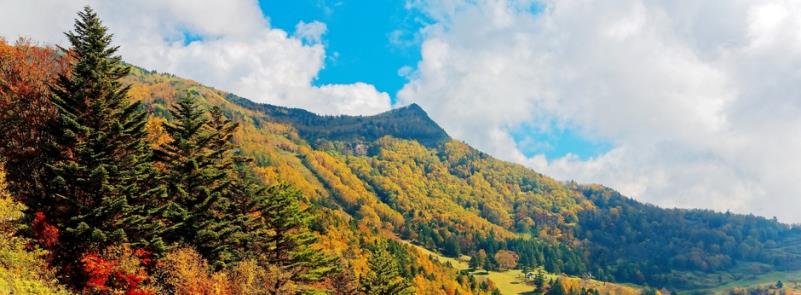
UNESCO Biosphere Reserve, inscribed 1980, in Japan. Shiga Highland Biosphere Reserve is in the central part of Honshu, Japan, spanning five municipalities in two prefectures: Yamanouchi Town and Takayama Village in Nagano Prefecture, and Nakanojo Town, Kusatsu Town and Tsumagoi Village in Gunma Prefecture. The core area and buffer zone overlap Joshin’etsukōgen National Park. The volcanic lake of Mt. Shirane is reputed to be the most acidic lake in the world, with a pH of 0.8.
- 28
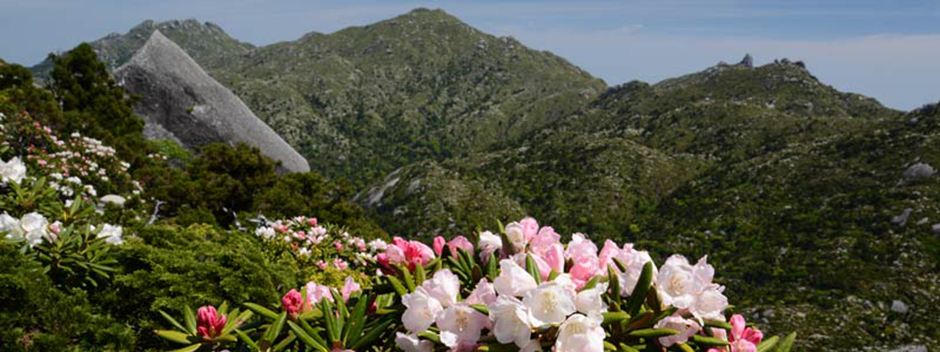
UNESCO Biosphere Reserve, inscribed 1980, in Japan. The Yakushima and Kuchinoerabu Jima Biosphere Reserve, situated 60 km south of Kyushu, is known for the Yaku cedar primeval forest. It encompasses the area inscribed on the World Heritage List (under the name ‘Yakushima’, inscribed in 1993) and now covers the entire island, as well as the island of Kuchinoerabu and the surrounding marine area.
- 29
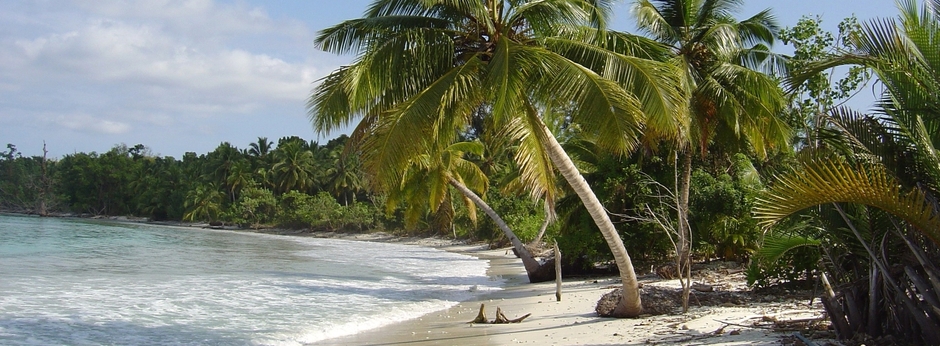
UNESCO Biosphere Reserve, inscribed 1981, in Indonesia. Siberut is the largest of the four Mentawai Islands situated off the west coast of Sumatra. It has been isolated from the Sumatra mainland and the Sunda Shelf for at least 500,000 years, resulting in an exceptionally high degree of endemism. Sixty-five per cent of the animals are thought to be endemic. Lowland dipterocarp rainforest is the principal ecosystem.
- 30
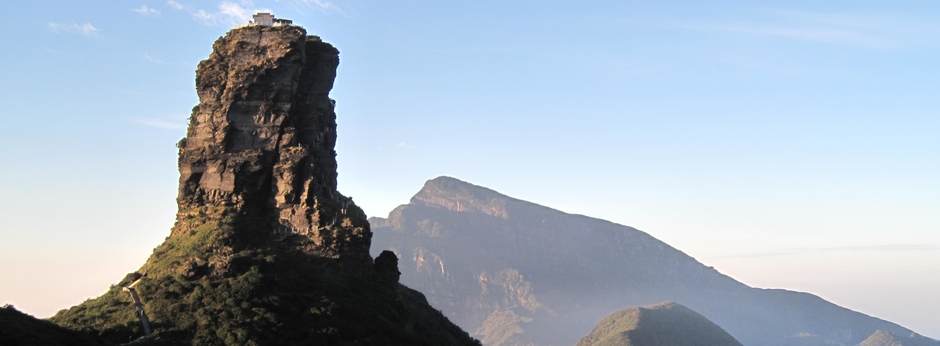
UNESCO Biosphere Reserve, inscribed 1986, in China. Located in southern China, in Guizhou Province, Fanjingshan lies within the Chinese subtropical forest biogeographic region. The reserve has mountainous terrain, and its main peaks form part of the Wuling Mountain Range. Elevation ranges from 480 m to 2,570 m above sea level.
- 31
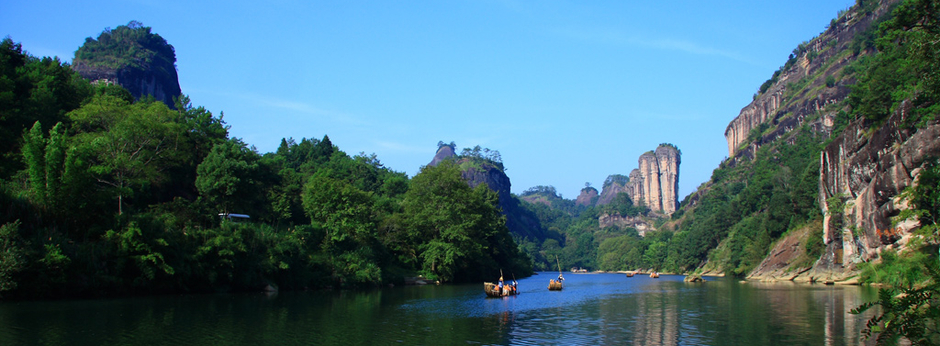
UNESCO Biosphere Reserve, inscribed 1987, in China. Wuyishan Biosphere Reserve lies where Wuyishan City, Jianyang City and Guangze County meet in northern Fujian Province. The reserve was established to protect mid-subtropical forest ecosystems and rare and endangered fauna and flora. It is a mission-oriented nature reserve focused on biodiversity protection and management, scientific research, public outreach and education, and sustainable operation.
- 32
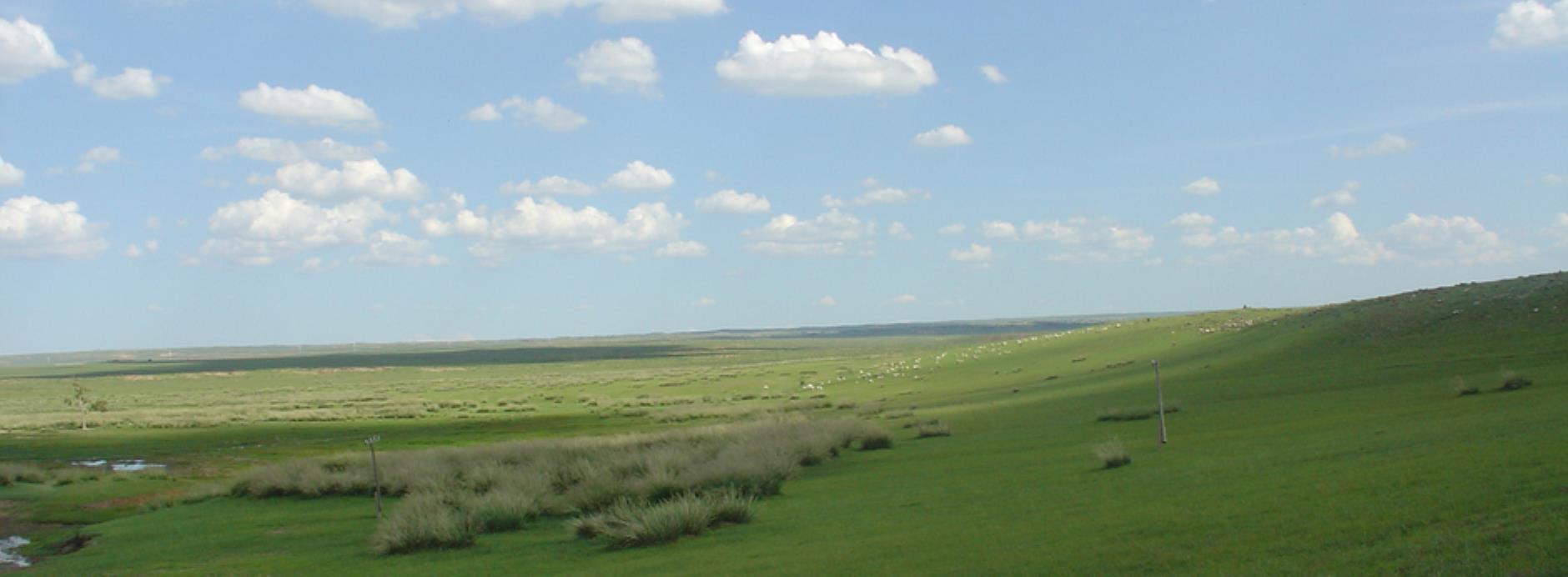
UNESCO Biosphere Reserve, inscribed 1987, in China. Xilin Gol Grassland forms the main body of Inner Mongolia’s natural grassland and is one of the four great grassland regions in China. It is the most representative temperate true steppe, composed of bunch and rhizome grasses, including Stipa and Leymus chinensis. It is also the most intact part of the eastern Asia subregion of the Eurasian steppe region, with high value for conservation and scientific research.
- 33
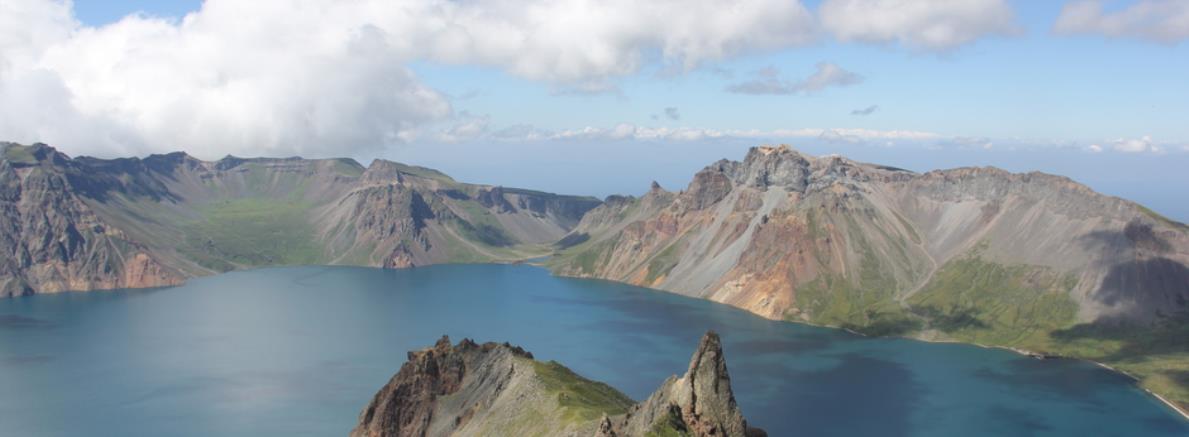
UNESCO Biosphere Reserve, inscribed 1989, in Democratic People's Republic of Korea. Mount Paektu Biosphere Reserve lies on the border with China, adjoining the Changbaishan Biosphere Reserve. Its northern boundary follows the international frontier: the Amnok (Yalu) River in the west, the Paektu massif across the central section, and the Tumen River in the east. The reserve is a high volcanic plateau and montane-forest landscape shaped by past eruptions, encompassing Lake Chon, the Samjiyon basin and the Rimyŏngsu waterfalls, a young yet ecologically stable mountain system of clear scientific value. The overarching aim of the reserve is to conserve intact forest ecosystems and associated historical sites, while delivering biodiversity protection and restoration, long-term research and education, and carefully managed nature-based tourism with local partners.
- 34
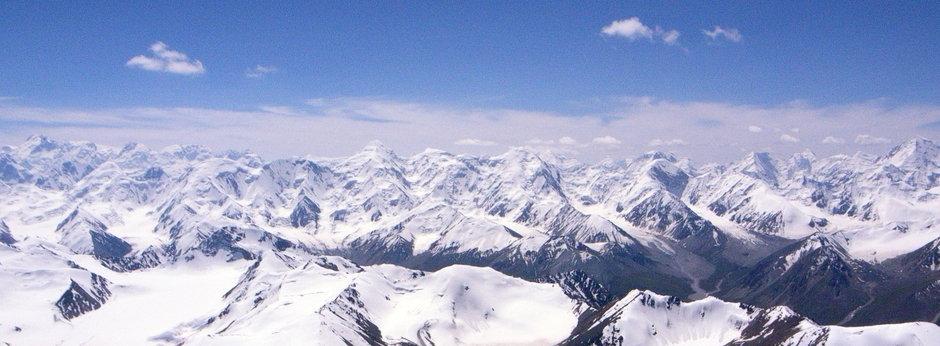
UNESCO Biosphere Reserve, inscribed 1990, in China. The Bogeda Biosphere Reserve is located in the eastern region of the Tianshan Mountains. Local residents call the area the Sangong River Valley, named after one of the largest rivers in the region, which originates from Bogeda Peak. Five major landscapes are distributed throughout the northern and southern areas of the biosphere reserve: ice–snow belts (5,445–3,100 metres above sea level), alpine and sub-alpine meadow belts (3,100–2,500 metres above sea level), forest belts (2,500–1,600 metres above sea level), steppe belts (1,700–900 metres above sea level) and sand desert dunes (460–3,300 metres above sea level). The topography consists of a middle mountain belt, low mountain erosion hills and alluvial areas. Tianchi Lake is the only natural lake in the region and lies adjacent to the Sangong River.
- 35
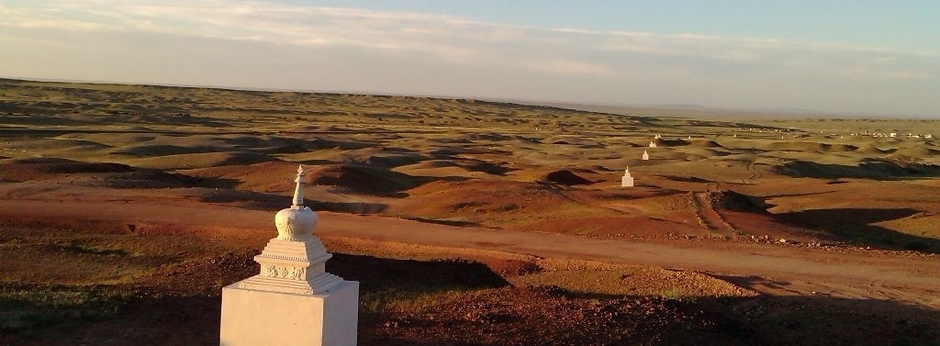
UNESCO Biosphere Reserve, inscribed 1990, in Mongolia. The Great Gobi Biosphere Reserve is one of the largest biosphere reserves in the world. Located in south-west Mongolia at the border with the People’s Republic of China, it represents the Central Asian deserts. Fenced off from the sea by the surrounding mountains, the Great Gobi has a highly continental climate.
- 36
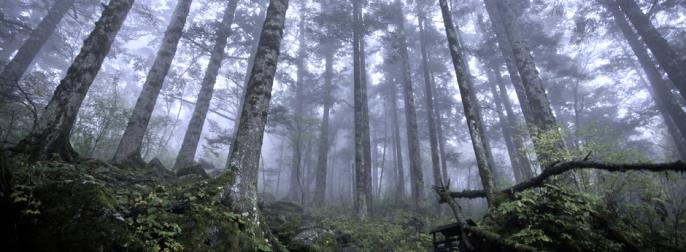
UNESCO Biosphere Reserve, inscribed 1990, in China. The Shennongjia Biosphere Reserve lies on the eastern branch of the Dabashan Mountains, which link the Tibetan Plateau in western China with the Yangtze Plain in the east. The area spans a large elevation range, from 420 metres in the lowest valleys to 3,106 metres at the highest peak, and therefore supports a wide spectrum of vegetation zones. Forests are protected and, with numerous vascular plant species and a population of the golden snub-nosed monkey (Rhinopithecus roxellana), the reserve is considered a “Green Gene Pool of China”. Ecological tourism is the main economic sector in the reserve, and women are largely engaged in this work.
- 37
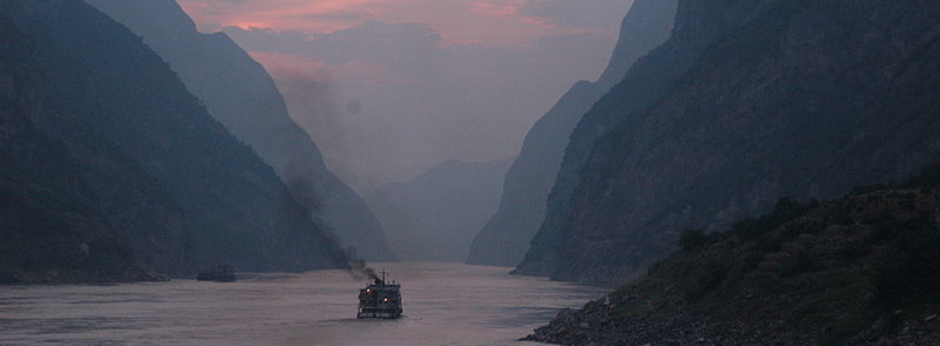
UNESCO Biosphere Reserve, inscribed 1992, in China. The Yancheng Biosphere Reserve is located on the Sub-Huang Huai plain of northern China, within the Palearctic biogeographical region. The reserve consists of a coastal marsh wetland that extends up to 582 km and includes a variety of salt marshes. Tidal salt marshes account for over 80 per cent of the reserve’s area and contain the most salt-resistant flora species. In addition, two major rivers traverse the region: the Yellow River and the Yangtze River.
- 38
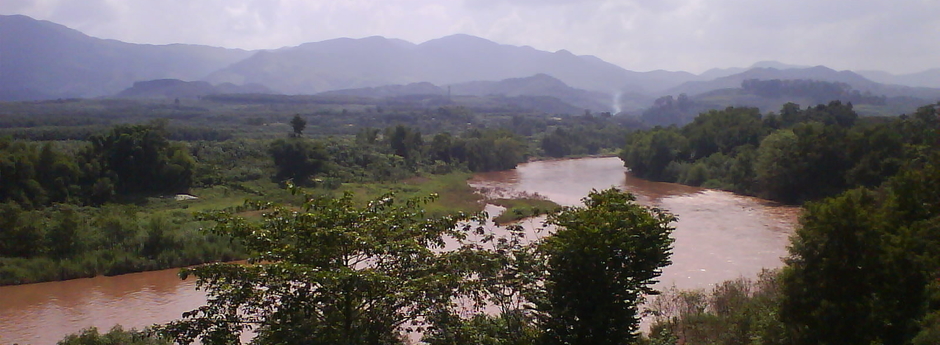
UNESCO Biosphere Reserve, inscribed 1993, in China. Located at the south-west tip of Yunnan Province in south-west China, Xishuangbanna Biosphere Reserve borders Laos to the east and Myanmar to the west in the upper Mekong basin. It comprises the largest and most comprehensive tropical forest in China. Owing to its distinctive geography and climate, it contains the country’s richest biodiversity. Tourism, agriculture and fishing are the main economic activities.
- 39
UNESCO Biosphere Reserve, inscribed 1996, in China. Maolan Biosphere Reserve lies in southern Guizhou, close to the Guangxi border in south-west China. Here, one of the world’s best-preserved karst forests spreads across more than 20,000 hectares, with forest cover above 90%. Cone peaks and cockpit depressions hold clear streams, karst ponds and underground rivers, creating a landscape as hydrologically rich as it is visually striking. Ecologically, the site is a living repository of subtropical biodiversity, including many species found only on limestone. The reserve aims to protect the unique karst forest ecosystem and its diverse flora and fauna.
- 40
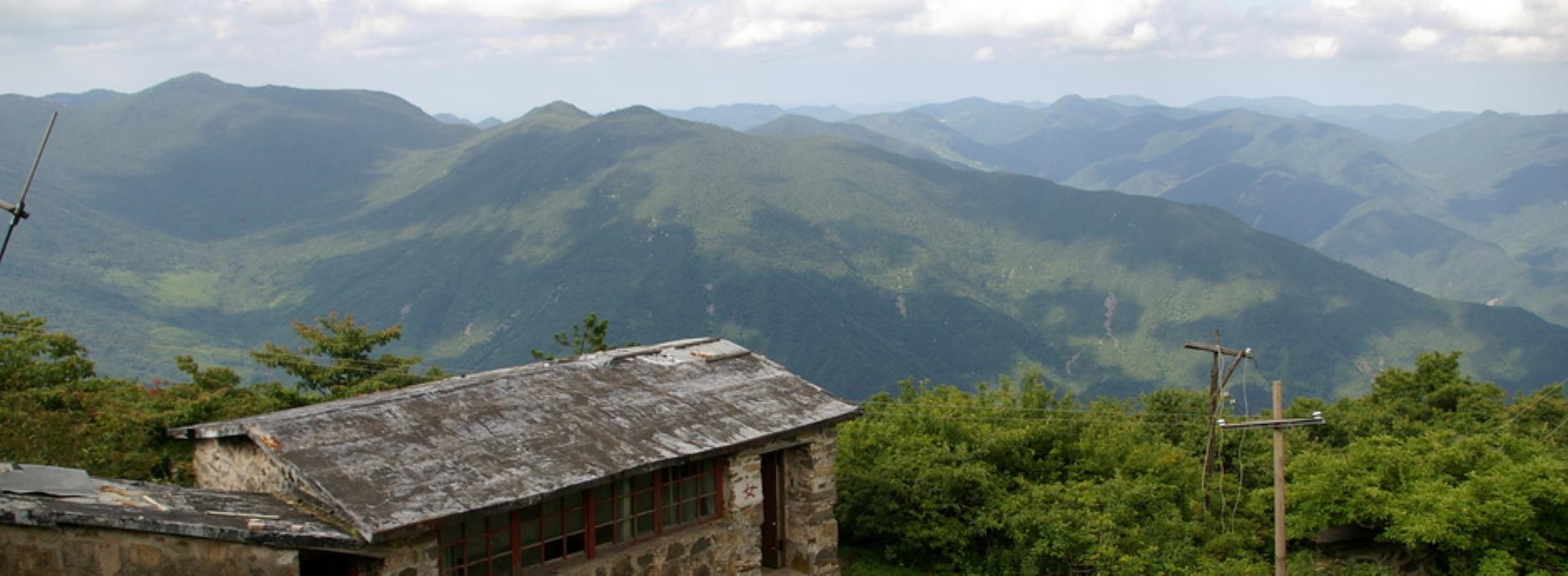
UNESCO Biosphere Reserve, inscribed 1996, in China. Tianmushan Biosphere Reserve is in Zhejiang Province in the eastern coastal region of China, about 230 km south-west of Shanghai. Also known as the ‘kingdom of big trees’, the biosphere reserve protects the most ancient wild communities of Ginkgo biloba.
- 41
UNESCO Biosphere Reserve, inscribed 1997, in China. Located in the north-easternmost part of China, this biosphere reserve covers 28,500 hectares in a typical hilly region known for its intact natural stands of Korean pine (Pinus koraiensis). This tree species is of world-wide interest for timber production and these forests constitute a valuable gene bank which should be protected, in spite of pressure to exploit the trees.
- 42
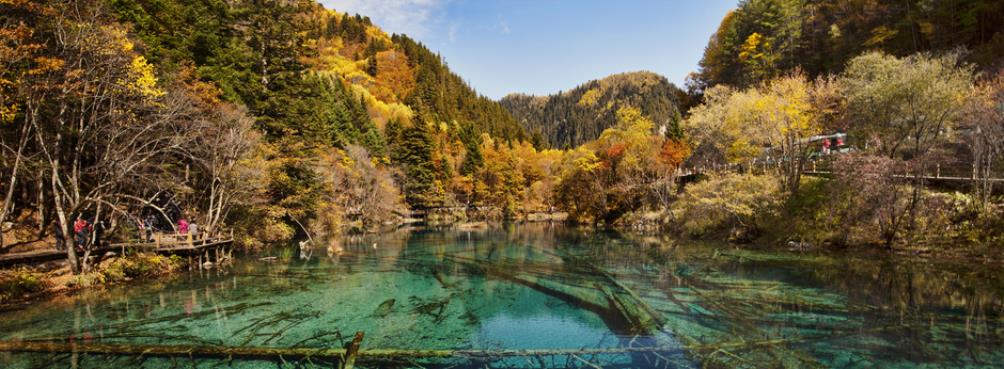
UNESCO Biosphere Reserve, inscribed 1997, in China. This biosphere reserve lies on the southern slopes of the Minshan Mountains, within the transition area between the Sichuan Basin and the Qinghai–Tibet plateau. The altitude ranges from about 2,000 to 4,700 metres above sea level. The natural landscape includes snow-capped peaks, numerous waterfalls, forests, mountain streams and lakes. Lakes, waterfalls and travertine (calcareous-sinter) terrace-and-cascade karst landforms of Jiuzhaigou are rare worldwide. The population is primarily Tibetan, with Han and Qiang communities also present. Tourism is the principal industry.
- 43
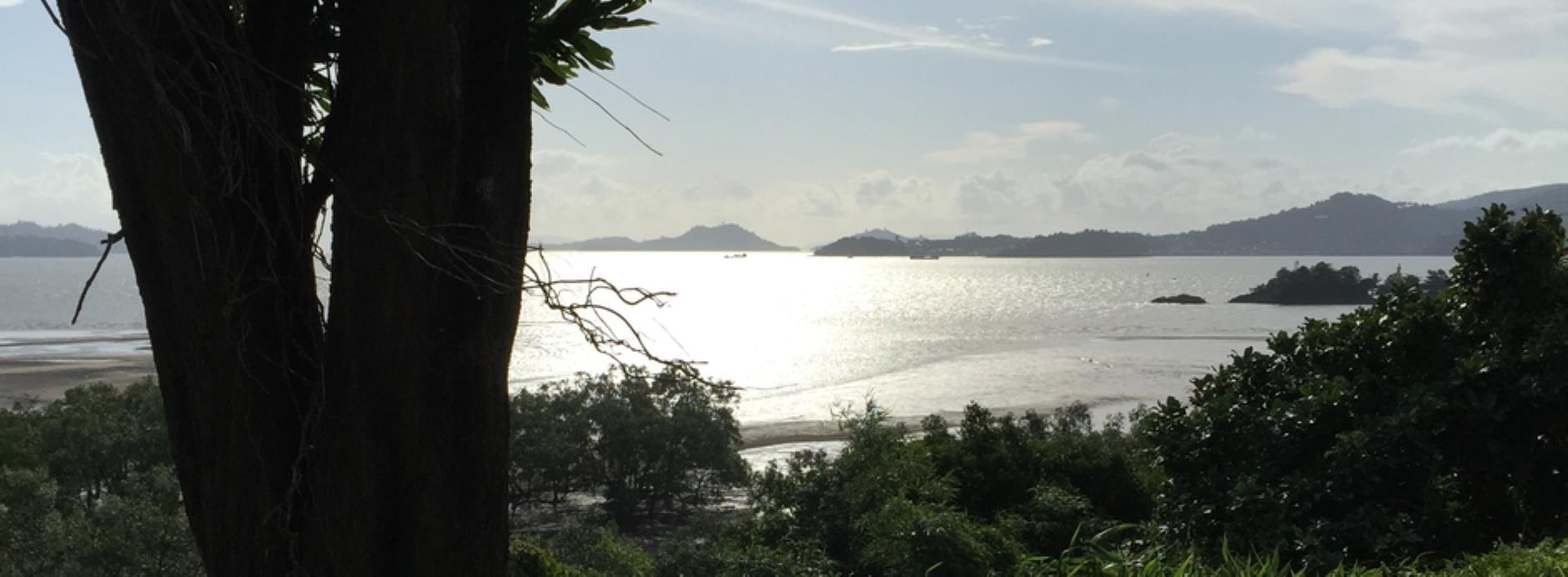
UNESCO Biosphere Reserve, inscribed 1997, in Thailand. Declared as a biosphere reserve in 1997, the Ranong Biosphere Reserve is situated 650 km south of Bangkok along the Andaman coast of the isthmus of Thailand. The reserve incorporates a range of diversified natural and disturbed habitats, including mangrove forests, tropical evergreen forests, open sea, seagrass beds, and urban and agricultural land. Mangroves are the most representative ecosystem within this biosphere reserve.
- 44
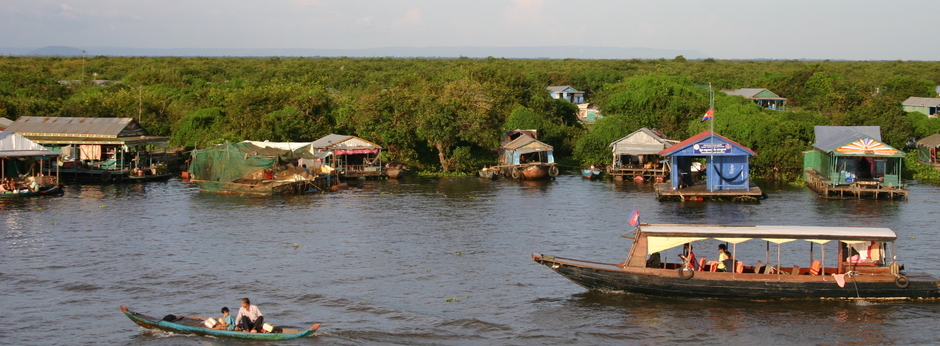
UNESCO Biosphere Reserve, inscribed 1997, in Cambodia. The Tonle Sap Biosphere Reserve is in the north-east of Cambodia. It includes Tonle Sap Lake, the most extensive freshwater lake in South-east Asia, which lies at the centre of the Tonle Sap Basin. The basin is bordered by the Dong Rek Mountains to the north, the Cardamom Mountains to the south-west, and small hills to the east that separate it from the Mekong River.
- 45
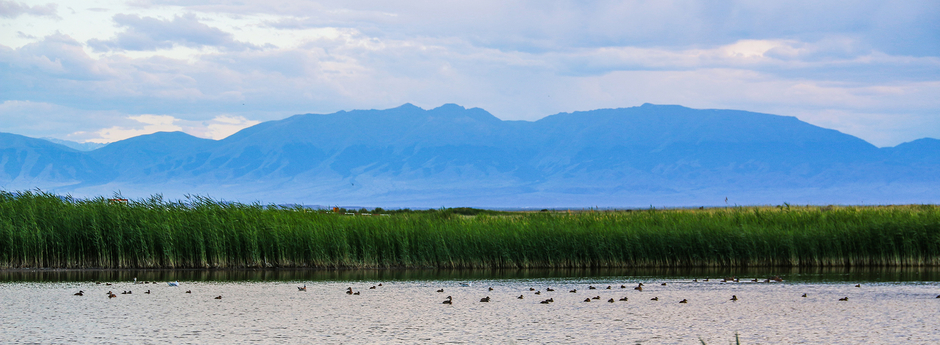
UNESCO Biosphere Reserve, inscribed 1997, in Mongolia. The Uvs Nuur Basin is the northernmost of the enclosed basins of Central Asia. It takes its name from Uvs Nuur Lake, a large, shallow and very saline lake that is important for migrating birds, waterfowl and seabirds. The site is made up of twelve protected areas representing the major biomes of eastern Eurasia.The Uvs Nuur Basin is one of the key areas of the Altai–Sayan Ecoregion, included in the Global 200 list of virgin or little-modified ecoregions of the world. The northern part of the basin is located in the Russian Federation on the territory of three administrative districts, or kozhuuns, of the Republic of Tuva. The southern part lies within Uvs aimag of Mongolia. The geographical position and climate of the Uvs Lake depression are marked by exceptional contrast due to its position in the centre of Asia, its relatively high altitude and its distinctive relief. The highest point of the territory is the peak of the Turgen Mountain Range, and the lowest point is Uvs Lake. The lake’s water is the remnant of a huge saline sea that covered a much larger area several thousand years ago.
- 46
UNESCO Biosphere Reserve, inscribed 1998, in China. Nanji Islands Biosphere Reserve, located in the south-eastern waters of Pingyang County, Zhejiang Province, consists of 52 islands, each more than 500 m2, as well as dozens of bare rocks, submerged reefs and surrounding coastal waters. Topography is dominated by low, rolling hills.
- 47
UNESCO Biosphere Reserve, inscribed 2000, in China. Baishuijiang Biosphere Reserve is located in Wenxian County, Gansu Province. One of its primary aims is the conservation of the giant panda (Ailuropoda melanoleuca). Baishuijiang is among the regions with the highest panda populations in China. The area is also important for biodiversity as it spans a large elevation range, from evergreen broad-leaved forests to alpine meadows.
- 48
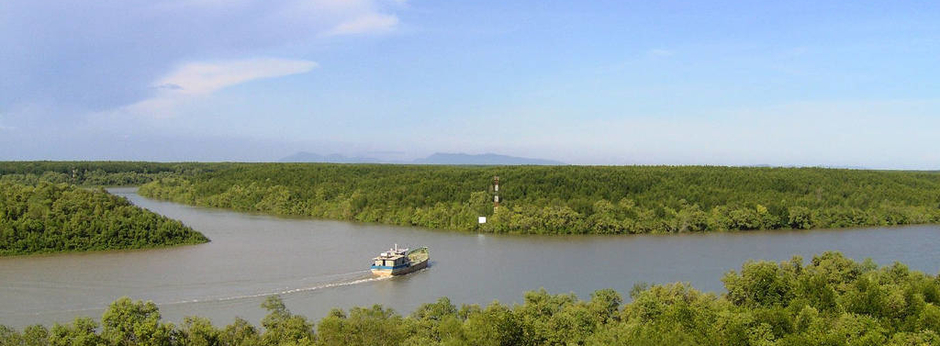
UNESCO Biosphere Reserve, inscribed 2000, in Viet Nam. The Can Gio Mangrove Biosphere Reserve is located in the coastal district south-east of Ho Chi Minh City. The reserve provides opportunities to advance environmental protection across a continuum of habitats, from coastal areas to the boundaries of Ho Chi Minh City, the largest industrial city in Viet Nam. The mangrove forest hosts the highest diversity of mangrove plant species, mangrove-dwelling invertebrates, and mangrove-associated fish and shellfish species in the sub-region. It is regarded as the green lungs of the city.
- 49
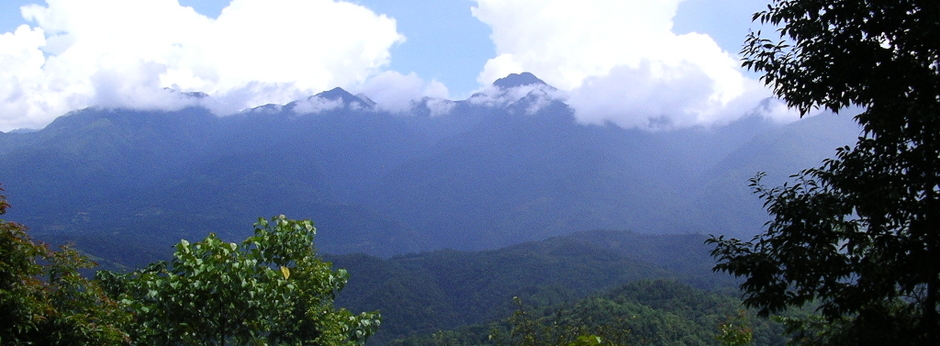
UNESCO Biosphere Reserve, inscribed 2000, in China. Gaoligong Mountain is located in the Sichuan Highlands in the southern part of China. Its highest elevations exceed 4,000 metres, and this upper part of the mountain is designated as the core area. Evergreen broad-leaved forests, deciduous forests and bamboo woodlands are characteristic of the region. Because the area is difficult to reach, the forests and wildlife are well protected. The reserve is also known for its rich history and diverse national customs.
- 50
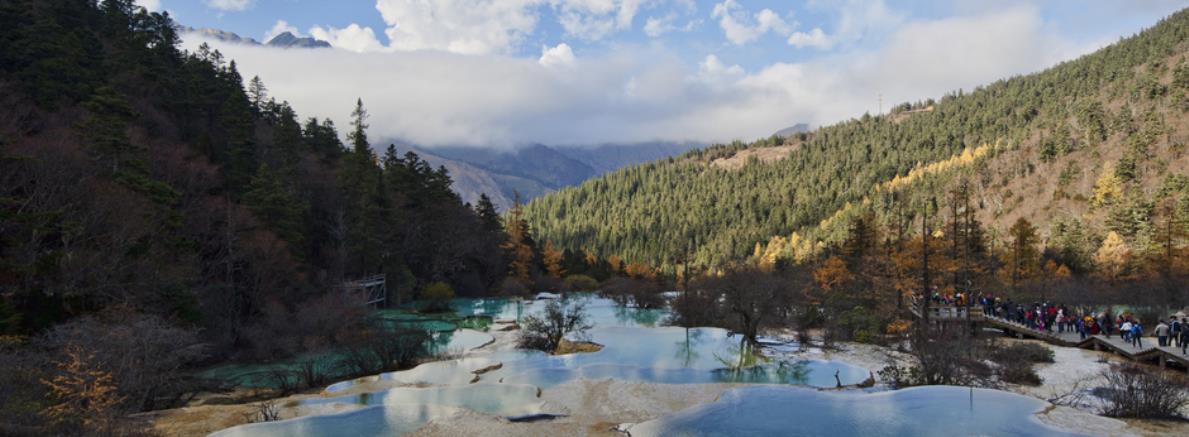
UNESCO Biosphere Reserve, inscribed 2000, in China. Huanglong Biosphere Reserve is situated in a mountainous area with peaks reaching up to 5,588 m above sea level. The area is recognised as a biodiversity hotspot, with part of it inscribed on the World Heritage List in 1992. Major wild animal species include the giant panda (Ailuropoda melanoleuca), Rhinopithecus roxellanaand the leopard (Panthera pardus fusca). It is also scenically remarkable, with a system of some 3,400 travertine pools linked by travertine shoals, rapids and waterfalls. Reverence for the natural world among local communities, particularly among Tibetan people, has played an essential role in protecting the ecological environment and biodiversity in the reserve and surrounding areas.
- 51
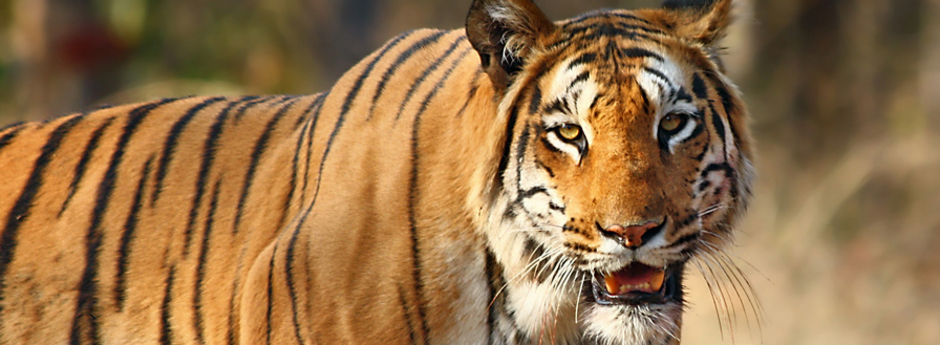
UNESCO Biosphere Reserve, inscribed 2000, in India. Nilgiri Biosphere Reserve exemplifies the tropical forest biome and lies within the Western Ghats system, which represents the confluence of Afro-tropical and Indo-Malayan biotic zones. Biogeographically, the Western Ghats is one of the most important regions and a noted hotspot for speciation in the tropics. The biosphere reserve contains unique and threatened ecosystems, including a range of forest systems from seasonal rainforests in the low hills, to tropical montane forests and grasslands in the higher reaches, and moist deciduous through scrub to dry deciduous towards the plains in the eastern end. The region is noted for rich biodiversity. It houses about 3,500 species of flowering plants, of which 1,500 are endemic to the Western Ghats. The fauna consists of over 100 species of mammals, 550 species of birds, 30 species of reptiles and amphibians, 300 species of butterflies, a large number of invertebrates, and many more species that await discovery by scientists.
- 52
UNESCO Biosphere Reserve, inscribed 2000, in China. Shankou Mangrove Biosphere Reserve comprises the eastern and western terrestrial and coastal waters of the Shatian Peninsula. It can be divided into the Yingluo Harbor district and the Dandou Sea.
- 53
UNESCO Biosphere Reserve, inscribed 2001, in China. Baotianman Biosphere Reserve lies at 360–1,830 m above sea level. In this large ecological space, strongly undulating terrain and diverse landforms create a range of bioclimatic environments. These encompass a full suite of typical warm-temperate natural landscapes, together with the climatic features of a transition zone. Land cover consists of residential areas, forest land and agricultural land.
- 54
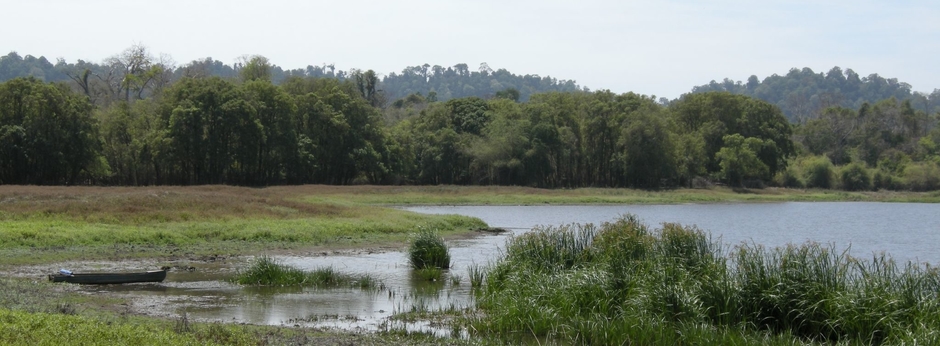
UNESCO Biosphere Reserve, inscribed 2001, in Viet Nam. Dong Nai is the new name of the former Cat Tien Biosphere Reserve, which was designated in 2001. It is located in the Dong Nai province in the south-east of Viet Nam. In this region the plateaux of the central Vietnamese highlands give way to the Nam Bo Delta. The area includes typical landforms of the Truong Son Mountain range and the lowland rivers, streams, semi-plains, medium hills, relatively flat lands and scattered lakes, ponds and wetlands of the eastern Nam Bo Delta.
- 55
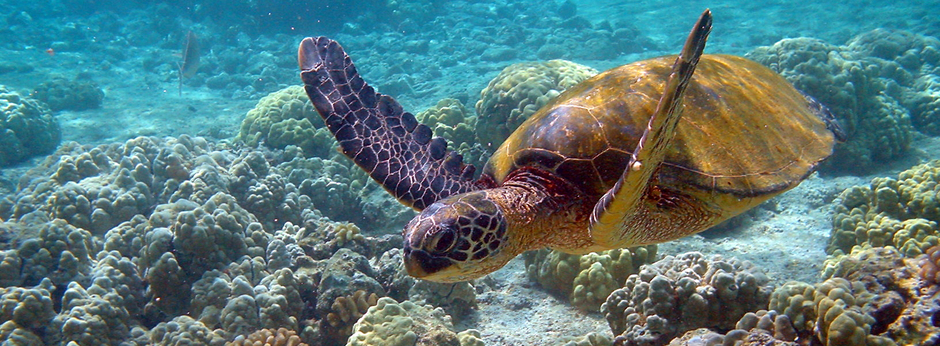
UNESCO Biosphere Reserve, inscribed 2001, in India. The Gulf of Mannar, endowed with three distinct coastal ecosystems (coral reefs, seagrass beds and mangroves) is considered one of the world’s richest regions from a marine biodiversity perspective. It is known for its unique biological wealth and is a storehouse of marine diversity of global significance. The gulf’s 4,223 species of plants and animals, ranging from primitive to higher forms, make it one of the richest coastal regions in India. Most of the islands have luxuriant mangrove growth on their shorelines and in swampy areas. The sea bottom of the inshore area around the islands is carpeted with seagrass beds, which serve as an ideal feeding ground for the dugong (Dugong dugon), an endangered herbivorous marine mammal. Highly productive fringing and patch coral reefs surround the islands and are often referred to as an underwater tropical rainforest and a treasure house for marine biodiversity, particularly ornamental marine fishes. The occurrence of these specialised ecosystems makes the Gulf of Mannar a unique large marine ecosystem in the Indian subcontinent.
- 56
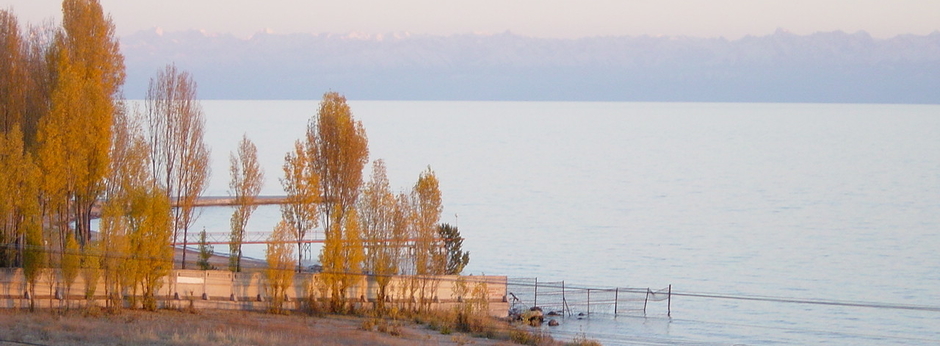
UNESCO Biosphere Reserve, inscribed 2001, in Kyrgyzstan. The central Tien Shan mountain region around Issyk-Kul Lake is one of the last harmonious cultural landscapes in Central Asia, preserving near-natural habitats alongside traditional culture.
- 57
UNESCO Biosphere Reserve, inscribed 2001, in China. Saihan Wula Biosphere Reserve lies in the mountains south of the Greater Khingan Range. The reserve brings together a forest and grassland transition with valley wetlands and is regionally significant for ecotonal biodiversity and the hydrological functions of its wetland corridors. Management follows a protection-first approach that targets illegal logging and poaching and strengthens fire prevention. The reserve works through co-management with local authorities and Gacha communities to limit grazing in agreed areas, restore degraded sandy grassland and expand tree cover in the transition area.
- 58
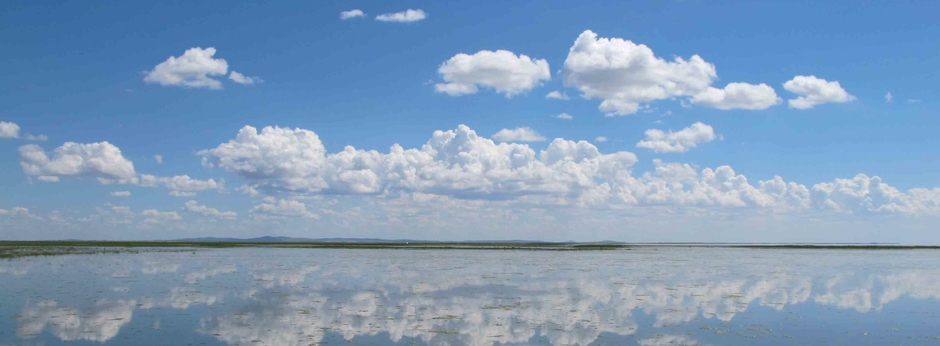
UNESCO Biosphere Reserve, inscribed 2002, in China. Dalai Lake Biosphere Reserve, in the far north-eastern part of China, covers grassland ecosystems and wetlands that are considered internationally important for migratory birds under the Ramsar Wetland Convention. The biosphere reserve is an ideal site for research on wetland ecosystems and bird migration, with many rare species present. This region is thought to be one of the places where traditional Mongolian culture originated.
- 59
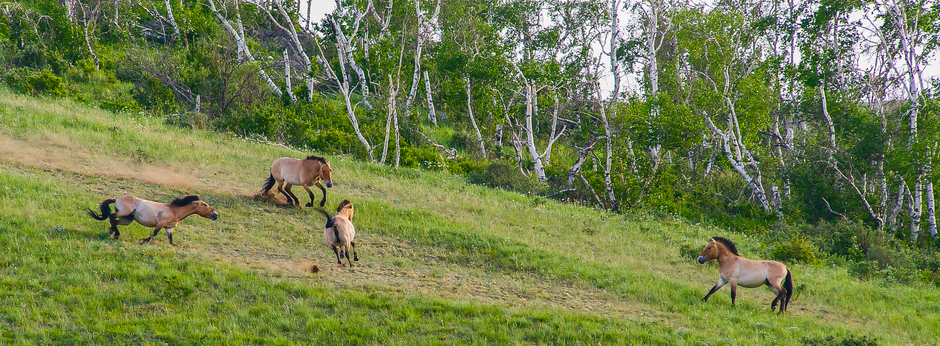
UNESCO Biosphere Reserve, inscribed 2002, in Mongolia. The Hustai Nuruu Biosphere Reserve lies about 100 km south-west of Ulaanbaatar. It comprises mainly steppe ecosystems, with some taiga forests and alpine vegetation. The reserve aims to preserve threatened steppe and forest steppe ecosystems that elsewhere have been degraded by over-exploitation. It is also noted for the successful reintroduction of the endemic Przewalski’s horse (Equus przewalskii). This horse became extinct in the wild in the 1960s and now helps to restore the steppe ecosystem. As a flagship species, it also increases environmental awareness across Mongolia.
- 60
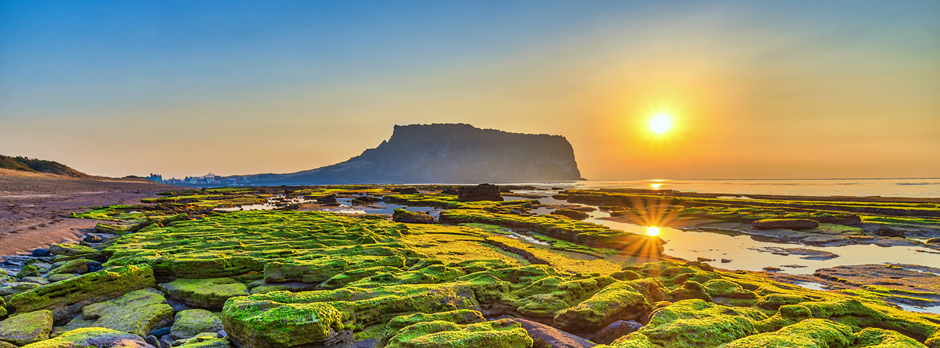
UNESCO Biosphere Reserve, inscribed 2002, in Republic of Korea. Jeju Island Biosphere Reserve is situated in the southern part of the Korean Peninsula and covers a lava plateau with a shield volcano at an elevation of 1,950 m above sea level. Located at the centre of the island, it comprises Mt Hallasan National Park, two stream corridors and three islets in its core area. A large number of species inhabit Jeju Island. The major industries are tourism, agriculture and stock farming.
- 61
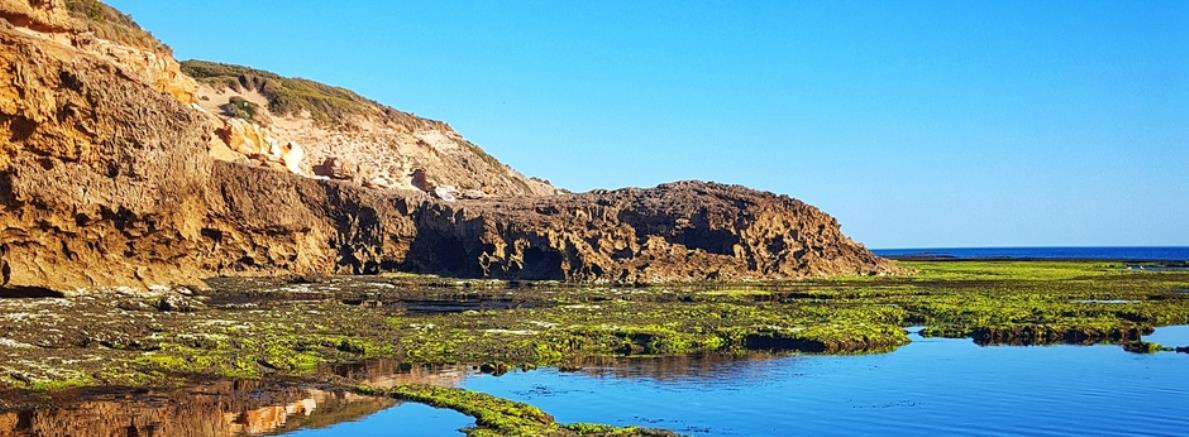
UNESCO Biosphere Reserve, inscribed 2002, in Australia. The Mornington Peninsula and Western Port Biosphere Reserve includes the whole of Mornington Peninsula Shire and parts of the City of Frankston. It also covers coastal areas of the municipalities of Casey, Cardinia and Bass Coast, including Phillip Island and French Island. Western Port, also a Ramsar site, is a coastal embayment with extensive, relatively undisturbed mudflats and saltmarsh. It is internationally important as feeding and roosting habitat for summering waders. The site periodically supports more than 10,000 waders and more than 10,000 ducks and swans, as well as a rich invertebrate fauna of some 1,380 species.
- 62
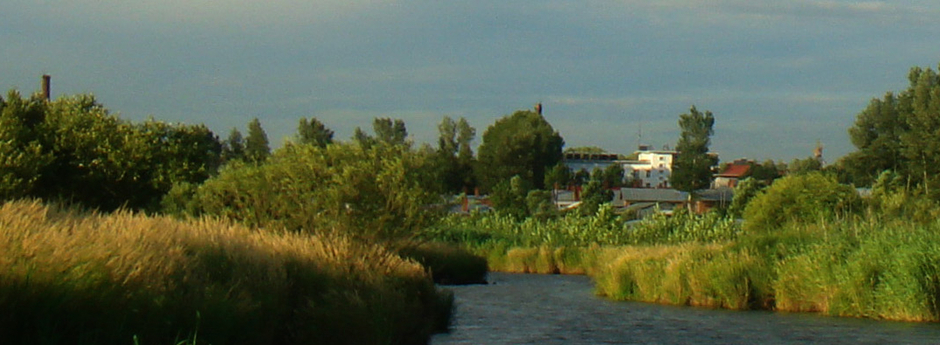
UNESCO Biosphere Reserve, inscribed 2003, in China. Located in the extreme north-eastern part of the country, the Wudalianchi area is marked by relatively recent volcanism. A rich diversity of plants dating from the Tertiary period gives the site high conservation value. The reserve is an ideal research site for geology, seismology and geomorphology. It is also known for its rich heritage and cultural significance. Local authorities promote eco-tourism and “green food”, with high involvement of the local community. Young people and women are encouraged to participate in the development of the reserve.
- 63
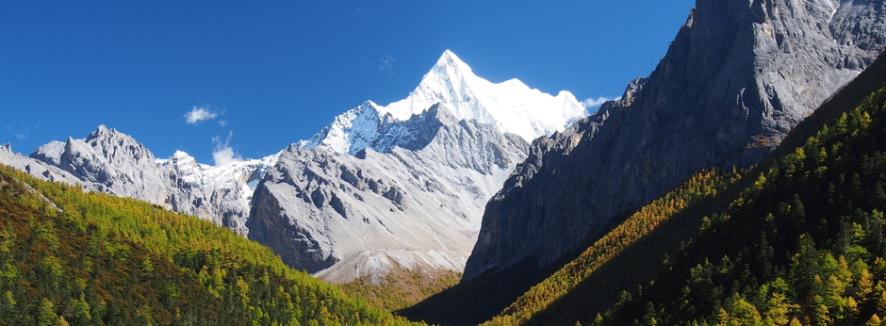
UNESCO Biosphere Reserve, inscribed 2003, in China. This biosphere reserve is part of the eastern extension of the Tibetan plateau ranging from 2,200 to 6,032 m a.s.l. The area is not only noted for its high biological diversity, but also for its associated cultural values as three sacred mountains are located within the area. The local inhabitants observe the custom of revering nature and preserving the environment of the sacred mountains. The Kangba-Tibetan ethnic group accounts for 90% of the total population of the biosphere reserve, which practise shamanism or adhere to five different sects of Tibetan Buddhism.
- 64
UNESCO Biosphere Reserve, inscribed 2004, in China. Foping Biosphere Reserve sits on the southern slope of the middle Qinling Mountains in Foping County, Shaanxi Province. Recognised as a national biodiversity demonstration base, it protects a high-value mountain ecosystem, home to emblematic wildlife including the giant panda (Ailuropoda melanoleuca). Set where warm temperate and northern subtropical zones meet, it conserves montane forests and rich flora and fauna. The reserve aims to strengthen biodiversity conservation while ensuring sustainable use and fair sharing of benefits. It works with research partners to apply nature-based solutions to climate, food security and local development.
- 65
UNESCO Biosphere Reserve, inscribed 2004, in Sri Lanka. The Kanneliya–Dediyagala–Nakiyadeniya Biosphere Reserve lies in the southern Wet Zone of Sri Lanka and forms a connected forest complex between the Gin Ganga and Nilwala Ganga river catchments. It is recognised nationally for exceptional species richness and endemism, with long-standing cultural and socio-economic value for surrounding communities. The core area covers natural dense forest in Kanneliya, while the Dediyagala and Nakiyadeniya forests form a continuous natural buffer. The reserve works to conserve biodiversity, support sustainable livelihoods and provide a platform for research, education and training.
- 66
UNESCO Biosphere Reserve, inscribed 2004, in Democratic People's Republic of Korea. The Mount Kuwol Biosphere Reserve, on the west coast of the Democratic People’s Republic of Korea and about 100 km south-east of Pyongyang, comprises a 954 m high mountain, adjacent coastal wetlands, lagoons, river estuaries and agricultural areas. Both the core area and the buffer zone form part of the Mount Kuwol Nature Reserve, designated in 1976.
- 67
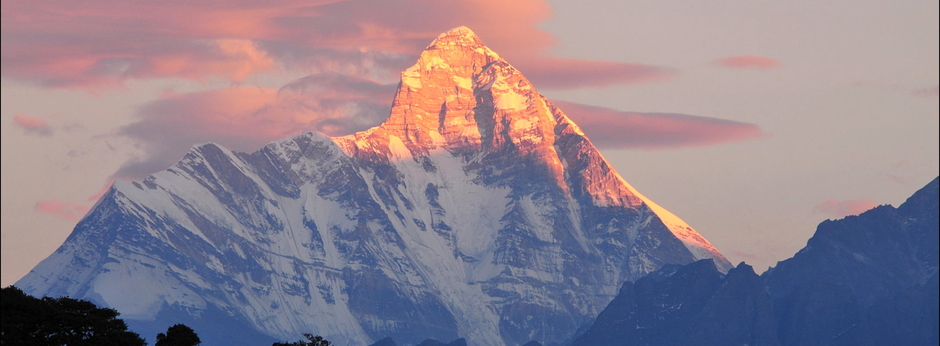
UNESCO Biosphere Reserve, inscribed 2004, in India. Nanda Devi Biosphere Reserve, located in the Himalayan Mountains in the northern part of the country, includes, as core areas, the Nanda Devi and Valley of Flowers National Parks, which together form a single World Heritage site. Nanda Devi National Park has remained more or less intact because of its inaccessibility. The Valley of Flowers National Park is renowned for its meadows of endemic alpine flowers and outstanding natural beauty. Together they encompass a unique transition zone between the mountain ranges of the Zanskar and Great Himalaya.
- 68
UNESCO Biosphere Reserve, inscribed 2004, in China. The Qomolangma Biosphere Reserve extends from China’s border with Nepal in the south to the watershed between the Yaluzangbu River and southern Tibet in the north. Centred on Mount Qomolangma, rising 8,848 metres, it spans humid alpine systems, mountain forests, wetlands and semi-arid plateau grasslands shaped by both oceanic and continental glaciers. The reserve is a setting for hiking and scientific research. Objectives focus on conserving alpine, mountain forest and shrubland ecosystems and the natural habitats they support, including emblematic species such as snow leopard and Himalayan tahr.
- 69
UNESCO Biosphere Reserve, inscribed 2004, in Viet Nam. Set in northern Viet Nam where the Red River meets the sea, the Red River Delta Biosphere Reserve brings together estuarine wetlands, mangroves, mudflats, beaches and seagrass beds. The area lies on a major flyway for migratory waterbirds and centres on Xuan Thuy National Park, designated under the Ramsar Convention. The reserve’s purpose is to conserve estuarine ecosystems and sustain the coastal cultural landscape while supporting livelihoods linked to fisheries and mangrove use.
- 70
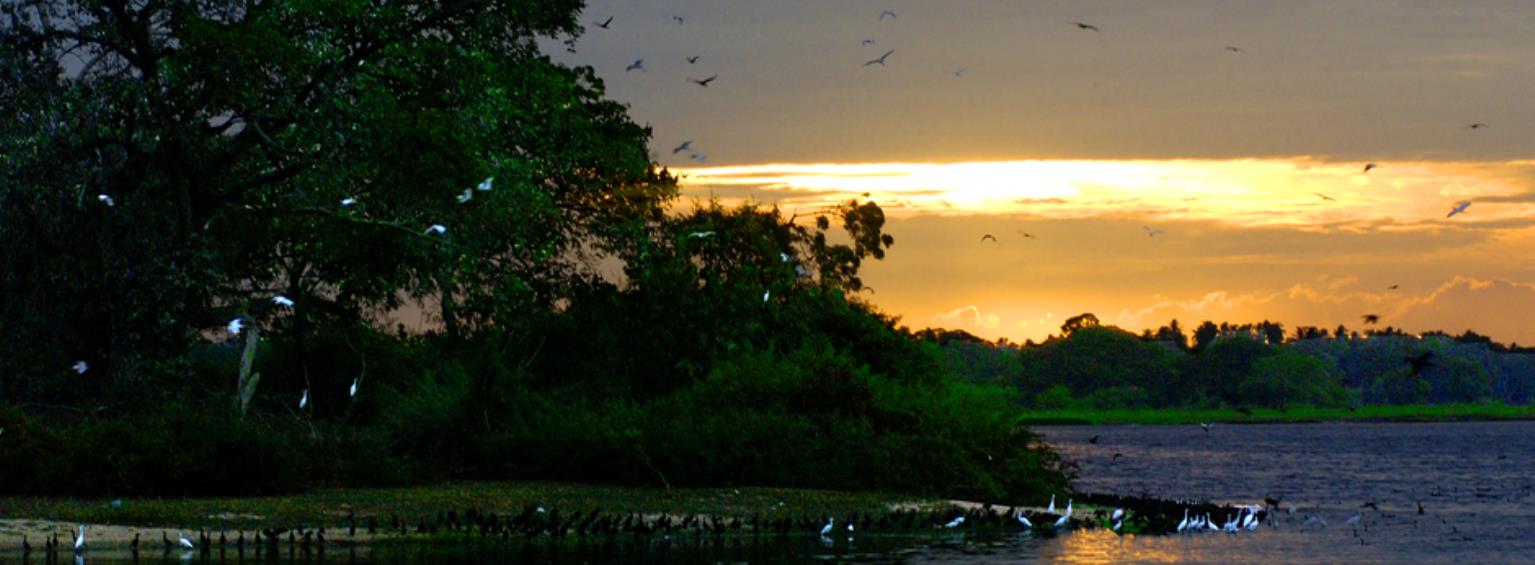
UNESCO Biosphere Reserve, inscribed 2005, in Sri Lanka. The Bundala Biosphere Reserve is Sri Lanka’s only coastal biosphere reserve. It presents a mosaic of ecosystems with a gradation of human interventions, from human-modified areas where people live and work, while contributing to sustainable development, to areas of high biodiversity value, including wetlands of global importance as a Ramsar site.
- 71
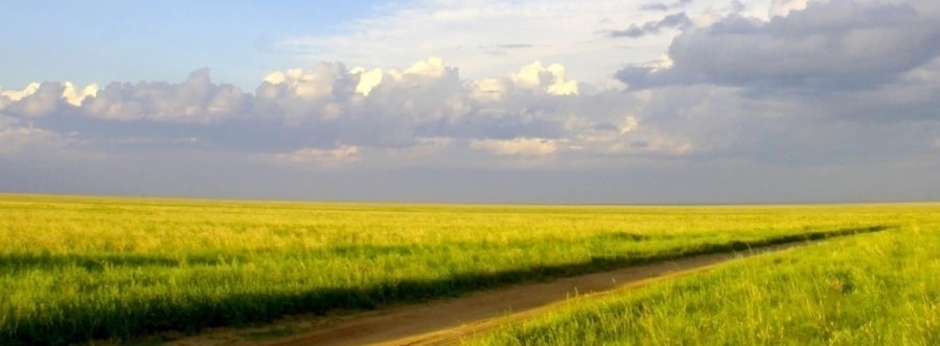
UNESCO Biosphere Reserve, inscribed 2005, in Mongolia. Situated in the eastern corner of Mongolia, this biosphere reserve covers a representative portion of one of the largest intact grassland ecosystems in the world. It lies on the Mongolian Plateau at an average altitude of about 800 m above sea level. Its main characteristic is rolling steppe that extends for more than 200 km along the Chinese border. The landscape is formed by gently rolling hills, with scattered mountains and sand dunes unique to the region.
- 72
UNESCO Biosphere Reserve, inscribed 2005, in Micronesia (Federated States of). The Utwe Biosphere Reserve is located in the south-west of Kosrae, a small mountainous volcanic island in the South Pacific. The biosphere reserve lies on the relatively flat and narrow coastal plain that extends from the foothills to the shore. Most of the island’s interior is rough and rugged. Mangrove swamps and coral reefs surround most of the island.
- 73
UNESCO Biosphere Reserve, inscribed 2006, in Viet Nam. The waters around the islands are considered some of the best fishing grounds in the southwestern region of Viet Nam of which the most important resources are squid and cuttlefish.
- 74
UNESCO Biosphere Reserve, inscribed 2007, in Micronesia (Federated States of). And Atoll lies in the Federated States of Micronesia, within the Caroline Islands tropical moist forests ecoregion. The oceanic islands and surrounding reefs of this region form one of the world’s most biologically diverse seascapes. And Atoll comprises a ring of low, narrow, forested islets around an enclosed lagoon, with steep outer reef slopes and a navigable southern reef pass that drains the lagoon on the falling tide. And Atoll is Pohnpei’s most biologically diverse and least disturbed atoll, ranked the island’s number one Marine Area of Biological Significance and one of 24 priority action areas in the ecoregional plan under the National Biodiversity Strategy and Action Plan. The reserve seeks to model sustainability by harmonising local economic activity with the atoll’s slower-changing ecology, offering an example for Micronesia and the Pacific, and enabling enduring livelihoods without loss of ecological diversity, complexity or function.
- 75
UNESCO Biosphere Reserve, inscribed 2007, in China. Chebaling lies in south-eastern Shixing County, Guangdong Province, on the southern foothills of the Nanling Mountains. It protects subtropical evergreen broad-leaved forest and forms the headwaters of the Hengdu and Zhangdongshui rivers, which feed the Beijiang system. The forest’s hydrological function supports irrigation on the Shixing Plain, known as the granary of northern Guangdong, while helping to stabilise soils and maintain downstream water quality. The site serves both as a conservation area and a hub for science and education, conserving species and ecosystems, securing water resources, and supporting carefully managed, sustainable use of natural resources.
- 76
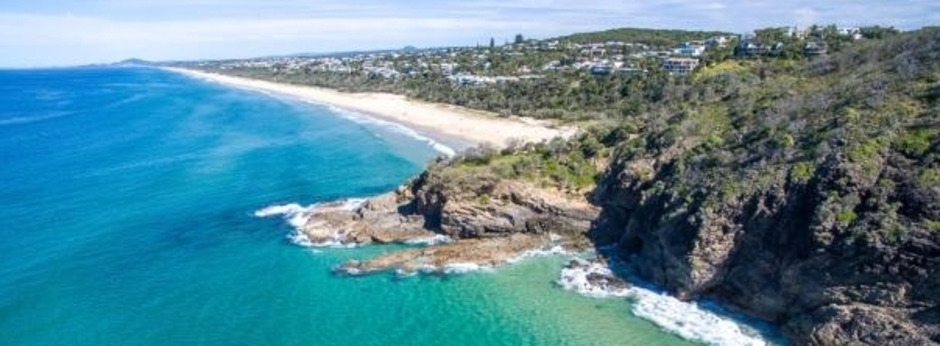
UNESCO Biosphere Reserve, inscribed 2007, in Australia. The Noosa Biosphere Reserve is in eastern Australia at the northern end of the south-east Queensland region. A combination of erosion, deposition of underlying geological formations, vegetation growth, sand erosion and aeolian transport has produced the area’s topography. The eastern part of the reserve comprises littoral rainforests, lake systems and coastal dune heaths. The western and north-western regions are mountainous, with elevations up to 450 metres. Inselbergs rising to 430 metres, such as Mount Cooroy, Mount Cooroora and Mount Cooran, dominate the western landscape. The reserve also features an extensive system of saline and freshwater lakes, heathlands and marshes.
- 77
UNESCO Biosphere Reserve, inscribed 2007, in China. The reserve is located in the Xingkai Lake basin on the Sanjiang Plain, bordering the Russian Federation along the Songacha River in the east and Daxingkai Lake in the south. Wetland and forest ecosystems are the main habitats and function like a vast reservoir, providing 16 billion cubic metres of water. The reserve holds a leading position in species diversity and abundance, and supports rare, endangered and relict species. It is known for its agricultural and industrial output. Ecotourism has been supported and promoted in recent years.
- 78
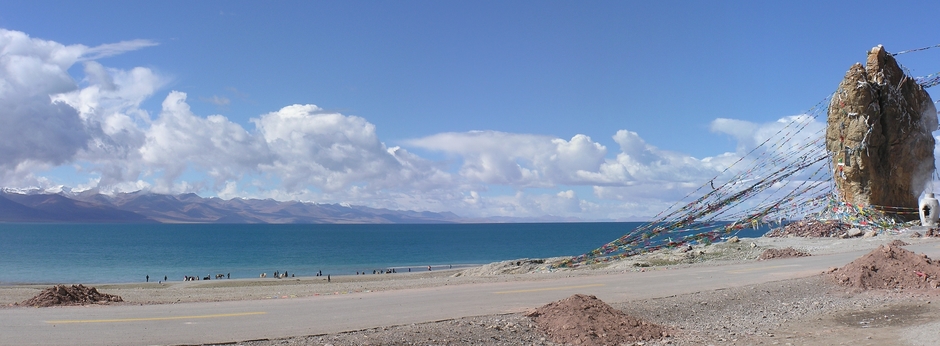
UNESCO Biosphere Reserve, inscribed 2009, in Viet Nam. The Cu Lao Cham–Hoi An Biosphere Reserve is located in central Viet Nam and consists of two core areas: the World Cultural Heritage Site of Hoi An and the Cu Lao Cham archipelago. The archipelago is renowned for marine species, including corals, molluscs, crustaceans and seaweed. The islands contain mountainous areas and rainforest ecosystems strongly influenced by seasonal monsoons. The Cultural World Heritage Site of Hoi An is an ancient trading port that bears witness to the fusion of Vietnamese and European cultures.
- 79
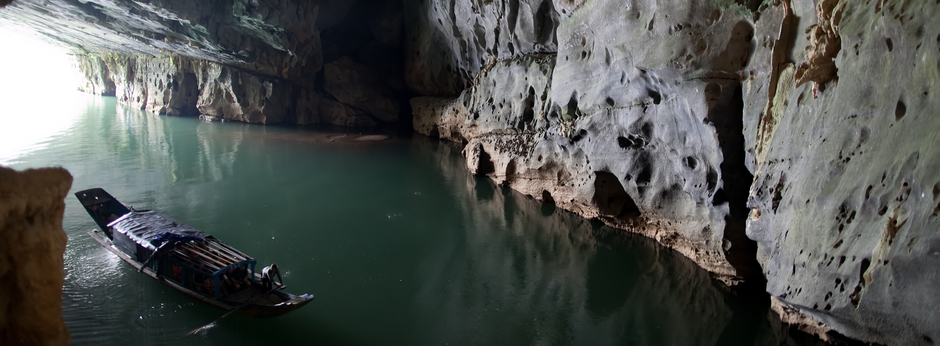
UNESCO Biosphere Reserve, inscribed 2009, in Indonesia. Bukit Batu is a peatland area in Sumatra that features sustainable timber production and two wildlife reserves. These reserves are home to the Sumatran tiger, elephant, tapir and sun bear. Research activities in the biosphere reserve include the monitoring of flagship species and in-depth study of peatland ecology. Initial studies indicate good potential for sustainable economic development that uses flora and fauna to support inhabitants’ economic welfare.
- 80
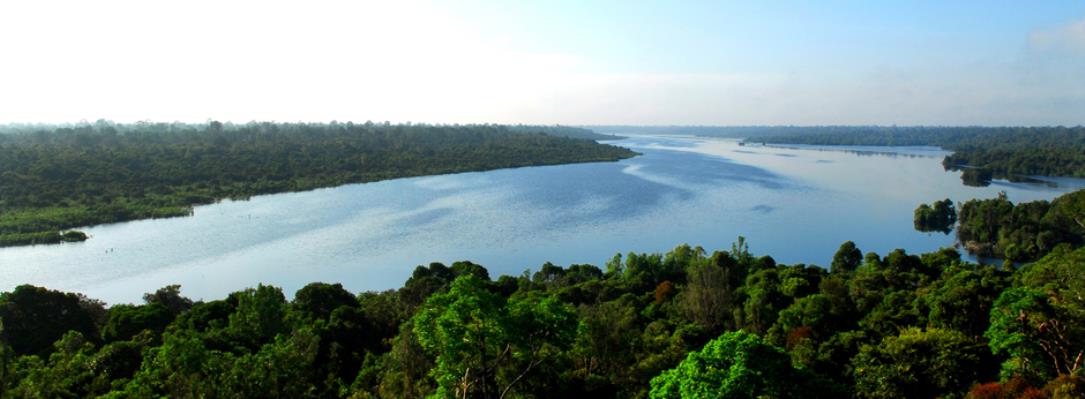
UNESCO Biosphere Reserve, inscribed 2009, in Australia. The Great Sandy biosphere reserve lies in the South East Queensland bioregion in eastern Australia. Renowned for its cultural and ecological significance, it contains the Great Sandy Strait, a Ramsar-listed wetland, and Fraser Island, a UNESCO World Heritage site. The reserve includes the largest sand island and coastal sand mass in the world.
- 81
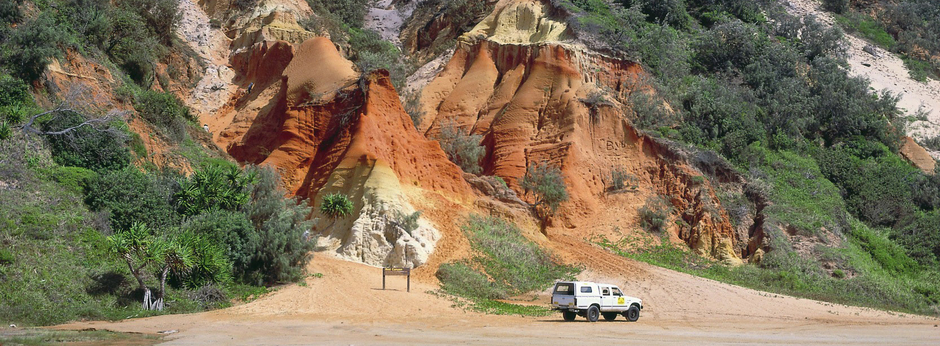
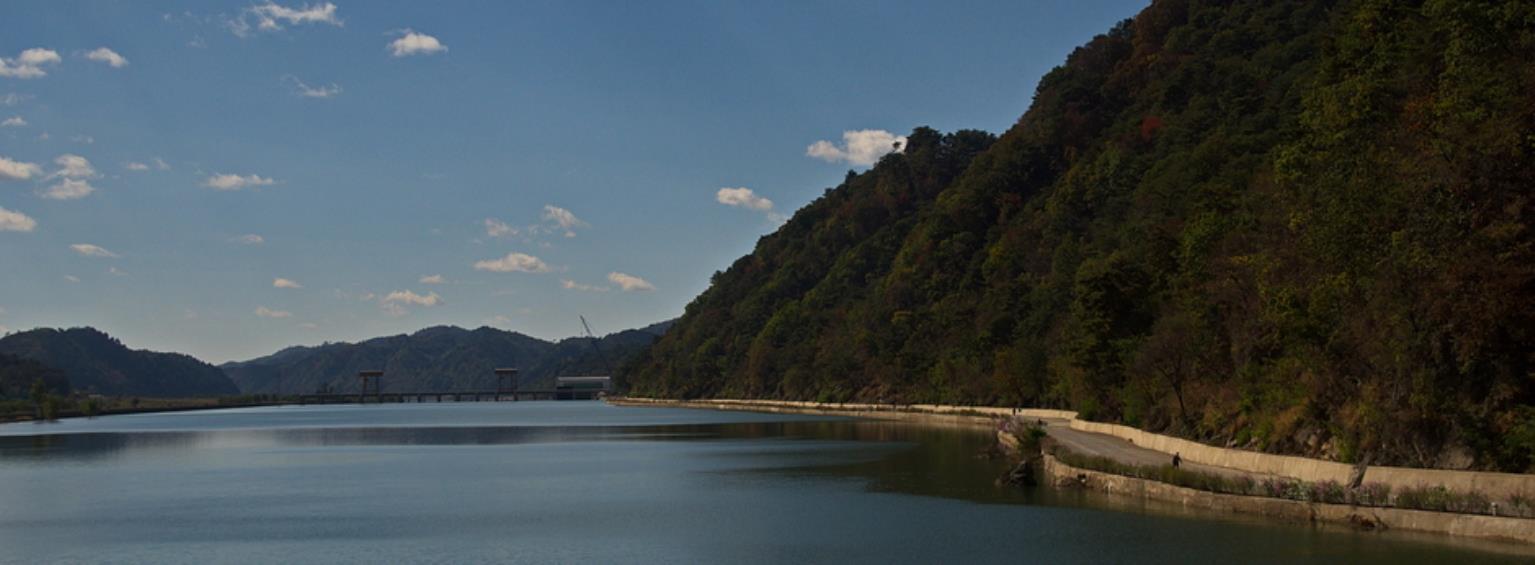
UNESCO Biosphere Reserve, inscribed 2009, in Democratic People's Republic of Korea. The Mount Myohyang Biosphere Reserve covers the mountain areas of the Myohyang and Jokyuryong ranges on the left bank of the River Chongchon. The Myohyang Mountains debouch from Mount Rangrim and stretch north-east and south-west along the border of South Phyongan Province, linking Piro Peak (1,909 m) almost to Mount Sobak (2,014 m).
- 82
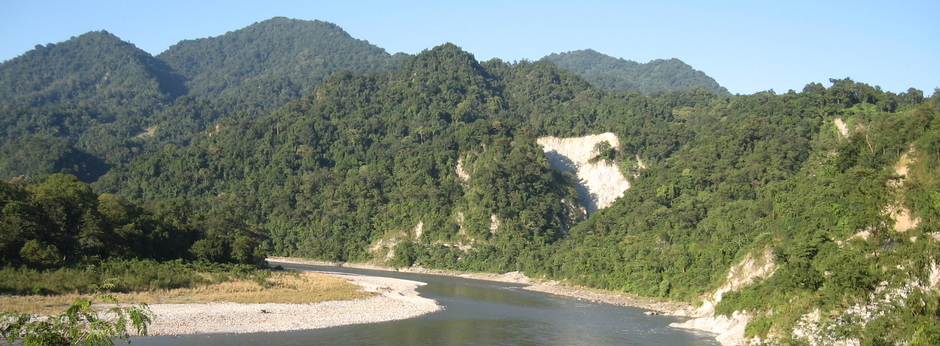
UNESCO Biosphere Reserve, inscribed 2009, in India. The Nokrek Biosphere Reserve is located in the north-east of India on the Tura Range, which forms part of the Meghalaya Plateau, with an average altitude of 600 metres. The entire area is mountainous, and Nokrek is the highest peak of the Garo Hills at 1,412 metres. The north of the reserve has gently undulating hills, while steep slopes characterise the south. The biosphere reserve contains major rivers and streams that form a perennial catchment system. Examples include the Ganol, Dareng and Simsang rivers, with the Simsang the longest and largest. The Simsang originates in the north of the biosphere reserve. The Dareng originates from the southern peaks. The Ganol flows westward into the Brahmaputra River, which supplies water to numerous towns.
- 83
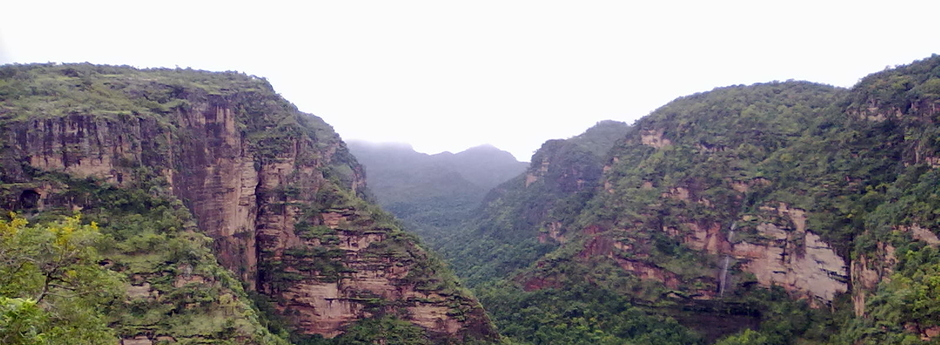
UNESCO Biosphere Reserve, inscribed 2009, in India. The Pachmarhi Biosphere Reserve is located in the biogeographical region of the Deccan Peninsula and the biotic province of central India. The Satpura mountain ranges cross India from west to east, and Pachmarhi lies at their centre. The highest peak is Dhoopgarh at 1,352 m above sea level, while the Pachmarhi hills have steep slopes in the northern regions. The eastern boundary of the biosphere reserve follows a road with cultivation farms close to the Dudhi River, and the southern boundary borders the Tawa plateau.
- 84
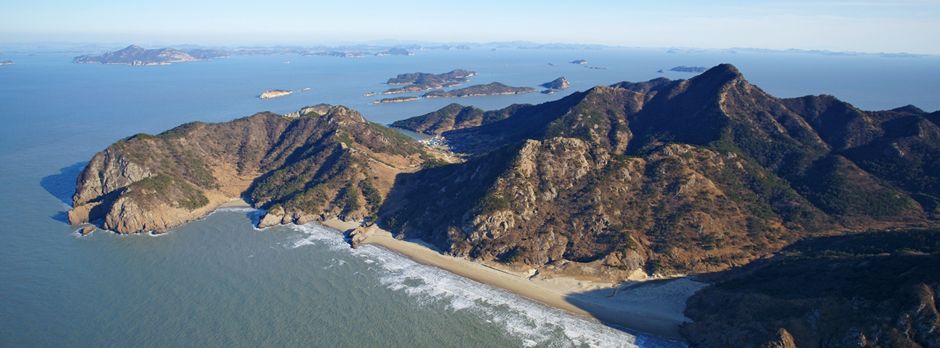
UNESCO Biosphere Reserve, inscribed 2009, in Republic of Korea. Shinan Dadohae is an island archipelago in the south-west of the Republic of Korea. It includes terrestrial and marine areas as well as large tidal flats that host diverse species and serve as resting places for rare migratory birds. Traditional forms of fishing, such as hand fishing, and salt production are still practised.
- 85
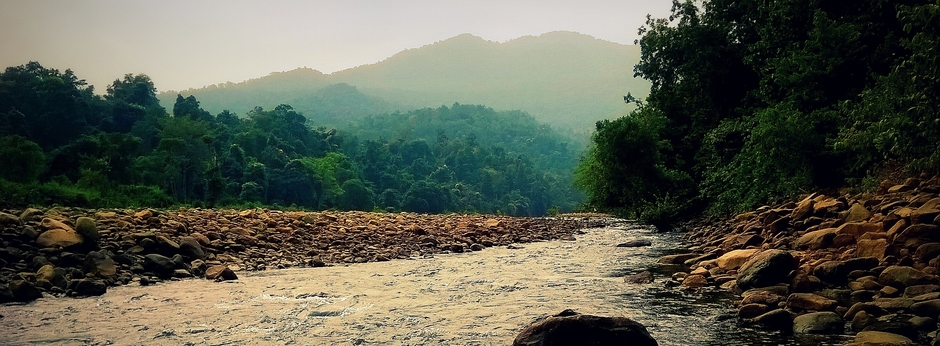
UNESCO Biosphere Reserve, inscribed 2009, in India. Located in north-east India, the Similipal Biosphere Reserve lies within two biogeographical regions: the Mahanadian east coastal region of the Oriental realm and the Chhotanagpur biotic province of the Deccan peninsular zone. Volcanic–sedimentary rocks occur in three concentric rings, accentuating the area’s geology. The highest peak in the Similipal hill range is Khairiburu at 1,168 m. Numerous waterfalls and perennial streams flow into major rivers, including the Budhabalang, Baitarani and Subarnarekha.
- 86
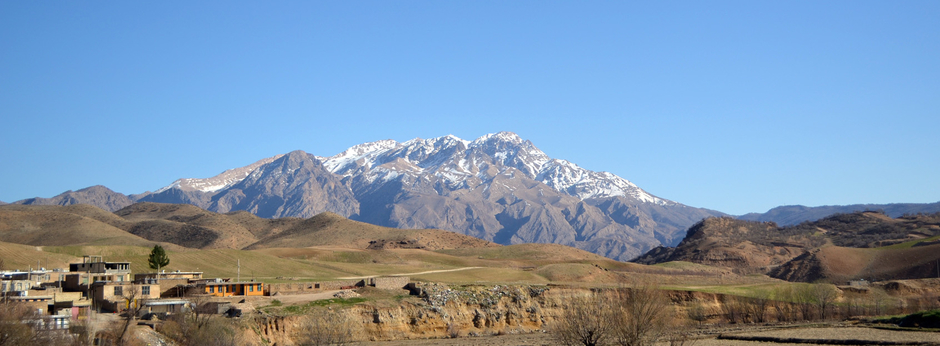
UNESCO Biosphere Reserve, inscribed 2010, in Iran (Islamic Republic of). Dena is home to a vast range of plant species and several endangered and endemic mammal species. Oak species dominate the highlands, while pistachio and almond are common at lower elevations.
- 87
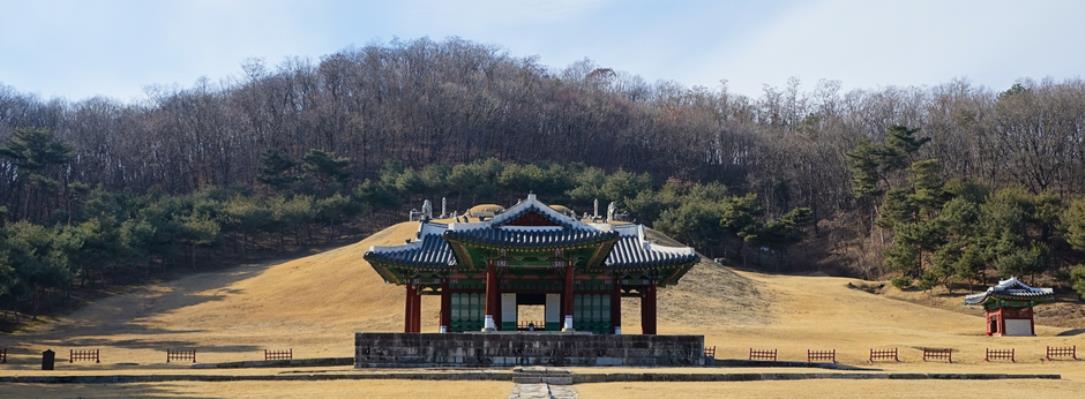
UNESCO Biosphere Reserve, inscribed 2010, in Republic of Korea. The central part of Gwangneung Forest is a basin divided into east and west by the Bongseonsacheon stream at about 100 m above sea level, flowing southward. The basin is open to the north, while the other sides are enclosed by mountain peaks and ridges. Owing to this geography, winter air temperatures here are lower than in nearby areas. In the eastern part of the forest, Mount Jugyeop, the highest peak at 600 m, is linked by a gentle ridgeline to Mount Unak and the Gwangneung royal tomb at the southern end of the ridge.
- 88
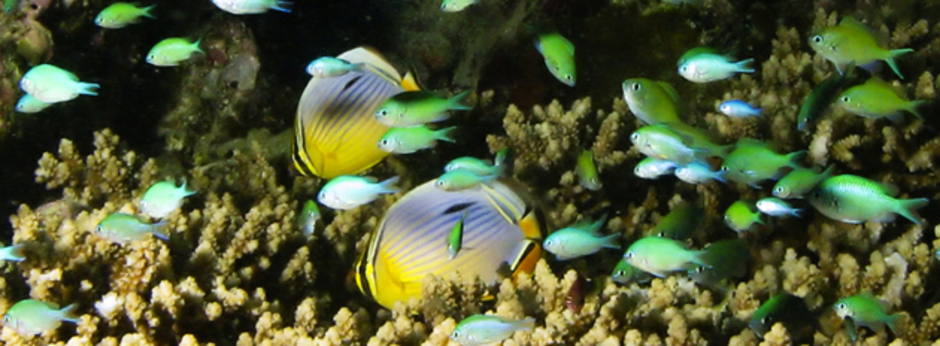
UNESCO Biosphere Reserve, inscribed 2011, in Maldives. The Baa Atoll Biosphere Reserve is in the central western Maldives in the Indian Ocean. The atoll lies just north of the Kashidhoo Kandhoo channel, which geographically divides the northern chain of atolls. It supports one of the largest groups of coral reefs in the Indian Ocean and acts as a stepping stone for the transport of planktonic larvae of reef organisms from the western and eastern Indian Ocean. The reserve is home to globally significant biodiversity across its numerous reefs and demonstrates a long history of human interaction with the environment.
- 89
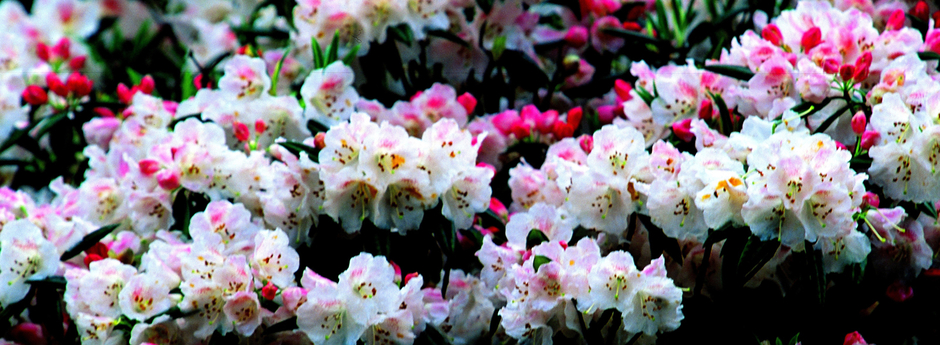
UNESCO Biosphere Reserve, inscribed 2011, in China. Mao’er Mountain Biosphere Reserve features a mountain landscape of exceptional scenic beauty, with peaks reaching over 2,000 m above sea level.
- 90
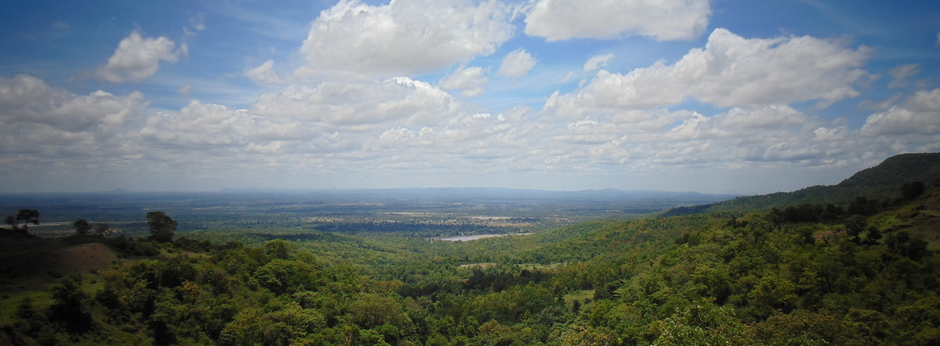
UNESCO Biosphere Reserve, inscribed 2012, in India. The Achanakmar–Amarkantak Biosphere Reserve is the most dramatic and ecologically diverse landscape in the states of Chhattisgarh and Madhya Pradesh, India. It is one of the less developed and least disturbed areas in both states, and it encompasses most of the original natural and cultural features.
- 91
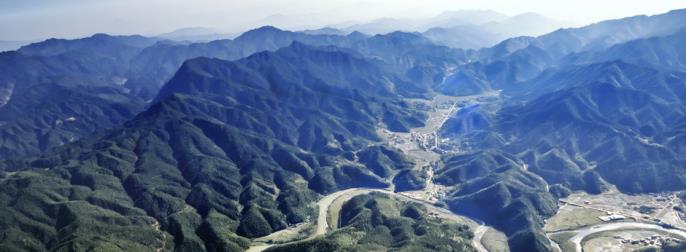
UNESCO Biosphere Reserve, inscribed 2012, in China. Jinggangshan Nature Reserve was established in 1981 as a provincial nature reserve and was reclassified as a National Nature Reserve in 2000. It has been incorporated as a China Biosphere Reserve and a China National Forestry Demonstration Nature Reserve and is one of the 35 zones listed in the China National Biodiversity Conservation Strategy and Action Plan. The reserve hosts distinctive, biodiverse primary broadleaf forests that support various local development initiatives.
- 92
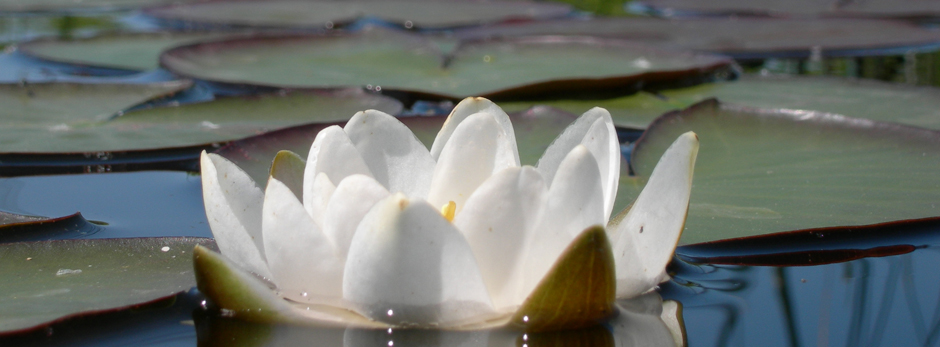
UNESCO Biosphere Reserve, inscribed 2012, in Kazakhstan. Korgalzhyn was Kazakhstan’s first biosphere reserve. Situated in the north central part of Kazakhstan, the site is a complex of freshwater and saline lakes embedded in the dry steppe zone of Eurasia. Environmental degradation caused by previously unsustainable management practices are now being addressed through a number of pilot projects.
- 93
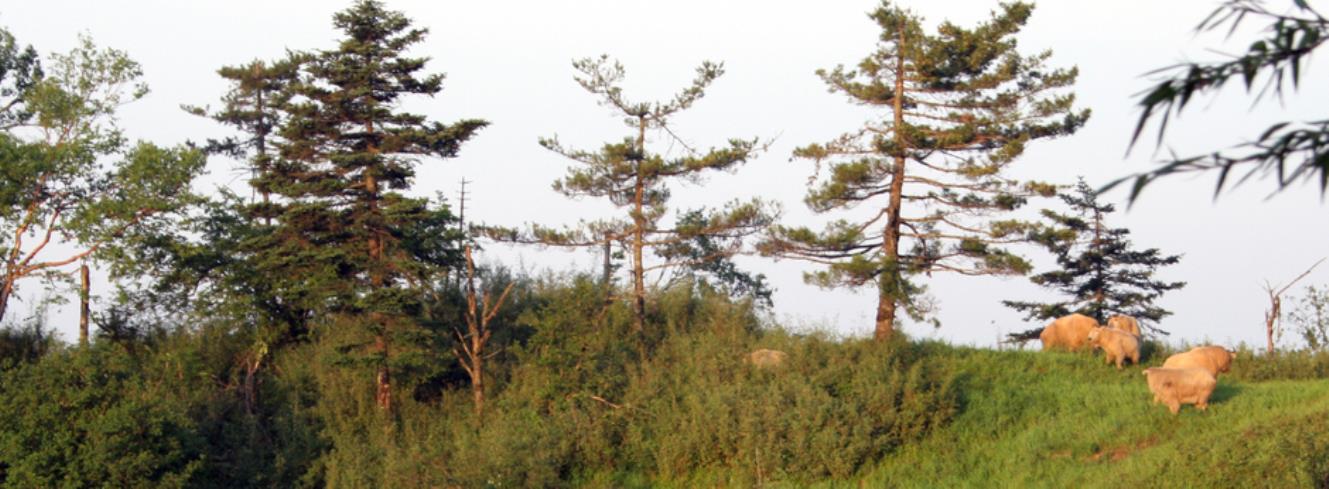
UNESCO Biosphere Reserve, inscribed 2012, in China. Niubeiliang Biosphere Reserve hosts typical representative fauna and flora for the Qinling Mountains. The relatively undisturbed natural forests have recorded the highest biodiversity in the eastern Qinling Mountains. Residents in the transition zone have developed innovative land-based industries in cooperation with research institutions, which are also active in scientific research and monitoring.
- 94
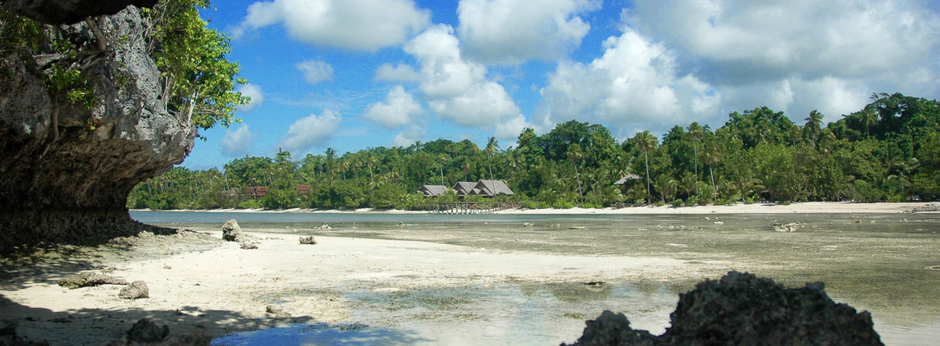
UNESCO Biosphere Reserve, inscribed 2012, in Indonesia. Wakatobi is an acronym for the four main islands of Wangi-Wangi, Kaledupa, Tomia and Binongko, which together with smaller islands comprise the Tukang Besi Archipelago at the south-eastern tip of Sulawesi. The archipelago is renowned for the diversity of its coral gardens. Wakatobi’s 3.4 million acres of islands and waters were declared a national park in 1996. The ethnically diverse human population aims to make the area a learning laboratory in fields such as fisheries and agriculture.
- 95
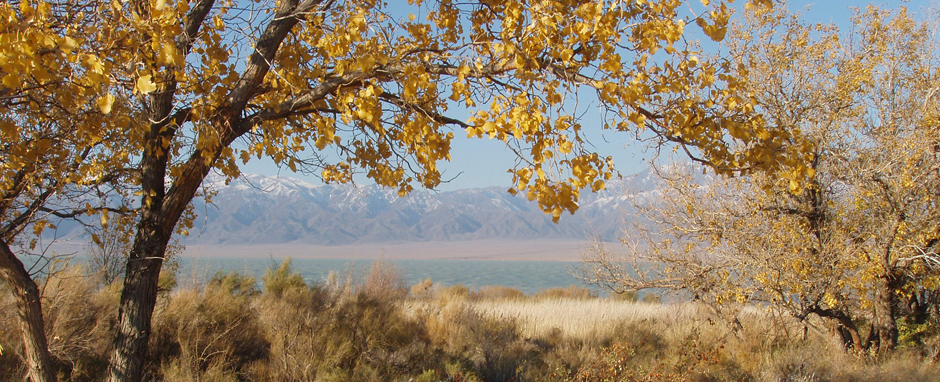
UNESCO Biosphere Reserve, inscribed 2013, in Kazakhstan. The Alakol biosphere reserve covers 193 089 hectares. It is located in the desert zone of Eurasia in the central part of the Alakol inter-mountain depression and lies on the Central Asian–Indian bird migration route. The wetlands of the reserve are of global significance as a habitat and as a nesting site for water birds.
- 96
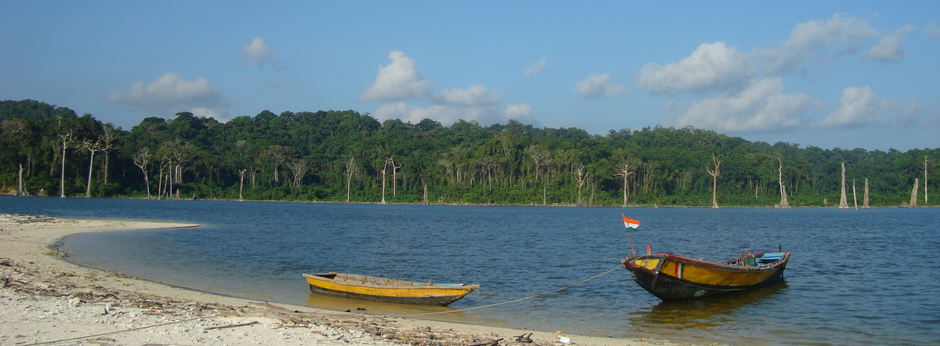
UNESCO Biosphere Reserve, inscribed 2013, in India. Great Nicobar is the southernmost island of the Nicobar Islands archipelago. It covers 103,870 ha of tropical evergreen forest ecosystems. The island hosts rich biodiversity, including around 650 species of angiosperms, ferns, gymnosperms and bryophytes, among others. In terms of fauna, over 1,800 species are recorded, some endemic to the area.
- 97
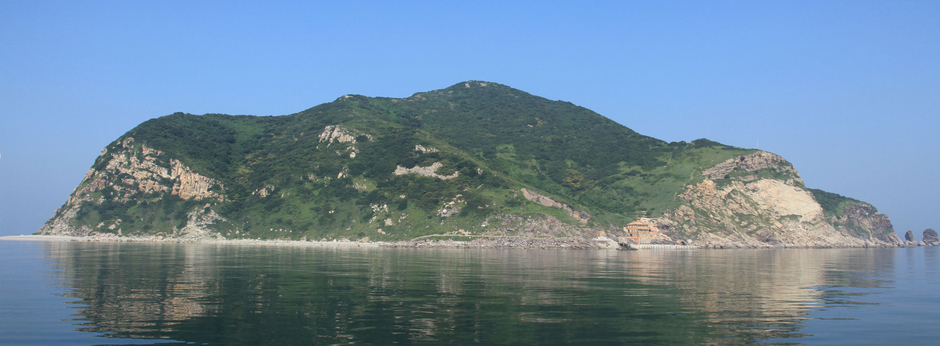
UNESCO Biosphere Reserve, inscribed 2013, in China. The Snake Island–Laotie Mountain Biosphere Reserve is in the western part of Dalian’s Lushunkou District and covers a total area of 9,072 ha. Its primary targets for protection are Agkistrodon shedaoensis, migratory birds and ecological environments.
- 98
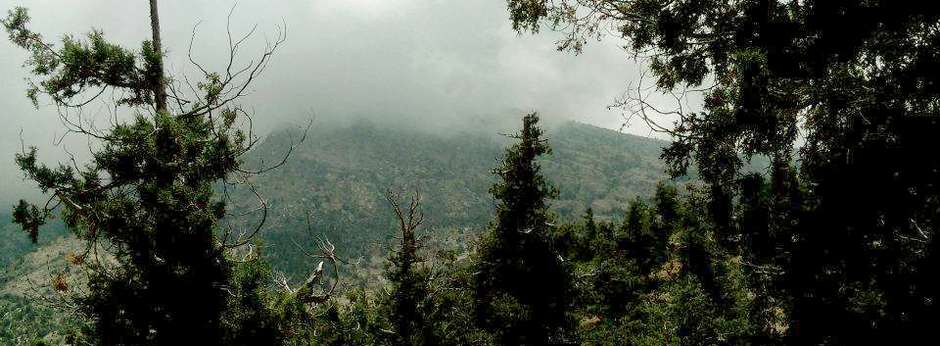
UNESCO Biosphere Reserve, inscribed 2013, in Pakistan. Pakistan’s largest juniper forest is located in this reserve. The forest ecosystem is of inestimable value for biodiversity conservation. It is also of great ecological significance, providing local, regional and global benefits.
- 99
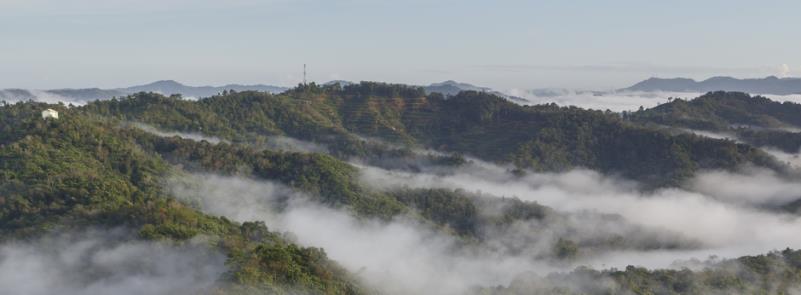
UNESCO Biosphere Reserve, inscribed 2014, in Malaysia. Situated south of the World Heritage Site Mount Kinabalu, the Crocker Range Biosphere Reserve forms a chain of mountains with no distinct peaks in western Sabah. The rocky topography consists of mountains, hills and small basins dissected by deep river valleys. Elevation ranges from 6 m to 2,076 m above sea level. The area receives around 3,000 mm of precipitation per year and is home to a wide array of endangered species. The biosphere reserve encompasses rich biodiversity and a tropical hill–montane landscape.
- 100
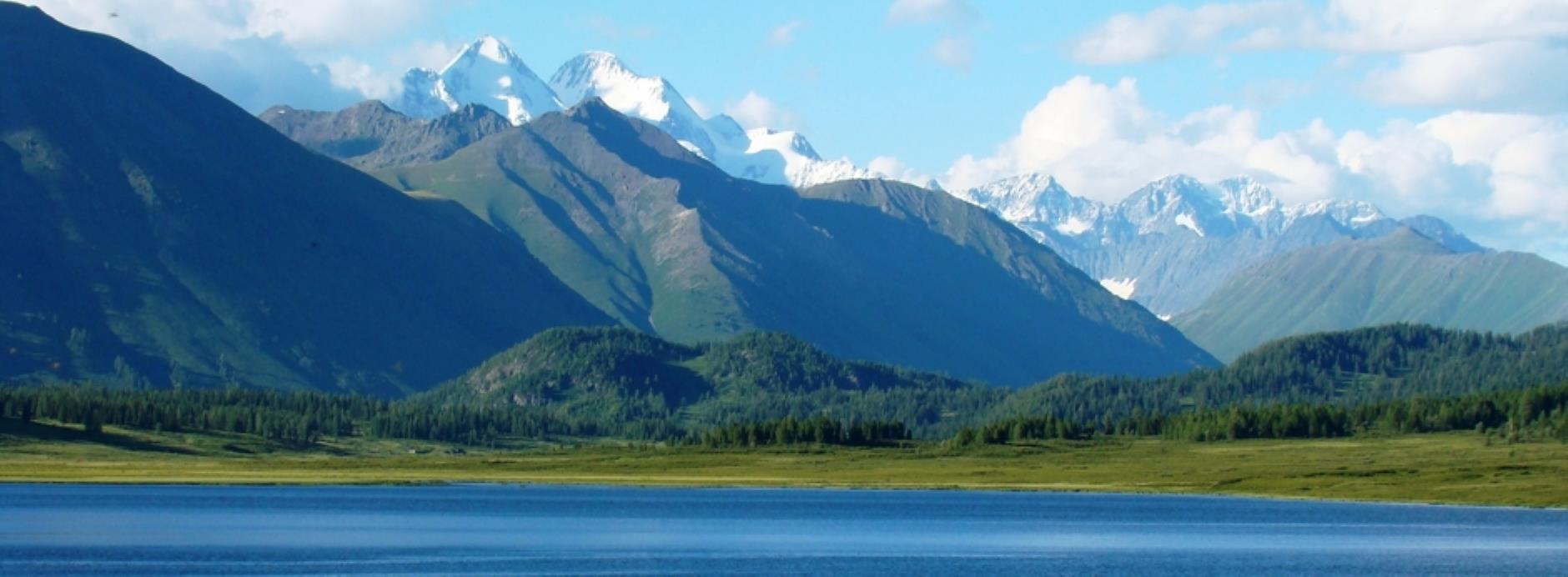
UNESCO Biosphere Reserve, inscribed 2014, in Kazakhstan. This reserve comprises the Katunskiy Biosphere Reserve (Russian Federation, designated in 2000) and the Katon-Karagay Biosphere Reserve (Kazakhstan, designated in 2014). With a total area of over 1.5 million ha, the territory is used for livestock rearing and grazing, red deer farming, fodder production and apiculture. Tourism, hunting, fishing and the collection of non-timber forest products are also widespread.
- 101
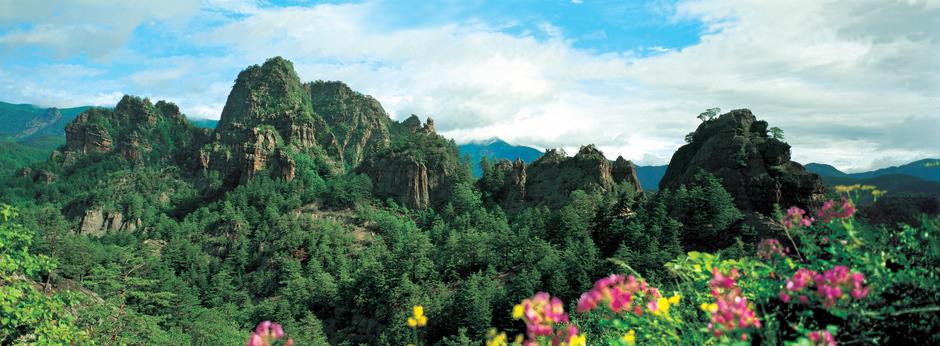
UNESCO Biosphere Reserve, inscribed 2014, in Democratic People's Republic of Korea. The Mount Chilbo Biosphere Reserve forms part of the Great Paektu Mountain Range, created on the eastern coast of the Korean Peninsula by fault movement and volcanic eruption during the late Neogene and early Quaternary period. The mountains range from 700 m to 1,103 m, creating a mid-altitudinal landscape. The Chilbo Stream flows through the Mount Chilbo Biosphere Reserve. Mount Chilbo holds significant cultural heritage, notably Kaesim Temple (built in 826) and ten other State Natural Monuments. The biosphere reserve covers 50,340 ha, with its highest elevation at 1,103 m above sea level and the lowest at 13 m. Primary protection targets include the Korean mushroom (Tricholoma matsutake) and its ecological environments.
- 102
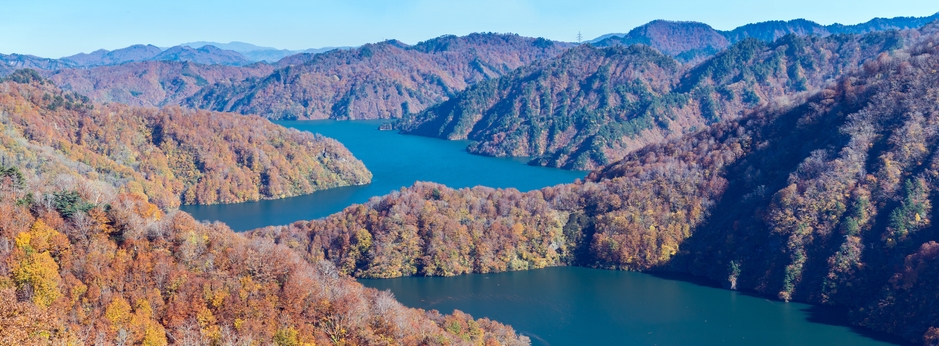
UNESCO Biosphere Reserve, inscribed 2014, in Japan. Almost the entire area of the Tadami Biosphere Reserve is mountainous at around 1,500 m above sea level, with a maximum altitude of 1,819.9 m and a minimum of 350 m. This excludes the basins of the Tadami River and its tributary, the Ina River. Steep massifs are found in the southern and western parts, while the northern mountains have slopes shaved by avalanches and exposed bedrock. In this complex topography, mosaic vegetation forms as plant communities adapt to each habitat. As the Tadami Biosphere Reserve lies within the Japan Sea climatic area, it has a humid subtropical climate.
- 103
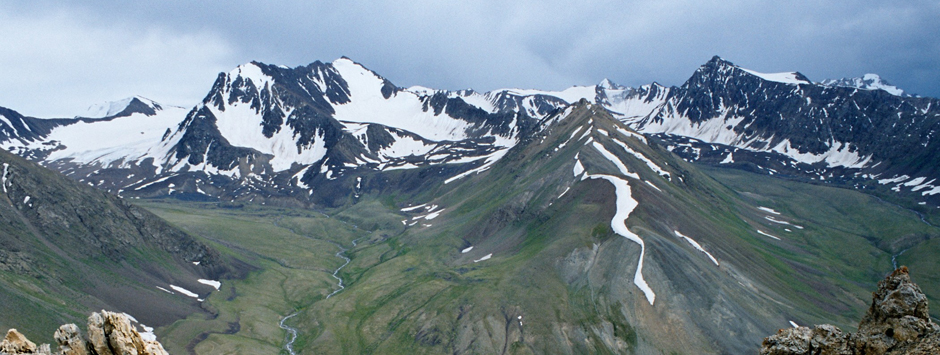
UNESCO Biosphere Reserve, inscribed 2015, in Kazakhstan. The Aksu-Zhabagly Biosphere Reserve is located in the north-west of Talasskiy Alatau and the south of Karatau in the West Tien Shan. It is home to 48 per cent of regional bird species, 72.5 per cent of vertebrates, 221 of 254 fungi species, 63 of 80 moss species, 15 of 17 vegetation types, and 114 of 180 plant formations found in the West Tien Shan. Approximately 2,500 insect species have been recorded in the reserve. The principal form of land use in the region is agriculture. Cereal crops such as wheat and barley are grown on rain-fed areas, and forage crops including corn, clover and alfalfa are grown on irrigated arable land. Local inhabitants breed cattle, sheep (South-Kazakh Merino), goats and horses (including trotters and the Donskaya breed), as well as poultry such as chicken and turkey.
- 104
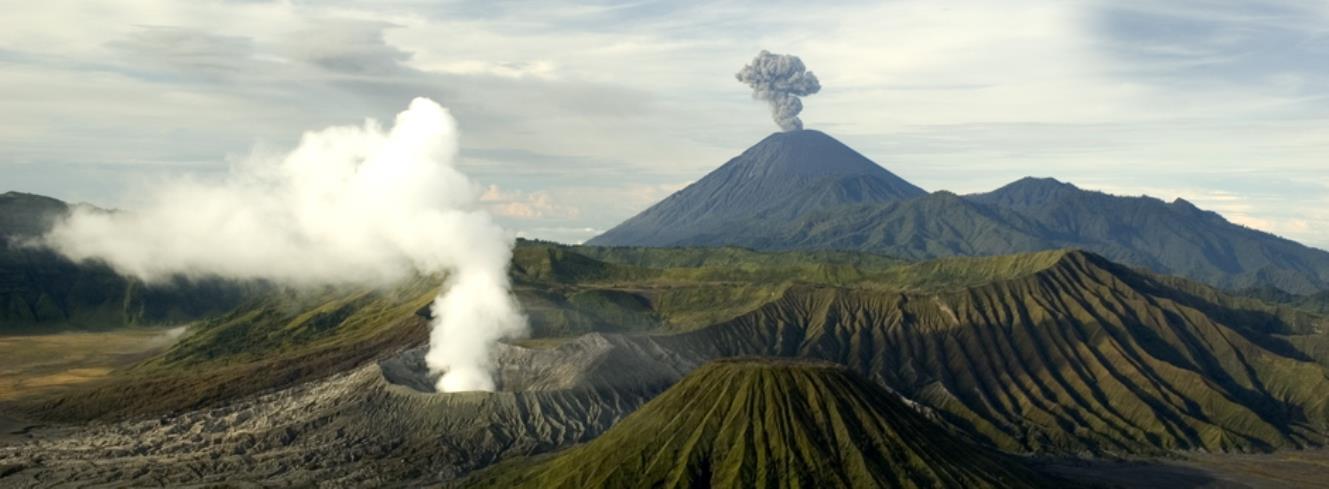
UNESCO Biosphere Reserve, inscribed 2015, in Indonesia. The Bromo Tengger Semeru-Arjuno Biosphere Reserve is located in the province of East Java and encompasses an active volcano, Mount Bromo at 2,392 m above sea level. There are 1,025 reported species of flora, of which 226 species are orchids and 260 are medicinal and ornamental plants. Plant families commonly found in this area include Fagaceae, Moraceae and Anacardiaceae. Some of the mammal species found in the core area are included in the IUCN Red List of Threatened Species. Livestock farming of cattle, goats, sheep, horses, rabbits and chickens contributes to the local economy. The main economic activity is tourism.
- 105
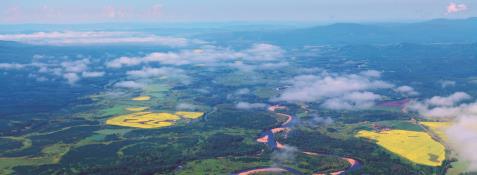
UNESCO Biosphere Reserve, inscribed 2015, in China. The Hanma Biosphere Reserve encompasses a significant part of the boreal forest, or taiga, found in China. The reserve covers a range of forest and wetland ecosystems rich in biological diversity, including many endangered and rare species. Human ecological disturbance is minimal, resulting in abundant natural resources and high-quality local vegetation and ecology. The cold-temperate coniferous forest is among the best-preserved forest systems in China and is of significant scientific value. Local wetlands include swamps dominated by Larix gmelinii and wetlands dominated by Carex. They have retained their original natural landscapes and wetland functions. The biosphere reserve plays an important role in protecting water and rare wildlife resources, ensuring water purification and maintaining the ecological balance of the Heilongjiang area and the Jiliuhe River.
- 106
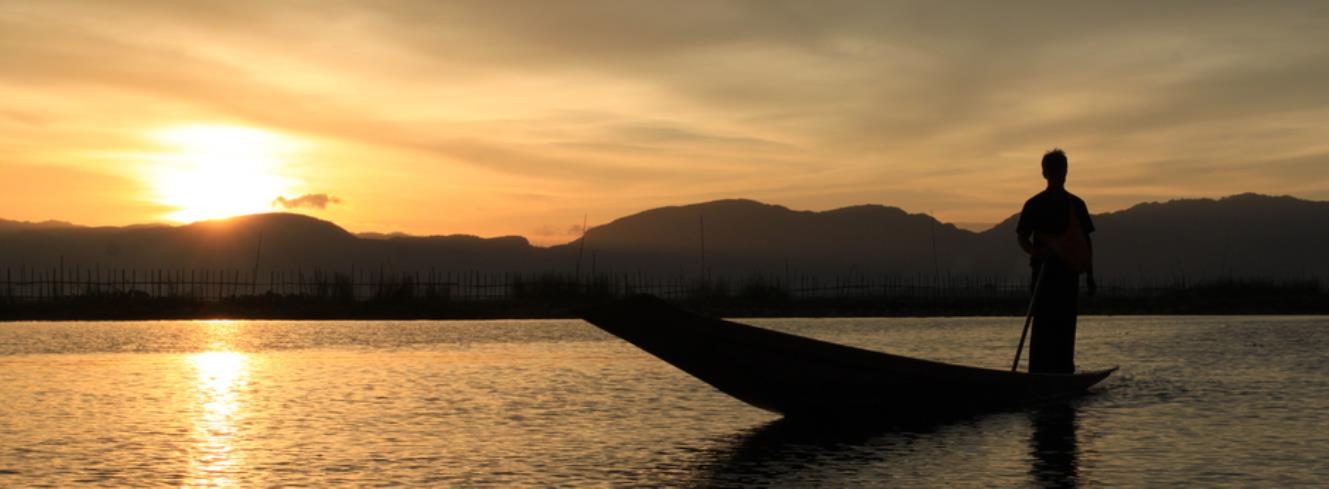
UNESCO Biosphere Reserve, inscribed 2015, in Myanmar. The Inlay Lake Biosphere Reserve is located in Taunggyi District, Southern Shan State. Inlay Lake is a freshwater lake and reportedly the second-largest inland lake in Myanmar. The Inlay Lake wetland ecosystem is home to 267 species of birds, of which 82 are wetland birds, and 43 species of freshwater fish, as well as otters and turtles. In addition, freshwater fish from the inland wetland constitute the major protein source for the people of Inlay. The reserve hosts diverse flora and fauna, and the lake is reported to be the nesting place for the globally endangered sarus crane (Grus antigone). Inlay Lake is also notable for the socio-cultural traditions of the local inhabitants, who have adapted their lifestyle and livelihoods to their biophysical environment. The majority earn their income from traditional methods of hydroponic farming, fishing and shifting cultivation. Farmers from one of the dominant ethnic groups in the Inlay Lake region, the Inthas, practise floating island agriculture, locally known as “Yechan”, a form of hydroponic farming.
- 107
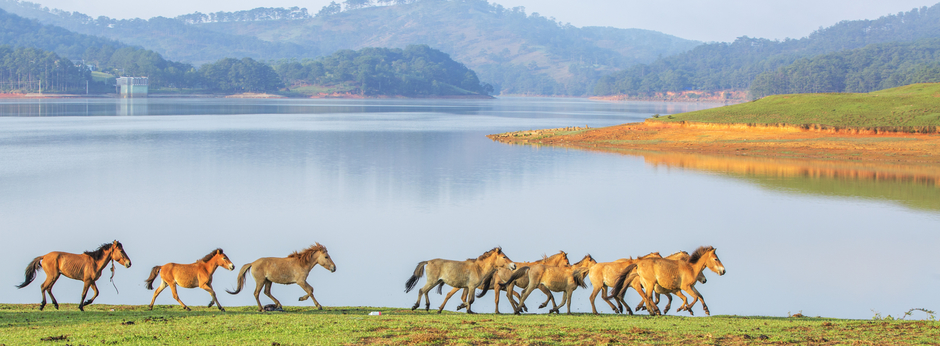
UNESCO Biosphere Reserve, inscribed 2015, in Viet Nam. The Langbiang Biosphere Reserve is located in Lam Dong Province. Regional biodiversity is high and includes many endangered species listed on international red lists. The core area contains a biodiversity corridor that maintains the integrity of 14 tropical ecosystems in the east of southern Viet Nam and across Viet Nam in general. It also provides habitat for numerous wildlife species, including several classified as rare and endangered, such as the sun bear (Helarctos malayanus). Agriculture, forestry and fishery are the main sources of employment for local communities. Among cultivated crops, flowers, coffee and tea generate the strongest regional revenue.
- 108
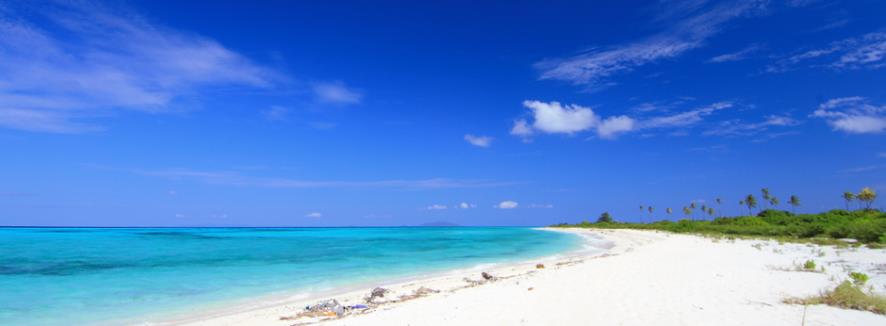
UNESCO Biosphere Reserve, inscribed 2015, in Indonesia. Taka Bonerate–Kepulauan Selayar Biosphere Reserve is located in the south of Sulawesi, in South Sulawesi Province (Selayar Islands Regency). It covers a large marine area with small islands, numerous fringing reefs and atolls. Mangrove forests act as a barrier against strong sea waves and provide shelter and spawning grounds for various fish, as well as habitat for fauna such as birds. The mangroves include 22–26 species from 14 families, including Rhizophora stylosa and Ceriops tagal. Protected and threatened animals found at the site include softshell turtles (family Trionychidae), the green turtle (Chelonia mydas) and the napoleon fish (Cheilinus undulatus).
- 109
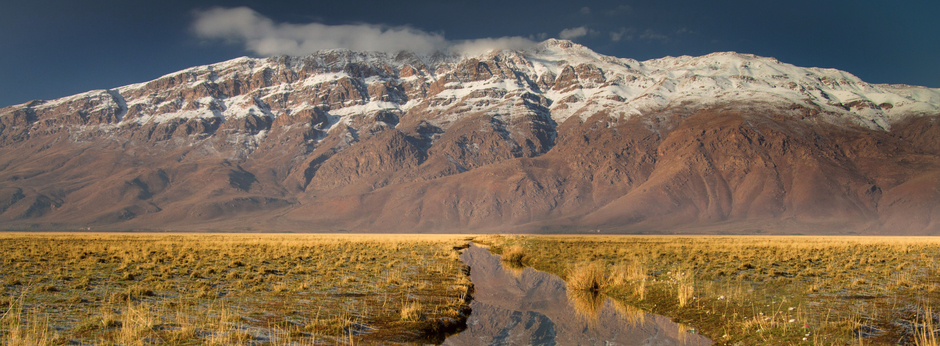
UNESCO Biosphere Reserve, inscribed 2015, in Iran (Islamic Republic of). The Tang-e-Sayad & Sabzkuh Biosphere Reserve is located in the south-east of Chahar-mahal and Bakhtiari province in the Islamic Republic of Iran. Land subsidence, geological activity and melting ice caps have formed several wetlands in the area, which are inhabited by rare fauna such as the wildcat (Felis silvestris) and the lebetine viper (Vipera lebetina). Research shows that 22 fish species are found in the Karun River, including the pike barb (Esox niger) and the Mesopotamian catfish (Silurus triostegus). The river runs through the area. During the cold season, bushlands in the area welcome migratory birds such as the white stork (Ciconia ciconia) and the greater flamingo (Phoenicopterus roseus).
- 110
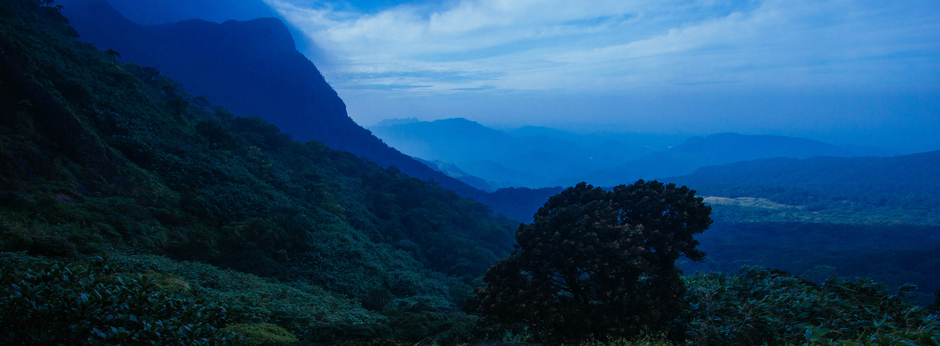
UNESCO Biosphere Reserve, inscribed 2016, in India. Located in the Western Ghats in southern India, the Agasthyamala Biosphere Reserve has peaks reaching 1,868 m above sea level. Consisting mostly of tropical forest, the site is home to 2,254 species of higher plants, including about 405 that are endemic. It is also a unique genetic reservoir of cultivated plants, particularly cardamom, jamun, nutmeg, pepper and plantain. Three wildlife sanctuaries, Shendurney, Peppara and Neyyar, are located within the site, as well as the Kalakad Mundanthurai Tiger Reserve. There are a number of tribal settlements in the biosphere reserve that rely largely on biological resources for sustenance, although recent projects have been set up to reduce dependence on the forests.
- 111
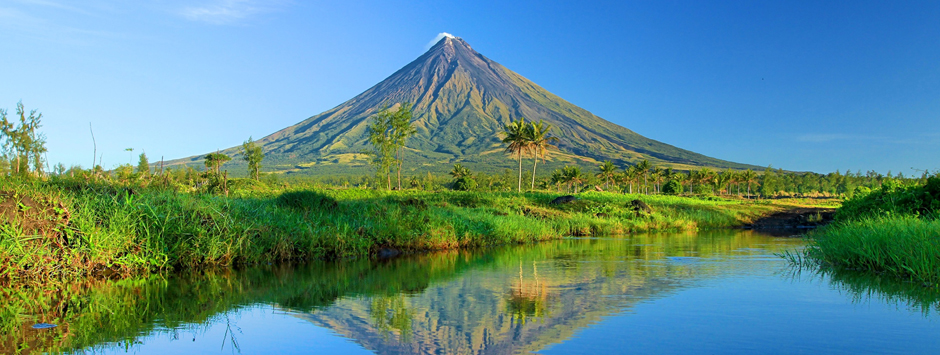
UNESCO Biosphere Reserve, inscribed 2016, in Philippines. The Albay Biosphere Reserve is at the southern end of Luzon Island in the Philippines and covers about 250,000 ha. Terrestrial elevation culminates at 2,462 m, and the marine area reaches a depth of 223 m below sea level. The site has high conservation value, notably with 182 terrestrial plant species, 46 of which are endemic. Its marine and coastal ecosystems contain 12 mangrove species, 40 species of seaweed or macroalgae, and 10 species of seagrass. Five of the world’s seven marine turtle species are also found in Albay. Agriculture is the main source of income in the area.
- 112
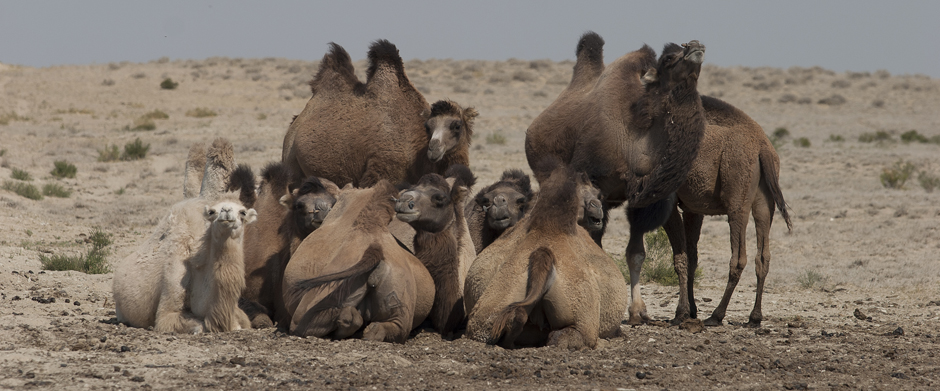
UNESCO Biosphere Reserve, inscribed 2016, in Kazakhstan. The Barsakelmes Biosphere Reserve is located in the Sahara–Gobi Desert zone of the Aral Sea basin. The Aral Sea region is a priority area for wetland conservation, with several bird migration routes converging over the region. The territory of the biosphere reserve is a valuable site for the preservation of biodiversity in the Aral Sea, which includes approximately 2,000 species of invertebrates, 30 mammal species, 178 bird species and 20 reptile species. The reserve also encompasses four archaeological sites that form part of the nomadic Kazakh heritage of the Silk Roads.
- 113
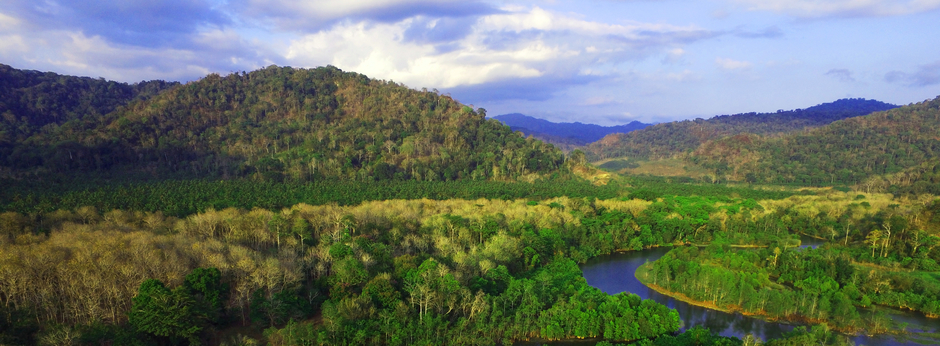
UNESCO Biosphere Reserve, inscribed 2016, in Indonesia. The Belambangan Biosphere Reserve is located in East Java Province and incorporates three national parks, Alas Purwo, Baluran and Meru, and one nature reserve, Kawah Ijen. The reserve comprises terrestrial and marine ecosystems featuring karst landscapes and savannah. It includes different forest types, notably alpine and subalpine, upper, dry and lower montane, lowland, coastal and mangrove. The site also features seagrass beds and coral reefs. The main economic activities are agriculture and horticulture, as well as agroforestry, notably teak and mahogany.
- 114
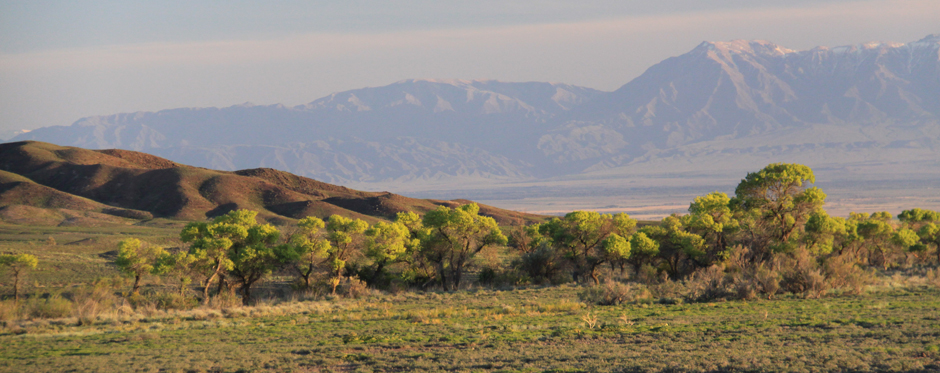
UNESCO Biosphere Reserve, inscribed 2017, in Kazakhstan. This biosphere reserve corresponds to the Altyn Emel State National Nature Park, one of the country’s protected areas and an important site for conserving the region’s biological diversity. It includes a large number of endemic plants. The site comprises deserts, riparian forests and floodplains of the Ili River, deciduous and spruce forests, as well as salt marshes. Residents live mainly from agriculture and cattle rearing, as well as ecotourism and recreational tourism.
- 115
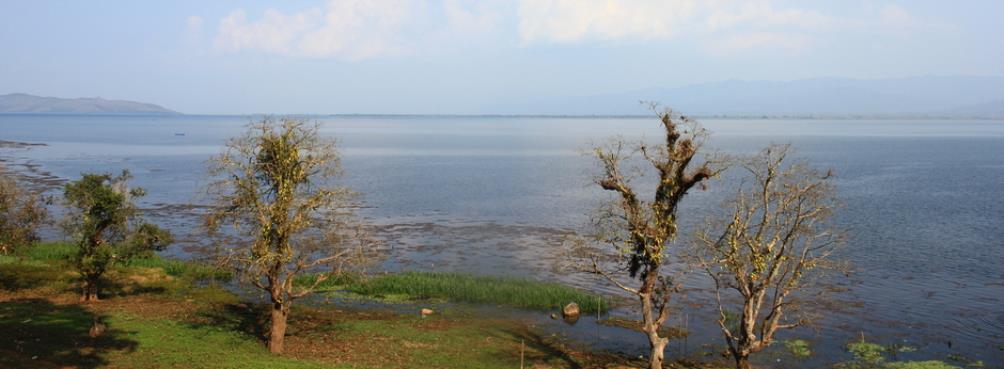
UNESCO Biosphere Reserve, inscribed 2017, in Myanmar. Indawgyi Lake is the largest freshwater lake in Myanmar. The site consists of a large open lake, floating vegetation, swamp forest and seasonally flooded grasslands. The hills surrounding the lake are covered by subtropical moist broadleaf forests that harbour threatened forest birds and mammals, including primates. The local population derives most of its income from farmlands bordering the lake.
- 116
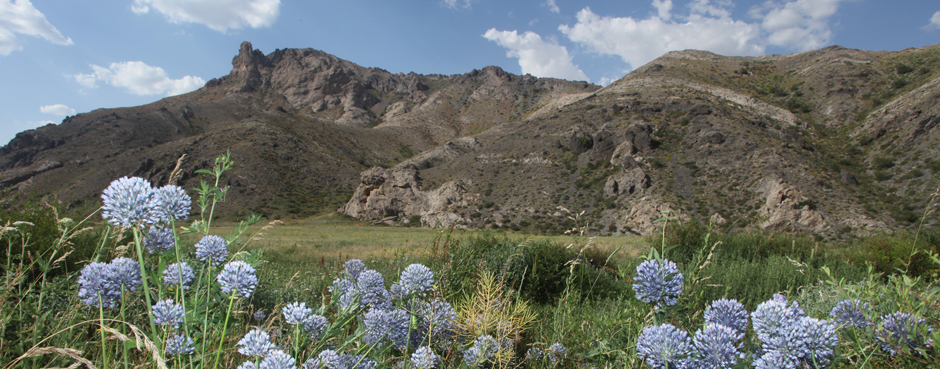
UNESCO Biosphere Reserve, inscribed 2017, in Kazakhstan. Karatau is located in the central part of the Karatau ridge, a branch of the north-western Tien Shan, one of the world’s largest mountain ranges. With a total area of 151,800 ha, the reserve is an extremely important natural complex for the conservation of West Tien Shan biodiversity. By the number of its endemic species, Karatau ranks first among Central Asian regions. The regional economy is mostly based on cattle rearing, agriculture, ecotourism and recreational tourism.
- 117
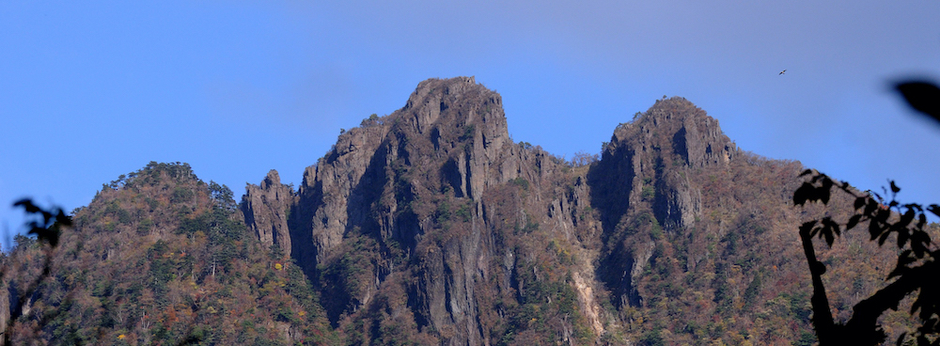
UNESCO Biosphere Reserve, inscribed 2017, in Japan. This site, part of the Sobo–Katamuki–Okue mountain range, is characterised by steep mountains. Forests cover 85 per cent of this site. The use of forest resources, including wood production, shiitake mushroom cultivation and coal production, has remained sustainable. Owing to high forest biodiversity, research on fauna and flora in the mountain range has long been conducted, and the area has become an important base for biodiversity in the region.
- 118
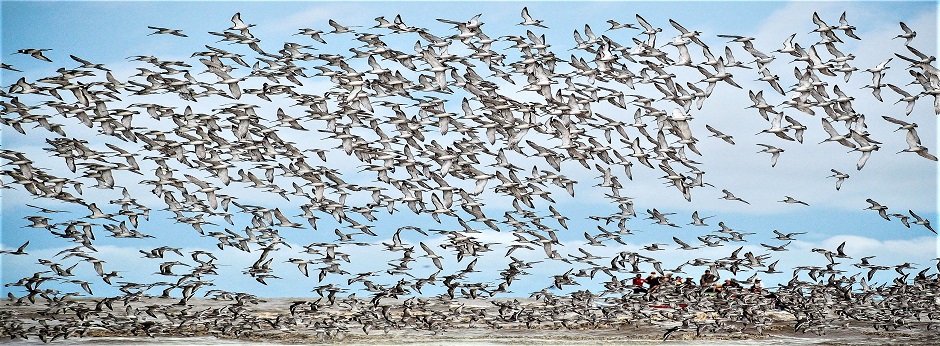
UNESCO Biosphere Reserve, inscribed 2018, in Indonesia. Located on the south-east coast of Sumatra, this biosphere reserve includes Berbak and Sembilang National Parks as well as two wildlife reserves. It contains undisturbed swamp-forest peat ecosystems, freshwater swamp forests and mangroves, and lowland forests surrounding riverbanks, with swamps reaching depths of up to 10 metres. Palm oil plantations, rubber, traditional agriculture, including rice and dry fields, and timber are the main economic activities.
- 119
UNESCO Biosphere Reserve, inscribed 2018, in Indonesia. Located at the eastern tip of Kalimantan Barat Province on the island of Borneo, the biosphere reserve consists of the two national parks of Betung Kerihun and Danau Sentarum. It features unique lowland and montane tropical rainforests that are home to a great diversity of flora and fauna.
- 120
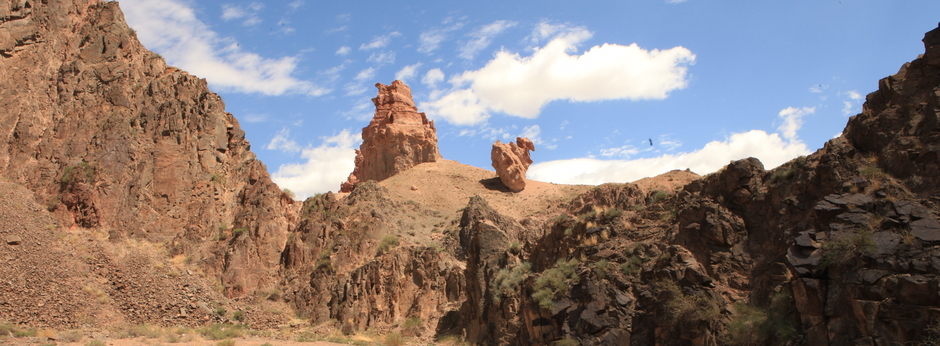
UNESCO Biosphere Reserve, inscribed 2018, in Kazakhstan. Situated in the inter-montane basin of Ili, in the southeast of Kazakhstan, this biosphere reserve unites the canyon-like valley of the Charyn river with relict ash forest, deserts and steppes typical of Central Asia. The floristic diversity includes some 1,000 species of higher vascular plants. The fauna is rich and diverse. While agriculture has long been the main economic activity in the region, tourism has been developing for several years alongside cattle breeding and horticulture.
- 121
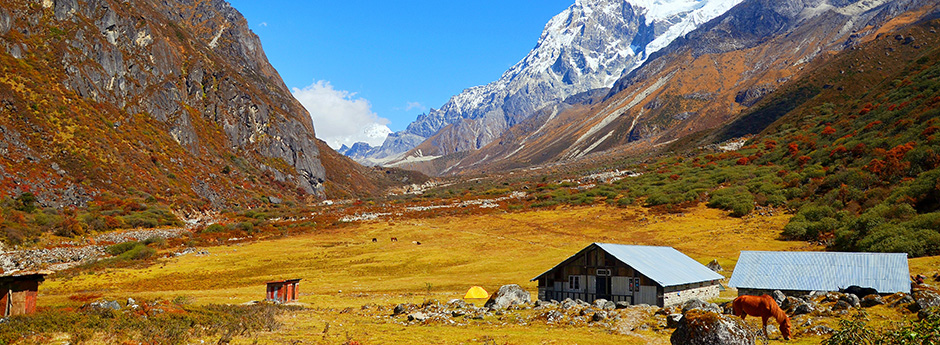
UNESCO Biosphere Reserve, inscribed 2018, in India. Located in the state of Sikkim, bordering Nepal to the west and Tibet, China, to the north-west, this biosphere reserve encompasses one of the highest ecosystems in the world, with elevations from 1,220 to 8,586 metres above sea level. It lies within one of the world’s 34 biodiversity hotspots. Vast natural forests support high species diversity with notable endemism. The main economic activities are agriculture and horticulture, along with animal husbandry, and fish, dairy and poultry farming.
- 122
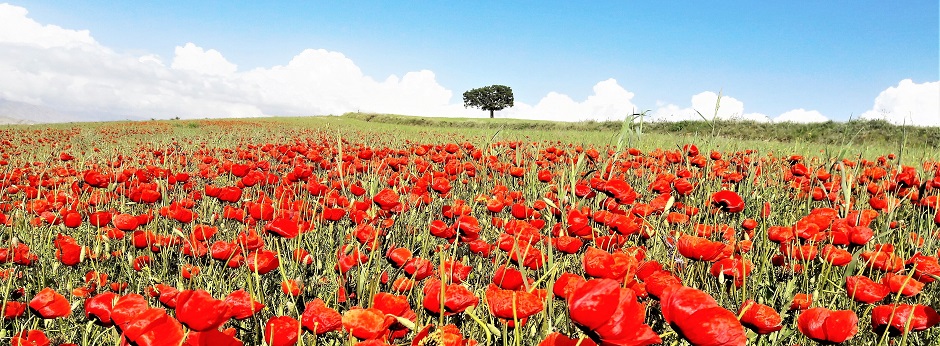
UNESCO Biosphere Reserve, inscribed 2018, in Iran (Islamic Republic of). The biosphere reserve covers part of the Kopet Dag mountain range along the Islamic Republic of Iran’s border with Turkmenistan. The ecological region of Kopet Dag is an important part of the Irano-Anatolian biodiversity hotspot. Its primary function is the conservation of many of the endangered species in this area. The main economic activities are agriculture and livestock.
- 123
UNESCO Biosphere Reserve, inscribed 2018, in China. This biosphere reserve is located in south-east China. It has been a World Heritage site since 1990 and harbours a forest ecosystem almost unchanged since the last glacial period. Mount Huangshan has been a sanctuary for many ancient animal and plant species since the Quaternary glacial period. The area serves as an important germplasm bank and a hotspot for animal and plant biodiversity. This biosphere reserve is also an important water source for the Xin’An, Qing Yi and Qiupu river systems.
- 124
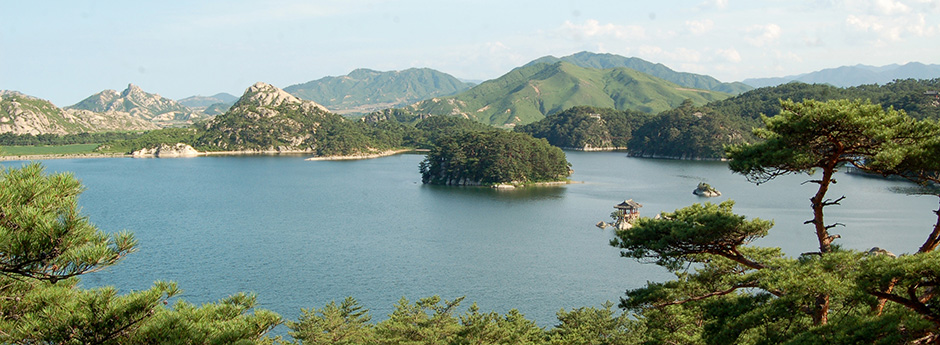
UNESCO Biosphere Reserve, inscribed 2018, in Democratic People's Republic of Korea. The biosphere reserve lies in the middle of the Great Paektu Mountain Range in the south-east of the country and includes adjacent marine areas to the east. Mount Kumgang is a forest-oriented ecosystem linked to coastal, agricultural and freshwater ecosystems. It is home to many endemic and rare species of global significance. The coastal area and natural lakes provide habitats for migratory birds along the East Asia–Australasian Flyway. The main economic activities are fishing, agriculture and forestry.
- 125
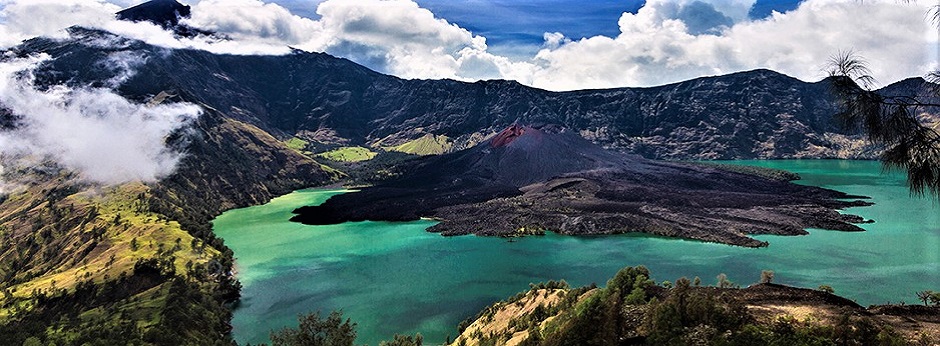
UNESCO Biosphere Reserve, inscribed 2018, in Indonesia. The biosphere includes Lombok Island, part of the Lesser Sunda Islands. It consists of relatively flat coastal areas and hilly and mountainous areas. The highest peak is Mount Rinjani, the second-highest volcanic mountain in Indonesia at 3,726 metres above sea level. The area has a very high level of biodiversity, comprising various types of forest vegetation, including savannah forest and mountain and lowland rain forest, about 40 per cent of which are primary forests. The inhabitants’ main sources of revenue come from horticulture such as vegetables and fruits, cereal crops such as rice, animal husbandry including cows, goats and chickens, and the cultivation of coffee and cacao.
- 126
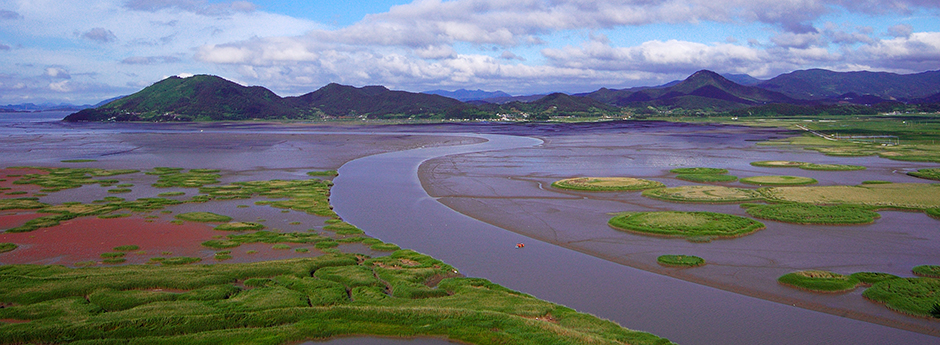
UNESCO Biosphere Reserve, inscribed 2018, in Republic of Korea. Situated on the southern tip of the Korean Peninsula, the biosphere reserve includes terrestrial ecosystems surrounding Suncheon City, centred on Mount Mohusan and Mount Jogyesan, as well as coastal tidal-flat wetland ecosystems in Suncheonman Bay. The site’s biological resources include crustaceans, fish and shellfish, medicinal herbs, reed communities (Phragmites communis) and East Asian seepweed (Suaeda japonica). Inhabitants, including rural, fishing and mountain-dwelling communities, use ecosystem services in economic activities such as rice cultivation, medicinal herbs, and fruits including plums and persimmons.
- 127
UNESCO Biosphere Reserve, inscribed 2018, in Kazakhstan. Zhongar Biosphere Reserve lies on the northern slopes of the Zhetysu Alatau Range in south-eastern Kazakhstan. It incorporates the entire range of mountain ecosystems characteristic of Central Asia, spanning full altitudinal belts from lowland steppe and wild fruit forests to spruce stands, subalpine meadows and nival rock zones. The territory is of global importance as the location of the wild apple gene bank. The reserve’s core purpose is to conserve intact mountain ecosystems while supporting sustainable development in surrounding districts.
- 128
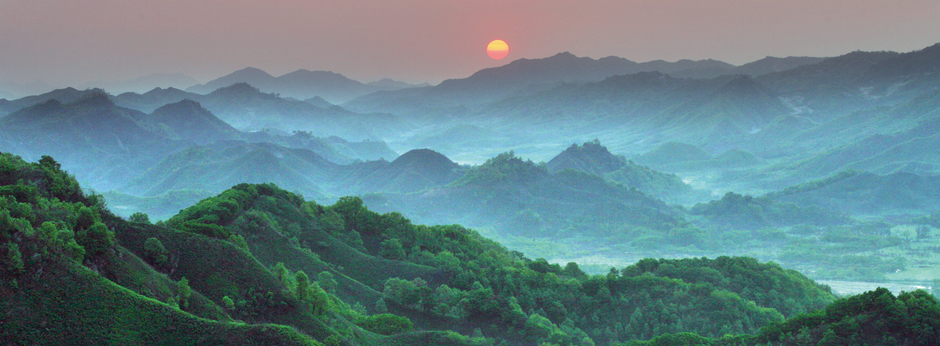
UNESCO Biosphere Reserve, inscribed 2019, in Republic of Korea. The largely mountainous Gangwon Eco-Peace Biosphere Reserve, located at the watershed of the Taebaek Mountain Range in northern Gangwon Province, borders the southern limit of the Demilitarized Zone to the north and reaches the east coast of the Korean Peninsula to the east. It is home to a wide range of rare and endangered flora and fauna. Development plans focus on ecotourism that draws on its ecological, cultural and social resources, as well as exploration of relics of the Korean War in the area.
- 129
UNESCO Biosphere Reserve, inscribed 2019, in Indonesia. Saleh–Moyo–Tambora (SAMOTA) comprises five major ecosystems: small islands; a coastal area of mangrove; coastal, lowland and mountain forests; and savannah. Its core area plays an important role in conserving the region’s biodiversity. The buffer zone and transition area have agricultural potential for the production of fruit and vegetables, as well as rice, coffee and cacao, and for animal husbandry. The beauty of the Tambora Mountains has tourist potential, while Sumba Island communities attract cultural tourism.
- 130
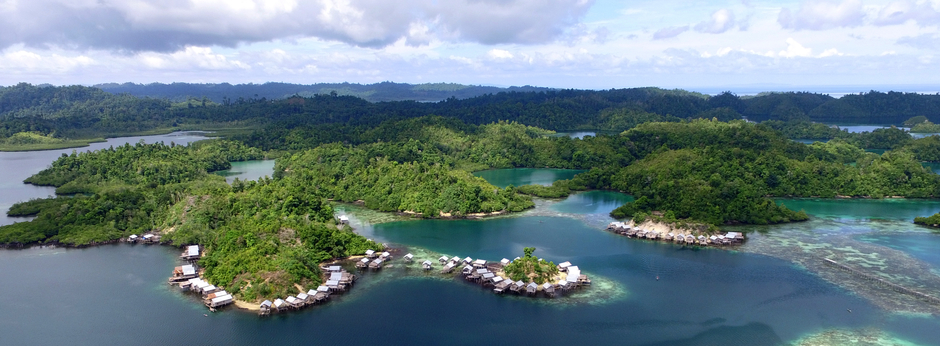
UNESCO Biosphere Reserve, inscribed 2019, in Indonesia. Togean Tojo Una-Una Biosphere Reserve is located in the centre of the world’s coral reef triangle, which has the highest diversity of coral species globally. The biosphere reserve’s local population consists mainly of fishermen living in the transition area’s main settlements around the city of Ampana.
- 131
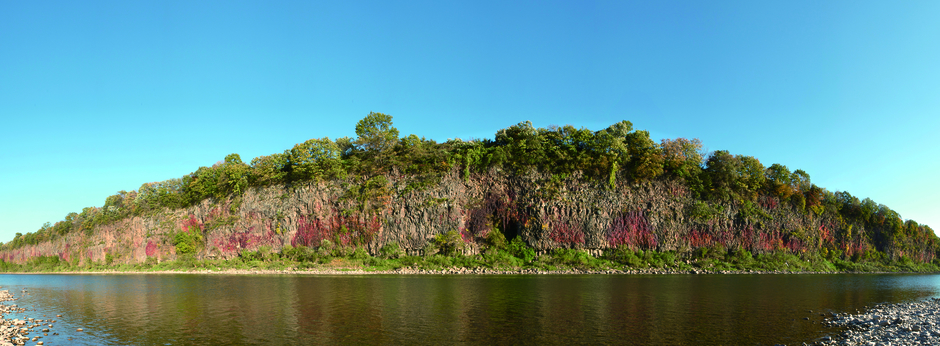
UNESCO Biosphere Reserve, inscribed 2019, in Republic of Korea. Located in the Chugaryeong Tectonic Valley, the Yeoncheon Imjin River Biosphere Reserve encompasses the entire county of Yeoncheon and the Imjin River basin. Its core area comprises forests and cultural heritage protection zones, with the Imjin River as its centrepiece. The river, largely untouched by humans, is home to Korean endemic fish such as Acheilognathus gracilis and Tanakia signifer, and mammals including water deer, otters and leopard cats.
- 132
UNESCO Biosphere Reserve, inscribed 2020, in Maldives. Addu Atoll, the southernmost atoll of the Maldives, lies north of the Chagos Archipelago in the central Indian Ocean. Made up of a complex formation of seven individual reefs, this biosphere reserve hosts significant wetland ecosystems, including mangroves, freshwater ponds and brackish lakes (kilhis). Coral reefs play an important role, buffering the atoll from storms and erosion and providing habitat for diverse marine life and seabirds. The biosphere reserve aims to apply ecosystem-based approaches to atoll management and to develop plans and actions for sustainable development by conserving and restoring the country’s environmental assets and pursuing carbon neutrality.
- 133
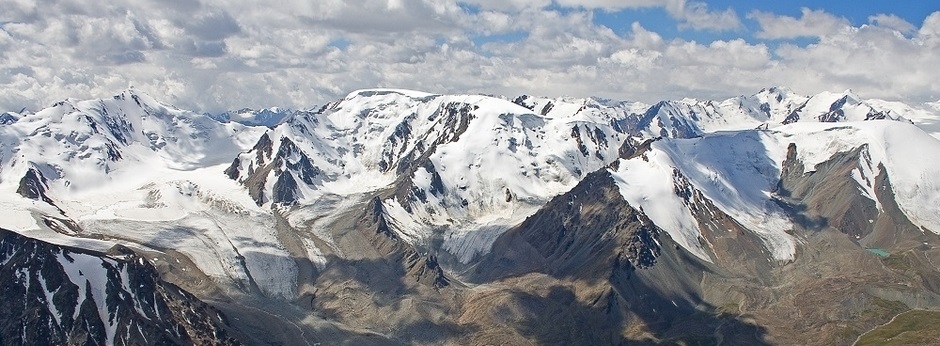
UNESCO Biosphere Reserve, inscribed 2020, in Kazakhstan. The Almaty Biosphere Reserve is located on the Zailiysky Alatau ridge, on the watershed of several river basins featuring a number of lakes. Its wild fruit forests, predominantly consisting of wild apple trees, are home to diverse fauna. It is a popular recreational area for city dwellers from the entire region. The biosphere reserve aims to develop eco-tourism, as well as sustainable animal husbandry and agriculture, which are major sources of income in the area.
- 134
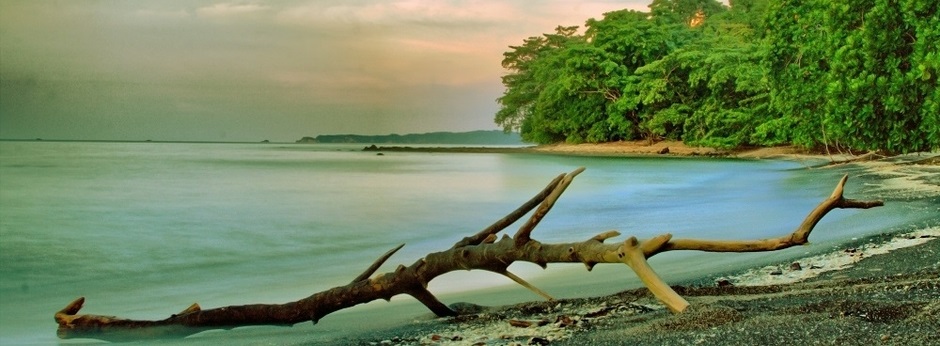
UNESCO Biosphere Reserve, inscribed 2020, in Indonesia. The Bunaken Tangkoko Minahasa Biosphere Reserve in North Sulawesi is located in the heart of the Coral Triangle of the Indo-Pacific region in Indonesia. The biosphere reserve spans a total of 746,405.92 ha of terrestrial and marine habitats. The area encompasses a mosaic of ecological systems, including a coastal area with coral reefs and seagrass, mangrove and coastal forests, islands and terrestrial ecosystems. The biosphere reserve is home to over 130 species of mammals, including the Dian’s tarsier. The region profits from the production of cocoa, coffee, fisheries and ecotourism.
- 135
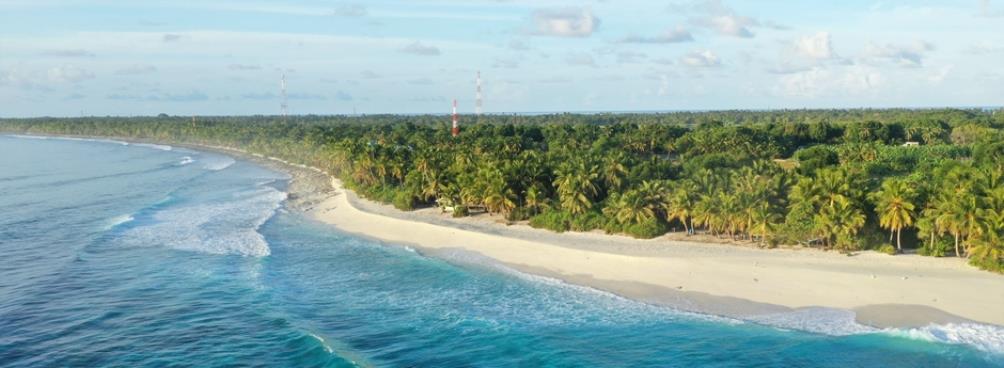
UNESCO Biosphere Reserve, inscribed 2020, in Maldives. The Fuvahmulah Biosphere Reserve is in the southern Maldives. Covering approximately 1,300 ha, it is the country’s only single-island administrative atoll. It hosts highly diverse coral ecosystems with healthy habitats and distinctive coral-sand beach formations. The atoll is notable for its single-island setting and shallow bowl form.
- 136
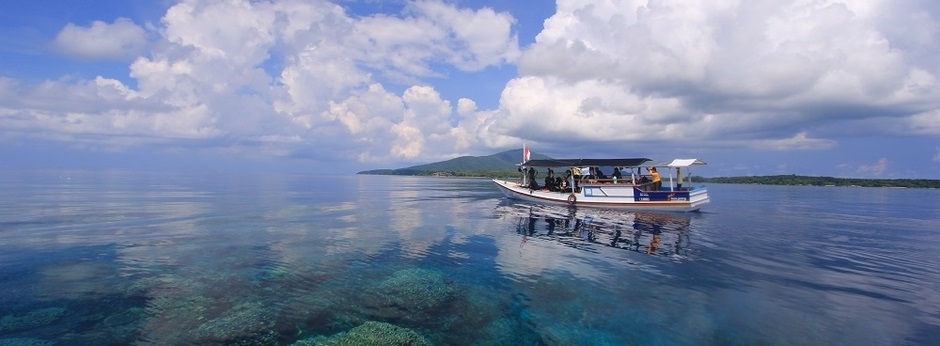
UNESCO Biosphere Reserve, inscribed 2020, in Indonesia. The Karimunjawa-Jepara-Muria Biosphere Reserve in Central Java, Indonesia, is located in the mountainous region surrounding Mount Muria. It is critical in preserving the biodiversity of the central region on the island of Java. It includes a large variety of ecosystems, including small islands and marine ecosystems, as well as lowland and mountain tropical rainforests.
- 137
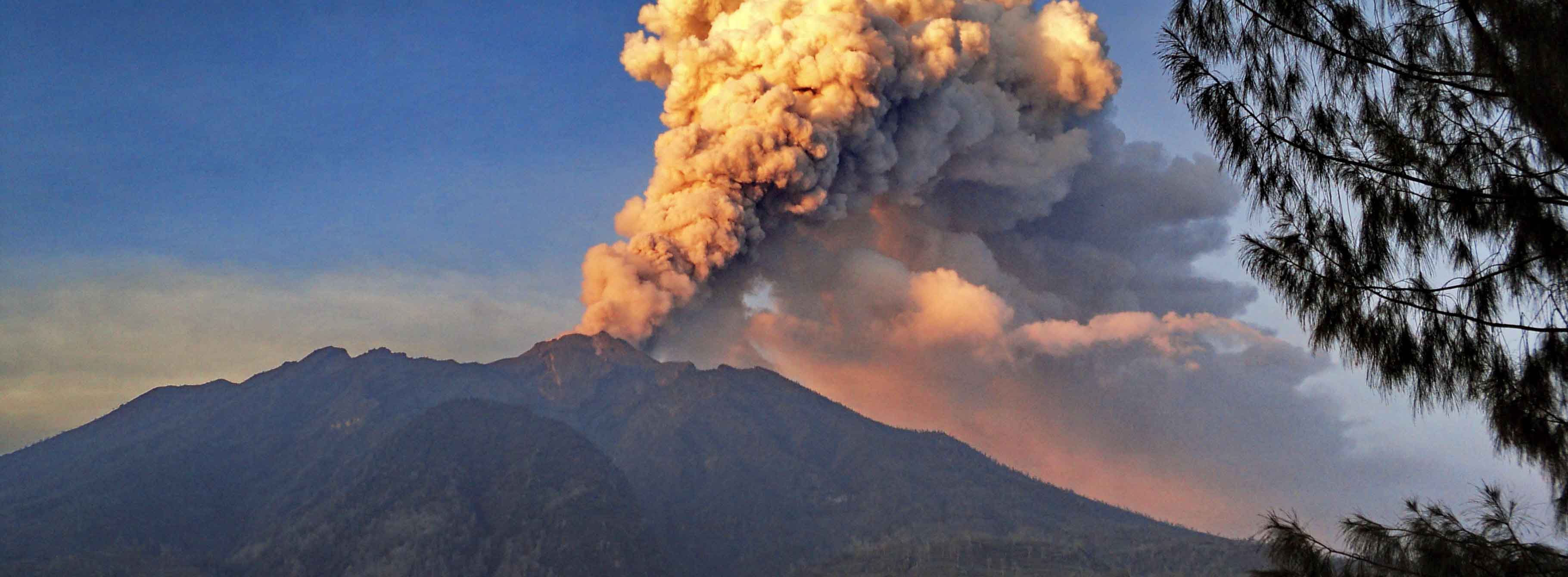
UNESCO Biosphere Reserve, inscribed 2020, in Indonesia. Located in Central Java in the Indo-Malayan region, the biosphere reserve spans 254,877 ha. It is home to Gunung Merapi National Park, Gunung Merbabu National Park and Sermo Wildlife Reserve, each critical in protecting various endemic Javanese species. The Java–Bali montane forest type at the site protects the biodiversity of the Indo-Malayan region, as well as a limestone formation in the Menoreh area.
- 138
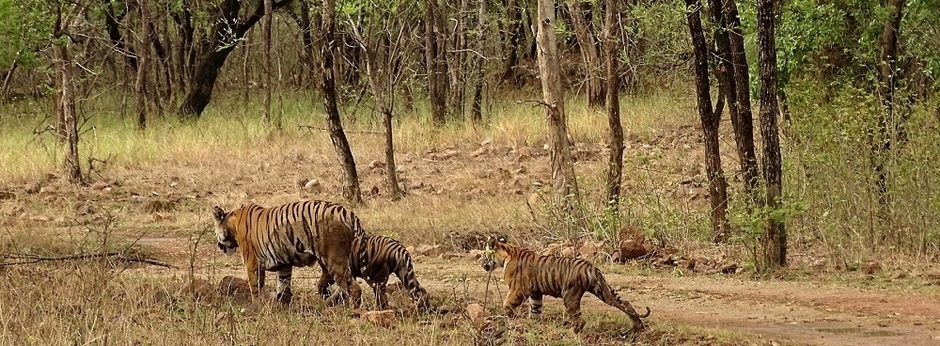
UNESCO Biosphere Reserve, inscribed 2020, in India. Panna Biosphere Reserve falls within the biogeographic zones of the Deccan Peninsula and the biotic province of the Central Highlands. It comprises effectively protected and minimally disturbed areas. Land uses include forests, agriculture, waterbodies, settlements and wastelands, providing ample scope for research and management. The reserve is habitat to various rare and endangered species. Panna National Park has also been declared the Panna Tiger Reserve. In addition, the entire area of Panna National Park and three parts of the Gangau Sanctuary have been notified as a Critical Tiger Habitat.
- 139
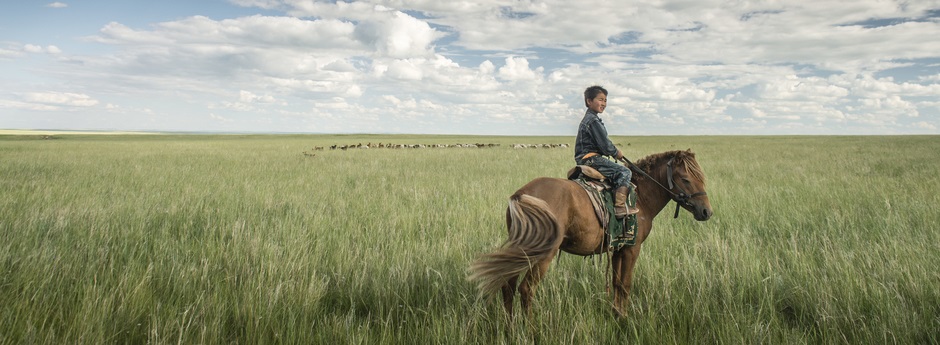
UNESCO Biosphere Reserve, inscribed 2020, in Mongolia. Located in north-eastern Mongolia, in a transition zone between forest steppe and grassland ecosystems, the area is designated as a nature reserve. It protects low mountains, rolling hills and dry steppe ecosystems that are the habitat of the Mongolian gazelle and other wildlife. The Toson Khulstai Reserve spans two provinces, Dornod and Khentii. It includes parts of five soum units: Bayan Ovoo, Norovolin, Khulun Buir, Tsagaan Ovoo and Byantumen.
- 140
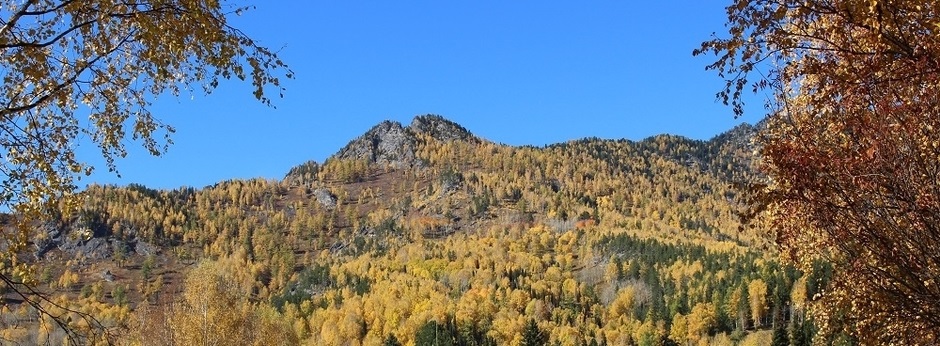
UNESCO Biosphere Reserve, inscribed 2020, in Kazakhstan. Located on the border of the Russian Federation, in the North-Eastern part of East Kazakhstan, the mountain-taiga forests of West Altai Biosphere Reserve are largely untouched. They include the only black taiga forests in the country, as well as Siberian and dark taiga. Wolverines and musk deer live in the biosphere reserve, which is on the seasonal migration routes of wild ungulates, such as elk, deer and wild boar. The local fauna includes more than 160 bird species, 129 of which nest in the region (black stork, golden eagle, peregrine falcon, gray crane, eagle owl). Mining and agriculture, mostly for wheat, potato, sunflower and beet crops, are the main economic activities in the biosphere reserve.
- 141
UNESCO Biosphere Reserve, inscribed 2021, in Thailand. Doi Chiang Dao Biosphere Reserve lies in Chiang Dao District, Chiang Mai Province, in northern Thailand. The reserve is situated where the towering limestone massif rises within the Upper Ping River Basin. Spanning an altitudinal range from low valleys to a unique subalpine zone in Thailand, it protects an exceptional continuum of evergreen and deciduous forests, wetlands and karst caves. The reserve aims to safeguard the unique sub-alpine and forest ecosystems and the headwaters of the Ping, build its role as a hub for scientific study and learning, and support local livelihoods through carefully managed nature-based tourism and certified good agricultural practice.
- 142
UNESCO Biosphere Reserve, inscribed 2021, in Kazakhstan. Kolsai Kolderi lies on the northern Tien Shan mountain range in south-eastern Kazakhstan, mainly covering the Kungei Alatau range, with a smaller portion on the Trans-Ili Alatau range, from about 800 to 3,800 m. Broad uplands, jagged ridgelines and deep valleys frame a chain of lakes – Lower, Middle and Upper Kolsai, and Kaindy – formed by earthquake-triggered slides. The biosphere reserve conserves this full mountain–lake system and its Tien Shan endemics, safeguards glacier- and snow-fed headwaters and microclimate, restores forests and rangelands and supports low-impact livelihoods through zoning and managed nature-based tourism.
- 143
UNESCO Biosphere Reserve, inscribed 2021, in Uzbekistan. Lower Amudarya State Biosphere Reserve in Uzbekistan is located in the northern part of the lower reaches of the Amudarya River, south-east of the former coast of the Aral Sea. The site contains one of the largest areas of natural tugai in Central Asia. From a global perspective, tugai is a unique and threatened ecosystem.
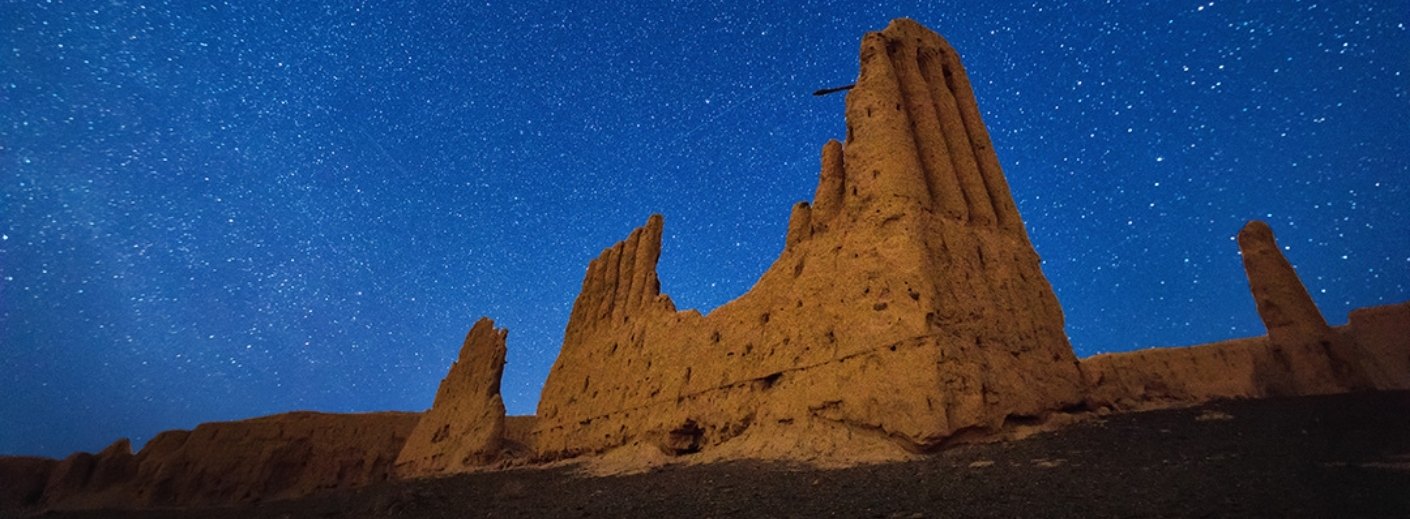
- 144
UNESCO Biosphere Reserve, inscribed 2021, in Viet Nam. Nui Chua Biosphere Reserve is set on Viet Nam’s south-central coast, in Ninh Thuan province. It brings together a large land–sea area that includes semi-arid coastal landscapes and adjacent marine waters. Notable features include extensive, highly diverse coral reefs, rich, ecologically linked seagrass beds, and sea turtle nesting beaches. The site represents the country’s tropical dry forest ecosystem and forms part of the globally important Annamite ecoregion. The reserve’s purpose is to create harmony between people and nature, guided by the principle: “conservation for development, development for conservation.”
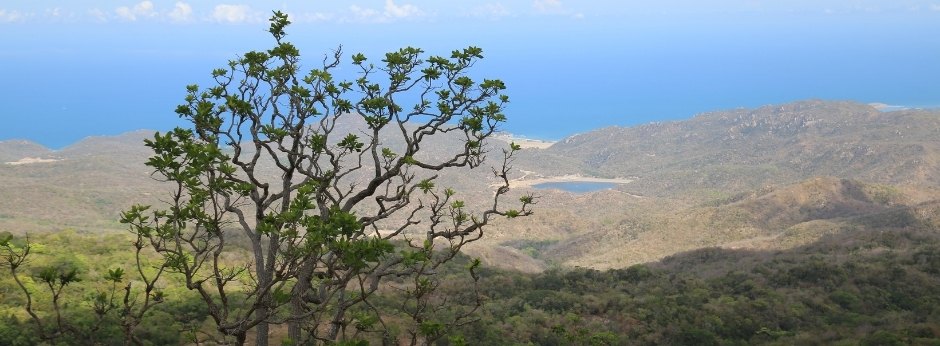
- 145
UNESCO Biosphere Reserve, inscribed 2021, in Malaysia. Located on Penang Island in Malaysia’s Indo-Malayan region, the Penang Hill Biosphere Reserve brings together urban, agricultural and natural landscapes, and safeguards one of Malaysia’s last coastal rainforests. The reserve aims to protect the island’s natural environment while supporting sustainable development. Long-standing ties between hill and sea are maintained through community stewardship, responsible tourism and careful land–sea management.
- 146
UNESCO Biosphere Reserve, inscribed 2021, in Republic of Korea. Located at the southernmost tip of the Korean Peninsula, the Wando Archipelago Biosphere Reserve comprises 265 islands – 55 inhabited – with marine waters accounting for almost 90% of the site’s area. A warm, humid oceanic climate shapes warm-temperate forests on land and extensive intertidal and nearshore habitats at sea. The reserve’s principal objectives include conserving terrestrial and marine biodiversity, promoting sustainable development grounded in terrestrial and marine ecosystem services, and establishing participatory, community-led conservation and use.
- 147
UNESCO Biosphere Reserve, inscribed 2022, in Kazakhstan. Located in the most elevated part of the Central Kazakh Uplands, Burabay is best known for its many lakes. Fourteen of these cover a combined surface area of more than 100 km², and there are numerous smaller lakes. It is highly representative of the biodiversity of the forest–steppe Eurasian ecotone. In addition to agriculture and mining, the area has been a popular tourist destination since the establishment of the Shchuchinsk–Borovoye Resort Zone in 2005, owing to its proximity to densely populated regions in Kazakhstan and the Russian Federation and to good air, rail and road links.
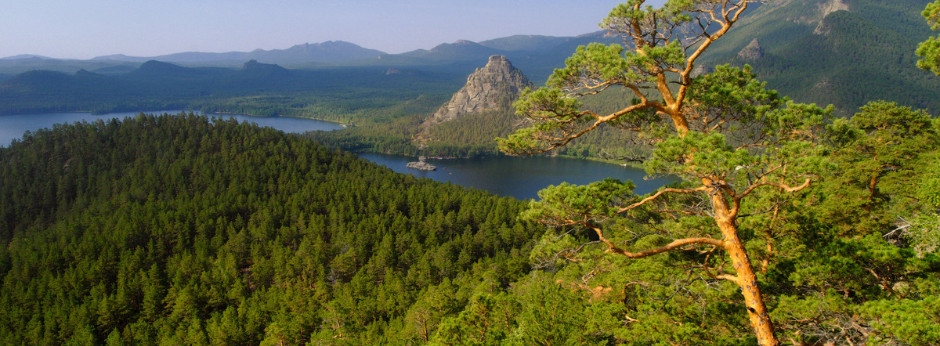
- 148
UNESCO Biosphere Reserve, inscribed 2022, in Mongolia. Khuvsgul Lake Biosphere Reserve lies in northern Mongolia and is named after Mongolia’s deepest and clearest lake, which holds the majority of Mongolia’s freshwater. The site comprises high mountain and taiga landscapes and has rich biodiversity, supporting a number of threatened species such as the Siberian ibex (Capra sibirica). The designation of the site as a biosphere reserve supports conservation of biodiversity and landscapes, sustainable development for local communities, and research and education within a long-term protected area framework.
- 149
UNESCO Biosphere Reserve, inscribed 2022, in Kazakhstan. Covering some of the least disturbed ecosystems in the southern Western Altai, Markakol lies close to the border with China. It encompasses unique and characteristic mid-mountain taiga and high-mountain alpine landscapes of the temperate steppe ecoregion of Eurasia. These are home to various endemic species, including the rare and endangered snow leopard and the stone marten. Most inhabitants earn their livelihoods from animal husbandry and tourism, though the latter is in decline.
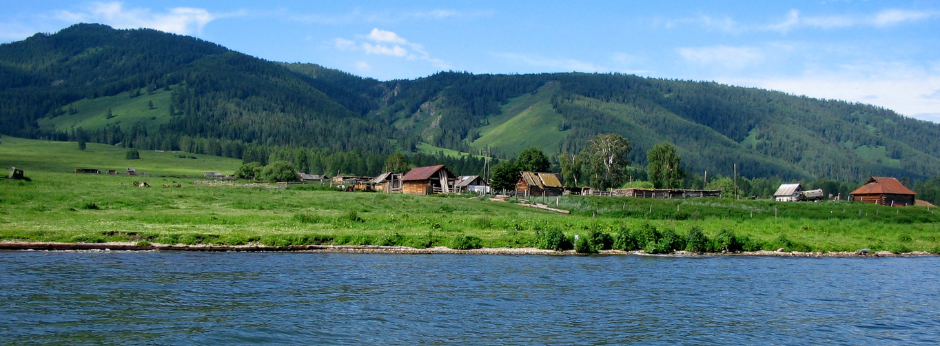
- 150
UNESCO Biosphere Reserve, inscribed 2023, in Indonesia. The Bantimurung Bulusaraung Biosphere Reserve lies in southern Sulawesi, Indonesia, and comprises three main landscapes: Bantimurung, Bulusaraung and Maros–Pangkep. The Maros–Pangkep karst is among the largest tower-karst systems in the region. Within the core area, Bantimurung Bulusaraung National Park is internationally known for its butterflies, with more than 250 recorded species. Communities such as the Makassar and Bugis have maintained their traditions for centuries. While nature- and culture-based tourism are well developed, agriculture, including paddy farming, dryland cultivation, livestock and fishing, remains the main livelihood.
- 151
UNESCO Biosphere Reserve, inscribed 2023, in Pakistan. Chitral Bashkar Garmchashm Biosphere Reserve lies in Chitral District, Khyber Pakhtunkhwa, in north-west Pakistan, bordering Afghanistan to the north and west. The Hindu Kush landscape here includes glaciers and mountain ranges, with several peaks reaching over 7,000 m. Culturally, it is home to the distinctive Chitral heritage, including endangered Indo-Aryan languages such as Kalasha and Kalasha-mun. The reserve’s objectives are to conserve temperate and subtropical mountain ecosystems and their biodiversity, foster sustainable development, particularly nature- and culture-based ecotourism and associated livelihoods, and to provide logistic support for environmental education, training, research and monitoring in collaboration with local institutions.
- 152
UNESCO Biosphere Reserve, inscribed 2023, in Mongolia. Onon–Balj Biosphere Reserve lies in north-eastern Mongolia at the southern edge of the Siberian taiga, spanning the Daurian steppe and the Onon–Balj river basin. A continuum of peatlands, wetlands and rivers supports major waterbird concentrations and forms part of the East Asian–Australasian Flyway. The reserve abounds in culturally important areas, including sites linked to Chinggis Khan (c. 1162–1227) and long-used common grazing lands for nomadic herders. The biosphere reserve’s core objectives include conserving the forest–steppe and riverine corridor, safeguarding threatened species and cultural heritage, and strengthening community-led, climate-resilient livelihoods through research, education and adaptive co-management.
- 153
UNESCO Biosphere Reserve, inscribed 2024, in Republic of Korea. Located in the central north of Gyeongsangnam-do Province, the Changnyeong Biosphere Reserve spans 531 km² and includes habitats from the forests of Mount Hwawang to the Upo Wetland and surrounding croplands. It supports freshwater ecosystems, forest habitats and sustainable agriculture. Local agriculture includes onions and garlic alongside ecotourism.
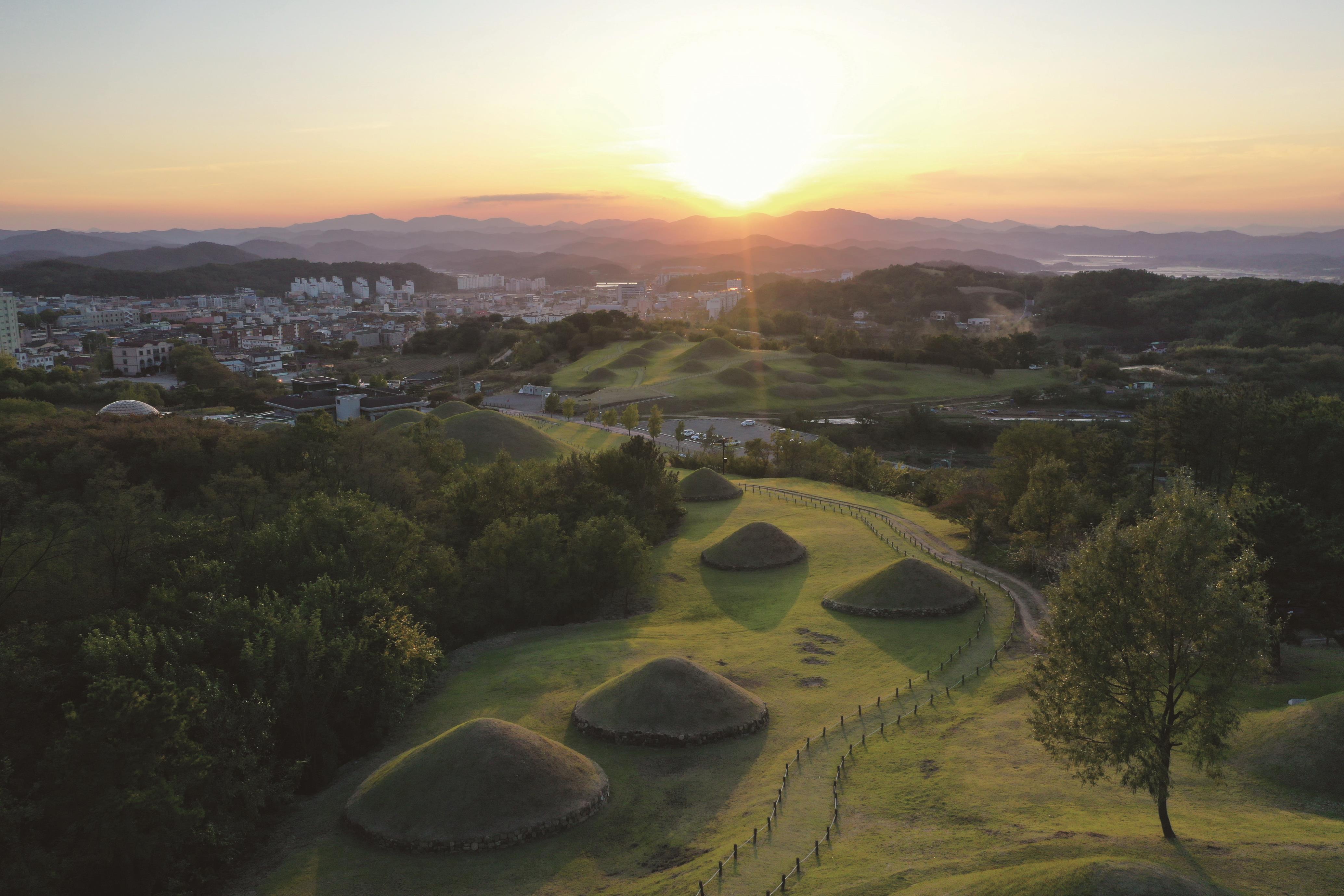
- 154
UNESCO Biosphere Reserve, inscribed 2024, in Mongolia. Situated in western Mongolia, Khar Us Lake Biosphere Reserve occupies a vast depression within the Great Lake basin spanning 14,153 km² in Khovd Province. Its ecosystems include aquatic environments, deserts, high mountain terrain and steppe landscapes, each contributing to the region’s ecological richness. The biosphere reserve is a haven for rare and endangered species and also for cultural heritage, as it is home to diverse ethnic groups whose livelihoods revolve around sustainable animal husbandry. Efforts are under way to develop sustainable ecotourism, aligning with Khovd Province’s focus on heritage-based tourism for economic diversification. Local herders have formed community-based organisations to safeguard their pasturelands and wildlife, highlighting their dedication to conservation and sustainable livelihoods.
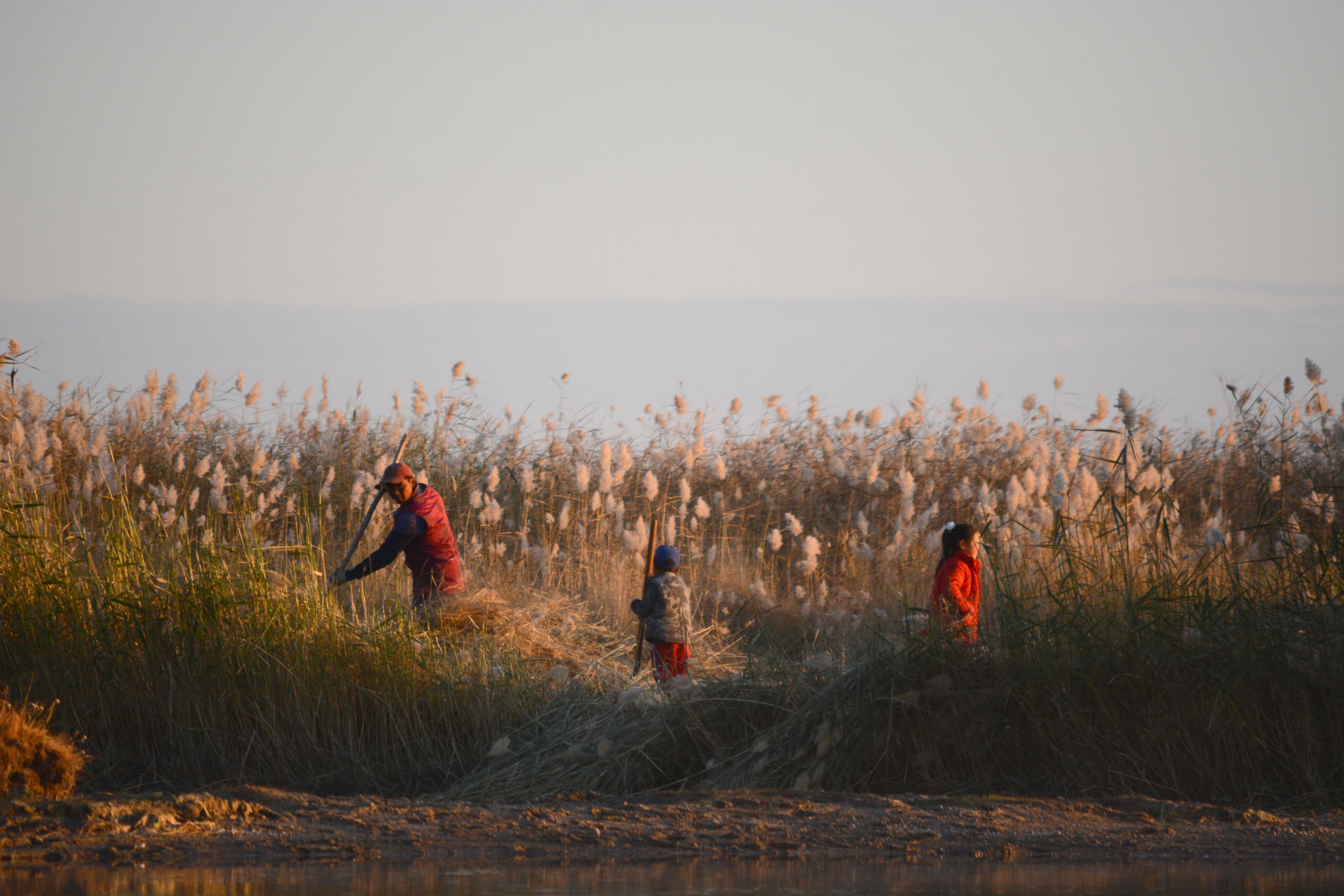
- 155
UNESCO Biosphere Reserve, inscribed 2025, in India. Perched high in the trans-Himalayan region of northern India, the Cold Desert Biosphere Reserve spans across the stark landscapes of Himachal Pradesh’s Lahaul–Spiti district. With altitudes from 3,300 to 6,600 m, it encompasses Pin Valley National Park and the Kibber and Chandratal Wildlife Sanctuaries. Glacial valleys, alpine lakes, rugged high-altitude deserts, and windswept plateaus make it one of the coldest and driest ecosystems in UNESCO’s World Network of Biosphere Reserves.
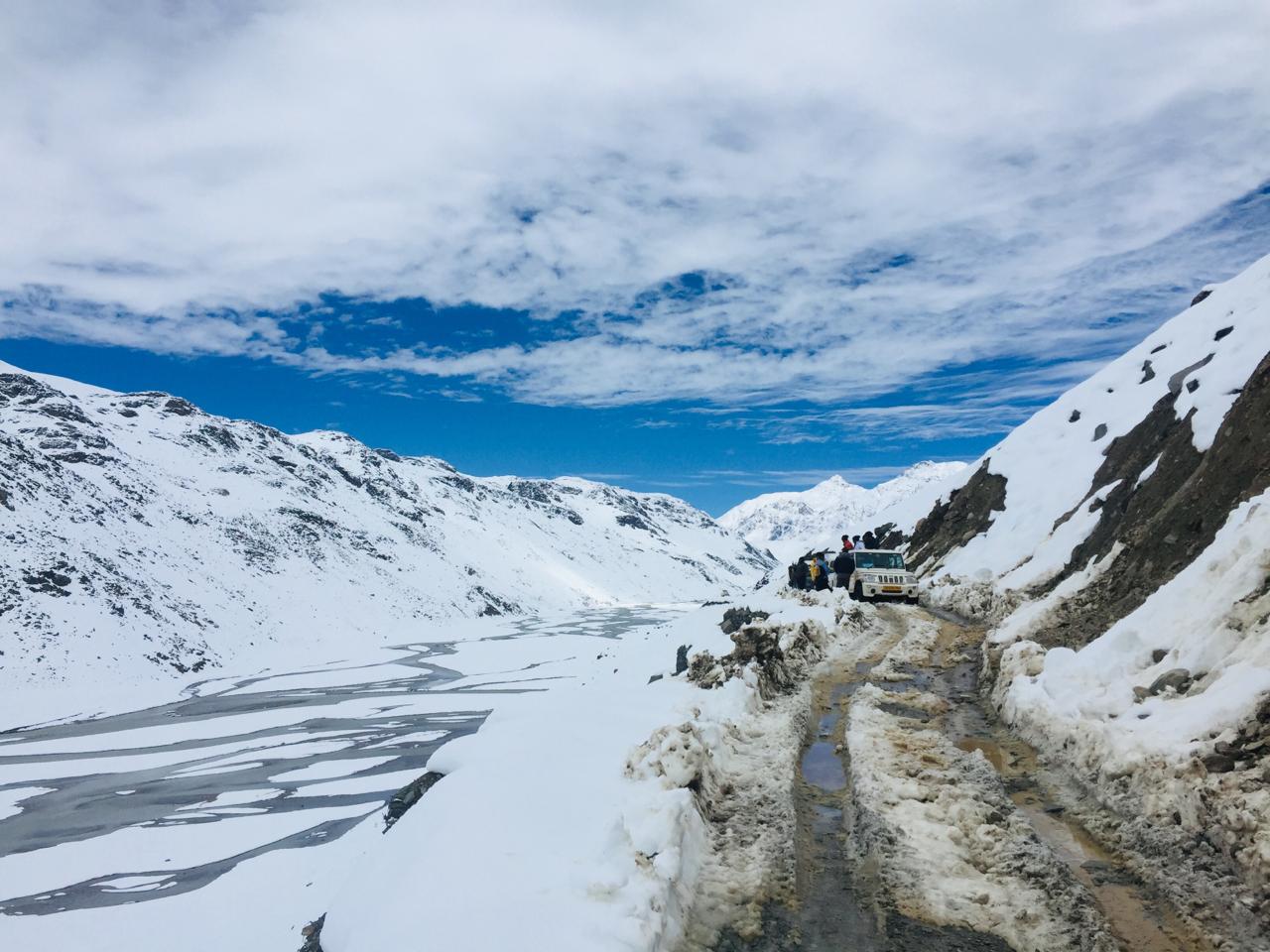
- 156
UNESCO Biosphere Reserve, inscribed 2025, in China. Located in the central Yinshan Mountains of Inner Mongolia, the Daqingshan Biosphere Reserve protects one of the richest biodiversity hotspots of the region. It contains a unique mosaic of forests, shrubs, and grasslands bridging the North China forest and Mongolian Plateau grassland systems. Historically situated on the ancient “Tea Horse Road,” the reserve is also a cultural crossroads linking China with Mongolia, Russia, and Europe.
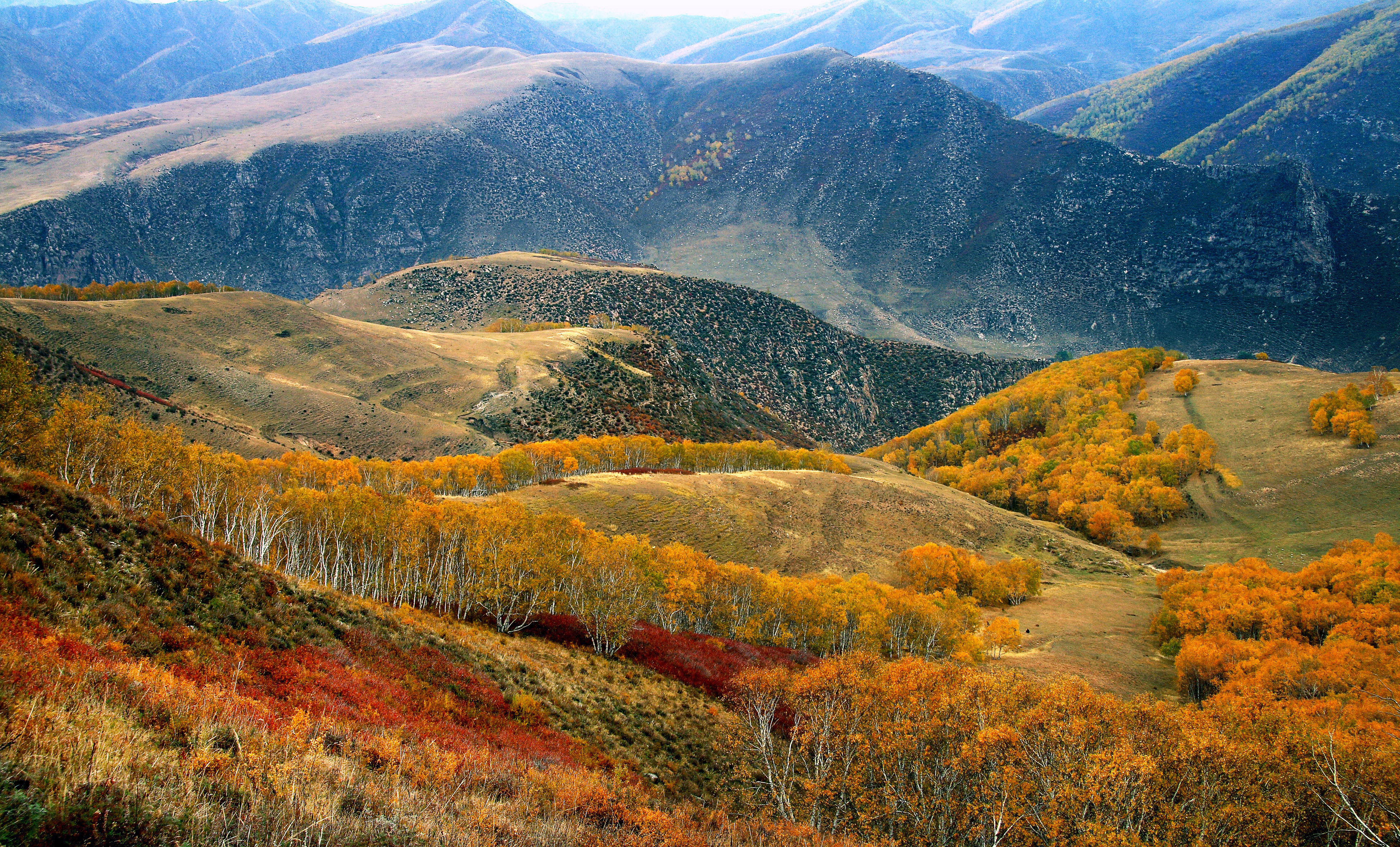
- 157
UNESCO Biosphere Reserve, inscribed 2025, in Malaysia. The Kinabatangan Biosphere Reserve, located in Sabah on the island of Borneo, follows the Kinabatangan River, one of Malaysia’s longest waterways. It links the Heart of Borneo’s mountainous headwaters to the Lower Kinabatangan Segama Wetlands, a Ramsar site of international importance. The reserve integrates forests, wetlands, and community landscapes into one of Southeast Asia’s most dynamic conservation corridors.
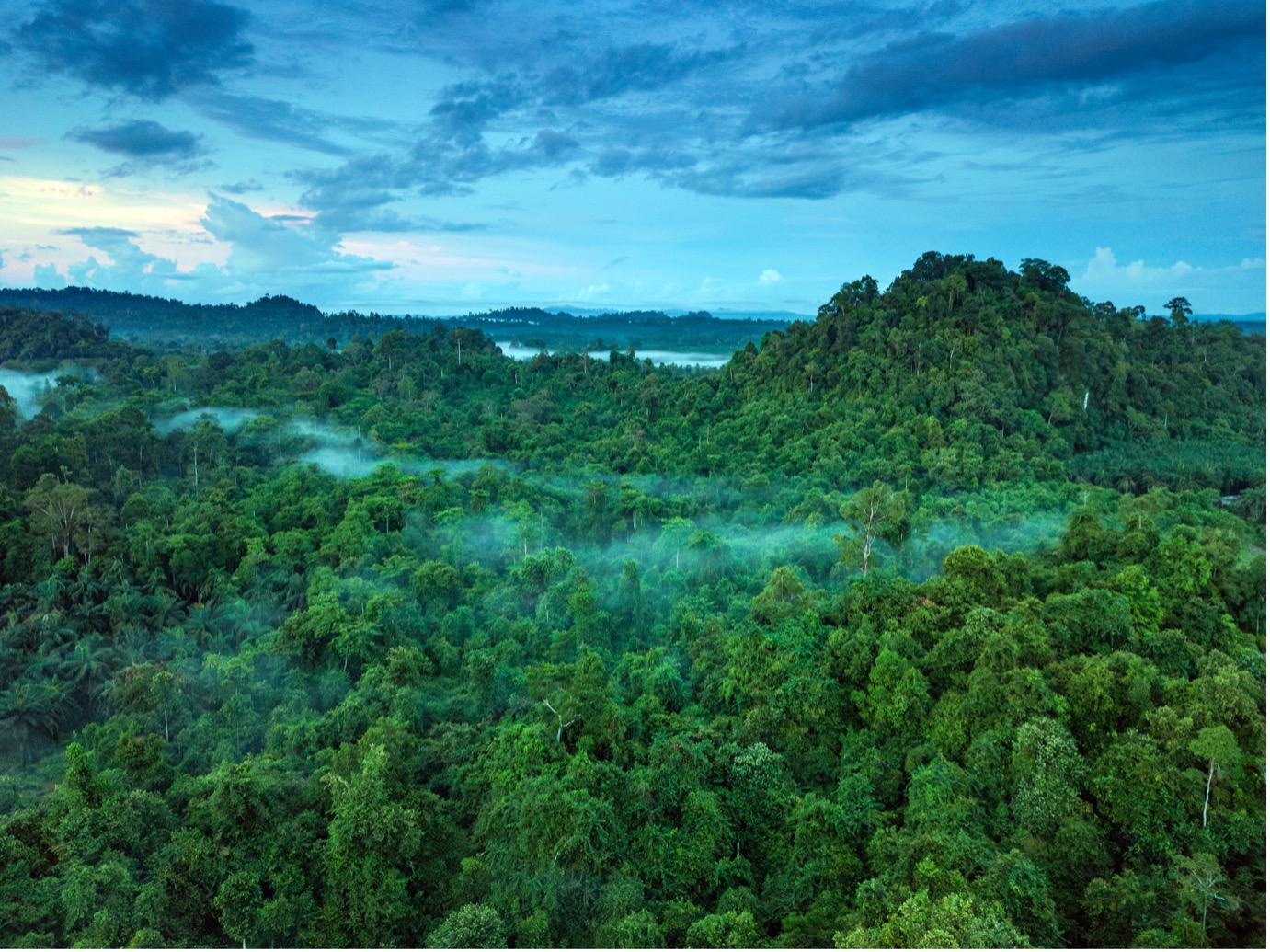
- 158
UNESCO Biosphere Reserve, inscribed 2025, in Indonesia. Located in the westernmost part of Papua, Indonesia, the Raja Ampat Biosphere Reserve spans across roughly 610 islands, atolls, and takas, of which only 34 are inhabited. This vast archipelago lies at the heart of the Coral Triangle, one of the planet’s most important marine biodiversity hotspots. Its landscapes and seascapes combine mangroves, white and black sand beaches, rainforests, and some of the richest coral reefs on Earth, forming a globally significant socio-ecological mosaic.
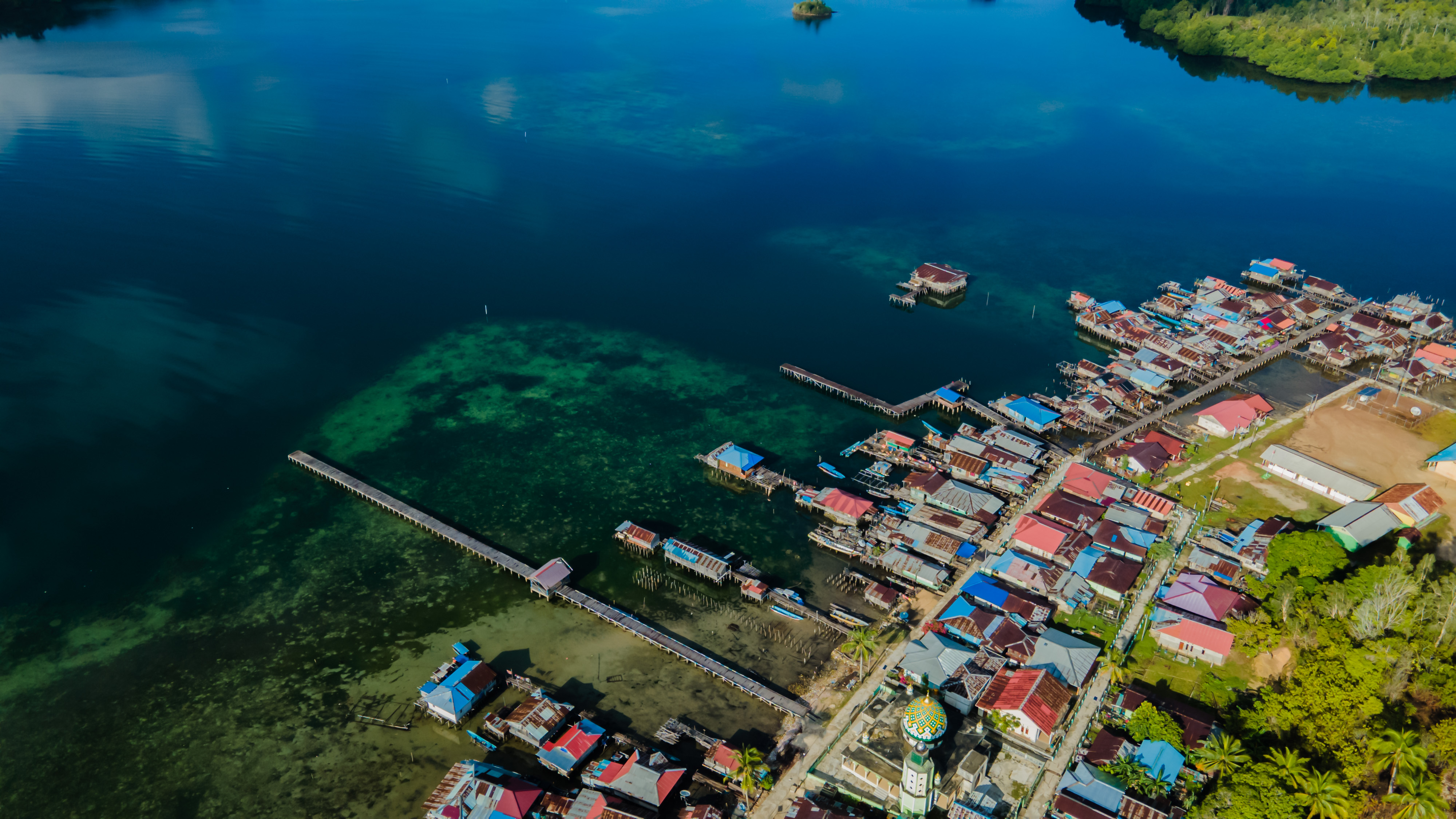
- 159
UNESCO Biosphere Reserve, inscribed 2025, in Tajikistan. Located on the southern slope of the Gissar Range in Tajikistan, the Romit Biosphere Reserve ranges from 1,200 to 3,192 m above sea level. Its triangular territory is defined by the Sorbo River to the west, the deep gorges of Ushruta and Vashruta to the north, and the Karateginsky Ridge to the southeast. The biosphere reserve encompasses a diverse mountain landscape that serves as a key ecological refuge and a living example of sustainable mountain resource management.
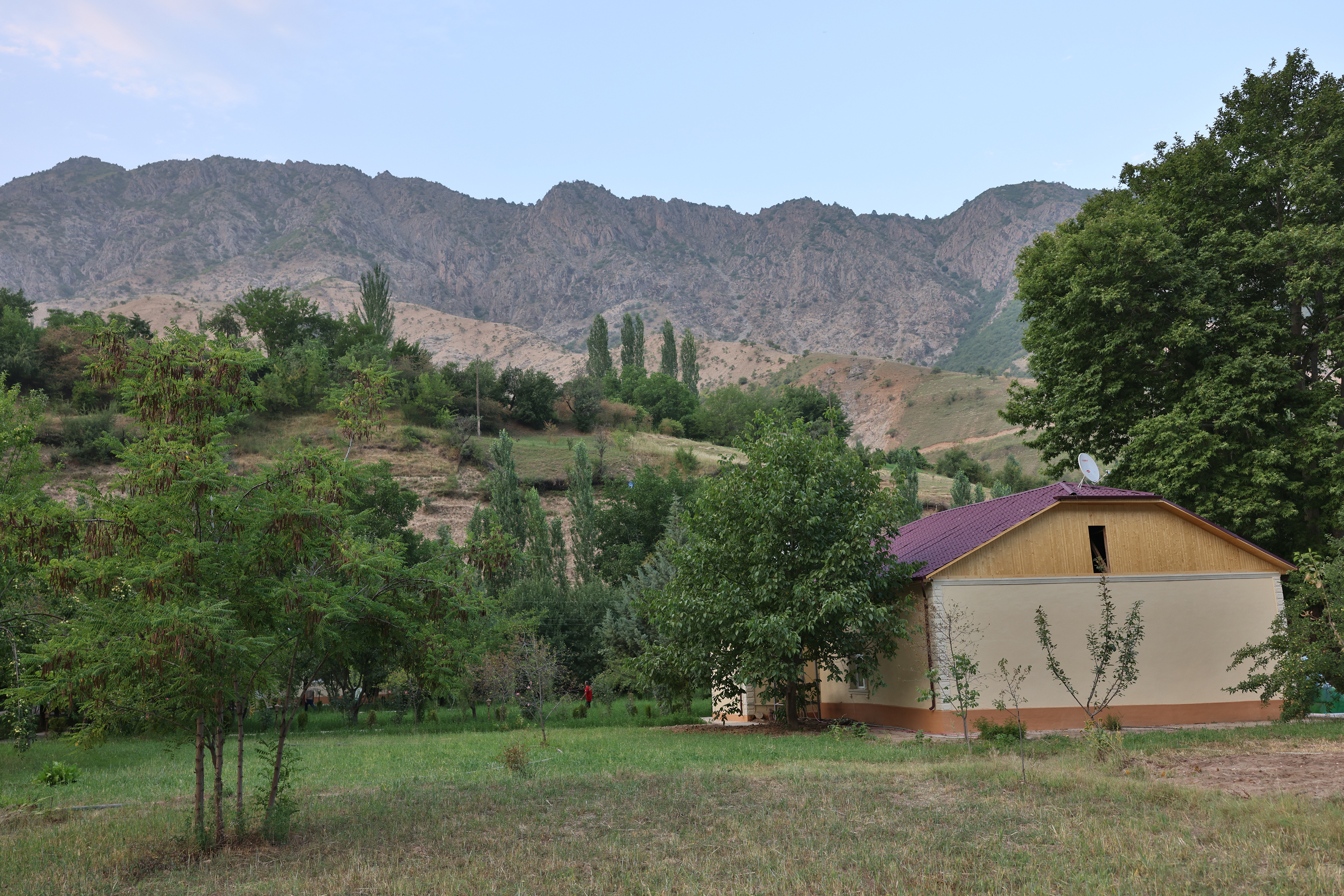
- 160
UNESCO Biosphere Reserve, inscribed 2025, in China. Situated on both the northern and southern slopes of the Qinling Range in Shaanxi Province, Zhouzhi Biosphere Reserve straddles the boundary between China’s northern temperate and northern subtropical zones. This mountain range forms the watershed between the Yangtze and Yellow River basins and is a vital geographic and climatic divide. The biosphere reserve is 96% forested and serves as an ecological bridge between major biogeographic regions, while also sustaining cultural traditions and thriving local economies.